
Understanding Red Flags in Art: How to Spot Warning Signs When Collecting
A personal guide to identifying red flags in the art market—from fakes to scams. Empowering collectors with practical expertise.

Understanding Red Flags in Art: How to Spot Warning Signs When Collecting
I’ll admit it: I’ve been burned before. Years ago, I scooped up a "limited edition print" online, only to discover later it was a mass-produced poster. The seller vanished overnight. That sting fueled my obsession with learning how to protect buyers in the wild world of art. Today, I’m sharing everything I’ve uncovered about red flags in art—so you don’t have to learn through painful mistakes like I did.

What Are "Red Flags" in Art?
A "red flag" isn’t necessarily proof of fraud. Think of it as a warning signal that something deserves scrutiny. These are subtle (or glaring) cues that suggest a piece may not be legitimate, fairly priced, or accurately represented. Red flags exist across physical art, prints, and even the digital space—and learning to spot them is your first line of defense against disappointment or financial loss.
Common Red Flags in Art Sales
Let’s break down the most frequent warning signs I’ve encountered. I’ve grouped them by category so you can spot patterns quickly.
1. The "Too Good to Be True" Pricing
When a deal feels impossibly generous, your alarm bells should ring. Classic examples include:
- Famous artists’ "limited editions" sold for suspiciously low prices (e.g., a Warhol-style print undercutting market rates by 90%).
- Originals from "emerging masters" priced near mass-produced furniture.
- "Auctions" with no bids ending at seller-set prices.
Why this matters: Legitimate art pricing reflects skill, rarity, and market demand. If a price ignores these fundamentals, dig deeper before buying.
2. Vague or Missing Provenance
Provenance—the history of ownership—is art’s birth certificate. Red flags in provenance include:
Healthy Provenance  | Red-Flag Provenance |
|---|---|
| Detailed chain of ownership (e.g., "acquired from X Gallery, 2015") | "From a private collection in Europe" |
| Original bill of sale and gallery records | "Found in attic, signed by artist" |
| Exhibition history documented | No documentation provided |
Always ask for provenance records. Legitimate sellers will gladly provide them; sketchy ones will dodge your questions.
3. Inconsistent Documentation
Authentic art lives on paper. Beware of:
- Certificates of authenticity (COAs) printed on flimsy paper with blurry artist signatures.
- COAs from unverifiable "authentication services" (especially for living artists).
- Mismatched titles, dates, or mediums in listings vs. paperwork.
- Missing or altered gallery labels
- Poor-quality photocopies instead of original documents
- Documentation that doesn't match the physical artwork
- Fake gallery stamps or seals
- Altered dates or edition numbers
- Edition numbers that don't match the artist's established edition sizes
- COAs without edition information for limited editions
- Documentation in multiple languages without explanation
- Missing artist information or incomplete signatures
- COAs from companies that don't specialize in art authentication
I once saw a "mixed-media collage" with a COA stating it was a "watercolor on paper." When I pointed this out, the seller ghosted me. Lesson proven: details matter.
Documentation Cross-Reference Analysis
Technical Document Verification: Beyond basic checks, examine the technical aspects:
- Paper Analysis: Legitimate certificates use specific paper weights (typically 80-100 lb cardstock) and often have watermarks or security threads.
- Ink Chemistry: Authentic signatures use consistent ink formulations. Look for ink bleeding, inconsistent color, or signs of retouching.
- Printing Technology: Professional certificates use offset printing, not inkjet. Check for dot patterns under magnification.
- Binding Methods: Multiple documents should be bound consistently, not stapled haphazardly.
Digital Document Red Flags:
- Generic Templates: Beware of documents that look like they were filled out from standard templates.
- Missing Digital Signatures: Legitimate digital documents should have proper cryptographic signatures.
- Inconsistent Metadata: PDF documents should have proper creation dates and author information.
- Watermark Issues: Look for inconsistent watermarks or signs of document tampering.
Case Study: I encountered a Picasso "etching" with perfect documentation—but the paper was modern, while Picasso used specific vintage papers. The authentication service had no record of the piece. Always verify the document's physical properties match the artwork's supposed age and medium.
Documentation Verification Checklist
When reviewing documentation, look for these red flags:
✅ Legitimate Documentation Signs:
- Professional printing on quality paper
- Clear, consistent information across all documents
- Contact information for authentication services
- Digital signatures with verification links
- Proper letterhead for galleries or authentication services
- Consistent formatting and professional appearance
- Correct technical terminology for the medium and style
- Information that matches the artist's known body of work
❌ Danger Signs:
- Generic COAs that can be printed online
- Missing artist or gallery contact information
- Documentation that appears photocopied multiple times
- Inconsistent dates or titles between documents
- Poor grammar or spelling errors
- Missing verification information
- Generic templates with fill-in-the-blank fields
- Information that contradicts the artist's established biography
- Documentation without physical characteristics matching the artwork
Authentication Service Evaluation Guide
Legitimate Authentication Services Characteristics:
Feature | Authentic Service | Fraudulent Service |
|---|---|---|
| Website | Professional, detailed services, clear pricing | Generic, minimal content, contact forms only |
| Expertise | Specializes in specific artists/movements | Claims to authenticate everything |
| Process | Detailed, documented procedures | Vague "proprietary methods" |
| Contact | Multiple contact methods, responsive | Only email, slow/no response |
| Reputation | Recognized by galleries, museums | No industry recognition |
| Pricing | Clear, published fee structure | Hidden fees, percentage-based |
Red Flags in Authentication Letters:
- Vague Language: Uses terms like "appears to be" rather than definitive statements
- Missing Details: Fails to mention specific techniques, materials, or provenance elements
- Template Language: Uses generic phrases that could apply to any artwork
- Unusual Claims: Makes exceptional claims about rarity or importance without documentation
Cross-Reference Documentation: Always compare:
- The artwork itself with the documentation
- The COA with gallery records or auction catalogs
- Multiple documents against each other for consistency
- The artist's known biography with the provenance story
Professional Documentation Services: For high-value pieces, consider:
- Forensic Document Examination: Specialist analysis of paper, ink, and printing methods
- Digital Forensics: Analysis of digital documents for tampering signs
- Art Historian Consultation: Verification of stylistic and historical accuracy
I once worked on a case where a "Rembrandt" drawing had perfect documentation—but the paper was from the 20th century, not the 17th century. The authentication service had missed this basic physical evidence. Never rely on documentation alone—always examine the artwork itself.
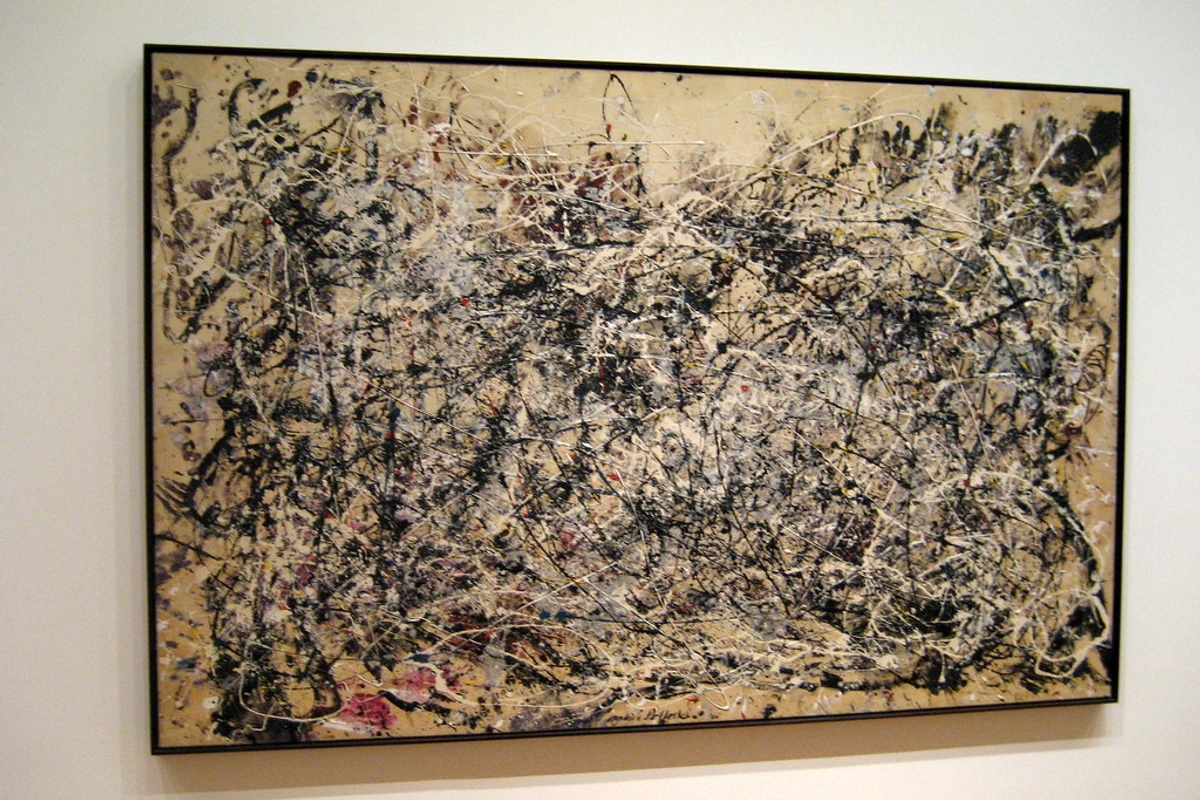
Pollock's work represents the kind of established market value that scammers often try to exploit. Understanding the difference between legitimate limited editions and mass-produced reproductions is crucial for avoiding art fraud.
Limited Edition Authentication Guide
What Makes a Legitimate Limited Edition:
- Artist Direct Involvement: The artist typically signs, numbers, and approves each piece
- Clear Edition Size: Published, limited number of copies (e.g., 1/100, 2/100)
- Quality Materials: Archival-quality paper or substrate
- Professional Production: High-quality printing methods by reputable printers
- Documentation: Proper certificates with edition information
- Market Consistency: Prices follow established patterns based on edition number
Red Flags in Editioned Prints:
- Unlimited" Limited Editions: Claims of "limited" with no actual cap
- Sequential Numbering: editions like 5/5, 10/10 (should be 1/100, 2/100, etc.)
- Missing Documentation: No certificate or edition information
- Poor Quality Materials: Cheap paper or printing methods
- Artist Inconsistency: Signatures don't match artist's known style
- Market Anomalies: Edition numbers don't follow pricing patterns
4. Digital Dangers in NFTs and "Digital Art"
Ah, NFTs. Look, I’m skeptical. The blockchain promises security in the digital realm, but I’ve seen more landmines than masterpieces here. Watch for:
- Hidden royalty fees in smart contracts.
- "Rarities" artificially inflated by bots.
- Marketplaces that vanish overnight taking your files with them.
While blockchain tech has potential, today’s NFT scene is the Wild West. Treat it like gambling—not investing.

5. High-Pressure Tactics
Reputable galleries don’t rush decision-making. Scammers do.
- "Buy now or lose this forever!"
- Fake scarcity claims (e.g., "Only 3 left at this price!")
- Refusal to allow third-party inspections.
Real art appreciates over time. It doesn’t need fear-based marketing.
How to Verify Art Before You Buy
Okay, so you’ve spotted a red flag. What now? Here’s my checklist for due diligence:
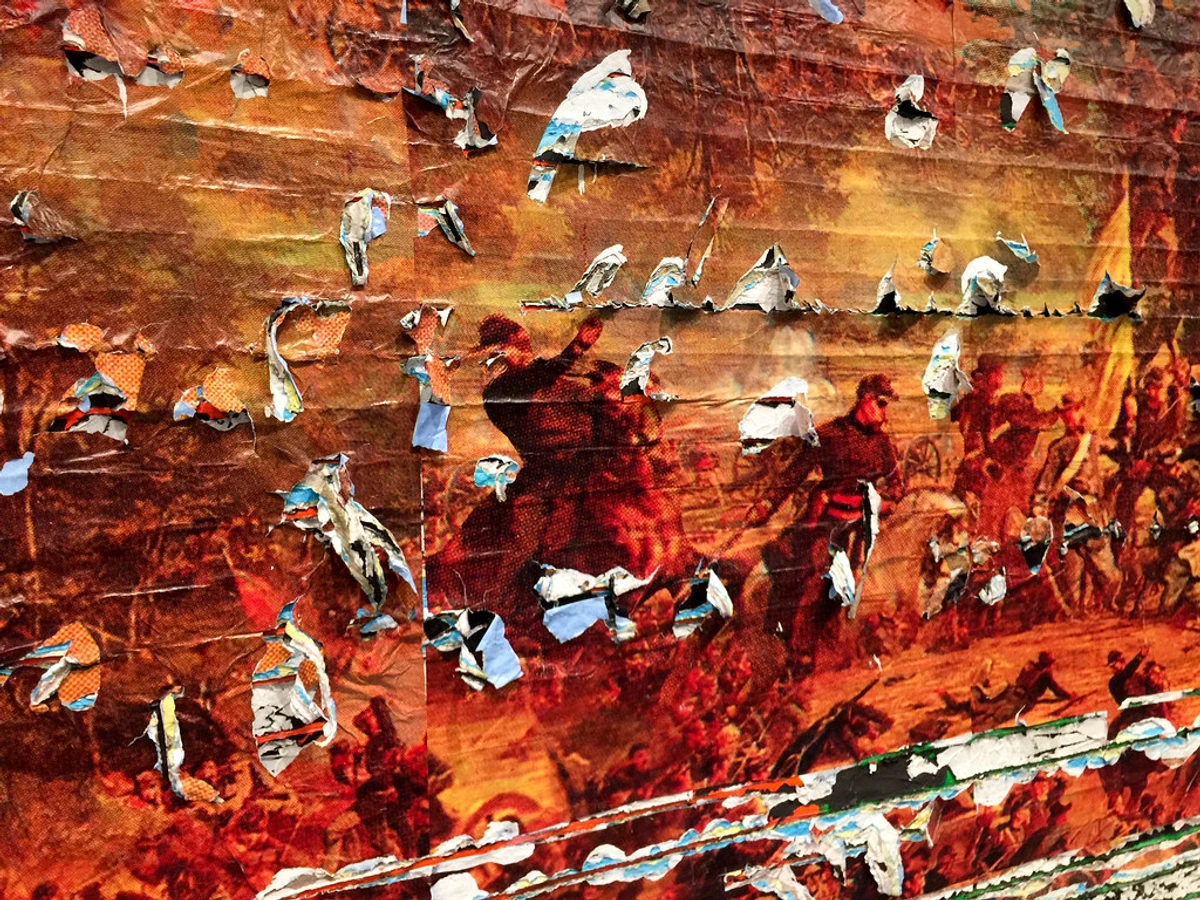
When examining artwork up close, pay attention to texture, materials, and construction details. Bradford's torn paper technique creates a unique surface that would be difficult to reproduce convincingly—this kind of detailed examination is essential for verification.
Technical Examination Techniques
Surface Analysis Methods:
- Magnification: Use magnifying glass or microscope to examine brushwork details
- Raking Light: Shine light from side angles to reveal texture and irregularities
- UV Examination: Ultraviolet light can reveal retouching, repairs, or inconsistencies
- Material Testing: For sculptures and installations, examine materials and construction methods
- Signature Analysis: Compare signature style, pressure, and ink quality with known examples
Age-Related Indicators:
- Patina: Natural aging of materials over time
- Wear Patterns: Consistent with handling and aging expectations
- Material Degradation: Appropriate for the artwork's supposed age
- Environmental Effects: Signs of appropriate storage and handling conditions
- Research the Artist: Visit their official site, check gallery affiliations, and review exhibition histories. A quick search should reveal patterns in their work and pricing. If they claim to be "self-represented," ask why major galleries aren’t involved.
- Inspect Artwork Up Close: For originals, examine texture under light. For prints, check for pixelation or paper quality inconsistencies. (If possible, visit the Den Bosch museum to see how professional presentations differ.)
- Demand Written Proof: Ask for:
- Detailed itemized receipts.
- Clear COAs (with contactable authentication sources).
- High-resolution images of signatures/stamps.
- Third-Party Experts: For high-value pieces, hire an independent appraiser or conservator. Their small fee can save you thousands.
- Trust Your Gut: If the seller evades questions, deflects scrutiny, or rushes you, walk away. Protect your peace as much as your wallet.
Context Matters: When a Flag Might Not Be Fatal
Not all red flags are deal-breakers. I’ve seen artists with poorly formatted websites sell incredible work (they’re creatives, not marketers!). Similarly, some direct sales skip galleries entirely. The key is transparency. If the seller openly shares the piece’s story, condition flaws, or pricing rationale, that’s not a red flag—it’s honesty.
FAQ: Answering Your Burning Questions
Q: Can I trust sellers on social media like Instagram or Etsy?
A: Proceed with caution. While many emerging artists use these platforms, scammers lurk too. Always verify the artist’s profile legitimacy, check for clear return policies, and avoid direct messaging payments. Look for physical address details (galleries/studios) listed.
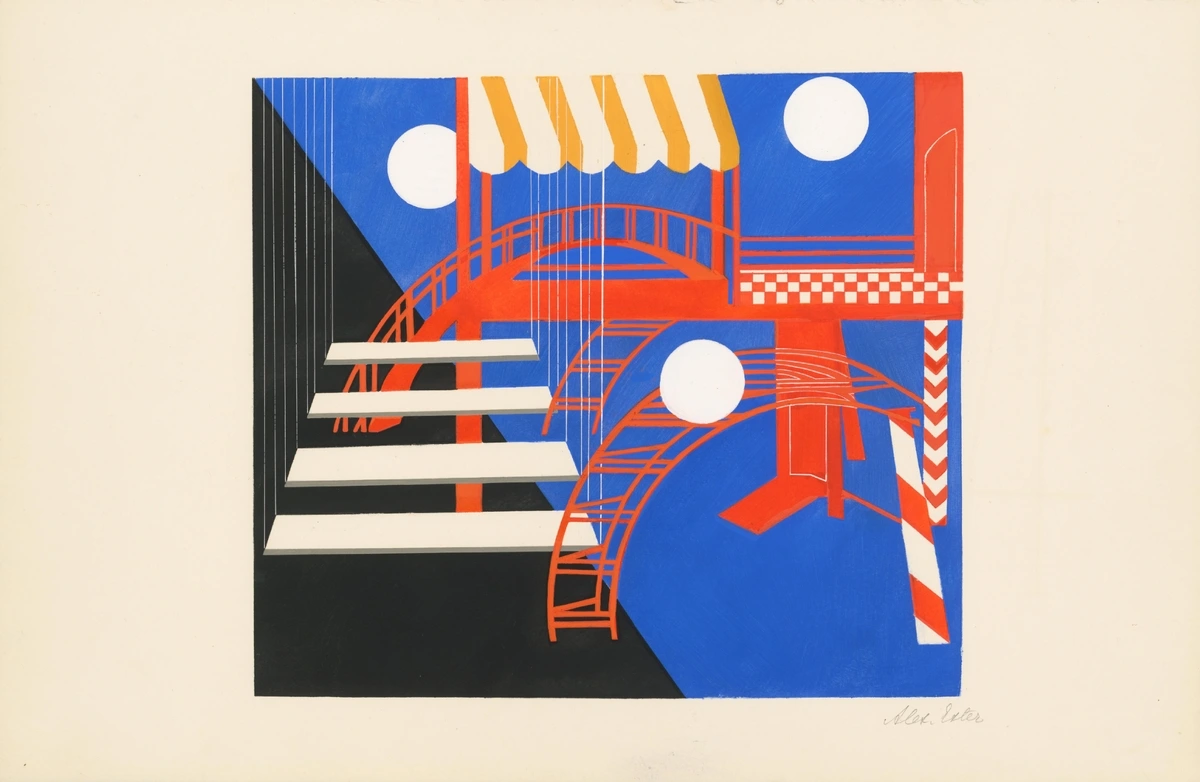
Art movements and styles have distinct characteristics that experts use to verify authenticity. Understanding these historical contexts helps identify reproductions and forgeries that may deviate from established artistic conventions.
Style and Movement Authentication
Key Characteristics to Study:
- Technique: Specific methods and materials used by the movement
- Composition: Typical arrangements and structural elements
- Color Palette: Dominant color schemes and usage patterns
- Brushwork: Signature stroke patterns and application methods
- Subject Matter: Common themes and subjects for the period
- Historical Context: Social and cultural influences on the work
- Material Preferences: Typical substrates and materials used
- Evolution: Changes in style over time within the movement
Movement-Specific Red Flags:
- Impressionism: Look for proper brushwork, period materials, and signature plein air techniques
- Abstract Expressionism: Check for authentic materials, proper scale, and characteristic application methods
- Pop Art: Verify screen printing techniques, period materials, and appropriate commercial imagery
- Minimalism: Examine material quality, precision of execution, and conceptual consistency
Q: What’s the difference between a "giclée print" and a lithograph?
A: Lithograph involves printing with oil-based ink on stone/metal plates; giclée uses digital inkjet on archival paper. Giclées are often high-quality reproductions, but mass-market sellers misuse the term. Ask for technical specs!
Q: Should I buy art that arrives without a COA?
A: For originals, no. For prints, condition permitting—but push for paperwork later. Never let a seller tell you "COAs are unprofessional." That’s nonsense.

Klimt's distinctive style with intricate patterns and gold leaf is often targeted by forgers. Understanding an artist's unique techniques and materials is essential for distinguishing authentic works from reproductions.
Artist-Specific Authentication Methods
Technical Signature Analysis:
- Material Consistency: Verify use of period-appropriate materials and techniques
- Pattern Recognition: Study distinctive stylistic elements and motifs
- Craftsmanship Quality: Examine level of technical skill and attention to detail
- Historical Documentation: Cross-reference with known examples and records
Case Study Analysis:
For artists like Klimt, focus on:
- Gold Leaf Application: Authentic techniques and aging patterns
- Pattern Complexity: Level of detail and integration of decorative elements
- Surface Texture: Proper layering and material application
- Color Consistency: Period-appropriate pigments and aging characteristics
Q: Are free "art investment webinars" legit?
A: Almost never. Legitimate advisors share research transparently; scammers sell access to "exclusive opportunities." If they’re charging upfront fees or promising guaranteed returns, run.
**Q: How do I avoid buying stolen art?**n A: Request provenance tracing ownership back to the artist’s studio. Cross-reference databases like the Art Loss Register. If the seller refuses, they likely hide something.
Final Thoughts: Collect with Confidence
At its core, red-flag spotting isn’t about cynicism—it’s empowerment. Art should bring joy, not regret. By arming yourself with knowledge, you cut through the noise and focus on what truly matters: connecting with pieces that resonate.




The tools and materials used by artists can provide important clues about authenticity. Professional artists invest in quality brushes and materials that show distinctive characteristics—knowledge of these details helps verify whether a piece was actually created by the alleged artist.
Remember: If a deal feels off, it probably is. And if you ever need guidance, my timeline (/timeline) includes years of studio practices and exhibition histories to reference. Happy collecting!