
Choosing Art as a Couple: Your Guide to a Harmonious Home Aesthetic
Navigate art choices with your partner! Discover practical strategies, artistic personalities, diverse mediums, and how to create a shared visual story for your home without the drama.

Blending Visions: How to Choose Art with Your Partner (Without the Drama)Challenges & Solutions for Couples Together
So, you've found your person. The one you want to share your Netflix password, your deepest fears, and perhaps even a lifetime of questionable culinary experiments with. Wonderful, right? But then comes the moment you decide to adorn your shared walls, and suddenly, the harmonious hum of shared dreams can devolve into the clanging dissonance of differing decor dilemmas. But fear not, for there are elegant, even delightful, ways to navigate this creative labyrinth together. I've been there. My own artistic journey, which you can peek at here, was largely a solitary pursuit until recently. Merging my distinct aesthetic with another human being's equally distinct vision? Let's just say it's been an illuminating masterclass in compromise, communication, and yes, the strategic deployment of puppy-dog eyes so profound they could win over a museum curator.
Why It Feels Like Rocket Science for the Soul
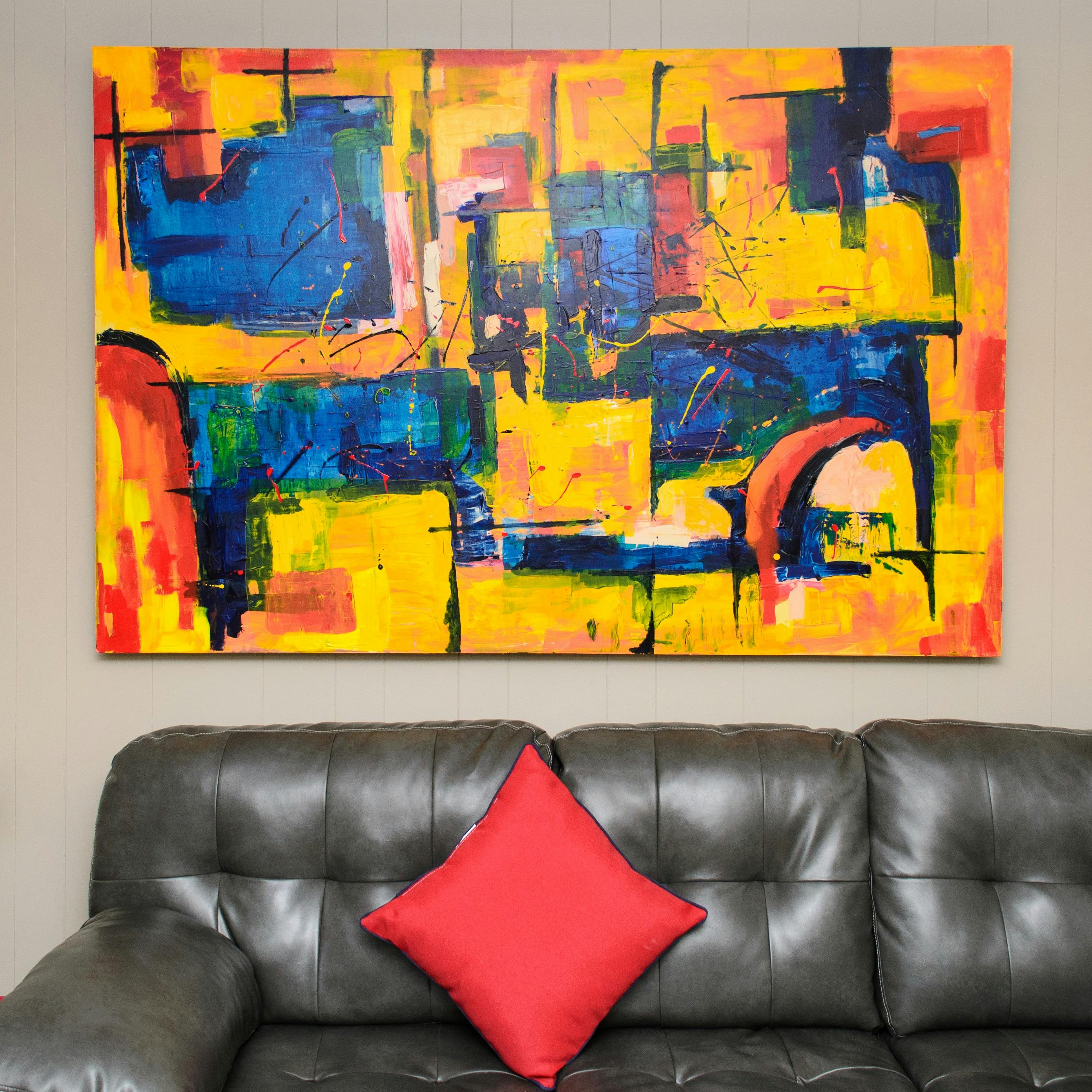
Choosing art together often feels less like interior design and more like, well, rocket science for the soul. And in a way, it is. Art isn't just decoration; it's a deeply, intensely personal mirror to our inner world, a silent declaration of who we are, or who we aspire to be. Think of it as a projection of our values, our emotional landscape, and even our subconscious desires. It feeds different psychological needs: for one, it might be raw self-expression; for another, a sense of serene belonging. When two individuals, each with their own unique 'art personalities' and emotional connections to visual aesthetics, sit down to choose a piece, it's not merely about picking a painting. It's about attempting to meld two distinct identities, two entire personal histories, into a single, cohesive home narrative. One partner might gravitate towards the bold, chaotic beauty of abstract art, seeking stimulation and dynamism, while the other finds solace in something serene and understated, desiring calm and reflection. And let's not even get started on the perennial 'but does it match the sofa?' debate! (A topic perhaps for another day, or you can start with choosing art for your living room to get a head start). This is where the real work—and the real fun—begins.
The "Our Art Story" Framework: Building a Shared Visual Language
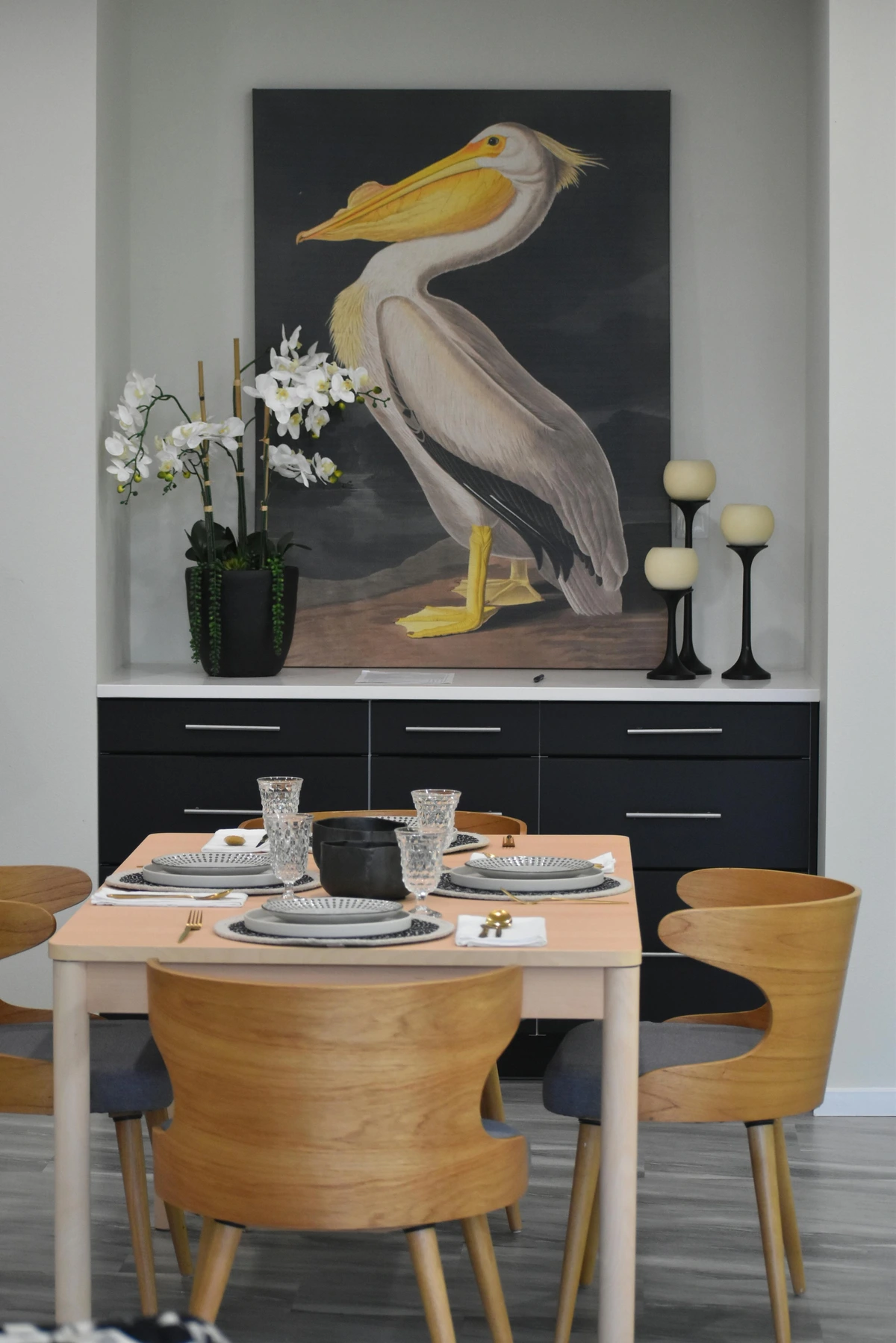
So, how do we move from this battlefield of aesthetics to a harmonious gallery of shared taste? The answer lies in reframing the entire endeavor. Instead of seeing this endeavor as two separate individuals making two separate choices, I urge you to try reframing it entirely. You're not simply buying art; you're co-authoring 'Your Art Story.' Think of it as developing a unique, shared visual language that speaks to both your souls and tells the evolving tale of your shared life. This isn't about one person 'winning' the decor battle, or even about dutifully finding something you both simply 'like.' It's about the deeper quest of discovering something that unequivocally feels like 'us' – even if 'us' turns out to be a delightfully messy, vibrant collision of perfectly imperfect tastes.
Practical Strategies for Artful Harmony
1. The Pre-Game Chat: No Judgment Zone
Before you even think about browsing a single piece – whether it's my own art for sale or exploring a local gallery – sit down and just talk. Seriously, this isn't a scouting mission, it's an archaeological dig into each other's aesthetic souls. Make it a 'no pressure, no 'we HAVE to pick something' zone.' Just explore. Ask open-ended questions: What kind of art truly moves you? What colors instantly make you feel good, or spark a memory? What themes resonate deeply, even if you can't quite articulate why? It might genuinely surprise you what you learn. My partner, for instance, revealed a secret soft spot for anything with a slight melancholic undertone, a preference I completely missed until we explicitly started this process. You could even start a shared Pinterest board or a physical mood board – a visual journal where you both pin images, colors, textures, and even landscapes that evoke a feeling. It’s less about picking the art and more about understanding the feeling art gives you both.
2. Define Your "Art Personalities"
After that initial chat, try to define your 'art personalities' or, if you want to get fancy, your aesthetic archetypes. Are you the bold Expressionist, drawn to raw emotion and vibrant colors like those of a Matisse (maybe a piece with that intense blue, like 'Matisse's Shame' which, despite its title, explodes with color), or the quiet Minimalist, finding beauty in stark lines and understated palettes, perhaps echoing a Rothko? The traditionalist who loves classic landscapes à la Paul Madeline, or the avant-garde explorer captivated by the disruptive energy of a Banksy or the complex layers of a Christopher Wool? It helps immensely to articulate these foundational preferences. Maybe one of you is drawn to the clean lines of geometric abstract art, finding beauty in structure, while the other leans towards whimsical illustrations or evocative figurative pieces. Understanding these core 'art personalities' is step one to finding common ground. It's like finding out you both secretly love a certain obscure band, even if your favorite songs from them are completely different.

3. Beyond the Canvas: Exploring Diverse Mediums
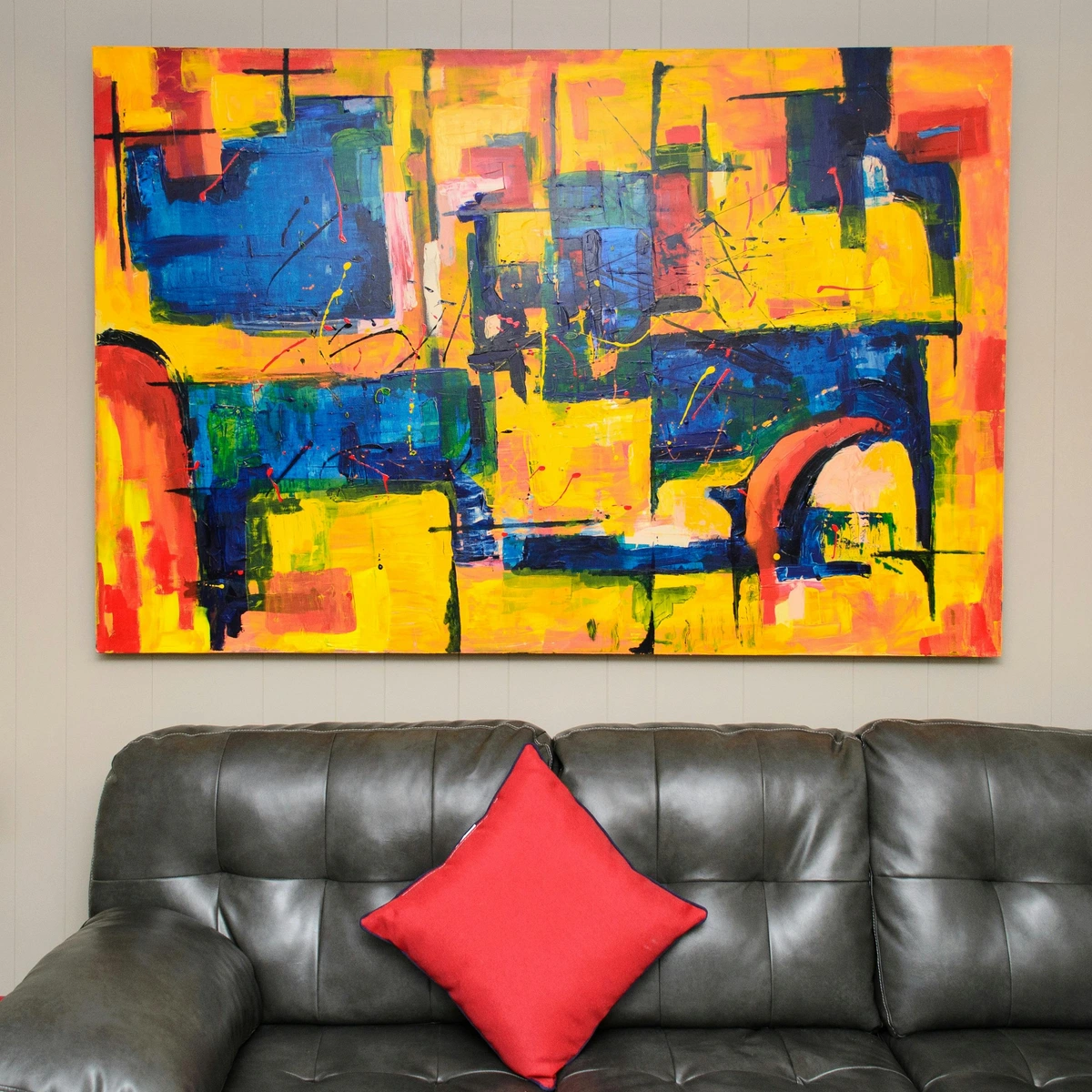
While paintings and prints often come to mind first, remember that art isn't confined to a canvas. Expanding your search to other mediums can open up a whole new world of possibilities and compromise. Have you considered sculpture, photography, textile art, or even digital art displayed on a smart screen? A minimalist partner might appreciate the stark beauty of a metal sculpture, while a more traditional partner could find common ground in a classic landscape photograph. Textile art or a carefully chosen tapestry can offer texture and warmth without the permanence of a framed piece, and abstract sculptures can introduce form and depth in a way paintings can't. Exploring these alternatives gives you more avenues to blend your individual preferences into a cohesive whole. It’s like discovering new genres of music you both enjoy, even if your go-to playlists are vastly different.
4. The "Yes, And..." Game (Improv for Art)
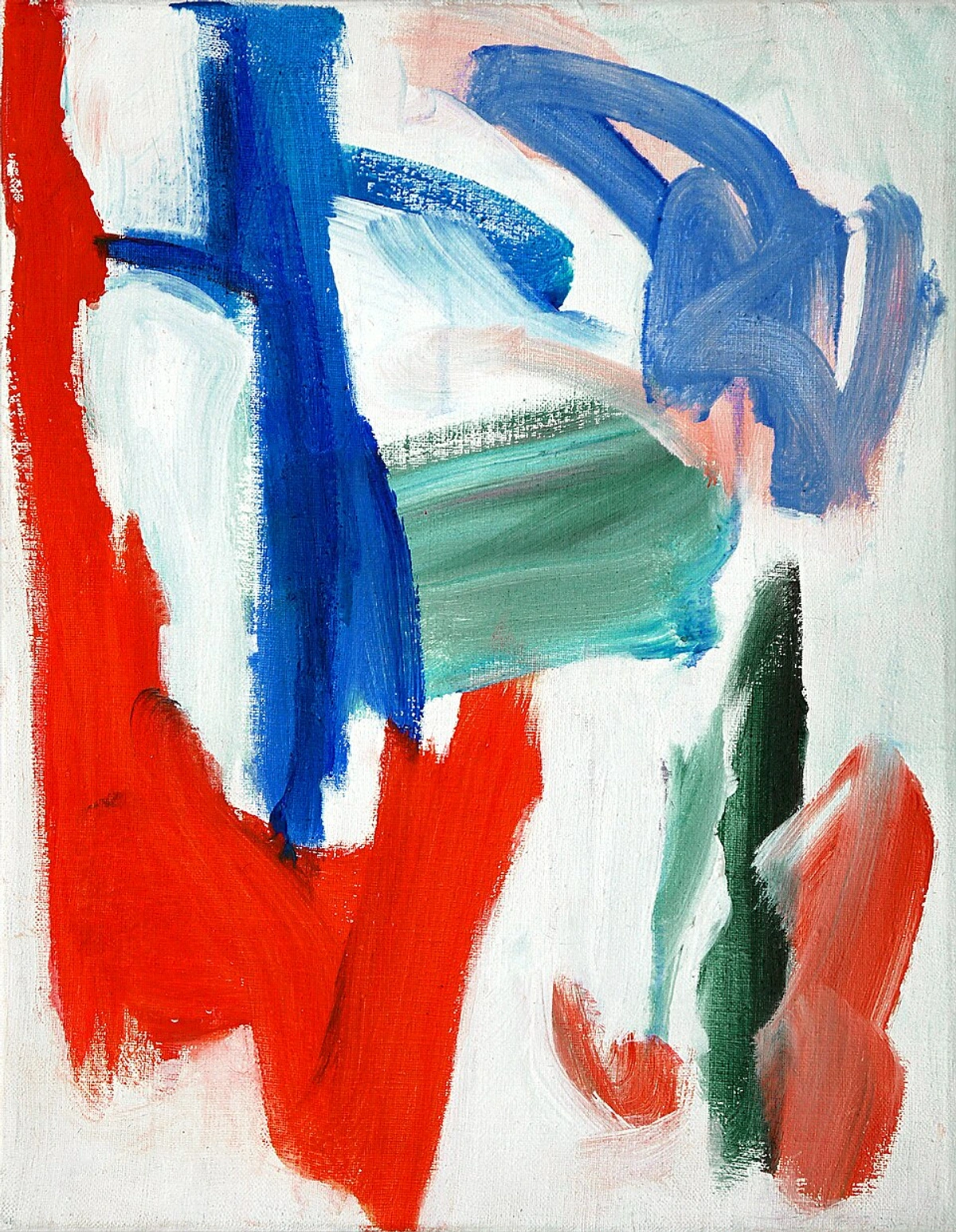
This is a fun one, borrowed directly from improv comedy. One person picks a piece they genuinely love. The other person's only rule is: no 'no,' only 'yes, and...' This means you acknowledge the appeal of their choice and then add your own criteria or suggestion that builds on it. For example, 'Yes, I love the vibrant colors and energy of that abstract piece, and what if we looked for something similar but with a more organic shape, or perhaps a cooler palette?' Or, 'Yes, that landscape evokes such a peaceful feeling, and I wonder if we could find something that blends that serenity with a touch more modern minimalism?' It's a wonderfully collaborative way to iterate and evolve your preferences together, rather than shutting down ideas before they even have a chance to breathe.
5. Compromise Isn't Defeat, It's Blending
Look, let's be honest: sometimes you won't agree, and that's perfectly okay. It's not a failure, it's just part of the process. Compromise isn't about one person giving up what they truly want; it’s about collaboratively finding that elusive third option, a piece neither of you might have initially considered, but which somehow perfectly blends your individual desires. Our ancestors weren't necessarily debating abstract vs. figurative, but they still adorned their homes with art that represented their shared family story. Maybe it's a piece that utilizes the vibrant colors one partner loves but in the minimalist forms the other prefers. Or perhaps you rotate art seasonally, dedicating certain walls or rooms to individual expressions. For highly personal spaces like a home office or a nursery, individual preferences can and should take center stage. I've seen couples blend a love for abstract expressionism with a penchant for serene landscapes by focusing on the underlying emotional quality they both seek – dynamic yet calming, for instance. And don't forget the power of the artist's story or the provenance of a piece; sometimes knowing the journey and inspiration behind an artwork can create a powerful, shared connection that transcends stylistic differences.
6. Start Small, Think Gallery Wall
You certainly don't have to commit to a massive, expensive centerpiece painting right away. That's a lot of pressure! Instead, consider starting small. Think about collecting smaller prints, photography, or even sculptural pieces that can evolve over time. A gallery wall is truly a fantastic solution for couples with diverging tastes. It allows you to blend different styles, sizes, mediums, and even personal mementos into one cohesive, dynamic display. Imagine it as a visual anthology of your evolving relationship – a curated collection of shared moments, individual expressions, and harmonious contrasts. One corner could feature a vibrant abstract piece, while another holds a serene black-and-white photograph, all unified by frame style or a subtle color theme.
7. The Unseen Layers: Framing, Scale, and Story
Beyond the art itself, the way it's presented plays a huge role in how it integrates into your shared space. Framing, for example, can be a unifier. A consistent frame style or color can bring together disparate art styles, creating a cohesive look for a gallery wall or a series of prints. Don't underestimate the impact of scale and proportion either; a tiny piece lost on a vast wall feels very different from a well-sized artwork that commands attention. Discussing these practical elements can sometimes be an easier starting point than debating abstract aesthetics. Furthermore, remember that art tells stories. Not just the artist's story, but your story. Have you ever considered selecting a piece that subtly commemorates a shared travel memory, a significant life event, or even just an inside joke only the two of you understand? These aren't just objects on a wall; they're emotional anchors, conversation starters, and daily reminders of your evolving journey together. The provenance of a piece – the artist's inspiration, its journey from studio to gallery, or your own adventurous quest to acquire it – can add immense depth and personal resonance.
8. The "Surprise & Delight" Piece: When Neither Expected It
Sometimes, the absolute best pieces aren't the ones you meticulously planned for, but the ones neither of you would have picked individually. These are the 'surprise and delight' pieces that, when you encounter them together, just click. My partner and I once stumbled upon a peculiar, slightly unsettling ceramic sculpture at a local market. Neither of us would have sought it out alone, but together, its quirky charm perfectly captured a shared sense of humor we hadn't realized we both wanted to express visually. It became truly 'ours,' imbued with the story of its discovery. So, keep an open mind. Don't be afraid to wander into local galleries – or, if you're ever near, my museum in 's-Hertogenbosch! – and just let yourselves be surprised by what resonates. It’s much like discovering a new restaurant neither of you knew existed but instantly fall in love with; it becomes a cherished part of your shared story.




FAQ: Navigating Art Decisions with Your Partner
Question  | My (Humbly Offered) Advice |
|---|---|
| What if we have completely opposite tastes? | Welcome to the club! This is often where the real magic happens. Instead of focusing on what you like, delve into why you like it. Is it the color? The emotion? The subject matter? Often, underlying preferences are more aligned than the surface-level styles suggest. Perhaps one loves vibrant colors and the other prefers muted tones; a piece with a dominant neutral background but strategic pops of color could be a bridge. Look for abstract pieces, photography, or even sculptural works that might offer a middle ground, or consider a varied gallery wall where both styles can beautifully coexist. Remember, your home is big enough for both of you, and so are its walls. |
| Should we set a budget? | Absolutely, unequivocally yes! Discussing money upfront isn't exactly the stuff of romantic comedies, but it is intensely practical. It prevents heartache, resentment, and those awkward 'how much was that?' moments later on. A clear budget also acts as a fantastic creative constraint, pushing you to explore more affordable options like prints, art markets, emerging artists (perhaps even on sites where you can buy art directly!), or even creating your own art together. It’s less about the price tag and more about the shared journey of finding something meaningful within your means. |
| One of us hates art shopping. What then? | Don't drag them kicking and screaming, for goodness sake! Make it an experience, not a chore. Maybe one person does the initial scouting online, curates a few appealing options, and then presents them to the other over a nice meal. Or, turn a gallery visit into a fun date with coffee, lunch, or dinner afterwards, keeping the art browsing light and focused. The key is to make it low-pressure and enjoyable, not a grueling test of commitment to interior design. Remember, the goal is connection, not conquest. |
| Can we just pick art for our own spaces? | For sure, and please do! While shared spaces clearly benefit from shared decisions (it's called a partnership for a reason, after all!), individual rooms are absolutely perfect for expressing unique tastes without constant negotiation. Your home office might be a haven for your boldest abstract piece, while your partner’s study might feature their tranquil landscape. This allows for personal expression, reduces friction, and gives each of you a visual sanctuary that is entirely your own. |
| What about art's impact on children or pets? | This is a great, often overlooked, consideration! For families with young children or energetic pets, durability and safety might become key factors. You might choose framed prints behind shatter-resistant acrylic, or textile art that's less prone to damage. Visually, consider art that sparks curiosity or imagination for kids, without being overly stimulating. Ultimately, think about the environment you want to create – a playful, safe space for exploration, or a more serene, protected setting. Art should enhance, not stress, your family life. |
| What if we still can't agree? | Take a break! Seriously. Sometimes stepping away and coming back with fresh eyes (and maybe a little chocolate) helps immensely. Consider asking a trusted friend with good aesthetic judgment, or even an interior designer, for a third opinion, but always remember: the final choice is yours. You could also consider commissioning a piece together, providing the artist with a brief that incorporates both your preferences – a truly blended solution! Or, for a less permanent solution, explore large tapestries or fabric wall hangings that can temporarily fill a space and are easy to change. And, and this is a wild thought, maybe that particular wall doesn't need art right now. There's no law saying every single wall must be adorned. A beautifully bare wall can sometimes speak volumes, offering a sense of calm and visual rest. Plus, it leaves room for future growth, discovery, and those 'surprise and delight' pieces you'll inevitably find down the road! |
The Art of Becoming "Us": A Shared Masterpiece
In the grand, intricate tapestry of a relationship, choosing art together might seem like a tiny, perhaps even fraught, chapter. But I promise you, it's also a deeply revealing and ultimately enriching one. This journey forces you to truly listen, to articulate your desires, to understand another perspective, and most importantly, to build something beautiful, together. And hey, sometimes it just doesn't work out on the first try, or even the fifth, and that's just another part of the story. The art that ultimately graces your walls becomes so much more than mere decoration; it transforms into a living testament to your ability to blend lives, to compromise with grace, and to love each other through the sometimes bewildering, but always rewarding, journey of shared aesthetic discovery. And frankly, if you can navigate the stormy seas of choosing a painting, you can probably conquer anything. So go forth, art-loving couples, and create your masterpiece, one beautifully blended wall at a time! May your shared art story be as rich and vibrant as your love.