The Ultimate Guide to Hanging Art with French Cleats
Discover the art of hanging artwork securely and professionally using French cleats. Learn step-by-step installation tips, weight considerations, and more.

The Ultimate Guide to Hanging Art with French Cleats
I remember the first time I tried to hang a large piece of art. It was a disaster. The frame was crooked, the wire kept slipping, and I ended up with a wall full of unnecessary holes. That’s when I discovered French cleats. They changed everything. If you've ever struggled with hanging artwork, especially heavier pieces, this guide is for you.
Hanging art can be a daunting task, especially when dealing with heavy or oversized pieces. The fear of damaging your walls or your artwork can make the process stressful. But with the right tools and techniques, it can become a rewarding experience. French cleats are one such tool that can transform the way you hang art, making it secure, precise, and flexible.
Hanging art can be a daunting task, especially when dealing with heavy or oversized pieces. The fear of damaging your walls or your artwork can make the process stressful. But with the right tools and techniques, it can become a rewarding experience. French cleats are one such tool that can transform the way you hang art, making it secure, precise, and flexible.
Hanging art can feel like a high-stakes puzzle. One wrong move, and you’re left with a wall that looks like it survived a battle. But with French cleats, the process becomes not just manageable, but enjoyable. Whether you’re a seasoned collector or a first-time art buyer, this guide will walk you through everything you need to know to hang your artwork like a pro.
In this guide, we’ll cover the basics of French cleats, why they’re a superior choice for hanging art, and how to use them effectively. We’ll also delve into advanced techniques, common mistakes to avoid, and tips for creating professional-level displays. By the end, you’ll have the confidence and knowledge to hang your artwork securely and beautifully.
The History of French Cleats
French cleats have a rich history that dates back to traditional woodworking. Originally used to secure cabinets and shelves, their design has evolved over time to become a staple in the art world. The simplicity and effectiveness of French cleats have made them a favorite among artists, collectors, and interior designers alike.
What Are French Cleats?
French cleats are a two-part hanging system. One part is attached to the wall, and the other to the back of your artwork. They interlock at an angle, creating a secure and level hang. It’s like a puzzle piece that ensures your art stays exactly where you want it.
The concept of French cleats originated in woodworking, where they were used to secure cabinets and shelves. Over time, their use expanded to the art world, where they quickly became a favorite for their reliability and ease of use. Unlike traditional hanging methods, French cleats provide a flush mount, ensuring your artwork remains perfectly aligned.

The beauty of French cleats lies in their simplicity. Unlike traditional hanging methods that rely on wires and hooks, French cleats provide a sturdy, flush mount that keeps your artwork perfectly aligned. This system is particularly useful for heavier pieces, where stability is paramount.
French cleats are also incredibly versatile. They can be used for a wide range of artwork, from framed prints to canvases and even sculptures. Their design ensures that the weight of the artwork is evenly distributed, reducing the risk of damage to both the artwork and the wall.
French cleats are not just functional; they also offer a level of precision that is hard to achieve with other hanging methods. Whether you’re hanging a single piece or creating a gallery wall, French cleats ensure that your artwork is level and secure. This precision is especially important for creating a professional-level display, where even the slightest misalignment can be noticeable.
Why Use French Cleats?
French cleats offer several advantages over traditional hanging methods:
- Security: They can hold a significant amount of weight, making them ideal for larger, heavier pieces.
- Precision: They ensure your artwork is level every time.
- Flexibility: You can easily adjust the position of your art without creating new holes in the wall.
- Durability: Once installed, French cleats provide a long-lasting solution that won’t wear out over time.
Additionally, French cleats are versatile. They work well in both residential and commercial settings, making them a favorite among interior designers and art collectors alike. Their ability to handle heavy loads also makes them a popular choice for museums and galleries, where the safety and security of artwork are of utmost importance.
Materials You’ll Need
Before you begin, gather the following materials:

- French cleat hardware (available at most hardware stores)
- Screws and anchors (appropriate for your wall type)
- Drill
- Level
- Measuring tape
- Pencil
- Stud finder (for locating wall studs)
- Laser level (optional, for enhanced precision)
Having the right tools on hand will make the installation process smoother and more efficient. It’s also a good idea to have a helper, especially when dealing with larger or heavier pieces of artwork. A second pair of hands can make the process much easier and safer.

Choosing the Right French Cleat
Not all French cleats are created equal. When selecting hardware, consider the following:
- Material: Opt for metal cleats for heavier pieces and plastic for lighter artwork.
- Size: Ensure the cleat is long enough to support the width of your artwork.
- Weight Rating: Check the manufacturer’s specifications to ensure it can handle the weight of your piece.
Investing in high-quality cleats will ensure the longevity and security of your installation.

Step-by-Step Installation Guide
Before you begin, it’s important to understand the process and prepare accordingly. Hanging artwork with French cleats involves a few key steps, each of which requires careful attention to detail. By following these steps, you’ll ensure that your artwork is hung securely and beautifully.
Step 1: Prepare Your Artwork
- Attach the Cleat to the Artwork: Place the cleat on the back of your artwork. Use a pencil to mark the screw holes. Drill pilot holes and attach the cleat with screws.
- Tip: If your artwork has a delicate frame, consider using a soft cloth or padding between the cleat and the frame to prevent scratches.
- Double-Check Alignment: Ensure the cleat is centered and level on the back of the artwork. This will help maintain balance when hanging.
- Pro Tip: Use a level to ensure the cleat is perfectly aligned. Even a slight misalignment can cause the artwork to hang unevenly.
Step 2: Prepare the Wall
- Find the Studs: Use a stud finder to locate the studs in your wall. Mark them with a pencil.
- Note: If you’re hanging a particularly heavy piece, always anchor the cleat into a stud for maximum support.
- Mark the Cleat Position: Hold the artwork against the wall where you want it to hang. Use a level to ensure it’s straight. Mark the top of the cleat on the wall.
- Pro Tip: Use a laser level for even greater precision, especially when hanging multiple pieces.
Step 3: Attach the Wall Cleat
- Position the Cleat: Hold the wall cleat against the marks you made. Use a level to ensure it’s straight.
- Double-Check: Ensure the cleat is perfectly level before drilling to avoid misalignment.
- Drill Pilot Holes: Drill pilot holes into the studs.
- Why Pilot Holes? They prevent the wood from splitting and make it easier to drive screws.
- Attach the Cleat: Secure the cleat to the wall with screws.
- Tighten Securely: Make sure the screws are tight enough to hold the weight of your artwork.
- Pro Tip: Use a torque screwdriver to ensure the screws are tightened to the correct torque, preventing over-tightening and potential damage to the wall or cleat.
Step 4: Hang Your Artwork
- Interlock the Cleats: Lift your artwork and align the cleats. Gently lower the artwork onto the wall cleat. It should lock into place with a satisfying click.
- Final Check: Step back and ensure the artwork is level and secure. Adjust if necessary.
- Enjoy Your Art: Once hung, take a moment to admire your work. A well-hung piece of art can transform a space.
- Pro Tip: If you’re hanging multiple pieces, step back frequently to ensure they’re aligned and spaced correctly. This will help you achieve a cohesive and professional look.
Weight Considerations
French cleats are incredibly strong, but it’s important to know the weight limits of your hardware and wall type. Here’s a general guide:
Wall Type  | Weight Limit (per cleat) |
|---|---|
| Drywall with anchors | 50 lbs |
| Drywall with studs | 100 lbs |
| Brick or concrete | 150 lbs |
| Plaster | 75 lbs |
Always check the manufacturer’s specifications for your specific hardware.
Additional Tips:
- Distribute weight evenly if hanging multiple pieces close together.
- For very heavy artwork, consider using multiple cleats or consulting a professional installer.
It’s also important to consider the weight distribution of the artwork itself. If the artwork is unevenly weighted, you may need to adjust the placement of the cleats to ensure stability. Additionally, always double-check the weight limits of your hardware and wall type to avoid accidents or damage.
Advanced Techniques
Hanging Multiple Pieces
When hanging multiple pieces, consider the following:
- Consistency: Use the same type of cleat for all pieces to ensure uniformity.
- Spacing: Maintain consistent spacing between pieces for a cohesive look.
- Alignment: Use a laser level to ensure all pieces are perfectly aligned.
Creating a Gallery Wall
A gallery wall can add a dynamic and personalized touch to your space. Here’s how to create one:
- Plan Your Layout: Arrange your artwork on the floor to visualize the final look.
- Use Templates: Create paper templates of your artwork to mark their positions on the wall.
- Start with the Largest Piece: Use the largest piece as an anchor and build around it.
Hanging Artwork on Different Surfaces
Different wall surfaces require different approaches:
- Drywall: Use anchors or studs for support.
- Brick or Concrete: Use masonry screws and anchors.
- Plaster: Use plaster anchors or toggle bolts for added support.
Creating a Professional-Level Display
Multiple Pieces
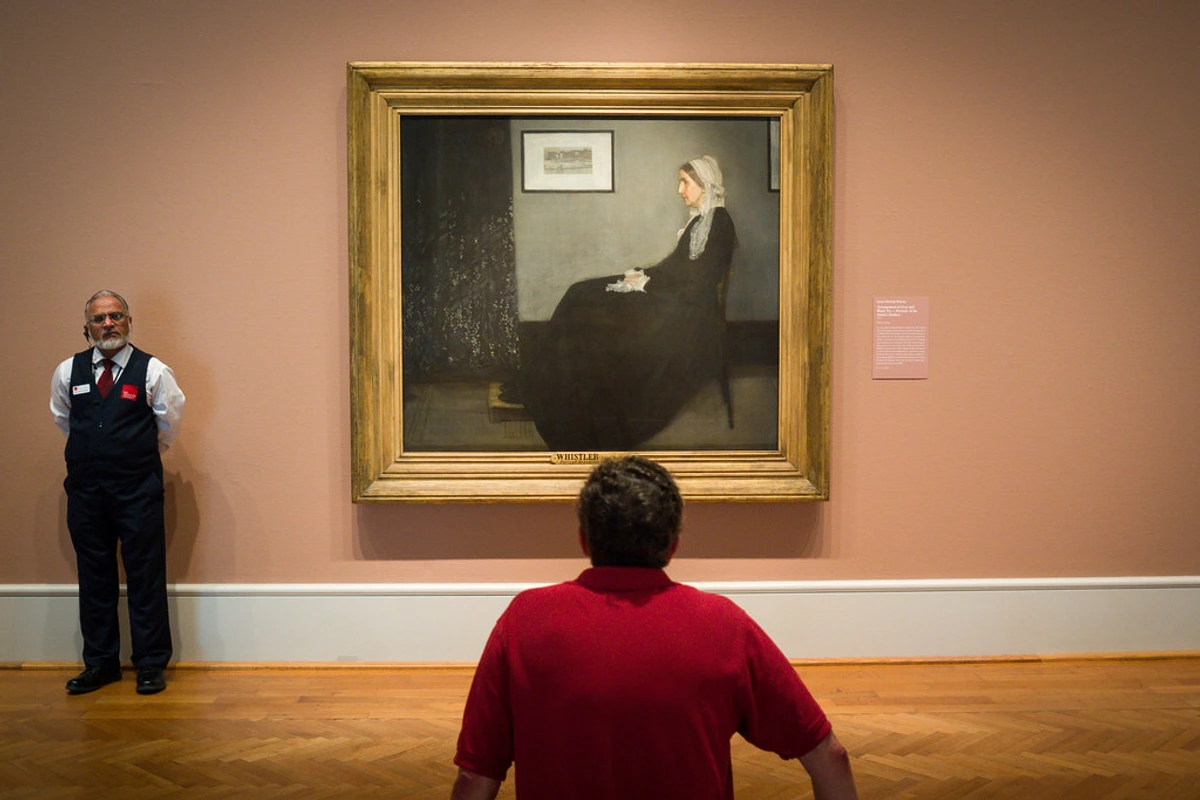
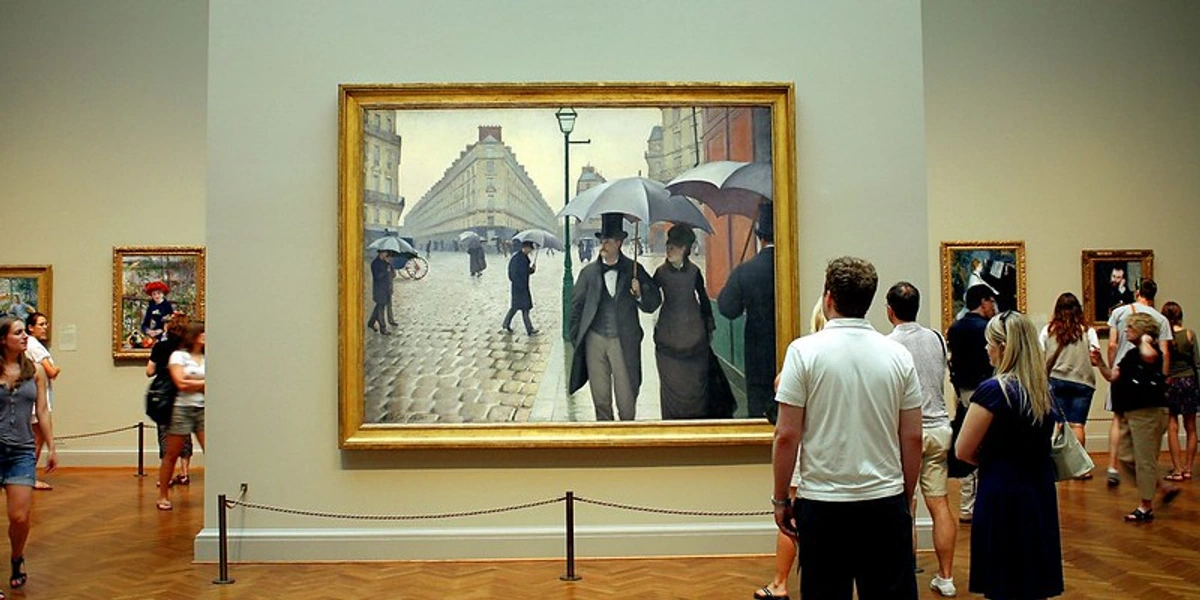
If you’re hanging multiple pieces, use a level and measuring tape to ensure they’re evenly spaced. You can also use a laser level for precision.
Spacing Tips:
- Aim for consistent spacing between frames, typically 2-3 inches apart.
- Consider the overall layout and how the pieces interact visually.
When hanging multiple pieces, it’s important to think about the overall aesthetic and balance. Consider the size, shape, and color of each piece, and how they complement each other. You may also want to experiment with different arrangements before committing to a final layout.
Gallery Walls
For a gallery wall, plan your layout on the floor first. Use paper templates to mark the positions on the wall. This will help you visualize the final look and make adjustments before drilling.

Pro Tips:
- Mix and match frame sizes and orientations for a dynamic look.
- Start with the largest piece as your anchor and build around it.
Common Mistakes to Avoid
- Not Using a Level: Always use a level to ensure your cleats are straight. Even a slight misalignment can throw off the entire display.
- Skipping Pilot Holes: Pilot holes prevent the wood from splitting and make it easier to drive screws. This step is crucial for a secure fit.
- Ignoring Weight Limits: Make sure your cleats and wall can support the weight of your artwork. Overloading can lead to damage or accidents.
- Rushing the Process: Take your time to measure and mark accurately. Precision is key to a professional finish.
Avoiding these common mistakes will help you achieve a professional and secure installation. It’s also a good idea to double-check your work at each step to ensure everything is aligned and secure.
Maintenance and Care
Cleaning Your French Cleats
To ensure the longevity of your French cleats, keep them clean and free of dust. Use a soft cloth to wipe them down periodically.
Inspecting for Wear and Tear
Regularly inspect your cleats for signs of wear and tear. If you notice any damage, replace the cleats to ensure the safety of your artwork.
Adjusting Your Artwork
If you need to adjust the position of your artwork, simply lift it off the cleat and reposition it. This flexibility is one of the key advantages of using French cleats.
FAQ
Can I use French cleats for any type of artwork?
French cleats are versatile and can be used for most types of artwork, including framed prints, canvases, and even sculptures. However, they are best suited for heavier pieces.
Do I need to use studs?
For heavier pieces, it’s best to use studs. For lighter pieces, you can use anchors, but always check the weight limits.
Can I reuse French cleats?
Yes, you can reuse French cleats. Simply unscrew them from the wall and artwork and reattach them as needed.
Are French cleats visible?
French cleats are designed to be hidden behind the artwork. Once your art is hung, the cleats should not be visible.
Can I paint or stain the cleats?
Yes, you can paint or stain the cleats to match your artwork or wall color. Just make sure to let them dry completely before installation.
Can I use French cleats for outdoor artwork?
French cleats are primarily designed for indoor use. If you’re hanging artwork outdoors, consider using weather-resistant hardware and consulting a professional.
How do I remove artwork hung with French cleats?
To remove artwork, simply lift it straight up to disengage the cleats. This process is straightforward and won’t damage your wall or artwork.
Can I use French cleats for mirrors or other decorative items?
Yes, French cleats can be used for mirrors, shelves, and other decorative items. They provide a secure and level mount, making them ideal for a variety of applications.
What should I do if my artwork is too heavy for a single cleat?
If your artwork is too heavy for a single cleat, consider using multiple cleats or consulting a professional installer. Distributing the weight evenly will help ensure the safety and security of your artwork.
Can I use French cleats for floating shelves?
Yes, French cleats are an excellent choice for floating shelves. They provide a secure and level mount, ensuring your shelves are both functional and aesthetically pleasing.
How do I ensure my artwork stays level over time?
Regularly check the alignment of your artwork and adjust as needed. If you notice any shifting, re-level the cleats and ensure they are securely fastened to the wall.
Conclusion
Hanging artwork with French cleats is a game-changer. It’s secure, precise, and flexible. Whether you’re hanging a single piece or creating a gallery wall, French cleats make the process easier and more professional. So, grab your tools and give it a try. Your walls will thank you.
If you're looking for more tips on displaying artwork, check out our guide to creating a gallery wall. And if you're in the market for some stunning contemporary art, don’t forget to visit our collection.






Final Thought: The right tools and techniques can turn a daunting task into a rewarding experience. With French cleats, you’re not just hanging art—you’re creating a space that reflects your style and passion.
Hanging artwork is more than just a practical task; it’s an opportunity to express your creativity and enhance your living space. With the right tools and techniques, you can transform your walls into a gallery that showcases your unique taste and personality. So, take your time, enjoy the process, and let your artwork shine.
Additional Resources
For more information on French cleats and other hanging techniques, consider the following resources:
- Books: Look for books on home improvement and interior design that cover hanging techniques.
- Online Tutorials: Many websites and YouTube channels offer step-by-step tutorials on using French cleats.
- Workshops: Local hardware stores or art galleries may offer workshops on hanging artwork.
By exploring these resources, you can further enhance your skills and knowledge, ensuring that your artwork is always displayed beautifully and securely.