Henri Cartier-Bresson: Master of the Decisive Moment & the Art of Seeing
Explore Henri Cartier-Bresson's "decisive moment" philosophy, his iconic Leica, Magnum Photos, and the lasting impact of his unique approach to capturing life's fleeting truths.

Henri Cartier-Bresson: The Eye Behind the Decisive Moment and a Philosophy of Seeing
Have you ever witnessed a scene so perfectly balanced, so full of unspoken story, that it felt like time itself held its breath? That split second when everything aligns—light, gesture, emotion—and you just know it's significant, even if you can't articulate why? That, my friend, is the essence of Henri Cartier-Bresson, the "silent hunter" with his ever-present Leica, perpetually on the prowl for what he famously called the "decisive moment." He wasn't just taking pictures; he was capturing the very pulse of humanity, one fleeting, perfect frame at a time. This article isn't just a biography; it’s an invitation to journey through his formative years, understand his groundbreaking philosophy, explore the simple tools he mastered, and discover his profound influence on photography and art—an influence that still shapes how we, almost intuitively, see the world around us.
The Unseen Canvas: How Painting Led to the Camera's Call
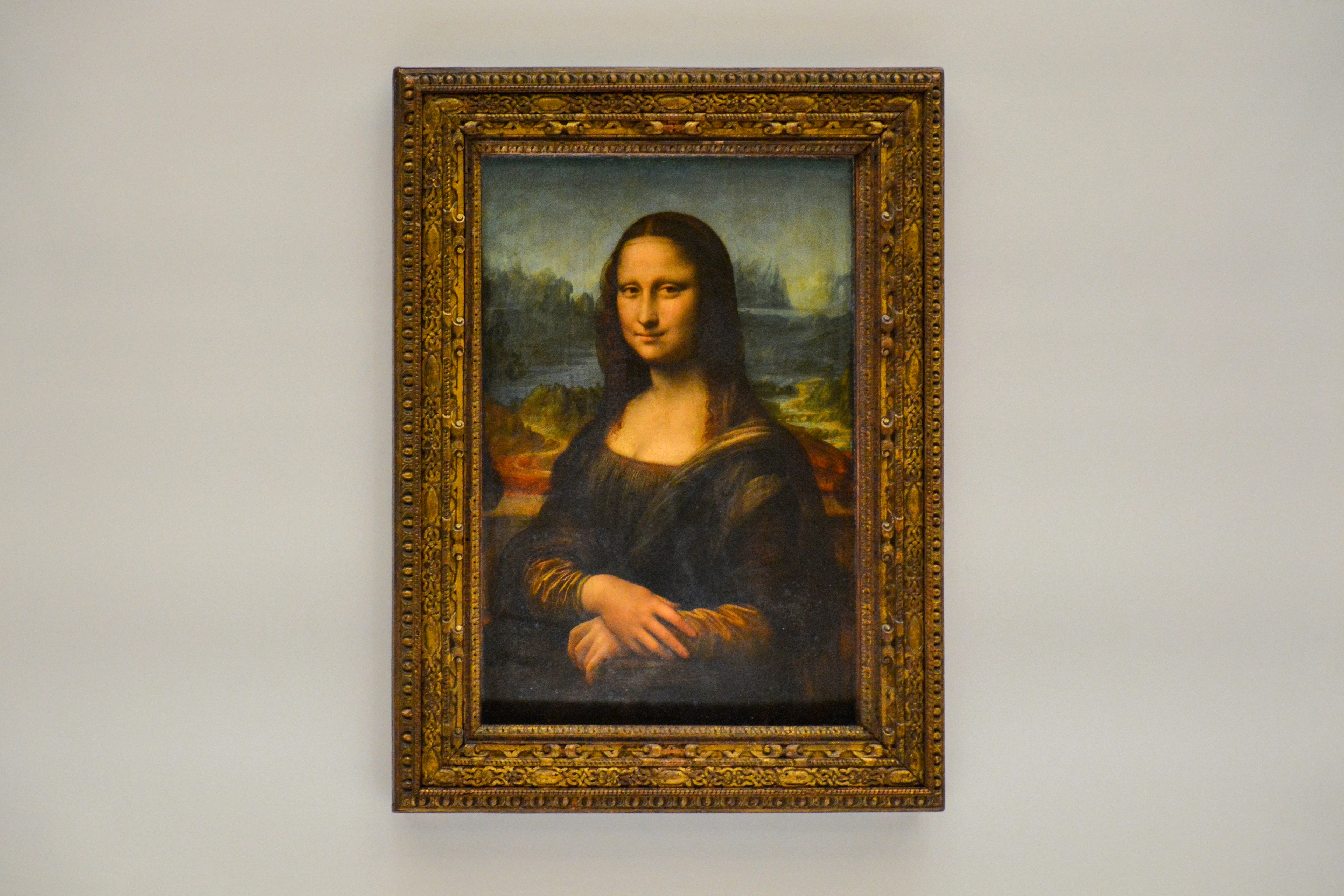
It might surprise you to learn that Cartier-Bresson didn't start with a camera in hand. His initial passion was painting, and he even spent time immersed in the Surrealist movement in Paris during the late 1920s. He studied with Cubist painter André Lhote and later encountered figures like André Breton, Max Ernst, and Joan Miró. This period, I believe, was absolutely crucial. Surrealism, with its focus on the subconscious, the unexpected juxtaposition, and challenging conventional reality, deeply influenced his visual intuition. It taught him to look beyond the obvious, to seek out the strange beauty in the mundane, and to embrace serendipity. This kind of vision, this way of seeing, is what truly sets artists apart, whether they’re holding a paintbrush or a camera. I remember struggling endlessly with a blank canvas once, trying to force a composition, only to realize that the most profound images often emerge when you simply allow them to be found. Surrealism taught HCB a similar lesson: sometimes, the world presents its own perfect arrangements, if only you’re open to seeing them.
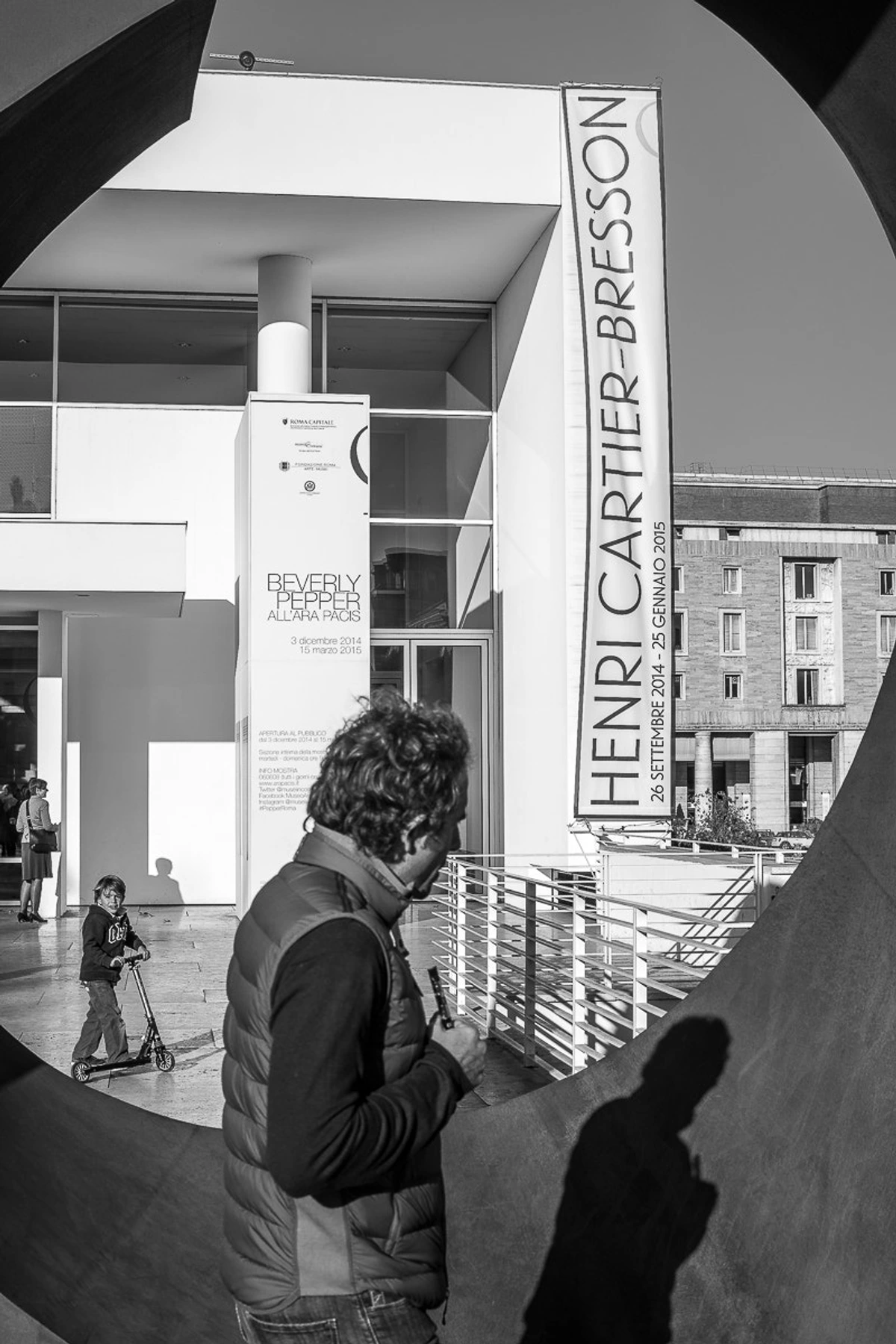
Then, in 1932, a pivotal moment arrived: he acquired a Leica 35mm camera. Small, discreet, and incredibly fast, it was a revelation. To understand its impact, you have to remember that photography before the 35mm Leica often meant bulky view cameras, tripods, and lengthy setup times. It was a more static, deliberate process, often confined to studios or grand landscapes. The Leica, however, was a game-changer; it freed the photographer to move, to hunt, to capture life spontaneously. Cartier-Bresson saw this new tool not as a replacement for his painter's eye, but as an extension of it – a means for "instant drawing." This phrase, "instant drawing," is so insightful. He wasn't just pressing a button; he was using the camera to sketch with light, form, and shadow, much like a draftsman uses a pencil to capture the essence of a fleeting pose. But where a sketch might take minutes, the camera allowed him to distill the chaotic world into coherent, meaningful compositions in a fraction of a second, often without interference. From that point on, the brush was mostly set aside, and the camera, often made even more inconspicuous with black tape, became his constant companion, leading him on a lifelong journey of observation and storytelling.
The Decisive Moment: A Philosophy of Seeing and Anticipating
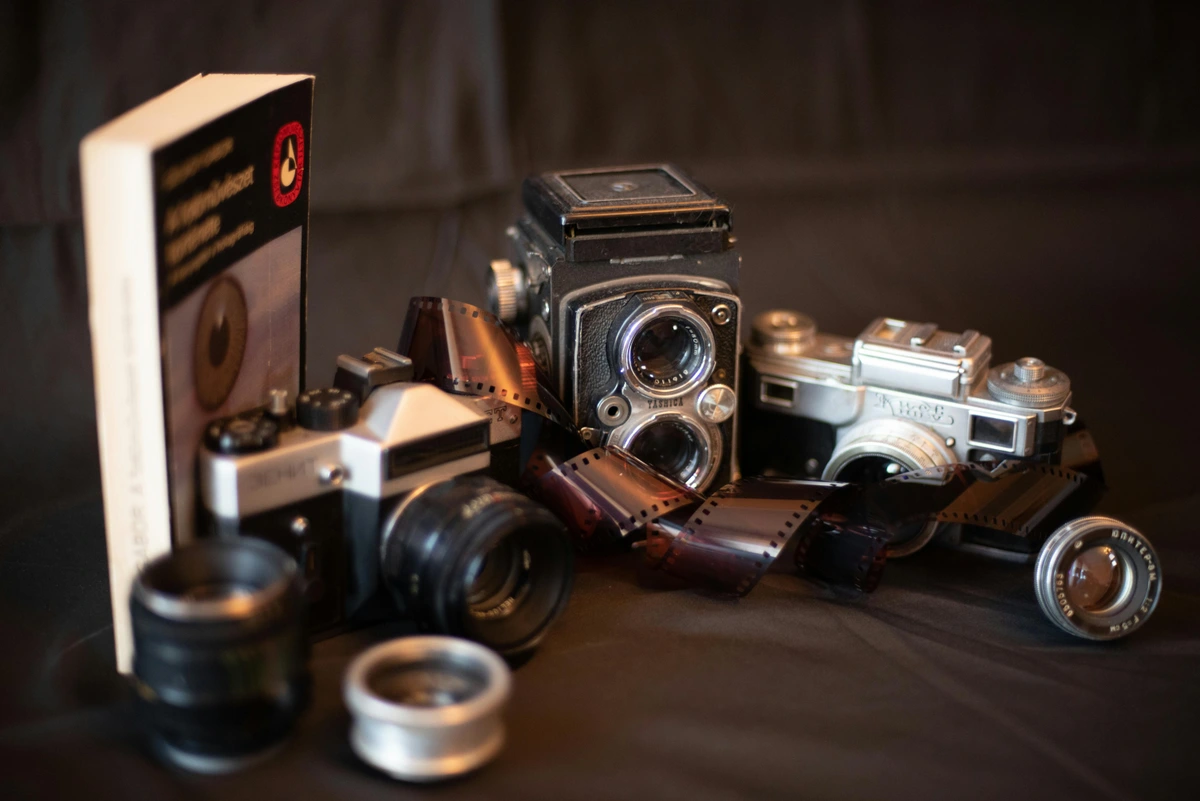
Ah, the "decisive moment." It’s a phrase so often quoted (from the English title of his 1952 book Images à la Sauvette, or Images on the Run), but I sometimes wonder if its profound meaning gets lost in translation. The French title, Images à la Sauvette, literally "images on the run" or "stolen images," subtly emphasizes the spontaneity and candidness of his approach—the art of snatching a fleeting reality. For Cartier-Bresson, it wasn't merely about pressing the shutter at the peak of an action. It was about recognizing, with an almost spiritual intuition, when "the significance of an event as well as a precise organization of forms giving that event its proper expression" converged perfectly. That's a mouthful, I know, but boil it down, and it's about the perfect alignment of three things, often requiring immense patience and an uncanny ability to anticipate life rather than merely react to it:
- The Event: Something meaningful is happening. This could be a grand historical moment or a subtle human interaction on a street corner.
- The Emotion: The human element, the feeling of the scene, conveyed through gesture, expression, or atmosphere.
- The Geometry: The composition, the lines, shapes, and forms within the frame all click into place, adding to the narrative and creating visual harmony. This is where his painter's eye truly shone, composing in the viewfinder as if it were a canvas, often instinctively employing principles like the golden ratio or "framing within frames."
It's like catching a complex thought just as it perfectly crystallizes in your mind, or hitting a high note that resonates flawlessly with the entire melody. He spent hours, sometimes days, waiting for that exact confluence. Take his iconic photograph, "Behind the Gare Saint-Lazare" (1932), for instance. The moment a man leaps over a puddle, his reflection perfectly mirrored, with the broken steps and discarded ladder in the background creating an almost surreal geometry—that's the decisive moment in action. The event is the leap, the emotion is the kinetic energy and perhaps a hint of defiance or joy, and the geometry is the uncanny alignment of the man, his reflection, and the surrounding elements into a single, cohesive frame. It reminds me a bit of the painstaking process of waiting for inspiration to strike when creating a painting—you can't force it, but you have to be ready when it arrives. It's truly a masterclass in observation, making him, in my opinion, an unparalleled artist of the fleeting instant.

Elements of the Decisive Moment
Element  | Description | Outcome of Decisive Alignment |
|---|---|---|
| Significance | The core meaning or story unfolding. | Elevates a mere snapshot to a powerful, timeless narrative. |
| Emotion | The feeling or mood conveyed by subjects. | Connects deeply with the viewer, creating empathy or understanding. |
| Composition | The arrangement of elements, lines, and shapes within the frame. | Creates visual harmony, balance, and guides the eye, reinforcing the message. |
| Timing | The precise fraction of a second when all elements converge perfectly. | Captures the peak of action or the height of an emotional expression, making it unique and irretrievable. |
Magnum Photos: Forging a New Path in Photojournalism
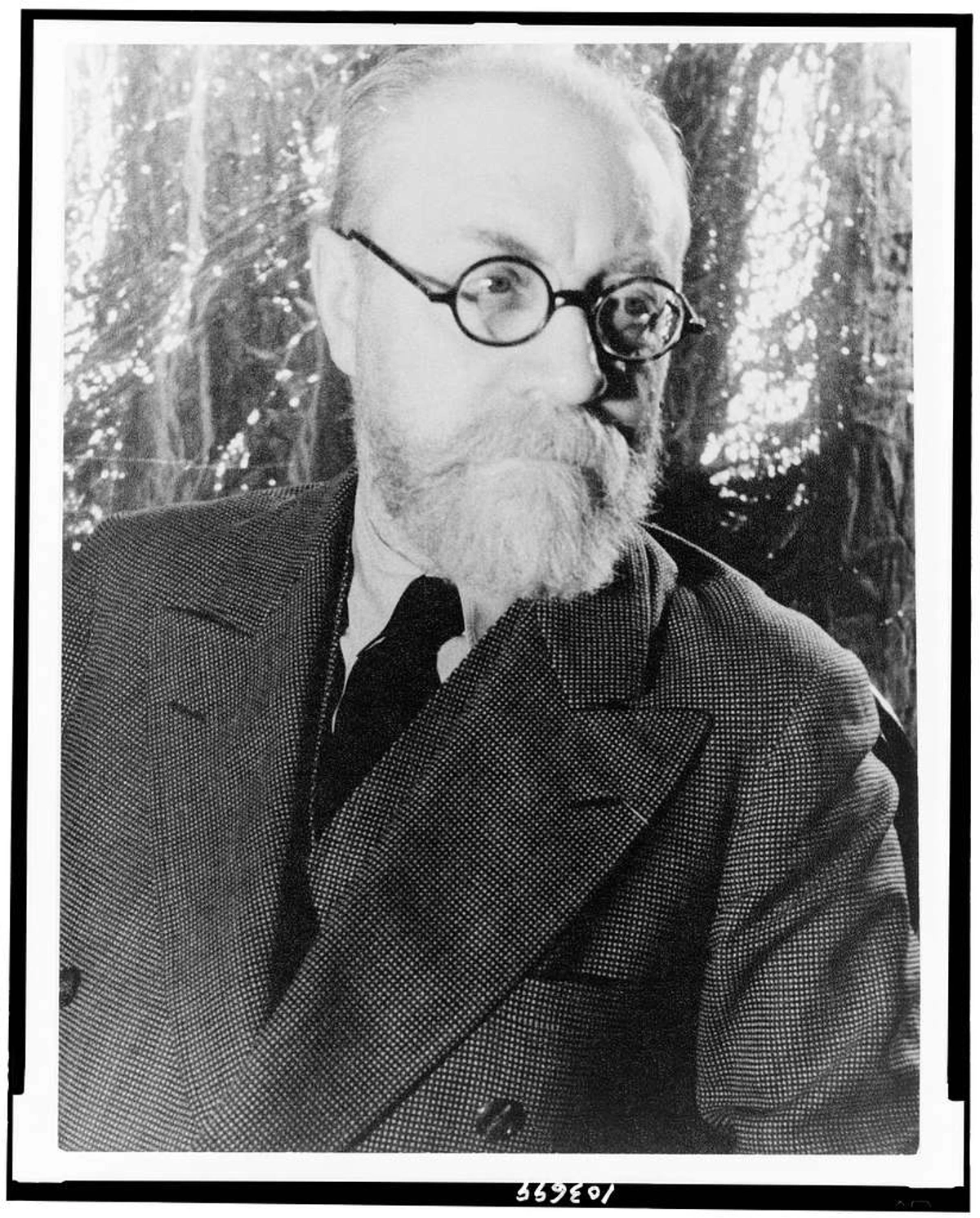
The quest for the decisive moment wasn't just a personal artistic journey for Cartier-Bresson; it also shaped his vision for the future of photography itself. He saw the power of individual vision and sought to protect it, leading to a groundbreaking collective endeavor. In 1947, alongside legendary photographers Robert Capa, David "Chim" Seymour, and George Rodger, he co-founded Magnum Photos. This wasn't just another agency; it was a revolutionary cooperative. The idea was simple yet profound: photographers would own the rights to their own negatives and control the narrative of their work. Think about it—in an era where publications often dictated terms, this was a radical assertion of artistic and professional independence. It empowered photographers, ensuring their vision remained intact and respected. For me, this speaks volumes about HCB’s integrity and his belief in the profound truth-telling power of photography, an ideal I try to carry into my own art, even if in a different medium. Magnum Photos not only documented some of the 20th century's most pivotal events across Europe, Asia, and the Americas but also set a new standard for ethical and artistic independence in photojournalism. Capa might have been closer to the action, and "Chim" Seymour more focused on intimate portraits, but HCB's unobtrusive, almost philosophical approach was foundational to Magnum's vision.
The Man Behind the Lens: A Glimpse into His Personality and Evolution
Despite his immense influence and the iconic status of his images, Cartier-Bresson was a famously private man, almost allergic to the limelight. It's a fascinating paradox: the "eye of the century" preferred to be unseen, often mistaken for a journalist or an architect, anything but a famous photographer. This humility, this dedication to the craft rather than the celebrity, is, I think, what makes his work even more profound. It wasn't about him; it was always about the world and the moments within it. "To take photographs is to hold one's breath, when all faculties converge in a face of fleeing reality," he once said, perfectly encapsulating his philosophy.
In his later years, he largely put down his camera and returned to his first love, drawing, finding a different kind of quiet satisfaction. This wasn't a rejection of photography, but a continuation of his lifelong visual exploration. He saw drawing as a fundamental act of visual inquiry, a direct dialogue between the eye, mind, and hand—a natural extension of his early approach to the camera as an "instant drawing" tool. He drew from life, always seeking that essential line and form, the underlying geometry of existence, much like I seek to distill fleeting sensations into form and color in my own abstract compositions. It was, in essence, another way to chase the decisive moment, albeit with charcoal or pencil instead of a shutter. "Photography is not like painting," he observed, "There is a creative fraction of a second when you are taking a picture. Your eye must see a composition or an expression that life itself offers you, and you must know with intuition when to click the camera. That is the moment the photographer is creative."
The Silent Hunter: His Tools and Techniques for Authentic Vision
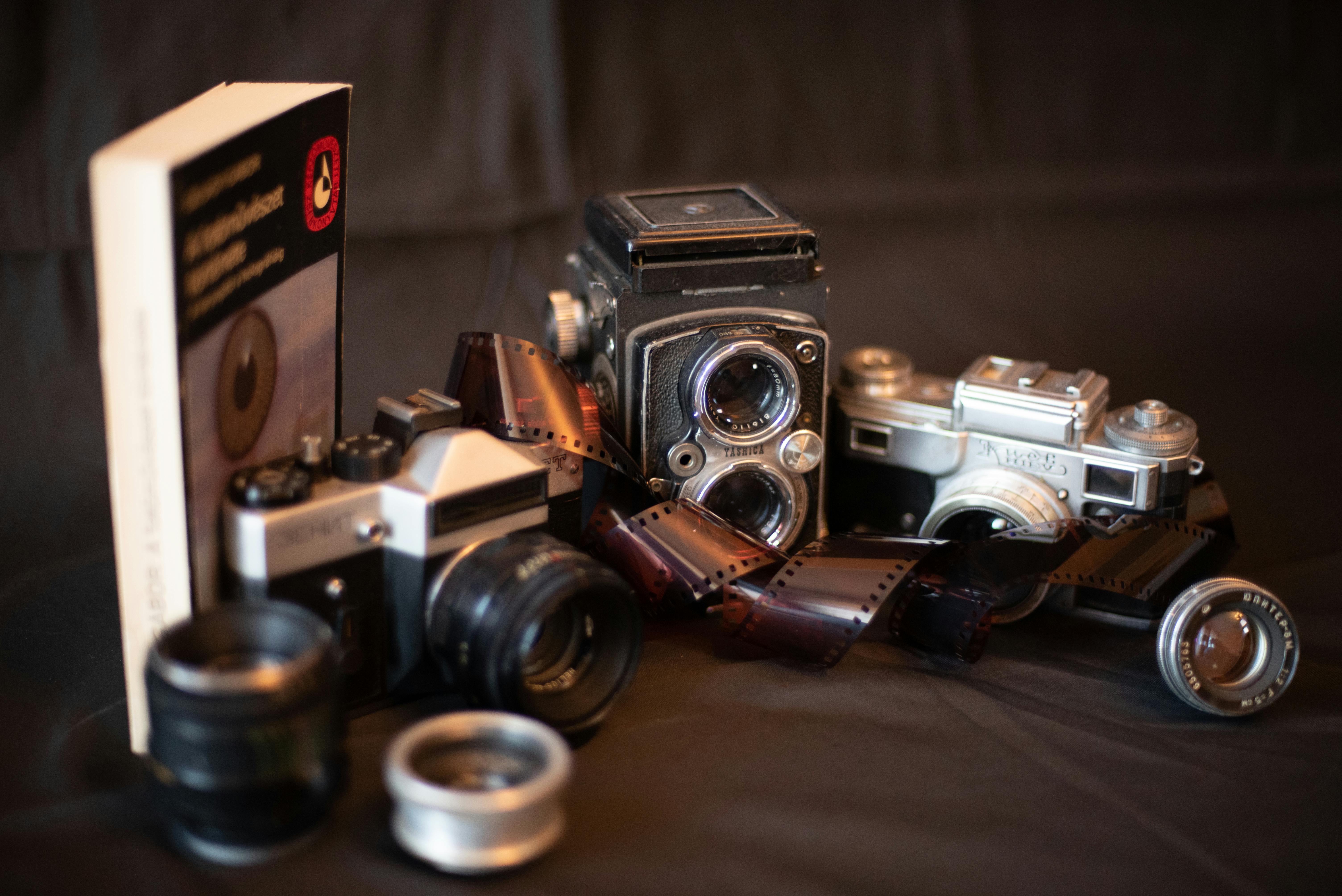
Cartier-Bresson’s approach was deceptively simple, yet profoundly effective, driven by a clear philosophy: the photographer should be invisible. He was a silent hunter, a discreet observer, aiming to capture reality as it unfolded, not to orchestrate or disturb it. This conviction dictated his choice of tools. He almost exclusively used a Leica 35mm camera with a 50mm lens. Why? Because it was discreet, quiet, and a natural extension of his eye, allowing him to blend into the scene rather than intrude upon it. He famously covered the chrome parts of his camera with black tape to make it even less conspicuous. He didn't want fancy equipment, flashes, or filters to distract him, or his subjects, from the moment. It was about being present, observing, and capturing life without interference, convinced that any interaction would inherently distort the truth of the scene.
And then there's his unwavering commitment to black and white photography. He famously disliked color, considering it distracting. For him, color added a layer of unnecessary information that detracted from the essential elements of form, light, texture, and human emotion. He felt that stripping away color allowed the viewer to focus purely on composition, narrative, and the interplay of light and shadow, revealing a deeper, more abstract truth. Black and white forced him—and us—to focus on the raw structure, the stark reality of the scene. It was a philosophical choice, not just an aesthetic one, a belief that monochrome revealed the soul of a moment more powerfully.
He also famously refused to crop his images, viewing the edges of the frame as sacred. He composed precisely in the viewfinder, convinced that if the moment was truly decisive, it was complete within those boundaries. This extended to his post-production philosophy (or lack thereof); his negatives were rarely retouched or manipulated, maintaining the integrity of the captured moment. This wasn't about stubbornness, but about a deep respect for the captured reality—a testament to his confidence in his own eye and timing. "I am not interested in 'reality,'" he declared, "I am interested in conveying an idea, a feeling, an emotion."
This disciplined approach, where the tool serves the eye and the mind, is something I deeply admire. It underscores the idea that true artistry often lies in constraint, in mastering a chosen medium until it feels like a natural extension of oneself. You see a similar dedication in other artists, whether it’s the fluid lines of a calligrapher or the vibrant strokes of a painter. When you visit a gallery, be it The Photographers' Gallery in London or the European House of Photography in Paris, you can almost feel the presence of photographers like HCB in the quiet power of the images displayed. His choices were about maximizing authenticity, a principle that resonates deeply with my own artistic journey, where I strive to convey raw emotion and intuitive forms, allowing the essence of the subject to emerge.

Legacy and Influence: A Timeless Vision
Cartier-Bresson’s legacy is immense. He didn't just document the 20th century; he helped define how we see it. His work spanned decades, capturing pivotal historical moments like the liberation of Paris, the Spanish Civil War, the Chinese Revolution, and the assassination of Gandhi, all through his unique lens. His influence spans generations of photographers, from photojournalists like Robert Capa (though HCB’s unobtrusive style contrasted with Capa's close-combat approach) to street photographers, inspiring them to seek authenticity and beauty in the everyday. His observational style even influenced filmmakers of the French New Wave, who adopted his candid framing and interest in everyday life to create a sense of raw realism.
His work reminds us that profound stories often unfold in the most unassuming corners of the world, if only we take the time to truly look. The ethical implications of his "silent hunter" approach—capturing life candidly without intervention—continue to be discussed. Some critics raise questions about the potential for voyeurism or the fine line between observation and intrusion, challenging photographers to consider their responsibility when documenting lives without explicit consent. However, for HCB, it was a commitment to truth, a belief that the purest documentation came from an uninfluenced scene.
In a world saturated with heavily edited, staged, and often superficial images, Cartier-Bresson’s commitment to unvarnished reality feels more relevant than ever. He wasn't interested in creating elaborate fantasy worlds, a stark contrast to, say, the meticulously constructed narratives you might find in the work of Cindy Sherman. Both brilliant, of course, but fundamentally different approaches to the photographic medium. HCB's enduring message is a gentle nudge to slow down, be present, and trust our own eyes.
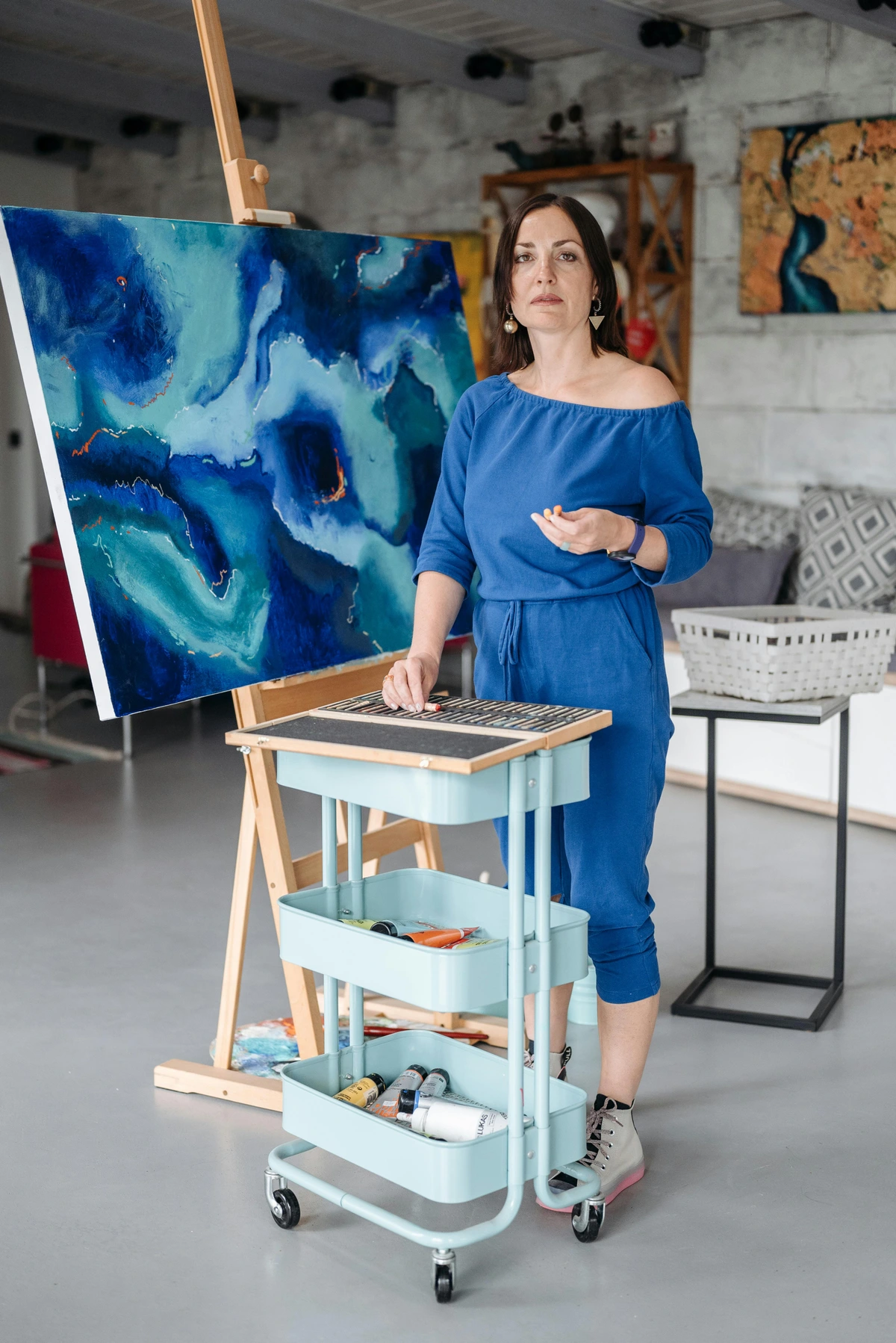
For an artist like myself, or anyone who creates, Cartier-Bresson's approach to the decisive moment isn't just about photography; it's a philosophy of creative living. It’s about being so deeply connected to your surroundings that you can intuitively sense when everything converges, when a piece of the universe aligns perfectly to be captured or expressed. This pursuit of tangible, historically resonant moments in print also offers an interesting contrast to the often speculative and ephemeral nature of some contemporary digital art markets, like NFTs. HCB’s physical prints possess a permanence and a direct connection to the negative that digital art, for all its innovation, can sometimes struggle to replicate in terms of established market value and historical conservation. It makes me think about my own creative journey and the pursuit of that perfect, resonant moment in a painting. If you're curious about my artistic process, you can explore my personal timeline or even buy some of my work, which, while abstract, also seeks to capture fleeting sensations.

HCB's Approach vs. Modern Photography Trends
HCB's Approach | Modern Photography Trends |
|---|---|
| Authenticity/Spontaneity | Often staged, heavily edited, filtered. |
| Unobtrusive Equipment | High-tech gear, visible presence, large setups. |
| Black and White | Predominantly color, vibrant hues, digital manipulation. |
| No Cropping | Extensive post-production, cropping, compositing. |
| Focus on Geometry/Light | Focus on aesthetic, mood, or specific effects (e.g., bokeh). |

FAQ: Your Burning Questions About HCB
Who invented the decisive moment?
While the concept of capturing a peak moment is ancient in art, Henri Cartier-Bresson coined and popularized the term "the decisive moment" (from the English translation of his 1952 book Images à la Sauvette (Images on the Run)). He articulated its philosophical and practical application in photography, transforming it into a guiding principle for generations of visual artists.
What camera did Henri Cartier-Bresson use?
Henri Cartier-Bresson primarily used a Leica 35mm rangefinder camera, typically equipped with a 50mm lens. He favored its small size, discretion, and reliability, often covering its chrome parts with black tape to make it even more unobtrusive, allowing him to blend into crowds and capture spontaneous, unposed moments without drawing attention.
Why is Henri Cartier-Bresson so famous?
Cartier-Bresson is famous for several reasons: his groundbreaking concept of "the decisive moment," his pioneering work in photojournalism (co-founding Magnum Photos), his distinctive compositional style, and his ability to capture the universal human condition with empathy and precision. His vast body of work across decades documented major historical events and everyday life globally, influencing countless photographers and even filmmakers.

What made his compositional style distinctive?
Beyond the decisive moment, Cartier-Bresson's compositional style was marked by an innate understanding of geometry and balance. He often used "framing within frames," utilizing elements within the scene itself (like doorways, windows, or architectural lines) to create natural borders around the main subject, enhancing focus and depth. He also favored leading lines and strong diagonal elements to create dynamic yet harmonious images. His precision in composition meant that every element within the frame contributed to the overall narrative, creating a sense of perfect, unforced order in a chaotic world.
What was Henri Cartier-Bresson's relationship with his subjects?
Cartier-Bresson aimed to be an invisible observer. He believed in capturing genuine, unposed moments, which required immense patience and a respectful, unobtrusive presence. He rarely interacted with his subjects, preferring to blend into the background and let life unfold naturally. This "silent hunter" approach allowed him to capture raw emotion and authentic scenes without influencing them, believing that any interaction would compromise the truth of the moment.
What are some famous Henri Cartier-Bresson photographs?
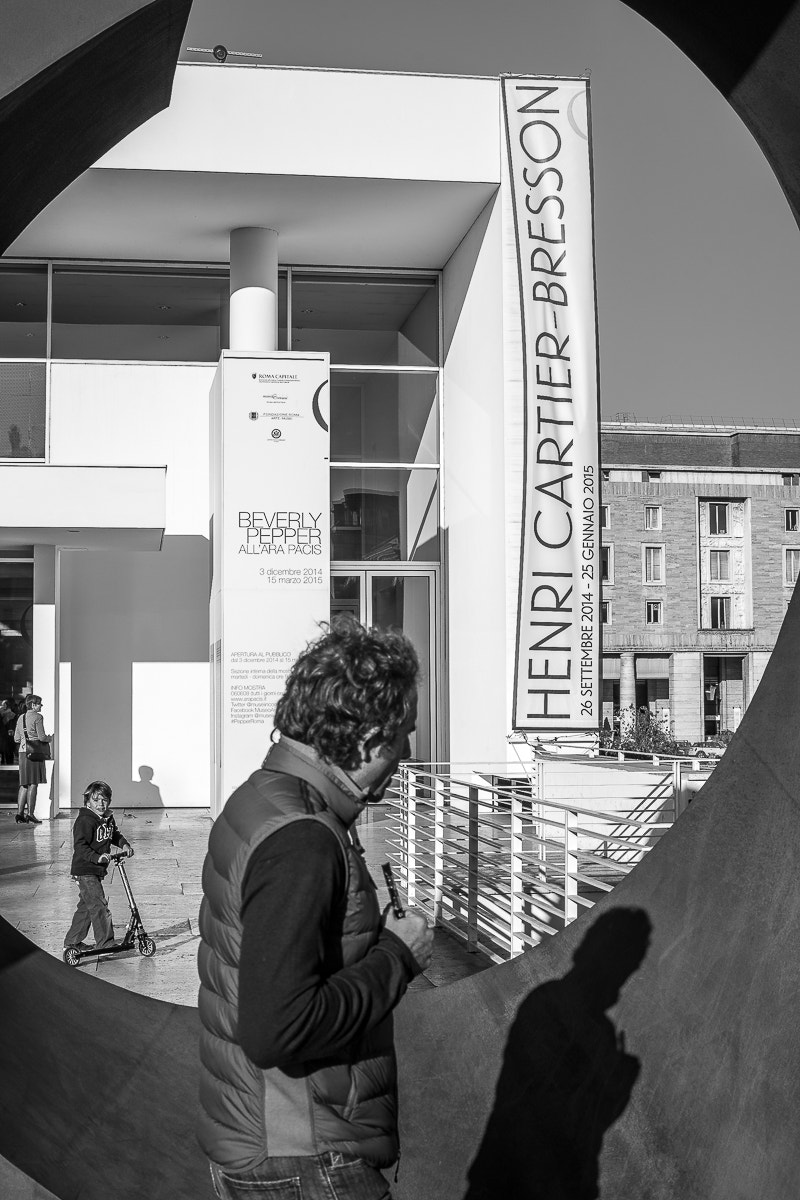
While it's hard to pick just a few, some of his most celebrated works include "Behind the Gare Saint-Lazare" (Paris, 1932), famous for its leaping man and reflection; "Rue Mouffetard" (Paris, 1954), capturing a joyful boy with two wine bottles; and images from his extensive photojournalistic coverage, such as Gandhi’s last hours (India, 1948) or the fall of the Kuomintang in China (1949). Each demonstrates his mastery of the decisive moment, blending significant events with impeccable composition.







How did Henri Cartier-Bresson's work evolve over his career?
Cartier-Bresson's core philosophy of the "decisive moment" remained consistent throughout his career, but his thematic focus evolved. Initially, he explored street life and surreal juxtapositions in Europe. Later, as a co-founder of Magnum Photos, he became a renowned photojournalist, documenting major historical events across the globe, from Asia to the Americas. In his final decades, he increasingly moved away from photography, returning to drawing as a more direct and contemplative form of visual expression, proving that his artistic pursuit was always about seeing, regardless of the medium.
Did Henri Cartier-Bresson only shoot in black and white?
Yes, almost exclusively. While he experimented with color briefly early in his career and even directed some color films, Henri Cartier-Bresson famously preferred and committed to black and white photography for his still images. He believed color was distracting and detracted from the essential elements of form, composition, and human emotion that he sought to capture, allowing a more profound focus on narrative, texture, and light.
What was Henri Cartier-Bresson's relationship with other Magnum photographers?
As a co-founder of Magnum Photos, Cartier-Bresson was deeply intertwined with his colleagues like Robert Capa, David "Chim" Seymour, and George Rodger. While they shared a common goal of photographer autonomy and truth-telling, their individual styles and approaches varied. Capa, for instance, was known for his "up close and personal" war photography, a more confrontational style compared to HCB's unobtrusive observational method. "Chim" Seymour excelled at intimate portraits, while Rodger documented post-war Africa. Despite these differences, they shared a mutual respect and a collective vision for Magnum's groundbreaking cooperative structure, influencing each other through shared ideals and critical dialogue.
What is street photography?
Street photography is a genre of photography that features subjects in candid situations within public places, such as streets, parks, beaches, or other urban environments. It aims to capture unposed, spontaneous moments of everyday life, often focusing on human interaction, emotions, and the unique geometry of the urban landscape. Cartier-Bresson is widely considered one of its most influential practitioners.
Conclusion: Still Chasing Moments
So, there you have it—a glimpse into the mind and work of Henri Cartier-Bresson. His legacy isn't just about iconic photographs; it's about a philosophy of seeing, of being present, and of understanding that the universe, for all its chaos, occasionally aligns in perfect, resonant moments. He taught us that the world is an endless gallery of potential masterpieces, waiting to be noticed, a sentiment that stands in stark contrast to the often speculative and ephemeral nature of some contemporary digital art markets, like NFTs. Perhaps, the next time you step outside, you'll find yourself looking a little differently, anticipating your own decisive moment. I know I still do. If HCB's lifelong pursuit of these raw, honest, and beautifully composed moments resonates with you, I invite you to explore my own abstract paintings on my timeline, or perhaps even buy a piece. Though my medium is different, the underlying quest for capturing fleeting sensations and universal truths remains a constant dialogue with the spirit of the decisive moment.