Art Gallery Openings: Your Ultimate Guide to Confident, Authentic Style & Etiquette
Unlock confidence for art gallery openings! An artist's comprehensive guide to versatile outfit formulas, decoding dress codes, and expressing authentic style while letting the art shine. Feel comfortable, look chic, and deeply engage with art.

Art Gallery Openings: Your Ultimate Guide to Confident, Authentic Style & Etiquette
The air buzzes with conversation, the clink of wine glasses creates a delicate rhythm, and vibrant canvases beckon from pristine white walls. Yet, for many, this inspiring scene quickly morphs into a low-grade panic: "What do I wear?" I’ve been there, countless times. My internal monologue usually screams, "Will I look like I’m trying too hard, or not hard enough? Will I fit in, or stand out like a misplaced brushstroke?" It’s a feeling that can overshadow the very reason we attend: the art itself.
I once showed up to a rather minimalist exhibition in what I thought was a 'bold artistic statement' – a neon pink blazer and clashing patterned trousers – only to realize everyone else was in sophisticated shades of grey and black. I spent the evening feeling like a walking, talking distraction, rather than an appreciative art lover. Lesson learned! As an artist who spends a fair bit of time in galleries, you'd think I'd have this figured out, but every opening feels like a new sartorial puzzle. The pressure feels immense, doesn't it? We want to look like we belong, like we get art, but we also don't want to look like we're wearing a costume. It's a delicate balance: looking creatively inspired without appearing theatrical.
Beyond the velvet ropes of Parisian salons and the intellectual huddle of Bloomsbury Group gatherings, the very fabric of art spaces shifted. The late 19th and early 20th centuries saw the rise of independent galleries, breaking away from the strictures of academic institutions. This democratizing impulse, however, birthed a new kind of sartorial anxiety. It wasn't about rigid formality anymore, but an unspoken code of 'artistic understanding' – a subtle language of dress that conveyed whether you 'got it'. This tension between accessibility and an implied dress code persists, subtly shaping our choices even today. I sometimes think about how artists in movements like Bohemianism or the Beat Generation used their attire as a deliberate rejection of formality, a stark contrast to the refined elegance often expected today. It’s also a unique opportunity to connect with art and artists, and dressing right helps you focus on that experience, rather than your outfit.
More than just a guide to clothes, this is your ultimate handbook to navigating any art gallery opening with undeniable, authentic style and a deep appreciation for the creative energy. I promise, by the end of this, you’ll be ready to embrace the art, not fret over your attire.
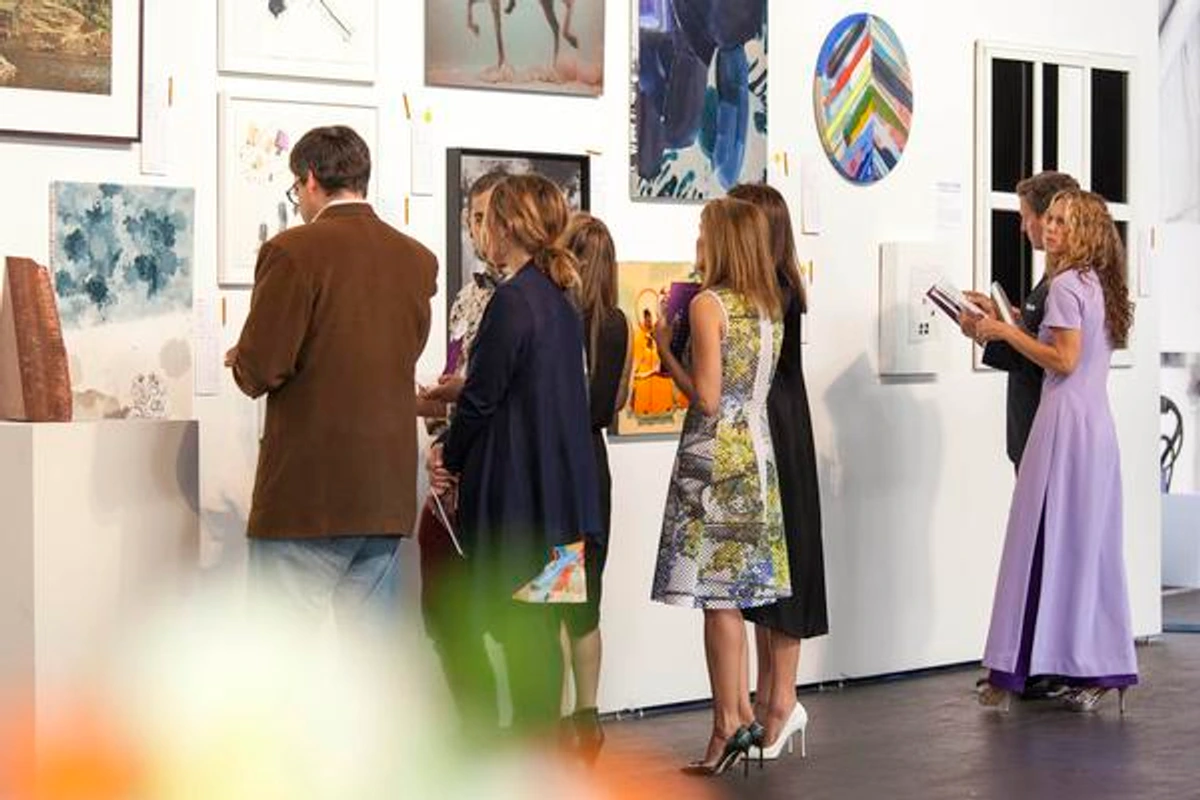
So, if you’re currently staring into the abyss of your closet, I'm here to talk you down. The secret is that there isn't one secret. But there are a few guiding principles that will help you put together an outfit that makes you feel confident, comfortable, and ready to actually enjoy the art. Which, after all, is the entire reason you're there. The buzzing excitement, the chance to discover new perspectives, to support artists, and to connect with a community of fellow enthusiasts – that's what truly matters. And your outfit should facilitate that, not hinder it.
First, Know Your Venue: Decoding the Unspoken Dress Code
Not all gallery openings are created equal. The vibe can swing wildly from a high-stakes, champagne-fueled affair to a casual get-together with beer in plastic cups. Figuring out the context is your first and most important clue. It’s the difference between showing up at a bustling street art showcase in a ballgown or at a formal auction preview in shorts. Always consider the gallery's general aesthetic too – a stark, minimalist space might favor clean lines and muted tones, while a bohemian, artist-run spot could welcome more eclectic flair and vibrant textures.
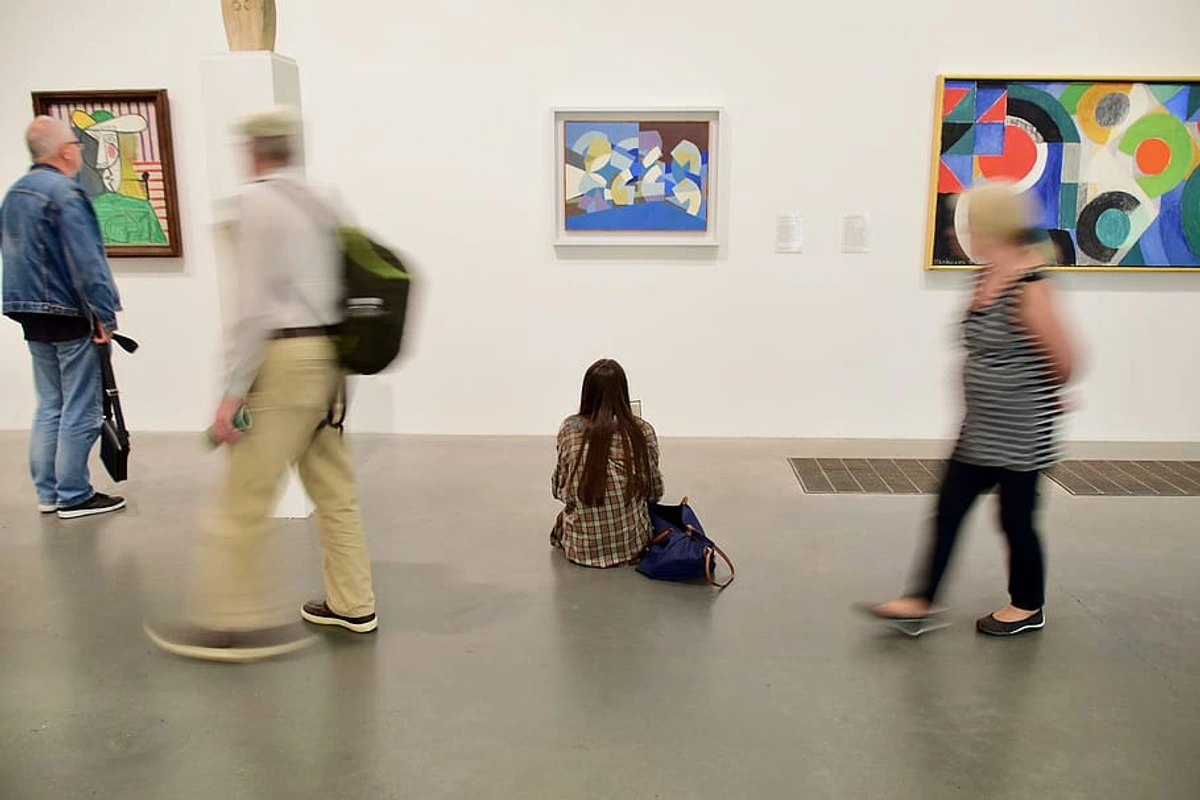
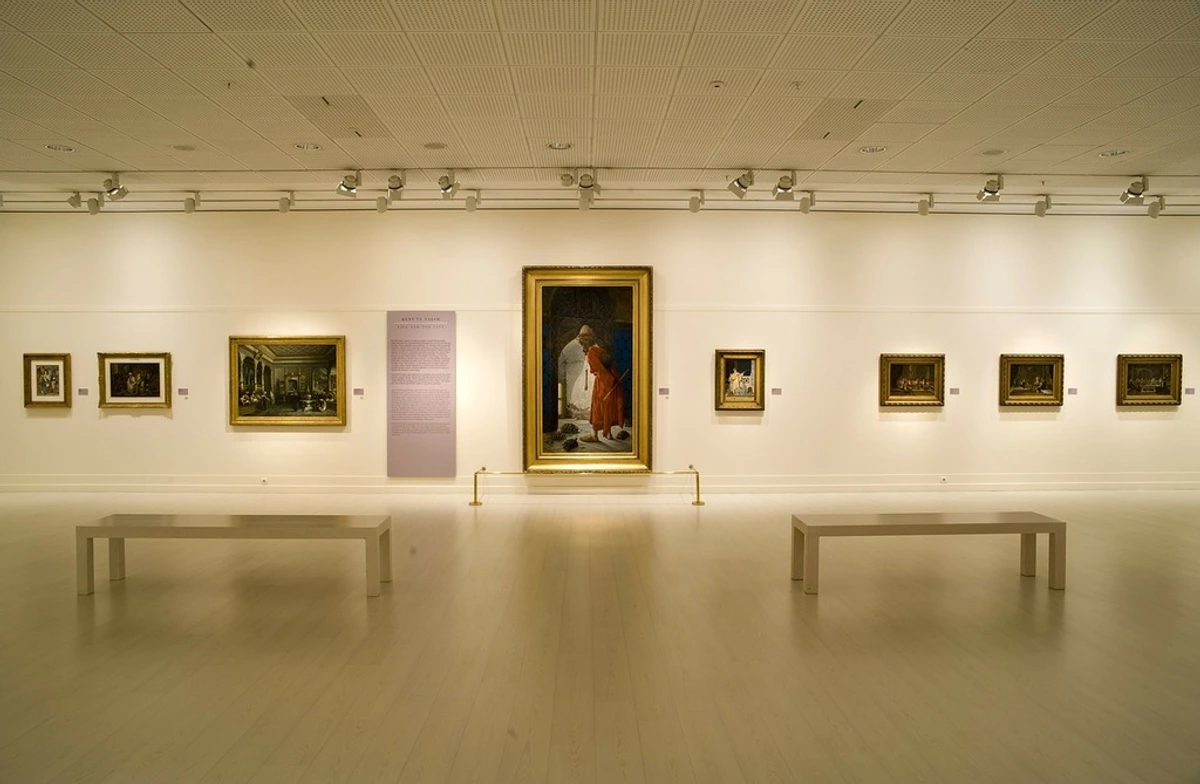
Even better, do a quick Google search of the gallery's and even the artist's past opening photos or interviews. This five-minute investigation can tell you everything you need to know about the expected ambiance and can save you a world of sartorial anxiety. For instance, reviewing images of a grand institution like the National Art Museum of Catalonia, as seen below, often hints at a more formal expectation. Thinking about the artist's message can even inform subtle details in your outfit, showing a deeper respect for their work. It's about showing you've put thought into the occasion, which is a form of respect for the art and the artist.
credit, licence
To help you decipher the unspoken dress code, here’s a breakdown of common art gallery opening types and what to consider wearing:
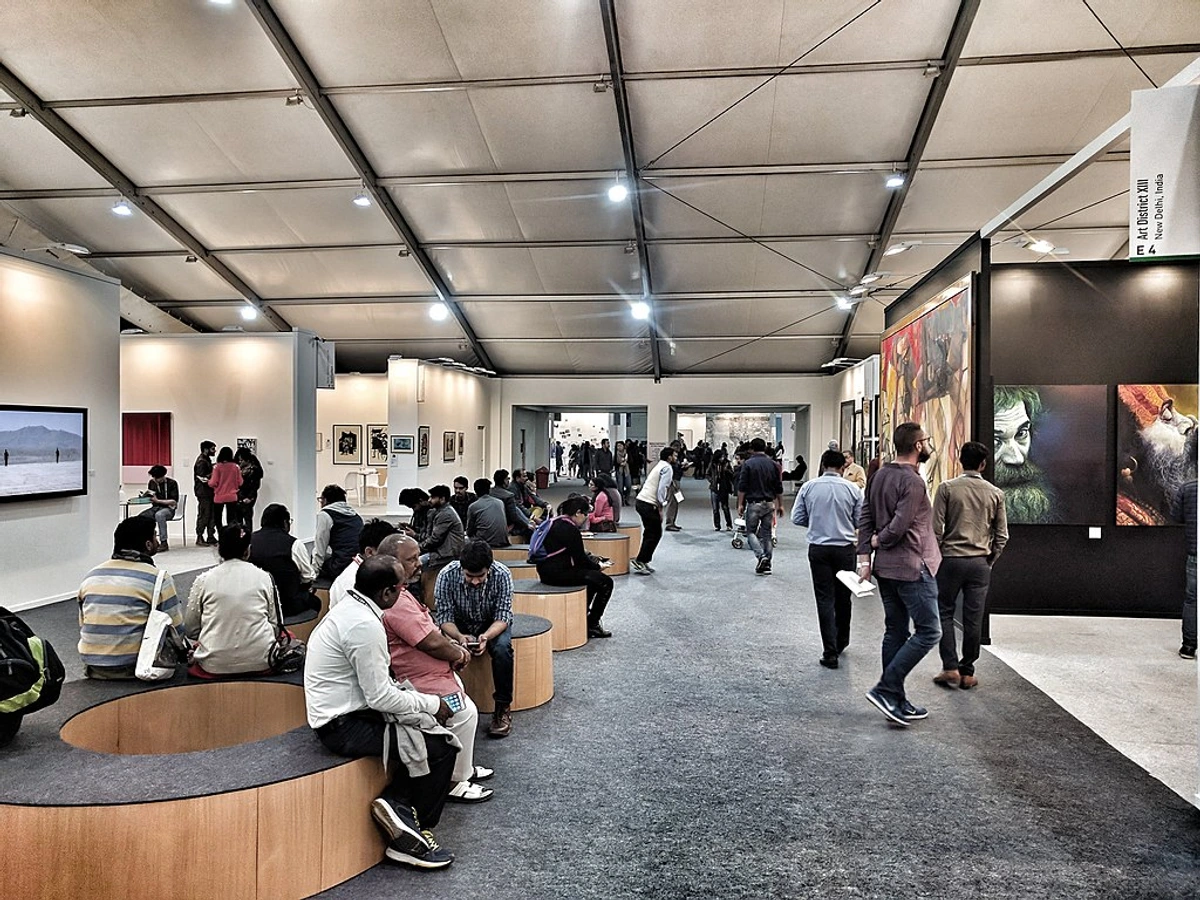
Type of Opening  | The Vibe / Mood | What to Consider Wearing | Key Takeaway |
|---|---|---|---|
| Established 'Blue-Chip' Gallery | Sophisticated, professional, networking-heavy. Showcases high-value contemporary art by established artists. Can feel exclusive. | Polished and chic. Think tailored trousers, a silk blouse, a sharp blazer, a minimalist dress. This is where "contemporary art scene chic" shines: clean lines, luxurious fabrics, and "quiet luxury" – understated elegance that whispers, rather than shouts, wealth and sophistication. Black is always a safe bet. Smart flats or low block heels for comfort. | Understated elegance; let sophistication speak softly. |
| Emerging Artist / DIY Space | Creative, relaxed, expressive, and often a bit edgy. Focus on experimental works, mixed media, or vibrant street art by new talent. Most welcoming. | This is your chance to play and truly express yourself. Think interesting silhouettes like exaggerated sleeves, a deconstructed blazer, or an asymmetric top. Wide-leg trousers, vintage band tees layered under a blazer, bold colors (cobalt blue, emerald green, fuchsia), or your favorite well-worn (but clean!) boots or sturdy Doc Martens all work. The goal is to look authentically you without trying to be someone else. | Authentic self-expression; personality is king. |
| University or Student Show | Casual, supportive, and youthful. Features diverse student work. | Almost anything goes, but smart casual is a good baseline. Think nice, dark-wash jeans, a cool graphic T-shirt or a fine-gauge knit sweater, and clean sneakers or ankle boots. The goal is to show support and engagement. | Supportive and engaged; smart casual is perfect. |
| Museum Gala / Major Exhibit Opening | Formal, celebratory, often ticketed. Celebrates significant cultural milestones or large-scale, important exhibitions, often with fundraising. | Always check the invitation for a specific dress code (e.g., "cocktail attire" or "black tie optional"). This is where you really dress up. Elegant dresses, sharp suits (classic black, charcoal, deep navy), polished dress shoes. | Strictly formal; respect the event's gravitas. |
The Collector's Mindset: Dressing for Discretion and Discernment
For a serious collector, attire is often about projecting discernment and respect for the art, rather than drawing attention. This isn't about conspicuous consumption but about signaling a quiet confidence in one's taste and knowledge. Think premium quality fabrics, subtle tailoring, and pieces that speak to enduring style rather than fleeting trends. They might choose to blend into the sophisticated backdrop, allowing their expertise and appreciation for the art to do the talking.
Understanding the Vibe: Openings vs. Regular Visits
Before we dive into what to wear, it's crucial to grasp the fundamental difference between an art gallery opening and a regular visit. I mean, you wouldn't wear a ballgown to a casual coffee shop, right? The same logic applies here, albeit with more artistic flair.
- Art Gallery Openings (The Party!): These are social, celebratory events marking the debut of an artist's new work or a significant exhibition. The energy is vibrant, often performative, and you'll typically find mingling, chatting, and sometimes even drinks and snacks. The focus is as much on the event and connecting with people as it is on the art. It's a chance to see and be seen, network, and engage in lively discussions. Think of it as a living, breathing canvas of cultural exchange. The buzz, the energy, the feeling of being part of something new and exciting – that's the core of an opening. This is where new connections are forged and where artists gain crucial visibility and support.
- Regular Gallery Visits (The Contemplation!): These are quieter, more introspective experiences designed for focused appreciation of the art. Fewer people, more time for deep engagement, and rarely any social amenities. You can wear virtually anything (comfort is paramount here), but an opening calls for a little more intentionality in your presentation.
Understanding this distinction is your first step to dressing successfully. For an opening, you're not just a viewer; you're a participant in a cultural moment. Mastering this distinction allows you to confidently choose an outfit that enhances, rather than detracts from, the experience.
The Core Philosophy: Let the Art Be the Loudest Thing in the Room
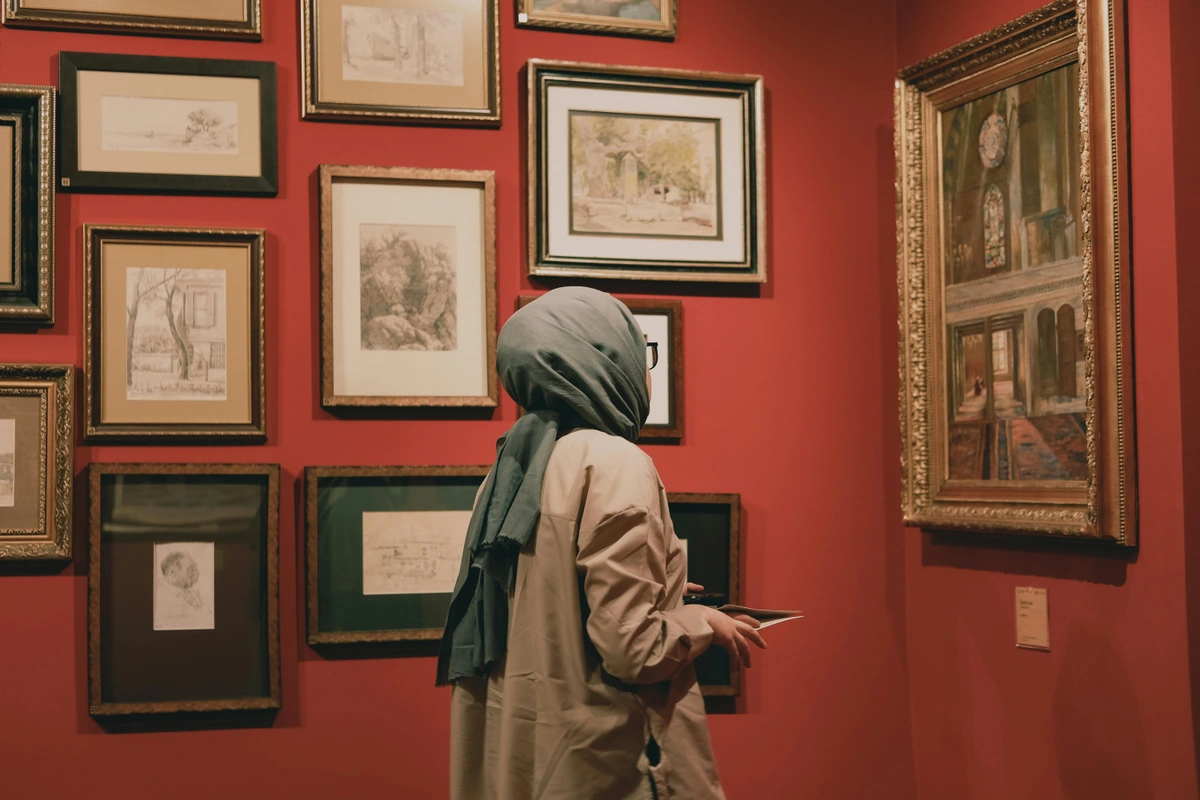
Once you've gauged the room and understood the context, it's time to consider the unspoken rule that binds every art event: your personal style should complement, not compete with, the masterpieces. The art is the main event. Your goal is to look thoughtful and put-together, not to be a walking, talking distraction. Think of it like a well-composed painting: every element serves the whole, and nothing screams for attention over the focal point. It’s a balance, much like the subtle interplay of light and shadow in a masterpiece; your attire should create a harmonious visual frame, allowing the art to truly shine and captivate the viewer. As an artist, I'm always thinking about how elements interact, and that applies to my own presence in a gallery too.
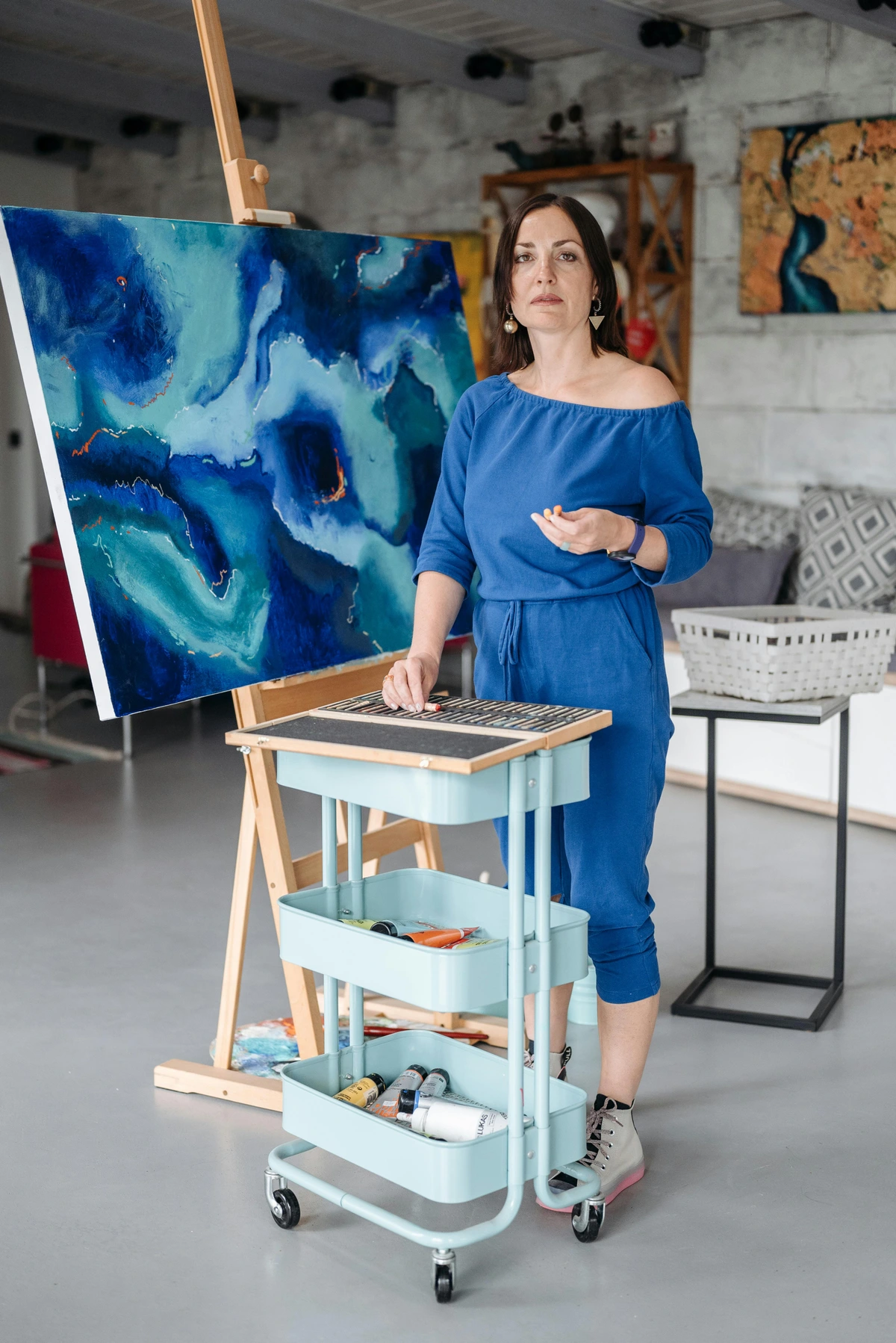
Comfort is Your Co-Pilot (Seriously!)
I cannot stress this enough. You will be on your feet for at least two hours, potentially much longer. You’ll be standing, slowly shuffling from piece to piece, and trying to balance a drink and a tiny plate of cheese. I once wore a pair of architecturally stunning but deeply evil shoes to an opening, and I spent the entire night counting the seconds until I could kick them off, rather than admiring the incredible paintings. Don't be me! By hour two, those sculptural heels felt like instruments of torture, and all I could focus on was the throbbing in my feet, not the intricate details of the artwork. What a missed opportunity!
Choosing shoes you can stand in comfortably for hours isn't just about avoiding pain; it's about enabling a sustained and enjoyable engagement with the art, allowing your mind to wander through the narratives on the walls, not on your aching feet. Think stylish flats, elegant loafers, chic ankle boots with a low heel, or even well-designed, clean sneakers if the venue allows.
- Fabrics that Breathe: Wear fabrics that let you breathe – think linen, cotton, or lightweight wool blends. They drape beautifully and prevent that uncomfortable clammy feeling. Gallery spaces can also have fluctuating temperatures, so layering is a smart strategy.
- Hands-Free Bags: Pick a bag that doesn't require its own security detail—a small crossbody or clutch is perfect for keeping your hands free for mingling, holding a drink, or gesturing excitedly about a piece. A bag that rests comfortably on your hip allows you to move freely and focus on conversations, not on managing your belongings. And speaking of practicality, an understated yet structured tote can be a good option if you need to carry a small notebook or a light sweater.
- Weather Wise: Think about seasonal considerations. For colder evenings, a stylish but warm coat (like a tailored wool trench or a chic puffer) or light layers for a brisk spring night can be a lifesaver. A compact umbrella tucked into your bag is never a bad idea. Also, consider the gallery's lighting; some fabrics or very bright colors might look different or create unwanted reflections.

credit, licence
Express Yourself (Thoughtfully): Your Outfit as Art
This isn't a contradiction to the first point; it's a clarification. While you don't want to upstage the art, you are in a creative space. It's the perfect opportunity to wear something that feels uniquely you, a quiet reflection of your personal aesthetic. This is where design principles—like balance, color, and texture—can apply to your own personal style, much like they do in a compelling artwork. For instance, balance in an outfit can mean pairing a voluminous top with sleek bottoms to avoid overwhelming your silhouette, just as a large brushstroke needs visual space in a painting. A vibrant color choice, like a cobalt blue scarf, can be beautifully balanced by a neutral grey dress, or the sleekness of a leather skirt can be enriched by a chunky knit sweater, adding visual texture without being overwhelming. Understanding the fundamentals, like those found in what is design in art, can truly elevate your wardrobe choices for such an occasion.
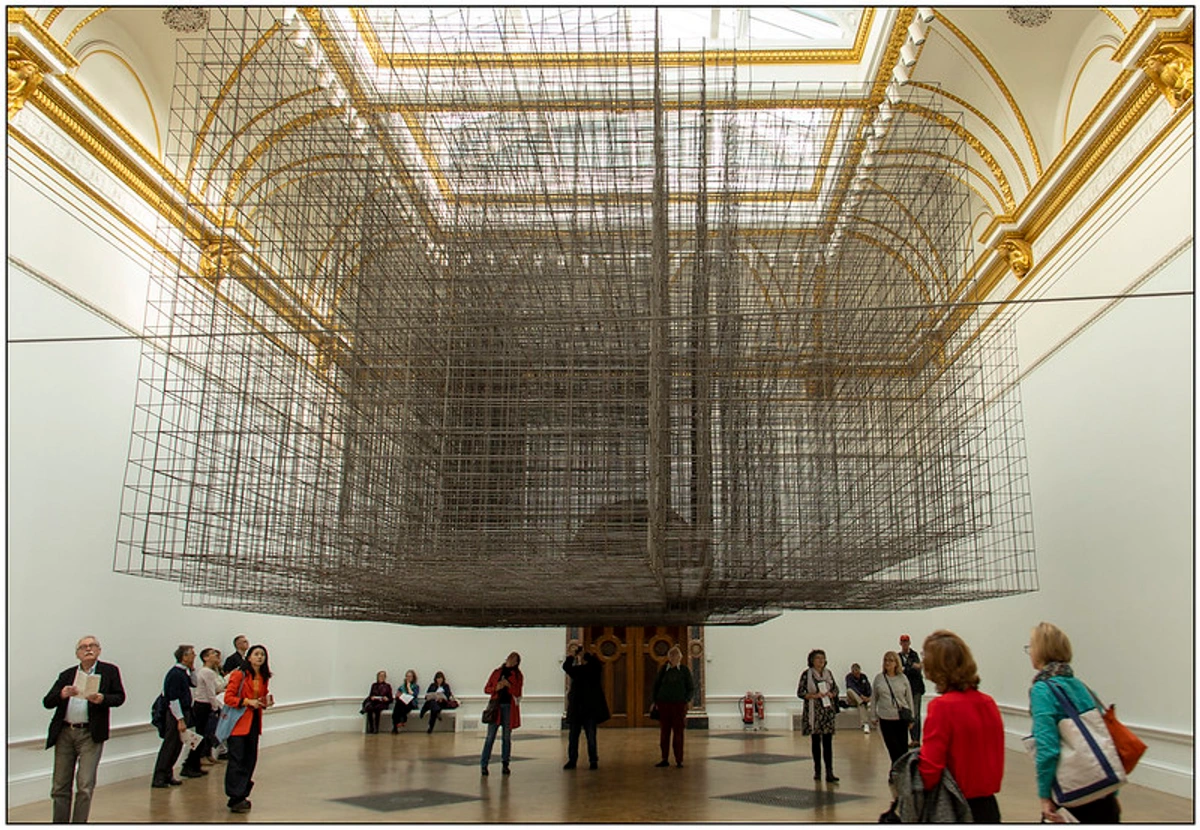
Maybe that's a piece of jewelry from an independent designer, a scarf with a fascinating pattern, or a jacket with a unique cut – like one with asymmetrical lapels or an interesting back detail. Think of your outfit as your own quiet piece of self-expression. It’s a nod to the creativity in the room, a subtle way to show respect for the occasion and the artist, and can even serve as a gentle conversation starter with fellow art enthusiasts. It's your personal signature, much like an artist's brushstroke. Remember, an artistic statement in dress isn't a costume; it's an authentic extension of your perspective.
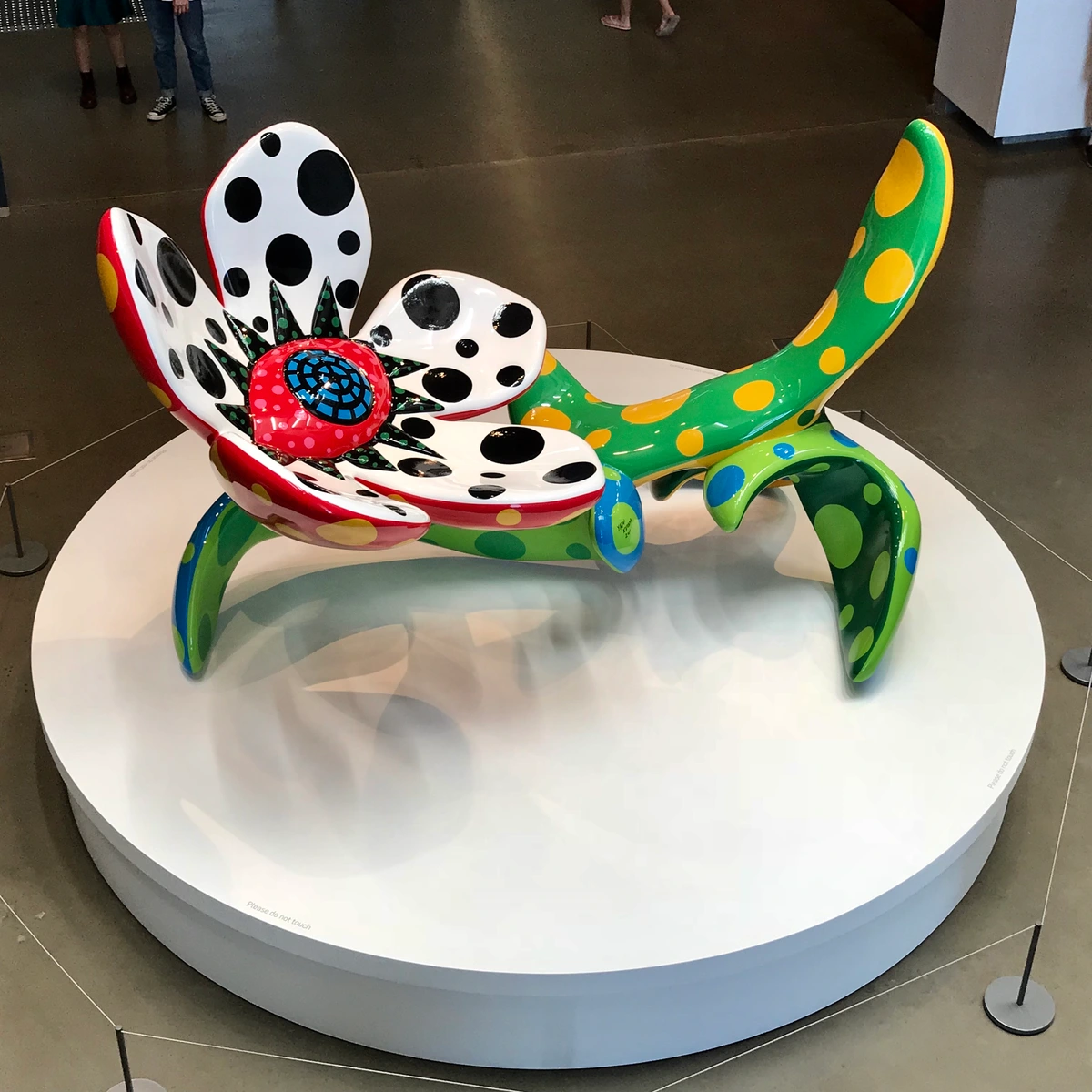
The Art of Accessories: Your Personal Signature
Accessories are where you can truly let your personality shine, adding a thoughtful layer to your outfit without overwhelming the art. They are the subtle details, much like the fine lines or glazes an artist adds to a painting, that complete the composition of your look.
- Statement Jewelry: A unique necklace, a pair of sculptural earrings, or an artisanal brooch can be a fantastic conversation starter and a nod to your artistic appreciation. Just ensure they don't jingle too loudly in quiet spaces. A bold, well-chosen piece can draw the eye and reflect a curated taste.
- Scarves & Ties: A beautifully patterned silk scarf draped artfully or a thoughtfully chosen tie/pocket square for men can inject color, texture, and a touch of sophistication. It’s an easy way to echo the color palette of an exhibition or add a personal flourish.
- Hats: A chic fedora, a structured cloche, or even an elegant beanie can be a stylish addition. However, be mindful of size – avoid overly large hats that might obstruct views in crowded rooms.
- Eyewear: Unique frames can instantly elevate a look, signaling intellectual curiosity and attention to detail. Consider avant-garde designs that reflect a modern aesthetic.
Remember, the goal is to enhance your presence, not to distract. Think of your accessories as curated details, each piece chosen with intention. They are the subtle exclamation points of your outfit, much like a signature on a masterpiece.
Ethical Fashion: A Thoughtful Consideration
In a space dedicated to creative expression, considering the origins of your attire can also be part of a thoughtful presence. While not a strict rule, opting for pieces from sustainable brands, vintage finds, or supporting independent designers can align with the values of many in the art community. It's a subtle way to show that your appreciation for creativity extends beyond the canvas and into conscious consumerism. Look for labels that champion fair trade, use upcycled materials, or celebrate artisanal crafts. It speaks volumes about your values without uttering a single word.
Dressing for the Art Itself: A Subtle Dialogue
Beyond the venue and personal comfort, your outfit can subtly complement or create an interesting dialogue with the exhibition itself. This is where you can be truly thoughtful. As an artist, I often find myself subconsciously responding to the themes or palettes of a show when choosing my attire. It’s a way of engaging on a deeper level before I even step through the door.
For a vibrant, abstract show (like my own work, often full of color!), a minimalist, clean-lined outfit allows the art's colors to pop even more, acting as a sophisticated frame. The clarity and simplicity of your attire visually 'frames' the art, making it the undeniable focal point. Conversely, for a more subdued, perhaps monochromatic or conceptual exhibition, you might choose an outfit with a subtle pop of color (a jewel-toned accessory, for example) or an interesting texture (a boucle jacket, a silk scarf) to add a touch of personal vibrancy without being overwhelming. It's about being present and receptive, allowing your presence to enhance, not distract from, the artistic experience. When attending a show featuring historical art, a vintage-inspired accessory or a classic silhouette can create a beautiful, subtle dialogue, showing appreciation for the era without being literal or costumey.
Here are some quick thoughts on dressing for specific exhibition types:
- Photography Exhibition: Often favors clean lines, understated elegance. Think muted tones, perhaps a strong silhouette. Depending on the photography style, consider sepia-toned earthy palettes for vintage works or crisp monochrome for contemporary pieces. The focus is on the visual narrative of the photographs, so your attire can echo that clarity and directness, allowing the viewer's eye to move unimpeded through the photographic compositions.
- Sculpture Installation: Requires practicality for movement as you might walk around and view pieces from multiple angles. Choose comfortable, non-restrictive clothing. Avoid anything bulky that might accidentally brush against delicate pieces. Textural fabrics (a textured knit, a linen blend) or even subtle metallic accents can be a subtle nod to the three-dimensionality and material qualities of sculpture, creating a tactile harmony. If it's a grand, classical sculpture show, like a Michelangelo exhibition, a classic silhouette with clean lines might be a respectful choice.
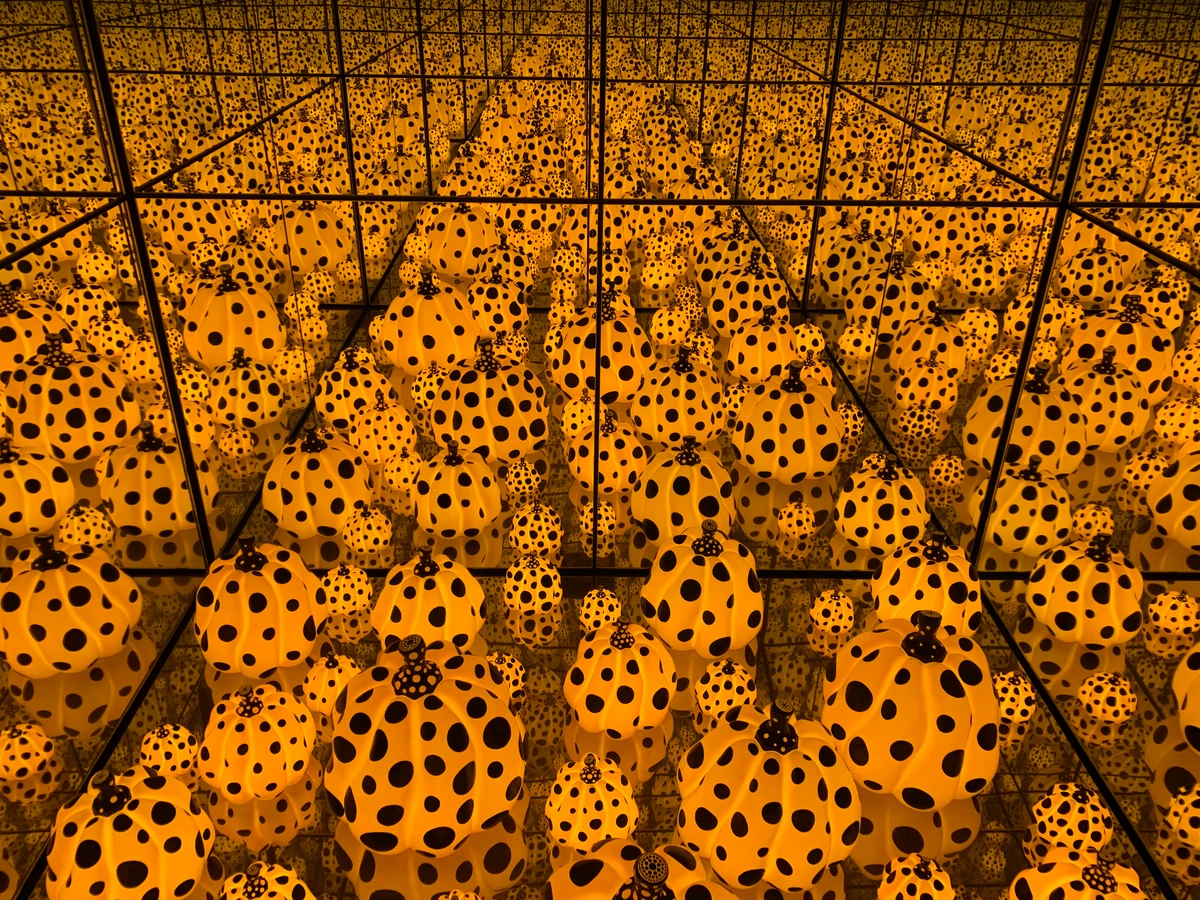
- Digital or New Media Art: Can be playful and modern. Consider contemporary styles, perhaps a touch of metallic, a unique tech-inspired fabric (like neoprene), or a geometric print to reflect the innovative, sleek, and forward-thinking nature of the work. Your outfit can subtly mirror the cutting-edge aesthetic. Think also of patterns inspired by glitch art or generative art for a truly contemporary feel.
credit, licence
- Performance Art: Comfort and the ability to move freely are paramount if audience participation is expected or if you'll be standing for extended periods. If you know the themes, you might subtly echo the experimental nature of the performance with bold accessories or unique cuts, but always prioritize comfort and respect for the performers' space. Your role is to be an engaged observer, and comfort facilitates that.
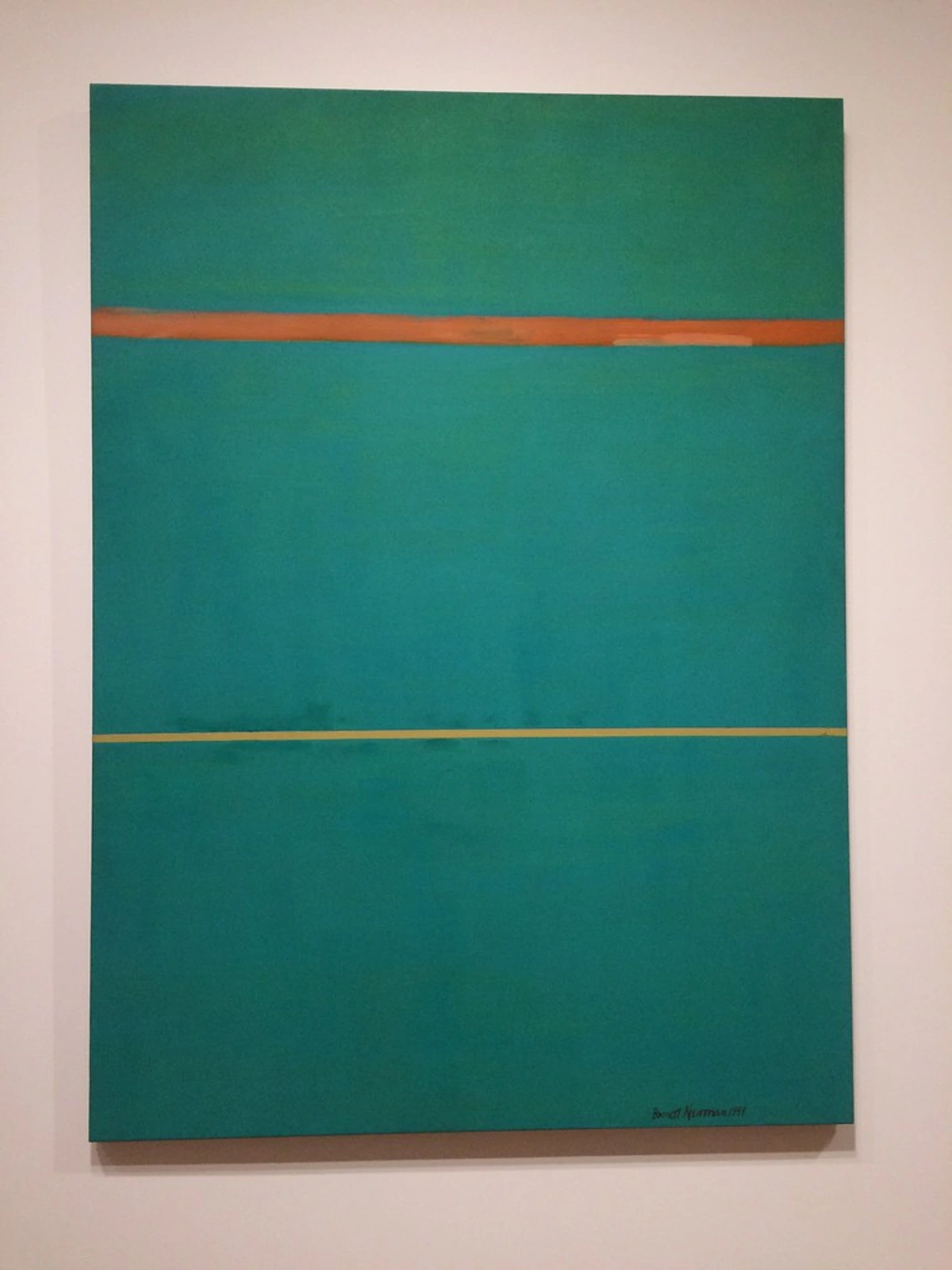
- Abstract Expressionism / Color Field: For a vibrant Rothko-esque exhibition, a muted, solid-color outfit (think black, navy, or a deep grey) acts as a respectful backdrop, allowing the intense colors of the artwork to truly sing without competition. The simplicity of your attire becomes a frame.
- Hyperrealism / Photorealism: Given the incredible detail and precision of these works, a clean, sharp, and well-tailored outfit can be a subtle nod to the artistry on display. Avoid anything overly busy or distracting, letting your presence reflect the meticulousness of the art.
The Artist's Perspective: Dressing for Your Moment
If you're an artist attending your own opening, it's a unique opportunity and a demanding one. You'll be the center of attention, engaging with collectors, critics, and fellow artists for hours. Comfort is paramount, as you'll be on your feet, talking, and gesturing. Your outfit can subtly echo your artistic identity – perhaps a specific color palette that recurs in your work, a unique silhouette that speaks to your creative vision, or a piece of jewelry you made. It’s a chance to embody your brand, to be approachable yet authoritative. For a friend's opening, it's about supporting them, so dress respectfully and let their art take center stage. You can still express your individuality, but avoid anything that could draw attention away from their work.
The Photographer's Perspective: Stylish and Practical
If you're attending an opening with the intent to capture the event (for social media, a blog, or even as a professional), your attire needs to be both practical and presentable. Think layers that allow for temperature changes, comfortable shoes for moving around, and a crossbody bag that keeps your hands free for equipment without bumping into people or art. A streamlined, professional look ensures you blend into the background while still looking stylish and respectful of the event. After all, you’re there to document, not to be documented!
Go-To Outfit Formulas That Almost Always Work
Still stuck after considering your venue and the core philosophy? With these core principles in mind, let's translate them into practical, actionable outfit ideas. Here are a few reliable templates you can adapt, remembering that the best choice will always be one that makes you feel comfortable and confident, whatever the setting. And yes, you can absolutely wear jeans to an art gallery opening in 9 out of 10 scenarios! The crucial caveat: avoid ripped, heavily faded, or excessively distressed denim. It's all about what you pair them with.
- The Creative Professional: This is the versatile cornerstone of gallery outfits, ideal for most openings where you want to feel polished yet approachable. Start with a base of well-fitting dark wash jeans (no rips or heavy distressing) or tailored black trousers. Add a quality top—a silk shirt, a cashmere sweater, a fine-gauge knit, or an embellished blouse. Then, add one interesting element: a structured blazer, a colorful scarf, a statement necklace, or a great pair of polished ankle boots or sleek loafers. It’s foolproof and consistently sharp, signaling quiet confidence and artistic awareness. This formula works because it strikes a perfect balance between sophistication and approachability, allowing you to engage with the art and fellow attendees without feeling overdressed or underdressed.
- The Monochromatic Architect: All black. It’s a cliché for a reason: it's chic, sophisticated, and it always works. It also creates a fantastic backdrop for any art you're photographed with. To keep it from being boring, play with textures – pair a sleek leather skirt with a ribbed knit sweater, creating a tactile interplay between smooth and rough; or a tailored wool suit with a sheer organza top, juxtaposing opacity and transparency; or a pleated skirt with a chunky turtleneck. You can also do this with navy, charcoal grey, or even winter white, creating a cohesive and minimalist canvas that allows the art to be the true focal point. This aesthetic often embodies "quiet luxury" – an understated, sophisticated style prioritizing quality fabrics and classic silhouettes over overt branding. This approach works by minimizing visual noise from your attire, directing all focus to the art itself while exuding an effortless elegance.
credit, licence

- The Statement Piece: This is a slightly more advanced move where one piece does all the talking, projecting bold individuality. This could be a brightly colored dress, a jumpsuit with a bold print, a unique hat (like a structured fedora or an elegant cloche), avant-garde footwear (think sculptural heels, artist-designed sneakers like those from limited-edition collaborations, or even a bold pair of brightly colored boots), or a jacket that is a work of art in itself (e.g., a heavily embellished kimono-style jacket or a deconstructed blazer). Everything else should be simple and muted – think plain flats or simple leather boots, a minimalist bag, and understated hair and makeup – to let that one piece shine. It's a bit like how to arrange pictures on a wall—you need a focal point. This formula allows you to express your artistic flair confidently, using one intentional piece to create impact without competing with the exhibition.
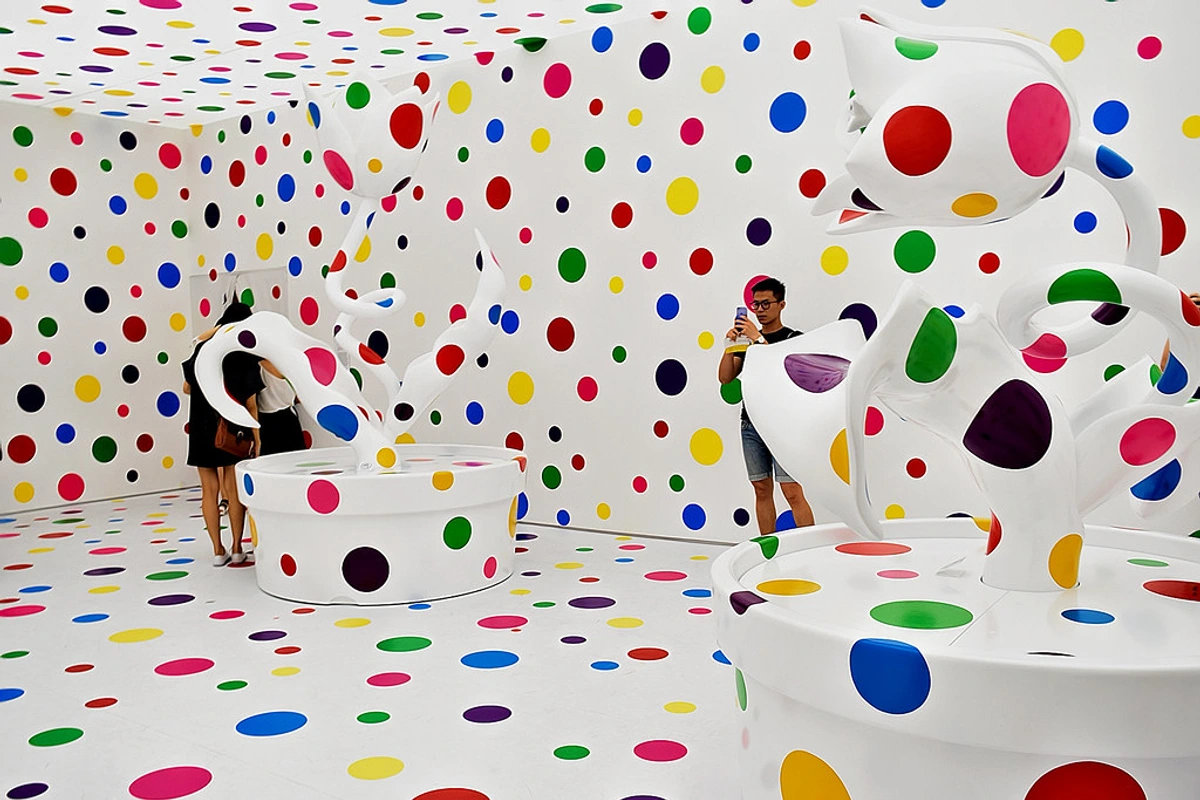
- The High-Low Mix: I love this one. It involves intentionally pairing something fancy with something very casual, signaling modern style and approachability. Think a beautiful, flowy silk midi skirt in a jewel tone with a simple, perfectly fitted crew-neck tee and clean, minimalist white sneakers, or tailored tweed trousers with a vintage band tee and a sharp blazer. A sequined top with clean, dark-wash distressed denim is another great example. This mix works so well in an art setting because it demonstrates a nuanced understanding of style and an unpretentious confidence that resonates with the contemporary art scene chic aesthetic – a blend of high fashion and effortless cool. It’s about understanding the rules well enough to know how to break them with intentionality and flair. This formula showcases a sophisticated yet relaxed attitude, perfect for navigating the diverse social landscape of an art opening.
Feel free to mix and match elements from these formulas. The best outfits often come from combining different ideas to create something truly personal. After all, your personal perspective is what makes art truly come alive; just as a master's understanding of what is foreshortening in art creates compelling depth and perspective, your outfit choices can create a dynamic visual narrative.
Key Takeaways for Confident Gallery Style
- Research Your Venue: A quick online search can save you sartorial panic.
- Prioritize Comfort: You'll be on your feet for hours, so choose comfortable shoes and breathable fabrics.
- Let the Art Shine: Your outfit should complement, not compete with, the artworks.
- Express Yourself Thoughtfully: Use accessories and unique pieces to showcase your personality without being distracting.
- Consider the "Why": Remember openings are about community, discovery, and supporting artists.
- No Logos: Unless your designer logo is a miniature sculpture itself, best to leave it at home.
- When in Doubt, Go Monochromatic: An all-black or all-navy look is always chic and sophisticated.
A Gentle List of Things to Maybe Avoid
While I'm not a fan of hard rules, a little foresight can prevent potential discomfort or accidental faux pas. Here are a few things that can be tricky to pull off in a gallery setting and might subtly detract from the overall experience for you or others:
- Anything with huge logos: You’re there to look at art, not advertise a brand. Large logos can be distracting, pulling focus away from the artworks and potentially appearing disrespectful to the artist's efforts. The entire point is to celebrate creativity, not consumerism. Unless your designer logo is a miniature sculpture itself, best to leave it at home.
- Overly revealing or poorly fitting clothing: The focus should be on the art, not on you. Galleries are often quiet, contemplative spaces, and very revealing attire can unintentionally disrupt that atmosphere. Similarly, clothing that is too tight, too loose, or overly cumbersome can make you uncomfortable and even lead to accidental bumps or snags in crowded spaces. Opt for well-fitted garments that allow ease of movement.
- A giant, cumbersome bag: You risk bumping into people, or worse, the art. Go small and streamlined (like a sleek crossbody or clutch) to keep your hands free and avoid any accidental contact with precious pieces. Always be mindful of your surroundings and the delicate nature of the exhibits.
- Jangling jewelry: That stack of bangles might sound great everywhere else, but in a quiet, contemplative gallery, the constant clinking can be really distracting to others trying to appreciate the art. The psychological effect of repetitive, unexpected noise can break concentration and disrupt the immersive experience of viewing art. Opt for quieter accessories.
- Strong perfumes or colognes: Confined gallery spaces mean scents linger and can quickly become overwhelming. You want to enhance the experience, not overpower it with your fragrance, potentially causing discomfort for fellow attendees with sensitivities.
- Noisy or rustling fabrics: Similar to jangling jewelry, materials that make a loud swishing or rustling sound as you move (like stiff taffeta or heavily beaded garments) can be incredibly distracting in quiet gallery settings. Choose fabrics that move silently, allowing everyone to focus on the art without auditory interruptions.
- Culturally appropriative attire: In a space dedicated to creative expression and cultural dialogue, it's particularly important to be mindful of clothing that might appropriate cultural symbols or traditional garments without understanding or respect. When in doubt, err on the side of caution and choose pieces that reflect your own personal heritage or contemporary style.
FAQ: Your Quick-Fire Questions Answered
Have a lingering question? Let's tackle some common concerns to ensure you step into that gallery with absolute peace of mind.
Is there a strict dress code for art galleries?
Almost never. Unless it's a formal gala, the dress code is usually unstated. The goal is to look respectful and feel comfortable, aligning with the general social cues of the art world. While there isn't a rulebook, some established galleries or specific exhibitions might have an implicit expectation of a certain level of polish. Dressing with intention also helps you navigate the subtle power dynamics that can sometimes exist in the art world, allowing you to feel confident and on equal footing, rather than intimidated. It's always good to do a quick check online or by observing past event photos. The key is intent: show that you care about the occasion and the art.
What should I wear if I'm bringing children to an art gallery opening?
If the opening is truly family-friendly (always check the invitation or gallery website for age appropriateness), prioritize comfort and practicality for both you and your children. Choose washable, durable fabrics for everyone. For yourself, perhaps a stylish jumpsuit or durable, yet chic, trousers with a sweater and comfortable flats. For kids, focus on clothes they can move in easily and that you won't mind getting a little messy. Bright colors are fun for kids, but avoid anything that might snag or be overly restrictive. The goal is a joyful, stress-free experience for everyone, allowing them to engage with the art in their own way.
Is it okay to take photos of the art?
This varies significantly by gallery and exhibition, so always check for signage or ask a staff member. Many contemporary galleries allow photography for personal use (no flash), but some exhibitions have strict no-photo policies, especially with loaned pieces or works by certain artists. If you do take photos, be mindful of other visitors and avoid blocking their view or disrupting their experience. The etiquette is always to prioritize the art and other viewers.







Should I bring anything?
Just your curiosity and an open mind! You don't need to bring a gift. If you're a fellow artist or someone in the industry, you might bring business cards, but it's not a requirement. Your presence and genuine engagement with the work is the best gift you can give. Remember to be present and enjoy the moment.
Ultimately, the most important thing is that you go. Don't let the fear of wearing the 'wrong' thing keep you from experiencing art and supporting artists. I've seen incredible art while standing next to people in couture gowns and people in hoodies. The art world is a strange and wonderful place full of all kinds of people, and by dressing authentically, you contribute to that wonderful diversity. Wear something that makes you feel like the best version of yourself, then practice these principles, immerse yourself in the narratives on the walls, spark a conversation with a fellow attendee, and let the creative energy of the space inspire you. That's the real reason you're there. If you find something truly inspiring, you can always think about how it might look in your own home; the principles of balance, color, and texture we discussed for your outfit are equally vital for curating a gallery wall with abstract art: tips for a dynamic display. Maybe you'll even consider visiting /buy to explore adding unique pieces to your own collection, or explore the artist's journey in /timeline.
So go forth, dress with intention, and let the art guide your experience; the perfect outfit is merely a vessel for your appreciation. Your confidence and genuine engagement are your best accessories.