Demystifying the White Cube Gallery Concept
A deep dive into the 'white cube' gallery concept, exploring its quiet power to shape how we view and value modern art.

What Is the White Cube? A Love Letter (and a Tiny Rant) to the Gallery's Greatest Cliché
Did you ever walk into a room and feel like you just understood the rules? The pristine, white surfaces, the echoing quiet, the singular beam of light falling on a single object of focus. Chances are, that feeling wasn’t about the object itself, but the space that held it. Welcome to the white cube, the most seductive, influential, and quietly tyrannical invention in the history of modern art. It’s the near-universal—and fiercely debated—archetype for viewing contemporary art, a cliché so potent we’ve forgotten to even question it.
But why this specific, almost aggressively neutral box? Why not hardwood and velvet? Why not a bustling, colorful marketplace? We accept the white cube as the "correct" setting for art without a second thought. What I want to explore with you isn’t just what the white cube is, but why it was invented, the immense power it holds over how we see art, and why, after all these years, it still makes some people want to pull their hair out.
The Blueprint of Neutrality: Inventing a Space for Modern Art
To understand the white cube, you have to time-travel back. I want you to picture the 19th-century Salon in Paris. Or any aristocratic gallery, really. Imagine walls, not of white, but of deep burgundy or forest green, crammed from floor to ceiling with gilded-framed paintings. These spaces were designed to signal wealth and status. You weren't there just to look at art; you were there to be surrounded by opulence, with every surface vying for your attention. These rooms were more like a wealthy person's private library than a dedicated space for the kind of looking that modern art would soon demand.
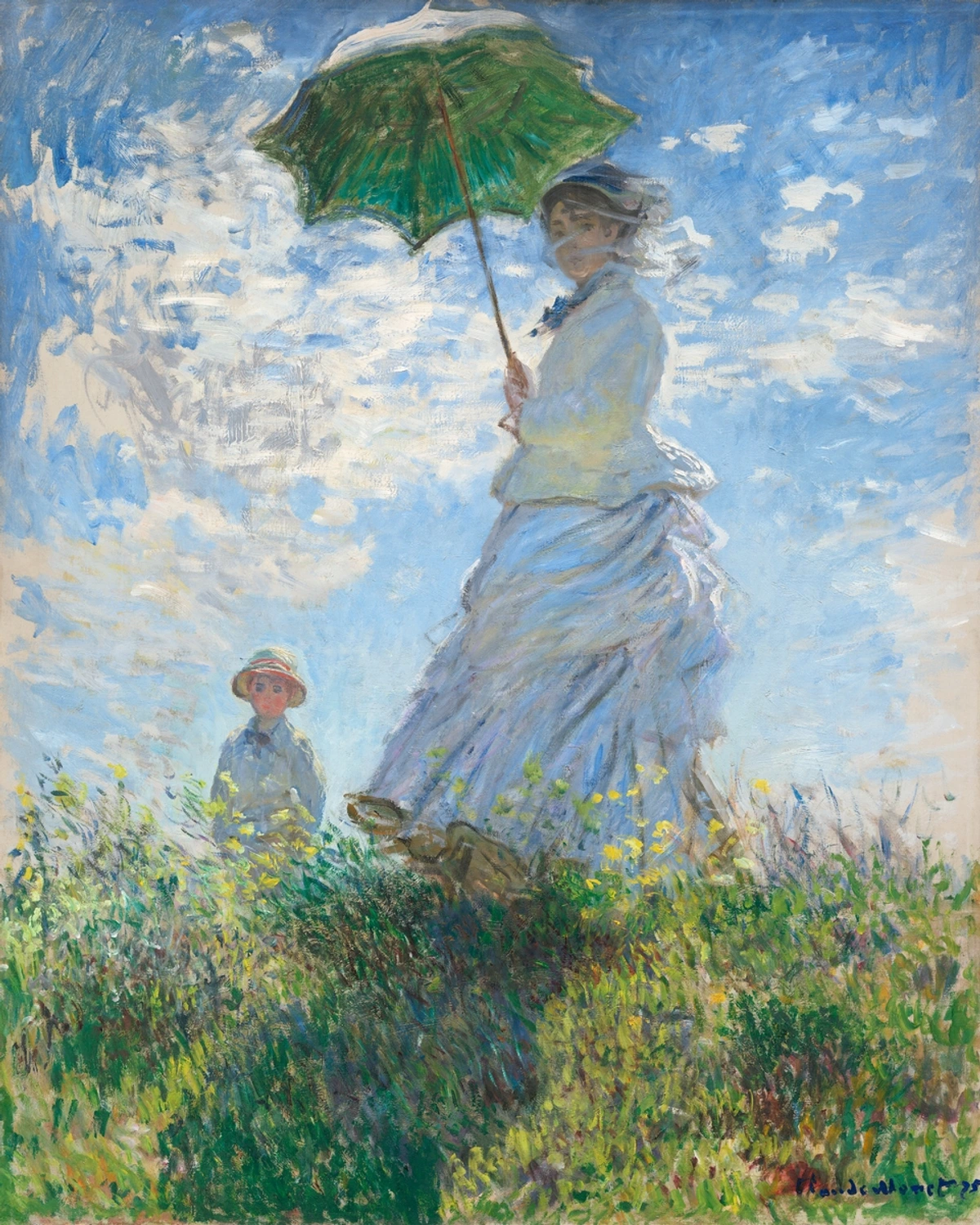
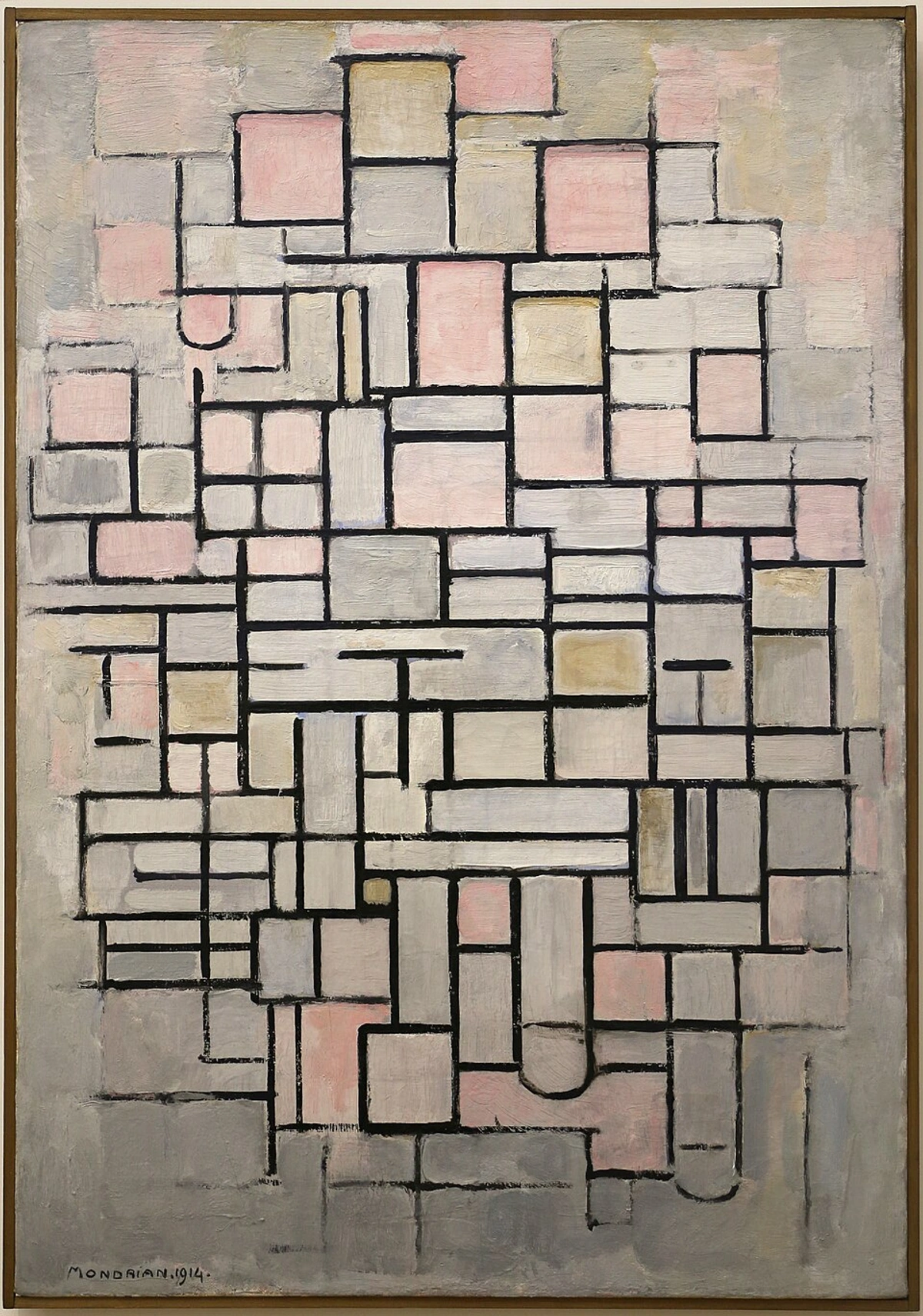
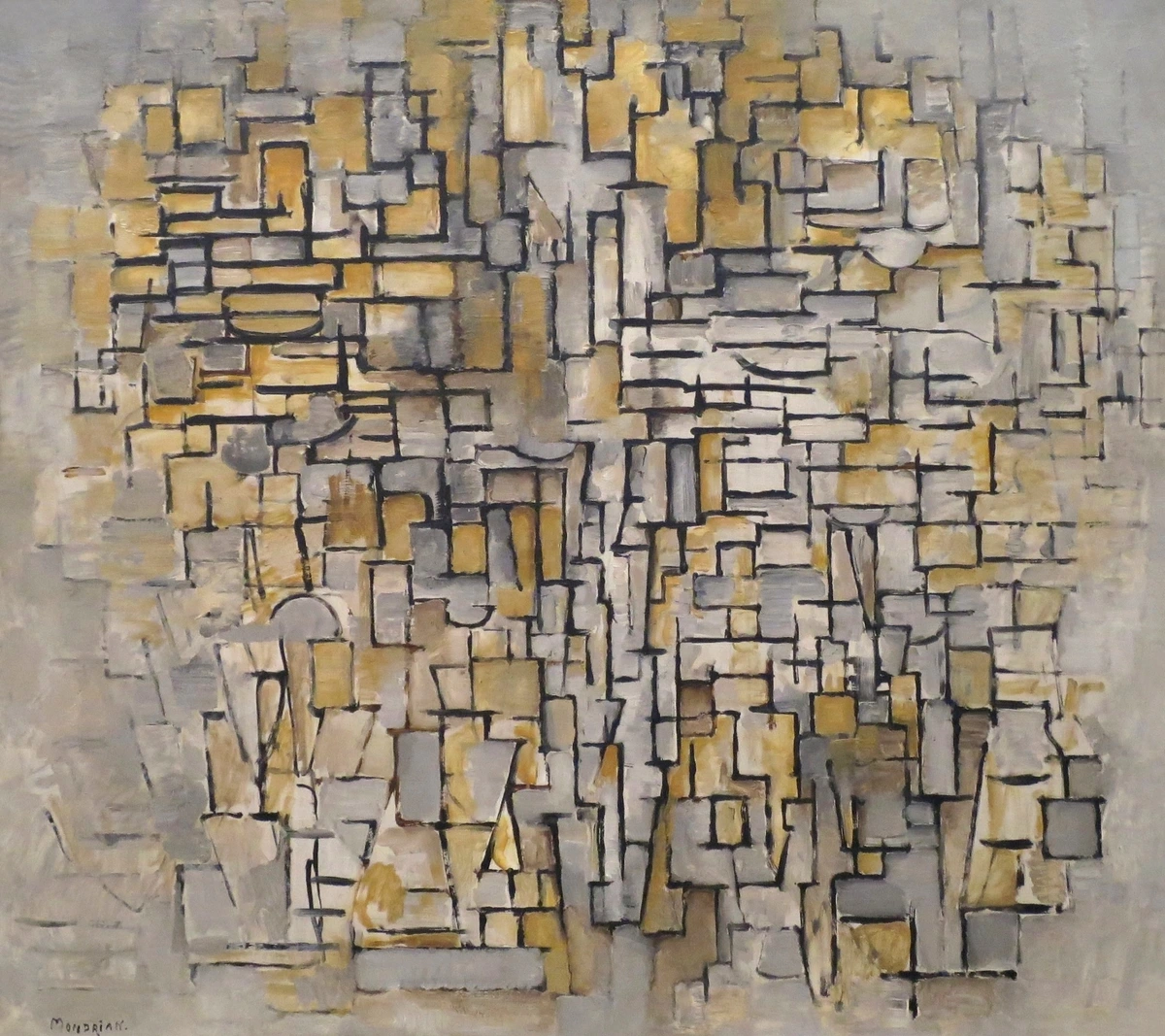
Then came modernism, with an idea that must have felt like a heresy at the time. Artists like Kazimir Malevich, with his stark Black Square (1915), and Piet Mondrian, with his distilled grids, weren't trying to represent the world anymore. They were creating autonomous objects whose meaning lay in their own form, color, and composition. A painting wasn't a window; it was a thing in the world, just like a table or a chair.
These works needed a radically different stage, one that didn't compete for attention. They demanded a kind of silence. A void.
The Pioneers of the Void: Artists and Architects as Co-Conspirators
The shift wasn't just an artistic one; it was architectural. The idea of the artist's studio as a white, ascetic space became a powerful motif. Think of the socialist ideals of the Bauhaus in Germany, which championed functional, unadorned design, or the radical purism of Le Corbusier's architecture. They believed that stripping away unnecessary ornamentation was a moral and political act, a way to create a more honest, rational world. It was a complete rejection of the dark, crowded, and historically suffocating interiors of the past.
The artistic and architectural desires converged into a single, powerful idea: to build a neutral void. A space deliberately severed from history, context, and the relentless visual noise of the outside world. Art needed to be the event. The goal was to make the artwork feel like the most important—the only—thing in the universe for the duration of your visit. The white cube was designed to be an invisible frame, one that erased itself so the art could speak in a vacuum. This was more than a stylistic choice; it was an ideological declaration: art is a unique, autonomous experience, separate from the beautiful messiness of everyday life, and it demands a sacred space to be properly understood.
The Naked and the Framed: How the White Cube Shapes What You See
Here’s where things get truly interesting. We think of the white cube as a neutral backdrop, but that's its greatest illusion. It isn't neutral at all. It's a highly charged, psychological environment. The magic—and the tyranny—of the white cube lies in its framing. By surgically removing everything else, it manufactures a direct confrontation between you and the object. There is nowhere to hide. You can't distract yourself with ornate moldings or the patina of old wood. It's just you, your own breathing, and the art, alone together in a sterilized chamber.
This does two things that are so powerful, they've shaped our entire definition of "high art":
- It sanctifies the art. The experience is deliberately designed to feel pure, almost spiritual. It's the hushed silence, the carefully controlled lighting that mimics a sacred chapel, the respectful distance everyone instinctively keeps. The white cube functions as a secular temple. Its entire architecture whispers to you, "What is inside is valuable. Pay attention." And it works. It makes us look longer, harder, and with a seriousness we rarely muster if we saw the exact same object propped against a colorful wall in a living room. It creates an aura of importance that the object alone may not possess.
- It creates a hierarchy. The space itself becomes the ultimate authority. It declares, "This is Art with a capital A." But here’s the catch: its "neutrality" is a brilliant fiction. The white cube has a very strong personality. It shines a spotlight on art that matches its own aesthetic—work that is clean, geometric, formal, and self-contained. A messy, chaotic, narrative-driven, or politically charged piece can feel punished by all that sterile whiteness, its rough edges sanded down into a sanitized object for quiet contemplation. The frame doesn't just show the art; it starts to dictate what kind of art is worthy of being framed at all.
The Myth of Neutrality: A Brief Rant on the Cliché
Let's be honest for a second. The white cube, for all its power, has become a cliché—a mindless default setting for art. The radical, revolutionary idea it once embodied has been so thoroughly absorbed that we apply it without a second thought. We've become blind to its effects. Walk into any city, from London to Seoul, and you'll find the same gallery model, a carbon copy of a template that's now decades old, repeated until it feels inevitable.
The core criticism, which I find myself nodding along with more and more, is that the white cube's "neutrality" is a dangerous myth. By forcibly removing all context, it pretends that art exists in a perfect historical and social vacuum. But art never does. It is always made by someone, at a specific moment in time, for a reason, often born from anger, joy, or a desperate need to communicate something urgent.
The white cube has a habit of turning all of this into a neat, consumable product. It absorbs dissent. A painting born from political outrage or social struggle is transformed into a "pretty object" to be quietly contemplated and appreciated for its formal qualities. The act of protest is cleansed, its radical potential neutralized in a sterile room, ready to be sold to the highest bidder. It creates a false distance between the artwork and the world it came from, telling us, "This is just about aesthetics." But sometimes, it isn't. Sometimes, it's about justice.
In response, a whole ecosystem of alternative art spaces and practices has risen up, either in direct rebellion against the white cube or in happy ignorance of it.
Alternative Space  | What It Is | Why It Challenges the White Cube |
|---|---|---|
| Site-specific Installations | Art created for and inseparable from one unique location. It physically can't be moved to a white cube. | It argues that art and context are one. The space isn't a neutral box; it's a co-author of the work. |
| Art in Public Spaces | Street art, sculptures in parks, performances in subways. | It bypasses the gallery entirely, taking art directly to people. It challenges the idea that art must be sought out in a special, sacred space. |
| Pop-up & Un-galleried Shows | Exhibitions in abandoned warehouses, apartments, or derelict buildings. | It embraces the grit, history, and character of a real-world space, using flaws and features that white walls deliberately erase. |
| Salon-Style Hanging | Densely covering a wall with art from floor to ceiling, often in rich colors. | It deliberately rejects the minimalist, one-artwork-at-a-time focus, creating a more intimate, eclectic, and less hierarchical viewing experience. |
These alternatives don't just offer a different look; they remind us that context isn't just a backdrop. It's a vital ingredient. Sometimes, it's the main course.
Why the White Cube Still Matters: A Tool, Not a Tyrant
Despite the critiques (and my tiny rant), the white cube endures. And a part of me is glad it does. Because when it's used with intention, it remains an extraordinarily powerful tool. Think about it. We live in a world that is a relentless assault on our senses. Ads, notifications, noise, screens—it's a cacophony. In that context, a quiet, white room can be a profound gift. It offers a pause. A moment of stillness. Permission to look at just one thing and be present with it. It's a form of sensory deprivation that can make our perception of art incredibly sharp.
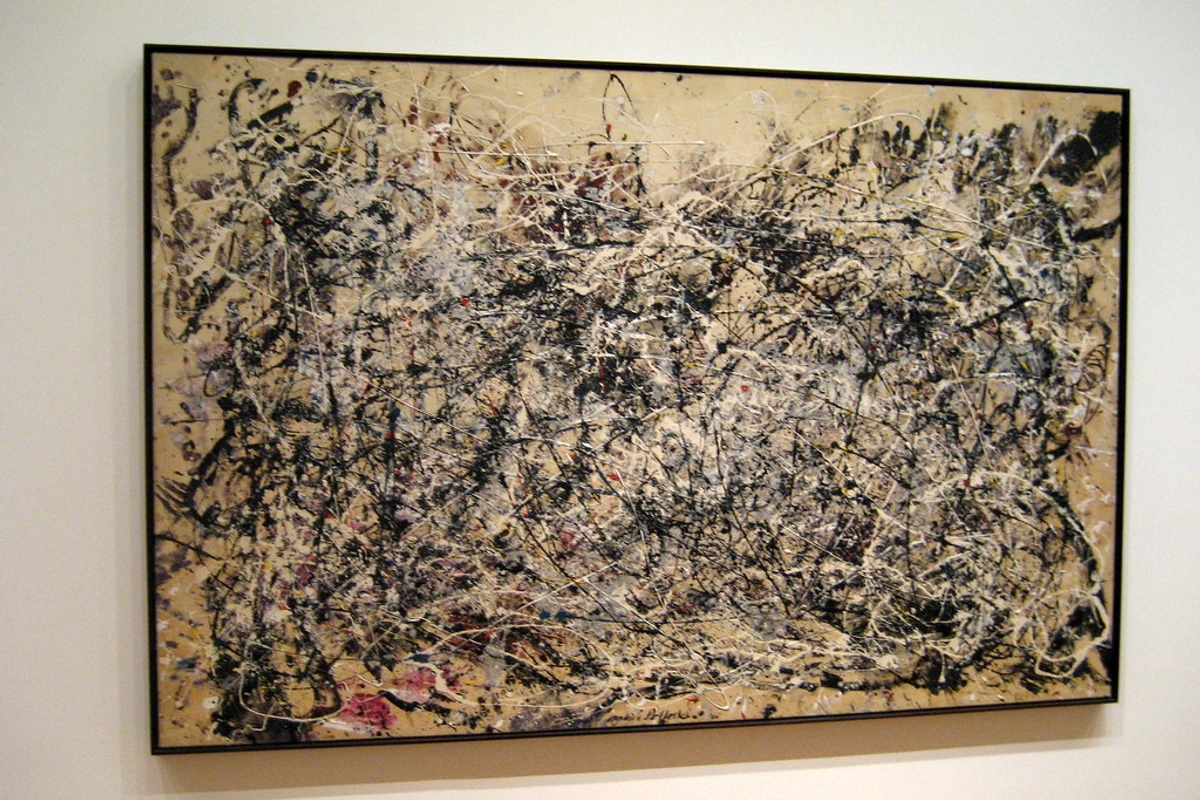
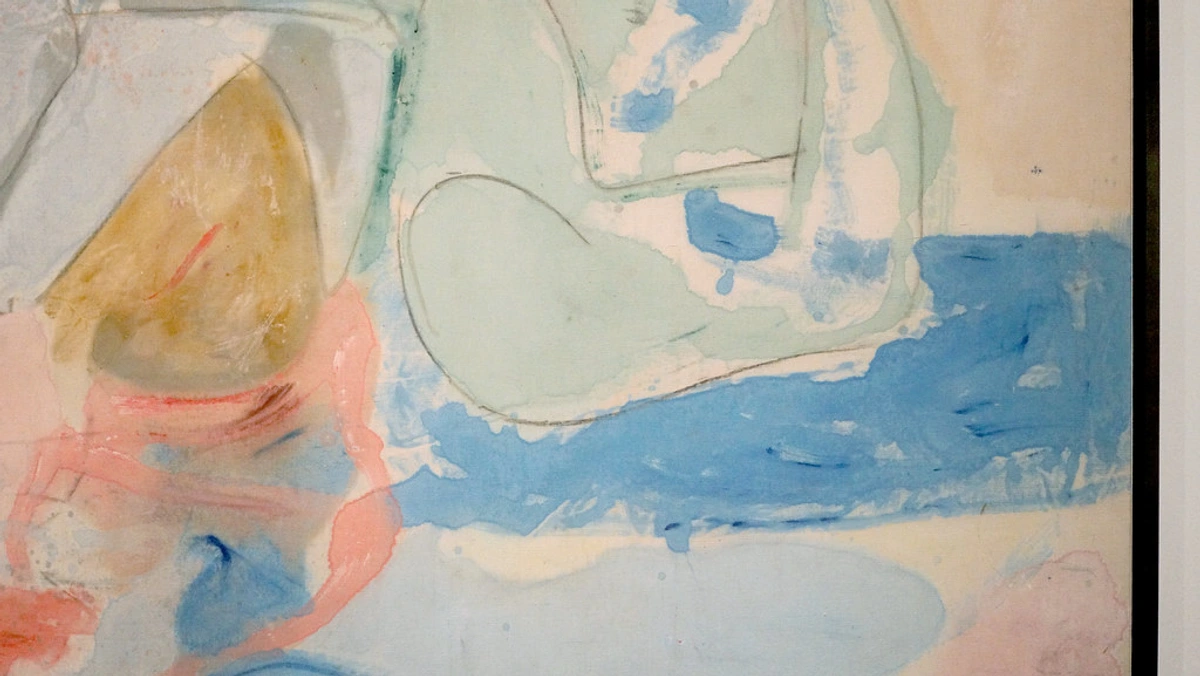
From a purely practical standpoint, it provides a consistent, predictable laboratory. For an artist, this is invaluable. You can install your work knowing precisely how the environment will function. You won't have to fight against patterned wallpaper or a distracting fireplace. This allows for an incredible level of precision in controlling lighting, sight lines, and the overall experience. It's a blank slate that allows the formal qualities of a piece—every brushstroke, every color relationship, every subtle texture—to be seen with absolute clarity. For certain kinds of art, particularly minimalist, color field, or formalist work, it's not just a preference; it's essential.
It's a tool. And like any tool, its value depends entirely on the hand that wields it. The problem isn't the white cube itself, but our lazy, unthinking habit of using it as a universal solution, a one-size-fits-all default. We've stopped asking the crucial question: Does the art on display actually benefit from being put inside a neutral white box? Or is it being suffocated? The distinction is everything.
Your Turn: How to See Beyond the Walls
The next time you find yourself in a white cube gallery, I want you to try a little experiment.
- Before you even look at the art, look at the space. Notice how it's built to make you focus. See the architecture of attention itself.
- Then, look at the art. Ask yourself: "How does this space make me feel about this work? Does it make it feel sacred? Sterile? Serious? Detached?"
- Finally, try to imagine the exact same piece of art somewhere else. On the side of a building. In a crowded flea market. In your own bedroom. How does its meaning change?
Doing this turns a passive visit into an active act of looking. You're not just seeing art; you're seeing how you're being asked to see it. And that, in itself, is a fascinating lesson.
FAQ: Your White Cube Questions Answered
Is the white cube bad for art?
No, it's not inherently bad. It's a powerful, purpose-built tool for a specific job: focusing attention. The problem isn't the tool itself, but its lazy overuse as a one-size-fits-all solution. For some art, it's the perfect frame. For others, it's a suffocating cage that actively works against the artist's intentions. It's about matchmaking, not mandates.
Why are modern art galleries always white?
The white walls were a deliberate design choice born from a specific moment in history. They were engineered to create a neutral, distraction-free void that forces the artwork to become the sole focus. This comes from a core 20th-century modernist belief that art should be experienced in its own pure, autonomous space—a secular temple, entirely separate from and unsullied by everyday life.
Who invented the white cube gallery?
While no single person holds the patent, it was an evolution driven by many. Modernist artists needed a new stage, and avant-garde gallerists and curators provided it. A pivotal moment in cementing its dominance was the rise of the Museum of Modern Art (MoMA) in New York during the 1930s. MoMA's first director, Alfred H. Barr, Jr., and its curators didn't just display art; they presented a complete ideology. They championed the use of clean, movable white walls (often covered in a specific shade of off-white linen) as the "scientific" and objective way to view modern art, setting a standard that the rest of the world would follow for decades.
What are the white cube?
Alternatives push back against the idea of a neutral, sterile space. These include:
- Site-specific Installations: Art made for one location that can't be moved.
- Public Art: Sculptures, murals, and performances that exist outside a gallery.
- Pop-up Shows: Exhibitions in found spaces like warehouses or apartments that use the location's unique character.
- Salon-Style Hanging: Densely packed walls that create a more intimate, eclectic feel.
- Artist-Run Initiatives: DIY spaces where artists control the entire context, from the walls to the vibe.
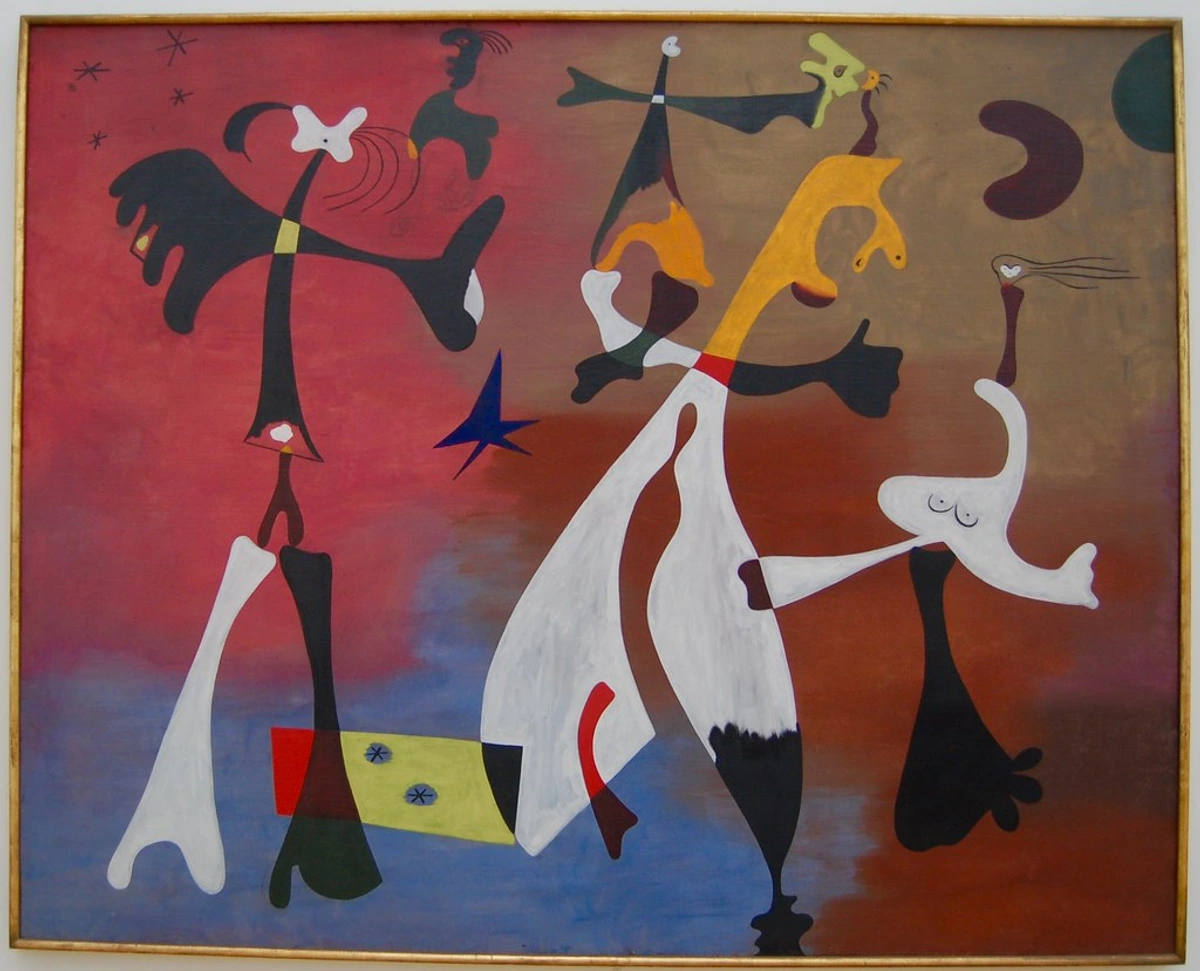


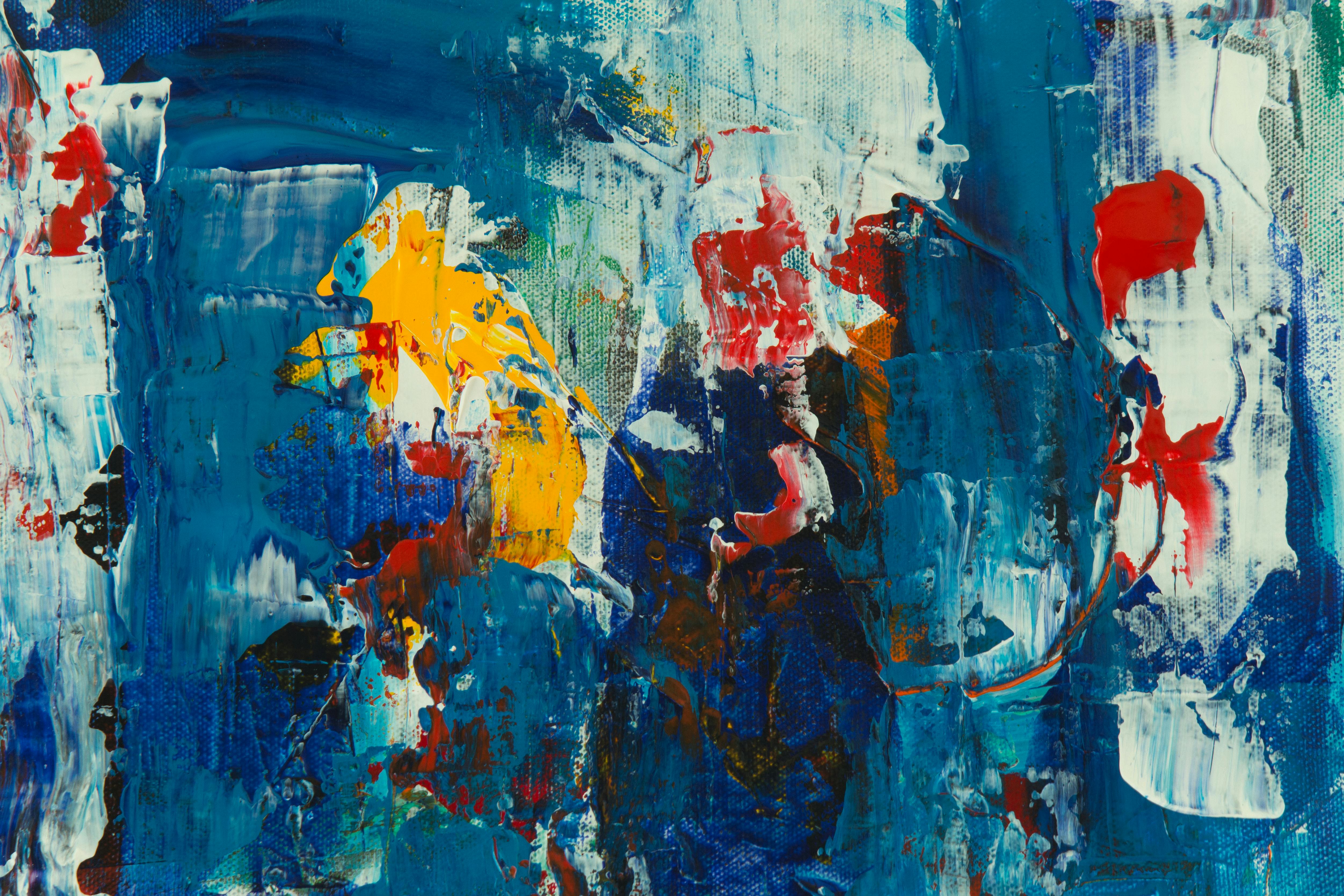


How do you effectively display art outside of a gallery?
The key is to think with the space, not against it. In stark contrast to the white cube, a home is full of context—color, texture, life. Your goal isn't to mimic the clinical perfection of a gallery, but to create a dialogue.
- Consider Color. Look at the colors in your artwork. Do they harmonize with your wall color, or do they create an exciting tension? A vibrant abstract can pop against a neutral wall, but it might sing a different song against a deep teal or charcoal gray.
- Lighting is Everything. You don't have spotlights? No problem. Pay attention to natural light. A print might look serene in a softly lit hallway but come alive with energy next to a sun-drenched window. Avoid direct sunlight, which can fade works over time. A simple, well-placed picture light can work wonders above a favorite piece, especially in the evening.
- Create Personal Juxtapositions. This is the fun part. Art doesn't have to be alone. The white cube says "one thing at a time." Your home can say, "a conversation." Try hanging a small, delicate drawing next to a chunky mirror. Place a vibrant painting on a shelf among your favorite books and objects. See how the art's personality changes when it's in a real conversation with the things you love. The goal is to find a place where the art feels at home and adds to the story of your life. Explore art that feels authentic to you, and see how it can complement your world on pages like my timeline.