
What Is the Praemium Imperiale? The Ultimate Guide to the ‘Nobel of the Arts’
Unravel the mystery of the Praemium Imperiale. This is your definitive guide to the ‘Nobel Prize of the Arts’—its history, its winners, and the immense prestige it carries in the global art world.

What Is the Praemium Imperiale? The Definitive Guide to the 'Nobel Prize of the Arts'
Have you ever been in a conversation about major cultural prizes and felt a little lost when someone drops the name ‘Praemium Imperiale’? I know I have. That intimidating, vaguely Roman-sounding title does little to betray its significance. It sounds like an honorarium from a forgotten empire, not the most prestigious award a living artist, sculptor, architect, musician, or filmmaker can receive today. I was as wrong as you could be. That ancient-sounding name represents one of the most significant honours an artist on Earth can receive. It’s often called the Nobel Prize of the Arts, and for good reason.
This isn’t an award for a single masterpiece, a hit song, or a breathtaking building. It’s something far grander. It’s a coronation of a lifetime of profound contribution to our global culture. It’s the kind of prize that says, "This person didn't just make beautiful things; they fundamentally changed the conversation in their field, and in doing so, changed how we see ourselves." I was wrong, of course. That intimidating Latin name represents one of the most significant honours an artist on Earth can receive. It’s often called the Nobel Prize of the Arts, and for good reason. This isn’t an award for a single painting or a hit song; it’s a coronation of a lifetime of profound contribution to our global culture. It’s the kind of prize that says, "This person didn't just make beautiful things; they fundamentally changed the conversation in their field, and in doing so, changed how we see ourselves."
You’ve come to the right place if you’ve ever wondered what this prize really is, who wins it, and why it matters so much in a world saturated with art fairs and viral trends. We’ll pull back the curtain on its surprisingly modern history, decode its mysterious selection process, and explore the immense, quiet weight it carries in the art world—and far beyond.
The Origin Story: A World Without Borders
The story of the Praemium Imperiale is as much about modern Japan as it is about global art. It's fascinating how an award with a Latin name, often dubbed the 'Nobel Prize of the Arts,' has its heart and soul in Japan. The story doesn't start in a European capital or a New York gallery. It begins in Japan, in 1989, with the Japan Art Association. Their former president, Prince Takamatsu, had a dream. His vision wasn't to create just another trophy for the shelf; he wanted to establish an international art prize that transcended nationality, medium, and political ideology. The goal was never to reward a specific country's art scene, but to celebrate the creators who enrich human civilization as a whole. In a world still healing from decades of conflict and division, this was a radical act of cultural diplomacy. The award’s establishment was also a way to honor the memory of Prince Takamatsu himself, solidifying his legacy as a patron of global arts.
To understand why this happened in Japan, we have to look at the country's unique post-war journey. After 1945, Japan underwent a period of intense rebuilding, not just of its cities, but of its global identity. By the 1980s, the nation had emerged as an economic superpower. The Praemium Imperiale can be seen as the cultural expression of this new confidence—a deliberate move to champion global culture with the same seriousness that Japan applied to technology and industry. It was the nation's way of stating its belief that artistic achievement was a cornerstone of a civilized world, and that honoring it was a global responsibility.
The name itself is a clue to its grand ambition. ‘Praemium Imperiale’ loosely translates to ‘Imperial Prize.’ Don’t let the word ‘Imperial’ fool you into thinking it’s about conquest or territory. In this context, it’s about an empire of the human spirit—a realm built by artists whose work has a truly global, and dare I say, timeless, resonance. It’s about anointing modern masters whose influence transcends borders.
This vision of a borderless artistic empire is central to the award's identity. It’s perhaps why the inclusion of the Imperial Family of Japan at the award ceremony feels so significant. Their participation isn't merely ceremonial; it's a profound symbol of the award's national importance and its pacifist, unifying message on a global stage. It elevates the artist to the status of a global dignitary, greeted with the highest honors Japan can offer.
The Five Pillars of Human Expression
You don't just ‘win’ a Praemium Imperiale for ‘art’. The award is specifically divided into five categories, which I like to think of as the five pillars of human expression. It’s a thoughtfully comprehensive way to honour the diverse ways we make sense of our world. This structure is a deliberate choice. It moves beyond the traditional "fine arts" to acknowledge the interconnectedness of human creativity. Architecture shapes the spaces where we experience life and art. Music provides a universal, non-verbal language. Theatre and Film capture the human condition in narrative form. By honoring these disciplines equally, the Praemium Imperiale argues that a city's skyline can be as profound an artistic statement as a symphony or a mural. It suggests that the democracy of human expression—from the humblest brushstroke to the most monumental architectural marvel—is what truly builds our shared global culture.
- Painting: The silent dialogues we have with a canvas. This category honors masters of pigment and form, from the abstract expressionists who redefined emotion on canvas to the photorealists who challenge our perception of reality. It's a recognition that painting, despite centuries of history, remains a vital and evolving language for exploring human consciousness.
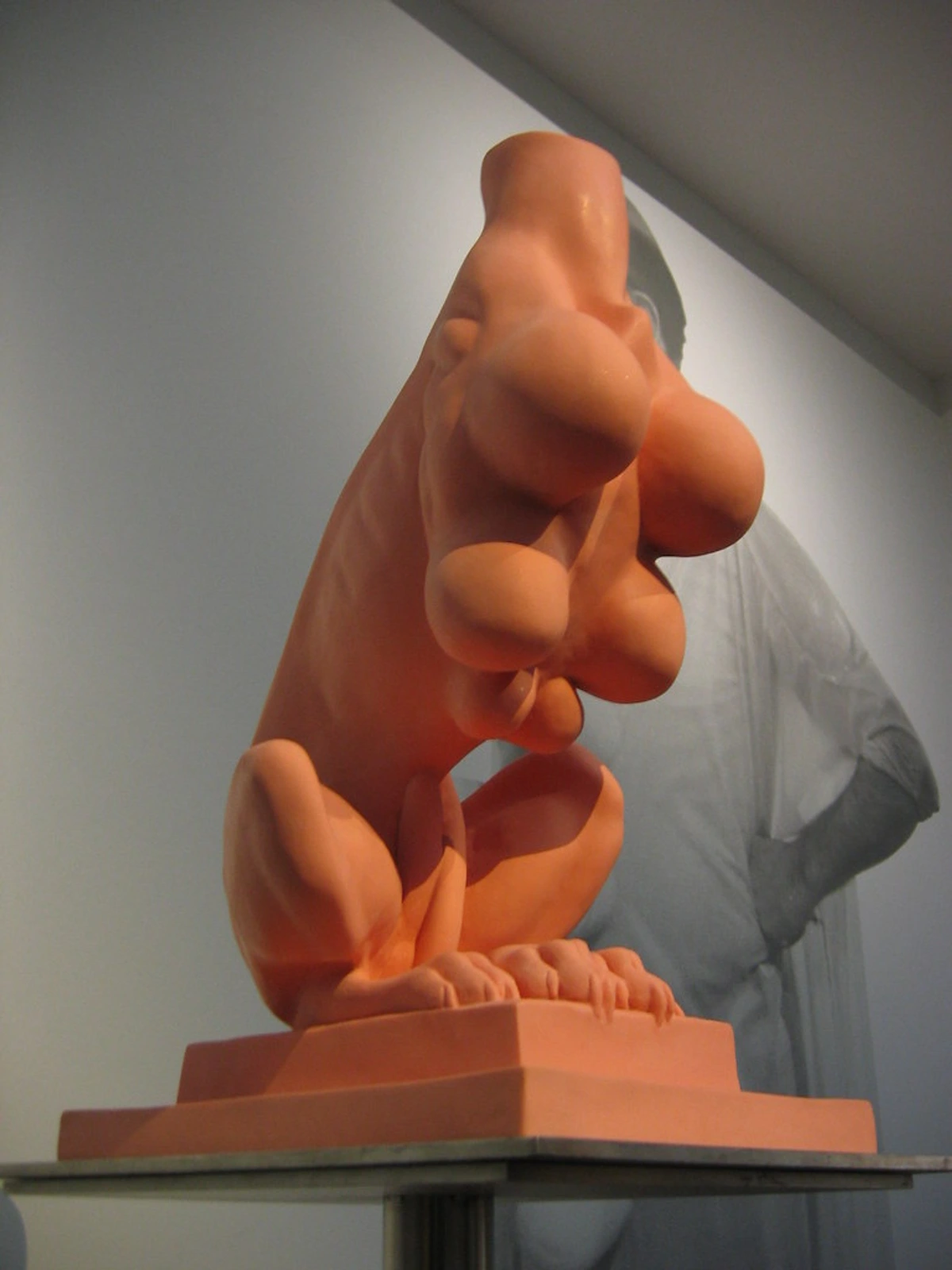
- Sculpture: The transformation of raw material into form and meaning. Here, we see artists who wrestle with mass, space, and gravity. It's a category that can honor the serene, meditative forms of a sculptor like Isamu Noguchi as much as the imposing, landscape-altering steel works of Richard Serra or the conceptual provocations of Louise Bourgeois.
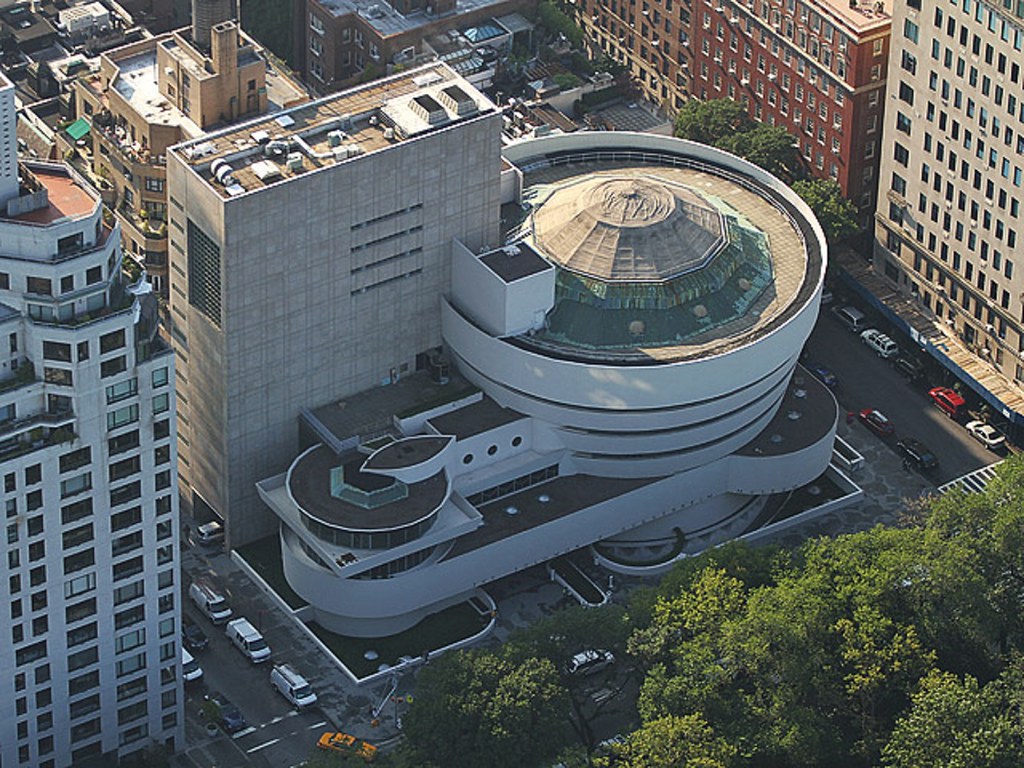
- Architecture: The structures that shape our lived environment and ambitions. This pillar recognizes that a building is more than a shelter; it is a philosophical statement. The laureates in this category are visionaries who have shaped the skylines of our cities and the very way we live, work, and congregate. From the gravity-defying curves of Frank Gehry to the culturally resonant forms of Zaha Hadid and the humanist designs of Renzo Piano, this award celebrates architecture as the ultimate public art form.
- Music: The most abstract and emotionally direct of all the arts. This category is perhaps the most diverse, honoring composers, conductors, and performers across classical, jazz, and popular genres. It acknowledges that whether it's a complex symphony or a simple, unforgettable melody, music has the unique power to bypass the intellect and speak directly to the soul. From the rigorous intellectualism of Pierre Boulez to the soulful pop genius of Stevie Wonder and the folk poetry of Bob Dylan, this award celebrates the architects of sound who have scored our lives.
- Theatre/Film: The powerful combination of narrative, performance, and spectacle. This is the realm of storytellers who capture the human condition in time. It honors the directors, actors, and writers whose work on stage and screen has shaped our collective consciousness. A winner could be a cinematic poet like Akira Kurosawa, a master of psychological drama like Ingmar Bergman, or a visionary animator like Hayao Miyazaki, proving that the power of a story well told is universal.
The decision to honor these five fields is a radical statement in itself. It consciously omits other major creative fields. I’ve often wondered why there isn't a category for literature (already served by the Nobel) or for dance. The Japan Art Association's choice signals a specific philosophy: it celebrates artistic fields where the creative work is often collaborative, publicly experienced, and exists in physical or performative space. A building must be engineered and built by many. A film is a feat of orchestration. A symphony needs an orchestra. By focusing on these five pillars, the Praemium Imperiale carves out its own distinct territory, championing a holistic view where form, space, and sound are seen as essential, co-equal components of our cultural landscape.
Who Gets to Win? The Mysterious Art of Selection
Now, this is where the Praemium Imperiale truly sets itself apart from the noise of the modern art world. There's no application form. You can't nominate yourself. In fact, the selection process is deliberately opaque, and that's its genius. International advisors—distinguished experts, former ministers, cultural leaders—from across the globe submit confidential recommendations to the Japan Art Association. These are carefully reviewed by a panel in Japan, and the final laureates are chosen. This process ensures that the award reflects a global consensus among cultural elites, rather than the marketing power of an artist’s home country or gallery.
Think about it: you can't lobby for this. You can't hire a publicist to get your name on the shortlist. This radical departure from modern celebrity culture is precisely what gives the Praemium Imperiale its weight. The secrecy acts as a filter, ensuring that only those who have genuinely reshaped their medium, not just mastered its promotional aspects, are even considered. It's a validation that arrives after decades of dedication, not months of hype.
The integrity of this process is paramount. Confidentiality is absolute, which serves a crucial purpose. It liberates the conversation from politics, market pressures, and the artists' own networks. As a result, a huge variety of artists are considered each year, ensuring the final selection is genuinely reflective of global artistic achievement rather than commercial popularity or regional favoritism. Over the decades, this commitment has become the bedrock of the award's prestige. It is a system built entirely on the principle that true genius will be recognized by a discerning global peer group, not by a marketing budget.
The Role of the International Advisors
The true gatekeepers of the Praemium Imperiale's prestige are its International Advisors. I see this global network as the award's sensory apparatus—its eyes and ears on the ground in every major cultural capital. They act as scouts and advocates, identifying towering talent long before it becomes a mainstream headline. Their recommendations carry immense weight precisely because they are confidential. This secrecy transforms the selection from a public contest into a private, carefully considered deliberation about an artist's lasting legacy, free from the noise of the contemporary art market. It’s a process built on trust, expertise, and discretion.

You might be wondering, 'Who are these advisors, really?' They are a roster of carefully selected former heads of state, eminent academics, museum directors, and other cultural luminaries from every continent. Past advisors have included figures like former French President Valéry Giscard d'Estaing and the former UK Culture Secretary Chris Smith. Their collective expertise forms a kind of living, breathing encyclopedia of global art history and contemporary practice. This isn’t a small committee; it’s a truly polyphonic chorus of international taste and discernment, designed to ensure the award can never be accused of being too narrow, Eurocentric, or parochial in its outlook. It is, by design, a global perspective.

A Few Icons Who Have Won
To give you a sense of the calibre of laureates, this isn't just a list of famous names. It’s a list of people who have defined and redefined the conversations within their disciplines. These are the mentors, the provocateurs, the quiet innovators. The roster of laureates reads like a who's who of modern and contemporary cultural history. It's important to see the story these names tell—not just of individual achievement, but of the shifting currents of global culture itself.
- Sculpture: Anish Kapoor, Richard Serra, Louise Bourgeois, Isamu Noguchi, Antony Gormley
- Architecture: Frank Gehry, Zaha Hadid, Norman Foster, Oscar Niemeyer, Renzo Piano
- Music: Leonard Bernstein, Pierre Boulez, Stevie Wonder, Bob Dylan, Arvo Pärt, Kraftwerk
- Theatre/Film: Akira Kurosawa, Ingmar Bergman, Judi Dench, Cate Blanchett, Miyazaki Hayao
Seeing names like Stevie Wonder next to Gerhard Richter, or Bob Dylan alongside Zaha Hadid, is a powerful reminder of the award's unique reach. It’s a gathering of giants from vastly different worlds, all united by their profound, sustained influence. I find that each year's announcement acts as a masterclass in 20th and 21st-century art history. It forces a deeper dive into a lifetime of work, whether it's the sonic landscapes of Kraftwerk or the cinematic poetry of Akira Kurosawa, prompting us to connect the dots across the vast map of human creativity.
To visualize the remarkable range of creative genius honored by the Praemium Imperiale, consider the following table of recent laureates in Painting and Architecture. It showcases how the award captures distinct artistic philosophies and practices across different generations and continents.

Table: Recent Laureates in Painting and Architecture (Years 2019-2023)
Year  | Painting Laureate | Notable Works/Contribution | Architecture Laureate | Notable Works/Contribution |
|---|---|---|---|---|
| 2019 | William Kentridge | An artist of profound socio-political narratives, using drawing, film, and sculpture to explore themes of colonialism, apartheid, and time. His work is known for its distinctive charcoal-animation technique. | Tod Williams & Billie Tsien | A husband-and-wife team celebrated for their humanist and thoughtfully crafted buildings, including the Barnes Foundation in Philadelphia. |
| 2020 | Cindy Sherman | A pioneering figure in conceptual photography who deconstructed cultural stereotypes, particularly of women, using herself as the subject in elaborately staged portraits. | Grafton Architects | Irish duo (Yvonne Farrell & Shelley McNamara) known for "sculpting with space," creating buildings that are both powerfully monumental and exquisitely sensitive to their context and users. |
| 2021 | Gerhard Richter | One of the most influential painters of our time, constantly reinventing his style between photorealistic painting, abstraction, and conceptual works, questioning the very nature of representation. | Glenn Murcutt | An Australian architect who works in harmony with the environment, designing sustainable, lightweight, and deeply regional buildings that respond to climate and landscape. |
| 2022 | N/A | (No Painting laureate announced in this year) | N/A | (No Architecture laureate announced in this year, as categories rotate) |
| 2023 | Vija Celmins | An artist celebrated for her meditative, exquisitely detailed renderings of natural phenomena—ocean waves, desert floors, night skies—that explore perception, time, and distance. | David Chipperfield | A British architect revered for his refined and restrained designs, including museums and public buildings that engage in a thoughtful dialogue with history and the urban fabric. |
The annual ceremony in Tokyo, often attended by members of the Japanese Imperial Family, is a major diplomatic and cultural event that underscores the award's seriousness. When a painter from New York, an architect from Baghdad, and a musician from Senegal are honored together under the gaze of Japanese royalty, it’s a potent statement that great art is a universal language—a form of soft power that can weave connections far more durable than any political treaty.
A Legacy of Diversity and Influence
Looking at the complete list of laureates since 1989 reveals some fascinating patterns and underscores the award's role in shaping cultural narratives.
- Geographic Reach: While the art world has historically been centered on Europe and North America, the Praemium Imperiale has consistently recognized artists from across the globe, including South America (Architect Oscar Niemeyer), Africa (Musician Youssou N'Dour), the Middle East (Architect Zaha Hadid), and Asia (Filmmakers Akira Kurosawa and Hayao Miyazaki).
- Genre-Bending: The inclusion of musicians like Stevie Wonder, Bob Dylan, and Kraftwerk signals that cultural impact isn't confined to high art. It validates popular music as a legitimate and powerful form of global artistic expression, on par with the most revered classical traditions.
- Overlooked Genius: Some laureates, like sculptor Louise Bourgeois or painter Vija Celmins, spent decades working with critical acclaim but without massive public fame. The award often serves as a powerful spotlight on these "artist's artists," cementing their public legacy and introducing their profound work to a wider audience.
- Lifetime Achievement Focus: The award almost invariably honors artists late in their careers. This focus on a life's work, rather than a single recent triumph, is a powerful counter-current to the art world's obsession with the "next big thing." It reinforces the idea that true artistic greatness is measured in decades of sustained inquiry and invention.
The Significance: Why Does It Matter?
So why should we, as art lovers or even casual observers, care about an award from an association in Japan? Because it acts as a powerful lens, focusing the world's attention on the figures who have made a lasting dent in the universe of culture. When the Praemium Imperiale is announced each year, it's an opportunity for all of us to learn about, or re-evaluate, the work of a true master. For an artist, receiving this prize is a moment of supreme, international validation—a signal to the world that their life’s work has reached the highest echelon of achievement, a career-defining milestone that often crowns decades of relentless pursuit.
Let’s be blunt for a second. We live in a world saturated with ‘art news’ that often fixates on auction prices, celebrity collectors, and fleeting trends. It’s easy to get caught up in the commercial whirlwind, where the value of a piece is determined by a bidding war rather than its intrinsic impact. I see the Praemium Imperiale as a yearly, emphatic counter-statement to all that noise. It declares that an artist's true value isn't measured in likes, shares, or dollar signs, but in the depth of their contribution and their enduring legacy. In that sense, it’s more than an honorific; it’s an act of resistance against the relentless commodification of human expression.
A Counter-Current to Commercial Art Fairs and Speculation
While the art world is often dominated by the commercial frenzy of art fairs and the speculative noise around fleeting trends, the Praemium Imperiale stands apart. It consciously ignores market value. Its focus on lifetime achievement offers a powerful counter-narrative: artistic greatness is about cultural impact, not investment portfolios or viral fame. It's a reminder that while an artist's work may command millions at auction, their true worth is their contribution to the human story. This is an increasingly vital distinction. In an era of fast consumption and quick judgment, the Praemium Imperiale grounds us back to first principles. It asks us to consider what truly endures: the carefully honed skill, the singular vision, the courage to see the world differently and to share that vision over a lifetime.
Frequently Asked Questions (FAQ)
What is the prize money for the Praemium Imperiale?
Each laureate receives two things: a specially commissioned medal and a monetary award of 15 million Japanese Yen. As of late 2023, that translates to a little over $100,000 USD. It’s a significant sum, but one almost universally described by laureates as secondary. For artists at this level, the real prize—the career-crowning, history-book-securing honor—is the immense prestige that comes with it. It is an invitation into the most exclusive club of cultural icons.
The medal, however, is a work of art in itself. Far from a generic trophy, it's a specially commissioned piece of artistry that echoes the seriousness with which the award is given, making it a tangible symbol of their intangible influence. The design, which evolves over the decades to reflect contemporary aesthetic principles while retaining a sense of gravitas, is itself a statement about the enduring nature of artistic achievement. It’s an object meant to be both a personal treasure and a historical artifact.
Is the Praemium Imperiale really the ‘Nobel Prize of the Arts’?
Yes, and the comparison is almost universally accepted. While there isn't an official ‘Nobel Prize for the Arts,’ the Praemium Imperiale is globally recognised as the highest honour of its kind. I see this analogy as being apt for several crucial reasons. Its truly international scope, its deliberately opaque and confidential selection process, its unwavering focus on lifetime achievement, and the sheer, undeniable calibre of its laureates all place it squarely in that rarified category. Receiving it signifies that an artist's impact is considered on a par with that of a Nobel laureate in the sciences or literature. It fills a conspicuous gap that Alfred Nobel left open.
The reason this comparison resonates so strongly is that it fills a conspicuous gap. Alfred Nobel recognized science, peace, and literature, but the broader, more abstract realm of non-literary arts—painting, sculpture, architecture, music, theatre—was left without an equivalent global benchmark. The Praemium Imperiale, whether by accident or design, stepped directly into that space. It created a mechanism for elevating an artist in the same way that a Nobel Prize elevates a scientist or a writer. It addresses a question many of us have subconsciously: if scientists and authors have a definitive peak of recognition, what about the rest of the arts? This award provides a powerful, unequivocal answer.

Who was the founder of the Praemium Imperiale?
The award was established by the Japan Art Association in 1989 to honour the memory of their former president, Prince Takamatsu. The current involvement of the Imperial Family of Japan, including their attendance at the award ceremony, is a direct continuation of this founding legacy and a mark of the award's highest national status.
Prince Takamatsu himself was an avid patron of the arts, and the association wanted a way to cement his legacy as a global cultural bridge-builder. It wasn’t about glorifying a person, but about championing the ideal he believed in: that art is one of the most powerful tools we have for transcending borders and building mutual understanding. It's a vision that still guides the award today—the idea that artistic brilliance, regardless of its origin, is a shared human inheritance.
Can artists apply for the award?
No. This is a crucial, non-negotiable part of the award's identity. The Praemium Imperiale seeks you out; you do not seek it. I think this is one of its most powerful features in our hyper-connected, self-promotional age. The selection process is based entirely on confidential nominations by a global panel of international advisors. There is no public application process, no entry fee, and no submission form. It is, by its very nature, an award bestowed upon an artist, not one that is campaigned for. This philosophy ensures that the focus remains solely on the quality and impact of the artist's body of work, completely divorced from their skill at self-promotion or the influence of their agents. It’s an honor that finds you, which makes the phone call or the letter feel all the more transformative.
The intent behind this method is to strive for pure objectivity—or as close as our beautifully flawed human perspectives can get to it. The core philosophy is that true genius doesn’t need to announce itself with a megaphone. It is already evident to those who are looking closely at the world of arts. This is probably why the award resonates so deeply with artists who prefer to let their work speak for itself, rather than engaging in the performative hustle that much of the modern creative economy seems to demand. It’s a quiet, dignified recognition of the silent dedication that goes into a lifetime of work. For many laureates, it’s the first time their name is put forward not by their own hand, but by the respectful consensus of their peers and cultural leaders.

A Personal Reflection on What It All Means
Writing an article like this can feel a bit like compiling a Wikipedia entry. But for me, the real takeaway is more personal. Exploring an award of this stature is a humbling reminder of the heights human creativity can reach. It pushes me to look beyond the familiar and explore the work of artists who have dedicated their entire lives to mastering a craft and sharing a unique vision with the world.
It also makes me think about the nature of color, form, and abstract ideas—the very things I explore in my own work. You can lose yourself for hours in the vibrant chaos of a de Kooning painting or stand in awe of the impossible forms in Anish Kapoor’s sculptures. These laureates didn't just create objects; they created new ways of seeing. And in the end, that’s the true prize—the ability to change the way the world looks.
If you're feeling inspired to bring a piece of that world-altering vision into your own space, you're always welcome to explore the collection I've poured my own heart into on my /buy page.
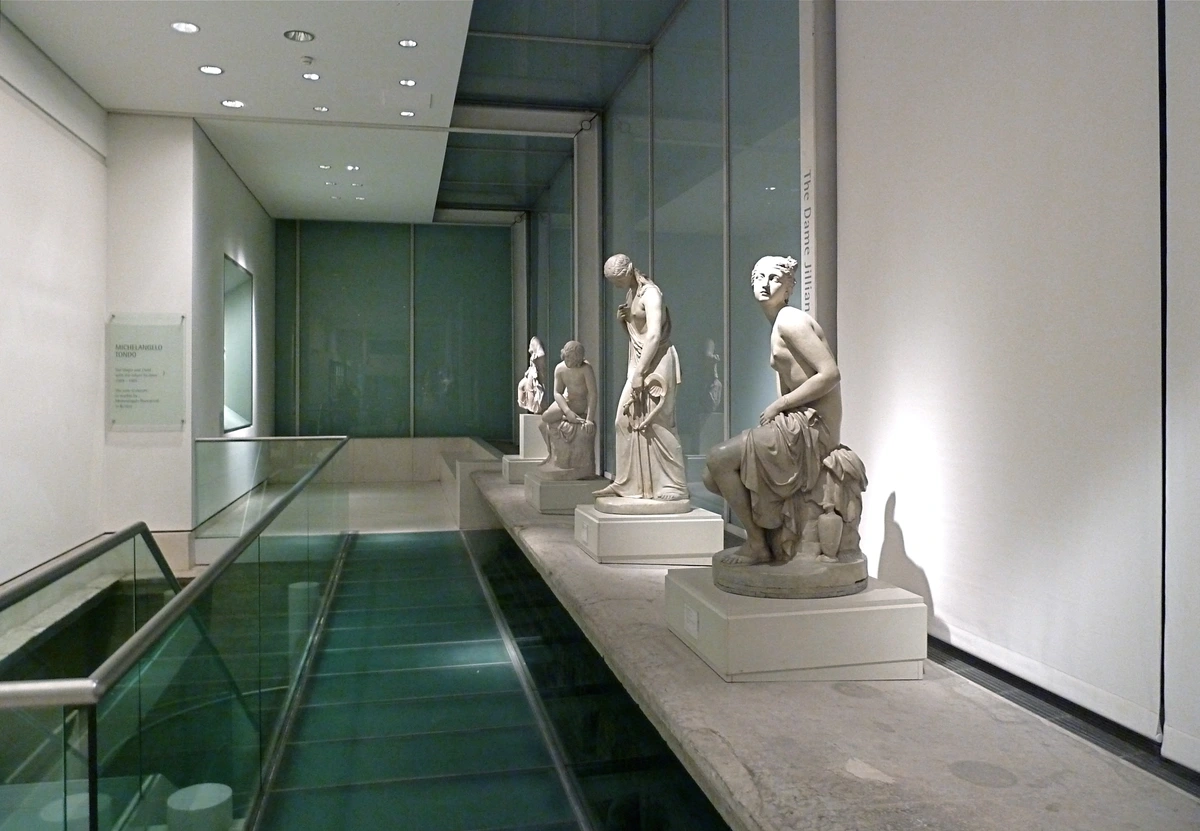
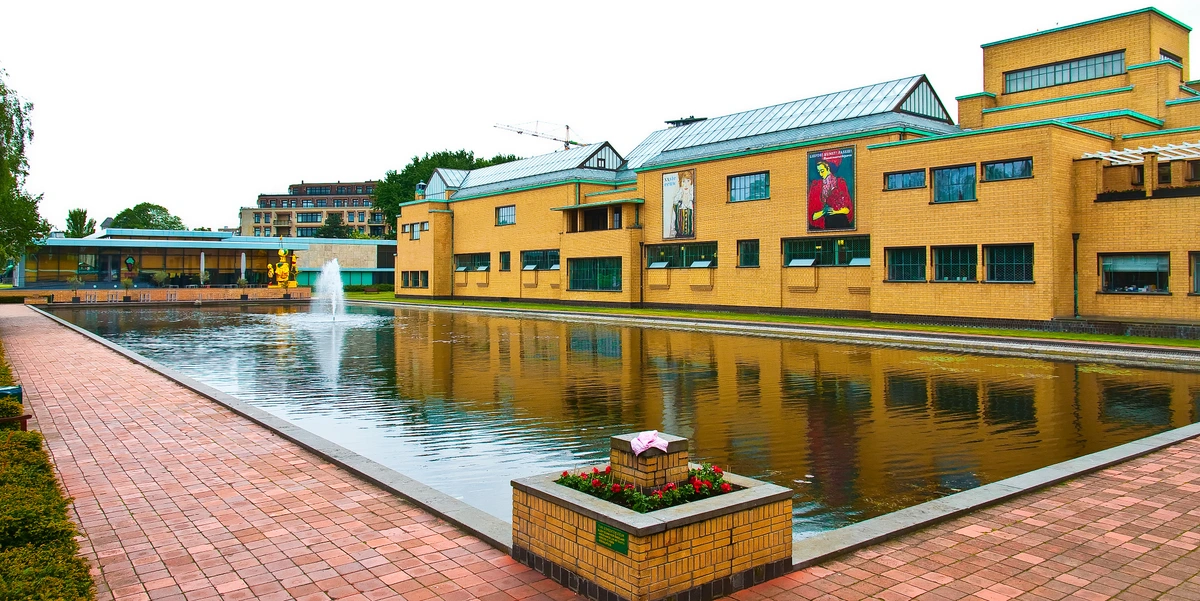
If you're curious about how major art institutions can shape a city's culture, you might enjoy reading about the Den Bosch Museum. Or, if you're interested in the broader currents of modern and contemporary art, have a look at my timeline of works on my /timeline.
All of this to say, the Praemium Imperiale is more than an award. It's a yearly reminder that while auction prices fluctuate and trends fade, the profound impact of a creative genius remains immeasurable. It’s an annual testament to the enduring power of human imagination. And in our fast-paced, often cynical world, that’s something truly worth celebrating.
A Closer Look: The Ceremony and the Medal
You might be wondering what it actually feels like to receive this honor. The annual award ceremony is held in Tokyo, a glittering event that brings together laureates, members of the Japan Art Association, cultural figures, and often, members of the Japanese Imperial Family. It’s not merely a dinner; it’s a formal state of recognition, a powerful act of cultural diplomacy that places artists on a pedestal historically reserved for diplomats and dignitaries.
The medal itself is an artistic statement in its own right. It's a specially commissioned piece of artistry, typically given in an elegant presentation case. Far from being a generic trophy, its design is meant to echo the weight and seriousness of the achievement it represents—a tangible symbol of an artist's intangible, lifelong influence. Winning the Praemium Imperiale isn't just about the 15 million yen or the weighty medal; as many laureates have noted, it's the profound, career-crowning prestige that truly matters. It's an invitation into the most exclusive club of cultural icons, an honor that solidifies their place in history books.
Tales from the Ceremony: Laureate Reactions
Hearing directly from the laureates offers a glimpse into the award's profound emotional weight. Here are a few notable reactions that capture the sentiment:












- I.M. Pei (Architecture, 1989): Upon receiving one of the inaugural awards, the architect of the Louvre Pyramid reflected not on his own achievement, but on the ceremony's symbolism. He noted that being honored by the Japan Art Association, under the gaze of the Imperial Family, felt like a global embrace of architecture as a cornerstone of human culture, validating its contribution alongside older art forms.
- Arthur Miller (Theatre/Film, 2001): The celebrated playwright, known for his piercing social critiques, described the Praemium Imperiale as a kind of vindication. He said it was an acknowledgment that theatre—an art form he felt was increasingly sidelined by blockbuster films—still had the power to profoundly shape society, a belief that had fueled his entire career.
- Anish Kapoor (Sculpture, 2011): Known for his monumental, thought-provoking forms, Kapoor spoke of the award as a "pause button." He explained that the relentless creative drive often leaves little room for reflection; the Praemium Imperiale ceremony in Tokyo forced a moment of pause, compelling him to look back at a lifetime of work and confront the magnitude of his own journey.
These personal stories add a crucial human dimension to the formality. I find they underscore that for these giants of culture, the Praemium Imperiale isn't just another accolade. It's a moment of deep, personal, and historical reflection—a powerful confirmation from a respected global community that their solitary, often obsessive pursuit of an artistic truth has resonated across cultures, languages, and generations. It’s validation from the ultimate jury of their peers.