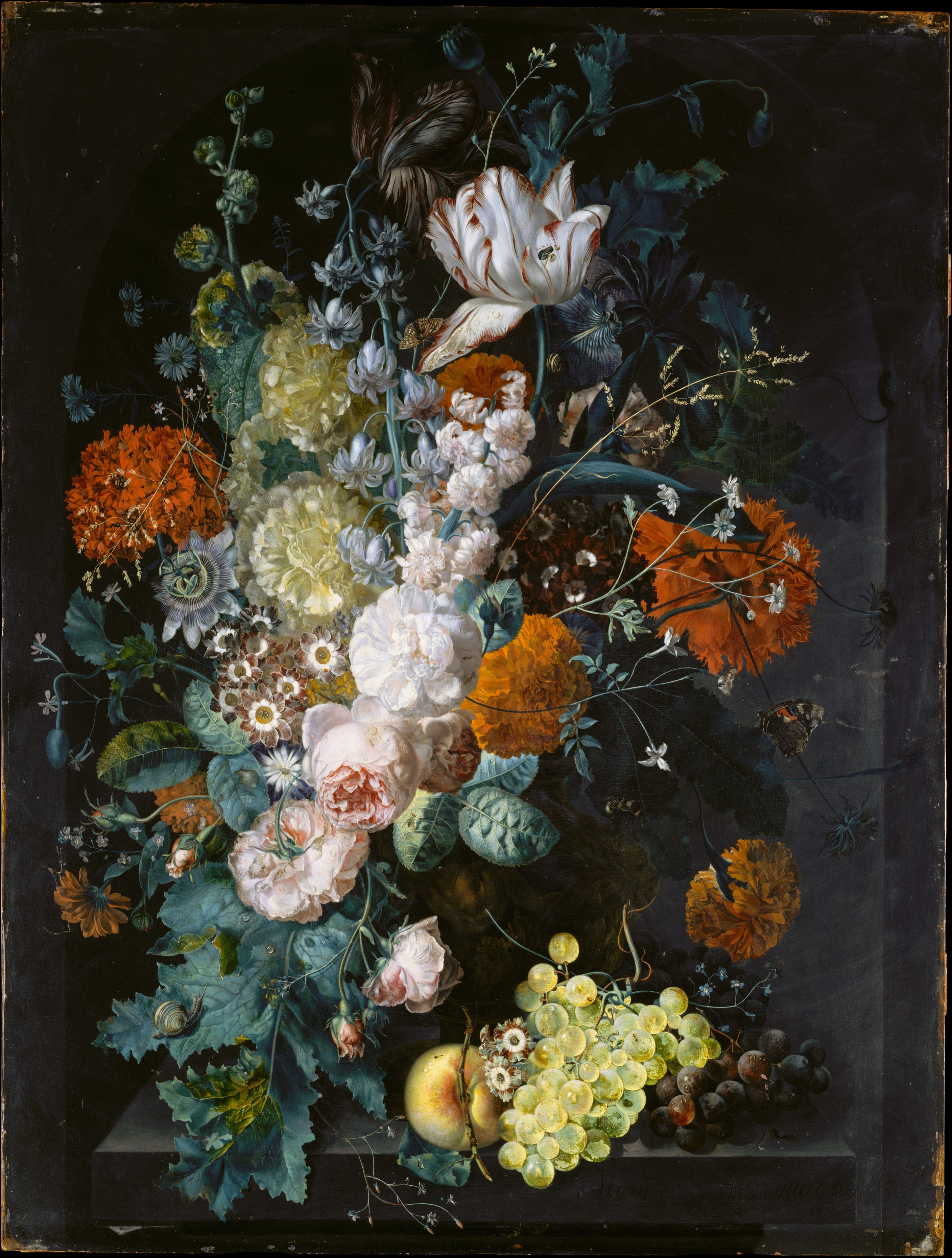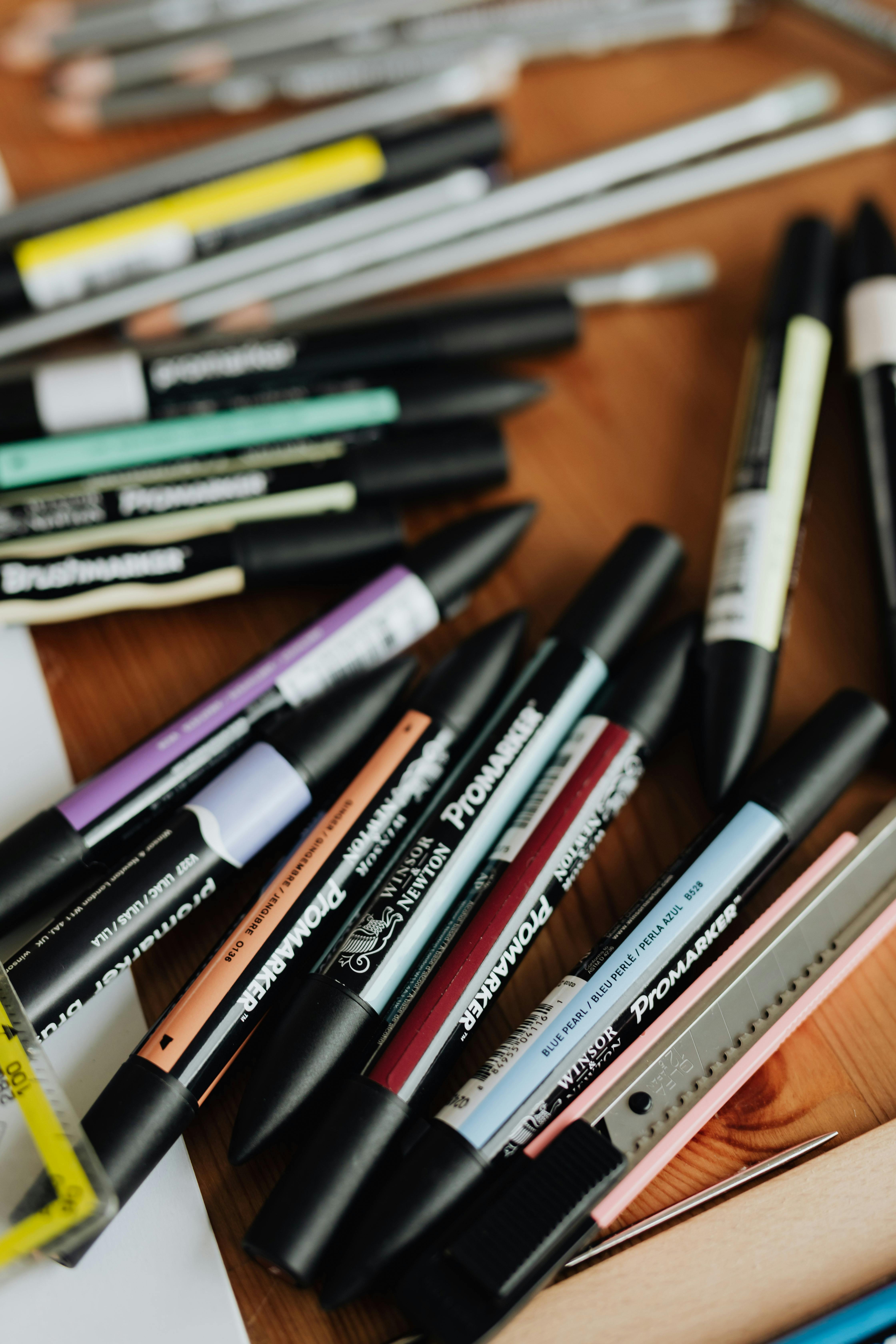
Wax Bloom: The Hazy Cloud Over Your Art and Its Secret Cure
Discover why wax appears on artworks and how to safely remove it without causing damage. Your complete guide to protecting colorful art.

Wax Bloom: The Hazy Cloud Over Your Art and Its Secret Cure
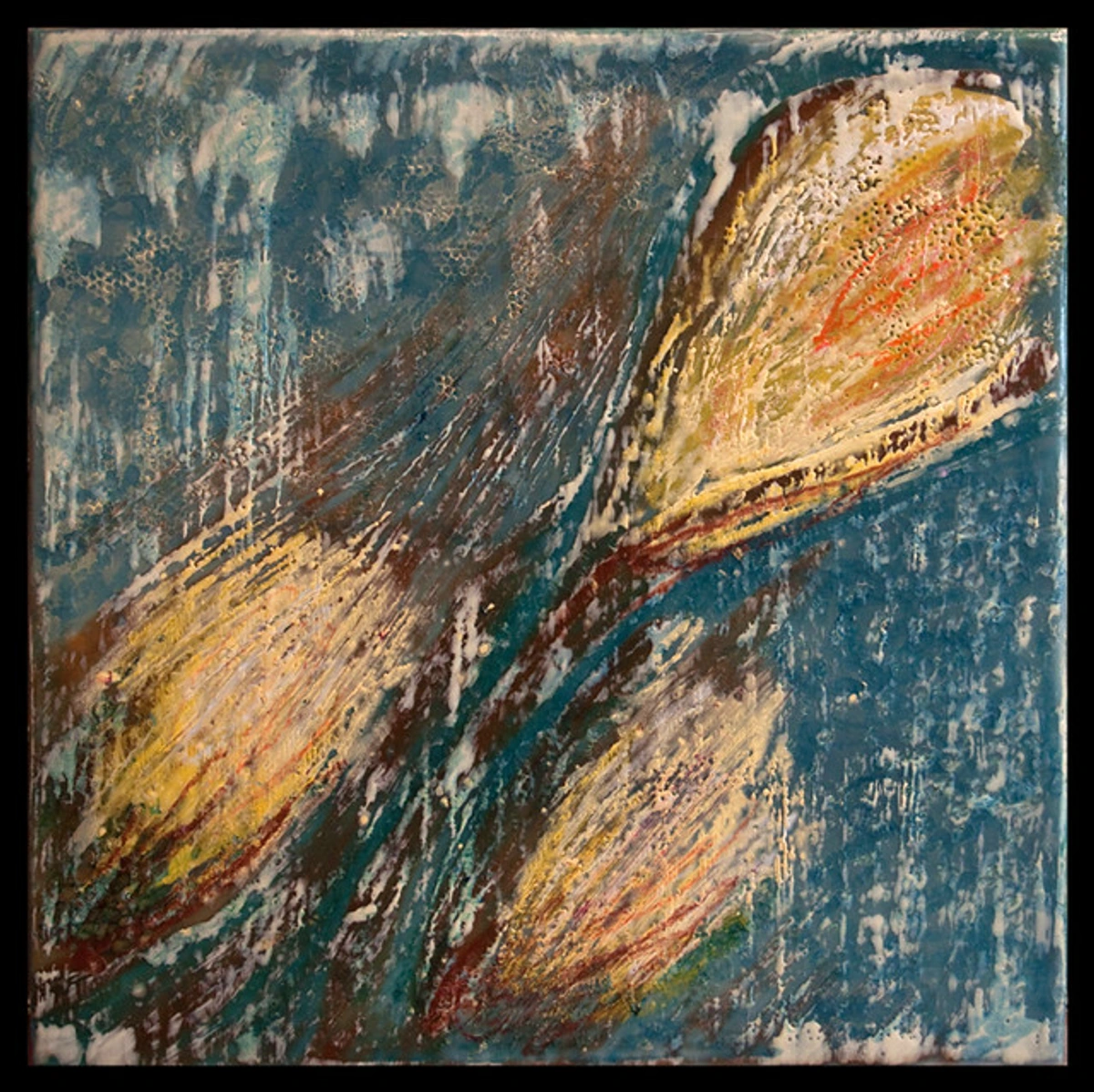
I remember the first time I saw it – my favorite abstract oil pastel piece, an explosion of cobalt and gold, suddenly veiled in a ghostly white film. I panicked. Was it ruined? Had I done something terribly wrong? My hands trembled as I examined it, afraid I'd ruined months of creative work. Turned out, this mysterious haze has a name: wax bloom. It's a common, completely solvable phenomenon in wax-based artworks, and today we're pulling back the curtain on what causes it and how to banish it for good.
But here's the thing that really shook me: I wasn't alone. In artist forums, at gallery openings, even in conservation labs – wax bloom is that unspoken secret that artists whisper about. It's the art world's dirty little secret, but it doesn't have to be yours. Understanding this phenomenon transforms anxiety into simple maintenance, and that's exactly what we're going to do together.
The Emotional Journey of Wax Bloom
Dealing with wax bloom isn't just about art restoration – it's an emotional rollercoaster. I've seen artists brought to tears by the sight of their masterpieces developing that hazy film. There's something deeply personal about seeing your creative vision obscured, as if the artwork itself is crying out for help. But here's the beautiful truth: overcoming wax bloom often becomes a bonding experience between artist and artwork. The careful, gentle process of removal can be meditative, bringing you closer to your creation in ways you never expected.

Many artists report that after successfully treating wax bloom, they develop a deeper connection to their pieces. They understand the materials better, appreciate the fragility of art, and gain confidence in their ability to care for their creations. It's like becoming a art detective – learning to read the subtle signs your artwork gives you before problems become serious.
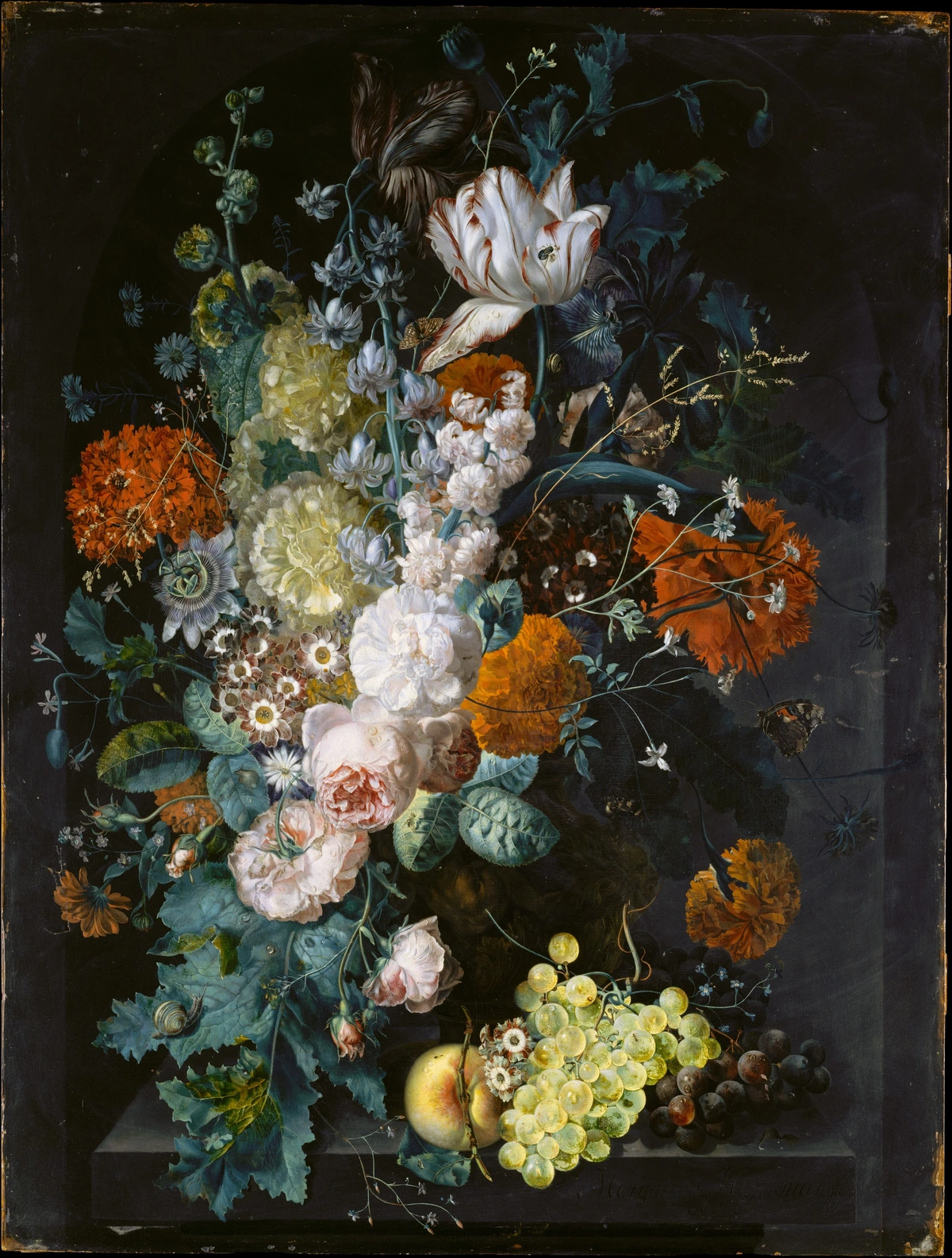
What Is Wax Bloom? The Fog on Your Canvas
Wax bloom is that frustrating white, hazy film that appears on the surface of artworks made with wax-based media like oil pastels, crayons, pastels, or certain encaustics. It's not dust – dust wipes away easily. This is more like a permanent, cloudy shadow that dulls vibrant colors. Think of it like condensation on a window, but it's actually wax migrating from within the artwork material to the surface over time. It's your art quietly exhaling.
The Chemistry Behind the Bloom
But let's get technical for a moment. Wax bloom occurs when the volatile organic compounds (VOCs) in the wax binder evaporate over time, leaving behind the solid wax components that rise to the surface. This process is accelerated by temperature fluctuations and can happen in as little as a few weeks or take several years, depending on your environment and the specific materials used.
At a molecular level, what's happening is fascinating. The wax binder typically consists of long-chain hydrocarbons that have different melting points. When exposed to heat, these molecules become more mobile and can migrate through the artwork matrix. The lighter, more volatile components (VOCs) evaporate first, leaving behind the heavier, solid wax fractions that form the characteristic bloom. This migration is governed by principles of diffusion and thermodynamics – essentially, the wax is trying to reach equilibrium with its environment.
The Lifecycle of Wax Bloom
Understanding the stages of wax bloom development can help you catch it early:
Stage  | Timeline | Visual Characteristics | Treatment Difficulty |
|---|---|---|---|
| Initial Migration | Days to weeks | Subtle surface sheen changes | Very easy to treat |
| Early Bloom | 1-3 months | Light white haze, visible in raking light | Easy to treat |
| Established Bloom | 3-12 months | Opaque white film, color dulling | Moderate treatment |
| Heavy Bloom | 1+ years | Thick, crusty surface, significant color loss | Difficult treatment |
The rate of progression depends heavily on environmental conditions. Artworks in fluctuating temperature environments can move through these stages much faster than those in stable conditions.
Why Does It Happen? The Science of Simmering Wax
So, why does your prized artwork suddenly develop a winter morning look? It boils down to one thing: temperature fluctuations. Wax has a melting point, and when your art is regularly exposed to heat (hanging above a radiator, parked near a sunny window) or even just cool, damp nights, the wax softens and rises to the surface. As the temperature drops again, the wax hardens, forming that characteristic bloom.
But there's more to it than just heat. The relative humidity plays a crucial role too. High humidity can cause the wax to absorb moisture, making it more pliable and prone to migration. Meanwhile, low humidity can cause the wax to become brittle, making it more likely to crack and release those bloom-causing compounds.
The rate of temperature change is particularly important. Sudden temperature swings from hot to cold (like moving art from a warm car to a cold gallery) are much more likely to cause bloom than gradual, controlled changes. It's all about giving the wax molecules time to adjust.

Types of Wax-Based Media Prone to Bloom
Here's a breakdown of which wax-based media are most susceptible to wax bloom:
Medium | Wax Content | Bloom Risk | Common Issues |
|---|---|---|---|
| Oil Pastels | Very High (60-80%) | High | Heavy bloom, difficult to remove |
| Wax Crayons | High (70-90%) | High | Uniform bloom, affects entire piece |
| Soft Pastels | Moderate (30-50%) | Medium | Surface bloom, paper damage risk |
| Hard Pastels | Low (10-20%) | Low | Minimal bloom, easy to prevent |
| Encaustic Art | Variable (depends on formula) | Medium-High | Requires proper sealing |
| Oil Sticks | High (similar to oil pastels) | High | Similar issues to oil pastels |
| Oil Pencils | High (65-75%) | High | Similar to oil pastels |
| Wax-based Markers | Moderate-High (40-70%) | Medium-High | Line integrity issues |
| Colored Pencils (Wax-based) | Moderate (30-60%) | Medium | Surface haze |
Brand-Specific Bloom Risk Assessment
Not all brands are created equal when it comes to wax bloom resistance. Here's how some popular brands compare:
Brand/Product Line | Typical Wax Content | Bloom Resistance | Price Point |
|---|---|---|---|
| Sennelier Oil Pastels | High (75-80%) | Low-Medium | Premium |
| Holbein Duo Aqua | Medium (50-60%) | Medium | Premium |
| Caran d'Ache Neocolor II | Low-Medium (25-40%) | Medium | High |
| Crayola Professional | Very High (80-90%) | Very Low | Budget |
| Prismacolor Premier | High (65-75%) | Low-Medium | Mid-Range |
| Rembrandt Pastels | Medium (35-45%) | Medium | Mid-Range |
| Winsor & Newton Oil Bars | High (70-75%) | Low-Medium | Premium |
Important Note: Higher wax content doesn't always mean worse bloom performance. Professional-grade brands often use higher-quality wax blends with better molecular stability, even though they contain more wax. Budget brands might use lower-quality waxes that migrate more readily, despite similar wax percentages.
Oil pastels are the biggest offenders due to their extremely high wax content – they're essentially pigment suspended in wax. That's why they're so vibrant and blendable, but also why they bloom so readily. Even the most expensive professional-grade oil pastels will bloom eventually if not properly cared for.
Wax crayons (yes, even those fancy artist-grade ones) are another major culprit. The higher the wax content, the better they glide on paper – but the more susceptible they are to bloom. It's a classic trade-off in art materials.
I've seen it happen in a gallery with fluctuating HVAC systems and in a sunlit home office – it's not about neglect, it's physics.
How to Tell Wax Bloom from Other Art Hazards
That white stuff could be dust, mildew, or yellowing varnish. Here’s a quick cheat sheet to pinpoint the culprit:
Issue | Appearance | How It Feels | Removable? | Common In |
|---|---|---|---|---|
| Wax Bloom | Opaque, waxy haze | Slightly tacky when warm | Yes (safely) | Oil pastels, crayons |
| Dust | Particles sitting on surface | Gritty, brushes away | Easily with cloth | All artworks |
| Mildew | Gray/white dusty patches | Damp, musty smell | Needs cleaning | Unsealed works, humid spaces |
| Yellowing Varnish | Uniform yellowish film | Hard when dry | With solvent | Older oils, acrylics |
| Canvas Mold | Fuzzy patches, often colored | Slimy, damp | Professional cleaning | Canvas works, humid areas |
| Foxing | Brown/yellow spots | Dry, papery | Difficult, often permanent | Paper artworks, old documents |
| Salt Crystals | White crystalline deposits | Gritty, crystalline | Can be dissolved | Watercolors, salt-affected areas |
| Lead Soap Formation | White, crusty deposits | Brittle, flaky | Professional treatment | Some oil paintings, lead-based pigments |

How to Remove Wax Bloom: Your Gentle Step-by-Step Rescue
Good news: this fix is usually low-risk. But proceed like you’re defusing a delicate bomb – with patience and respect.
Method 1: The Warm Whiff for Light Bloom
This is my go-to for minor haze. The soft heat encourages the wax to melt back down into the artwork.

- Warm Hands First: Rub your hands together vigorously for 30 seconds. Your own body heat is the perfect initial tool.
- Gently Rub: Using a circular motion, lightly buff the affected area with your bare fingertips. I do one small spot at a time, pausing to see the result. It feels like you’re polishing silver – firm enough to work, but light enough to avoid grinding anything in.
- Wipe: Use a clean, dry, lint-free cloth (a microfiber cloth is ideal) to wipe away any loosened wax residue.
Method 2: The Hairdryer Technique for Stubborn Cases
For more persistent bloom, controlled external heat is your ally. But temperature control is critical.
- Low, Low, LOW: Set your hairdryer to its lowest heat setting. NO HIGH HEAT – that’s how you get melted art soup.
- Keep Your Distance: Hold the dryer at least 12 inches (30cm) away from the artwork surface. Don’t hover. Keep it moving constantly.
- Warm Briefly: Pass the warm air back and forth over the hazy area for just 10-15 seconds.
- Buff Immediately: While the surface is slightly warm (not hot!), use your clean microfiber cloth to gently buff the spot. The warmth makes the wax receptive to being smoothed back in.
- Repeat as Needed: If needed, repeat with shorter bursts of warmth, always allowing the surface to cool between applications.
Cost Analysis of Bloom Treatment Options
Understanding the costs involved in wax bloom treatment can help you make informed decisions about care and prevention. Here's a breakdown of typical costs:
Treatment Method | Cost Range | Time Investment | Effectiveness | Best For |
|---|---|---|---|---|
| DIY Hand Buffing | $0 (time only) | 30 minutes - 2 hours | Low-Medium | Minor bloom, quick fixes |
| Hairdryer Method | $0 (time only) | 1-3 hours | Medium | Moderate bloom, accessible |
| Iron Method | $0 (risk!) | 1-2 hours | Medium-High | Stubborn bloom, sturdy art |
| Professional Consultation | $100-300 | 1-2 hours | High | Valuable pieces, diagnosis |
| Professional Treatment | $200-1000+ | 2 hours - 2 weeks | Very High | Valuable/antique pieces |
| Preventative Sealing | $50-200+ | 1-3 hours | High | New pieces, high risk |
| Climate Control Setup | $200-2000+ | Ongoing | Very High | Large collections, high value |
Detailed Cost Breakdown by Artwork Size
For more precise budgeting, here's how costs scale with artwork dimensions:
Artwork Size | DIY Methods | Professional Treatment | Preventative Measures |
|---|---|---|---|
| Small (8x10" or less) | $0-20 (supplies) | $150-400 | $30-80 |
| Medium (11x14" to 16x20") | $0-30 (supplies) | $250-600 | $50-150 |
| Large (20x24" or larger) | $0-50 (supplies) | $400-1000+ | $100-300+ |
| Oversized ( murals, diptychs) | $0-100+ (supplies) | $800-2000+ | $200-500+ |

Product-Specific Cost Guide
Here are actual product costs for popular bloom treatment and prevention supplies:
Product Type | Brand/Example | Price Range | Coverage |
|---|---|---|---|
| Microfiber Cloths | Norwex, e-cloth | $5-15 per pack | Multiple treatments |
| Mineral Oil | Generic, baby oil | $3-8 per bottle | 20-30 treatments |
| Professional Fixative | Krylon Workable Fixatif | $8-12 per can | 10-15 artworks |
| Climate Monitor | AcuRite, ThermoPro | $20-50 | Ongoing use |
| Dehumidifier | Eva-dry, small units | $30-80 | Room-sized areas |
| UV Filtering Glass | Custom framing | $100-300+ | Per frame |
| Art Storage Boxes | Archival-quality | $15-50 per box | Multiple pieces |
Hidden Costs to Consider
Don't forget these often-overlooked expenses:
- Professional Photography: $50-200 for before/after documentation
- Frame Replacement: $100-500 if current frame is incompatible with prevention
- Art Insurance Premium Increase: $50-200 annually for valuable pieces
- Climate Control Installation: $300-2000+ for whole-home systems
- Consultation Travel: $100-500 if conservator requires on-site visit
- Follow-up Maintenance: $20-100 annually for ongoing care
Cost-Benefit Analysis: For most artists, the $100-300 investment in proper prevention and early treatment saves $1000-5000+ in potential professional restoration costs for valuable pieces.
Insurance and Documentation Considerations
For valuable artworks, proper documentation and insurance are crucial aspects of wax bloom management:

Documentation Best Practices:
- Before Treatment Photos: Take high-quality photos of artwork before any treatment begins
- Condition Reports: Document current state, including any existing bloom or damage
- Treatment Records: Keep detailed notes of any treatments performed
- Environmental Logs: Monitor and record temperature/humidity conditions
- Provenance Documentation: Keep records of artwork history and ownership
Insurance Considerations:
- Get appraisals for valuable pieces (typically every 3-5 years)
- Document changes in condition immediately
- Report bloom incidents to your insurer promptly
- Understand coverage for conservation treatments
- Consider specialized art insurance rather than standard homeowners
Storage Documentation:
- Create an inventory system with photos and descriptions
- Note storage conditions and dates
- Track rotation and movement of pieces
- Maintain digital and physical backups of documentation
Digital Documentation Tools:
- Art management software: Specialized apps for tracking art collections
- Cloud storage: Backup photos and documents securely
- Spreadsheets: Track condition, treatment, and environmental data
- Mobile apps: For on-the-spot documentation and updates
Stop immediately and consult a professional conservator if:
- The artwork is valuable, antique, or sentimental.
- The bloom is heavy and widespread.
- The artwork surface is fragile (like very old paper).
- It's an oil painting with a varnish layer (solvents or heat could ruin it).
- You feel uncomfortable at any point. Seriously, better safe than sorry. I once tried a hairdryer on my nephew’s crayon drawing for too long – lesson learned.
Preventing Wax Bloom: Outsmarting the Art Haze
While you can’t defy physics forever, you can make wax bloom a rare visitor:

- Stable Climate: Keep your art in a room with stable temperature and humidity, away from direct heat sources (radiators, electronics) and especially direct sunlight. UV rays are double trouble – they age mediums and heat surfaces.
- Mat Framing: If framing behind glass, use a mat spacer so the glass doesn’t touch the artwork surface. This traps moisture and wax vapors against the art – no bueno.
- Ventilation: Avoid storing art in enclosed plastic bins without air circulation. Let them breathe.
- Location, Location: Hanging art over fireplaces? Bad idea. Behind a sunny window? Risky. Choose protected internal walls.
Expert Tips and Testimonials
Learning from those who've dealt with wax bloom extensively can provide invaluable insights. Here are tips from professional conservators, experienced artists, and art collectors:

Conservator Wisdom
"The most important thing with wax bloom is patience. Rushing the removal process is what causes damage. Take your time, use minimal heat, and always test first." – Sarah Mitchell, Professional Art Conservator
"I've seen too many people ruin beautiful artwork by using the wrong methods. When in doubt, consult a professional. It's cheaper than replacing damaged art." – Dr. James Chen, Museum Conservation Specialist

"Prevention is always better than treatment. Control your environment, and you'll rarely have to deal with bloom at all." – Maria Rodriguez, Private Art Conservator
Artist Experiences
"I actually embrace some wax bloom in my work. It creates these beautiful, subtle textures that add character over time. It's like the artwork is continuing to evolve." – Alex Thompson, Oil Pastel Artist
"After losing three pieces to improper bloom removal, I developed my own system. Now I check my environment monthly and have never had a serious bloom issue since." – Lisa Park, Mixed Media Artist

"I use a combination of prevention and early detection. A quick wipe with a microfiber cloth every week keeps everything fresh and prevents minor blooms from becoming major issues." – David Kim, Encaustic Artist
Collector Insights
"I've been collecting oil pastel art for 20 years, and my biggest lesson is to buy from artists who understand bloom and take proper care. Quality care starts with the creator." – Emily Richards, Art Collector
"Insurance is worth every penny. When my most valuable piece developed severe bloom during a move, the insurance covered professional conservation, and it looks better than ever." – Robert Martinez, Art Investor
"Climate control isn't optional if you're serious about collecting. The initial investment pays for itself in preserved artwork." – Jennifer Lee, Gallery Owner

Q: Will wax bloom damage my art permanently?
A: Not a bit! It’s completely reversible with the gentle methods above. It’s more of a cosmetic inconvenience than lasting damage. Think of it as your art having a bad hair day.
Q: Can I rub the bloom away with water?
A: Absolutely not! Water isn't soluble wax, and it can cause smudging, staining, or even ruin paper supports. Stick to dry heat and light buffing.
Q: My oil pastel artwork has bloom – did I buy bad quality?
A: Not necessarily. Even professional-grade oil pastels contain wax. Higher pigmentation might reduce risk slightly (more pigment, less binder), but bloom is a characteristic of the medium, not a quality flaw. It’s like butter separating – it happens!
Q: If I seal my artwork, will it never bloom?
A: A proper fixative (especially for pastels or charcoal) or varnish (compatible with oil pastels) significantly reduces the risk by creating a protective barrier. However, no sealant is 100% foolproof against significant temperature swings. It’s the best preventative, not a magic spell.
Q: How often should I check my art for bloom?
A: A quick visual check every 3-6 months, especially after seasonal changes (switching from AC to heat), is plenty. If your environment is stable, you might go years without seeing it. But vigilance saves panic later. I recommend creating a simple calendar reminder system:
- Monthly: Quick visual inspection of displayed pieces
- Seasonal: More thorough inspection and environmental check
- Annual: Deep inspection of entire collection
- After major events: Move, renovation, climate change
Q: What's the best temperature range for wax-based art?
A: The sweet spot is 65-75°F (18-24°C) with 40-60% relative humidity. This range keeps the wax stable without being too cold (which can make it brittle) or too warm (which encourages migration). The key is stability – avoid rapid fluctuations more than extreme temperatures.
Q: Can I use a heat gun instead of a hairdryer?
A: Absolutely not! Heat guns are way too powerful and can easily destroy wax-based art. Hairdryers have much lower heat output and better temperature control. Heat guns can reach temperatures of 500°F+, while hairdryers typically max out around 140°F. That difference is huge when you're working with delicate wax materials.
Q: Will bloom affect the resale value of my artwork?
A: It depends on several factors:
- Severity: Minor bloom that's easily treatable usually doesn't affect value
- Professional treatment: Properly restored bloom often doesn't impact value
- Documentation: Records of professional conservation can actually increase value
- Artist reputation: Some artists are known for their bloom-management techniques
- Buyer education: Informed buyers understand that bloom is treatable and common
Generally, if the bloom is properly addressed and documented, it shouldn't significantly affect resale value. In fact, some collectors see evidence of proper care as a positive indicator.
Environmental Factors and Regional Considerations
Where you live has a significant impact on wax bloom risk. Different climate zones present unique challenges and require tailored approaches to prevention and treatment.
Climate Zone Analysis
Climate Zone | Temperature Range | Humidity Range | Bloom Risk | Prevention Focus |
|---|---|---|---|---|
| Tropical | 75-90°F | 70-90% | Very High | Dehumidification, AC |
| Desert | 60-110°F | 5-30% | Medium | Humidification, shade |
| Temperate | 40-85°F | 30-70% | Low-Medium | Stability, monitoring |
| Continental | -20-90°F | 20-80% | High-High | Insulation, climate control |
| Mediterranean | 50-95°F | 30-60% | Medium | Shade, ventilation |
| Mountain | 20-70°F | 30-60% | Low | Temperature stability |

Regional-Specific Challenges
Tropical Regions (Florida, Southeast Asia, etc.):
- Constant high humidity promotes wax migration
- Air conditioning creates cold spots and condensation
- Salt air can accelerate deterioration
- Solutions: Dehumidifiers, air conditioning, UV protection
Desert Regions (Arizona, Middle East, etc.):
- Extreme temperature swings between day and night
- Very low humidity can cause brittleness
- Intense sunlight exposure
- Solutions: Humidifiers, shade, temperature control
Continental Regions (Midwest, Eastern Europe, etc.):
- Severe seasonal temperature changes
- Heating systems create dry, warm air
- Variable humidity throughout the year
- Solutions: Comprehensive climate control, seasonal adjustments
Coastal Regions:
- Salt air and moisture can penetrate materials
- High humidity combined with temperature fluctuations
- Solutions: Extra sealing, regular cleaning, climate control
Seasonal Maintenance Schedule
Here's a seasonal checklist tailored to different climate zones:
Spring (General):
- All zones: Deep inspection after winter storage/display
- Humid zones: Check for mold and mildew alongside bloom
- Dry zones: Assess for cracking and brittleness
- Action: Rotate pieces, clean frames, check environmental controls
Summer (General):
- All zones: Monitor temperature and humidity closely
- Hot zones: Increase air circulation, use shade
- Humid zones: Run dehumidifiers regularly
- Action: Move art away from windows, check AC performance
Fall (General):
- All zones: Prepare for heating season
- Cold zones: Check insulation around art areas
- Dry zones: Increase humidity levels
- Action: Service heating systems, prepare for temperature changes
Winter (General):
- All zones: Monitor for dry air and heating effects
- Cold zones: Use humidifiers, avoid cold drafts
- Dry zones: Maintain higher humidity levels
- Action: Regular misting (for paper), check heating vents
Wax bloom isn’t a death sentence for your artwork; it’s a natural hiccup in its lifecycle. Understanding this phenomenon transforms anxiety into simple maintenance. Your vibrant art, the bursts of color that sparked joy when you first saw them, deserve to shine without a ghostly veil. Armed with a little knowledge and gentle care, you can keep those colors true – ensuring your collection stays as vivid and stunning as the day it was created.
Glossary of Wax Bloom Terms
Term | Definition | Importance |
|---|---|---|
| Wax Bloom | Migration of wax to artwork surface | Primary condition to prevent/treat |
| VOCs | Volatile Organic Compounds | Cause wax migration when evaporating |
| Fixative | Spray to seal pastel/charcoal artwork | Prevents bloom on porous media |
| Varnish | Protective coating for oil-based art | Creates barrier against bloom |
| Mat Spacer | Frame element separating art from glass | Prevents moisture trapping |
| Hygrometer | Device measuring humidity levels | Essential for climate monitoring |
| Microfiber Cloth | Lint-free cloth for gentle cleaning | Safe for artwork surfaces |
| Temperature Gradient | Difference in temperature across space | Major bloom trigger |
| Relative Humidity | Amount of moisture in air | Affects wax pliability |
| Capillary Action | Liquid movement through narrow spaces | Drives wax migration |
| Thermal Expansion | Material expansion when heated | Creates migration pathways |
| Diffusion | Movement of molecules from high to low concentration | Governs wax movement |
| Consolidation | Process of securing loose or flaking material | Post-bloom treatment |
| Solubility | Ability to dissolve in a liquid | Important for cleaning methods |
| Hydrophobic | Water-repelling properties | Key characteristic of waxes |
| Amorphous | Non-crystalline structure | Typical of wax bloom appearance |
| Matrix | Supporting material structure | Determines migration pathways |
| Binder | Material holding pigment together | Wax content determines bloom risk |
| Pigment Load | Amount of colorant in medium | Higher pigments may reduce bloom |
| Raking Light | Light at low angle for surface inspection | Diagnostic technique |
| Desiccant | Moisture-absorbing material | Storage preservation |
| Acclimatization | Gradual adjustment to new environment | Prevents shock to artwork |
| Provenance | History of ownership and location | Important for insurance |
| Conservator | Professional art preservation specialist | Expert treatment option |
| Fixative Spray | Protective coating application | Prevention method |
| UV Filter | Protection from ultraviolet light | Prevention method |
| Climate Control | Managing temperature and humidity | Primary prevention strategy |
| Archival Quality | Materials safe for long-term storage | Prevention method |
Additional Technical Terms
Molecular-Level Concepts:
- Alkanes: Hydrocarbon chains in waxes
- Melting Point: Temperature at which wax transitions from solid to liquid
- Glass Transition: Temperature where wax becomes rubbery
- Oxidation: Chemical reaction with oxygen that can affect wax
- Polymerization: Process that can strengthen wax over time
Conservation-Specific Terms:
- Reversibility: Ability to undo treatments without damage
- Minimal Intervention: Principle of doing the least necessary
- Stabilization: Preventing further deterioration
- Retouching: Replacing lost or damaged areas
- Infill: Filling lost areas with compatible materials
Diagnostic Terms:
- Raking Light: Light at shallow angles for surface examination
- Ultraviolet Examination: UV light for detecting materials and repairs
- Infrared Reflectography: Seeing beneath surface layers
- X-ray Fluorescence: Elemental analysis of materials
- Cross-Section Analysis: Microscopic examination of layers
Understanding the Science
For those interested in the deeper technical aspects:
Wax Chemistry: Waxes are complex mixtures primarily consisting of:
- Esters: Fatty acid + alcohol compounds
- Hydrocarbons: Long-chain carbon molecules
- Free Fatty Acids: Carboxylic acid components
- Alcohols: Long-chain aliphatic alcohols
- Sterols: Complex organic molecules
Different wax types have different compositions:
- Beeswax: High in esters, hydrocarbons
- Carnauba: Very hard, high in acids and esters
- Paraffin: Primarily hydrocarbons
- Candelilla: Resin esters and hydrocarbons
Migration Physics: The movement of wax follows several physical principles:
- Fick's Laws of Diffusion: Govern molecular movement
- Arrhenius Equation: Temperature-dependent reaction rates
- Van der Waals Forces: Molecular attraction
- Surface Tension: Forces at liquid-air interfaces
Understanding these principles helps explain why certain conditions accelerate bloom and how different preventive methods work.