
Universal Truths in Art: The Timeless Language That Connects Us All
Explore how artists transcend time and culture to express universal truths through abstract art. Discover why these timeless concepts resonate deeply with our shared humanity.

Universal Truths in Art: The Timeless Language That Connects Us All
I’ve always been fascinated by how a single painting, swirling with color and shape, can make someone across the world pause and whisper, "That’s it." That feeling – when art touches something primal, something true we all understand without words – isn’t magic. It’s universal truth, the invisible thread woven through humanity’s greatest creations.
Universal truths aren’t philosophical jargon. They’re the gut-level recognitions we all share: love’s ache, nature’s chaos, hope’s quiet flame. Artistic masters don’t just paint what they see – they distill these truths into visual poetry. And today? Contemporary artists like those behind zenmuseum are still having this very same conversation, just with bolder palettes and stranger forms.

What Are Universal Truths in Art?
Before we dive deeper, let's get practical. What does this actually mean when you're standing before a painting in a gallery, scrolling through online art collections, or even creating your own work? Universal truths in art aren't some lofty academic concept – they're the emotional and psychological anchors that make art timeless and deeply personal, even when the subject matter seems completely foreign.
Let’s demystify this. A universal truth isn’t a math equation. It’s a core human experience so fundamental it echoes across centuries and continents:
- Cycle and Impermanence: Death, decay, rebirth. Think of Van Gogh’s swirling wheat fields or modern abstracts capturing erosion.
- Connection and Division: The yearning for community versus the ache of isolation. A crowded canvas full of organic shapes screaming "belonging" next to a stark, monochrome void.
- Nature’s Raw Power: Storms, growth, serenity. Artists don’t paint trees; they paint the feeling of standing under ancient boughs.
- Inner Landscapes: Joy, sorrow, the messy middle. You don’t need a smile or a tear to recognize emotion in pure abstraction – your body just knows.
These truths aren’t new. But art keeps finding new ways to speak them.
From Caves to Canvases: The Evolution of Eternal Themes
Our relationship with universal truths in art isn't just interesting – it's essential to understanding human consciousness itself. The way we've expressed these truths throughout history reveals not just artistic evolution, but our changing understanding of what it means to be human.
Our ancestors weren’t just doodling on cave walls. Those handprints and bison were humanity’s first attempts to grapple with existence – survival, spirits, the wild. Fast forward to the Renaissance, and da Vinci wasn’t just painting anatomy; he was celebrating human potential. Move to the Abstract Expressionists, and suddenly Pollock’s splatters weren’t chaos – they were universal energy
Period  | Key Truths Expressed | Notable Examples |
|---|---|---|
| Ancient Civilizations | Cycles, divine forces, connection to nature | Cave paintings (Lascaux), Egyptian death masks |
| Renaissance | Humanism, reason, beauty, emotion | Michelangelo’s David, Botticelli’s Birth of Venus |
| Impressionism | Perception of light, fleeting moments, modern life | Monet’s Water Lilies, Renoir’s Dances |
| Abstract Art | Inner emotion, universal energy, form freed from reality | Kandinsky’s Improvisations, Pollock’s action paintings |
See the pattern? The truths stay. The styles evolve. This isn't historical trivia. It’s proof that art is humanity’s longest-running dialogue about what it means to be alive.
Contemporary Artists: Speaking Truth in Bold Strokes
So where does this leave us today in our hyper-connected, algorithm-driven world? If universal truths are about shared human experience, how do artists express that when so much of our lives are filtered through screens and personalized feeds? The answer is both beautiful and challenging: contemporary artists are finding ways to cut through the noise and speak directly to the human spirit.

So, why do we still need this conversation? Because the world is louder, more fragmented, than ever. Contemporary abstract art strips away the noise. It says:
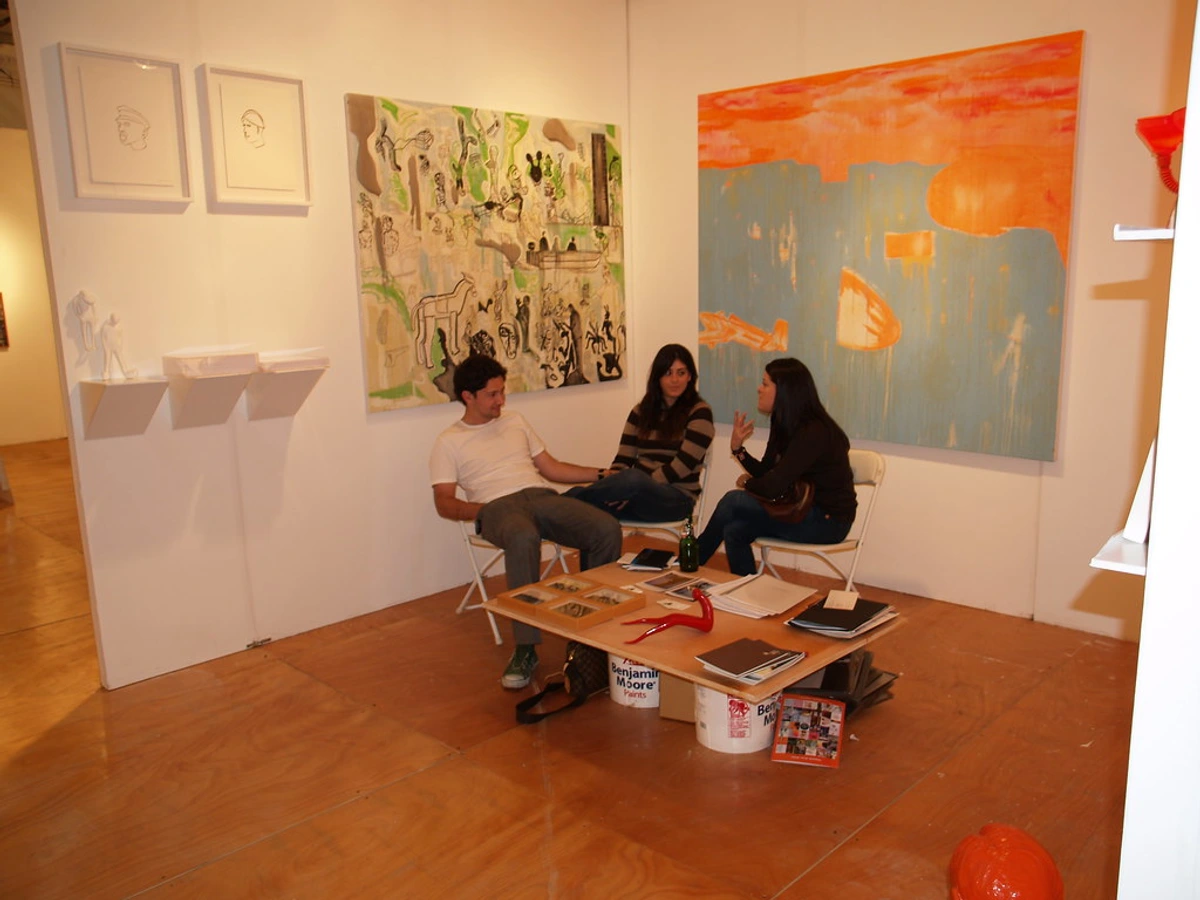
"Forget the labels. Look here. This raw curve? That’s vulnerability. This explosion of color? That’s rebellion. This quiet space? That’s peace."
Take an artist whose work you might see here at the zenmuseum. Their vibrant, textured pieces don’t depict a mountain or a face. But they might make you feel the struggle and triumph of climbing your own personal peak. That’s the power. This isn’t about being obscure. It’s about being honestly universal.
Think about it. When you lose yourself in a huge canvas of layered color and texture, what are you connecting with? It’s rarely the subject matter. It’s the resonance. The way the composition feels balanced, or deliberately off-kilter. The way certain hues trigger a memory or a mood you didn’t know was there. That’s universal truth working its magic.
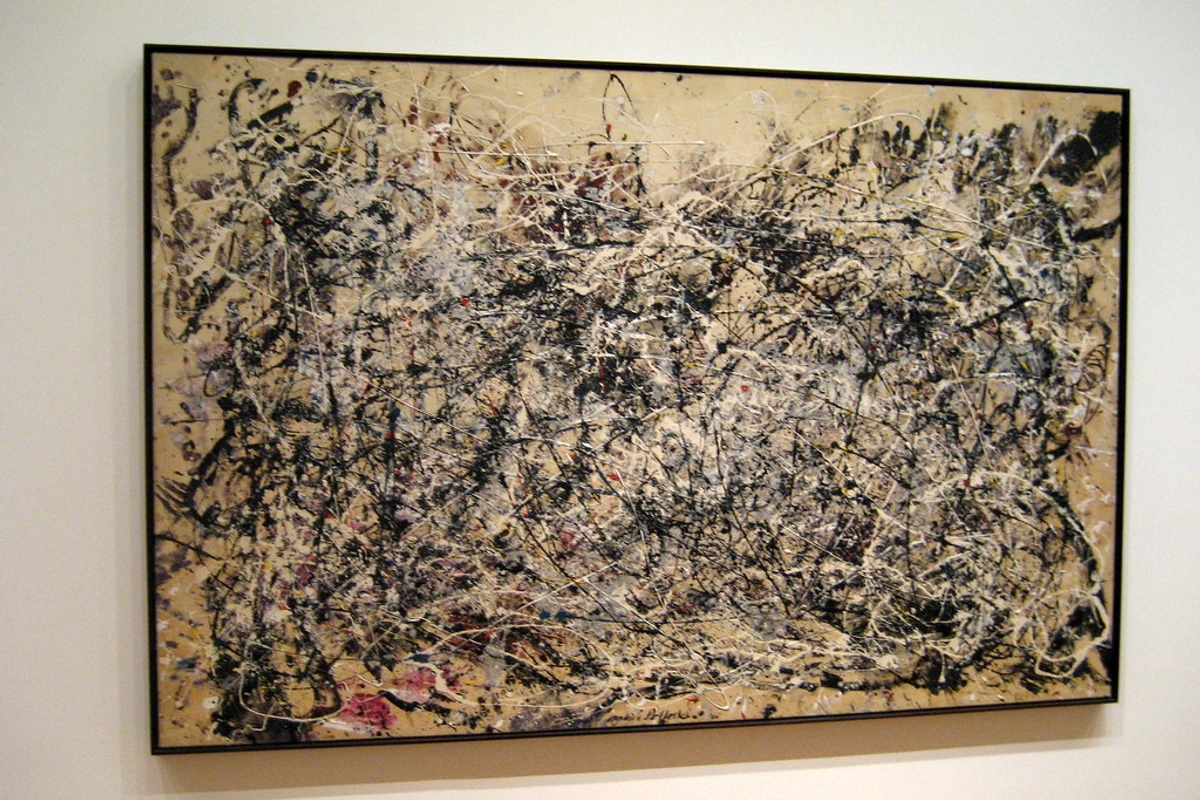
Pollock's action paintings represent the Abstract Expressionist belief that art could tap into universal energy and subconscious truths, freeing form from literal representation to express deeper human experiences.
Why Does This Kind of Art Resonate So Deeply? The Psychology of Connection
Because it bypasses our brain’s need to categorize. If I show you a painting of a sad man, your brain processes "sad man." If I show you a canvas of deep blues, greys, and fragmented shapes, your nervous system feels the dissonance. You feel it in your chest. This is primal. It’s why babies respond to rhythm before they understand words. It’s why thousands of years later, we still feel awe staring at ancient carvings.
Universal truth art is a mirror. It reflects back parts of ourselves we struggle to name. When you stand before an abstract piece that unsettles you, you’re confronting something internal, not external. This vulnerability in the viewer is precisely what the artist invites. They say, "Here’s a piece of my truth. See what it touches in you."
The Artist’s Tightrope: Truth vs. Obscurity
Let me be real: Finding the balance is brutally hard. Too literal? It becomes illustrative, not art. Too abstract? It might just feel like noise. I’ve stared at canvases for hours, frustrated, thinking "I don’t get it." But then, later, walking down the street – bam. The composition clicks. I see how those jagged lines mirrored the tension in my own day, the chaos in a traffic jam. It wasn’t about getting the art. It was about the art getting me.
The best universal truth art feels like a key. It doesn’t just describe a locked room of feeling; it gives you a way to turn the knob inside yourself.
FAQ: Universal Truths in Art – Your Burning Questions Answered
Let's tackle some of the most common questions people have about universal truths in art. These come from decades of gallery conversations, student questions, and late-night art debates – the real stuff that matters when you're staring at a painting wondering what it's "really about."
Q1: Is "universal truth art" just abstract art? A: Not exactly. While abstraction is a powerful tool for conveying universal truths (since it avoids literal depiction), other forms can convey them too. A figurative painting of a mother can still speak to universal love or sacrifice. The key is the depth of the human truth being expressed, not the style.
Think of it this way: abstraction removes the specific to reveal the universal. Figurative art can do the same by choosing subjects and moments that transcend the particular. A painting of a specific person in a specific situation can still capture universal truths about aging, love, loss, or joy if the artist goes beyond mere representation to capture the essential human experience.
Q2: How do you know if a piece conveys a universal truth? A: You feel it. It’s not about intellectual analysis. Does the artwork trigger a deep, almost physical response? Does it linger in your mind, connecting to memories or feelings you didn’t expect? Does it feel strangely familiar, even if you’ve never seen anything like it? That’s the resonance of universal truth.
Q3: Can’t universal truths be subjective? One person’s hope is another’s naivety? A: There’s nuance. But core human experiences – the loss of a loved one, the wonder of a child’s laughter, the terror of powerlessness – are remarkably consistent across cultures. Universal truth art taps into these shared human conditions, not personal preferences or fleeting trends.
Q4: What’s the point of universal truths in our hyper-personalized world? A: In a world that increasingly focuses on division and individual bubbles, art that speaks to our shared humanity is more vital than ever. It reminds us we’re not alone in our joys or sorrows. It offers a common ground in a fractured landscape. It says, "You are seen."
Q5: How can I find art with universal truths? Where do I start? A: Trust your gut. Spend time in museums and galleries, big and small. Let yourself react before you try to understand. Notice what colors draw you in, what shapes make you tense or calm, what compositions feel balanced or askew. Listen to that physical reaction. That’s your inner compass pointing towards truth. You can always explore our collection if you want to feel that resonance in your own space.
The Truth in the Silence: Creating Your Own Universal Truth Art
What if you're not just a viewer of art, but someone who wants to create it? How do you approach making art that speaks to universal truths rather than just personal preferences or technical exercises? This is where the real magic happens – when an artist becomes a conduit for something larger than themselves.
Creating universal truth art doesn't require being a master technician or having access to expensive materials. It requires authenticity, observation, and courage. Here are some practical approaches:
Start with Personal Truths – The most universal truths often emerge from the most personal experiences. What moves you deeply? What experiences have shaped your understanding of love, loss, joy, or struggle? Start there. Your authentic emotional response to your own life is the raw material for universal truth.
Observe Beyond the Surface – Instead of just looking at things, really see them. Notice how light falls on a face, how movement creates rhythm, how color relationships affect mood. Keep a sketchbook or photo journal of things that catch your attention, not because they're "beautiful," but because they feel significant in some way you can't yet name.
Embrace Imperfection – Perfection often kills truth. The awkward line, the unexpected color bleed, the asymmetrical composition – these "mistakes" often contain the most authentic energy. They reveal the human hand behind the work and prevent the art from feeling sterile or over-calculated.
Work in Series – Universal truths rarely reveal themselves in a single work. Create a series exploring a particular theme or question. The repetition and variation will help you dig deeper and discover nuances you might have missed in isolation.
Trust the Process – Sometimes you need to make a lot of "bad" art to get to the good stuff. Don't judge your work too harshly in the moment. Some of the most powerful universal truth art comes from artists who were experimenting, exploring, and not quite sure where they were going when they started.
Artists who chase universal truths are explorers of the soul. They dive into the deep, uncharted waters of shared experience and bring back treasures not of gold, but of understanding. They remind us that beneath our different languages, skins, and stories, there’s a common melody playing.
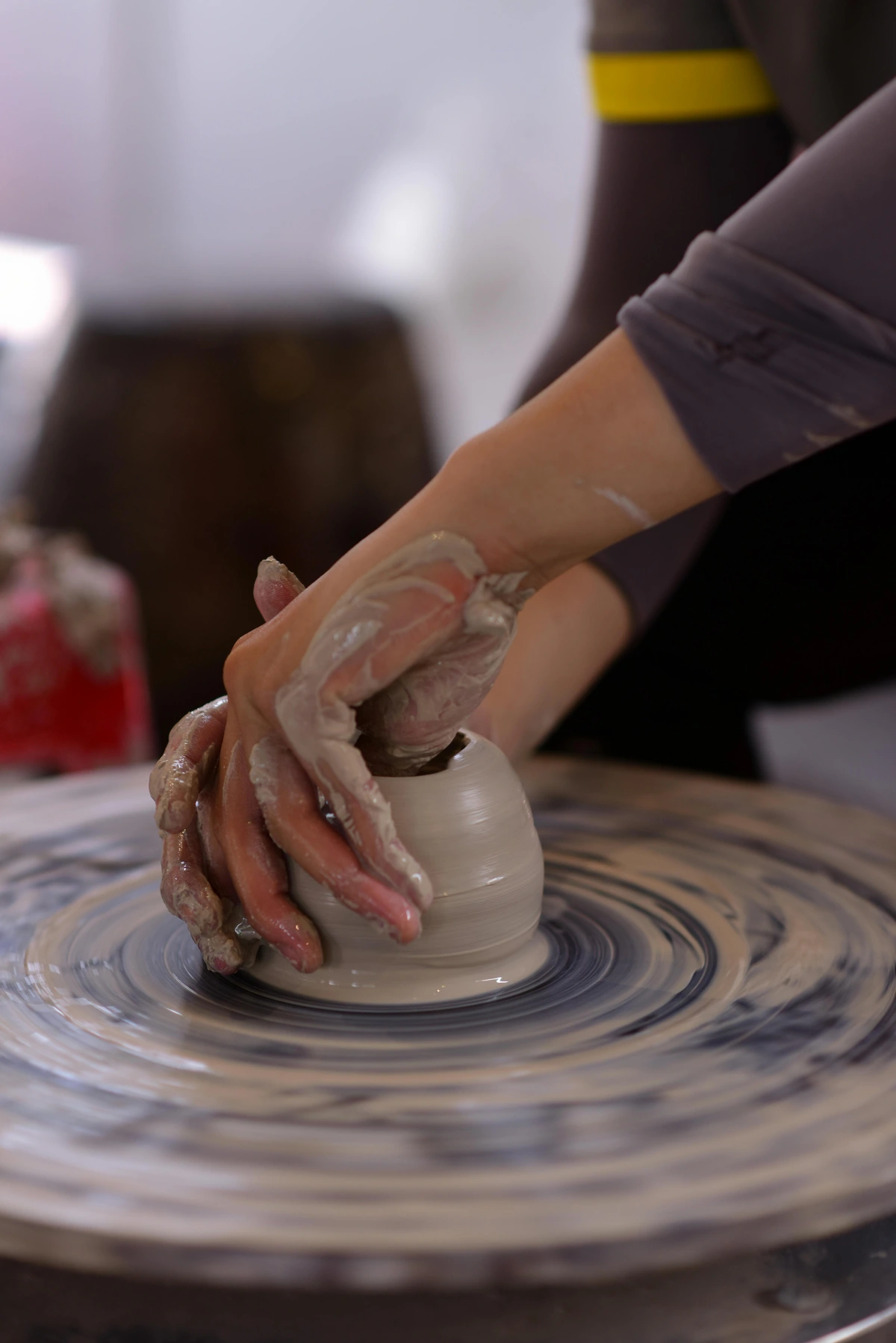



So next time you stand before a canvas that stops you in your tracks, don’t just look. Listen. Feel. You’re not just looking at art. You’re tuning into something ancient and eternal, a truth written not in words, but in light, color, and boundless human spirit. That, my friend, is the real magic.