Golden Heavy Body Acrylics: The Definitive Professional Review and Investment Guide
Unlock your artistic potential with Golden Heavy Body acrylics. This definitive review explores their unparalleled viscosity, pigment load, archival quality, and complete ecosystem of mediums. Make an informed investment for vibrant, lasting professional art.

Golden Heavy Body Acrylics: The Definitive Professional Review and Investment Guide
Let's talk about that moment of truth in the art store. I've been there, more times than I care to admit: standing in the aisle, a tube of paint in hand, grappling with the price tag. It's the classic internal debate – the tempting affordability of student-grade acrylics versus the undeniable allure (and cost) of professional brands like Golden Heavy Body. I can vividly recall one specific afternoon, hours spent on a sunset, carefully mixing what I thought was a vibrant orange, only for it to dry into a sickly, muddy peach. The sheer frustration, the feeling of wasted creative energy – that's a sting that makes you question everything. That's when I finally decided, 'Enough is enough.' My artistic journey was stalled by my materials. By the end of this guide, you'll have a clear understanding of whether Golden Heavy Body acrylics are the right investment for your artistic goals, backed by years of studio experience. Consider this your definitive resource, designed to help artists of all levels make an informed decision and truly elevate their creative work.
For years, I heard whispers – no, reverent pronouncements – about Golden Heavy Body acrylics. The "professional's choice," the "holy grail" for texture and vibrant color. But the premium price always made me pause. Was it just clever marketing, or was there a tangible difference that genuinely justified loosening the purse strings? I made the leap, putting these paints through their paces across countless canvases, experimenting, failing, and ultimately, understanding. Now, after years of intense studio practice, I'm ready to lay out the unfiltered truth. So, what artistic frustrations could you leave behind by embracing quality materials?
Why Quality Materials Are Non-Negotiable for Your Art
Before we dive into the specifics of Golden, let's acknowledge a fundamental truth: your materials are your partners in creativity. I've learned, often the hard way, that when you're constantly fighting sticky, weak, or unpredictable paint, it doesn't just hinder your technique; it actively stifles your creative flow. Imagine trying to compose a symphony on a poorly tuned instrument – no matter your skill, the result just won't resonate. It's like trying to bake a gourmet cake with stale ingredients; the outcome is inevitably compromised. Poor quality paint can actively prevent you from learning foundational techniques like smooth blending or precise layering, leading to unnecessary frustration and even discouraging you from continuing your practice. For serious artists, it's about making work that lasts, both visually and archivally. This is where artist-grade materials step in, offering consistency and reliability, a stable foundation for your vision.
Historically, artists craved a fast-drying, versatile alternative to oils that still offered rich color and permanence, without the long drying times and solvent requirements. The mid-20th century saw the emergence of acrylics as a revolutionary answer. Pioneers like Henry Levison (Bocour Artist Colors) and Leonard Bocour were at the forefront, developing early acrylic polymer emulsion paints. Unlike traditional oil paints, acrylics offered unparalleled flexibility, vibrant hues, and a water-soluble base. This innovative binder – the clear, flexible polymer that holds pigment particles together – meant paintings wouldn't crack with age and offered incredible versatility. Brands like Golden quickly rose to prominence by focusing on pure pigment, optimal pigment particle size, and archival quality, empowering artists with unprecedented control and lasting results. It's not just a material; it's a legacy, building on centuries of artistic innovation to provide a truly modern medium for modern expression, enabling new forms of abstract art.
First Impressions: That Buttery Goodness (Viscosity Explained)
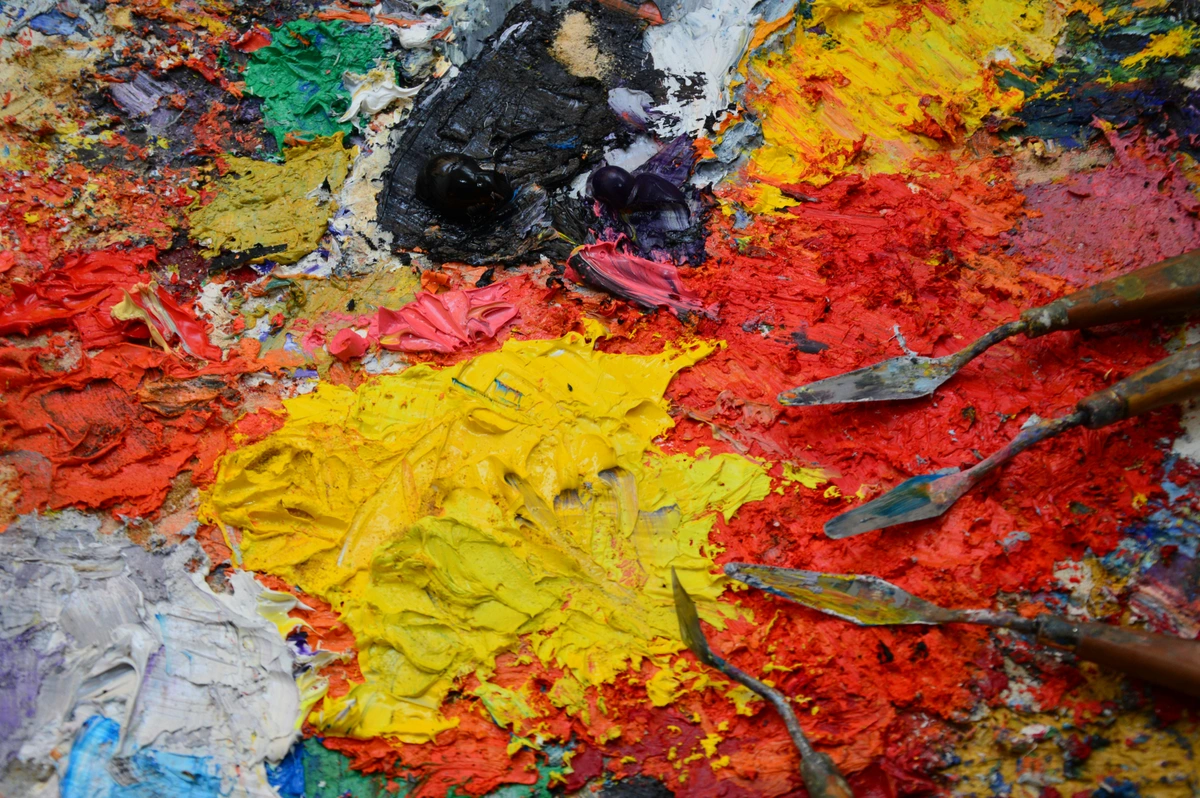
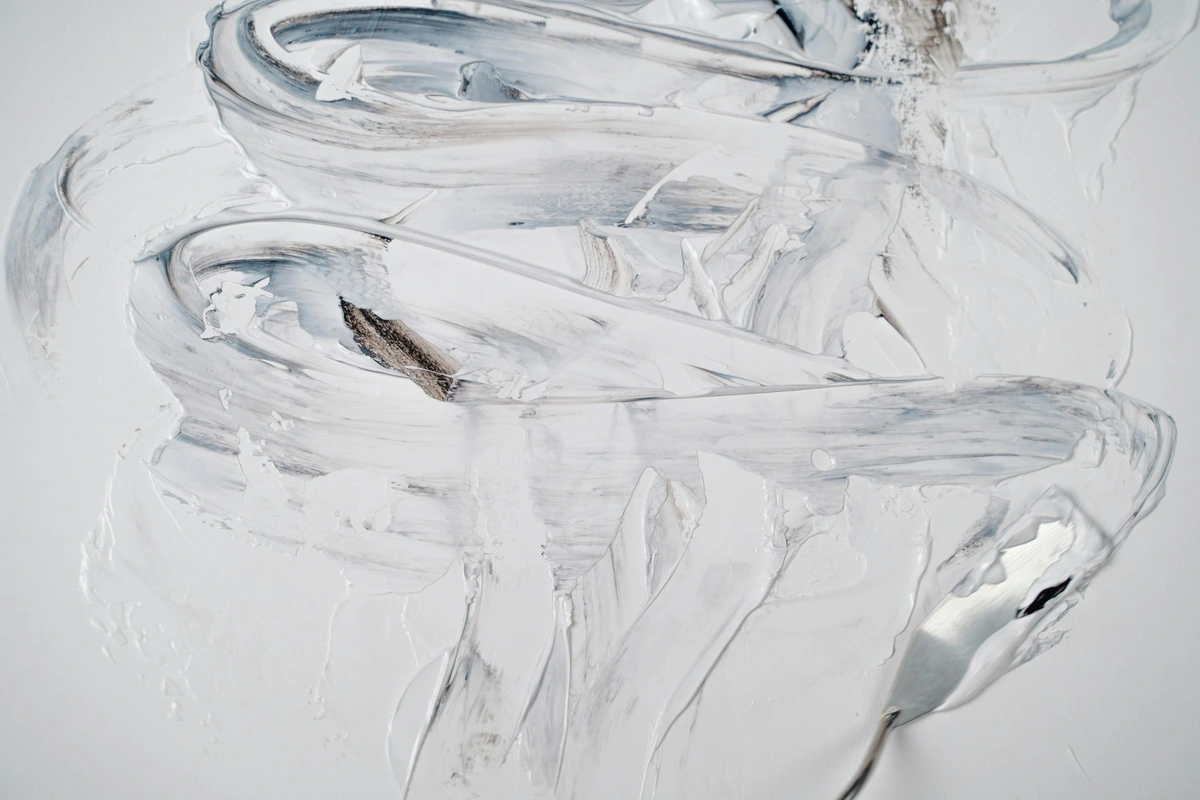
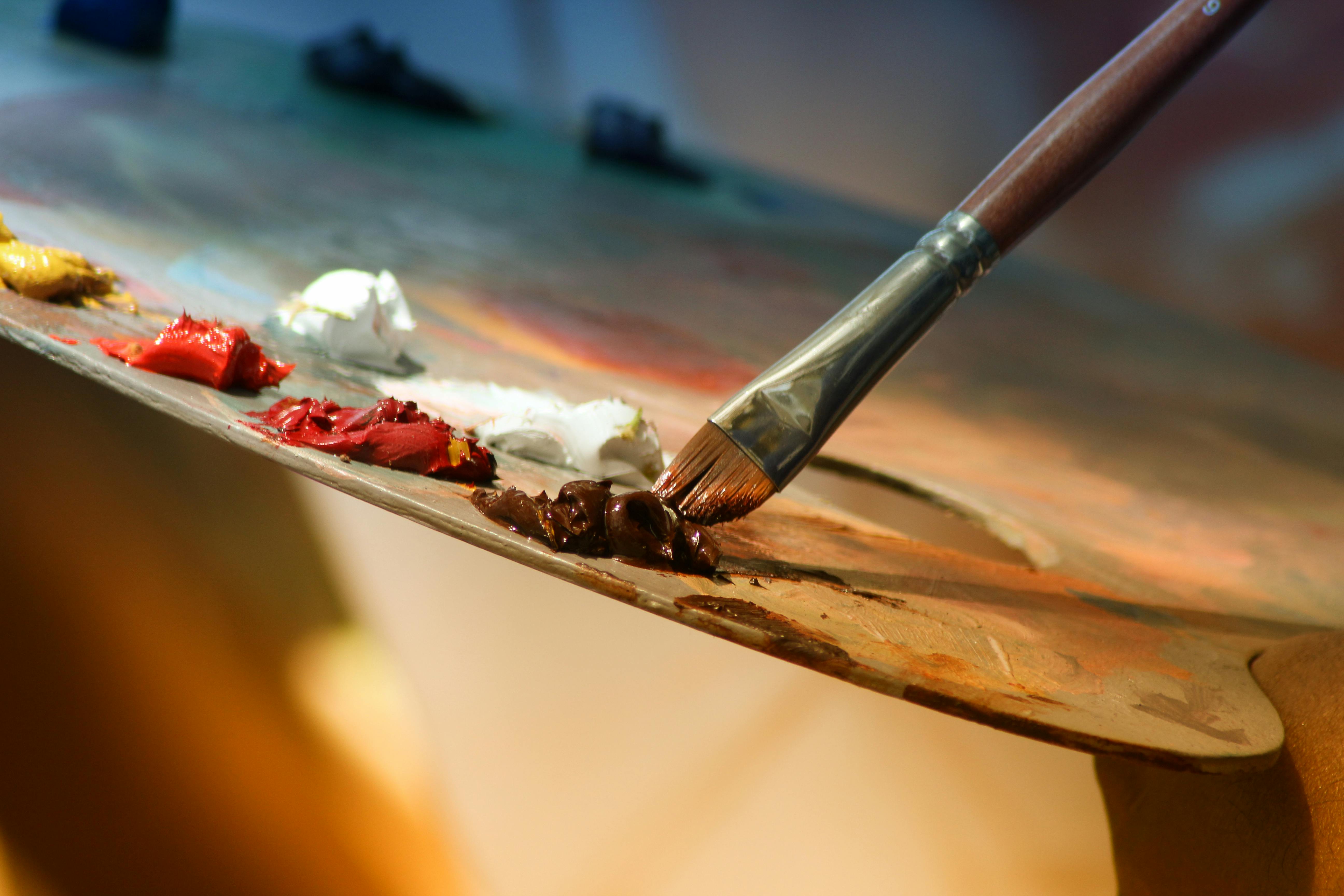
Let's get tactile for a moment. The very first thing that hits you about Golden Heavy Body acrylics, the moment you squeeze a dollop onto your palette, is its incredible viscosity. This isn't just about how thick or thin a paint is; it's about its resistance to flow, its body, its inherent structure. Golden Heavy Body isn't runny or watery in the slightest. Oh no. It's thick, rich, and yes, buttery. Think of softened butter or thick cream, rather than the runny consistency of cheap yogurt. It holds its shape with remarkable integrity, forming stiff peaks that just beg to be sculpted with a sturdy brush or a palette knife. I find myself almost playing with it sometimes, just marveling at its tactile quality, the way it responds.
This thick, dense consistency translates directly to unparalleled control. The paint stays exactly where you put it. It doesn't slump, nor does it "level out" and flatten like lower-quality paints tend to do. Why do cheaper paints do this? Often, it's due to a higher ratio of inert fillers to pigment or a weaker binder, which means the paint film has less structural integrity to begin with. Golden, by contrast, respects your artistic intentions. This is absolutely crucial for preserving your expressive basic brushstrokes, for building intricate textures, and for achieving those crisp, sharp edges. When I'm working on a piece where I want to evoke the craggy texture of a rock face, the stiff peaks of Golden paint, applied with a palette knife, allow me to build substantial, tactile surfaces that hold their form perfectly as they dry. You intend a peak, you get a peak. For best results with such a robust paint, I highly recommend using synthetic bristle brushes designed for acrylics, or even natural hog hair brushes for their stiffness and snap. These brushes are built to push and sculpt thick paint effectively, preserving your marks. You'll find more details on this in the FAQ below, and in my guide to the best acrylic paint brushes for artists.
Feature  | Golden Heavy Body | Typical Student Grade |
|---|---|---|
| Consistency (Viscosity) | Thick, buttery, holds peaks & texture, dense | Thinner, can be runny or gloppy, levels out, lacks body |
| Feel on Brush/Knife | Smooth, rich, easily manipulated, substantial | Often sticky, gritty, or too fluid, can feel weak |
| Control | Excellent for impasto, texture, fine detail, crisp edges | Can lose brush marks, challenging for texture & definition |
What kind of textured effects are you eager to explore with a paint that holds its form so well?
The Soul of the Paint: Pigment Load, Vibrancy & Lightfastness
If viscosity provides the body, then pigment load is unequivocally the soul of a paint. This term simply refers to the concentration of pure color pigment packed into the acrylic binder – that remarkable clear, flexible polymer emulsion that holds the pigment particles together and allows them to adhere to your surface. And this, my friends, is where Golden truly shines, and where your investment becomes undeniably clear. The binder is crucial not just for adhesion, but for the paint's flexibility once dry, preventing cracking, resisting yellowing over time, and ensuring a stable, long-lasting film at a microscopic level. It's the structural integrity that makes your painting endure, providing true archival quality.

Cheaper paints are often bulked up with inert fillers and extenders (like calcium carbonate or baryte). These inexpensive compounds take up space, dilute the pigment, and can lead to disappointing, washed-out colors or issues like "binder separation" where the medium appears to separate from the pigment, creating an inconsistent, often oily or watery, paint film that compromises both adhesion and durability. This happens because the weaker binder can't hold the pigment particles in a stable suspension. Golden, by contrast, is loaded with pigment. I learned this the hard way years ago when a pea-sized amount of Phthalo Blue (Green Shade) (known for its intense staining power – its ability to deeply permeate a surface and resist lifting, even when dry) took over my entire palette and then some; its potency is undeniable. Each pigment is chosen for its specific properties and high concentration:
- Cadmium Red Light (PR108): Offers incredible opacity and warmth, providing dense, vibrant coverage. Essential for bold, direct color statements and warm mixes. Its opaque nature is due to its larger pigment particle size.
- Ultramarine Blue (PB29): A classic, slightly granulating blue that reveals beautiful transparent undertones perfect for subtle glazes and atmospheric effects. Its unique particle size creates a subtle texture and its transparency makes it ideal for building depth.
- Titanium White (PW6): A studio staple with unparalleled covering power. Often needs only a single, thin coat to achieve solid opacity, making it incredibly efficient for lightening colors without losing their saturation. Its exceptional opacity comes from its high refractive index.
- Yellow Ochre (PY43): This earthy, opaque yellow feels rich and substantial, far from the chalky versions found in student sets. It provides stable, natural warmth, and its inherent opacity makes it a versatile foundational color.
- Quinacridone Magenta (PR122): A bright, clear, and extremely lightfast pink that offers pure, electric joy. It's excellent for vibrant mixes and luminous glazes, resisting the dulling typical of cheaper pinks. Quinacridone pigments are known for their exceptional transparency and intense color saturation, derived from complex organic chemical structures that are highly resistant to light degradation.
This meticulous selection and exceptionally high pigment load delivers two transformative benefits:
- Unparalleled Vibrancy and Saturation: The colors are exceptionally bright, clean, and deeply saturated. They don't just sit on the canvas; they sing with an almost luminous quality, bringing your vision to life with intensity. Trying to achieve a vibrant magenta with student paints often results in a dull, muted pink, but with Golden, it's a revelation. It truly makes a difference to how I abstract art.
- Minimal Color Shift: One of the most frustrating characteristics of acrylics is their tendency to darken as they dry. While all acrylics exhibit this to some extent, the shift with Golden Heavy Body is remarkably minimal. What you see wet is very, very close to what you get dry. This is an absolute game-changer for precise color mixing, achieving accurate values, and ensuring the final piece matches your wet palette vision. This minimal shift occurs because the high pigment load means less binder is needed per pigment particle, and there are fewer fillers to obscure the pigment's true color as the water evaporates.

Beyond immediate visual appeal, Golden's commitment to pigment quality extends to lightfastness and archival quality. Lightfastness indicates how resistant a pigment is to fading when exposed to light over time. Golden uses only pigments with excellent or very good lightfastness ratings. The ASTM (American Society for Testing and Materials) rates lightfastness on a scale from ASTM I (Excellent Lightfastness), meaning pigments show no appreciable change for 100+ years under normal museum conditions, to ASTM III (Poor Lightfastness), where fading can occur quickly, potentially within a few years of display, especially in direct sunlight. Golden ensures that almost all their colors fall into the ASTM I or II categories. ASTM II still indicates very good lightfastness, with minimal to no change over similar extended periods, making it perfectly acceptable for professional work. For a professional artist, whose work might be exhibited or sold, this is a non-negotiable – it's a promise that your art will endure. For any artist, it's a reassurance that your creative legacy will last, not just for a few years, but for generations. Think of it like a photograph – you wouldn't print your most cherished memories on flimsy, non-archival paper if you wanted them to last.
Performance Review: How It Handles on the Canvas
So, it feels good on the palette and boasts impressive specs, but how does Golden Heavy Body actually perform when you're in the zone, wrestling with a blank canvas? In a word: beautifully. The buttery consistency, combined with that intense pigment load, is a dream for applying texture and building up layers. It grabs onto the canvas with authority and allows for expressive marks that don't lose their definition or become flat and uninspired as the paint dries.
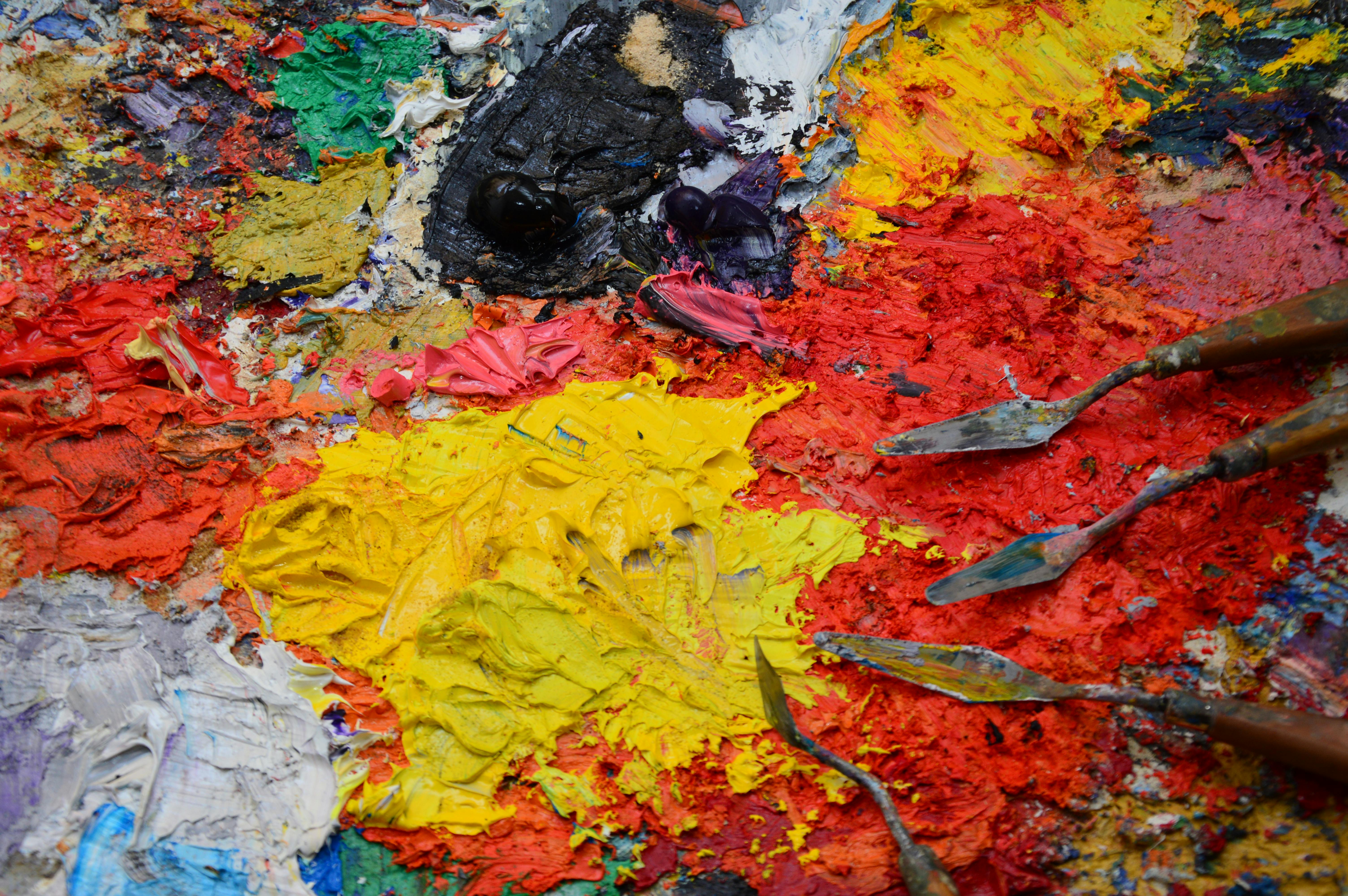
For impasto work – the technique of applying paint thickly so brushstrokes are visible and create a textured surface – Golden Heavy Body is simply unbeatable. The paint is robust enough to be sculpted, allowing for dramatic texture and dimensional effects. I recall a specific abstract piece where I wanted to evoke crumbling rock faces; the stiff peaks of Golden paint, applied with a palette knife, allowed me to build up craggy, tactile surfaces that held their form perfectly as they dried. For even more pronounced textures, a stiff flat brush or a fan brush can create incredible visual depth. You can learn more about creating these effects in my guide to what is impasto painting.

When it comes to blending, you're still working with acrylics, so the inherent drying time is fast. However, I've consistently found that Golden Heavy Body offers a slightly more workable "open time" – meaning it stays wet and blendable for a few extra precious moments compared to many other brands. This subtle extension is a lifesaver when you're trying to achieve a gradient or soften an edge, though it's still significantly shorter than traditional oil paints. For extending this even further, a few drops of Golden's Retarder or one of their Glazing Liquids works wonders. It's a complete system, and you can delve deeper into these essential modifiers in my guide to the best acrylic mediums for abstract artists.
Working with Water & Glazes: A Delicate Balance
A common question is how Golden Heavy Body interacts with water. While it's water-soluble, adding too much water is a common pitfall that can dilute the binder – the clear, flexible acrylic polymer emulsion that holds the pigment together – making the paint film weaker and potentially leading to a chalky, dull, and brittle finish. This happens because as the water evaporates, there's less polymer (binder) left to fully encapsulate the pigment particles and adhere them strongly to the surface, compromising both vibrancy and archival quality. Think of the binder as the glue holding everything together; too much water weakens that glue, leading to a flimsy, dull result, especially common in overly watered-down student paints. My advice? Use water sparingly. For thin washes or fluid applications, it's generally better to mix with a specialized medium like Golden's Fluid Matte Medium or Airbrush Medium, which maintains the integrity of the binder while achieving a fluid consistency and vibrant pigment saturation. This ensures your thinned layers retain their archival quality and brilliance, allowing for luminous, transparent glazes without sacrificing film strength. For true glazing effects, Glazing Liquid is my go-to, as it extends open time and maintains clarity.
Golden Heavy Body is a truly versatile paint that excels in various applications:
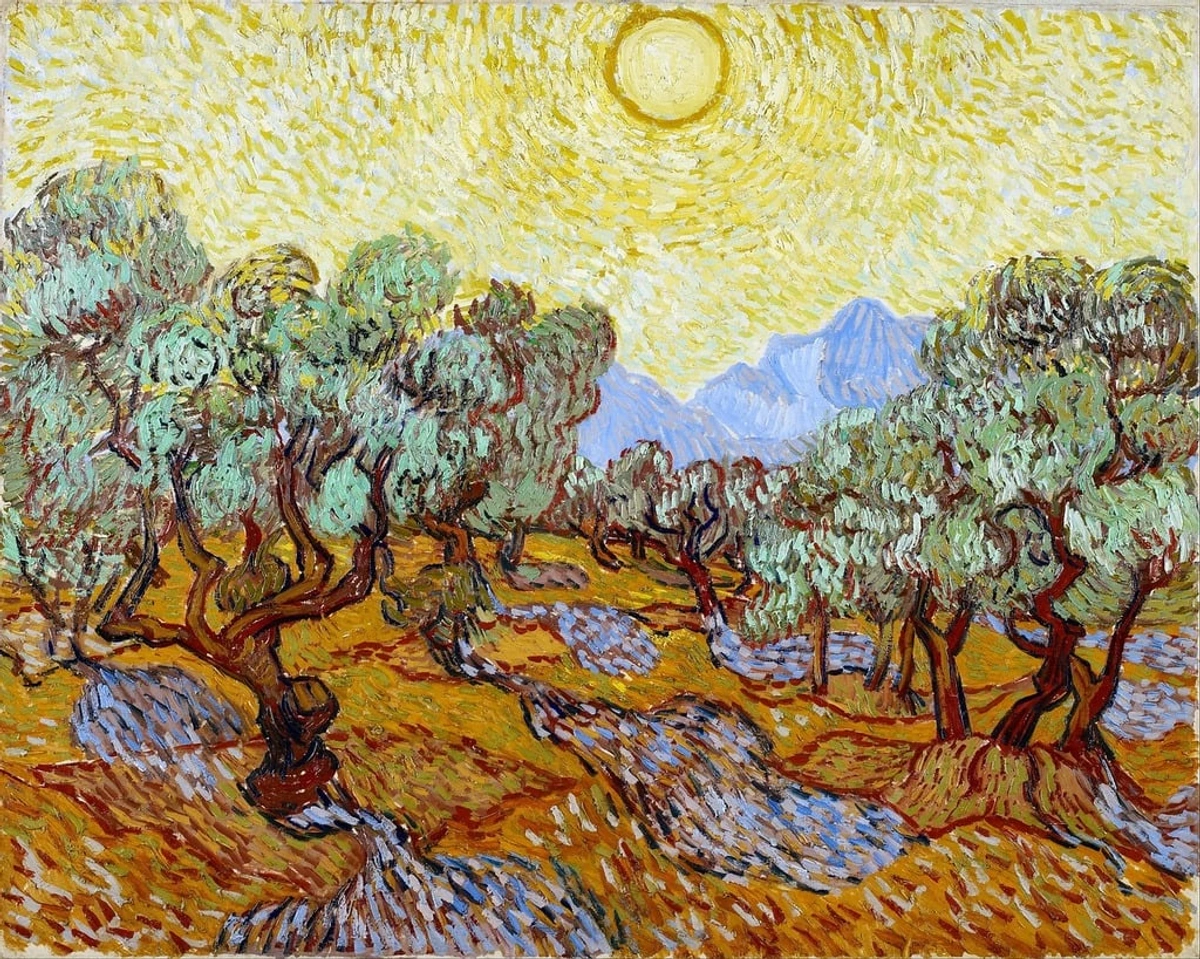
- Impasto: Unparalleled. The paint's body allows it to be sculpted and retain its form, making it ideal for thick acrylic paint handling and dramatic textural effects. Imagine creating the rough surface of a desert rock or the thick impasto of a Van Gogh sky.
- Layering: Opaque colors like Titanium White and Cadmium Yellow provide excellent coverage, while transparent colors are luminous for glazing and building depth, creating optical color mixes.
- Fine Detail: Despite its thickness, the paint's exceptional control allows for crisp, fine lines when used with a suitable brush, especially when slightly thinned with an appropriate medium like Fluid Matte Medium.
- Mixing: The pure pigments lead to incredibly clean, predictable color mixes. No more accidental mud when trying to create subtle secondary or tertiary hues, especially crucial when you're exploring color theory.
The Golden Ecosystem: Beyond Just Paint
Golden's brilliance extends beyond their tubes of paint; they offer a whole ecosystem of mediums, gels, and additives designed to work synergistically with their Heavy Body line. This means you can manipulate the paint's characteristics – from transparency and sheen to drying time and texture – with absolute confidence that the chemistry is sound and archival. It feels like having a personal art laboratory at my fingertips, empowering me to truly experiment and push the boundaries of my acrylic work without ever worrying about compromising my final piece. For a deeper dive, check out my definitive guide to paint types for artists.
Adding Dimension: Gels
Golden's gels are fantastic for adding body, extending paint, and creating even thicker impasto effects or sculptural elements. They come in various finishes and viscosities, allowing you to achieve specific visual and tactile outcomes, all while maintaining archival integrity:
- Heavy Gel (Matte): Perfect for creating rough, stony textures, or building significant dimension with a non-reflective finish, mimicking the feel of weathered stone or a crumbling facade. I use it to give a painting the physical presence of an aged artifact, or to create a matte, heavy impasto for a dramatic sky.
- Soft Gel (Gloss): Ideal for transparent layering, allowing you to build luminous, deep colors that still have dimension, much like creating optical color mixing through many thin, glassy layers. I love using this when I want to add subtle, almost glowing depth without losing the intensity of underlying colors, almost like light passing through stained glass, or to create a smooth, dimensional surface with a glossy finish.
- Extra Heavy Gel: For when you really want to go big and create bold, structural elements that stand off the canvas, offering maximum body and rigidity. Think creating literal peaks and valleys in an abstract landscape, pushing the boundaries of exploring texture.
Controlling Flow and Finish: Mediums
These liquids alter the paint's working properties without compromising its archival quality or pigment load. They are formulated with the same high-quality acrylic polymer emulsion as the paints and can subtly affect the final sheen of the paint film itself:
- Fluid Matte Medium: Can thin Heavy Body to an ink-like consistency for washes, staining, or fine detail, while maintaining a beautiful matte finish and vibrant pigment. It's excellent for smooth, even coats and reducing sheen. It's my secret weapon for creating delicate, controlled glazes without gloss, perfect for a subtle atmospheric veil.
- Glazing Liquid (Gloss/Satin): Essential for creating luminous, transparent overlays and significantly extending the paint's open time, giving you more time for blending and subtle transitions, much like traditional oil glazing. This is a game-changer for achieving rich, optical color effects and adding depth, particularly when I'm working on complex skies or reflective surfaces. You can find more about this in my guide to the art of glazing.
Fine-Tuning: Additives & Retarders
These products allow for precise adjustments to your paint's behavior, offering even more control over your artistic process.
- Retarder: Significantly extends the open time, allowing for more time for blending and subtle transitions. It's like gaining a few extra precious minutes in your creative flow, especially useful in warmer climates when paint seems to dry before you've even touched the canvas. I use it when I want to achieve those seamless gradients you often find in soft portrait backgrounds or atmospheric landscapes.
- Flow Release: A wetting agent that reduces surface tension, allowing paint to spread more easily and create even washes without breaking the film. Use it sparingly, as a little goes a long way. It's not about extending drying time like a retarder, but about making the paint flow better on the surface, perfect for staining raw canvas or creating delicate veils of color.
Varnishes: The Final Protective Layer and the Importance of Curing
Often overlooked, varnishes are crucial for protecting your finished artwork from UV damage, dust, and grime, while providing a uniform sheen. Golden offers several options, each with different properties, all designed for archival preservation. A critical step often missed: ensure your acrylic paint is fully cured (which can take days or even weeks for thicker applications) before applying varnish. "Touch dry" means the surface feels dry, but the underlying paint film is still undergoing chemical changes as water evaporates and the polymer chains fully link. Applying varnish too soon can trap solvents or moisture, compromising the varnish film and the artwork's longevity, potentially leading to cloudiness or adhesion issues. Patience is a virtue here!
- MSA Varnish (with UVLS): A solvent-based varnish that provides excellent protection against UV light and can be removed with mineral spirits, making it an excellent choice for archival work and future conservation (e.g., if the painting ever needs cleaning or restoration). Available in gloss, satin, and matte. I typically apply this via spraying for the most even, professional finish, especially on highly textured surfaces.
- Polymer Varnish (with UVLS): A water-based, non-removable alternative that also offers good UV protection. Easier cleanup, but less flexible for future conservation as it cannot be easily removed without affecting the paint layer. If I'm brushing varnish, this is usually my choice for smaller works, though I still prefer spraying for consistency and to avoid brush marks.
This integrated system means you're never left guessing if a medium will compromise your paint's archival quality or vibrancy. It's all designed to work together, supporting your most ambitious artistic explorations. I find it gives me immense freedom to experiment without worrying about the underlying chemistry. What creative possibilities does a full ecosystem of materials open up for your art?
The Spectrum of Color and The Investment: Is it Worth It?
Golden offers an enormous, almost dizzying, range of colors. Beyond the traditional artist's palette, they include unique iridescents, interferences, and fluorescents. Have you ever seen their Iridescent Gold Fine? It's not just glitter; it's a metallic luster with actual pigment that can transform a canvas, shifting with the light. It's an incredible playground for artists who live and breathe color theory – be prepared to lose a few hours just marveling at the possibilities.
Exploring Unique Color Types:
- Iridescent Colors: These paints contain mica particles coated with titanium dioxide and/or iron oxide, creating a metallic shimmer that reflects light, almost like a pearl. These aren't just surface glitter, but actual colors that integrate into your painting, offering depth and luminosity. I love to use a subtle touch of Iridescent Silver over a cool grey to give a hint of moonlight on water, or Iridescent Copper to add a warm, subtle glow to an earthy tone.
- Interference Colors: Also mica-based, these pigments create a fascinating color-shifting effect based on the angle of light and the color of the surface they're painted on. They can appear one color (e.g., blue) on a dark ground and another (e.g., gold) on a light ground, playing with the physics of light for subtle, dynamic effects. A layer of Interference Green over a deep Prussian Blue can make a painting literally shimmer with hidden depth as the viewer moves past it, revealing unexpected flashes of color.
- Fluorescent Colors: These are incredibly vibrant, almost glowing colors that contain special dyes which emit light when exposed to UV or visible light, creating an intense, electric effect. It's important to note they are generally not lightfast, meaning they will fade over time, especially with prolonged exposure to light. However, they are perfect for specific, high-impact applications like temporary installations, studies, or pieces where longevity isn't the primary concern, such as a piece for a photography shoot or a pop-art burst of color. Think of them as special effects, not foundational colors for archival work, unless their ephemeral nature is part of the artistic statement.
Now, for the elephant in the studio: the price. Yes, Golden is expensive. There's no sugar-coating it. A single tube can easily cost as much as a small set of student-grade paints. This is where many artists hesitate, and understandably so. But I've come to view it not as an expense, but as a crucial investment in my work and my creative satisfaction. The mental and emotional cost of wrestling with sub-par materials, the hours lost to correcting muddy colors or crumbling textures – that's a price no artist can truly afford. Because the pigment load is so high, the paint lasts much longer. You simply use less to achieve the same, or often vastly superior, result. Some pigments, like earth tones (Raw Sienna, Burnt Umber), are inherently less expensive to produce and thus offer more paint per tube for the price, providing great value for foundational colors. It's the difference between buying one great pair of boots that lasts a decade versus a cheap pair you replace every year – the long-term value, and frankly, the superior experience, is undeniable. When you factor in the reduced frustration and the enhanced quality of your final artwork, the cost per painting often evens out, and the artistic reward far outweighs the initial sticker shock.
If you're just starting, you absolutely do not need to buy every color. A limited palette of high-quality primaries is often the best educational tool. Consider these essential starting points, chosen for their excellent mixing properties and versatility:
- Cadmium Yellow Medium (PY35): An opaque, warm yellow with excellent tinting strength. Perfect for mixing rich greens and vibrant oranges, and for creating warm, bright highlights. Its opacity ensures strong coverage.
- Quinacridone Magenta (PR122): A vibrant, cool red that leans towards magenta. Ideal for mixing clean purples and glowing oranges, providing a wider, cleaner gamut than a traditional Cadmium Red. Its transparent quality also makes it wonderful for glazes.
- Phthalo Blue Green Shade (PB15:3): A powerful, cool blue. Its intense staining power means a tiny bit goes a long way, yielding brilliant greens and deep, vibrant purples. It's incredibly versatile for mixing almost any blue or green you could need.
- Titanium White (PW6): Unbeatable for opacity and lightening colors without losing saturation. This is a workhorse, essential for creating tints, opaque layers, and bright highlights without dulling other hues.
This limited selection will teach you more about mixing and yield better, cleaner results than a huge set of mediocre paints. If you're curious about another popular option and its value, check out my Liquitex Basics acrylic paint review to see how it compares. For a head-to-head professional comparison, my article Golden vs. Liquitex: Which Pro Acrylic Paint is Right for You? dives even deeper.
When Golden Heavy Body Might Not Be Your First Choice
While I sing the praises of Golden Heavy Body, it's also important to acknowledge that no single paint is perfect for every single application or artist. Here are a couple of scenarios where you might opt for a different approach. This review, by the way, focuses purely on the tangible, physical medium of paint and its intrinsic qualities for artists working with traditional materials, rather than digital art or NFTs (which frankly, are a whole other conversation).

- Initial Practice & Absolute Budget Constraints: If you are an absolute beginner just learning how to hold a brush, or if your budget is extremely tight, a student-grade paint can be a perfectly acceptable starting point for basic exercises. The goal here is to focus on fundamental brushwork and color mixing without the added pressure of high-end materials. However, I still urge you to consider a single tube of Golden Titanium White – its superior opacity will be a revelation and a wonderful benchmark, showing you what's truly possible, even in a student-grade setup.
- Very Thin Washes or Stains: While Heavy Body can be thinned with mediums, if your primary technique involves very thin, watercolor-like washes or transparent stains across large areas, Golden Fluid acrylics (which have the same high pigment load but a naturally thinner consistency due to different polymer concentrations) might be a more efficient and less effort-intensive choice. They're designed for a different kind of flow and are generally preferred for techniques requiring high fluidity without dilution of the binder. You can learn more about this in my definitive guide to paint types for artists.
- Large-Scale Foundational Layers (Budget-Conscious): For very large abstract works where vast expanses of canvas need to be covered, and cost per volume is a major concern, some artists might opt for a more economical professional-grade alternative (like a cheaper professional brand's studio line) for initial, broad foundational layers. However, I'd still recommend bringing in Golden Heavy Body for critical details, vibrant focal points, or highly textured areas that demand its superior qualities. Think of it as a strategic allocation of resources.
My Final Verdict: Should You Invest in Golden Heavy Body?
After years of dedicated use, Golden Heavy Body acrylics have become the bedrock of my studio practice. They are consistently reliable, predictable, and, frankly, a joy to use. They effectively remove many of the technical frustrations that plague artists using cheaper materials, thereby freeing up mental and creative space to focus on what truly matters: the art itself. It's an act of taking your own creative work seriously, a statement that you value your time and your artistic vision. These paints aren't just a tool; they're an enabler, constantly pushing me to explore new creative avenues and achieve effects I once only dreamed of. Golden Artist Colors has also demonstrated a commitment to research and artist education, which, for me, adds another layer of trust in the brand's future. For those of you who want to explore abstract art in new ways, these paints are an exceptional foundation.
So, who truly benefits from these exceptional paints? What artistic frustrations could you leave behind by embracing the quality of Golden Heavy Body?
- Professional Artists: Absolutely. The lightfastness ratings, consistency, pigment quality, and wide range of supporting mediums are non-negotiable at a professional level. For archival quality and client satisfaction, Golden is a go-to. It's a foundational choice for those serious about their craft and their legacy.
- Serious Students / Amateur Artists: If you've hit a wall with your current paints, feel they're holding you back, and are ready to elevate your work, making the switch to Golden is one of the most impactful investments you can make. It transforms the painting experience from a struggle to a flow. You'll understand why your mixes suddenly look cleaner and your textures hold their integrity. It's an investment in your growth and satisfaction.
- Absolute Beginners: It might be overkill for your very first set. I'd recommend starting with a decent student-grade paint to learn the absolute basics of handling paint and brushes. However, consider buying one or two tubes of Golden (perhaps a Titanium White and a primary color like Quinacridone Magenta) just to feel the difference. It will illustrate the goal you're working towards and show you what's truly possible, providing invaluable motivation and a benchmark for quality. You might even discover that using a small amount of high-quality paint is more satisfying than a large quantity of mediocre paint.
Ultimately, Golden Heavy Body isn't just paint; it's a deliberate choice for artists who value precision, longevity, and uncompromised artistic expression. It's a reliable partner on your artistic journey, and I can't recommend them highly enough. What step will you take to elevate your art? Perhaps a piece from my abstract art collection could be the perfect inspiration. Or you could visit my Den Bosch museum to see these materials in action.
FAQ: Your Golden Questions Answered
General Compatibility & Paint Types
Q: Can I mix Golden Heavy Body with other brands of acrylic paint?
A: Yes, absolutely. All artist-grade acrylics are generally compatible because they share a similar acrylic polymer emulsion binder. You can mix Golden with Liquitex, Winsor & Newton, Sennelier, etc. Just be aware that mixing it with a lower-quality paint will dilute some of its best properties. Specifically, the rich pigment load might be lessened, leading to less vibrant mixes, or the buttery texture might become thinner and stringier. Think of it like adding water to a rich concentrate – you'll still get a usable product, but the intensity will be lessened. For the best results and to maintain archival quality, especially in key areas of your painting, I recommend sticking with Golden mediums and paints.
Q: What's the difference between Golden Heavy Body, Fluid, and Open acrylics?
A: It's all about viscosity (thickness) and drying time, offering different handling properties for specific techniques. Each retains Golden's signature high pigment load and archival quality. You can learn more in my definitive guide to paint types for artists.
Feature | Golden Heavy Body | Golden Fluid Acrylics | Golden Open Acrylics |
|---|---|---|---|
| Consistency | Thick, buttery, retains brushstrokes & peaks, dense, sculptural | Liquid, like heavy cream, smooth flow, ink-like when thinned | Soft, creamy, maintains a wet-edge, oil-paint like |
| Drying Time | Standard (fast) acrylic drying time, touch dry in minutes/hours | Standard (fast) acrylic drying time, touch dry in minutes/hours | Extended (slow) drying time (can stay workable for hours or even days) |
| Best For | Impasto, texture, bold marks, crisp edges, sculpting | Glazing, staining, pouring, fine detail, airbrush, thin, even coats | Blending, portraits, landscapes, oil-like techniques, monoprinting, extended working sessions |
| Pigment Load | High, concentrated | High, concentrated | High, concentrated |
Safety & Best Practices
Q: Are Golden paints toxic?
A: Most Golden colors are non-toxic and carry the AP (Approved Product) seal, meaning they are certified safe for art use. However, a few pigments, particularly those containing cadmium or cobalt (heavy metals), carry a warning label. These are generally safe with normal studio use (e.g., not ingesting them). When working with these pigments, always exercise caution: avoid dry sanding or spraying (which can create airborne dust particles), ensure good ventilation, and be sure to wash your hands thoroughly after painting, especially before eating or drinking. Wearing gloves is also a wise practice. Always check the label on the individual tube for specific safety information and best practices. Safety first, always.
Q: What are the best brushes to use with Heavy Body acrylics?
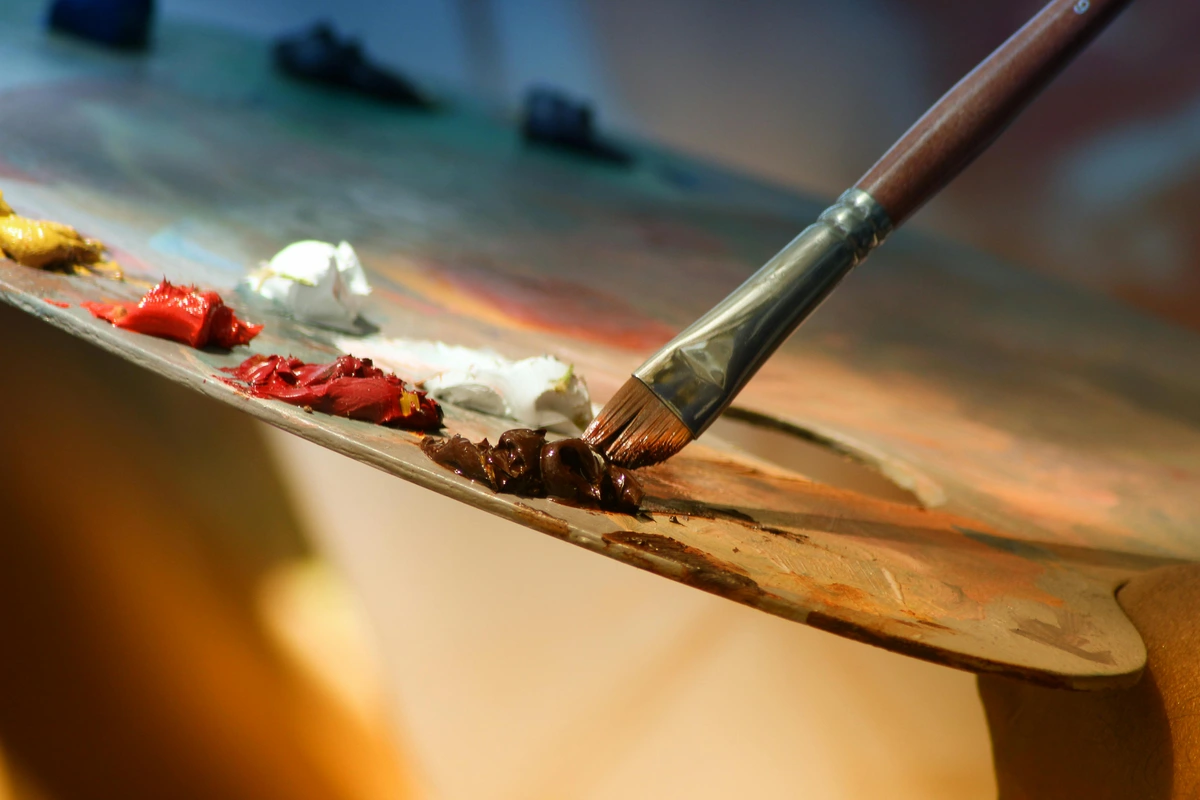
A: Because of their thickness and body, you'll want sturdy brushes that can handle heavy paint without collapsing. Synthetic bristle brushes specifically designed for acrylics are perfect. Look for brushes with good snap (the ability to return to their original shape after being bent) and firmness that can push and sculpt the thick paint effectively. Specifically, brushes made with synthetic materials like Taklon or Nylon are excellent choices for their durability and spring, and they clean up easily. For shapes, flats (or brights) are great for broad, impactful strokes and applying thick impasto, while filberts offer versatility for blending and softer edges. Sturdy rounds work well for controlled detail and expressive marks, and fan brushes can create subtle textural effects. Natural hog hair bristles also work well, but synthetic alternatives are often more durable with acrylics. My guide on the best acrylic paint brushes for artists offers specific recommendations.
Q: How do Golden Heavy Body paints interact with different surfaces (canvas, wood, paper)?
A: Golden Heavy Body acrylics are incredibly versatile and adhere well to a wide range of surfaces, including canvas, wood panels, paper, board, and even some metals and plastics, provided the surface is properly prepared. For absorbent surfaces like raw canvas, wood, or paper, I always recommend priming with at least two coats of gesso to create a stable, non-absorbent ground. This not only prevents your paint from sinking in and losing vibrancy but also ensures better adhesion and archival longevity. The inherent flexibility of acrylics also makes them ideal for flexible supports like canvas, as the dried paint film will move with the canvas without cracking. For less conventional surfaces like metal or plastic, specialized primers designed for those materials will ensure optimal adhesion and durability. You can learn more about this in my guide on how to apply gesso to canvas, a beginners guide.







Q: Are there any common mistakes artists make when using Golden Heavy Body?
A: Yes, a few common pitfalls include:
- Over-thinning with water: As discussed in the article, this can weaken the binder and lead to a less vibrant, chalky, and potentially brittle film over time. Always use appropriate acrylic mediums for thinning to maintain paint film integrity.
- Not sealing caps tightly: Acrylic paints dry quickly when exposed to air. Always clean paint from the threads of your tubes or jars and seal them completely immediately after use to prevent paint from drying out and wasting your investment. Consider storing tubes upside down to keep paint near the opening and prevent air ingress.
- Using student-grade brushes: Cheaper brushes often lack the stiffness and resilience to effectively handle the thick consistency of Heavy Body paint, leading to frustrating application, a lack of control over your marks, and brushes that quickly lose their shape.
- Forgetting archival considerations: Even with high-quality paint, poor surface preparation (e.g., not properly gessoing a raw canvas) or improper varnishing (e.g., varnishing too soon before the paint is fully cured) can compromise the longevity of your artwork. Always consider the whole system from ground to finish, including the long-term stability of your chosen support (canvas, wood panel) and the appropriate varnish application.
- Mistaking "Touch Dry" for "Fully Cured": While Golden Heavy Body can be touch dry in minutes or hours depending on thickness, humidity, and temperature, it takes days or even weeks for the paint film to fully cure and achieve its maximum durability and archival properties. This is especially true with very thick impasto layers. Avoid varnishing, stretching, or subjecting your artwork to harsh conditions (like shipping) before full curing is complete to prevent damage.
Q: What are the best practices for cleaning brushes used with Golden Heavy Body acrylics?
A: Proper brush cleaning is essential to extend the life of your brushes, especially when working with thick acrylics. Here's what I do:
- Remove Excess Paint: Wipe off as much paint as possible with a rag or paper towel before it dries. Don't let paint dry in the bristles or near the ferrule (the metal part).
- Rinse Thoroughly: Rinse brushes under lukewarm running water, working the paint out of the bristles from the ferrule outwards. Use your fingers to gently massage the bristles. Cold water can stiffen acrylics, making them harder to remove.
- Use Brush Soap: Work a dedicated brush cleaner or mild soap (like a gentle hand soap or even dish soap for stubborn paint) into the bristles. Lather and gently massage, ensuring the soap penetrates the base of the bristles. If paint has dried a bit, let the brush soak in soapy water for a few minutes before working the soap in. For very stubborn, dried-on acrylic, you might need a specialized acrylic brush cleaner, but prevention is always best.
- Rinse Again: Rinse thoroughly until all soap and paint residue is gone and the water runs clear. Hold the brush with the bristles facing down to prevent water from entering the ferrule and loosening the glue.
- Reshape and Dry: Gently reshape the brush head to its original form and allow it to air dry flat or brush-side down (with the bristles pointing downwards) to prevent water from seeping into the ferrule and loosening the glue that holds the bristles. Avoid standing brushes bristles-up in water for extended periods, as this will also damage the ferrule and lead to splayed bristles.