Art Fair Director Insights: Behind the Scenes of the Global Art Market
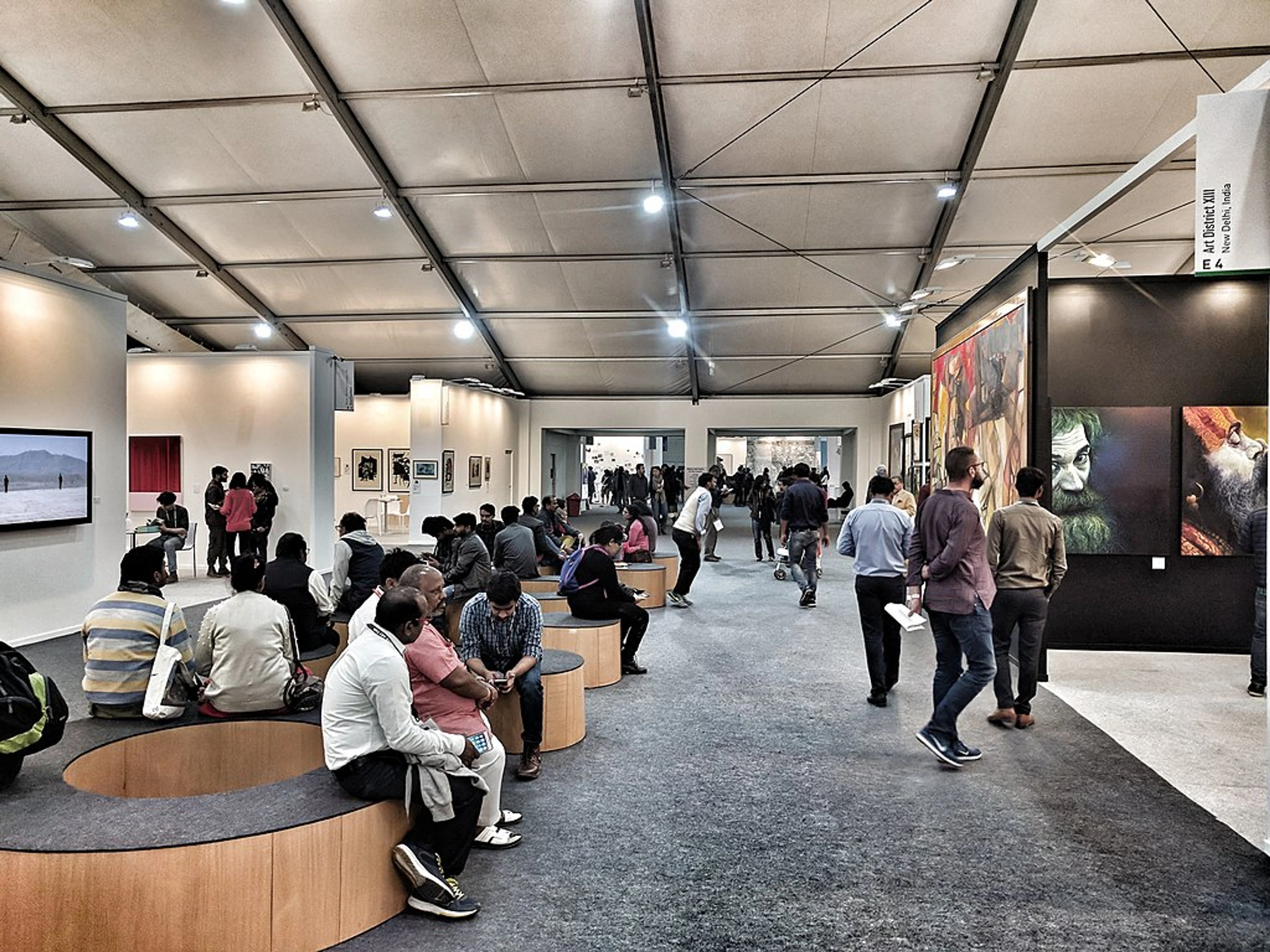
Go behind the white walls with an Art Fair Director as they reveal the complex world of art fairs. From curatorial strategy and logistical challenges to spotting trends and artist representation, get unique insights for artists, collectors, and anyone fascinated by the global art stage.

Curator's Voice: Art Fair Director Insights – Behind the Global Art Stage
Sometimes, the stars align just so. You find yourself in a room, maybe a slightly-too-loud coffee shop, across from someone who simply gets it. Someone whose daily existence involves orchestrating the kind of vibrant, high-stakes chaos I only dream of visiting. I'm talking about an Art Fair Director. I recently had the distinct pleasure of picking the brain of one such individual, and honestly, it felt less like an interview and more like a private masterclass in the nuanced art of making art visible on a global stage. My mind, usually a jumble of half-formed ideas, was buzzing with startling clarity after our chat.
I went in thinking I knew a thing or two about art fairs – you know, big white booths, lots of art, champagne, maybe a fleeting celebrity sighting or two. But what unfolded was so much deeper, revealing an intricate dance of logistics, audacious vision, and, yes, a pure, unadulterated passion. As an artist always dreaming of broader reach, a part of me, the one that sometimes struggles to pack a carry-on efficiently, found this behind-the-scenes world utterly fascinating, if a little terrifying. So, what exactly goes on behind those imposing white walls? And how do these incredible individuals pull it all off? My goal here? To share those revelations, to pull back the curtain on what it truly means to choreograph art on a global stage.
Beyond the Booths: The Director's Intricate Role
When I first thought about an art fair director, my brain conjured images of someone mostly pointing at floor plans and signing contracts. And yes, there's definitely that, but it’s like saying a conductor just waves a stick. There's a profound curatorial vision at play. It's not merely about renting space to anyone with a gallery and a credit card; it's about crafting a coherent narrative, an intentional experience from diverse artistic contributions.
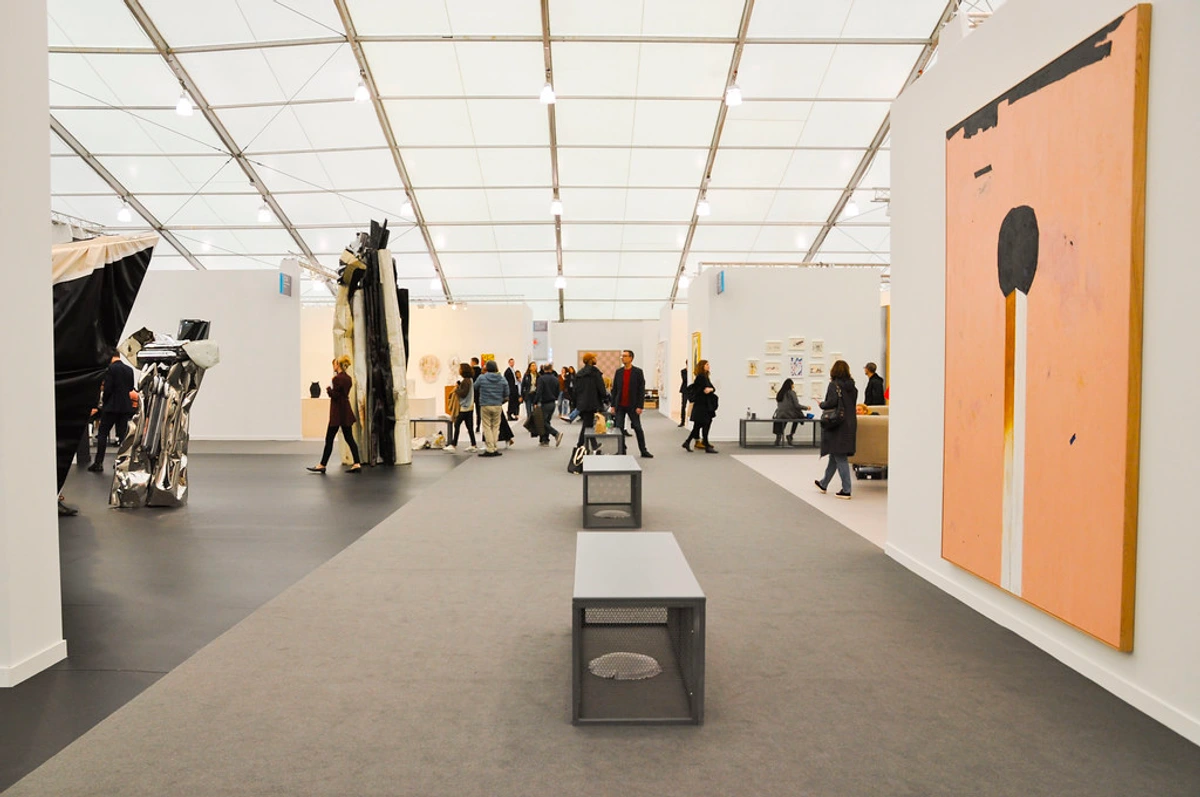
The director explained they're constantly thinking about the delicate balance of emerging and established artists, diverse geographical representation, and different artistic mediums. For a contemporary fair in Miami, for instance, they might meticulously balance vibrant, large-scale abstract works from Latin American artists with conceptually driven installations from European galleries. But it's not just paintings and installations; I learned they also think about incorporating innovative photography from African artists, monumental sculptures that anchor key spaces, and even live performance art that challenges traditional viewing, all while ensuring a strong presence of digital art to reflect current trends. Imagine balancing a request from a major gallery to feature an established artist heavily, with the desire to give prime space to a groundbreaking emerging voice from an underrepresented region – a decision that impacts the fair's narrative and future trajectory. It's a delicate ecosystem they're building, year after year. Like a master gardener tending a complex botanical display, they ensure every element thrives and contributes to the whole, carefully considering how each piece dialogues with the next.
Then there's the logistical marathon. Honestly, my head spun just hearing about it. We're talking about navigating bewildering international customs clearances – sometimes requiring specific ATA Carnets (think of it as a temporary passport for your art, a document that ensures your masterpiece can visit without getting stuck in customs limbo) – specialized art shipping with complex, multi-layered insurance policies that change based on whether a piece is fragile, monumental, or digital. Then there are precise installation timelines for delicate works, top-tier security measures that would make a bank vault jealous, and catering for an army of attendees and staff. Beyond the physical art, there's the human choreography: hundreds of staff, temporary workers, security personnel, and volunteers, all needing clear directives, timely breaks, and often, last-minute problem-solving. My own attempts at coordinating a simple family dinner sometimes feel like a high-stakes geopolitical summit, so picturing this scale is, frankly, humbling. This resonated with my own experiences of displaying art, albeit on a much smaller scale – the sheer effort involved in hanging even a single show. It reminded me of a deep dive I once did into understanding art fair logistics, and let me tell you, that director's job makes my head hurt just thinking about it.
Ultimately, it's a balancing act of commerce, culture, and community. Art fairs are, after all, businesses, but they're also cultural institutions that shape tastes and launch careers. The director emphasized the importance of fostering a sense of community – for galleries to connect with collectors, and for artists to find their audience. It's about making a space where art can truly thrive. This delicate balance, I realized, is what gives an art fair its unique energy. What aspect of this intricate dance do you find most surprising?
The Global Stage: Spotting Trends and Nurturing Talent
But the director’s role isn’t just about the meticulous execution of a single event; it's also about a constant gaze towards the horizon, understanding where art is going and how to guide it there. Beyond the operational intricacies, a director must also possess a keen strategic eye. One of my burning questions was about spotting trends. Do directors have a crystal ball? Not exactly, but they have an incredible vantage point.
They're seeing thousands of submissions, visiting countless studios, and constantly talking to gallerists and advisors. The director mentioned that while there are certainly waves – like the recent interest in certain digital mediums or renewed appreciation for specific historical movements – what truly lasts isn't a fleeting trend, but genuine artistic innovation and authenticity. Consider the initial resistance to photography as a legitimate fine art medium, or the rise of Street Art in the mainstream; initially dismissed as vandalism, artists like Basquiat (who, interestingly, often found himself outside traditional gallery structures initially) eventually transcended trend to redefine contemporary art itself, forging entirely new paths rather than simply riding a wave. Consider how video art, initially viewed with skepticism in the traditional art market, has now cemented its place, or how performance art, once relegated to fringe events, increasingly takes center stage at major fairs, challenging our very definition of what art can be. This aligns with what I've heard from gallerists when they talk about [discovering new talent]—it's that unique voice, the one that refuses to be neatly categorized.
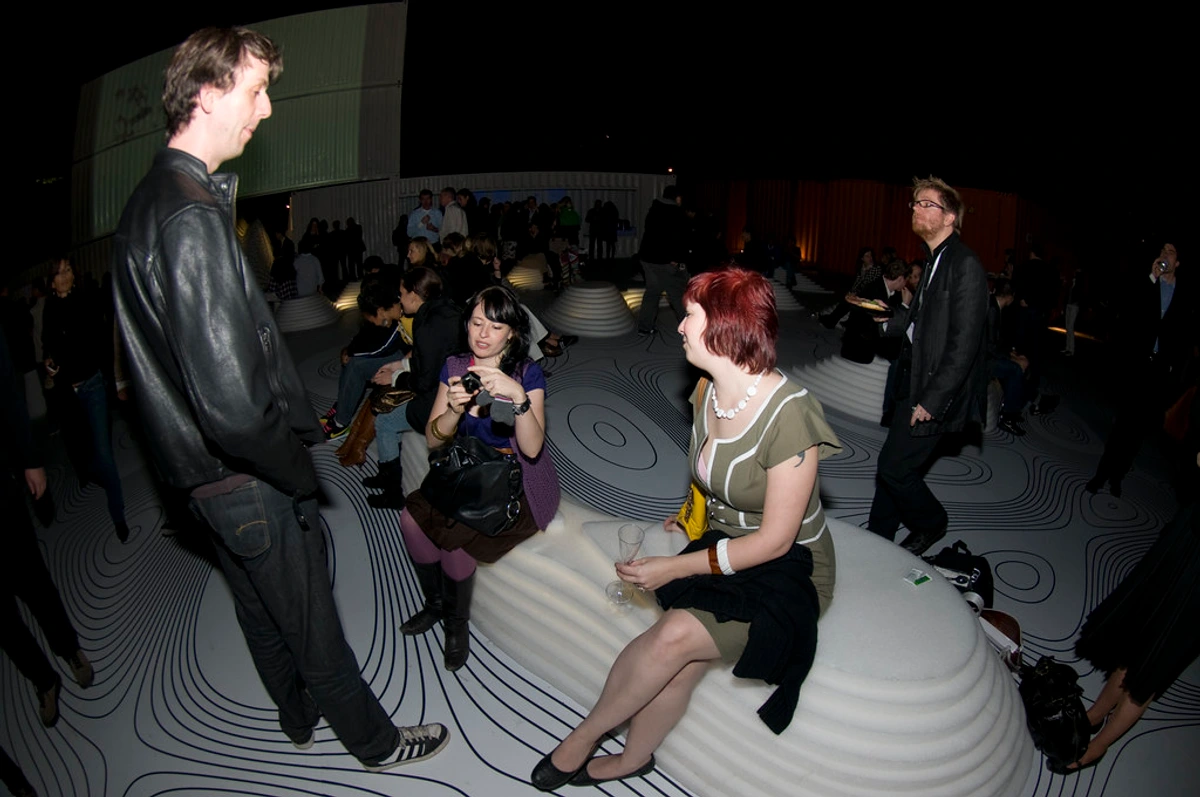
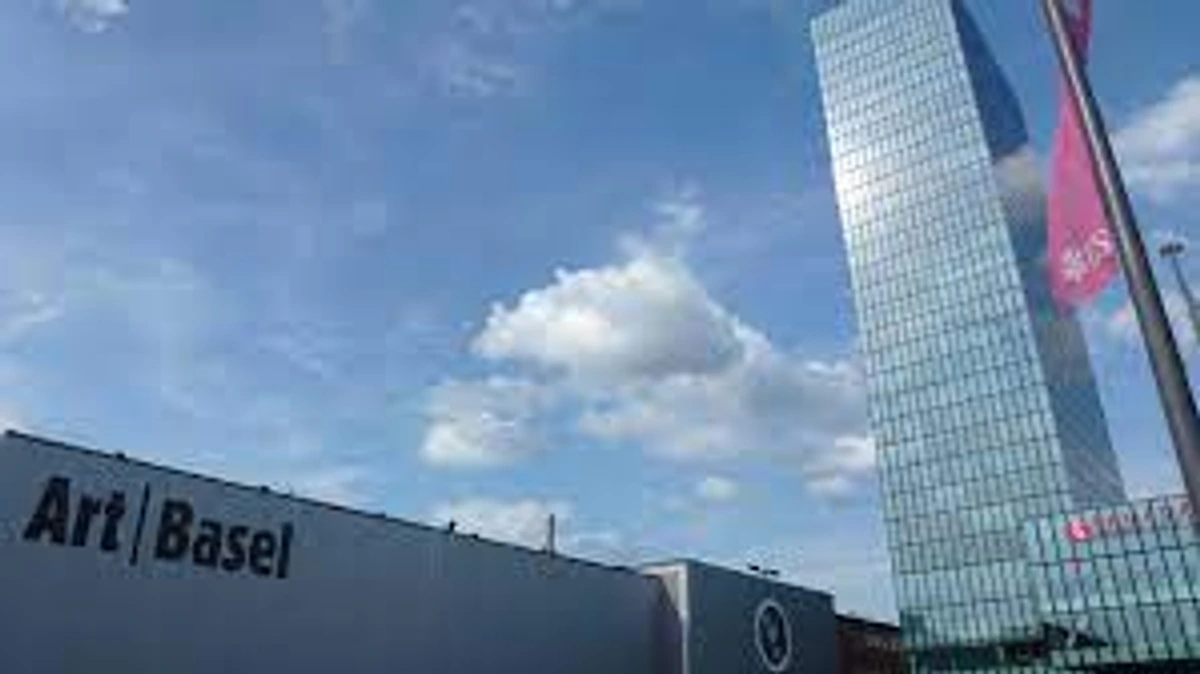
They also shared fascinating insights into navigating the global art market. It's not homogenous; what resonates in Miami might be different from what's sought after in Basel or Hong Kong. Understanding these nuances is key. It's a conversation that mirrored my own observations when I looked into navigating the global art market. Art advisors and consultants, the director explained, are often the crucial intermediary, bridging the gap between collectors seeking specific works and the vast, often overwhelming international offerings. They act as trusted guides in this complex landscape. The director also highlighted the subtle, yet significant, influence of art critics and historians. Their reviews and scholarly discourse don't just reflect trends; they actively shape perception, influencing which artists gain academic attention and, subsequently, market value. The director's job involves a continuous education on global cultural currents, ensuring their fair remains relevant and exciting. It made me think about how far we've come since the early salons or the groundbreaking Armory Show of 1913, which introduced modern art to America and forever changed how art was presented and consumed – each epoch demanding new ways to connect art with an audience. What do you think global cultural currents will shape the next decade of art?
For the Artist: Breaking Through the Noise
As an artist myself, this section was probably the one I leaned into the most. The director's advice was clear and, frankly, quite refreshing in its practicality: build relationships. Fairs, the director explained, don't select individual artists directly; they select galleries. And galleries, in turn, select artists. This is why building genuine relationships with gallerists is paramount, acting as the primary conduit to these grand stages. This isn't about cold calls, though. It's about showing up: visiting gallery openings to engage with the art and the people, thoughtfully connecting on social media, and always, always having a professionally curated portfolio – meaning high-resolution, consistent images, clear titles, dimensions, and prices (even if just for internal gallery use) – alongside an articulate artist statement. This isn't just about describing your work; it's about conveying your unique vision, process, and intention concisely and compellingly. A common mistake, I learned, is having inconsistent image quality or a statement that sounds generic, like it could apply to any artist. No, yours needs to be yours. Understanding the business side of representation – like commission structures, exclusivity clauses, and the marketing support a gallery offers – is also crucial. An exclusivity clause, for instance, means that a gallery might be your sole representative within a certain geographical area or for a particular type of work. Understanding its implications is vital for an artist's long-term career strategy, ensuring you don't inadvertently limit future opportunities. This is a question I've often pondered, leading me to research how to find galleries accepting new artists.
They stressed the importance of consistency and a strong vision. In a world overflowing with imagery, what makes your work stand out? It's not about being loud; it's about being clear, authentic, and persistent. Reflecting on my own [artistic timeline], I know that finding that unique voice is often a winding, sometimes frustrating, but ultimately rewarding journey.
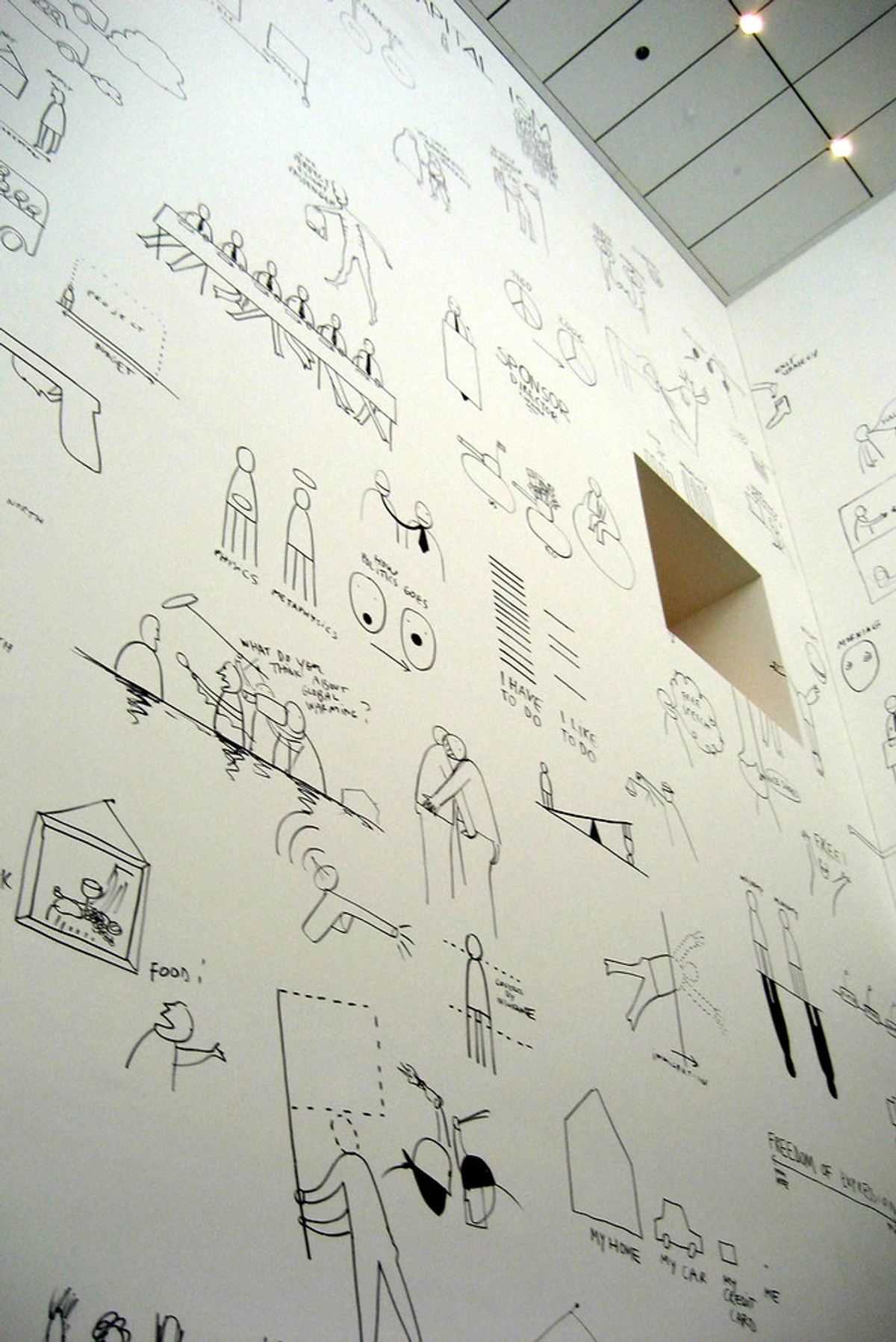
And perhaps the most liberating piece of advice: don't chase trends, make your own. True impact comes from originality, not imitation. This really struck a chord with me, as I often find myself reflecting on the personal journey depicted in my own self-portraits, like the one below, which symbolize an introspective journey rather than following an external dictate. It's a powerful call to action for me, reminding me that the conversations I have, the connections I make, and the clarity I bring to my own artistic message, all contribute to building a pathway to those global stages. What’s the most unexpected way a connection has led to an opportunity in your artistic journey?
credit, licence
For the Collector: Finding Your Next Masterpiece
For collectors, the director offered a fascinating perspective: approach fairs strategically. It's easy to get overwhelmed by the sheer volume of art. They suggested doing some research beforehand, identifying galleries or artists you're interested in, and then allowing for serendipity. For those making significant acquisitions, they also stressed the importance of understanding an artwork's provenance (its history of ownership, tracing it back to the artist if possible) and a detailed condition report. Think of a condition report like a comprehensive pre-purchase inspection for a vintage car – it details every scratch, dent, and repair, giving you a full picture of its history and current state. This isn't just about protecting your investment; it's about being a responsible custodian of cultural heritage. A reputable gallerist or the fair director themselves can often facilitate access to this crucial information, ensuring you're making an informed investment. Beyond the tangible, the director also underscored the profound importance of understanding the artist's intent. What drove the creation of this piece? What message or emotion was the artist trying to convey? This deeper understanding enriches the ownership experience immeasurably and often adds layers of meaning that can influence long-term cultural and historical value. Art fairs are also incredible places to discover emerging artists, becoming early supporters of new talent as their careers begin to blossom. Some art advisors have similar takes on navigating the contemporary art market for new collectors, but hearing it from an art fair director added another layer of authority.
They also highlighted the value of direct engagement. Don't be afraid to ask questions, talk to gallerists, and even meet artists if they're present. The story behind a piece, the artist's intention, the gallery's passion – these all add layers of meaning and connection. And hey, if you find something that resonates, don't hesitate. You can always explore more of my own work for sale here, if you're looking for that kind of connection!
Finally, trust your eye. While market trends and expert opinions have their place, ultimately, collecting is a deeply personal endeavor. What speaks to you? What makes you feel something? That's the art worth investing in, both emotionally and financially. It’s a bit like finding a rare botanical specimen that only you truly appreciate. What's the most surprising or unexpected connection you've made with an artwork, and what did you learn from it?
The Director's Human Touch: Challenges and Triumphs
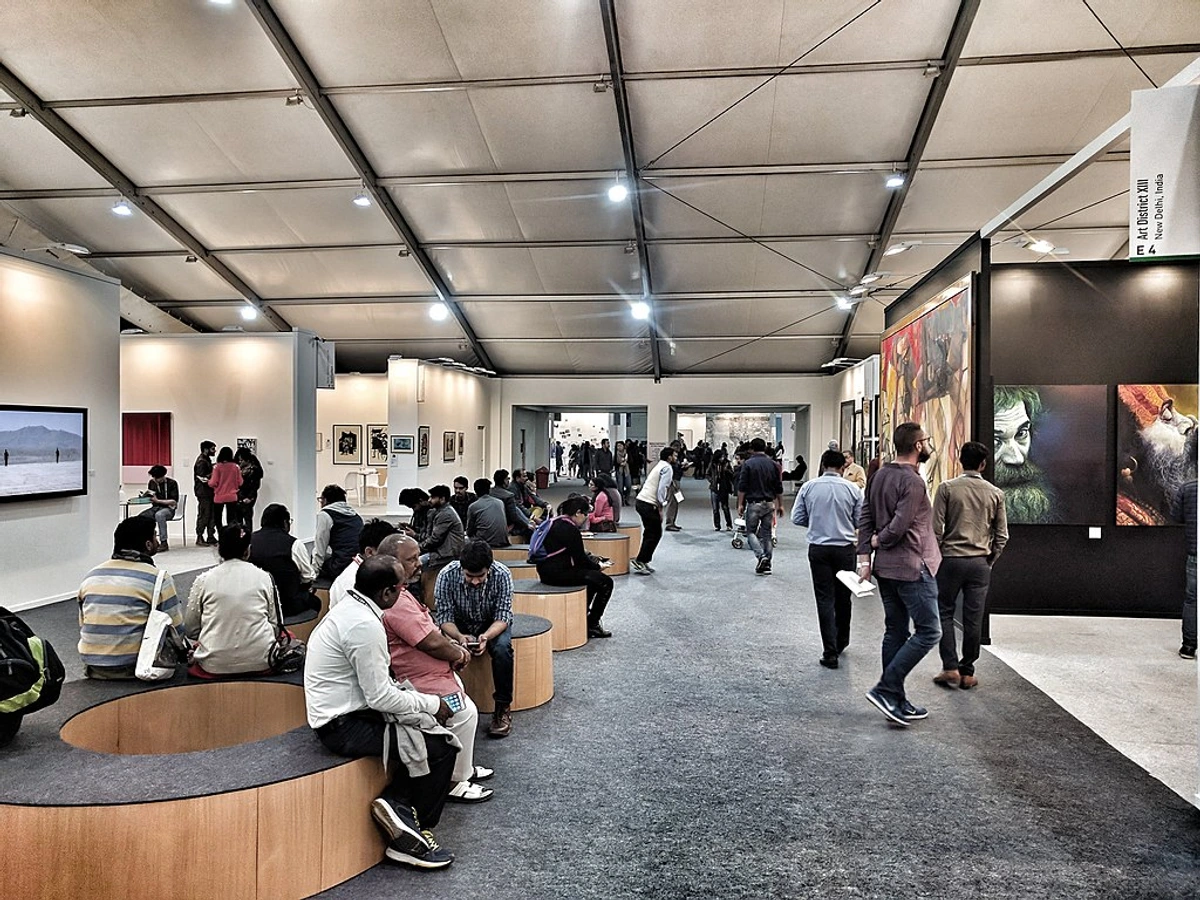
Listening to the director, what shone through wasn't just expertise, but a profound passion for art. They spoke of the immense pressure, the sleepless nights spent troubleshooting a customs delay for a major artwork, the inevitable last-minute crises – like a priceless sculpture arriving with a dent (a hypothetical nightmare, they quickly added!) – I could almost feel my own anxiety levels spiking just hearing about it! And when crises hit – a power outage during opening night, a misplaced shipment, or even a sudden, unexpected influx of VIPs – technology plays a crucial role. From real-time communication apps for staff to rapid social media updates for attendees, directors leverage every tool to manage the chaos and keep the show running. And then, with equal fervor, of the incredible reward of seeing an artist's career take off, or watching a collector fall completely in love with a piece they never knew they needed. It's a reminder that even at the highest echelons of the art world, there are real people pouring their hearts into what they do. On a related note, even planning a large-scale event like an art fair increasingly involves navigating crucial sustainability considerations. For instance, I learned about fairs implementing impressive waste reduction programs, sourcing modular, reusable booth structures made from recycled materials, and even partnering with local, zero-waste caterers. It's about designing an experience that respects both art and planet. It's another complex layer to an already dizzying logistical puzzle.
We also touched on the ethical considerations that increasingly shape a director's decisions. This ranges from ensuring diverse and equitable representation of artists and galleries, navigating potential conflicts of interest, to championing transparency in transactions. It's a continuous, complex balancing act of cultural leadership and commercial viability, demanding thoughtful introspection.
They joked about the absurdity of some requests and the unexpected moments of beauty. It's a job, they said, that demands constant adaptability and a deep belief in the transformative power of art. A director might describe having to completely re-envision a central exhibition space overnight due to an unforeseen structural issue, or rapidly adapting marketing strategies to engage a new demographic identified just weeks before the fair. It's less about rigid planning and more about masterful improvisation. This unwavering belief is something I deeply relate to in my own artistic journey, a journey that has even led to a museum dedicated to my work, a testament to that persistent spark of creation. What moments in your work remind you of its transformative power, even amidst the chaos?
FAQ: Quick Insights from My Chat
Here are some quick takeaways from my enlightening conversation with the Art Fair Director:
- What's the biggest misconception about art fairs? That they're just for the elite. While high-end sales happen, many fairs offer accessible entry points for new collectors and are vital platforms for cultural exchange and discovery.
- How important is location for a fair's success? Hugely important. It influences attendance, gallery participation, and the overall cultural resonance. Each city brings its own unique energy and collector base; for example, Basel thrives on its deep-seated art patronage, while Hong Kong offers a gateway to the burgeoning Asian art market.
- What role do art advisors or consultants play in the fair ecosystem? They are increasingly vital, acting as expert guides for collectors, helping them navigate the vast offerings, identify specific artists or movements, and often assisting with negotiations and due diligence. They bridge the gap between discerning buyers and the international market.
- What advice do you have for someone attending their first fair? Go with an open mind, wear comfortable shoes (seriously!), and don't feel pressured to buy. Allow yourself to wander, discover, and engage. Think of it as a grand exploration.
- What's the role of technology in today's art fairs? Technology is increasingly vital. Online viewing rooms (OVRs) extend reach beyond physical attendance, virtual exhibitions offer new engagement, and discussions around digital art and NFTs are shaping future fair offerings. Directors are constantly exploring how to integrate these without losing the magic of the in-person experience.
- What ethical considerations do art fair directors face? Directors must balance commercial interests with cultural responsibilities, ensuring diverse representation, transparent practices, and addressing issues like environmental impact and equitable access. It's a continuous navigation of complex values.
My Last Thoughts on Navigating the Scene
Walking away from that conversation, I felt a renewed sense of purpose and a deeper appreciation for the complex ecosystem that supports the art world. It's not just about the individual artist in their studio; it's about the gallerists, the advisors, the collectors, and, yes, the art fair directors who tirelessly work to bring art to the world. Their vision, dedication, and logistical wizardry create the stages where these connections can happen. It's a powerful reminder that every painting, every sculpture, every installation has a journey, and art fairs are often pivotal crossroads on that path.
Ultimately, the director's role is to be a master choreographer, balancing commerce with culture, global trends with local tastes, and grand ambition with meticulous detail. They are the quiet forces ensuring that art, in all its forms, continues to find its voice and its audience. For me, as an artist, this conversation wasn't just informative; it was genuinely empowering. It clarified that my studio practice isn't a solitary pursuit but a vital thread in a much larger, beautifully intricate tapestry. Knowing the meticulous care, passion, and vision that art fair directors pour into their work makes me want to create with even greater intention and connect with the world more profoundly. My next piece, perhaps, will carry a bit of that clarity, that gusto, inspired by the unseen architects of the global art stage, as I continue on my own artistic [timeline].