Pigma Micron Pens: The Artist's Definitive Guide to Lasting Art and Creative Freedom
Unlock the true potential of Pigma Micron pens! This artist's deep dive explores archival pigment ink, diverse nibs, mixed media techniques, and essential care tips for creating art that truly stands the test of time, straight from my studio.

Pigma Micron Pens: My Secret Weapon for Lasting Art and Creative Freedom: An Artist's Deep Dive
Alright, confession time: My studio often looks like a beautiful explosion of paints, canvases, and half-eaten snacks. My discipline? Let’s just say it’s a work in progress, much like some of my more ambitious abstract pieces. But there’s one thing I’m utterly, almost obsessively, consistent about, and that’s reaching for my Pigma Micron pens. I remember one particularly chaotic morning: a freshly brewed coffee, precariously balanced, met an almost-finished intricate ink drawing. In that slow-motion moment of horror, all I could think was, 'Thank goodness for Microns!' The quick-drying, permanent ink had set, saving hours of painstaking detail from becoming a muddy, heartbreaking blur. It wasn't just about saving a piece from disaster; it was about unlocking a new level of confidence and control that fundamentally changed how I approached my art. It's in these moments, big and small, that their true value shines.
Seriously, if I had to pick just one item that consistently finds its way into nearly every piece I create, especially when I'm delving into intricate details or laying down those crisp, foundational lines, it would be these humble, yet mighty, fineliners. You might be thinking, 'A pen is a pen, right?' And if you are, then my friend, we're definitely on slightly different artistic wavelengths! I mean, I see pens as partners in creation, tools to be cherished for their precision and permanence, while others might view them as simply disposable instruments for quick notes. Microns aren't just pens; they're tiny, inky companions that have seen me through countless sketches, vibrant mixed-media experiments, and those late-night sessions where the world outside just fades away. The smooth glide of their nib on paper, the immediate, satisfying whisper of permanent ink—it’s a feeling I’ve come to rely on. I picked up my first set years ago, a hesitant purchase, thinking they were just another fancy tool. Boy, was I wrong (and I'm happy to admit it!). They quickly became indispensable. It was like discovering a secret handshake among artists – that quiet nod to quality and reliability, a shared understanding that if you see another artist meticulously adding details with a Micron, you instantly know they're serious about their craft, investing in tools that perform without fail. You see it in the crisp linework of comic artists, the intricate patterns of Zentangle practitioners, and the assured outlines of fine artists. It’s the peace of mind that comes with knowing your hard work, whether for sale or for your personal artistic journey, will genuinely stand the test of time. So, pull up a chair, maybe grab a coffee (or your own favorite drawing tool), and let's really dive into why these pens hold such a significant spot in an artist's toolkit, especially in mine. Want to know more about this promise of permanence and precision? Let's get into it.
Why My Studio (and My Heart) Absolutely Demands Them: The Unwavering Devotion
So, why the unwavering devotion? My studio, which, let's be honest, often resembles a vibrant chaos of paints and canvases, always has a clean spot reserved for my Microns. They're just that fundamentally dependable, a quiet constant in a world of creative frenzy.
Unwavering Line Consistency & The Visual Texture They Create
This is huge for me. Whether I'm sketching out a complex abstract art movement-inspired piece or adding tiny details to a figure, I need a line that behaves. Microns deliver that flawless, uninterrupted line every time. The ink flow is remarkably consistent – no skipping, no sudden blobs of ink – just pure creative expression. It's like a perfectly tuned instrument, always ready to perform. This consistency makes them ideal for intricate tasks like detailed outlines, precise cross-hatching, the meditative art of Zentangle, architectural rendering, or scientific illustration, where every line matters. What I love even more is the visual texture different nibs create. A 005 gives a whisper-thin, almost ethereal presence, perfect for subtle depth – it’s like an invisible stitch or a faint breath on the page. Meanwhile, a 03 offers a robust, confident stroke that acts as a strong anchor in the composition, a firm declaration of form. Without these foundational lines, abstract pieces can sometimes feel formless; the Microns provide that underlying structure and visual weight, for instance, defining the sharp edge of a geometric shape that would otherwise melt into a wash of color, giving it a tangible presence. And it’s not just the nib size; varying your pressure or layering with the same nib can create amazing textures – from light stippling to dense cross-hatching, you have incredible control over subtle variations.
Waterproof Wizardry & Boundless Mixed Media Exploration
Oh, the joys of mixed media! I love working with watercolors and acrylics, and the fact that I can lay down ink lines with a Micron, let it dry (which is almost instantly, thank goodness!), and then wash over it with paint without any smudging or bleeding is, well, magical. It opens up so many possibilities for layering and creating dynamic textures.
Imagine sketching a delicate floral pattern with a Micron 005, then gently washing vibrant watercolors over it to add color. You can watch as the watercolors blend and bloom, knowing your crisp lines will remain perfectly intact beneath, perhaps even creating a subtle, clean halo effect. This 'halo' happens because the pigment ink forms a barrier, preserving the paper fibers directly under the line, allowing the watercolor to bloom around it rather than bleeding into it. For an even more experimental approach, I sometimes apply light watercolor washes first, allowing them to dry, and then define shapes or patterns over them with Microns, letting the ink lines slightly 'pick up' the underlying color in a beautiful, unexpected way. Or, for a different effect, using a Micron 08 to create sharp, graphic, organic shapes and patterns over dried, splotchy acrylic washes. The bold ink pops against the softer, blended acrylics, adding definition and a playful exploration of what is design in art through combining line and wash. This interplay between bold shapes and intricate line work is what truly excites me, and Microns are absolutely pivotal in achieving that balance. Their reliability allows me to move from the expansive to the minute without missing a beat, confidently experimenting with layers. I’ve even used them to ink delicate lace patterns or the intricate mechanisms of a clock, confident they won't budge.
Archival Assurance: The Promise of Forever (or Close Enough)
As I hinted earlier, the archival quality of Pigma ink is paramount. For an artist, 'archival' isn't just a fancy marketing term; it’s a solemn promise that your finished pieces will maintain their vibrancy and integrity for decades, even centuries, under proper conditions. This isn't just a claim; Pigma ink meets rigorous standards like ASTM D-4236 (concerning non-toxicity) and often exceeds ISO 11798 for permanence and lightfastness. If you're pouring your heart and soul into a piece, investing countless hours and creative energy, creating something unique and for sale, you want it to stand the test of time, right? This archival quality is a protection of your labor, your creativity, and the potential enduring value of your work. This is especially true for art I intend to share or sell, or even just for my personal artistic journey that I want to preserve. It’s about contributing to a legacy, ensuring that the visual stories we tell today can be understood and appreciated by future generations. It’s about respecting the effort and passion poured into every stroke, knowing it won't just fade away into a ghost of its former self. I’ve seen beautiful older artworks ruined by inks that browned, faded, or bled over time, becoming mere shadows of their original selves. With Microns, that anxiety simply isn’t there, providing a tangible sense of security for my lasting creations.
A Size for Every Whim & Application: From Whispers to Shouts
From the barely-there whisper of a 003 (that's 0.15mm, you practically need a magnifying glass!) to the bold statement of a graphic pen, there’s a Micron for every artistic need. I often start with a larger size, say a 03 (0.35mm) or 05 (0.45mm), to define the initial structure of a new abstract piece – like building the skeleton of the artwork, establishing those bold, foundational lines or architectural edges in a sketch. Then, once I start layering washes or need to add delicate textures, cross-hatching, tiny dots, or even render fine hair textures, the intricate fur of an animal, or the delicate veins on leaves, a fine 005 (0.20mm) or 01 (0.25mm) comes out to bring a sense of depth and vibration to the surface. This progression makes them perfect for diverse applications like inking over pencil sketches for comic art, capturing fleeting architectural details in urban sketching, or adding intricate patterns to mandalas. They seamlessly transition from broad strokes to intricate details, ensuring every element, no matter how small, has its moment to shine. Sometimes, I even use them to sign my paintings with a crisp, timeless mark, ensuring my signature is as enduring as the artwork itself. Unlike a ballpoint, a Micron signature remains sharp and permanent, adding a professional and lasting final definitive statement to my work.
The Technical Brilliance Behind the Magic: Decoding Pigma Micron's Enduring Power
Now that we’ve established my undying affection, let’s talk about why these pens deliver. What's the secret sauce, the scientific magic that makes them so robust? It’s all in the ink, my friend.
The Science of Pigma Ink: Alchemy of Archival Pigment
At their core, Sakura Pigma Micron pens are fineliner pens renowned for their truly archival, pigment-based ink. Now, you might hear 'archival' thrown around a lot, but for us artists, it's not just a buzzword; it’s the bedrock of our creative legacy. Unlike cheaper dye-based inks, which are essentially color molecules dissolved in water and prone to fading when exposed to light (think of that old poster you left in the sun!), Pigma ink is a different beast entirely. Imagine dye ink as dissolved sugar that can easily be washed away or disappear over time. Pigma ink, by contrast, is like tiny, solid beads of colored sand—finely ground, stable pigment particles (often carbon pigments for the incredibly rich black, and specific organic pigments for vibrant colors) suspended in a durable resin binder. These microscopic, lightfast flecks of paint don't just sit on the surface; they physically adhere to the paper fibers, settling into the paper's grain like tiny, permanent dust motes. The magic is in the dispersion and stabilization of these pigments; the resin binder encapsulates each particle, preventing clumping and ensuring even flow, while also shielding them from environmental degradation. It's like a perfectly emulsified salad dressing, where the oil keeps all the herbs and spices (pigments) evenly distributed, preventing them from sinking or clumping. They are chemically stable, resisting degradation from UV light, humidity, and even common chemical solvents. This unique composition ensures fade-resistance (often rated with excellent lightfastness, meaning they won't visibly change for hundreds of years under museum conditions), waterproofness once dry, and minimal bleed-through on most papers. For someone like me, who creates art for sale or prints, knowing those lines will stay crisp and true for decades, perhaps even centuries, is a huge relief. It’s the ultimate peace of mind, ensuring my intricate patterns and bold outlines endure. I mean, who wants their painstakingly crafted piece to look like a faded memory in a few years? I once tried a cheaper fineliner on a sketch I loved, only to see it ghost a year later. Never again!
A Legacy of Innovation: History and Paper Pairing
Sakura, the Japanese company behind Microns, was actually a pioneer in pigment-based ink technology back in the 1980s, bringing this level of permanence to a fineliner format. Before that, options for truly lasting fine lines were much more limited, often requiring specialized techniques or less convenient tools. Artists often had to rely on dip pens, India ink, or specialized technical pens, which could be messier, less portable, or less accessible for everyday use. The introduction of Microns was a true game-changer, democratizing archival fine-line work and providing artists with an easy, reliable way to future-proof their art. The idea of truly permanent ink in a fine tip felt like a revelation, an unlocking of a secret for future-proofing my work. Imagine being a calligrapher or an illustrator in the pre-Pigma era, constantly worried if your intricate work would survive!
And speaking of permanence, the surface you draw on matters, too. While Microns are incredibly versatile, they shine brightest on smooth to medium-textured papers with a decent weight (say, 80gsm, 100gsm, or even 120gsm and higher). Think of paper types like Canson Bristol board (smooth to vellum), Strathmore Drawing Paper, or even good quality HP Premium Choice printer paper. These surfaces allow the ink to flow beautifully without excessive drag. Why does weight matter? Heavier papers generally have better internal sizing and less absorbency, which prevents ink from feathering or ghosting through to the other side. Conversely, very heavily textured papers like cold-press watercolor paper, or those with a significant 'tooth' (the surface roughness of the paper) such as certain rag papers or even some sketchbooks, can be a bit challenging. The fine nibs can catch on the fibers, potentially fraying or bending, and the ink might not lay down as evenly, leading to a 'broken' line effect which, while sometimes desired for mimicking traditional brushwork or a worn metal look, can be frustrating if unintentional. Also, excessively thin or highly absorbent papers can sometimes still experience bleed-through, though Microns are far superior to dye-based inks in this regard.
credit, licence
The Pigma Family: Beyond the Classic Micron Fineliner
It's worth noting that while the Micron is the star of the show for its fineliner precision, Sakura's Pigma ink technology extends to a whole family of tools, each designed for specific artistic voices and applications. It's not just about one pen; it's about a commitment to archival quality across a range. For instance, you might encounter:
- Pigma Graphic pens: These offer broader, chisel or bullet tips for bolder lines and filling larger areas. I often reach for a Graphic pen when I need a consistent, strong outline for an abstract shape or to quickly block in a smaller, solid black area, creating a stark contrast with my finer Micron details.
- Pigma Brush pens: Featuring a flexible brush tip, these are fantastic for calligraphy, expressive lines, and variable stroke widths, mimicking a traditional paintbrush with Pigma ink permanence. The Pigma Brush is my go-to when I want to add a flourish of spontaneous, ink-blot inspired texture or energetic, organic lines that dance over a precise Micron drawing, creating a dynamic dialogue between control and chaos.
- Pigma Calligrapher pens: Designed specifically for calligraphic scripts, these often have durable chisel nibs for precise lettering. While not my primary tool, I’ve used them for elegant titling on presentations or in art journals, where the classic chisel tip offers that unmistakable calligraphic flair.
- Pigma Sensei pens: Aimed at manga and comic artists, these often come in sets with various drawing and brush tips tailored for character design and inking. I've experimented with them for quick figure sketches, appreciating how the different tips allow for rapid variation in line weight to convey movement or form.
This wider family ensures that no matter your preferred style or scale, there’s a Pigma tool ready to deliver that same, trusted archival quality. It’s the power of variety, but all rooted in the same incredible ink.
Navigating the Micron Maze: Choosing Your Perfect Inky Partner
Okay, so with all these sizes, the world of Microns can feel a bit like a maze at first. But trust me, once you get to know their personalities, you'll find your perfect inky partners. This isn't just about measurement; it's about the feel and impact of the line. Here’s a simple breakdown based on my often-messy, always-experimental experience, and remember, personal preference is always the ultimate guide here. Exploring these different nibs is akin to discovering hidden paths or secret chambers within the maze, each leading to new artistic possibilities.
Nib Size  | Typical Use Case | My Personal Take | Tip Feel & Ink Flow |
|---|---|---|---|
| 003 (0.15mm), 005 (0.20mm) | Ultra-fine details, delicate textures, microscopic cross-hatching, fine hair textures, delicate leaf veins. | Essential for those barely-there whispers, tiny dots, and microscopic details that elevate a piece. Think spiderweb threads or distant horizons. It’s a tool for patience and precision, allowing you to add layers of subtle vibration to your work. | Very delicate, almost no resistance. Requires a light hand to prevent fraying, delivering a crisp, controlled line with excellent opacity for its thinness – like a whisper of graphite. Thinner than a human hair! |
| 01 (0.25mm), 02 (0.30mm) | Fine lines, general drawing, foundational sketching, comic art inking, subtle shadow patterns. | My everyday workhorse. Perfectly balanced and incredibly versatile for most fine line tasks. The trusty sidekick you never knew you needed. This is the size I often recommend to artists just starting their Micron journey. | Smooth, satisfying feedback with a controlled glide. The ink flows generously but precisely, creating a solid, consistent line. Light-medium pressure is perfect, offering a reliable crispness. A bit more substantial than the 005. |
| 03 (0.35mm), 05 (0.45mm) | Medium lines, bolder outlines, expressive lettering, establishing presence, defining architectural edges. | Great for establishing a clear presence or a slightly more robust line. It’s when your lines start to feel a bit more confident and carry visual weight, perfect for defining the main forms in an abstract composition. | Confident glide with moderate feedback. The ink saturation is noticeably richer, making lines stand out without being overly thick. Medium pressure creates an assured anchor for your composition. Bolder than the 02. |
| 08 (0.50mm), 1.0 (1.00mm) | Broad outlines, filling smaller areas, strong statements, crisp borders, bold graphic elements, anchoring elements. | For a clear, decisive statement or a solid, uniform line. This is where your Micron starts to make a bit of a statement, defining forms with authority, such as bold character outlines in comic art or the main structural elements of a larger graphic illustration. | Requires slightly more pressure for bold, consistent lines. The flow is substantial, ensuring full coverage and deep color. Like drawing with a tiny, permanent marker, but still with fine control. Significantly thicker than the 05. |
| Brush | Expressive lines, variable width, calligraphy, dynamic strokes, organic shapes, mimicking gestural brushstrokes, subtle shading variations. | Fantastic for dynamic strokes, very fluid, and allows for incredible gestural freedom. It’s like a tiny paintbrush that always behaves, perfect for adding a sense of dynamic movement or organic flow to your abstract pieces. | Highly variable, responsive to pressure. From hair-thin to broad washes, the ink release is smooth and consistent, allowing seamless transitions. |
| Graphic 1, 2, 3 (Chisel/Bullet) | Consistent broad strokes, filling larger areas, strong, unwavering lines, geometric precision. | For a solid, even fill or a strong, thick, unwavering line. When you need to make an undeniable mark or create bold, graphic statements, like solid graphic shapes or crisp, geometric borders. | Firm, consistent, with excellent saturation for large areas. Requires a steady hand for even lines, like drawing with a tiny, permanent marker, but with a chisel or bullet tip for distinct shapes. |
My advice? Don't be shy! Grab a few different sizes and experiment to see what feels right for your hand and your unique style. You might be genuinely surprised at which one becomes your new, indispensable favorite.
No Tool is Perfect: Acknowledging Their Quirks (Because Honesty is Key)
But no love affair, no matter how passionate, is without its little quirks, right? No tool is perfect, and while my devotion to Microns is strong, it's certainly not blind. Like any good relationship, it has its minor frustrations that are worth acknowledging – characteristics that we learn to work with or around to achieve our artistic vision.
Fragile Tips, Especially on Rough Terrain
While the nibs are generally sturdy, those incredibly fine points (like the 005 or 003) are precision instruments, not brute force tools. They can fray, bend, or even snap if you press too hard or use them on very textured, rough paper like heavily toothy cold-press watercolor paper, or papers with very pronounced rag content. So, the 'why' of a gentle touch is simple: to prevent damaging that delicate tip, which is crucial for consistent fine lines. Treat them with a gentle touch, almost like a whisper on the page, and they’ll reward you with beautiful, consistent lines. Abuse them, and they’ll protest with a bent nib! Even on slightly rougher papers, angling the pen slightly can sometimes help mitigate snagging.
The Case of the Vanishing Ink
If you're doing heavy inking, extensive shading with intricate cross-hatching, or tackling large pieces – especially with those incredibly fine tips – Microns can feel like they run out of ink quicker than you’d like. And when a pen stops flowing mid-stroke on a delicate detail, it’s like a tiny artistic heartbreak! I recall one particularly intense session, close to a deadline, meticulously rendering a complex abstract texture when my trusty 005 sputtered and died. It definitely added a dash of frantic energy to the studio! The 'small price for quality' I mentioned? It's the cost of keeping a good supply of spares, because you will go through them. My solution? For extensive shading, I often employ techniques like looser, more spaced-out cross-hatching or stippling to conserve ink on finer tips. For larger initial fills or very dense shading, I often reach for a broader Pigma Graphic pen or even a fine-tip alcohol-based markers specifically designed for large fills, reserving my precious finer Microns for the intricate veins within those filled areas. Sometimes I'll even use a graphite pencil underlay for large areas that will eventually be filled with a different, heavier medium, planning the layout before committing with ink.
The Dreaded Dry Out (and a Potential Revival)
Even with good capping habits, sometimes a pen can feel dry if it's been neglected for too long or stored improperly, or if exposed to extreme temperatures. The ink inside might not be truly gone, but the nib could be clogged. My go-to (gentle!) revival trick? Briefly touch the nib to a damp (not dripping wet!), lint-free cloth like a clean, old t-shirt or a dedicated art cleaning wipe. Gently roll the nib on the damp cloth to coax the dried pigment in the tip to release. This is a last resort, mind you, and might not always work, but it’s worth a try! Avoid shaking vigorously or trying to pry the nib out, as this can cause permanent damage. Also, remember that extreme temperatures (leaving them in a hot car or a freezing studio) can affect ink consistency and longevity. Excessive heat can dry out the ink in the felt tip faster, and extreme cold can alter the ink's viscosity, leading to flow issues, so keep your tiny heroes at room temperature when possible.
A Color Palette That's More 'Curated' Than 'Expansive'
While Microns come in a decent selection of colors (black, sepia, blue, red, green, purple, brown, orange, rose, burgundy, and even cool gray and warm gray), they don't offer the vast, nuanced palettes of, say, alcohol markers or paints. For pure line work, they're fantastic; for broad color fills or complex shading, you'll definitely need to call in other mediums. Think of them as the perfect, dependable foundation – the sturdy bones – but you’ll need other friends for the vibrant decorations and expressive flourishes. For instance, while the black is unparalleled, I often wish for a richer, more nuanced dark blue or a muted forest green to complement my abstract palette, which often means I reach for my watercolors or colored pencils when those specific hues are needed for outlines.
Environmental Footprint: A Small Concern
Let's be honest, these are disposable pens, and in our increasingly eco-conscious world, that's a valid point of concern. While the excellent longevity of the ink means your art lasts, reducing the need for reprints due to fading, the pens themselves do end up in a landfill. Sakura has initiated some efforts, like their Recycle program in specific regions, and they generally use a blend of plastics, but widely accessible, comprehensive recycling for all Micron pens isn't universal yet. As artists, it's something to ponder: balancing archival quality with sustainable choices. Exploring bulk purchases or artist sets can also slightly reduce individual packaging waste, but the widespread lack of an easy recycling solution remains a valid concern for many of us.
Reactions with Other Mediums or Sealants
This is a crucial point for artists, especially those who layer or use varnishes. Pigma ink, being pigment-based and chemically stable, is generally very inert and plays well with most mediums. However, it's always wise to do a small test patch if you're using unusual or experimental topcoats, heavy solvents, or specific types of sealants. For example, a very strong, solvent-based spray varnish or certain resin topcoats might react with the ink if applied too heavily or too soon, potentially causing slight lifting or discoloration, particularly with very new, uncured ink. For standard acrylics, watercolors, and common art varnishes or workable fixatives, I've personally never encountered an issue, but a quick test on a scrap piece with your exact combination of materials is always a smart move before applying it to a finished painting.
Keeping Your Tiny Heroes Happy: Simple Care Tips for Longevity
To ensure your Pigma Micron pens last as long as possible and perform at their absolute best, a little TLC goes a long way. They're not high-maintenance prima donnas, but they certainly appreciate good habits, almost like well-behaved, silent studio assistants:
- Store Horizontally, Like They're Sleeping: This helps keep the pigment ink evenly distributed throughout the reservoir, preventing the nib from either drying out prematurely (if stored nib-up) or becoming oversaturated and prone to blobbing (if stored nib-down). Pigment particles can settle over time, so horizontal storage ensures consistent flow. Give your pens a nice, balanced rest.
- Cap Tightly – Immediately!: This is probably the most crucial tip, so crucial I'll shout it: ALWAYS RECAP YOUR PENS IMMEDIATELY AFTER USE! Failure to recap immediately means the pigment ink in the delicate felt nib begins to dry out, leading to skipping, blobbing, and a significantly shortened pen life. The felt tip can also become brittle if left exposed. Seriously, don't leave your little heroes exposed; their tips will dry out faster than you can say 'archival pigment.'
- A Gentle Touch is a Lasting Touch: As we discussed, avoid excessive pressure, especially with the finer tips. Remember, they are precision instruments. Let the ink do the work; it’s quite capable of delivering beautiful lines with minimal effort. Pressing too hard is the quickest way to fray or bend those delicate nibs, rendering them useless for fine detail.
- Clean Nibs Keep Lines Crisp: If you notice any lint, paper fibers, or dried ink build-up on the nib (e.g., if the nib is visibly clogged with dried ink or dusty paper fibers), gently wipe it with a damp (not wet!), lint-free cloth (like a microfiber cloth or dedicated art cleaning wipe). A gentle rolling motion on the cloth is often effective. This simple act helps maintain optimal ink flow, ensuring your lines stay crisp, clean, and consistent.
- Mind the Temperature: Just like you wouldn't leave your fine paints in a sauna or a freezer, try to keep your Microns away from extreme temperatures. Excessive heat can cause ink to dry faster within the pen, and extreme cold can affect ink viscosity, potentially leading to flow issues and inconsistent lines. Room temperature is their happy place.
A Special Note for Left-Handed Artists (Like Me!)
As a left-handed artist, I know the struggle is real when it comes to smudging. This is where Microns truly shine for us southpaws. Their incredibly fast-drying ink is a godsend, virtually eliminating the dreaded smear as your hand sweeps across a freshly drawn line. This quick-drying property means you can work confidently from left to right without fear of ruining your painstaking details. It’s one of the unsung benefits that makes Microns an indispensable tool in my studio, allowing me to focus on the art, not the accident.
Quick Answers: Pigma Micron FAQs (Because Artists Always Have Questions!)
Still have questions buzzing in your head about these tiny heroes? Let's tackle some of the most common ones I hear (and have asked myself over the years!).
Q: Are Pigma Micron pens refillable? A: Unfortunately, no, they aren't. Pigma Micron pens are designed for single use. Once the ink runs out, it's time for a new one. Think of them as reliable, high-performance disposable companions – much like that perfectly brewed (and now finished) cup of coffee you just enjoyed. It's an ongoing economic cost, but one that guarantees consistent archival quality and performance. It's a small trade-off for the consistent archival quality they deliver.
Q: Do Pigma Micron pens dry quickly? A: Oh, absolutely! And thank goodness for that! This is one of their major unsung benefits, especially for left-handed artists (like me, sometimes!) who dread smudges, or for layering in mixed media. Their quick-drying nature significantly reduces drying time and virtually eliminates the risk of accidental smears, allowing you to work efficiently and confidently.
Q: What's the exact difference between Pigma Micron, Pigma Graphic, and Pigma Brush pens? A: This can be a bit confusing, but the distinction is primarily in the nib type and intended application, though they all share the same amazing archival Pigma ink:
- Pigma Micron: These are the classic fineliners with a rigid, precise felt tip. They come in various numbered sizes (like 003, 05, 08) ranging from ultra-fine to medium, ideal for intricate details, consistent line work, and precise outlines.
- Pigma Graphic: These pens feature a chisel or bullet nib, designed for broader, consistent lines and larger fills. Think of them for bolder outlines, strong statements, or quickly filling in bigger areas where a fineliner would take too long.
- Pigma Brush: These pens have a flexible brush tip, much like a traditional paintbrush. They're perfect for variable line widths, expressive lines, calligraphy, and creating dynamic, gestural strokes. They allow for a beautiful range from thin to thick based on pressure.
Q: What about the Pigma Micron color range? A: While Pigma Microns are fantastic for their archival quality and precision, their color palette is more 'curated' than 'expansive' compared to other mediums like paints or alcohol markers. You'll find essential colors like black, sepia, blue, red, green, purple, brown, orange, rose, burgundy, cool gray, and warm gray, perfect for definitive line work and subtle accents. However, for broad color fills, complex shading, or a vast spectrum of hues, you'll definitely need to integrate other mediums into your workflow. They're the sturdy bones of your piece, not the full, vibrant skin.
Q: Can I use Micron pens on fabric? A: While the Pigma ink is indeed permanent and waterproof on paper, it's not specifically formulated or designed as a fabric marker. It might hold up for light, purely decorative use, but its permanence on fabric would be highly dependent on the fabric type, washing method, and light exposure, making it unreliable for garments or items that will be regularly cleaned. If you want your creations to survive the washing machine with vibrant, lasting results, dedicated fabric markers would be a far better and more reliable choice. You wouldn't want your beautiful lines to ghost after one wash!
Q: How do Microns compare to other popular fineliners like Staedtler Pigment Liners or Faber-Castell Pitt Artist Pens? A: Ah, the eternal question! While there are many excellent pigment-based fineliners on the market, Microns hold a special place for a few reasons. Staedtler Pigment Liners are also pigment-based and archival, offering great quality with a generally firmer, sometimes slightly more scratchy nib feel. Faber-Castell Pitt Artist Pens use India ink, which is also archival and waterproof, and often comes with a slightly more flexible, brush-like tip in their smaller sizes, offering a different tactile experience, sometimes with a more 'juicy' ink flow. Each brand tends to have slightly different availability and price points too.
In my artistic practice, I've found Microns to have a particularly smooth, consistent ink flow and exceptional opacity, especially their blacks, which feel truly dense. I've always trusted their archival performance implicitly for my art for sale. Ultimately, personal preference in nib feel (some prefer a softer, brushier feel, others a firmer one), ink saturation, and color range can vary, but Pigma Microns are consistently a top-tier contender for permanence, reliability, and sheer joy of use. They each have their merits, but Microns, for me, just feel right.
Q: Do Pigma Micron pens work well with digital art scanning? A: Absolutely! This is one of their incredibly useful, if sometimes overlooked, superpowers. Because the Pigma ink is so opaque, rich, and truly black (or densely colored for other hues), lines drawn with Microns scan beautifully. They create crisp, clean digital files with incredibly strong contrast, and minimal 'noise' or faint lines that need extensive post-processing. This opacity is crucial because it means the ink lines can be easily selected and isolated in photo editing software, making them ideal for digital coloring, printmaking, or further manipulation in software like Photoshop or Procreate. You can create a clean mask from the ink lines in seconds, which is a huge time-saver! It's almost like they were made for the digital age, even though their roots are firmly planted in traditional art methods.
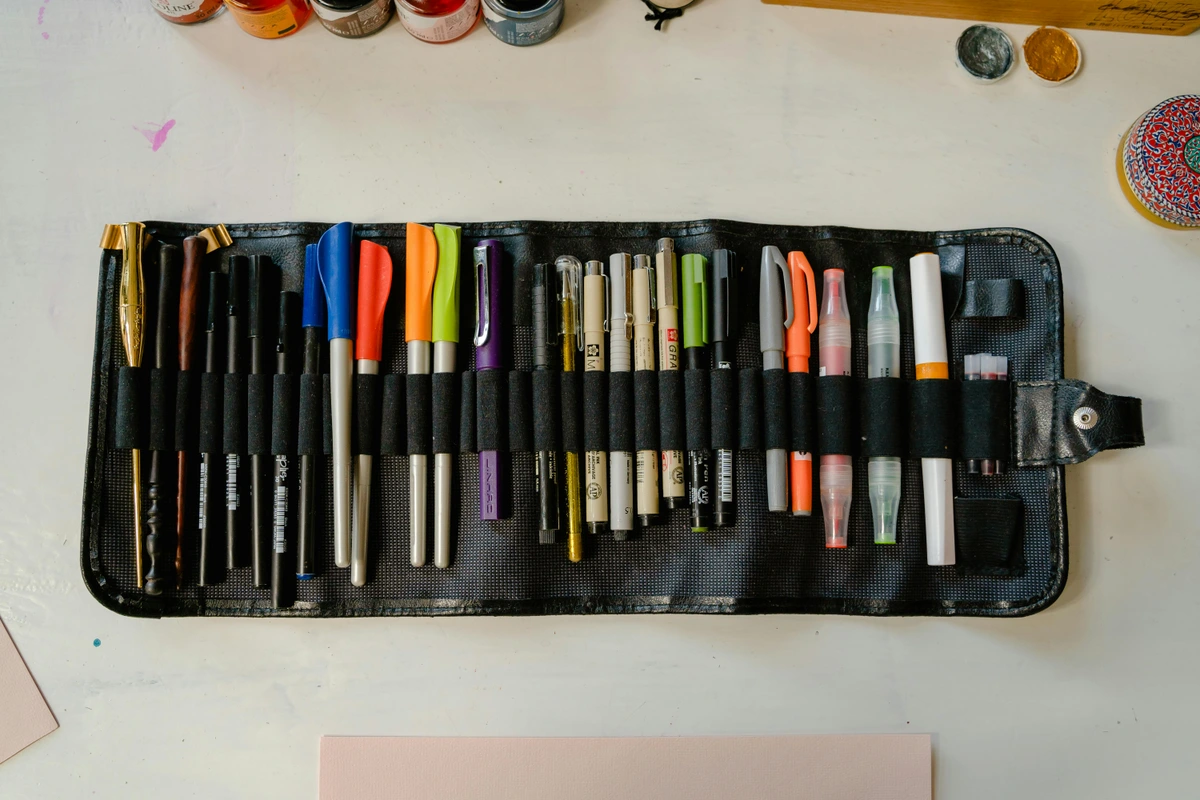


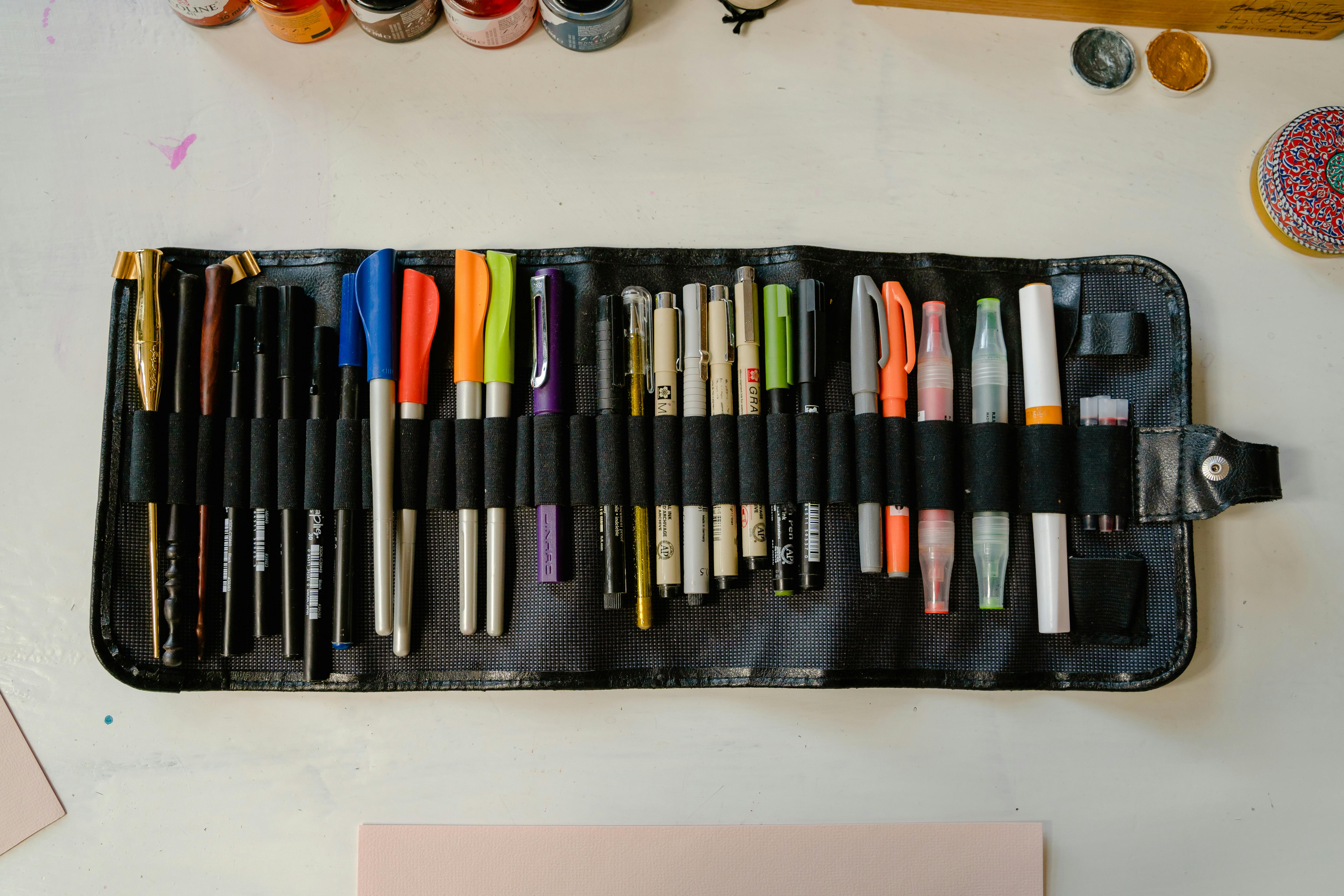
Q: What if I accidentally smudge or spill Micron ink? Can it be removed? A: Oh, the dreaded smudge! Given that Pigma ink is designed to be permanent and waterproof once dry, it's incredibly difficult, if not impossible, to completely remove it from paper without damaging the surface. This is because the pigment particles physically bond to the paper's fibers. Once the pigment locks onto the paper fibers, it becomes a permanent fixture. Trying to 'erase' a smudge is often like trying to un-bake a cake – you're more likely to tear the paper or create a ghostly residue than to truly remove the ink. Your best bet is always prevention: ensure the ink is fully dry before touching or layering (though it dries very fast!), and work carefully. If a fresh smudge occurs, a very gentle dab with an absorbent material might pick up some excess before it sets. For very, very recent, superficial smudges, a kneaded eraser might lift a tiny bit, but caution is paramount to avoid damaging the paper. Once it's dry, consider it a permanent part of your art (or a lesson learned!). For accidental spills, quickly blot with absorbent paper rather than wiping, to minimize spread.
A Final Thought on These Humble Heroes: Beyond the Ink
So, there you have it – my perhaps overly enthusiastic, slightly rambling, but deeply heartfelt deep dive into the world of Pigma Micron pens. They might not be the flashiest tools in the art supply store, and they certainly don't scream 'look at me!' like a giant tube of cadmium red or a shimmering metallic pigment. But for sheer reliability, uncompromising precision, and that beautiful, essential archival quality, they are, in my humble (but firm!) opinion, utterly unmatched.
These pens are more than just tools; they are the quiet workhorses, the dependable friends, the unsung heroes that allow us artists to bring our most intricate and detailed visions to life. They help us preserve our artistic journey one crisp, unyielding line at a time, ensuring that the stories we tell on paper today will be legible and vibrant for generations to come. It’s a powerful thought, isn’t it? That a simple pen can hold such a legacy. The archival qualities of Microns mean that the art you create today contributes to a visual history, an enduring narrative that speaks across time.
I genuinely hope that hearing about my rather intense affection for Microns sparks a new appreciation for the simple, powerful tools in your own creative life. Don't underestimate the quiet magic of a really good pen, especially one that promises to stand the test of time. Keep experimenting, keep creating, and perhaps you'll even see some of these very lines, still bold and true, when you visit my studio or exhibitions, such as the one at my museum in 's-Hertogenbosch. May your own creative journey be filled with reliable companions like the humble Micron, empowering you to leave your unique artistic legacy for generations to come!