Key Takeaways for Artists: Lessons from the Studio Trenches
Essential insights for emerging artists on finding your voice, overcoming blocks, and building a sustainable creative practice. No fluff, just hard-won wisdom.

Key Takeaways for Artists: Lessons from the Studio Trenches
I remember this one time... I spent six months painting the same patch of wall in a derelict warehouse. Not a typo. Six months. Why? Because I was terrified my deeper voice was actually just white noise disguised as depth. Sound dramatic? Welcome to the club. The creative journey isn’t about magically “arriving” at genius; it’s about navigating the swamp of self-doubt with a slightly less soggy boot than yesterday. Let’s cut through the platitudes.
Finding Your Artistic Voice: The Uncomfortable Journey
Your voice isn’t a destination you book on Viator. It’s a stubborn weed pushing through cracks in the pavement of convention. It emerges from obsession, failure, and the courage to show someone your messy, vulnerable sketchbook.
The Role of Obsession
Don’t fight it. That thing you can’t stop thinking about? The texture of rust, the way light hits a specific shade of blue, the absurd joy of squirrels stealing hats? That’s your north star. My early work? Littered with pigeons. Critics called it cliché. I called it raw material. Your obsession is your unique lens.
Embrace the "Ugly Phase"
Every voice has a puberty stage. Awkward, confusing, and slightly embarrassing. Mine involved acrylic pour experiments that looked like melting birthday cakes. Embrace it. Your “ugly phase” is where the grammar of your visual language is secretly being written.
The Mirror Test
Will you still defend this work to the skeptical voice in your head five years from now? If yes, you’re probably onto something. If it’s just chasing trends, it’ll feel hollow later.
| Voice vs. Echo Checklist |
|--------------------------|
| **Gut Resonance**        | Does it feel authentically *yours*? (Not "what would [famous artist] do?") |
| **Consistency**          | Are recurring themes/textures/obsessions emerging naturally? |
| **Resistance Factor**     | Does it make you slightly uncomfortable to share? |
| **Future Self Alignment**| Would your 75-year-old self nod with a knowing smirk? |

| Developing Your Craft: Practice Strategies |
|-------------------------------------------|
| **Daily Practice**      | 15-30 minutes of focused work, even on "bad days" |
| **Weekly Challenge**    | Try one new technique or medium each week |
| **Monthly Review**      | Analyze your progress and adjust your approach |
| **Quarterly Showcase**  | Create a small exhibition of your best recent work |
| **Annual Reset**        | Evaluate your artistic goals and plan for the next year |
Developing Your Craft: Beyond Technique
Mastery feels like climbing a mountain with a blindfold. You think you’re making progress until you look back and see a ridiculous, meandering snail trail of practice. And that’s not just okay—it’s necessary.
The 10,000 Hours Fallacy
Time Management for Artists
One of the biggest challenges for artists is finding time to create in a world full of distractions and responsibilities. Here are some practical time management strategies:
- The Pomodoro Technique: Work for 25 minutes, then take a 5-minute break. After four cycles, take a longer break. This helps maintain focus and prevent burnout.
- Batch Processing: Group similar tasks together. For example, do all your administrative work in one block of time rather than scattered throughout the week.
- Creative Time Blocking: Schedule specific times for creating, treating them with the same importance as meetings or appointments.
- Energy Management: Identify when you have the most energy and schedule your most demanding creative work for those times. Save easier tasks for lower energy periods. It’s not just about hours logged; it’s about deliberate hours. Hours where you specifically challenge your weaknesses. My watercolor control plateaued for years until I forced myself to paint only moving objects—kids, dogs, coffee steam. Slow, painful, game-changing.
Study the Masters Like a Chef
Traditional vs Digital Art Workflows
The debate between traditional and digital art is often framed as an either/or choice, but the reality is more nuanced. Both approaches have unique advantages:
Traditional Art Advantages:
- Tangible connection to materials
- No technical failures or crashes
- Unique textural qualities that are difficult to replicate digitally
- Often perceived as having more "authentic" value
Digital Art Advantages:
- Non-destructive editing and experimentation
- Easy replication and distribution
- Integration with social media and online platforms
- Lower material costs and less waste
Many successful artists use both mediums, choosing the approach that best serves their specific project goals. The key is to master the tools that help you express your vision most effectively, regardless of whether they're digital or traditional. Don’t just admire Van Gogh. Copy his brushstrokes. Feel the tension in his line work. Then try to recreate that tension with your own subject. Steal like an artist, then bake the stolen ingredients into your own weird soufflé.
Material Curiosity
Building Artist Communities
Art doesn't happen in a vacuum. Building connections with other artists is crucial for growth, inspiration, and support. Here's how to cultivate your artistic community:

- Local Art Groups: Find or start a critique group in your area. Meeting regularly with other artists provides accountability, feedback, and moral support.
- Online Communities: Join platforms like Behance, ArtStation, or specialized art forums. These can connect you with artists globally who share your interests.
- Collaborative Projects: Work with other artists on joint projects. This not only expands your network but also challenges you to approach your work from new perspectives.
- Mentorship: Seek out more experienced artists as mentors, and as you grow, mentor newer artists. The cycle of learning and teaching strengthens both individuals and the community. That weird art supply catalog gathering dust? Open it. Buy the thing you don’t understand. My “Eureka!” moment with texture came from accidentally smearing ink mixed with coffee grounds on a failed canvas. Constraints breed creativity.
Building Resilience: Your Artistic Immune System
Mental Health and Artist Wellbeing
Making art is emotionally intense work. You're putting your vulnerable thoughts and feelings into visual form, then asking people to judge them. It's no wonder many artists struggle with anxiety, depression, and imposter syndrome. Here are some strategies for maintaining mental health:
- Separate Your Work From Your Worth: When someone criticizes your art, they're not criticizing you as a person. It's easy to blur these lines, but maintaining this separation is crucial for resilience.
- Schedule Worry Time: Set aside 15 minutes each day to address your artistic anxieties. When worries come up at other times, tell yourself "I'll deal with this during worry time." This helps prevent anxiety from hijacking your creative process.
- Practice Self-Compassion: Talk to yourself the way you'd talk to a friend who's struggling. Would you tell them they're worthless and should quit? Probably not. Apply that same kindness to yourself.
The art world is a cocktail of rejection mixed with imposter syndrome. How to survive?
Let's be real about rejection: it's not personal. It's a numbers game. The best artists in history faced rejection constantly. Van Gogh sold exactly one painting during his lifetime. Emily Dickinson was virtually unpublished. rejection isn't a judgment of your worth as an artist—it's a mismatch between your work and what someone else is looking for at that particular moment. The key is to develop resilience so you can keep going despite the inevitable "no's."
- Failure Data Collection: Keep a “rejected/failed” folder. Label each entry with the lesson learned (e.g., “Gallery Rejection 2023 - Subject too niche for summer group show Lesson: Curate solo applications more strategically”). Failure isn’t data if you ignore it.
- Studio Sanctuary: Create a space where you can make utterly terrible art without judgment. My studio now has a designated "Crap Corner." Freedom happens when the critic’s door is locked.
- The "Artist Date" Ritual: Once weekly solo excursion to a museum, forest, or hardware store. No agenda. Just feeding your weirdness.
| Resilience Toolkit |
|---------------------|
| **Practice:**      | Daily 15-minute “bad-art” sessions |
| **Mantra:**        | "Progress over perfection" |
| **Boundary:**      | Social media detox Saturdays |
| **Fuel:**          | Keep sketchbooks by the bed (for 3 AM ideas, not doomscrolling) |
Navigating the Art World: Making, Showing, Selling
Understanding the Art Market
The art market can seem mysterious and intimidating, but understanding its basic mechanics can help you navigate it more effectively:
Types of Art Sales:
- Primary Market: Buying directly from the artist or their gallery
- Secondary Market: Buying through auction houses or resellers
- Direct Sales: Selling directly to collectors without intermediaries
Pricing Strategies:
- Time-Based: Based on hours invested plus materials
- Size-Based: Based on dimensions of the artwork
- Experience-Based: Based on the artist's reputation and experience
- Market-Based: Based on comparable sales of similar artists
Market Trends to Watch:
- Growing interest in art as investment
- Increased focus on artist sustainability and ethical practices
- Rise of digital art and NFTs (though with significant skepticism)
- Greater demand for transparency in art provenance and pricing Let’s be real: Making art is only half the job. The other half? Not getting crushed by the logistics.
The Portfolio, Not the Prize
Creating Artist Statements and Bios
Many artists struggle with writing about their work, but clear communication is essential for both galleries and collectors. Here's how to craft effective artist materials:
Artist Statement (What you do):
- 1-2 paragraphs about your artistic practice
- Focus on themes, concepts, and processes
- Avoid jargon and overly complex language
- Update regularly as your work evolves
Artist Bio (Who you are):
- Professional summary of your background
- Include education, exhibitions, awards
- Keep it concise (1-2 paragraphs)
- Tailor for different audiences (galleries vs. collectors)
Project Descriptions (Specific pieces or series):
- Context for individual works or series
- Explain inspiration and process
- Connect to broader artistic themes
- Keep accessible to non-artists
The key is to find the balance between technical accuracy and approachable language. Your written materials should complement and enhance your visual work. Focus on creating a cohesive body of work, not just a collection of “marketable pieces.” Galleries want to see a conversation between your works. My first show? One piece was sold before the opening. Because that gallery director saw a series, not single snapshots.
Pricing Paradox
Legal and Business Considerations for Artists
Beyond the creative work, artists need to handle various legal and business aspects. Here are essentials every artist should understand:
Intellectual Property:
- Copyright protection automatically applies to your work
- Register copyrights for additional legal protection
- Understand fair use and when others can use your work
- Consider trademarks for your name or brand
Contracts and Agreements:
- Always have written agreements for sales, commissions, exhibitions
- Understand commission vs. royalty agreements
- Clarify delivery terms, payment schedules, and return policies
- Consult with a lawyer for complex arrangements
Tax Planning:
- Track all expenses related to your art business
- Understand tax deductions for artists
- Consider business structure (sole proprietorship vs. LLC)
- Plan for estimated tax payments
Insurance:
- Consider studio liability insurance
- insure valuable artwork against theft or damage
- Review homeowners insurance for art coverage limitations Charge what you’d charge if a collector broke your favorite brush using it. Not sentimental value, but labor + cost + your worth. Undervaluing your art is an insult to the craft.
Online Presence ≠ Digital Billboard
Marketing Strategies for Artists
Effective marketing isn't about being salesy—it's about building relationships and sharing your authentic story. Here are strategies that work:
Content Marketing:
- Share your creative process (not just finished pieces)
- Tell stories behind your work and inspiration
- Educational content about art techniques or concepts
- Personal stories about your artistic journey
Email Marketing:
- Build an email list of interested collectors and fans
- Send regular updates about new work and exhibitions
- Share exclusive content with subscribers
- Avoid spamming; provide genuine value
Networking:
- Attend art openings and industry events
- Connect with curators, gallery directors, and other artists
- Be genuine and interested in others' work, not just your own
- Follow up and maintain relationships over time
Collaborations:
- Partner with complementary businesses (interior designers, boutiques)
- Collaborate with artists in other mediums
- Participate in juried exhibitions and group shows
- Consider artist residencies for exposure and growth Share your process. The “messy behind-the-scenes” (splattered smocks, failed color tests) connects you to human beings, not art wallets. My Instagram grew when I posted a 30-second video of wrestling a canvas onto a frame. Relatable > perfect.
The FAQ Corner: You’ve Got Questions
Q: But how do I know if art is even “good”? A: Does it hold your gaze? Does it feel like there’s more beneath the surface? Does it evoke a genuine emotional response? If yes, it’s done its job. “Good” isn’t a trophy; it’s an impact.
Q: What if people hate my art? A: Statistically inevitable. Someone once told my bright yellow abstracts looked like vomit. Now those pieces hang on their wall (after a pricey auction). Haters are often future collectors with poor timing.
Q: How do I deal with creative block? A: First, panic. Then, try this: change your environment completely. Paint in a different room, work with a different medium, or create in a public space. Sometimes the block isn't about ideas—it's about your environment becoming too familiar. Another approach is to set a timer for 15 minutes and commit to making the "worst possible art" for that time. The pressure to be bad often frees up creativity. Remember: creative block isn't a failure—it's your mind telling you need a change.
Q: Should I go to art school? A: Only if you can afford it without crippling debt. Self-taught artists often have sharper, weirder visions. But art school? Useful for structured critique and communal weirdness. Weigh it like any major investment.
Q: How important is having a signature style? A: Having a recognizable style is great, but don't force it. Your authentic voice will emerge naturally through consistent practice and exploration. Some artists develop a signature style early on; others experiment for decades before finding their groove. The key is to stay true to your interests and obsessions rather than trying to manufacture a "style" to impress others. Authenticity always wins over artificial consistency.
Q: How important is social media for artists? A: As important as the studio itself. It’s your global gallery window. Avoid the scroll-doom trap: post consistently, share authentically, and engage like a human. If it feels soul-sucking, take a breather. Check my own journey here
Q: What should I do about creative block? A: First, panic. Then, try this: physically change your environment. Paint in a garage. Draw in a park. Steal colors from a magazine. Or just make something bad on purpose. Perfectionism is the block.
Q: How do I know when a piece is "finished"? A: This is one of the most difficult questions in art. Here's a practical test: put the piece away for a week, then look at it with fresh eyes. Does it still excite you? Are there any areas that feel unresolved or unbalanced? Another approach is to ask trusted friends or fellow artists for their honest opinion. Sometimes we get so close to our work that we lose perspective. If multiple people point out the same issue, it's probably worth addressing. Remember: "finished" doesn't mean perfect; it means the piece says what you want it to say.
The Final, Uncomfortable Takeaway
There’s no secret formula. No guru with a map. The key is embracing the beautiful, terrifying uncertainty of it all. Your path will look like no one else’s. Your struggles will fuel your voice. Your stubbornness will become your signature.
So make that thing that won’t leave you alone. Fill those sketchbooks. Visit galleries like a detective hunting evidence of what moves you. And remember: every great artist was once someone making bad art bravely.

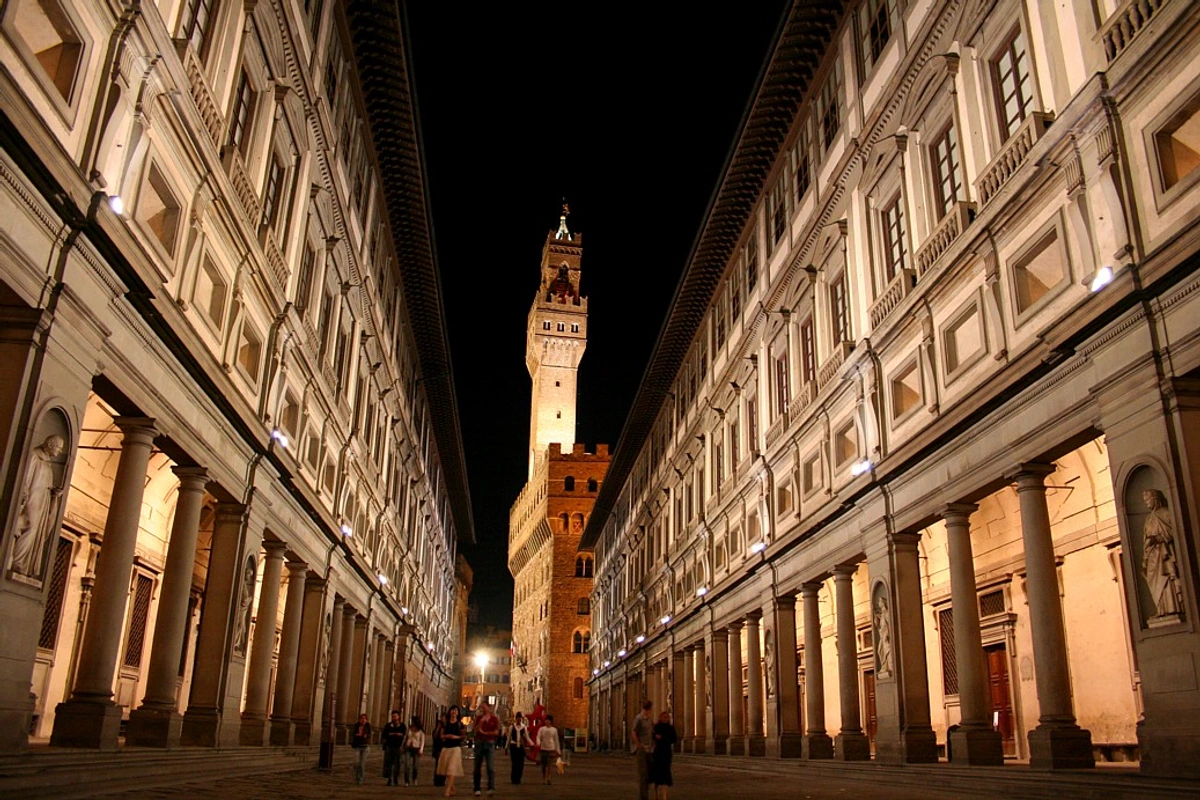
Want to see what a messy, evolving practice looks like in real-time? Browse my current collection here. Need more practical tips? The Den Bosch museum has resources on exhibitions and mentorships. Now go make something weird.


Artist Resources and Further Reading
To continue your artistic journey, here are some recommended resources:
- Books: "Art & Fear" by David Bayles and Ted Orland, "The Artist's Way" by Julia Cameron, "Steal Like an Artist" by Austin Kleon
- Online Communities: The Art Forum, WetCanvas, local artist collectives
- Tools and Materials: Jackson's Art Supplies, Blick Art Materials, local art supply stores
- Inspiration: Visit museums regularly, follow artists on social media, keep a sketchbook for daily observations
- Business: Professional Artist magazine, legal advice for artists, tax resources for creative professionals
Remember, the most important resource is your own curiosity and persistence. Keep creating, keep learning, and keep sharing your unique voice with the world.