The Ukiyo-e Technique: How Japanese Woodblock Prints Are Made
Ever wonder how 'The Great Wave' was made? A deep dive into the Ukiyo-e technique, from the tools and artists to its lasting impact on art history.

So, You Think You Know 'The Great Wave'? Let's Talk Ukiyo-e
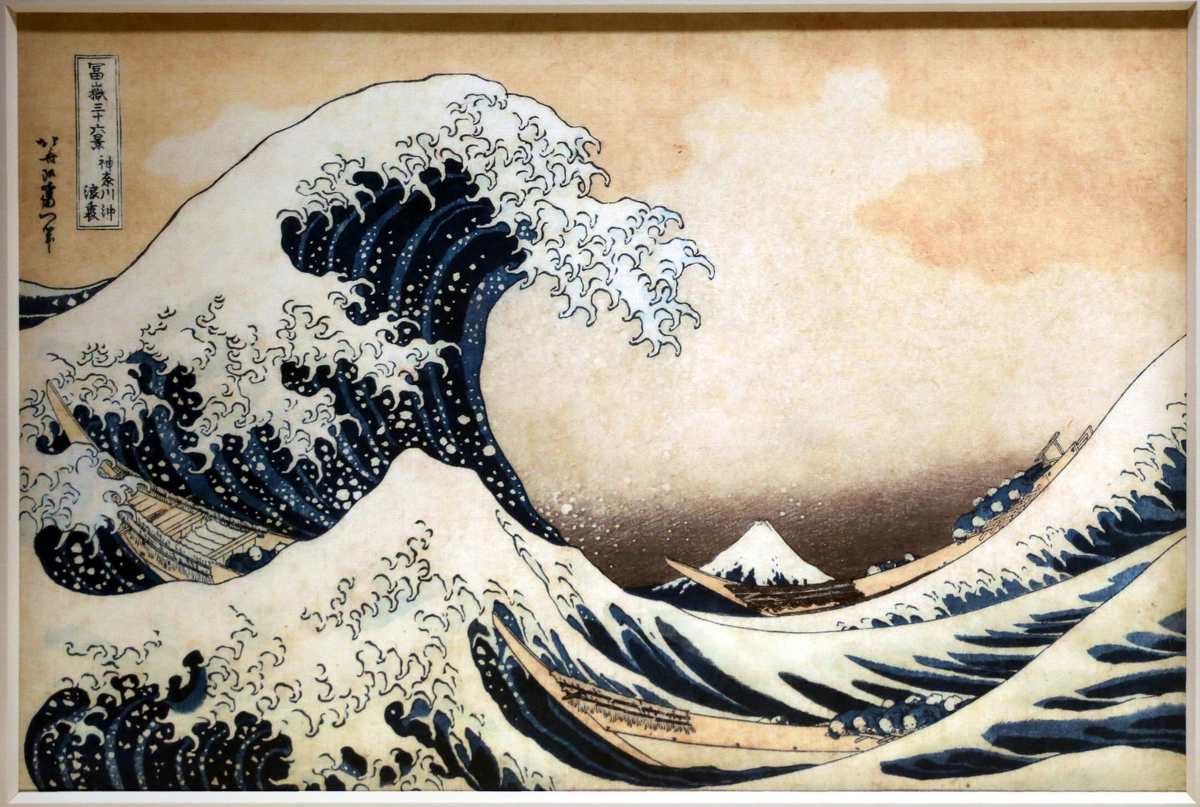
I bet you’ve seen it. Hokusai’s The Great Wave off Kanagawa. It’s on coffee mugs, t-shirts, probably even a shower curtain somewhere. It’s one of those pieces of art that has become so much a part of our visual wallpaper that we almost forget to see it. But have you ever stopped and really thought about how it was made? Not with a printer, not with a single stroke of a brush on canvas, but with multiple blocks of wood, meticulously carved by hand.
That process, that entire world of art, is called Ukiyo-e. And it's so much more than just one famous wave. It was the pop culture of its time, a collaborative dance between artists and craftsmen that captured the fleeting moments of life in Edo-period Japan. Let's peel back the layers, because understanding the how makes the what infinitely more beautiful. If you're really into Hokusai, I've got a whole piece on him you can check out later: The Ultimate Guide to Katsushika Hokusai.
What Does 'Ukiyo-e' Even Mean?
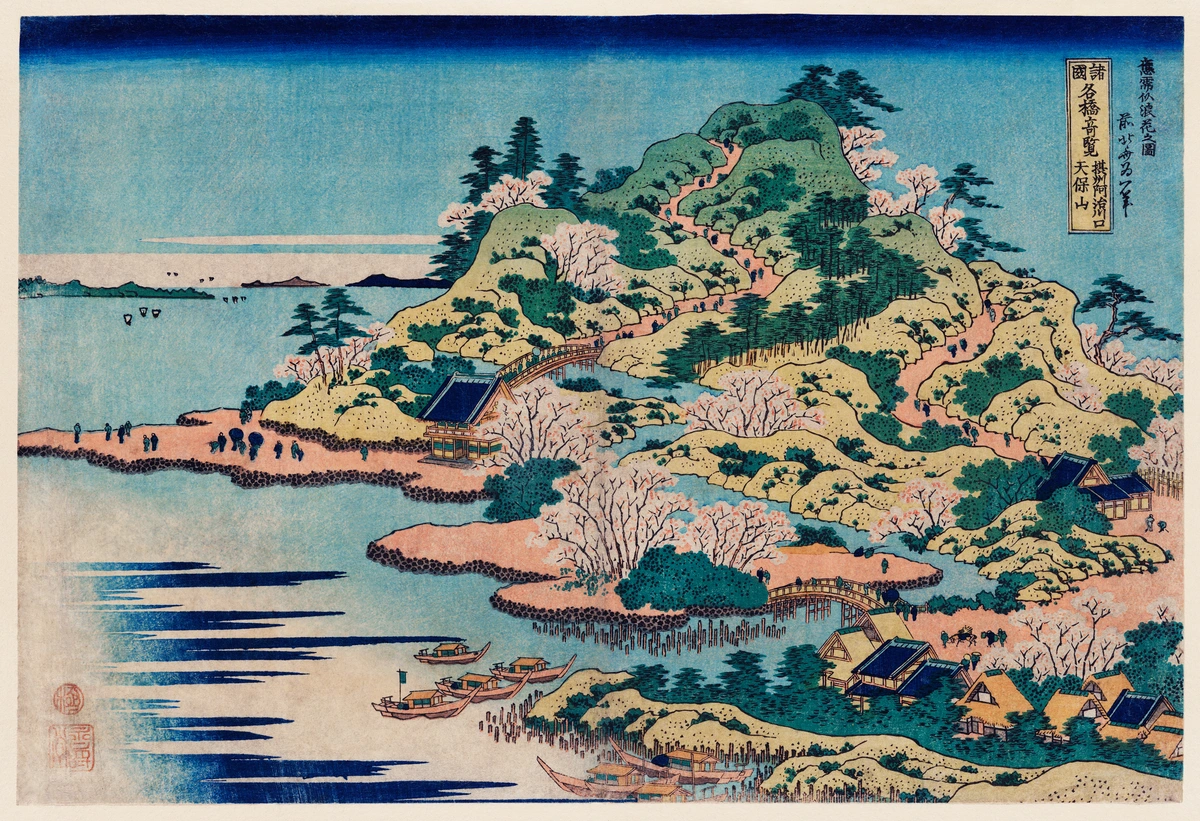
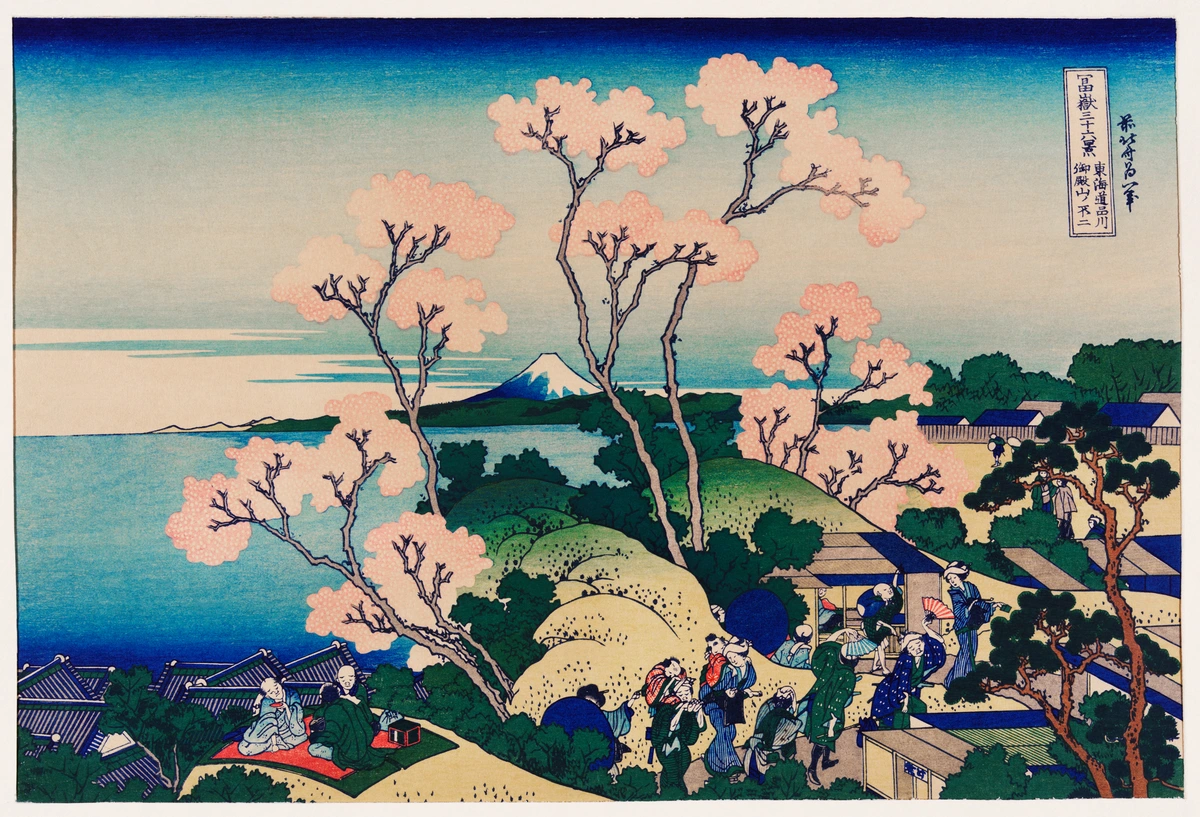
First things first. The name itself is a poem. Ukiyo-e (浮世絵) translates to "pictures of the floating world." This "floating world" wasn't some mystical place; it was the name for the urban lifestyle and entertainment districts of Edo (modern-day Tokyo). Think of it as the world of kabuki actors, beautiful courtesans, sumo wrestlers, and breathtaking landscapes—the vibrant, ever-changing culture of the newly wealthy merchant class.
The term "ukiyo" itself has an interesting evolution. Originally, it had Buddhist connotations, referring to the "sad world" of suffering and impermanence. But by the Edo period, it had been cleverly repurposed to mean the "floating world" of pleasure and transient beauty – a world that existed outside the constraints of traditional morality and social hierarchy.
These prints weren't high-brow art for the imperial court. They were posters, celebrity headshots, travel brochures, and illustrations for the common person. They were affordable, mass-produced, and utterly captivating. It was a revolution in art, making it accessible to almost everyone. A single print might cost about the same as a bowl of noodles – making art something ordinary people could actually own and enjoy.
The Making of a Masterpiece: Not a Solo Act
Here’s the part that really blows my mind. A Ukiyo-e print isn't the work of one person, but a team of highly skilled specialists. We in the West tend to romanticize the lone artist, suffering in their studio. Ukiyo-e flips that idea on its head. It was a collaboration, a well-oiled machine involving four key players.

The Ukiyo-e Quartet
Role  | Name | Job Description |
|---|---|---|
| The Publisher | Hanmoto | The producer and financier. They commissioned the work, owned the blocks, and sold the final prints. The big boss. |
| The Artist | Eshi | The visionary. They created the original design with ink on thin paper. This is your Hokusai or Hiroshige. |
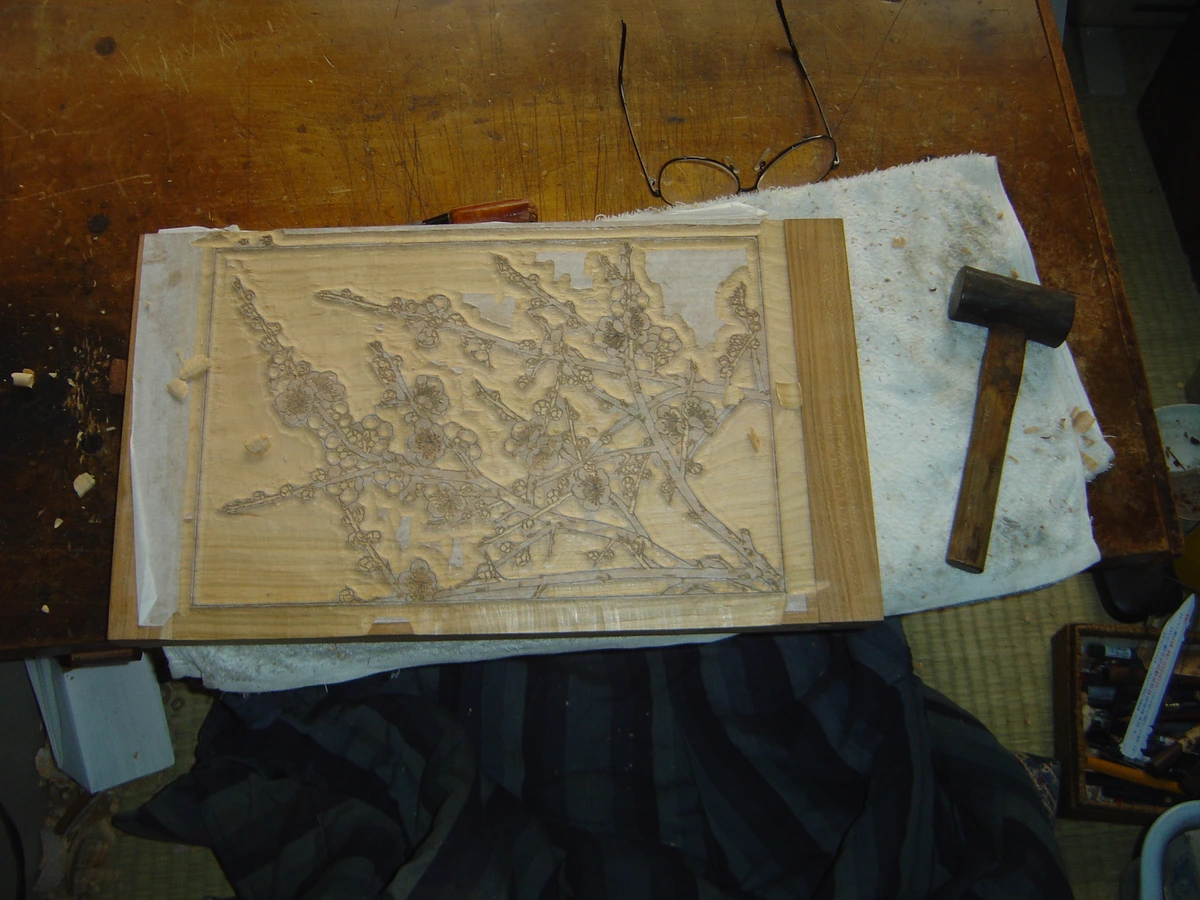
| The Carver | Horishi | The surgeon. They pasted the artist's design onto a woodblock and painstakingly carved away the wood, leaving only the lines. |
| The Printer | Surishi | The alchemist. They applied ink to the carved blocks and pressed the paper onto them, one color at a time, to create the final image. |
The Publisher: The Business Mind Behind the Art
The publisher (hanmoto) was arguably the most powerful figure in the Ukiyo-e ecosystem. They were essentially art entrepreneurs who:
- Commissioned works from artists, often with specific themes or subjects in mind
- Financed the entire process, paying for materials, carving, and printing
- Owned the woodblocks, which meant they could reprint editions years later
- Distributed the prints through shops, bookstores, and traveling merchants
- Managed marketing and promotion, sometimes even hiring promoters to spread word about popular artists
- Bore the financial risk – if a series didn't sell well, they could lose significant investment
Publishers like Utagawa Toyokuni and Tsutaya Jūzaburō became famous not just for their business acumen but for their ability to discover and nurture talented artists. They essentially ran what we might call "art studios" today, with multiple artists under their umbrella.
Thinking about this process always makes me reflect on my own timeline as an artist; every piece is a collection of moments and skills, though usually just my own!

The Step-by-Step Dance
- The Design (Hanshita-e): The artist paints the master design onto thin, translucent paper. Every detail is there, all in black ink outlines.
- The Key Block (Sumi-ita): The carver glues this master design face-down onto a block of cherry wood. Then, with almost superhuman precision, they carve away everything that isn't a line. This first block, the key block, is the skeleton of the entire image. The original drawing is destroyed in the process. No pressure, right?
- The Color Blocks (Iro-ita): The printer makes a number of black-and-white proofs from the key block. The artist then marks these up, indicating which areas get which color. The carver gets a new woodblock for every single color and carves away everything except the part that will be printed in that color. For a complex print like The Great Wave, this could mean seven or more different blocks.
- The Printing (Suri): This is where the magic happens. The printer applies ink to a color block. They then lay a sheet of damp paper onto the block, using registration marks called kento (見当) carved into the wood to make sure every color lines up perfectly. They rub the back of the paper with a tool called a baren to transfer the ink. Then they lift the paper, move to the next color block, and repeat the process. Over and over. One mistake, and the whole print is ruined.
Advanced Techniques: Beyond the Basics
The basic four-step process was just the beginning. Master Ukiyo-e craftsmen developed sophisticated techniques to create stunning effects:
- Bokashi (gradation): Creating smooth color transitions by applying varying amounts of water to the ink
- Kasuri (reserve): Carving away background areas to create white space without using white paint
- Urushi-e (lacquer): Adding hand-applied lacquer or mica for special effects and shine
- Gauffrage (embossing): pressing the paper to create raised textures
- Kento registration system: The ingenious L-shaped and straight registration marks that ensured perfect color alignment
These techniques allowed artists to create prints with incredible depth, texture, and luminosity that still amaze viewers today.
It's an astonishing display of craftsmanship. If you're new to the general concept, our Introduction to Woodblock Printing might be a good starting point.
The Ukiyo-e Toolkit
To pull this off, you need the right materials. There's no room for error, and the quality of the tools is paramount.
Material/Tool | Description |
|---|---|
| Woodblocks | Almost always Yamazakura (mountain cherry wood). It's hard, fine-grained, and holds detail well without warping. |
| Paper | High-quality, absorbent Japanese paper called Washi (和紙), typically made from the inner bark of the mulberry tree. |
| Carving Tools | A set of sharp knives (chōkoku-tō) and chisels for carving the lines and clearing away large areas of wood. |
| Baren (馬連) | The printer's key tool. A flat, circular pad made of layered paper, a bamboo-sheath covering, and a tightly coiled cord inside. Used to apply even pressure. |
| Inks | Water-based inks. Sumi (墨) ink for the black outlines and a range of pigments, originally derived from plants and minerals, for the colors. |
The Art of Paper: More Than Just Canvas
Washi paper wasn't just a medium – it was an integral part of the artistic process. Made from the inner bark of the kozo (mulberry) tree, washi had unique properties that made it perfect for woodblock printing:
- Absorbency: It could hold just the right amount of ink without bleeding
- Strength: Despite being thin, it was incredibly strong and could withstand repeated printing processes
- Texture: The natural fibers created subtle variations in ink application
- Flexibility: It could be dampened and pressed without tearing
The preparation of washi was an art form in itself. The bark had to be harvested at the right time of year, processed through multiple stages of cooking, beating, and cleaning, then pounded into pulp and formed into sheets. A single sheet might take days to prepare, but the quality of the final print depended entirely on it.
Its Lasting Ripple Effect
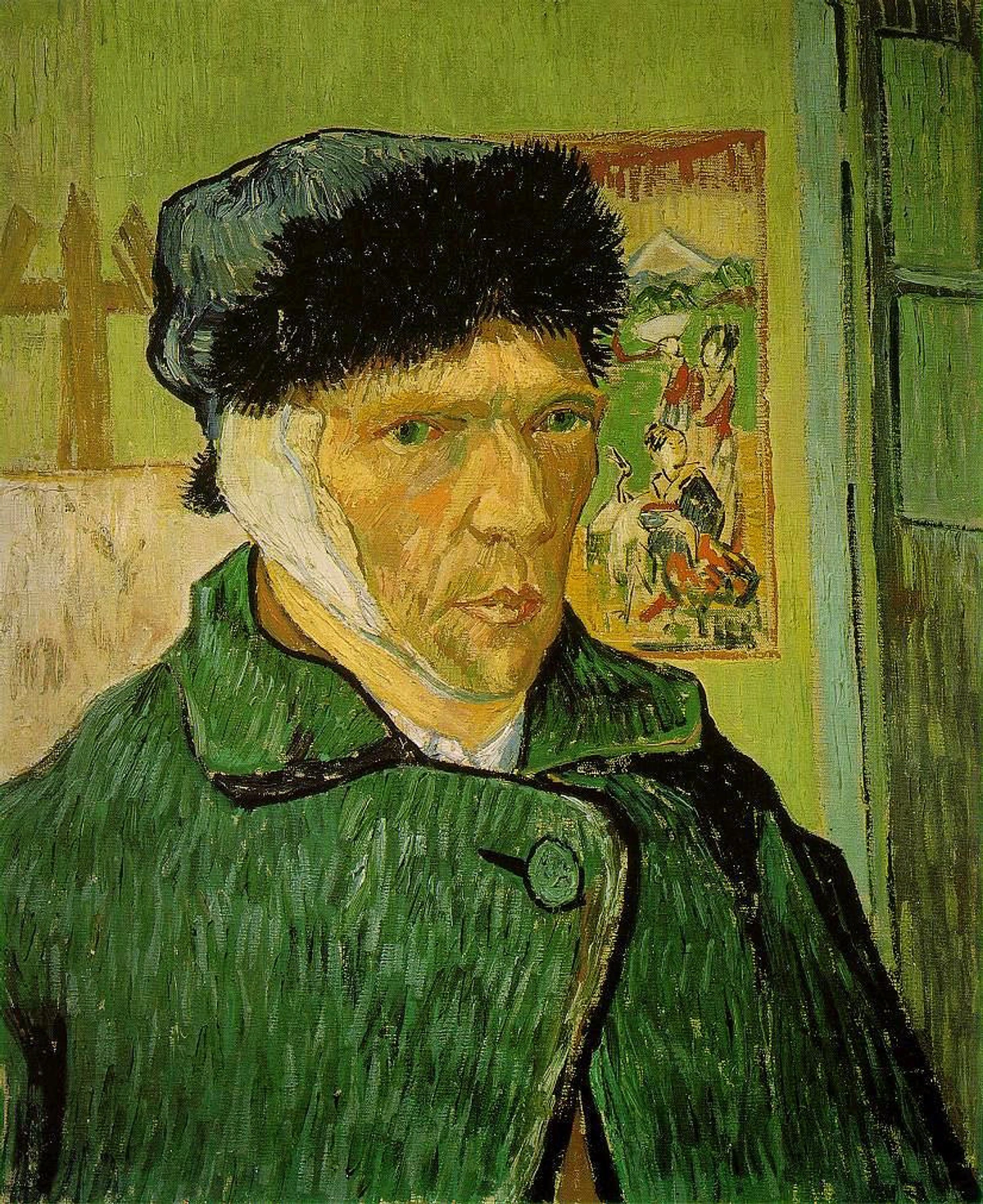
When Japan opened to the West in the mid-19th century, these Ukiyo-e prints flooded into Europe and America, often as packing material for other goods. Western artists were floored. The bold compositions, flat planes of color, and unusual perspectives were unlike anything they'd ever seen.
This craze, known as Japonisme, had a massive influence on Western art. Artists like Van Gogh, Monet, and Degas collected Ukiyo-e prints and borrowed heavily from their style. You can see it in their work—the cropped compositions, the focus on everyday life, the new way of seeing the world.
The enduring legacy of Ukiyo-e is undeniable. It's a direct ancestor of modern manga and anime, and its aesthetic continues to inspire artists and designers today. It's a beautiful reminder that sometimes the most impactful art comes not from a palace, but from the bustling streets of everyday life.
The Great Wave: From Commercial Print to Cultural Icon
The Great Wave off Kanagawa is the perfect example of how an Ukiyo-e print can transcend its origins. Originally created around 1830-1832 as part of Hokusai's series Thirty-six Views of Mount Fuji, it was meant to be a commercial success – something that would appeal to the tastes of Edo's merchant class.
But what made it special was its revolutionary composition. Hokusai broke all the traditional rules:
- Dynamic perspective from the viewer's point of view, as if you're actually on the boat
- Extreme scale – the wave dominates the frame while Mount Fuji appears tiny in the distance
- Movement and energy captured in a still medium
- Technical mastery of the woodblock process
The print was popular in Japan but didn't become internationally famous until it was "discovered" by the West in the 1870s. Since then, it has become perhaps the most reproduced image in art history, appearing everywhere from corporate logos to tattoos. What began as a commercial print for a specific audience has become a universal symbol of nature's power and beauty.



Frequently Asked Questions (FAQ)
How are Japanese woodblock prints made?
They are made through a collaborative four-step process: an artist designs the image, a carver creates a 'key block' for the outlines and separate blocks for each color, a printer applies ink to the blocks and presses them onto paper sequentially, and a publisher finances and distributes the work.
What is the most famous Ukiyo-e print?
Undoubtedly, Katsushika Hokusai's The Great Wave off Kanagawa, part of his series Thirty-six Views of Mount Fuji. Other extremely famous prints include Hiroshige's The Great Wave off Kanagawa (wait, no, that's Hokusai's!), his Sudden Shower over Shin-Ōhashi Bridge and Atake, and Utamaro's Three Beauties of the Present Day.
Who are the most famous Ukiyo-e artists?
Besides Hokusai, other masters include Utagawa Hiroshige, famous for his landscapes like The Fifty-three Stations of the Tōkaidō; Kitagawa Utamaro, known for his delicate portraits of beautiful women; and Tōshūsai Sharaku, who created striking and often unflattering portraits of kabuki actors. Other important artists include Katsukawa Shunshō (kabuki actor prints), Utagawa Kuniyoshi (warrior prints and humorous designs), and Andō Hiroshige (master landscape artist who was Hokusai's contemporary).
Is Ukiyo-e still practiced today?
Yes. While it's no longer a mainstream commercial art form, a number of dedicated artists and studios in Japan and around the world continue to create woodblock prints using the traditional Ukiyo-e techniques. Contemporary artists like David Bull (Canadian), Tadashi Takanashi (Japanese), and Reika Iwami (Japanese) are keeping the tradition alive while pushing it in new directions.
How can you tell if a Ukiyo-e print is an original?
The process is complex, but experts look at the paper's age and type, the sharpness of the lines (later printings from worn blocks are less crisp), the vibrancy of the colors (some pigments fade distinctively), and the presence of publisher's and censor's seals that can date the print. For modern prints, look for the artist's signature and edition numbering.
What were the typical subjects of Ukiyo-e prints?
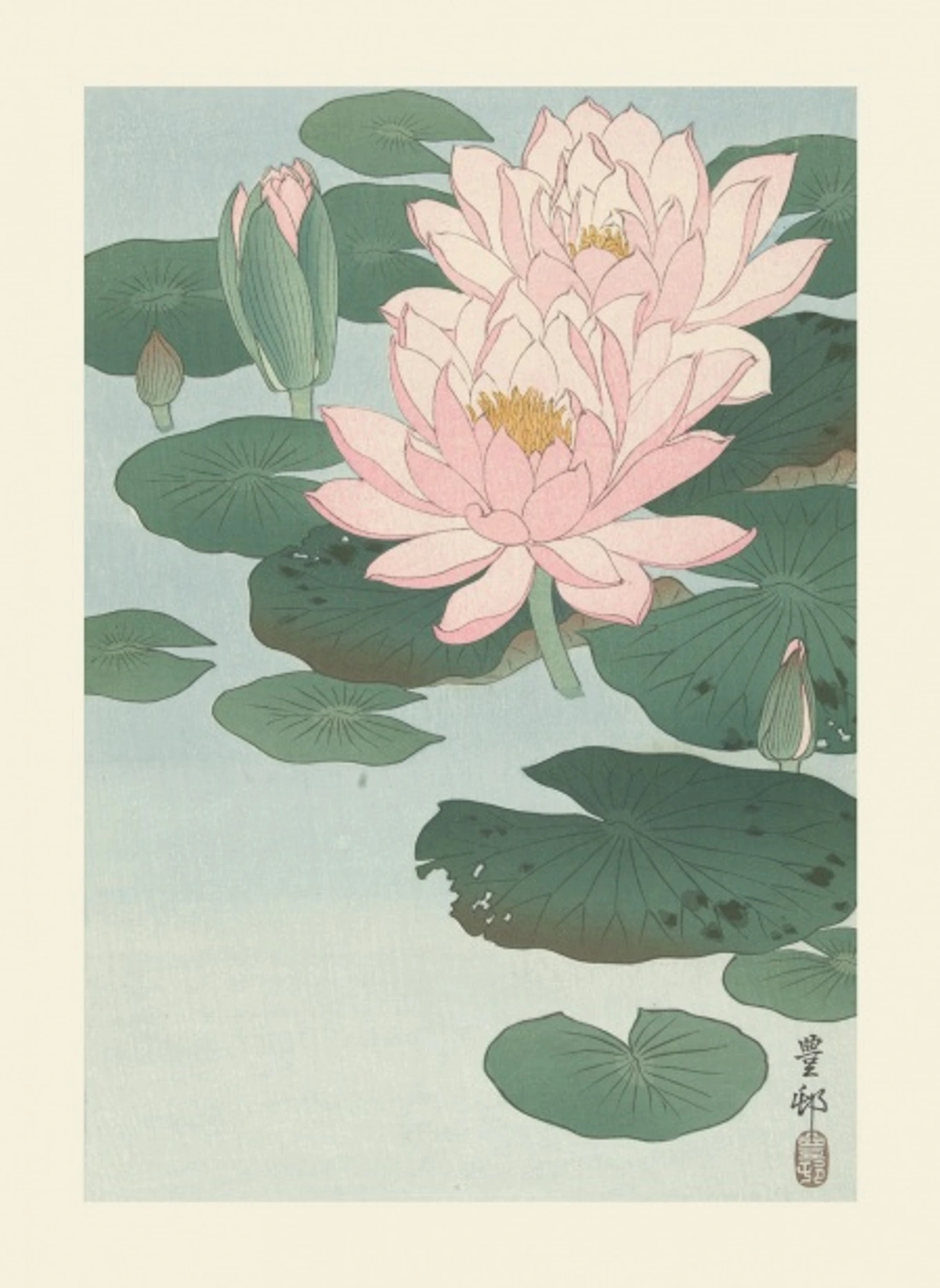
Ukiyo-e depicted the "floating world" in all its glory: beautiful courtesans (oiran), kabuki actors, landscapes (especially famous views and places), sumo wrestlers, beautiful women (bijin-ga), scenes from literature, nature studies (birds, flowers, insects), and later, Yokohama-e (prints showing foreign culture and scenes). Travel scenes were extremely popular, especially Hiroshige's series depicting famous routes.
How much did Ukiyo-e prints cost in the Edo period?
Prices varied widely depending on the artist, subject matter, and quality. A standard print by a popular artist might cost about 16-32 mon (the basic currency unit), roughly equivalent to the price of a bowl of noodles or a cup of sake. A deluxe edition with hand coloring or special effects could cost significantly more. This made art accessible to the merchant class and even some skilled artisans.
What's the difference between a woodblock print and other types of prints?
Unlike etchings or engravings which incise lines into a metal plate, woodblock printing uses relief printing where the carved areas remain raised. Also, woodblock prints are typically printed in multiple colors using separate blocks, while most Western prints were usually black and white or hand-colored. The Japanese process allowed for precise registration and consistent edition printing.
Are there female Ukiyo-e artists?
Yes! While the field was male-dominated, several talented female artists emerged. Katsukawa Shunchō was the first known female ukiyo-e artist. Utagawa Kunisada had female students including Utagawa Kuniyasu II and Utagawa Yoshitsuya. Perhaps the most famous was Kobayashi Kiyochika, who worked in both traditional ukiyo-e and Western-influenced styles.
How many Ukiyo-e prints were made during the Edo period?
It's impossible to know the exact number, but estimates suggest that tens of millions of prints were produced between the late 17th and mid-19th centuries. Some popular series sold tens of thousands of copies each. Given the ephemeral nature of paper and the many fires that ravaged Edo, only a tiny fraction of these prints survive today – perhaps 100,000 to 200,000 in total.
What techniques did Ukiyo-e artists use for special effects?
Artists developed ingenious techniques beyond basic printing:
- Bokashi (gradation): Creating smooth color transitions by varying ink dilution
- Kasuri (reserve): Carving away background areas for white space
- Urushi-e: Hand-applying lacquer or mica for shine and texture
- Gauffrage: Embossing paper with uninked blocks for raised effects
- Nori-e: Using glue to apply metallic pigments
How did Ukiyo-e influence modern manga and anime?
The connection is direct and profound. Early manga artists like Osamu Tezuka were influenced by Ukiyo-e's storytelling techniques, character design, and use of expressive lines. The "large eyes" style in anime can trace its roots to the exaggerated proportions in ukiyo-e portraits. Both traditions emphasize expressive character design, dynamic composition, and the telling of stories through sequential images.
So the next time you see The Great Wave, I hope you see more than just a beautiful image. I hope you see the artist's brush, the carver's knife, the printer's baren, and the bustling, floating world they all worked so hard to capture. It’s that depth of process and history that inspires me to sell my own art and share these stories. It's a testament to what hands and wood can create together.