
How to Actually Sell Your Art on Instagram: My Unfiltered Guide
Learn how I successfully sell my art on Instagram. This comprehensive guide covers branding, content strategy, engagement, and conversion tips for artists like you.

How to Actually Sell Your Art on Instagram: My Unfiltered Guide
I remember staring at my freshly painted canvases, feeling a rush of creative energy, followed almost immediately by a wave of anxiety. “Now what?” I’d ask myself. “How do I get these beautiful things out of my studio and into someone’s home?” For years, that gap between creating and selling felt like an insurmountable canyon. Then, Instagram entered the chat.
At first, I treated it like a digital art journal, a place to dump pretty pictures. And, well, it was mostly just that for a long time. Likes trickled in, a few encouraging comments, but actual sales? Barely a whisper. It wasn’t until I started treating Instagram not just as a portfolio, but as a living, breathing extension of my art business – and my artistic self – that things really began to shift. So, if you’re an artist looking to bridge that canyon, pull up a chair. I’m going to share everything I’ve learned, the good, the bad, and the slightly awkward.
It’s More Than Just Pretty Pictures: The Mindset Shift
I know what you’re thinking: “Just post my art, right?” Wrong. Or, at least, not entirely right. Instagram is a visual platform, yes, but it’s also a social platform. And that second part? That’s where the magic, and the sales, happen. It’s about building a connection, a community, a story around your work and, frankly, around you. People don’t just buy art; they buy into the artist, the journey, the emotion.
Think of your Instagram profile not as a static gallery wall, but as an ongoing conversation. Every post, every story, every comment is a chance to invite someone new into your world. That’s a big shift from just showing off your latest masterpiece, isn't it? It means being a little vulnerable, a little open, and a lot consistent.
Building Your Visual Identity: Your Digital Signature
Before anyone buys your art, they need to recognize it. They need to recognize you. This is where your visual brand comes in. And no, you don't need a fancy marketing degree for this; it’s about authenticity and consistency.
Consider your overall aesthetic. Are your photos well-lit? Do they have a consistent style? Do they showcase your unique artistic voice? For instance, I often find myself drawn to vibrant colors and abstract forms, and my feed reflects that. If you're struggling to define that, perhaps a deeper dive into developing-your-unique-artistic-style could spark some ideas.
My Quick Checklist for Visual Consistency:
- High-Quality Photography: This is non-negotiable. Poor photos make even the best art look… well, less than its best. If you're serious about selling, mastering this is key. I've found incredible value in guides like photographing-artwork-for-web-and-print to really nail those shots.
- Consistent Filters/Editing: Pick a style and stick with it. It makes your grid feel cohesive and professional.
- Clear and Clean Backgrounds: Let your art be the star. Clutter is the enemy.
- Show Art in Context: Don't just show a blank wall. Show your art in a home setting, on a curated gallery wall, or even mocked up in a digital frame. It helps people visualize it in their own space.
Content That Converts: Beyond the Static Post
Okay, so you’ve got your beautiful, consistent aesthetic down. Now, what do you actually post? This is where many artists get stuck, myself included. It’s tempting to just post finished pieces, but Instagram loves variety. And, more importantly, your potential collectors love seeing the story behind the art.
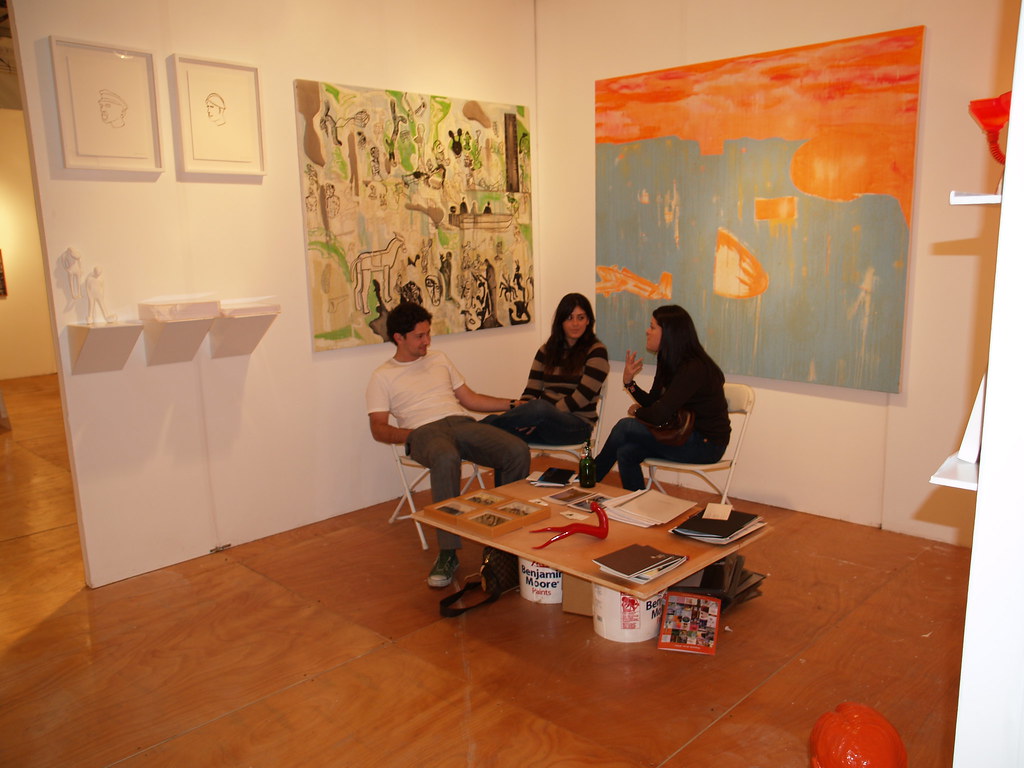
| Content Type | Why It Works | My Personal Take Three people sitting around a table in an art gallery, discussing art.
Types of Posts I Prioritize
- Finished Artwork: The obvious one. But don't just post one picture! Show different angles, close-ups, or even short video clips that pan across the texture. People love to zoom in and see the details, the brushstrokes, the subtle nuances that make your work unique.
- Process/Work-in-Progress (WIP): This is gold. People are fascinated by how art is made. Share a time-lapse of your painting evolving, a quick reel of you mixing colors, or a story showing your messy studio mid-creation. It builds anticipation and shows the effort, skill, and sometimes, the beautiful chaos behind the finished piece.
- Behind-the-Scenes (BTS): Who are you? Show your studio, your inspiration, your sketching notebook, your morning coffee ritual. These glimpses into your daily life create a personal connection. I mean, my entire
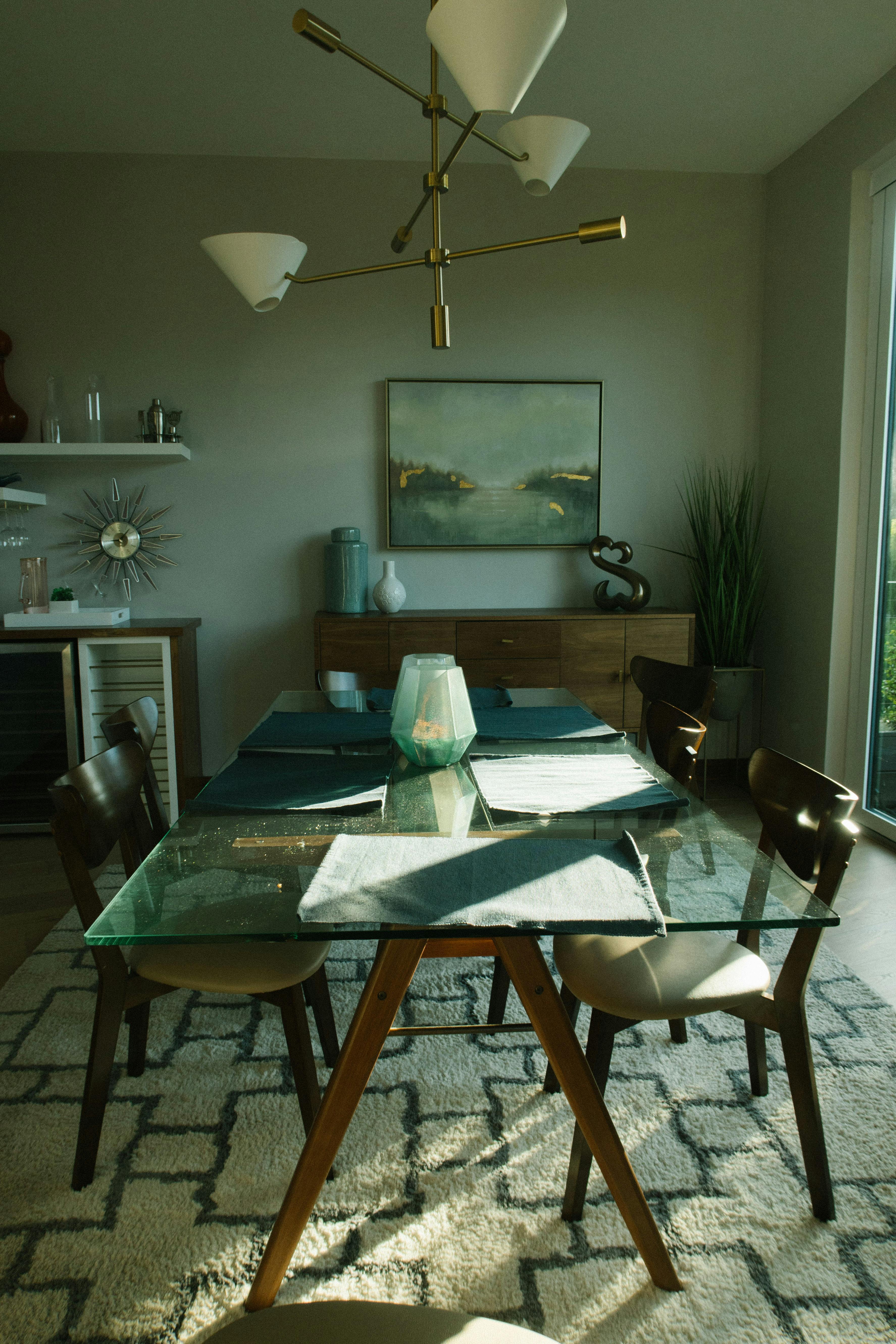
/timelineis basically one big BTS reel, isn’t it? It helps people understand the human behind the art. - Art in Situ: This goes back to putting your art in context. Use mock-ups or photos of your art hanging in real homes. For my abstract pieces, I find it incredibly helpful for potential buyers to see how a piece might look in a modern dining room. It helps them imagine it in their space.
- Reels and Stories: Don't ignore these! Reels are huge for discovery, thanks to the algorithm. Short, engaging videos of your process, a quick tour of your new piece, or even just you talking about your inspiration. Stories are for daily, informal updates – a quick question poll, a peek at a new color palette, or even just sharing a funny thought. They keep your audience engaged between main posts.
The Art of Connection: Engagement is Not a Dirty Word
I’m an artist, not a social butterfly, I hear you. (And trust me, I felt that way too). But on Instagram, engagement is your superpower. It’s how you build relationships, and relationships lead to sales. It’s not about being fake; it’s about being genuinely interested.

- Respond to Every Comment and DM: Seriously. This is non-negotiable. If someone takes the time to comment, respond thoughtfully. If they send a DM inquiring about a piece, respond promptly and professionally. This is your chance to turn an interest into a conversation, and a conversation into a client.
- Engage with Others: Don't just post and ghost. Spend some time each day commenting on other artists' work, on posts from interior designers, or even on accounts that inspire you. Be genuine, offer real compliments or insights. It's a fantastic way to get your name out there and discover new connections.
- Go Live (Sometimes): Terrifying, I know! But a quick live session showing your studio, answering questions, or even just painting for a few minutes can be incredibly powerful. It humanizes you and creates a sense of immediacy.
From Scrolls to Sales: The Nitty-Gritty of Converting Interest
This is the part everyone really wants to know, right? How do you actually get someone to hit that buy button? It's not always direct, but it is strategic.

Clear Calls to Action (CTAs)
Every post that features a piece of art for sale (or even just available for inquiry) needs a clear CTA. Don’t assume people know what to do. Tell them!
- “DM me for details/pricing.”
- “Link in bio to shop this piece!”
- “Available now on my website.”
- “Visit my profile for direct access to my latest works.”
Your Link in Bio: A Precious Real Estate
Instagram only gives you one clickable link in your profile bio. Use it wisely. I personally link directly to my buy page, making it super easy for people to explore my collection and hopefully, make a purchase. You can also use services like Linktree if you have multiple destinations (e.g., website, newsletter signup, other platforms), but keep it streamlined for art sales.
Pricing and Transparency
This is a thorny one. Some artists prefer to keep prices private and ask for DMs. I understand the reasoning, but I lean towards transparency where possible. Clearly state if a piece is available, sold, or NFS (not for sale). If you’re comfortable, stating the price directly in the caption or creating a highlight reel with available works and their prices can significantly reduce friction for buyers. Remember, how to buy art can be intimidating for new collectors, and transparency helps.
Direct Messages (DMs) as Your Private Gallery
When someone DMs you with interest, treat it like a mini-gallery visit. Be polite, answer all their questions thoroughly, and don’t be afraid to share more details – dimensions, framing options, shipping costs, or even a story behind the piece. This is where you build trust and close the sale.
Hashtags & Discovery: Your Digital Compass
Hashtags are how new people find you on Instagram. Think of them as tiny, highly specific signposts in the vast digital desert. But don't just throw random words at the wall.
- Research Relevant Hashtags: Don’t just use #art. That’s too broad. Think: #abstractart #contemporarypainting #colorfulart #artforsale #originalart #walldecor #fineart (and many more specific to your style, medium, and subject matter). Look at what successful artists in your niche are using. Check out articles on
navigating-online-art-marketplaces-etsy-vs-saatchiwhich often touch on keyword strategies, highly relevant for hashtags too. - Mix Broad and Niche: Use a combination of highly popular (but still relevant) hashtags and more niche, specific ones. The niche ones might have fewer people searching, but those people are often highly targeted and more likely to buy.
- Use All 30 (But Don’t Spam): Instagram allows up to 30 hashtags per post. Use them! Put them in your first comment, not your caption, to keep your caption clean. I keep a running list on my phone of different hashtag sets for various types of posts.
My Analytics Obsession (and how to avoid it)
Instagram provides basic analytics for business accounts. You can see things like reach, impressions, profile visits, and where your audience comes from. While it’s tempting to obsess over numbers, I try to use them as a guide, not a dictator.
- What to Look For: Which posts get the most saves? Which ones drive profile visits? Which ones get comments? This tells you what resonates with your audience. More saves often mean people are bookmarking your art, which is a strong signal of interest.
- Don't Compare: Seriously, stop. It's the thief of joy, and it's especially rampant on social media. Focus on your own growth, your own journey, and your own timeline as an artist. My artistic journey, like yours, has been filled with unique challenges and triumphs, and comparing it to others is just unproductive.
Common Traps I Fell Into (and you don't have to)
Oh, the mistakes I’ve made! Here are a few to help you bypass some of my bumps in the road:

- Inconsistency: Posting once a month and expecting consistent sales? Not gonna happen. The algorithm (and your audience) rewards consistency. It doesn't have to be daily, but find a rhythm you can stick to.
- Being a Ghost: Not engaging with other accounts or responding to comments. You’ll be ignored if you ignore everyone else. It’s a two-way street.
- Only Selling: If every post is “BUY MY ART NOW!”, people will tune out. Mix in process, inspiration, personality. People want to connect before they commit.
- Ignoring Stories and Reels: I was late to the party on Reels, and I regret it. They are powerful discovery tools. Don't be like past me!
- Buying Followers: Just don’t. They’re fake, they don’t engage, and they mess up your analytics, making it harder to reach real people. It’s a vanity metric that actively harms your growth.
Frequently Asked Questions (FAQ)
How often should I post my art on Instagram?
I aim for 3-5 times a week for main feed posts, and several stories daily. Consistency is more important than frequency, so find a rhythm you can realistically maintain. The goal isn't to flood feeds, but to stay present and relevant.
Do I need a professional photographer to photograph my art?
While professional photos are ideal, you can absolutely get high-quality shots yourself with good natural light and a decent smartphone camera. Check out articles like how to photograph artwork for online sales for practical tips. It's about skill, not necessarily expensive equipment.





Should I price my art in my captions or ask people to DM?
I personally prefer transparency and often include pricing in captions or direct people to my website where prices are listed. It makes the buying process smoother. However, if you have highly variable pricing or custom commissions, a