
Art Auctions Demystified: The Ultimate Guide From Gavel to Glamour
Ever wondered how art auctions really work? Dive deep into the mechanics, from consignment and rigorous authentication to the psychology of bidding and understanding every hidden cost. Your complete guide to confidently navigating the high-stakes art market.

Art Auctions Demystified: The Ultimate Guide From Gavel to Glamour
The first time I walked into an auction preview, I felt like I'd stumbled into a secret society meeting. Everything was hushed, impeccably lit, and the art on the walls seemed to vibrate with a quiet, expensive energy. People spoke in low tones, using words like "provenance" and "lot number" as if they were ordering coffee. I was convinced I was going to accidentally scratch my nose and end up buying a multi-million dollar sculpture. We've all been there, right?
Spoiler alert: I didn't. But it took me a while to realize that behind all that mystique, an art auction is just a marketplace. A very specific, high-stakes, and sometimes ridiculously dramatic marketplace, but a marketplace nonetheless. Ever wondered how those hushed rooms, packed with art lovers, actually lead to a hammer fall? This isn't just about how to behave; we're diving deep into the mechanics of how art auctions really work, from securing a masterpiece to understanding every whispered term and every definitive gavel strike. By the time we're done, you'll understand the entire machine, empowering you to navigate this fascinating corner of the art world with confidence. That initial sense of a "secret society" will melt away, replaced by a clear understanding of its elegant, yet sometimes cutthroat, dance.

From Seller to Auction House: The Consignment Process
An artwork doesn't just magically appear on an auction block. It takes a long journey to get there, a sophisticated dance involving two key parties: the seller (or consignor) and the auction house. Think of it as preparing a prized exhibit for its grand debut, a process often chosen for its unparalleled reach and expert validation compared to private sales or gallery placements.

The Seller's Side: Trusting Your Art to the Market
Imagine you inherited a painting from your great-aunt, and it’s been hanging above the fireplace for decades. You suspect it might be valuable. What's your next move, beyond a frantic Google search? For many, the auction house is the answer, offering a unique blend of expertise, marketing, and the thrill of competitive bidding to maximize value.
- Consignment & Expert Evaluation: You approach an auction house. Their specialists—these are seasoned experts in fields like Contemporary Art, Old Masters, Impressionist, Modern, or Asian art—will meticulously evaluate your piece. They look at everything from the artist's current market demand (driven by recent sales, critical acclaim, and exhibition history) and any existing gallery representation (which speaks volumes about an artist's established value), to the medium (the materials used, like oil on canvas or bronze sculpture) and even the size of the work. If they believe there's a market, they'll offer you a consignment agreement, outlining their fees and responsibilities. While your art is with them, it will be insured, protecting against any unforeseen mishaps.
- Valuation and Estimate: This is where the real expertise shines. The specialist will deep-dive into the artist, the work's history (its provenance—the documented chain of ownership, exhibition, and publication), its physical condition, and recent sales of similar pieces. I remember hearing a story about a painting that doubled in value after a single, newly discovered exhibition record. Provenance isn't just a fancy word; it's often the backbone of an artwork's market worth. They'll give you a pre-sale estimate—a price range they expect it to sell for (e.g., $10,000 - $15,000). Getting this right is a delicate art, which is why a professional art appraisal is so crucial. Part of this process often involves a pre-sale exhibition, where the artwork is displayed publicly to build anticipation and allow potential buyers to inspect it.
- The Reserve Price: Your Safety Net: This is your safety net. The reserve price is a confidential minimum price that you and the auction house agree upon. If the bidding doesn't reach this price, the artwork won't be sold. It's usually set at or below the low estimate. Think of the estimate as a forecast, and the reserve as the seller's absolute bottom line. If a lot fails to reach its reserve, it is bought-in, meaning it remains unsold—sometimes because the seller's expectations were simply too high for the current market.
- Rigorous Authentication & Forgery Prevention: Especially for high-value or historically significant pieces, the auction house will undertake rigorous authentication processes. This can involve expert opinions from established scholars and artists' foundations, scientific analysis (like X-ray fluorescence, infrared reflectography, or even dendrochronology for older wood panel works), and meticulously reviewing the provenance to confirm the artwork is genuine. It's a critical step in building buyer confidence, especially in an age where issues like those covered in
[a-collectors-guide-to-identifying-and-avoiding-art-forgeries-in-the-abstract-market](/finder/page/a-collectors-guide-to-identifying-and-avoiding-art-forgeries-in-the-abstract-market)are more pressing than ever. Auction houses invest heavily in this to protect their reputation and the integrity of the market. - The Catalogue & Marketing Reach: Once everything is settled, your painting gets its moment in the spotlight. It's professionally photographed and included in a beautifully printed (and digital) auction catalogue, complete with a detailed description and the estimate. This is the primary marketing tool, disseminated to an extensive global network of collectors, institutions, and dealers – a reach often far beyond what an individual seller or even a gallery could achieve.
Buyer's Preparation: Research, Due Diligence, and Strategy
Now, let's flip the script. You're a collector, and you've spotted that painting in the catalogue. While the seller entrusts their art to the auction house, the buyer's journey involves meticulous preparation and a keen understanding of the market. Your path to potentially acquiring it is just as meticulous as the seller's, perhaps even more so, especially since ownership often transfers the moment the gavel falls, regardless of payment status. It's about being informed, not just impulsive.
Doing Your Homework: Beyond the Glamour
- The Preview Exhibition: See it in the Flesh: Before any auction, the items for sale (called lots) are put on public display. This is your chance to see the work in person. I can't stress this enough: a JPEG on a screen can never convey the true texture, scale, or color of a piece. I once saw an online painting I adored, only to find in person its texture was completely different—subtle craquelure, a minor restoration that glowed under a certain light, or an impasto that felt entirely different to what I imagined. Always see the art if you can; minor condition issues become far more apparent up close. It's also an opportunity to gauge the buzz around a piece – is it crowded? Are people talking about it?
- The Condition Report: Uncovering the Art's Biography: Art, like people, has a history. You absolutely must request a condition report, which is a detailed document outlining any damage, restoration, or imperfections. These reports are typically prepared by conservation specialists or the auction house's own experts. For example, it might list: "small area of paint loss in the lower right corner, approximately 0.5cm x 0.5cm, with associated faint craquelure" or "recent professional restoration to a tear in the canvas on the reverse, expertly inpainted." Remember, minor imperfections are common in older works and not always deal-breakers, but significant damage or extensive restoration can heavily impact value. This is a vital piece of due diligence, and sometimes consulting an independent conservator is a wise investment.
- Market Research: Understanding the Ecosystem: You’ll want to research the artist's market, looking at auction house archives, art market reports, and art news. Are their prices rising, falling, or stable? Understanding the artist's market cycle is crucial. What have similar works sold for historically? Auction results for similar works are the most reliable indicator of current market value. Sometimes consulting an independent art advisor or dealer can provide invaluable insights. This isn't just about being a passionate buyer; it's about being an informed and responsible one, touching on the ethical considerations of collecting, often enhanced by understanding its provenance. Galleries often work alongside the auction market, sometimes acquiring works that didn't meet reserve or consigning pieces for artists they represent, making the market a dynamic, interconnected ecosystem.

Preparing to Bid: Your Strategy Before the Gavel
- Registration: Getting Your Paddle: To actually bid, you need to register with the auction house. They'll ask for identification and often a financial reference, especially for higher value lots. In return, you get your weapon of choice: a bidding paddle, a telephone line to a representative, or access to their online platform. You might even receive a specific paddle number that identifies you during the live auction, maintaining your anonymity while facilitating efficient bidding.
- Setting a Budget: The True Cost: It sounds obvious, but so many people get swept up. Factor in all the costs, not just what you're willing to bid. We'll get to those extra costs in a moment, but trust me, they add up. Knowing your absolute maximum beforehand is key to avoiding overspending. This is your personal condition check on your finances! I remember once getting caught up in a bidding war, momentarily forgetting the buyer's premium. That extra 25% came as a rather rude awakening, making the win feel a little less sweet.
The Main Event: The Auction Itself
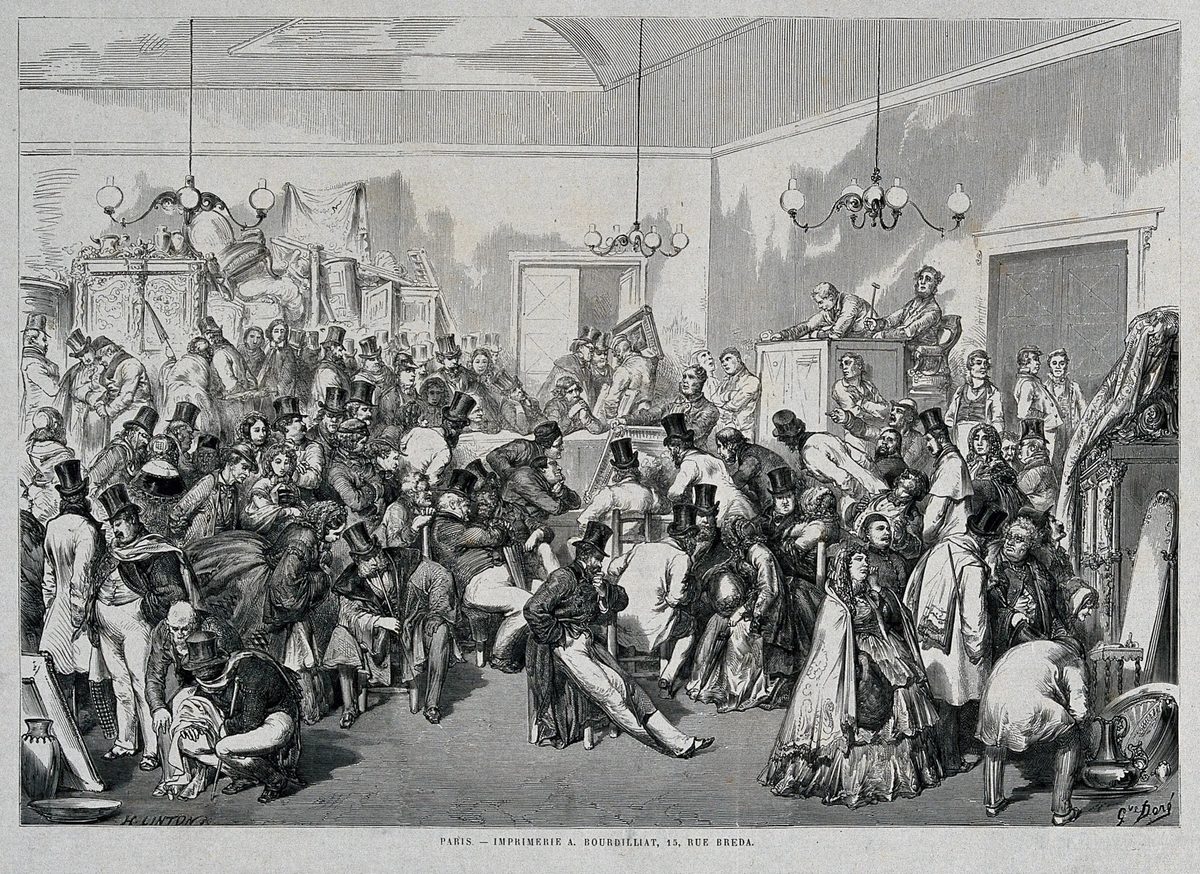
This is the part everyone sees in movies. The fast-talking auctioneer, the tense room, the dramatic bang of the gavel. It's a highly choreographed performance, often driven by strategy, psychology, and sometimes, pure adrenaline. The air crackles with anticipation, a blend of serious investment and high-stakes theater. It's where the "secret society" finally reveals its dynamic heart.
Types of Art Auctions: A Spectrum of Collections
While the core mechanics are similar, auctions can vary significantly in focus and clientele, reflecting the diverse landscape of the art market. Understanding these differences can help you target your interests more effectively:
- Fine Art Auctions: These are the grand spectacles, focusing on paintings, sculptures, and drawings by established artists, often fetching prices from the high thousands to multi-millions. They cater to high-net-worth collectors, institutions, and major private buyers. This is where you'll find the big names and record-breaking sales.
- Decorative Arts Auctions: Including furniture, ceramics, jewelry, and other collectibles. These tend to have a broader appeal and can offer entry points for new collectors, with prices ranging from hundreds to tens of thousands. They encompass a vast array of historical and contemporary objects that blend utility with aesthetic appeal.
- Specialist Auctions: Focused on niche categories like photography, prints, tribal art, watches, books, or even specific historical periods or genres. Each type might attract a slightly different audience and bidding dynamic. While the art world has dabbled with things like NFTs and blockchain in certain contemporary sales, traditional fine art auctions generally maintain their established physical and digital platforms, viewing any new, unproven technologies with a healthy dose of skepticism.
The Auctioneer: Conductor of the Chaos

The auctioneer is the conductor of this orchestra. They'll introduce each lot, announce the starting bid, and orchestrate the bidding in set increments (e.g., from $1,000 to $1,200, then $1,500). Their job isn't just to call out numbers; it's to build momentum, energy, and create a sense of urgency in the room. They're masters of reading body language, knowing when to push and when to pause. They also decide the order of lots, often mixing high-value pieces with lower-value ones to maintain interest and energy throughout the sale. Beyond their showmanship, auctioneers also have legal responsibilities to ensure the auction is conducted fairly and transparently, adhering to all terms and conditions. The "day of sale" specialists, working closely with the auctioneer, are often managing phone bidders and absentee bids, acting as crucial intermediaries in the fast-paced environment.
The Art of the Bid Increment & Bidding Psychology
Bid increments are the predetermined amounts by which the price rises during an auction (e.g., $1,000, $2,000, $5,000). They are strategically designed not just to escalate prices, but also to create psychological pressure. Smaller increments early on might draw more bidders, while larger increments later in the process can thin out competition quickly, prompting bidders to make faster, higher decisions. It's a subtle game of financial chicken, often influenced by powerful psychological biases. For instance, anchoring bias means bidders are often influenced by the initial estimate, even if the market shifts. Scarcity bias kicks in as a lot approaches its sale, increasing perceived value. And then there's herd mentality, where seeing others bid can create a desire to participate, even if it pushes beyond rational limits. Knowing this can help you stay disciplined.

Ways to Bid: Your Options on Auction Day
Once the auctioneer has set the stage and the bids begin to flow, how do you actually participate? There are several ways to throw your hat—or rather, your paddle—into the ring:
- In the Room: The classic, most thrilling way. You catch the auctioneer's eye and raise your paddle. It offers direct engagement, a palpable atmosphere, but requires your physical presence. The emotion of the room can be infectious, leading some to bid higher than planned. It's where the drama truly unfolds.
- By Phone: An auction house representative will call you a few lots before yours comes up. They'll be in the room, on the phone with you, and will bid on your behalf according to your instructions. Convenient, allows for real-time decision making, but you miss some of the live atmosphere and the ability to gauge other bidders' reactions directly.
- Absentee Bid (or Commission Bid): This is your absentee bid. You tell the auction house your maximum bid in advance. They will then bid for you, as low as possible, up to your limit, only executing a higher bid if necessary to secure the lot below your maximum. It's discreet and efficient if you can't be present, allowing you to participate without the real-time pressure.
- Online: Most major auctions are now streamed online, allowing you to bid in real-time from your couch. It's incredibly convenient and accessible, functioning more like a timed digital marketplace with a wider geographic reach for both buyers and sellers. However, I find it often lacks the visceral thrill and psychological nuance of the room.
Bidding starts, and the auctioneer calls out rising prices. Bids fly in from the floor, the phone bank, and the internet. Sometimes, an auction house might even place a guaranteed bid on a lot, either directly or through a third party. This ensures a minimum price for the seller and influences bidding dynamics. The guarantor (who could be the auction house itself or a savvy investor) commits to buying the lot if public bidding doesn't reach their guaranteed amount. This can de-risk the sale for the consignor but means the guarantor takes on the financial exposure. When the pace slows, the auctioneer will say something like, "Fair warning..." or "Last call..." before the final, dramatic call. Then, the gavel falls. And in that instant, with the resonant thud of wood on wood, the fate of the artwork is sealed, and the price becomes official. "Sold! For $50,000 to paddle number 234."
It's Not Over Yet: After the Hammer
You won! That exhilarating moment when the gavel falls can be quickly followed by a dose of reality. The price the auctioneer announced isn't what you'll actually pay. This is where the numbers get a bit more complicated, and understanding them is crucial for your budget. The art market, like any market, has its cycles and occasional "bubbles." While it's generally a long-term investment, being aware of broader trends (boom-and-bust cycles) helps contextualize auction prices. A painting might sell for double its estimate in a bull market, or struggle to meet its reserve in a downturn.

Understanding the True Cost: Beyond the Gavel
Let's break down the total cost of your acquisition, because it's rarely just the hammer price:
- The Hammer Price: This is the winning bid amount when the gavel falls (e.g., $50,000 in our example). It's the raw price before any additional fees or taxes are added.
- The Buyer's Premium: This is a percentage of the hammer price that the buyer pays to the auction house. It's their fee for services, and it’s how they make a substantial portion of their revenue, in addition to seller commissions and sometimes private sales. Buyer's premiums typically range from 15% to 30% or more, often on a sliding scale where the percentage decreases for higher hammer prices. For example, many auction houses use a tiered structure: 25% on the first $100,000 of the hammer price, and 20% on any amount above that. So, on a $50,000 hammer price, you'd typically calculate it like this:
- Hammer Price: $50,000
- Buyer's Premium (e.g., 25% of $50,000): $12,500
- Subtotal: $62,500 Always check the specific terms of the auction house—it's usually prominently displayed in the catalogue or on their website. It’s their elegant way of saying, "Thanks for playing, here’s your invoice!" so make sure it's factored into your maximum bid!
- The Seller's Commission: The seller also pays a commission to the auction house, which is deducted from the hammer price. This is their equivalent fee, making the auction house a mediator that earns from both sides.
- Taxes and Fees: Depending on where the auction is held and where the art is shipped, there may be sales tax, VAT, or other resale royalties. For international sales, the buyer is also responsible for all customs duties, import taxes, and arranging often complex shipping. These costs can be substantial and time-consuming. Shipping and insurance costs are also usually borne by the buyer.
So, your $50,000 painting might actually cost you closer to $62,500 after a 25% buyer's premium, plus any applicable taxes and shipping. While ownership transfers at the hammer's fall, full payment is typically expected within a specified period, usually 7-10 days. Remember, risk transfer typically occurs at the fall of the hammer; meaning ownership and responsibility for the artwork (including arranging insurance) immediately transfers to you, the buyer, even if you haven't fully paid or taken possession. It's a crucial detail to factor into your budget and logistics.
A Quick Glossary of Auction Terms
Navigating the auction world is infinitely easier when you speak the language. Here's a quick reference table to demystify those insider terms and give you a leg up, perhaps even making you sound like a seasoned collector at your next preview. I wish I had this when I first started out!
Term  | What It Really Means |
|---|---|
| Lot | A single item or group of items being sold as one unit. |
| Hammer Price | The winning bid amount. The raw price before any fees are added. |
| Buyer's Premium | The auction house's commission, paid by the buyer on top of the hammer price. |
| Pre-Sale Estimate | The price range the auction house expects the lot to sell for, based on expert valuation. |
| Reserve Price | The secret minimum price the seller will accept. The artwork won't sell below this. |
| Provenance | The documented history of ownership for a piece of art. Crucial for authenticity and value. |
| Bought-In | If a lot fails to reach its reserve price, it is "bought-in," meaning it remains unsold. |
| Consignor | The person or entity who is selling the artwork through the auction house. |
| Consignment Agreement | The contract between a seller and the auction house outlining terms, fees, and responsibilities. |
| Appraisal | A formal, expert assessment of an artwork's monetary value, often for insurance, estate planning, or sale purposes. |
| Sleeper Lot | An artwork that sells for significantly more than its pre-sale estimate, often due to unexpected bidding competition or an undervaluation. |
| Guaranteed Bid | A minimum price for an artwork guaranteed to the seller by the auction house or a third party, regardless of actual bidding. |
| Paddle Number | The unique identification number assigned to a registered bidder for anonymity and tracking. |
| Condition Report | A detailed document from the auction house outlining any damage, restoration, or imperfections of an artwork. |
| Absentee Bid | A maximum bid left with the auction house by a bidder who cannot attend the live auction. |
| Market Demand | The current level of interest and purchasing power for an artist's work, influencing their value. |








FAQ: Your Auction Questions Answered
Let's tackle some common questions I hear all the time. After all, learning is about asking! These are the questions that often crop up when someone is trying to crack the code of the auction world and move beyond that initial "secret society" feeling.
What is a buyer's premium and how is it calculated?
It's the fee the auction house charges the winning bidder. It's calculated as a percentage of the hammer price and is added to the final invoice. Always check the auction house's terms to know the exact percentage before you bid; it can significantly increase the total cost of your acquisition, sometimes by as much as 30%! For example, on a $10,000 hammer price with a 25% premium, you'd pay an additional $2,500.
Can anyone attend an art auction, or do I need an invitation?
Yes, almost always! Previews are open to the public and free to attend, offering a fantastic, no-commitment way to explore the art and soak up the atmosphere. To bid, you'll need to register, often providing identification and a financial reference, especially for high-value lots. But simply watching the action unfold from the back of the room? Absolutely encouraged. It's a free education.
What happens if an artwork doesn't sell?
If bidding doesn't meet the confidential reserve price, the auctioneer will "pass" on the lot, and it is considered "bought-in" or unsold. The artwork is then returned to the seller (the consignor). This often happens if the seller's expectations for the price were too high compared to the market's interest, or if there wasn't enough competition. Sometimes, it might be re-offered in a later sale with a revised estimate and reserve.
Is the estimate the same as the final price?
No. The pre-sale estimate is just a guideline, an educated guess of what the piece might sell for. It's the auction house's best prediction of market value. The final hammer price can be below, within, or (excitingly, for the seller) far above the estimate. The reserve price is the only thing that sets a hard floor for the sale, but it's confidential.
How are online-only auctions different from live ones?
Online-only auctions work similarly but happen over a longer, set period, usually a week or two. You place your bids on a website, and you can see the current high bid. It's more like an eBay experience, but for fine art. They are incredibly accessible, offering a wider geographic reach for both buyers and sellers, but I find they often lack the live drama and palpable energy of a physical auction room. The psychological pressure is different, more drawn out.
What is a "sleeper" lot?
A "sleeper" lot is an artwork that sells for significantly more than its pre-sale estimate. This can happen for various reasons, such as newly discovered provenance, intense competition between a few determined bidders, or simply an artwork being undervalued by the auction house initially. It's the auction equivalent of finding a hidden gem, and it's thrilling to witness.
How does the auction house determine the order of lots?
The order is carefully curated to maintain excitement and flow, and crucially, to retain bidders. Auction houses often intersperse high-value or highly anticipated lots with mid-range pieces, or place a major highlight mid-sale to re-energize the room. This strategy prevents audience fatigue and ensures a sustained level of interest throughout the sale, keeping bidders engaged and on their toes.
How can I avoid overspending in the heat of the moment?
The best way is to set a firm maximum budget before the auction, including the buyer's premium and any other fees. Stick to it rigorously. If bidding goes beyond your limit, let it go. There will always be another opportunity, and buyer's remorse for an over-priced acquisition can be profound. I still have to remind myself of this constantly, as the adrenaline can be very convincing! Consider using an absentee bid if you struggle with live bidding pressure.
What is the role of an auction house's 'day of sale' specialist?
These specialists are pivotal. They're on hand during the auction day to assist registered bidders, answer last-minute questions about lots or bidding procedures, and provide guidance. Crucially, they often manage phone bidders and absentee bids, acting as your direct representative in the room. They are the human connection in a very fast-paced environment.
How do auction houses handle disputes or errors?
Auction houses typically have clear terms and conditions outlining how they handle disputes, such as issues with authenticity, condition discrepancies, or bidding errors. Depending on the specific terms and the nature of the error, recourse might include re-offering the lot, adjusting the sale price, or, in rare cases, canceling the sale. Always review their terms carefully before bidding; it's a contract you're entering.
The Final Gavel: Confidence in the Art Market
Understanding how art auctions work removes the fear factor and reveals a fascinating, logical, yet deeply human system. It’s a place where an artist's entire career, like the one I've tracked on my timeline, can be valued in a matter of minutes. It's a nexus of history, taste, psychology, and finance—a microcosm of the broader art market. And while I still get a little jolt of adrenaline when the bidding starts, I now see it as a transparent, powerful mechanism that drives a huge part of the art world. That initial "secret society" feeling? It's replaced by the confidence of knowing the rules, understanding the players, and appreciating the intricate dance. Now that you've demystified the auction process, you're better equipped than ever to understand the value and journey of art. Whether you're drawn to the excitement of a live sale or the careful consideration of a private acquisition, the art market awaits. Feel free to browse my collection and perhaps find the next piece with its own compelling story, ready for its own journey through time.