Beyond the Crucible: A Personal Journey into Modern Bronze
A comprehensive exploration of modern bronze sculpture techniques.

Beyond the Crucible: A Personal Journey into Modern Bronze
Let’s be honest. When you hear the word ‘bronze,’ does your mind immediately conjure up an image of a stoic, greenish general on a horse in a park? Mine did for years. I thought of bronze as a material for monuments, frozen in time and history. It felt dusty, predictable, and frankly, a bit boring. I remember walking through a museum, glazing past entire rooms of historical bronzes, thinking, "What more is there to say?" But what if I told you that the medium has undergone a quiet revolution? That a vibrant, complex, and deeply personal art form has emerged from the smoke and heat of the foundry?
For artists today, bronze is no longer just an ode to the past. It’s a living, breathing medium for personal expression. We use it to capture motion, to play with light on metal, and to build something that feels raw and alive. This isn’t about recreating what the ancients did. It’s about taking their tools—fire, metal, and an astonishing amount of stubbornness—and forging a new path through the landscape of contemporary art.
This is the story of modern bronze. It’s a story about artists who’ve stopped asking, “What does bronze want to be?” and started demanding, “What can I make bronze do?” They are alchemists in a new age, armed not just with ancient wisdom but with cutting-edge technology and a fearless desire to push boundaries. From the ancient lost-wax technique to the hum of a 3D printer, this is a journey into the heart of one of art's oldest mediums, reborn for our time. It's about finding the pulse of the past in the toolkit of the present.

The Unlikely Evolution of an Ancient Art
Before we dive into the present, we have to stand in the past. You can’t really talk about modern bronze without first paying homage to its ancient roots. The story starts thousands of years ago with a method so ingenious it still forms the backbone of most cast sculpture today: lost-wax casting, also known by its French name, cire perdue. The name itself is a little bit of poetry, isn't it? You pour hot bronze into a space that was once occupied by one occupied by something else—a wax original—consuming it completely. It’s a violent, almost sacrificial act of creation that leaves a perfect, unique void in its wake.
For centuries, this was the undisputed champion of metal casting. Artisans like Benvenuto Cellini would spend months, sometimes years, perfecting a single wax model, knowing one small flaw could spell disaster. The process was slow, laborious, and incredibly expensive. It preserved a certain kind of perfection, a flawless translation of the artist’s hand into enduring metal. But perfection can sometimes feel a bit... sterile. That dedication to flawlessness inadvertently created a distance, a barrier between the creator's initial spark of energy and the final, cold metal form.
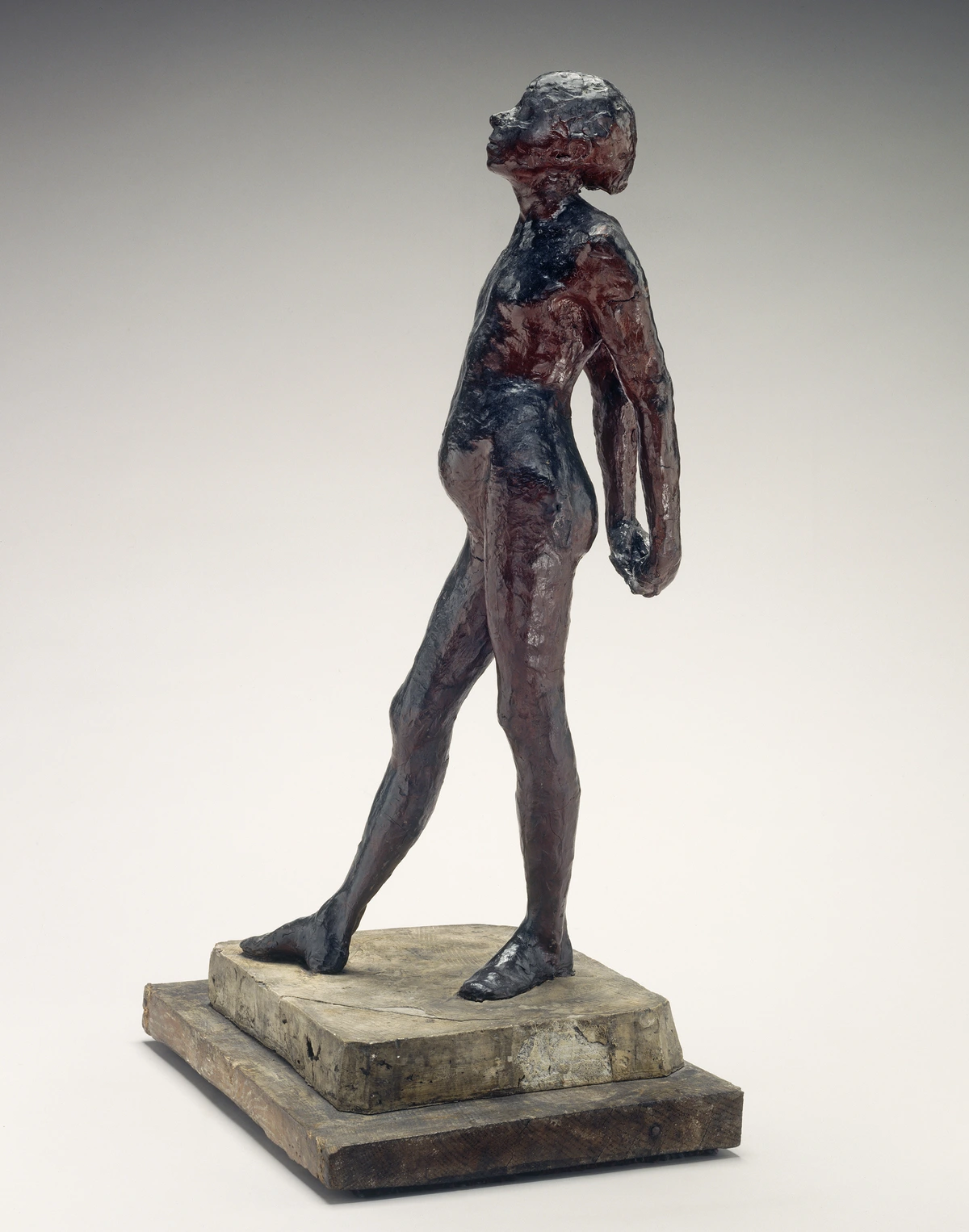
And that’s precisely where the modern story begins. Somewhere in the late 19th and early 20th centuries, as art itself was undergoing seismic shifts with Impressionism and Cubism, sculptors began to look at this grand tradition with new eyes. They started to ask, “What if we break the rules?” “What if the process itself is the art?” They wanted to see the hand of the artist preserved in the final piece, not polished away. They traded sterile perfection for expressive energy, and in doing so, they reignited the soul of the medium.
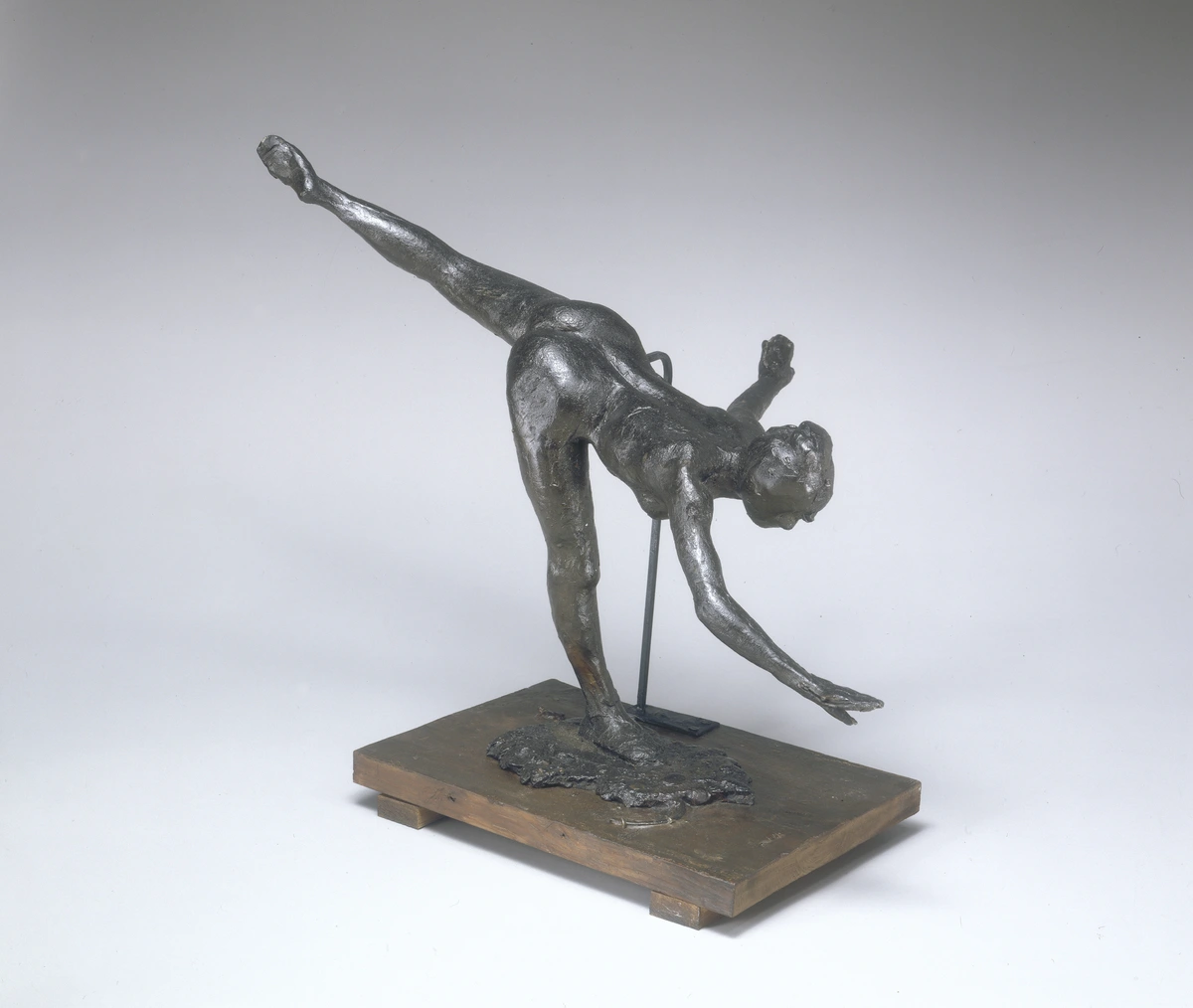
The turning point, for me, is embodied by artists like Edgar Degas. He used bronze not for heroic monuments, but to capture fleeting, intimate moments. His dancers are studies in motion, their surfaces still bearing the traces of clay, their forms full of life. He proved the medium could be as spontaneous and vital as a charcoal sketch.

The Foundry Floor: Old Soul, New Tricks
The roar of a furnace reaching 2000°F is not something you forget. It’s a sound that vibrates in your chest, a primal hum that connects you to every metalworker who ever lived. The foundry is where the magic happens, and it’s here that modern techniques have added a whole new vocabulary to the sculptor’s language. But it all starts with an ancient process that remains the gold standard (or rather, bronze standard) for a reason: the centuries-old art of the sand-cast bronze. This technique involves packing a special, fine-grain sand mixed with a binder around a model to create a mold. The sand is strong enough to hold its shape when the metal is poured, but friable enough to be easily broken away once the bronze has cooled. It's perfect for creating one-off pieces and is still widely used, especially for large-scale works where making a wax model would be impractical. But a new generation of techniques has emerged alongside it, refining the artist's toolkit.
Ceramic Shell Molding: Lighter, Faster, Finer
The first revolution was a quiet one, emerging from the industrial needs of the 20th century. Starting around the 1940s, ceramic shell molding began to replace the traditional, cumbersome method of packing a wax model in a solid block of clay-like investment, known as solid investment casting. Here’s the idea: instead of one thick, thermally inefficient mold, you dip your wax model into a liquid ceramic slurry, then coat it with fine, refractory sand. You do this over and over, perhaps eight to twelve times, building up a thin, strong shell, usually only a quarter-inch thick, around the wax.
The result is a mold that is significantly lighter, uses far less material, and can capture the most minute details of the original sculpture. The hollow shell allows for faster burnout of the wax and more even heating, which improves the final cast. Think of it like this: if the old method was carving a path through a mountain, ceramic shell molding is carefully laying down a single, perfect thread. It gives the artist more control and allows for more delicate and intricate forms. It’s the difference between painting with a heavy roller and a single-hair brush. The lighter weight is a huge advantage for artists working on a large scale, who need to manage the logistics of pouring hundreds of pounds of molten metal. It was, and remains, an absolute game-changer.

The Desktop Foundry: Cold-Cast Bronze
Now, let’s address the elephant in the room. Traditional bronze casting is a messy, dangerous, and prohibitively expensive pursuit. Setting up a foundry requires vast space, complex permits, and a tolerance for heat and noise that most residential neighborhoods—and most artists' budgets—simply cannot accommodate. So, what’s an artist to do when they’re drawn to the warmth and weight of bronze but lack a few acres and a million-dollar startup fund?
You cheat. Beautifully. You invent something like cold-cast bronze.
This isn’t cheating in the negative sense; it’s an act of brilliant, creative problem-solving. Also known as bonded bronze or cast resin, cold-cast bronze is a technique where finely ground bronze powder—sometimes even reclaimed from the grindings of a traditional foundry floor—is mixed directly into a liquid resin binder, like epoxy or polyester resin. This creates a thick, workable paste. This paste can then be applied, molded, and shaped like clay, or more commonly, poured into a silicone mold. As it cures at room temperature, the heavy bronze particles settle near the surface thanks to gravity. A little bit of polishing brings out a surprisingly convincing metallic luster and a weight that, while not as dense as solid bronze, is still substantial.
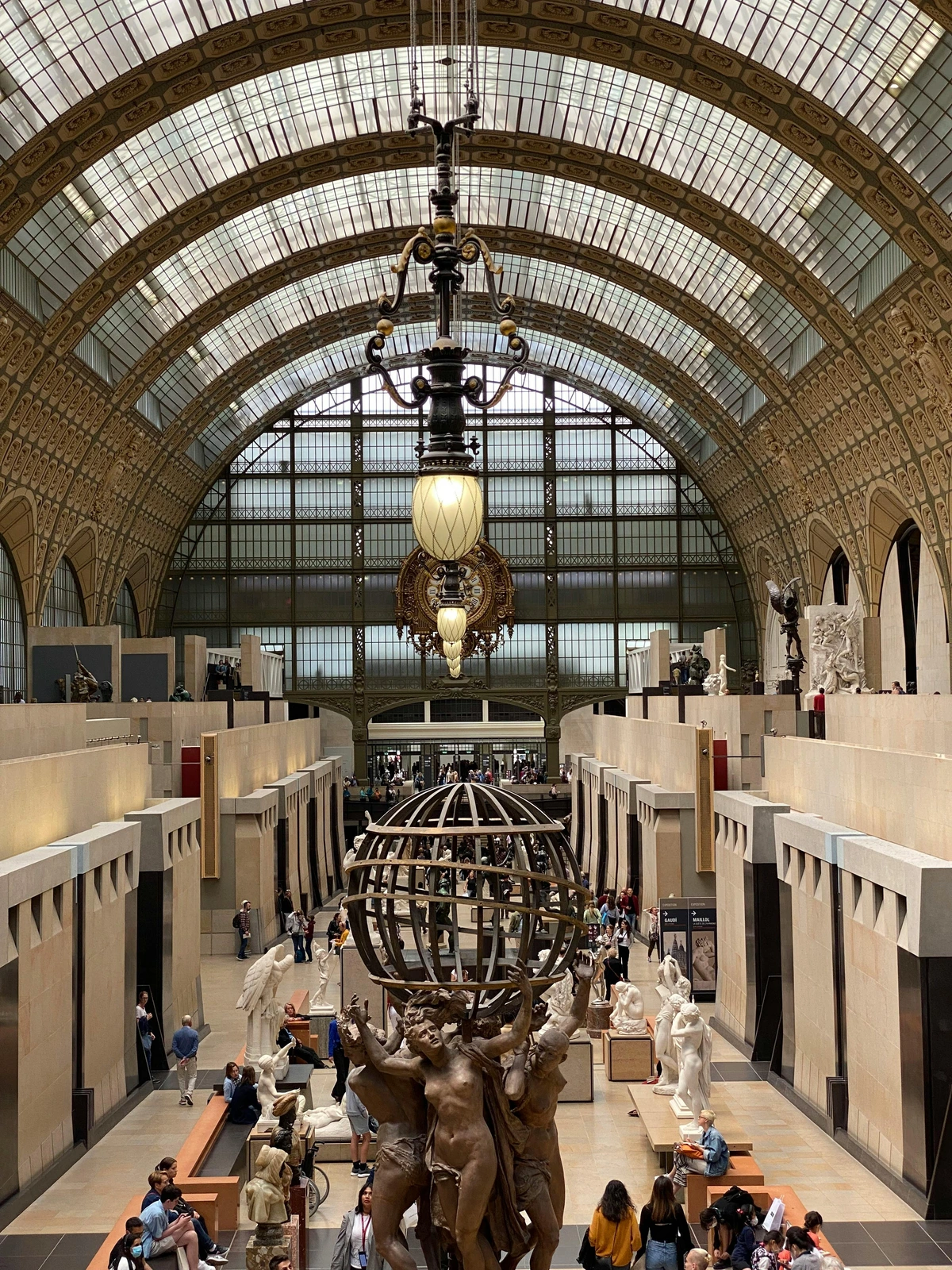
I know what you're thinking. It’s not real bronze, right? It hasn’t been through the crucible. But that’s like saying a digital painting isn’t real art because it wasn’t made with oil paints. The goal is different. Cold-casting offers artists a way to explore bronze’s aesthetic qualities—its color, its feel, its presence—in a more accessible, forgiving, and affordable way. It opens the door for sculptors who want to create editioned pieces, test forms, or work with intricate detail that would be risky or impossible in a hot pour, all without committing to the immense cost and infrastructure of a full-scale foundry. It's not a replacement; it's a parallel path that has democratized the bronze aesthetic for a new generation of makers.
Digital Chisels: 3D Printing and the New Foundry
This is where the ancient and the futuristic collide in the most fascinating way. 3D printing, often called additive manufacturing, has begun to fundamentally alter the workflow of the bronze sculptor. The process is a brilliant, high-tech twist on the ancient lost-wax casting method.
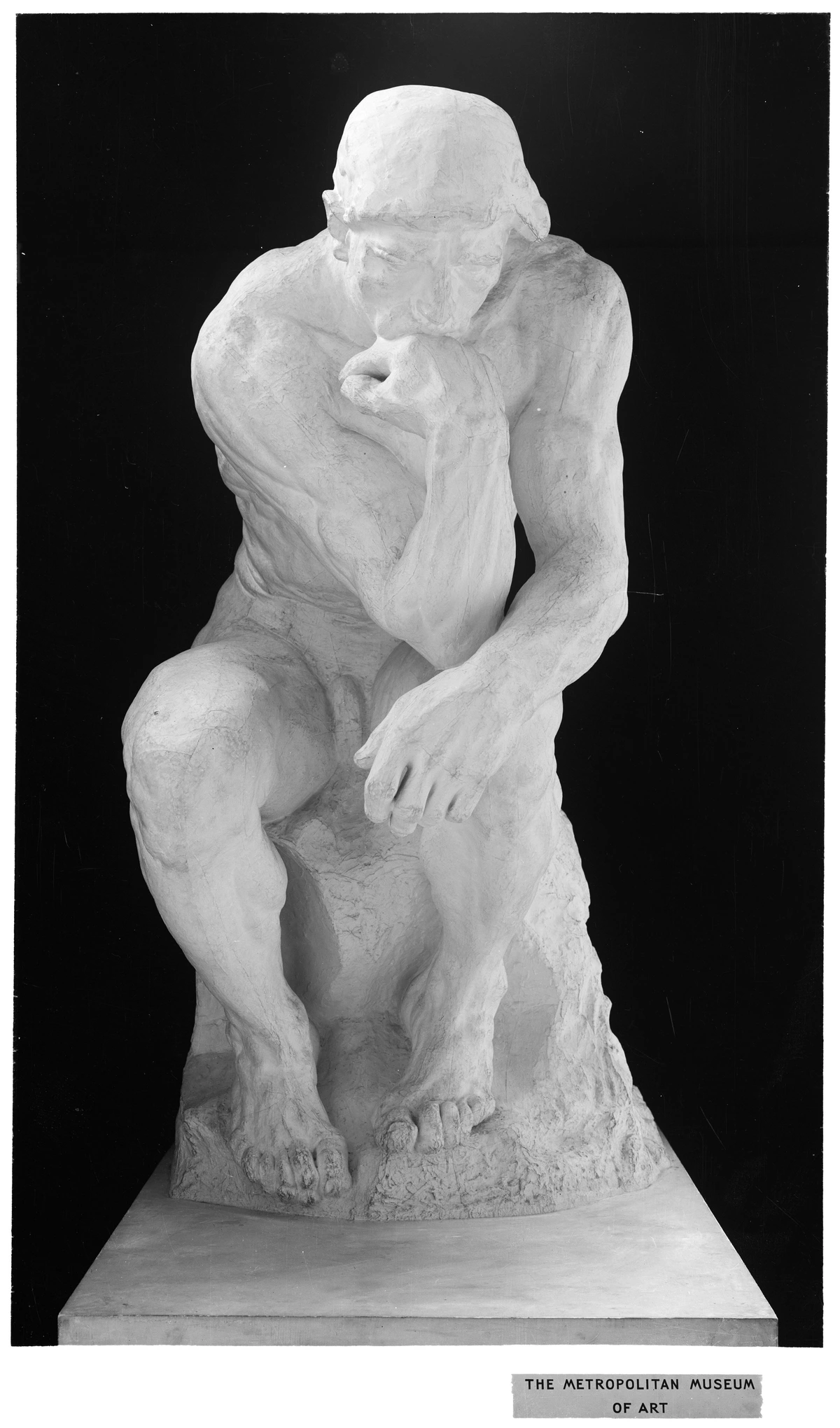
An artist can now design a sculpture entirely in a digital 3D environment, playing with forms that would be impossible to carve or model by hand. They can create impossible overhangs, intricate lattices, and flowing shapes that defy gravity, pushing the boundaries of the physically possible. The 3D printer then builds the model out of a special, burnable resin or wax-like material, layer by microscopic layer, with a precision that is frankly astonishing.
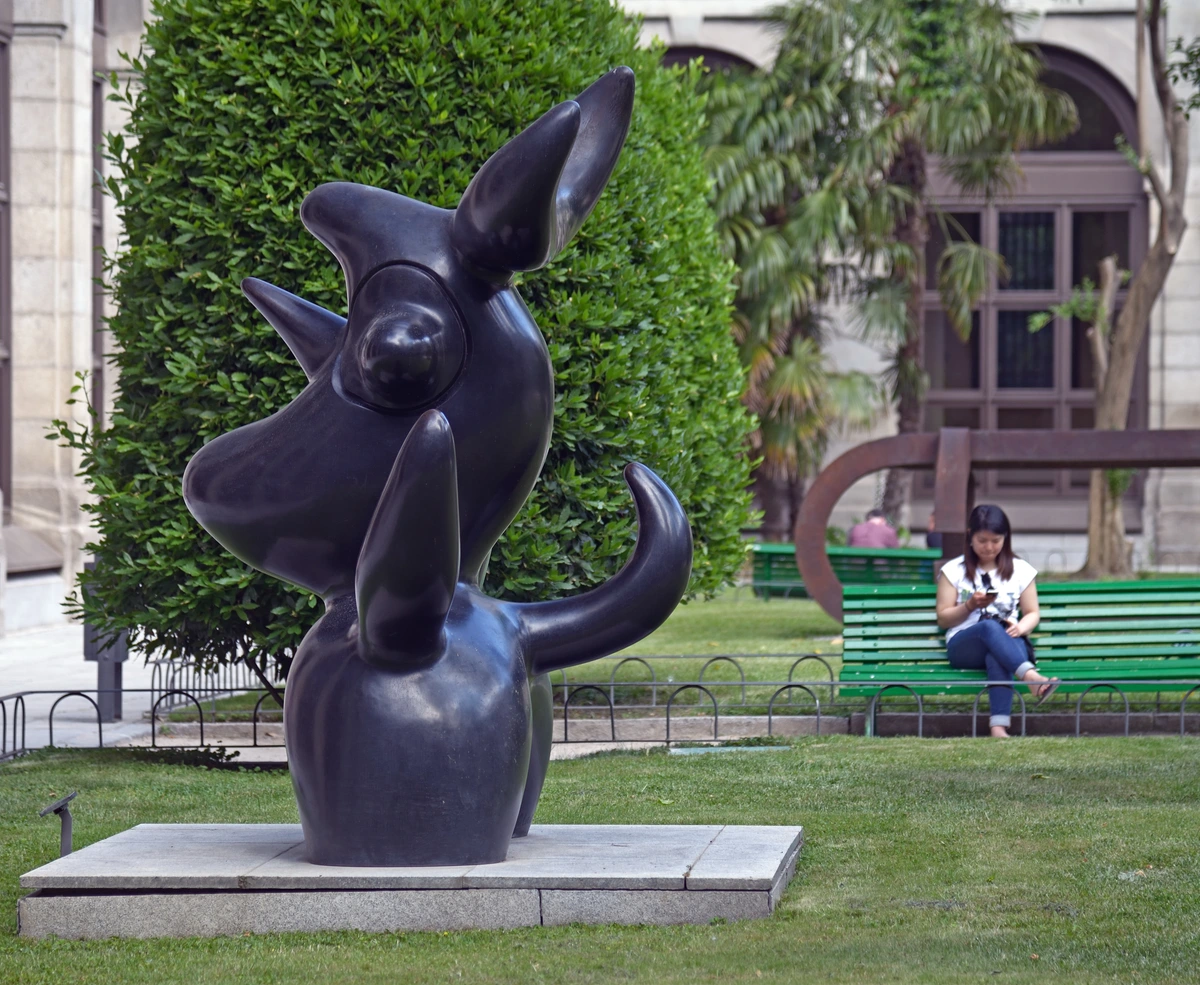
This printed wax-positive model then enters the traditional foundry workflow. It’s sprued (attaching wax rods for the bronze to flow through), invested in a ceramic shell, and burned out in the furnace, just like its hand-sculpted ancestor from centuries past. The bronze, being none the wiser, just flows into the space left behind, perfectly replicating the artist’s digital creation in enduring metal. This hybrid workflow is often called 3D-printed investment casting.
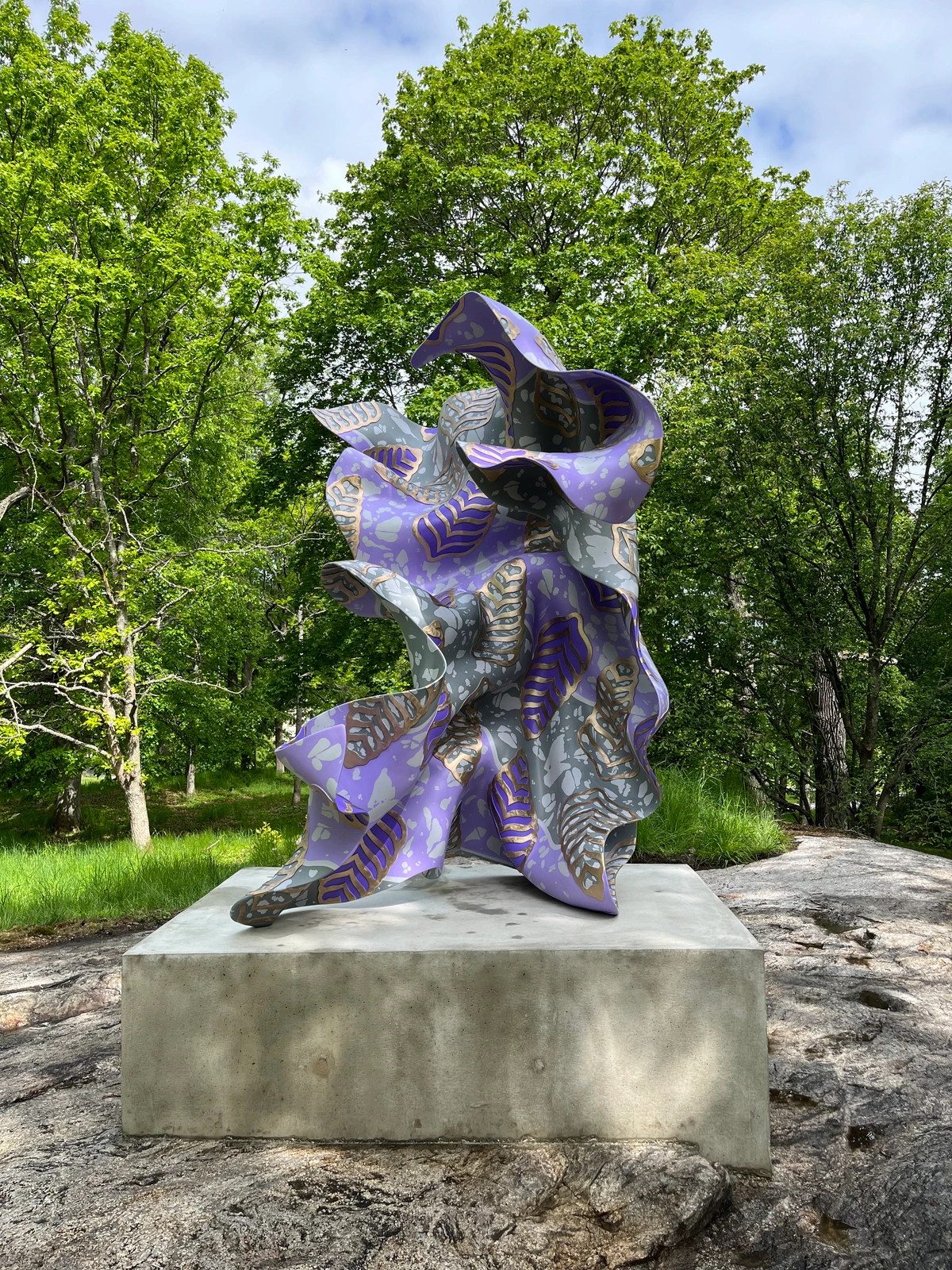
The implications are staggering. It democratizes the design phase of bronze sculpture, making complex geometric forms accessible to artists without a team of engineers. It allows for radical, iterative experimentation without wasting physical materials—a huge advantage when working with expensive metals. It’s even being used in museums to recreate and piece together fragmented archaeological finds, letting us hold history in our hands again. It doesn’t replace the sculptor or the foundry; it simply provides them with a tool of unimaginable power and precision.
A Spectrum of Expression: Textures and Patinas
If casting gives bronze its form, then the patina gives it its soul. A patina is a colored layer that forms on the surface of the metal, either naturally over centuries of exposure to the elements, or artificially through the careful application of various chemicals and heat. This is where the alchemist-artist truly comes to life, transforming a raw, often pinkish-golden or brassy-colored casting into something entirely new—a vibrant green, a deep black, a fiery red, or even an otherworldly blue.
The variety is astonishing, and modern chemistry has expanded the palette far beyond the classic “Bronze Green” or verdigris that we associate with ancient statues. Contemporary patina artists are like gourmet chefs, carefully mixing formulas, controlling temperature and humidity, and using brushes, torches, and even blowtorches to achieve specific reactions on the bronze's copper-rich surface. The resulting compounds—like cuprite, azurite, or malachite—are the same ones found in nature, but they are coaxed into being by the artist's hand in a matter of minutes or hours, not millennia.
Patina Type  | Typical Colors | Methods & Notes |
|---|---|---|
| Verdigris / Cupric | Classic greens, blues, turquoise | Fuming with ammonium chloride or applying copper nitrate and heat. Creates the familiar weathered, ancient look. The interaction of copper with acetic acid (from vinegar vapors) is a common historic method. |
| Ferric Nitrate | Reds, browns, orange, russet | A versatile patina that produces rich, earthy tones. The specific shade depends on the number of applications, the temperature of the metal, and the concentration of the solution. |
| Liver of Sulfur | Browns, golds, blacks, deep blues | Excellent for creating dark, dramatic shadows and rich brown tones. It can be brushed on, sprayed, or the piece can be submerged. Reacts quickly, so a light touch is key. |
| Paint & Lacquer | Any color imaginable | A more modern approach where artists use high-temperature paints, powder coating, or automotive finishes over a sealed bronze surface for bold, contemporary statements. Often sealed with clear wax or lacquer for protection. |
| Heat Patination | Golds, reds, purples, blues | Using a torch to directly heat the metal, often after applying a chemical solution. Creates vibrant, unpredictable "chameleon" effects that shift with the light. Needs skill to control. |
I love the process of patination because it’s a conversation with the metal. You have a plan, you apply the chemicals, but the bronze reacts in its own unique way, influenced by the specific alloy, the surface texture, and even the humidity in the room. It’s a collaboration. An artist might want a deep, mottled green, but the bronze might offer a flash of unexpected blue. The disciplined artist learns to listen to what the material wants to do and guides it, rather than forcing it.
The patina isn’t just about color; it’s about storytelling. A dark, brooding patina can give a figure a sense of solemnity. A vibrant, almost electric blue can make an abstract form feel energetic and futuristic.
Beyond just the color, the surface texture is equally important. This is decided long before the patina is applied, in the final "chasing" phase of the casting process. Will you meticulously chase and polish the bronze to a flawless, mirrored finish that reflects the world around it, constantly shifting and dancing with the light? Or will you leave the evidence of the artist’s tool marks—the subtle texture of the original clay, or even the gritty texture left by the ceramic shell itself? This decision fundamentally shapes how light interacts with the piece. A highly polished surface is active, changing throughout the day. A textured surface absorbs light, creating deep shadows and a more somber, mysterious, or even rugged presence. It's these artistic choices—color and texture working in concert—that give a bronze sculpture its unique voice.
Living with a Modern Bronze
So, you’ve fallen in love with a piece of contemporary bronze. What do you need to know? The first thing is that a high-quality bronze sculpture, even with a modern patina, is surprisingly durable. It is not fragile. You can touch it. You should touch it. The warmth of the metal and the subtle texture are part of the experience, a direct connection to the thousands of years of history held within the alloy.
That said, it does require some basic care to ensure it ages gracefully. Here's a simple guide:
- Dust gently: Use a soft, dry cloth, a soft-bristled brush (like a clean paintbrush), or even a can of compressed air. The goal is to remove dust without scratching the surface.
- No harsh chemicals: Avoid household cleaners, acids, or any abrasive polishes. Many patinas are only a few molecules thick and can be easily stripped away. Water is usually safe, but always dry the piece thoroughly with a soft cloth afterward.
- Waxing (Optional but recommended): An occasional waxing with a high-quality microcrystalline or carnauba-based wax can do wonders. Apply a thin coat, let it haze, and buff it to a soft sheen. This protects the patina from moisture and pollutants and can deepen the colors. Once every year or two is often sufficient for indoor pieces. Always test the wax on a small, inconspicuous area first.
- Outdoor Placement: If you’re placing it outdoors, know that the patina will naturally evolve over time. It's a living finish. Rain, sun, and pollution will interact with the copper in the bronze, creating a new, unpredictable patina over the old one. Some artists and collectors love this "second life." For others who want to preserve the original finish, an annual waxing is essential, and placing the piece in a semi-protected area (like under an eave) can slow the process significantly.
Unlike more fleeting art forms, bronze is an investment in permanence. While the art market fluctuates, and digital art forms may raise questions about long-term value and authenticity, a bronze sculpture is a physical anchor. It has a weight, a presence, a history. It’s a piece of the artist’s creative fire, solidified and sent out into the world to endure. When you buy a bronze, you’re not just acquiring an object; you’re becoming the custodian of a story that is still being written.

Answering Your Curiosities: A Modern Bronze FAQ
Is modern bronze sculpture just a copy of classical work? Not at all. While it uses the same foundational casting techniques, modern bronze is defined by its innovation. Artists today are obsessed with process, abstraction, and personal expression. They use bronze to explore contemporary ideas—identity, technology, the environment—pushing the material to do things it was never designed to do. The medium is ancient, but the conversation is completely of our time.
Is it all abstract? What if I like more realistic art? There’s an incredible range! Yes, many modern sculptors work in abstraction, creating dynamic forms that play with space and light. But there is also a strong movement of hyper-realistic figurative sculpture. Artists like Carole A. Feuerman and Jamie Salmon use modern silicone molds and incredibly detailed patinas to create shockingly lifelike human figures that are cast in bronze, often fooling the eye from a distance.
What’s the difference between an “original” and a “limited edition”? An original bronze is typically a unique piece, a one-of-a-kind artwork. A limited edition is a series of casts from the same original mold, usually numbered (e.g., 1/10, 2/10). Each piece is considered an original work of art because it is individually cast and finished. Once the edition is complete, the mold is destroyed, ensuring the series remains limited and collectible. This practice democratizes sculpture, making it more accessible to a wider audience.
I keep seeing “cold-cast bronze” online. Is it worth anything? That’s a complex question. As an art investment, cold-cast bronze generally doesn’t appreciate in value like a traditionally cast, limited-edition bronze. The resin binder can degrade over decades, and it lacks the inherent archival permanence of solid metal. However, it has immense value as an accessible and beautiful art object. It allows people to own a work that has the look and feel of bronze without the high cost, and it allows artists to explore ideas more freely, creating detailed pieces that might be prohibitively expensive to hot-cast. It’s a legitimate technique in its own right, but it's crucial to know what you're buying and to pay a price that reflects the materials and technique, not the value of a traditional bronze.
How can I tell if a bronze sculpture is high quality? Look for a foundry mark or the artist’s signature, usually cast directly into the base of the sculpture. A quality patina will have depth and variation, a richness that a flat, painted-on appearance can't replicate. If it’s a figure, study the subtlety of the anatomy and the artist’s touch in the surface details. Look for "chatter marks" (the tool marks from final finishing) and a sense of intention in every detail. A properly cast bronze should feel solid and dense when you tap it (though this is a test for the truly committed!). And of course, trust your gut. Does it captivate you? Does it feel substantial and well-crafted?
Where do I even start if I want to commission a bronze sculpture? This is where the journey gets really personal. Start by falling down the rabbit hole. Look at sculptures online, visit galleries, and learn what moves you. Do you like fluid, abstract forms, or sharp, geometric ones? Are you drawn to dark, moody patinas or bright, vibrant ones? Once you have a sense of your own taste, find artists whose work resonates with you. Many artists are open to commissions. It allows for a collaboration where you can get a piece that speaks to you on a deep level, a one-of-a-kind work born from a shared vision.
The Shape of Things to Come
So, where does all this leave us? What does the future of bronze look like? It looks diverse. It looks accessible. It looks like a dialogue between the ancient and the hyper-modern that is getting louder and more exciting every day.
The innovations we're seeing—from advanced alloys to entirely new patination techniques—don't erase the past. They build upon it, creating a richer, more complex story. I suspect we'll see more artists blending techniques, perhaps starting with a 3D-printed form, casting it, and then applying finishes that were unimaginable a generation ago. We'll continue to see bronze step out of the museum and into our public squares, our gardens, and yes, even our living rooms, as artists embrace both monumentality and domesticity.
It's an incredibly exciting time to be involved with this medium. We're standing on the shoulders of giants, but we're looking out at a horizon that these giants could not have imagined. This is not a craft in decline; it's an art form that is actively redefining itself for the 21st century.
Bronze Itself: The Ancient Alloy Explained
Before we can understand the art, it helps to understand the material itself. What we call "bronze" is not a pure metal; it's an alloy, a mixture. Historically, it's primarily copper alloyed with a small amount of tin. This combination is a stroke of genius from our ancestors—pure copper is soft and difficult to cast, prone to bubbling and cracking. Add a bit of tin (usually between 5% and 20%), and everything changes. The resulting bronze is harder, more durable, and has a lower melting point, making it far easier to cast into complex shapes.
But the term "bronze" has broadened in the modern foundry. You'll often hear sculptors talk about different alloys, each with its own personality:




- Silicon Bronze: This is a 21st-century marvel, a favorite in contemporary art foundries. It replaces the tin with a small amount of silicon. The result is an alloy that pours beautifully, has minimal gas porosity (fewer bubbles), and takes a patina exceptionally well. I think of it as the "forgiving" bronze, a dream for artists and foundry workers alike.
- Aluminum Bronze: As the name suggests, this alloy mixes copper with aluminum. It's incredibly strong, highly resistant to corrosion, and has a beautiful, slightly paler, more golden color than traditional bronze. It's often used in public art that needs to withstand harsh weather or in sculpture that requires significant structural strength.
- Manganese Bronze: A variant of aluminum bronze with added manganese, this alloy is known for its high strength and superb wear resistance. It's often used for architectural elements and large-scale sculpture where toughness is paramount.
Beyond the specific alloy, the process of making the bronze is key. Most fine art foundries today use certified virgin alloys, ensuring a consistent quality with every pour. However, there's also a beautiful and sustainable practice of recycling bronze. Scrap pieces, old sprues, and even failed castings from previous projects are melted down and returned to the crucible, their story becoming part of the next generation of art. This cycle of creation, destruction, and rebirth is at the very heart of the foundry's ancient magic.