Breaking the Arts Status Quo: A Guide to Challenging Conventions
Explore how artists can break free from traditional norms and innovate in their creative journey.

Breaking the Arts Status Quo: A Guide to Challenging Conventions
I remember the first time I stood in front of a blank canvas, feeling the weight of tradition pressing down on me. The rules, the expectations, the unspoken boundaries—it all felt suffocating. But then, I realized something: art isn’t about following rules; it’s about breaking them. And that’s what this article is all about.
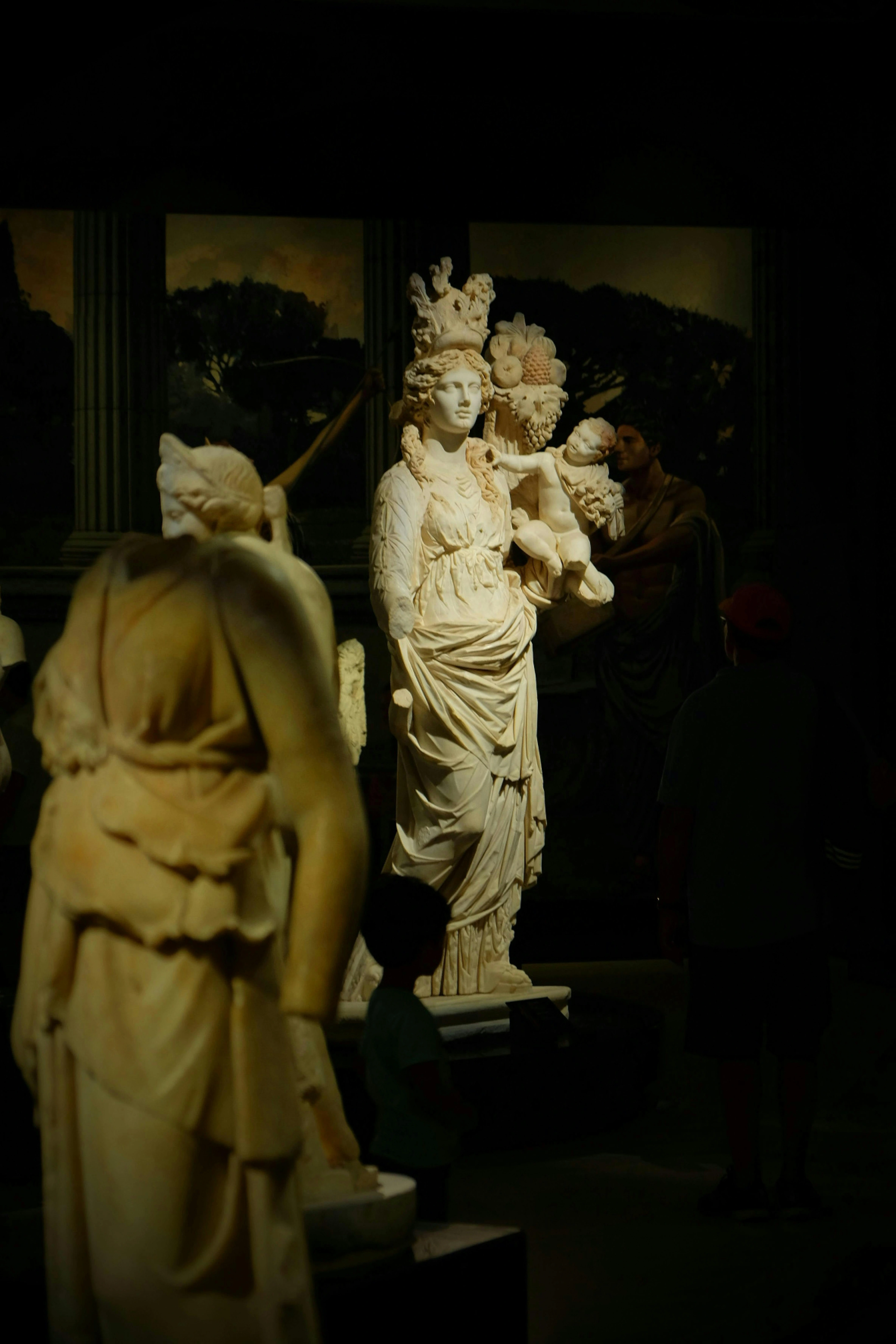
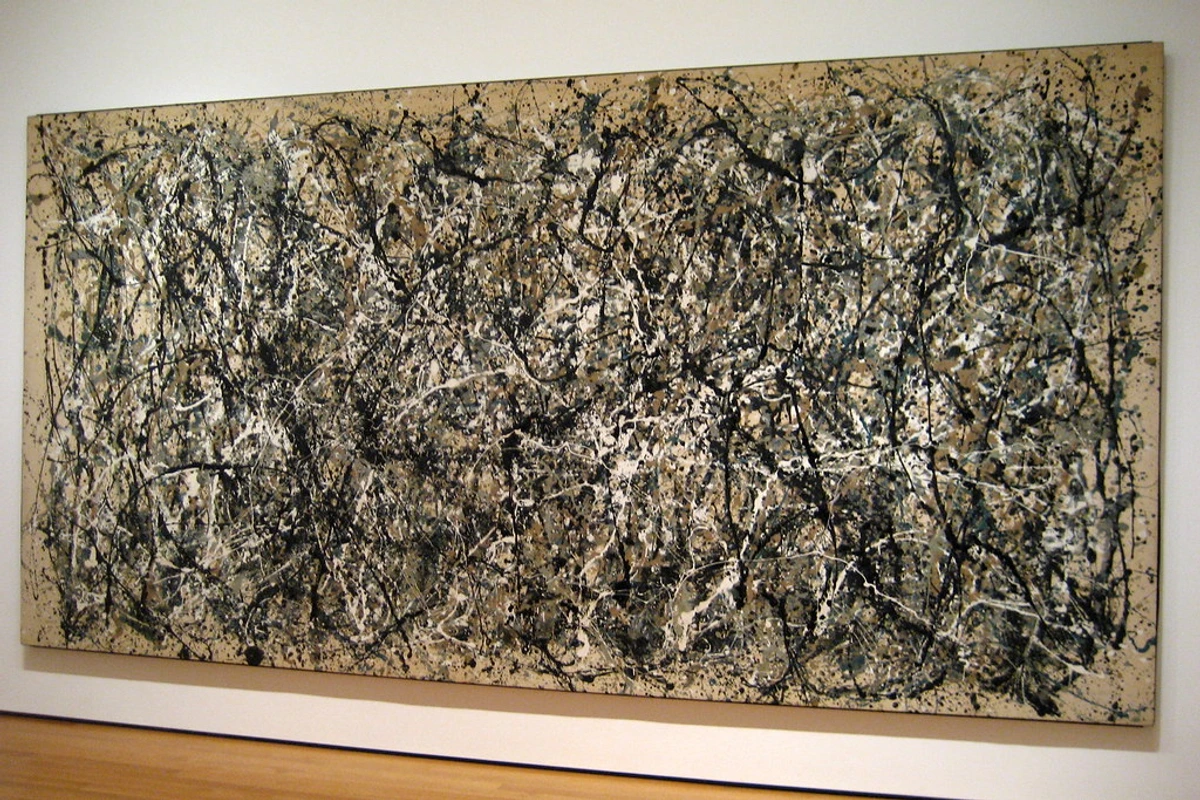
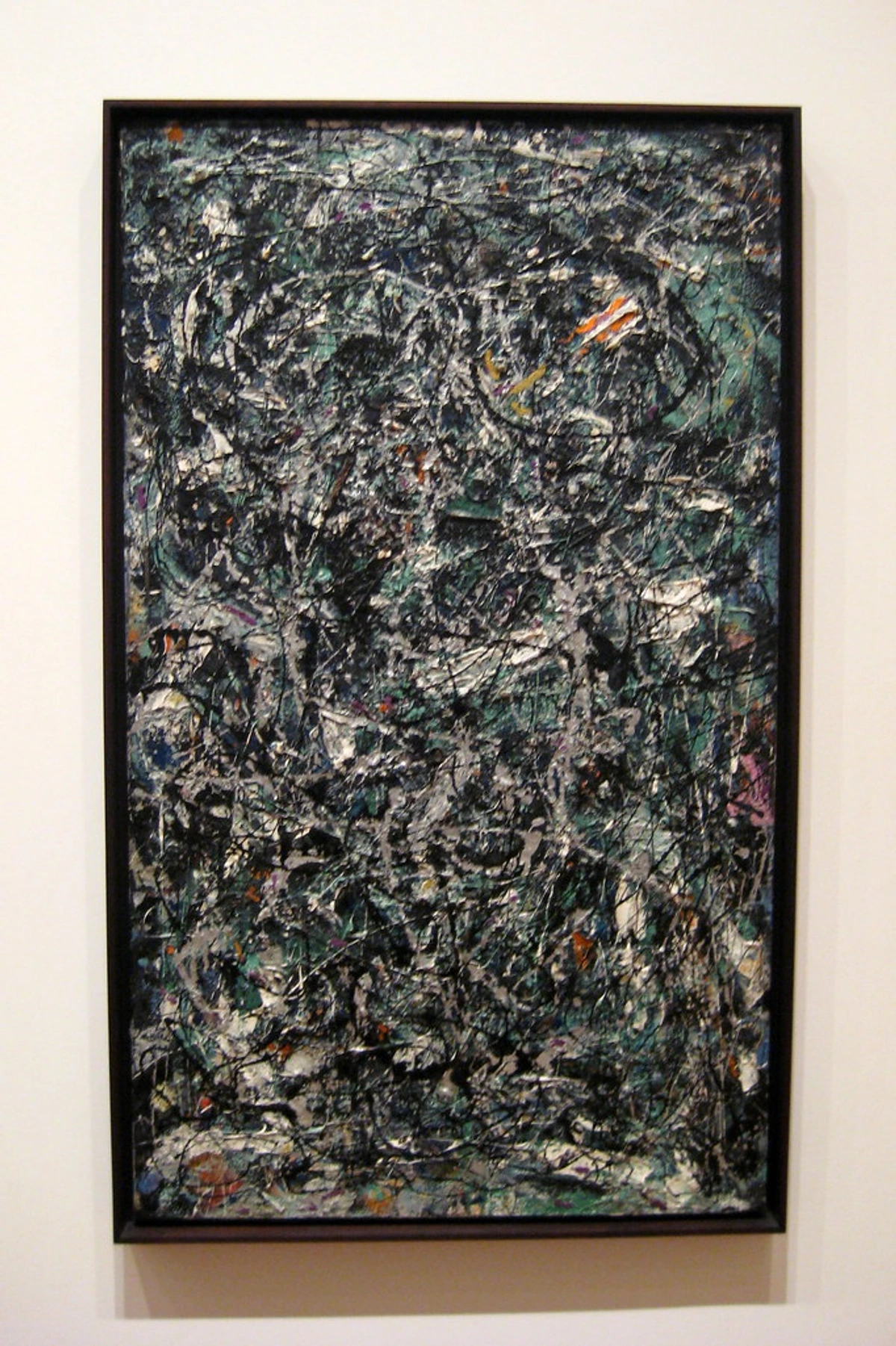
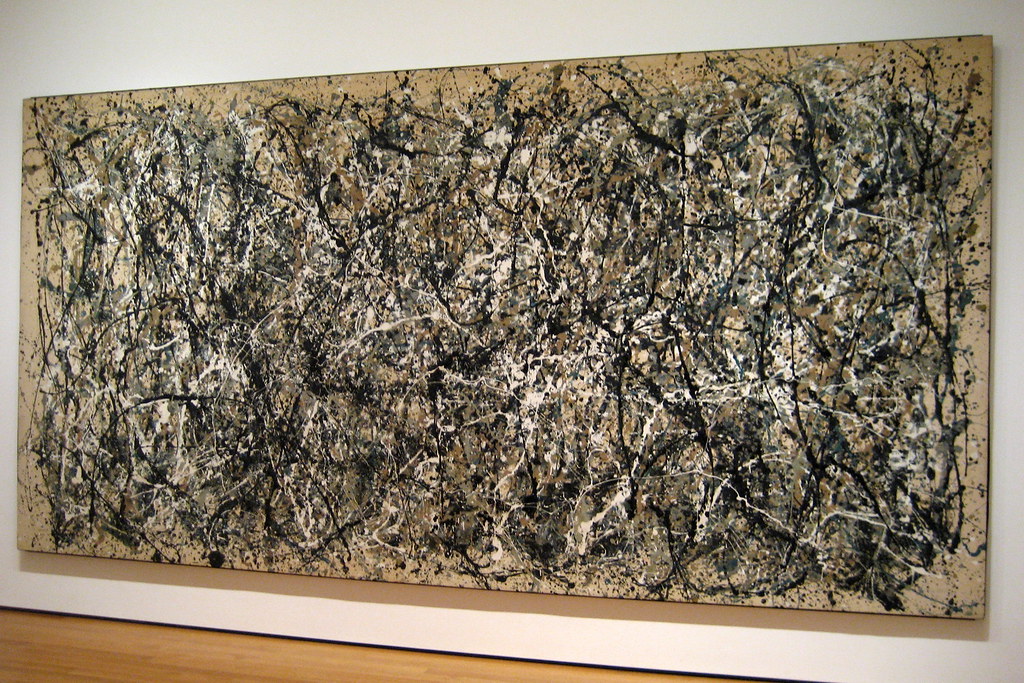
Art has always been a reflection of society, but it’s also a catalyst for change. When artists challenge the status quo, they push boundaries, spark conversations, and inspire others to see the world differently. Think about the impressionists who defied the rigid academic standards of their time, or the abstract expressionists who broke free from representational art. They didn’t just create art; they changed the course of history.
Why Challenge the Status Quo?
Art has always been a reflection of society, but it’s also a catalyst for change. When artists challenge the status quo, they push boundaries, spark conversations, and inspire others to see the world differently. Think about the impressionists who defied the rigid academic standards of their time, or the abstract expressionists who broke free from representational art. They didn’t just create art; they changed the course of history.
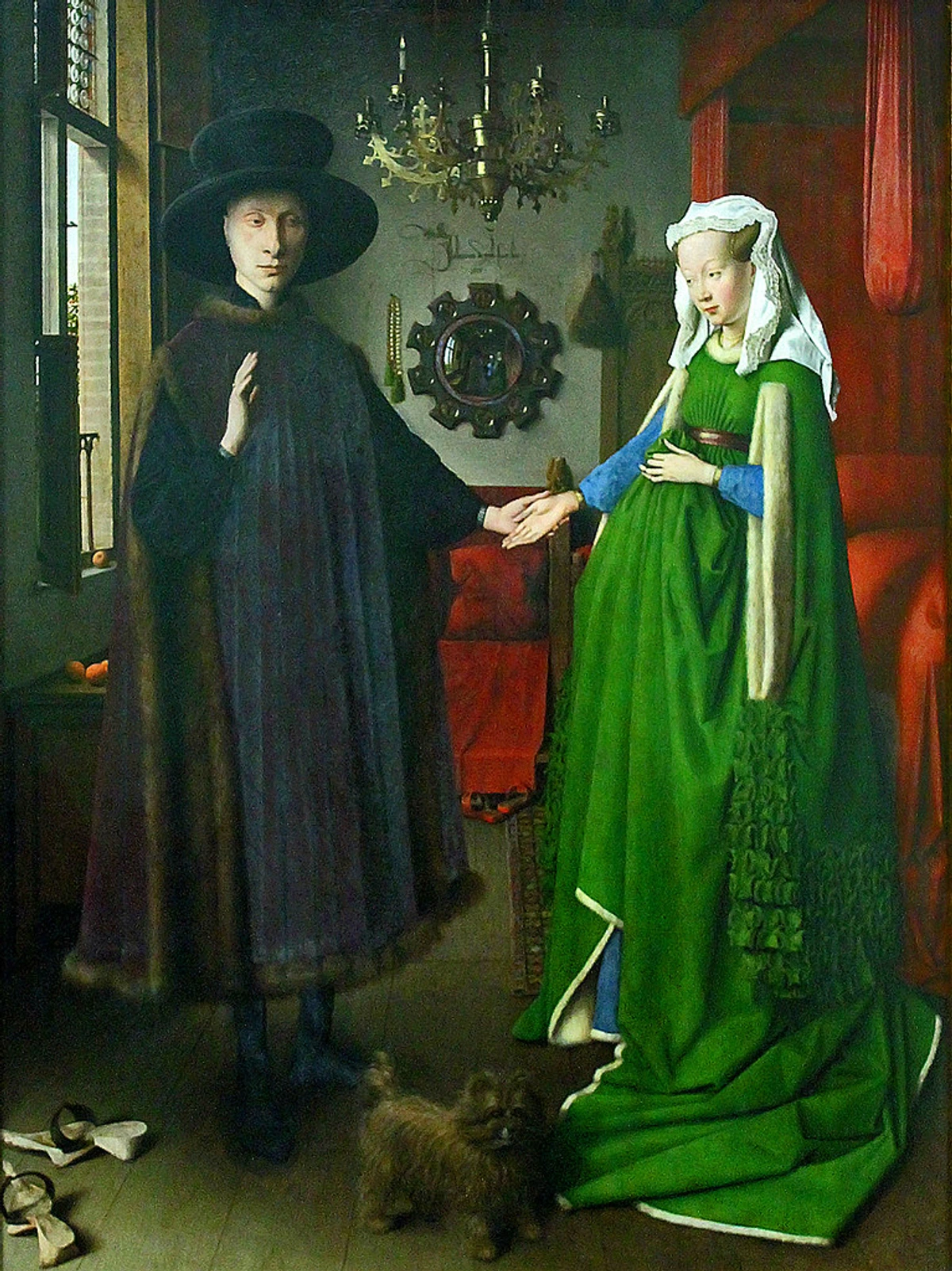
Challenging the status quo is not just about rebellion for its own sake. It’s about questioning the norms and expectations that have been imposed on us. It’s about asking, "Why do things have to be this way?" and exploring what happens when we dare to do something different. This is where true innovation begins.
Key Concepts
Innovation vs. Tradition
Innovation doesn’t mean discarding tradition entirely. It’s about taking what’s been done before and adding your unique perspective. It’s like standing on the shoulders of giants to see further. For example, Picasso’s Les Demoiselles d’Avignon was a radical departure from traditional portraiture, but it was also a response to the art that came before it.
The Role of the Artist
As an artist, your role isn’t just to create beautiful things. It’s to challenge, to question, and to provoke thought. It’s about being a voice in a world that often tries to silence individuality. Remember, every great artist was once an outsider.
The Power of Authenticity
Authenticity is the cornerstone of breaking the status quo. Your art should reflect who you are and what you believe in. Don’t try to fit into a mold; create your own. The world doesn’t need another copy; it needs your original voice.
The Balance Between Innovation and Accessibility
While innovation is crucial, it’s equally important to ensure your work remains accessible. Art that is too abstract or esoteric may alienate audiences. Strive to create work that challenges norms while still resonating with a broad audience.
The Role of Criticism
Criticism is an inevitable part of challenging the status quo. It can be a valuable tool for growth, helping you refine your ideas and approach. Embrace constructive feedback and use it to fuel your creative journey.
The Importance of Experimentation
Experimentation is key to breaking the status quo. Don’t be afraid to try new techniques, materials, or ideas. Some of the greatest artistic breakthroughs came from accidents or happy mistakes. Embrace the unknown and let it guide your creative process.
The Role of Collaboration
Collaboration can lead to unexpected breakthroughs. Working with other artists or creatives can introduce new perspectives and ideas that you might not have considered on your own. It’s about building a community that supports and inspires each other.
The Role of Technology
Technology has always played a role in art, from the invention of oil paints to digital art tools. Embracing new technologies can open up new avenues for creativity and expression. However, it’s important to use technology as a tool, not a crutch.
The Impact of Art Movements
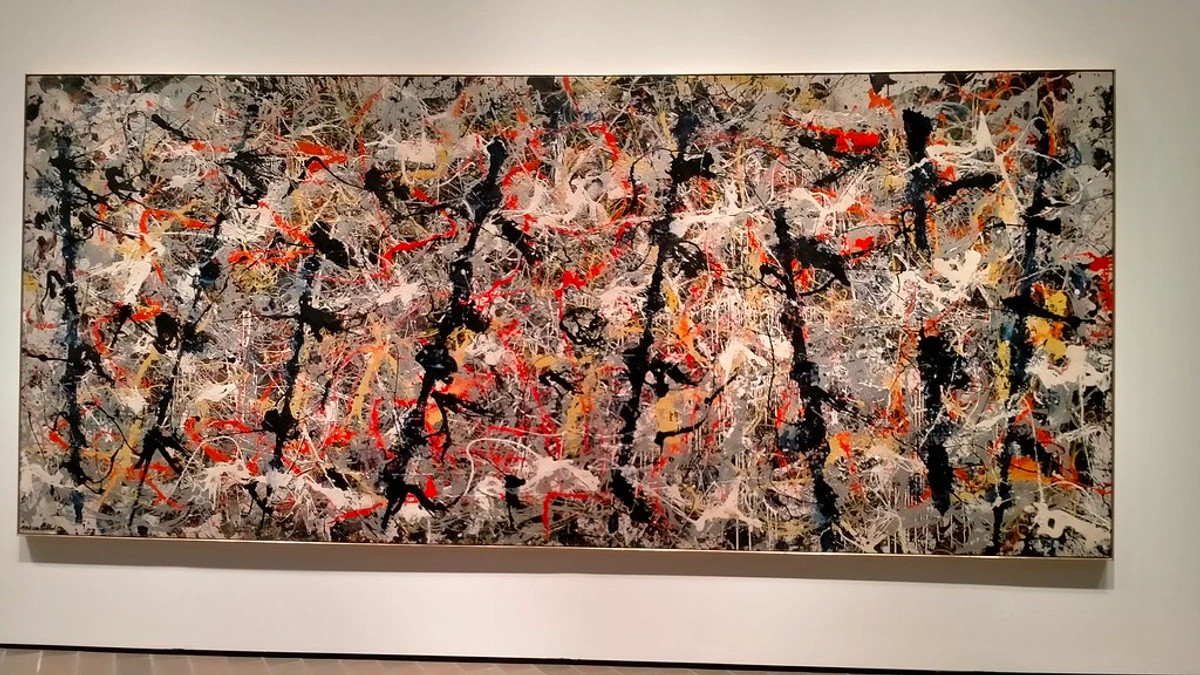
Art movements have historically been a way for artists to collectively challenge the status quo. From the Renaissance to Surrealism, each movement brought new ideas and techniques that pushed the boundaries of what art could be.
Examples of Breaking the Status Quo
Frida Kahlo
Frida Kahlo’s work was deeply personal and often shocking for its time. She didn’t conform to the expectations of what art should be; instead, she painted her reality, her pain, and her identity. Her work challenges us to see beauty in the raw and unfiltered.

Banksy
Banksy’s street art is a perfect example of breaking the status quo. By taking art out of galleries and into the streets, Banksy challenges the traditional art world and makes art accessible to everyone. His work is a commentary on society, politics, and the human condition.
Yayoi Kusama
Yayoi Kusama’s immersive installations, such as her Infinity Mirrored Rooms, challenge traditional notions of space and perception. Her work invites viewers to step into a different reality, blurring the lines between art and experience.
Marina Abramović
Marina Abramović’s performance art pushes the boundaries of what art can be. Her work often involves intense physical and emotional experiences, challenging both the artist and the audience to confront their own limits.
How to Break the Status Quo
Step 1: Question Everything
Start by questioning the norms and expectations in your field. Why do things have to be a certain way? What would happen if you did something different? This is where innovation begins.

Step 2: Experiment
Don’t be afraid to experiment with new techniques, materials, or ideas. Some of the greatest artistic breakthroughs came from accidents or happy mistakes. Embrace the unknown.
Step 3: Be Authentic
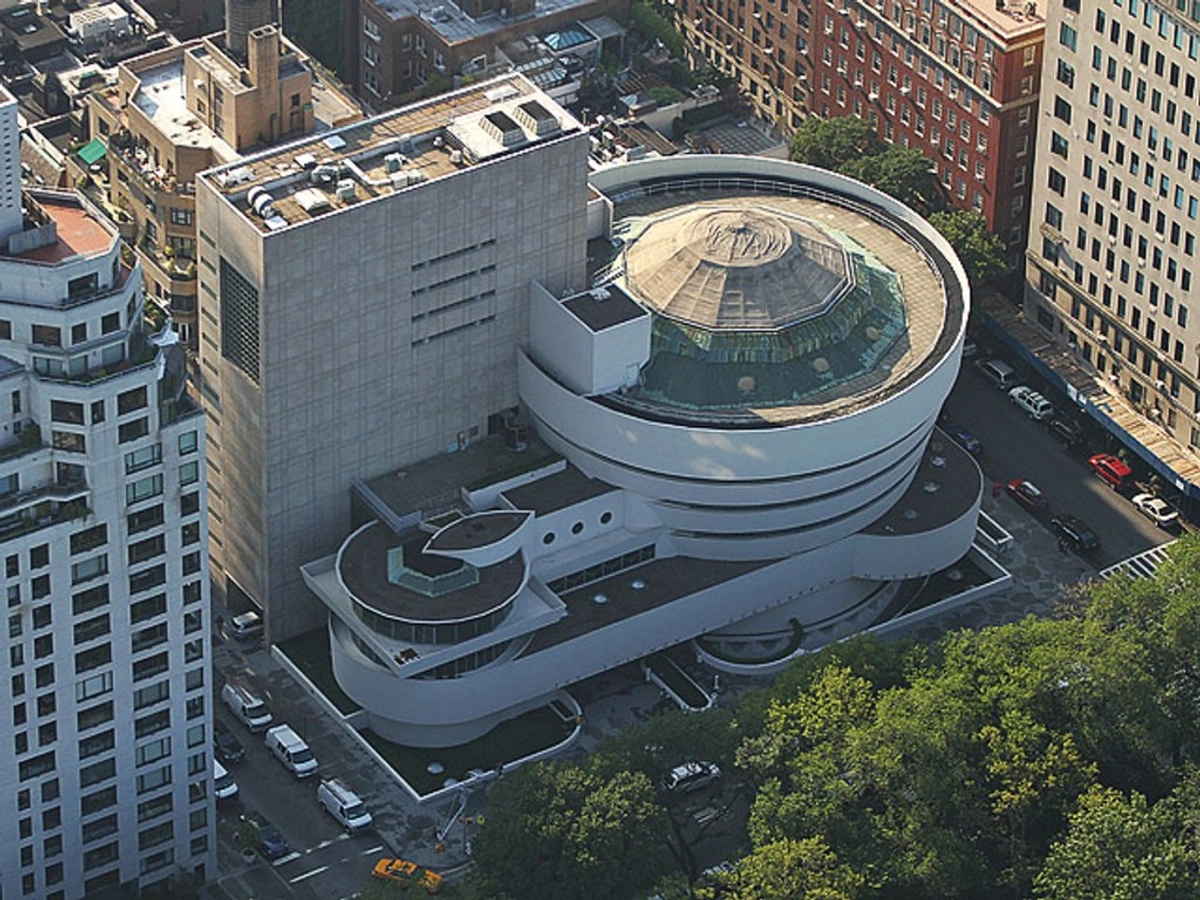
Authenticity is key. Your art should reflect who you are and what you believe in. Don’t try to fit into a mold; create your own. Remember, the world doesn’t need another copy; it needs your original voice.
Step 4: Embrace Criticism
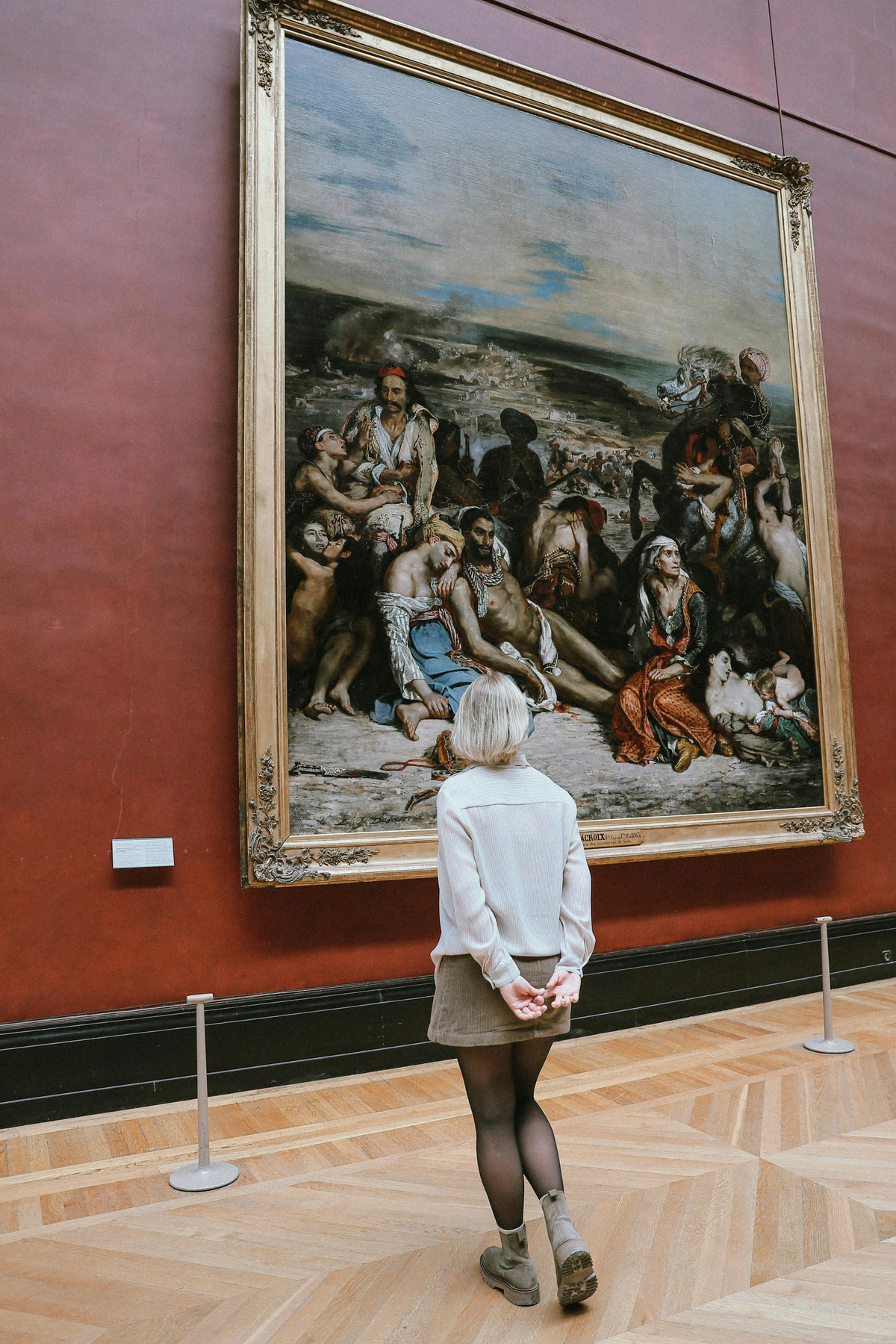
Not everyone will understand or appreciate your work, and that’s okay. Criticism is a sign that you’re doing something different. Use it as fuel to keep pushing forward.
Step 5: Collaborate
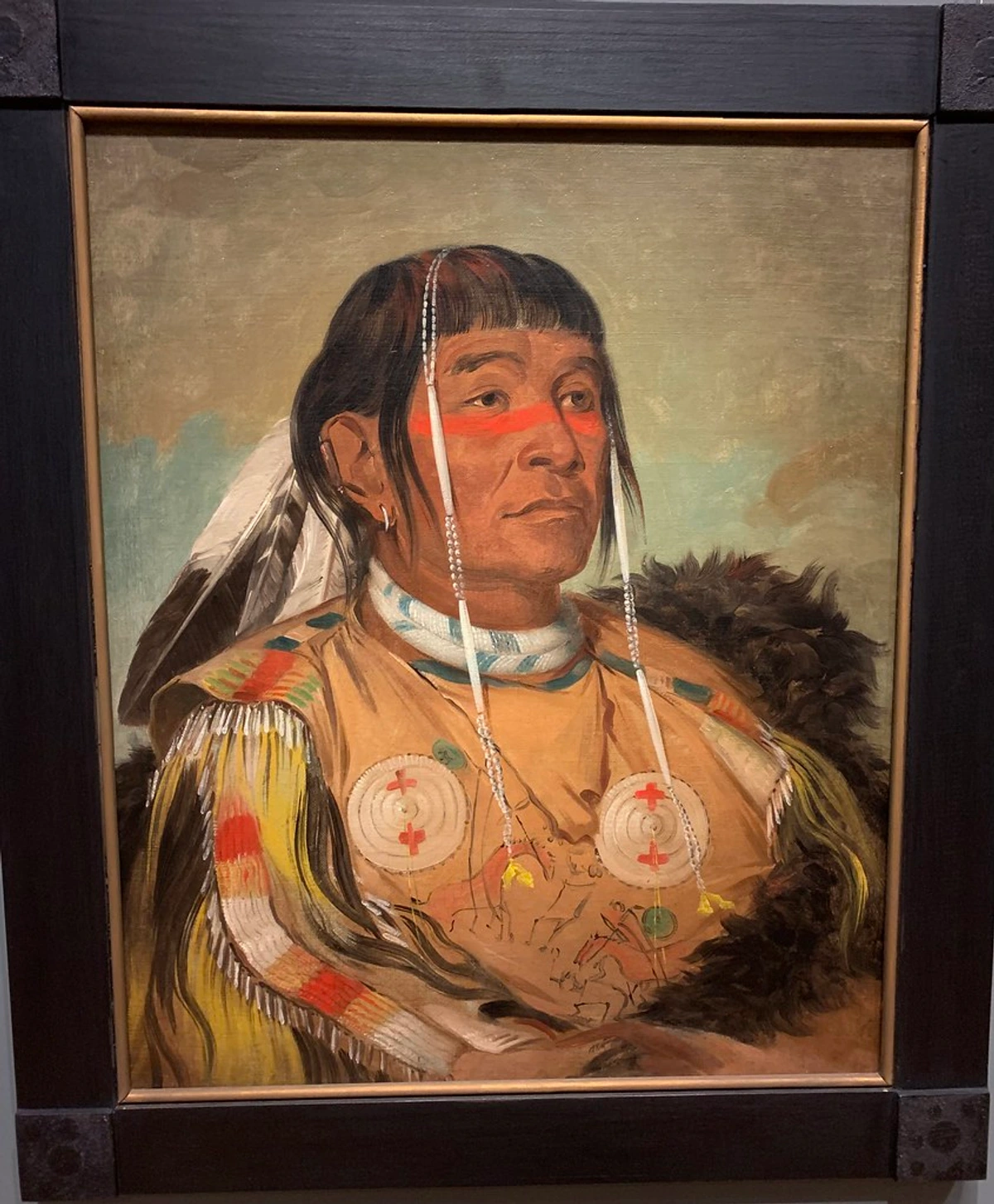
Collaboration can lead to unexpected breakthroughs. Working with other artists or creatives can introduce new perspectives and ideas that you might not have considered on your own.
Step 6: Reflect and Iterate
Take time to reflect on your work and iterate. Not every experiment will succeed, but each one is a learning opportunity. Use feedback to refine your approach and continue evolving.
Considerations
Ethical Boundaries
While breaking the status quo is important, it’s also crucial to consider ethical boundaries. Art should challenge, but it shouldn’t harm. Be mindful of the impact your work may have on others.
Balancing Innovation and Accessibility
Innovation is important, but so is accessibility. Your art should be able to communicate with a wide audience. Find a balance between pushing boundaries and making your work relatable.
Sustainability in Art
Consider the environmental and social impact of your materials and methods. Sustainable art practices not only benefit the planet but also set a positive example for others in the creative community.
Cultural Sensitivity
Be aware of cultural appropriation and strive to create work that respects and honors diverse traditions. Art has the power to bridge cultural divides, but it must be done with care and respect.
FAQ
What does it mean to break the status quo in art?
Breaking the status quo in art means challenging traditional norms, expectations, and boundaries. It’s about innovating and creating something new and unique that pushes the boundaries of what art can be.
How can I start breaking the status quo in my own art?
Start by questioning the norms in your field, experimenting with new techniques, and being authentic to your own voice and vision. Don’t be afraid to take risks and embrace criticism.
Are there any risks to breaking the status quo?
Yes, there are risks. You may face criticism, rejection, or even backlash. But remember, every great artist was once an outsider. Use these challenges as fuel to keep pushing forward.
Can breaking the status quo lead to success?
Absolutely. Many of the most successful and influential artists are those who dared to break the status quo. It’s not about fitting in; it’s about standing out.
How do I handle criticism when breaking the status quo?
Criticism is a natural part of challenging norms. Use it as an opportunity to reflect on your work and grow. Not all criticism is valid, but it can provide valuable insights into how your work is perceived.
What are some examples of artists who broke the status quo?
Artists like Frida Kahlo, Banksy, Yayoi Kusama, and Marina Abramović are just a few examples of those who challenged traditional norms and redefined what art could be.
How can I balance innovation with accessibility?
Focus on creating work that is both innovative and relatable. Use familiar themes or materials in new ways, and consider how your audience might connect with your art on a personal level.
Conclusion
Breaking the status quo isn’t easy, but it’s necessary. It’s about pushing boundaries, challenging norms, and creating something truly unique. So, go ahead, pick up that brush, that chisel, or that camera, and start breaking the rules. The world is waiting for your voice.








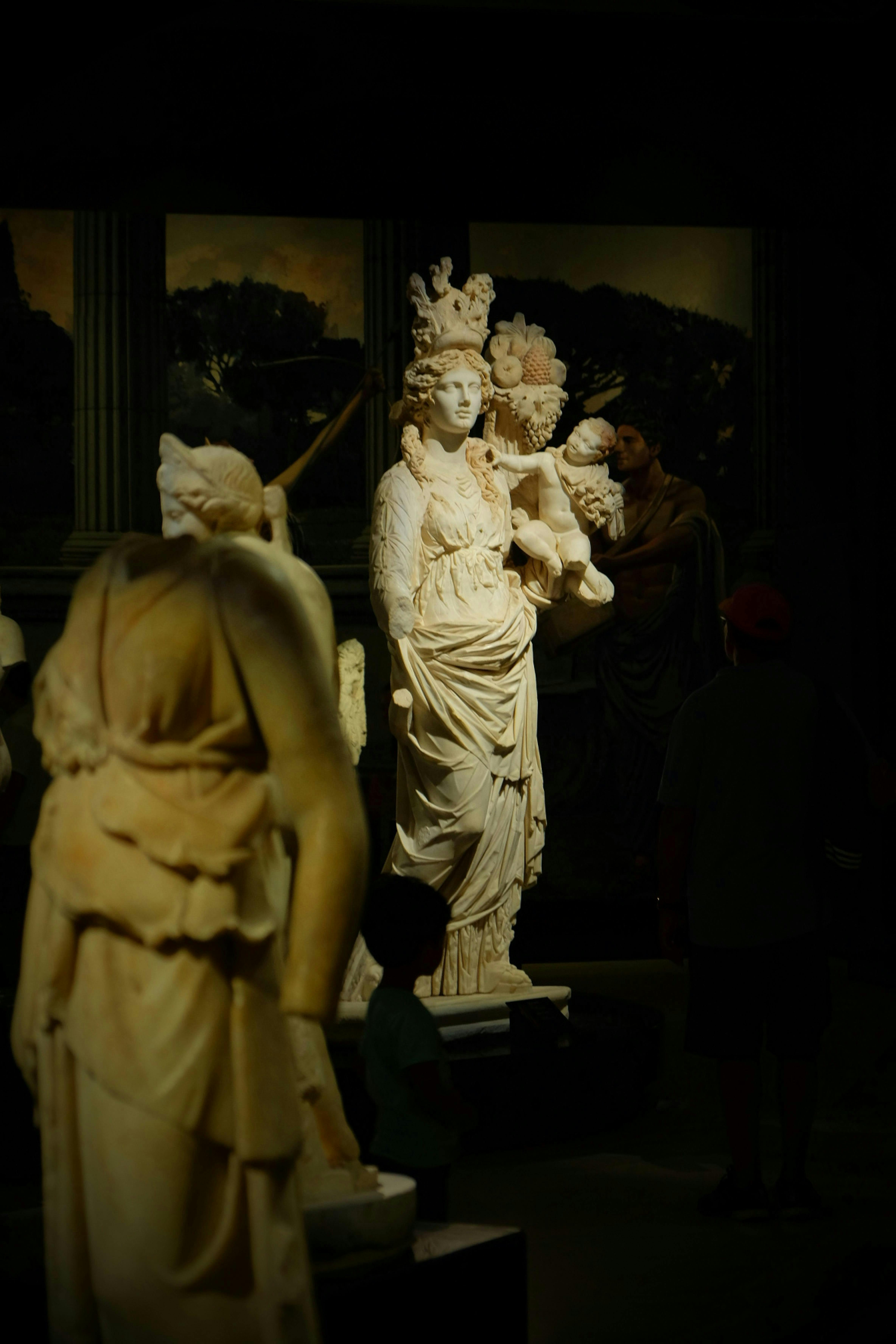
And if you’re looking for more inspiration, check out our timeline of artistic innovations or explore our collection of contemporary art at buy.
Final Thoughts
Remember, breaking the status quo is not just about creating art; it’s about creating change. It’s about challenging the world to see things differently and inspiring others to do the same. So, take that first step, embrace the unknown, and let your creativity lead the way.