The Ultimate Guide to the Best Synthetic Brushes for Painting
Discover the best synthetic brushes for painting, tailored for every style and skill level. This comprehensive guide covers everything from beginner tips to professional recommendations.

The Ultimate Guide to the Best Synthetic Brushes for Painting
I remember the first time I walked into an art supply store, overwhelmed by the sheer variety of brushes. Natural hair, synthetic, blends—it was a lot to take in. If you're here, you're probably feeling the same way. Let me help you navigate the world of synthetic brushes, so you can find the perfect tool for your artistic journey.
Synthetic brushes have evolved into a versatile and essential tool for artists of all levels. Whether you're a beginner or a seasoned professional, understanding the nuances of synthetic brushes can elevate your work and make your creative process smoother.
In this guide, we'll explore everything you need to know about synthetic brushes, from their benefits and types to how to choose the right one for your style. We'll also dive into practical tips for caring for your brushes and answer some of the most common questions artists have about synthetic brushes.
What Are Synthetic Brushes?
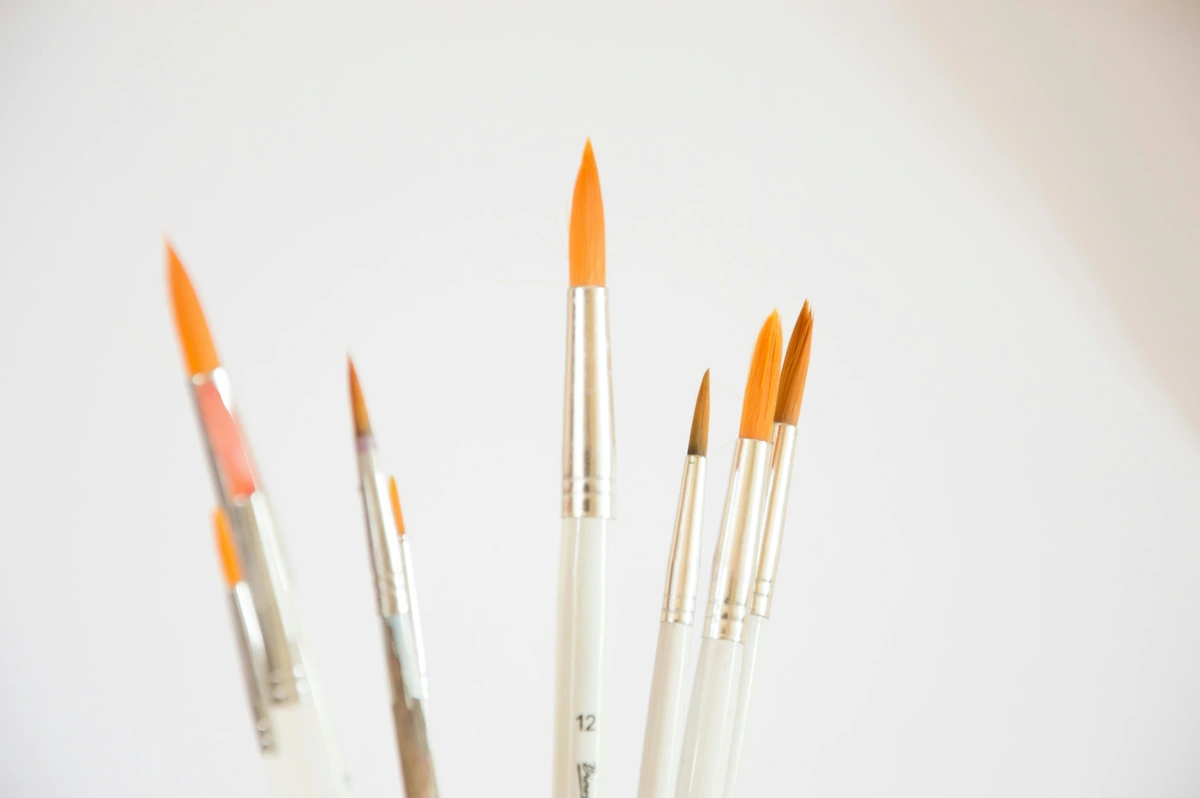
Synthetic brushes are made from man-made fibers, such as nylon, taklon, or polyester. These fibers are designed to mimic the properties of natural hair brushes while offering additional benefits like durability and affordability. Unlike natural hair brushes, synthetic brushes are cruelty-free and often more consistent in quality.
The development of synthetic brushes has been a game-changer for artists who seek ethical and cost-effective alternatives. These brushes are engineered to provide consistent performance, making them a reliable choice for artists who demand precision and longevity in their tools.
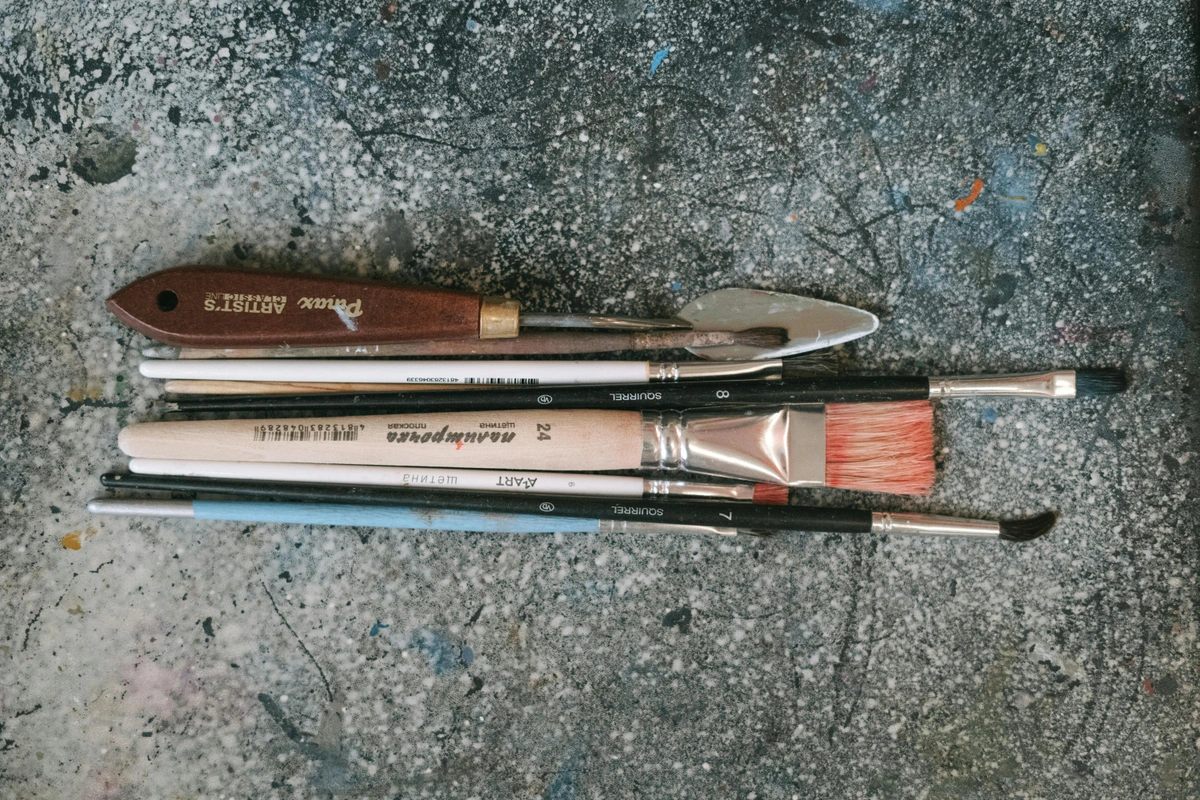
Comparison Table: Synthetic vs. Natural Brushes
Feature  | Synthetic Brushes | Natural Hair Brushes |
|---|---|---|
| Affordability | Generally less expensive | Often more expensive |
| Durability | Highly durable, resistant to wear | Can wear out faster |
| Versatility | Works with acrylics, oils, and watercolors | Best for specific mediums |
| Ethical Considerations | Cruelty-free | May involve animal hair |
| Consistency | Manufactured to precise specifications | Quality can vary |
| Maintenance | Easier to clean and maintain | Requires more care |
This table provides a quick overview of the key differences between synthetic and natural hair brushes, helping you make an informed decision based on your needs and preferences.
Additional Considerations
When choosing between synthetic and natural brushes, consider the following:
- Environmental Impact: Synthetic brushes are often more sustainable, as they do not rely on animal products.
- Performance: While natural brushes may excel in specific applications, synthetic brushes offer versatility across various mediums.
- Cost-Effectiveness: Synthetic brushes provide a budget-friendly option without compromising on quality.
Why Choose Synthetic Brushes?
Synthetic brushes have come a long way. They're no longer just the cheaper alternative to natural hair brushes. Here's why I love them:
- Affordability: They're generally less expensive than natural hair brushes, making them accessible to artists at all levels.
- Durability: Synthetic brushes hold up well over time, especially with proper care. They resist wear and tear better than many natural hair brushes.
- Versatility: They work with a variety of mediums, from acrylics to oils, and even watercolors. This makes them a go-to choice for artists who experiment with different techniques.
- Ethical: No animals are harmed in the making of synthetic brushes, which is a significant consideration for many artists.
- Consistency: Synthetic brushes offer consistent performance, as they are manufactured to precise specifications, unlike natural hair brushes, which can vary in quality.
Synthetic brushes are also easier to clean and maintain, which is a huge plus for artists who want to spend more time creating and less time on upkeep.
Environmental and Ethical Benefits
Choosing synthetic brushes aligns with ethical and environmental values. Artists who prioritize sustainability and animal welfare often prefer synthetic brushes, as they provide a cruelty-free alternative without sacrificing performance.
Types of Synthetic Brushes
Nylon Brushes
Nylon brushes are a popular choice for their durability and spring. They're great for acrylics and oils, and they hold their shape well. I remember using a nylon brush for the first time and being amazed at how it kept its form, even after heavy use.

Nylon brushes are particularly suited for artists who prefer a firmer brush that can handle thick, heavy-body paints. Their resilience makes them ideal for techniques like impasto, where texture and bold strokes are essential.

Taklon Brushes
Taklon is a type of nylon that's softer and more similar to natural hair. It's perfect for detailed work and smooth application. I've found that taklon brushes are excellent for blending and creating soft edges.
Taklon brushes are often used for watercolors and other delicate techniques where a softer touch is required. They hold water well and provide smooth, even strokes, making them ideal for artists who focus on fine details and subtle transitions.
Best for:
- Watercolors
- Detailed work
- Blending and soft edges
- Artists who prefer a softer, more natural feel
Polyester Brushes
Polyester brushes are another durable option. They're often used for heavy-body paints and textured applications. I've used them for impasto techniques, and they've held up beautifully.
Polyester brushes are known for their stiffness and ability to create bold, textured strokes. They are an excellent choice for artists who enjoy working with thick, textured paints and want to add depth and dimension to their artwork.
Best for:
- Heavy-body paints
- Textured applications
- Impasto techniques
- Artists who prefer stiff, textured brushes
Blended Synthetic Brushes
Blended synthetic brushes combine different types of synthetic fibers to create a versatile tool. These brushes are designed to offer the best of both worlds, providing the durability of nylon and the softness of taklon. They are ideal for artists who work with multiple mediums and techniques.

Best for:
- Mixed media projects
- Artists who switch between mediums
- Techniques requiring both softness and durability
Choosing the Right Brush for Your Style
Selecting the right synthetic brush depends on your painting style, the medium you're using, and your personal preferences. Here's a guide to help you choose the best brush for your needs:

For Beginners
If you're just starting out, I recommend a basic set of synthetic brushes. Look for a variety pack that includes different shapes and sizes. This will give you the chance to experiment and find what works best for you.
Recommended Brushes:
- A mix of nylon and taklon brushes for versatility
- Round, flat, and filbert shapes for different techniques
- Sizes ranging from small (for details) to large (for broad strokes)
Tips for Beginners:
- Start with a small set and gradually expand as you discover your preferences.
- Experiment with different brush shapes and sizes to see what feels most comfortable.
- Don't be afraid to try new techniques and styles as you learn.
For Professionals
For more advanced artists, consider investing in high-quality synthetic brushes. Brands like Princeton and Da Vinci offer excellent options that rival natural hair brushes in performance.
Recommended Brushes:
- High-quality taklon brushes for fine details and smooth strokes
- Durable nylon brushes for bold, textured techniques
- Specialized brushes for specific techniques, such as fan brushes for blending or liner brushes for fine lines
Tips for Professionals:
- Invest in brushes that are designed for your preferred medium and style.
- Consider the ergonomics of the brush handle, especially if you paint for long periods.
- Keep a variety of brushes on hand to switch between techniques seamlessly.
For Mixed Media Artists
Mixed media artists often require a diverse set of brushes to handle various materials and techniques. Blended synthetic brushes are an excellent choice for this purpose, as they offer versatility and durability.
Recommended Brushes:
- Blended synthetic brushes for mixed media projects
- A variety of shapes and sizes to accommodate different techniques
- Brushes designed for both wet and dry mediums
Tips for Mixed Media Artists:
- Experiment with different brush types to find the best fit for your projects.
- Keep a separate set of brushes for different mediums to avoid cross-contamination.
- Invest in high-quality brushes that can withstand the demands of mixed media work.
Caring for Your Synthetic Brushes
Proper care can extend the life of your brushes significantly. Here are some tips:
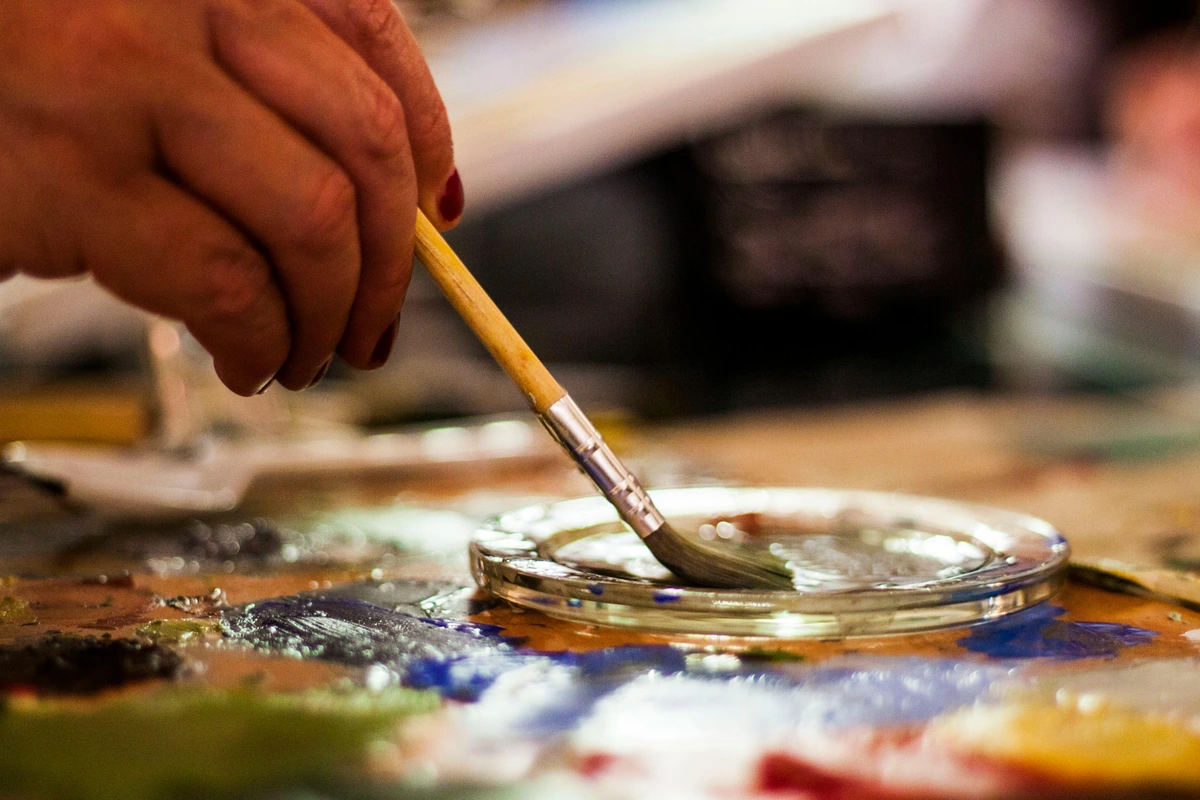
- Clean them thoroughly: Use mild soap and warm water to remove paint residue.
- Store them properly: Keep brushes upright or flat to prevent bending.
- Avoid harsh chemicals: These can damage the bristles over time.
Deep Cleaning Techniques
For a more thorough cleaning, consider the following techniques:
- Use a brush cleaner: Specialized brush cleaners can help remove stubborn paint residue.
- Condition the bristles: Apply a small amount of conditioner to keep the bristles soft and flexible.
- Rinse thoroughly: Ensure all soap and cleaner residue is removed to prevent buildup.
Storage Solutions
Proper storage is essential for maintaining the shape and longevity of your brushes:
- Use a brush holder: Keep brushes upright in a holder to prevent bending.
- Store in a dry place: Avoid damp environments that can promote mold growth.
- Protect the bristles: Use brush guards or covers to maintain the shape of the bristles.
FAQ
Are synthetic brushes as good as natural hair brushes?
Yes, synthetic brushes have improved significantly and can perform just as well as natural hair brushes, especially for acrylics and oils.
Can I use synthetic brushes for watercolors?
Absolutely! Synthetic brushes are great for watercolors, especially taklon brushes which hold water well and provide smooth strokes.
How often should I replace my synthetic brushes?
With proper care, synthetic brushes can last for years. However, if you notice the bristles fraying or losing their shape, it might be time for a replacement.
What are the best synthetic brushes for beginners?
For beginners, a variety pack of synthetic brushes is ideal. Look for a mix of nylon and taklon brushes in different shapes and sizes. This will allow you to experiment and find what works best for your style.
Can synthetic brushes be used for oil painting?
Yes, synthetic brushes are suitable for oil painting. Nylon and polyester brushes are particularly well-suited for handling the thick, heavy-body paints often used in oil painting.
How do I clean synthetic brushes after using oil paints?
Cleaning synthetic brushes after using oil paints requires a bit more effort. Use a solvent like turpentine or mineral spirits to remove the paint, followed by mild soap and warm water to clean the bristles thoroughly.
Are there any disadvantages to using synthetic brushes?
While synthetic brushes offer many benefits, they may not always match the performance of natural hair brushes in certain applications. For example, natural hair brushes may provide a smoother finish for delicate watercolor techniques. However, the gap in performance is narrowing as synthetic brush technology continues to improve.
Conclusion
Finding the right synthetic brush can make a world of difference in your painting experience. Whether you're a beginner or a seasoned artist, there's a synthetic brush out there that's perfect for you. Don't be afraid to experiment and find what works best for your unique style.
And remember, the best brush is the one that feels right in your hand and helps you create the art you love. Happy painting!
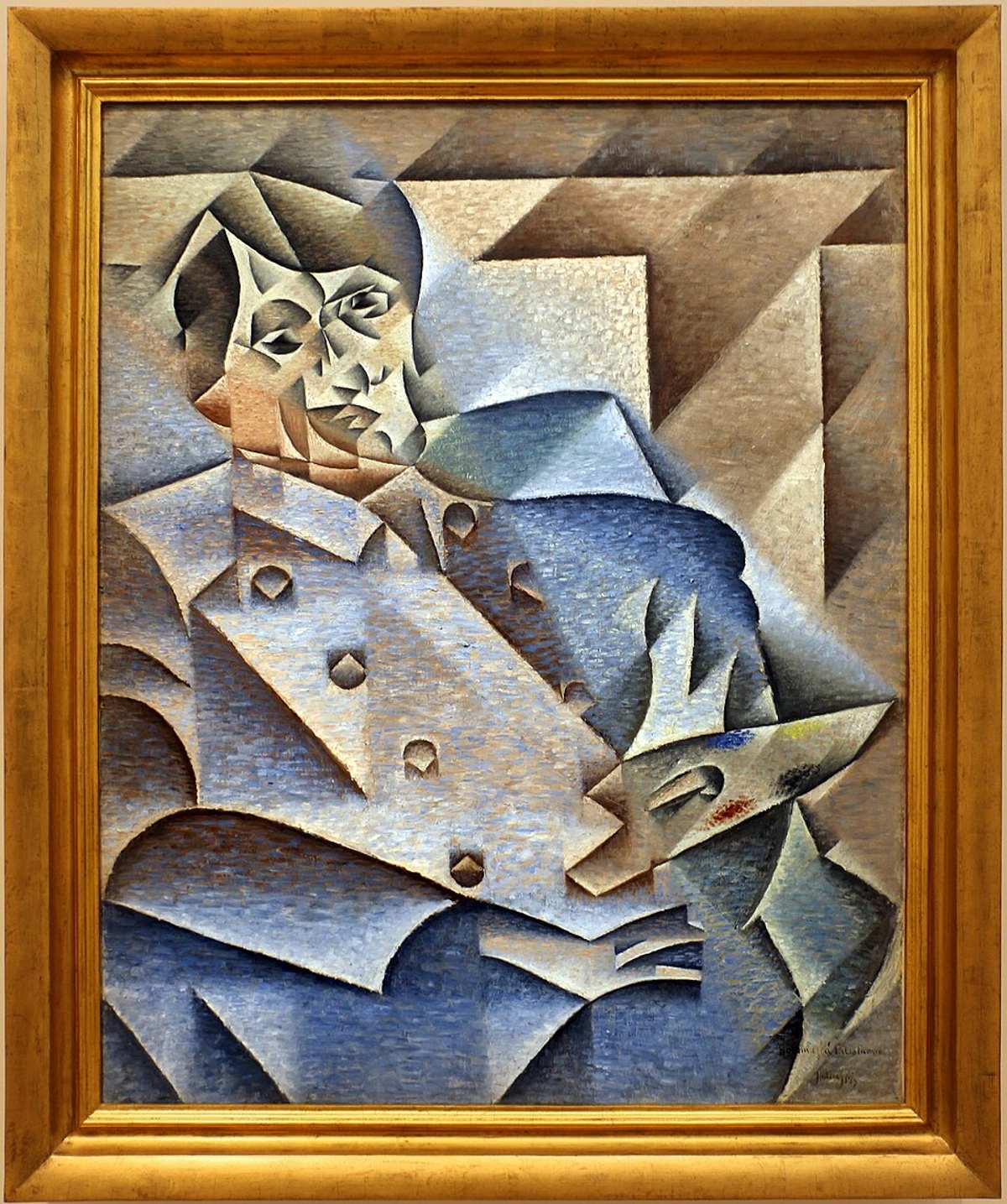
As you continue your artistic journey, keep exploring and refining your tools and techniques. The world of synthetic brushes is vast and full of possibilities, and with the right knowledge and care, you can achieve incredible results.
Final Thoughts
Synthetic brushes have revolutionized the way artists approach their craft. They offer a blend of affordability, durability, and versatility that makes them an essential tool for artists of all levels. Whether you're just starting out or you're a seasoned professional, there's a synthetic brush that's perfect for your style and medium.
So, go ahead and experiment with different types of synthetic brushes. Try new techniques, explore different mediums, and most importantly, enjoy the creative process. The right brush can make all the difference in bringing your artistic vision to life.








If you're looking to explore more about art and painting, check out our timeline for a journey through artistic evolution.
Additional Resources
For further reading and exploration, consider the following resources:
- Books: Look for books on painting techniques and brush selection.
- Online Tutorials: Many artists share their tips and techniques online.
- Art Communities: Join forums and communities to connect with other artists and learn from their experiences.