Art Fairs: Your Definitive Guide to Unearthing Tomorrow's Art Stars (For Artists & Collectors)
Unearth future art stars with this definitive guide. Learn strategies for artists & collectors to navigate art fairs, engage gallerists, understand market shifts, digital art, and ethical collecting.

Art Fairs: Your Definitive Guide to Unearthing Tomorrow's Art Stars (For Artists & Collectors)
My first major art fair wasn't the serene, thoughtful experience I'd romanticized; it was an overwhelming explosion of human energy, dazzling lights, and countless conversations. To be utterly frank, I was overwhelmed, almost comically so. I remember once getting completely disoriented, almost mistaking a fire extinguisher for a conceptual art piece – the kind of charming faux pas only a true art enthusiast might make. My initial impulse was to find the nearest exit, perhaps retreat to a quiet café. But then, a tiny flicker – perhaps pure stubbornness, perhaps just that insatiable artist's curiosity – tugged me deeper into the labyrinth. And thank goodness it did, because beneath that initial sensory overload lies one of the most vital, almost alchemical, spaces for true discovery in the entire art world. This alchemy often happens when an artist's fresh perspective, a daring new material, or an unexpected thematic focus aligns with the unspoken anxieties or aspirations of the time, sparking a new wave of conversation and creation. Art fairs aren't merely venues where art is displayed; they are dynamic crucibles where the very future of art begins to whisper its first, intriguing secrets, and where, if your senses are finely tuned, you can truly connect with the raw, exhilarating pulse of emerging talent. So, whether you’re an artist seeking inspiration, a collector hoping to spot the next big name, or simply a curious soul wanting to deepen your appreciation, how do you learn to navigate this exhilarating chaos and find those whispers of genius? This guide is your map to navigating this exhilarating landscape, helping you develop a keen eye for the artists who will shape the future.
In this comprehensive guide, I'll share my deeply personal strategies for navigating these vibrant arenas to spot the next big names, cultivate a truly insightful, discerning eye, and understand the intricate dance between artistic vision and market reality. We'll explore the historical evolution of these events, delve into practical approaches for unearthing hidden gems, and even touch upon the delicate art of engaging with gallerists to deepen your appreciation and perhaps even find your next acquisition. For a deeper dive into this dynamic landscape of emerging talent, you might explore the art of discovering new talent at fairs.
The Thrill of the Hunt: Why Art Fairs Are the Crucible of Tomorrow's Art
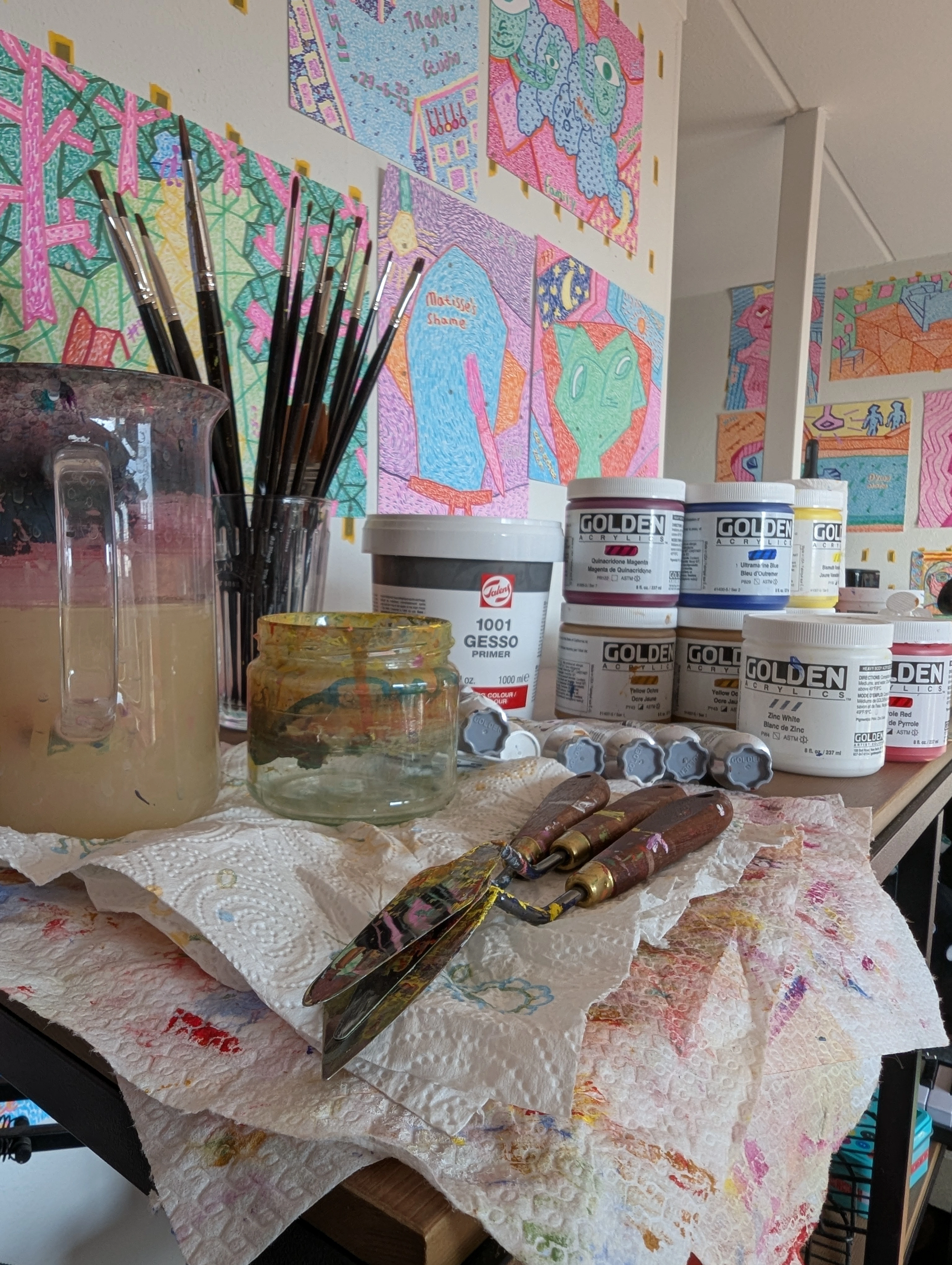
For someone like me, whose hands are almost perpetually stained with paint and whose mind is a constant wrestling match with new abstract concepts, art fairs transcend mere marketplaces. They are sprawling, vibrant laboratories where nascent ideas are tested, audacious forms boldly emerge, and pivotal conversations are sparked. It’s not just about deciphering what’s currently trending; it’s about feeling the tectonic shifts – those subtle, foundational movements driven by new social narratives (like artists exploring identity in a hyper-connected world, the impact of remote work, or emerging intergenerational dialogues), groundbreaking technological leaps (hello, AI art and immersive digital experiences!), or profound shifts in material consciousness (think sustainable art, biomaterials, or even new synthetics born from material science advancements). I'm always looking for that elusive 'next thing' before it even begins to hit the mainstream. I remember an art advisor, a woman whose career had spanned decades of market booms and busts, once telling me, "Art fairs are where the future first whispers." That phrase, honestly, has been a bedrock for my approach ever since.
What she meant, I think, is that these events are crucible-like environments. Consider it this way: a whisper might be a novel thematic preoccupation you notice subtly woven across several independent booths – imagine a sudden surge of artists exploring climate change through reclaimed industrial waste, for instance. Or perhaps a daring material innovation that challenges traditional mediums, like sculptures crafted from ethically sourced mycelium, or even bio-art blurring the lines between living organisms and artistic expression. These are the embryonic seeds of something truly revolutionary, quietly taking root.
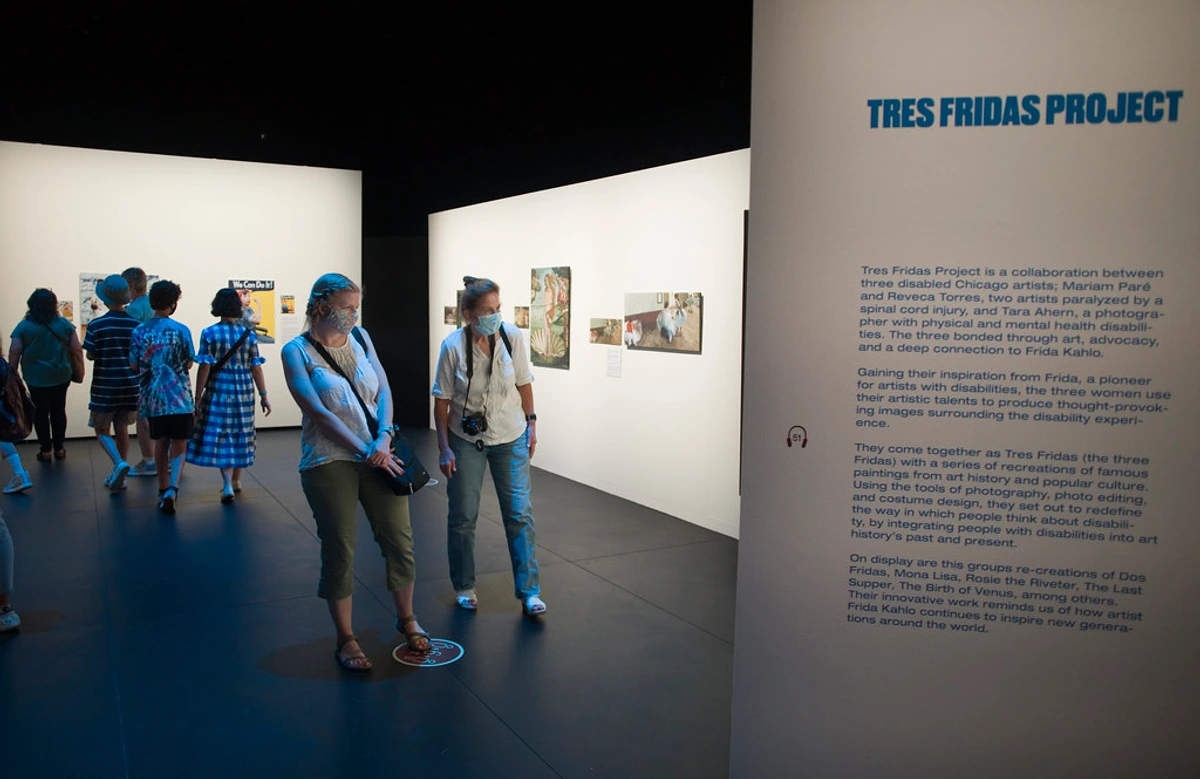
Historically, art fairs have journeyed a long way from the formal, often exclusive salons of the 17th-19th centuries. Initially, these exhibitions were predominantly state-sponsored, showcasing established artists and traditional genres, largely neglecting anything deemed 'unconventional.' Their true transformation, however, dramatically accelerated in the mid-20th century, a period of dynamic artistic upheaval. The emergence of post-war avant-garde movements like Surrealism, with its subconscious explorations, and Abstract Expressionism, emphasizing raw emotion, profoundly influenced how art was created and perceived. Later, Pop Art's embrace of mass culture in the 1960s, challenging high art traditions by presenting everyday objects (think Warhol's soup cans), directly pushed the fair format towards a more accessible, commercial, and trend-responsive model. This era also saw the rise of independent galleries, who, unlike the old guard, actively championed new, often radical, artistic voices. Coupled with the globalization of the art market, groundbreaking events like Art Chicago in 1980, the Venice Biennale's embrace of contemporary art, and the expansion of major events like Frieze and FIAC exemplify this shift. They've evolved into truly global marketplaces for ideas, talent, and discourse, positioning them precisely for early discovery. They're where galleries dare to debut their riskiest, freshest artists; where seasoned collectors refine their instincts; and where artists like myself gauge the current flow of creative dialogue. If you’re truly looking to plunge into the beating heart of the global art market and connect with emerging artists, understanding their unique, evolving role is absolutely indispensable. And if you're curious about how technology like AI is reshaping artistic expression, broaden your understanding with understanding the ai art market trends opportunities and ethical considerations for collectors.
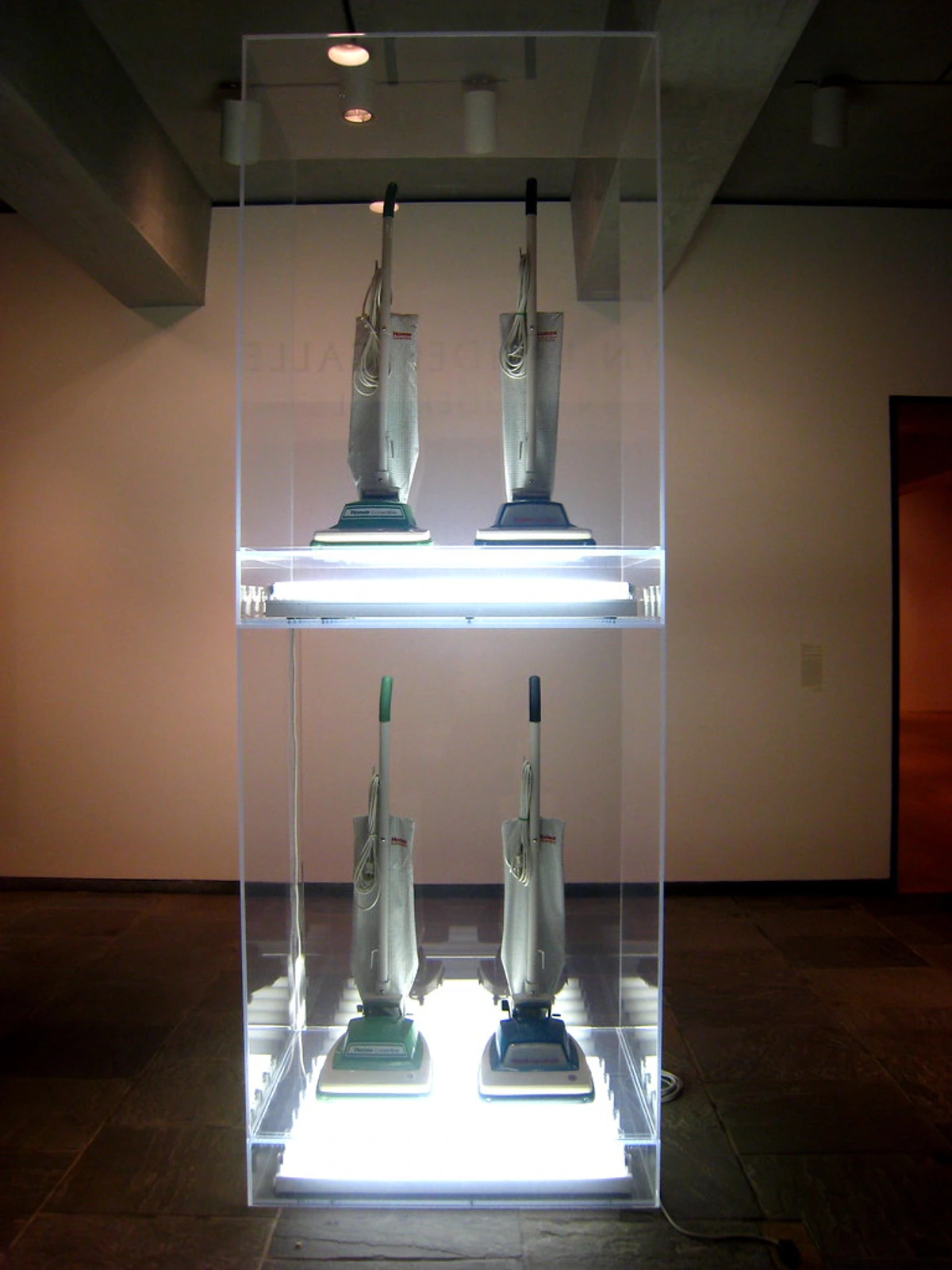
Sometimes, the sheer visual spectacle of an art fair itself can be the first whisper. The collective energy, the vibrant displays – it’s a language all its own.
The Diverse Landscape of Fairs: Your Strategic Map to Artistic Discovery
After countless hours spent navigating these different arenas, I've come to appreciate that not all art fairs are created equal, and knowing their subtle distinctions is key to a focused hunt for emerging artists. Each type offers a unique flavor of discovery, whether you're a seasoned collector, an artist, or just starting your art journey. It’s like picking the right kind of expedition for your treasure hunt. For instance, while a major international fair offers a grand overview, smaller, more intimate fairs are often where you find raw, boundary-pushing talent at more accessible price points.
Fair Type  | Key Characteristics | Focus | Ideal for | Average Price Point (Emerging Art) | Why It Matters for Discovery |
|---|---|---|---|---|---|
| Major International Fairs (e.g., Art Basel, Frieze, FIAC) | Global reach, blue-chip galleries, established artists, high-profile collectors, immense scale. | Market heavyweights, institutional collections, global overview. | Seasoned collectors, market watchers, those seeking an overview of the global art scene. | Mid to High-Range | Understanding market trends, seeing established masters, and occasionally validated emerging talent. |
| Satellite Fairs (e.g., Scope, Untitled Art, NADA, Volta) | Run concurrently with major fairs, more experimental, often artist-run or smaller galleries, frequently in unconventional spaces. | Innovation, boundary-pushing, experimental work, disruptive and anti-establishment perspectives. | Emerging collectors, artists, those seeking fresh, less polished work, looking for the 'next big thing.' | Entry to Mid-Range | Excellent for raw, cutting-edge, truly emerging talent at often more accessible prices, and exploring new curatorial approaches. |
| Local/Regional Fairs (e.g., Affordable Art Fair, various city art weeks) | Community focus, regional artists, smaller scale, accessible. | Local art scene, community engagement. | First-time buyers, local art enthusiasts, artists connecting with peers. | Entry-Level | Discovering local talent, supporting community art, and finding unique pieces for a mid-range budget. |
| Graduate Showcases (e.g., Royal College of Art Degree Show, Yale MFA Show) | University-affiliated, showcasing recent MFA/BFA graduates, often highly conceptual. | Academic innovation, foundational artistic practices, pure artistic exploration. | Mentors, early-stage collectors, curators seeking fresh perspectives. | Entry-Level | Spotting talent at the very beginning of their careers, highly experimental and often conceptually driven work. |
Now that we understand the different arenas, let's delve into the personal strategies I employ for navigating this vibrant landscape to unearth those hidden gems.

My Intuitive Blueprint: Strategies for Unearthing Tomorrow's Artistic Gems
So, with this vast, pulsating ocean of creativity before me, how do I actually navigate it to find those precious, often unseen, gems? My approach is a peculiar, yet effective, blend of calculated strategy and pure, unadulterated gut feeling. I’ve dubbed it 'controlled wandering' – it’s far from aimless, but it's intentionally unconstrained, a flexible focus that allows for serendipity. I try my very best to resist the overwhelming urge to rush, to consume everything at once, or to stick to a rigid itinerary.
Instead, I let my eyes soften, allowing them to drift, almost grazing over the surfaces, until something – a splash of an unusual color (say, a vibrant chartreuse in an otherwise muted palette), a rebellious texture (maybe sandpaper mixed into paint, defying the smooth canvas), a compelling composition that seems to tell an unspoken, urgent story, or perhaps even the peculiar way a piece interacts with the ambient light, casting unexpected shadows and highlighting subtle contours – simply stops me in my tracks. It's often that unexpected jolt, that sudden, almost physical pull, that signifies something truly special. Sometimes, after hours of walking, my initial impulse is to escape to the nearest quiet corner for some artisanal toast, but those unexpected jolts always pull me back in.
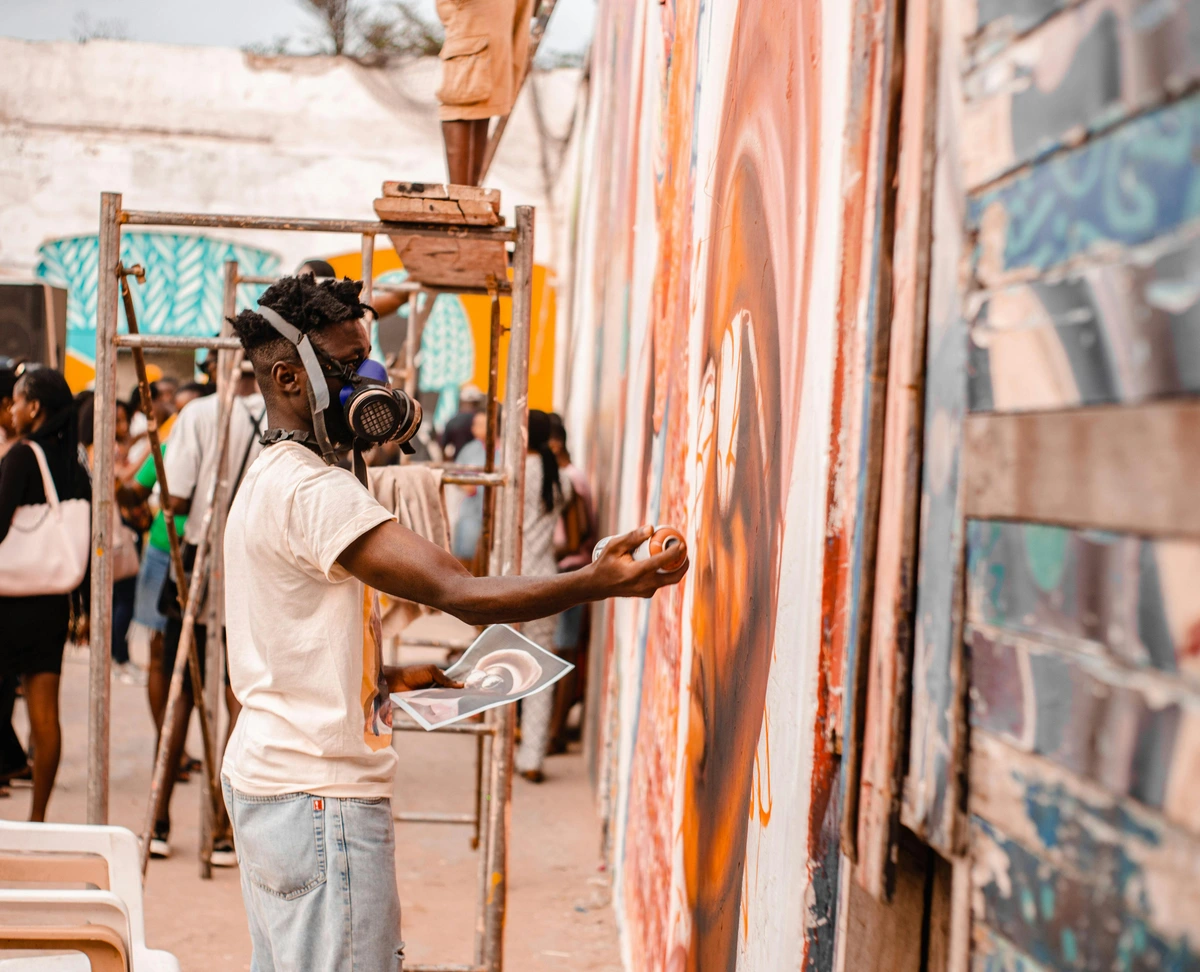
One year, my feet were weary, and my mind was buzzing with too many impressions, making me almost walk past a small, unassuming booth tucked away in a corner. But then, a flicker of light caught my eye on a sculpture made entirely of what looked like discarded circuit boards. It shouldn't have worked, I thought. The materials were raw, industrial. Yet, the artist had arranged them with such delicate precision, imbued them with such unexpected grace and narrative, that it was a profound moment of discovery. The sculpture, which seemed to defy gravity in its delicate balance, resonated with an unsettling universality about our relationship with technology. You genuinely never know where these moments will strike. Often, it's in the quiet corners, away from the main thoroughfares, where the most compelling discoveries lie. Perhaps the soft glow from an overlooked digital artwork, or the intricate layering on an abstract painting, captures your attention. My best finds have rarely been in the main thoroughfare; they've been in the quiet corners, the less-trafficked aisles, or the slightly dishevelled booths that feel more like a guerrilla art installation than a polished gallery space.
Beyond the Mainstream: Where the Real Discoveries Hide
I know what you're probably thinking: everyone naturally gravitates towards the big-name galleries, the ones with the museum-sized booths and the instantly recognizable artists. And yes, they're undeniably important for understanding established trends, for seeing where the market's heavyweights are headed. But the real thrill, for me, almost always lies in the periphery. Think of the smaller, more experimental sections, the booths dedicated to 'Discoveries' or 'Emerging Artists,' or those vibrant satellite fairs that sprout up concurrently with the main event. These aren't just scaled-down versions of the big players; they’re often incubators, raw and electrifying spaces where truly emerging artists get their first significant exposure. These smaller fairs are frequently held in unconventional spaces like empty storefronts, converted industrial buildings, pop-up warehouses, or even repurposed historic sites, adding to their raw, experimental atmosphere. Here, gallerists take bolder risks, actively seeking artists who are pushing conceptual boundaries (e.g., exploring AI's philosophical implications, or the social impact of climate change through interactive installations), experimenting with unconventional mediums (bio-luminescent sculptures, or soundscapes generated by local ecosystems), or challenging existing paradigms (questioning traditional gender roles, or decolonizing art history narratives). The atmosphere is often more accessible, the art feels less polished, and the conversations are usually more direct and engaging. It's the art world equivalent of discovering your favorite band playing in a tiny, sweaty club before they sell out arenas – utterly exhilarating. This is often where you find new and exciting talent, a topic often explored in a qa with a gallerist on discovering new talent.
Here’s a less obvious, but remarkably effective, trick I’ve picked up over the years: subtly observe the crowd. Sometimes, the collective energy speaks volumes. If a particular piece consistently draws people in, if there’s a quiet reverence or an excited buzz around it, that’s a signal worth noting. Look for subtle cues:
- Lingering & Return: Are people lingering longer? Are they returning to a piece after circling the booth?
- Engagement: Are they engaging in animated discussions, perhaps even pointing enthusiastically at a detail?
- Contemplation: Or are they quietly contemplating, perhaps even sketching a detail or taking notes?
These behaviors, while not foolproof, can hint at a deeper, more profound connection, suggesting the piece has a certain resonance or conversation-starting quality, even if that conversation is internal for the viewer. It’s not a foolproof guarantee of artistic greatness, of course – tastes are wonderfully varied and subjective – but it certainly warrants a closer, more deliberate look.
But above all, and I truly cannot stress this enough, trust your gut. In a world overflowing with opinions, critics, and market trends, your most reliable compass is your own deeply personal, internal response. Forget what you think you should like, or what anyone else is saying. If a piece of art resonates with you on a deep, almost primal level, if it makes you feel something raw, complex, or utterly joyful, that’s your unique eye guiding you. That feeling, that moment of profound connection, is the true joy of discovery – the kind I often seek when collecting emerging abstract art a guide to discovering tomorrows masters.

credit, licence
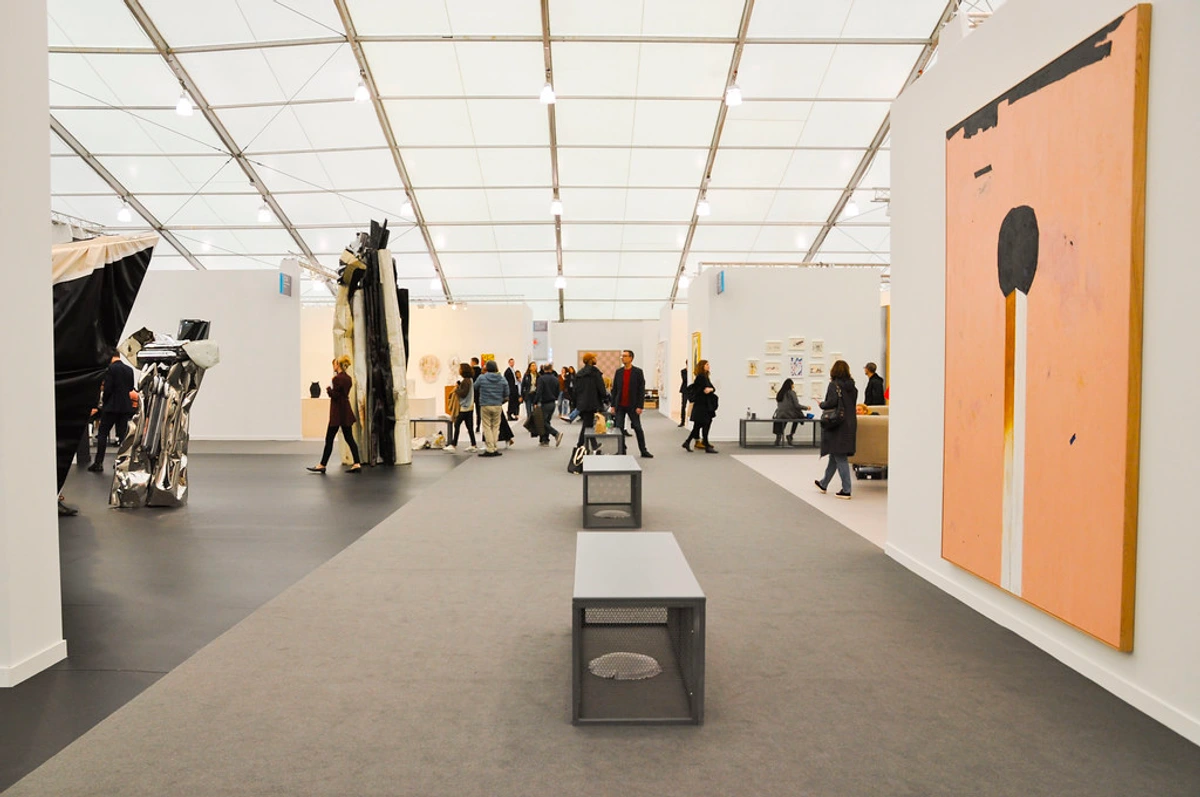
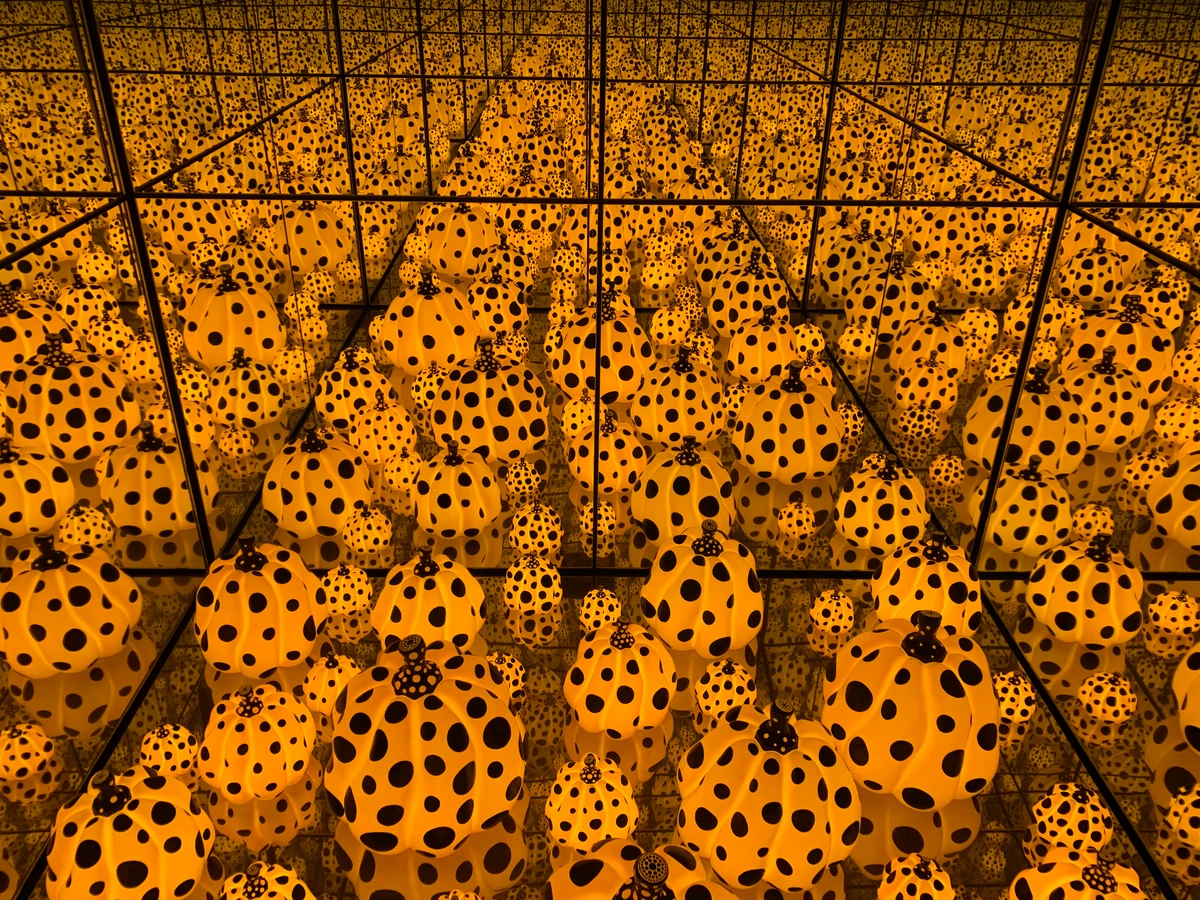
The energy of an art fair, and the crowd's reaction, can reveal much about what captures the collective imagination. Just like a good book can capture your individual imagination.
The Gallerist's Compass: Navigating the Labyrinth of Talent & Expertise
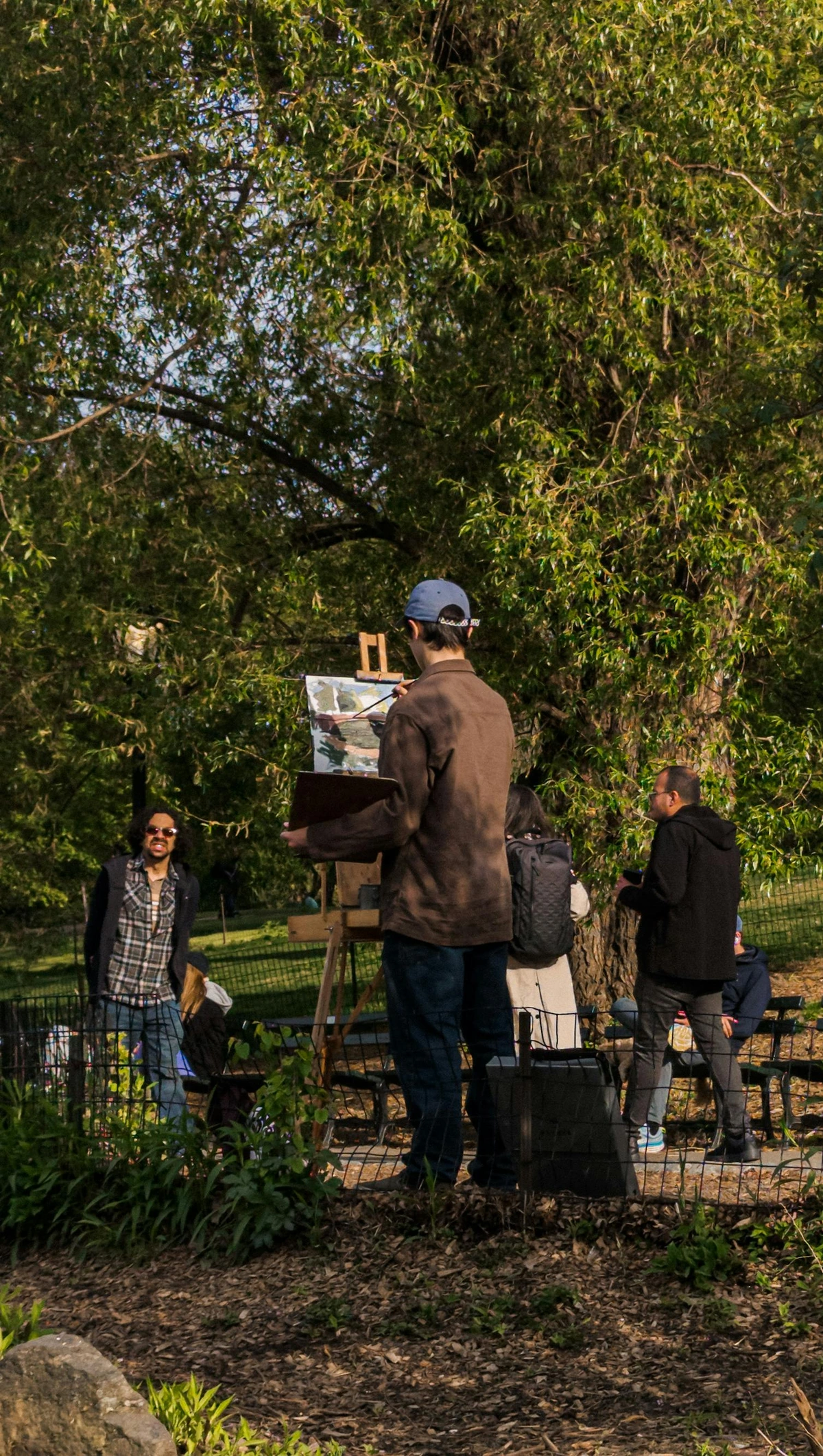
Once something genuinely catches my eye, my next, crucial move is to seek out the gallerist. These individuals are far more than mere salespeople; they are the passionate advocates, fervent champions, and often the first true gatekeepers and career builders of their artists' visions. Engaging them, even for a fleeting moment, can unlock a treasure trove of invaluable insight. As a fellow artist, when I approach a gallerist, I'm often interested in common ground: the artist’s process, their unique journey, the story or philosophical underpinning behind a particular piece, what inspired a recurring motif, or how their studio practice informs their work. If you're an artist looking to connect, having a concise artist statement and a link to your online portfolio ready can also be a subtle, professional opening. You’d be genuinely amazed by the depth of passion and insight a good gallerist can share – it's a direct conduit to the artist's world, offering context that often deepens your appreciation tenfold.
Good gallerists also bear a significant ethical responsibility: to fairly represent their artists, nurture their long-term development, and build sustainable careers. They are constantly scouting for new talent, often attending graduate shows, artists' studio visits, or keeping an eye on online art platforms. They assess market potential not just by gut feeling, but by meticulously tracking an artist's auction results (if applicable), observing collector behavior at previous shows, analyzing press coverage and critical reception, and identifying a burgeoning collector base interested in their style or themes. Art advisors, too, play a similar, often more in-depth, role for collectors, frequently having deep relationships with gallerists and artists to facilitate precisely this kind of discovery. Learning from an expert perspective, such as in a qa with a gallerist on discovering new talent, can truly enhance your fair experience. More often than not, their enthusiasm is as infectious as the art itself, making the entire experience richer. If you're feeling a bit nervous about initiating that first conversation with a gallerist, check out our FAQ on how to approach a gallerist for the first time.
Decoding Potential: The Interplay of Craft, Concept, and Career Trajectory
When it comes to identifying genuinely promising new talent, there’s a fascinating, almost symbiotic, interplay between the structured, often commercially-minded eye of a gallerist and the instinctive, emotional pull a collector (or another artist) feels. While galleries certainly operate with their commercial lenses firmly in place, the underlying quest for authenticity, innovation, and long-term potential is strikingly similar across the board. To truly spot a rising star, you need to understand both perspectives.
For my own abstract work, which often feels like a fluid conversation between raw intuition and calculated chaos, I deeply understand the vulnerability and sheer exhilaration of putting something truly new into the world. When I look at other artists, especially those working in abstract or experimental realms, I’m searching for qualities that suggest not just a fleeting moment of brilliance, but a discernible trajectory – a path of sustained development, a clear artistic journey, and the undeniable signs of an evolving voice. It's often about finding the parallels to my own internal evaluation process, just through a different artistic lens.
The Metrics of Mastery: Craft, Concept, and Coherence (The Artist's Eye)
Metric | What I Look For (Artist's Eye) | Why It Matters for Discovery |
|---|---|---|
| Originality | A truly unique voice, a fresh perspective, a subtle pushing of established boundaries. It's that spark of the unexpected, the sense of seeing something new for the first time – perhaps a novel compositional approach in abstract painting, like using unexpected geometric interventions within organic forms, or a fresh take on narrative in photography, such as photo series that deconstruct historical archives. A unique artistic language that feels both personal and universally resonant. | Indicates visionary thinking and the potential to influence future art movements, rather than just echoing current trends. |
| Skill & Technique | Beyond initial concept, a demonstrable mastery of the chosen medium. Not necessarily photorealism, but intentionality, control, and innovative application – whether it's a painter's nuanced color mixing, a sculptor's precise joinery, a photographer's sophisticated use of light, a digital artist's unique rendering techniques, or a mixed media artist's seamless integration of disparate materials. | Shows dedication, understanding of materials, and the ability to effectively translate conceptual ideas into physical (or digital) form, signaling long-term potential, and crucially, the intentionality of the chosen technique to serve the concept. |
| Consistency (with Evolution) | A coherent body of work with a recognizable thread (thematic, stylistic, material), yet showing clear signs of evolution and intellectual wrestling with ideas, not mere repetition. Think of an artist consistently using found objects, but evolving from collages to kinetic sculptures, or a painter exploring a specific psychological theme through various abstract compositions; not just variations on a theme, but a genuine grappling with new ideas or forms. | Suggests a sustained vision and commitment to artistic growth, indicating a mature artist rather than a one-hit wonder. |
| Passion & Story | A palpable energy emanating from the work itself, even in abstract forms – the dynamism of brushstrokes, the depth of layered textures, or the tension within a composition. The sense of an artist pouring their emotional landscape, philosophical inquiry, or personal history into the piece. | Creates a deeper, more profound connection with the viewer, suggesting an artist who creates from an authentic, internal place, which often translates to enduring work. |
| Cultural Resonance | How well does the art speak to broader societal conversations, anxieties, or aspirations of the time? Does it reflect current global dialogues or offer new perspectives on shared human experiences? | Indicates the work's potential for wider impact and relevance, positioning the artist as a voice of their generation. |
| Beyond the Medium | While my heart beats for abstract expression, I seek these same qualities in other forms: a photographer's novel framing, a conceptual artist's profound inquiry through innovative presentation, or a sculptor's material integrity. | Highlights the universal principles of compelling art, proving the artist's vision transcends specific techniques and suggests broad applicability. |

The Gallerists' Market Lens: Practicalities of Potential
Gallerists, of course, add another crucial layer of analysis when assessing new talent. They're taking a calculated, often significant, risk, so their considerations extend to the practicalities that define an artist's professional journey and market viability. These aren't about 'selling out,' but about building a sustainable career:
Gallerist's Consideration | What They Assess | Why It's Crucial |
|---|---|---|
| Professionalism | Reliability, ability to meet deadlines, clear communication, accurate documentation, understanding of obligations. | A brilliant artist who is difficult to work with rarely succeeds long-term. Essential for building trust and a reputation with collectors and institutions. |
| Market Potential | Alignment with current/emerging collector interests, a burgeoning collector base for their style/themes, and positive critical reception. This also includes the artist's engagement with the broader art community (talks, studio visits, critique groups), and how their work is perceived on platforms like Artnet or Artsy. | Ensures the art finds appreciative homes and the artist can sustain their practice; it's about connecting supply with demand sustainably. |
| Artist's Growth & Ambition | Intellectual curiosity, willingness to evolve, push conceptual boundaries, engage with broader art dialogue, a strong artist statement and CV. They look for indicators like a progression in scale, increasing complexity, consistent experimentation with new materials, or a deepening of thematic concerns. | Speaks to long-term sustainability, impact, and the potential for a significant career trajectory beyond initial success. |
| Exhibition History | Previous shows, awards, residencies, and critical mentions. | Provides a track record of engagement within the art world and offers early indicators of recognition and credibility. |
| Relationship Building/Artist Development | How the gallerist actively supports and cultivates the artist's career beyond immediate sales (e.g., mentorship, promotion, networking). | Essential for fostering long-term growth and ensuring the artist has the support to thrive. |
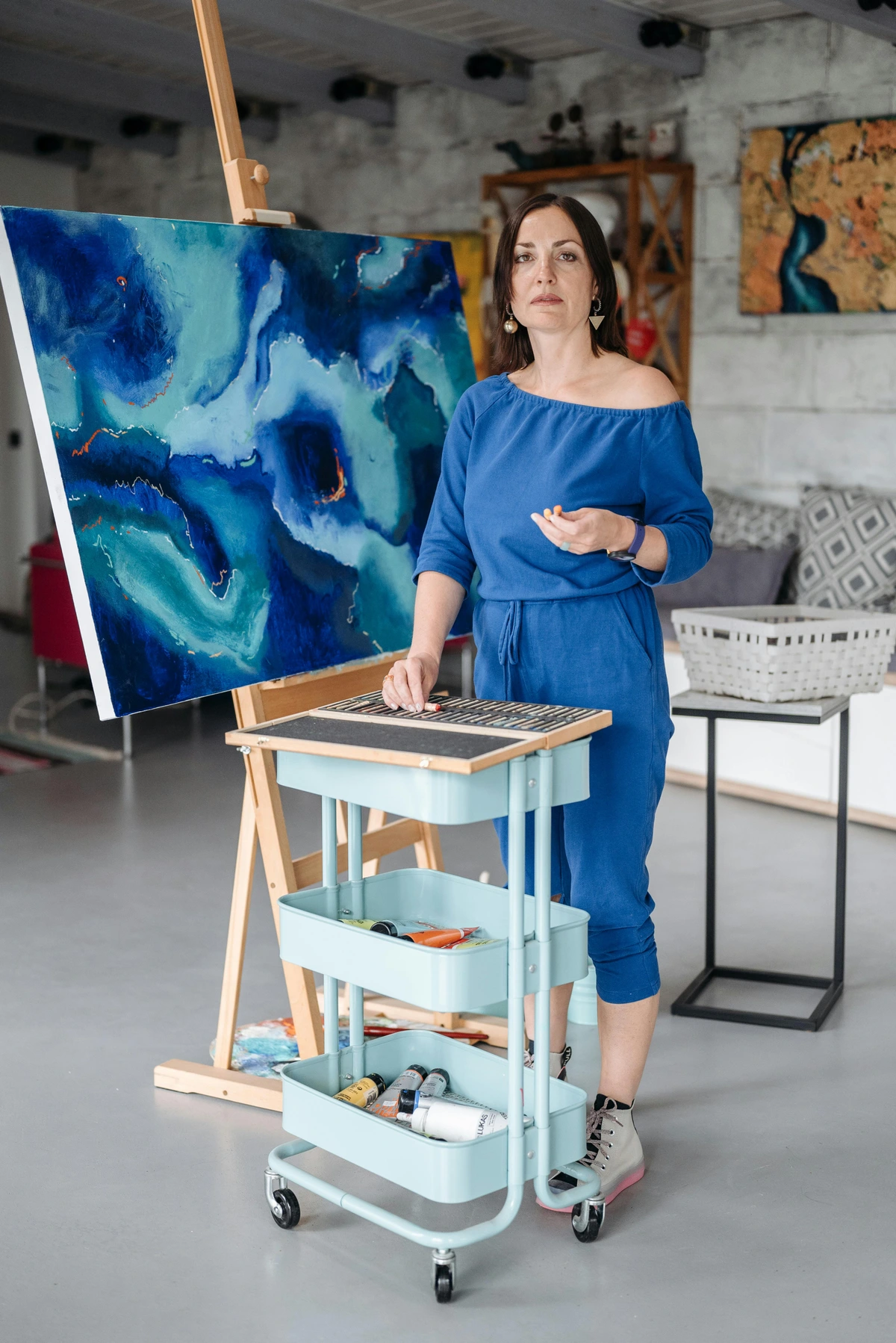
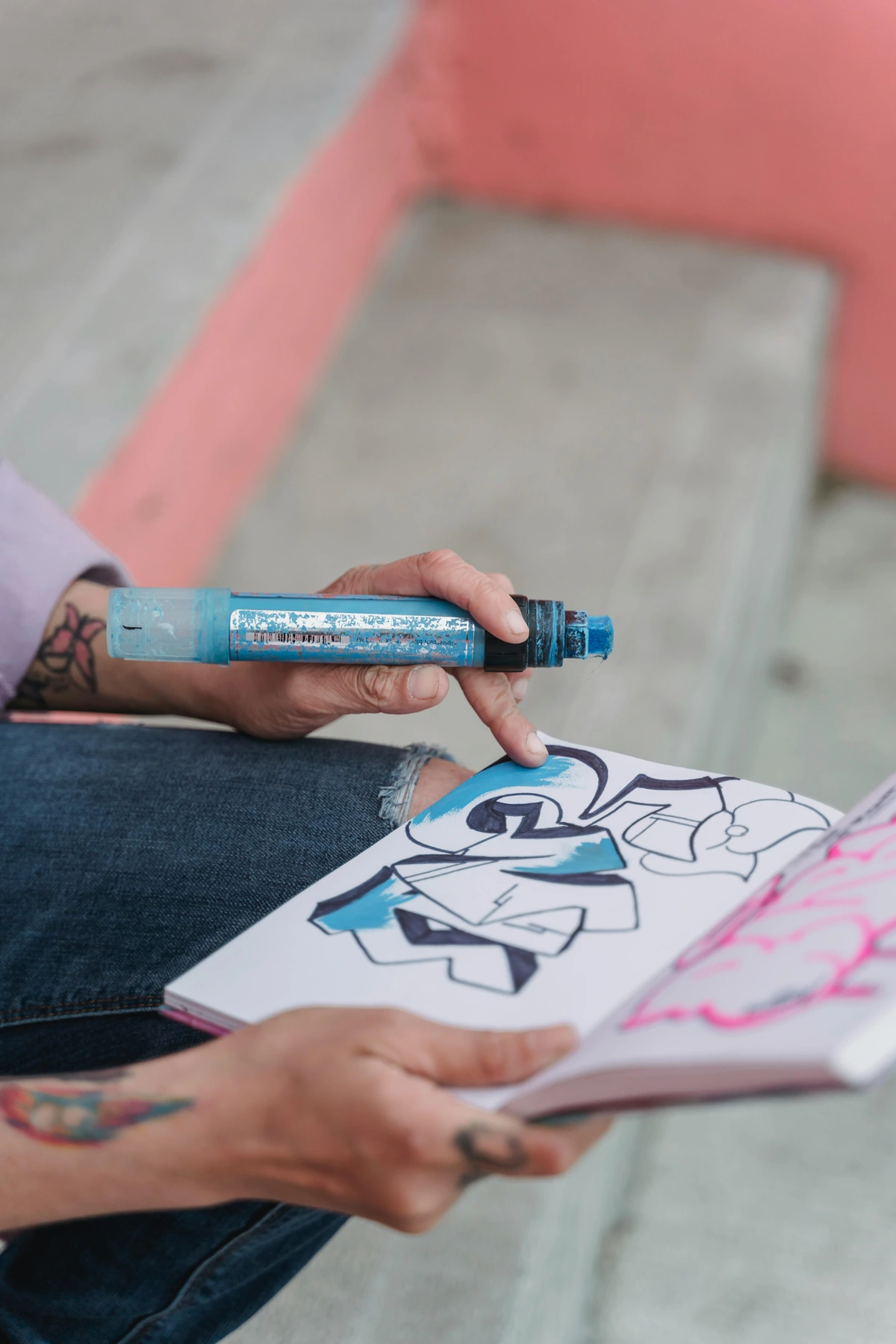
Behind every discovered talent is a dedication to craft, often honed in a quiet studio space, and a thoughtful strategy for presenting their work. It's also vital to ensure fair representation and credit for artists' work, fostering an ethical environment for discovery and growth.
The Digital Echo and the Irreplaceable Aura: Art Discovery in the Modern Age
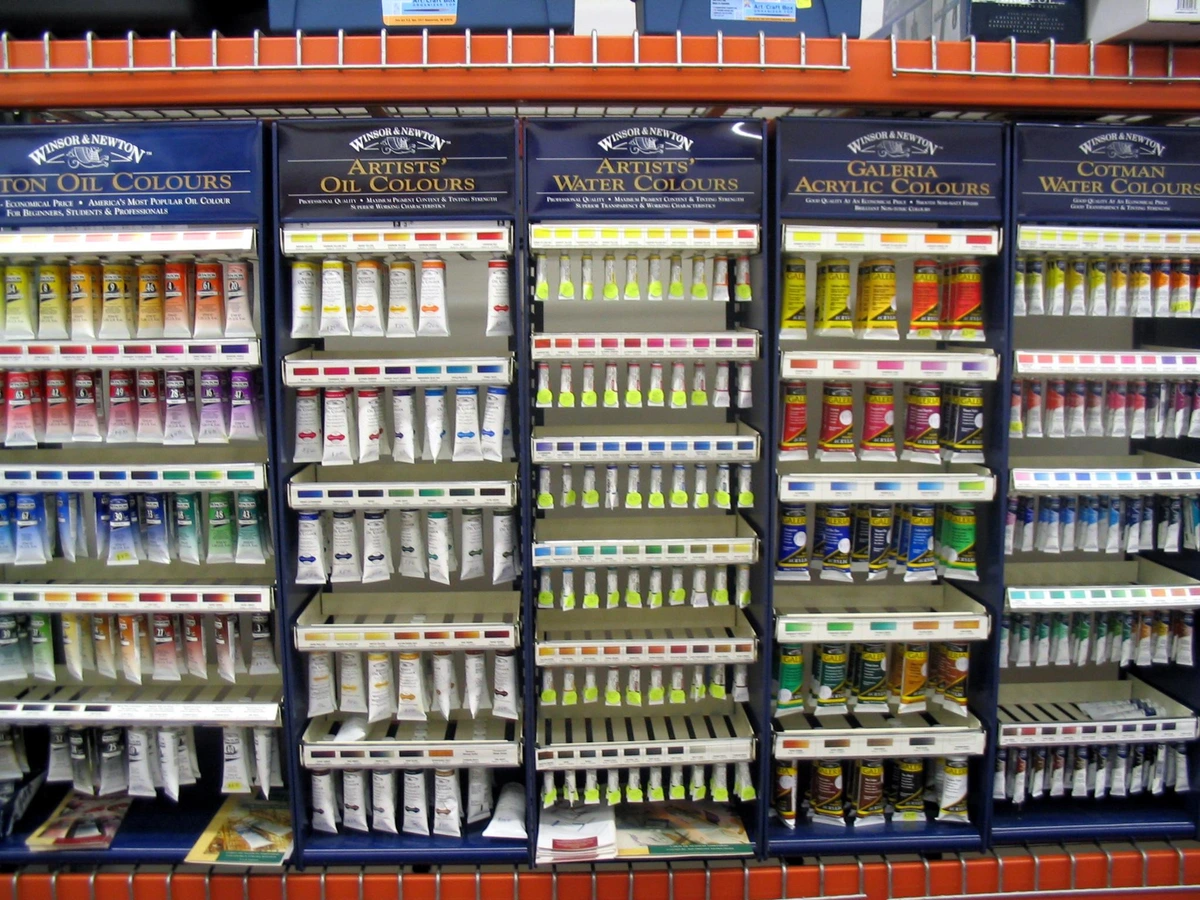
The art world, like any vibrant ecosystem, is continuously evolving, with digital currents now shaping its landscape alongside traditional rivers. While the undeniable magic of an in-person art fair remains unparalleled for that visceral, immediate connection with an artwork, it would be naive to ignore the expanding, increasingly vital role of digital platforms in discovering new talent. Online galleries like Saatchi Art, artist portfolios on social media platforms like Instagram and Behance, curated digital showcases like Artnet and Artsy, and virtual exhibitions now offer powerful complementary, and sometimes even competing, channels for exposure. An artist in a remote corner of the world can now, with a few clicks, showcase their work to a global audience, bypassing many traditional gatekeepers. This democratic aspect is truly exciting, actively breaking down geographical barriers that once rigidly defined art world access. For insights into leveraging these platforms, consider exploring top online resources for emerging artists.
However, and this is a big 'however' for me, a digital image, no matter how high-resolution or well-photographed, can never fully capture the texture, the precise scale, the subtle nuances, or the profound aura of a physical artwork. The 'aura' is that unique, almost spiritual presence a physical object possesses, stemming from its history, its materiality, and the undeniable fact that it exists as a singular, tangible entity in space. Think of it like listening to a live concert versus a recording: the notes might be the same, but the energy, the communal experience, the subtle vibrations you feel in your chest – that's the aura that can't be digitally transmitted. Or consider holding a cherished, dog-eared physical book versus reading it on an e-reader: the scent of the paper, the tactile sensation of turning a page, the weight in your hands – these sensory details deepen the experience in a way a screen simply can't replicate. It's the subtle scent of oil paint, the delicate imperfections of the human hand, the way ambient light plays across a canvas, the faint reverberation of sound in a sculpture's hollow form – these are sensory details a screen simply can't replicate. That’s why the tactile, embodied experience of an art fair – standing inches from a canvas, feeling the impasto, observing how light plays on a sculpture – endures. You can scroll through a thousand images online, but it’s the physical presence of a painting – the way the light catches its surface, the subtle shifts in its dimensions as you move, the palpable energy it emanates – that truly creates a profound, unforgettable connection. That irreplaceable "aura" is something a JPG, for all its convenience, simply cannot convey.
And what about the buzzing (and often bewildering) world of NFTs and blockchain art? It has certainly opened new avenues for digital artists, introducing novel models for ownership and provenance, and can facilitate the discovery of digital-native talent through new platforms and communities like SuperRare, KnownOrigin, or Foundation. Artists might explore NFTs for new revenue streams or to build a direct connection with a global audience, finding a way to monetize purely digital creations. However, for many of us who are deeply embedded in the tangible, material world of art, the long-term value, authenticity, and the ability of these purely digital assets to replicate the profound, multi-sensory connection of physical art are still subjects of intense debate and evolving understanding. While they offer a fascinating glimpse into potential future art markets and are certainly worth understanding, the core experience of connecting with art – feeling its presence, discussing its physical attributes, or witnessing its creation – is something that remains firmly anchored in the physical realm, and thus, places like art fairs continue to hold immense importance for discovery. For further discussion on AI in the art market, you can also consider the role of ai in art curation opportunities and challenges for galleries and collectors or understanding the ai art market trends opportunities and ethical considerations for collectors.
Navigating the Art Fair Scene: Essential Etiquette and Jargon
Shifting gears from the ethereal 'aura' to the practicalities on the ground, navigating the dazzling (and sometimes frankly intimidating) environment of an art fair is an art in itself. A little preparation goes a remarkably long way. It's not just about what you see, but how you engage, how you move through the space, and how you interact. Think of it as a subtle dance, where respectful observation and confident inquiry are your key steps. Having made my fair share of faux pas over the years (like almost taking a sip from what I thought was an intriguing ceramic sculpture, only to realize it was part of a plumbing installation – the kind of thing that makes you want to spontaneously combust), I've learned these lessons the hard way, so you don't have to!
Mastering the Art Fair Language: Terms to Know
To help you decode the chatter and navigate conversations with confidence, here’s a quick glossary:
Term | Definition & Why It Matters for Discovery |
|---|---|
| Blue-Chip Artist | An artist whose work is highly established, consistently valued, and commands high prices in the secondary market. Think museum-grade. (Less about discovery of new talent, more about understanding market benchmarks). |
| Emerging Artist | Typically a younger artist or one early in their career, gaining recognition but not yet fully established. This is precisely where the real, exhilarating discovery often lies! |
| Mid-Career Artist | An artist with a recognizable body of work, established gallery representation, and a growing collector base. (A good space to observe artists on their upward trajectory). |
| Primary Market | Where art is sold for the first time by the artist or their representing gallery. This is what you primarily interact with at art fairs, offering a chance to be an early supporter. |
| Secondary Market | Where art is resold after its initial purchase, usually through auction houses or dealers. (Influenced by primary market success, but a different beast entirely). |
| Booth | The individual exhibition space rented by a gallery at an art fair. (Your hunting ground for new talent). |
| Curator | A professional responsible for selecting, organizing, and presenting artworks for exhibitions. (Often looking for new talent for future shows). |
| Gallerist | The owner or director of an art gallery, who represents artists and sells their work. They are your most valuable allies in the quest for discovery! |
| Art Advisor | A professional who guides collectors through the art market, offering expertise on acquisitions, sales, and collection management. They can be invaluable for navigating fairs, especially for significant purchases. |
| Provenance | The documented history of ownership of a work of art. This is crucial for verifying authenticity and determining value, especially for significant acquisitions. |
| Artist Statement | A written explanation by the artist about their work, philosophy, and process. Crucial for understanding their intent and context. |
| CV/Resume | A document detailing an artist's education, exhibitions, awards, and professional experience. Provides a track record and context for their career trajectory. |
| Art Fair vs. Gallery Show | An art fair is a temporary marketplace featuring many galleries under one roof, focused on sales and broad exposure. A gallery show is a dedicated exhibition by one or a few artists in a single gallery space, often more focused on a conceptual theme or new body of work. Fairs are for broad discovery; gallery shows are for deeper dives. |
Etiquette for the Curious Explorer: How to Make a Great Impression
Navigating an art fair isn't just about what you see, but how you present yourself. A little awareness goes a long way, ensuring a smooth and rewarding experience, whether you're a seasoned collector or a first-timer using a guide like understanding art fair logistics a guide for emerging artists:
Etiquette Tip | Practical Application | Why It Matters |
|---|---|---|
| Don't Be Afraid to Ask | If you love a piece, or even just find it intriguing, ask about it! Gallerists are there to share information and insights. | Shows genuine interest, allows for deeper understanding, and can spark meaningful conversations. |
| Mind the Gap (and Your Drink) | Crowded aisles demand vigilance. Be mindful of your bag, your elbows, and especially any beverages around precious artworks. | Accidents can be costly and embarrassing. Respect for the art and the space is paramount. |
| Touch with Your Eyes | Unless explicitly invited by the gallerist to touch a specific work (e.g., a sculpture designed for interaction), assume all art is 'look but don't touch.' | The oils on our skin can cause irreparable damage to delicate surfaces over time. |
| Take Notes (Discreetly) | Use your phone to snap quick photos (always ask permission first!), jot down artist names, titles, or booth numbers, and note your initial impressions. | It's impossible to remember everything! Your notes become your personal catalog for post-fair research and help you nurture discoveries. |
| Mind Photographer's Privacy | If snapping photos, be mindful of others' privacy and explicit 'no photo' signs, especially in intimate booth settings. | Respect for fellow visitors and artists' wishes enhances the fair experience for everyone. |
| Pace Yourself | Art fairs are marathons, not sprints. Don't try to see everything in one go. Give yourself breaks, grab some water, and let your eyes rest. | Overload leads to everything blending together. Fresh eyes make for better discovery. |
| Engage with Intent | If you're genuinely interested in collecting, make that known. Gallerists appreciate serious inquiries, regardless of budget. | Establishes you as a serious potential client and can lead to more tailored recommendations. |
| Be Open & Respectful | Approach every booth with an open mind, even if the art isn't immediately to your taste. Engage politely. | Fosters a positive environment and you might be surprised by what grows on you or what you learn. |
Key Takeaways: My Top Strategies for Art Fair Discoveries
After years of walking these labyrinthine halls, I've distilled my approach to spotting tomorrow's masters into a few core, actionable principles. These aren't rigid rules, mind you, but rather a flexible compass for navigating the glorious chaos of an art fair. Consider this your quick-reference sheet for maximizing your hunt for new talent:
credit, licence
Strategy | What It Means in Practice | Why It Works for Discovery |
|---|---|---|
| Controlled Wandering | Let your intuition guide you with a flexible focus, allowing for serendipitous 'jolts' and unexpected connections. | Allows for truly authentic encounters with art that resonates deeply, beyond preconceived notions or gallery hype. |
| Seek the Periphery | Specifically allocate time to explore smaller booths, emerging artist sections, and vibrant satellite fairs – this is where the raw energy truly is. | These are often incubators for truly new, experimental, and boundary-pushing talent, offering fresh perspectives and accessible entry points. |
| Engage Gallerists | Ask insightful questions about the artist, their process, journey, and inspiration behind the work – they are your most valuable guides. | Unlocks deeper context, stories, and insights that enrich your understanding and personal connection to the art. |
| Observe & Absorb | Pay attention to how others react to a piece, but always filter through your own unique feeling and intuition – your gut is paramount. | Provides a collective pulse on impactful work, but ensures your unique personal connection remains paramount. |
| Trust Your Gut | If a piece speaks to you, regardless of trends or others' opinions, investigate further – your inner compass is rarely wrong. | Your unique aesthetic compass is your most powerful and reliable tool for authentic, personal discovery. |
| Look for Coherence & Evolution | Seek artists with a developing, yet consistent, body of work, hinting at a clear artistic journey, not just a single impressive piece. | Indicates artistic maturity, sustained vision, and long-term potential beyond a singular impressive artwork. |
| Embrace the Unexpected | Be open to art forms, styles, or themes you wouldn't normally gravitate towards – challenge your own tastes. | The biggest, most profound discoveries often happen when you step outside your comfort zone and challenge your own tastes. |
| Nurture Relationships | Actively connect with gallerists, artists, and even other collectors; a strong network enriches your understanding and access to the art world. | Builds a deeper engagement with the art community and can lead to more personalized discoveries and opportunities. |
| Research Smartly (Pre- & Post-Fair) | Do some homework on participating galleries before the fair, and delve deeper into artists you've discovered afterwards to cement those connections. | Maximizes your time at the fair and allows you to nurture discoveries into lasting connections. |
| Understand Market Indicators | Learn to spot signs of an artist's upward trajectory, such as recent awards, institutional acquisitions, or growing critical attention, even if prices are still accessible. | Helps you make informed decisions and recognize early-stage potential, aligning your aesthetic appreciation with market realities. |
Post-Fair Path: Nurturing Your Discoveries and the Art of Responsible Collecting
Here’s a secret that many overlook: the art fair experience doesn't end when you walk out the doors, perhaps with aching feet and a buzzing head. For me, the true adventure often begins there – following the exciting trajectory of a newly discovered artist. It's like planting a seed and watching it grow. Remember, an artist's own commitment to their online presence and engaging with their audience is also a key indicator of their professional trajectory, something collectors like myself keenly observe.
If a piece or an artist truly captivated you, here’s how I recommend nurturing that initial spark of discovery and engaging in responsible collecting:
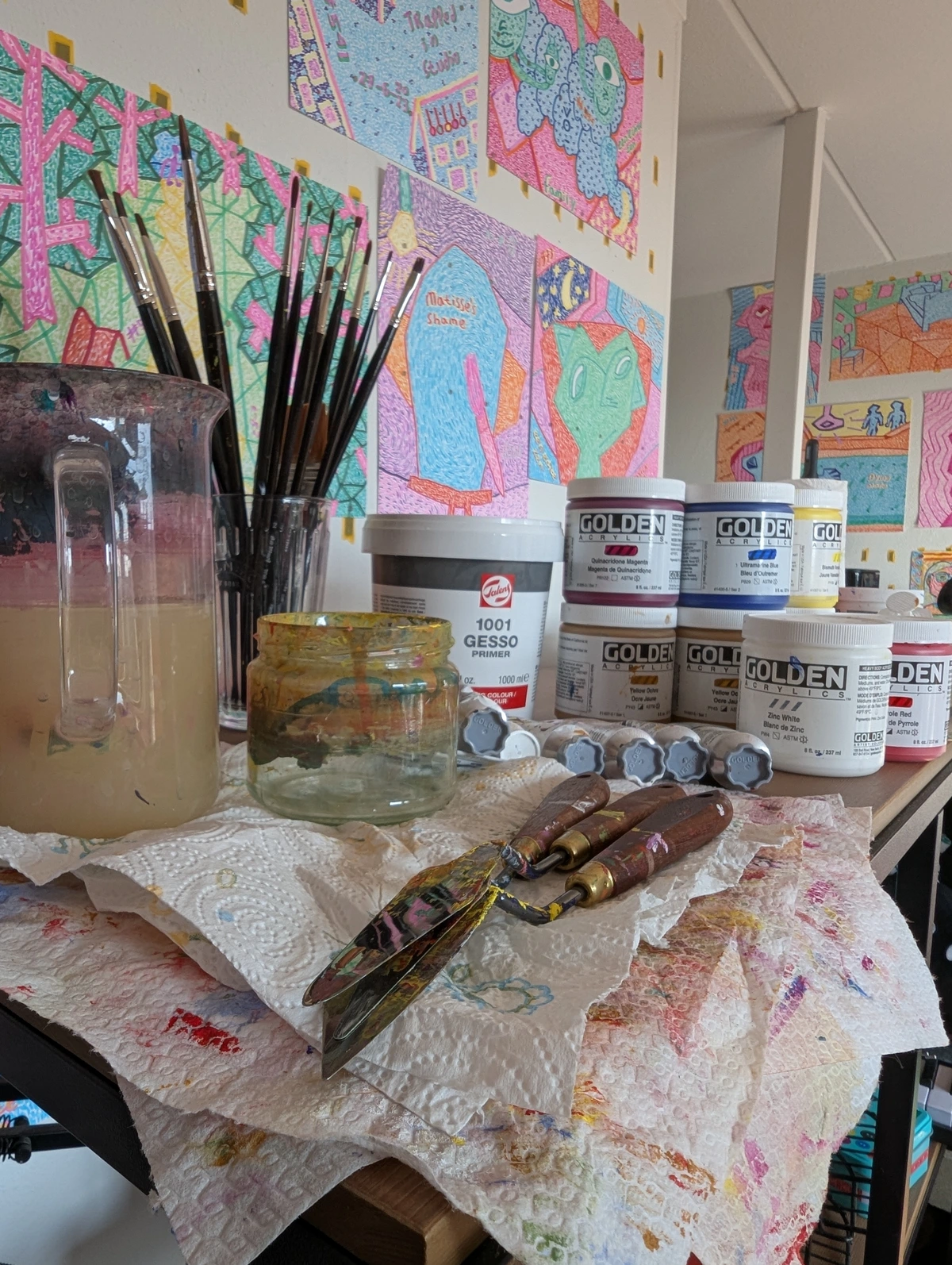
- Follow Online: Most serious artists and galleries maintain robust online presences. Follow their social media channels (Instagram is a must!), subscribe to their newsletters, and explore their websites (like my own artistic journey or my art for sale). This keeps you abreast of new works, upcoming exhibitions, critical reception, and their evolving practice. It's a low-effort, high-reward way to stay connected, and it also allows you to gauge their professional commitment.
- Visit the Gallery: If geographically feasible, make a point to visit the physical gallery that represented the artist at the fair. Seeing their full roster of artists, and perhaps more of the discovered artist's work, can significantly deepen your appreciation and understanding. This is also a fantastic way to find the best galleries for emerging artists that align with your taste.
- Read & Research Extensively: Delve into articles, interviews, critical reviews, and academic papers about the artist's work. Understanding the broader art historical context or contemporary discourse surrounding their practice can be incredibly enriching and help solidify your appreciation. Many art publications (both online and print) are excellent resources, as are specialized art databases. This post-fair research is crucial for turning an initial 'like' into a sustained 'love.'
- Attend Artist Talks or Studio Visits: If a gallery or fair offers these, seize the opportunity. Hearing an artist discuss their work directly, or seeing their creative space, offers unparalleled insight and often deepens your connection to their art. It’s an intimate peek behind the curtain of creation.
- Consider Collecting & Logistics: If you're in a position to, acquiring a piece is arguably the ultimate way to support an emerging artist and become a tangible part of their journey. Don't ever be shy about asking prices or expressing genuine interest – it's how the art world thrives and how artists sustain their vital practices. This is genuinely one of the best avenues for collectors on a mid-range budget to acquire quality, potentially significant pieces before they become astronomical. When it comes to pricing, gallerists are usually transparent, and prices are often directly tied to the artist's career progression and gallery support. While direct negotiation might be possible, especially for multiple pieces or if you're a serious collector, approach it respectfully. Focus on understanding the value, the artist's trajectory, and how this piece fits into your collection. Don't hesitate to discuss payment plans, shipping options, insurance, and even basic framing or conservation advice for your new acquisition. Many galleries are well-versed in arranging secure, insured shipping worldwide, often handling all customs paperwork. Always get clear documentation of your purchase, including a bill of sale and provenance information. Remember, collecting emerging art offers a unique, dual reward: not only the aesthetic pleasure of living with a piece you love, but also the profound satisfaction of supporting an artist's nascent career and potentially seeing your investment grow, though financial return should always be secondary to genuine appreciation.
FAQ: Navigating Common Questions on Art Fair Discoveries
To address some common questions that naturally arise when embarking on this thrilling quest for new talent, here's a concise FAQ, offering practical guidance for your next art fair adventure:
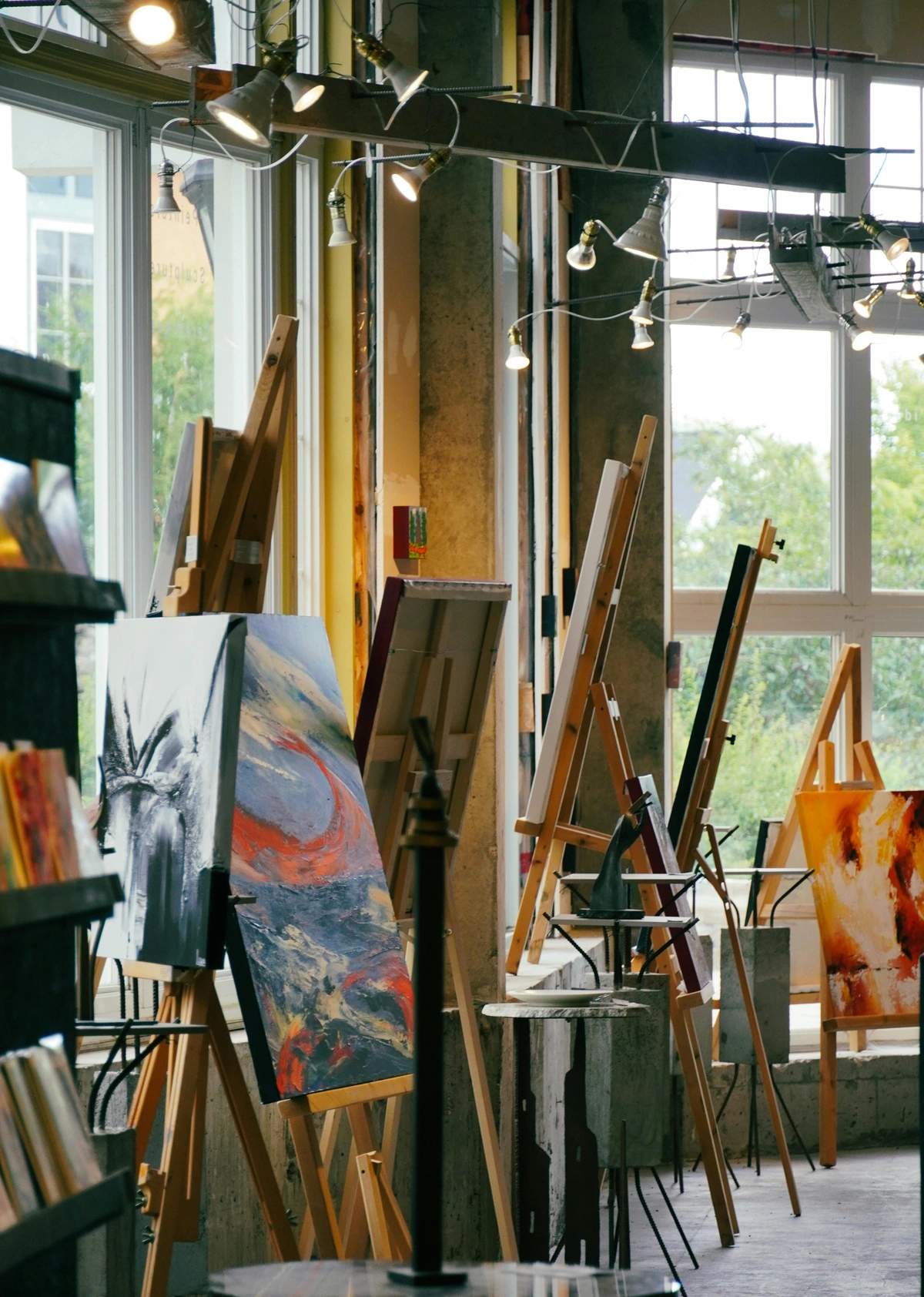
Q1: How do I best prepare for an art fair to maximize my chances of discovering new talent?
A: My best advice is always a blend of judicious homework and embracing serendipity. Do a little research beforehand: check the fair's official website for participating galleries, paying particular attention to sections explicitly labeled 'emerging,' 'discoveries,' or 'statements.' Also, scan the fair's program for artist talks, panel discussions, or special projects that highlight new voices. Tools like understanding art fair logistics a guide for emerging artists can also be incredibly helpful for practical planning. Don't forget to allocate a specific amount of time, perhaps 30-60 minutes, specifically for exploring the 'Emerging Artist' sections or satellite fairs, as these are often prime hunting grounds. But critically, and this is where serendipity comes in, don't over-schedule your visit! Leave ample room for that 'controlled wandering' I mentioned earlier – allowing yourself to be pulled by unexpected pieces rather than a strict checklist. The most magical discoveries, the ones that truly stick with you, often happen when you're least expecting them. It's like planning a visit to a museum in a fascinating city like den Bosch museum – you plan some highlights, but allow for unexpected delights around every corner.
Q2: How do I effectively research artists after the fair to nurture my discoveries?
A: This is where the magic truly unfolds! Beyond simply following social media (which is a given), really dive deep. Look for interviews with the artist, critical reviews of their past exhibitions, and any academic papers that discuss their work. Use art databases like Artnet or Artsy to track their exhibition history and any secondary market results. Check gallery websites for artist bios and full exhibition archives. Pay attention to institutions that have collected their work. The goal is to build a comprehensive picture of their artistic trajectory and critical reception. Think of it like being a detective, piecing together clues to understand the full story of a compelling new talent.
Q3: What's the fundamental difference between an art fair and a traditional art exhibition or gallery show?
A: Ah, this is a common point of confusion! A gallery show is typically a focused, often thematic exhibition of one or a few artists within a single gallery's dedicated space. The pace is usually slower, allowing for deep contemplation of a specific body of work. An art fair, by contrast, is a large-scale, temporary marketplace that brings together many galleries (sometimes hundreds) under one roof, each with its own booth. It's much more commercially driven, often bustling, and designed for broad exposure and sales. Fairs are about rapid discovery and seeing a vast cross-section of the art world, while gallery shows offer a more curated, in-depth dive into an artist's vision.
Q4: How important is an artist's online presence, like social media or a personal website, when considering their long-term potential?
A: In today's interconnected art world, an artist's online presence is incredibly important, often indicating their professionalism and long-term vision. For me, a coherent, well-maintained website (like my own artistic journey) or an active social media presence (like Instagram) signals several key things: it shows dedication to building their brand, engaging with a wider audience, and documenting their evolving practice. It also provides collectors with a clear trajectory of their work beyond what's seen at a single fair. A strong online footprint makes an artist more discoverable, more accessible for research, and demonstrates their understanding of the modern art landscape. While the physical art remains paramount, a robust digital presence is a vital complement for an artist aspiring to build a significant, sustainable career.
Q5: How do I approach a gallerist for the first time as a collector or artist at an art fair?
A: This can feel intimidating, but remember, gallerists are there to connect! First, always be respectful of their time, especially if the booth is busy. Start with genuine interest in a specific artwork: "I'm really drawn to this piece; could you tell me a little about the artist's process?" or "What's the story behind this work?" Listen attentively. If you're a collector, and you have genuine interest in acquiring, mention it. Be clear about your interests without overstating your budget initially. If you're an artist seeking to be represented, a fair isn't typically the place for a full portfolio review, but you can express your admiration for their program and ask if they accept artist submissions (and how). Have a business card with your website (like my own artistic journey) or Instagram handle ready. The key is to be polite, show genuine appreciation, and make a memorable, positive impression without taking up too much of their time during a hectic fair.
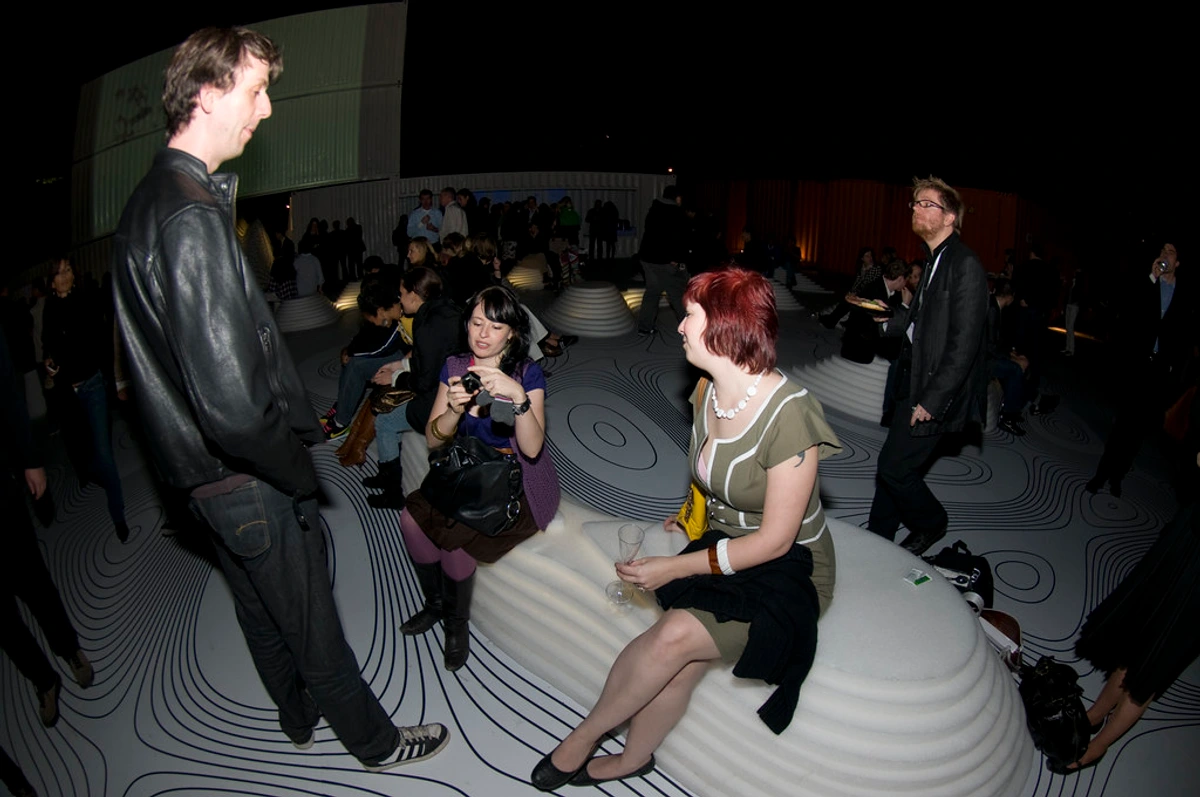












Final Thoughts: The Enduring Magic of Unseen Horizons
Stepping out of an art fair, my feet might ache, my head might spin a little from the sheer volume of visual and intellectual input, but my spirit is always, without fail, profoundly invigorated. There's a deep-seated, almost ancient joy in connecting with art, a connection that feels all the more potent when it's by someone you've never encountered before – someone just beginning to carve their indelible mark on the world. It’s a powerful, beautiful reminder that human creativity is an endless, boundless wellspring. Around every corner, in every carefully curated booth, or even in the humblest satellite show, there might just be a whisper of tomorrow's masterpiece waiting specifically for you to discover it. This pursuit, in many ways, mirrors the continuous exploration and discovery I undertake in my own artistic journey. So keep looking, keep feeling, keep asking, and most importantly, trust that unique eye of yours. The art world, in all its exhilarating complexity and grandeur, is brimming with wonders, and the thrilling, unpredictable hunt for new talent remains, for me, one of its greatest and most profoundly satisfying adventures. This guide, I hope, has equipped you with both the practical tools and the mindset needed to confidently navigate these vibrant arenas. Go forth and discover your next art obsession! The future of art awaits, and you are its discerning cartographer.