Art Collecting Common Mistakes: A Guide to Avoiding Pitfalls
Discover the most common mistakes in art collecting and learn how to avoid them with this comprehensive guide.

Art Collecting Common Mistakes: A Guide to Avoiding Pitfalls
I remember the first time I walked into an art gallery. The vibrant colors, the intricate details, the sheer emotion captured in each piece—it was overwhelming. I wanted to buy everything, but I quickly realized that art collecting isn't just about falling in love with a piece. It's about making informed decisions, understanding the market, and avoiding common pitfalls.
Art collecting is a journey that blends passion with strategy. It's about surrounding yourself with beauty, supporting artists, and making sound investments. But it's also about navigating a complex world filled with potential pitfalls. Whether you're a novice or a seasoned collector, this guide will help you make informed decisions and build a collection that stands the test of time.
Art collecting is a journey that blends passion with strategy. It's about surrounding yourself with beauty, supporting artists, and making sound investments. But it's also about navigating a complex world filled with potential pitfalls. Whether you're a novice or a seasoned collector, this guide will help you make informed decisions and build a collection that stands the test of time.
Introduction
Art collecting can be an incredibly rewarding experience. It allows you to surround yourself with beauty, support artists, and even make a sound investment. However, it's not without its challenges. Many newcomers—and even seasoned collectors—make mistakes that can lead to regret, financial loss, or missed opportunities.
In this guide, we'll explore some of the most common mistakes in art collecting and provide practical advice on how to avoid them. Whether you're a novice or an experienced collector, this article aims to be your go-to resource for making smart, informed decisions.
Why Collect Art?
Art collecting is more than just acquiring pieces; it's about building a legacy. Whether you're collecting for personal enjoyment, investment, or both, the journey is as important as the destination. Take your time, do your research, and enjoy the process of building a collection that reflects your unique tastes and values.
Why This Guide?
This guide is designed to help you navigate the complexities of the art world. It provides insights into market trends, authentication, and portfolio management, ensuring you're well-equipped to make informed decisions.
Why Collect Art?
Art collecting is more than just acquiring pieces; it's about building a legacy. Whether you're collecting for personal enjoyment, investment, or both, the journey is as important as the destination. Take your time, do your research, and enjoy the process of building a collection that reflects your unique tastes and values.
Why This Guide?
Art collecting is more than just acquiring pieces; it's about understanding the market, building relationships, and making strategic choices. This guide will help you navigate the complexities of the art world and build a collection that reflects your tastes and goals.
Key Concepts
Understanding the Art Market
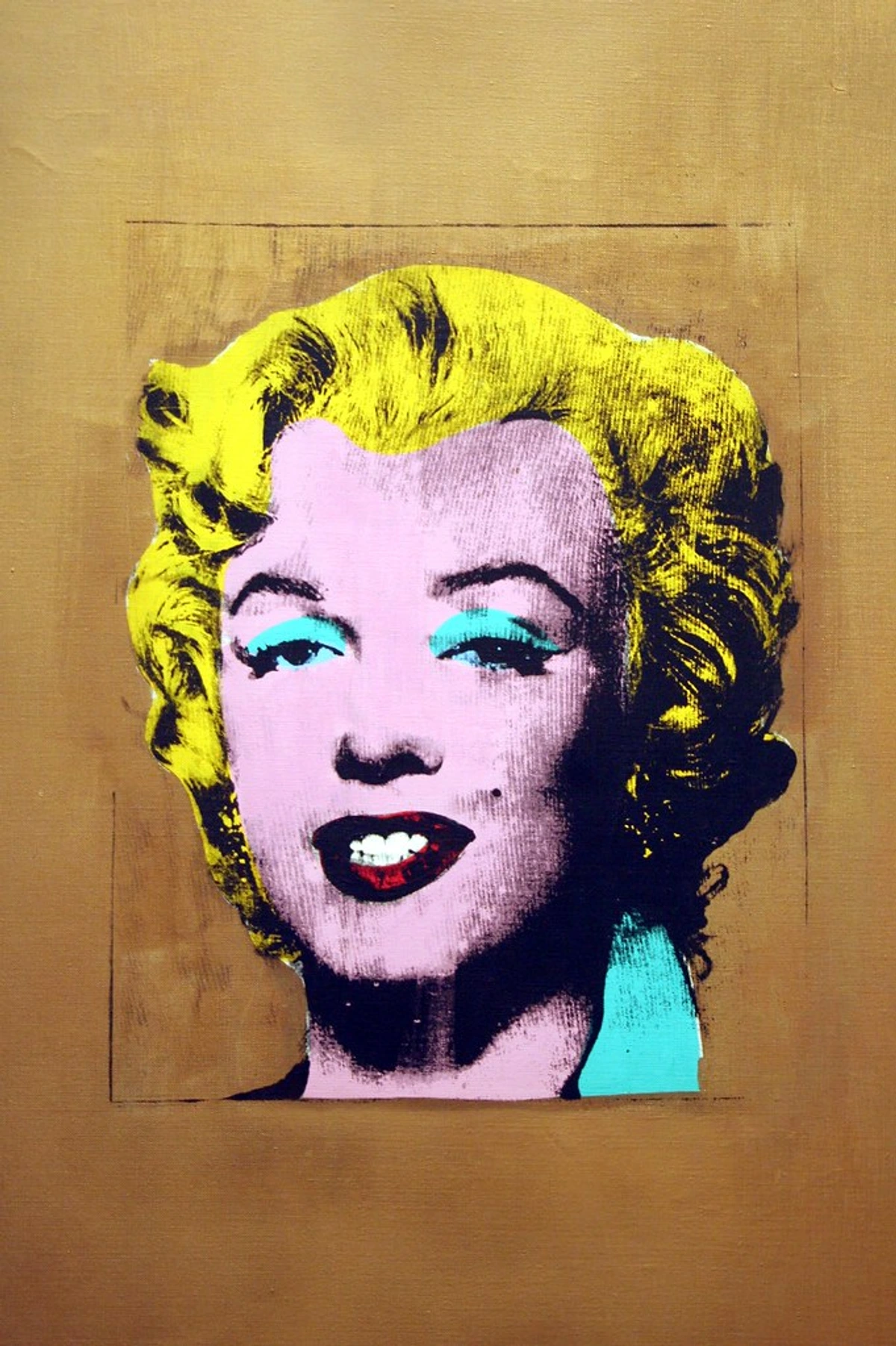
The art market can be complex and intimidating. It's influenced by trends, economic conditions, and the reputation of artists and galleries. Understanding these dynamics is crucial for making informed decisions.
Factor  | Description |
|---|---|
| Trends | Current styles or themes in demand |
| Economic Conditions | Market stability and economic health |
| Artist Reputation | The influence of an artist's standing |
| Gallery Reputation | The credibility of the selling entity |
Art Market Trends
Art market trends can shift rapidly, influenced by cultural movements, technological advancements, and global events. Staying informed about these trends can help you anticipate changes and make strategic acquisitions.
Trend | Impact |
|---|---|
| Digital Art | Growing interest in digital and NFT-based artworks |
| Sustainability | Increasing demand for eco-friendly and sustainable art |
| Diversity | Greater representation of artists from diverse backgrounds |
Authentication and Provenance
Authentication and provenance are essential aspects of art collecting. Authentication verifies the authenticity of a piece, while provenance traces its ownership history. Both are critical for ensuring the value and legitimacy of your collection.
Why Provenance Matters
Provenance is more than just a record of ownership; it's a story of the artwork's journey. A well-documented provenance can significantly enhance the value of a piece, as it provides a clear history of its authenticity and legitimacy.
Aspect | Importance |
|---|---|
| Ownership History | Establishes the legitimacy of the artwork |
| Exhibition History | Adds to the artwork's prestige and value |
| Documentation | Ensures transparency and trust |

Portfolio Management
Managing your art portfolio involves more than just buying and selling pieces. It requires strategic planning, diversification, and regular evaluation to ensure your collection remains valuable and meaningful.
Strategy | Description |
|---|---|
| Diversification | Spread investments across various artists and styles |
| Regular Evaluation | Assess the value and relevance of your collection |
| Strategic Planning | Align acquisitions with long-term goals |
Diversification Strategies
Diversification is key to managing risk in your art portfolio. By spreading your investments across different artists, styles, and mediums, you can mitigate the impact of market fluctuations and ensure a balanced collection.
Strategy | Benefit |
|---|---|
| Artist Diversity | Reduces risk associated with a single artist's market performance |
| Style Diversity | Ensures your collection remains relevant across changing trends |
| Medium Diversity | Provides a mix of traditional and contemporary art forms |
Art Appraisal
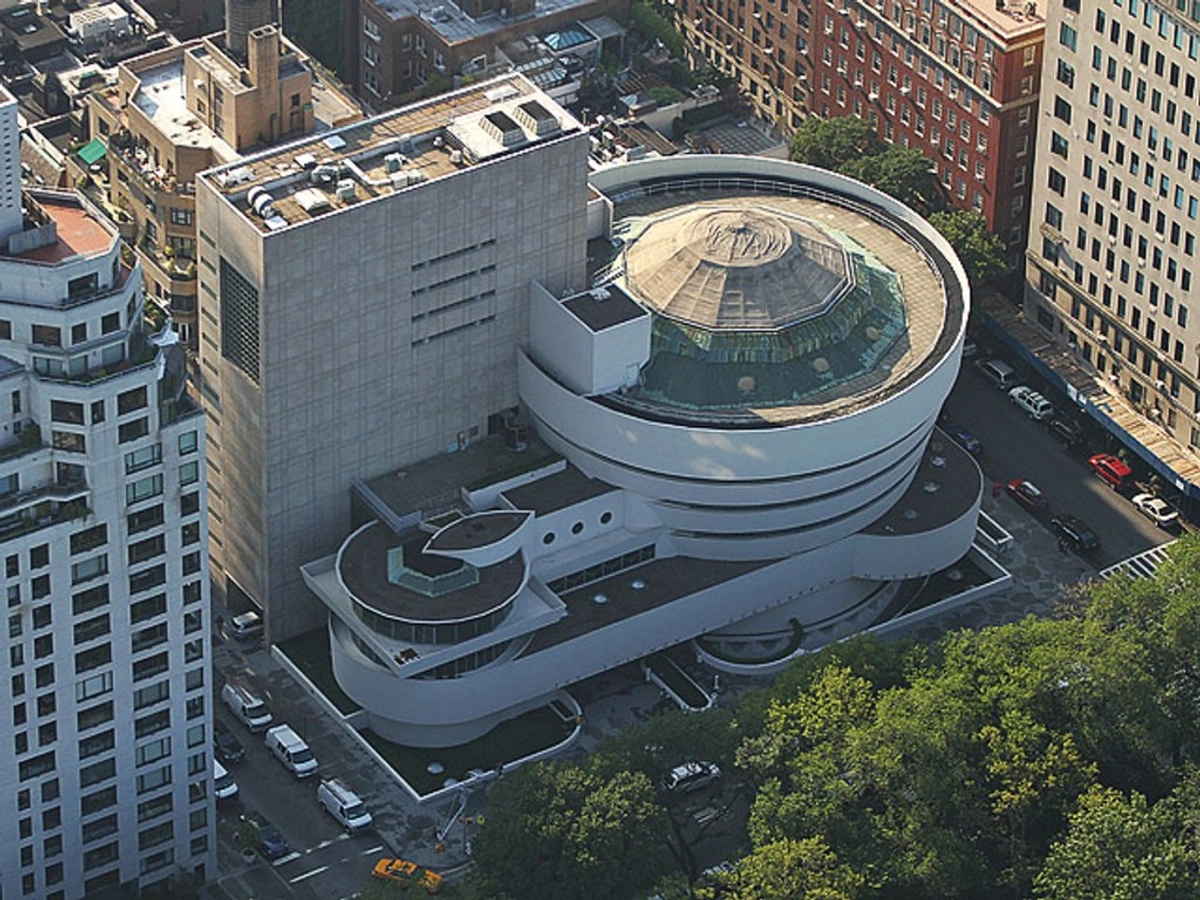
Art appraisal is the process of determining the value of a piece of art. It involves evaluating the artist's reputation, the piece's condition, and market trends. Appraisals are essential for insurance, sales, and estate planning.
Purpose | Importance |
|---|---|
| Insurance | Ensures adequate coverage for your collection |
| Sales | Determines fair market value for transactions |
| Estate Planning | Facilitates equitable distribution of assets |
The Appraisal Process
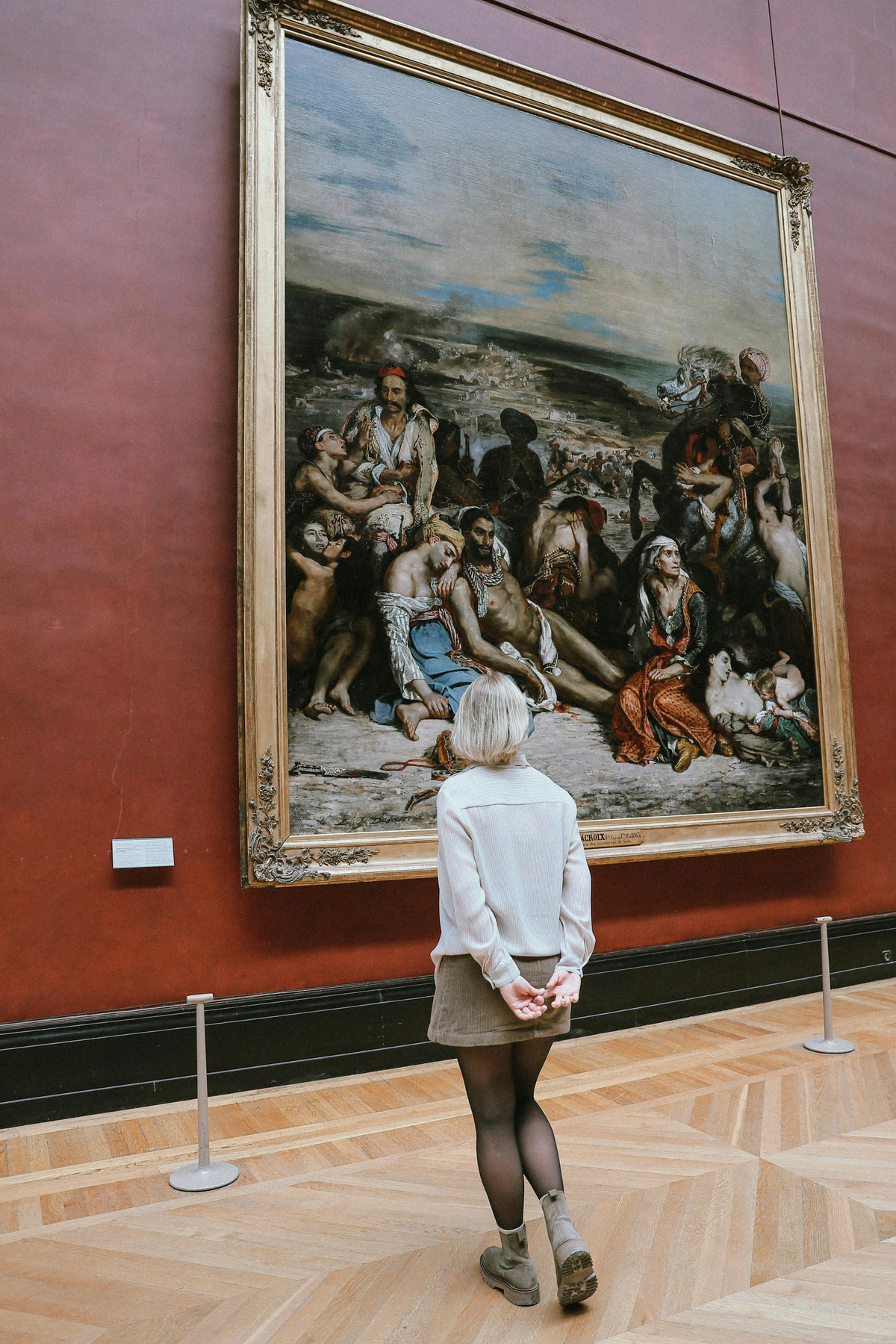
The appraisal process involves a detailed examination of the artwork, including its condition, provenance, and market comparables. Working with a certified appraiser ensures that you receive an accurate and unbiased valuation.
Step | Description |
|---|---|
| Initial Inspection | Assess the artwork's condition and authenticity |
| Market Research | Compare the artwork to similar pieces in the market |
| Final Valuation | Determine the artwork's fair market value |
Art Insurance
Insuring your art collection is a critical step in protecting your investment. Art insurance covers risks such as theft, damage, and loss. It's important to work with an insurance provider that specializes in art to ensure adequate coverage.
Risk | Coverage |
|---|---|
| Theft | Protection against unauthorized removal |
| Damage | Coverage for accidental harm |
| Loss | Compensation for misplaced or lost items |
Choosing the Right Insurance
When selecting an insurance provider, consider their expertise in art insurance, the scope of coverage, and their claims process. A specialized provider can offer tailored solutions that address the unique risks associated with art collections.
Factor | Consideration |
|---|---|
| Expertise | Provider's experience in art insurance |
| Coverage Scope | Extent of risks covered |
| Claims Process | Efficiency and transparency of claims handling |
Art Investment Strategies
Investing in art requires a long-term perspective. It's essential to research market trends, understand the historical performance of artists, and diversify your portfolio to mitigate risks.
Strategy | Description |
|---|---|
| Long-Term Perspective | Focus on sustained growth over time |
| Market Research | Analyze trends and historical data |
| Diversification | Spread investments to minimize risk |
Common Mistakes and How to Avoid Them
Mistake 1: Buying Based on Emotion Alone
It's easy to fall in love with a piece of art. The colors, the composition, the emotion it evokes—all these can make you want to buy it immediately. However, buying based solely on emotion can lead to impulsive decisions and regret.
How to Avoid It:
- Take your time to research the artist and the piece.
- Consider the long-term value and how it fits into your collection.
- Consult with experts or trusted advisors.
Action | Benefit |
|---|---|
| Research | Informed decision-making |
| Long-Term Value | Ensures lasting satisfaction |
| Expert Consultation | Provides professional insights |
Mistake 2: Ignoring Provenance and Authentication
Provenance and authentication are crucial for ensuring the value and legitimacy of your art. Ignoring these aspects can lead to purchasing forged or stolen pieces, which can be financially and emotionally devastating.
How to Avoid It:
- Always ask for documentation that verifies the authenticity and ownership history of the piece.
- Work with reputable dealers and galleries.
- Consider getting an independent appraisal.
Action | Benefit |
|---|---|
| Documentation | Ensures legitimacy and value |
| Reputable Dealers | Reduces risk of fraud |
| Independent Appraisal | Provides unbiased evaluation |
Mistake 3: Overlooking the Importance of Condition
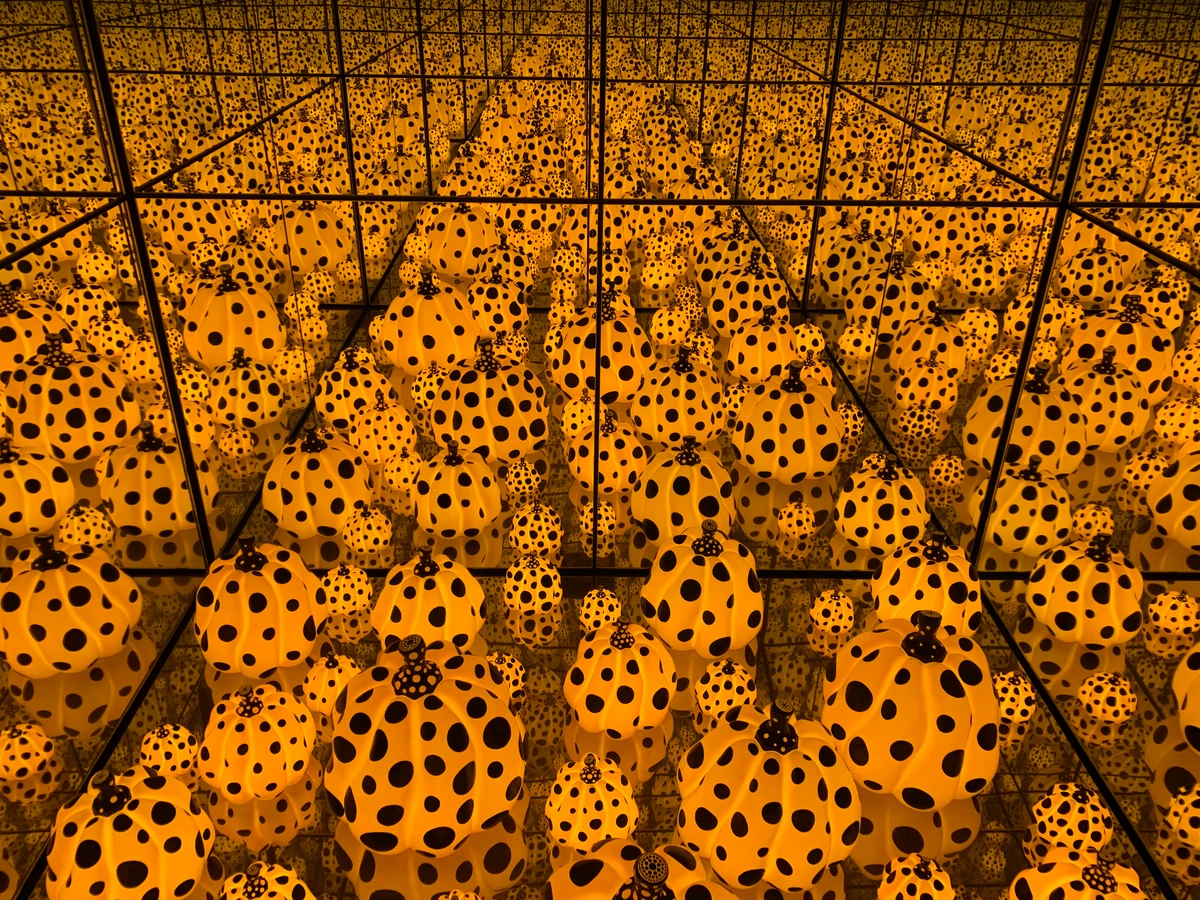
The condition of a piece of art can significantly impact its value. Overlooking signs of damage or deterioration can lead to costly restoration efforts or a decrease in value.
How to Avoid It:
- Inspect the piece carefully before purchasing.
- Ask for a condition report if available.
- Consider getting a professional inspection.
Action | Benefit |
|---|---|
| Inspection | Identifies potential issues early |
| Condition Report | Provides detailed assessment |
| Professional Inspection | Ensures thorough evaluation |
Mistake 4: Not Diversifying Your Collection
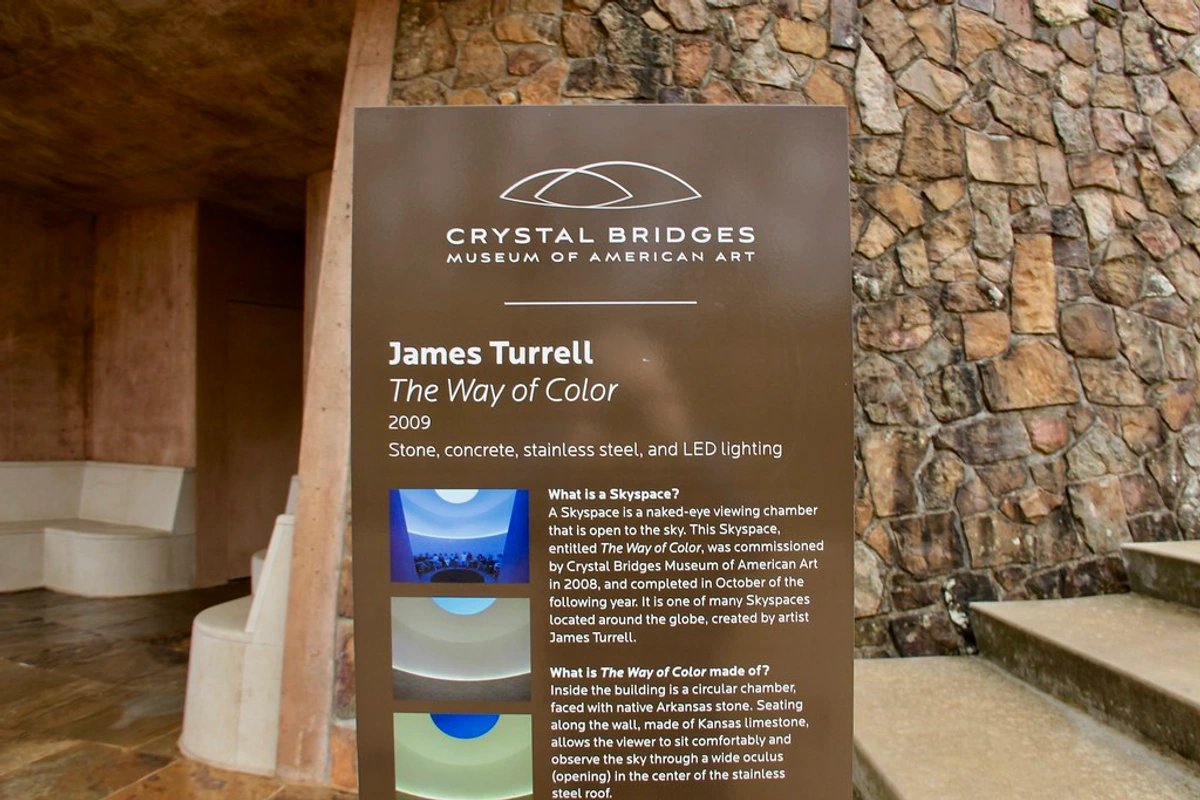
Diversification is key to managing risk in any investment portfolio, and art collecting is no exception. Focusing on a single artist, style, or medium can limit your collection's potential and increase its vulnerability to market fluctuations.
How to Avoid It:
- Explore different artists, styles, and mediums.
- Consider both established and emerging artists.
- Balance your collection with a mix of high-value and affordable pieces.
Action | Benefit |
|---|---|
| Explore Variety | Enhances collection depth |
| Balance High and Low Value | Manages financial risk |
| Support Emerging Artists | Encourages artistic growth |
Mistake 5: Neglecting Proper Storage and Maintenance
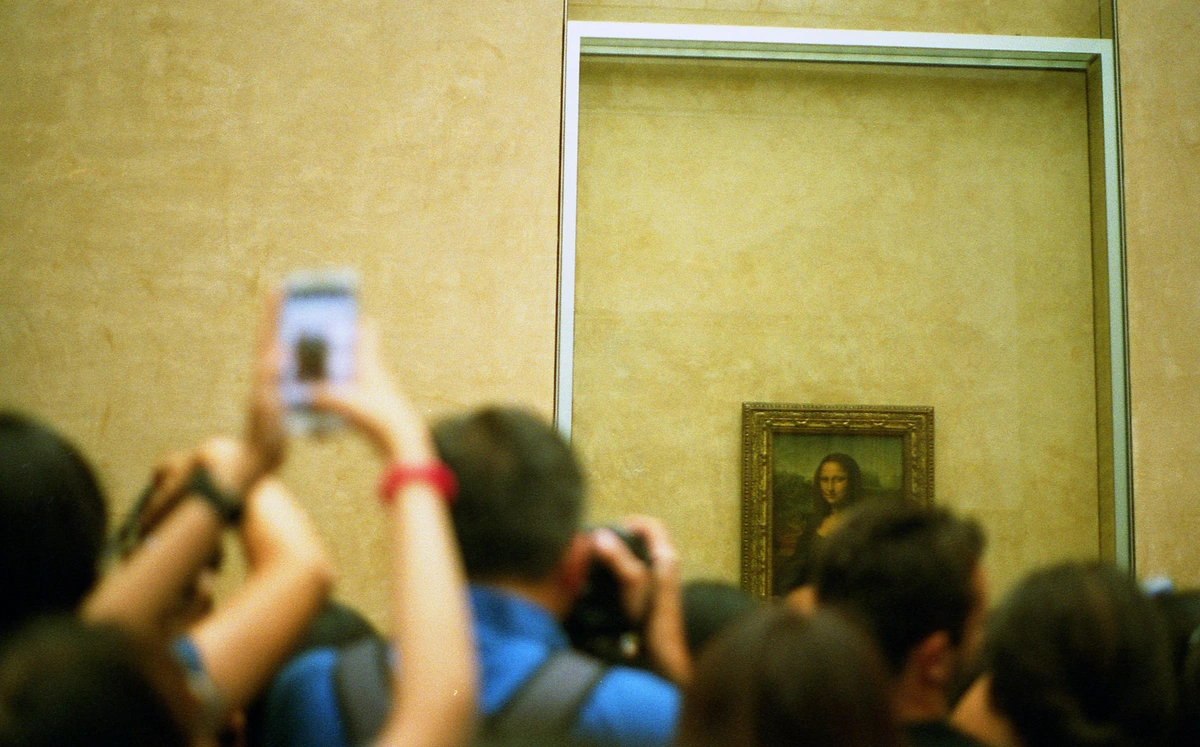
Proper storage and maintenance are essential for preserving the value and condition of your art. Neglecting these aspects can lead to damage, deterioration, and a decrease in value.
How to Avoid It:
- Store your art in a controlled environment with stable temperature and humidity.
- Use appropriate framing and mounting techniques.
- Regularly inspect and clean your pieces.
Action | Benefit |
|---|---|
| Controlled Environment | Preserves art condition |
| Proper Framing | Protects from physical damage |
| Regular Inspection | Identifies issues early |
Mistake 6: Overpaying for Art
Overpaying for art is a common mistake, especially for newcomers. It's essential to understand the market value of a piece and avoid paying more than it's worth.
How to Avoid It:
- Research the artist's market value and recent sales.
- Consult with appraisers or art advisors.
- Avoid impulsive purchases at auctions or galleries.
Action | Benefit |
|---|---|
| Market Research | Ensures fair pricing |
| Appraiser Consultation | Provides expert valuation |
| Avoid Impulsive Purchases | Prevents overpayment |
How-To: Building a Smart Art Collection
Step 1: Define Your Goals
Before you start collecting, it's essential to define your goals. Are you collecting for personal enjoyment, investment, or both? Understanding your objectives will help guide your decisions and shape your collection.

Goal | Description |
|---|---|
| Personal Enjoyment | Focus on aesthetic and emotional appeal |
| Investment | Prioritize long-term financial growth |
| Both | Balance aesthetic and financial considerations |
Step 2: Research and Educate Yourself
Knowledge is power in the art world. Take the time to research artists, styles, and market trends. Visit galleries, attend art fairs, and read books and articles on art collecting.
Resource | Benefit |
|---|---|
| Galleries | Direct exposure to artworks |
| Art Fairs | Networking and discovery opportunities |
| Books and Articles | In-depth knowledge and insights |
Step 3: Build Relationships
Building relationships with artists, dealers, and other collectors can provide valuable insights and opportunities. Networking can help you discover new artists, learn about upcoming exhibitions, and gain access to exclusive pieces.
Relationship | Benefit |
|---|---|
| Artists | Direct insights into their work |
| Dealers | Access to exclusive pieces |
| Collectors | Shared knowledge and opportunities |
Step 4: Start Small and Diversify
Starting with smaller, more affordable pieces can help you build your collection without breaking the bank. As you gain confidence and knowledge, you can gradually invest in higher-value pieces and diversify your collection.

Strategy | Benefit |
|---|---|
| Start Small | Builds confidence and knowledge |
| Diversify | Spreads risk and enhances depth |

Step 5: Regularly Evaluate and Update Your Collection
Your collection should evolve with your tastes and goals. Regularly evaluate your pieces and consider selling or trading those that no longer fit your vision. This can help you refine your collection and make room for new acquisitions.
Action | Benefit |
|---|---|
| Regular Evaluation | Ensures alignment with goals |
| Selling or Trading | Refines collection focus |
Step 6: Document Your Collection
Documenting your collection is essential for insurance, appraisal, and future sales. Keep detailed records of each piece, including its provenance, condition, and purchase details.
Record | Importance |
|---|---|
| Provenance | Establishes ownership history |
| Condition | Tracks physical state |
| Purchase Details | Facilitates future transactions |

Step 7: Seek Professional Advice
Consulting with art advisors, appraisers, and legal experts can provide valuable insights and help you avoid costly mistakes. Professionals can offer guidance on market trends, authentication, and legal considerations.
Professional | Role |
|---|---|
| Art Advisors | Market trends and acquisitions |
| Appraisers | Valuation and authentication |
| Legal Experts | Compliance and legal issues |
Step 8: Stay Informed
The art world is constantly evolving. Stay informed about new artists, market trends, and industry developments. Subscribe to art magazines, follow galleries on social media, and attend art events.
Resource | Benefit |
|---|---|
| Art Magazines | Industry news and trends |
| Social Media | Real-time updates and networking |
| Art Events | Direct engagement and discovery |
Considerations
Ethical Considerations
Ethical considerations are increasingly important in the art world. Be mindful of the origins of the pieces you purchase and the practices of the artists and dealers you support. Consider the environmental impact of your collection and the social responsibility of your investments.
Consideration | Importance |
|---|---|
| Origins | Ensures ethical sourcing |
| Environmental Impact | Promotes sustainability |
| Social Responsibility | Supports equitable practices |
Financial Considerations
Art collecting can be a significant financial investment. It's essential to set a budget and stick to it. Consider the costs of insurance, storage, and maintenance, and be prepared for potential market fluctuations.
Cost | Importance |
|---|---|
| Insurance | Protects investment value |
| Storage | Preserves art condition |
| Maintenance | Ensures long-term value |
Legal Considerations
Understanding the legal aspects of art collecting is crucial. Familiarize yourself with laws regarding ownership, copyright, and cultural heritage. Consult with legal experts if necessary to ensure your collection is compliant with all regulations.
Aspect | Importance |
|---|---|
| Ownership | Establishes legal rights |
| Copyright | Protects intellectual property |
| Cultural Heritage | Ensures ethical compliance |
Environmental Considerations
The environmental impact of art collecting is often overlooked. Consider the materials used in the art, the carbon footprint of shipping, and the sustainability of storage and display methods.
Factor | Importance |
|---|---|
| Materials | Promotes eco-friendly practices |
| Shipping | Reduces carbon footprint |
| Storage | Ensures sustainable preservation |
Cultural Considerations
Art collecting often involves pieces with cultural significance. It's important to respect the cultural context of the art you collect and to be aware of issues such as repatriation and cultural appropriation.
Consideration | Importance |
|---|---|
| Cultural Context | Respects artistic heritage |
| Repatriation | Addresses ethical ownership |
| Cultural Appropriation | Avoids exploitation |
Social Responsibility
Consider the social impact of your art collection. Supporting artists from diverse backgrounds and promoting inclusivity in the art world can contribute to a more equitable and vibrant cultural landscape.
Action | Benefit |
|---|---|
| Support Diverse Artists | Encourages inclusivity |
| Promote Inclusivity | Enhances cultural vibrancy |
FAQ
What is the most common mistake in art collecting?
The most common mistake is buying based on emotion alone. While it's important to love the pieces you collect, it's equally important to consider their long-term value and how they fit into your collection.
Mistake | Solution |
|---|---|
| Emotional Buying | Research and long-term planning |
How can I ensure the authenticity of a piece of art?
To ensure the authenticity of a piece, always ask for documentation that verifies its provenance and authentication. Work with reputable dealers and galleries, and consider getting an independent appraisal.
What should I consider when storing my art collection?
When storing your art, consider the environment. Maintain stable temperature and humidity levels, use appropriate framing and mounting techniques, and regularly inspect and clean your pieces.
Factor | Importance |
|---|---|
| Temperature | Preserves art condition |
| Humidity | Prevents damage |
| Framing | Protects from physical harm |

How can I diversify my art collection?
To diversify your collection, explore different artists, styles, and mediums. Consider both established and emerging artists, and balance your collection with a mix of high-value and affordable pieces.
What are the financial considerations of art collecting?
Art collecting can be a significant financial investment. Set a budget and stick to it. Consider the costs of insurance, storage, and maintenance, and be prepared for potential market fluctuations.
Cost | Importance |
|---|---|
| Insurance | Protects investment value |
| Storage | Preserves art condition |
| Maintenance | Ensures long-term value |
How do I know if I'm overpaying for a piece of art?
Research the artist's market value and recent sales. Consult with appraisers or art advisors to understand the fair market value of the piece. Avoid impulsive purchases at auctions or galleries.
What are the legal considerations of art collecting?
Familiarize yourself with laws regarding ownership, copyright, and cultural heritage. Consult with legal experts to ensure your collection is compliant with all regulations.
Aspect | Importance |
|---|---|
| Ownership | Establishes legal rights |
| Copyright | Protects intellectual property |
How can I stay informed about the art market?
Staying informed involves attending art fairs, reading industry publications, and following galleries and artists on social media. Engaging with the art community can provide valuable insights into market trends and emerging artists.
Resource | Benefit |
|---|---|
| Art Fairs | Networking and discovery |
| Industry Publications | In-depth knowledge |
| Social Media | Real-time updates |
What is the role of an art advisor?
An art advisor provides expert guidance on building and managing an art collection. They can help with acquisitions, appraisals, and market analysis, ensuring that your collection aligns with your goals and budget.
Role | Benefit |
|---|---|
| Acquisitions | Expert selection of artworks |
| Appraisals | Accurate valuation |
| Market Analysis | Informed decision-making |
How can I evaluate the condition of an artwork?
Evaluating the condition of an artwork involves inspecting it for signs of damage, deterioration, or restoration. Consider consulting a professional conservator for a detailed assessment.
Step | Description |
|---|---|
| Visual Inspection | Look for visible damage or wear |
| Condition Report | Review any available documentation |
| Professional Assessment | Consult a conservator for expert evaluation |
What are the benefits of attending art fairs?
Art fairs provide a unique opportunity to see a wide range of artworks in one place. They also offer networking opportunities with artists, dealers, and other collectors, which can be invaluable for discovering new trends and making informed purchases.
Benefit | Description |
|---|---|
| Exposure | Access to diverse artworks and styles |
| Networking | Connect with industry professionals |
| Education | Learn about emerging trends and artists |
Conclusion
Art collecting is a journey filled with discovery, passion, and learning. By avoiding common mistakes and making informed decisions, you can build a collection that brings you joy and stands the test of time. Remember, the key to successful art collecting is a balance of emotion and strategy.
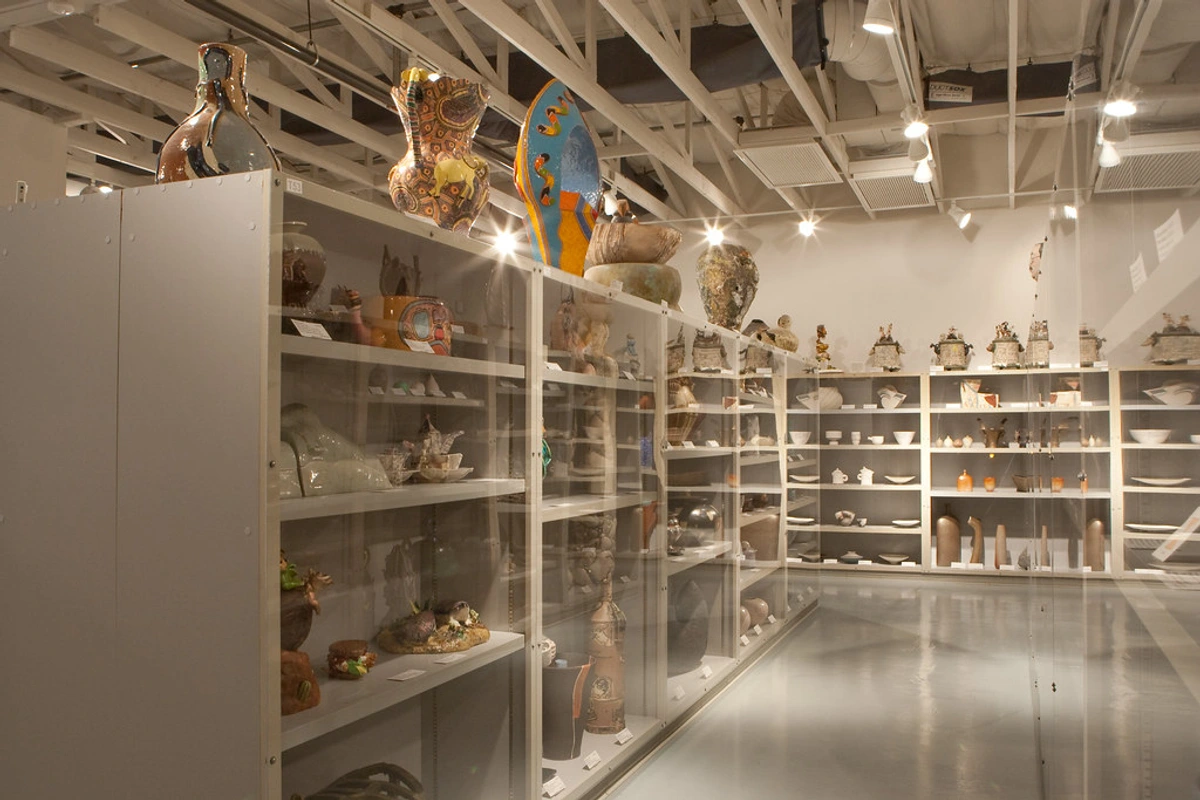
As you embark on your art collecting journey, take the time to explore and appreciate the beauty around you. Visit galleries, attend art fairs, and connect with artists and other collectors. And most importantly, enjoy the process.
For more information on art collecting and to explore a wide range of contemporary art, visit our collection.
Final Thoughts
Art collecting is not just about acquiring pieces; it's about building a legacy. Whether you're collecting for personal enjoyment, investment, or both, the journey is as important as the destination. Take your time, do your research, and enjoy the process of building a collection that reflects your unique tastes and values.
Additional Resources
To further enhance your art collecting journey, consider exploring the following resources:












- Books: Read books on art history, market trends, and collecting strategies.
- Online Courses: Enroll in courses that cover art appreciation, market analysis, and investment strategies.
- Art Communities: Join online forums and local art groups to connect with fellow collectors and enthusiasts.
Resource | Benefit |
|---|---|
| Books | In-depth knowledge and insights |
| Online Courses | Structured learning and expertise |
| Art Communities | Networking and shared experiences |
By leveraging these resources, you can deepen your understanding of the art world and make more informed decisions as you build your collection.