
Antonio Corradini: The Master of Marble and Mystery
Explore the life and works of Antonio Corradini, the 18th-century sculptor whose marble masterpieces continue to captivate audiences worldwide.

Antonio Corradini: The Master of Marble and Mystery
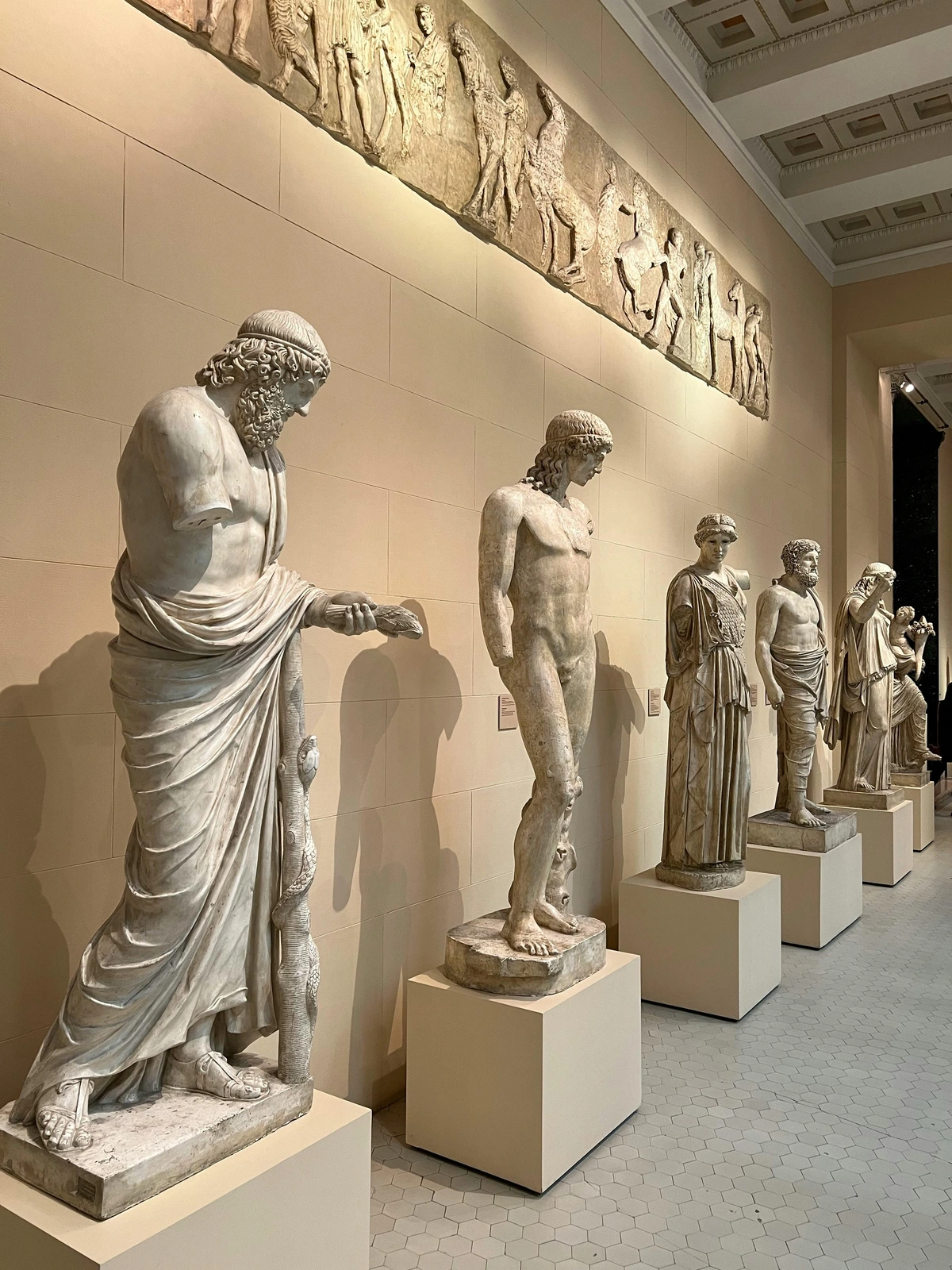
I remember the first time I saw a sculpture by Antonio Corradini. It was in a dimly lit gallery, and the marble seemed to glow under the soft light. The way the fabric draped over the figure looked so real, I almost reached out to touch it. That moment sparked a fascination with Corradini's work that has only grown over time.
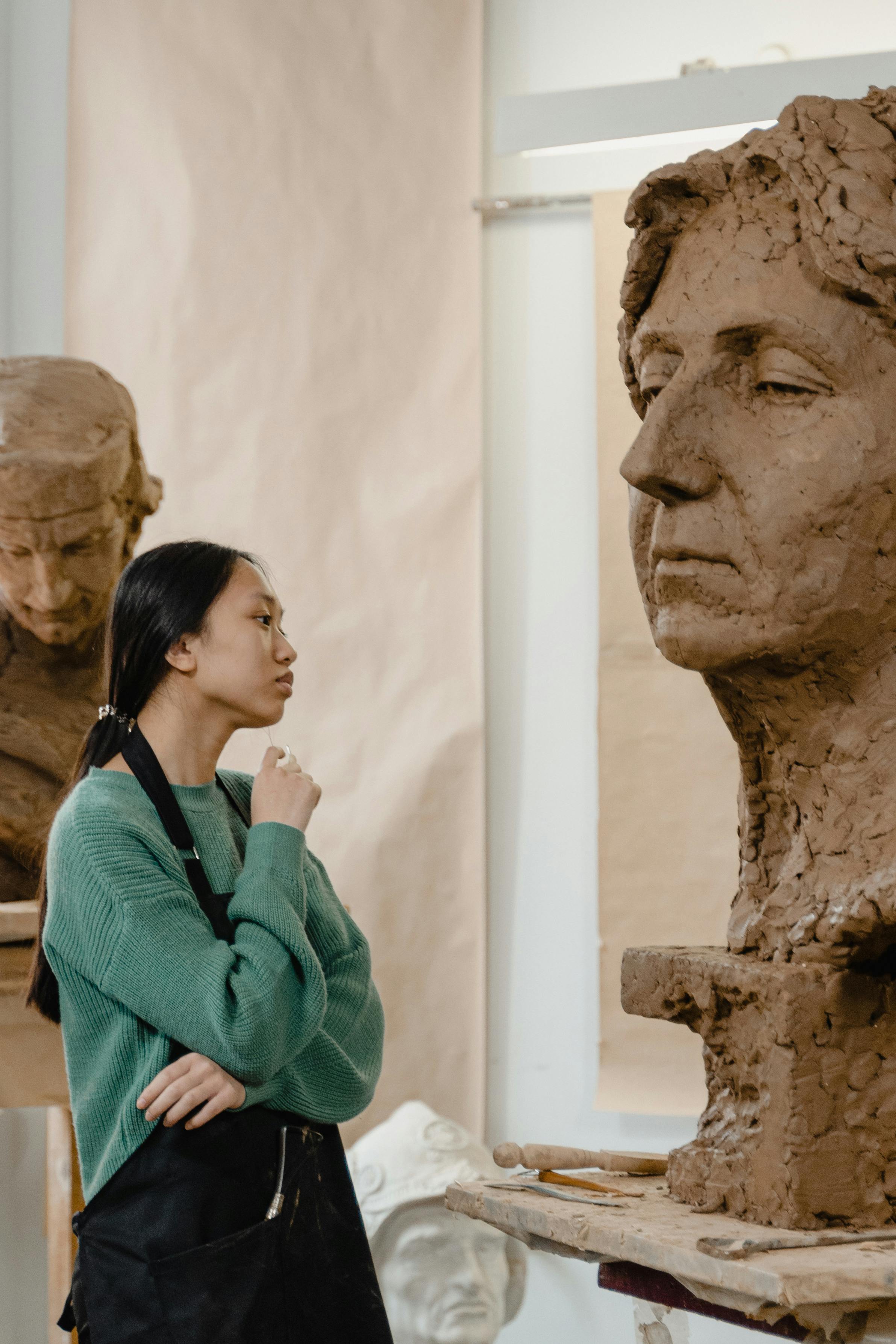
There's something almost magical about how Corradini could transform cold, hard marble into something that feels alive. It's as if he could breathe life into stone, making it whisper stories of the past. I often wonder what it must have been like to witness him at work, chisel in hand, coaxing such delicate details from such an unyielding material.
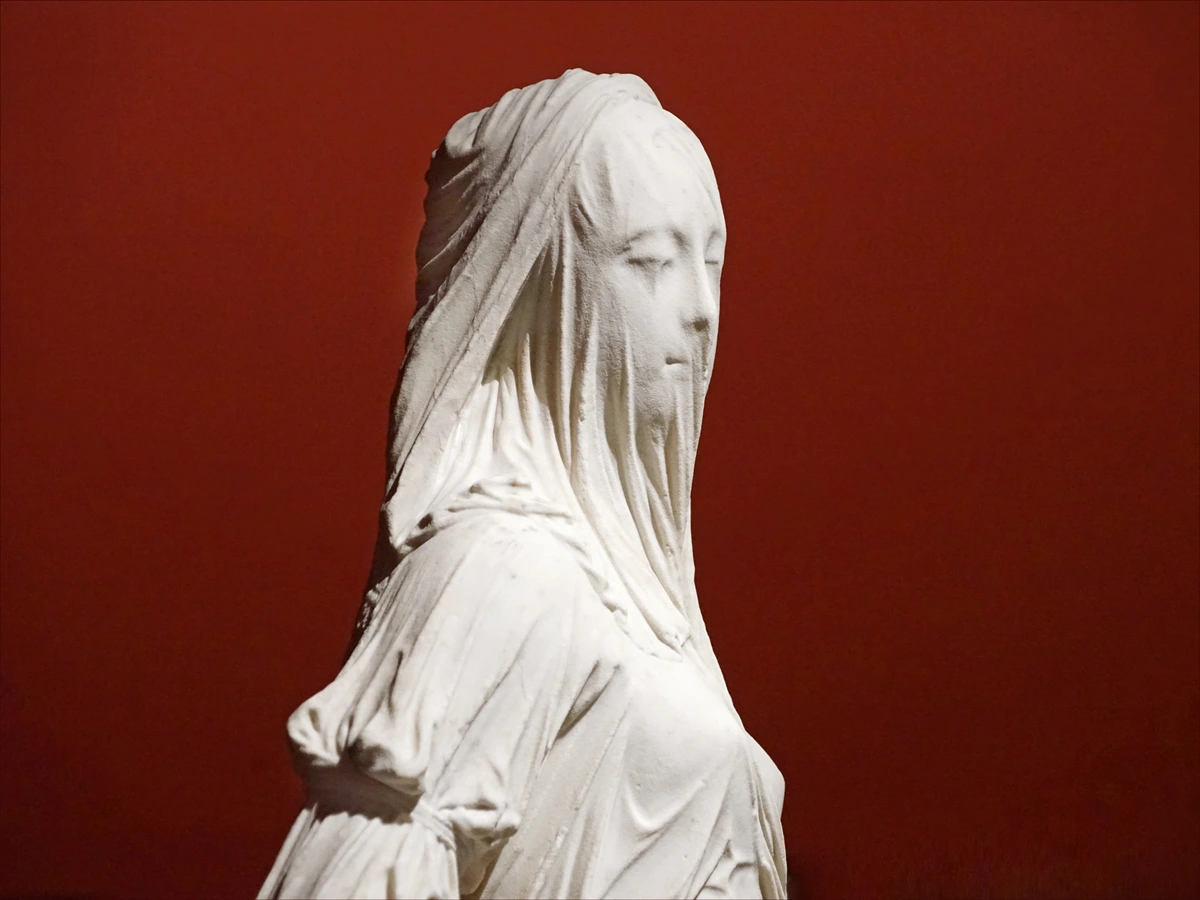
This sculpture, 'Allegory of Faith,' is a perfect example of Corradini's mastery. The veil, seemingly weightless, appears to float over the woman's face, creating an ethereal effect. It's a testament to Corradini's ability to capture both the physical and spiritual essence of his subjects.
Introduction
Antonio Corradini was an Italian sculptor of the 18th century, renowned for his masterful work in marble. His sculptures are celebrated for their intricate details, lifelike textures, and emotional depth. But who was the man behind these masterpieces? Let's dive into the life and legacy of Antonio Corradini.
Corradini's work is often compared to that of his contemporaries, but his unique approach to marble set him apart. His ability to infuse his sculptures with a sense of movement and emotion is unparalleled. Whether you're an art enthusiast or a casual observer, there's something in Corradini's work that resonates deeply.
Early Life and Training
Born in Venice in 1668, Corradini's early life is shrouded in mystery. We know he began his artistic journey as an apprentice to a local sculptor, but the details of his training remain unclear. What is clear, however, is that Corradini had a natural talent for working with marble, a material that would become his signature medium.
Venice, with its rich artistic heritage, provided the perfect backdrop for Corradini's early development. The city's vibrant art scene and access to master craftsmen likely played a significant role in shaping his artistic sensibilities. It's fascinating to think about how the canals, architecture, and culture of Venice might have influenced his work.
Artistic Evolution
Corradini's early works were heavily influenced by the Baroque style, characterized by dramatic expressions and dynamic compositions. However, as he matured as an artist, his style evolved. He began to focus more on the subtle details and textures that would become his hallmark.
This evolution is evident in his later works, where the drama of the Baroque period gives way to a more refined and introspective approach. Corradini's ability to capture the interplay of light and shadow on marble is particularly noteworthy. It's as if he could manipulate the stone to reflect the very essence of his subjects.
Key Works
One of Corradini's most famous works is the "Veiled Woman," a sculpture that showcases his incredible skill in rendering fabric. The way the marble veil seems to float over the woman's face is nothing short of magical. Another notable work is the "Allegory of Sculpture," which demonstrates his ability to capture movement and emotion in stone.
Corradini's works often explore themes of faith, beauty, and the human condition. His sculptures are not just technical marvels; they are deeply emotional and thought-provoking. Each piece invites the viewer to look beyond the surface and contemplate the deeper meanings embedded within the marble.
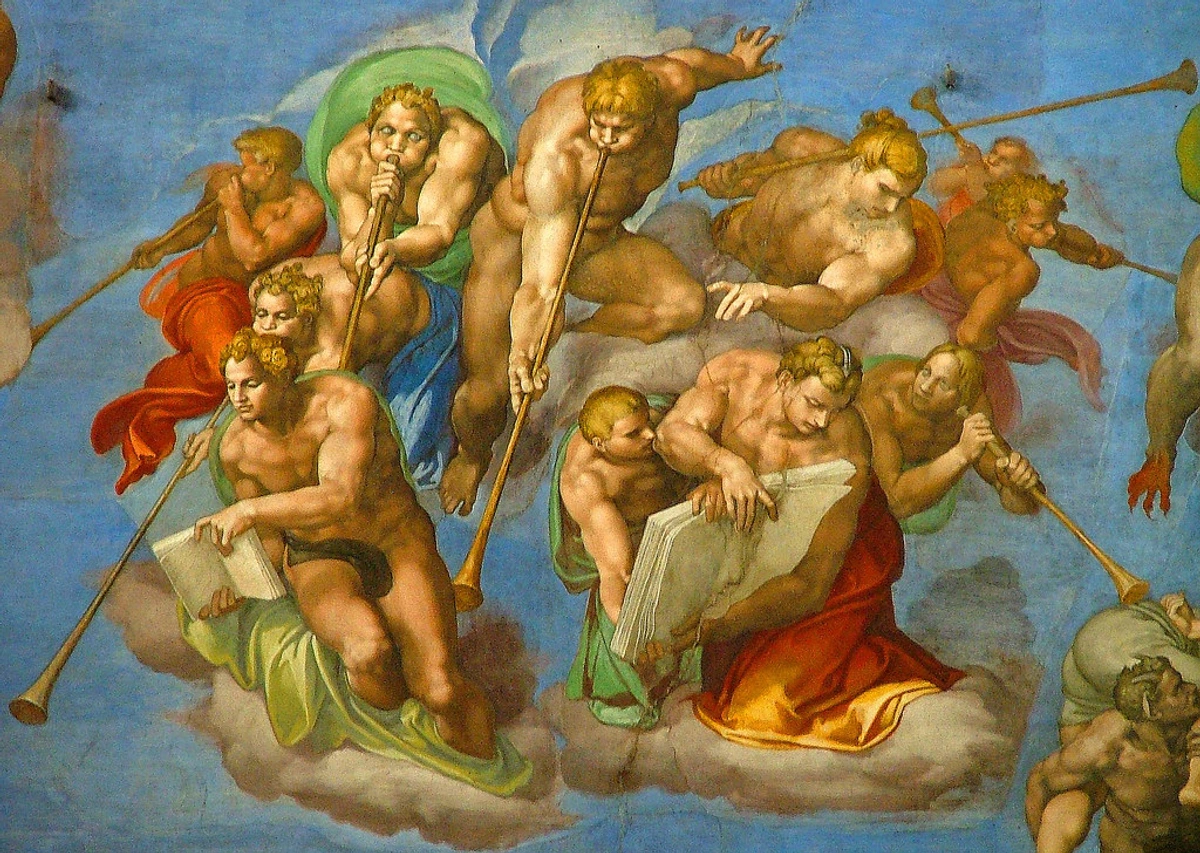
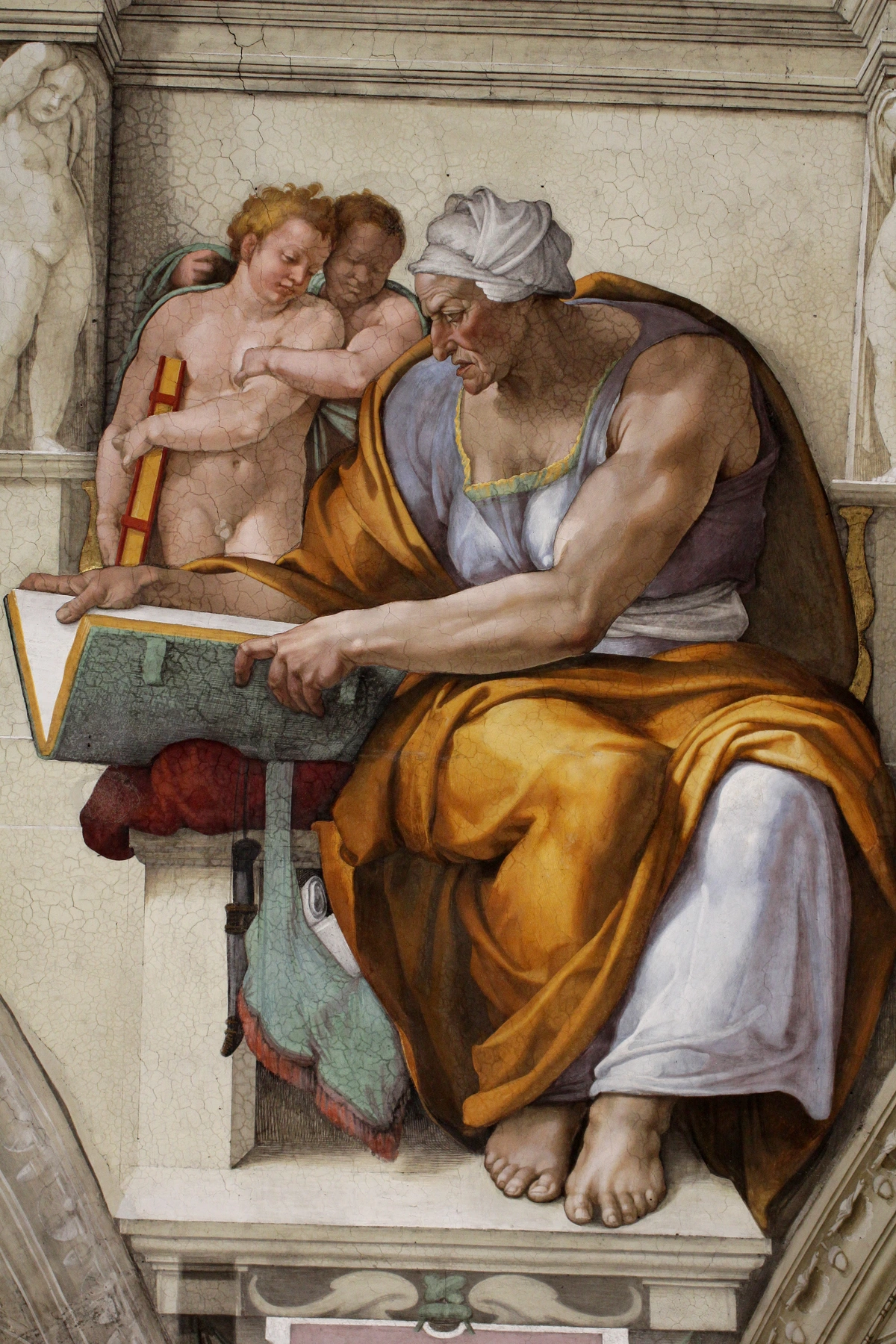
While Corradini's work is often compared to that of Michelangelo, his approach to sculpture was distinctly his own. Where Michelangelo sought to capture the grandeur of the human form, Corradini focused on the delicate interplay of light, shadow, and texture. This image of Michelangelo's work serves as a reminder of the rich artistic tradition that Corradini was a part of.
Later Life and Legacy
Corradini's later years were marked by both personal and professional challenges. Despite these struggles, he continued to produce remarkable works until his death in 1752. His legacy lives on through his sculptures, which can be found in museums and collections around the world.
Corradini's influence extends beyond his own works. His innovative techniques and artistic vision have inspired generations of sculptors. His ability to infuse marble with emotion and movement has left an indelible mark on the world of art. It's a testament to his genius that his sculptures continue to captivate and inspire audiences centuries after his death.

FAQ
What is Antonio Corradini best known for?
Antonio Corradini is best known for his masterful marble sculptures, particularly his ability to render fabric and textures with incredible realism. His works, such as the "Veiled Woman" and "Allegory of Faith," are celebrated for their lifelike details and emotional depth.
What techniques did Corradini use to achieve such realism in his sculptures?
Corradini's realism was achieved through his meticulous attention to detail and his innovative use of light and shadow. He had an uncanny ability to manipulate marble to create the illusion of fabric, skin, and other textures. His techniques involved careful planning and execution, often requiring him to work with the natural properties of the stone to achieve the desired effect.

Where can I see Corradini's works?
Corradini's sculptures are housed in various museums and collections worldwide. Some notable locations include the Louvre in Paris and the Victoria and Albert Museum in London. Additionally, his works can be found in churches and private collections across Europe, particularly in Italy.
What themes did Corradini explore in his sculptures?
Corradini's sculptures often explore themes of faith, beauty, and the human condition. His works are deeply emotional and thought-provoking, inviting viewers to contemplate the deeper meanings embedded within the marble. Whether it's the delicate drape of a veil or the serene expression of a saint, Corradini's sculptures are rich in symbolism and meaning.
What influenced Corradini's artistic style?
Corradini's early works were influenced by the Baroque style, but he later developed his own unique approach, focusing on subtle details and textures. His time in Venice, with its rich artistic heritage, also played a significant role in shaping his style. The city's vibrant art scene and access to master craftsmen likely influenced his artistic sensibilities.

How did Corradini's techniques differ from those of his contemporaries?
Corradini's techniques were distinct in their focus on the interplay of light and shadow. While his contemporaries often sought to capture the grandeur of the human form, Corradini focused on the delicate details and textures that brought his sculptures to life. His innovative approach to marble set him apart and continues to inspire artists today.
Conclusion
Antonio Corradini's life and work are a testament to the power of art to transcend time and space. His sculptures continue to inspire and captivate audiences, reminding us of the enduring beauty of marble and the skill of the artist who shaped it.
If you're as fascinated by Corradini's work as I am, I encourage you to explore more about his life and legacy. And if you're ever in the mood to see some incredible art, consider visiting a museum or gallery that houses his sculptures. You won't be disappointed.
Corradini's legacy is a reminder of the transformative power of art. His ability to breathe life into stone and capture the essence of his subjects is a testament to his genius. Whether you're an art enthusiast or a casual observer, there's something in Corradini's work that resonates deeply and leaves a lasting impression.



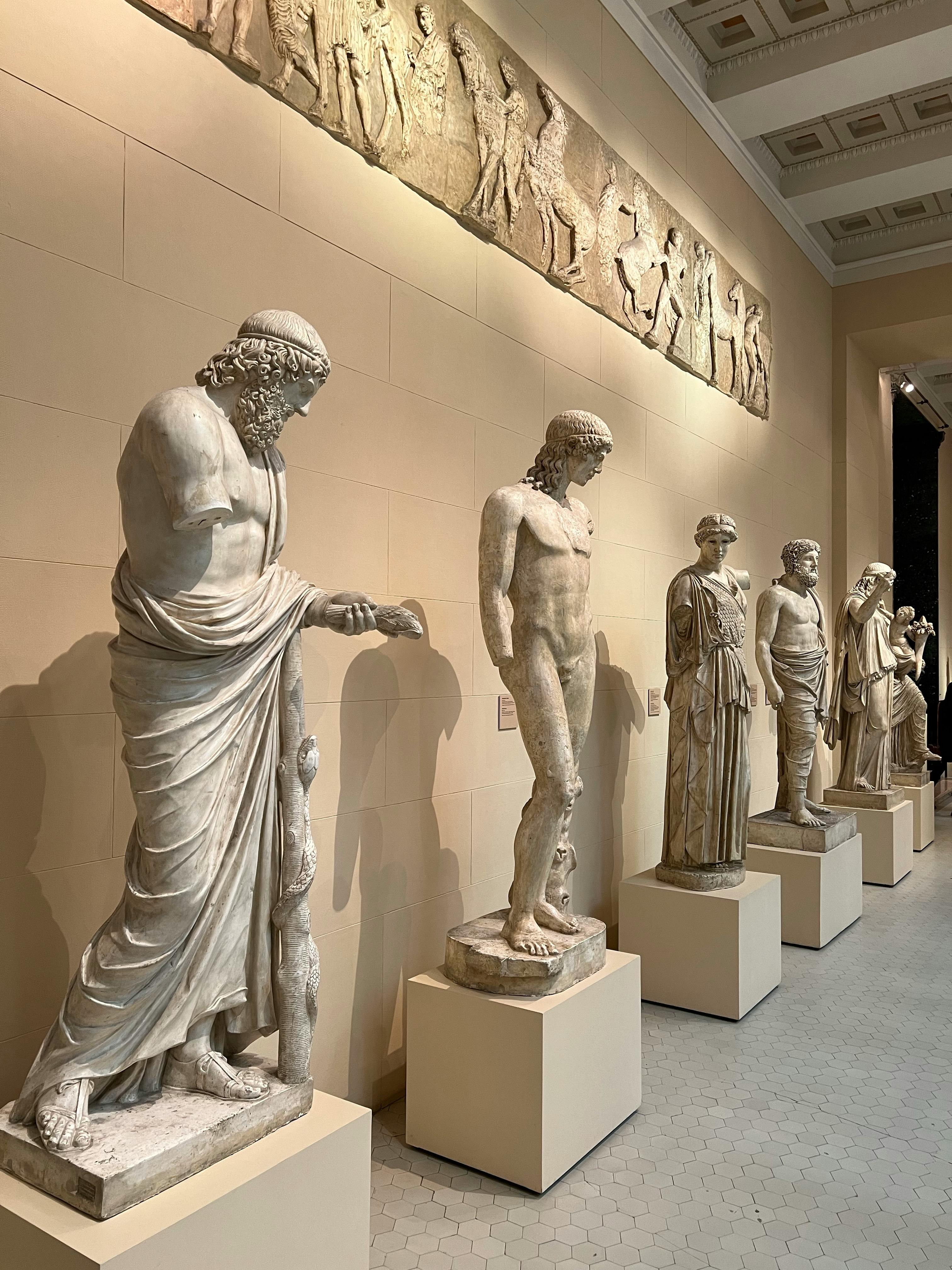



This image of Michelangelo's work serves as a reminder of the rich artistic tradition that Corradini was a part of. While Corradini's approach to sculpture was distinctly his own, his work is often compared to that of Michelangelo and other masters of the Renaissance and Baroque periods. It's a testament to Corradini's genius that his sculptures continue to captivate and inspire audiences centuries after his death.
For more information on art and artists, check out our timeline or visit our museum in Den Bosch.
If you're interested in exploring more about the world of sculpture and the artists who have shaped it, there's no better place to start than with the works of Antonio Corradini. His sculptures are a testament to the power of art to transcend time and space, and his legacy continues to inspire and captivate audiences around the world.