Antonio Corradini: The Baroque Master Who Carved Veiled Mysteries in Marble
Discover the life and works of Antonio Corradini, the Baroque sculptor who revolutionized marble art with his ethereal veiled figures. Explore his techniques, famous works, and lasting influence.

Antonio Corradini: The Baroque Master Who Carved Veiled Mysteries in Marble
I remember the first time I saw a photograph of The Veiled Christ by Giuseppe Sanmartino. I was struck by how the marble seemed to breathe, how the veil appeared almost translucent. But it wasn’t Sanmartino who first mastered this illusion—it was Antonio Corradini, a sculptor whose name might not be as famous, but whose influence is undeniable.
Corradini’s work is a testament to the power of marble as a medium. His ability to transform a cold, hard stone into something that appears soft, delicate, and almost alive is nothing short of magical. It’s a reminder of how art can transcend its materials, turning the ordinary into the extraordinary.
Marble, as a medium, has been revered for centuries for its durability and beauty. However, Corradini’s approach to marble was revolutionary. He didn’t just carve; he breathed life into the stone, creating an illusion of movement and transparency that had never been seen before. His work challenges our perceptions of what marble can achieve, pushing the boundaries of the medium and inspiring generations of artists to follow.
In this article, we will explore the life, techniques, and legacy of Antonio Corradini, delving into the intricacies of his craft and the profound impact he had on the world of sculpture. From his early life and training to his innovative techniques and enduring influence, we will uncover the story of a master sculptor whose work continues to inspire and captivate audiences today.
We will also examine how Corradini’s techniques have been adapted and expanded upon by later artists, and how his legacy continues to shape the world of sculpture. Whether you are an art enthusiast or a casual observer, this journey through Corradini’s life and work promises to be both enlightening and inspiring.
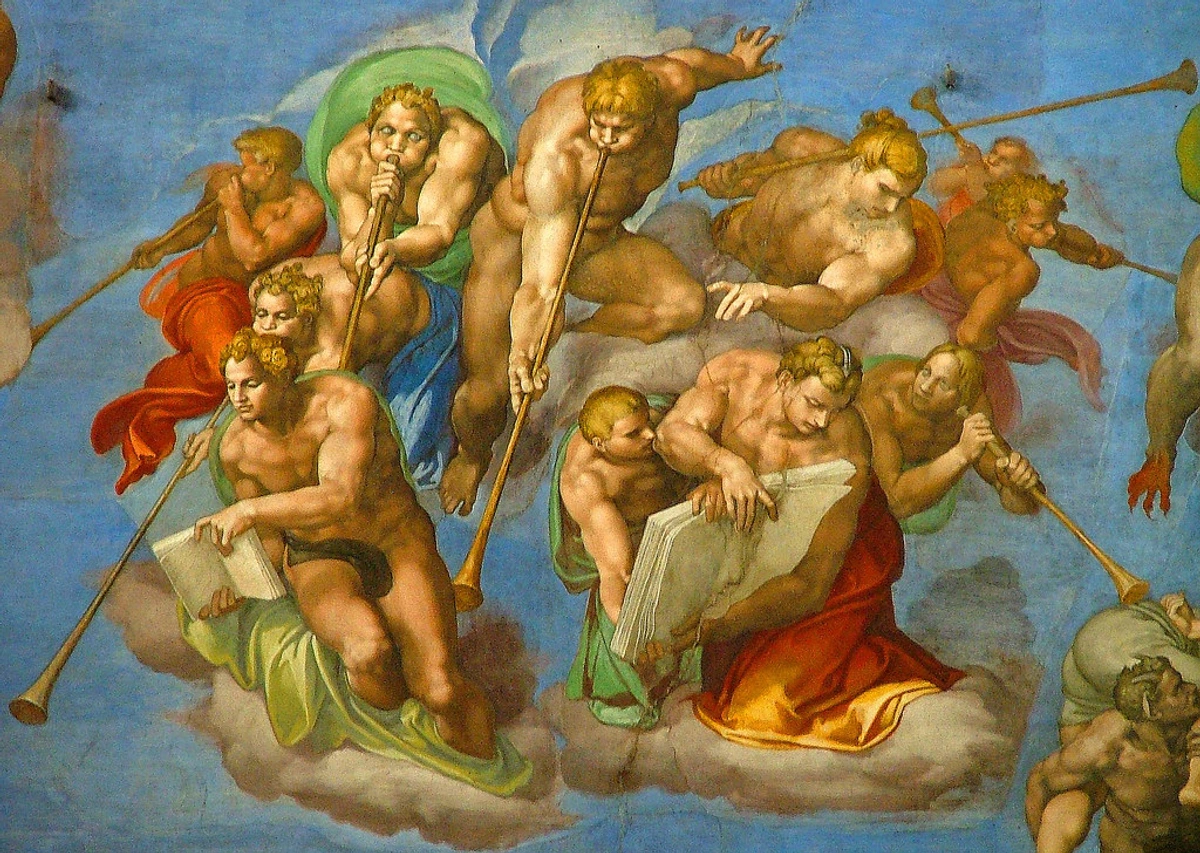
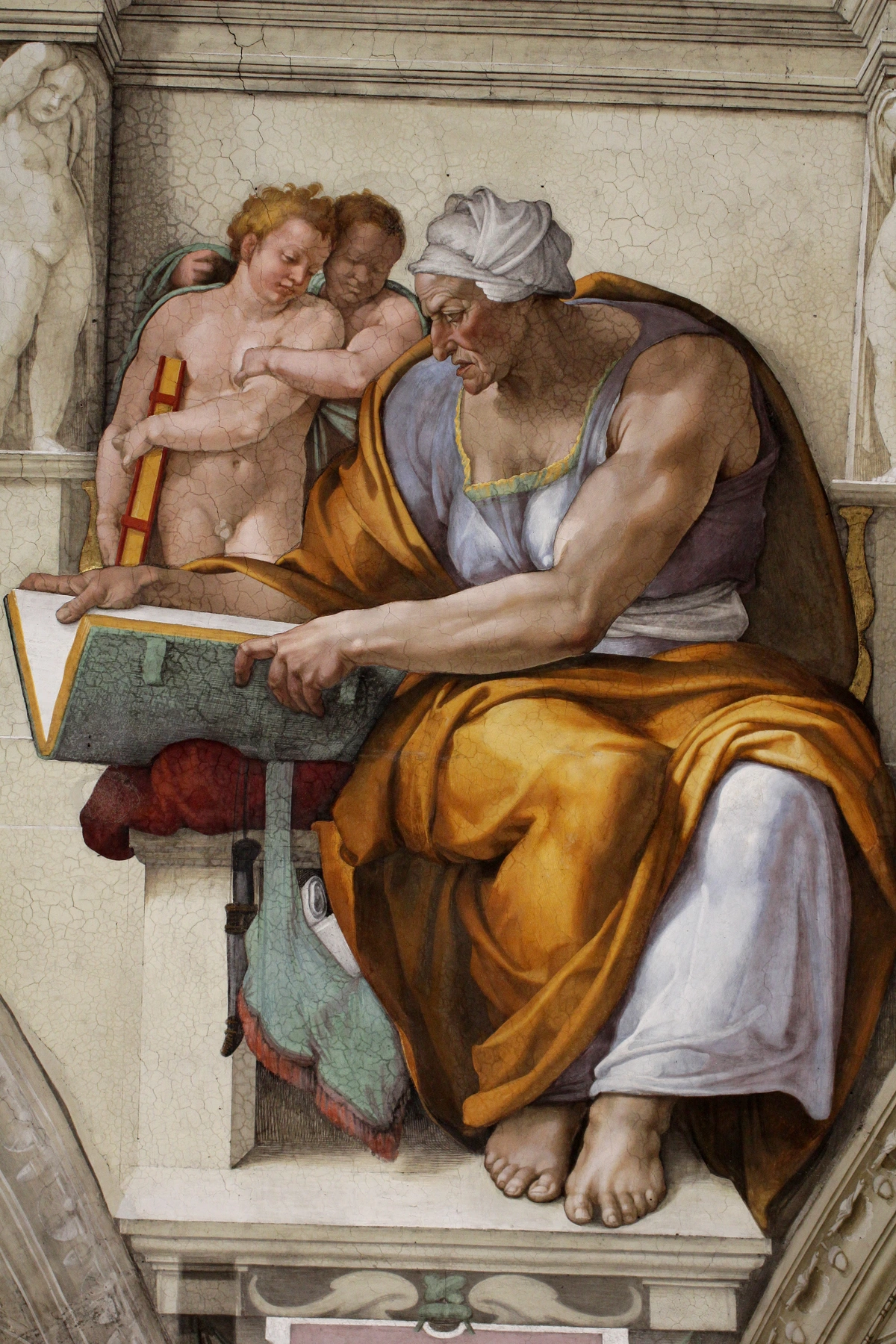
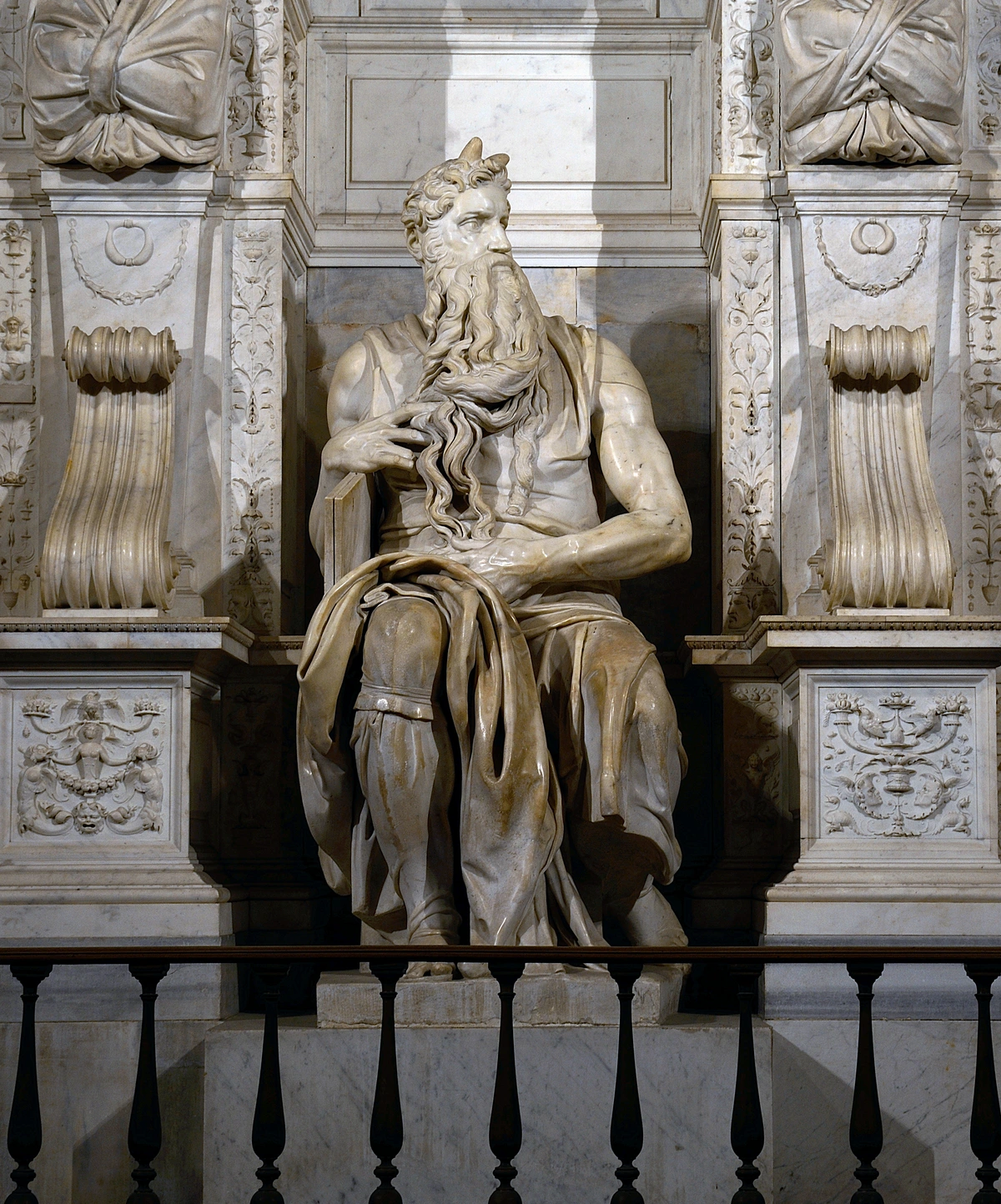
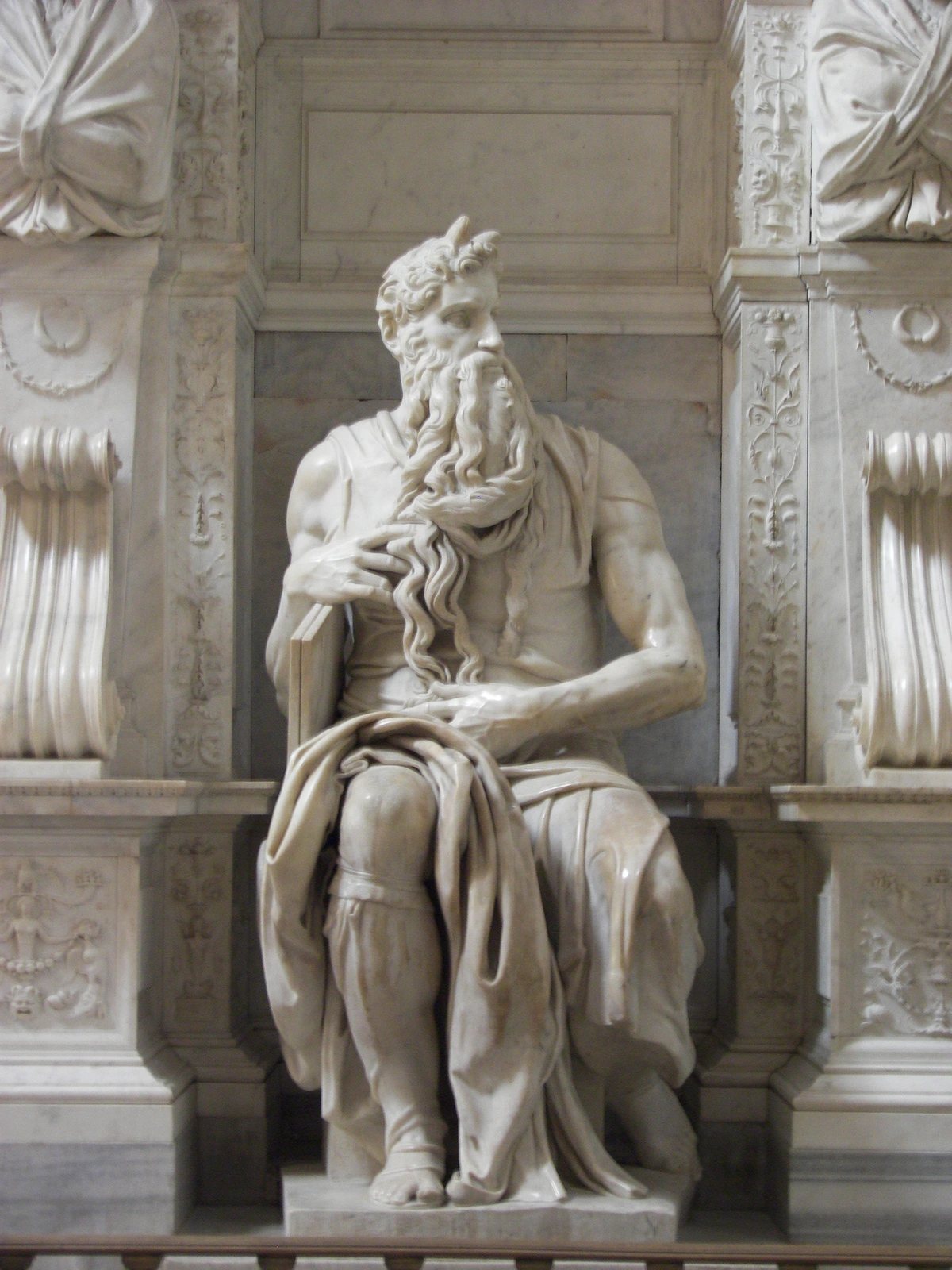
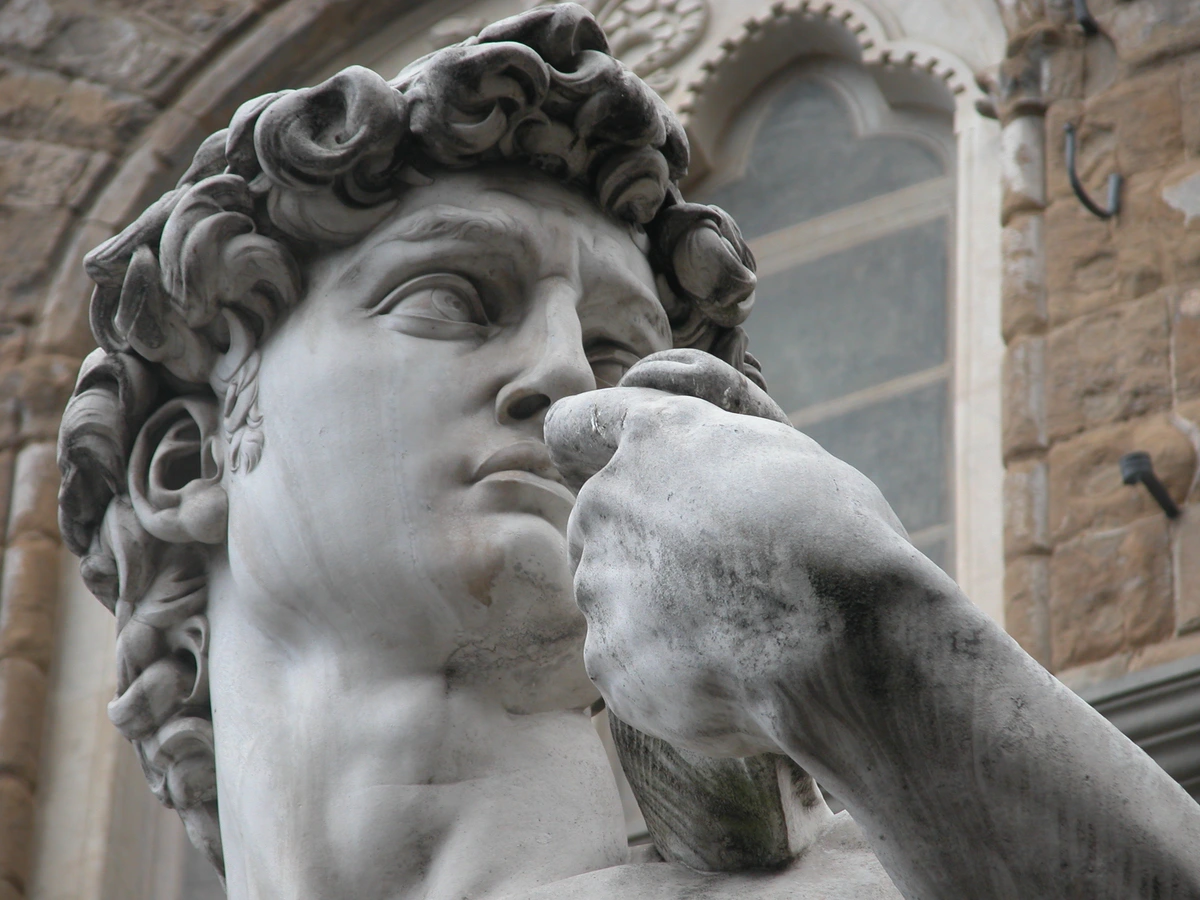
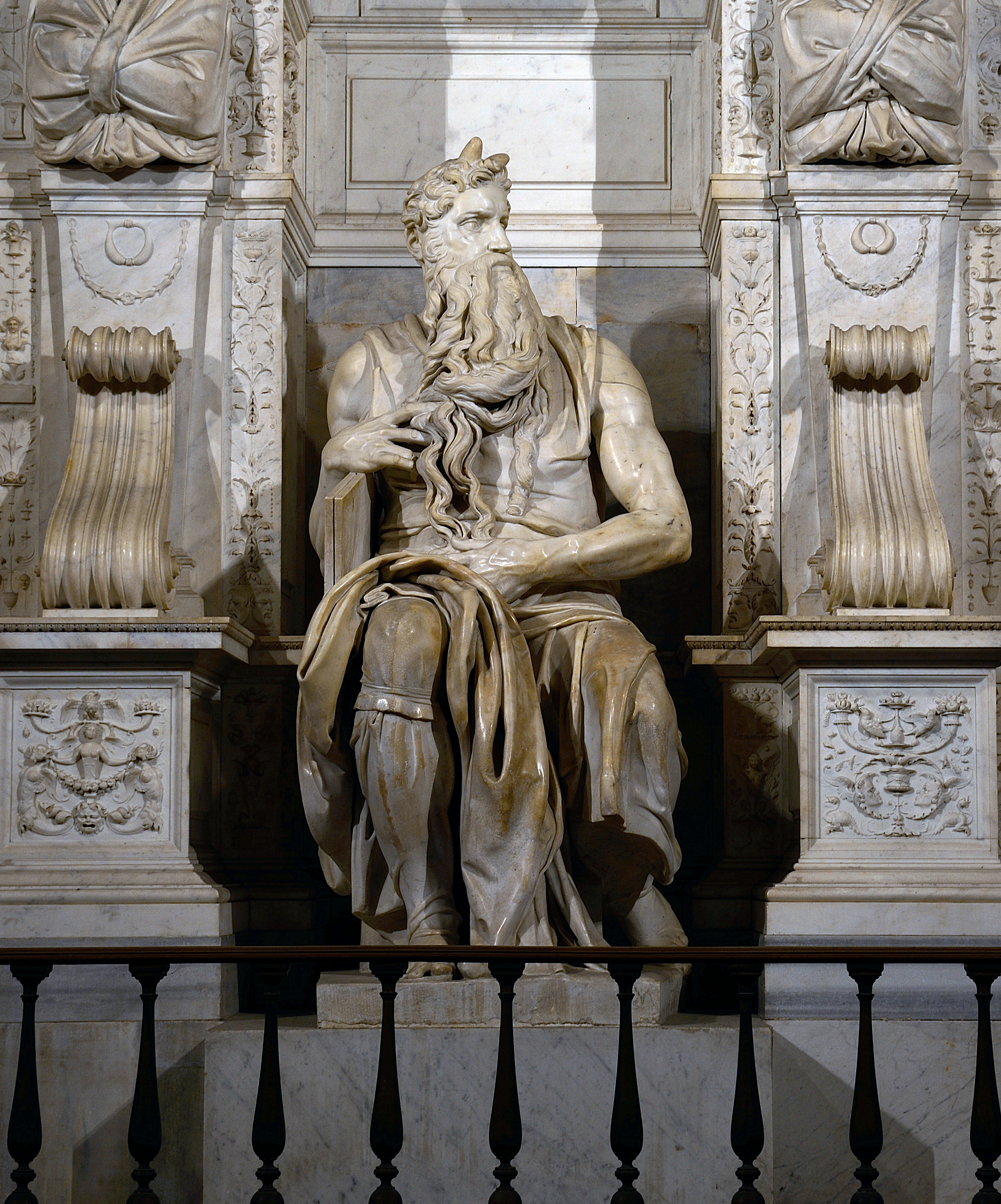
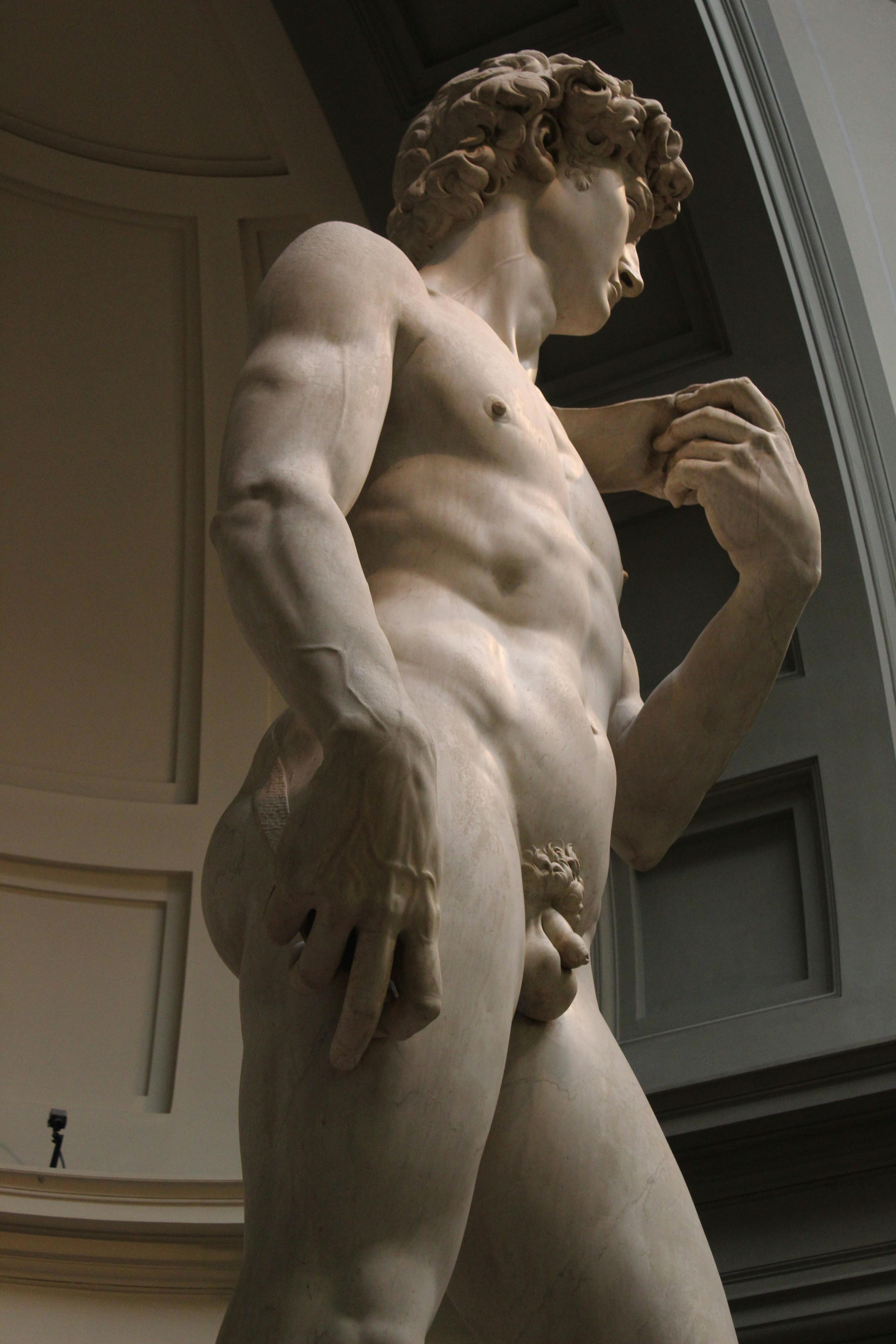
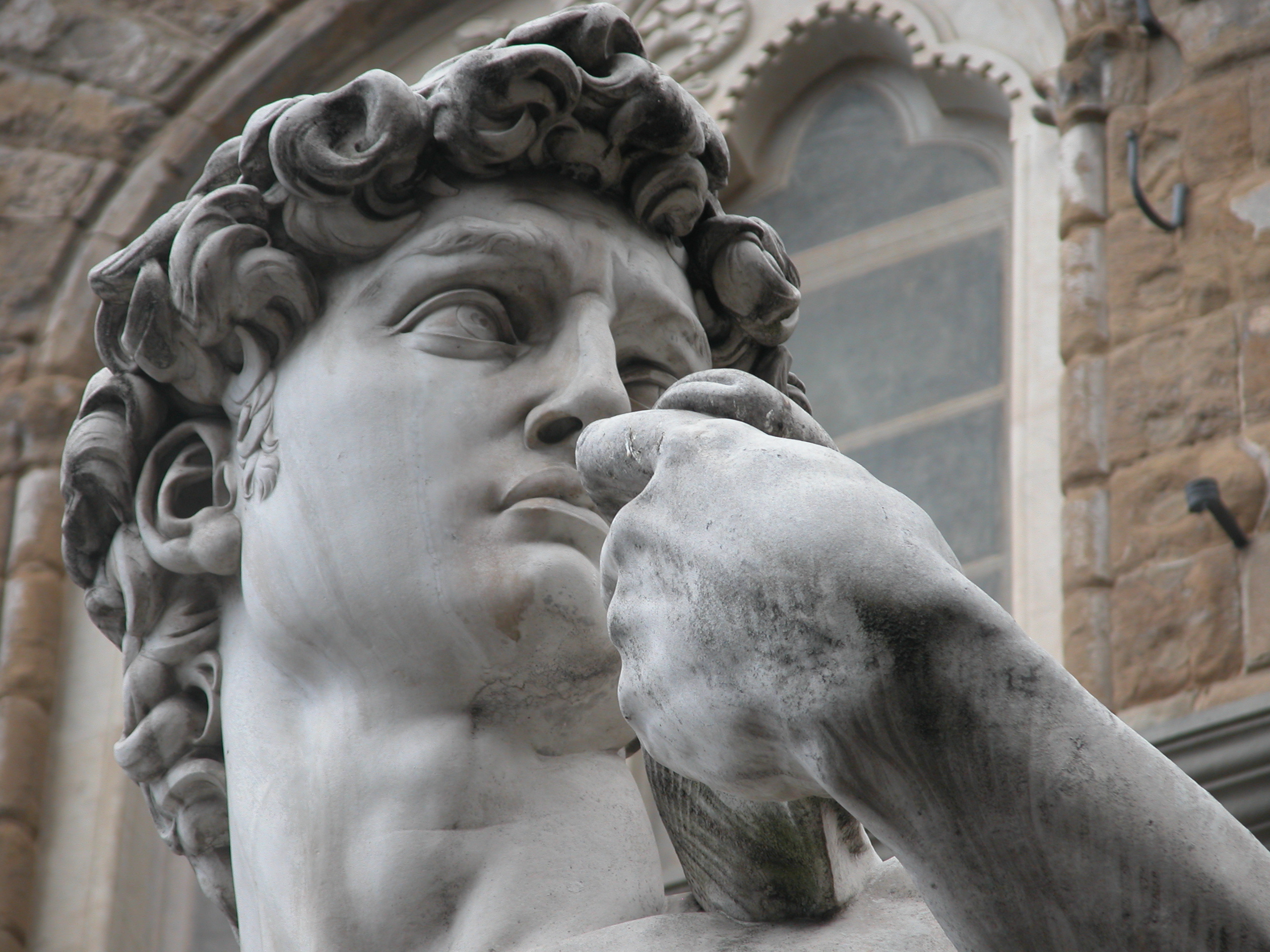
This image of Michelangelo’s work serves as a reminder of the grandeur and complexity of Baroque art, a period that Corradini’s work also embodies. The interplay of light, shadow, and intricate detail in such works reflects the same principles that Corradini applied to his sculptures.
Who Was Antonio Corradini?
Antonio Corradini was born in 1668 in Este, a small town in the Veneto region of Italy. He trained under the Venetian sculptor Giuseppe Torretto and later worked in Venice, where he became one of the most sought-after sculptors of his time. Corradini’s work is often associated with the Baroque period, but his style was uniquely his own—a blend of dramatic realism and ethereal delicacy.
Corradini’s journey from a small town to the bustling artistic hub of Venice is a story of dedication and passion. His early exposure to art, combined with his apprenticeship under Torretto, laid the foundation for his future success. His ability to blend the grandeur of the Baroque period with his own unique style set him apart from his contemporaries.
Corradini’s life and career were marked by a relentless pursuit of perfection. His dedication to his craft and his innovative techniques set him apart from his contemporaries, making him a pivotal figure in the evolution of Baroque sculpture.
His commitment to excellence is evident in every piece he created. Whether it was a monumental commission or a smaller, more intimate work, Corradini approached each project with the same level of care and attention to detail. This dedication not only earned him the admiration of his peers but also secured his place in the annals of art history.
The Historical Context of Corradini's Work
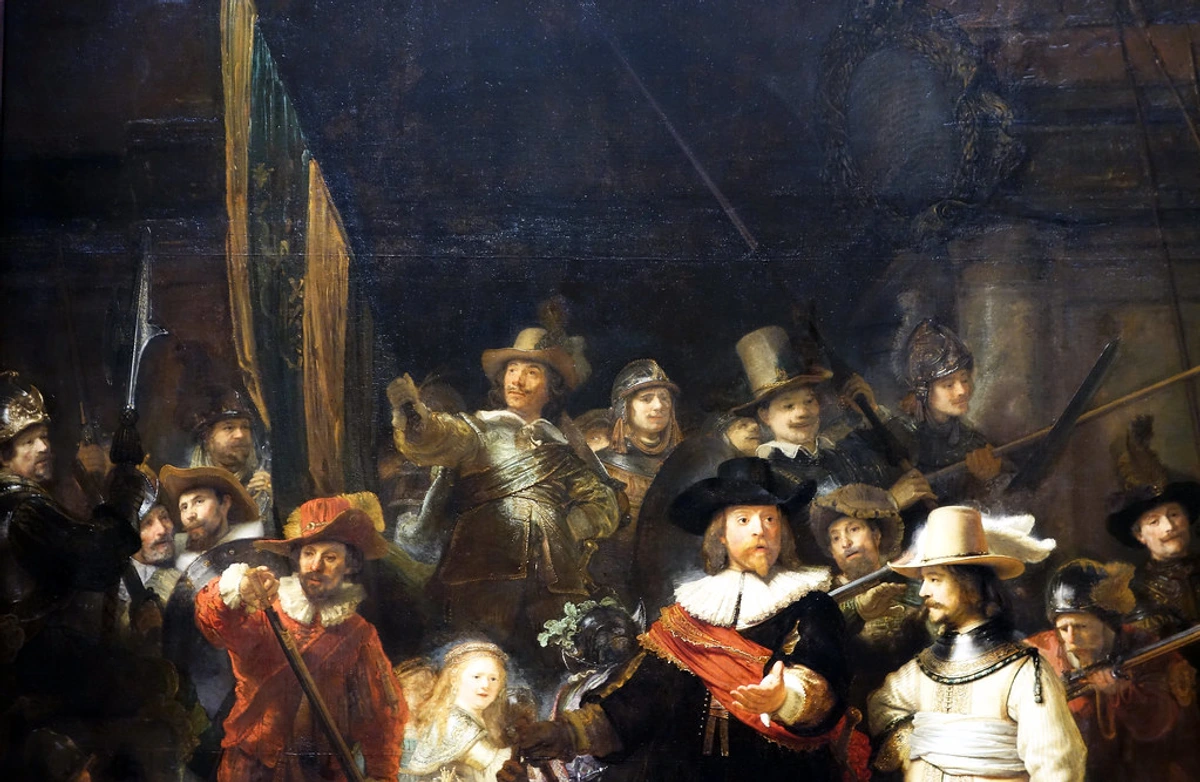
To fully appreciate Corradini’s contributions, it’s essential to understand the historical context in which he worked. The Baroque period was characterized by grandeur, drama, and a focus on emotion and movement. Corradini’s work embodied these qualities while also introducing a level of delicacy and refinement that was uniquely his own. His ability to blend these elements set him apart from other sculptors of his time and contributed to his enduring legacy.
The Baroque period was a time of great artistic innovation, with artists pushing the boundaries of their mediums to create works that were both visually stunning and emotionally resonant. Corradini’s work fits squarely within this tradition, but his unique approach to marble sculpture set him apart. His ability to capture the interplay of light and shadow, and his mastery of the veiled figure technique, made his work stand out in a period already known for its artistic brilliance.
Early Life and Training
Corradini’s early life is somewhat shrouded in mystery. We know he was born into a family of artists—his father was a stonemason—which likely influenced his career path. He apprenticed under Giuseppe Torretto, a sculptor known for his intricate marble work. Torretto’s influence is evident in Corradini’s early pieces, which show a keen attention to detail and a deep understanding of marble as a medium.
Growing up in a family of artists, Corradini was exposed to the world of sculpture from a young age. This early exposure, combined with his apprenticeship under Torretto, laid the foundation for his future success. His early works, though less refined than his later masterpieces, already hinted at the genius that would later define his career.
Influences and Inspirations
Corradini’s work was influenced by a variety of sources, including the classical sculptures of ancient Greece and Rome, as well as the works of his contemporaries. He was particularly drawn to the dramatic realism of Baroque art, which emphasized emotion, movement, and grandeur. However, Corradini’s unique style also incorporated a level of delicacy and refinement that set him apart from other sculptors of his time. His ability to blend these influences into a cohesive and innovative style contributed to his enduring legacy.
Corradini’s influences were diverse, ranging from the classical sculptures of ancient Greece and Rome to the works of his contemporaries. His ability to draw inspiration from these varied sources and blend them into a unique and innovative style is a testament to his creativity and vision. This synthesis of influences is evident in his work, which combines the grandeur of the Baroque period with a delicate, almost ethereal quality.
Rise to Prominence
By the early 18th century, Corradini had established himself as a prominent sculptor in Venice. His reputation grew as he began to receive commissions from noble families and religious institutions. One of his earliest notable works is the Monument to Doge Giovanni Pesaro in the Church of Santa Maria dei Frari. This piece showcases his ability to blend architectural elements with sculptural forms, creating a dynamic and engaging composition.
Corradini’s rise to prominence was not just a result of his technical skill but also his ability to connect with his patrons. His works often reflected the values and aspirations of the Venetian elite, making him a favorite among the city’s most influential families. This connection allowed him to secure commissions that further cemented his reputation as a master sculptor.
Notable Commissions and Collaborations
Throughout his career, Corradini received numerous commissions from prominent patrons, including noble families and religious institutions. His ability to create works that resonated with his patrons’ values and aspirations contributed to his success. Some of his most notable commissions include:
- Monument to Doge Giovanni Pesaro: A dynamic composition that blends architectural and sculptural elements.
- The Veiled Virgin: A masterpiece that showcases Corradini’s innovative techniques and his ability to create lifelike textures.
- The Veiled Woman: A work that explores the interplay of light and shadow, demonstrating Corradini’s mastery of marble as a medium.
These commissions not only showcased Corradini’s technical skill but also his ability to create works that were deeply meaningful to his patrons.
Corradini’s collaborations with noble families and religious institutions allowed him to create works that were not only visually stunning but also deeply meaningful. His ability to connect with his patrons and understand their values and aspirations was a key factor in his success. This connection allowed him to secure commissions that further cemented his reputation as a master sculptor.
The Art of the Veil
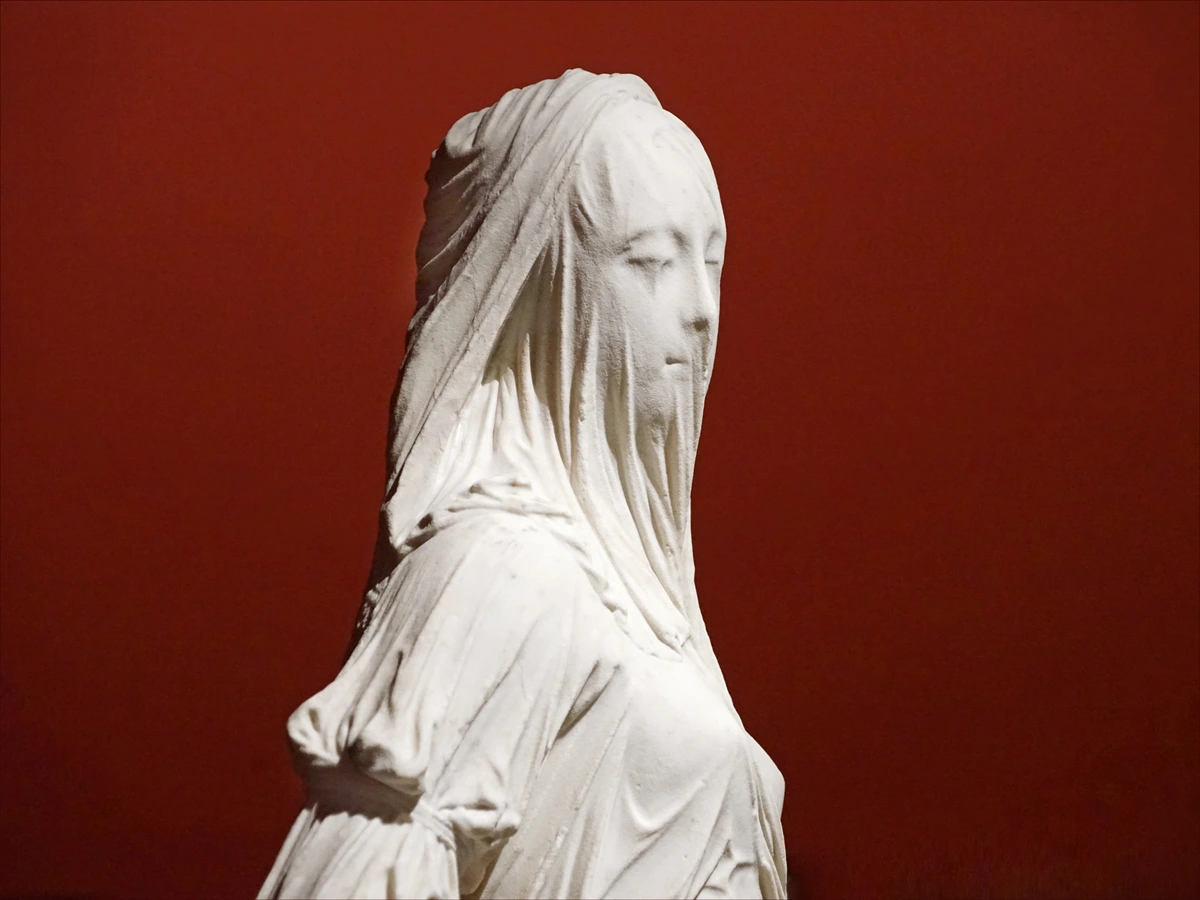
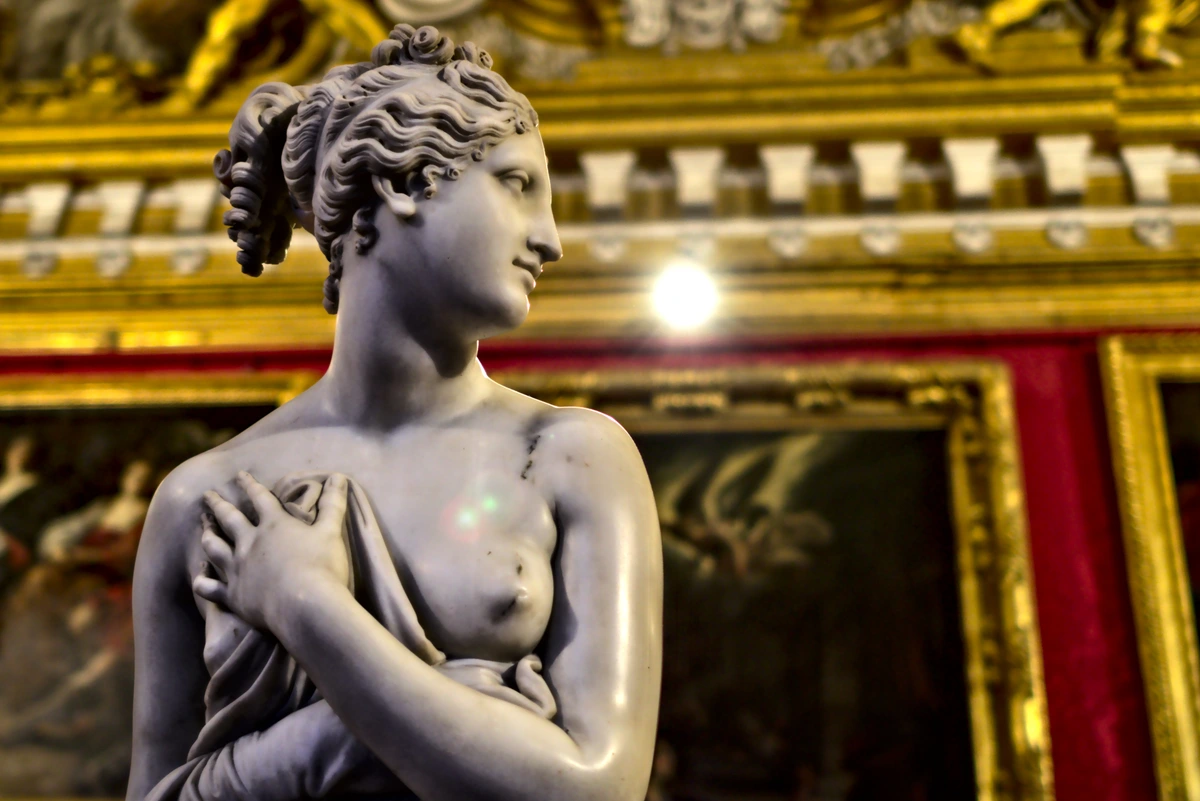
Corradini is best known for his mastery of the "veiled figure" technique, where marble appears to drape softly over the form beneath, almost as if it’s a real fabric. This technique wasn’t entirely new—ancient Greek and Roman sculptors had experimented with it—but Corradini took it to new heights.
The veiled figure technique is a testament to Corradini’s deep understanding of marble as a medium. By manipulating light and shadow, he was able to create an illusion of transparency and movement, making the marble appear almost lifelike. This technique not only showcased his technical prowess but also his ability to evoke emotion and wonder in the viewer.

Techniques and Innovations
Corradini’s approach to carving veils was revolutionary. He didn’t just carve the surface; he seemed to understand how light would interact with the marble. By varying the depth and angle of his chisel marks, he created an illusion of transparency and movement. It’s as if the marble itself is breathing.
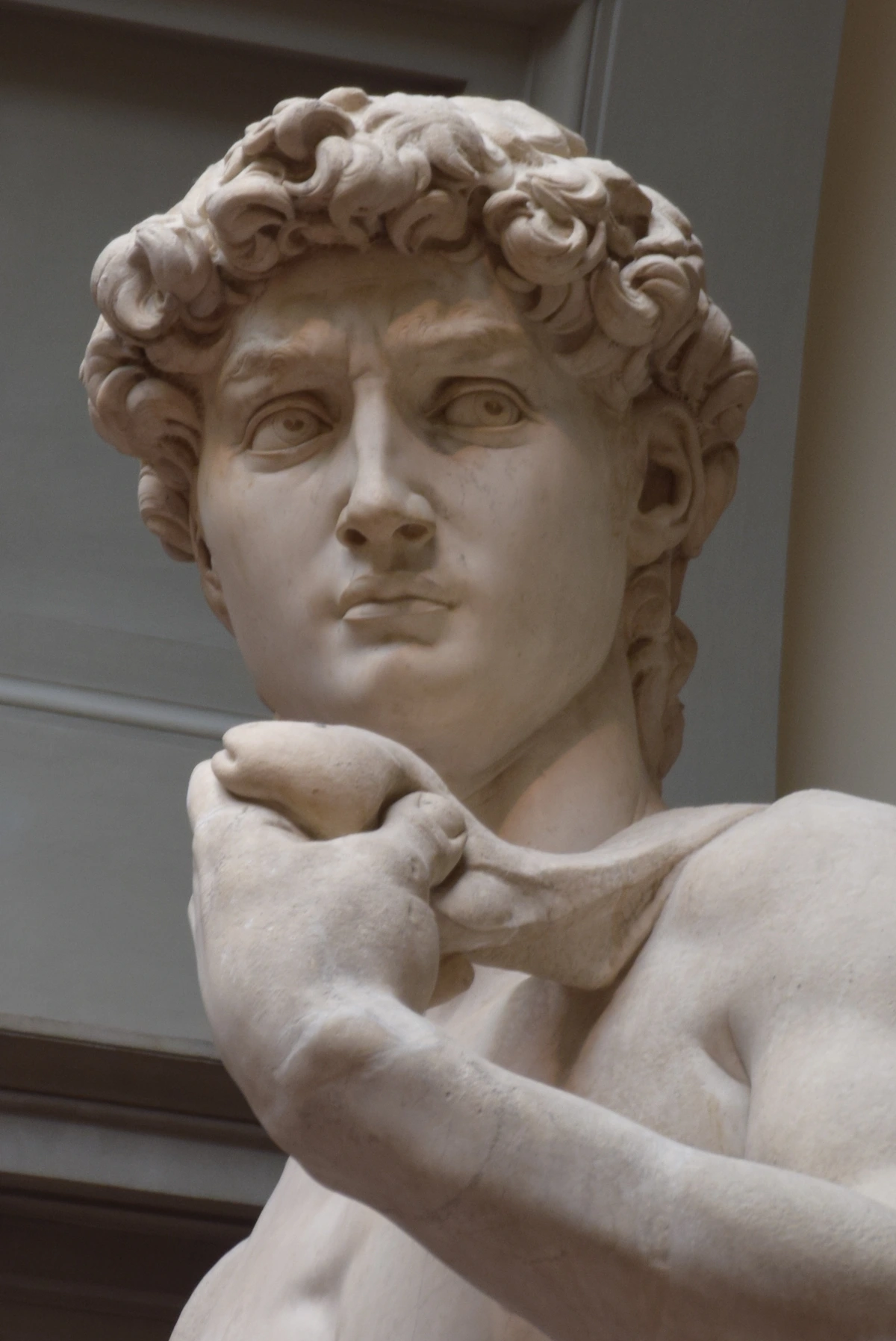
One of his most famous works, The Veiled Virgin (also known as The Modesty), is a testament to his skill. The veil appears so delicate that it seems to float over the figure’s face, revealing just enough to hint at the features beneath. It’s a masterclass in restraint and precision.
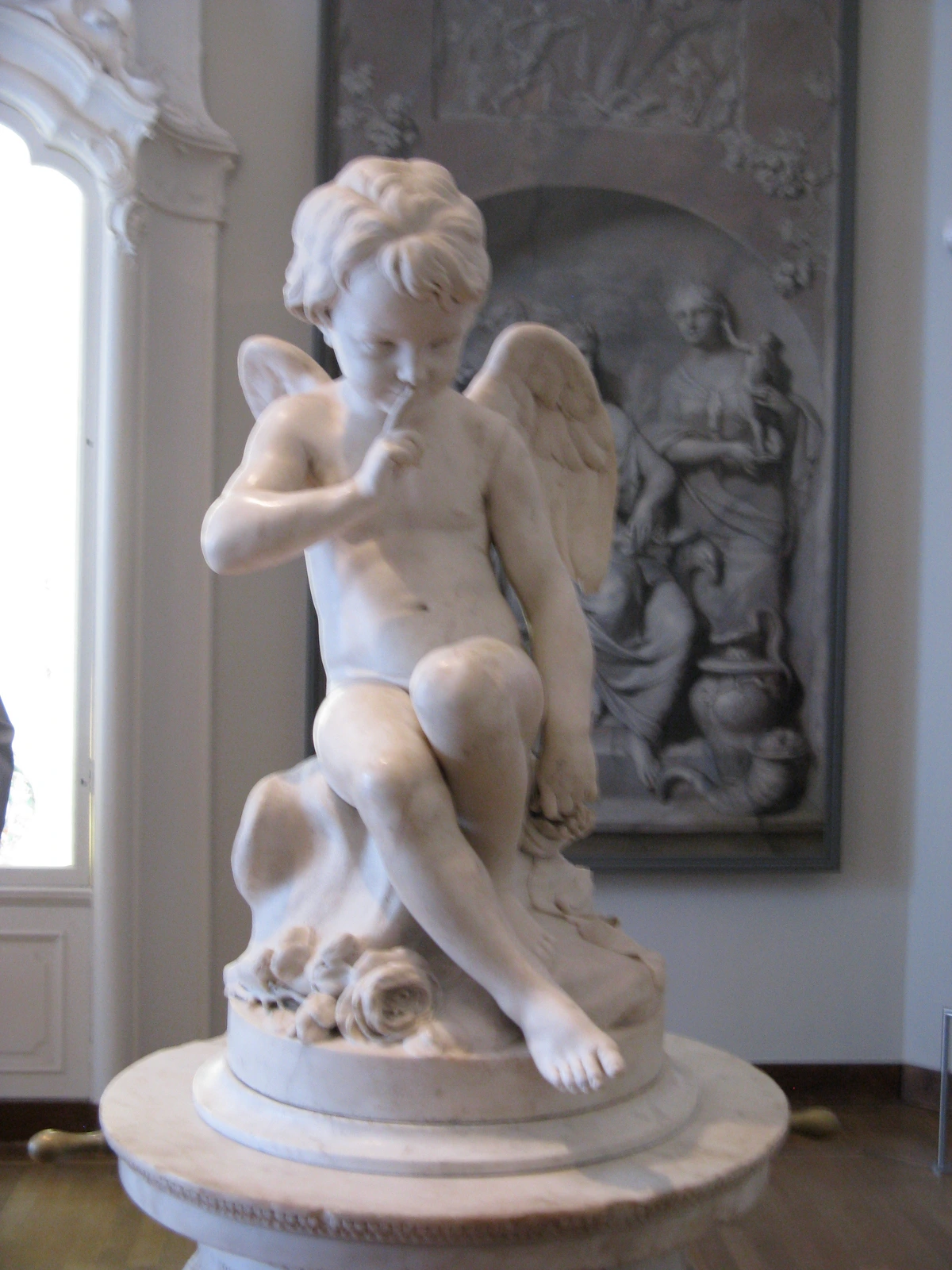
Corradini’s innovations extended beyond the veiled figure technique. He experimented with different types of marble, each with its own unique properties, to achieve varying effects. His ability to adapt his techniques to the specific characteristics of the marble he was working with further demonstrated his mastery of the medium.
Famous Veiled Works
Work  | Location | Year | Notable Features |
|---|---|---|---|
| The Veiled Virgin | Church of San Maurizio, Venice | 1720s | Delicate veil over the figure’s face, ethereal quality |
| The Veiled Christ (attributed) | Various | 17th-18th century | Controversial attribution, dramatic realism |
| The Veiled Woman | Private collections | 1730s | Focus on the interplay of light and shadow |
| The Veiled Truth | Private collections | 1740s | Explores themes of truth and illusion |
Each of these works showcases Corradini’s ability to push the boundaries of what was possible with marble. His veiled figures are not just technical achievements but also profound explorations of themes such as modesty, truth, and the interplay between reality and illusion.
Corradini’s veiled figures are a testament to his ability to evoke emotion and wonder in the viewer. The delicate veils that cover his figures seem to hint at hidden truths, inviting the viewer to look beyond the surface and explore the deeper meanings beneath. These themes are particularly evident in works like The Veiled Virgin and The Veiled Truth, where the interplay of light and shadow creates a sense of mystery and intrigue.
Themes in Corradini’s Work
Corradini’s works often explore themes of modesty, truth, and the interplay between reality and illusion. His veiled figures are not just technical achievements but also profound explorations of these themes. The delicate veils that cover his figures seem to hint at hidden truths, inviting the viewer to look beyond the surface and explore the deeper meanings beneath.
These themes are particularly evident in works like The Veiled Virgin and The Veiled Truth, where the interplay of light and shadow creates a sense of mystery and intrigue. Corradini’s ability to evoke emotion and wonder in the viewer is a testament to his skill and creativity, and his works continue to inspire and captivate audiences today.

Corradini’s Legacy
Corradini’s influence extended far beyond his lifetime. His techniques inspired later sculptors, including Giuseppe Sanmartino, who is often credited with perfecting the veiled figure technique. But it’s important to remember that Sanmartino’s work was built on the foundation laid by Corradini.
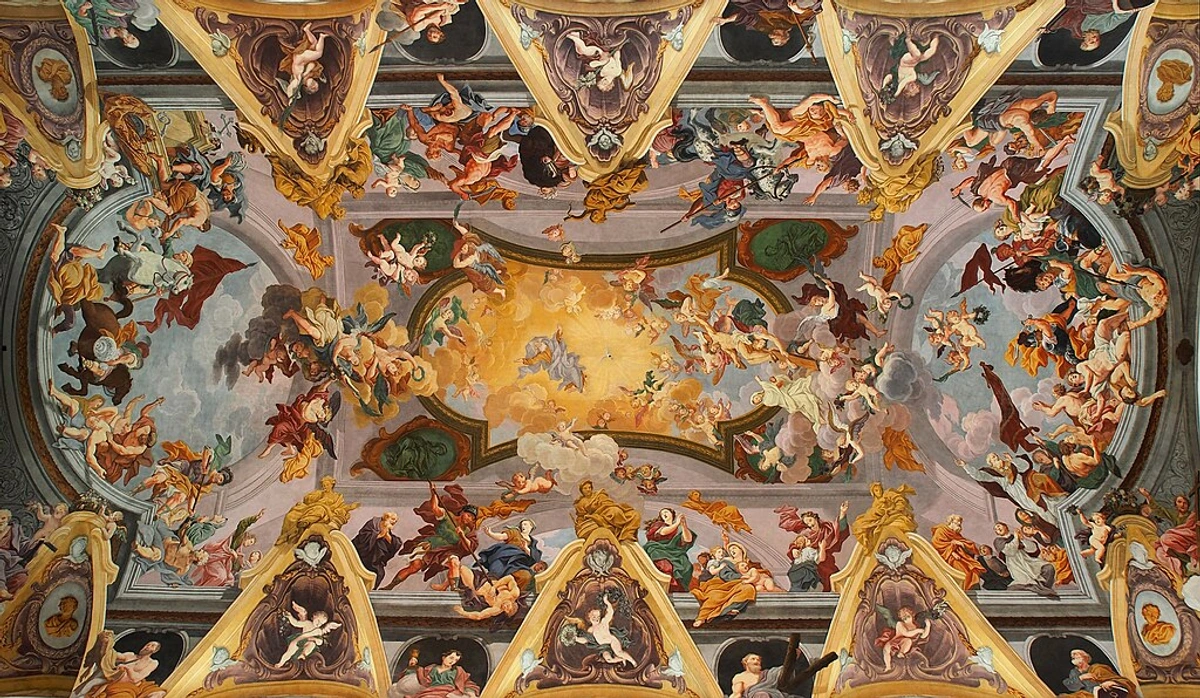
Corradini’s legacy is not just about his technical innovations but also about his ability to inspire future generations of artists. His work continues to be studied and admired, serving as a benchmark for excellence in sculpture. His influence can be seen in the works of countless artists who have sought to capture the same sense of wonder and beauty that he achieved with his veiled figures.
Influence on Later Artists
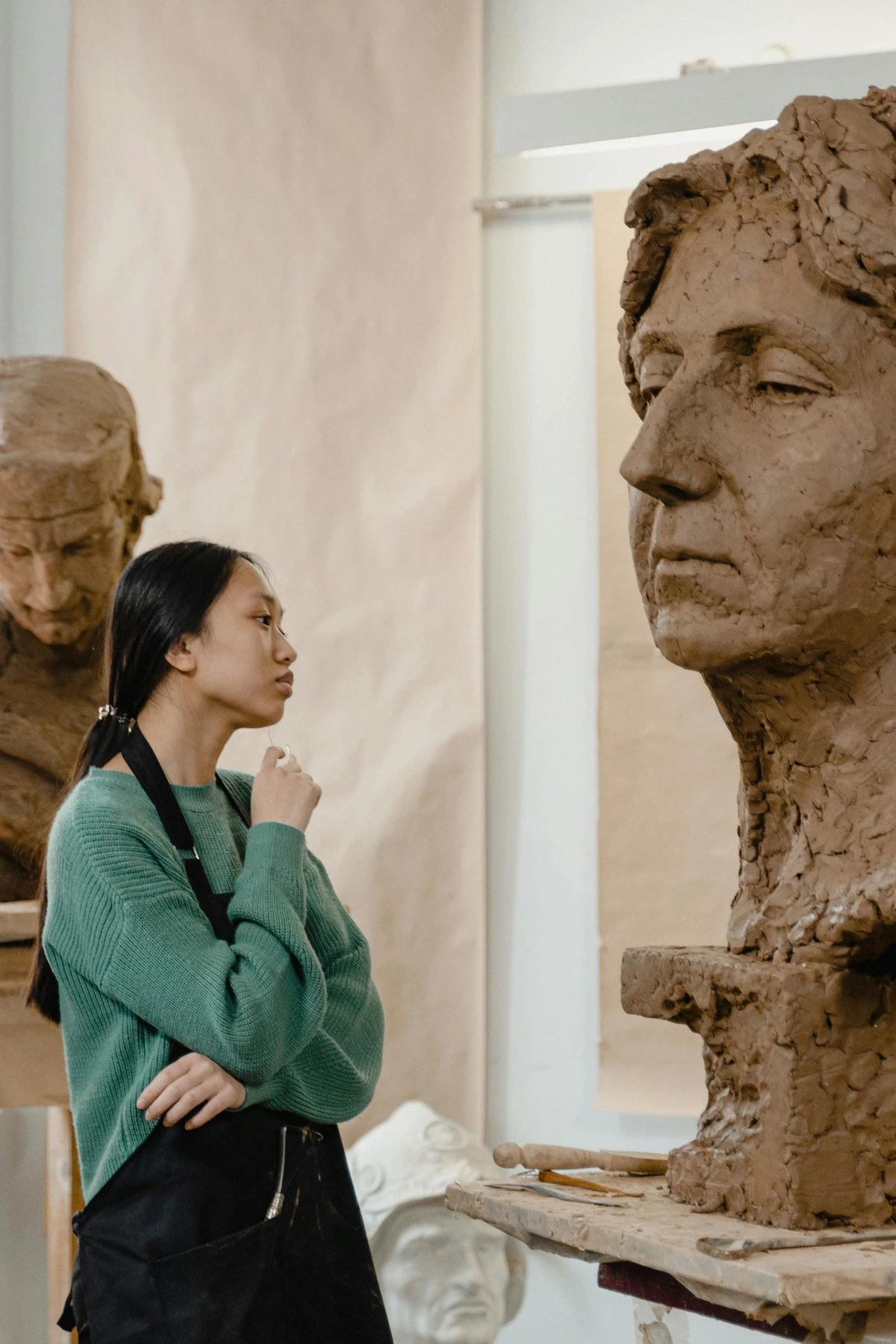
Corradini’s approach to marble sculpture influenced not just his contemporaries but also later generations. His ability to capture the interplay of light and shadow, and his innovative techniques, set a new standard for sculptors. Even today, artists study his work to understand how to manipulate marble to create lifelike textures and forms.
Corradini’s influence can be seen in the works of artists from the Neoclassical period to the present day. His techniques have been adapted and expanded upon, but the core principles he established remain a cornerstone of sculptural practice. His legacy is a testament to the enduring power of innovation and creativity in the arts.
Corradini’s Impact on Art Education
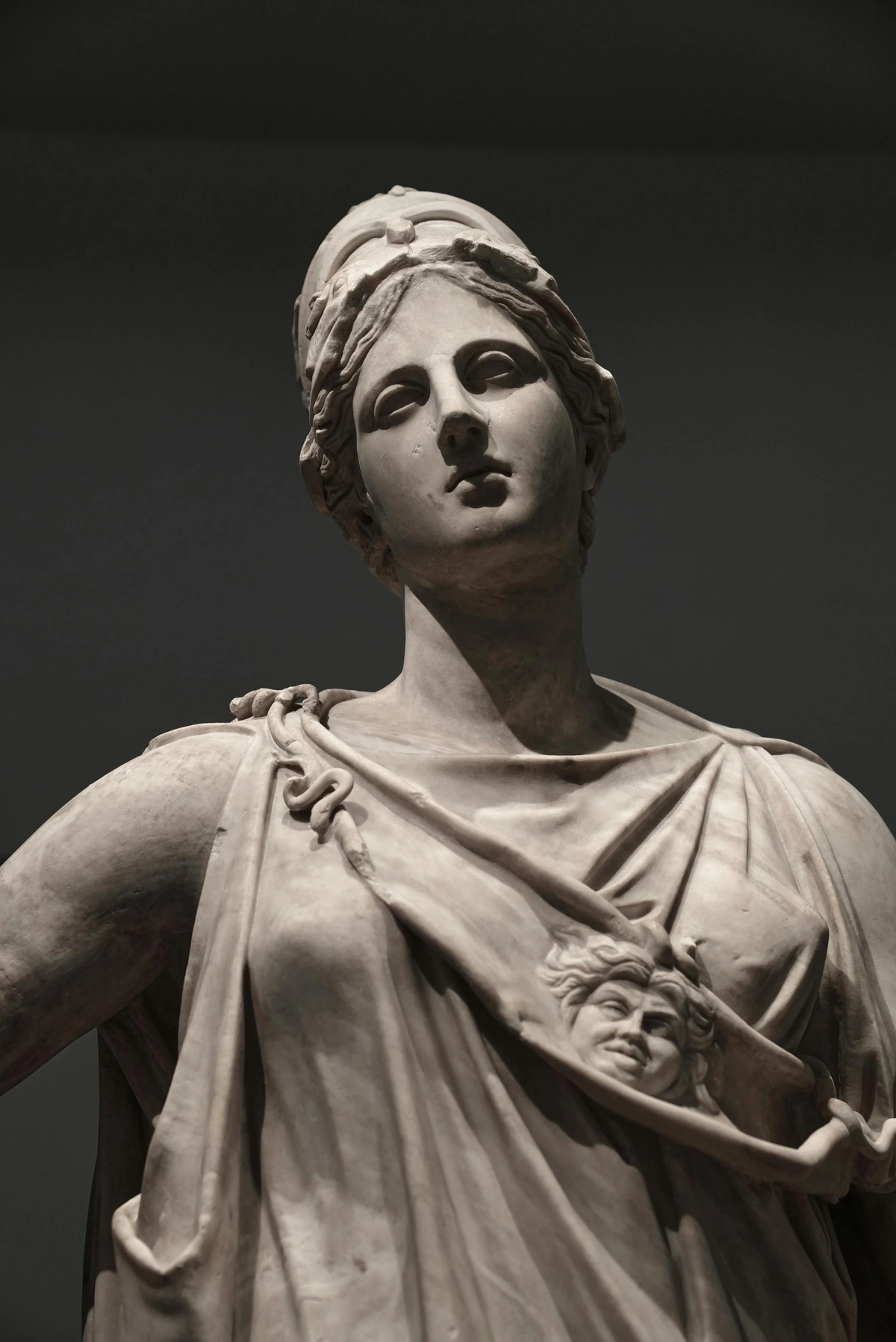
Corradini’s techniques and innovations have had a profound impact on art education. His work is often studied in art schools and universities around the world, where students learn about his innovative approach to marble sculpture. His ability to create lifelike textures and forms continues to inspire and educate new generations of artists, ensuring that his legacy will endure for years to come.
Art education programs often include Corradini’s work as a benchmark for excellence in sculpture. His techniques are taught as a way to understand the principles of light, shadow, and texture, and his innovative approach to marble sculpture serves as an inspiration for students and educators alike.
Corradini in Modern Art
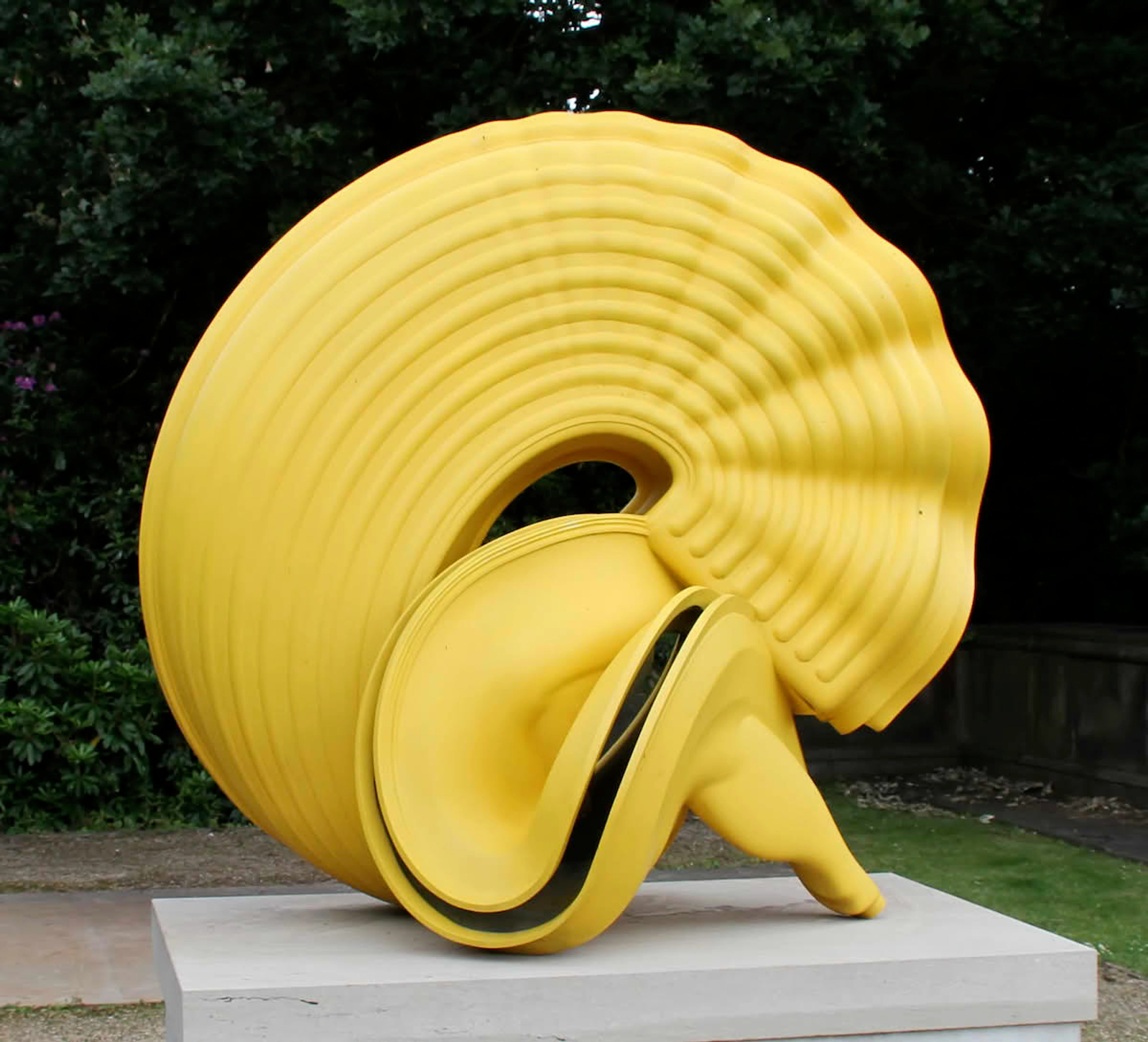
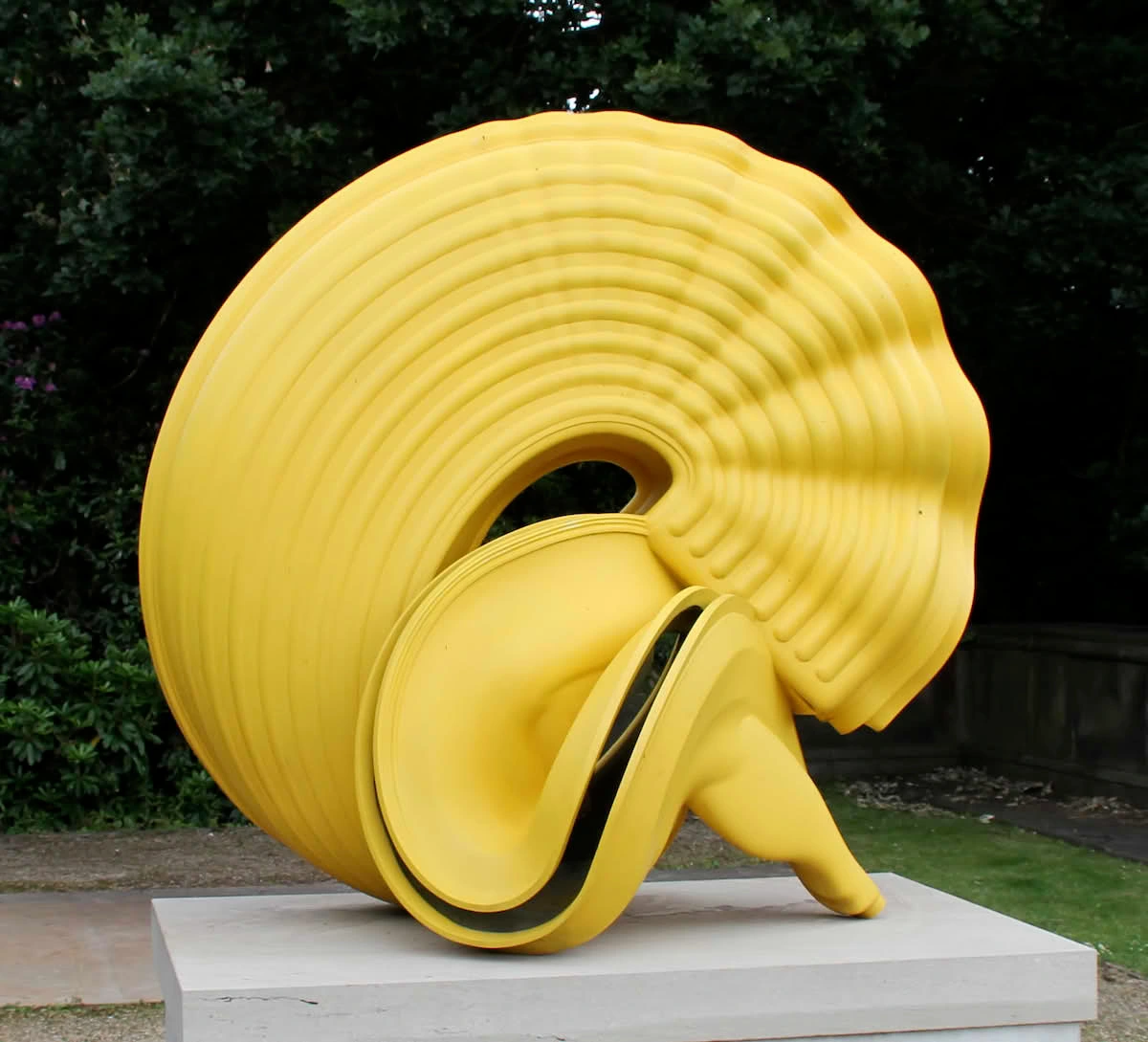
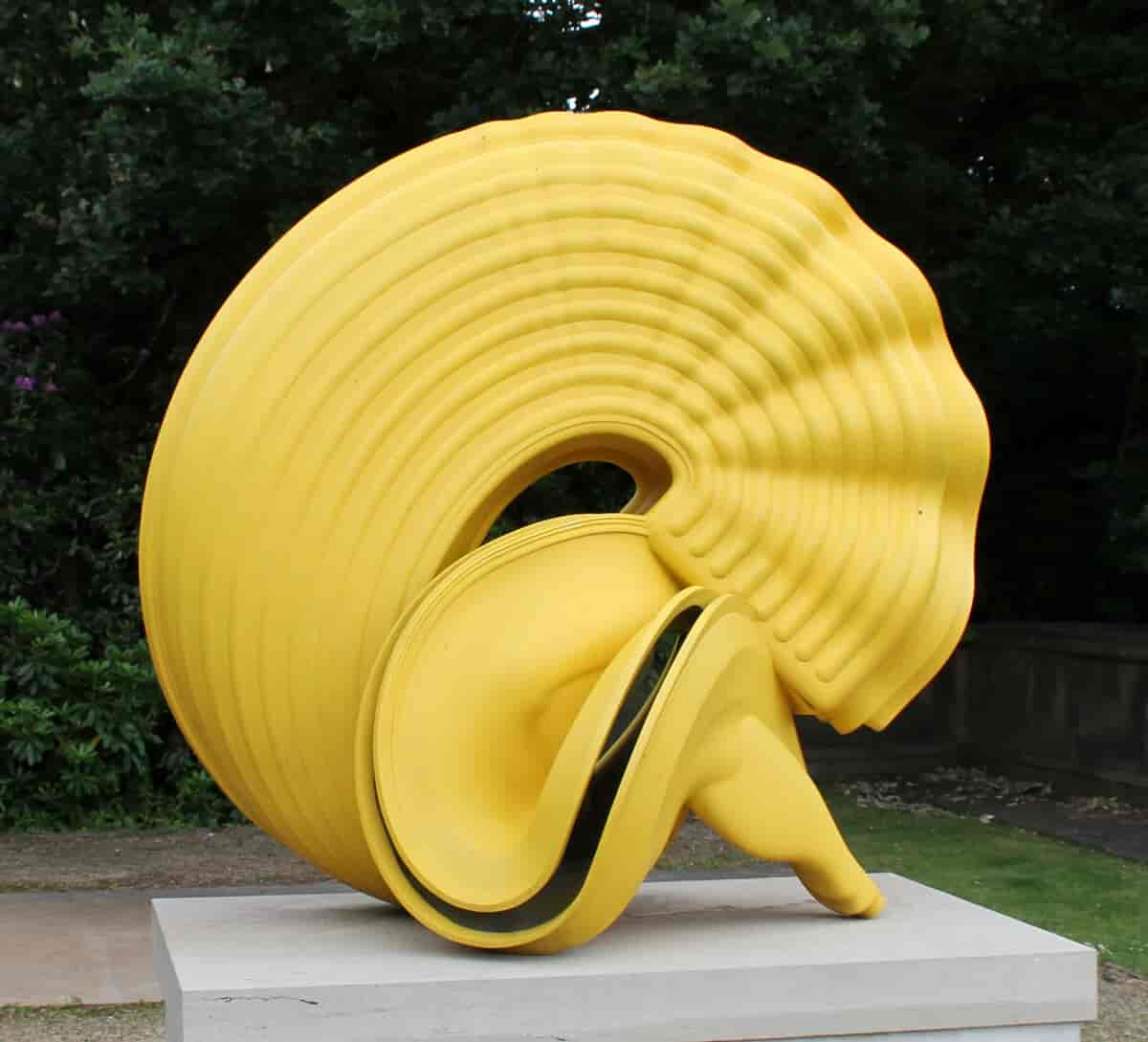
While Corradini’s work is firmly rooted in the Baroque tradition, his techniques and innovations continue to inspire modern artists. The way he played with light and texture is something that resonates with contemporary sculptors, including those working in abstract forms. If you’re interested in exploring how modern artists interpret these techniques, you might want to check out some of the works available here.
Modern artists have taken Corradini’s techniques and applied them to new materials and forms, creating works that are both innovative and deeply rooted in tradition. His influence can be seen in everything from abstract sculptures to contemporary installations, demonstrating the timeless appeal of his approach to art.
Contemporary Interpretations of Corradini’s Techniques
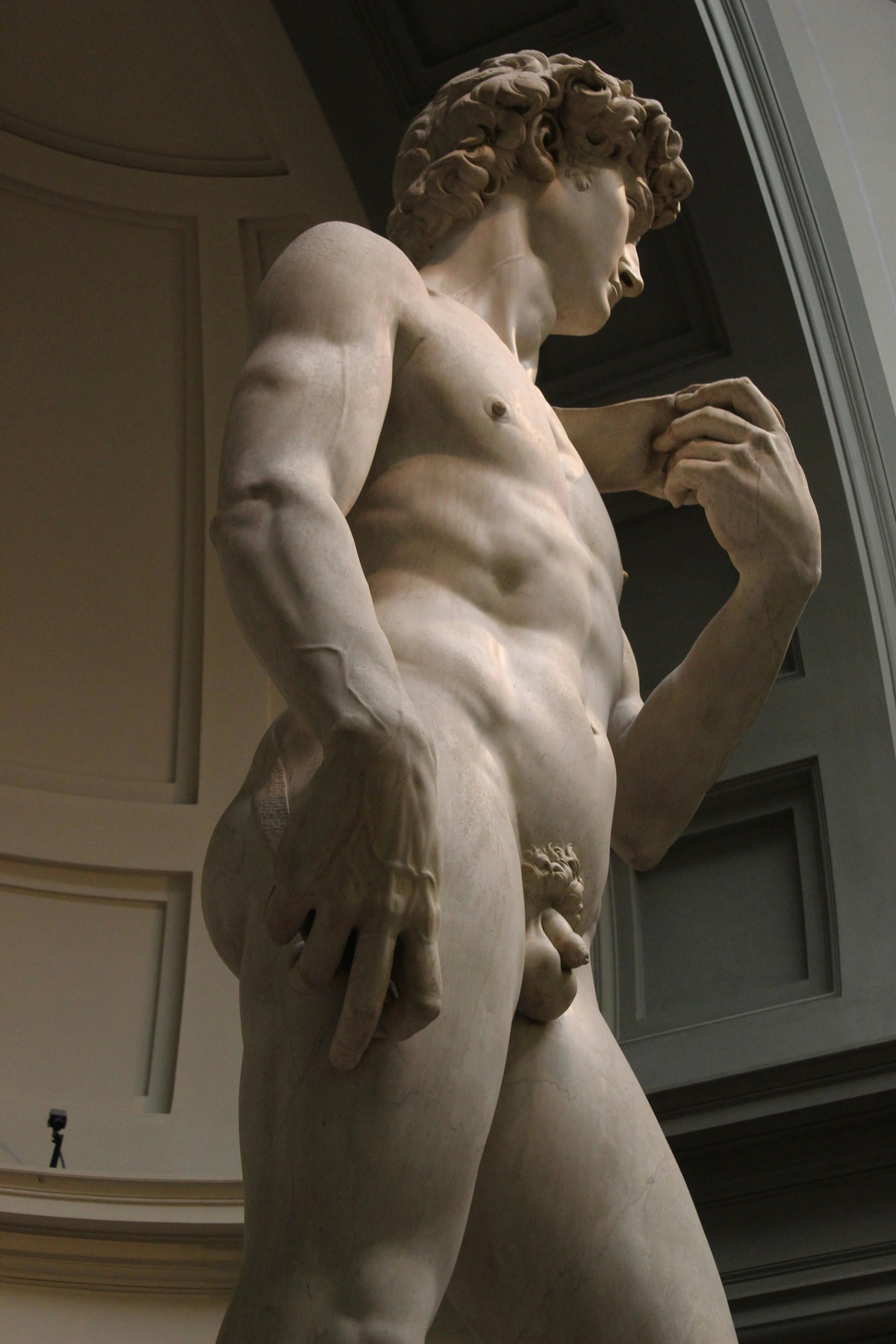
Contemporary artists continue to draw inspiration from Corradini’s techniques, adapting them to new materials and forms. His innovative approach to marble sculpture has influenced a wide range of artistic practices, from traditional sculpture to contemporary installations. By exploring how modern artists interpret these techniques, we can gain a deeper appreciation for Corradini’s enduring legacy and the timeless appeal of his approach to art.

Exploring Corradini’s Works
If you ever find yourself in Venice, I highly recommend visiting the Church of San Maurizio to see The Veiled Virgin in person. There’s something magical about standing in front of a piece like that, knowing that it was carved from a single block of marble with nothing but a chisel and a steady hand.
Exploring Corradini’s works in person is an experience like no other. The intricate details, the play of light and shadow, and the sheer skill on display are awe-inspiring. It’s a reminder of the power of art to transcend time and space, connecting us to the past in a deeply personal way.
The Importance of Seeing Corradini’s Works in Person
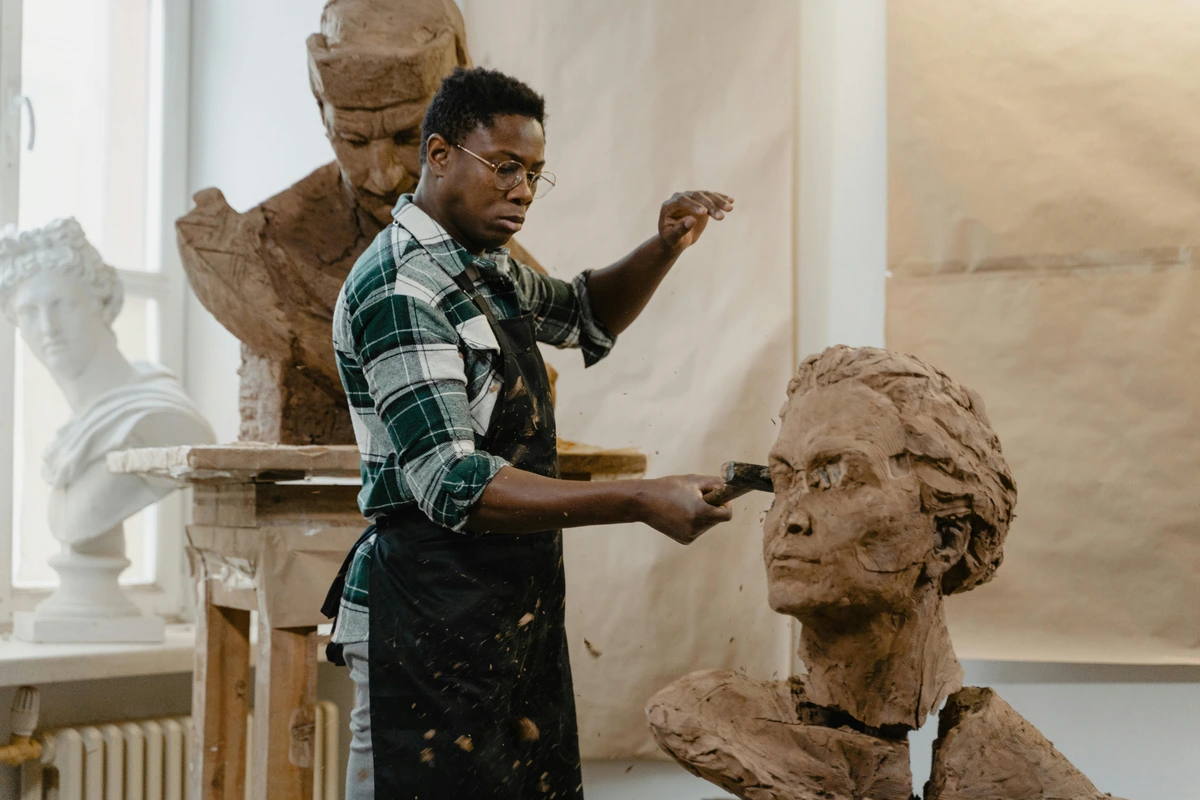
While photographs and reproductions can provide a glimpse into Corradini’s genius, there’s no substitute for seeing his works in person. The intricate details, the play of light and shadow, and the sheer skill on display are best appreciated up close. Visiting museums and galleries that house his works offers a unique opportunity to experience the full impact of his artistry and to gain a deeper understanding of his techniques and innovations.
Where to See His Works
Location | Work | Why It’s Worth Seeing |
|---|---|---|
| Church of San Maurizio, Venice | The Veiled Virgin | Ethereal quality, masterful technique |
| Church of Santa Maria dei Frari, Venice | Monument to Doge Giovanni Pesaro | Blend of architecture and sculpture |
| Various private collections | The Veiled Woman | Focus on light and shadow |
| Various museums and galleries | The Veiled Truth | Explores themes of truth and illusion |
Each of these locations offers a unique opportunity to experience Corradini’s genius firsthand. Whether you’re a seasoned art enthusiast or a casual visitor, his works are sure to leave a lasting impression.
Tips for Viewing Corradini’s Works
When viewing Corradini’s works, take your time to appreciate the intricate details and the interplay of light and shadow. Notice how the light catches the folds of the veil, how the marble seems to soften in places. It’s easy to get lost in the illusion, but remember that every detail was carefully planned and executed.

To fully appreciate Corradini’s works, observe the delicate folds of the veil, the overall composition, and the themes explored in each piece. Each work tells a story, and the more you look, the more you’ll discover.
Tips for Viewing
When you’re looking at Corradini’s work, pay attention to the details. Notice how the light catches the folds of the veil, how the marble seems to soften in places. It’s easy to get lost in the illusion, but remember that every detail was carefully planned and executed.
To fully appreciate Corradini’s works, take your time. Observe the interplay of light and shadow, the delicate folds of the veil, and the overall composition. Each piece tells a story, and the more you look, the more you’ll discover.
The Role of Context in Appreciating Corradini’s Works
Understanding the historical and cultural context of Corradini’s works can enhance your appreciation of his artistry. His works were created during the Baroque period, a time characterized by grandeur, drama, and a focus on emotion and movement. By exploring the themes and techniques of this period, you can gain a deeper understanding of Corradini’s contributions and the enduring appeal of his approach to art.
FAQ
Who was Antonio Corradini?
Antonio Corradini was an Italian Baroque sculptor born in 1668. He is best known for his mastery of the "veiled figure" technique, where marble appears to drape softly over the form beneath.
Corradini’s journey from a small town to the bustling artistic hub of Venice is a story of dedication and passion. His early exposure to art, combined with his apprenticeship under Giuseppe Torretto, laid the foundation for his future success. His ability to blend the grandeur of the Baroque period with his own unique style set him apart from his contemporaries.
What is the "veiled figure" technique?
The "veiled figure" technique involves carving marble in such a way that it appears to be covered by a delicate, translucent veil. This technique requires incredible precision and an understanding of how light interacts with the marble.
Corradini’s mastery of this technique is evident in works like The Veiled Virgin, where the delicate folds of the veil create an illusion of transparency and movement. His ability to manipulate light and shadow to achieve this effect is a testament to his skill and creativity.
Where can I see Corradini’s works?
Some of Corradini’s most famous works can be seen in Venice, including The Veiled Virgin at the Church of San Maurizio and the Monument to Doge Giovanni Pesaro at the Church of Santa Maria dei Frari. Additionally, his works can be found in various museums and private collections around the world.
How did Corradini influence later artists?
Corradini’s techniques and innovations influenced later sculptors, including Giuseppe Sanmartino, who is often credited with perfecting the veiled figure technique. His work continues to inspire modern artists, who adapt his methods to new materials and forms.
Why is Corradini’s work significant?
Corradini’s work is significant because of his innovative approach to marble sculpture. His ability to capture the interplay of light and shadow, and his mastery of the veiled figure technique, set a new standard for sculptors. His legacy continues to shape the world of sculpture today.

Corradini’s work is a testament to the power of art to transcend its materials, to evoke emotion, and to connect us to the past. His legacy continues to inspire artists and art lovers alike, serving as a benchmark for excellence in sculpture.
What materials did Corradini use?
Corradini primarily worked with marble, but he experimented with different types of marble to achieve varying effects. His deep understanding of the material allowed him to create works that are both technically impressive and emotionally resonant.
How did Corradini achieve the illusion of transparency in his veiled figures?
Corradini achieved the illusion of transparency by varying the depth and angle of his chisel marks. This technique allowed him to manipulate light and shadow, creating the appearance of a delicate, translucent veil.
What themes did Corradini explore in his works?
Corradini’s works often explore themes of modesty, truth, and the interplay between reality and illusion. His veiled figures are not just technical achievements but also profound explorations of these themes.











How can I learn more about Corradini’s techniques?
To learn more about Corradini’s techniques, consider visiting museums and galleries that house his works. Additionally, many art history books and online resources provide detailed analyses of his methods and innovations.
Conclusion
Antonio Corradini might not be as famous as some of his contemporaries, but his influence on the world of sculpture is undeniable. His ability to breathe life into marble, to make it seem almost translucent, is a testament to his skill and creativity. The next time you see a veiled figure in marble, take a moment to appreciate the craftsmanship and the legacy of Antonio Corradini.
Corradini’s work reminds us of the power of art to transcend its materials, to evoke emotion, and to connect us to the past. His legacy continues to inspire artists and art lovers alike, serving as a benchmark for excellence in sculpture.
If you’re feeling inspired, why not explore some contemporary interpretations of these techniques? You might find something that speaks to you in a whole new way. Check out some modern works here.