Modern Art Types Explained: A Personal Journey Through Movements
Feeling lost in the world of modern art? Join me on a personal journey through the key movements and types, from Impressionism to Abstract Expressionism, and find your own connection.

# Navigating the Maze: A Personal Guide to Understanding Modern Art Types
Okay, let's be honest. Have you ever walked into a museum, stood in front of a painting that looks like a toddler had a paint fight with a canvas, and thought, "*This* is art?" Yeah, me too. [Modern art](/finder/page/history-of-modern-art) can feel like a secret club with a language you don't speak. But stick with me, because once you start pulling back the layers, it's less about 'getting it' and more about feeling something, seeing something new. It's a journey, and frankly, my journey has been full of delightful surprises (and a few head-scratchers).
[Modern art](/finder/page/modern-art) is not just about aesthetics; it's a reflection of the cultural, social, and technological shifts that have shaped our world. It challenges us to see beyond the surface and engage with the deeper meanings and emotions that artists seek to convey. Whether you're a seasoned art enthusiast or a curious newcomer, there's always something new to discover in the world of modern art.
[Modern art](/finder/page/modern-art) is not just about aesthetics; it's a reflection of the cultural, social, and technological shifts that have shaped our world. It challenges us to see beyond the surface and engage with the deeper meanings and emotions that artists seek to convey. Whether you're a seasoned art enthusiast or a curious newcomer, there's always something new to discover in the world of modern art.
[Modern art](/finder/page/modern-art) isn't just about paintings or sculptures; it's a vast and diverse world that includes everything from [performance art](/finder/page/what-is-performance-art-history-and-key-artists) to [digital](/finder/page/new-technologies-digital-art) installations. It's about breaking boundaries, challenging norms, and expressing ideas in ways that [traditional art](/finder/page/traditional-art-concepts) forms might not allow. Whether you're a seasoned art enthusiast or a curious newcomer, there's always something new to discover in the world of modern art.
Modern art is a conversation between the artist and the viewer. It invites us to question, to feel, and to interpret. It's a dynamic and ever-evolving field that continues to push the boundaries of what art can be.
[credit](https://images.pexels.com/photos/16037759/pexels-photo-16037759.jpeg?cs=srgb&dl=pexels-laura-paredis-1047081-16037759.jpg&fm=jpg),
[licence](https://creativecommons.org/public-domain/)
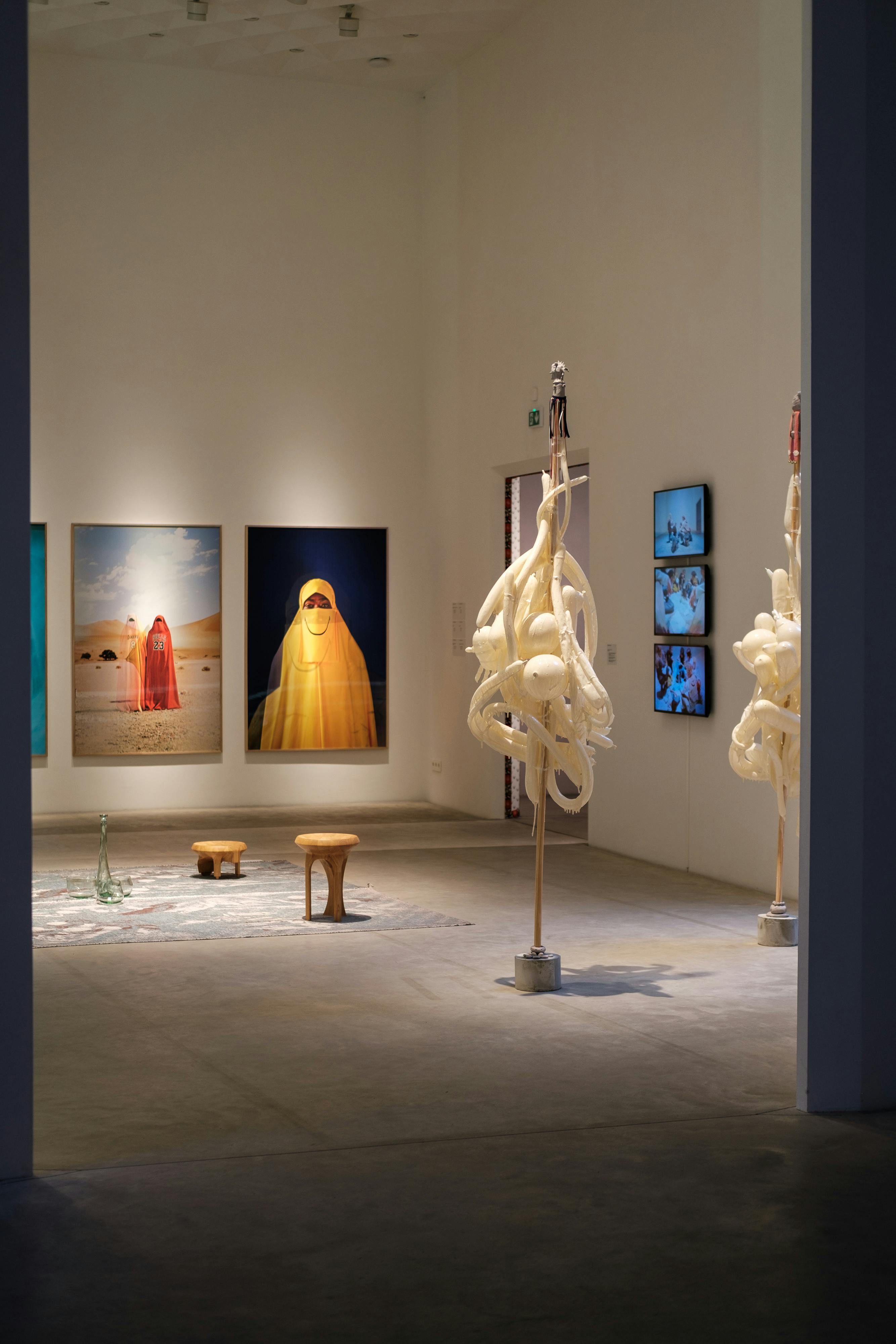
[Modern art](/finder/page/modern-art) isn't just one thing; it's a whole era, a wild explosion of ideas and styles that kicked off roughly from the late 19th century and kept shaking things up well into the mid-20th. It was a time when artists decided the old rules were, well, old. They looked at the world changing around them – industrialization, new ways of thinking, photography challenging [traditional painting](/finder/page/digital-painting-vs-traditional-painting-pros-cons-and-artistic-expression) – and thought, "Right, time to do something completely different."
This period was marked by a spirit of experimentation and innovation. Artists were not just reacting to the changes around them; they were actively shaping the future of art. This era saw the rise of movements that challenged the [status quo](/finder/page/breaking-arts-status-quo) and redefined what art could be.
To truly appreciate modern art, it's essential to understand the context in which it emerged. The late 19th and early 20th centuries were periods of rapid change and innovation. Artists were not just reacting to these changes; they were actively shaping them. This era saw the rise of movements that challenged the [status quo](/finder/page/breaking-arts-status-quo) and redefined what art could be.
Think of it less as a [straight line](/finder/page/elements-of-art-line) and more like a branching tree, or maybe a chaotic garden where everything is growing in weird and wonderful directions. Each 'type' or movement was a group of artists saying, "*This* is how we see the world now," or "*This* is how we *feel* the world now." And honestly, trying to keep track of them all can feel like trying to herd cats. But let's dive into some of the big ones that really defined this era.
To help you navigate this complex landscape, here's a table summarizing some of the key movements and their defining characteristics:
| Movement | Key Characteristics | Notable Artists |
|-------------------|------------------------------------------------------------------------------------|-------------------------------|
| [Impressionism](/finder/page/ultimate-guide-to-impressionism) | Capturing light and fleeting moments, soft brushstrokes, vibrant colors | [Monet](/finder/page/ultimate-guide-to-claude-monet), [Renoir](/finder/page/renoir-impressionist-techniques-explained), Degas |
| Post-Impressionism| Emotional intensity, symbolism, structured forms | Van Gogh, Cézanne, [Gauguin](/finder/page/paul-gauguin-artistic-journey) |
| [Fauvism](/finder/page/ultimate-guide-to-fauvism) | Bold, vibrant colors chosen for [emotional impact](/finder/page/creating-art-that-evokes-emotional-depth) | Matisse, Derain |
| Expressionism | Raw emotion, psychological intensity, distorted forms | Munch, Kirchner |
| [Cubism](/finder/page/ultimate-guide-to-cubism) | Geometric shapes, multiple viewpoints, fractured reality | [Picasso](/finder/page/ultimate-guide-to-picasso), [Braque](/finder/page/the-history-of-cubism-from-picasso-to-braque) |
| [Abstract Art](/finder/page/how-to-abstract-art) | Non-representational, focus on color and form | Kandinsky, Mondrian |
| Surrealism | Exploring the subconscious, dream-like imagery | Dalí, Magritte |
| [Abstract Expressionism](/finder/page/ultimate-guide-to-abstract-expressionism) | Large-scale [abstraction](/finder/page/the-definitive-guide-to-understanding-abstraction-in-contemporary-art), [emotional impact](/finder/page/creating-art-that-evokes-emotional-depth), focus on the act of painting | Pollock, Rothko |
Each of these movements offers a [unique perspective](/finder/page/developing-a-unique-artistic-style-finding-your-voice) on the world and the role of art in society. Whether you're drawn to the rebellious spirit of [Dada](/finder/page/dada-art-movement-characteristics-techniques) or the functional beauty of Bauhaus, there's something in modern art for everyone.
---
## The Dawn of a New Era: Impressionism and Beyond
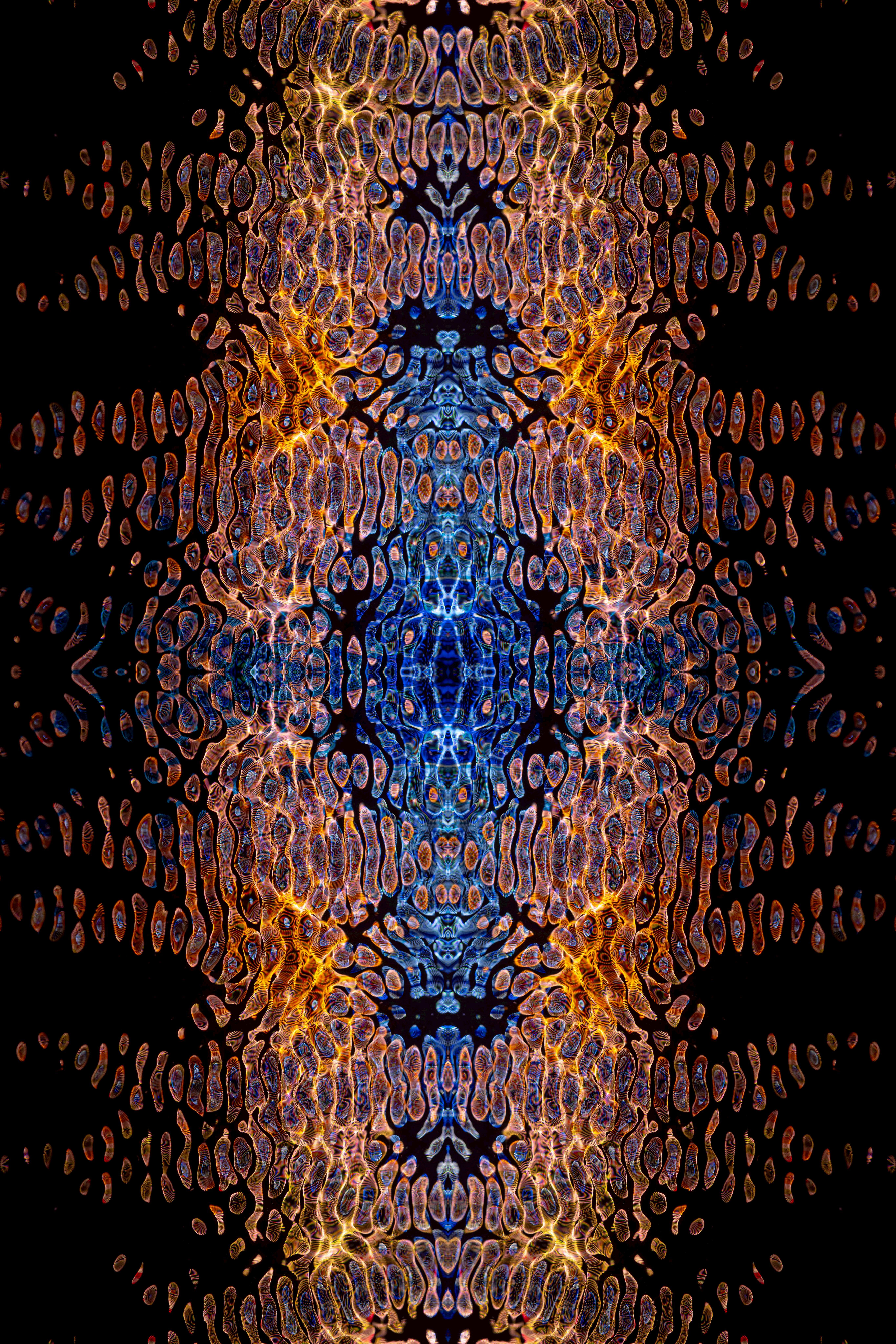
It all started getting a bit... blurry. The **Impressionists** were the rebels who left their studios and painted *outside*, trying to capture the fleeting moment, the effect of light. They weren't interested in perfect detail, but the *impression* of a scene. Think soft brushstrokes, vibrant colors capturing sunlight on water or the buzz of city life.
[credit](https://images.pexels.com/photos/10996828/pexels-photo-10996828.jpeg),
[licence](https://creativecommons.org/public-domain/)
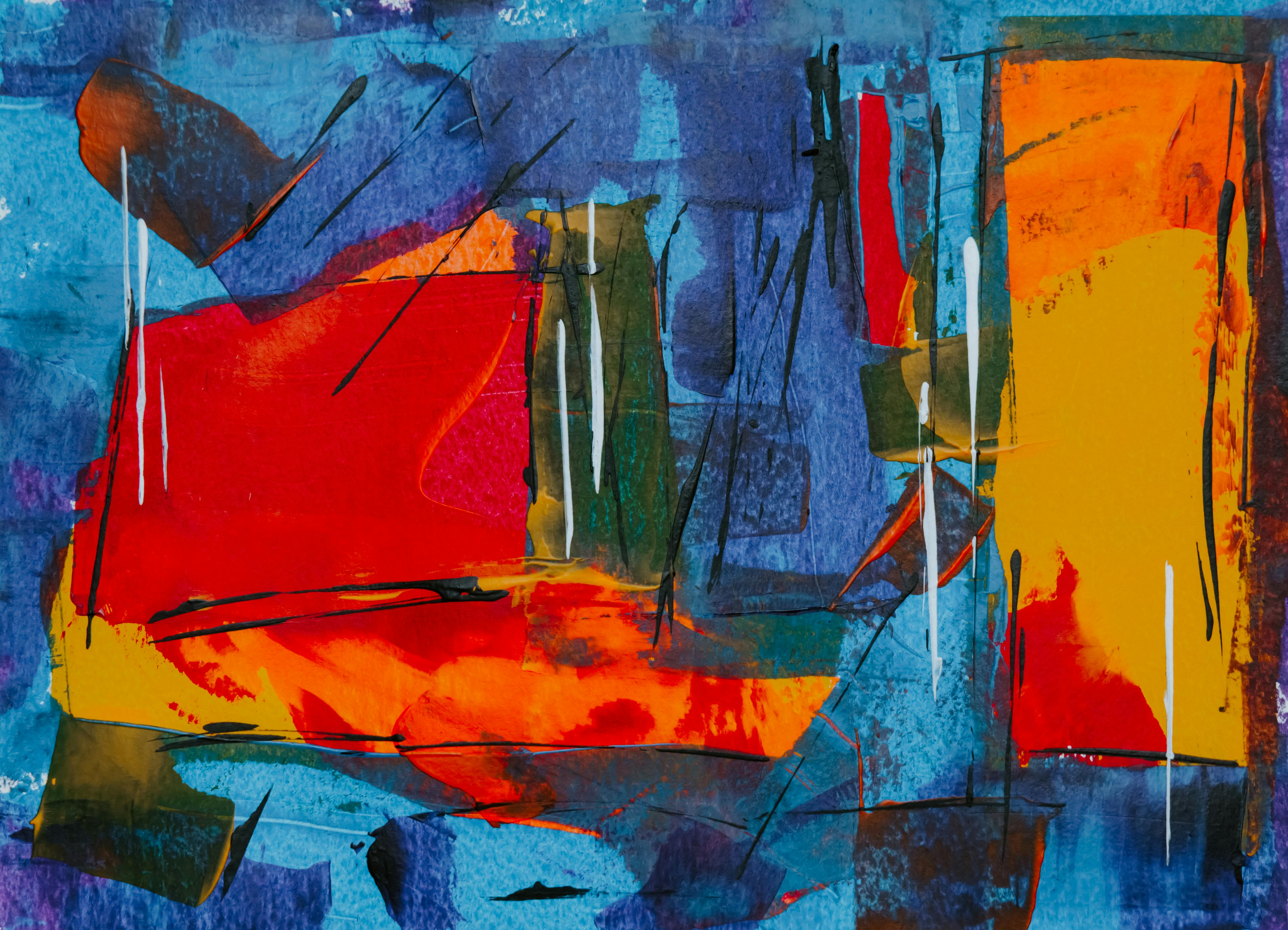
[Impressionism](/finder/page/ultimate-guide-to-impressionism) was more than just a style; it was a philosophy. Artists like [Monet](/finder/page/ultimate-guide-to-claude-monet) and [Renoir](/finder/page/renoir-impressionist-techniques-explained) believed in capturing the essence of a moment rather than its exact details. This approach was revolutionary at the time and laid the groundwork for many of the movements that followed.
[credit](https://images.pexels.com/photos/1787242/pexels-photo-1787242.jpeg),
[licence](https://creativecommons.org/public-domain/)
It felt revolutionary at the time, and honestly, standing in front of a [Monet](/finder/page/ultimate-guide-to-claude-monet) still feels like stepping into a sunbeam. If you want to dive deeper into this, check out my [Ultimate Guide to Impressionism](/finder/page/ultimate-guide-to-impressionism).
Then came the **Post-Impressionists**. They took the Impressionists' palette and freedom but added more structure, symbolism, or emotional intensity. [Van Gogh](/finder/page/ultimate-guide-to-van-gogh), with his swirling skies and intense colors, is a perfect example. He wasn't just painting a starry night; he was painting how it *felt* to him. Cézanne was busy breaking down forms, paving the way for even wilder things.
[credit](https://images.pexels.com/photos/6593345/pexels-photo-6593345.jpeg),
[licence](https://creativecommons.org/public-domain/)
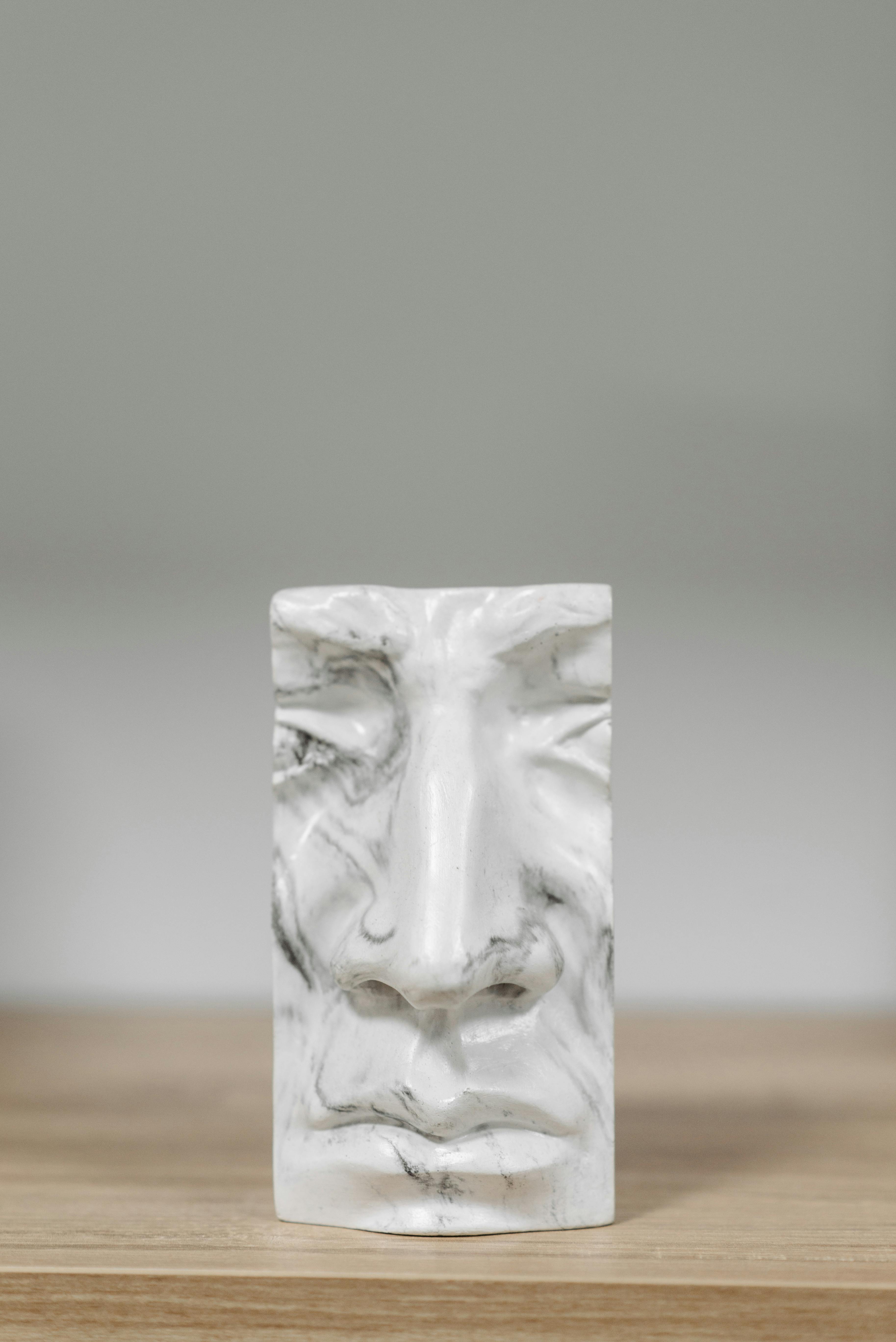
[Post-Impressionism](/finder/page/what-is-post-impressionism) was a bridge between the fleeting moments of [Impressionism](/finder/page/ultimate-guide-to-impressionism) and the bold experimentation of the early 20th century. Artists like [Gauguin](/finder/page/paul-gauguin-artistic-journey) explored symbolism and exotic themes, while Cézanne's geometric approach laid the foundation for [Cubism](/finder/page/ultimate-guide-to-cubism).
[credit](https://live.staticflickr.com/5208/5349040301_d80dd3a5cd_b.jpg),
[licence](https://creativecommons.org/licenses/by-nc-sa/2.0/)
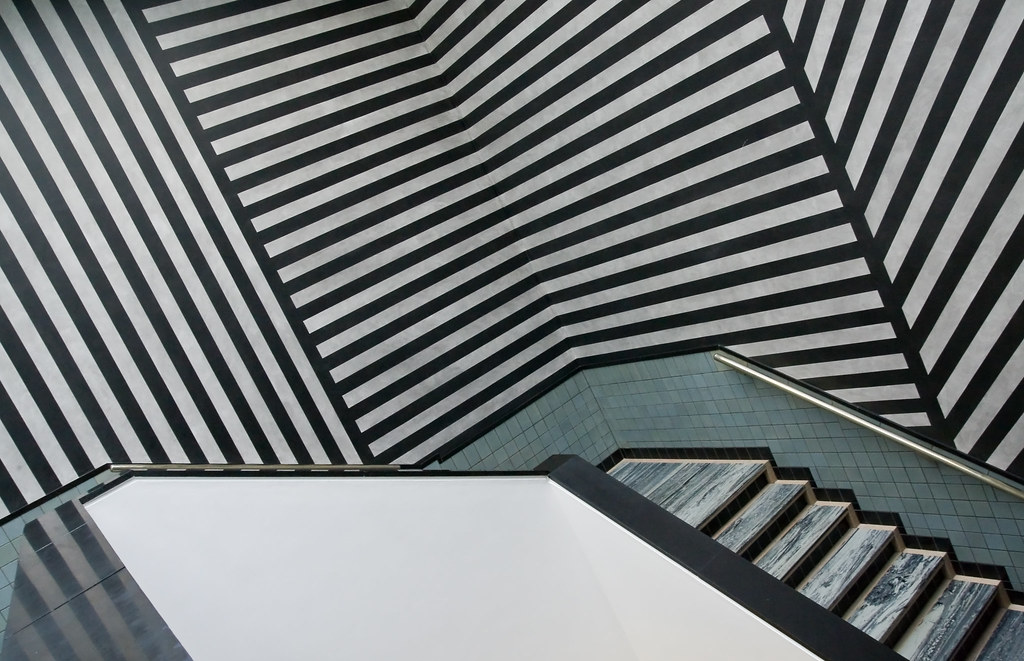
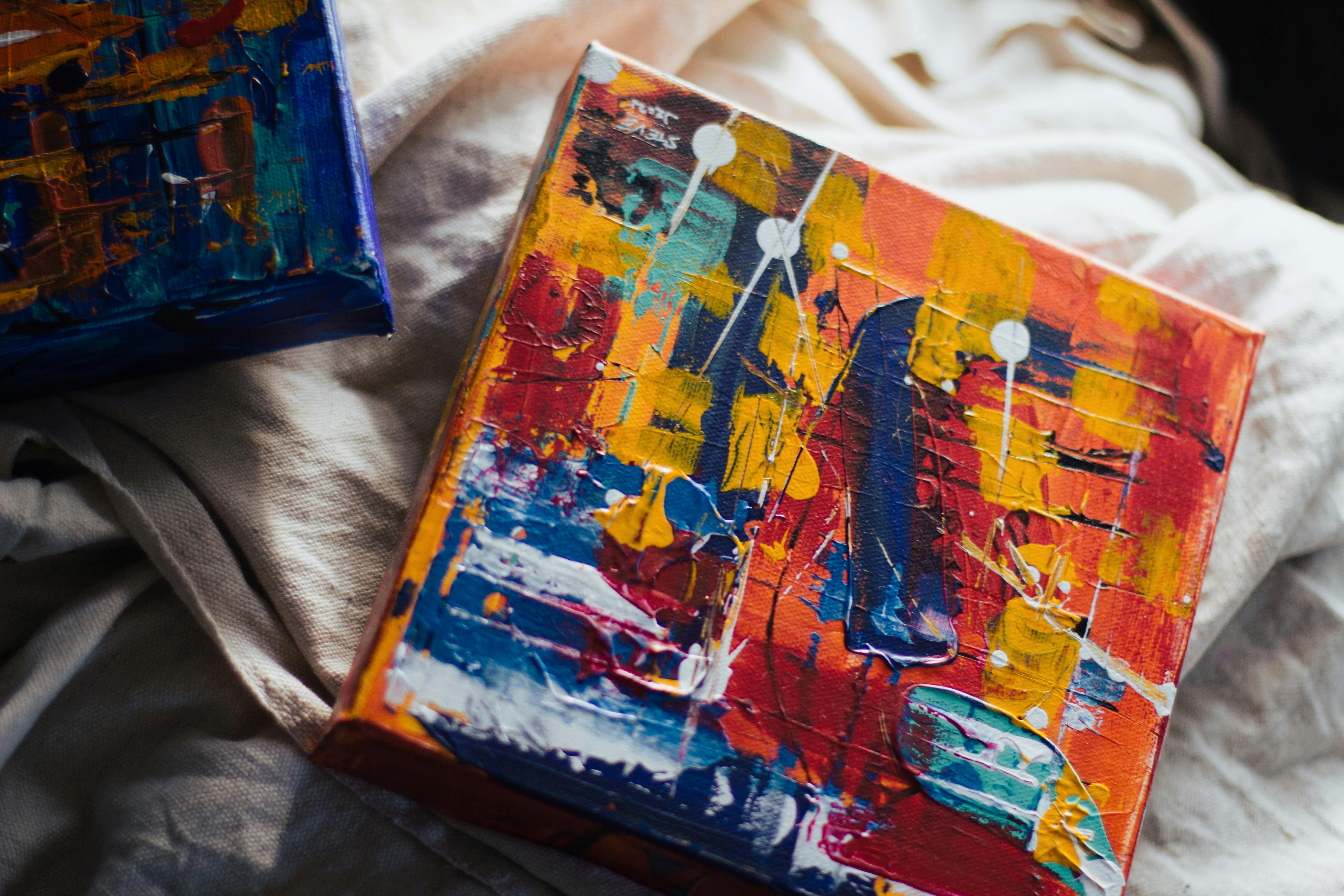
My own journey often feels like a mix of these – trying to capture a feeling, but also wrestling with structure. It's a constant push and pull.
[credit](https://images.pexels.com/photos/17950959/pexels-photo-17950959.jpeg?cs=srgb&dl=pexels-steve-17950959.jpg&fm=jpg),
[licence](https://creativecommons.org/public-domain/)
---
## Color, Emotion, and Shattered Reality
Things got really interesting (and sometimes, frankly, a bit alarming) with movements that prioritized emotion and [subjective experience](/finder/page/is-art-subjective) over realistic depiction.
This shift towards emotion and subjectivity was a response to the rapidly changing world. Artists were no longer content to simply depict what they saw; they wanted to express how they felt. This led to some of the most innovative and groundbreaking art of the 20th century.
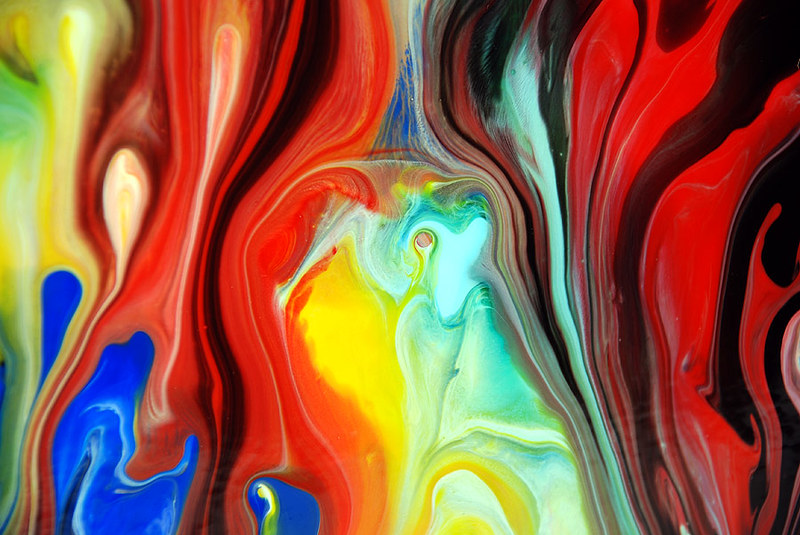
**[Fauvism](/finder/page/ultimate-guide-to-fauvism)** was like [Impressionism](/finder/page/ultimate-guide-to-impressionism) on steroids, but with colors chosen for their [emotional impact](/finder/page/creating-art-that-evokes-emotional-depth) rather than reality. Think trees that are bright red or portraits with green faces. Matisse was a master of this, using color to create joy and energy. It's bold, it's vibrant, and it just makes you *feel* something.
[credit](https://live.staticflickr.com/3837/14306177239_5398d59fdb_c.jpg),
[licence](https://creativecommons.org/licenses/by-nc-nd/2.0/)
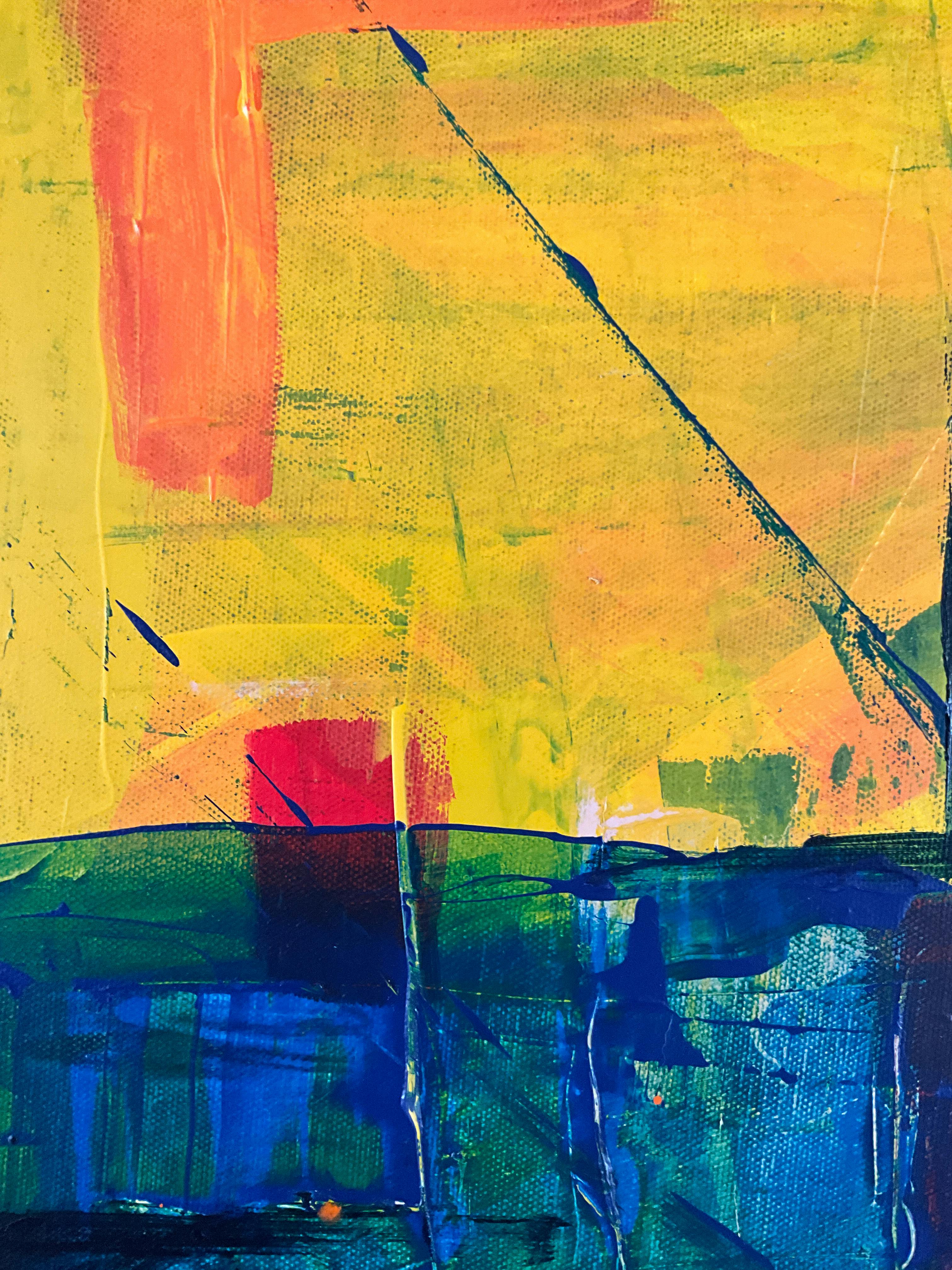
If [Fauvism](/finder/page/ultimate-guide-to-fauvism) was about color, **[Expressionism](/finder/page/ultimate-guide-to-expressionism)** was about raw emotion. Artists like [Edvard Munch](/finder/page/what-is-the-meaning-of-the-scream-by-edvard-munch) (yes, *The [Scream](/finder/page/what-is-the-meaning-of-the-scream-by-edvard-munch)*) wanted to show the [inner turmoil](/finder/page/famous-paintings-depicting-inner-turmoil), the anxiety, the psychological state. Their work can be intense, distorted, and sometimes unsettling, but it's incredibly powerful. It's art that feels deeply, as I explored in my [Ultimate Guide to Expressionism](/finder/page/ultimate-guide-to-expressionism).
Expressionism was a response to the emotional and psychological complexities of [modern life](/finder/page/guide-to-modern-artists). It sought to convey the inner experiences of the artist, often through distorted forms and vivid colors. This movement had a lasting impact on the development of modern art, influencing everything from painting to film.
[credit](https://images.pexels.com/photos/16705465/pexels-photo-16705465/free-photo-of-modern-oil-painting.jpeg),
[licence](https://creativecommons.org/public-domain/)
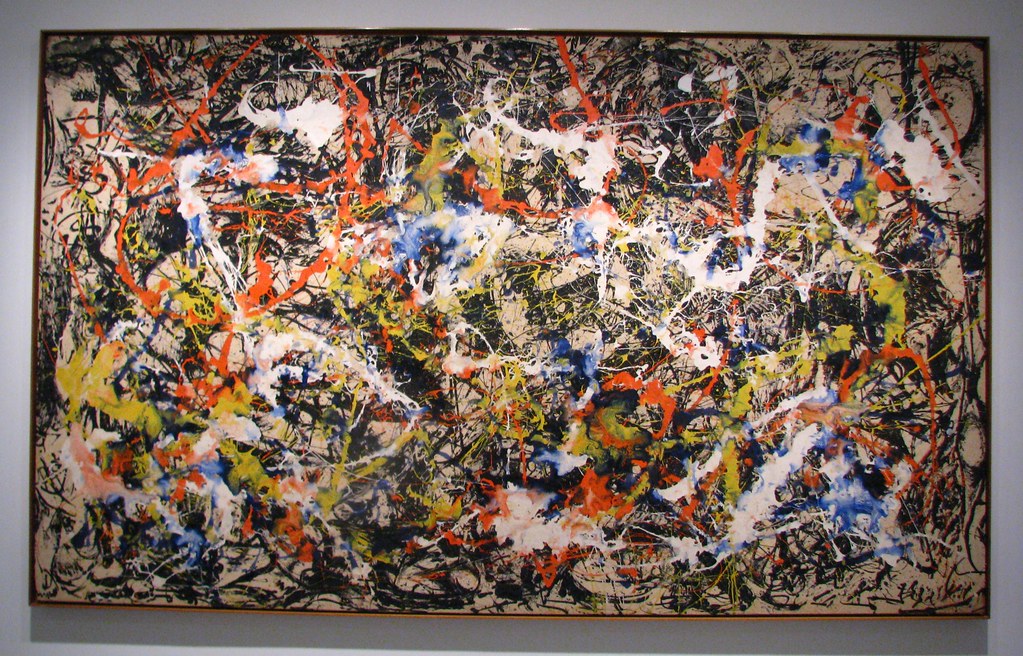
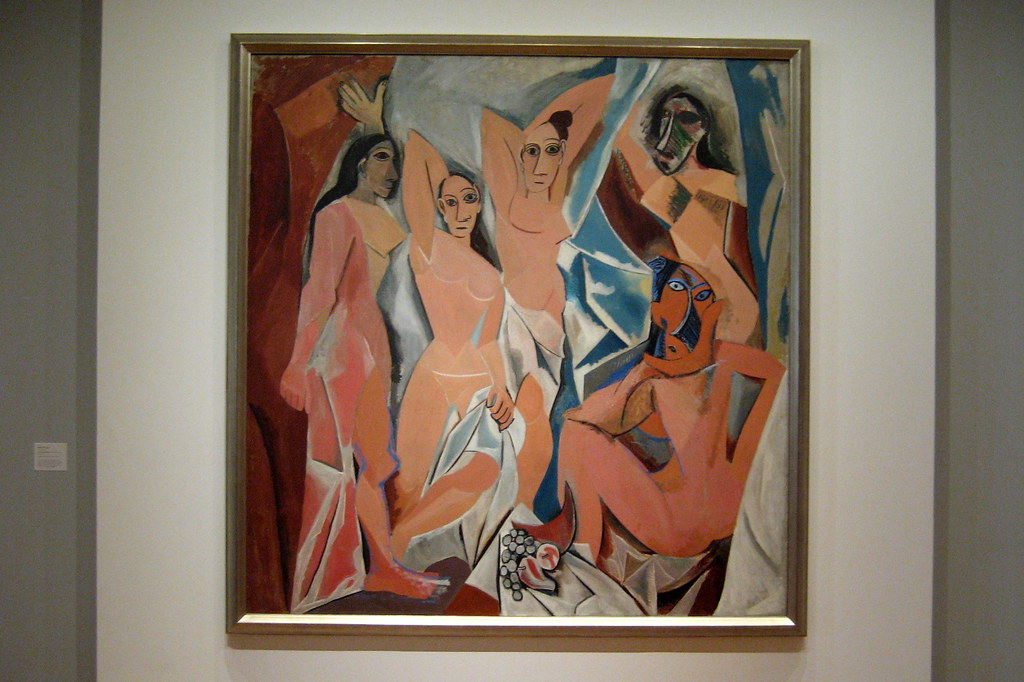
Then came **[Cubism](/finder/page/ultimate-guide-to-cubism)**, led by the one and only [Picasso](/finder/page/ultimate-guide-to-picasso) (and [Braque](/finder/page/the-history-of-cubism-from-picasso-to-braque)). This is where reality really started to get... fractured. Cubists broke objects down into geometric shapes and showed them from multiple viewpoints at once. It's like looking at something through a kaleidoscope. It challenged how we see and represent the world. My [Ultimate Guide to Cubism](/finder/page/ultimate-guide-to-cubism) goes into how they shattered reality.
[credit](https://live.staticflickr.com/2311/2462800656_0cc4156a7f_b.jpg),
[licence](https://creativecommons.org/licenses/by-nc/2.0/)
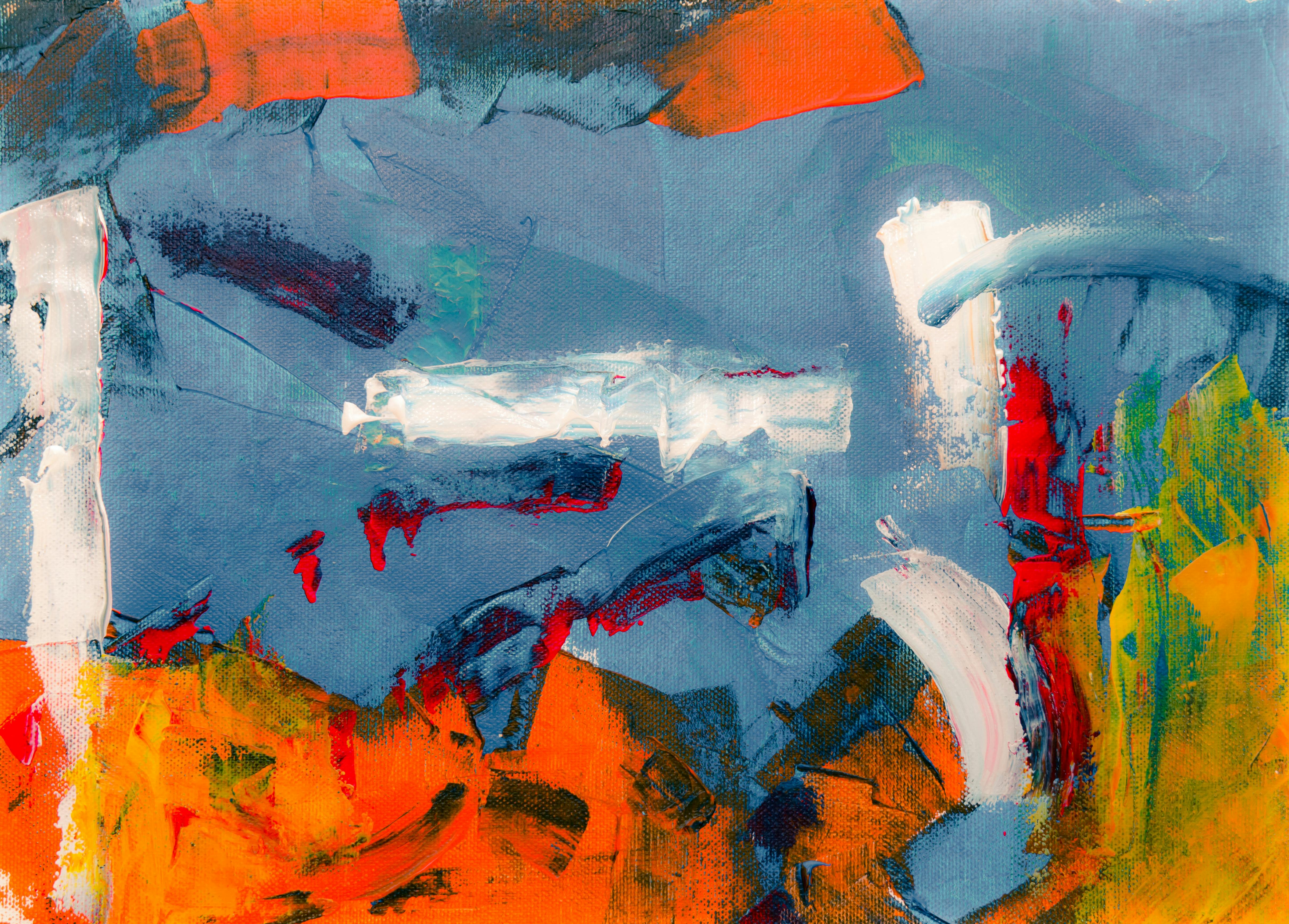
[Cubism](/finder/page/ultimate-guide-to-cubism) was a radical departure from [traditional art](/finder/page/traditional-art-concepts). By breaking down objects into geometric forms, [Picasso](/finder/page/ultimate-guide-to-picasso) and [Braque](/finder/page/the-history-of-cubism-from-picasso-to-braque) created a new way of seeing the world, one that emphasized the complexity and multiplicity of [modern life](/finder/page/guide-to-modern-artists).
[credit](https://images.pexels.com/photos/1293536/pexels-photo-1293536.jpeg),
[licence](https://creativecommons.org/public-domain/)
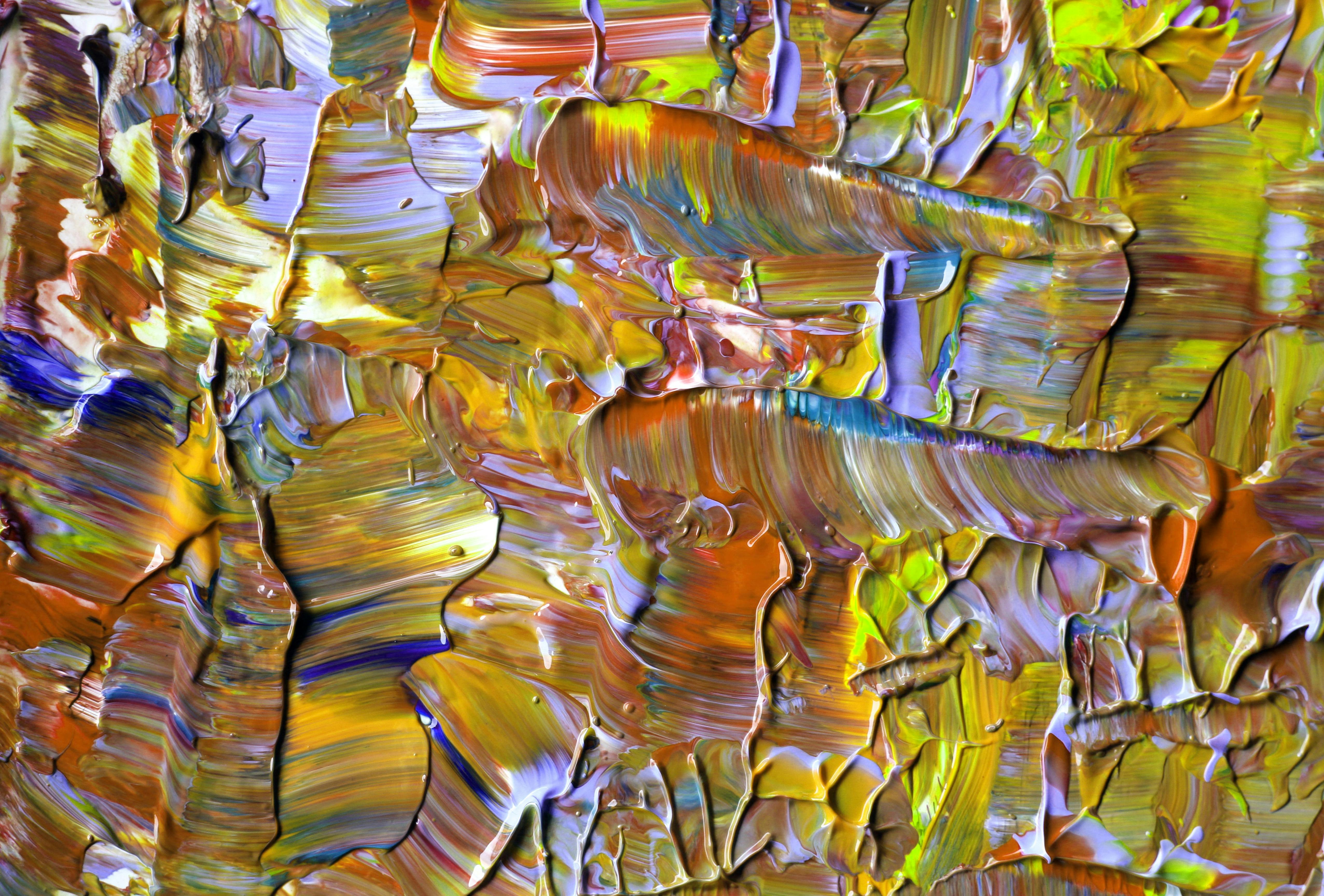
[Cubism](/finder/page/ultimate-guide-to-cubism) wasn't just about breaking down forms; it was about reimagining the very nature of representation. This movement had a profound influence on the development of modern art, paving the way for abstract and non-representational styles.
[credit](https://images.pexels.com/photos/28626259/pexels-photo-28626259.jpeg?cs=srgb&dl=pexels-diva-28626259.jpg&fm=jpg),
[licence](https://creativecommons.org/public-domain/)
---
## The Leap into Abstraction and the Subconscious
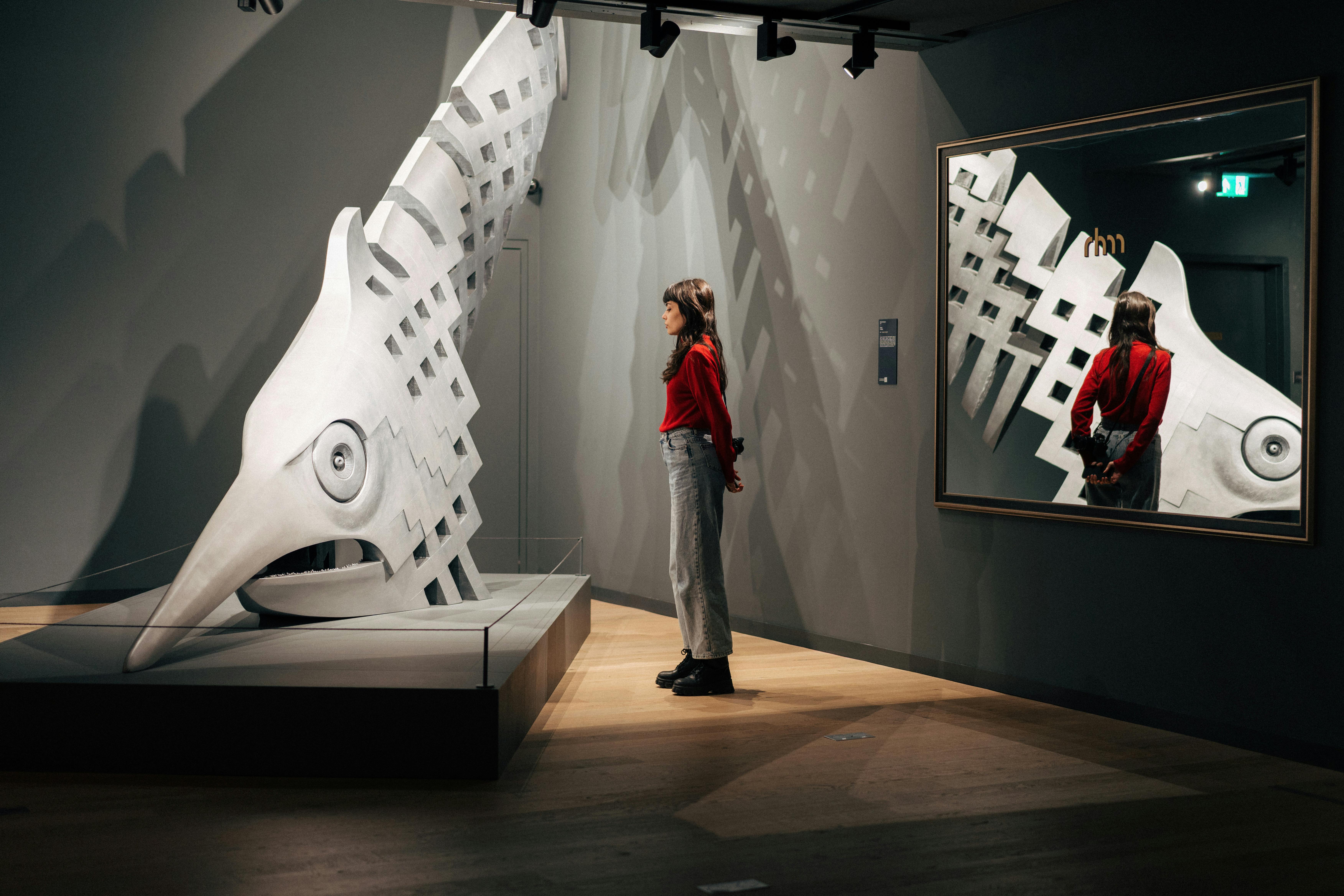
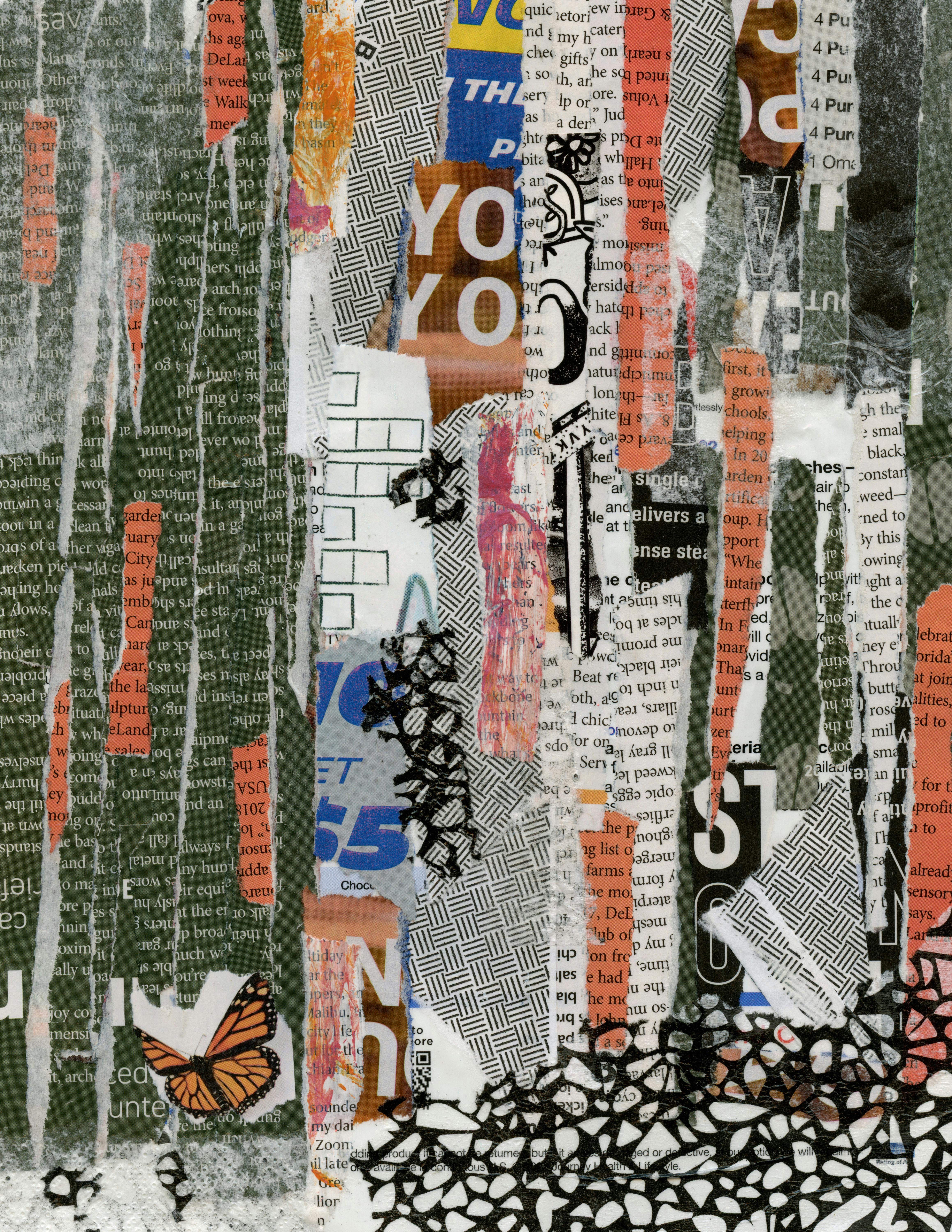
As the modern era progressed, some artists felt the need to move away from representing the visible world altogether. This is where **[Abstract Art](/finder/page/what-is-abstract-art)** really takes off. Artists like [Kandinsky](/finder/page/ultimate-guide-to-wassily-kandinsky) believed art could communicate directly through color and form, like music. Mondrian sought universal harmony through simple geometric grids and [primary colors](/finder/page/what-are-the-primary-colors).
[Abstract art](/finder/page/how-to-abstract-art) was a radical departure from traditional forms of representation. It challenged viewers to engage with art on a purely emotional and aesthetic level, free from the constraints of realism.
[credit](https://images.pexels.com/photos/31332836/pexels-photo-31332836.jpeg?cs=srgb&dl=pexels-ekrulila-31332836.jpg&fm=jpg),
[licence](https://creativecommons.org/public-domain/)
[Abstract art](/finder/page/how-to-abstract-art) can be intimidating, but I find it incredibly freeing. It's less about 'what is it?' and more about 'how does it make me feel?'. If you're curious about making your own, I even have a guide on [How to Make Abstract Art](/finder/page/how-to-abstract-art).
Meanwhile, inspired by psychology and dreams, [**Surrealism**](/finder/page/what-is-surrealism) explored the subconscious mind. Dalí's melting clocks or [Magritte](/finder/page/who-is-rene-magritte)'s men in bowler hats floating in the sky – it's weird, it's illogical, and it's fascinating. It taps into that strange, often humorous, world of dreams.
Meanwhile, inspired by psychology and dreams, **[Surrealism](/finder/page/what-is-surrealism)** explored the subconscious mind. Dalí's melting clocks or [Magritte](/finder/page/who-is-rene-magritte)'s men in bowler hats floating in the sky – it's weird, it's illogical, and it's fascinating. It taps into that strange, often humorous, world of dreams.
Surrealism was deeply influenced by the theories of [Sigmund Freud](/finder/page/sigmund-freud-influence-on-surrealism) and the exploration of the [unconscious mind](/finder/page/unconscious-mind-surrealism). Artists sought to unlock the creative potential of dreams and the subconscious, resulting in works that are both bizarre and deeply thought-provoking.
[credit](https://images.pexels.com/photos/20010379/pexels-photo-20010379/free-photo-of-abstract-paper-straps.jpeg),
[licence](https://creativecommons.org/public-domain/)
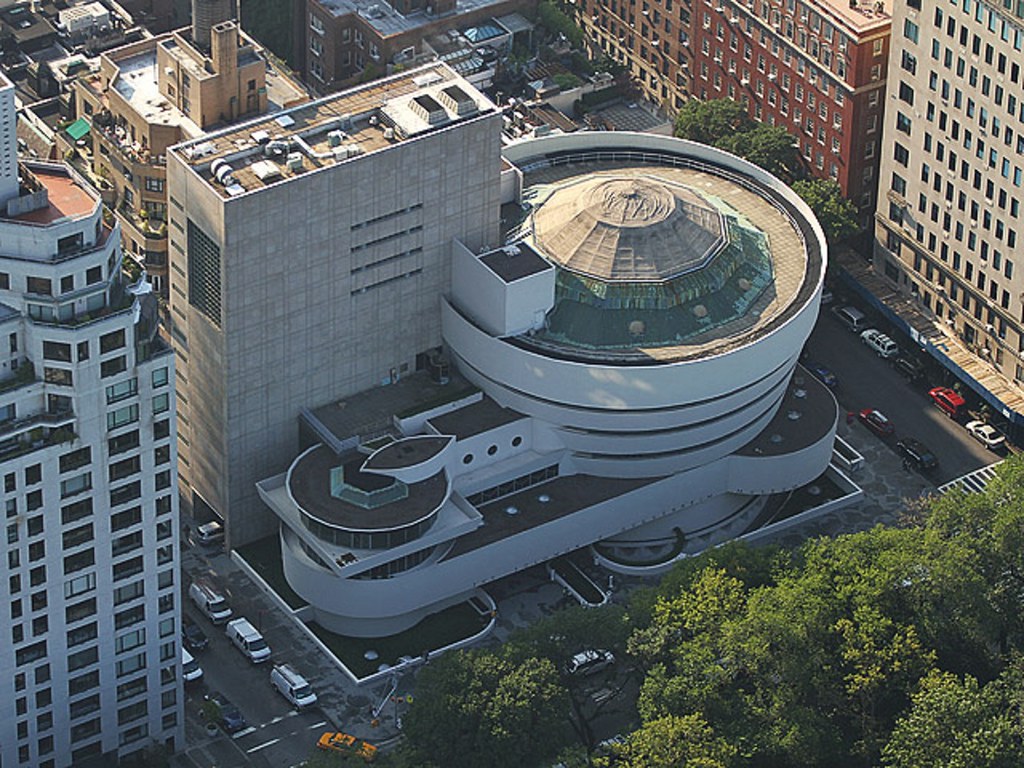
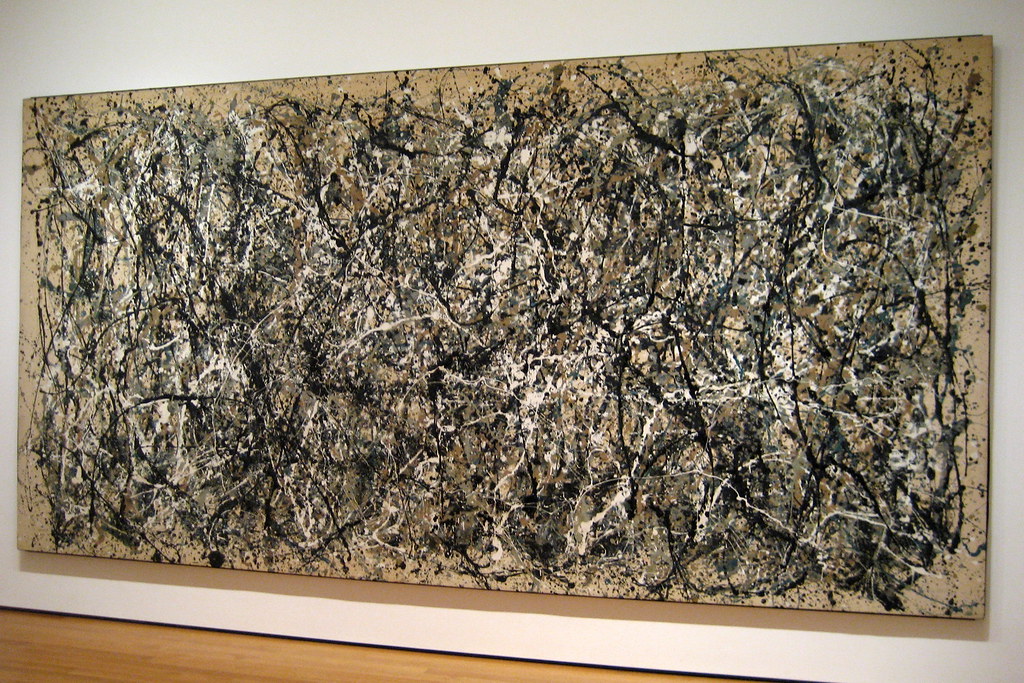
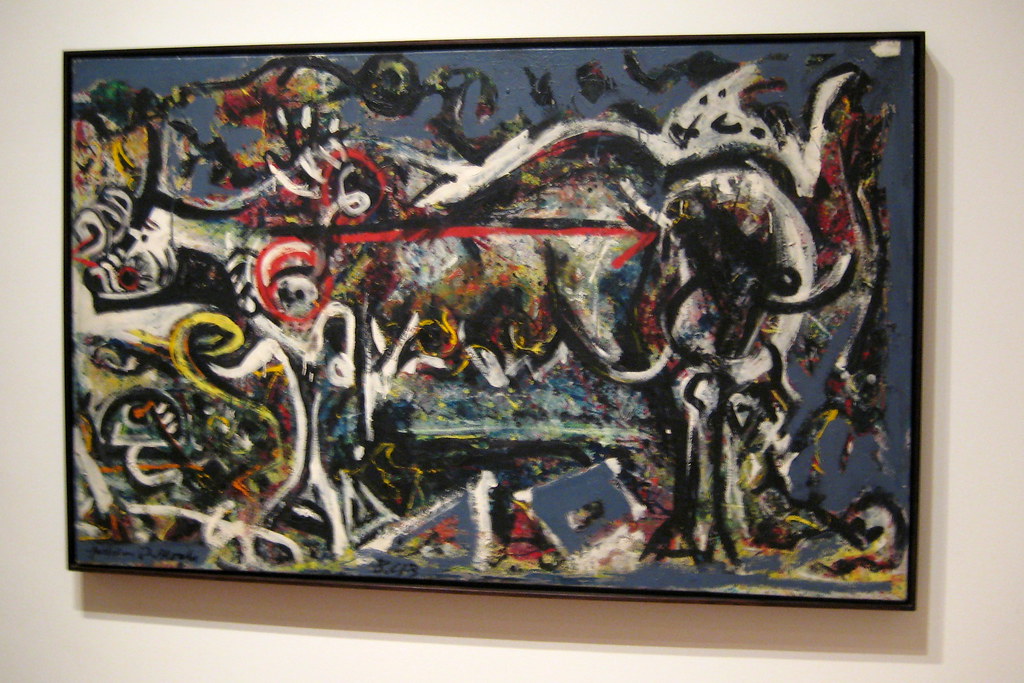
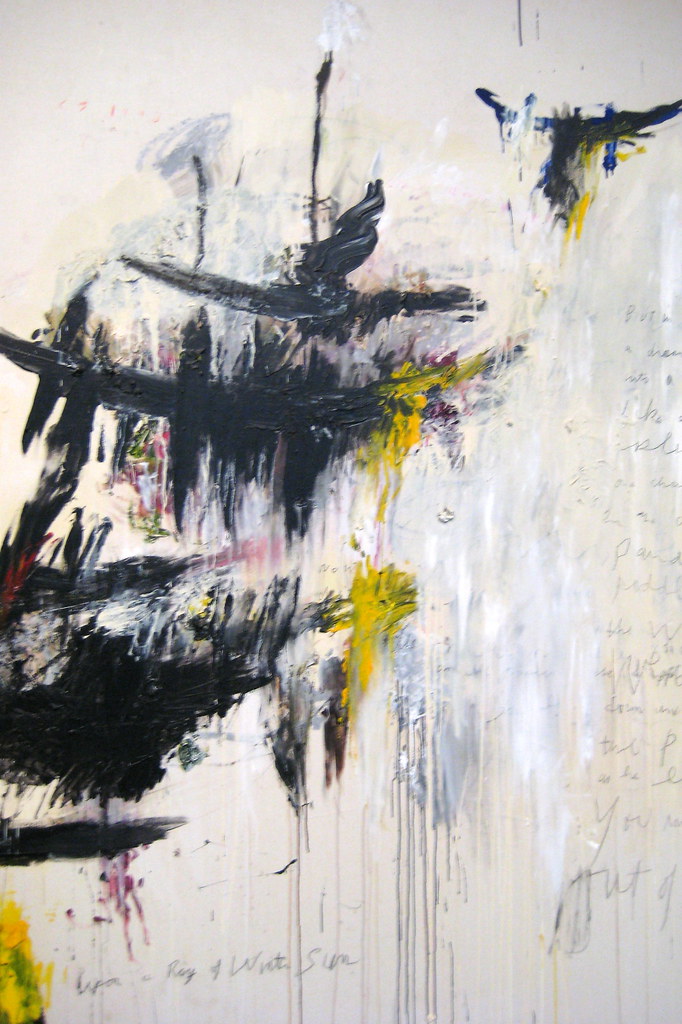
And then, after [World War](/finder/page/how-world-war-1-changed-art) II, came **[Abstract Expressionism](/finder/page/ultimate-guide-to-abstract-expressionism)** in [New York](/finder/page/art-lovers-guide-to-new-york-city). This was big, bold, and often messy. Artists like [Jackson Pollock](/finder/page/ultimate-guide-to-jackson-pollock) with his drip paintings or [Mark](/finder/page/the-art-of-mark-making:-expressive-lines-and-gestures-in-abstract-painting) [Rothko](/finder/page/ultimate-guide-to-rothko) with his glowing color fields focused on the *act* of painting and the [emotional impact](/finder/page/the-emotional-palette:-how-i-choose-colors-for-my-abstract-art) of large-scale [abstraction](/finder/page/the-definitive-guide-to-understanding-abstraction-in-contemporary-art). It's art that demands your presence.
[credit](https://live.staticflickr.com/8813/17025685767_1b0202997d_b.jpg),
[licence](https://creativecommons.org/licenses/by/2.0/)
[Abstract Expressionism](/finder/page/ultimate-guide-to-abstract-expressionism) was a defining movement of the post-war era. It emphasized spontaneity, emotion, and the [physical act](/finder/page/what-is-physical-act-in-art) of painting, creating works that are both visually striking and deeply personal.
[credit](https://live.staticflickr.com/1220/564040776_2c3d967e38_b.jpg),
[licence](https://creativecommons.org/licenses/by-nc-nd/2.0/)
[Rothko](/finder/page/ultimate-guide-to-rothko)'s [color field](/finder/page/what-is-color-field-painting) paintings are a perfect example of the [emotional depth](/finder/page/creating-art-that-evokes-emotional-depth) of [Abstract Expressionism](/finder/page/ultimate-guide-to-abstract-expressionism). His use of color and scale creates an immersive experience that invites viewers to engage with the artwork on a deeply personal level.
[credit](https://www.publicdomainpictures.net/pictures/650000/nahled/image-17328252067XA.jpg),
[licence](https://creativecommons.org/publicdomain/zero/1.0/)
---
## More Types, More Perspectives
Modern art is a vast landscape, and we've only scratched the surface. There's also:
* **[Dada](/finder/page/dada-art-movement-characteristics-techniques):** Born out of disillusionment from WWI, it was anti-art, nonsensical, and rebellious. Think [Duchamp](/finder/page/ultimate-guide-to-marcel-duchamp)'s urinal.
* **Constructivism:** [Geometric abstraction](/finder/page/the-symbolism-of-geometric-shapes-in-abstract-art-a-deeper-look), often with a social or political purpose, particularly in Russia.
* **Bauhaus:** More of a school and design philosophy, but hugely influential on modern art, architecture, and design with its focus on function and form.
And many, many more! It can feel overwhelming, but remember, you don't need to know every single one. It's about finding what resonates with *you*.
Each of these movements offers a [unique perspective](/finder/page/developing-a-unique-artistic-style-finding-your-voice) on the world and the role of art in society. Whether you're drawn to the rebellious spirit of [Dada](/finder/page/dada-art-movement-characteristics-techniques) or the functional beauty of Bauhaus, there's something in modern art for everyone.
[credit](https://live.staticflickr.com/7364/8730933005_5e1a8d9942_b.jpg),
[licence](https://creativecommons.org/licenses/by/2.0/)
---
## Finding Your Way Through the Modern Art World
So, how do you go from feeling confused to finding something you connect with? My advice, based on my own meandering path, is just to *look*. Go to [museums](/finder/page/best-museums) and galleries. Don't feel pressured to like everything. Stand in front of a piece and just see how it makes you feel. Does the color grab you? Does the shape intrigue you? Does it annoy you? (That's a valid reaction too!).
[credit](https://live.staticflickr.com/2175/2386772694_8d7ecef214_b.jpg),
[licence](https://creativecommons.org/licenses/by-nc-nd/2.0/)
Exploring modern art is a journey of discovery. It's about finding what speaks to you and engaging with it on a personal level. Whether you're drawn to the bold colors of [Fauvism](/finder/page/ultimate-guide-to-fauvism) or the [emotional depth](/finder/page/creating-art-that-evokes-emotional-depth) of [Abstract Expressionism](/finder/page/ultimate-guide-to-abstract-expressionism), there's something in modern art for everyone.
[credit](https://live.staticflickr.com/2199/2381974541_2794bc8dec_b.jpg),
[licence](https://creativecommons.org/licenses/by-nc-nd/2.0/)
Visiting places like the [MoMA](/finder/page/modern-art-types) in [New York](/finder/page/art-lovers-guide-to-new-york-city), the [Tate Modern](/finder/page/modern-art-types) in [London](/finder/page/best-galleries-in-london), or the [Stedelijk Museum](/finder/page/modern-art-types) in [Amsterdam](/finder/page/best-galleries-in-amsterdam) (close to my own [museum in 's-Hertogenbosch](/den-bosch-museum)!) can be eye-opening. They have incredible collections that showcase these different types.
Museums and galleries offer a unique opportunity to experience modern art in person. Seeing the brushstrokes, the textures, and the scale of these works can provide a [deeper understanding](/finder/page/understanding-conceptual-framework-art) and appreciation of the art.
Read about the artists. Sometimes knowing a little about their life or what they were trying to achieve can unlock a piece for you. Explore guides to [Modern Artists](/finder/page/guide-to-modern-artists) or [Famous Modern Art](/finder/page/famous-modern-art).
Understanding the context and intentions behind a work of art can deepen your appreciation and connection to it. It's a way to engage with the art on a more personal and meaningful level.
[credit](https://live.staticflickr.com/1050/563353753_c1bda1bedc_b.jpg),
[licence](https://creativecommons.org/licenses/by-nc-nd/2.0/)
And if you find something you love, something that speaks to you, maybe consider bringing it into your own space. Collecting art, even just a print or a piece from an [emerging artist](/finder/page/best-galleries-for-emerging-artists), can be incredibly rewarding. I've written a lot about [buying art](/finder/page/how-to-buy-art) and [decorating with art](/finder/page/decorating-your-home) if you're curious.
Bringing art into your home is a way to surround yourself with beauty and inspiration. It's a [personal expression](/finder/page/adding-personal-touch-to-art) of your tastes and interests, and it can transform your [living space](/finder/page/creating-flow-how-to-curate-abstract-art-in-open-concept-living-spaces) into a gallery of your own.
---
## FAQ: Your Modern Art Questions Answered (Sort Of)
Here are a few things people often wonder about modern art:
* **Is modern art just random?** Often not! While some movements embraced chance or spontaneity, most modern art is deeply considered, even if it doesn't look like a [traditional painting](/finder/page/digital-painting-vs-traditional-painting-pros-cons-and-artistic-expression). The 'randomness' might be a [deliberate choice](/finder/page/the-role-of-deliberate-choice-in-artistic-creation) to challenge norms or express chaos.
* **Why is it so expensive?** Ah, the million-dollar question! Price in the [art world](/finder/page/guerrilla-girls-art-activism-and-the-art-world) is complex – it involves the artist's reputation, historical significance, market demand, provenance, and sometimes, yes, hype. It's not just about the paint on the canvas. I touched on this in [Understanding Art Prices](/finder/page/understanding-art-prices).
* **How can I learn to appreciate it?** Patience and exposure! Look, read, visit. Don't try to intellectualize everything at first. Just let yourself react. Over time, you'll start seeing patterns, connections, and things you genuinely enjoy.
* **Is it the same as [contemporary art](/finder/page/contemporary-art-meaning)?** Not quite. Modern art generally refers to the period roughly 1860s-1970s. [Contemporary art](/finder/page/how-do-you-define-contemporary-art) is art being made *now*. There's overlap and influence, but they are distinct periods. You can learn more in [What is Modern Art?](/finder/page/what-is-modern-art) and [Contemporary Art Meaning](/finder/page/contemporary-art-meaning).
* **What are some key differences between modern and [contemporary art](/finder/page/how-do-you-define-contemporary-art)?**
| Aspect | Modern Art | [Contemporary Art](/finder/page/how-do-you-define-contemporary-art) |
|-----------------------|-------------------------------------|--------------------------------------|
| Time Period | Late 19th to mid-20th century | Late 20th century to present |
| Focus | Breaking traditions, experimentation | Diverse, often conceptual |
| Mediums | Painting, sculpture, printmaking | [Digital](/finder/page/new-technologies-digital-art), performance, installation |
| Influences | Industrialization, psychology | Globalization, technology |
* **How has modern art influenced [contemporary art](/finder/page/how-do-you-define-contemporary-art)?**
Modern art laid the groundwork for many of the ideas and techniques used in contemporary art. For example, the emphasis on experimentation and breaking traditions in modern art has influenced contemporary artists to explore new mediums and concepts. Additionally, the focus on emotional and psychological depth in modern art continues to resonate in contemporary works.
---
## My Final Thoughts: It's Personal
Ultimately, understanding modern art types isn't about memorizing names and dates (though it helps!). It's about opening your mind to different ways of seeing and expressing the world. It's about finding the pieces that make *you* pause, think, or feel something unexpected. My own art journey, which you can see a bit of on my [timeline](/timeline), is constantly influenced by these pioneers who dared to break the mold.
So, next time you're faced with a piece of modern art that puzzles you, don't dismiss it. Lean in. Ask yourself what the artist might have been feeling, or what the colors and shapes evoke in *you*. You might just surprise yourself with what you discover.
[credit](https://live.staticflickr.com/5208/5349040301_d80dd3a5cd_b.jpg),
[licence](https://creativecommons.org/licenses/by-nc-sa/2.0/)
And hey, if you find a type you particularly love, exploring prints or original pieces is a fantastic way to bring that energy into your life. You can always [browse my collection](/buy) if you're looking for something vibrant and [abstract](/finder/page/creating-a-cohesive-look-pairing-abstract-art-with-different-interior-design-styles)!
Modern art is a journey, and like any journey, it's about the experiences and discoveries along the way. Whether you're drawn to the bold colors of [Fauvism](/finder/page/ultimate-guide-to-fauvism) or the emotional depth of [Abstract Expressionism](/finder/page/ultimate-guide-to-abstract-expressionism), there's something in modern art for everyone. So go out there, explore, and find what speaks to you.