Antonio Canova: The Master of Neoclassical Sculpture
Deep dive into the life, techniques, and artistic legacy of one of history's greatest sculptors, exploring his marble masterpieces and influence on Western art.

Antonio Canova: The Master of Neoclassical Sculpture
You know that feeling when you stand in front of a sculpture so lifelike you expect it to breathe? That’s the magic of Antonio Canova. I’ve spent countless hours in museums, tracing fingertips over cold marble, but nothing compares to being near his work. It’s like he suspended time itself. Canova wasn’t just carving stone—he was capturing the soul of idealized human beauty. His name echoes through history as the undisputed titan of Neoclassical sculpture, bridging grandeur and grace in ways that still leave us spellbound today.
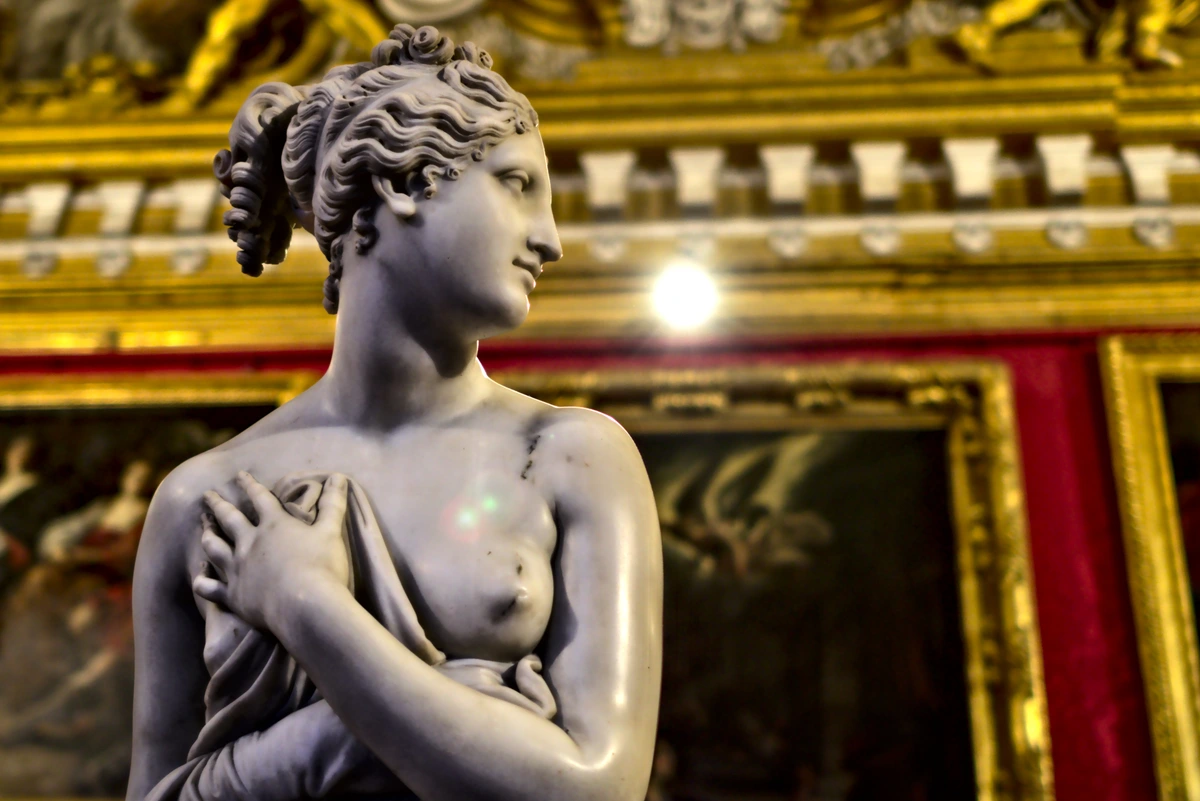
Venere Italica (1810-1812) - A later masterpiece showing Canova's continued mastery of the female form, created as a replacement for a lost classical Venus statue.
The Early Spark: From Stone Mason to Artistic Prodigy
Canova’s story begins not with marble, but with clay. Born in 1757 in Possagno, Italy, he was raised by his stonemason grandfather after his parents died young. At just nine years old, he carved his first figure—a masterpiece born not from formal training, but from raw fascination. Imagine that: a kid sculpting with more precision than most seasoned artists could dream of. By 13, his genius earned him a stipend from the Republic of Venice to study classical antiquity. I always find myself wondering—did the young Canova ever imagine his carvings would someday stand beside Apollo and Venus? Probably not. Most geniuses just fall in love with their craft and let destiny handle the rest.
Neoclassical Philosophy: Carving Perfection Itself
So what exactly was Neoclassicism? Picture this: after decades of Baroque extravagance with its wild emotions and dramatic twists, artists craved a return to reason. They wanted harmony. Balance. The kind of order you’d find in Greek temples and Roman reliefs. Canova became its sculpture poster child. Like a mathematician applying geometry to emotion, he:
- Favored idealized forms over realistic flaws. His figures don’t exist—they float in some perfected realm.
- Obsessed over smooth surfaces where skin looks like polished marble (because, well… it was). No rough textures allowed.
- Used white marble exclusively, making his work feel pure, untainted, and timeless.
- Studied live models but "corrected" them into flawless beings. Because why settle for ordinary when you can carve gods?
I think of it this way: Canova didn’t sculpt people; he sculpted what we wish people could be. Perfect angels, lovers frozen in bliss, demigods ready to leap from their pedestals. It’s aspirational at its core.
The Studio: Where Marble Came Alive
Ever tried to carve soap? Now imagine doing it on a massive scale with tools like drills, hammers, and abrasives – all by hand. That was Canova’s world. His studio was less an art room and more like a surgical theater. Here’s how he worked:
Step  | Process | Canova's Twist |
|---|---|---|
| 1. Sketching | Drawings & small wax models | He’d "animate" them first in clay to perfect poses |
| 2. Roughing Out | Chipping away bulk marble | Worked in sections, never tackling the entire sculpture at once |
| 3. Refining | Sanding and polishing | Used progressively finer abrasives, even his own fingernails |
| 4. Patina | Applying wax or resin | Layered for depth, making marble glow like alabaster |
Here’s a secret I love: Canova sometimes hid imperfections inside his statues – a fingerprint in an unreachable spot, a chiseled joke only his assistants might find. Art doesn’t always have to be pristine, does it? It’s the human behind the craft that breathes soul into stone.
The Hermitage Museum houses one of the world's most important collections of Canova's sculptures, including his monumental works commissioned by Russian nobility.
Masterpieces That Redefined Beauty
Canova’s gallery is a who’s-who of mythological and historical figures. But these three? They’re pure alchemy:
Psyche Revived by Cupid's Kiss (1787)
That moment? Mortal Psyche almost dead, Cupid leaning in to bring her back? Pure poetry. Carved in 1787, it turned into his breakout star. The way the drapes cling to her body, the tenderness in their embrace... I could stare for hours. This isn't just love. It's resurrection. Perfection catching perfection mid-air.
Technical Innovation: This piece revolutionized the use of drapery in sculpture. Unlike previous works where cloth was just decorative, Canova used drapery as an expressive element that enhances the emotional narrative. The way the fabric flows around Psyche's body isn't just realistic—it's emotionally charged, suggesting both vulnerability and transformation.
Marble Selection: Canova used Carrara marble for this work, chosen specifically for its ability to capture and reflect light in subtle ways. The marble's translucence allows light to penetrate slightly beneath the surface, giving the skin a lifelike quality that seemed almost supernatural to 18th-century viewers.
Composition: The spiral composition draws the eye in a circular motion, creating a sense of eternal movement. This was a departure from the static poses common in earlier Neoclassical works and showed Canova's understanding of dynamic balance.
The Three Graces
Canova took Hellenistic tradition and turned it up to eleven. Three goddesses – Aglaia, Euphrosyne, Thalia – linked in an eternal dance. Their interlocked arms? Pure geometry. Their faces? Identical, yet radiating distinct moods – joy, charm, beauty. It’s harmony incarnate. When Napoleon saw it? He begged to own it. (Canova wisely refused. Wise man.)
Napoleon as Mars the Peacemaker
Yes, war god Napoleon. Canova gave him the body of a Apollo but face of a thoughtful conqueror. Commissioned by the man himself, it’s propaganda at its most brilliant. See that contrast? The aggressive armor softened by that pensive pose. Power resting. Genius.
Legacy Beyond the Marble
Canova didn’t just sculpt statues; he built bridges. He connected Renaissance ideals to modernity, inspiring Rodin and Bernini. His workshops became incubators for future masters. Today, visiting his works? It’s like walking through a greatest hits of Western art. You’ll find him in the Louvre, the Hermitage, the Vatican – places that house treasures from centuries past. His sculptures don’t just hang on walls; they command rooms, pull you in, make you believe in idealism.
When I’m creating abstract art, I often think of Canova. His dedication to form, his pursuit of perfection – it resonates even when I’m splashing paint across a canvas. It’s about that core tension: between what’s real and what we imagine. Same dance, different stage.
Antonio Canova FAQs
Frequently Asked Questions about Antonio Canova
Q: How long did it take Canova to carve a masterpiece? A: A full-size sculpture could take years! Psyche Revived took three years because he polished obsessively. Perfection takes time. Most of his major works required 2-5 years of continuous work, with some complex pieces taking even longer.
Q: Why did Canova only use white marble? A: Neoclassical purity. Color was distractive. White marble was the "purest" medium for idealized beauty. Plus, Italy had mountains of it. However, it's worth noting that Canova occasionally used colored marble for bases and architectural elements, believing that the main figure should remain in pure white to maintain focus.
Q: Were Canova's sculptures realistic? A: Ironically not! Though modeled on humans, he "corrected" flaws – elongated limbs, smoothed skin – to achieve impossible perfection. Reality was just a starting point. Canova would often study multiple models, taking the best features from each person to create an ideal composite. This approach was revolutionary at the time, when most sculptors worked from single models.
Q: Where can I see Canova's original works today? A: Major museums hold his pieces – The Louvre in Paris, The Vatican Museums, and The Hermitage in St. Petersburg. Check their listings for rotating exhibits. Additionally, his hometown of Possagno has the Canova Temple and museum dedicated to his work and legacy.
Q: How did Canova influence modern sculpture? A: He proved stone could be "soft" and emotive. Rodin later explored similar tension. Also, his blend of classical subject with modern psychological depth paved the way for narrative sculpture. Modern artists like Anish Kapoor and Richard Serra have cited Canova's understanding of material and space as foundational influences on their own work.
Q: What made Canova different from other Neoclassical sculptors? A: While others imitated ancient styles, Canova understood the principles behind them. He created new works that felt ancient but spoke to contemporary concerns. His technical mastery was also unmatched – no one could polish marble to achieve his luminous surfaces. Where many Neoclassical artists could be cold and academic, Canova's work always maintains human warmth and emotional depth.
Q: Did Canova ever work with materials other than marble? A: Rarely! He occasionally worked with plaster for preliminary models and some smaller pieces in terracotta, but marble was his true love. He believed only marble could achieve the level of refinement and permanence he sought. Interestingly, he did experiment briefly with bronze for some architectural elements, but found the material too restrictive compared to marble's versatility.
Q: How many sculptures did Canova create in his lifetime? A: It's difficult to know exactly, but most scholars estimate around 500 works, including finished sculptures, models, drawings, and architectural designs. Many of his works exist in multiple versions – he created replicas of his most popular pieces. His workshop was so efficient that he could produce several major works simultaneously, which was virtually unprecedented at the time.
Q: Was Canova wealthy during his lifetime? A: Yes, he was quite successful financially. Canova commanded high prices for his commissions and became one of the wealthiest artists of his era. He invested wisely and lived comfortably, though he remained dedicated to his craft rather than extravagant in his lifestyle. By the time of his death in 1822, his estate was substantial, reflecting both his financial success and his business acumen.
Q: What was Canova's average commission fee? A: Canova's fees varied dramatically depending on the size and complexity of the work. A small portrait bust might cost a few hundred pounds, while a monumental sculpture like Napoleon as Mars the Peacemaker could command tens of thousands. By today's standards, his fees would be equivalent to hundreds of thousands or even millions of dollars. His most expensive commissions came from royalty and wealthy aristocrats who wanted to demonstrate their cultural sophistication and political power through art patronage. Interestingly, he often negotiated fees that included not just the sculpture itself but also travel expenses, accommodation, and the cost of materials, making him one of the first artists to think of their work as a comprehensive service.
Q: Did Canova ever teach or have apprentices? A: Absolutely! His Rome workshop was a major training center. Dozens of artists studied under him or worked as assistants. His most famous student was probably Bertel Thorvaldsen, who became the other leading Neoclassical sculptor of the era. Canova's teaching method was revolutionary for its time—he believed in learning by doing rather than just studying theory. Apprentices would start with simple tasks and gradually take on more complex work as they developed their skills.
Q: What political controversies surrounded Canova's work? A: His portrait of Napoleon as Mars the Peacemaker was particularly controversial. While Napoleon wanted to appear as a war hero, Canova portrayed him as a thoughtful, peaceful ruler – a political statement that pleased Napoleon but was subtly subversive. Many of his religious works also navigated the complex relationship between church and state during a tumultuous period. Canova was skilled at creating works that satisfied both the political requirements of his patrons and his own artistic integrity, making him one of the most sought-after artists of his era.
Q: How did Canova's teaching methods differ from academic art schools? A: Canova rejected the rigid academic approach of most art schools. Instead of forcing students to copy from plaster casts, he emphasized direct observation from life and classical sculptures. He believed in teaching the principles rather than just the techniques. Students in his workshop learned by doing actual work on commissions, not just exercises. He was known for his patience and willingness to work alongside his students, demonstrating techniques rather than just lecturing about them. This practical approach produced artists who were not technically skilled but also commercially successful and adaptable.
Q: How did Canova handle restoration of his own works? A: Canova was obsessive about maintenance. He would personally inspect and touch up his sculptures years after completion, sometimes traveling great distances just to polish a surface or adjust a detail. He believed an artist had a lifelong responsibility to their work. This commitment to ongoing maintenance was unusual at the time, when most artists considered a work complete once it left their studio. Canova's approach set a precedent for the restoration and conservation practices that would later become standard in the art world.
Q: What was Canova's daily routine like in his studio? A: He worked incredibly long hours, often from dawn until dusk. Canova was known for his intense focus and would sometimes work for hours without breaks. He was also very methodical – maintaining detailed records of his work processes and experimenting constantly with new techniques. His routine included morning sketches, then several hours of hands-on carving, followed by afternoon meetings with patrons and apprentices. He was known to work weekends and even holidays, rarely taking time off except for necessary travel.
Q: What kind of tools did Canova use for his sculptures? A: Canova used an extensive toolkit that he refined throughout his career. His basic tools included various types of chisels (point chisels, flat chisels, tooth chisels), hammers of different weights, files, rasps, and abrasives ranging from rough stones to fine powders. He was particularly innovative in his polishing techniques, using progressively finer abrasives and even his own fingernails for the final smoothing. He also developed specialized tools for creating the impossible drapery effects that became his signature. What made his toolkit unique was how he modified standard tools to achieve specific effects—his rasps had custom teeth patterns, his files were shaped for particular contours, and his hammers were weighted specifically for marble carving.
Q: Did Canova ever experiment with abstract or non-representational art? A: No, he remained firmly committed to figurative representation throughout his career. Canova believed that the human form was the ultimate expression of beauty and that sculpture should always be rooted in classical ideals of proportion and harmony. While he appreciated other art forms, he felt that sculpture's three-dimensional nature made it uniquely suited for representing the human figure, and he devoted his entire career to perfecting this approach.
Q: How did Canova choose his subjects? A: His commissions dictated most major works, but he also chose subjects that allowed him to explore classical themes and ideals. Mythological stories were favorites because they provided opportunities to explore universal human emotions and relationships through idealized forms. When selecting subjects for personal works, he gravitated toward themes that would showcase both technical skill and emotional depth—stories of love, sacrifice, transformation, and heroism that could be rendered with maximum dramatic effect.
Q: What was Canova's approach to female vs male subjects? A: Canova approached female and male subjects with equal technical skill but different sensibilities. His female figures, like the Three Graces and Venus, emphasize grace, softness, and sensuality. He achieved this through flowing lines and polished surfaces that seem to catch and reflect light. His male subjects, like Napoleon and various mythological heroes, tend to emphasize strength, power, and intellect. These works often feature more dramatic poses and sharper definition of musculature. Yet in both cases, he maintained his signature balance of idealization and emotional depth. Interestingly, he often used different marble varieties for different genders—softer, more translucent marbles for female figures, and harder, more substantial marbles for male subjects.
Q: What was Canova's relationship with other artists of his time? A: He had complex relationships. Canova admired some artists intensely but was also competitive. He maintained friendships with painters like Jacques-Louis David but had rivalries with other sculptors. Generally, he was respected but also seen as somewhat aloof due to his perfectionism. His relationship with Thorvaldsen, his most famous student, became particularly strained later in life as Thorvaldsen's own fame grew, creating a complex dynamic of mentorship and competition.
Q: How did Canova's style change throughout his career? A: Early works show more dramatic Baroque influence, while his mature work became increasingly refined and calm. Later pieces sometimes show subtle psychological depth that wasn't present in his more formally perfect earlier works. But his commitment to classical ideals remained constant. If you compare his early works like "Orpheus and Eurydice" with his late pieces like "The Three Graces," you can see a clear evolution from dramatic intensity to serene perfection, but always maintaining the technical excellence that defined his style.
Q: How did Canova handle criticism of his work? A: Canova was surprisingly sensitive to criticism despite his confident exterior. He would often become deeply troubled by negative reviews, sometimes working even harder on subsequent pieces to prove his critics wrong. However, he also valued constructive feedback and would carefully consider legitimate artistic criticism. His perfectionism made him his own harshest critic, and he frequently destroyed works that didn't meet his exacting standards. There are documented cases where he would rework sculptures multiple times, even after they had been completed and shipped to clients, if he discovered flaws that bothered him.
Q: Did Canova ever work on architectural projects? A: Yes, he designed several architectural elements and monuments, though sculpture remained his primary focus. His most famous architectural work was the design for Napoleon's tomb, which was never fully executed but influenced many later funerary monuments. He also designed the Tempio Canoviano in his hometown of Possagno, a church that combines classical architectural principles with innovative sculptural elements. This project was particularly important to him as it allowed him to integrate his interests in architecture, sculpture, and his personal legacy.
Q: How have modern technologies changed our understanding of Canova's work? A: 3D scanning and analysis have revealed incredible details about his working methods that were previously invisible. We can now see how he approached marble from different angles and understand the precise sequence of his carving process in ways that weren't possible before. High-resolution photography and digital microscopy have also revealed subtle surface treatments and tool marks that show just how systematically he worked. These technologies have allowed conservators to better understand how to preserve his work and have provided insights that have influenced modern sculptural techniques.
Q: What was Canova's relationship with the Catholic Church? A: Canova maintained a complex but generally positive relationship with the Catholic Church throughout his career. He received numerous important religious commissions, including works for the Vatican and various cathedrals. However, he was not particularly devout and sometimes struggled with the tension between his secular artistic ideals and the religious subject matter he was commissioned to create. Despite this, his religious works are considered masterpieces because he approached them with the same technical perfection and emotional depth as his secular pieces. His ability to create works that satisfied both the theological requirements and his own artistic standards made him uniquely valuable to the Church.
Q: What's the most expensive Canova sculpture ever sold? A: Most of Canova's major works are in museums and rarely come up for sale. When they do appear at auction, they command prices in the millions. A small terracotta model of "Psyche Revived" sold for over $8 million in 2018, giving some indication of market value. His drawings and preparatory studies also command significant prices, with some individual sketches selling for hundreds of thousands of dollars. The market for Canova's work remains strong, reflecting both his historical importance and the enduring appeal of Neoclassical sculpture.
Q: Did Canova ever regret any of his works? A: He was famously self-critical. Canova reportedly destroyed several works that didn't meet his exacting standards. He was known to say that he was never completely satisfied with any piece, always seeing room for improvement even in his greatest masterpieces. This relentless pursuit of perfection meant that very few of his early works survive today, as he often reworked or destroyed them. His letters reveal constant self-doubt and an almost obsessive drive to improve, even when his work was already widely acclaimed.
Q: How did Canova balance artistic integrity with commercial success? A: Canova was remarkably successful at balancing his artistic vision with the practical demands of patronage. He understood that his wealthy and powerful clients wanted art that reflected their status and values, so he was willing to compromise on certain details while never sacrificing his core artistic principles. He was a shrewd negotiator who could navigate the complex world of aristocratic patronage without selling out his artistic vision. This balance is one reason why his work remained commercially successful while maintaining critical acclaim. His business acumen was as impressive as his artistic talent—he maintained relationships with patrons across Europe, negotiated fair prices, and understood the importance of his reputation. He was one of the first modern artists to think of themselves as both creators and entrepreneurs.
Why Marble Still Matters
We live in a digital age. AI art. NFTs. Pixels everywhere. Yet Canova’s statues draw crowds like magnets. Why? Because they’re tangible. You feel the weight of history in them. The effort. The human touch. I find myself thinking: maybe that’s why art like Canova’s endures. It’s the opposite of passive scrolling. It demands. It gives back. It’s pure, unapologetic beauty in a world that sometimes forgets what that means.
When I look at his work, I see more than stone. I see obsession. Passion. A belief that perfection is worth the chase. And in that pursuit? That’s where magic happens. Always.

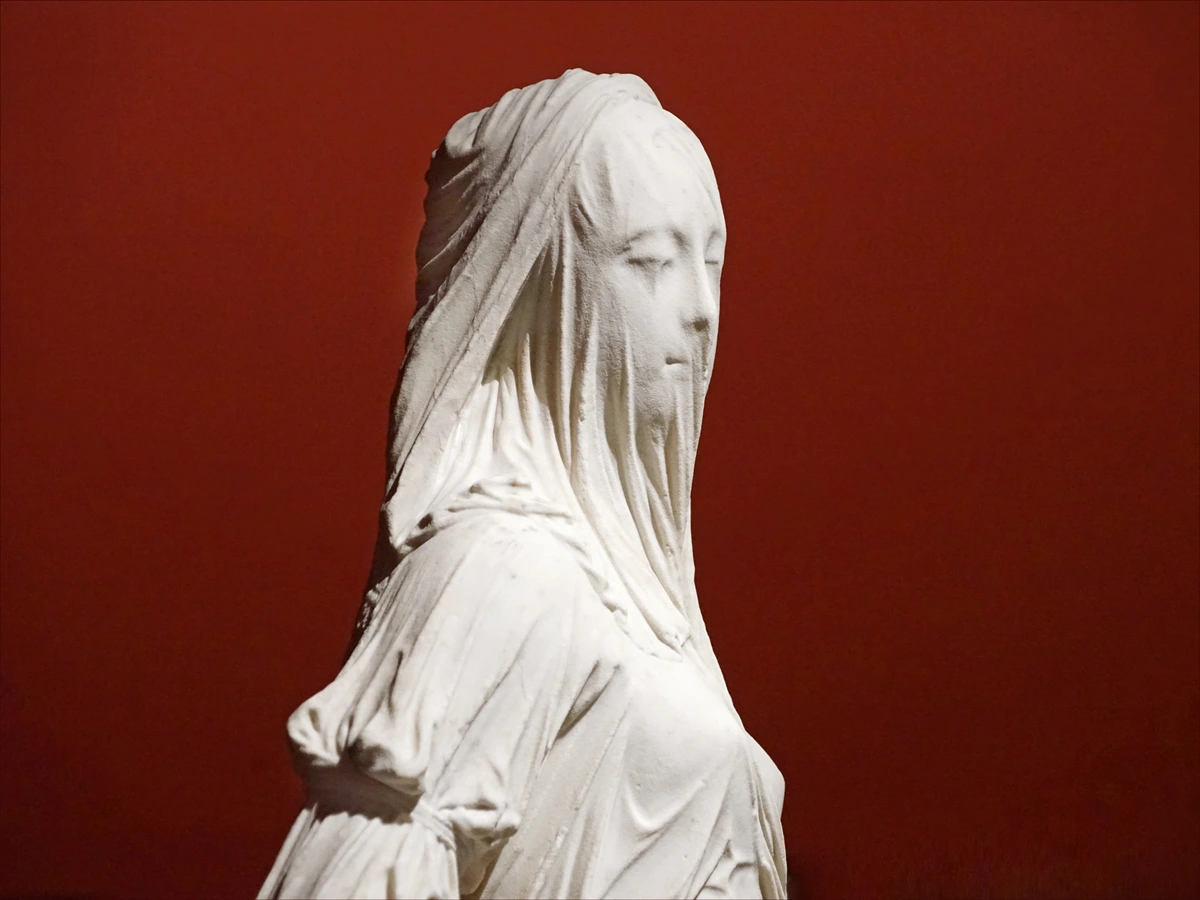
While not by Canova, this work by his contemporary Antonio Corradini shows the technical mastery and emotional depth that characterized late Neoclassical sculpture.
Further Reading and Resources
For those inspired by Canova's legacy and wishing to explore further:
Books and Academic Resources
Comprehensive Studies:
- "Antonio Canova: The Craft of Genius" by Anthony Clark - A comprehensive study of Canova's working methods and artistic development
- "Canova and His Sculpture" by Massimo Gullo - Detailed analysis of his major works and their historical context
Historical Context:
- "The Neoclassical Tradition in Western Art edited by Hugh Honour - Broader context for understanding Canova's place in art history
- "Canova: The Complete Sculpture" by Paola Barocchi - Complete catalog of Canova's sculptural works with detailed analysis
Primary Sources and Personal Accounts:
- "Letters of Antonio Canova" translated by Robertina Skelton - Collection of Canova's personal letters revealing his thoughts and working methods
- "Canova: Memoirs and Correspondence" by various editors - Contemporary accounts and biographical materials
Technical Analysis:
- "The Techniques of Marble Sculpture: Canova to the Present" by various scholars - Detailed examination of sculptural techniques and Canova's innovations
- "Material and Meaning in Canova's Sculpture" by recent art historians - Analysis of how marble selection and treatment influenced artistic expression
Museums with Major Canova Collections
European Collections:
- Louvre Museum, Paris - Houses original Psyche Revived by Cupid's Kiss
- Hermitage Museum, St. Petersburg - Contains The Three Graces and other major works
- Vatican Museums, Rome - Features religious commissions and papal portraits
- Galleria Borghese, Rome - Important collection of Canova's sculptures
- British Museum, London - Napoleon as Mars the Peacemaker
- Tate Britain, London - Selection of Canova's drawings and preparatory works
Italian Collections:
- Museo Correr, Venice - Canova's birthplace museum with personal artifacts
- Galleria Nazionale d'Arte Moderna, Rome - Later works and influences
- Galleria dell'Accademia, Florence - Comparative Neoclassical works
American Collections:
- Metropolitan Museum of Art, New York - Significant collection of Canova's works
- Museum of Fine Arts, Boston - Important holdings of Neoclassical sculpture
- National Gallery of Art, Washington D.C. - Selection of Canova's drawings
- J. Paul Getty Museum, Los Angeles - Focus on technical aspects and materials
Online Resources
Digital Archives and Research Tools:
- Canova Digital Archive - High-resolution images and scholarly research
- Web Gallery of Art - Comprehensive online collection with historical context
- Metropolitan Museum of Art - Canova Overview - Educational materials and high-quality images
- Google Arts & Culture - Virtual tours of Canova's major works and interactive exhibitions
Academic and Research Resources:
- The J. Paul Getty Museum - Online exhibitions featuring Canova with technical analysis
- Oxford Art Online - Scholarly articles and comprehensive bibliography
- JSTOR - Academic journals and research papers on Neoclassical sculpture
- Academia.edu - Recent scholarly research and conference papers
Educational and Interactive Content:
- Khan Academy - Art History - Video lessons on Neoclassicism and Canova's place in art history
- Smarthistory - Accessible explanations of Canova's techniques and significance
- YouTube Channels - Documentaries and behind-the-scenes looks at marble carving techniques
Contemporary Artists Inspired by Canova
Many modern sculptors continue to draw inspiration from Canova's work:
Technical Masters:
- Jeff Koons - Shares Canova's interest in classical forms and technical perfection, though with contemporary subject matter
- Richard Serra - Responds to Canova's understanding of material and space, pushing sculptural boundaries
- Anish Kapoor - Explores similar themes of the sublime and the monumental, with innovative material use
Conceptual Artists:
- Danh Vo - Engages with classical traditions in contemporary contexts, often referencing historical art
- Kiki Smith - Draws on Canova's technical mastery while exploring feminist themes and the human form
- Rachel Whiteread - Responds to Canova's focus on negative space and interior forms, creating sculptural "ghosts"
Emerging Talents:
- Dale Chihuly - While working in glass, shares Canova's interest in light and material transformation
- Sarah Lucas - Engages with classical themes through contemporary feminist lens
- Shahryar Nashat - Explores the intersection of classical ideals and contemporary identity
Digital and New Media Artists:
- teamLab - Creates immersive experiences that respond to classical ideas of beauty and harmony
- Refik Anadol - Uses digital technology to explore themes of beauty and perfection in new forms
Canova's Technical Innovations
Canova's contributions went beyond artistic style—he revolutionized sculptural technique:
Advanced Carving Techniques:
- Multi-directional Carving - Unlike sculptors who worked from one side only, Canova could approach his marble from any angle, allowing for more complex compositions
- Progressive Refinement System - Developed a systematic approach using progressively finer tools, from rough chisels to fine abrasives
- Anatomical Modeling - Created sophisticated systems for translating human anatomy into marble, with emphasis on musculature and bone structure
Surface Treatment and Finishing:
- Patina Layering - Created complex wax-resin mixtures that gave marble unprecedented depth and luminosity
- Micro-surface Polishing - Developed techniques for achieving surfaces that appear to glow from within
- Directional Polishing - Understood how to polish marble to catch light in specific ways, enhancing the sculptural form
Production and Reproduction Methods:
- Seamless Replication - Perfected techniques for creating multiple versions of popular works while maintaining quality
- Modular Studio System - Organized his workshop to handle multiple simultaneous commissions efficiently
- Quality Control Processes - Established systems for ensuring consistency across different versions of works
Visiting Canova's Hometown
For those traveling to Italy, Canova's birthplace in Possagno offers unique insights:
Architectural and Historical Sites:
- Canova Temple (Tempio Canoviano) - The church designed by Canova himself, combining his architectural and sculptural talents
- Canova Museum (Museo Canoviano) - Houses models, drawings, and personal effects from his life and career
- Possagno Sculpture Park - Outdoor installations showing modern interpretations of classical themes
- Canova's Birth House - Preserved childhood home with original tools and furniture
Educational and Interactive Experiences:
- Marble Carving Workshops - Hands-on experiences learning traditional techniques
- Guided Studio Tours - Recreations of Canova's working environment and methods
- Seasonal Exhibitions - Rotating displays focusing on different aspects of his work
- Art Conservation Demonstrations - Live shows of traditional marble restoration techniques
Canova's Influence on Modern Art Education
Canova's legacy extends to how we teach sculpture today:
- Direct Observation Method - His emphasis on studying from life rather than copies revolutionized art education
- Technical Mastery Training - His systematic approach to tool use and material handling remains relevant
- Conceptual Integration - Proved that technical skill and artistic vision should be developed together
- Workshop Model - His collaborative studio approach influenced modern art schools and ateliers
- Critical Analysis Process - His method of constant self-critique became standard in artistic training
Canova's Business Acumen
Beyond artistry, Canova was a savvy businessman:



Strategic Planning and Development:
- Strategic Commission Selection - Carefully chose projects that would enhance his reputation
- International Network Building - Maintained relationships with patrons across Europe
- Career Longevity - Planned his artistic development over decades, balancing commercial and personal work
Operational Excellence:
- Workshop Efficiency - Developed systems for managing multiple simultaneous projects
- Quality Control Systems - Established processes to ensure consistent excellence across all works
- Supply Chain Management - Secured reliable sources of high-quality marble and materials
Marketing and Brand Management:
- Brand Management - Cultivated a distinctive artistic identity that commanded premium prices
- Public Relations Strategy - Controlled his public image and managed patron relationships carefully
- Long-term Client Relationships - Understood the value of maintaining patron connections over decades
- Legacy Planning - Thought about his artistic legacy and preservation of his work
Find inspiration in classical masters or contemporary visionaries? Explore how art intersects with human emotion at /timeline
Ready to bring timeless beauty into your space? Discover original contemporary art at /buy
Canova's Enduring Relevance
Even today, Canova's work continues to inspire and influence artists, collectors, and art lovers around the world. His ability to combine technical perfection with emotional depth, his understanding of material and form, and his commitment to excellence—all these qualities make his work as relevant today as it was two centuries ago.
In a world that often values speed over substance, instant gratification over long-term mastery, Canova's career serves as both an inspiration and a challenge. He reminds us that true artistry requires patience, dedication, and a relentless pursuit of perfection. His sculptures aren't just objects to be admired—they're testaments to what human beings can achieve when they combine passion with skill, vision with technique.
Whether you're an artist looking for technical inspiration, a collector seeking to understand value, or simply someone who appreciates beauty, Canova's work offers something profound. It connects us to a tradition of excellence that spans centuries, while simultaneously speaking to our contemporary world in ways that feel fresh and immediate.
That, perhaps, is the true measure of a master: not just what they create in their lifetime, but how their work continues to resonate, inspire, and challenge us long after they're gone. Canova understood this intuitively, and in understanding it, he gave us not just art—he gave us a legacy.