The Alchemy of Stone: Canova's Neoclassical Sculpting Techniques
Discover how Antonio Canova transformed marble into living emotion through revolutionary neoclassical methods. A hands-on guide to his lost-wax casting, carving mastery, and artistic philosophy.

The Alchemy of Stone: Unpacking Antonio Canova's Neoclassical Sculpture Methods
I remember my first encounter with "Psycho Revived by Cupid's Kiss" at the Louvre—that impossible moment where cold stone seemed to pulse with breath. How did Antonio Canova, working two centuries ago, make marble feel this alive? The answer lies in his revolutionary fusion of classical ideals with surgical precision. Let's dismantle his craft together, not as dry theory, but as a conversation between sculptors across time.
The Historical Context: Canova in the Age of Revolution
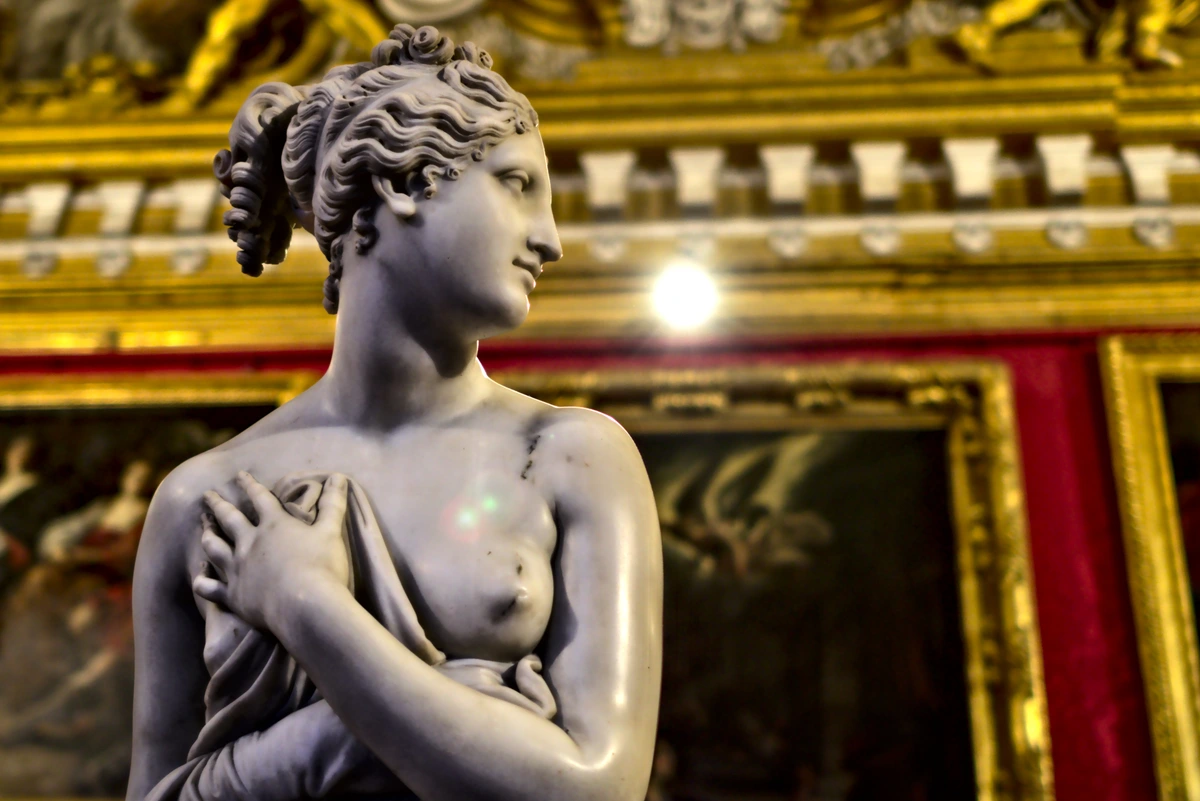
Canova emerged during one of art history's most tumultuous periods—the late 18th and early 19th centuries. While Napoleon conquered Europe, Canova sculpted its ideals. Working between Venice and Rome, he witnessed the French Revolution, the rise and fall of Napoleon, and the rebirth of classical antiquity through archaeological discoveries. His timing was nothing short of perfect: he arrived as Europe rediscovered Pompeii and Herculaneum, while simultaneously rejecting the ornate excesses of Rococo.
This historical crucible shaped everything he did. When he carved Napoleon's sister, Pauline Bonaparte as Venus Victrix, he wasn't just making art—he was negotiating power through marble. The tension between classical ideals and revolutionary energy runs through every vein of his work. That's why his figures feel both ancient and utterly alive—they're products of their time, yet transcend it.
The Neoclassical Revolution: Why Marble Mattered
Before Canova, Rococo dominated sculpture with its curving, playful forms. Then came the rediscovery of Pompeii and the rigid mathematical precision of ancient Greece. Canova didn't just copy this movement—he performed surgery on it. Where others saw cold perfection, he saw emotional restraint where every fold of drapery and line of muscle served a profound purpose.
Imagine sculpting with Plato's Republic open beside you—that's his mindset. Neoclassicism demanded idealized forms derived from antique sculptures, where beauty wasn't realistic but conceptually perfect. Yet Canova's genius was maintaining this classical discipline while injecting palpable human vulnerability. That tension? It's why his angels weep while carrying marble.

The Philosophical Foundation: Winckelmann's Influence
Canova's approach was deeply influenced by Johann Joachim Winckelmann, the German art historian who wrote that "noble simplicity and quiet grandeur" were the ultimate goals of Greek art. This wasn't just academic theory for Canova—he lived it. His studio became a laboratory for testing these principles, where mathematical precision met emotional authenticity.
I've spent years wrestling with this balance in my own abstract work. Should I prioritize technical perfection or emotional impact? Canova showed us both are possible. His "Three Graces" stand as perfect examples—mathematically proportioned yet radiating such tenderness that you can almost feel their shared weight.
Canova's Toolkit: Beyond Chisels and Hammers
His workshop reads like an alchemist's lab:
- Carrara marble: Not just white marble—specifically the blue-veined "Statuario variety" from Pietrasanta
- Boar-hair brushes: For applying polishes
- Pitch pots: Heating wax to create sealing layers
- Pointing machines: Those controversial compass-like contraptions that terrified traditional sculptors
- Lead mallets: Deadening the blow to prevent marble shattering
- Calipers and measuring rods: For precise proportions
- Files and rasps: For surface refinement
- Polishing powders: Including pumice and tripoli
- Wax compounds: For filling and sealing
- Plaster molds: For creating working copies
The Science of Stone Selection
Canova was obsessive about marble quality. He rejected blocks with internal fractures and could identify the perfect stone by tapping it—listening for that clear, resonant ring that indicated structural integrity. His correspondence reveals he'd sometimes wait months for the right block to arrive from Carrara.
This attention to detail fascinates me. In my studio, I'm equally particular about canvas texture and paint viscosity. We might use different materials, but the principle remains the same: the quality of your foundation determines everything that follows. Canova knew that marble wasn't just a medium—it was a collaborator, and you had to respect its limits.

[ credit: Wikimedia Commons ] [ licence: CC BY-SA 4.0 ]
Material Properties: Understanding Marble's Temperament
Marble is notoriously unforgiving. It's a metamorphic rock formed from limestone under heat and pressure, which means it has internal stresses that can cause unexpected fractures. Canova developed an intimate understanding of marble's temperament:
Marble Characteristic  | Canova's Approach | Modern Equivalent |
|---|---|---|
| Internal Fractures | Tapping and "sounding" blocks | Ultrasonic testing |
| Grain Direction | Carving with the grain | Woodworking principles |
| Density Variations | Strategic undercarving | Digital density mapping |
| Thermal Sensitivity | Working in temperature-controlled studios | Climate-controlled workshops |
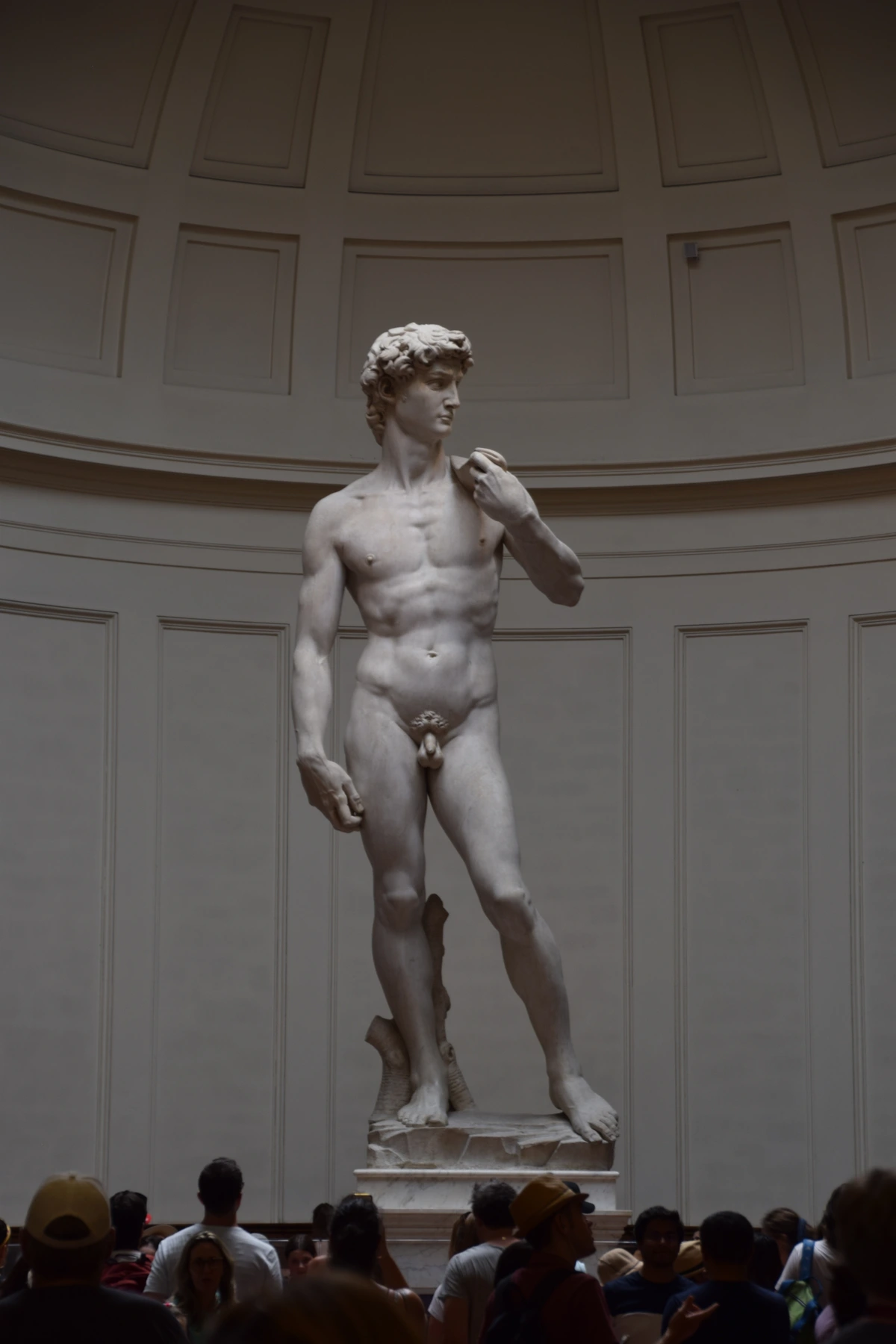
What's remarkable is how Canova treated marble almost like a living being. He spoke of "listening to the stone" and allowing its natural characteristics to guide the final form. This respect for material is something I try to instill in my students—you don't force your will on the material; you collaborate with it.
The 5-Stage Canova Method: From Clay to Immortality
His process was brutal poetry. Let's walk through it together:
Stage | Tools & Materials | Artist's Insight | Time Investment |
|---|---|---|---|
| 1. Clay Modeling | Soft terracotta, spatulas | "This is where the soul breathes" | 3-6 months |
| 2. Plaster Casting | Plaster gauze, release agents | Transience captured | 2-4 weeks |
| 3. Pointing Transfer | Brass dividers, measuring rods | Mathematical precision | 1-3 weeks |
| 4. Marble Carving | Toothed chisels, rasps | "Stone fights back" | 6-18 months |
| 5. Acid Patination | Weak sulfuric acid | Aging gracefully | Days |
Stage 0: The Conceptual Foundation
Before touching any material, Canova immersed himself in research. He'd study ancient coins, vase paintings, and literary descriptions to understand the physical and emotional characteristics of his subject. For his "Perseus with the Head of Medusa," he spent months researching classical depictions of both figures, ensuring every gesture and drapery fold carried symbolic weight.
This preparatory phase is where most contemporary artists cut corners. We rush from inspiration to execution. But Canova taught us that the foundation determines the ceiling. I've found that spending extra time in research actually speeds up the creative process later—when you understand your subject deeply, the execution flows naturally.
Stage 1: The Birth in Clay
Canova would begin with life-sized clay models, often using live models draped in wet sheets for pose studies. Here's where he allowed imperfection—notice how Psyche's fingers curl slightly differently than Cupid's. This wasn't realism; it was emotional choreography. I've tried this myself in my Den Bosch studio—clay reveals flaws you'd miss in sketches.
The Clay Technique: Modeling in Layers
Canova built his clay models gradually, starting with the basic form and adding detail in layers. He'd often work on multiple versions simultaneously, comparing them to find the most compelling composition. His notebooks reveal fascinating details about his process—he'd make small "test" sculptures to work out specific problems before committing to the full-scale version.
This layered approach is something I adapt in my abstract paintings. I rarely get it right in one pass. Instead, I build up layers, allowing each one to inform the next. Canova understood that sculpture, like painting, is a dialogue between the artist and the material—one that happens over time, not in a single burst of inspiration.
Stage 2: The Plaster Facsimile
The clay model was covered in plaster while still slightly damp. When set, the plaster shell was split to extract the clay, revealing a perfect negative. This "waste mold" was then reassembled to create a positive plaster cast. Crucially, he could adjust proportions here—remember that he famously enlarged Napoleon's sister's bust after the first version looked "statuesque."
Advanced Plaster Techniques
Canova pioneered several innovations in plaster casting. He developed special release agents to prevent the plaster from sticking to the clay, and he created his own plaster mixture that hardened more slowly, allowing for more precise work. His workshop had specialized equipment for cutting and reassembling plaster molds with incredible accuracy.
What's particularly interesting is how he used plaster as both a tool and an intermediate medium. The plaster cast wasn't just a copy—it became a work of art in its own right, often displayed alongside the final marble. This reminds me of how I treat my preliminary sketches—they're not just steps toward the final piece; they're valid artistic expressions in their own right.
Stage 3: The Pointing Controversy
This is where purists gasped. Using his custom brass pointing machine, he'd map hundreds of coordinates from plaster to marble block. Critics called it "cheating." But he saw it as mathematical liberation: it freed him from repetitive measuring while guaranteeing Greek-proportioned accuracy. My own experiments? Pointing machines are like training wheels—they build confidence before you learn to sculpt by sight.
The Mathematics of Measurement
Canova's pointing machines were marvels of engineering precision. He developed different types for different scales—small machines for delicate details, larger ones for overall proportions. Each machine featured calibrated scales and adjustable arms, allowing for incredibly accurate coordinate transfer.
The controversy reveals something important about artistic tradition: resistance to new tools is as old as art itself. When photography was invented, painters cried foul. When digital art emerged, traditionalists scoffed. Canova's experience reminds us that tools don't diminish creativity—they expand it. The real question isn't "Do we use machines?" but "How do we maintain our artistic vision while using new tools?"
Stage 4: The Dance with Stone
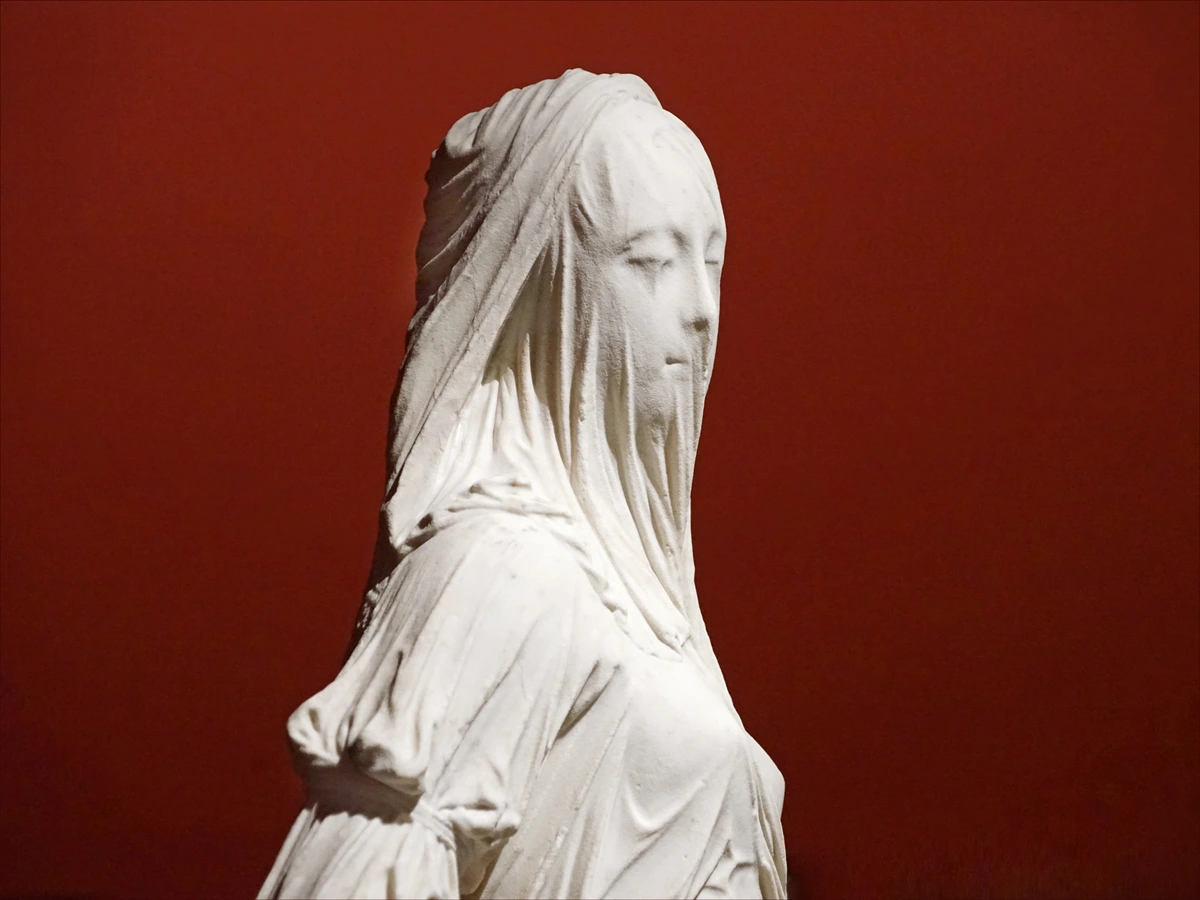
Ah—the real work begins. He'd work from general to specific: roughing out the silhouette with point chisels before switching toothed chisels for texturing. The genius? He left areas intentionally "undercarved," allowing shadows to pool and suggest depth. That famous Psyche portrait? Her skin achieves its luminosity not from polish, but from Canova understanding how light caresses lightly carved surfaces.
The Carving Sequence: From Rough to Refined
Canova's approach to marble carving was methodical and systematic. He typically worked through these stages:
- Blocking Out: Removing large sections of marble to establish the basic form
- Refining the Silhouette: Shaping the major contours and defining the overall composition
- Developing Details: Working on specific features and surface textures
- Final Polishing: Bringing the surface to its finished state
What's remarkable is his understanding of negative space—the empty areas between forms. He didn't just carve the figure; he carved the air around it. This holistic approach is something I try to teach my students. In abstract art, we often focus on the marks we make, but we should be equally aware of the spaces we leave. Canova understood that sculpture is as much about what you remove as what you keep.
Psyche Reborn: Case Study in Technical Brilliance
[ credit: Wikimedia Commons ] [ licence: CC BY-SA 3.0 ]
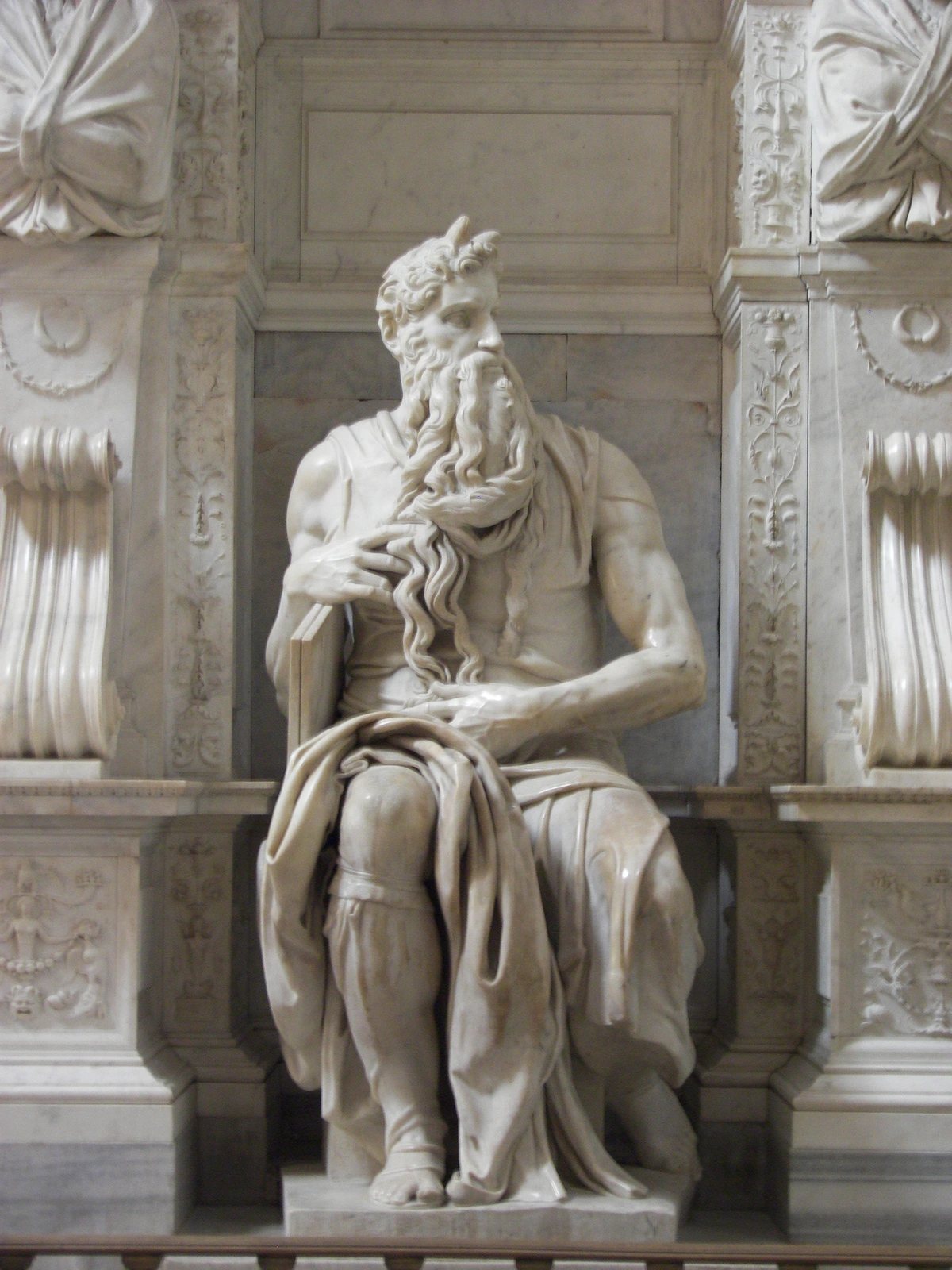
Consider this masterpiece:
- Technical Marvel: Cupid's wing feathers were carved using a technique called mezza punta (half-point chisel) imitating bird feather density
- Emotional Calculus: Their embrace creates 37 distinct points of contact while 11 negative spaces breathe between them
- Material Trickery: The drapery hides seams between multiple marble blocks—Canova's greatest illusion
What kills me? How he used Renaissance-era sfumato techniques in stone. Look at Cupid's cheek—subtle transitions in plane mimic Leonardo's painted gradients. Sculpture stealing from painting? Revolutionary.
Troubleshooting Canova's Way
I've learned from mistakes—here's what he'd warn us about:
Problem | Canova's Fix | Modern Equivalent |
|---|---|---|
| Marble dust clogging chisel | Waxed cloth bag wrapped around tool | Vacuum attachments |
| Cracks in large works | Deep internal pins + sulfuric acid soak | Epoxy injections |
| Loss of "life" in finished piece | Revisit terracotta maquette | ZBrush digital model revision |
| Polishing revealing soft spots | "Burnishing" with steel tools heated in fire | Micro-bead blasting |
Advanced Problem-Solving Techniques
Canova developed several sophisticated techniques for dealing with marble's challenges:
The Pinning System: For large sculptures, he'd embed metal pins deep within the marble block before carving, creating internal support that prevented cracking. These pins weren't just structural—they became part of the sculpture's DNA.
The Wax Infusion: When marble proved particularly brittle, he'd heat wax and infuse it into the stone's pores, essentially creating a composite material that was more stable than pure marble. The Gradual Release: He knew that sudden changes in temperature or humidity could cause marble to crack, so he developed methods for gradual environmental adjustment in his workshop.
These solutions reveal Canova's scientific approach to art. He didn't just rely on talent; he developed systematic methods for solving problems. This is perhaps his most important lesson for contemporary artists: develop your own systems for overcoming creative and technical challenges.
FAQ: Your Canova Questions Answered
How can contemporary artists apply these principles today?
Canova's methods transcend time and medium. Here's how modern artists can adapt his principles:
Digital Sculpture: Use his restraint principles in digital sculpture: limit details to essential emotional points. My Den Bosch visitors often see echoes in my color-blocking techniques—Canova knew shadows shouldn't compete with forms.
Planning Process: Learn his planning obsession: spend 3x longer on preparatory work than on execution. In my painting practice, this means extensive sketching and color studies before touching the canvas.
Material Respect: Material serves idea, never the reverse. When traveling in Croatia, Canova used local Istrian stone. In my own practice, this means using acrylics on canvas but never losing drawing discipline underneath.
Technical Mastery: Combine technical skill with emotional authenticity. Canova didn't just make beautiful sculptures—he made them feel alive.
Was pointing machine use controversial in his time?
Oh god yes. Traditionalists called it "mechanical plagiarism." But Canova argued, "The compass belongs to geometry, but genius belongs to me." Sound familiar? Like how I use digital tools but insist brushstrokes show texture? Tools expand possibility—they never replace vision.
The controversy reveals something important about artistic evolution: every new tool faces resistance. Photography was initially dismissed as "not real art." Digital art still faces skepticism. Canova's experience reminds us that the medium doesn't define the artistry—how you use it does.
The Canova Legacy: Influence on Modern Sculpture
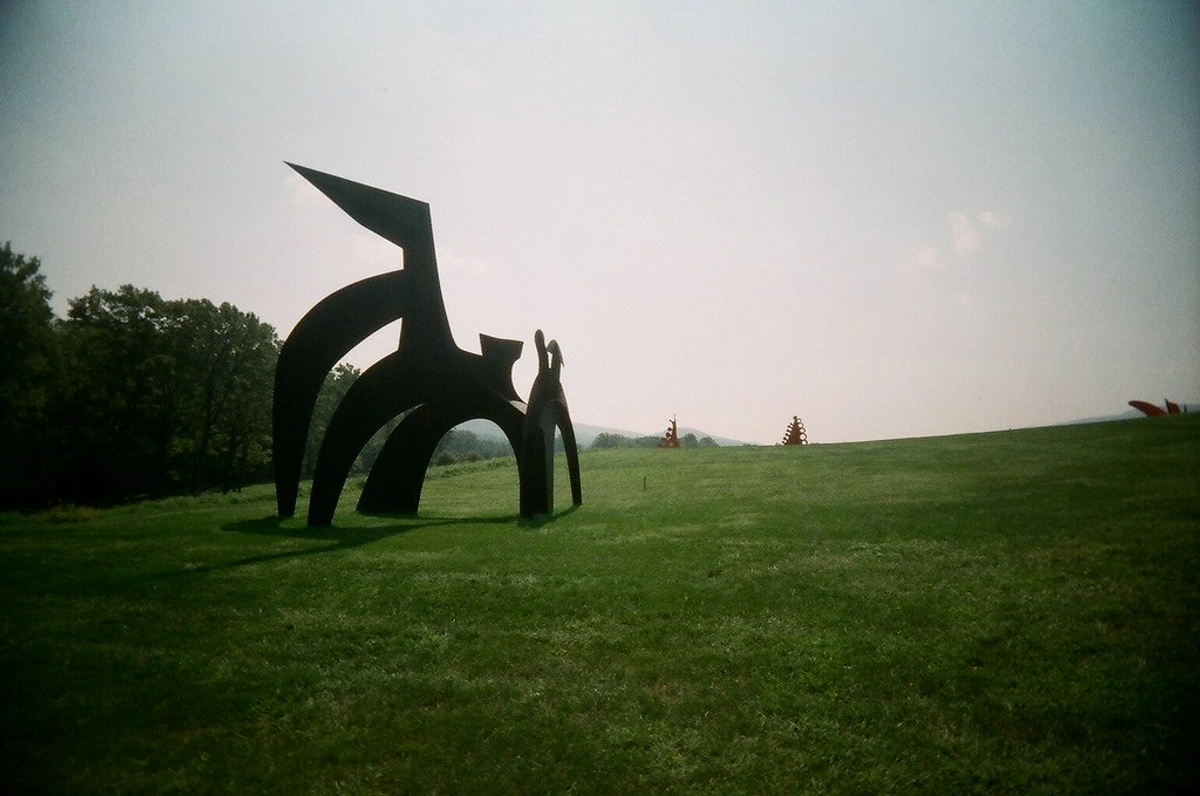
Walk through any modern museum, and you'll feel his spirit. Brancusi subtractive method? Borrowed from Canova's "less is more" approach. Henry Moore's negative spaces? Canova pioneered those light pools centuries ago. His true innovation? Making technical mastery seem effortless—like he was merely revealing forms trapped within the stone.

Direct Influences on 20th Century Sculpture
Constantin Brancusi: The Romanian sculptor adopted Canova's principle of "revealing" rather than "inventing" form. His smooth, simplified surfaces echo Canova's belief that sculpture should distill essence to its purest form.
Henry Moore: Canova's use of negative space directly influenced Moore's approach. Both understood that sculpture is as much about what you remove as what you keep.
Barbara Hepworth: Her pierced sculptures and emphasis on internal space show Canova's influence on modern abstract sculpture.
Isamu Noguchi: Blended classical principles with modern materials, much as Canova blended ancient ideals with contemporary techniques.
The Philosophy of Restraint
Canova's most enduring legacy may be his philosophy of restraint. In an age of excess, he showed that power comes from limitation. His work teaches us that:
- Less is More: Every element should serve the whole
- Discipline Creates Freedom: Technical mastery allows for greater expression
- Tradition Enables Innovation: Understanding the past unlocks the future
- Material Dictates Method: Respect your materials and they'll serve you well
I keep a plaster cast of his "Hebe" in my studio as a reminder that skill without soul is just craft. When your hands ache after carving, remember this: his last sculpture, "Mourning Athena," was completed during terminal illness. His hands knew something about endurance marble couldn't teach.
Practical Exercises: Learning from Canova
Want to develop Canova's approach in your own practice? Try these exercises:
Exercise 1: The Maquette Process
- Create a small clay model of your subject (3-6 inches)
- Make a plaster mold and cast from it
- Transfer the proportions to your chosen material
- Work from general to specific, as Canova did
- Focus on emotional impact over technical perfection
What You'll Learn: The relationship between preparatory work and final execution.
Exercise 2: Negative Space Awareness
- Sketch a subject, but focus on the spaces around it
- Create a sculpture where the negative spaces are as important as the forms
- Use lighting to emphasize the relationship between form and void
What You'll Learn: How space defines form, and how emptiness creates meaning.
Exercise 3: Material Response
- Choose three different materials (wood, stone, clay)
- Create the same basic form in each material
- Notice how each material responds differently to your tools
- Adapt your technique to respect each material's nature
What You'll Learn: The importance of material understanding and adaptation.
Exercise 4: Emotional Restriction
- Create a piece with a strong emotional theme
- Use Canova's principle of restraint—eliminate unnecessary details
- Focus on essential elements that convey emotion
- Test how effectively your restricted piece communicates
What You'll Learn: How limitation can strengthen emotional impact.
Resources for Further Study
Essential Reading
- "Canova: The Complete Sculpture" by Antonio Morassi
- "Antonio Canova: The Marble Drawings" by Mario Praz
- "Neoclassical Sculpture: The Ideal Vision" by Jeanne Morgan Zarucchi
Museums and Collections
- Galleria Borghese, Rome: Houses many Canova works
- Metropolitan Museum of Art, New York: Extensive Canova collection
- Victoria and Albert Museum, London: His plaster casts and drawings
- Visit my Den Bosch museum for contemporary interpretations
Modern Applications
- Explore contemporary sculptural techniques (/timeline)
- Discover marble-inspired art collection (/buy)
- Learn about digital sculpting tools (/finder/page/essential-supplies-for-digital-sculpting-beginners)
Conclusion: The Enduring Relevance of Canova's Methods
Antonio Canova didn't just create beautiful sculptures—he created a philosophy of artistic creation that remains relevant today. His methods teach us that:
- Preparation is Paramount: Success comes from the work you do before you touch your final material
- Technical Mastery Enables Emotional Expression: You can't convey deep emotion without technical control
- Material Understanding is Essential: Every material has its own nature and demands respect
- Restraint Creates Power: What you leave out is as important as what you include
- Tradition and Innovation Coexist: Understanding the past allows meaningful innovation
In my own practice, I constantly return to Canova's principles. They remind me that art isn't about self-expression alone—it's about dialogue with materials, with tradition, and with viewers across time. When I'm struggling with a new piece, I ask myself: "What would Canova do?" Not to copy his style, but to embrace his approach of disciplined creativity.
The marble he carved has lasted centuries. The methods he developed continue to inspire. The passion he poured into his work still speaks to us today. That's the real alchemy—turning stone into something that transcends time.




Explore contemporary sculptural techniques Discover artist's marble studies View marble-inspired art collection