Unlocking Alternative Viewpoints in Art: A Creative Guide
Discover how embracing unconventional perspectives transforms both art creation and appreciation. Break creative boundaries with actionable insights.

Unlocking Alternative Viewpoints in Art: A Creative Guide
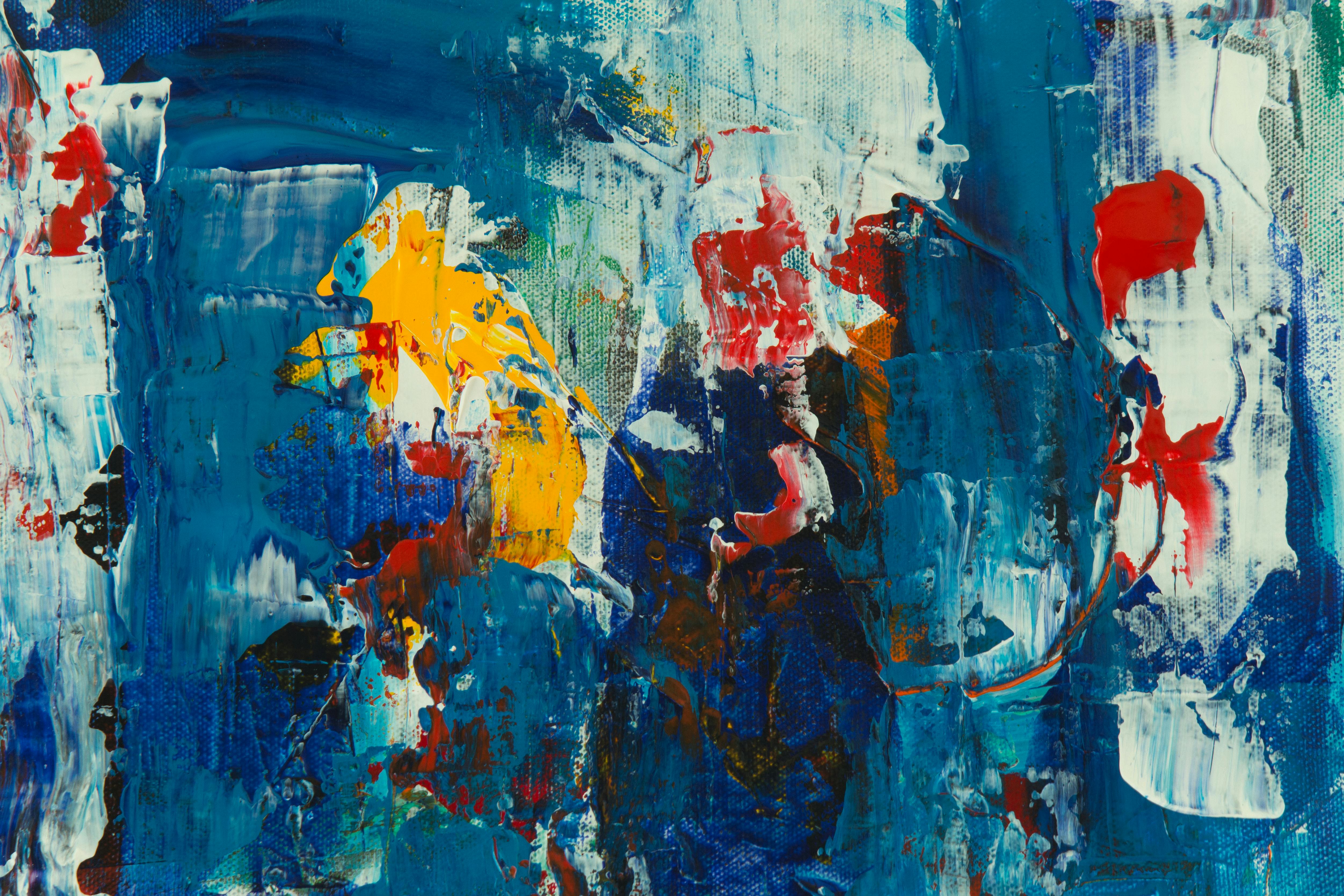
Have you ever stood before a painting that felt like it was looking back at you? Not literally, of course—but there’s something magnetic about art that refuses to exist in one dimension. I once spent an hour trying to "decode" an abstract swirl of neon colors only to realize it felt like trying to understand a dream. Then, I tilted my head—and the chaos suddenly resembled a bustling city at night. That’s the magic of alternative viewpoints in art: they sneak up on you when you least expect it.
In a world saturated by "how-to" art tutorials, this isn’t another step-by-step guide. Instead, think of it as a rebellious chat over coffee about shattering the lens through which we create and consume art. Whether you’re a seasoned artist or someone who thinks they "don’t get" art, this’ll rewire your perception.
The Psychology of Perception: How Your Brain Sees Differently
Your brain is not a passive camera—it's an active interpreter that constantly makes assumptions, fills in blanks, and creates shortcuts. This is why alternative viewpoints work so well: they bypass your brain's "auto-pilot" mode and force you into conscious engagement.
Consider cognitive dissonance—that uncomfortable feeling when your expectations clash with reality. When art creates dissonance, your brain can't categorize it easily, so it pays attention. This is why abstract art often feels "challenging"—it refuses the easy categorization your brain craves.
Neuroscience Alert: Studies using fMRI scans show that when people view abstract art, different brain regions activate compared to viewing representational art. Abstract art engages areas associated with emotional processing and memory, while representational art primarily activates visual recognition centers. This isn't just art—it's brain exercise.
The real question isn't "What do you see?" but "What does seeing this do to you?"
The Core Shift: From Art as Object to Art as Experience
Traditional art often treats the canvas as a static object—a box to be filled. But here’s my hot take: art is a verb, not a noun. It doesn’t just hang on walls; it happens in the space between your neurons when you engage with it.
Consider perceptual relativity—the idea that context reshapes everything. A lone tree means nothing until you learn it’s the last one in a deforested area. A jagged red line might look "angry" until you know it’s tracing a heartbeat monitor. Art doesn’t live in isolation; it thrives on dialogue.
Cross-Cultural Perspectives: How Different Cultures See Art
What's "normal" in one culture is revolutionary in another. In many Indigenous cultures, art isn't meant to be "viewed" from a single perspective—it's meant to be experienced through multiple senses, over time, and with community participation.
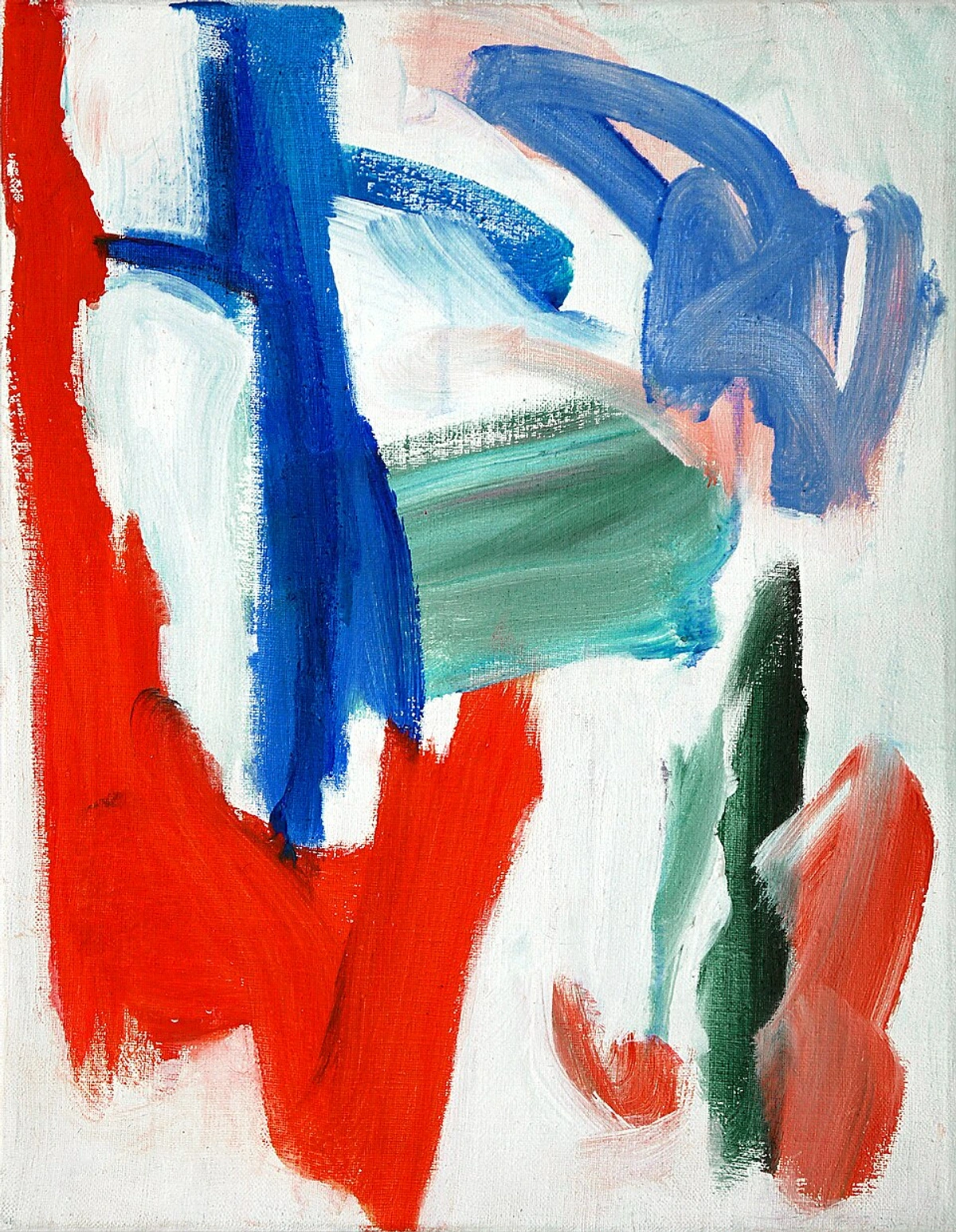
Examples of cultural viewpoint differences:
- African art: Often incorporates performance, music, and dance as integral parts of the viewing experience
- Islamic art: Rejects figurative representation entirely, focusing instead on geometric patterns that suggest infinite viewpoints
- Native American traditions: Art often contains layers of meaning accessible only to those with cultural knowledge
Understanding these differences isn't just about being culturally aware—it expands your own creative toolkit. When you start thinking like a Japanese tea master about imperfection, or like a Native American artist about layered meaning, you're incorporating entirely new viewpoints into your own practice.
Traditional Approach  | Alternative Viewpoint |
|---|---|
| Art =Finished product | Art = Ongoing conversation |
| Focus on technical skill | Focus on conceptual friction |
| Viewer = Passive observer | Viewer = Active participant |
| Single "correct" meaning | Multiple valid interpretations |
| Fixed viewing conditions | Adaptive to environment and context |
| Static creation process | Interactive and evolving |
| Artist as sole authority | Viewer as co-creator of meaning |
| Focus on beauty/aesthetics | Focus on experience and transformation |
| Historical preservation | Contemporary relevance and dialogue |
| Individual creation | Community and social engagement |
Practical Techniques for Cultivating Alternative Viewpoints
Imagine your mind as a jazz musician: sometimes you riff, other times you sit in silence. Here’s how to improvise:
1. Embrace Dissonance
I once spent three months painting the same bowl of fruit, deliberately "ruining" it with clashing colors. Each attempt made me angrier—and freer. Dissonance isn’t failure; it’s fertilizer. Try:
- Combining two opposing elements (e.g., fragile glass with rugged stone textures)
- Intentionally "breaking" rules of perspective or proportion
- Using emotion as primary subject matter rather than imagery
2. The Anthropology Lens
How would a biologist describe your art? A 5-year-old? A historian? I keep a "perspective journal" where I reinterpret my work through different personas:
"This represents the migration of pixels across a motherboard during system overload." – AI voice "It’s a story about cookies that forgot to taste sweet." – Child’s voice
3. Material Rebellion
Tools shape thought. Paintbrushes expect order. But what if you:
- Use coffee-stained napkins instead of canvas
- Sculpt with melted candy
- Print with vegetables instead of printers Your materials will fight you—and that’s where the magic happens.
Seeing Through the Viewer's Eyes
Creating with alternative viewpoints is one thing; experiencing art that way is another. Here’s my favorite exercise:
- Enter with Zero Context: Don’t read the title plaque or artist bio first. React purely to sensory input (colors, lines, texture).
- Interview the Art: Ask it questions like, "What would you be if you had a job?" or "What’s your favorite season?"
- Reframe Your Emotion: If a piece makes you anxious, ask: "Is this anxiety mine, or the art’s?" Often, we project our own narratives onto blank canvases.
Common Hurdles (and How to Dance Around Them)
Challenge | Alternative Mindset |
|---|---|
| "This isn’t "serious" art." | |
| Play is revolutionary. Picasso said it best: "Every child is an artist. The problem is how to remain an artist once we grow up." | |
| "I don’t have a message." | Let the medium BE the message. A knot of wire might represent nothing more than the feeling of being tangled—and that’s enough. |
| "Others won’t "get" it." | Create for the future version of you who needs this piece. Authenticity always finds its audience. |
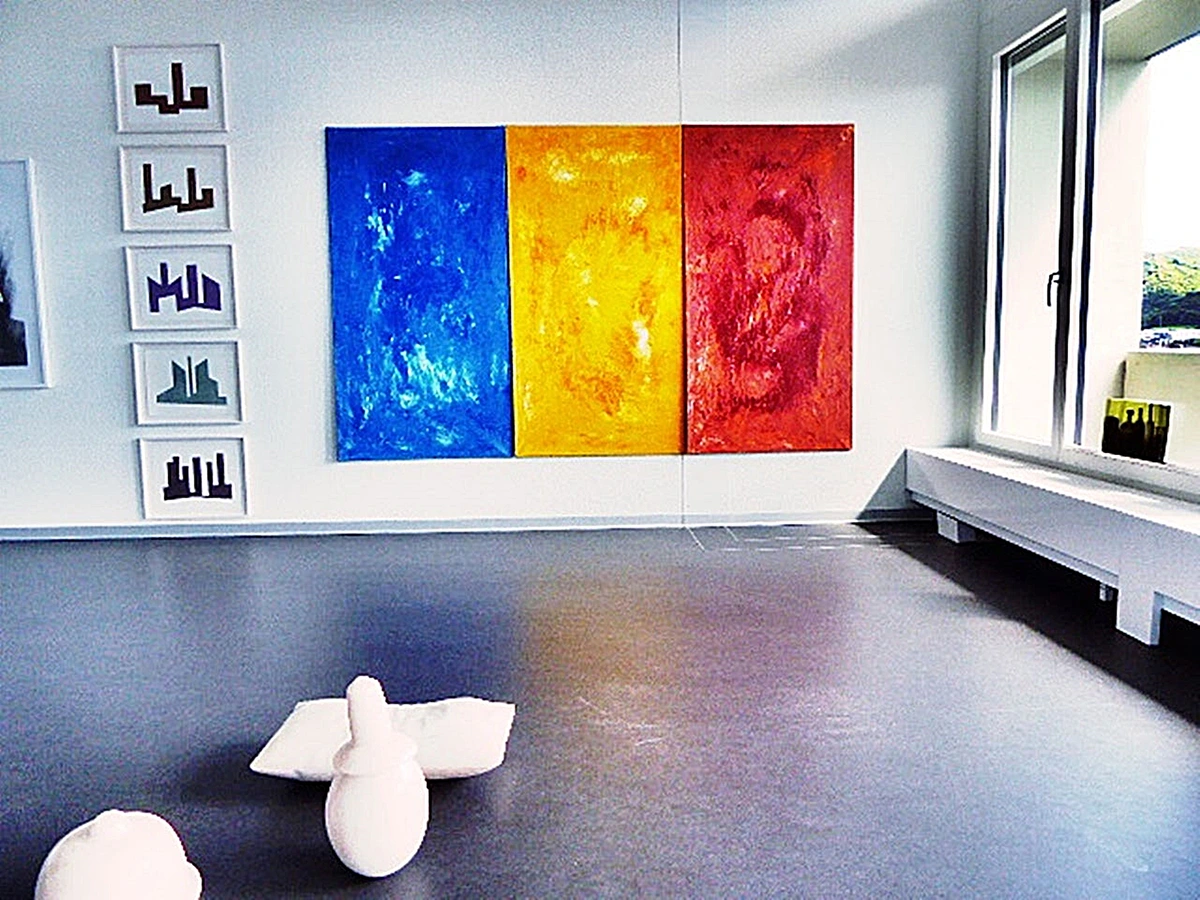
The Business of Alternative Viewpoints: Art, Design, and Marketing
Alternative viewpoints aren't just for fine art—they're incredibly valuable in design, marketing, and business. Companies pay millions for "design thinking" that approaches problems from unexpected angles.
How alternative viewpoints translate to professional contexts:
- Design: User experience design requires understanding multiple user perspectives simultaneously
- Marketing: Campaigns that break traditional viewpoints often go viral (remember "Old Spice Guy"?)
- Problem-solving: The most innovative solutions come from challenging assumptions
- Team collaboration: Different viewpoints prevent groupthink and lead to better outcomes
Real-world example: Apple didn't invent the smartphone, but they reimagined it from the user's perspective rather than the engineer's. They asked "What should this feel like to use?" instead of "How can we technically make this work?"
The same principle applies to your art. Don't just ask "How can I make this technically perfect?" Ask "How can this make someone feel something completely new?"
FAQ: Alternative Viewpoints in Art
Q: Do alternative viewpoints mean abandoning traditional techniques? A: Absolutely not! I’m terrible at realism myself, but techniques are like grammar. Break them only after you’ve learned them. Salvador Dali couldn’t paint melting clocks without first mastering realism.
Q: Can anyone do this, or is it for "professional artists"? A: Remember how I mentioned the bowl of fruit experiment? I was working as a graphic designer when I did that. This isn’t about status; it’s about curiosity. If you’ve ever rearranged furniture because it "felt wrong," you’ve already started.
Q: What if my ideas feel "too weird"? A: Good. Weirdness is your creativity’s immune system. Art historian James Elkins once wrote: "The strangest things often become the most significant." Just ensure your weirdness has intention—not just shock value.
Q: How do I avoid feeling like a fraud? A: I had a panic attack before my first show thinking people would see through me. Then I remembered Van Gogh only sold one painting in his lifetime. Imposter syndrome is proof you’re onto something new.
The Final Perspective Shift
Art doesn’t change the world—people changed by art do. Alternative viewpoints aren’t tricks; they’re permissions slip to see differently. When I stopped asking, "What does this mean?" and started wondering, "What does this make me feel?", everything shifted.
Your challenge? Find one piece today—yours or someone else’s—and ask it a question you’ve never considered. Let its answer surprise you. After all, the most interesting conversations with art happen when you stop staring and start listening.




Resource Guide: Deepening Your Alternative Viewpoint Practice
Essential Reading
- "Ways of Seeing" by John Berger: The foundational text on how context changes art interpretation
- "Art as Experience" by John Dewey: Argues that art is about the experience, not just the object
- "The Art of Creative Thinking" by Rod Judkins: Practical exercises for breaking mental patterns
- "Steal Like an Artist" by Austin Kleon: How to borrow and remix from multiple sources
Documentaries and Films
- "The Mystery of Picasso": Shows Picasso creating art in real-time, revealing his process
- "Exit Through the Gift Shop": Questions what counts as art through multiple perspectives
- "Who Gets to Tell the Story": Explores cultural viewpoints in contemporary art
Practical Tools and Exercises
The Perspective Journal Template:
- Date and medium of the art piece
- First immediate reaction (physical/emotional)
- What do you think the artist intended?
- What might a completely different person think?
- How does this connect to your own life experiences?
- What questions does this piece leave you with?
The 7-Day Alternative Viewpoint Challenge:
- Day 1: Create something using only your non-dominant hand
- Day 2: Interview a piece of art as if it were a person
- Day 3: Rearrange a familiar space completely differently
- Day 4: Create a piece about an emotion without showing the source
- Day 5: Document the same scene from 3 different angles
- Day 6: Collaborate with someone who has completely different artistic style
- Day 7: Create art that "answers" a question from Day 2
Online Communities
- Reddit r/ArtCritique: For getting diverse perspectives on your work
- Instagram #AlternativeArt: Discover artists pushing boundaries
- Behance Experimental Design: See how professionals apply these principles
- Local Art Co-ops: Find in-person communities for collaborative projects
Gallery and Museum Guide for Alternative Viewing
When visiting museums, try these alternative approaches:
- Sound Tour: Close your eyes and listen—what sounds does this art make?
- Memory Association: What memories does this trigger? Be specific.
- Counter-Intuitive Interpretation: Force yourself to argue the opposite of what seems obvious
- Emotional Timeline: Track how your feelings change over 10 minutes with the piece