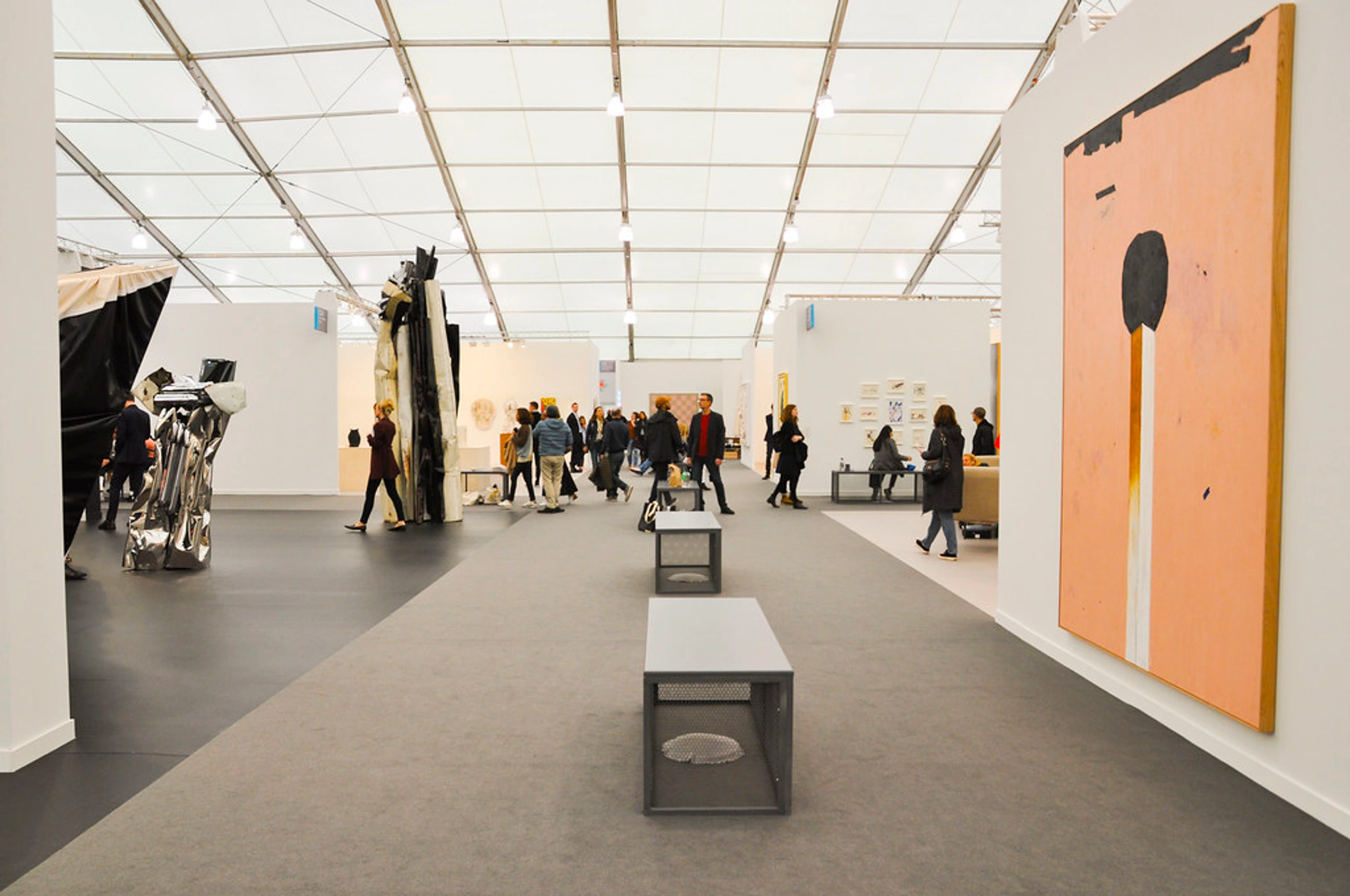
Art Basel for Beginners: An Artist's Honest Survival Guide & Tips
First time at Art Basel? An artist shares a personal, humorous guide on navigating the fair, from smart prep and gallerist talks to finding inspiration and understanding art prices. Essential tips for every art enthusiast!

My First Trip to Art Basel: A Humorous, Honest Survival Guide for Beginners
Okay, let's just get this out of the way: my first time at Art Basel, I was absolutely terrified. And a little bit clueless. I mean, you hear "Art Basel" and your mind probably conjures images of suited billionaires sipping champagne while dropping millions on canvases, right? Mine certainly did. I pictured myself, a humble artist whose biggest dilemma is usually whether to use cadmium red or alizarin crimson, wandering through a labyrinth of high-stakes commerce, completely out of my depth. And frankly, I was, for a good hour or two. My mission with this article? To demystify Art Basel for you, the first-timer, making sure you feel a little less overwhelmed and a lot more prepared.
But here’s the thing: while there is champagne and there are billionaires (and believe me, the people-watching is a sport in itself), Art Basel is so much more than that. It’s a swirling vortex of creativity, conversation, and — if you let it be — profound inspiration. That initial intimidation I felt quickly gave way to a powerful sense of wonder. It's a place where you can witness the pulse of the global art market, discover artists who make your heart sing, and frankly, just feel a part of something truly colossal. Consider this your practical, personal, and utterly honest guide to making your first visit not just survivable, but truly memorable.
credit, licence
So, What Exactly Is Art Basel, Anyway? (Beyond the Hype and the High Rollers)
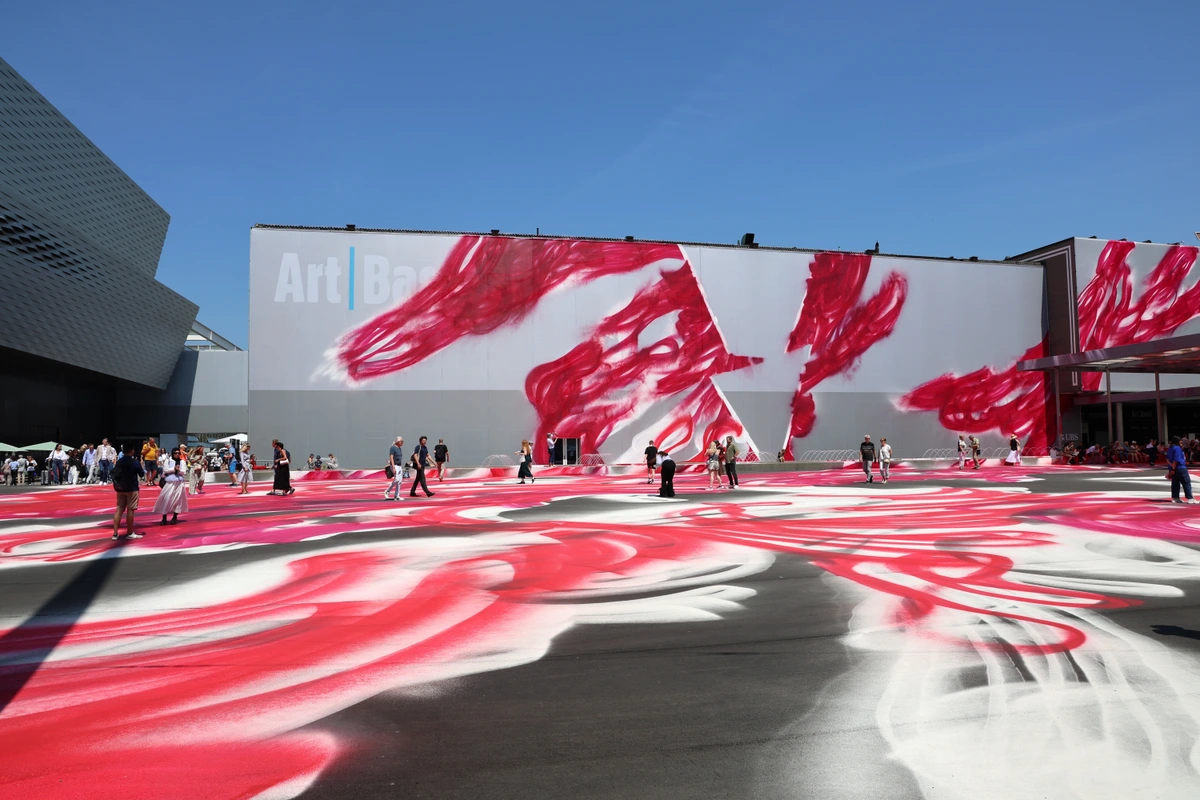
At its core, Art Basel is a massive international art fair with annual shows in Basel (Switzerland), Miami Beach (USA), and Hong Kong (China). Think of it as the Olympics, but for contemporary and modern art – and by that, I mean all the disciplines. You’ll find painting, sculpture, photography, video art, groundbreaking installations, digital art, and even performance pieces. Gallerists from around the globe converge to showcase works by their artists, hoping to catch the eye of collectors, curators, and institutions. While the core mission remains consistent, each city imbues its fair with a slightly different flavor: Basel is often seen as the more traditional and established, Miami Beach the more vibrant and party-oriented, and Hong Kong the gateway to the booming Asian art market. It's a place where global art dialogues are shaped, emerging talents gain recognition, and, yes, countless artworks find new homes, often impacting market trajectories.
But for a first-timer like me, the official description felt like landing on an alien planet where everyone speaks a secret language of 'provenance' (the documented history of ownership of a work of art, a bit like a family tree for a painting) and the 'secondary market' (where artworks are resold after their initial sale, a concept that's akin to an artist seeing their early student work pop up at an auction decades later, for wildly different sums). I remember just standing there, mouth agape, looking at some truly wild pieces and thinking, "How do people even begin to understand all this?" It's like trying to drink from a firehose, truly. My brain felt as jumbled as that abstract piece I once saw, aptly titled 'Feel Lost'.
credit, licence
So, Art Basel: a global stage for art's diverse forms, and for beginners, a delightful, if initially bewildering, dive into a new world.
Before You Dive In: The Pre-Game Prep That Saved My Sanity
I quickly learned that going in cold is a recipe for overwhelm. Trust me, I speak from experience. My first time, I just showed up, thinking, "How hard can it be?" (Spoiler: very). So, here's what I learned to do for subsequent visits; consider it your essential pre-flight checklist for navigating the art world's most intense week:
1. Research, Research, Research (But Don't Overdo It)
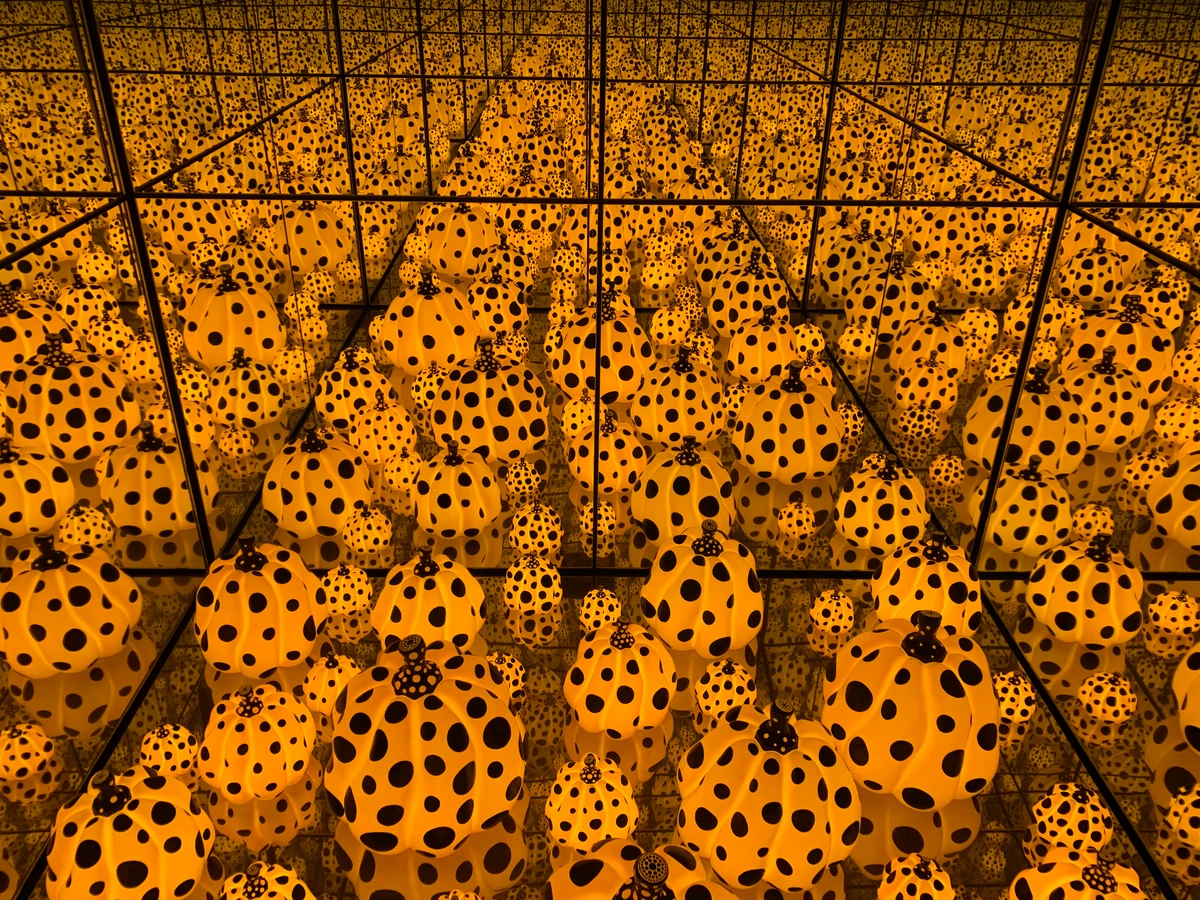
- The Main Fair: Art Basel itself can be enormous. Check the official website for the list of participating galleries and their artists. Do a quick scan for names you recognize (like maybe Jean-Michel Basquiat or Yayoi Kusama, if they're exhibiting) or styles that pique your interest, like abstract art. Crucially, also look for curatorial themes or special exhibitions announced for that year. These themes, perhaps "Art and Technology in the Anthropocene" or "The Revival of Craft in Contemporary Art," often spotlight emerging trends or artists you might not otherwise discover. As an artist, understanding these themes can even spark ideas for your own work or inform your approach to new series.
- Satellite Fairs: This is where the real gems for a curious, non-billionaire often lie. Depending on the city, there are numerous parallel fairs. Think Liste (often featuring younger, more experimental galleries and emerging artists) or Volta (known for diverse media and mid-career artists). These fairs are typically more accessible because they have lower booth fees, allowing younger or less established galleries to participate. You might find a thought-provoking video installation by a recent art school graduate or a striking textile piece, often at a more approachable price point than the main fair. Don't be afraid to venture out! It's where I often find works that resonate with my personal perspective as an artist, sometimes even offering unexpected turns in my own artistic journey.
- Events & Talks: Art Basel isn't just about looking at art. There are incredible talks, panel discussions, and performances. These can offer invaluable insights into art market trends or the role of AI in art curation. But don't stop there! Look for talks on artist career development, sustainable studio practices, or critical theory discussions – these are goldmines for a working artist. Pick a few that genuinely interest you and fit into your schedule.
2. Logistics: The Un-Glamorous Essentials
Trust me, your future (less stressed) self will thank you for getting these practical ducks in a row. It’s a bit like preparing for a long-distance run, which, in a way, it is! For a more in-depth guide to the nitty-gritty, you might want to check out this resource on understanding art fair logistics.
Essential  | What to Do & Why |
|---|---|
| Tickets | Buy them in advance! Seriously. Standing in a long line is not how you want to start your art adventure. Avoid the queue, save your energy for the art. |
| Accommodation | If you’re traveling, book way in advance. Prices skyrocket during fair week, sometimes tripling. Don't get caught sleeping on a park bench (unless it's an Art Parcours installation, then maybe it's fine). |
| Transport | Figure out how you're getting around. Public transport is usually your best friend – efficient and less stressful. Taxis are for when your feet are screaming, or you've just acquired a small, expensive sculpture and need a safe ride, not just for the yacht-owning crowd. |
| Comfort | Wear the most comfortable shoes you own. I cannot stress this enough. You will walk. A lot. I once wore new, slightly fashionable boots, and by lunchtime, I was convinced my feet were staging a rebellion. Never again. Bring a reusable water bottle and a small, light bag for essentials. You’re not there to walk a runway; you’re there to experience the art, authentically and comfortably. |
| Food & Drink | Be aware that on-site food and drink can be notoriously expensive. Pack some snacks or plan to duck out to a local cafe for lunch if you're on a budget. Staying hydrated and fueled is crucial. |

Navigating the Labyrinth: My Hard-Won Wisdom for the Fair Floor
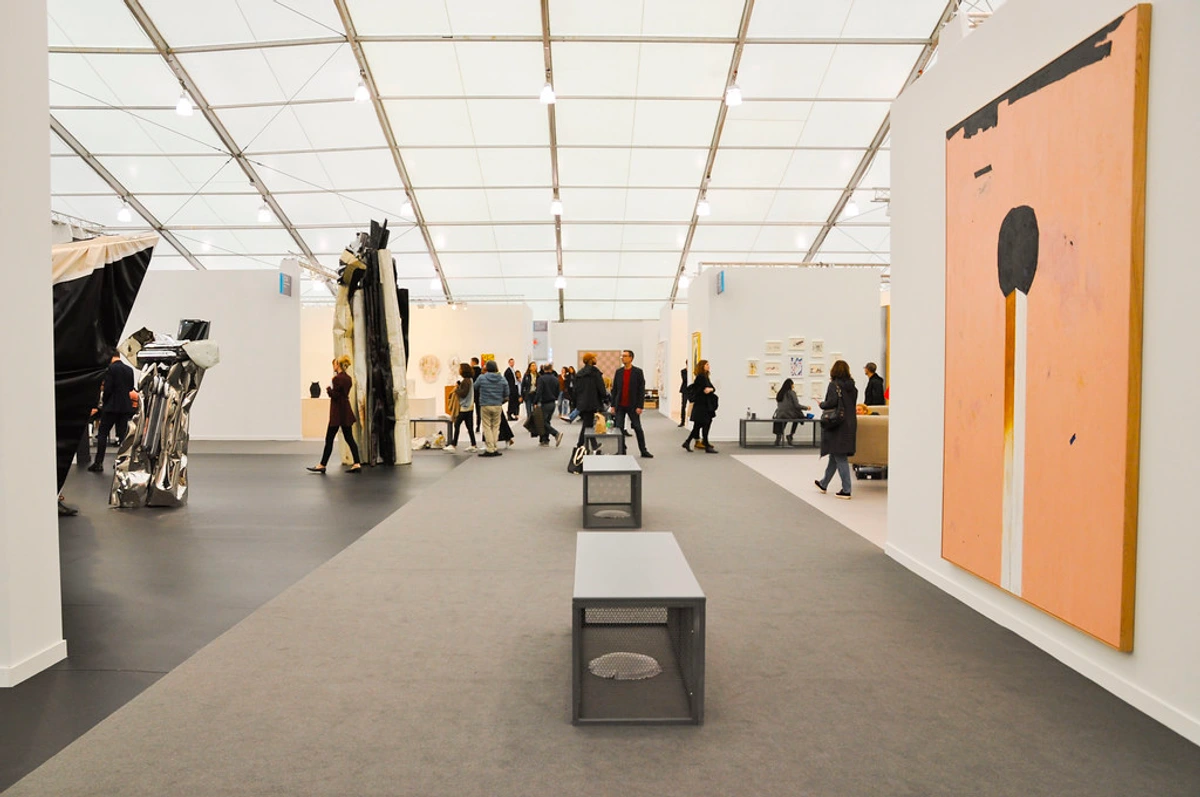
Once you're inside, it’s easy to feel like a deer in headlights. The sheer volume can be dizzying. Here’s how I learned to (mostly) keep my composure amidst the beautiful chaos:
1. Pace Yourself, Seriously
Trying to see every single piece of art is like trying to eat an entire buffet in one sitting. You'll just get a stomachache and miss the good stuff. Pick a section or a few galleries you want to prioritize. My strategy now is to do a quick sweep to get the lay of the land, then go back to booths that truly caught my eye. It's not a race; it's a marathon of aesthetic appreciation, so settle in for the long haul.
2. Engage, Don't Just Observe
This was a big one for me. I initially felt intimidated approaching gallerists. My internal monologue usually went something like, "Oh no, what if they think I'm just some gawker? What if I ask a stupid question? Better just admire from afar." It was a silly fear, really. Most are genuinely passionate about the art and happy to talk, even if you’re not a buyer. Overcoming that initial hesitation felt like a small personal victory, and I quickly found how rewarding these interactions could be. Ask questions about the artist, the inspiration, the medium. Beyond that, for fellow artists, this is a fantastic opportunity to observe the business side: how galleries present their artists, their exhibition strategies, how they scout new talent, or even what contract terms might look like. Don't be shy about asking how they build relationships with collectors or what they look for in an emerging artist. You'd be surprised how much you learn, and sometimes, these conversations sparked ideas for my own paintings for sale.
3. Take Notes and Photos (Respectfully)
My brain can only hold so much visual information. I take photos (always ask first, or look for signs explicitly permitting photography – some galleries are quite particular!) of pieces I love, along with the artist's name and gallery. I also jot down quick notes on my phone – a brief thought, a feeling, a question. This is invaluable later when you're trying to recall that incredible piece you saw in booth 3B. Trust me, they all blur together otherwise.
4. Don't Be Afraid to Love What You Love (Even If It's "Weird")
There’s a lot of pressure, especially for a first-timer, to try and understand the "important" art. But my advice? Gravitate towards what you find captivating. If a powerful, text-based piece by, say, Christopher Wool speaks to you, dive into it! Don't worry if it's not the "hot" piece everyone else is swarming. Art is personal, and your taste is valid. I once fell head over heels for an installation made entirely of dryer lint – and yes, some people politely ignored it, but for me, it was pure genius. I also remember being mesmerized by a performance piece involving a silent individual methodically folding hundreds of white shirts; it made me think deeply about repetition and labor in a way a painting rarely had. That's a lesson I apply to my abstract paintings too – paint what you feel, not what you think others expect.

Remember, the fair floor is a treasure hunt; keep your eyes, mind, and heart open, and don't be afraid to engage.
Beyond the Booths: Art Unlimited, Parcours & the Wider City
Art Basel truly expands beyond the main exhibition halls, offering entirely different and equally enriching experiences. Think of these as different chapters in a grand art narrative, each with its own unique flavor. It's like the fair itself encourages you to zoom out and see the bigger picture of how art interacts with space and public.
- Art Unlimited: This section is for monumental artworks – installations, large-scale sculptures, video projections, and even entire digital environments. It’s breathtaking and often where you find the most experimental and ambitious pieces. Imagine walking into a vast hall, confronted by a towering, iridescent sculpture that shifts color with your movement, or immersing yourself in a multi-channel video installation where sound and image completely engulf your senses, challenging your perception of reality. That's the scale we're talking about here. It's a powerful reminder of art's limitless possibilities, pushing the boundaries of what art can be.
- Art Parcours: These are public art installations scattered throughout the host city. It's a fantastic way to explore the city itself while encountering unexpected art in unexpected places. Picture this: you're casually strolling through an old town square, perhaps grabbing a coffee, and suddenly you round a corner to find a colossal, shimmering fabric sculpture draped over an historic fountain, or a series of illuminated projections transforming the facade of a centuries-old building. It's an urban treasure hunt where the city itself becomes an exhibition space.
- Museums & Galleries: While the fair is on, local museums and galleries often put on their best shows. If you’re in Basel, a trip to my museum in Den Bosch might not be on your immediate itinerary, but checking out the local art scene can be incredibly rewarding. It provides a different context, a calmer pace, and allows you to digest the art world at a slightly slower rhythm, away from the fair's intense energy.
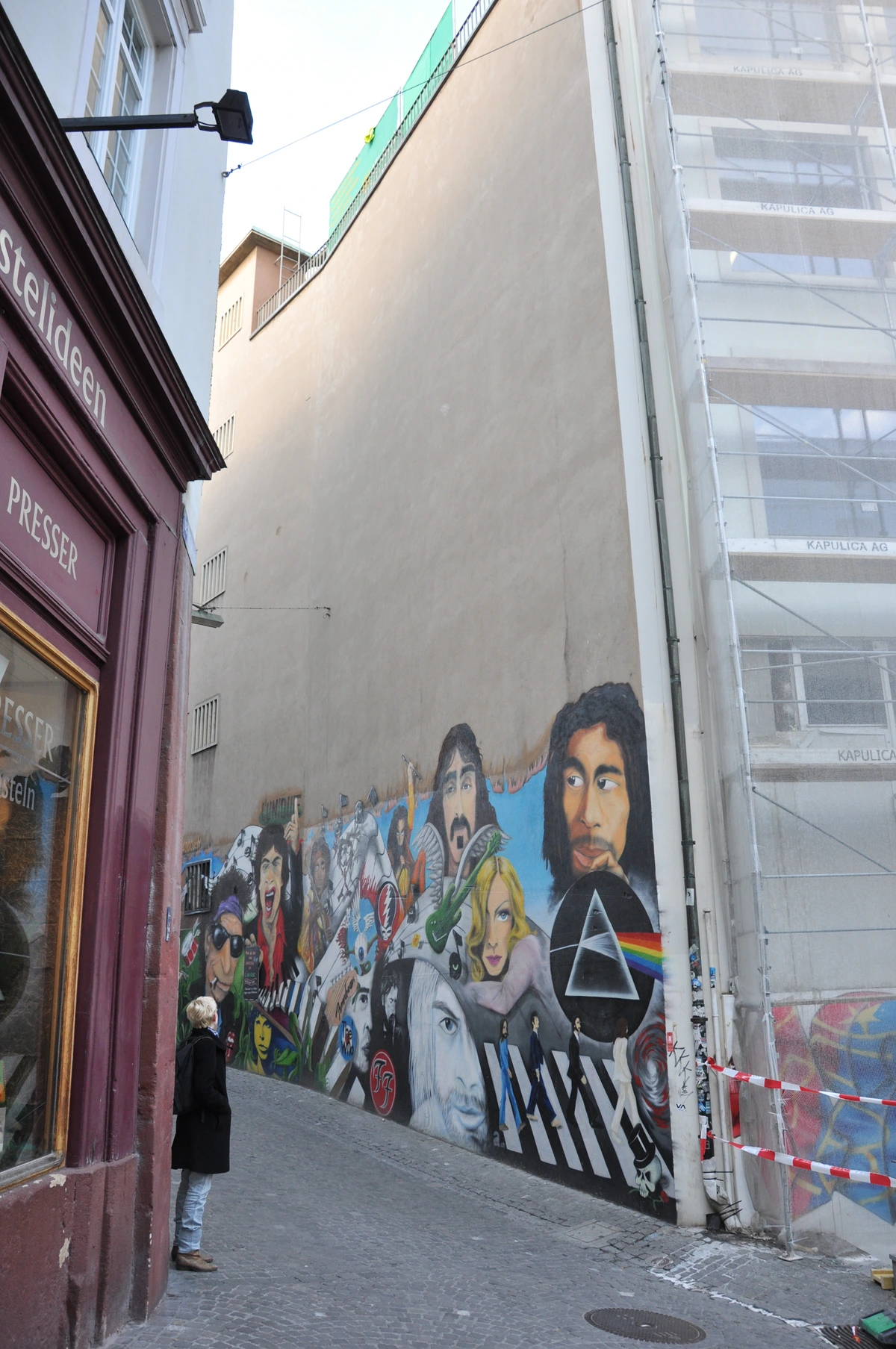
Don't limit yourself to the main fair; the city itself becomes an extension of the exhibition, offering art encounters around every corner.
Why Do Some Artworks Command Such High Prices? (Beyond the Price Tag)
Okay, let's talk about the elephant in the room: those eye-watering price tags you occasionally see. It’s easy to dismiss them as simply "rich people buying rich people things," but there's a fascinating, complex ecosystem behind it. The value of an artwork often comes down to several factors: its provenance (remember that documented history of ownership?), the artist’s reputation and their established place in art history, the rarity of their works, current market demand, and its historical or cultural significance. We also can't forget the influence of art critics and scholars, whose writings and discourse often solidify an artist's perceived value and intellectual standing within the art world. Then there's the concept of the "artist brand" – much like in any other industry, a recognized name, a unique style, and a consistent narrative around an artist's work can significantly amplify its market value. It's not just about what looks good; it's a tapestry of influence, history, perceived future value, and carefully cultivated identity.
For an artist, understanding this dynamic is like getting a peek behind the curtain of the art world's economy. Observing how galleries present their artists, the narratives they build, and the relationships they cultivate with collectors can be invaluable lessons for understanding how to price and market your own art. It also brings up crucial ethical considerations: are artists being fairly represented? Are contract terms equitable? How is intellectual property protected? These are questions that swirl beneath the polished surface of the market. And beyond the art market itself, these massive fairs like Art Basel bring a significant economic boost to their host cities, filling hotels, restaurants, and local businesses – proving that art has far-reaching impacts beyond just the canvas.
It's a world where passion meets commerce, and understanding a bit of both can make the experience even richer. Does knowing this context change how you view the art, or the prices? It certainly did for me.
Frequently Asked Questions for First-Timers
Here are some quick answers to the questions I hear most often (and certainly had myself!):
Q: Is Art Basel just for rich people?
A: Absolutely not! While big sales certainly happen, the vast majority of attendees are art enthusiasts, students, curators, and curious minds. It's a vibrant ecosystem where everyone has a place. Think of it more as a huge, dynamic exhibition and cultural gathering rather than just a marketplace.
Q: How much does it cost to attend Art Basel?
A: A single-day ticket can range from €40-€70, depending on the location and whether you buy in advance. Multi-day passes often offer better value. Consider student or senior discounts if applicable. Crucially, these prices are for entry tickets only; they don't cover your travel, accommodation, or that irresistible small sculpture you might suddenly need. Remember my earlier note about food and drink? Those costs can add up too! Compare this to a major concert or sporting event – it's often a comparable investment for an unparalleled cultural experience.
Q: How long should I spend at Art Basel?
A: I'd recommend at least one full day, preferably two, to get a good feel for the main fair and potentially a satellite fair or two. Trying to cram it all into a few hours will leave you exhausted and underwhelmed, trust me. It's a marathon, not a sprint, so allow yourself the time to breathe and absorb.
Q: Can I buy art there if I'm not a millionaire?
A: While the main fair often features high-value pieces, some galleries do bring smaller, more accessible works. More importantly, the satellite fairs are excellent places to discover emerging artists whose works might be within your budget. Don't be afraid to ask about prices – you never know until you ask! And if you're an artist yourself, it's also a great way to understand pricing and market value for your own art within this unique ecosystem.
Q: What should I wear?
A: Comfortable shoes (did I mention that already? Seriously, the shoes, again) are non-negotiable. Beyond that, dress comfortably and authentically. You'll see everything from haute couture to casual jeans – it's a wonderfully diverse crowd. Be yourself, but remember you'll be doing a lot of walking and standing, so prioritize comfort and practicality over making a grand fashion statement.
Hopefully, these quick answers help demystify some of the practicalities and calm any lingering jitters!
My Final Thoughts: Embrace the Chaos, Find Your Art
My initial fear of Art Basel eventually morphed into a profound appreciation. It’s a beast, yes, but a magnificent one. You’ll see art that challenges you, art that makes you laugh, and art that simply takes your breath away. You’ll meet fascinating people, learn new things, and come away with a fresh perspective on the contemporary art world. For an artist, it's like a shot of adrenaline to your creative spirit, a jolt of inspiration that resonates deep in your studio. It can even redefine your ideas of what's possible, for your own work and for the global art community.
So, if you’re a first-timer contemplating a visit, my advice is simple: go. Plan a little, but leave plenty of room for serendipity. Embrace the sensory overload – let it wash over you. Don't be afraid to ask questions or just stand and stare, letting a piece speak to you. Find what moves you, what sparks your curiosity, or even what utterly confuses you. Because ultimately, whether you’re a collector, a student, a fellow artist, or just a curious human, Art Basel offers an unparalleled glimpse into the vibrant, often baffling, and endlessly inspiring world of art. And you might just leave feeling a little less lost, and a lot more connected to the beautiful, messy world of creativity, ready to forge your own path.


See you there next time, perhaps? I'll be the one in the comfortable shoes, probably looking slightly bewildered but utterly delighted – and maybe a little tired, but in the best possible way.