Beyond the Canvas: The Essential People Powering Every Museum's Magic
Ever wondered who truly brings a museum to life? Discover the vital, diverse roles, from visionary directors and meticulous conservators to engaging educators and strategic fundraisers, that make art and history resonate. Explore intricate collaborations, ethical debates, and the impact of technology, all from an artist's unique perspective. An authoritative guide to museum jobs and careers.

Beyond the Canvas: The Essential People Powering Every Museum's Magic
Have you ever walked into a museum and felt that peculiar, almost inexplicable magic? That profound connection to history and human creativity that seems to emanate from the very walls? I certainly do. As an artist, I'm constantly thinking about the journey of a work from conception to public viewing. It’s not just a grand building that magically presents masterpieces; it’s a living, breathing organism powered by an incredible, diverse array of dedicated people. When I think about my own art studio and the solitary act of creation, it makes me appreciate the vast, collaborative effort that brings art to the world beyond my easel. It's like seeing a finished painting and then, almost miraculously, being able to peer into the artist's studio, seeing the brushes, the sketches, the coffee stains… all the bits that make the final piece sing. As an artist, I'm always looking for the hidden structures and processes that bring art to life, and understanding who does what behind the scenes has truly opened my eyes. I think it'll do the same for you, whether you’re simply curious, a student, or even considering a career in this fascinating world. Let's pull back that curtain together, shall we? From the boardroom to the conservation lab, we'll explore the diverse individuals who make this magic happen, ensuring cultural heritage thrives for generations.
The Guiding Hand: Vision, Strategy, and Oversight
Before we dive into the day-to-day, let's look at the very top – the strategic minds that chart the museum's course. This foundational leadership provides the framework for every other role we’ll discuss. They’re the ones making the big decisions, navigating complex landscapes, and ensuring the museum remains true to its mission.
Director/Leadership & Board of Trustees: The Captains of the Ship
At the very top, the Director (or CEO, or President, depending on the institution's structure) provides the overall vision and strategic direction for the entire institution. They're responsible for everything from major fundraising campaigns and external relations to managing staff and ensuring the museum fulfills its mission, acting as the public face and chief financial steward. It’s a huge leadership role, balancing artistic vision with financial realities, and guiding major decisions like significant acquisitions or new capital projects. They are, in essence, the conductor of this incredibly complex orchestra.
Overseeing the Director and the overall governance is often a Board of Trustees (or Directors). This volunteer body is legally and ethically responsible for the museum's mission, financial health, and long-term strategic planning, providing vital oversight and community connection. Boards are typically composed of community leaders, philanthropists, academics, and business professionals, chosen for their expertise and commitment to the museum's mission. Their strategic guidance ensures the museum remains true to its mission and serves the public trust, often wrestling with complex ethical questions, such as the repatriation of culturally sensitive artifacts or the legacy of colonial acquisitions. For example, a board might debate the ethical implications of de-accessioning a less significant work to fund a major acquisition, weighing financial needs against public trust and collection integrity.
The Front-Liners: Your First Impression Makers
While the strategic direction is set at the top, the immediate experience of a museum is shaped by those who greet you at the door and guide your initial exploration. These are the faces you often encounter first – the people who greet you, guide you, and enrich your visit. They're the welcoming committee, and honestly, they set the entire tone for your experience. Without them, museums would feel far less inviting, more like walking into an empty, echoing hall – which is definitely not the vibe we're going for when we want people to connect with art. They’re the first point of human contact in what can sometimes feel like an intimidating grand space, truly helping to demystify the art world for newcomers.
Visitor Services & Education: The Heartbeat of Engagement
From the moment you step through the doors, someone is there to ensure your journey is smooth. This includes the kind person scanning your ticket, the friendly face answering questions at the information desk, and the enthusiastic educators leading tours. They're not just gatekeepers; they're interpreters, storytellers, and problem-solvers, ensuring the museum isn't just a place to see things, but a place to experience them. Think about it: a warm greeting can instantly reduce any anxiety you might feel about entering a grand, sometimes imposing, cultural institution, making you more receptive to the art within. I remember once feeling utterly lost in a huge museum, intimidated by the sheer scale, until a friendly attendant pointed me to a specific exhibition with such enthusiasm that it completely changed my mood. That human connection is powerful.
Beyond just guiding, Museum Educators craft experiences: from interactive family workshops and accessible tours for diverse audiences to digital learning initiatives that extend the museum's reach far beyond its physical doors. This includes lectures, artist talks, teacher training programs, and comprehensive community outreach. Think about the careful planning that goes into making an exhibition accessible for someone with visual impairments – perhaps through tactile models of sculptures or audio descriptions – or designing a family workshop that sparks curiosity in a five-year-old. I’ve seen firsthand how a well-designed program can spark a lifelong love for art in a child, or help an adult connect deeply with a piece they initially found challenging, much like how a good mentor can illuminate the complexities of an abstract painting or a complex art movement. It’s a vital role, and their enthusiasm can make or break someone's first encounter with the arts. Their work creates the initial emotional connection that makes all the other behind-the-scenes efforts truly resonate.
Role  | Description | Key Skills | Programs & Responsibilities (Examples) |
|---|---|---|---|
| Visitor Services | Greet visitors, provide information, sell tickets, manage memberships, ensure a smooth and pleasant visit. | Customer service, communication, problem-solving, calm under pressure, extensive museum knowledge. | Handling diverse inquiries (from directions to art interpretation), managing queues, emergency response, membership sales, managing accessibility services. |
| Museum Educators | Develop and lead tours, workshops, and programs for all ages, making art accessible and engaging. | Public speaking, pedagogy, creativity, knowledge of art/history, curriculum design. | Crafting interactive family programs, leading docent tours, developing school curricula, artist talks, digital learning content, teacher workshops. |
| Accessibility Coordinator | Ensures all programs, facilities, and communications meet accessibility standards for diverse audiences. | ADA compliance, empathy, design thinking, community engagement, knowledge of assistive technologies. | Developing tactile maps, audio guides, sign language interpretation, accessible digital content, inclusive program design, staff training on accessibility. |
| Gallery Attendants | Monitor gallery spaces, protect artworks, answer visitor questions, and ensure safety and compliance. | Observational skills, vigilance, basic art knowledge, diplomacy, first aid. | Directing visitors, preventing accidental damage, enforcing museum rules, providing basic information, acting as first responders to incidents. |
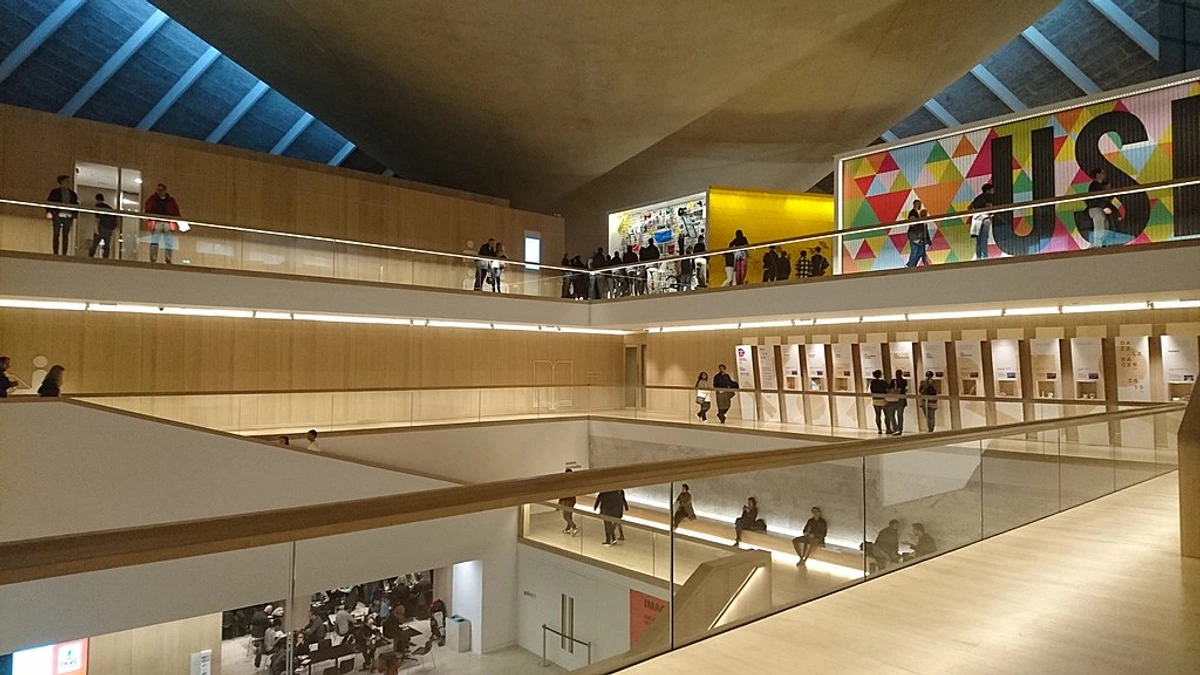
It’s this direct, human connection that often transforms a casual visit into a profound experience. Without their warmth and expertise, the art would remain a distant enigma. That’s why their role is truly indispensable.
The Guardians of the Collection: Preserving History (and Art!)
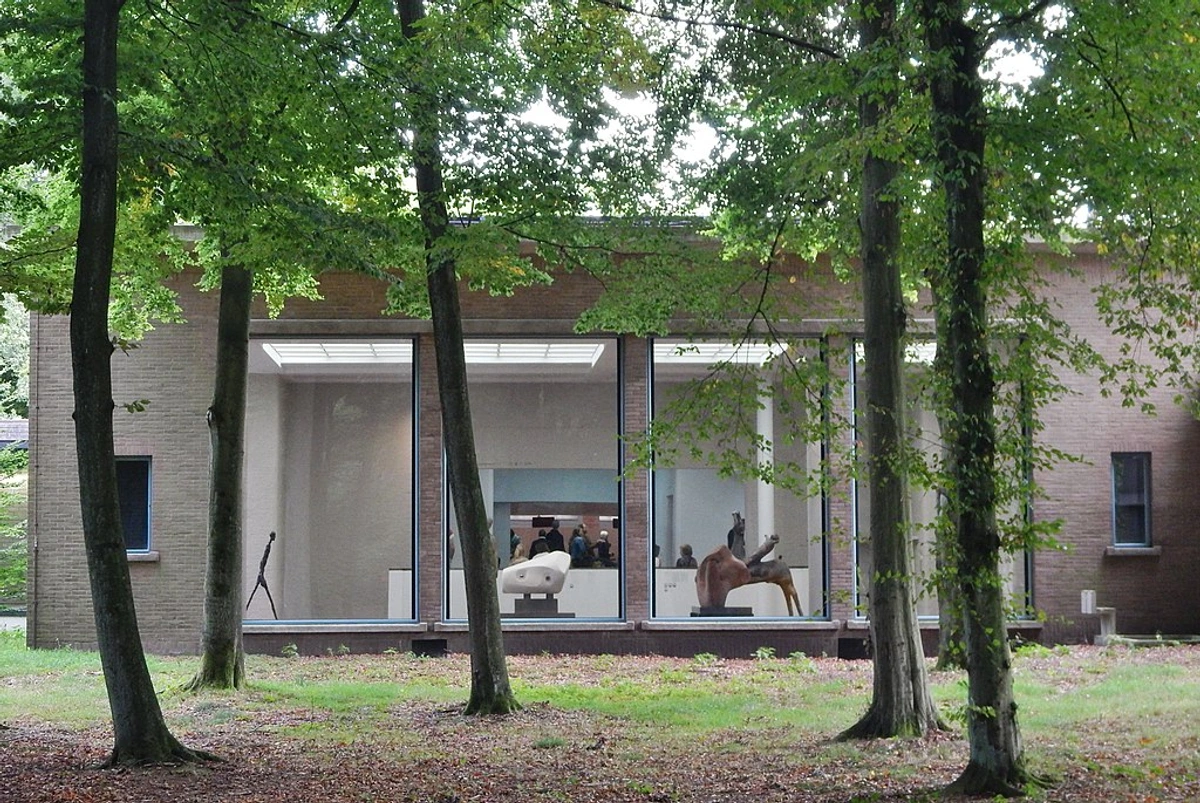
But beyond the welcoming faces and educational insights, the heart of any museum lies in its collection. Ensuring these treasures endure for future generations is a monumental task. What about the treasures themselves? The very reason we walk through those doors? This is where the guardians of the collection step in, managing the immense responsibility of preserving, documenting, and interpreting precious objects – some ancient, some contemporary – for now and for future generations. It’s a heavy responsibility, one I sometimes ponder when I think about the longevity of my own abstract art and the materials I choose. Will my colors fade? Will my wax layers crack? These are the people who literally keep art alive, ensuring its stories can be told for centuries.
Curators: The Visionaries and Storytellers
Ah, the curator! Often seen as the brains of the museum, and in many ways, they are. Curators are the ones who conceptualize exhibitions, research artworks, write scholarly texts, and essentially decide what stories the museum tells. They’re constantly digging, discovering, and synthesizing, creating narratives that help us understand the art world, both past and present. Their research delves into everything from meticulous provenance (the history of ownership – vital not just for ethical acquisition and identifying art forgeries, but also to understand an artwork's cultural journey and impact) and stylistic analysis to unearthing interdisciplinary connections that reveal new narratives. They might be delving into the life of a master like Rembrandt van Rijn or exploring cutting-edge contemporary practice.
There are many types, too: a Contemporary Art Curator might focus on emerging artists and challenging new forms like digital art, performance art, or ephemeral installations, grappling with how to document and present works that defy traditional display. A Textile Curator could specialize in ancient weaving techniques, historical garments, or contemporary fiber art, and their cultural significance, requiring deep knowledge of materials, history, and craft. Each brings a unique lens to the collection. They work hand-in-glove with exhibition designers, often from the very concept stage, ensuring their scholarly vision translates into a captivating physical experience. It’s a role that demands immense knowledge, passion, and a truly investigative spirit. I once had a chat with an art critic who really illuminated how much critical thinking goes into selecting pieces and framing their significance. When I think about my own pieces, I often wonder what story a curator might tell about them in 100 years. Assistant Curators or Curatorial Assistants often support senior curators in research, exhibition planning, and administrative tasks, gaining invaluable experience. Curators are also central to the crucial processes of collection development (strategically building the museum's holdings), accessioning (formally adding an object to the museum’s permanent collection), and, sometimes, de-accessioning (removing an object from the collection, a highly regulated and often debated process that requires careful ethical and legal considerations).
Registrars: The Meticulous Record-Keepers
If curators are the storytellers, registrars are the meticulous historians and logistics experts. They're responsible for the movement, documentation, and care of every single item in the collection, whether it’s on display, in storage, or on loan to another institution. Think about the sheer volume of paperwork, condition reports, and insurance details involved! Beyond physical artworks, they manage digital assets, ensuring the long-term accessibility and integrity of born-digital art (like NFTs) or digital documentation. They sometimes even manage blockchain records for these digital assets, ensuring verifiable provenance and ownership. When artworks travel for exhibitions, registrars meticulously handle loan agreements, orchestrating the complex ballet of insurance, customs clearance, and condition reporting – detailing every scratch and dust mote before and after transit. This detail is vital not only for insurance but also for tracking the artwork's health over its lifetime, preventing irreparable damage and potential financial losses. They ensure that every artwork has a complete, verifiable history, safeguarding the museum's assets. Honestly, if there's a problem, the registrar probably knew about it three weeks ago, had a contingency plan, and already filled out the paperwork for it! It makes me shudder to think of the sheer volume of paperwork, and frankly, it makes me appreciate how much effort goes into ensuring my own collector invoices are perfectly accurate! It's a monumental task, requiring an incredible eye for detail and organizational prowess.
Collections Managers & Archivists: The Stewards of Material and Digital Heritage
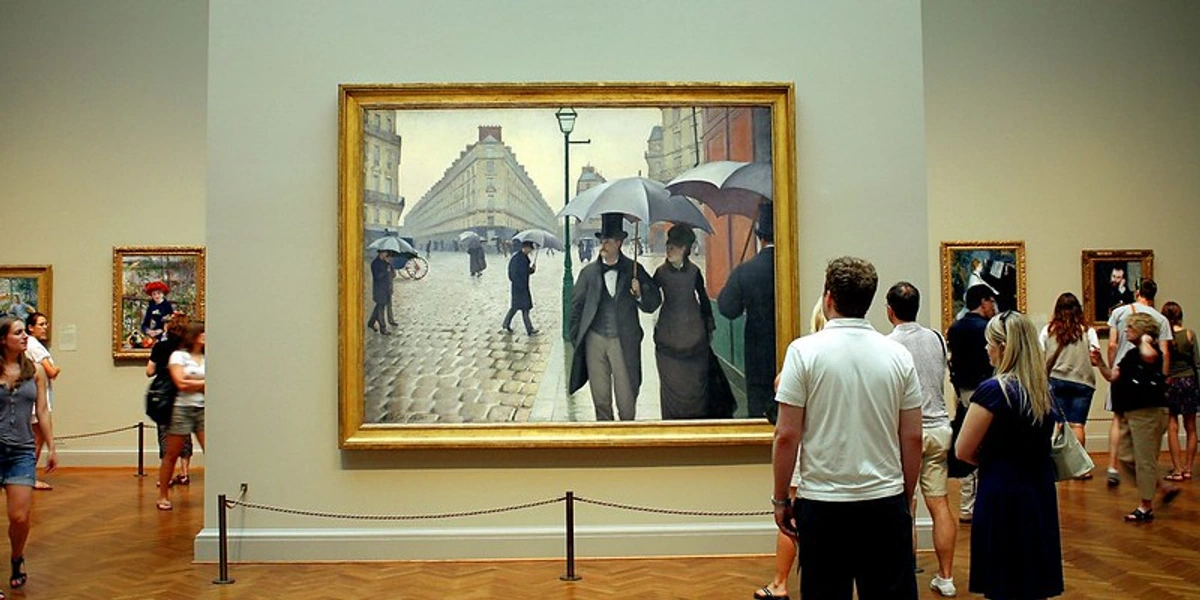
This role often works hand-in-hand with registrars and conservators, but their focus is distinctly on the long-term physical and intellectual accessibility of the collection. Collections Managers oversee the practical aspects of storage, inventory, and movement of the physical objects within the museum. They are constantly optimizing storage spaces, conducting regular inventories, and making sure everything is easily retrievable and stored under optimal conditions – which means they work closely with operations to maintain climate control and pest management. They utilize specialized storage solutions like flat file cabinets for works on paper, climate-controlled vaults for sensitive materials, and custom shelving for sculptures. Think of it this way: the Registrar is largely concerned with the paper trail and legal movement of art, while the Collections Manager is the primary steward of its physical well-being within the museum's walls.
Archivists, on the other hand, specialize in the systematic preservation of historical documents, institutional records, and digital assets – essentially the museum's memory. This includes everything from artist letters and photographs to exhibition plans and digital publications. Their work involves a deep understanding of information science and digital preservation techniques to prevent digital obsolescence. This is a surprisingly complex challenge in our rapidly evolving technological landscape, demanding strategies for file format migration (e.g., from old video codecs to modern formats), emulation of old software, and secure long-term storage of born-digital artworks or their documentation, ensuring that the 'digital' past remains readable and accessible. Some archives even employ Oral Historians to capture and preserve spoken histories from artists, curators, and other key stakeholders. They are the gatekeepers of the past, ensuring that not just the art, but also its context and history, remains accessible for research and future generations.
Conservators & Restorers: The Delicate Hands and Scientific Minds
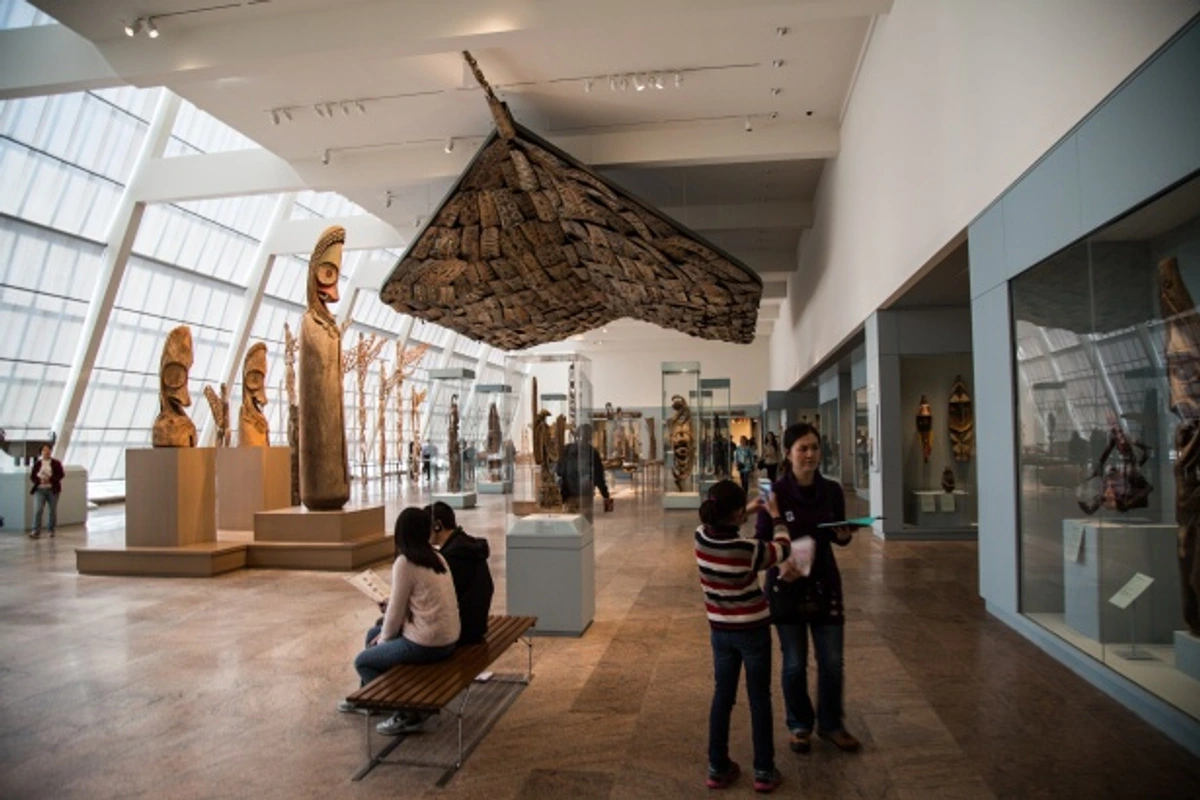
These are the unsung heroes who literally keep art alive. Conservators are highly specialized professionals who analyze, treat, and preserve artworks and artifacts, ensuring their stability and longevity. These highly specialized scientists and artisans often focus on particular materials: paintings, paper, textiles, sculpture, or even archaeological artifacts. Their work isn't just about 'fixing' something; it's about deep material science, often involving advanced analytical techniques like X-ray fluorescence (XRF) or Fourier-transform infrared spectroscopy (FTIR) to understand the artwork's composition, condition, and degradation mechanisms. They might even use 3D scanning to document fragile objects before treatment.
They adhere to strict ethical guidelines, prioritizing preventive conservation – establishing optimal environmental conditions like temperature, humidity, and light levels, as well as proper framing, mounting, and support systems – and ensuring any treatments are reversible. Reversible treatment means that any intervention can be undone without harming the artwork's original integrity, safeguarding the artist's original intent. For instance, they might identify that a painting is suffering from cracking due to fluctuating humidity, or fading pigments from light exposure, and devise a plan using specialized polymer chemistry to stabilize the paint layers without altering the artist's original intent. Or they might gently clean centuries of grime from a marble sculpture, or consolidate a crumbling ancient manuscript. It’s incredibly precise, painstaking work, sometimes taking years on a single piece.
Conservators also play a crucial role in exhibition planning, advising designers on safe display conditions and suitable materials. I sometimes wonder how my own encaustic painting, with its delicate wax layers, would be handled by these experts. This thought makes me think more deeply about the longevity and archival quality of my materials when I’m creating. For example, considering the light sensitivity of certain organic pigments or the brittleness of aged varnishes influences my choice of UV-resistant finishes and durable substrates. They also intersect with art forensics, using scientific methods to detect forgeries or analyze the authenticity and age of artworks, a fascinating blend of science and art history. An example in art forensics might be using carbon dating to verify the age of a canvas or identifying anachronistic pigments.
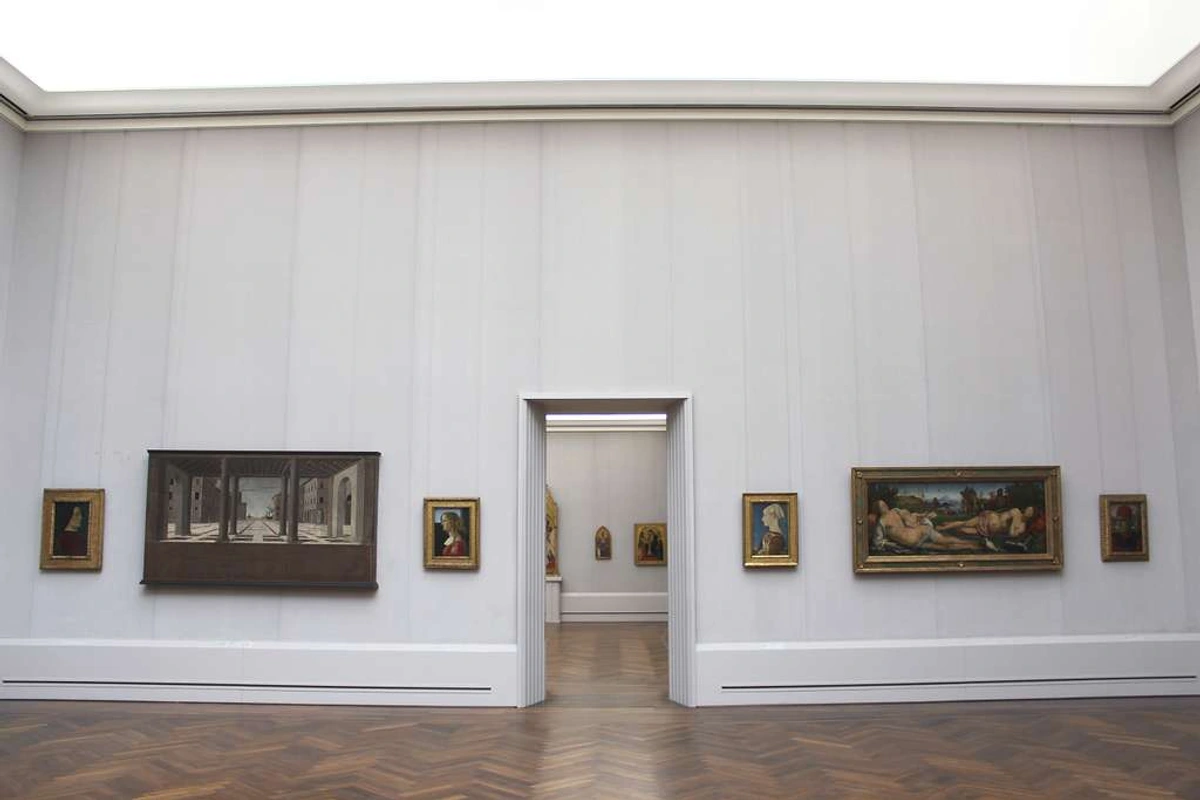
These guardians are the silent protectors, ensuring that the voices of the past, and indeed the present, continue to speak to future generations. Their dedication means we can all continue to learn and be moved by human creativity.
Role | Focus | Daily Tasks (Examples) | Key Skills & Responsibilities |
|---|---|---|---|
| Curator | Research, interpretation, exhibition development, collection building, ethical acquisition/de-accession. | Writing proposals, conducting research, acquiring new art, designing layouts, provenance studies, grappling with performance/digital art display. | Scholarly research, storytelling, exhibition concept development, collection management, ethical decision-making, writing. |
| Registrar | Collection management, documentation, loans, insurance, legal compliance, condition reporting. | Tracking inventory, preparing loan agreements, managing storage, orchestrating transit, maintaining digital artwork records (e.g., NFTs). | Meticulous documentation, logistics, legal knowledge (IP, customs), insurance management, condition assessment, digital asset management. |
| Collections Manager | Physical organization, inventory, storage optimization, climate monitoring, pest management. | Overseeing storage, conducting inventories, coordinating object movements, ensuring optimal environmental conditions for physical objects. | Material handling, inventory systems, environmental control (temp/humidity), pest management, emergency preparedness. |
| Archivist | Preservation of institutional records, historical documents, and digital assets. | Cataloging documents, digital preservation strategies (file migration, emulation), providing research access, managing museum's historical memory. | Information science, digital preservation, metadata management, historical research, access provision. |
| Conservator | Preservation, restoration, scientific analysis, preventative care, art forensics. | Examining artworks, cleaning, repairing, advising on display conditions, material science analysis (XRF, FTIR), forgery detection. | Art chemistry, material science, treatment techniques, ethical decision-making, preventative conservation, scientific analysis. |

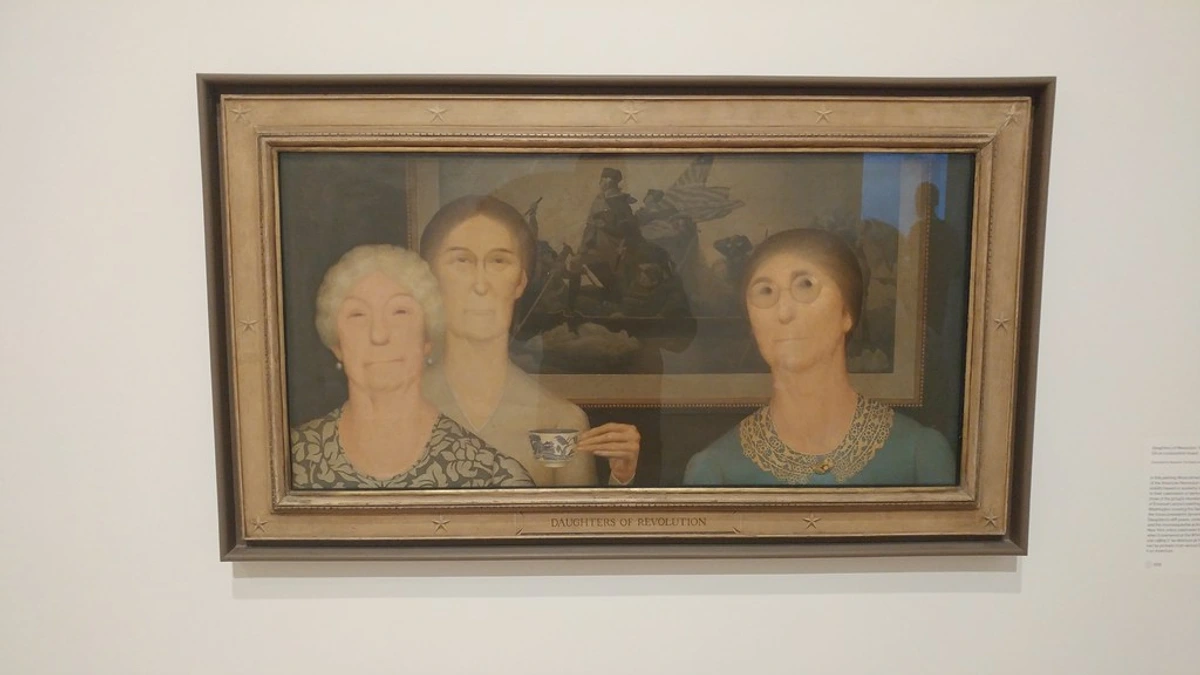
The Masterminds Behind the Scenes: Making it All Happen
The guardians meticulously preserve the collection, but how does a curator's vision for a new exhibition actually take shape and become a tangible experience for visitors? The visionaries have conceived the story, the guardians protect its treasures – but how does this grand narrative actually materialize for you, the visitor? Beyond the art itself, there's a whole world of strategic planning and logistical wizardry that turns an idea into a full-blown exhibition. This is where the magic really gets assembled, piece by piece, sometimes under tight deadlines and often with incredible ingenuity. It's truly a collaborative dance.
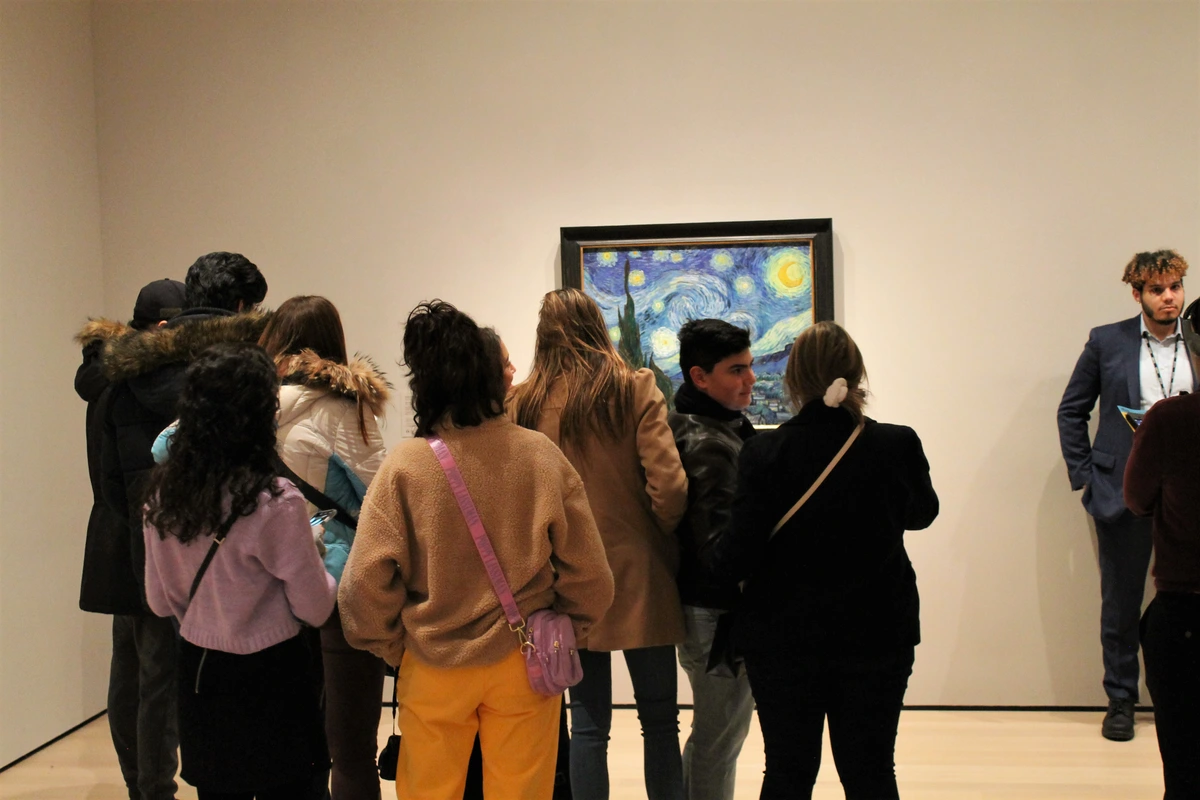
Exhibition Development & Physical Installation: Bringing Vision to Life
This crucial phase involves a team of specialists working in concert to translate a curator's concept into a tangible experience. It's an intricate ballet of problem-solving, precision, and practical artistry.
Project Managers & Exhibition Registrars: The Orchestrators
Often working behind the scenes, Exhibition Project Managers are the unsung heroes who coordinate timelines, budgets, and cross-departmental efforts for complex shows. They ensure that every piece of the puzzle – from loan agreements to installation schedules – fits perfectly. A challenge they might face is coordinating an exhibition with pieces arriving from multiple international lenders, each with unique packing and handling requirements, all while navigating tight gallery access hours. Working closely with them, specialized Exhibition Registrars focus purely on the logistical intricacies of temporary loans. They identify potential lenders, negotiate terms, prepare loan agreements, and meticulously orchestrate the safe transport and handling of artworks coming in from other institutions. This includes managing crucial aspects like international customs clearance and comprehensive insurance coverage. It's a high-stakes game of international diplomacy, meticulous paperwork, and precise timing. Without them, that blockbuster show you're excited to see simply wouldn't arrive.
Preparators, Installers & Art Handlers: The Muscle and Precision
These are the folks who physically bring the exhibition to life. Preparators and Installers handle, move, pack, and install every artwork with astonishing care and precision. Think about hanging a giant canvas or assembling a complex sculpture – it’s not just brute strength; it requires meticulous planning, an understanding of physics, and often custom fabrication. They might build custom mounts for delicate sculptures, create temporary walls, or design specialized pedestals. They tackle everything from safely rigging a monumental sculpture to delicately installing a miniature drawing. Working with complex pieces like multi-part installations or site-specific works, navigating tight spaces, or dealing with unexpected structural limitations are daily challenges requiring immense problem-solving skills, adherence to strict safety protocols, and, yes, a good dose of engineering intuition. Then there are specialized Art Handlers, who focus purely on the safe transportation and movement of artworks, often with highly specialized equipment and methods. They work closely with curators and designers to ensure everything is perfectly placed, safely secured, and beautifully presented. I imagine it's a bit like a highly choreographed ballet, but with priceless objects! They might even consult with an expert art framer to ensure proper mounting and presentation, which I think about even for my own how-to-apply-gesso-to-canvas for exhibition.
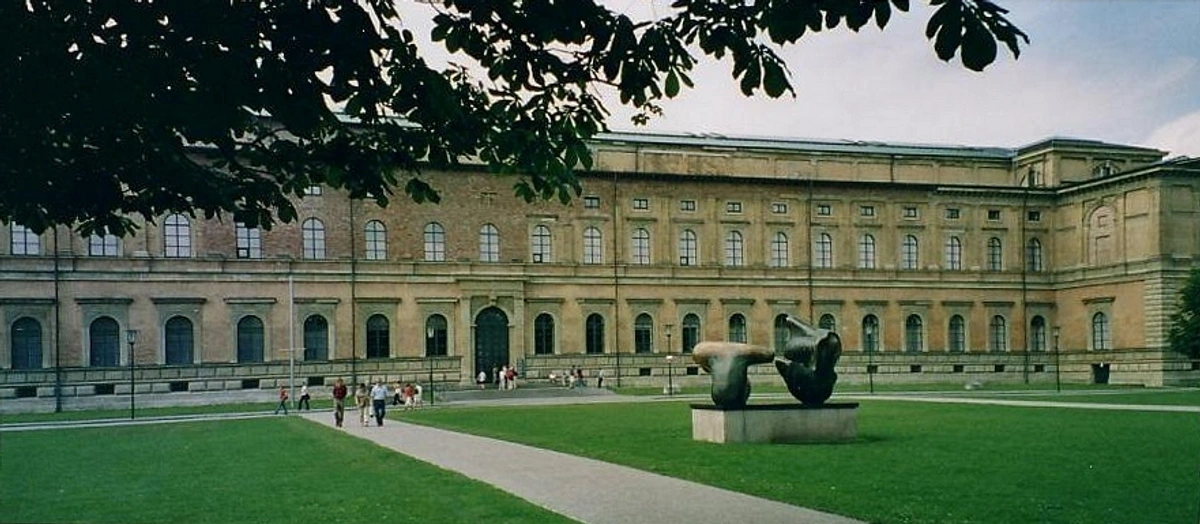
Exhibition Designers: The Architects of Experience
Ever walk into a gallery and feel totally immersed? That's the work of an exhibition designer. They translate the curator’s vision into a physical space, designing the layout, lighting, color schemes, and even the flow of visitors. They decide where walls go, how vitrines (those often custom-built glass display cases) are angled, and what kind of atmosphere each room evokes. They meticulously plan sightlines (what you see from different points, and what you don't want to see), control ambient soundscapes, integrate interactive elements (sometimes leveraging AR/VR for immersive experiences), and, critically, ensure universal accessibility by design, adhering to standards like ADA. This means designing circulation paths that accommodate wheelchairs and strollers, providing seating at appropriate intervals, and ensuring clear signage in multiple languages or formats. They also use lighting design not just for aesthetic impact but also to meet specific conservation requirements for delicate artworks. It’s a fascinating blend of architecture, interior design (I've definitely learned a thing or two about decorating with art from observing museum layouts), and storytelling. Their goal is to make your journey not just informative, but emotionally engaging and physically comfortable, transforming a conceptual theme into a tangible, sensory experience. They are the stagehands who build the world the curator has envisioned, always consulting with conservators to ensure the safety of the precious artworks.
These teams, working in a symphony of practical and creative skills, are what transform a concept into the captivating physical spaces we explore. It's a testament to incredible collaboration and problem-solving.
Public Engagement & Funding: Reaching Out and Sustaining Growth
Once an exhibition is built, the next challenge is to share it with the world and ensure the museum has the resources to continue its vital work. After all, the art can't inspire if no one sees it, and the building won't stay open without sustained support.

Marketing & Communications: Telling the World
What’s the point of putting on an amazing exhibition if no one knows about it? This team is all about getting the word out. They craft press releases, manage social media, design advertisements, and build relationships with media outlets. For blockbuster shows, this might mean a global advertising blitz; for niche retrospectives, a targeted digital campaign reaching specialized audiences through email newsletters, paid search advertising, influencer collaborations, or partnerships with local businesses and other cultural institutions. They analyze engagement metrics – ticket sales, social media reach, website traffic – to continuously refine strategies. Public Relations (PR) professionals within this team manage media relationships and handle crisis communication, ensuring the museum's public image remains positive. Their job is to entice you, spark your interest, and make you want to visit. They’re the bridge between the museum’s internal work and the public, ensuring that the stories being told inside are heard far and wide. Their success isn't just about attracting crowds; it's about building a community around the museum's mission in a competitive world, shaping the public's perception and excitement. As an artist, I keenly observe how these teams create a narrative for the art, much like how I strive to create a compelling narrative around my own abstract pieces.
Development & Fundraising: The Budget Whisperers
Let’s be honest, museums aren’t cheap to run. Exhibitions cost money, conservation costs money, even keeping the lights on costs money! This team is responsible for securing the financial resources that make everything possible. They navigate a complex landscape of funding models: cultivating relationships with individual donors (those passionate patrons), securing corporate sponsorships (often for specific exhibitions or programs), writing compelling grant proposals for foundations (which support specific projects or general operations), and managing endowment funds for long-term sustainability. The art of grant writing, I've learned, is almost as creative as painting, requiring persuasive storytelling and meticulous budgeting. They also explore earned income streams such as retail operations (gift shops), cafe/restaurant operations, event rentals for private functions, and educational program fees. Membership Programs are also a significant tool for both fundraising and building community loyalty. A crucial aspect of their role is stewardship – ensuring donors are appropriately thanked and informed of the impact of their contributions. It’s a crucial, often unsung role, and without their tireless efforts, many of the groundbreaking exhibitions and educational initiatives simply wouldn't see the light of day. They're truly the lifeblood that keeps the institution healthy and thriving. For those interested in this side of the art world, you might enjoy learning more from a gallerist on discovering new talent about the financial realities of supporting artists.
Community Engagement & Partnerships: Building Bridges
Often working closely with education and marketing, the Community Engagement team focuses on building genuine relationships with diverse local communities, schools, artists, and other cultural organizations. They might develop outreach programs like mobile museum initiatives or pop-up exhibitions in underserved neighborhoods, co-create exhibitions that reflect local narratives, or organize collaborative events such as joint exhibitions with local artist collectives or cultural festivals. Their goal is to ensure the museum is seen not just as a repository of objects, but as a vibrant, relevant civic space that truly serves and reflects its surrounding populace. This ensures the museum remains a vital part of its community's fabric, breaking down barriers and fostering inclusion.
These teams are the external voice and financial backbone of the museum, ensuring its stories are heard and its future is secure. Their work allows the internal magic to continue, year after year.
Role | Key Contribution | Why They're Crucial | Responsibilities (Examples) |
|---|---|---|---|
| Project Manager | Coordinates exhibition timelines, budgets, and departmental efforts. | Ensures complex shows are delivered on time and within scope. | Overseeing multi-departmental coordination, risk assessment, vendor management, ensuring adherence to deadlines and budget. |
| Exhibition Registrar | Manages logistics, loans, and transit for temporary exhibitions. | Critical for safe and compliant movement of borrowed artworks. | Negotiating loan agreements, managing international customs, arranging specialized art transport, ensuring insurance coverage for temporary exhibitions. |
| Preparator/Installer | Safe handling, installation, and de-installation of artworks. | Ensures art is physically presented safely and beautifully. | Custom mount fabrication, artwork rigging, gallery wall construction, precise placement of objects, adhering to safety protocols during installation. |
| Art Handler | Specialized transportation and movement of delicate artworks. | Critical for the safe transit of priceless objects, especially for complex or multi-part works. | Secure packing, climate-controlled transport, careful unwrapping/repacking, positioning large/fragile objects, adhering to strict handling guidelines. |
| Exhibition Designer | Creates the immersive, aesthetic experience of the exhibition. | Transforms concepts into engaging, navigable, and accessible spaces. | Space planning, lighting design, graphic design (signage), vitrine design, visitor flow, integration of interactive/digital elements (AR/VR), accessibility. |
| Marketing/Communications | Promotes the museum and its programs to attract visitors. | Connects the museum's offerings with a wider audience, builds community. | Press releases, social media management, advertising campaigns (print, digital, influencer), media relations, website content, email newsletters. |
| Development/Fundraising | Secures financial support for all museum operations and projects. | Provides the essential funding that makes everything possible and ensures long-term viability. | Donor cultivation, grant writing, corporate sponsorships, endowment management, membership programs, earned income strategies (retail, events). |
| Community Engagement | Builds relationships with local communities, schools, and partners. | Ensures relevance, broadens reach, and fosters inclusion. | Outreach programs, collaborative exhibitions, public forums, cultural festivals, partnerships with local organizations, volunteer programs. |
The Foundation: Keeping the Doors Open (and Safe)
With exhibitions mounted and outreach in full swing, the physical and operational backbone of the museum ensures this entire intricate operation can function smoothly and safely, day in and day out. Underpinning all of this creative and intellectual endeavor are the teams that ensure the physical and operational integrity of the museum. These are the people who make sure the building stands, the systems work, and everyone is safe. Often unnoticed, but absolutely essential. It’s the invisible backbone, allowing the more visible magic to happen, and directly supporting the preservation efforts of conservators and collections managers.
Operations & Facilities: The Unsung Heroes
These are the people who keep the building itself running. From HVAC systems that maintain precise climate control (absolutely critical for preserving delicate artworks like paintings, paper, and textiles, which require specific temperature and humidity levels – often monitored with advanced IoT sensors, aiming for ranges like 68-72°F and 45-55% RH) to cleaning services, and general maintenance – they handle it all. This includes the highly specialized technical needs of art storage, like advanced fire suppression systems designed not to damage artworks (e.g., inert gas systems rather than water-based sprinklers), sophisticated pest management (because no one wants bugs in their masterpieces!), and continuous structural maintenance. They also play a critical role in ensuring the building meets all public accessibility standards (like ADA), making the museum truly welcoming for everyone. Many facilities teams are also involved in energy efficiency and sustainability initiatives, from LED lighting upgrades to waste reduction programs. Imagine the logistical nightmare of maintaining a large, public building filled with priceless objects! Their work directly impacts the comfort and safety of visitors and the longevity of the collection, though it's almost invisible when done well. Truly, the unsung heroes whose daily vigilance ensures the very environment that allows art to thrive.

Security: The Watchful Eyes
This role is exactly what it sounds like, but with a nuanced twist. Museum security isn't just about preventing theft; it's about safeguarding the collection from damage, vandalism, and environmental threats, as well as ensuring the safety of all visitors and staff. This often involves a multi-layered approach, from front-line gallery attendants (who are often the first line of defense against accidental damage or minor incidents, and also provide visitor education) to specialized art handlers' security during transit and installation, and advanced electronic surveillance monitored by a dedicated team. This can include motion detectors, laser grids, pressure sensors, and panic buttons, all connected to a central monitoring station. They implement and monitor security systems, patrol galleries, and respond to emergencies. It's a constant, vigilant effort that gives us all peace of mind as we wander through the exhibits. Thinking about my own art, I often wonder about the journey it takes and the careful hands that safeguard it at every step, a responsibility I wouldn't wish on my worst enemy (mostly joking!).
Legal Counsel: Navigating the Complexities
While not always a dedicated internal department, museums frequently rely on Legal Counsel to navigate the complex web of laws surrounding their operations. This includes advising on ethical acquisitions and de-accessioning, intellectual property rights (especially crucial with digital and contemporary art), contract negotiations for loans and exhibitions, and ensuring compliance with national and international regulations, such as UNESCO conventions related to the illicit trafficking of cultural property and various restitution claims. Their expertise is vital for protecting the museum's assets and reputation, and for ensuring all its activities are conducted ethically and lawfully.
Volunteer Coordinators & Volunteers: The Heart of Community Engagement
Many museums, especially smaller ones, thrive on the dedication of volunteers. Volunteer Coordinators recruit, train, and manage these invaluable individuals, ensuring they're placed in roles where their skills can best support the museum's mission. Volunteers might lead tours (docents), assist in educational programs, help with administrative tasks, support collections research, create social media content, assist with event setup/takedown, or even provide specialized support for public programming. They bring a vital connection to the local community and often a deep personal passion for art and history. Their enthusiastic contributions extend the museum's reach and enrich the visitor experience in countless ways, often becoming the public face of the museum and invaluable ambassadors.
These roles form the essential backbone, ensuring the museum's physical and legal integrity, allowing all other aspects of its vital work to flourish safely and sustainably.
Role | Key Contribution | Why They're Crucial | Responsibilities (Examples) |
|---|---|---|---|
| Director/Leadership | Provides overall vision, strategic direction, and financial stewardship. | Guides the institution's mission and ensures long-term viability. | Overall institutional management, major fundraising, external relations, staff management, strategic planning, public representation, financial oversight, balancing artistic vision with financial realities. |
| Board of Trustees | Provides governance, oversight, and fiduciary responsibility. | Ensures ethical practice and strategic alignment with public trust, addresses ethical dilemmas like repatriation. | Setting institutional policy, financial oversight, fundraising, community advocacy, legal and ethical compliance, long-term strategic planning, executive director oversight. |
| Operations/Facilities | Maintains the physical building and its critical systems. | Guarantees a safe, stable, and art-appropriate environment for art and visitors, leverages IoT for monitoring. | HVAC (climate control), cleaning, general maintenance, specialized art storage infrastructure (fire suppression, pest management), building accessibility, energy efficiency, structural maintenance. |
| Security | Protects the collection, visitors, and staff from harm and threats. | Ensures peace of mind and safeguards priceless assets against theft, damage, and environmental risks through multi-layered systems. | Electronic surveillance (motion, laser, pressure sensors), physical patrols, emergency response, visitor/staff safety, theft prevention, vandalism deterrence, environmental threat monitoring, incident reporting. |
| Legal Counsel | Advises on legal complexities: acquisitions, IP, contracts, compliance. | Protects museum's assets and reputation, ensures ethical and lawful operations. | Ethical acquisition/de-accession, intellectual property, contract negotiation, compliance with national/international cultural heritage laws, restitution claims, litigation management. |
| Volunteer Coordinator | Manages and supports the museum's volunteer force, including docents. | Extends reach, deepens community connection, and enhances visitor experience through dedicated ambassadors. | Recruitment, training, scheduling, supervision, appreciation events, matching volunteers to roles (tours, admin, education, social media, events). |
My Artistic Reflections: The Ecosystem of Creation and Care
As someone who spends a lot of time in my own art studio creating, I find it endlessly fascinating to peel back the layers of a museum. It makes me appreciate the entire ecosystem of art even more – from the initial spark of creation to its presentation, preservation, and interpretation. Understanding the journey of an artwork, from my studio to potentially a museum wall, deeply influences my artistic choices. I think more consciously about the longevity of materials, the archival quality of my paints, and even the narrative potential embedded within each piece, knowing that it might one day be part of a larger story curated by others. For example, when I consider my choice of pigments or the substrate for a new painting, I'm now acutely aware of how these decisions will impact a conservator's work decades or centuries from now. I think about the light sensitivity of certain organic pigments, the potential brittleness of aged varnishes, or how certain adhesives might off-gas over time. This informs my use of UV-resistant varnishes and ensures I select stable, archival-quality materials. I also think about how light sensitivity of certain colors will dictate how my work might eventually be displayed in a museum, informing my use of UV-resistant varnishes and careful consideration of how controlled lighting, which I think about in my studio, is replicated and optimized within museum spaces to enhance the viewing experience and preserve the artwork. It truly closes the loop between the solitary act of creation and the grand collaborative act of cultural stewardship.
It reminds me that art isn't just about the lone artist; it's a collaborative journey that involves countless hands and minds. It’s a beautiful thought, really, to think that an artwork I create might one day be part of such a complex and dedicated system. And if you're an aspiring artist, understanding these intricate roles can profoundly influence how you approach your own work, prompting questions about material science, presentation, and the long-term impact of your art. It might even open your eyes to fascinating career paths you hadn't considered within this vibrant world. It’s all interconnected, a big, beautiful puzzle where every piece, every person, is essential.
Frequently Asked Questions (FAQ)
What's the best way to get a job in a museum?
Honestly, it's a mix of passion, education, and networking. Many roles require specific degrees: Art History or Museum Studies for curators and educators; Conservation Science for conservators; Archival Science or Information Science for archivists; Arts Administration or Nonprofit Management for development and project managers; and sometimes even Anthropology for ethnographic collections. Volunteering or interning is hugely valuable for gaining experience and making connections – it's often the best foot in the door. Look for opportunities to assist with collections care, educational programming, or administrative tasks. For instance, an aspiring registrar could create mock condition reports, while a future curator might volunteer with research for an upcoming exhibition. Networking is also key: attend industry conferences, join professional organizations (like the American Alliance of Museums or ICOM), and utilize platforms like LinkedIn. Don't be afraid to reach out to people in roles you admire for informational interviews. Consider how your transferable skills from other industries (e.g., project management, marketing, finance) might apply. Start small, show enthusiasm, and persistence and a willingness to learn are key. Building a portfolio, even for non-artistic roles (like a portfolio of grant proposals for development, or social media campaigns for marketing), can also make a huge difference, much like an artist crafts their artist statement to stand out.






Do all museums have the same roles?
While the core functions (collection care, exhibitions, visitor engagement) remain consistent, the specific roles and their titles can vary greatly depending on the size, type, and mission of the museum. A small historical society might have staff wearing many hats, with one person juggling curatorial and registrar duties, while a large national institution will have highly specialized departments. Think of it like a symphony orchestra versus a small jazz trio – both make music, but with different instruments and structures. For instance, a small house museum might have a single 'Director/Curator' handling all aspects, whereas a large science museum would have specialized exhibit designers, educators for scientific topics, and extensive research staff. The essence is the same, but the execution adapts to the scale and focus.

What's the difference between a museum and a gallery, an art center, or other spaces?
Great question! Generally, a museum (typically non-profit) focuses on collecting, preserving, researching, and exhibiting for public education and the long-term stewardship of cultural heritage. A gallery, especially a commercial one, is primarily for-profit, focusing on the sale of art. However, the spectrum is broader: archives meticulously store primary source documents and records for historical preservation, art centers often host non-collecting exhibitions, workshops, educational programs, and sometimes even artist studios or maker spaces. Non-collecting exhibition spaces, sometimes called