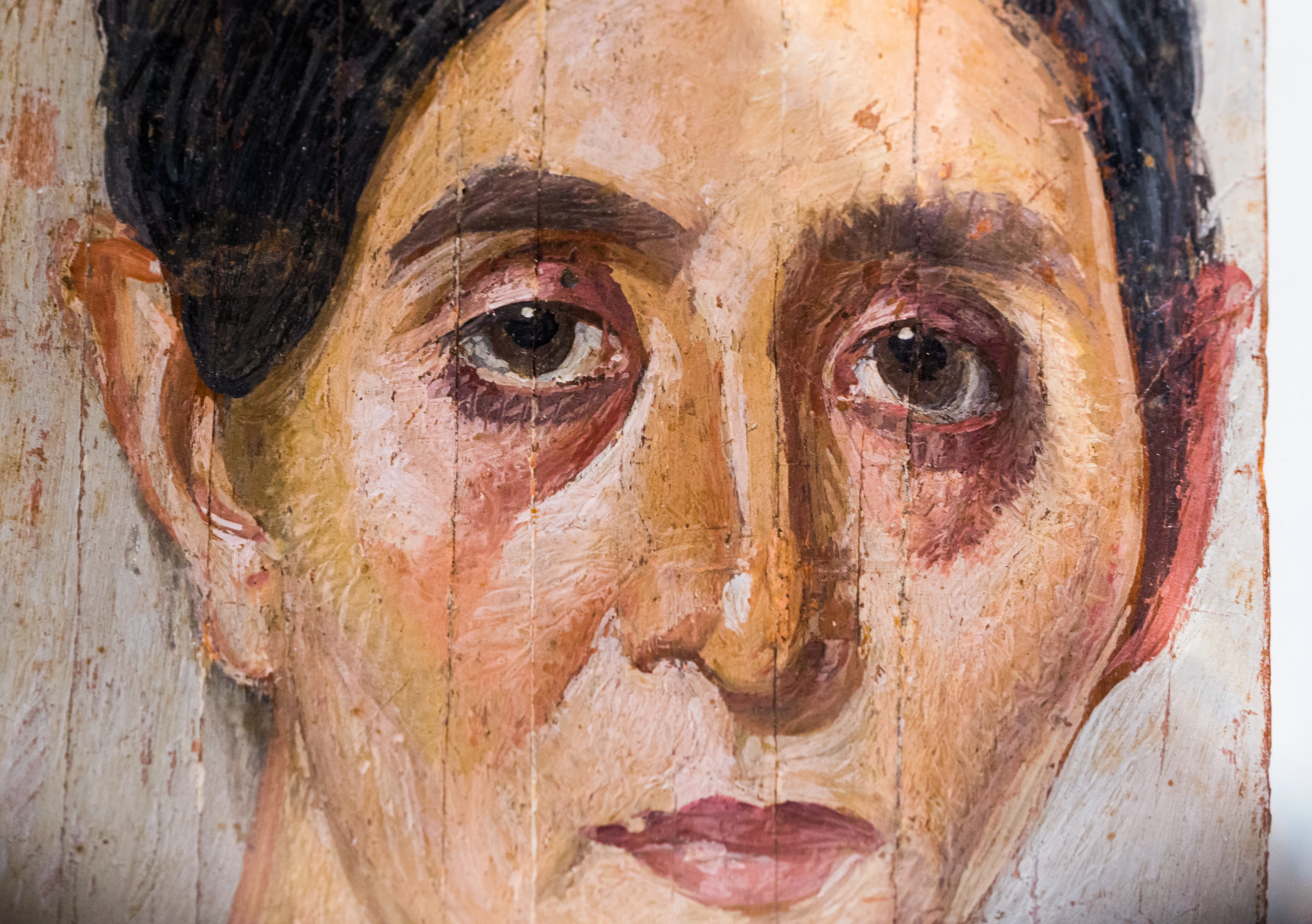
Art in Diplomacy: Weaving Deeper Global Connections Through Culture
Explore how art acts as a universal language, soft power, and economic driver in diplomacy. Delve into its complexities, from ethical appropriation to challenging narratives, fostering understanding across borders with personal insights.

Title
Sometimes I stare at the scrolling news cycle, feeling that familiar knot of frustration, a world seemingly caught in an endless loop of shouting matches and stubborn misunderstandings. It’s enough to make you throw your hands up, isn’t it? I often catch myself thinking, "Is there anything that truly cuts through all this noise, all this static that keeps us apart?" This feeling often brings me back to something my art teacher used to say about colours – how even the most clashing hues can find a surprising harmony when placed just right. I think about that a lot, especially when I consider the role of art in diplomacy and cultural exchange. It's a conviction that deepened for me years ago when I first started traveling. I was terrible at languages. Utterly hopeless, actually. But I vividly remember standing in front of a piece of art in a gallery in a country where I didn't speak a word, and feeling this profound sense of connection. It was like the artist was speaking directly to my soul, bypassing the mind's usual filters and directly engaging my emotions. That’s the power, isn't it? Its influence isn't always loud or obvious, but it quietly weaves some of the most resilient threads between nations, acting as a subtle but strong connector. I truly believe it's one of diplomacy's most beautiful, messy, and absolutely necessary secrets. It’s about forging genuine human connection when words often fail, moving beyond stiff suits and endless negotiations to a shared human experience evoked by a painting, a song, or a sculpture. That, to me, is where the real magic happens, and it's this multifaceted power of art in diplomacy that we'll unravel here. It's an idea that keeps me going, pushing me to create new pieces and share them, hoping they spark a little connection somewhere, with someone.
<h2>Art as a Universal Translator: Speaking to the Human Soul</h2>This idea of connection, this elusive harmony, really clicked for me. Art transcends linguistic barriers; it taps into something fundamentally human. It's not just visual art either; think about the universal appeal of a melody, a dance movement, a powerful cinematic moment, or even the subtle narrative woven into a traditional culinary dish. Beyond these, consider the timeless narratives embedded in literature, resonating across cultures, or the shared emotional catharsis of live theatre. Even the collaborative problem-solving inherent in scientific research, while not art, embodies a similar spirit of transcending individual languages for a universal human pursuit. These too transcend borders, creating what I call a truly universal language of humanity.
Why does art resonate so deeply, even across vast cultural divides? I've often pondered this, and I think it comes down to a shared human capacity for emotion, pattern recognition, and narrative. When you see a dramatic landscape, the feeling of awe or melancholy it evokes is often universal. When you hear a rhythm, your body naturally wants to move, regardless of where you're from. And when you encounter a powerful story, whether depicted on canvas or through a series of dance movements, you instinctively look for meaning and connection. Art, at its best, isn't just about depicting reality; it's about interpreting it, inviting us to see through another's eyes, or to simply feel. It bypasses our usual cognitive defenses and speaks to something more fundamental and universal within us. Instead of hitting our rational brain first, art goes straight for the gut, for the heart, for that shared reservoir of human experience.
Take, for example, a geometric abstract piece by someone like Piet Mondrian. It's lines, primary colours, and balance. No narrative in the traditional sense, no specific cultural context to 'get' beyond its aesthetic principles. Yet, its appeal is global. Mondrian, a pioneer of the De Stijl movement, sought universal harmony through abstraction, reducing reality to its most fundamental elements and imbued with a utopian vision of purity, reflecting a broader modernist ideal of creating a new, harmonious world order through art. His work speaks of order, rhythm, and a kind of universal appeal that anyone, anywhere, can appreciate on some level – it’s a pure visual expression that asks for nothing but observation.
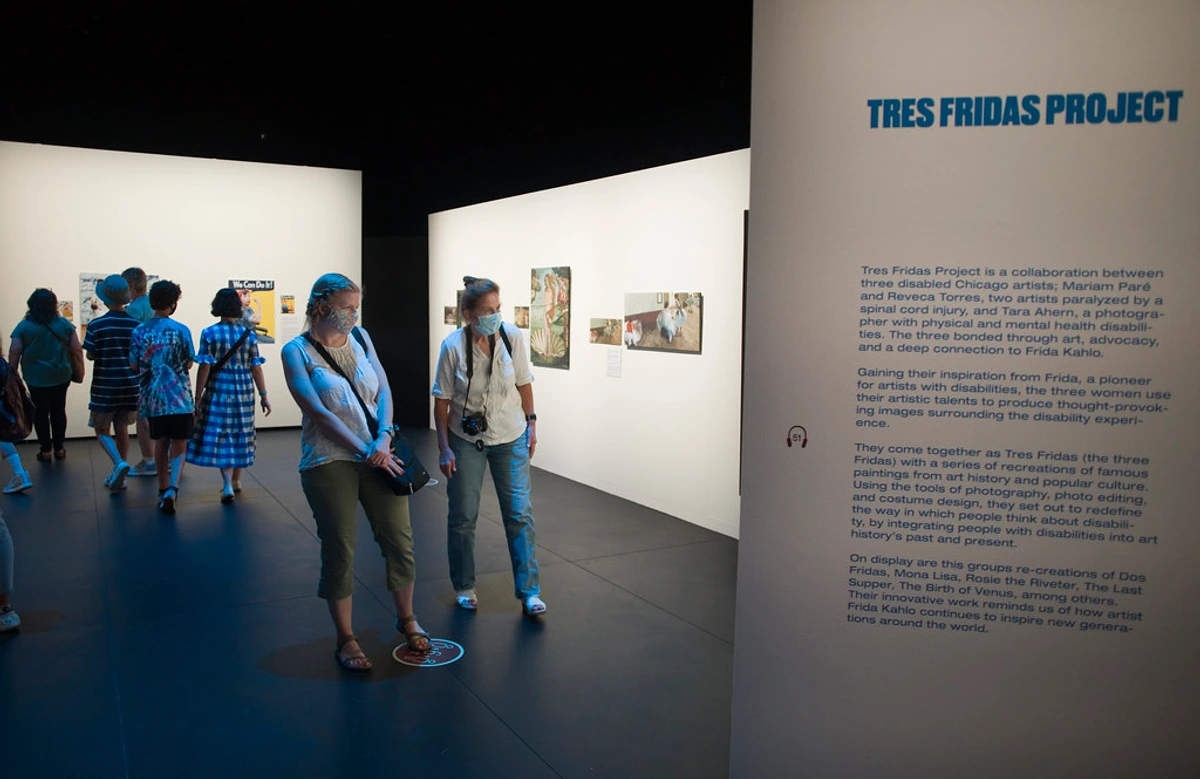
This inherent accessibility, art's ability to cut through the noise, makes it a powerful bridge. When people from different backgrounds stand before the same artwork and find a common thread, a shared emotion, or even just a shared moment of contemplation, those invisible walls between us begin to dissolve. It's a gentle, often unconscious act of diplomacy that starts at an individual level and ripples outwards, fostering empathy simply through shared contemplation. This, in essence, is what cultural exchange means in a diplomatic context: the deliberate sharing of cultural ideas, traditions, and artistic expressions between different groups or nations to foster mutual understanding and respect. It helps us find a shared meaning in non-representational works that can be surprisingly profound.
<h3>Art in Historical Memory and Identity</h3>Beyond individual pieces, art plays a profound role in shaping and preserving a nation's historical memory and identity, which in turn influences diplomatic narratives. Think of grand monuments, epic historical paintings, or even folk songs that tell the story of a people. These aren't just decorative; they are active participants in how nations understand themselves and how they are perceived on the global stage. For example, the Bamiyan Buddhas, even in their destruction, became a symbol of cultural loss and the fragility of heritage, sparking global diplomatic responses focused on preservation and respect. Art, in this sense, isn't just a medium; it's a historical record, a testament, and sometimes, a rallying cry.
<h2>The Gentle Hand of Soft Power: Building Bridges, Not Walls</h2>I know what you're thinking: "Soft power? Sounds a bit manipulative, doesn't it?" And yeah, sometimes it can be. But at its best, cultural diplomacy – the use of culture, including art, to foster mutual understanding and influence – is less about manipulation and more about showcasing a nation's soul. Soft power isn't about coercion; it's about attraction, about inviting others to see your perspective, your creativity, your values, not through political rhetoric, but through shared cultural experiences. It's about opening a window, not forcing open a door. Of course, the downside is that it can also be used to present an overly sanitized or idealized image of a nation, glossing over uncomfortable realities, or even, at its worst, become a form of cultural imperialism, subtly imposing one culture's values on another. It's a nuanced dance, and we have to be honest about its steps.
When a country sends an art exhibition abroad or funds an artist residency, it's not just showing off its artistic prowess. It's saying, "Here's a piece of us. Come, engage, react." Think about the cultural exchanges during the Cold War; while often politically motivated, they undeniably opened channels of communication and understanding that might have been impossible through conventional diplomatic means. Beyond that, consider Louis Armstrong's jazz tours for the U.S. State Department during the Cold War, or the Louvre Abu Dhabi, a massive collaboration that acts as a cultural bridge between East and West, deliberately promoting inter-cultural dialogue. Even the simple act of a country hosting international film festivals or sponsoring artist residencies in another nation builds these connections. For me, as an artist, it feels like sending a part of my soul out into the world, hoping it finds a kindred spirit.
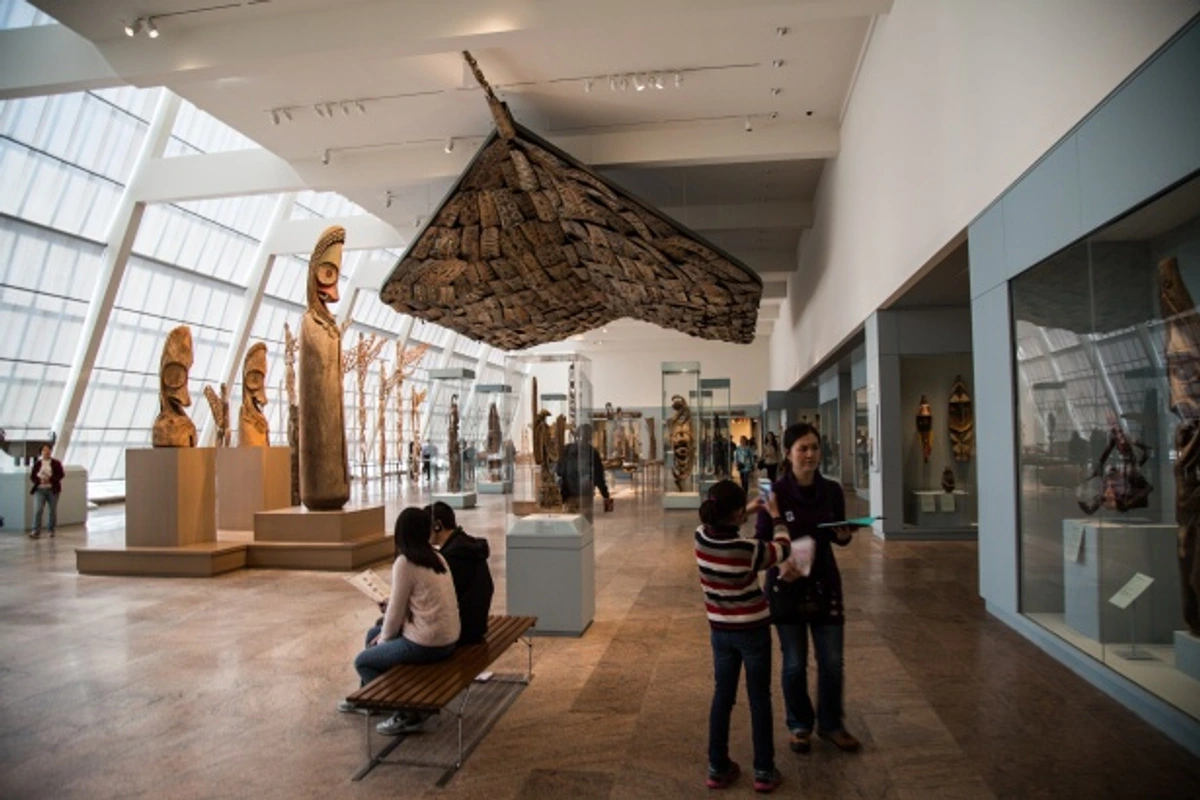
<h2>Beyond Exhibition Halls: Art in Action and Collaboration</h2>Cultural diplomacy extends far beyond the grand exhibition. It permeates educational programs, where student exchanges foster deep cross-cultural understanding. It's present in peacebuilding initiatives, using art therapy to help post-conflict communities heal and reconcile. Consider the Art for Reconciliation project in post-genocide Rwanda, where communities used murals and shared storytelling through visual arts to process trauma and foster inter-ethnic dialogue. Or the humanitarian art projects in disaster zones, where murals bring hope and community art workshops aid psychological recovery, acting as powerful catalysts for empathy and support. These aren't just one-off events; they are sustained efforts to weave art into the very fabric of international relations, building trust and shared purpose. Such programs also foster international collaboration in creative industries, leading to joint ventures, co-productions, and shared intellectual property, creating tangible economic and artistic benefits that deepen diplomatic ties. Think of European film co-productions or multinational design projects that bring diverse creative talents together.
credit, licence
<h2>The Digital Canvas: Art and Diplomacy in the 21st Century</h2>And in our increasingly digital world, cultural diplomacy takes on new forms. Online exhibitions, virtual reality art experiences, and collaborative digital projects allow unprecedented global reach, bypassing traditional logistical hurdles and bringing diverse artistic expressions directly into homes worldwide. We're even seeing the nascent intersection of NFTs and AI art with diplomatic efforts. For instance, NFTs can be used to authenticate digital cultural heritage, ensuring provenance and allowing for global access and shared ownership of unique digital artworks, fostering transparency and trust. Imagine the digital repatriation of a historical artifact, with its authenticated NFT allowing global access while its physical original remains in its country of origin. Meanwhile, AI can facilitate the creation of collaborative art projects between artists in different nations, breaking down creative barriers and enabling new forms of intercultural dialogue. Picture an AI-driven platform enabling artists from historically divided nations to co-create a piece addressing a shared environmental challenge, translating their individual styles into a cohesive, universal message. It's a fascinating new frontier, allowing art to connect people across vast distances, blurring the lines between creator and audience, and inviting a truly global conversation with specific diplomatic goals like shared cultural stewardship and innovation.
<h2>The Economic & Ethical Canvas: Tangible Threads</h2>But it's not just about feelings and shared moments; there’s a real, tangible economic side to this too. Cultural exchange generates tourism, supports creative industries, and opens new markets for artists and cultural institutions, adding another robust thread to the diplomatic fabric. For instance, international art fairs like Art Basel attract global collectors and galleries, stimulating significant economic activity. Consider the Venice Biennale, which not only showcases national artistic prowess but also drives millions in tourism revenue and global art market transactions. Imagine a local artisan suddenly finding a global market for their unique craft because of a cultural exchange program – that's not just goodwill, that's concrete economic empowerment, fostering cross-cultural business relationships with tangible benefits, and even contributing to a nation's cultural exports. It's a win-win, really, assuming it's done thoughtfully.
This also brings up the interesting, sometimes uncomfortable, ethical questions for us artists. When our work is supported or used by a government for diplomatic purposes, how much of our independent voice do we retain? It's a delicate balance, trying to promote understanding while ensuring our art remains true to its original vision, especially when that vision might be critical of the very powers supporting us. I often wonder about this tension myself, wanting my art to be a force for good, but always needing it to be genuinely mine. What if a government funds an exhibition of your work, but then requests you remove a piece that subtly critiques their human rights record? Or if a commissioned public artwork is later used as propaganda for policies you don't support? These aren't just hypotheticals; they're daily ethical tightropes that artists, curators, and cultural institutions navigate.
For me, the real power of soft power through art lies in its subtlety. It doesn't demand, it invites. It doesn't lecture, it expresses. And in that expression, it builds genuine goodwill, fostering a foundation of appreciation that formal negotiations often struggle to achieve. Its impact is often subtle, cumulative, and long-term, building layers of goodwill and familiarity, slowly contributing to the timeline of human understanding.
<h2>The Complexities: When Art and Diplomacy Get Messy (and Sometimes Hurtful)</h2>
Of course, it's not all harmonious brushstrokes and universal understanding. Anyone who's ever tried to make art knows it can be provocative, challenging, and even downright offensive. And when art steps onto the diplomatic stage, that potential for messiness isn't just amplified; it becomes a delicate, sometimes dangerous, dance. What happens when art, intended to build bridges, accidentally burns them instead? This is where the idealistic vision meets the gritty reality of international relations. I mean, my own abstract pieces, intended to be universally resonant, could be misinterpreted or even offensive to someone if viewed through a dramatically different cultural lens. A stark, minimalist piece I might create to evoke tranquility could be seen as disrespectfully empty or even symbolic of deprivation in a culture that values intricate detail and abundance. The risk of misunderstanding is always there, highlighting the delicate balance required in cultural diplomacy.
<h3>Art Challenging Power Structures and Narratives</h3>History is replete with examples of art being co-opted for political messaging, from grand Soviet realist paintings glorifying the state – designed to promote socialist ideals and state power – to nationalist art movements designed to promote specific ideologies. Sometimes artists become unwitting pawns, other times they actively resist, using their work to challenge authority from within the very structures meant to control them. This tension between the artist's independent vision and a government's agenda is often where the real drama unfolds. Think of the Degenerate Art exhibition in Nazi Germany, which aimed to discredit modern art by labeling it "un-German" and "Jewish-Bolshevik," but inadvertently preserved it for history by bringing it to public attention. Or the politically charged murals of Diego Rivera in Mexico, which famously caused diplomatic friction with the Rockefeller family in the U.S. when his mural at Rockefeller Center depicted Lenin. More recently, a controversial exhibition featuring critical artwork about a specific regime sparked protests and diplomatic recalls, demonstrating how a single artistic statement can escalate into international incident. These weren't subtle misunderstandings; they were intentional clashes, often used by art to challenge power structures and dominant narratives. The very power of art to evoke strong emotions makes it a potent, and sometimes volatile, diplomatic tool.
<h3>When Meanings Clash: Misinterpretation, Propaganda, and Appropriation</h3>What happens when an artwork intended to foster understanding is misinterpreted, or worse, deliberately co-opted for propaganda that clashes with its original intent? Governments might fund an exhibition to project a certain image, but artists themselves often create work that is fiercely independent, sometimes critical of the very powers that support them. The tension between artistic freedom and diplomatic goals is a constant dance, and sometimes, the music stops abruptly. Think of exhibitions abruptly cancelled due to political disagreements, or artists denied visas because their work is deemed 'too provocative.' These are the moments when the fragile underbelly of these cultural relationships – the underlying political tensions that can shatter the illusion of pure artistic exchange – is revealed. It's a bit like trying to host a dinner party where half your guests are secretly feuding; the polite smiles only last so long.
And then there's the incredibly sensitive issue of cultural appropriation. In our desire to celebrate global art, how do we ensure we're genuinely appreciating and sharing, rather than taking elements from a marginalized culture without understanding or respecting their original context, or worse, profiting from them? It requires a mindful approach, seeking to understand, credit, and collaborate rather than merely consume. This isn't just an academic debate; it's a real concern in cultural exchange, where a seemingly innocent artistic homage, like a fashion designer incorporating traditional indigenous patterns without permission or attribution, can be perceived as an act of disrespect or erasure, leading to significant diplomatic headaches and genuine hurt. For artists and institutions, navigating this requires proactive steps: thorough research, direct engagement with cultural practitioners, clear attribution, and wherever possible, reciprocal collaboration that genuinely benefits the source culture. It's a journey of learning, not a destination. It's also about recognizing that art isn't just aesthetics; it carries history, spiritual significance, and community identity. We've got a great article that dives deeper into indigenous art's enduring influence.
It's also worth remembering the pivotal role of critics and curators. They aren't just presenting art but actively interpreting it, often shaping its reception and diplomatic impact. Their framing, the narratives they build around an exhibition, can either amplify a message of understanding and unity or inadvertently create friction by misrepresenting cultural contexts or even reinforcing stereotypes. For instance, a curator's choice to display a politically charged artwork without adequate contextualization might inadvertently ignite controversy instead of fostering dialogue, as seen in instances where a lack of local cultural input led to diplomatic protests over exhibition content. They are, in a way, unofficial diplomats themselves, with immense power to guide public perception.


credit, licence
And then there are the practical realities that are anything but harmonious, reminding us of the sheer logistical and ethical minefield that cultural diplomacy can be. From my perspective, trying to navigate these feels like a constant negotiation of compromise and stubborn idealism:
Challenge  | Explanation |
|---|---|
| Securing Priceless Works | The logistics alone for international travel are a Herculean task, requiring immense insurance, conservation, and transportation efforts. |
| Navigating Censorship Laws | What's acceptable in one country might be deeply offensive or illegal in another, requiring careful negotiation and adaptation. |
| Ensuring Cultural Sensitivity | Avoiding missteps that could unintentionally cause offense or deepen divides due to varying cultural norms and interpretations. |
| Humanitarian Art Balance | Using art for social commentary or aid can influence diplomatic discourse, but requires immense care not to oversimplify complex issues or exploit suffering. |
| Measuring Impact | Quantifying the long-term, subtle impact of art diplomacy is notoriously difficult, making funding justification a constant challenge. |
| Art as a Weapon | Extremist groups or hostile state actors can co-opt art or cultural events to spread propaganda or undermine diplomatic efforts, turning a tool of connection into one of division. |
Each challenge is a reminder that while the message of art can be pure, its journey through the diplomatic landscape is paved with very human obstacles. Yet, as someone who pours my heart into my art, the effort always feels worth it, because the potential for connection outweighs the hurdles.
<h2>Weaving New Threads: Art's Enduring Role in a Complex World</h2>
So, what does all this mean for us, for me, as an artist living in a city like 's-Hertogenbosch that deeply appreciates cultural heritage and connection? It reinforces my belief that every piece of art, every splash of color, every intentional line, is a conversation starter. It's a small act of sharing a unique human experience. Whether it's a bold abstract piece speaking of universal emotions or a vibrant landscape hinting at a shared love for nature, art allows us to connect on a level that words often can't reach.
Art in diplomacy isn't about solving all the world's problems with a single stroke of a brush. It's certainly not a magic wand. But it absolutely is about laying down those "unseen threads," patiently and persistently, one artwork, one shared moment, one conversation at a time. It’s about fostering empathy, sparking dialogue, and reminding us that beneath our political differences and cultural nuances, there’s a shared human spirit longing to connect. It can even play a profound role in conflict resolution and post-conflict reconciliation, helping communities heal and rebuild trust when traditional means fall short, as seen in projects using art therapy in post-conflict zones to process trauma and foster inter-community dialogue. My own hope, as an artist, is that my creations, whether they're grand or modest, contribute in some small way to this vast, intricate tapestry of global understanding. It's a beautiful, messy, and absolutely necessary secret worth celebrating—a timeless aspect of our ongoing human story that continues to unfold, one brushstroke at a time. So, next time you encounter a piece of art, consider the unseen threads it might be weaving across the world. And perhaps, ask yourself, how might you, too, become a part of this quiet, powerful diplomacy? By supporting international artists, visiting cultural exhibitions, or simply engaging with art from diverse backgrounds, we each contribute to this vital global conversation. It's a thought that truly keeps me going.