Art as an Investment: A Curator's Expert Guide to Value, Risks & Joy
Uncover the art market with a curator's deep dive into art as an investment. Learn about value drivers, hidden costs, market risks, ethical considerations, and the priceless emotional dividends of collecting art you love. Your authoritative guide.

Is Art a Good Investment? A Curator's Unfiltered Perspective on Risks, Rewards, and True Value.
Is art an investment? For most, the thought feels taboo, a crass intrusion into the sacred realm of beauty. But if your passion for art is matched by a pragmatic mind, you're asking the right question. And you're not alone. I’ve spent decades navigating the intricate, often perplexing, corridors of the art world – from hushed gallery openings to the adrenaline-fueled chaos of major auctions. I've witnessed fortunes made and, just as often, costly lessons learned. This article isn't a stock tip; it’s my seasoned perspective, designed to equip you with the clarity to evaluate whether art is a sound investment for you. We're not just talking market mechanics; we're exploring the profound ways art enriches life, financially and beyond. So, let’s peel back the layers and truly talk about it.
The brutally honest, and perhaps deeply unsatisfying, answer to "Is art a good investment?" is: it depends. I know, I know. Not the definitive "yes" or "no" you craved. But this isn't the stock market; it's the art market, a beast of a very different, and often incredibly colorful, nature. I’ve seen people amass staggering wealth, and I’ve seen others left with very expensive, very unfashionable wall decor. The crucial difference almost always boils down to knowledge, timing, and a healthy dose of luck. Mostly, though, it's about approach. Before we dive into the gritty details of market dynamics, let's acknowledge a truth I hold dear: if you buy a piece that genuinely speaks to your soul, one that makes your heart sing and sparks joy every day, you've already reaped an "emotional dividend" that no quarterly report can ever deliver. That intrinsic joy, that daily connection to human creativity – for me, that’s the ultimate win, regardless of financial returns. And paradoxically, it's often the best starting point for a smart financial strategy.
The Art of Money: Understanding Art as an Asset Class
To truly understand art's place in your financial life, we first need to shift our language and acknowledge its role as a distinct asset class – though one with a wilder streak than most. What does that mean? It’s simply a category for allocating capital, sitting alongside stocks, bonds, real estate, and gold, all with the hope of value appreciation. But unlike a share in a company, a painting doesn't pay dividends. It doesn't generate rent. Its financial value is intertwined with a complex, often opaque, web of consensus, belief, and storytelling. This isn't just random consensus; it's the collective agreement of influential critics, major institutions, established collectors, and art historians that bestows significance upon a work.
Art is also notoriously illiquid. You can't just sell it at a moment's notice for a predictable price. Imagine trying to offload a unique, bespoke vintage car versus a share in Apple – one transaction takes seconds, the other could take months of finding the right, willing buyer. It’s less like a quick stock trade and more like selling a unique property; the right buyer might take time to find. And yes, there are those often-overlooked associated costs which, believe me, can quickly add up.
Beyond mere investment, art can serve as a potent store of value, acting as a hedge against inflation or economic volatility, much like gold. However, its value often comes with a much richer aesthetic and personal return. Here’s a quick, no-nonsense comparison to help you wrap your head around art's peculiar position in the investment world:
Feature  | Traditional Investments (e.g., Stocks) | |
|---|---|---|
| Tangibility | High. You own a physical object, something you can live with and enjoy daily. | Low. You own a digital certificate or entry, an abstract claim on a company's future. |
| Liquidity | Low. Can be very difficult and slow to sell, often requiring specific buyers and market conditions. | High. Can be sold almost instantly on an exchange, with clear, transparent market prices. |
| Value Basis | Subjective, but anchored. Based on aesthetics, art history, critical consensus, artist's reputation, and cultural narrative. | Objective. Based on company earnings, economic indicators, clear market data, and regulatory oversight. |
| Regulation | Very low. The market is largely opaque, complex, and less transparent than regulated financial markets. | High. Regulated by government agencies (e.g., SEC), offering more protection and transparency. |
| Associated Costs | Insurance, specialized storage, framing, appraisal, auction fees, restoration, tax advice, shipping, installation. | Brokerage fees, management fees, minimal transactional costs (often automated). |
| 'Emotional Dividend' | Extremely high. You live with it, enjoy it daily, and connect with its story and the human creativity it represents. | None. You can't hang a stock certificate on your wall and feel inspired (I mean, you could, but it wouldn't be quite the same). |
The Anatomy of Value: What Actually Drives an Artwork's Price Tag? My Insider View
So, if value is subjective, what exactly are people agreeing on? It's far from random, believe me. There’s a carefully constructed narrative, an intricate dance of historical context and critical acclaim, that elevates a work beyond its physical form. Understanding these factors is your first crucial step toward making smarter purchases. It’s about discerning the subtle signals in a notoriously opaque market, a skill I’ve spent decades honing, often through a blend of academic rigor and gut instinct. After all, what makes a canvas worth millions while another remains unsold? It's these underlying factors.
1. The Artist's Career and Reputation: The Bedrock of Value
This is the big one, the cornerstone upon which an artist's market value is built. Is the artist established or emerging? An artist's market value isn't just about raw talent; it’s a powerful combination of talent, impeccable timing, and relentless effort, cultivated over time:
- Exhibition History: Consistently showing at respected galleries and major museums (like a visit to the /den-bosch-museum can attest) builds undeniable credibility. A strong, consistent exhibition record, especially in institutions, is a powerful indicator of critical acceptance and lasting significance. My own curatorial decisions, for example, often contribute to this narrative for the artists I champion. Look for patterns, not just single shows.
- Critical Acclaim: Are influential critics and curators writing about their work? Recognition in reputable art publications, academic journals, and scholarly texts significantly enhances an artist's profile, signaling intellectual engagement and historical importance. It tells you the art world is paying attention. *
- Auction Results: A strong and consistent record at auction is a powerful validator, especially in the secondary market. This demonstrates proven demand and resale value. But always look beyond headline-grabbing anomalies to consistent performance. For emerging artists, this data might be sparse or non-existent, demanding a different research approach – one focused on potential rather than established history.
- Artistic Vision: Do they possess a unique, recognizable style and a compelling story? This isn't merely about aesthetically pleasing pictures; it’s about how their distinctive approach communicates a profound or timely narrative, addressing universal human experiences or current societal issues. Their unique "signature language" helps define their place. I've charted my own journey in finding my artistic voice, and it's this narrative that often resonates most deeply with collectors.
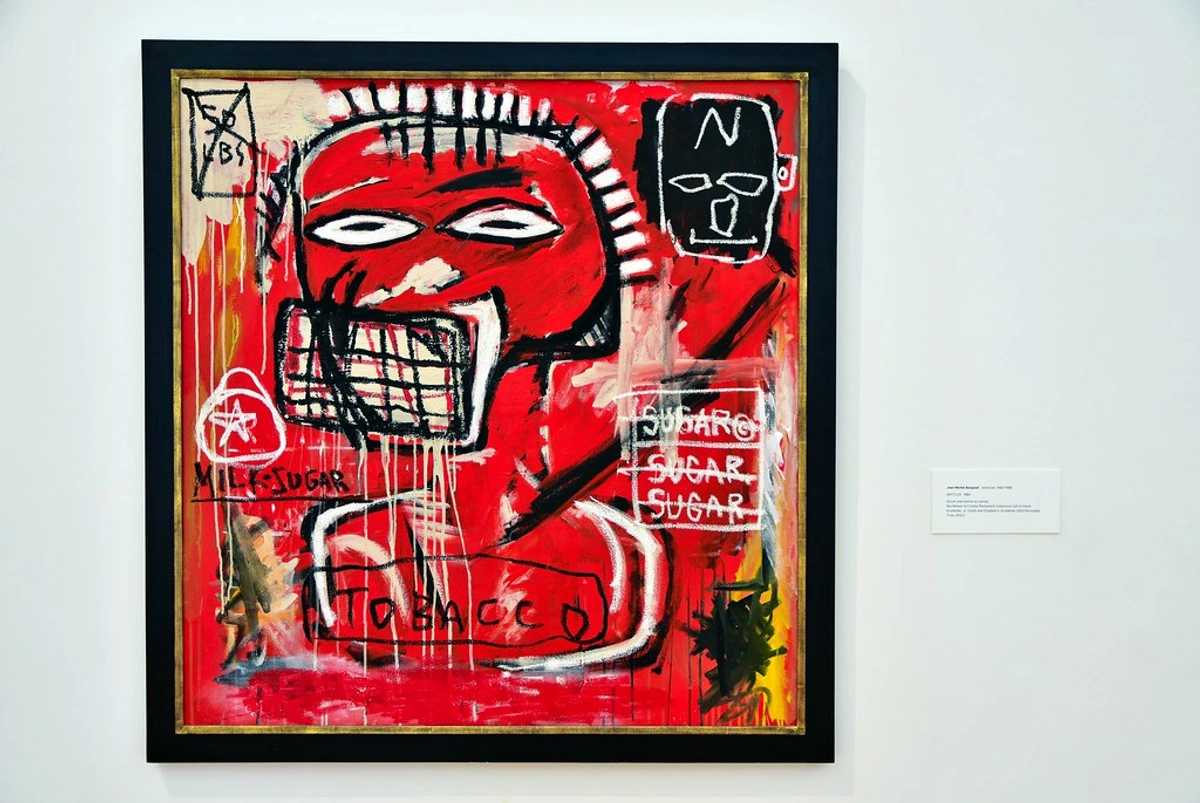
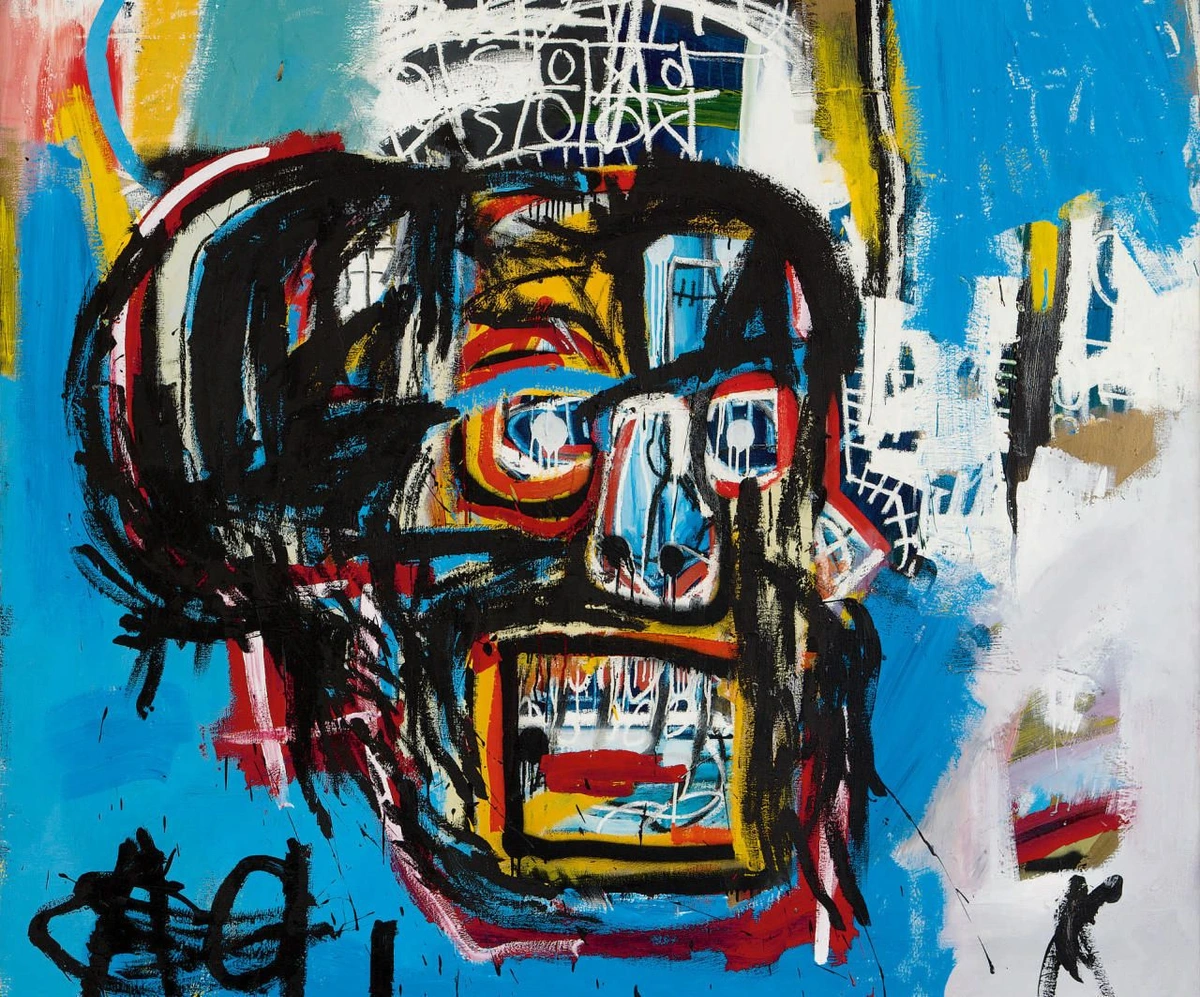
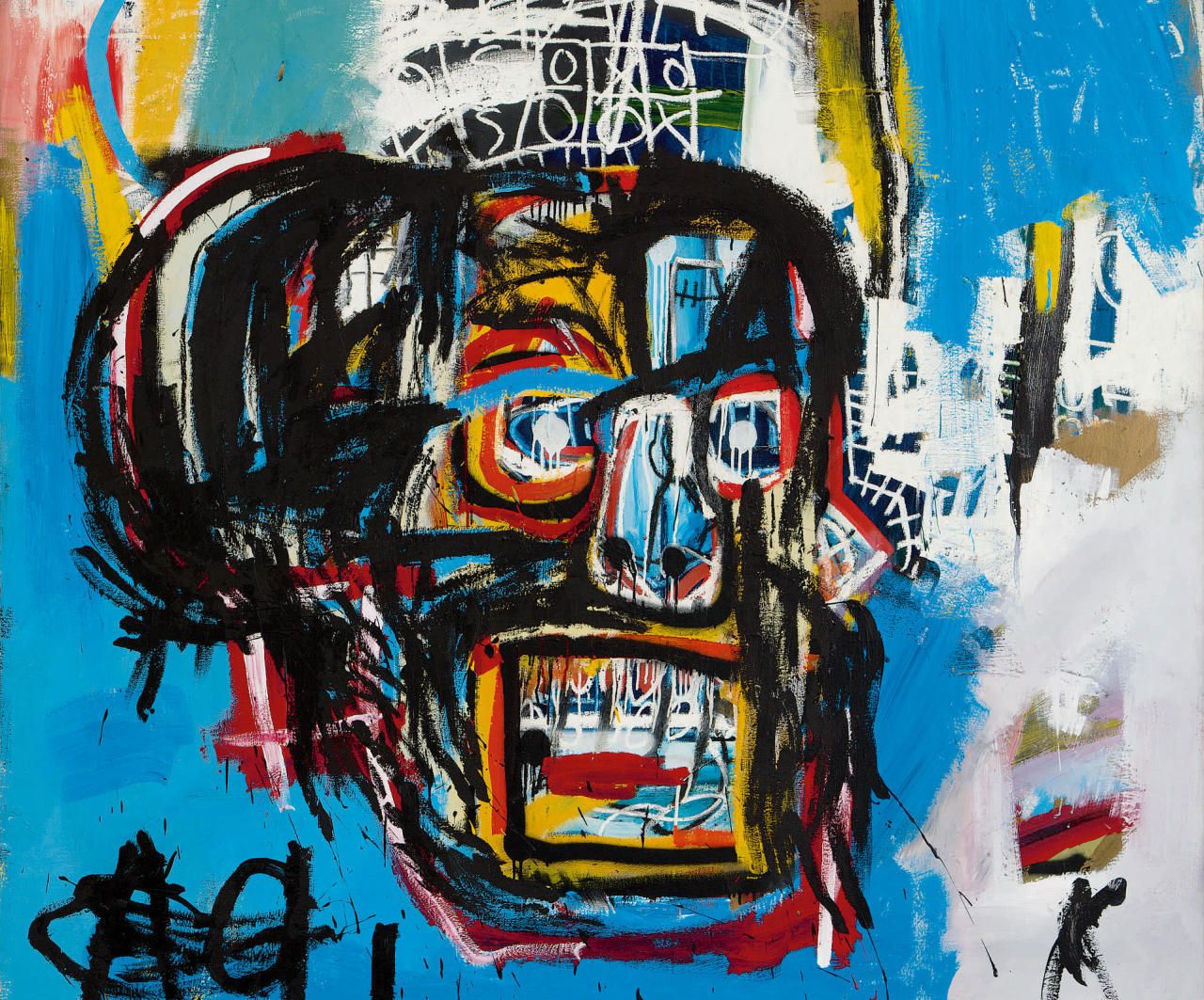
It’s crucial to understand that an artist’s career trajectory is rarely linear. Some, like Jean-Michel Basquiat, achieve meteoric success early, burning bright and fast. Others, like Hilma af Klint, gain widespread recognition decades, even a century, after their deaths, demonstrating how cultural shifts can dramatically influence posthumous market value. I’ve personally witnessed markets soar only to cool, and others whose steady, quiet work eventually found its moment. Understanding these varied paths, and the cultural currents that shape them, is part of the art world’s enduring intrigue – and inherent risk.
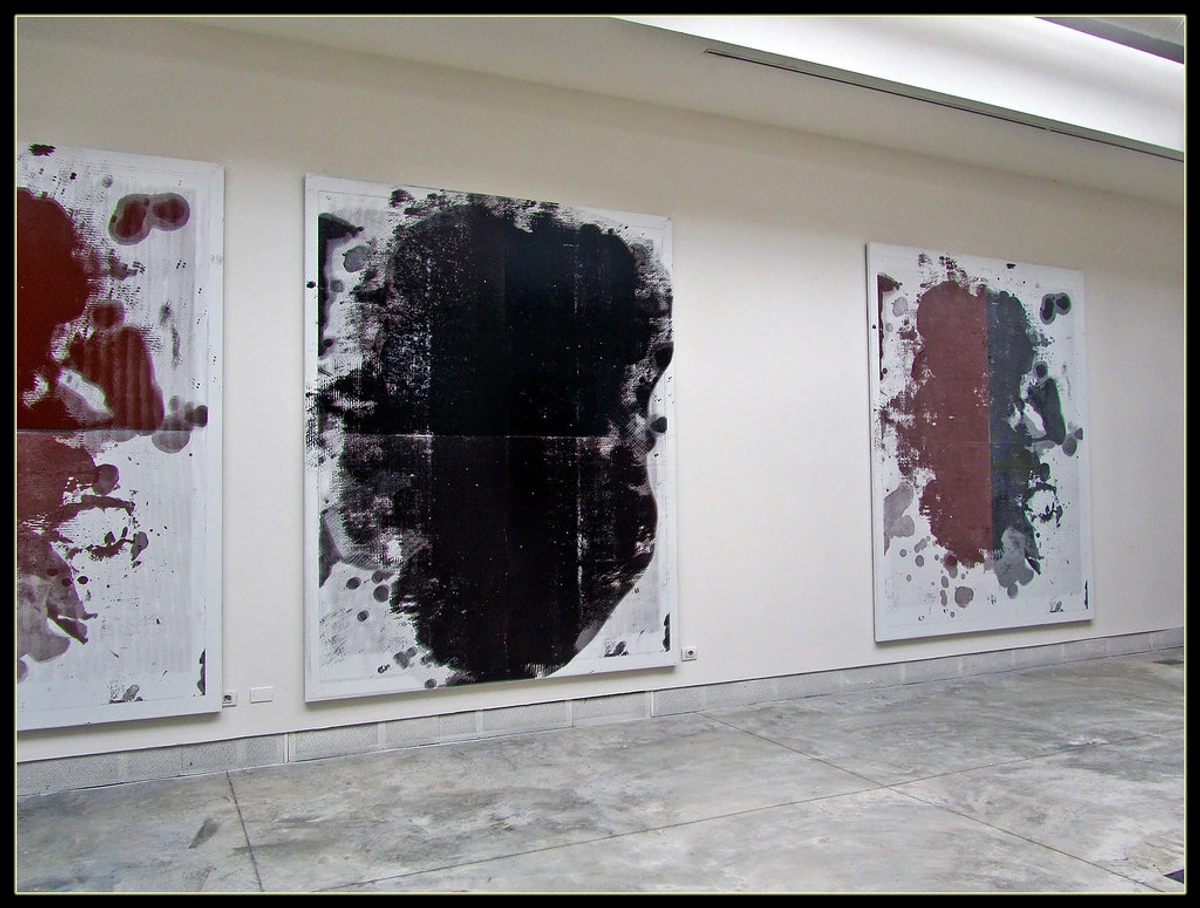
An artist like Jean-Michel Basquiat, whose work now commands hundreds of millions, represents the pinnacle of what we call blue-chip art. This term refers to established, highly valued artists whose works typically offer more stable, though perhaps slower, appreciation, much like blue-chip stocks. Other examples include artists like Pablo Picasso, Andy Warhol, and Frida Kahlo, whose markets are deeply entrenched and globally recognized. Basquiat's unique voice, tragic story, and profound impact on art history created a perfect storm for market value, a testament to the power of a singular artistic vision.
2. Historical Significance and Context: A Tangible Piece of a Cultural Narrative
This is often overlooked by new collectors but is utterly crucial. A work that defines or perfectly encapsulates a key moment in art history—like the revolutionary shift into Abstract Expressionism or the foundational principles of Cubism—will always possess a higher intrinsic value. It’s not just a painting; it’s a historical document, a tangible piece of a cultural narrative, a record of human innovation and thought. Consider a piece from Frida Kahlo that deeply embodies the revolutionary spirit of post-Mexican Revolution art, or a painting by David Alfaro Siqueiros that captures the essence of social change. Such works transcend mere aesthetics to become invaluable records of their time. For instance, an early 20th-century Cubist piece from Paris not only demonstrated artistic innovation but also profoundly reflected societal shifts, anchoring it critically in art history and securing its long-term value.
The historical context in which an artwork was created, and its reception, profoundly shapes its long-term market trajectory. Art historians and academics play a vital, often underestimated, role here; their research and publications solidify an artist's place in history, thereby influencing market perceptions for generations. They are, in essence, the long-term storytellers.
3. Provenance: The Artwork's Autobiography and Gold-Plated Authenticity
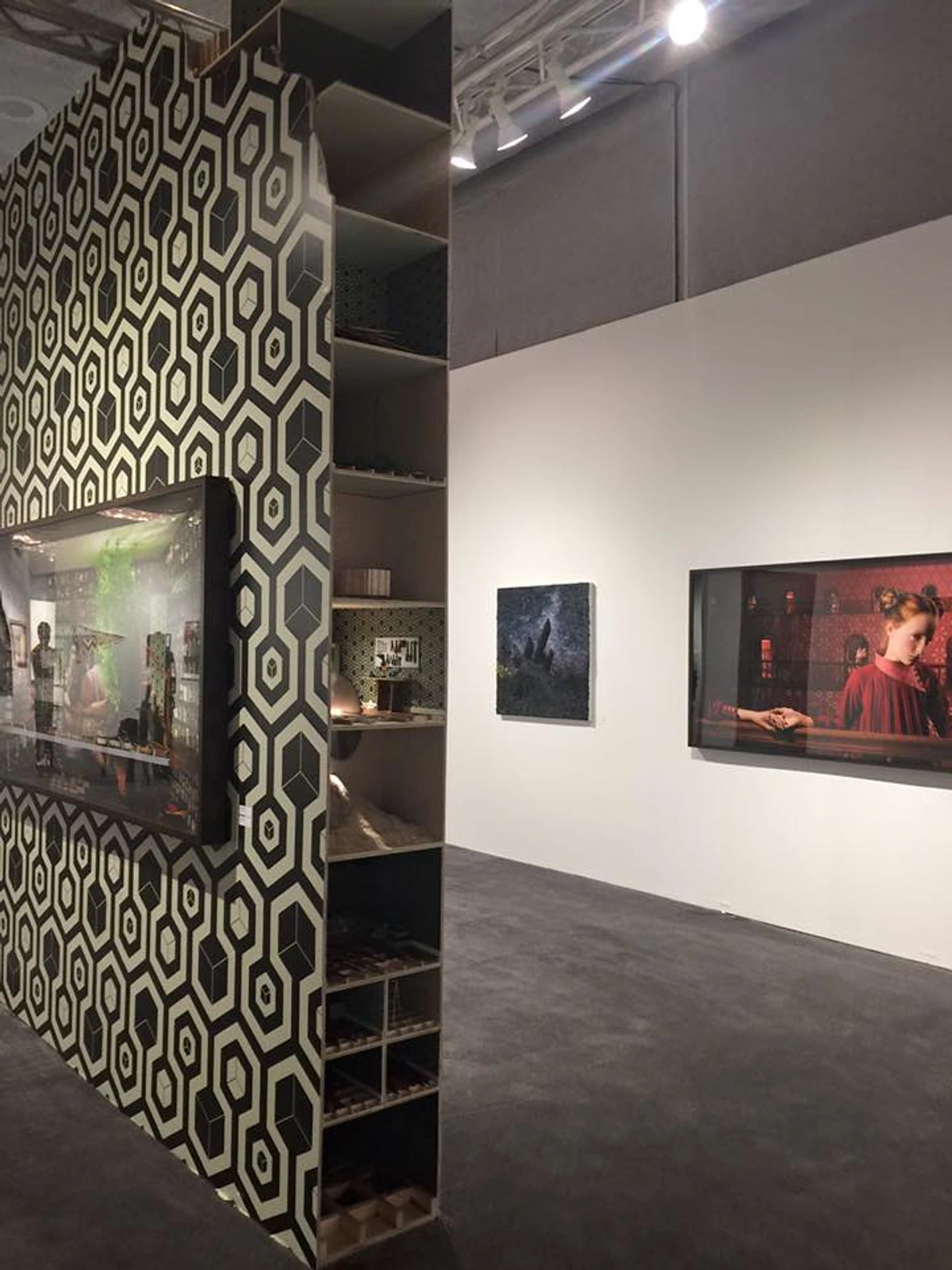
Provenance is simply the artwork's ownership history – its autobiography, if you will. A well-documented provenance, tracing the piece back to the artist's studio and through notable collections, acts like a gold-plated certificate of authenticity and importance. It proves the work is real, adds layers to its unique story, and crucially, mitigates risks of fakes or stolen art. A piece once owned by a famous collector, a respected dealer, or a major museum carries significant weight, a kind of cultural blessing.
I've often seen a minor work by a major artist with impeccable provenance fetch a higher price than a more significant, but historically murkier, piece from the same artist. It’s all about certainty and storytelling. I remember advising a collector on a small, early sketch by Van Gogh. It wasn't just expert opinion, but a continuous paper trail showing it moved from his brother Theo's collection, to a renowned Parisian dealer, and then to a prominent private European family. That chain of ownership tells a compelling story and adds layers of trust and value that cannot be overstated. This is where the science of art authentication truly shines, confirming a work's history. When checking provenance, look for original gallery invoices, exhibition catalogues, historical photographs, and expert certificates. Be wary of gaps in ownership, undocumented transfers, or anything that seems too vague. For complex cases, consulting with a specialized provenance researcher or checking databases like the Art Loss Register can be invaluable.
4. Condition: The Silent Value Killer (and the Cost of Neglect)
This may seem obvious, but it’s absolutely crucial, and often an area where new collectors stumble. Damage, poor restoration, or fading can drastically reduce value. Always, always, always get a detailed condition report from a professional conservator before a major purchase. I remember advising a collector on a supposedly pristine mid-century piece. The condition report, however, revealed a botched, amateur restoration that had halved its market value. It was a tough lesson, one of my "costly lessons" if you will, reminding us that preservation (conservation) is about stabilizing a work and preventing further decay, while restoration is about repairing existing damage. Poor restoration can be devastating, irreversibly altering a piece. Understanding art storage solutions for collectors can help you maintain condition over time. Think of it like a vintage car; a pristine, well-maintained classic commands a far higher price than one needing extensive repairs or significant bodywork.
5. Scarcity and Medium: The Supply Side of the Equation
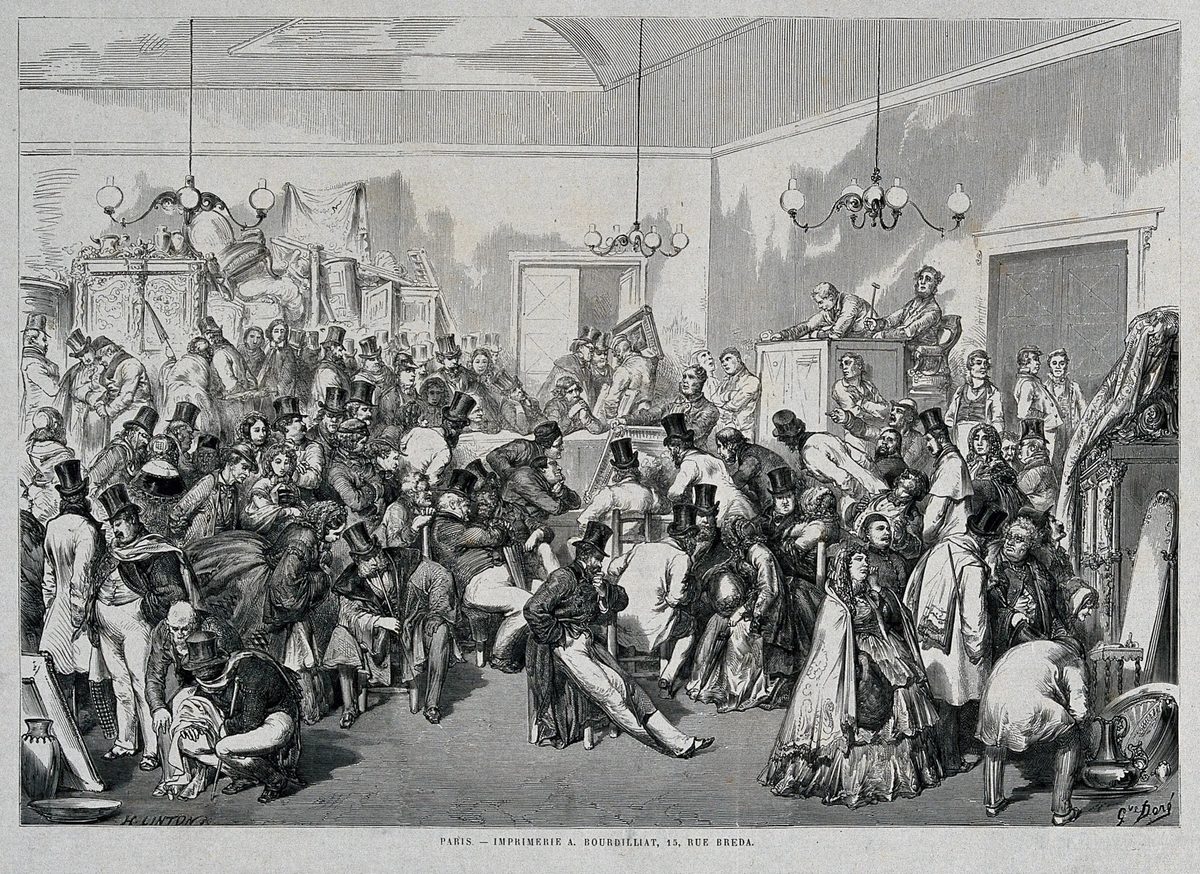
How much work did the artist produce, and what form did it take? An artist who created only a handful of masterpieces will, generally, see their work valued higher than a hugely prolific artist, simply due to the fundamental law of supply and demand. Furthermore, unique works (like an oil painting, a singular sculpture, or an original drawing) are almost always more valuable than multiples (like prints, photographs, or limited-edition sculptures), although there are truly notable exceptions.
Think of it this way: a one-of-a-kind early charcoal sketch by a renowned artist could easily be more valuable than a mass-produced reproduction of a later painting. However, never discount multiples entirely. A limited-edition photograph by Cindy Sherman or a sought-after screenprint by Andy Warhol from an iconic series can easily command prices far exceeding many unique paintings by less established artists. It’s all about context, quality, edition size, and the artist's market. And yes, understanding nuances like what is a giclee print can also significantly influence your perception of value in reproductions.
Navigating the Labyrinth: The High-Risk, High-Reward Art Market Explained
Understanding the inherent value drivers is one thing; navigating the complex, often labyrinthine market where these values are realized is another. The art market isn't a single entity; it's a bewildering, fascinating, and sometimes frustratingly opaque ecosystem of galleries, private dealers, auction houses, art fairs, and an increasing number of art advisors and consultants who guide collectors through its intricate pathways. Knowing who does what, and where, is absolutely critical to your success.
The primary market is where a new artwork is sold for the very first time, usually directly from the artist or through a gallery representing them. Here, prices are set collaboratively between the artist and gallery, often based on the artist's exhibition history, critical reception, and the scale/medium of the work. This market is focused on nurturing artistic careers and introducing new work. It’s where you can discover the "next big thing" – or, conversely, invest in an artist whose market never quite takes off. It's often where the emotional dividend starts.
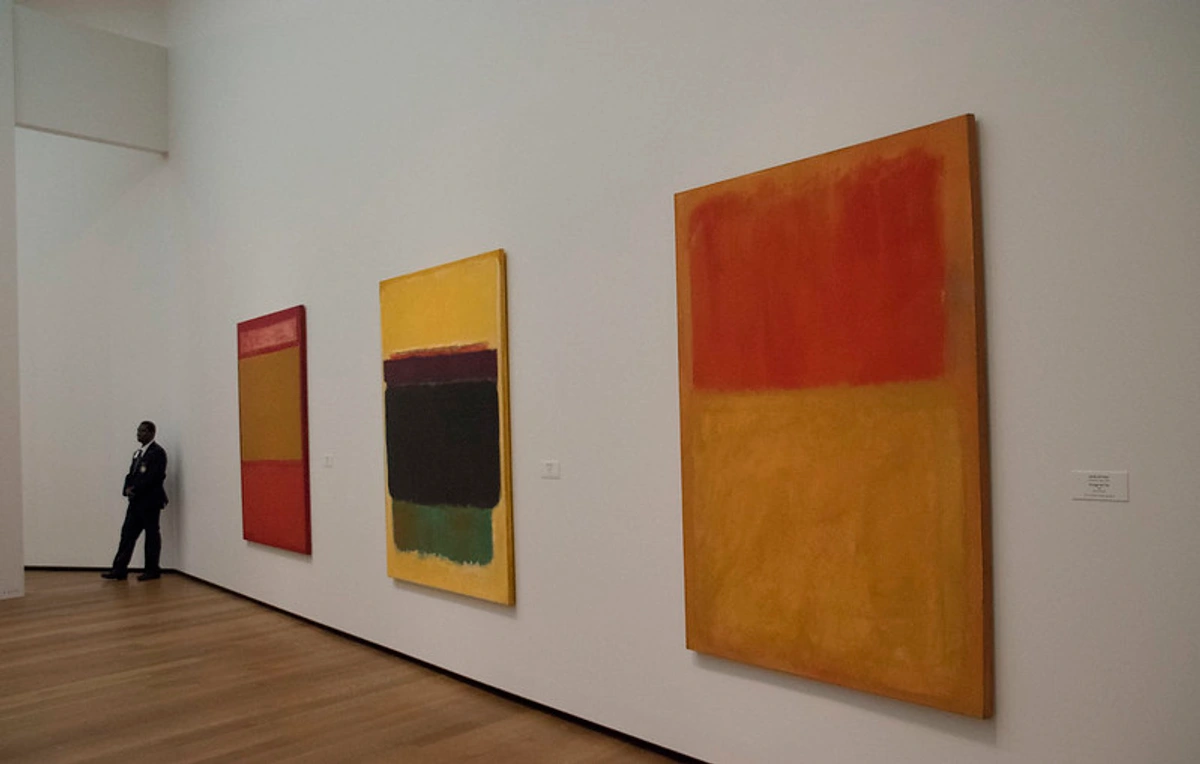
The secondary market is where art is resold after its initial acquisition. This is most famously seen at major auction houses like Sotheby's and Christie's, but also through private dealers, art fairs, and confidential direct-to-collector sales. Prices here are driven by supply and demand, previous auction results, and prevailing market trends, which can sometimes resemble speculative bubbles. Just as in other financial markets, the art world has seen its share of boom-and-bust cycles. I’ve personally witnessed the rapid ascent of a particular abstract style, only for interest to cool significantly a few years later, leaving some collectors with stagnant portfolios – a tough pill to swallow when you bought at the peak. Global events, from economic crises to pandemics, can also send ripples, sometimes tsunamis, through this market, making timing a critical, if unpredictable, factor.
Art advisors and consultants are invaluable in this landscape. They leverage their deep market knowledge, extensive connections, and negotiation skills to help collectors make informed decisions, whether buying for passion, investment, or both. Beyond just buying and selling, many also offer collection management, authentication guidance, and even facilitate exhibition loans. Finding a good one often comes through referrals, but always look for transparency in their fees (typically a commission on purchases, an hourly rate, or a retainer) and a proven track record. If you're serious about navigating the higher echelons of the market, or simply lack the time to do exhaustive research yourself, a good advisor can be a game-changer.
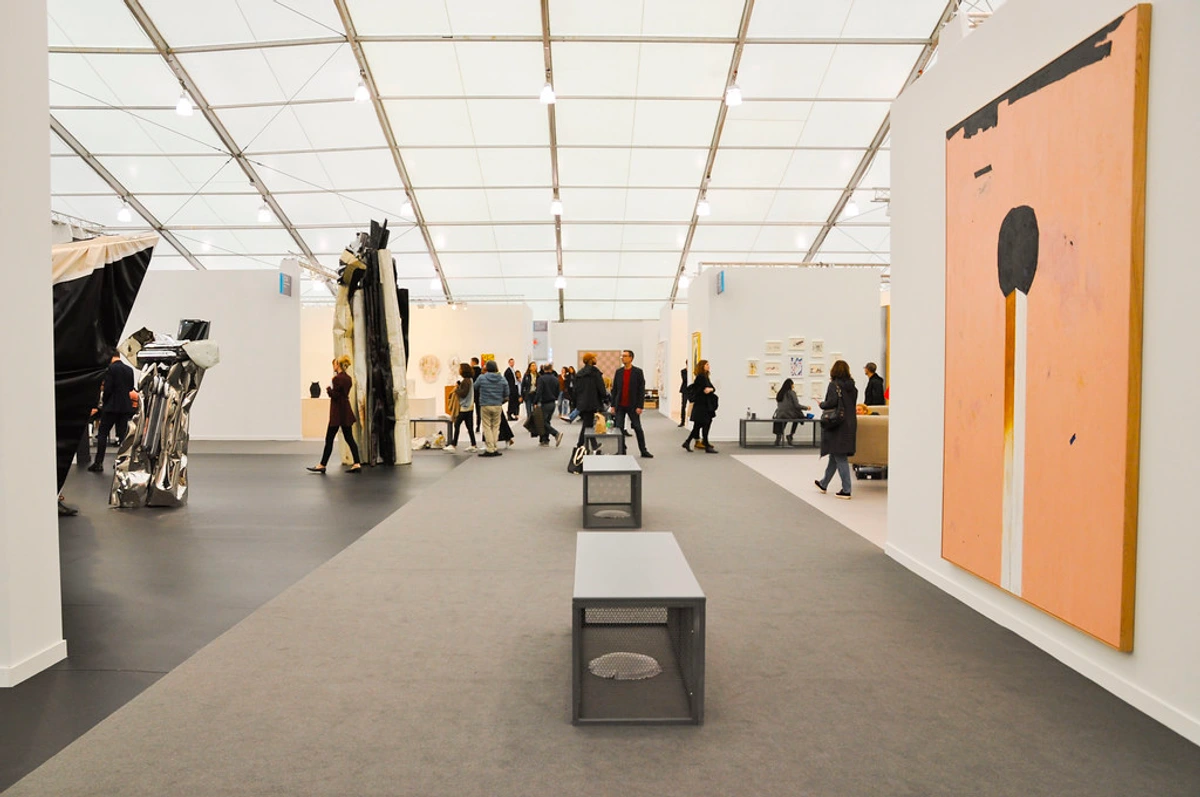
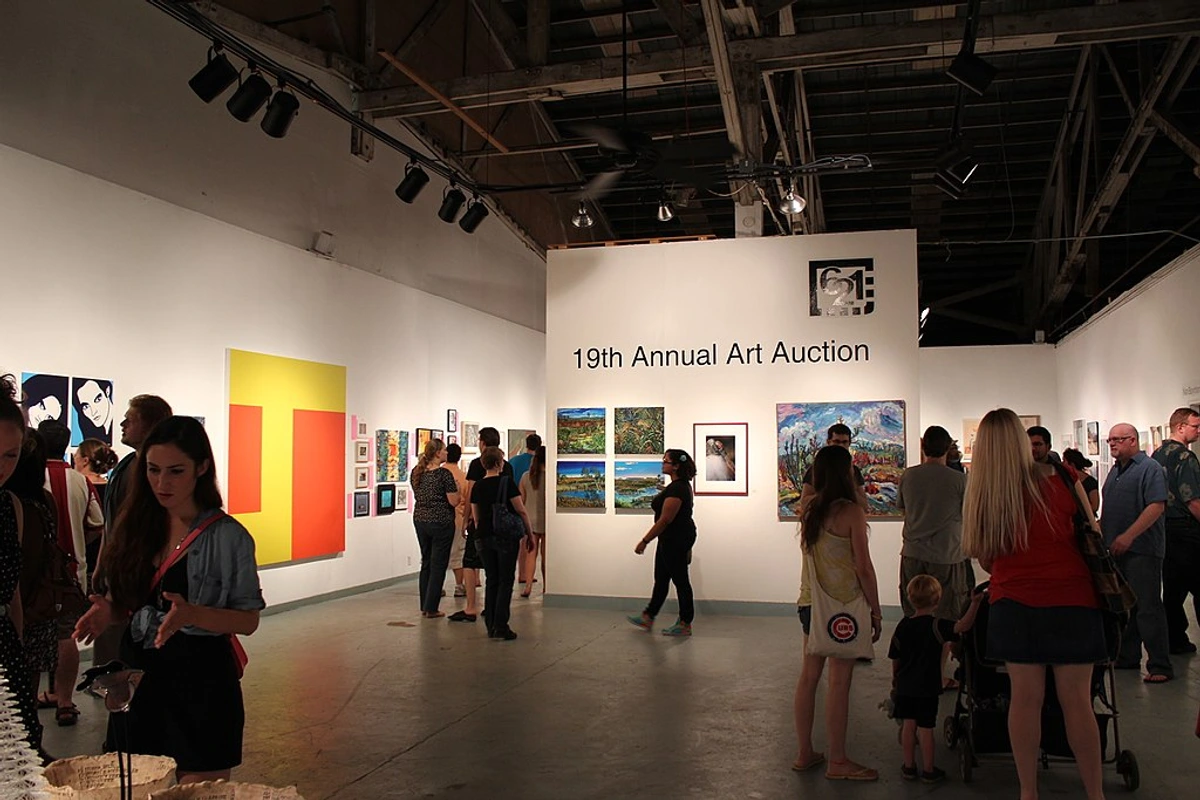
Art fairs have become massive hubs for both primary and secondary market activity – a dazzling, dizzying spectacle where you can see a huge volume of work, gauge the temperature of the market, and spot emerging trends. Major international fairs like Art Basel, Frieze, or TEFAF attract top galleries and collectors, while regional fairs often highlight local talent. It's where trends are born, careers are launched, and fortunes are made (and, yes, sometimes lost). I always tell new collectors: go to a fair, but don't buy on the first day. Observe, learn, talk, and then reflect. These environments are a feast for the eyes and a crucial learning ground.

So, Should You Invest in Art? A Practical Checklist from a Seasoned Eye
After dissecting the market's mechanics, we return to the most crucial question: Should you invest in art? The answer isn't a simple yes or no, but a deeply personal calculus. Here’s the framework I use to balance passion with prudence, helping you build a collection that enriches your life both aesthetically and, perhaps, financially. These aren't just rules; they're lessons learned, often the hard way, distilled for your benefit.
- Rule #1: Buy What You Genuinely Love. No Exceptions. This is the golden rule, the only one that truly matters. If you buy a piece that genuinely speaks to you, that you want to see every single day, you've already won. The 'emotional dividend' is guaranteed, and frankly, it's often more valuable than any financial gain. It's the joy of having something that sparks conversation, inspires your creativity, reminds you of a significant personal milestone, or simply brings a quiet satisfaction to your morning coffee. If it appreciates in value, that’s a fantastic bonus. If it doesn't, you still own something that brings you profound joy, and that's a priceless return. This rule is your ultimate protection against buyer's remorse; I've seen too many people regret purchases made purely for perceived financial gain, while those who bought with their heart rarely have second thoughts. After all, what’s more valuable: a piece that offers a modest financial return but gives you daily inspiration, or one that ticks a box in a portfolio but leaves you cold?
- Do Your Homework. Seriously. Read art history books, visit galleries incessantly, go to student shows, attend university degree exhibitions, and devour art magazines and academic journals. Develop your eye, your taste, and your understanding. Start to internalize the different movements, techniques, and what makes one artist's work truly compelling and original. A great starting point is our guide on collecting emerging abstract art. For emerging artists, look beyond scant auction records; research their exhibition history in smaller, respected galleries, grants or awards received, critical reviews in specialist publications, their academic background, and the consistency and thematic depth of their artistic vision. The more you know, the more confident and informed your choices will be. And remember, truly knowledgeable dealers, gallerists, and curators love sharing insights – don't be afraid to ask questions; it shows you're engaged.
- Think Long-Term and Diversify. Art is emphatically not a get-rich-quick scheme. It's a long-term hold, often for decades, sometimes for generations. The most successful collectors are patient, resilient, and understand that art moves at its own pace. Just as with financial portfolios, diversification is a wise strategy to mitigate risk. Instead of putting all your eggs in one stylistic or artist basket, consider collecting across different periods, mediums, or artists. This broadens your exposure and reduces reliance on a single, potentially volatile market segment. Look at the artists on our /timeline to see how diverse approaches have evolved over time. Common strategies range from a "buy and hold" approach for established artists to a more speculative, yet thrilling, engagement with emerging artists, hoping for significant future appreciation.
- Build Relationships. They Are Gold. Connect with reputable galleries, art dealers, and even artists directly. These relationships can provide invaluable access to early opportunities, insider knowledge, and a deeper understanding of the market. A good dealer, for example, might offer you a piece by an artist on the cusp of a breakthrough before their prices skyrocket, or give you first refusal on a significant work. I've seen these connections open doors that money alone couldn't. Attend gallery openings, express genuine interest in the artists and their work, engage in conversations, and consider joining collector groups or art-focused forums to expand your network. Transparency and trust are paramount in these relationships; a good gallerist often becomes a lifelong mentor. Building a rapport ensures you're not just a transaction, but a valued member of the art community.
- Consider the "Hidden" Costs. They Add Up. The purchase price is just the beginning. Do not forget to budget for these often-overlooked expenses, which can easily dwarf the initial acquisition if not planned for carefully. I once advised a collector who bought a large-scale sculpture without factoring in the specialized installation, ongoing maintenance, and climate-controlled storage requirements. The true cost can easily dwarf the initial acquisition if not planned for carefully. This is where many eager new collectors, myself included when I started, have learned some of our "costly lessons."
Cost Item | Description | Why It Matters | Estimated Cost | Mitigation/Consideration |
|---|---|---|---|---|
| Framing/Mounting | Quality, archival framing is essential for preservation and presentation, enhancing both longevity and aesthetic value. | Protects artwork, enhances display, preserves value. | €100 - €2,000+ | Prioritize conservation-grade materials; consult a professional framer for valuable pieces. |
| Insurance | A separate rider on your home insurance or a specialized art policy is crucial for protecting your investment against damage, theft, or loss. | Safeguards financial asset and provides peace of mind against catastrophic loss. | 1-2% of artwork's value, annually. | Shop for specialized art insurance; update valuations regularly with new appraisals. |
| Storage/Installation | For large, delicate, or particularly valuable pieces, professional storage (climate-controlled) or specialized installation may be required. See our guide on art storage solutions for collectors. | Ensures optimal preservation, prevents damage, and guarantees proper, safe display. | Varies widely, can be substantial. | Assess your needs carefully before purchasing; budget for professional services for valuable works. |
| Auction Fees | If you sell via auction, the auction house takes a significant cut (Buyer's Premium & Seller's Commission), impacting your net return. | Significantly reduces your profit margin upon resale. | Can be up to 25-30% of sale price (combined). | Factor this into your potential return; explore private sales to potentially minimize. |
| Appraisal | For insurance, donation, or resale, you'll need a formal appraisal from a qualified expert to establish current market value. Learn more in our guide understanding-art-appraisals-what-every-collector-needs-to-know. | Provides official, legally recognized valuation essential for financial and legal needs. | €200 - €1,000+ | Get appraisals from accredited professionals; they are essential for legal/financial needs. |
| Restoration/Conservation | Over time, artworks may need professional cleaning or repair to maintain their condition and value. | Essential for long-term preservation, preventing further decay, and maintaining market value. | Varies widely, can be very costly. | Invest in proper storage and care to prevent damage; get regular condition checks from conservators. |
| Taxes | Sales tax on purchase, capital gains tax on profits, and inheritance tax can apply depending on your jurisdiction. | Significantly impacts overall financial return and requires careful planning. | Varies widely by location and asset value. | Consult a tax advisor specializing in art assets early in your collecting journey; they can guide you on reporting, deductions, and artist's resale rights. |
| Consultation Fees | Fees for legal advice, specialized tax advisors, or additional expert opinions (e.g., authentication specialists). | Ensures compliance, minimizes risk, and provides expert validation. | Varies by professional, often hourly. | Budget for these professionals; they are crucial for navigating complex situations. |
| Travel Expenses | Costs associated with attending art fairs, gallery openings, studio visits, or private viewings. | Necessary for market research, relationship building, and discovering new art. | Varies widely, depending on frequency and distance. | Consider travel as part of your "due diligence" budget; network efficiently. |
A Word on the Digital Elephant in the Room: NFTs and the Blockchain
I get asked about NFTs constantly. Look, the blockchain technology behind them has interesting theoretical potential for tracking provenance in a transparent and immutable way, perhaps even for traditional art down the line. It could also potentially facilitate fractional ownership or more transparent royalty distribution for digital art. However, this is a theoretical benefit that remains to be widely proven and adopted in the traditional art market. But the market for NFT art itself? It has been, to put it mildly, a hyper-speculative bubble, driven more by crypto-market dynamics and hype than by established art historical principles or intrinsic aesthetic value. While some genuine artists are exploring the space, and interesting digital works exist, I advise extreme caution if you're looking at them purely as an investment. It's an unregulated, high-risk gamble, not a stable investment strategy. Many learned this the hard way. Approach with the same skepticism you would any untested, volatile asset – if not more.
Key Takeaways from a Curator's Desk: Your Essential Guardrails
Before we dive into those lingering questions, here’s the distilled wisdom from my years in the field, the essential guardrails for your art investment journey:
- Passion First, Profit Second: The emotional dividend is your most reliable and valuable return, and often the best foundation for financial success.
- Knowledge is Power (and Protection): Research relentlessly, cultivate your eye, and never stop learning about the art, the artists, and the market.
- Art is Illiquid: Be prepared for a long-term hold; it's not a quick flip like a stock, but a patient cultivation.
- Hidden Costs are Real: Budget for more than just the purchase price; unexpected expenses can quickly erode perceived gains.
- Relationships Open Doors: Connect authentically with reputable galleries, dealers, and advisors; they are your invaluable guides.
- Diversify Your Taste: Don't put all your emotional (or financial) eggs in one stylistic basket; explore different periods, mediums, and artists to mitigate risk and enrich your collection.
FAQ: The Questions I Always Get Asked (and Some You Should Be Asking)
I’ve tried to cover a lot here, detailing the complexities and nuances of art as an investment. But I know you likely have more questions – the very ones that send people searching online or typing into AI prompts. Here are some of the most common inquiries I receive, designed to further equip you on your journey.
How much money do I need to start investing in art?
You can start at almost any level, honestly. Don't let the headlines of multi-million dollar sales intimidate you. You could begin by buying a print from an emerging artist for a few hundred euros. Smaller unique works like artist-made ceramics, small sculptures, or even original drawings can often be found in the €500 - €5,000 range. Buying directly from local artists or exploring student shows at art schools are fantastic ways to start building your eye and your collection without breaking the bank. Remember, building an eye and a collection is a journey, not a sprint. The key is not the initial amount, but the quality of the work and the genuine potential of the artist. For those with significant capital, even art funds or fractional ownership platforms exist. While these can offer diversification and access to high-value works, they come with their own set of complexities, fees, and a reduced sense of direct ownership, so I advise caution and thorough due diligence.
Is contemporary art a better investment than Old Masters?
This is like comparing a tech startup to a blue-chip stock – a timeless question in the art world. Contemporary art (loosely, art from the last 50-70 years, though the definition is always shifting) offers higher risk and potentially higher reward. You might discover the next Basquiat, but there's also a greater chance of an artist's market not maturing, or even declining. Old Masters (art created before the 1800s) are far more stable and predictable; they've stood the test of time, proving their historical and cultural significance. However, their prices are already incredibly high, leaving less room for explosive growth. It really depends on your risk tolerance, budget, and collecting goals. A diversified portfolio might include both, if accessible. Francis Bacon's 'Head VI' is a powerful example of a highly valued post-war work, demonstrating how modern masterpieces can also achieve blue-chip status over time, blending aspects of contemporary appeal with a now-established historical legacy.
How do I research an artist's market value, especially for emerging artists?
For established artists, start by looking at their auction results through subscription-based databases like Artnet or Artprice – these are invaluable tools. Beyond that, check their gallery representation and exhibition history, especially at major institutions. Review critical articles and museum acquisitions; these are strong indicators of an artist's significance. A consistent, rising market trend indicates strength. Don't just look at the highest sales; analyze consistency and the percentage of works sold at auction versus those that don't find a buyer, also known as the buy-in rate.
For emerging artists, this research shifts. Look for: academic interest in their work, participation in prestigious residencies or juried shows, grants and awards, and acquisitions by smaller but respected institutional collections. Pay close attention to critical reviews in independent art publications, not just major ones. Research their mentors and the reputation of their first galleries. Most importantly, try to understand the artist's intent and conceptual framework – does their work represent a unique, compelling voice? Consistency in their artistic output and exhibition record is key here, even on a smaller scale. Focus on their trajectory and potential, not just past sales.
What are the tax implications of art investment?
This varies significantly by jurisdiction, so this isn't financial advice, and you must consult a specialist. Generally, you'll face sales tax on purchase, and potentially capital gains tax on any profits when you sell. If you donate art to a qualified institution, you might be eligible for tax deductions. In some regions, like the EU and UK, the Artist's Resale Right (Droit de Suite) means artists (or their estates) receive a small percentage of the sale price each time their work is resold after the initial sale. This is a crucial, often overlooked, aspect of the art market. It’s imperative to consult with a tax advisor specializing in art assets in your region, as this can be quite complex. Understanding artist royalties and licensing can provide further context.
How do I avoid fakes and ethically source art?
Always buy from reputable sources: established galleries, major auction houses, or directly from the artist. Always demand comprehensive documentation and provenance. If a deal seems too good to be true, it absolutely is – walk away. For cultural artifacts or art from regions with political instability, ethical sourcing is paramount. You have a responsibility to ensure the piece wasn't stolen, illicitly excavated, or unethically traded. Always demand clear documentation proving legitimate ownership history, especially for works with an ancient or ethnographic origin. Also, be aware of deaccessioning policies for institutions; if a work comes from a museum, ensure their deaccessioning process was transparent and legal. For contemporary art, ethical considerations also extend to ensuring the artist is fairly compensated and supported, especially for collaborative or community-based projects. For additional guidance, consider our resources on a-collectors-guide-to-identifying-and-avoiding-art-forgeries-in-the-abstract-market and ethical-considerations-when-buying-cultural-art.




Where is the best place to buy art as an investment?
There's no single 'best' place. It truly depends on what you're looking for, your risk appetite, and your budget. Reputable galleries offer curated selections and expertise, often showcasing emerging artists whose prices have room to grow. Auctions can offer exciting opportunities, but you need to know what you're doing, research thoroughly, and be acutely aware of hidden fees. Art fairs are fantastic for discovery, gauging market temperature, and seeing a vast array of work from different galleries. And of course, you can always explore and /buy directly from artists you believe in – a truly rewarding and direct way to support creativity. The 'best' place is ultimately where you find a piece you love, from a source you trust, and feel confident in your decision and the accompanying due diligence.
What is the average return on art investment?
This is the million-dollar question with no real, universally applicable answer for the average collector. Some indices suggest an average annual return of 5-10%, but I must emphasize that these figures are heavily skewed by multi-million dollar sales of "blue-chip" works by artists like Warhol or Picasso in the ultra-high-end market. For most art, especially at the entry-to-mid level, the financial return is highly unpredictable and often zero, or even negative after factoring in associated costs. That's precisely why Rule #1 – buying what you genuinely love – is so incredibly important. It ensures your primary return is joy, an invaluable currency regardless of market fluctuations. Don't chase trends; chase genuine connection.
My Final Take: It's More Than Just Money (It's Cultural Capital)
Art is an investment, yes, but for me, it's never just an investment in the purely financial sense. It's an investment in your home, your daily happiness, your intellectual curiosity, and your profound connection to human creativity. It's a form of cultural capital that enriches you in ways money alone cannot. When you acquire art, you are also preserving a piece of history, inspiring future generations, or directly supporting living artists who enrich our world. You get to live with a piece of a person's soul, experiencing a quiet conversation that unfolds over years, a constant companion on your life's journey. If you approach it with that spirit—with passion first, and a shrewd, educated eye second—you can build a collection that enriches your life in every sense of the word. And if one day, a piece you bought for love turns out to be a financial windfall? Well, there are certainly worse things that can happen, aren't there? To delve deeper into any of these facets, or explore related topics like the evolution of abstract art or specific artist guides, I invite you to browse the wealth of curated content right here on Zenmuseum.com. New insights are always being added.