Ignite Your Curiosity: A Guide to a Deeper Love of Art
Discover how to cultivate intellectual curiosity in art by exploring practical exercises, diverse perspectives, and the stories behind art that engage your mind.

Start with “I Don’t Get It”: Your Unlikely Guide to Falling in Love with Art
Ever stood in front of a painting that everyone else seems to understand, and felt a mix of boredom and panic? I have. I’ll admit, my first reaction used to be a mental shrug and a quick glance at the exit sign. It felt like being in a room where everyone was speaking a language I’d failed to learn. But what I’ve discovered since is that this feeling of “I don’t get it” isn’t a dead end—it’s the perfect place to start. It's the spark for curiosity.
This isn't about memorizing art history dates or learning to identify a Baroque from a Rococo (though that can be fun later). This is about rewiring how you approach art, not as a test you can fail, but as a conversation you can join. It’s about growing a genuine, insatiable curiosity that transforms a quiet gallery into a place buzzing with stories, ideas, and unexpected connections.
Let’s explore how you can cultivate a personal, intellectual curiosity for art that sticks.
The Engine of Wonder: Why Intellectual Curiosity Changes Everything
Curiosity is the engine that pulls you past the initial “pretty” or “weird” and into the substance of a work. It’s the tool that dismantles the intimidating barrier between you and the art. Think about it: when you’re curious, you stop worrying about being wrong. Suddenly, the question shifts from “Is this good art?” to a much more interesting set of questions: “What was the artist feeling here?”, “Why did they make this choice?”, and my personal favorite, “What if I’m completely misreading this?”.
Art, at its best, is a record of human thought, a captured emotion, or a bold argument. Without curiosity, a painting is just a static object. With it, the canvas becomes a window into a different time, a different mind, or a political firestorm you never knew existed.
I remember seeing a Mark Rothko painting up close for the first time. From a distance, it looked like three blurry blocks of color. I was unimpressed. But then I got closer, close enough to see the layers of paint, the subtle shifts in tone, the way the colors seemed to vibrate against each other. I spent ten minutes just looking at one corner of it. My initial boredom gave way to a simple question: “How is he making color feel so… heavy? And so full of light at the same time?” That question didn't just make me like the painting; it made me want to understand the person who made it. That’s the power of curiosity.
From Glancing to Seeing: A Practical Toolkit for Deeper Looking
Okay, so you want to be more curious. How do you actually do it? It’s not just about “trying harder.” It’s about having a few simple tools to hack your own brain into paying deeper attention.
Exercise 1: The 5-Minute Stare-Down
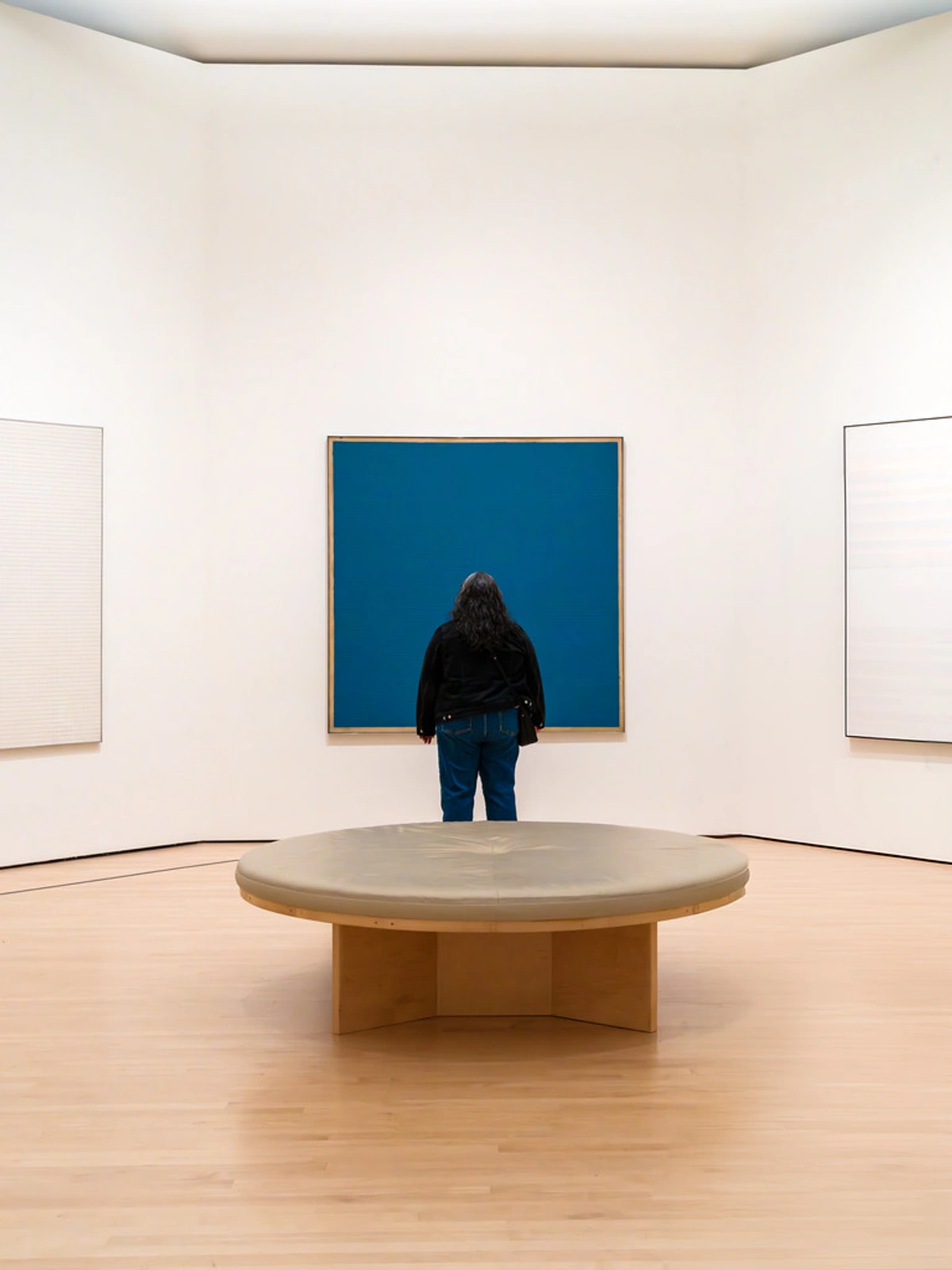
This one is embarrassingly simple, but I swear by it. Find one piece of art—any piece. Set a timer on your phone for five minutes and force yourself to just… look. No judging, no reading the label yet, just looking.

- Minute 1: Notice the obvious. What are the main shapes? What colors are shouting the loudest?
- Minute 2: Go hunting for the quiet details. Is there a tiny brushstroke in the corner? A hidden signature? A drip of paint that seems out of place?
- Minute 3: Think about the physicality of it. Is the paint thick and lumpy, or thin and smooth? Can you see the weave of the canvas?
- Minute 4: Walk away. Look at it from the other side of the room. How does its presence change?
- Minute 5: Come back. What’s the first thing your eye is drawn to now? It’s probably not the first thing you saw.
By the end, you’ve moved from a passive viewer to an active investigator. You’ve built a personal history with the work in just five minutes.

Exercise 2: The Courtroom Cross-Examination
Imagine the artwork is a witness on a stand, and you’re the lawyer. Your job isn’t to admire it, but to interrogate it. Ask the five Ws and one H:
- What am I literally looking at? (Not what it means, but what it is: shapes, forms, textures.)
- Who made this? What do I know (or not know) about them?
- When was this made? What was happening in the world then?
- Where was it made? Is the place important?
- Why did this come to be? What problem was the artist trying to solve?
- How was it physically made? What tools left these marks?
You don't need to answer all of them. The goal is to plant these questions in your head. They are the seeds of curiosity.
Exercise 3: The “One Sentence Story” Challenge
Force yourself to describe the artwork in a single, complete sentence that tells a mini-story. It forces you to synthesize everything you see into a single thought.
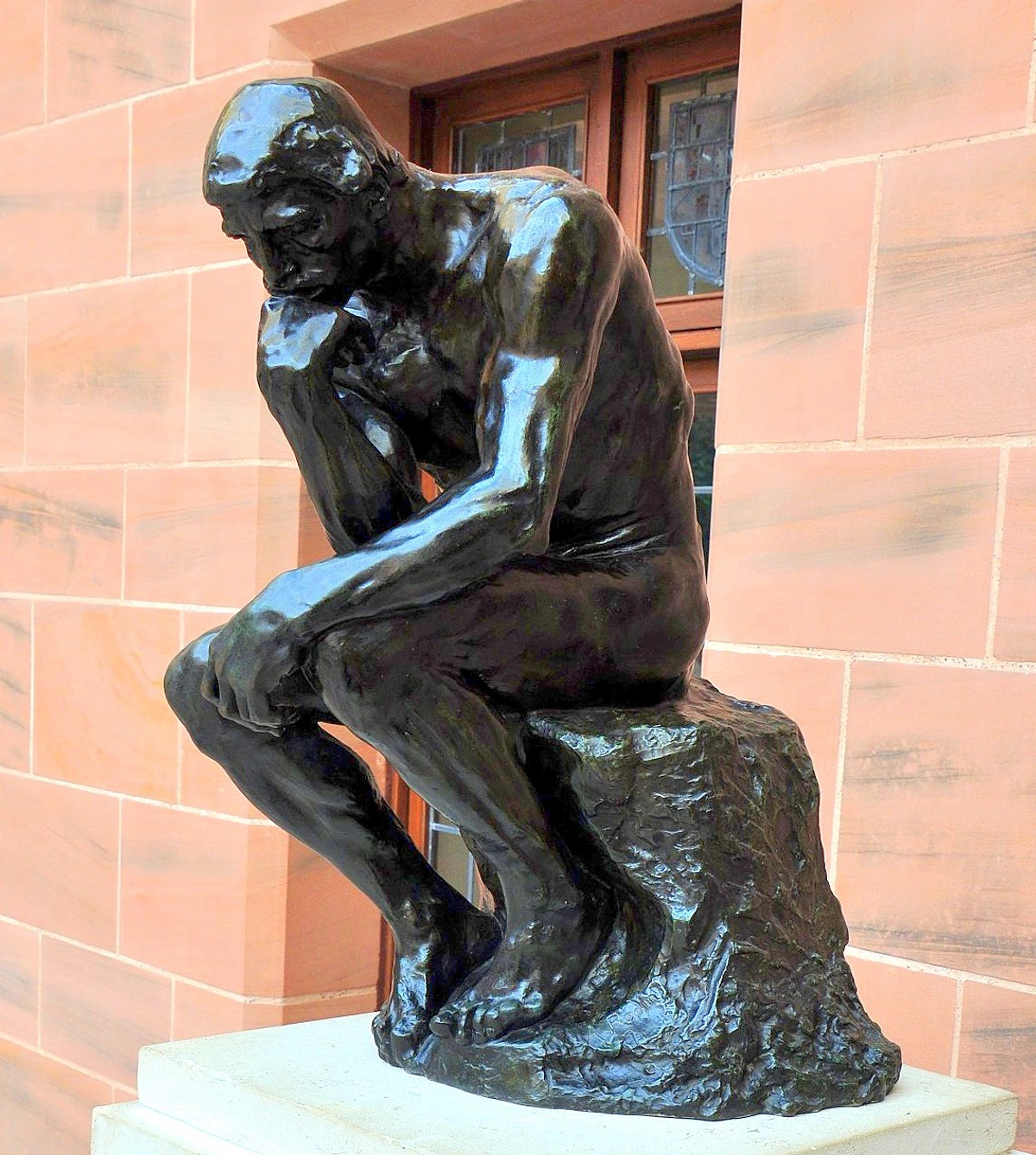
- Bad example: “It’s a painting of a bowl of fruit.” (Factual, but boring.)
- Good example: “A bowl of overripe fruit glows on a table as a single beam of sunlight threatens to turn it all to mush.”
Suddenly, the painting isn’t a thing; it’s a moment in a story you’re helping to tell.
Breaking the Frame: Finding New Ways to Think About Art
True intellectual curiosity isn’t satisfied with just one way of looking. It demands multiple perspectives. It’s about taking the art off its pedestal and letting it rattle around in the messy workshop of your own life and interests.
Connect Art to Your World
What do you already care about? Politics? Fashion? Psychology? Cooking? Connect the art to that. I once saw an exhibition of minimalist sculptures and spent the whole time thinking about the principles of decluttering my home. It was a weirdly productive way to engage with the work. A Renaissance portrait can become a lesson in historical fashion. A chaotic Abstract Expressionist canvas might be a perfect metaphor for your current mental state. There are no wrong connections, only interesting ones.
Ditch the Artist’s Intent (Just a Little)
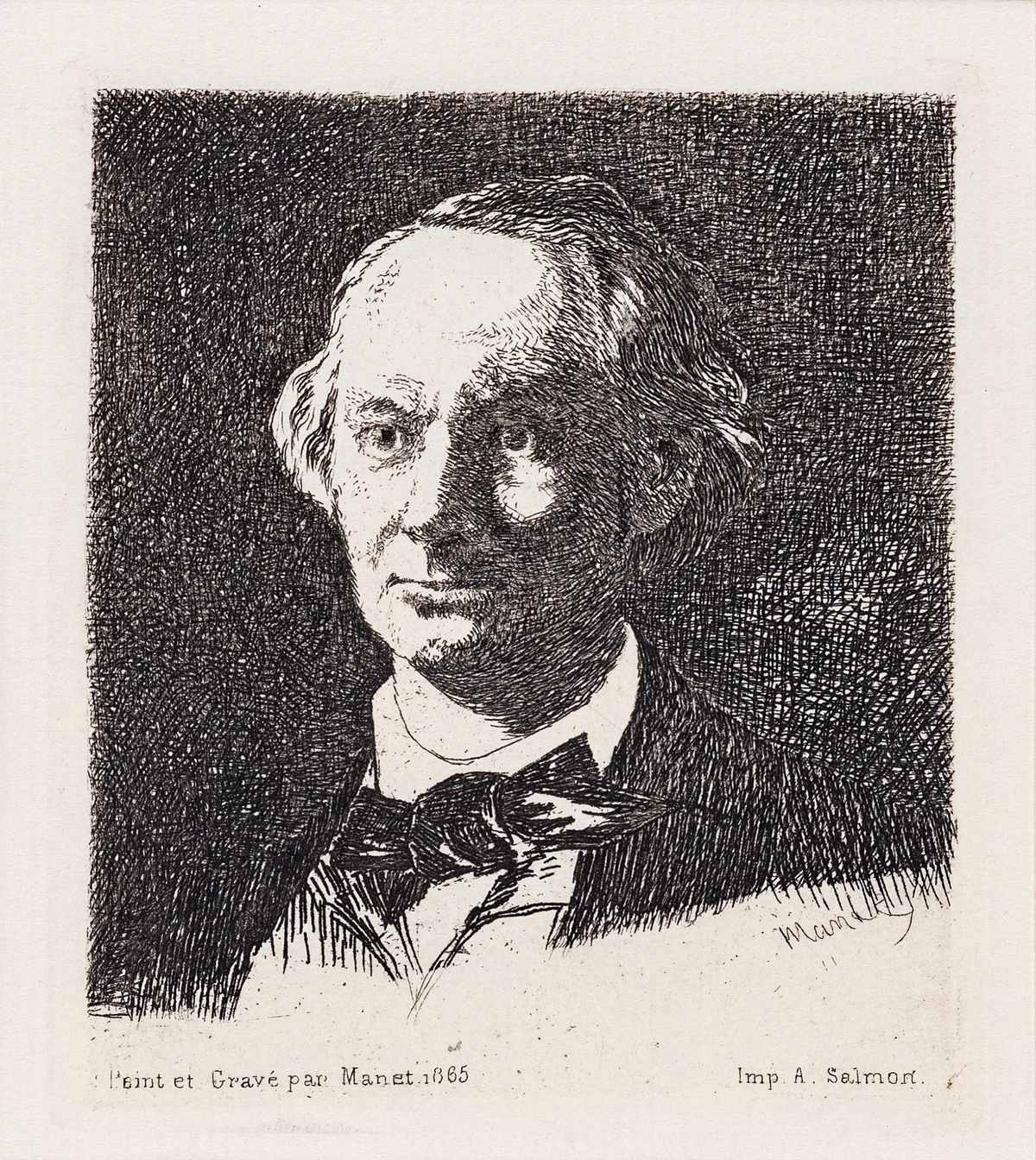
There’s a famous idea in literary theory called “The Death of the Author,” which basically argues that once a work is out in the world, the artist’s original intention doesn’t have the final say on what it means. The meaning is co-created by the viewer.
I find this incredibly liberating. When I approach a strange new artwork, I no longer worry, “What did the artist mean?” Instead, I get to ask, “What does this make me think and feel?” Your interpretation, informed by your unique life, is a valid part of the art’s story. Does that bright red shape remind you of a scar? Does that calm, blue field make you feel lonely? Lean into that feeling. That’s your curiosity talking.
Embrace the Art You Hate
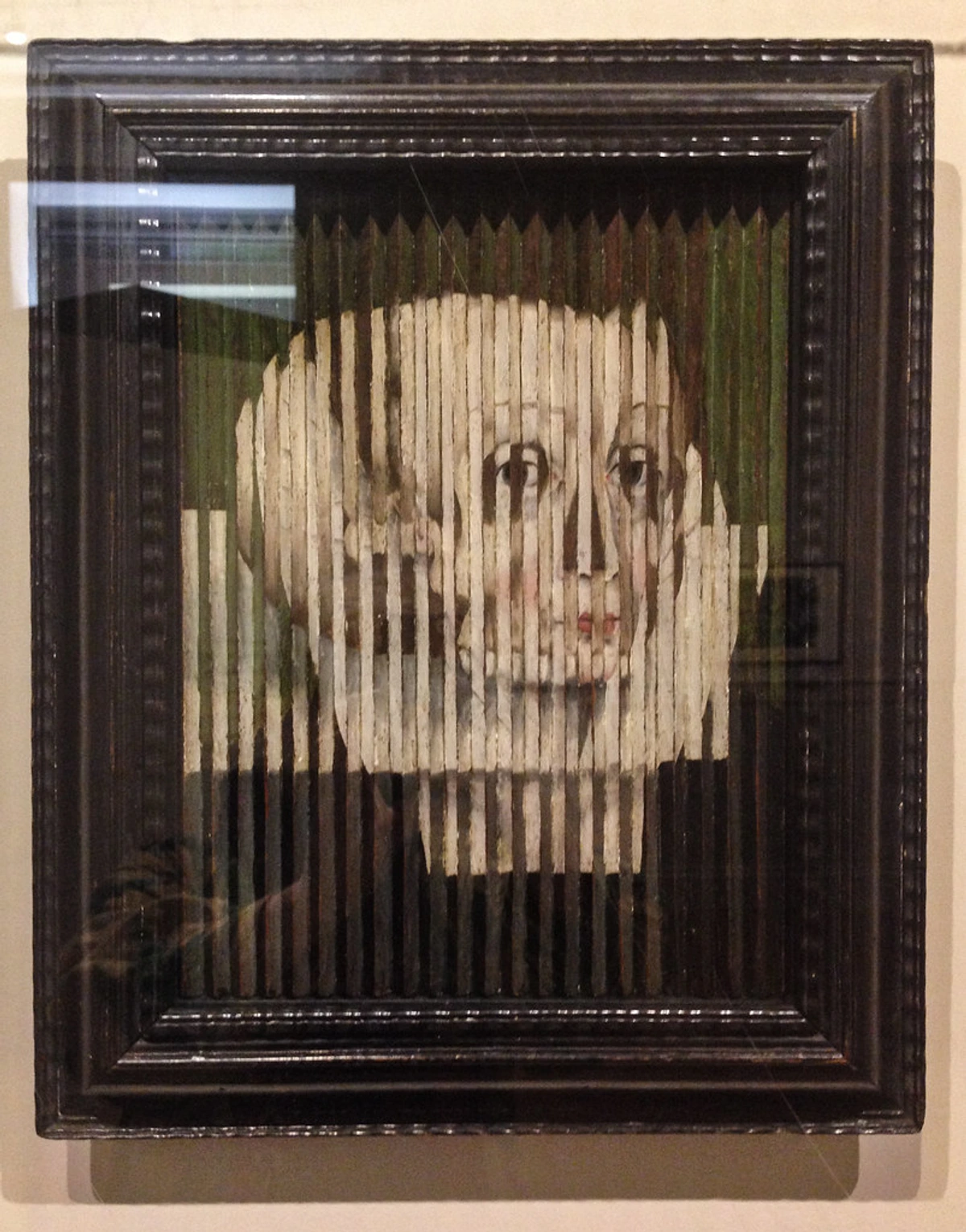
This might be the most powerful curiosity-hack of all. The next time you see a piece of art and your immediate reaction is “Ugh, my kid could do that,” or “That’s not art, it’s just a mess,” I want you to do something strange: lean in.
Your strong dislike is a signal. It means the art is challenging your definition of what art should be. That’s a goldmine for curiosity. Ask yourself: Why does this bother me so much? What rules is it breaking? What is it assuming about me, the viewer? By trying to understand the art you hate, you often learn more about your own aesthetic values than you ever would from the art you love.
Connecting with the Artist’s Mind
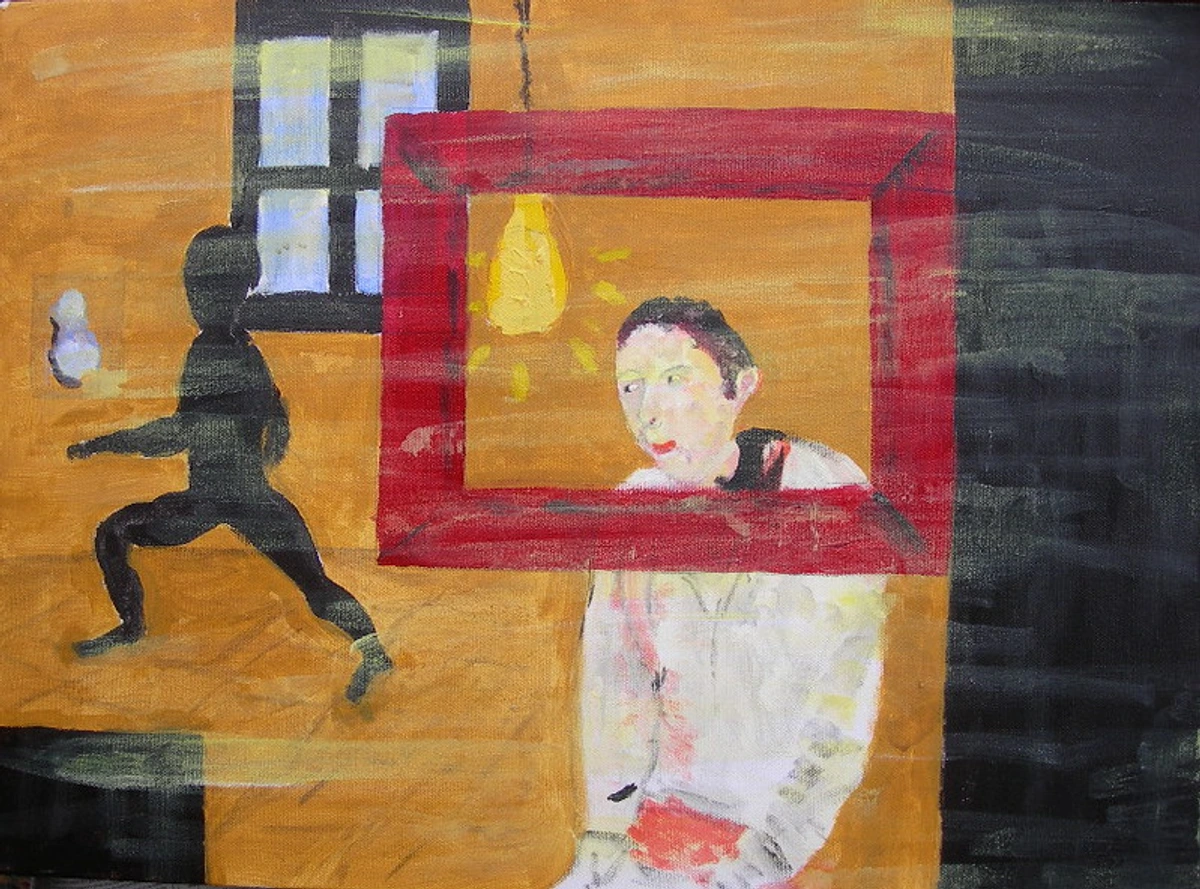
Ultimately, a big part of intellectual curiosity is empathy—a desire to see the world from another person’s vantage point. When I look at a work on my own site, like “Turbulent Resonance”, I see it not just as a final image, but as a record of a process. I think about the choices made in the moment: the choice of a specific red, the decision to let the brushstrokes show, the feeling of building up layers and then scraping them away. Curiosity about the artist’s process is curiosity about the human struggle to create something from nothing.
If you want to understand that process on a grand scale, visiting a museum dedicated to a single artist is an incredible experience. It allows you to see the evolution of a mind over a lifetime. While we’re talking about museums, a visit to the Het Noordbrabants Museum offers a fascinating look at the culture and history of the region, providing a different kind of context that can enrich your perspective on art.

And if you're interested in tracing the journey of a contemporary artist through different phases and inspirations, exploring an artist’s timeline can give you a unique insight into how their intellectual curiosity has shaped their work over the years, mirroring your own journey of discovery.
Frequently Asked Questions (FAQ)
Here are some of the most common questions people have when they’re trying to build a better relationship with art.
Q: Do I need a degree in art history to “get” art?
A: Absolutely not. In fact, I sometimes think a formal education can get in the way by making art feel like a test. A curious beginner’s mind, unburdened by the “right” answers, is the most powerful tool you can have. All you need is the willingness to look, and to ask questions.
Q: But what if my interpretation is “wrong”?
A: This is the biggest fear, and I want to dismantle it right now. There is no single, secret “correct” interpretation locked away in a textbook somewhere. Looking at art is a conversation, not an exam. Your personal, emotional, and intellectual response is a valid and valuable contribution to that conversation. It’s about what the art means to you.
Q: I get bored in museums and galleries after about 15 minutes. What can I do?
A: This is completely normal! Museum fatigue is a real thing. My strategy is to stop trying to see everything. I go in, find three or four pieces that make me pause for even a second, and I spend my entire visit with just them. It’s about quality of attention, not quantity of art. Treat it like a coffee date, not a marathon.









Q: How do I appreciate abstract art if it doesn’t look like anything?
A: The key is to stop trying to see things and start trying to feel feelings. Look at the brushstrokes. Are they angry, frantic slashes or calm, careful lines? Look at the colors. Does that clash of orange and blue make you feel uneasy? Does the huge field of green feel peaceful or oppressive? Think of it less like reading a book and more like listening to music. You don’t need to translate it into words; you just need to let it wash over you.