Your Personal Field Guide to Navigating an Art Fair (Without the Overwhelm)
Feeling lost at art fairs? Join me as I share personal tips and tricks for making the most of your visit, from preparing beforehand to finding art that truly speaks to you.

Your Personal Field Guide to Navigating an Art Fair (Without the Overwhelm)
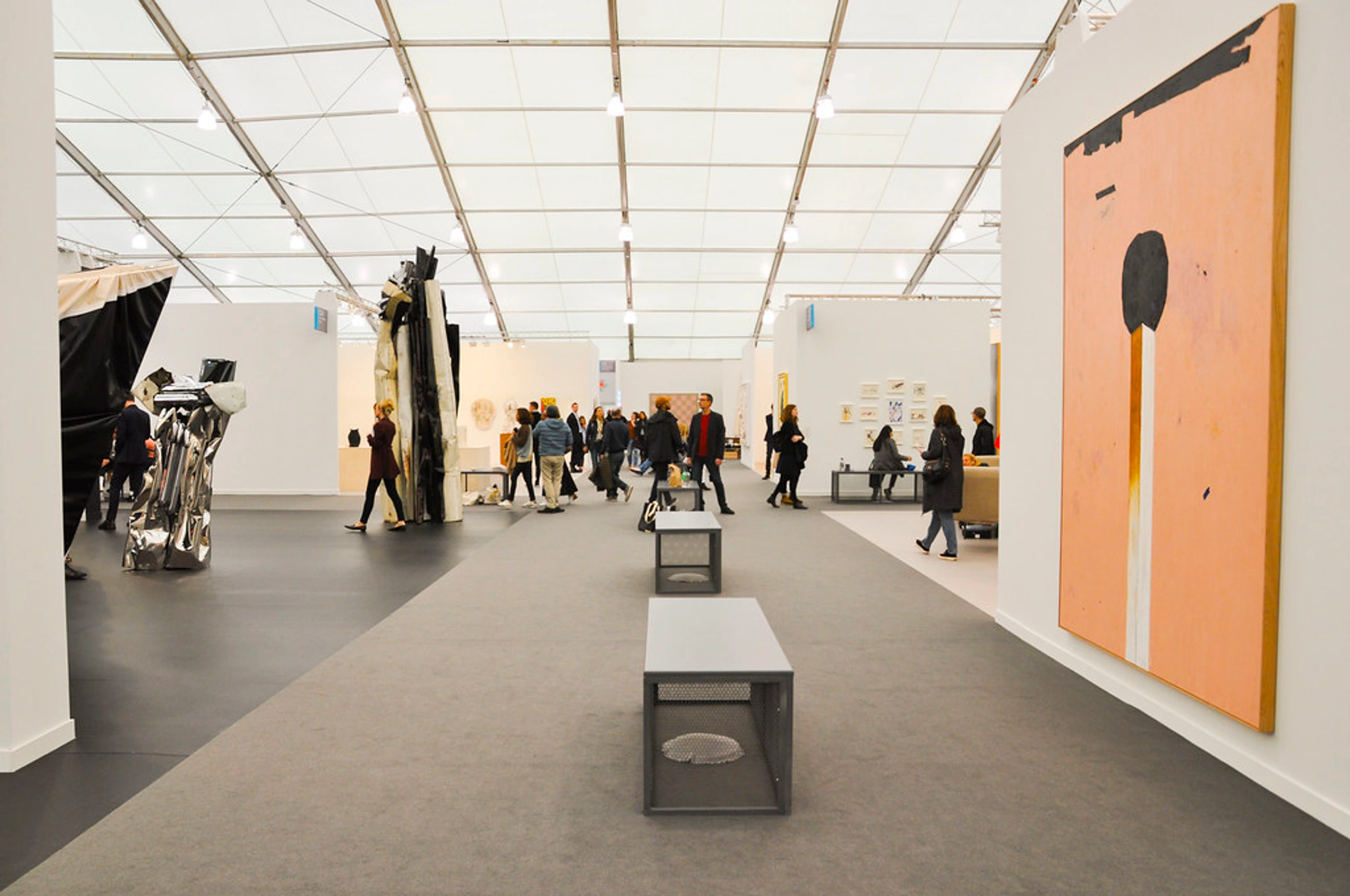
I'll confess, the first time I walked into a major art fair, I felt like a deer caught in headlights. It was a dizzying kaleidoscope of colors, conversations, and so much art. My carefully planned route vanished the moment I stepped past the entrance, replaced by a vague sense of "where do I even start?" Sound familiar? Good, because you're not alone.
Art fairs are incredible, vibrant hubs of creativity, but they can also be genuinely overwhelming. They're not like your typical quiet museum visit, or even a smaller gallery show where you can take your time with each piece. No, these are high-energy events, bustling with collectors, artists, and enthusiasts, all jostling for a glimpse of the next big thing. But I've learned a few things over the years that have transformed my art fair experiences from frantic dashes to genuinely enjoyable explorations. Let me share my personal playbook with you.
Before You Step Foot In: The Preparation Phase
Types of Art Fairs: A Quick Lay of the Land
Before we dive into the nitty-gritty of navigating, it's worth a quick chat about the different flavors of art fairs out there. Because, just like ice cream, they're not all vanilla! Understanding the vibe can help you tailor your approach.
- The Global Giants (e.g., Art Basel, Frieze): These are the big leagues. Think thousands of artists, hundreds of galleries, and a truly international crowd. They can be incredibly exhilarating but also the most overwhelming. They often feature blue-chip art and are a major hub for serious collectors and institutions.
- Regional & Local Fairs: These are often more accessible, showcasing local talent and galleries. They're fantastic for discovering emerging artists and connecting with your local art scene. The pace is usually a bit slower, and you might find more approachable price points.
- Specialized Fairs: Some fairs narrow their focus – perhaps only photography, contemporary design, or specific art movements. If you have a particular interest, these can be a goldmine, offering a deeper dive into your passion without the broader distraction.
- Emerging Artist Fairs: These are purely dedicated to showcasing up-and-coming talent. They're a brilliant place to spot the next big thing and often a more relaxed environment to engage directly with artists.
Knowing what kind of fair you're headed into can really help set your expectations and focus your energy.
Look, I'm not usually a 'planner' – my studio often looks like a beautiful disaster – but when it comes to art fairs, a little forethought goes a long way. Trust me on this one.
1. Research, Research, Research (But Don't Overdo It)
Before you even think about putting on those walking shoes, spend a bit of time online. Most major art fairs have a comprehensive website listing participating galleries, special exhibitions, and even floor plans.
- Who's Showing? Take a peek at the gallery list. Are there any particular artists or galleries you've been following? Make a mental (or actual) note. This helps you prioritize.
- What's On? Often, fairs have talks, performances, or specific themed sections. Check if anything piques your interest. I remember missing an incredible artist talk once because I didn't check the schedule. Don't be me.
- Location, Location, Location: Glance at the floor plan. It helps you get your bearings, even if, like me, you promptly forget it once inside. Knowing that Booth A12 is roughly "over there" can save you precious wandering time.
- Budget (If You're Buying): If you're serious about buying, have a realistic budget in mind. Art prices at fairs can vary wildly, from accessible prints to museum-level masterpieces. Knowing your limit helps you focus your attention.
2. Dress for Success (Meaning: Comfort)
This isn't a fashion show (unless it's a specific fashion art fair, in which case, go wild). You're going to be on your feet for hours, potentially weaving through crowds.
- Shoes are Key: Seriously, comfortable shoes are your best friend. Those stylish but impractical boots? Leave them at home. Your feet will thank you by the end of the day.
- Layer Up: Art fair venues can range from surprisingly chilly to oddly stuffy. Layers allow you to adapt.
- Light Bag: Carry only essentials. A bulky bag is just another obstacle in a crowded aisle.
3. Logistics & Practicalities: Don't Get Caught Out
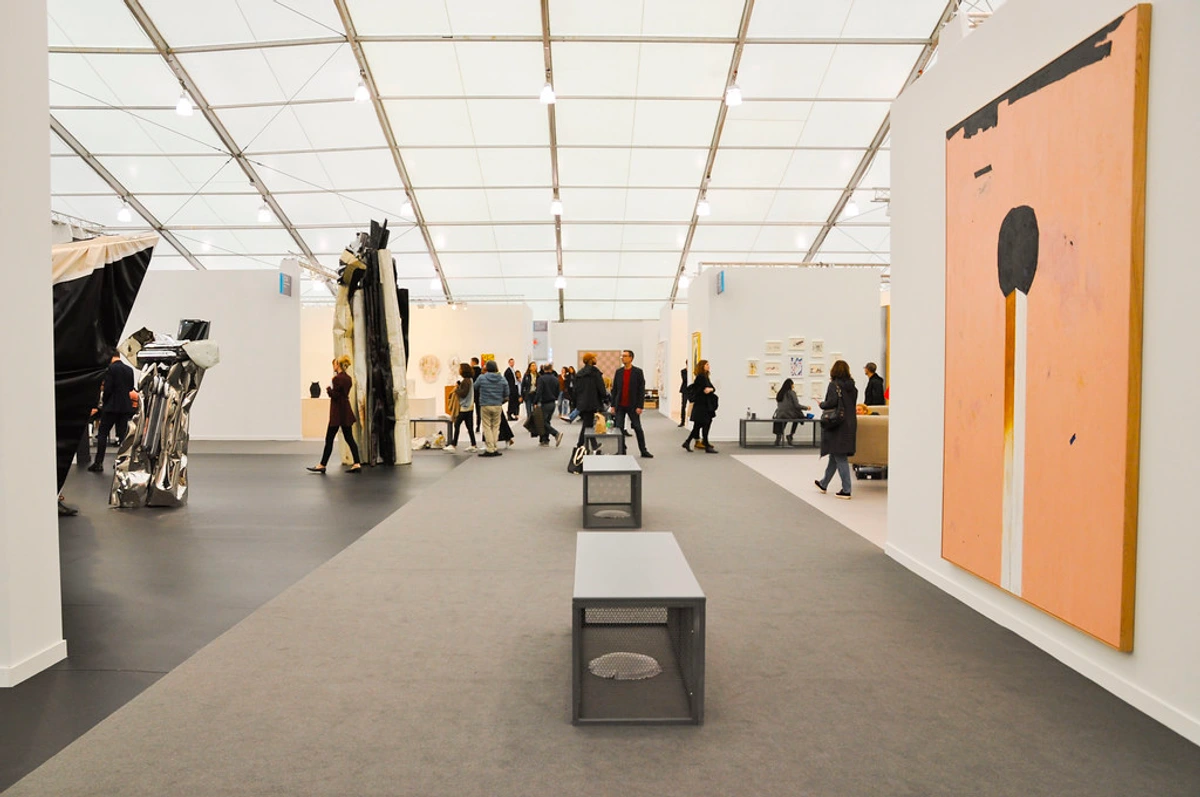
Okay, so you've done your art homework and picked out your comfiest shoes. Now for the nuts and bolts that can make or break your day. Trust me, getting stuck in traffic or hangry in a crowded hall is not the vibe we're going for.
- Transportation Tangles: Seriously, figure out your commute before you leave. Is there dedicated parking? Is public transport an option? Major fairs often have huge attendance, and traffic can be a nightmare. I once spent an hour circling for parking, and by the time I got in, my enthusiasm had taken a serious hit. Learn from my mistakes!
- Fueling Your Exploration: You'll be walking, talking, and thinking. That requires fuel. Check if the fair has food stalls or cafes, or if you should pack a snack. Hydration is also key – I always carry a reusable water bottle. Nobody enjoys an art-induced dehydration headache.
- Accessibility Matters: If you or someone in your party has accessibility needs, check the fair's website beforehand. Most venues are accessible, but it's always good to confirm details like ramp access, elevator locations, and dedicated seating areas.
- Bag Check Blues: Be prepared for potential bag checks, especially at larger venues. Try to minimize what you carry to speed up entry. Big backpacks are often a no-go, or they'll be stashed in a cloakroom – another time-sink.
A little planning here saves a lot of headaches later, leaving you free to fully immerse yourself in the art.
Navigating the Labyrinth: Inside the Art Fair
Okay, you're in! The energy is palpable, the sounds are a mix of chatter and excited gasps, and the art... oh, the art! Here's how I try to make sense of it all.
1. Pacing Yourself: It's a Marathon, Not a Sprint
Don't try to see everything in the first hour. You'll burn out, and everything will start to blend into one giant, beautiful blur.
- Take Breaks: Find a quiet corner, grab a coffee, or step outside for some fresh air. Reset your eyes and your brain. I often find a tiny cafe stall tucked away somewhere and just watch people for a bit.
- Slow Down: Resist the urge to rush. Allow yourself to be drawn in by a piece, even if it's not by a "big name." Some of my most treasured art discoveries have been made while simply lingering.
- Start at the Edges: A trick I picked up: instead of diving headfirst into the central aisles, sometimes starting with the booths along the perimeter helps you get a feel for the layout and different styles without being immediately overwhelmed by the densest crowds.
2. Digital Companions: Your Smartphone as a Secret Weapon
In this day and age, your phone can be more than just a camera (though it's great for that too, discreetly of course!). Many fairs leverage technology to enhance your experience.
- Fair Apps: Download the official fair app if there is one. These are often invaluable, offering interactive floor plans, artist lists with direct links, schedules for talks and events, and sometimes even price lists. It's like having a personal guide in your pocket.
- QR Codes & Digital Tags: Keep an eye out for QR codes next to artworks. Scanning them can often lead you to more information about the artist, the piece, or the gallery. It’s a discreet way to get details without monopolizing a gallerist's time.
- Social Media Scans: Before or during your visit, a quick scan of the fair's official social media (and relevant hashtags) can give you real-time updates, highlight must-see booths, or point you towards trending artists. But don't get too sucked into your phone; remember to look up and around!
Embrace the tech, but don't let it replace the real-world interaction. It's a tool to enhance, not to distract.
2. Engaging with the Art (and the People)
This is where the magic happens. Art fairs are as much about interaction as they are about observation.
- Let Your Eye Lead: Don't feel pressured to follow a specific route. If a piece catches your eye from across the room, go explore it! What makes it stand out? Is it the color? The subject? The way it's framed?
- Talk to the Galleries: The gallerists and their staff are there to talk about the art. Don't be shy! Ask questions about the artist, their process, the inspiration, or even the story behind a particular piece. It's an incredible opportunity to learn directly from those who know the work best. I've had some fascinating conversations this way, and it often deepens my appreciation for the art and the artist's journey (which, speaking of, you can read a bit about my own journey here).
- Take Notes (or Photos): If something really resonates, take a discreet photo (if allowed, always check!) or jot down the artist's name and gallery. You won't remember everything, and a quick note can be a lifesaver later.
3. Stepping Back: Critical Viewing
Sometimes, the best way to see a piece is to not stare directly at it.
- Distance is Your Friend: Walk away, turn around, and then approach it again. How does it look from a distance? How does it change as you get closer? A painting that felt abstract up close might reveal a landscape from across the room, or vice-versa.
- Consider the Context: Think about where it's displayed, next to what other works, and how that affects your perception.


Art Fair Etiquette: The Unspoken (and Spoken) Rules
Okay, let's talk about playing nice. While art fairs are vibrant and exciting, there are a few unwritten rules of engagement that can make everyone's experience better, including yours. Think of it as social lubricant for the art world.
- Look, Don't Touch (Unless Invited): This is probably the biggest one. Most artworks, especially paintings and sculptures, are not meant to be touched. Oils from your skin can damage surfaces. If you're unsure, just keep your hands to yourself. Some interactive pieces might invite touch – if so, there will usually be a clear sign.
- Personal Space is Precious: Fairs get crowded. Be mindful of others. Avoid blocking artworks for extended periods if people are waiting. A little courtesy goes a long way in tight aisles.
- Talking to Gallerists: Be Genuine, Not Just a Price Hunter: As I mentioned, gallerists are there to talk. Engage them with genuine curiosity about the art and artist. While asking prices is fine (and expected if you're serious), avoid leading with "How much is this?" if you have no real interest. Build a rapport first.
- Photography Pointers: While many fairs allow photos for personal use, always be discreet. Avoid flash photography as it can damage art and annoy fellow visitors. If a specific gallery has a "No Photography" sign, respect it. And if you're taking a picture of a piece someone else is admiring, be quick and polite.
- Don't Bring Your Coffee Mug to the Booth: Just like in a library, be cautious with food and drink around precious art. Most fairs have designated areas for refreshments. Spills are a nightmare, for everyone.
Following these simple guidelines ensures a smoother, more respectful experience for artists, gallerists, and fellow art lovers alike.
Beyond the Booths: Talks, Performances, and Special Projects
Art fairs aren't just about rows of gallery booths. Many of the larger, more ambitious events offer a rich program of supplementary activities that can significantly deepen your experience. This is where the fair truly comes alive as a cultural event, not just a marketplace.
- Artist Talks & Panels: Seriously, do not skip these if something piques your interest. Hearing an artist discuss their work, process, or inspiration firsthand is invaluable. Likewise, panel discussions with curators, critics, or collectors can offer incredible insights into the art world, current trends, and critical thinking. I've had my mind completely shifted by a well-moderated panel.
- Live Performances: Some fairs incorporate live performance art, dance, or musical pieces. These are often ephemeral and unique to the fair, offering a dynamic counterpoint to the static artworks. Check the schedule and try to catch one – it's a different kind of immersion.
- Special Projects & Installations: Many fairs commission or feature large-scale installations, site-specific works, or experimental projects that might not fit into a traditional gallery booth. These are often conversation starters, pushing boundaries and offering new perspectives on art-making and viewing. They can be tucked away in unexpected corners, so keep an eye on your map!
- Film Screenings & Video Art: With the rise of digital mediums, video art and film screenings are becoming more common. These offer a chance to sit down, rest your feet, and engage with moving image art, which can be a refreshing change of pace.
These elements transform a simple viewing experience into a truly immersive cultural festival. Always check the fair's program – you might discover your next obsession.
So You've Found "The One": What Now?
Okay, maybe you haven't fallen head over heels for a piece you must own, but what if you have? Or what if you're an artist yourself, wondering how this whole ecosystem works?
Buying Art at an Art Fair
If a piece has captured your heart and you're considering a purchase:
- Don't Rush the Decision: Sleep on it if you can. A good gallery will understand.
- Ask About Pricing and Shipping: Get all the details upfront. Are there payment plans? How will it be shipped? What about installation?
- Get Documentation: Ensure you receive a certificate of authenticity and an invoice. This is crucial for provenance.
- Understanding Investment (Optional, But Good to Know): While most of us buy art because we love it, it's worth noting that art can be an investment. If you're buying a significant piece, researching the artist's market, exhibition history, and how their work fits into the broader art historical context can be beneficial. But remember, buy with your heart first, your wallet second.
- Support Emerging Artists: While big names are exciting, fairs are also fantastic places to discover and support emerging talent. Sometimes, the pieces that truly move you aren't the ones with the highest price tags. And speaking of supporting artists, if you're an artist looking to participate in a fair, you might find some useful insights in our article on understanding art fair logistics.
Future Connections: Building Your Art Network
Even if you don't buy anything, an art fair is a goldmine for building connections. These relationships can enrich your art journey in unexpected ways.
- Follow Up with Galleries: If you had a great conversation or were particularly drawn to an artist's work, grab a business card or brochure. A polite follow-up email a few days later, mentioning your interest, can open doors. You might be added to their mailing list for future shows, or even get a heads-up on new works.
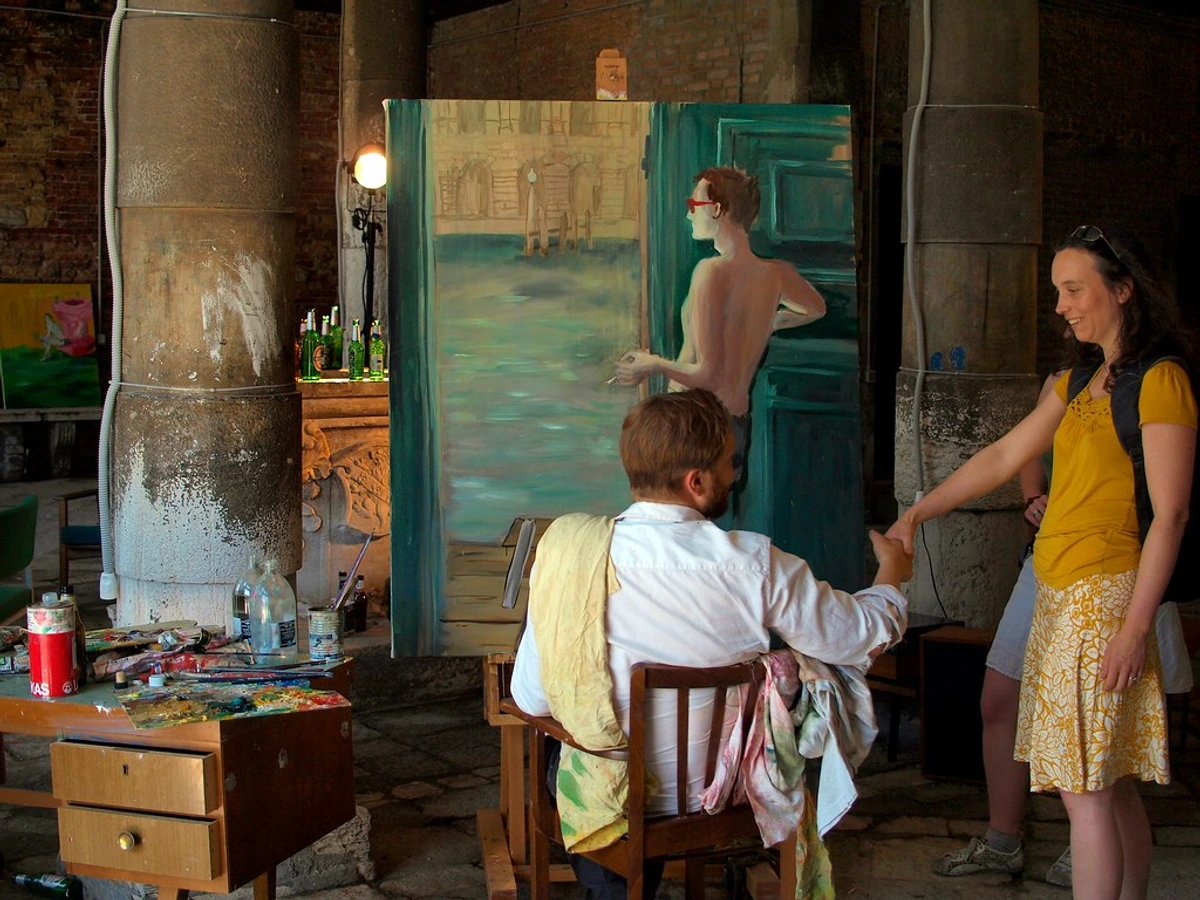
- Connect with Artists (When Appropriate): Sometimes artists are present at their booths. This is a rare and precious opportunity! Engage them respectfully. Ask about their process, their inspiration, or their journey. If you're an artist yourself, this is a fantastic networking chance – but always be mindful of their time and the context of the fair.
- Social Media & Online Presence: Follow your favorite galleries and artists on social media. It's a fantastic way to stay updated on their latest work, upcoming exhibitions, and studio insights. Many artists now use platforms like Instagram to share their daily practice.
Remember, the art world is a community, and these fairs are its beating heart. Nurturing connections can deepen your appreciation and involvement long after the fair doors close.
The Artist's Perspective (Just a Quick Thought)
For me, art fairs are also a chance to see what's happening in the contemporary art world, what other artists are exploring, and how galleries are presenting work. It's a massive learning experience. It's a world away from the quiet solitude of my own studio, but a vital part of the artistic ecosystem. And if you're ever curious about the art I create, you can explore my own colorful and abstract pieces for sale here or even visit my personal museum in 's-Hertogenbosch.
Making it a Family Affair: Art Fairs with Kids
Bringing little ones to an art fair might sound like a recipe for chaos, but it doesn't have to be! With a little planning and a shift in perspective, it can be a wonderfully enriching experience for the whole family. Think of it as introducing them to a vibrant world of creativity, rather than a stuffy museum.
- Set Expectations (for Everyone!): Talk to your kids beforehand about what they'll see and what behavior is expected (e.g., no touching, walking feet). But also, manage your expectations. You probably won't see every booth, and that's okay. The goal is exposure and enjoyment, not comprehensive coverage.
- Keep it Short & Sweet: Young attention spans are real. Plan for shorter visits, perhaps focusing on a few key sections or galleries that might appeal to them. A couple of hours might be plenty. You can always come back another day if the fair runs for multiple days.
- Make it Interactive: Turn it into a game! "Find the bluest painting," "Which piece tells a story?", "What's the funniest sculpture?" Encourage them to talk about what they see and how it makes them feel. Ask open-ended questions.
- Seek Out Kid-Friendly Programs: Many larger fairs now offer dedicated children's workshops, tours, or activity zones. These can be a fantastic way for kids to engage directly with art-making in a supervised, fun environment, giving you a chance to explore nearby booths.
- Snacks & Breaks are Your Superpower: Just like for adults, hydration and snacks are crucial. And don't underestimate the power of a quick break on a bench or a trip outside for some fresh air to reset.
- Embrace the Mess (a little bit): Kids might not "get" abstract art or appreciate a minimalist installation in the same way you do, and that's perfectly fine. Let them react honestly, and use their questions as a springboard for discussion. Their fresh perspective can even be enlightening for you!
An art fair can spark a lifelong love of art in children, but only if the experience is positive and tailored to their needs. So grab their hands (or their strollers!) and dive in.
Frequently Asked Questions About Art Fairs
Q: Do I need to be an art expert to enjoy an art fair?
Absolutely not! Art fairs are for everyone. Your only requirement is an open mind and a willingness to explore. Don't worry about knowing all the jargon or the history of every movement. Just focus on what you see and how it makes you feel.
Q: Is it rude to ask for prices?
Not at all! It's perfectly normal to ask about prices if you're interested in a piece. Gallerists expect these questions. If you're just browsing, a simple "Thank you, I'm just looking" is always fine.
Q: What if I can't afford anything?
Honestly, most of us are in the same boat! Art fairs are fantastic for seeing incredible art, even if you're not in a position to buy. Don't feel pressured. Enjoy the visual feast, learn from the gallerists, discover new artists, and soak in the atmosphere. It's an experience, a learning opportunity, and a source of inspiration, regardless of your budget. Many artists also offer prints or smaller works at more accessible price points, so it's always worth asking if you truly fall for a piece.
Q: Can I take photos?
Most fairs allow photography for personal use, but it's always polite to ask the gallery staff if you're unsure, especially if you're focusing on a specific piece. Some galleries prefer you not to.
Q: How long should I spend at an art fair?
It really depends on the size of the fair and your interest level. Smaller fairs might be a couple of hours, while larger international ones could easily fill an entire day, or even multiple days. Listen to your body and your eyes – when you start to feel overwhelmed, it's time for a break or to call it a day.
One last thing I want to impress upon you: beyond the art and the sales, art fairs are ultimately about community. They're gathering places for people who love art – to create it, to curate it, to share it, and to experience it. There's a shared energy, a collective buzz of passion that's truly unique. It’s a space where artists connect with their audience, where new ideas are born, and where the pulse of the contemporary art world beats strongest. Embrace that sense of connection.
Final Thoughts from a Fellow Art Lover
Navigating an art fair can be an adventure. Sometimes you'll walk away feeling inspired, sometimes a bit exhausted, and sometimes you'll have found a new favorite artist or even a piece that changes your living space. The key, I've found, is to approach it with curiosity and without too many expectations. Let the art guide you, let the conversations spark new ideas, and most importantly, allow yourself to simply enjoy the incredible feast for the senses. It's a unique experience, and one I wouldn't trade for anything. Go forth and explore!