
How to Explain Art Misconceptions: A Practical Guide
A comprehensive guide to addressing common art misconceptions, perfect for enthusiasts, teachers, and collectors.

How to Explain Art Misconceptions: A Practical Guide
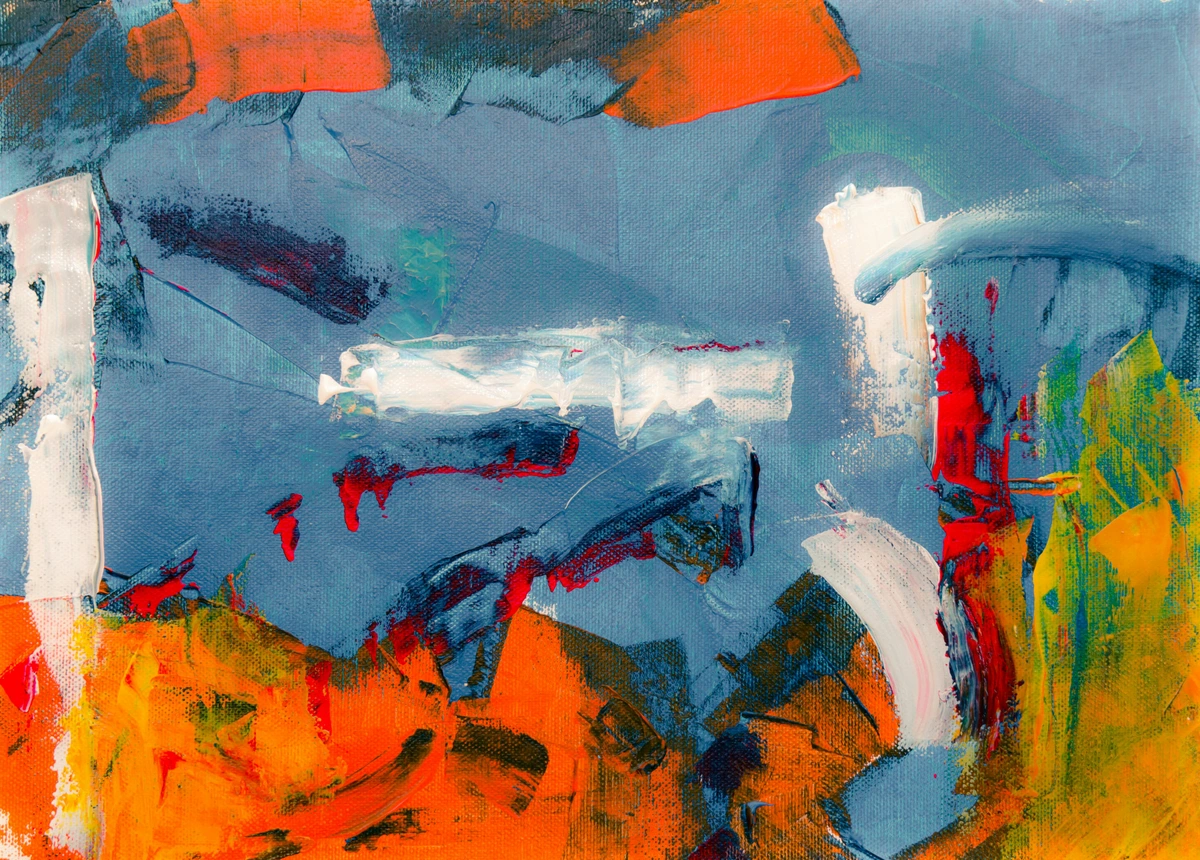
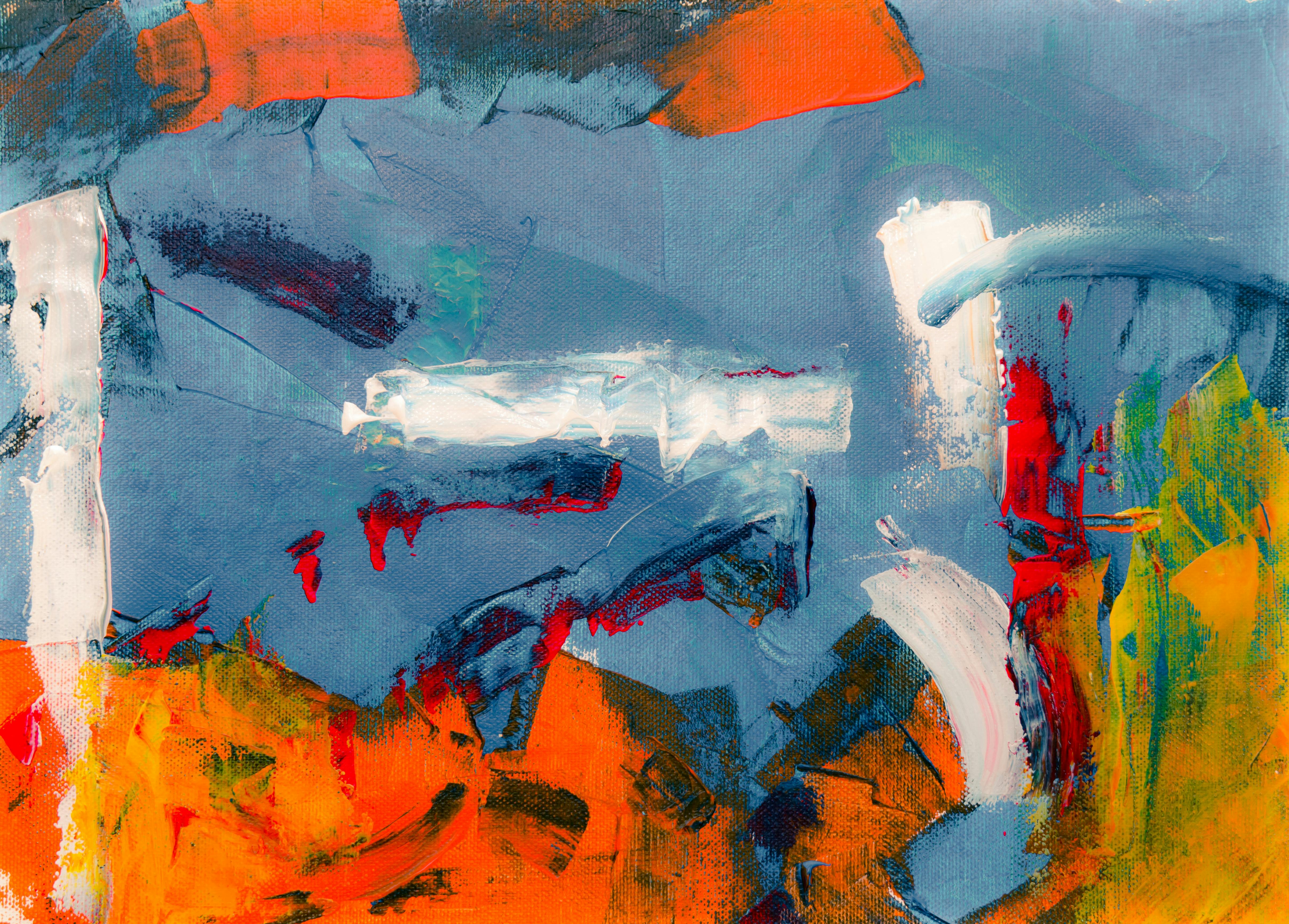
I remember the first time I tried to explain abstract art to a friend. They looked at a vibrant, chaotic painting and said, "I don't get it. It's just a mess of colors." I felt a pang of frustration, not because they didn't understand, but because I didn't know how to explain it in a way that would make sense to them. That moment stuck with me, and over time, I've learned that explaining art—especially when it comes to misconceptions—isn't about proving someone wrong. It's about opening a door to a new way of seeing.
Art is a language, and like any language, it requires a certain level of fluency to appreciate its nuances. This guide aims to help you become fluent in the language of art, so you can confidently navigate conversations about art misconceptions.
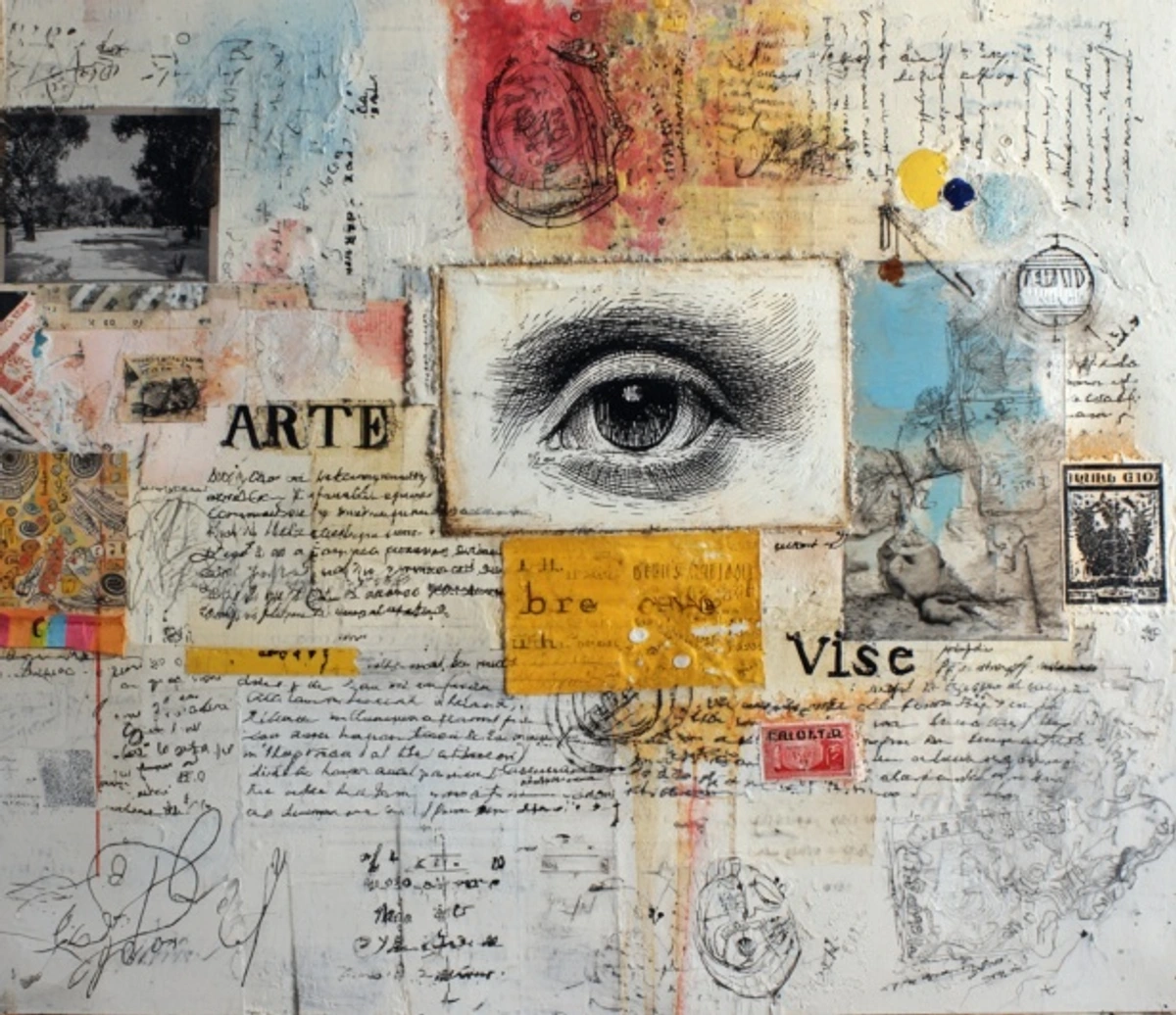
Art is a language, and like any language, it requires a certain level of fluency to appreciate its nuances. This guide aims to help you become fluent in the language of art, so you can confidently navigate conversations about art misconceptions.
Introduction
Art is subjective, and that's what makes it so beautiful and, at times, so confusing. Misconceptions about art are common, whether it's about the value of abstract pieces, the role of the artist, or the meaning behind a work. The goal of this guide is to help you navigate these conversations with confidence and clarity.
In this guide, we will explore:
- The nature of art misconceptions and why they exist.
- Common misconceptions and their realities.
- Practical steps to explain art misconceptions effectively.
- Real-life examples and scenarios.
- Considerations for fostering meaningful conversations about art.
Key Concepts
What Are Art Misconceptions?
Art misconceptions are misunderstandings or false beliefs about art. These can range from simple misunderstandings about techniques to deeper misconceptions about the purpose and value of art.
Why Are Art Misconceptions Important?
Understanding and addressing art misconceptions is crucial because they can hinder appreciation and engagement with art. By clarifying these misconceptions, we can foster a deeper connection with art and its diverse forms.

Why Do Art Misconceptions Exist?
Art misconceptions often stem from a lack of exposure or education. People may not have had the opportunity to learn about different art forms or the context in which they were created. Additionally, personal biases and societal norms can influence how people perceive art.
For example, someone who has only been exposed to classical art might struggle to appreciate contemporary abstract pieces. Similarly, societal norms that prioritize realism might lead to the misconception that abstract art lacks skill or meaning.
The Role of Education in Art Appreciation
Education plays a significant role in shaping our understanding of art. Formal education, personal exploration, and exposure to diverse art forms can help dispel misconceptions and enrich our appreciation of art.
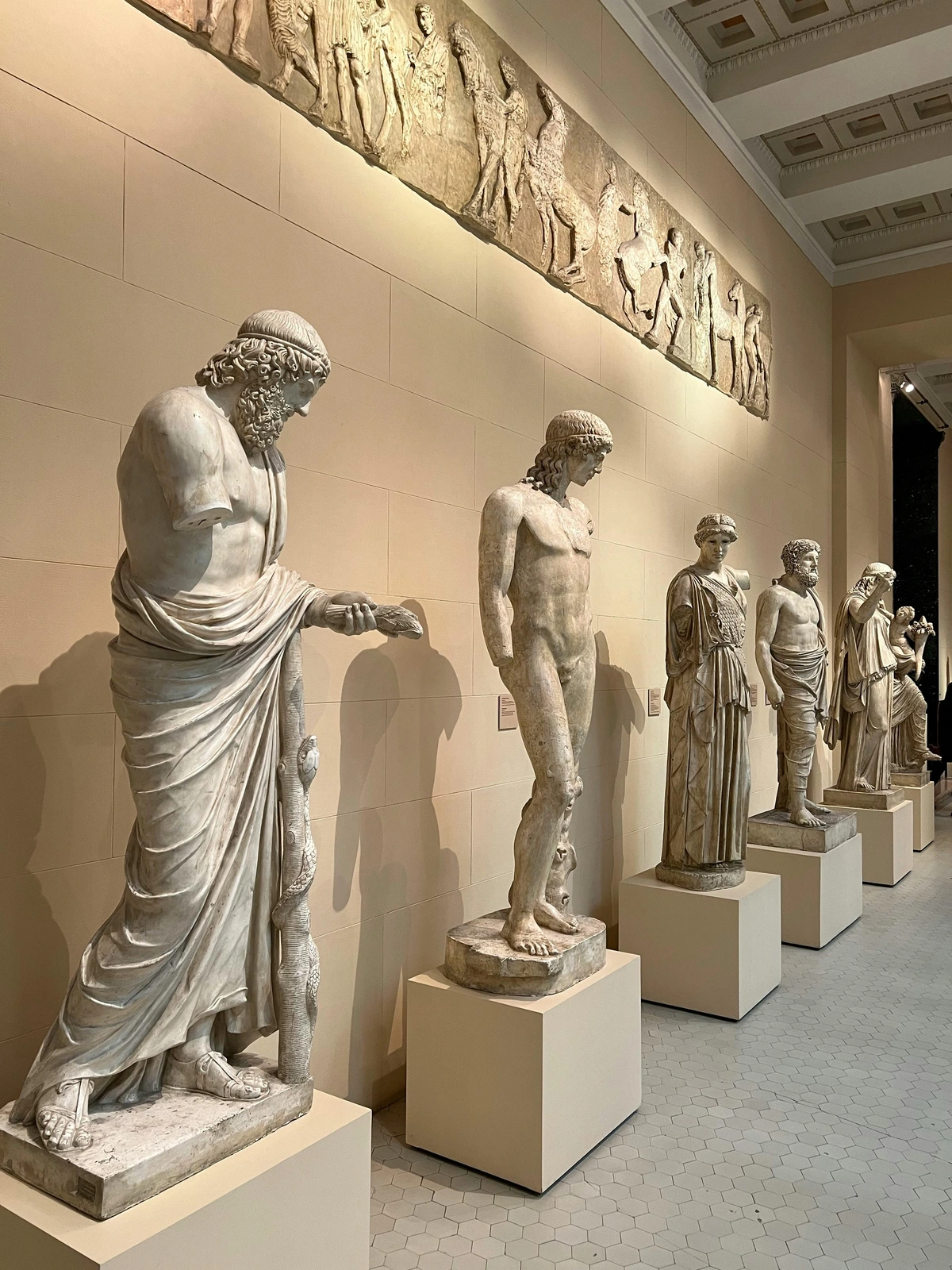
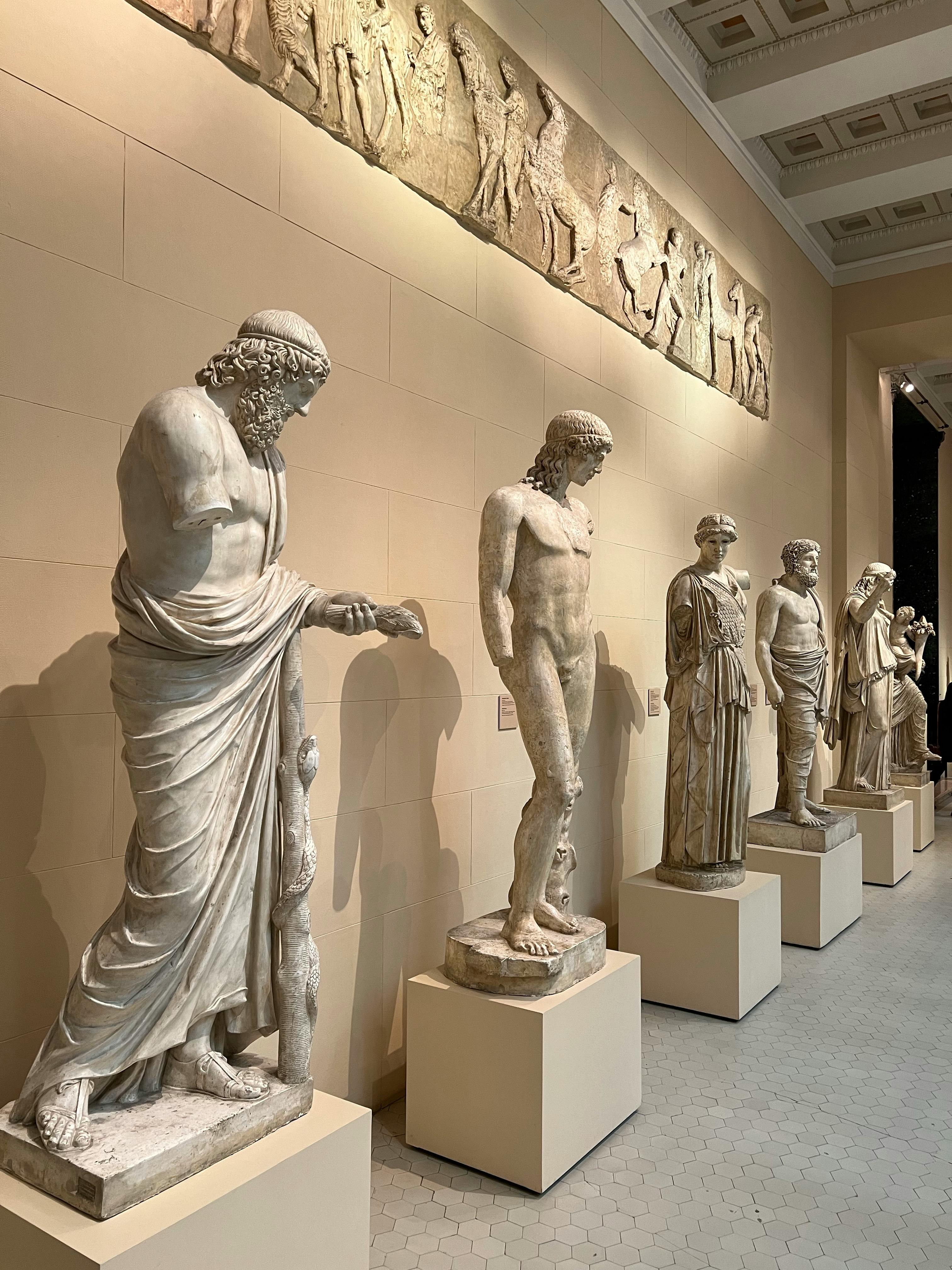
Consider visiting museums, attending art workshops, or engaging with online resources to broaden your understanding. The more you learn, the more you'll appreciate the depth and diversity of artistic expression.
Common Art Misconceptions
Misconception 1: "Abstract Art is Just Random"
Reality: Abstract art is not random. It's a deliberate exploration of form, color, and composition. Artists like Wassily Kandinsky and Piet Mondrian used abstract forms to convey emotions and ideas.
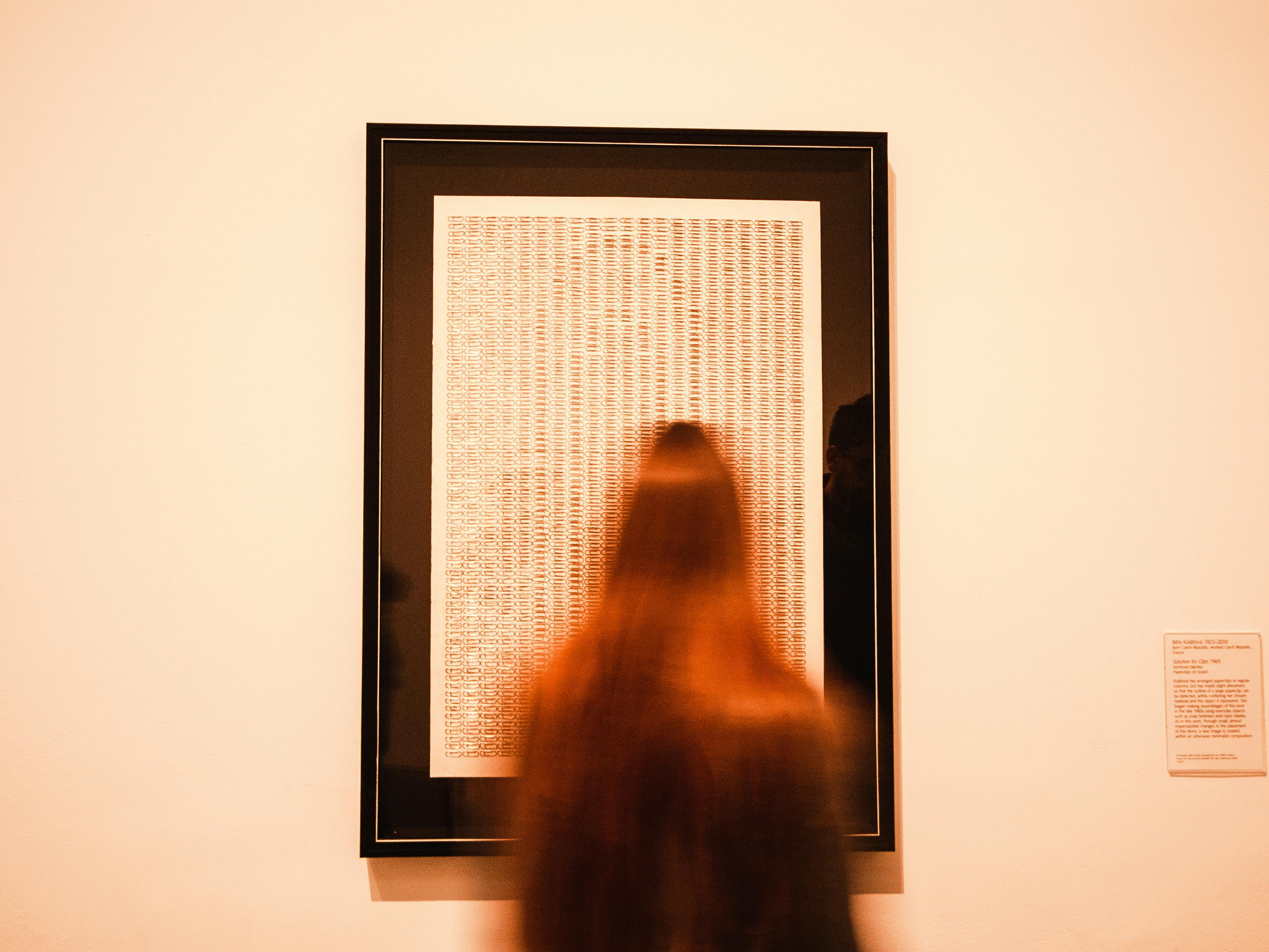
Abstract art challenges viewers to interpret and connect with the artwork on a personal level. It's not about replicating reality but about expressing emotions, ideas, and concepts in a unique and often non-representational way.
Misconception 2: "Art Must Be Realistic to Be Good"
Reality: Art is not about realism. It's about expression. Whether it's a hyper-realistic portrait or a abstract sculpture, the value of art lies in its ability to evoke emotions and provoke thought.
Artistic expression can take many forms, from photorealistic paintings to abstract sculptures. The beauty of art lies in its diversity and the unique perspectives it offers.
Misconception 3: "The Value of Art is Based on the Artist's Fame"
Reality: The value of art is subjective and can be influenced by many factors, including the artist's skill, the uniqueness of the piece, and the emotional response it evokes. Fame is just one small part of the equation.
The value of art is deeply personal and can vary greatly from one person to another. It's not just about the artist's reputation but also about the emotional and intellectual connection the viewer has with the artwork.
How to Explain Art Misconceptions
Step 1: Listen and Understand
Before you can explain anything, you need to understand where the other person is coming from. Ask questions like, "What do you see in this piece?" or "How does this make you feel?" This will give you insight into their perspective and help you tailor your explanation.
Active listening is key. Show genuine interest in their thoughts and feelings, and use their responses as a foundation for your explanation.
Step 2: Provide Context
Context is key. Explain the historical, cultural, or personal background of the piece. For example, if someone doesn't understand why a painting is valuable, explain the artist's journey, the techniques used, and the significance of the piece in the art world.
Providing context helps the viewer connect with the artwork on a deeper level. It transforms the artwork from a mere object into a story that resonates with the viewer.
Step 3: Use Analogies
Analogies can be powerful tools for explaining complex ideas. For example, you might compare abstract art to music. Just as a symphony can evoke emotions without using words, abstract art can convey feelings and ideas without using recognizable forms.
Analogies bridge the gap between the familiar and the unfamiliar, making abstract concepts more accessible and relatable.

Step 4: Encourage Open-Mindedness
Encourage the other person to approach art with an open mind. Remind them that art is about personal interpretation and that there's no right or wrong way to feel about a piece.

Open-mindedness allows for a richer and more meaningful engagement with art. It encourages viewers to explore their own emotions and interpretations without fear of judgment.

Examples
Example 1: Explaining Abstract Art
Scenario: A friend looks at an abstract painting and says, "I don't get it. It's just a mess of colors."
Response: "I understand how you feel. Abstract art can be challenging because it doesn't represent anything concrete. But think of it like music. A symphony can make you feel happy, sad, or excited without using any words. Similarly, this painting uses colors and shapes to evoke emotions. What do you feel when you look at it?"
This approach helps the viewer connect with the artwork on an emotional level, making it more accessible and meaningful.
Example 2: Explaining the Value of Art
Scenario: Someone questions why a seemingly simple painting is so expensive.
Response: "It's a great question. The value of art isn't just about the materials or the time it took to create. It's also about the artist's unique perspective, the emotional response it evokes, and its place in the art world. For example, a painting by a renowned artist might be valuable because of their influence and the story behind the piece."
This explanation helps the viewer understand the multifaceted nature of art's value, beyond just its physical attributes.

Considerations
Be Patient
Explaining art misconceptions can take time. Be patient and allow the other person to process the information at their own pace.
Patience fosters a more meaningful and productive conversation. It allows the viewer to fully engage with the artwork and the ideas being discussed.
Be Respectful
Everyone has their own opinions and tastes. Respect their perspective, even if you don't agree with it.
Respect creates a safe and open environment for discussion. It encourages the viewer to share their thoughts and feelings without fear of judgment.

Be Open to Learning
You might learn something new from the conversation. Be open to hearing their thoughts and experiences.
Being open to learning enriches the conversation and allows for a deeper understanding of the artwork and the viewer's perspective.

FAQ
What is the most common art misconception?
One of the most common misconceptions is that abstract art is just random. In reality, abstract art is a deliberate exploration of form, color, and composition.
Abstract art challenges viewers to interpret and connect with the artwork on a personal level, making it a unique and often misunderstood form of artistic expression.

How can I explain the value of art to someone who doesn't understand it?
Start by asking them what they see and feel when they look at the piece. Then, provide context about the artist, the techniques used, and the significance of the piece in the art world.
This approach helps the viewer understand the multifaceted nature of art's value, beyond just its physical attributes.
Why do people have different opinions about art?
Art is subjective, and everyone brings their own experiences, emotions, and biases to their interpretation of a piece. This is what makes art so rich and diverse.
The diversity of opinions about art reflects the diversity of human experiences and perspectives, making art a deeply personal and meaningful form of expression.

How can I become more comfortable talking about art?
Practice! Visit museums, read about art, and engage in conversations with others. The more you learn and experience, the more comfortable you'll become.
Engaging with art and discussing it with others helps build confidence and deepens your understanding and appreciation of artistic expression.
Conclusion
Explaining art misconceptions is about more than just correcting misunderstandings. It's about opening a dialogue, sharing perspectives, and fostering a deeper appreciation for the diverse world of art. Remember, the goal isn't to convince someone to see things your way, but to help them see art in a new light.
Art is a journey of discovery and connection. By engaging in meaningful conversations about art, we can enrich our understanding and appreciation of the world around us.

And if you're ever in doubt, just think back to that moment when you first tried to explain abstract art. It's not about having all the answers. It's about starting a conversation.
Art is a language of expression and connection. By engaging in conversations about art, we can deepen our understanding and appreciation of the world around us.

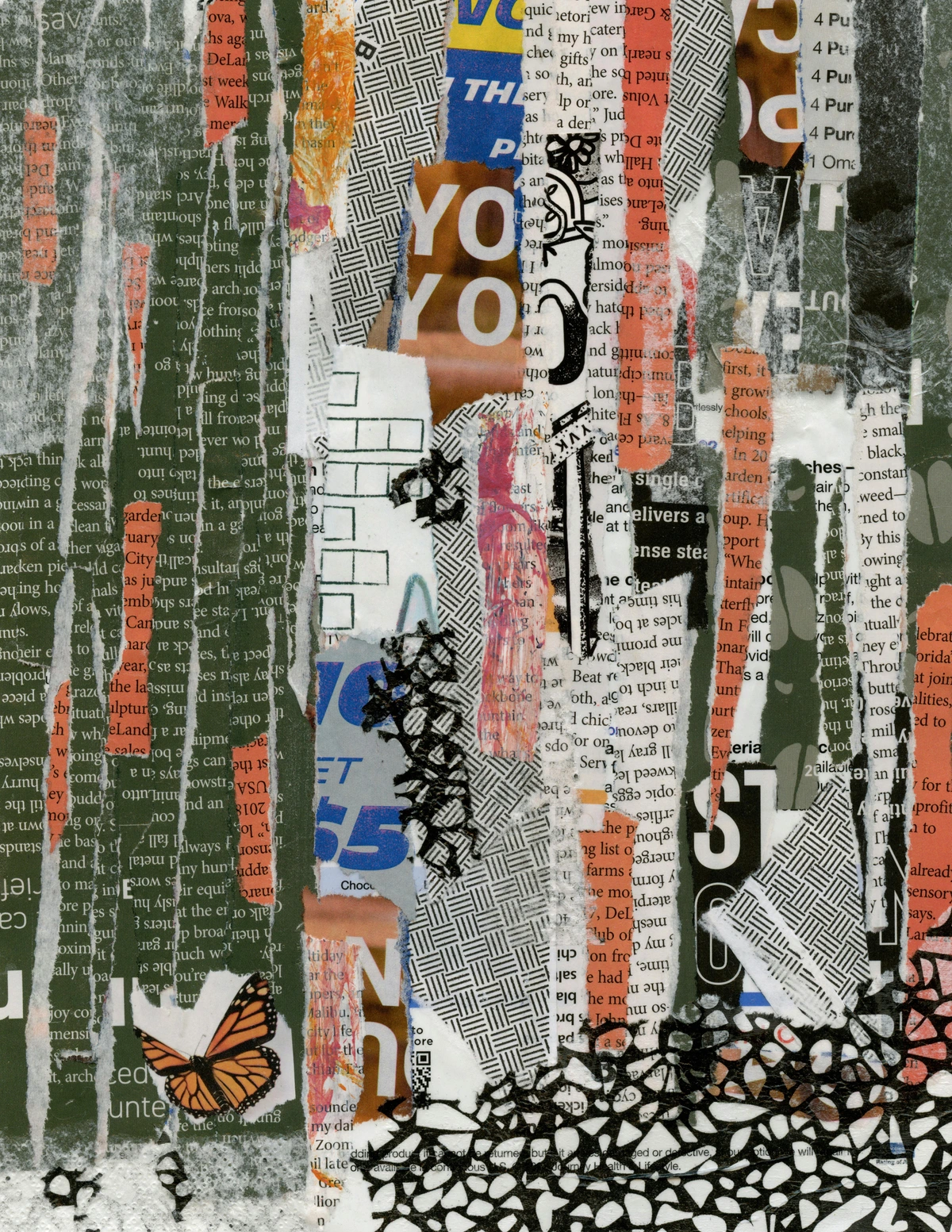
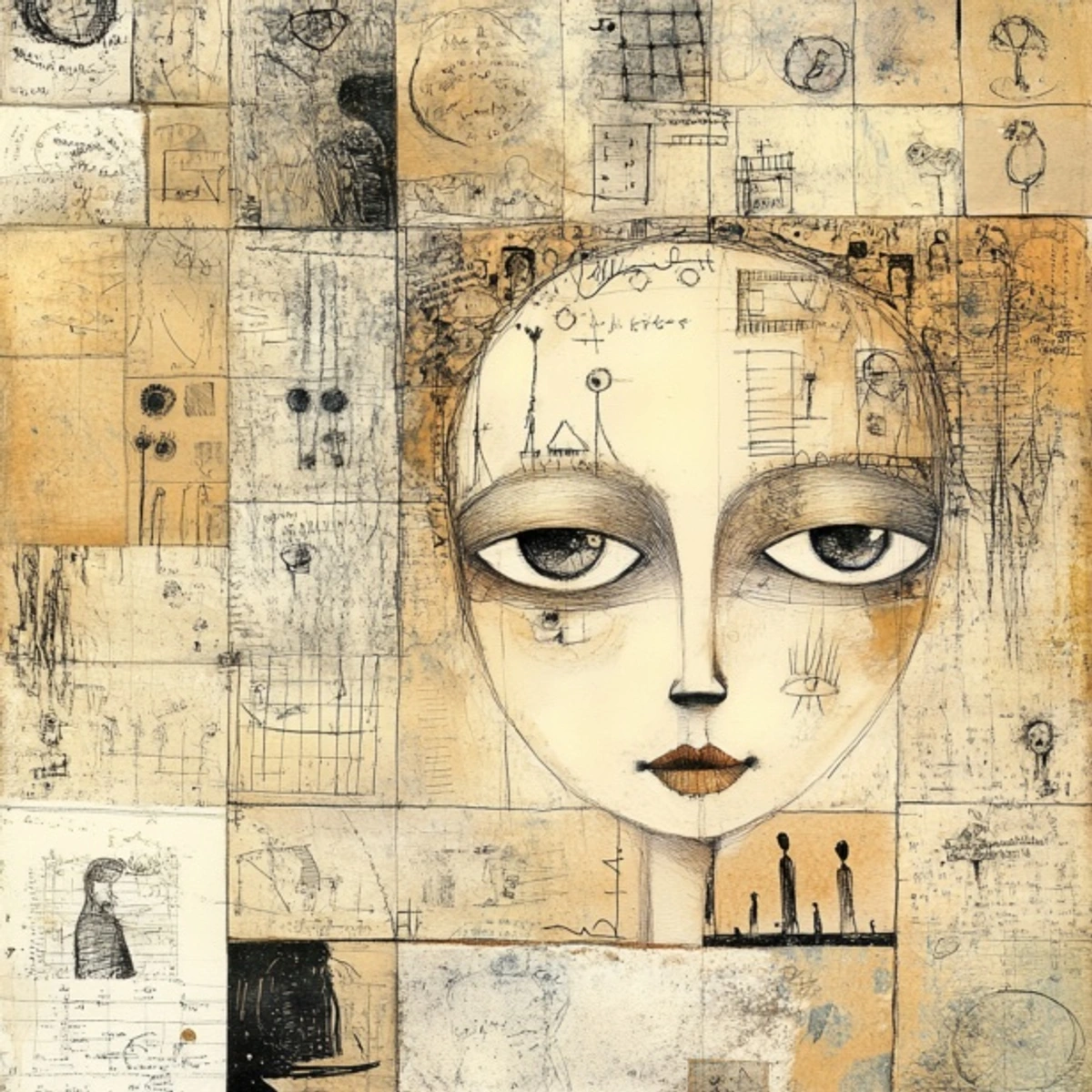
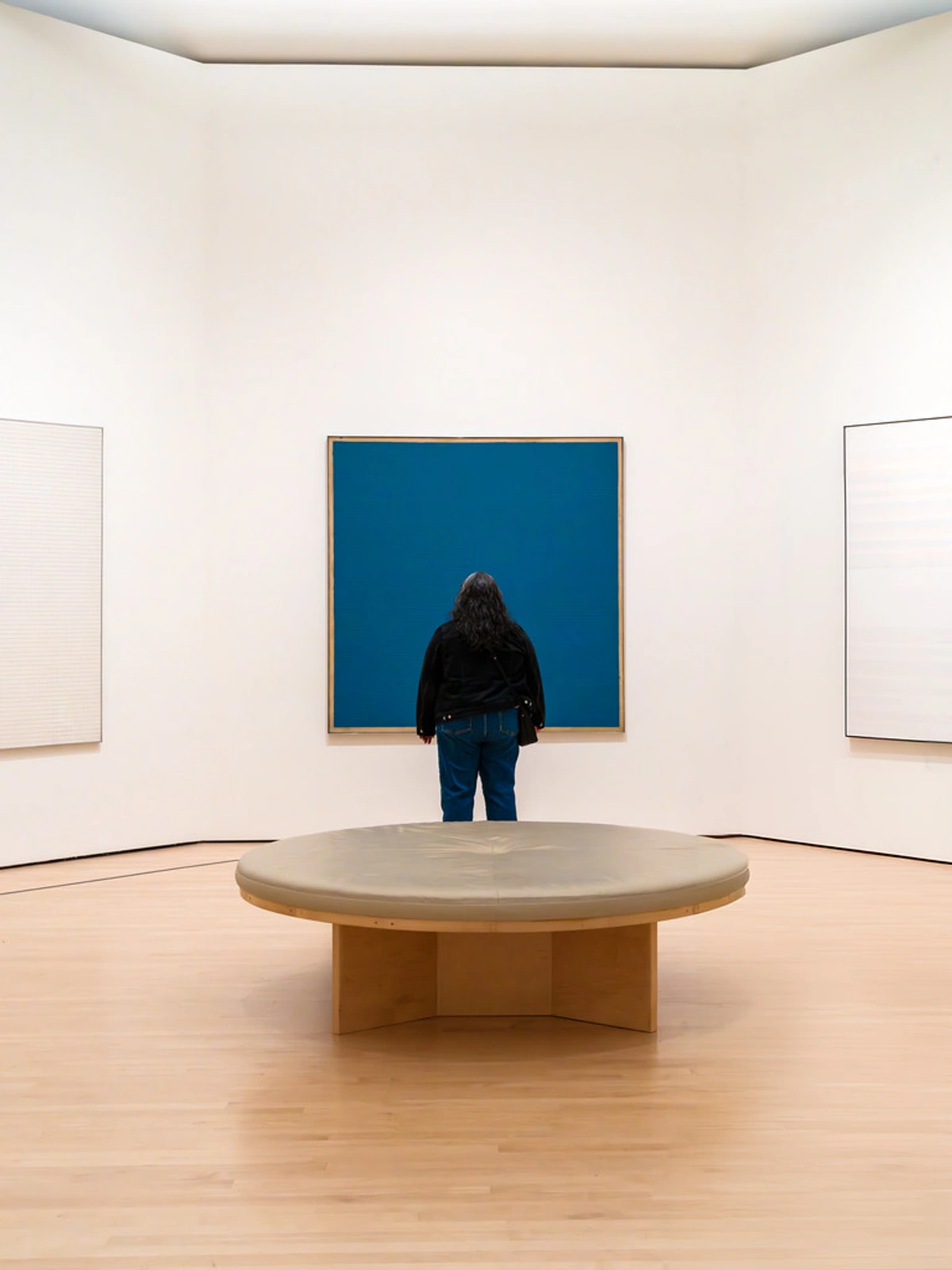
This collage represents the diversity and complexity of contemporary art, inviting viewers to explore and interpret its many layers.
Credit, License
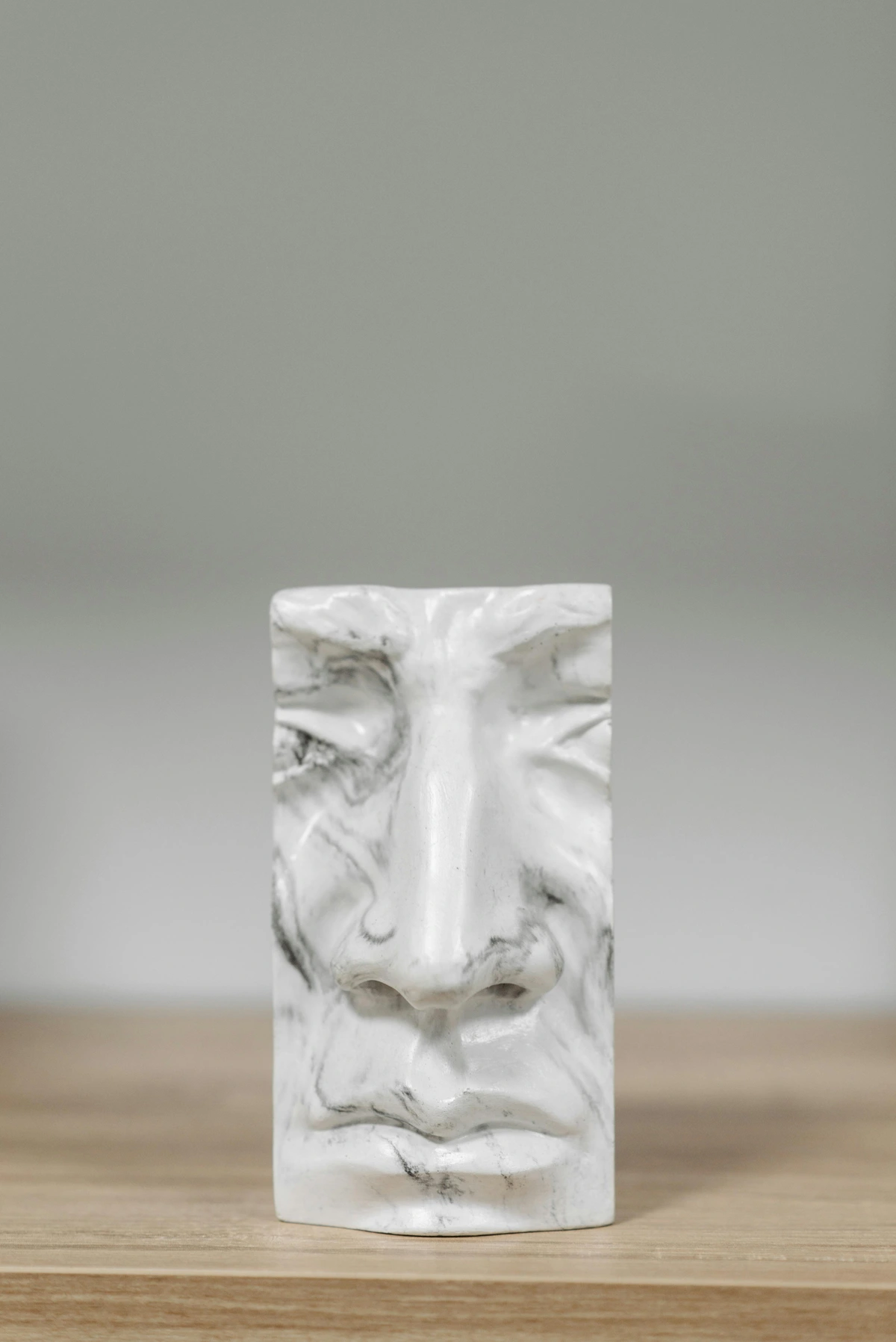
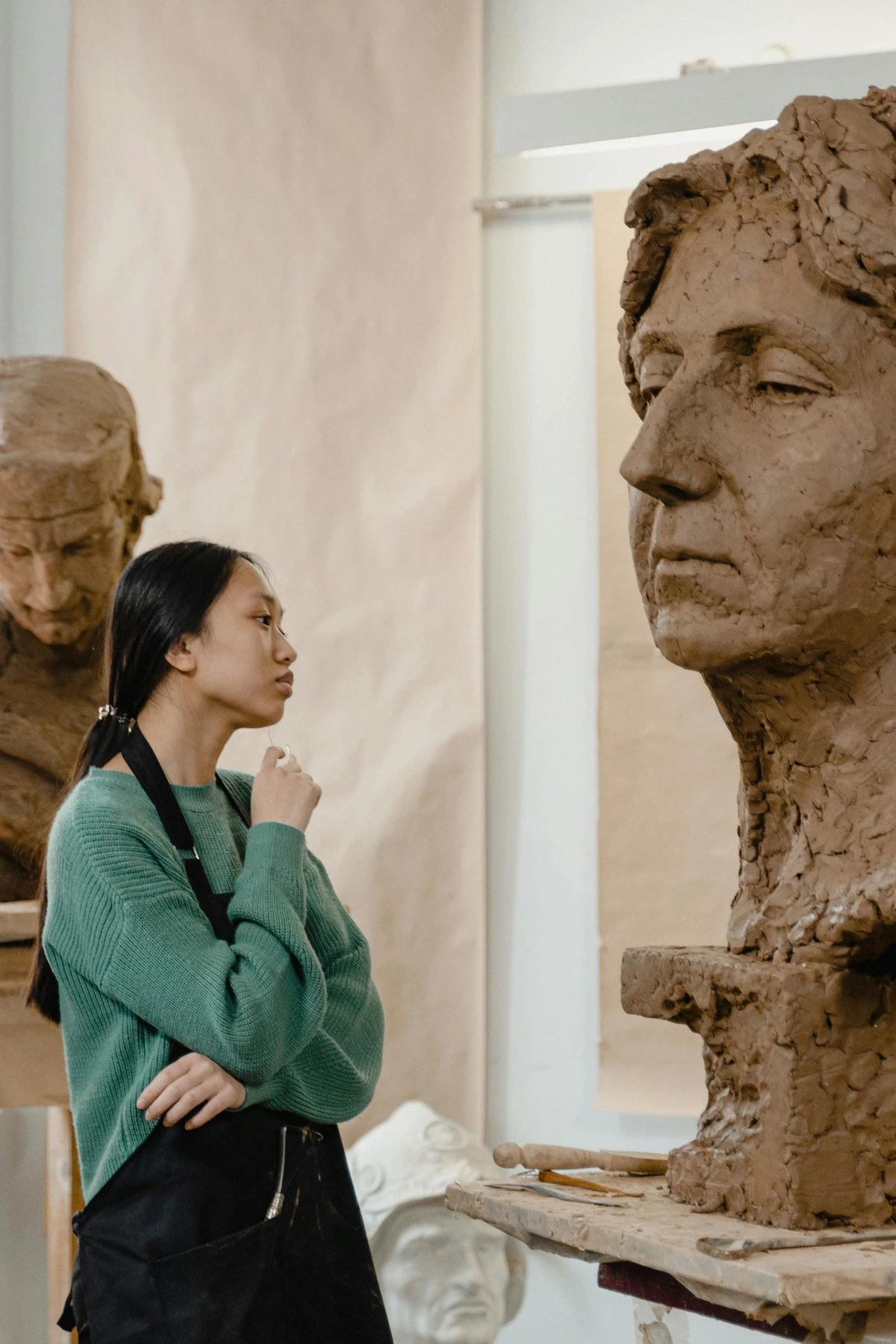
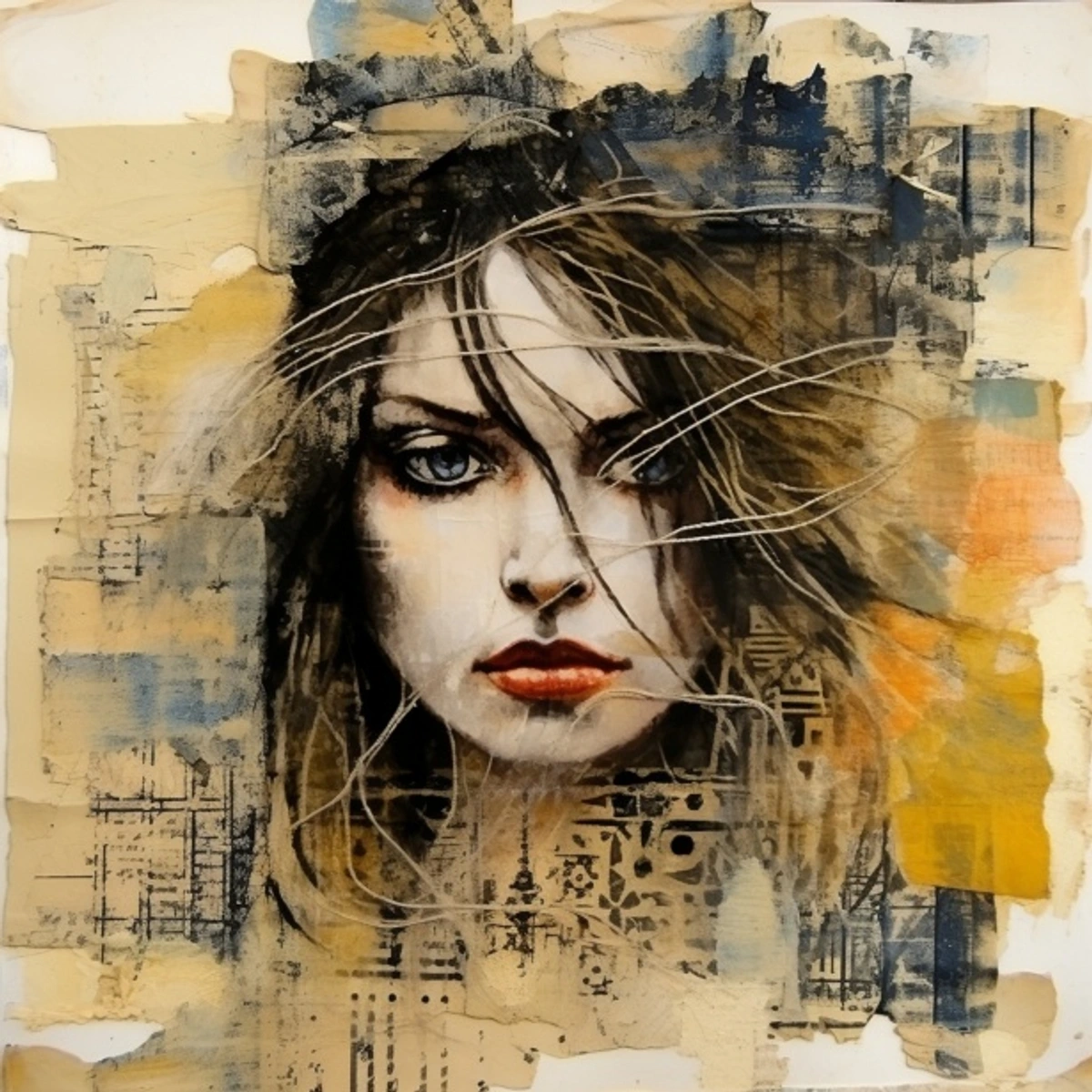
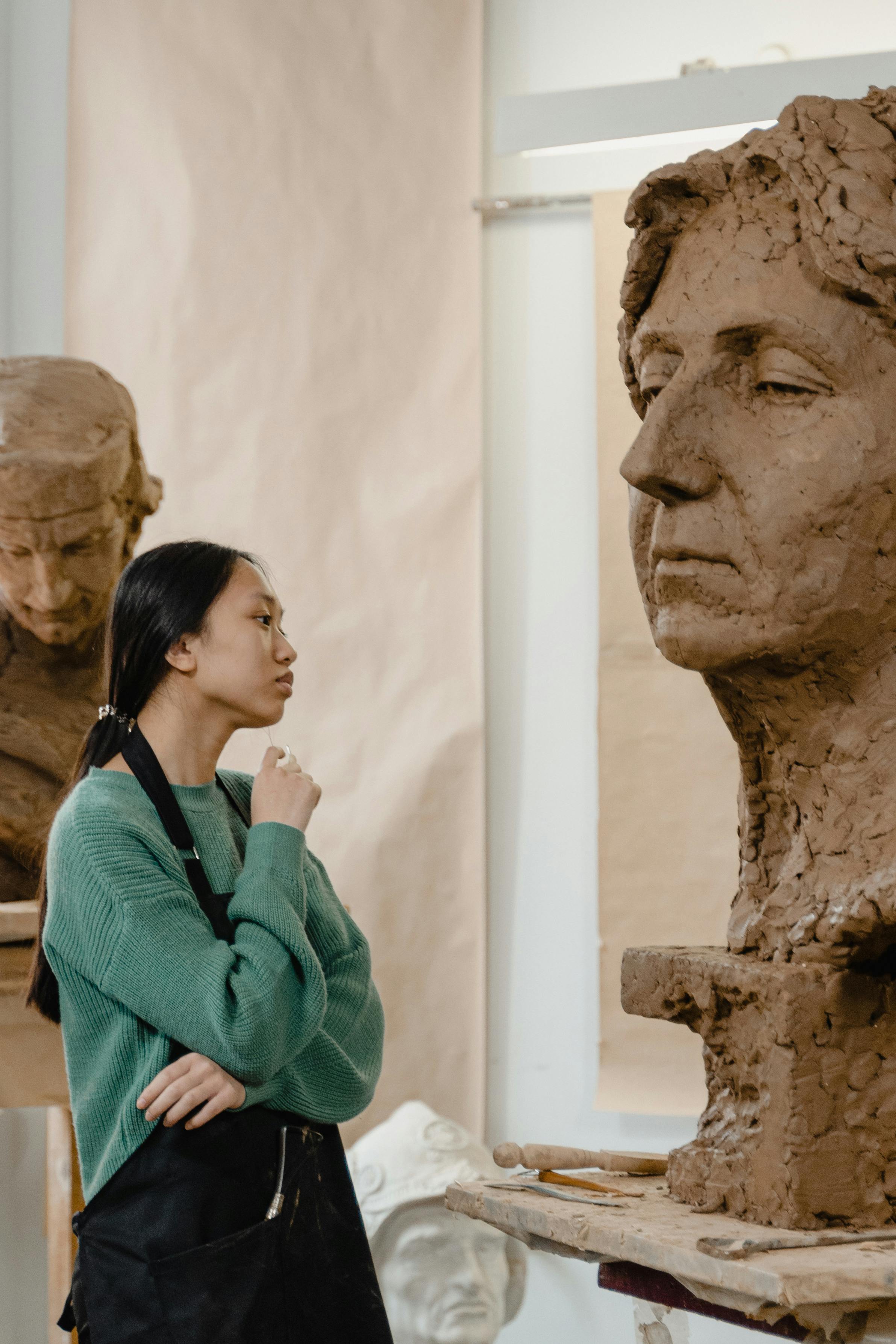
This close-up captures the intricate process of creating art, highlighting the skill and technique involved in bringing a vision to life.
For more insights into the world of art, visit our timeline or explore our collection at buy.














Engaging with art is a journey of discovery and connection. By exploring our collection, you can deepen your understanding and appreciation of the diverse world of artistic expression.