
Henry Moore's Sculptural Innovation: Inside the Master's Studio
Uncover the secret techniques of Henry Moore - reclining figures, hollow forms, and material mastery that defined modern sculpture.

Henry Moore's Sculptural Innovation: Inside the Master's Studio
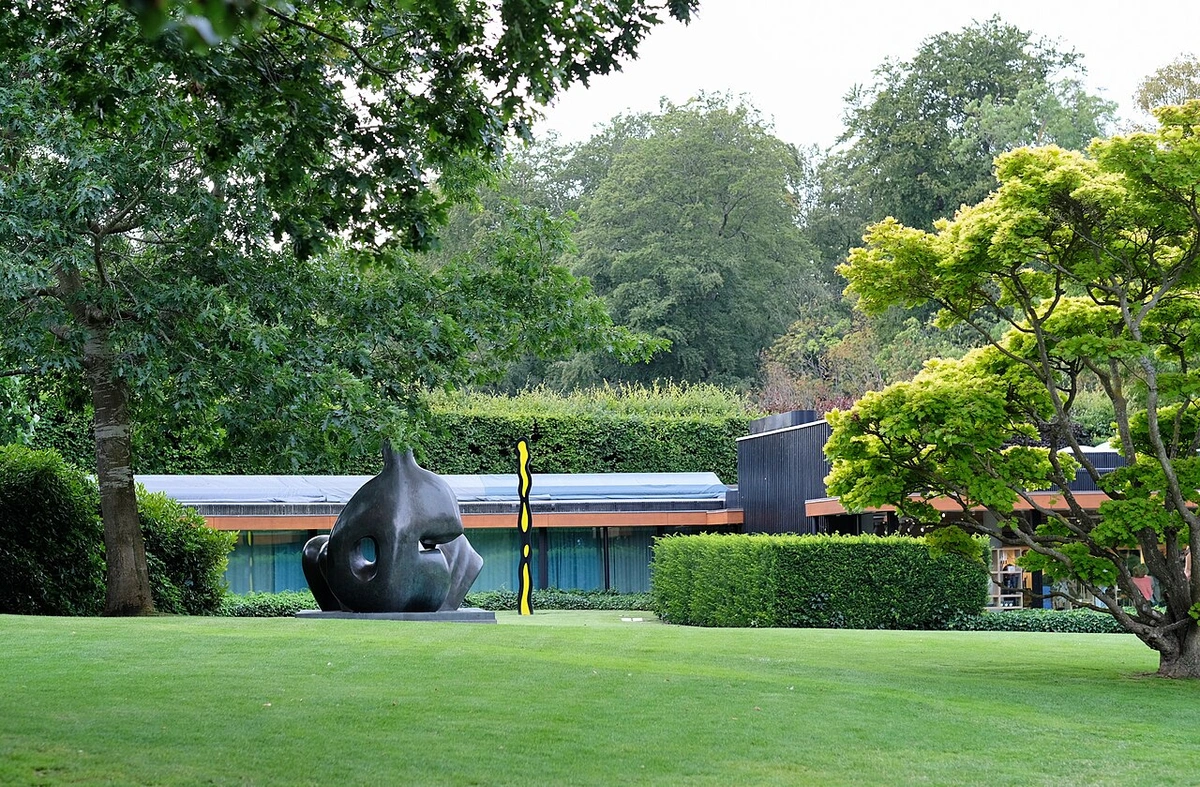
There's something about Henry Moore's sculptures that just... pulls you in. I remember the first time I stood before his giant青铜 (bronze) "Reclining Figure" in a London park - not because it looked polished or perfect, but because it breathed. It felt like a mountain range smoothed by wind and time, yet instantly recognizable as a human form. I kept walking around it, circling it, trying to understand how an artist could turn a hard block of stone into something so alive and full of secrets.
That's what we're exploring today: the actual hands-on techniques that made Henry Moore a sculpting revolutionary. Not just the biographical facts, but the how - the tools, the materials, the conceptual approaches that let him turn rock and bronze into flowing landscapes of form.
The Creative DNA Behind Moore's Vision
Before we dive into techniques, we need to understand what Moore was chasing - his sculptural philosophy that would shape his every move.
1. Form as Landscape
Moore wasn't just carving figures; he was sculpting landscapes. He talked about seeing the human body as a natural landscape - hills, valleys, plains. His reclining figures aren't just people lying down; they're rolling hills with openings and textures that invite you to walk around and discover what's hidden.
"The first thing is to get used to the material, to understand its possibilities," he once said. "Then the form grows out of this." He didn't impose forms on stone; he discovered forms within it.
This landscape approach was revolutionary because it broke with the classical tradition of idealized human proportions. Moore studied actual landscapes extensively - the rolling hills of his native Yorkshire, the eroded rock formations of Dartmoor, the organic shapes of bones and shells. He would spend hours walking through the English countryside, not just looking but feeling the way landforms flowed and connected.
His breakthrough came when he realized that the "voids" in his sculptures weren't just holes - they were negative spaces that defined the positive forms, just as valleys define mountains. This understanding allowed him to create works that felt both monumental and intimate, solid yet airy.

2. The Power of the Void
This is perhaps Moore's most famous concept: the significance of what's not there. His sculptures are full of holes, spaces, openings. These aren't empty voids - they're active shapes interacting with the solid parts. Think of your own body - your limbs connect through spaces that define your physical outline. Moore applied this same logic to stone and bronze.
"A sculpture, in my opinion, should be an independent object with its own individual life," he explained. "One must not force it to tell a story. It should be interesting from all angles, with depth in its center." That "depth in its center"? That's the magic of his hollowed-out forms.
Moore's voids were carefully calculated architectural elements. He would often create complex internal passages that allowed light to penetrate deep into the sculpture, creating dramatic shadows that changed throughout the day. In his larger pieces, you could literally walk through the sculpture, experiencing it as both object and environment.
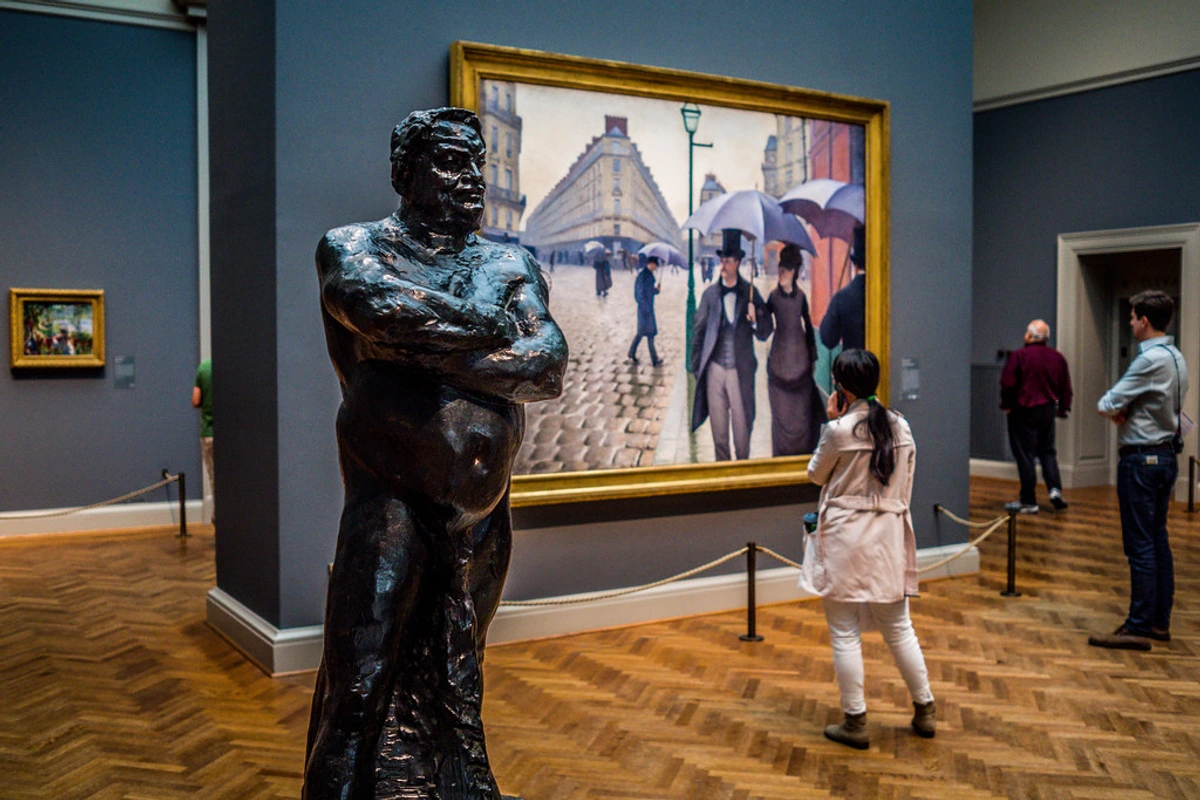
The technical challenge of creating these voids was immense. In stone carving, each opening required removing massive amounts of material while maintaining structural integrity. In bronze casting, voids meant complex mold-making and core systems. But Moore saw these challenges as opportunities - each void became a chance to create new spatial relationships and visual surprises.
3. Material Reality
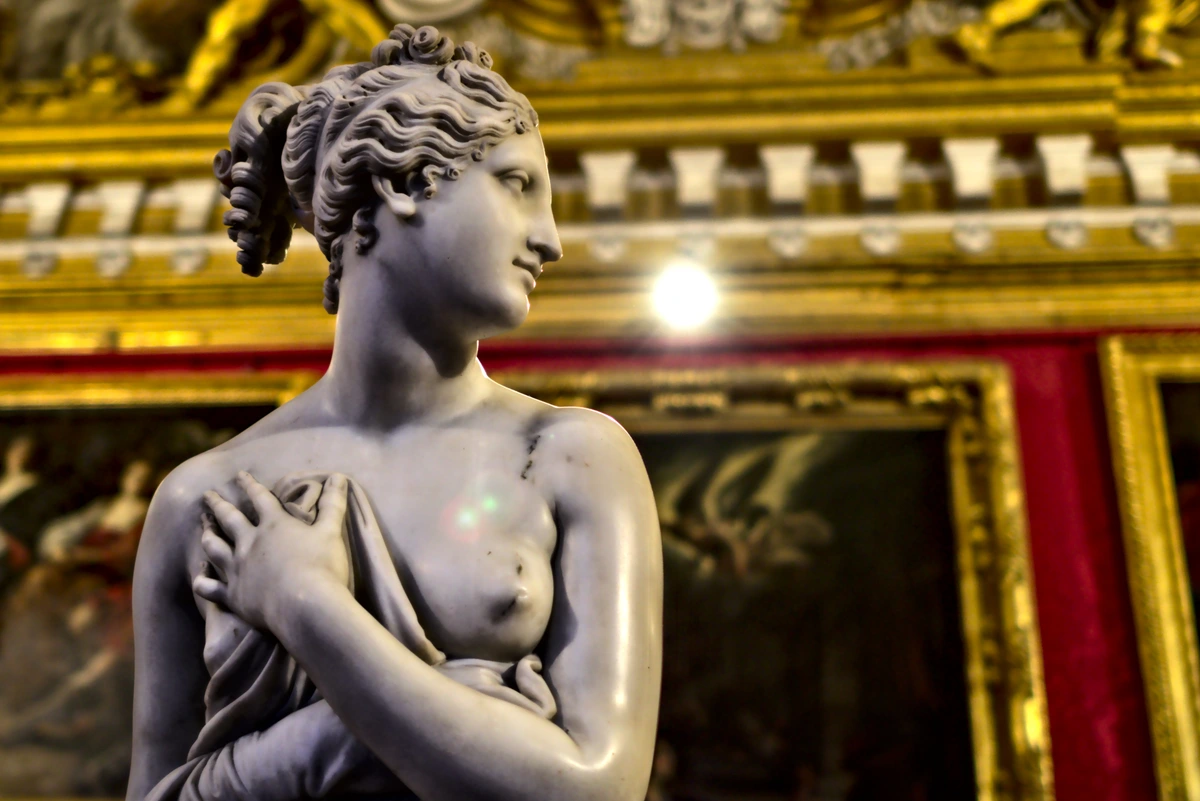
Moore respected his materials profoundly. A sculpture had to feel true to its material nature - whether rough-hewn stone or smooth cast bronze. He didn't pretend granite was marble. That honesty became part of the work's power.
This material philosophy went deeper than just surface texture. Moore understood that each material had its own "voice" and that the sculptor's job was to listen to that voice and amplify it. For stone, this meant understanding grain structure, hardness variations, and natural fissures. For bronze, it meant appreciating how the metal would behave when molten, how it would shrink during cooling, and how different alloys would affect the final patina.
Moore was particularly fascinated by the geological history of his materials. He would often select stones with interesting inclusions or fossil patterns, incorporating these "imperfections" as integral elements of the final composition. His bronzes had a warmth that came from his insistence on traditional casting methods rather than industrial shortcuts.
Unpacking Moore's Core Techniques
Ready to see the hands-on magic? Here's how Moore actually made his iconic sculptures:
The Technical Toolkit: Moore's Essential Equipment
Before diving into specific techniques, it's worth understanding the tools Moore had at his disposal. His workshop was a remarkable collection of both traditional and innovative equipment:
- Carving Chisels: Over 200 different types, from point chisels for rough work to fine finishing tools
- Hammers: Various weights for different stone types, including traditional steel and rubber mallets
- Pointing Machines: Mechanical devices for transferring measurements from models to full-scale works
- Measuring Tools: Calipers, rulers, and custom-made gauges for precise proportions
- Safety Equipment: Early versions of dust masks and eye protection, reflecting his concern for studio safety
- Photography Equipment: Large-format cameras for documenting work from multiple angles
Moore was famously particular about his tools. He believed that each chisel had its own "personality" and would spend hours sharpening and maintaining them himself. This attention to tool care was part of his broader philosophy - respect for the process as much as the result.
Modeling: The Starting Point
Moore's modeling process was unique in its organic, almost biological approach. Unlike many sculptors who worked from rigid plans, Moore allowed his clay models to "grow" naturally, often starting with a simple form and letting it develop organically.
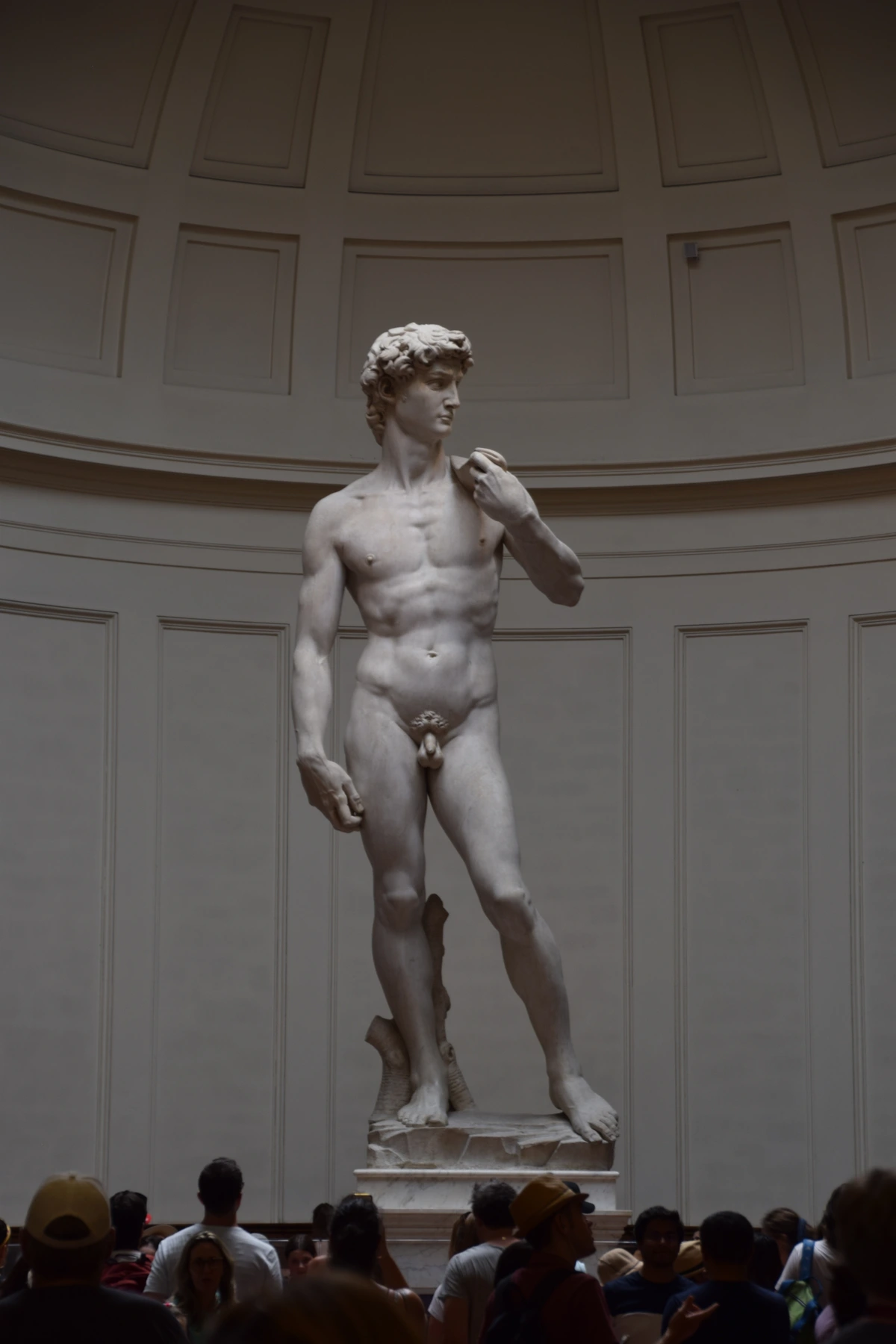
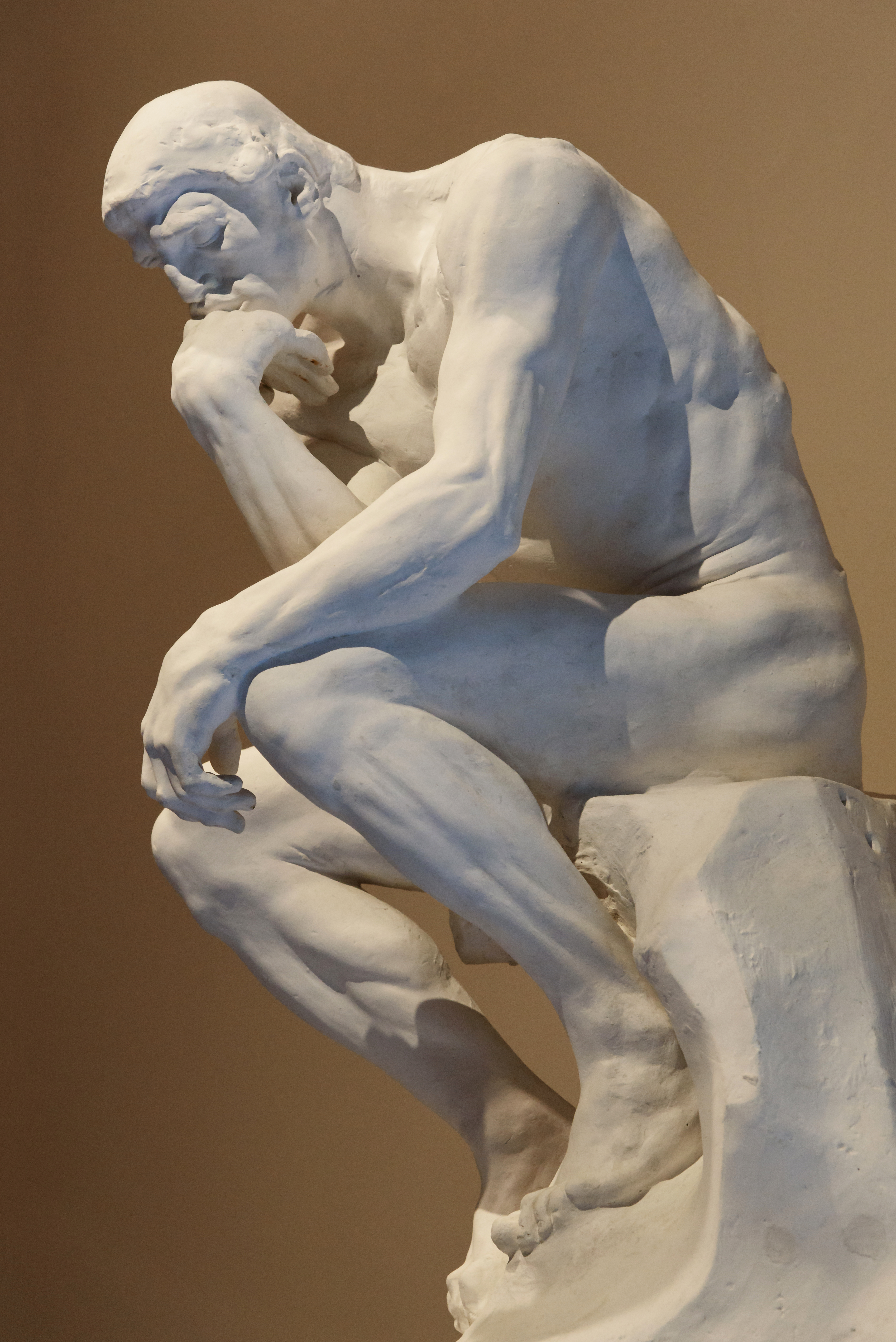
Art Institute of Chicago, CC0
Like most sculptors, Moore began with modeling - working in a malleable material (usually clay or plaster) to shape his ideas. But he did it with his own twist:
- Organic Growth Approach: Moore built his clay figures like growing organisms, adding sections rather than subtracting from a block
- Life-Sized Maquettes: He often worked at a smaller scale first, experimenting with form and "void space" relationships
- Direct Carving Preparation: Models served as blueprints for the carving process, not ends in themselves
- Texture Exploration: Early models included surface textures he'd later translate into stone
- Multiple Iterations: He rarely got a form right on the first try, often creating 5-10 variations of the same basic idea
- Material Experimentation: Moore used various modeling materials - clay, plaster, wax, and even plasticine - each offering different working properties
- Collaborative Process: Even in modeling, he worked closely with assistants who would help realize his vision at larger scales
Moore famously said, "It's a dangerous thing to have too exact a plan. You leave no room for the work itself to change and develop." That freedom to let forms emerge organically defined his entire process.
The Modeling Process in Detail
Moore's actual modeling technique was a fascinating blend of intuition and method:
- The Initial Gesture: He'd start with a simple, abstract form that captured the essential "feeling" he wanted to express
- Building Up: Using additive techniques, he'd gradually add clay, working the material between his fingers
- Refining Forms: Once the basic structure was established, he'd refine proportions and relationships
- Creating Voids: This was crucial - he'd carefully carve out negative spaces to establish the "landscape" quality
- Surface Treatment: The final stage involved texturing the surface to suggest different materials and qualities
What made this process revolutionary was Moore's willingness to "listen" to the material. If the clay seemed to want to go in a certain direction, he'd follow that lead rather than forcing his preconceived ideas. This approach created works that felt inevitable - as if the form had always existed within the material, waiting to be revealed.
Direct Carving: Stone as Collaboration
Direct carving was Moore's signature innovation - a technique that made him one of the most influential sculptors of the 20th century. But it was also physically demanding and required incredible patience and skill.
Tate Gallery, CC BY-NC-ND 3.0
This was Moore's signature technical revolution - direct carving. Instead of creating a model that others would enlarge or stonecutters would replicate, he worked directly into the stone itself:
- Material First Approach: He'd select a stone block and study its natural grain before deciding on final form
- Pointing Machine Translation: For large-scale works, he used a pointing machine to transfer measurements from maquette to stone
- Hand Tools Mastery: Relying on traditional hand tools (hammers, chisels, rasps) rather than power tools for intimate control
- Subtractive Revelation: "Carving, for me, is more interesting than modeling," he noted. "You start with something solid and remove parts." It was about discovery, not forcing a shape onto a material.
- The Hammer and Chisel Technique: Moore preferred the direct, physical connection that came from traditional hand tools
- Progressive Refinement: He worked from large-scale removal to fine detail, gradually "finding" the form within the stone
- Stone Selection: He was incredibly particular about stone quality, often rejecting blocks that didn't "speak" to him
- Studio Environment: His carving shed was designed to maximize natural light, allowing him to see the stone's true character
This technique made each piece unique to its material. You can feel the stone's character in every curve and hollow.
The Direct Carving Process: A Step-by-Step Guide
Moore's direct carving method was both systematic and intuitive:

- Stone Preparation: The block would be roughly shaped and the "working face" identified
- Marking Out: Using the pointing machine, key measurements from the maquette would be transferred
- Rough Shaping: Large areas of stone would be removed with hammer and point chisel
- Form Development: The basic contours would be established with toothed chisels
- Refining Details: Smaller tools would be used to develop the final forms
- Surface Finish: The final texturing would be applied, ranging from rough tool marks to polished areas
The physical demands were immense. Moore would spend 6-8 hours a day carving, often in cold, drafty conditions. The noise was deafening, and the dust was constant. Yet he found the process meditative, comparing it to "a conversation with the stone." Each chisel strike was a question, and the stone's response determined the next move.
Casting: Replication with Soul
While direct carving gave him originality, Moore needed ways to share his work with wider audiences for public commissions and exhibitions. Enter casting - but Moore approached it with his signature integrity, refusing to create mere industrial copies.
While direct carving gave him originality, Moore needed ways to share his work with the world for wider audiences. Enter casting, though he approached it with his signature integrity:
Casting Stage  | Traditional Approach | Moore's Innovation |
|---|---|---|
| Mold Creation | Rigid, exact reproduction | Allowing for "life" and imperfection |
| Patina Application | Uniform finish | Developing deep bronze colors through chemical oxidation |
| Surface Finish | Polished perfection | Maintaining textural variations from original carving |
The Casting Process: From Clay to Bronze
Moore's bronze casting was a complex, multi-stage process that involved several skilled craftspeople:
- Mold Making: A flexible rubber mold would be created from the original clay or stone sculpture
- Waste Mold: A plaster outer mold would be constructed to support the rubber mold
- Wax Casting: Molten wax would be poured into the mold to create a positive replica
- Investment: The wax would be encased in a ceramic shell for the bronze pour
- Bronze Pouring: Molten bronze (at 2,000°F) would replace the wax in the "lost wax" process
- Chasing: The cooled bronze would be cleaned and refined by skilled chasers
- Patination: Chemical patinas would be applied to develop the final color and surface
What made Moore's approach special was his insistence on involvement at every stage. He would personally supervise the mold-making, often adjusting molds to capture the "spirit" of the original rather than just its exact form. During patination, he would experiment with different chemical solutions to achieve the rich, varied colors that became his signature.
Tate Photography, CC BY-NC-ND 2.0
Moore wasn't interested in creating identical clones. Even in casting, he insisted on variations - patinas that enhanced rather than masked the work's relationship to material and light. His bronze pieces have a warmth that industrial casting approaches often lose.
The Business of Bronze: Editions and Commissions
Moore's approach to casting was also shaped by practical considerations. Unlike many artists who produced limited editions, Moore often created multiple versions of popular works, but each with unique variations:
- Edition Size: Most sculptures had editions of 6-8 casts, plus artist proofs
- Patina Variations: No two bronzes were exactly alike, thanks to different patination processes
- Size Editions: He would create different versions at various scales to suit different locations
- Public Commissions: Large-scale public works often involved complex engineering and installation challenges
The economics were complex. A major bronze commission could cost tens of thousands of pounds in the 1950s-60s, equivalent to hundreds of thousands today. Moore maintained high standards throughout, believing that commercial success shouldn't compromise artistic integrity.
Material Mastery: Beyond Stone
Though he's chiefly known as a stone sculptor, Moore's technical vocabulary extended to many other media. Each material presented unique challenges and opportunities, and Moore approached each with the same respect and curiosity.
Though he's chiefly a stone sculptor, Moore's technical vocabulary extended to other media:
- Wood: Early experiments in elm and walnut showing his carving approach applied to fibrous materials
- Sheet Metal: Wartime experimentation with welded metal for public works
- Plaster: Used for large-scale models often more sculpturally interesting than finished pieces
- Concrete: Experimental pieces in the 1960s exploring aggregate finishes
- Limestone: Particularly favored for its workability and warm color
- Marble: Used sparingly for its classical associations and fine detail
- Bronze: The primary casting material for his most famous works
- Lead: Experimental pieces exploring its unique properties
Wood Carving: The Early Years
Moore's first serious sculptures were in wood, particularly elm and walnut. These early works reveal much about his developing aesthetic:
- Grain Following: He learned to work with the wood's natural grain rather than against it
- Tool Adaptation: Carving tools had to be modified for the fibrous nature of wood
- Scale Limitations: Wood's structural limits influenced his approach to form
- Surface Treatment: Different finishes highlighted the wood's natural beauty
His wood carving period (1920s-30s) was crucial for developing his understanding of organic form and the importance of material properties in the creative process.

Evolution: How Moore's Techniques Changed Over Time
Moore's career spanned over six decades, and his techniques evolved dramatically in response to changing artistic influences, technological developments, and personal artistic growth. Understanding this evolution provides insight into his development as an artist and the broader context of 20th-century sculpture.
Moore wasn't static - his methods evolved dramatically:

- 1920s (Early Career): Primarily carver in stone, influenced by primitive and pre-Columbian sculpture
- 1930s-40s (Surrealist Influence): Introduced more radical voids and biomorphic forms, began serious bronze casting
- 1950s-60s (Mature Period): Mastered large-scale public commissions, developed his signature reclining figures with complex internal spaces
Detailed Evolution Timeline
1920s: The Foundation Years
Moore's early work was characterized by traditional carving techniques and classical influences:
- Stone Carving: Focused on direct carving with hand tools
- Material Focus: Primarily local English stones like Hopton Wood limestone
- Influences: Primitive art, pre-Columbian sculpture, classical traditions
- Studio Setup: Small, rented spaces in London
- Technical Limitations: Lack of proper facilities for casting or large-scale work
This period was about mastering traditional techniques while developing his distinctive vision. The economic constraints of the post-WWI era meant he worked mostly in small-scale stone carving.
1930s-1940s: The Surrealist Revolution
The 1930s marked a dramatic shift as Moore embraced Surrealism and began experimenting with new approaches:
- Void Space: Radical introduction of holes and openings as integral elements
- Biomorphic Forms: Abstract, organic shapes inspired by natural forms
- Bronze Casting: Began serious exploration of casting techniques
- Public Recognition: First major exhibitions and critical acclaim
- Studio Expansion: Moved to larger spaces in Hampstead
- Technical Innovation: Development of pointing machine techniques for large-scale work
The influence of Surrealism was profound. Moore moved beyond traditional figure representation to explore the subconscious, the abstract, and the relationship between form and space. This was also the period when his distinctive "void" aesthetic began to mature.
1950s-1960s: The Mature Master
In his mature period, Moore achieved full technical mastery and international recognition:
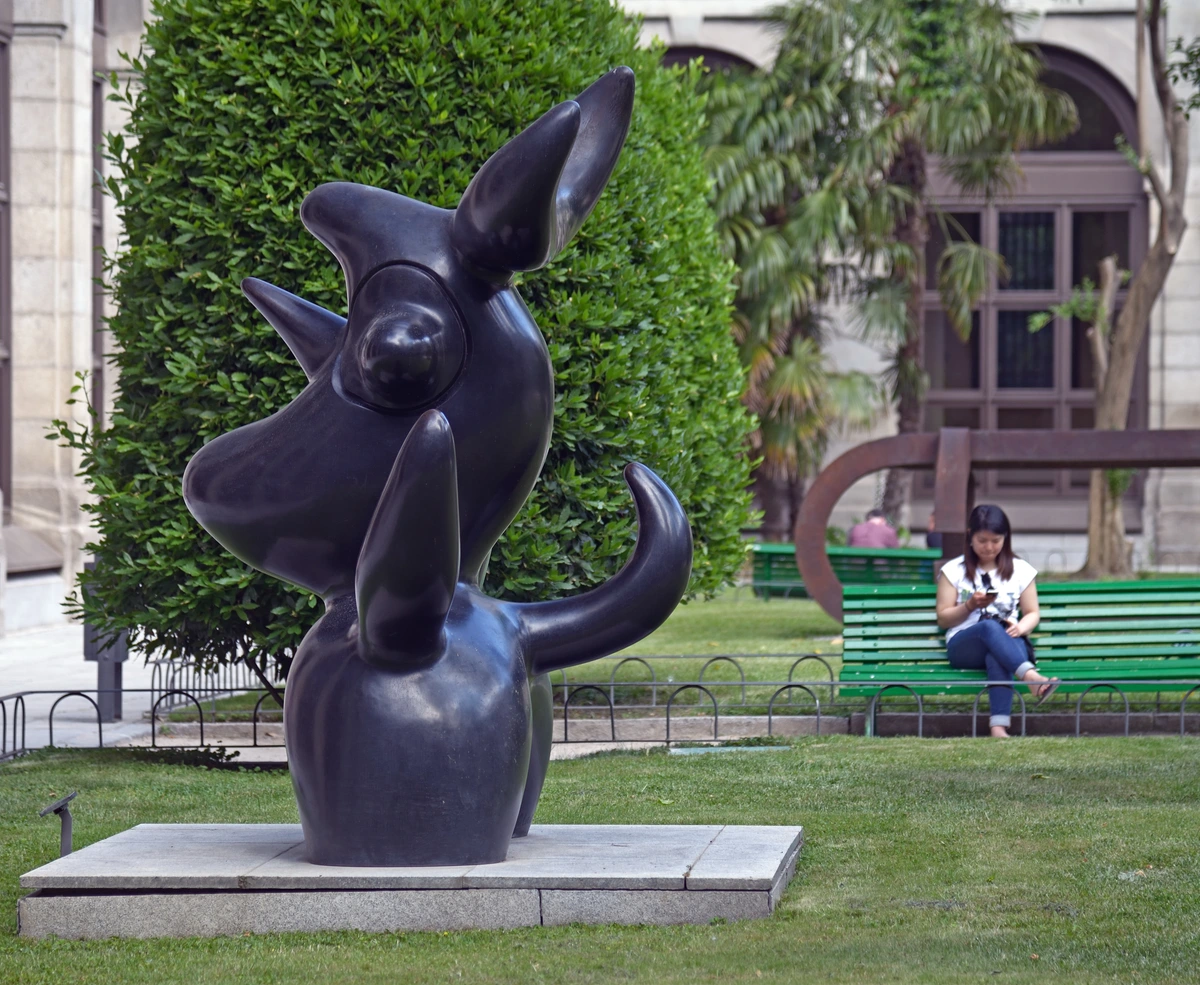
- Large-Scale Commissions: Major public works worldwide
- Complex Internal Architecture: Intricate void spaces creating multi-dimensional experiences
- Advanced Casting Techniques: Mastery of bronze patination and surface treatment
- International Recognition: Major retrospectives and public collections
- Studio Complex: Development of the Perry Green studio complex
- Technical Refinement: Perfecting the relationship between drawing and sculpture
This period saw Moore's techniques reach their full sophistication. He could work confidently in multiple scales and materials, while maintaining his core philosophy of material honesty and organic form. The technical challenges of large-scale public works pushed his innovative solutions to new heights.
"The development of an artist is like the growth of a child - there's a lot of messiness and false starts," he once mused. "But gradually, you find your voice." Moore found his sculptural voice through constant experimentation with materials and techniques.
External Influences on Technical Development
Several external factors influenced Moore's technical evolution:
- World War II: The war years forced experimentation with new materials and techniques
- International Travel: Exposure to different sculptural traditions worldwide
- Teaching Career: Teaching at the Chelsea School of Art refined his technical explanations
- Collaboration: Working with foundries and assistants expanded his technical possibilities
- Technology: New tools and materials became available throughout his career
Each of these influences left its mark on his approach, from the welding techniques developed during wartime metal shortages to the casting innovations made possible by post-war industrial advances.
Why Moore's Techniques Still Matter Today
In our digital sculpting age with 3D printers and virtual reality, Moore's hands-on techniques feel almost archaic. Yet they're more relevant than ever - not because they're the only way to make sculpture, but because they offer timeless lessons about the relationship between artist, material, and form.
In our digital sculpting age with 3D printers and virtual reality, Moore's hands-on techniques feel almost archaic. Yet they're more relevant than ever:
- Material Honesty: In a world of synthetics, Moore's respect for natural materials resonates
- Physical Process: The tactile approach - feeling stone grain, sensing clay resistance - grounds art-making in human experience
- Sustainable Legacy: His focus on durable materials contrasts with today's disposable culture
- Slow Art Philosophy: In an age of instant digital creation, Moore's deliberate, patient process offers a counterpoint
- Site-Specific Understanding: His approach to sculpture in relationship to environment and architecture is more relevant than ever
- Technical Craftsmanship: In a world of digital shortcuts, Moore's mastery of traditional techniques inspires respect for craft
- Democratic Art: His belief that sculpture should be accessible to everyone continues to influence public art projects
Moore's Influence on Contemporary Sculpture
Moore's techniques and philosophy continue to influence contemporary artists in numerous ways:
- Direct Carving Revival: Young sculptors rediscovering the immediacy of working directly with materials
- Material Exploration: Artists pushing Moore's ideas about material honesty into new media
- Public Art: His approach to large-scale, accessible public sculpture remains influential
- Education: Teaching methods based on Moore's workshop approach continue in art schools
- Conservation: His emphasis on material integrity informs modern sculpture conservation practices
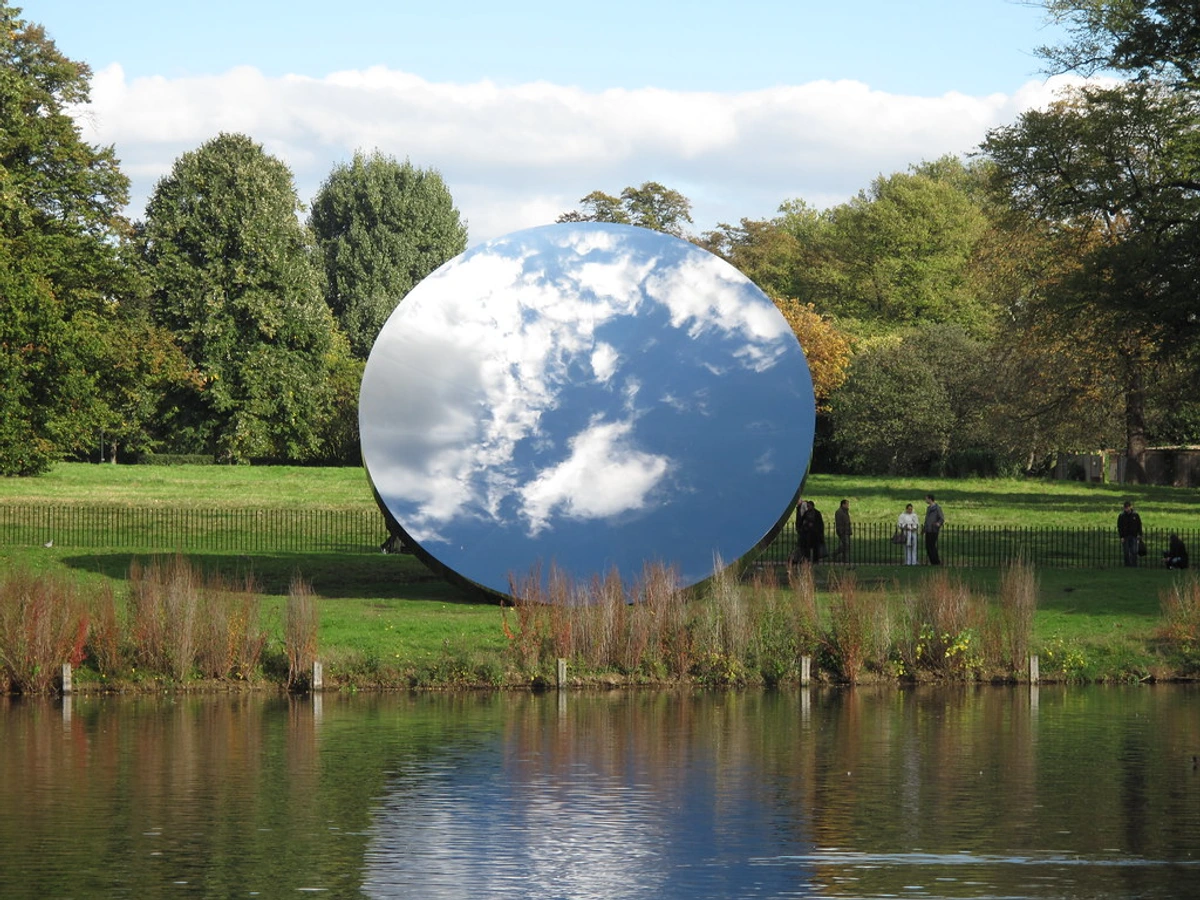
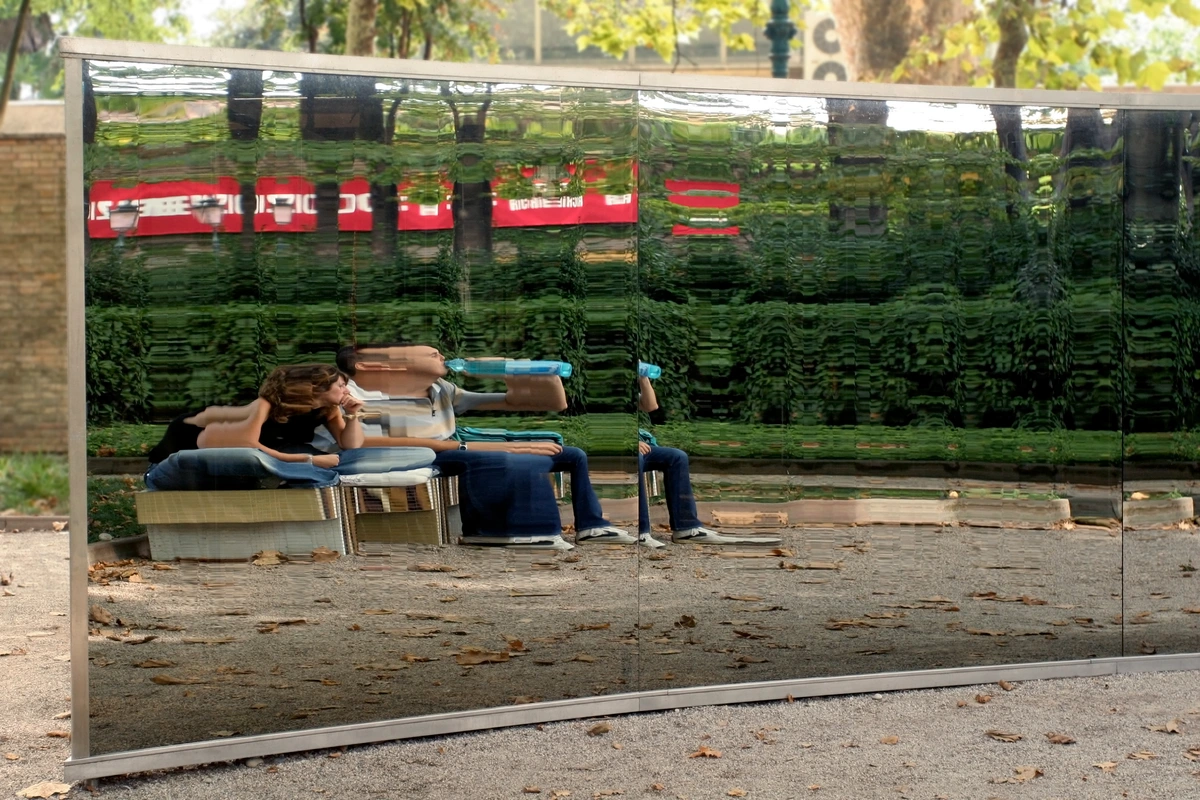
Contemporary sculptors like Anish Kapoor and Richard Deacon have both acknowledged Moore's influence, though they've developed his ideas in very different directions. Kapoor's explorations of void and reflection, and Deacon's complex material constructions, both show the enduring power of Moore's foundational ideas.
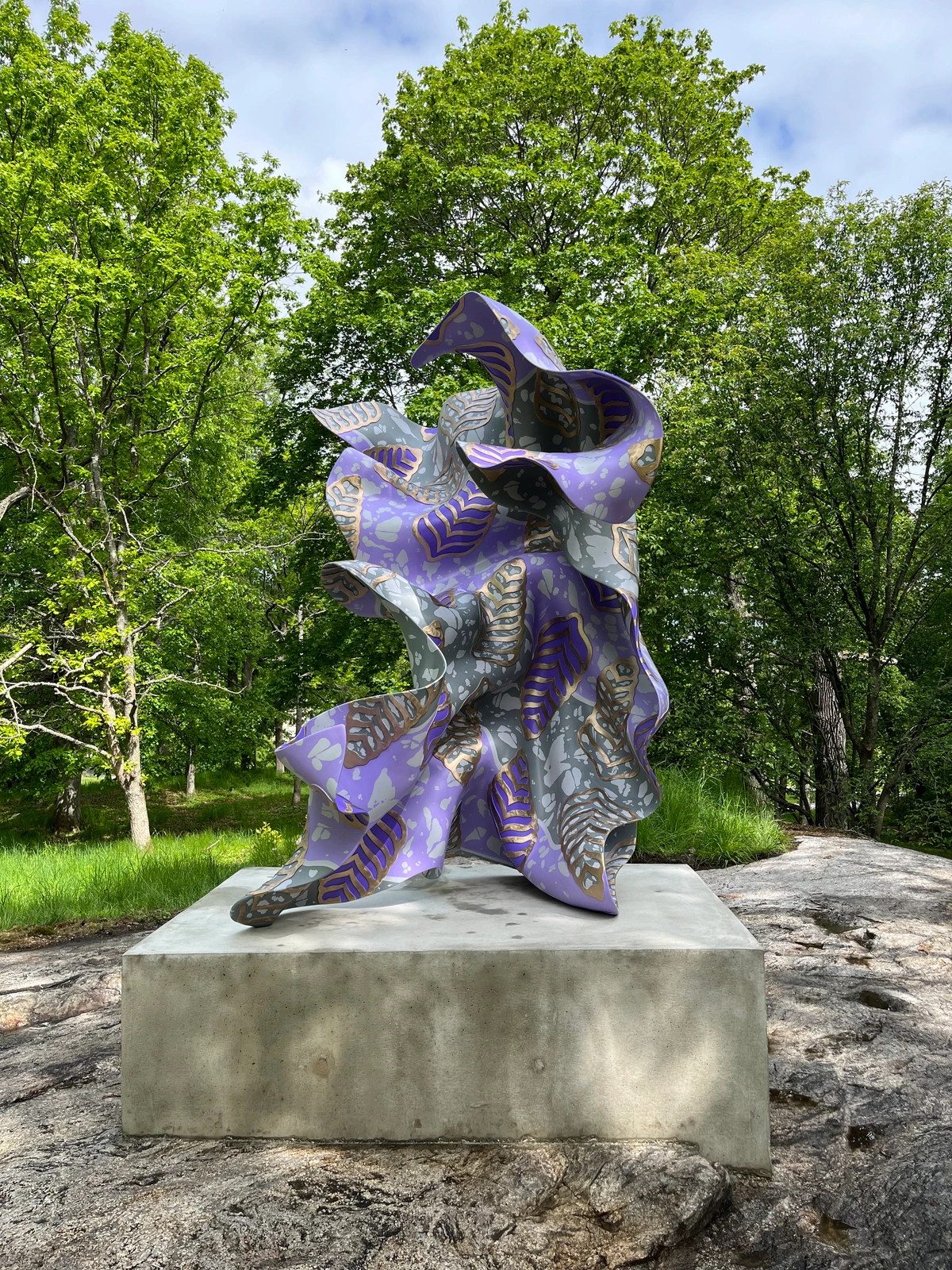
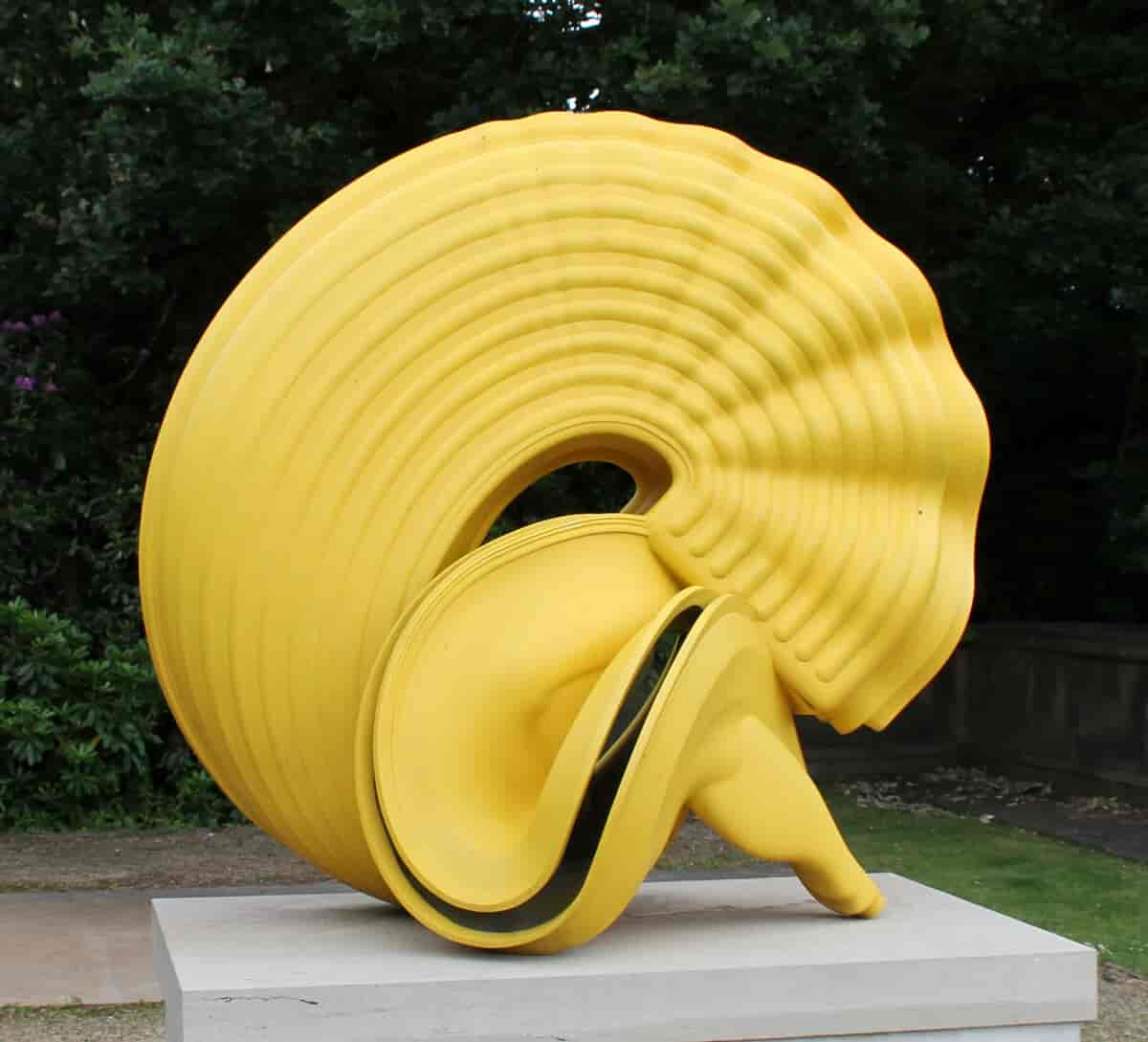
Contemporary sculptors draw inspiration from how Moore balanced technical precision with organic freedom. Whether working with stone, bronze, or colorful abstracts like those found in modern prints, the core lesson remains: respect your materials, honor your process, and let the work breathe.
The Digital Moore: Technology Meets Tradition
Interestingly, Moore's techniques are finding new expression in the digital realm:
- 3D Scanning: His sculptures are being scanned to create digital archives and educational models
- Digital Modeling: Artists use software to explore ideas that Moore might have developed through clay modeling
- CNC Carving: Precision machines execute designs inspired by Moore's organic forms
- Virtual Reality: Immersive experiences allow people to "walk through" Moore's virtual sculptures
- 3D Printing: Prototypes and maquettes can now be created using digital versions of Moore's techniques
What's remarkable is how these digital tools often serve to enhance rather than replace traditional techniques. Many contemporary sculptors use digital modeling to develop ideas, then translate those ideas back into traditional materials - a process that would have fascinated Moore himself.
Frequently Asked Questions (FAQ)
Technical Questions
Q: What specific tools did Moore use for stone carving?
Moore's toolkit was extensive and carefully curated:
- Chisels: Over 200 different types, including pointed chisels for rough work, tooth chisels for texturing, and flat chisels for smoothing
- Hammers: Various weights from 1lb to 4lb, plus specialized rubber mallets for delicate work
- Rasps and Files: For fine surface finishing and detailing
- Calipers: For precise measurement and proportion checking
- Pointing Machines: For transferring measurements from models to full-scale work
- Safety Equipment: Early dust masks, eye protection, and ear defenders
Moore was obsessive about tool maintenance, sharpening each chisel himself to ensure it performed exactly as he wanted.
Q: How did Moore choose which stone to use for a particular sculpture?
Stone selection was a deeply intuitive process for Moore:
- Visual Inspection: He would study the stone's color, texture, and grain patterns
- Physical Testing: Tapping the stone to assess its density and structural integrity
- Size Considerations: Matching the stone's dimensions to the intended scale of the work
- Budget Factors: Local stones were preferred for cost and availability
- Aesthetic Compatibility: The stone's natural character had to complement the intended form
He famously rejected stones that didn't "speak" to him, saying "Some stones just don't have the right spirit."
Q: What was Moore's studio setup like? How many people worked there?
Moore's Perry Green studio evolved over time but typically employed 10-15 people during his peak years:
- Master Carvers: Expert stone carvers who could execute his vision
- Foundry Workers: Specialists in mold-making, casting, and patination
- Studio Assistants: General helpers who maintained equipment and materials
- Administrative Staff: Handling correspondence, commissions, and logistics
- Conservators: Later in his career, dedicated staff for preserving existing works
The studio was organized like a small artistic enterprise, with Moore as the creative director but relying on skilled craftspeople to realize his vision. He maintained creative control over all major decisions while delegating technical execution.
Q: Did Henry Moore have assistants?
Absolutely! While he conceptualized key forms, Moore worked with skilled assistants in his Perry Green studio, especially for large-scale pieces and casting processes. But the initial creative conception and final adjustments were always his hands.
Q: What was the largest sculpture Moore ever made?
His largest public work was "Reclining Figure" (1996) in Philadelphia - a 30-foot bronze piece that required complex casting techniques and engineering. But he famously refused to let physical scale become gimmicky or overshadow form.
Actually, there's some confusion here. The 1996 "Reclining Figure" was executed posthumously based on Moore's designs. His largest completed work during his lifetime was likely "Large Upright Internal/External Form" (1963-64), which stands over 17 feet tall. For truly massive commissions, Moore would often work with teams of engineers and fabricators to ensure structural integrity while maintaining artistic vision.
Q: How much did Moore's sculptures cost?
Pricing varied dramatically throughout Moore's career:
- 1920s: Early stone pieces might have sold for £50-£100
- 1930s: Recognition brought prices to £200-£500
- 1950s-60s: Major bronzes could cost £2,000-£5,000
- Today: His works regularly sell at auction for millions
Moore maintained a complex pricing structure that reflected both the work's importance and the client's ability to pay. He offered discounts to museums and educational institutions while charging premium prices for major collectors.
Q: Did Moore ever use found objects like Kurt Schwitters?
Not really. Schwitters was the master of assemblage with found objects; Moore remained fundamentally a carver and modeler who integrated materials whole. His "found object" was the natural environment of his Hertfordshire studio, which he incorporated into his sculpture garden.
Q: How long did it take Moore to finish a piece?
Small maquettes might take weeks; major stone sculptures could take months or years. Bronze casting added another layer of time - mold-making, casting, patination, assembly. Moore worked patiently because he understood great sculpture isn't rushed.
Here's a more detailed breakdown:
- Small Clay Models: 2-4 weeks
- Large Stone Carvings: 6-18 months
- Bronze Editions: 3-6 months per edition (including casting and patination)
- Major Public Commissions: 2-5 years from concept to installation
Moore worked on multiple pieces simultaneously, which helped maintain momentum. He might have 3-5 major works in progress at any given time, moving between them as inspiration struck or technical challenges required attention.

Q: Why are Moore's surfaces often so rough-textured?
That roughness reveals his technical philosophy. Moore rejected over-polished surfaces that "lied" about the material's true nature. A stone tool mark or bronze casting texture became honest evidence of the making process itself.
The surface treatment was actually highly calculated:
- Stone Surfaces: Different areas received different finishes - some highly polished, others left rough
- Bronze Patinas: Chemical treatments created varied surface qualities that changed with light
- Purposeful Imperfections: "Mistakes" or irregularities were often retained as part of the work's character
- Weathering Considerations: Outdoor pieces were designed to develop natural patinas over time
Moore believed that the surface should tell the story of how the work was made. A viewer could "read" the sculpture's history through its textures and tool marks.
The Lasting Technique
Moore's Teaching Philosophy and Legacy
Beyond his own work, Moore's greatest contribution may have been his influence on art education. He taught at the Chelsea School of Art and later at the Royal College of Art, where he developed a distinctive approach to teaching sculpture:
- Process Over Product: Emphasized the importance of how things were made, not just the final result
- Material First: Students had to understand their materials before attempting complex forms
- Studio Discipline: Taught the importance of regular, dedicated practice
- Critical Thinking: Encouraged students to develop their own philosophical approach
His students included many influential sculptors who carried his ideas forward in new directions. The Moore Scholarship continues to support young sculptors today, ensuring his technical and philosophical legacy endures.
Conservation and Preservation of Moore's Work
One of the practical challenges of Moore's legacy is the conservation of his sculptures, particularly the outdoor bronzes:
- Bronze Disease: A corrosive condition that affects certain bronze alloys
- Stone Deterioration: Environmental factors affecting stone sculptures
- Cleaning Methods: Specialized techniques for removing pollutants without damaging surfaces
- Patina Stability: Ensuring the original surface treatments remain intact
- Public Interaction: Managing wear from public contact and environmental exposure
Museums and conservators have developed specialized approaches to preserving Moore's work, often consulting with the Henry Moore Foundation for guidance on authentic restoration techniques.
What strikes me most revisiting Moore's techniques isn't his tools or methods, but his mindset: the way he approached each block of stone as a partner, not an obstacle. There's humility in that - acknowledging that the material has its own wisdom. You guide it, don't conquer it. You listen, don't just impose.
The Psychological Impact of Moore's Sculptures
Beyond the technical aspects, Moore's work has a profound psychological impact on viewers:
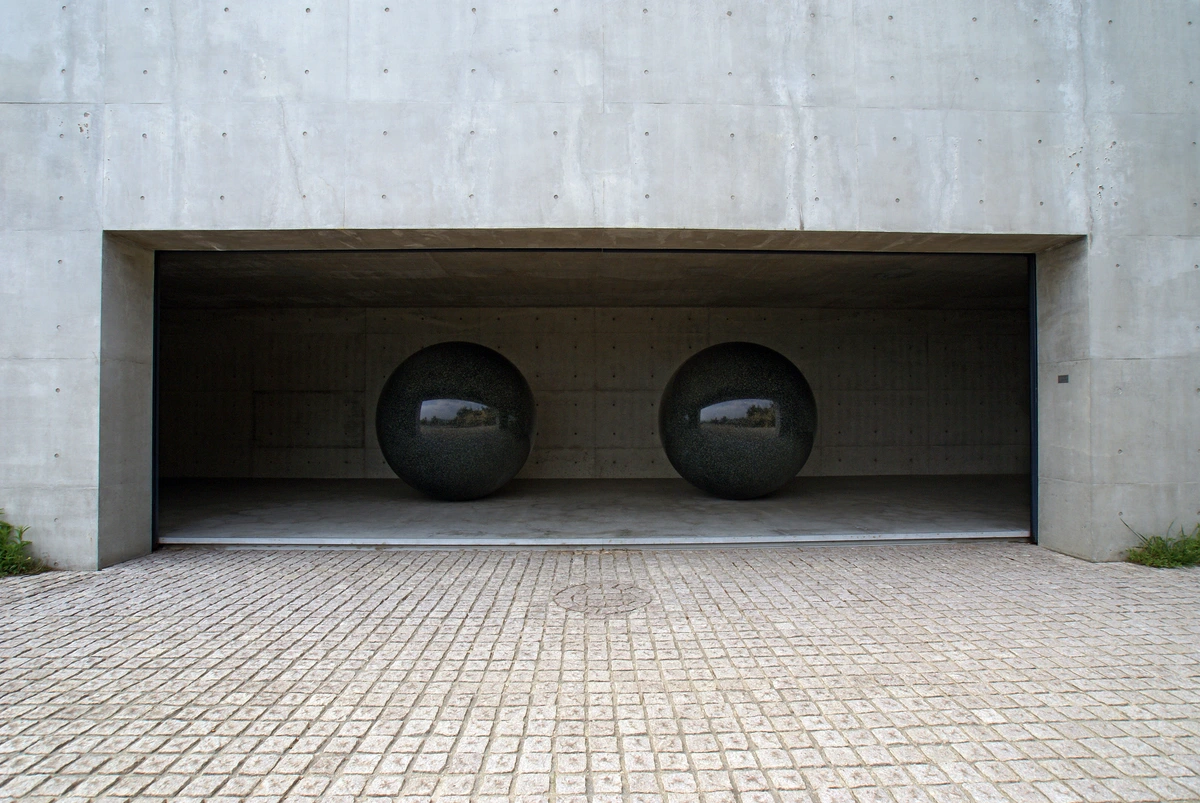
- Spatial Awareness: His sculptures change the way people perceive space and volume
- Tactile Memory: Even visually, the work suggests touch and physical engagement
- Emotional Response: The organic forms often trigger feelings of comfort and familiarity
- Narrative Invitation: The open spaces encourage viewers to project their own stories
- Environmental Connection: Many pieces feel like they belong in natural settings
This psychological dimension is often overlooked in technical discussions, but it's crucial to understanding why Moore's work continues to resonate. His sculptures don't just occupy space - they actively shape the viewer's experience of space itself.
That's the secret legacy. In a world shouting for attention, Moore's whispering technique still speaks volumes. It reminds us that great art begins with asking better questions: "What has this material to tell me? What space is already waiting in this stone? What form might emerge if I trust the process rather than force a result?"
Moore's Mathematical and Geometric Approach
While Moore's work feels organic and intuitive, there was actually a sophisticated mathematical foundation to his compositions:

- Golden Ratio: Many of his proportions follow classical mathematical relationships
- Fractal Geometry: The recursive patterns in his work anticipate later mathematical concepts
- Structural Engineering: His hollow forms required complex calculations for stability
- Scale Relationships: Mathematical principles governed the relationships between elements
- Proportional Harmony: Even abstract works followed principles of visual harmony
Moore was surprisingly well-versed in mathematics and often incorporated geometric principles into his work, though he rarely discussed this openly. The apparent "naturalness" of his sculptures masks a rigorous underlying structure.
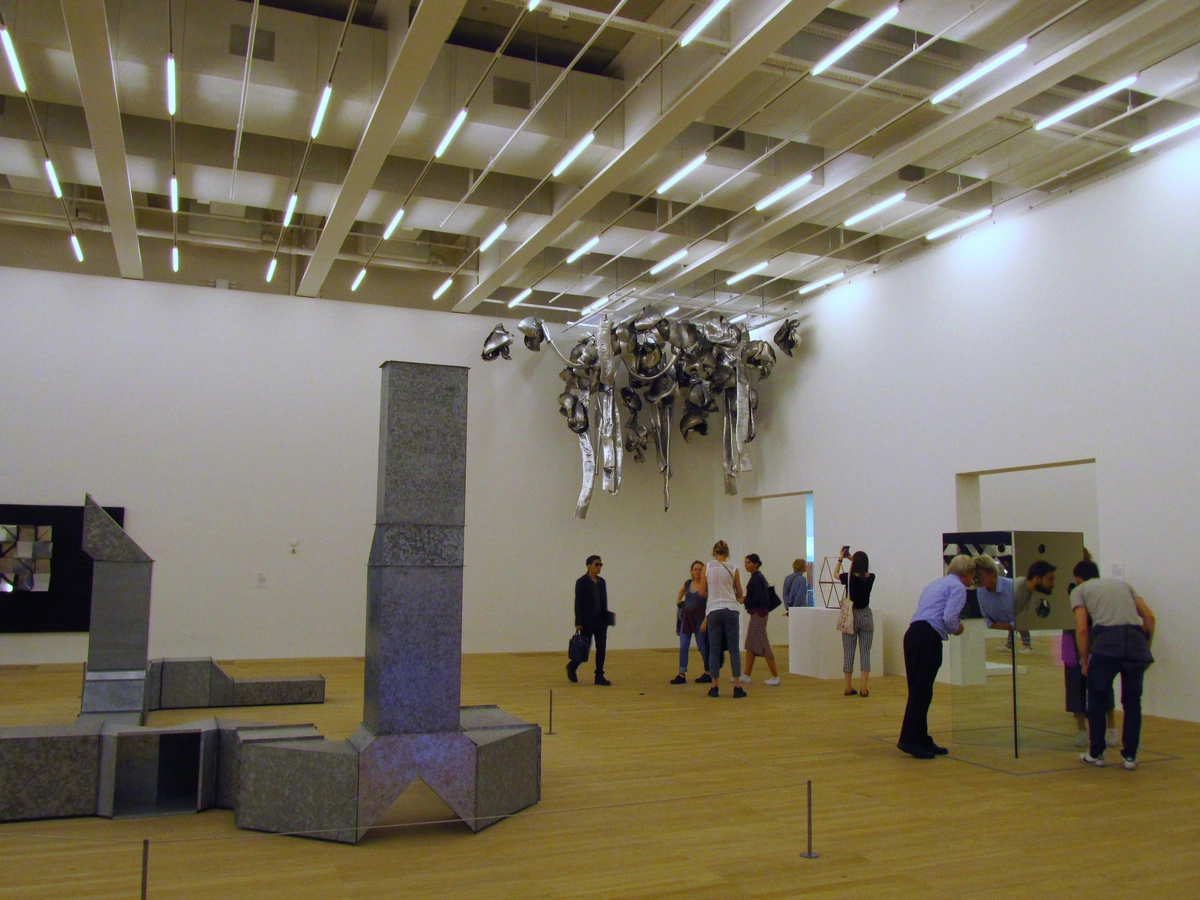
No matter what medium you work in, those questions change everything.
Finding Moore Today: Museums and Collections
For those inspired by Moore's techniques, there are several places to experience his work and learn more:
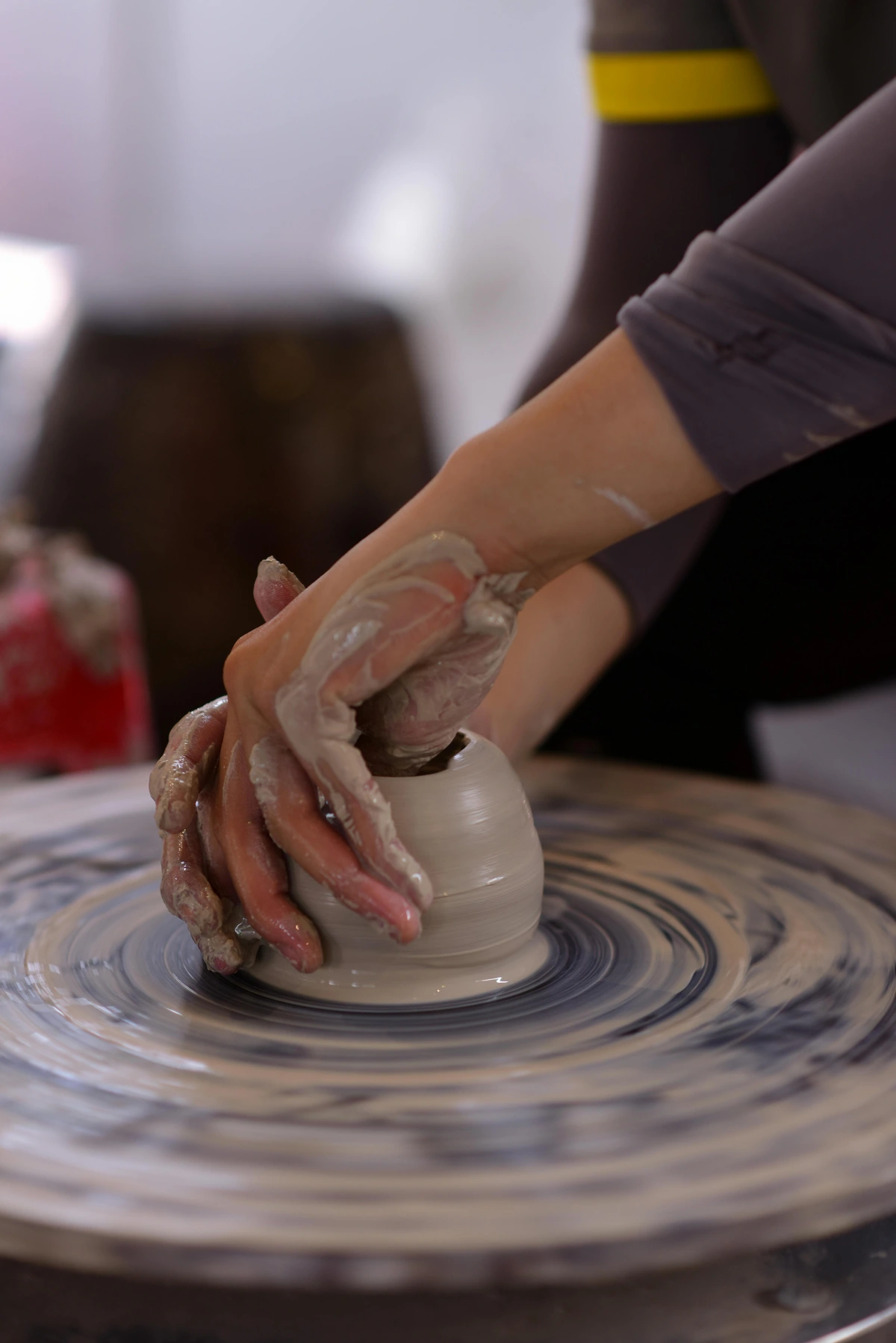
- Henry Moore Foundation, Perry Green: Moore's former studio and sculpture garden
- Tate Britain, London: Major collection of Moore's bronzes and drawings
- Tate Modern, London: Large-scale outdoor sculptures
- Yorkshire Sculpture Park: Extensive collection in natural setting
- Art Institute of Chicago: Significant Moore holdings
- MoMA, New York: Important early works and maquettes
- Krefeld, Germany: Notable public sculpture installations
Many of these institutions offer workshops, lectures, and educational programs focused on sculpture techniques and Moore's specific approach. The Henry Moore Foundation maintains archives and research facilities for serious students of his work.
Getting Started: Moore-Inspired Techniques for Beginners
For artists inspired by Moore's approach, here are some practical starting points:
- Material Studies: Spend time observing and drawing different materials before attempting to work with them
- Organic Form Development: Practice creating forms that emerge naturally rather than being planned rigidly
- Negative Space Exploration: Create compositions where the empty spaces are as important as the solid forms
- Tool Familiarization: Master basic carving and modeling tools through practice
- Life Drawing: Continue Moore's emphasis on drawing as foundation for sculpture
- Material Honesty: Choose materials that speak to you and learn to work with their inherent qualities
Moore's greatest lesson was that technique should serve vision, not vice versa. The tools and methods are important, but they exist to help express an idea, not to become the idea itself.
*For more insights on sculptural techniques through history, explore our creative timeline.
Technical Appendices: Moore's Materials and Methods
Stone Types Commonly Used by Moore
Stone Type | Characteristics | Common Uses | Origin |
|---|---|---|---|
| Hopton Wood Limestone | Fine-grained, workable, warm cream color | Smaller carvings, detail work | Derbyshire, England |
| Hornton Stone | Oolitic limestone, good carving properties | Architectural sculptures, reliefs | Oxfordshire, England |
| Clipsham Stone | Dense, durable, golden-brown | Large outdoor works | Rutland, England |
| Portland Stone | Limestone, weather-resistant | Major public commissions | Dorset, England |
| Ancaster Stone | Variable texture, warm tones | Mixed-media works | Lincolnshire, England |
Bronze Casting Process Details
Moore's bronze casting followed these key stages:
















- Mold Creation: Silicone rubber molds captured every detail of the original
- Mother Mold: Plaster or fiberglass supported the flexible rubber mold
- Wax Pattern: Molten wax was poured to create the positive form
- Investment: Ceramic shell encasement prepared for bronze pour
- Burnout: Wax was melted out, leaving cavities for bronze
- Casting: Molten bronze (usually silicon bronze) was poured at 2,000°F
- Cooling: Bronze solidified over several hours
- Chasing: Metalworkers finished seams and details
- Patination: Chemical treatments created surface colors
- Mounting: Final assembly and installation
Moore's Drawing Techniques
Though known primarily as a sculptor, Moore was also an accomplished draftsman:
- Life Drawing: Daily practice of figure drawing
- Sketchbook Studies: Rapid studies of forms and ideas
- Material Studies: Drawings focused on textures and surfaces
- Technical Drawings: Precise plans for sculptures
- Travel Sketches: Studies of landscapes and architectural forms
Moore believed drawing was essential for sculptors, saying "You can't be a sculptor if you can't draw." His drawings often preceded sculptures, serving as both studies and independent works of art.