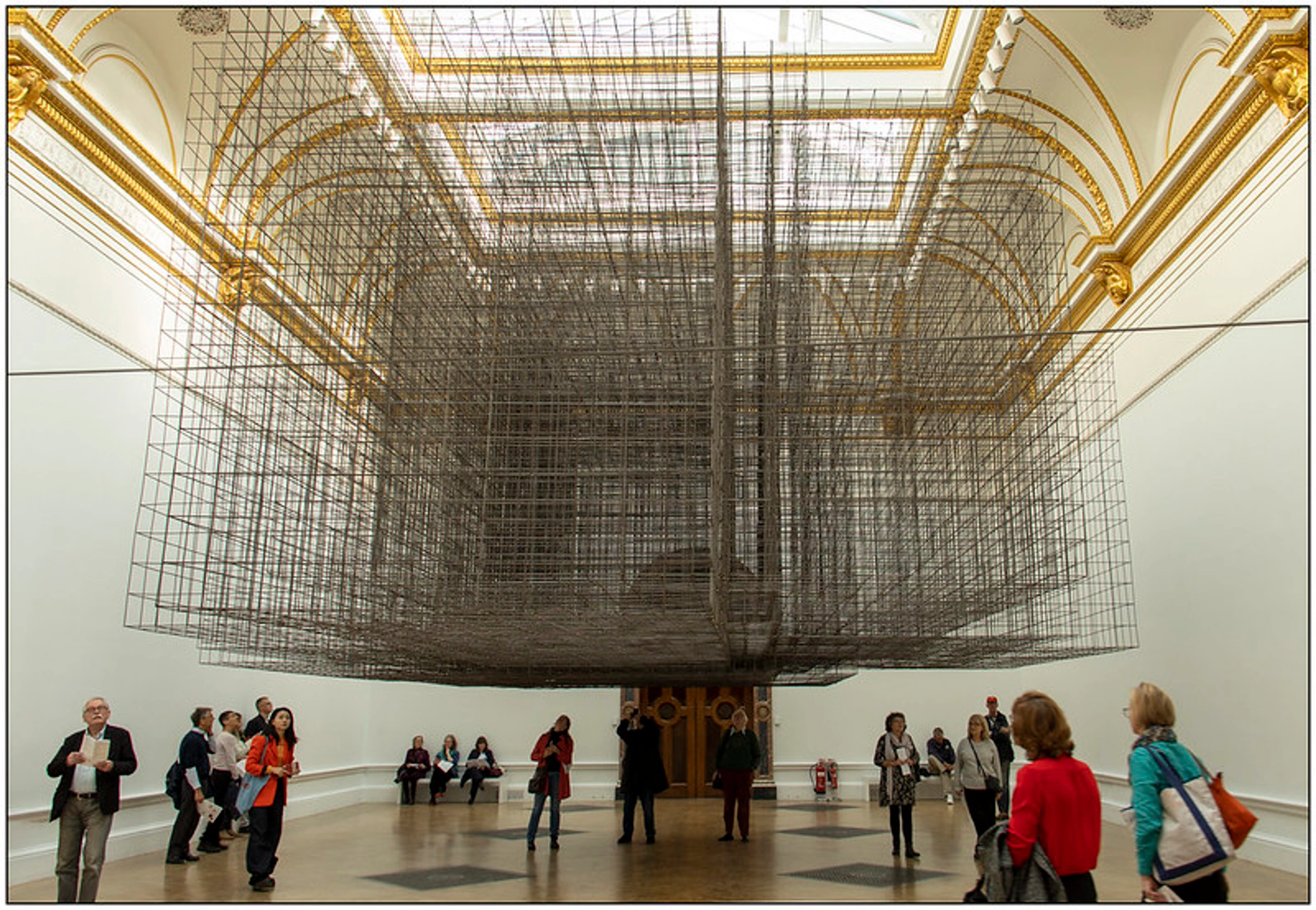
The Alchemist of Nsukka: Unraveling El Anatsui's Sculptural Universe
Dive into the world of El Anatsui, the visionary sculptor who transforms discarded bottle caps into monumental, shimmering tapestries.

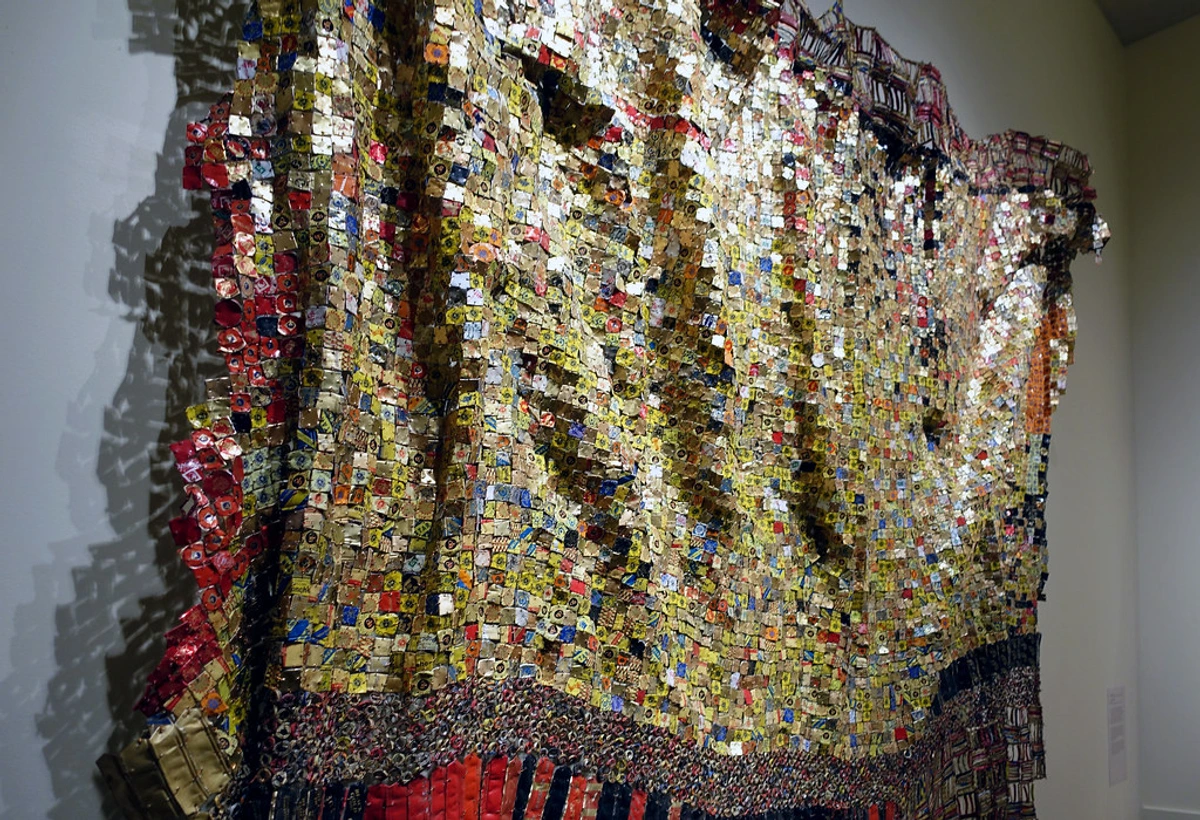
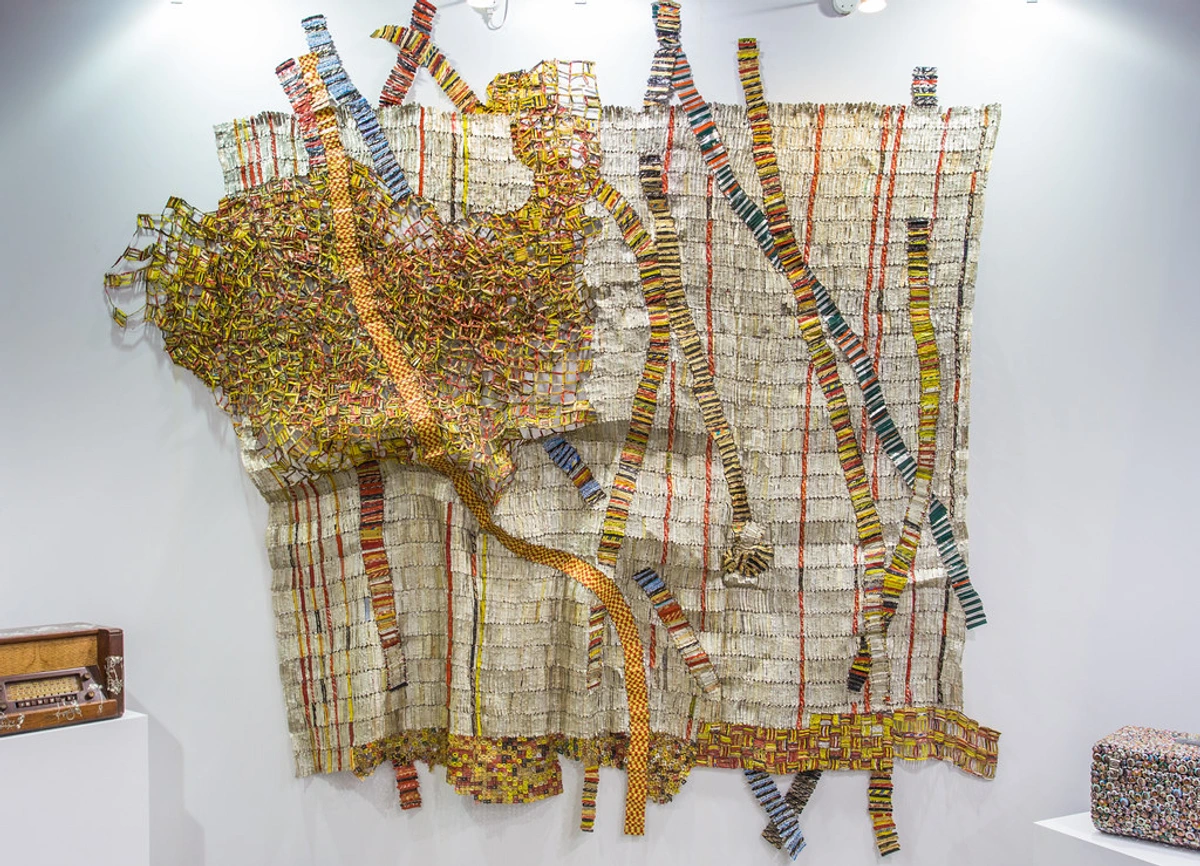
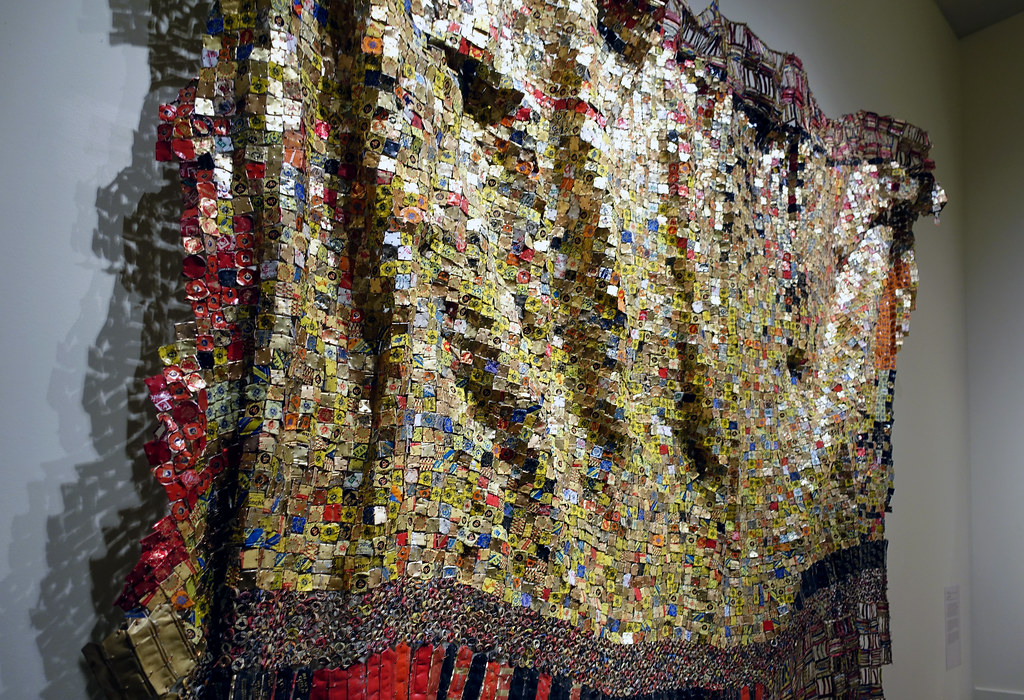
I want to talk about the first time I saw an El Anatsui tapestry in person. You've probably seen pictures—those vast, shimmering walls that look like a cross between chainmail and a metallic sunset. But a JPG doesn't prepare you for the physical reality. There’s a weight to them, both literal and metaphorical, that hums in the air. It’s an experience that lingers, a moment where art transcends its visual form and becomes something tactile, almost alive.
El Anatsui's work is not just about aesthetics; it's about storytelling. Each piece carries a narrative that speaks to the interconnectedness of our world. The metallic sheen and intricate patterns invite viewers to explore the layers of meaning embedded in the materials. It's a testament to the power of art to evoke emotion and provoke thought.
The first encounter with Anatsui's work is often described as transformative. The interplay of light and shadow on the metallic surface creates a dynamic visual experience that changes as you move around it. This interplay is not just visual but emotional, evoking a sense of wonder and introspection.
Anatsui's tapestries are not static; they are alive with movement and energy. The way light dances across the metallic surface creates a sense of fluidity, as if the artwork itself is breathing. This dynamic quality invites viewers to engage with the piece on a deeper level, exploring the emotions and memories it evokes.

It's a deeply absurd and brilliant proposition: an artist takes thousands of liquor bottle caps, crushes them into metal flakes, and painstakingly stitches them together with copper wire. The result isn't a story about Africa for a Western gaze; it's a story about globalism, consumption, and the unexpected beauty found in what we throw away. This transformation of discarded materials into something majestic challenges our perceptions of waste and value, inviting us to reconsider the narratives embedded in everyday objects.
Anatsui's use of bottle caps is a commentary on the global economy and the cycles of consumption and waste. By repurposing materials that are often discarded, he highlights the potential for beauty and meaning in the overlooked and the forgotten. His art serves as a reminder of the interconnectedness of our world and the stories that everyday objects carry with them.
Anatsui's work is a commentary on the global economy and the cycles of consumption and waste. By repurposing materials that are often discarded, he highlights the potential for beauty and meaning in the overlooked and the forgotten. His art serves as a reminder of the interconnectedness of our world and the stories that everyday objects carry with them.
The bottle caps used in Anatsui's work are not just materials; they are symbols of global trade and cultural exchange. Each cap carries a history, a journey from production to consumption to disposal. By transforming these discarded materials into works of art, Anatsui invites viewers to reflect on their own relationship with the objects they consume and discard.
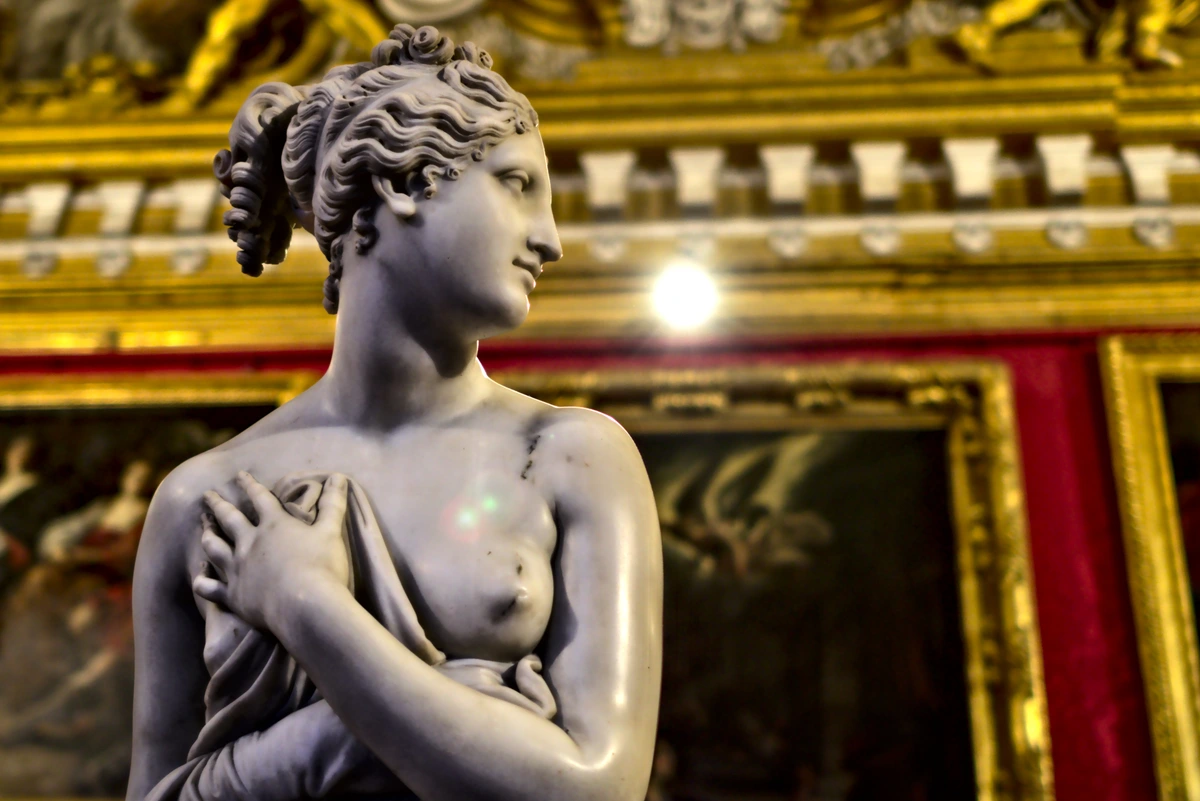
This image captures the essence of Anatsui's work, where discarded materials are reimagined into intricate patterns that tell a story of resilience and creativity. The metallic sheen and the intricate weaving of the bottle caps create a visual narrative that speaks to the transformative power of art.
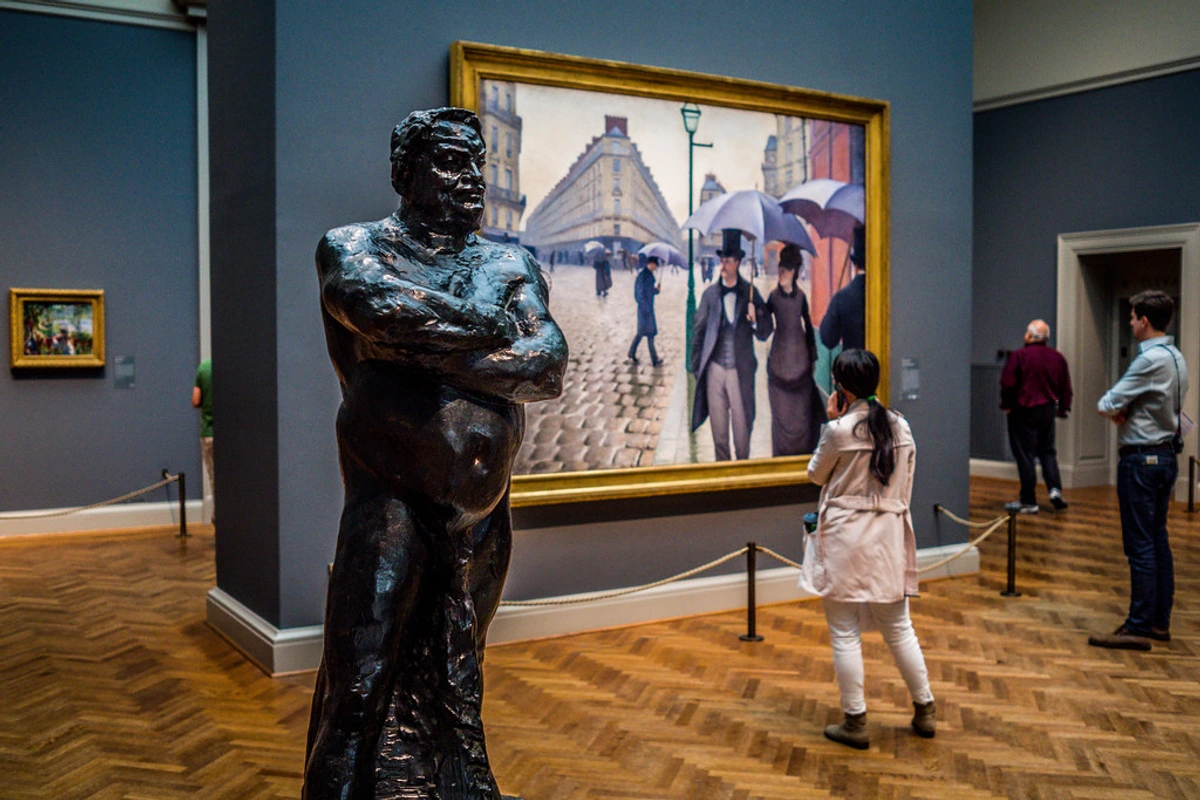
Anatsui's metallic tapestries are not just visually stunning; they are a testament to the power of creativity and innovation. The intricate patterns and textures invite viewers to explore the layers of meaning embedded in the materials. Each piece is a reflection of the artist's vision and his commitment to sustainability and cultural preservation.
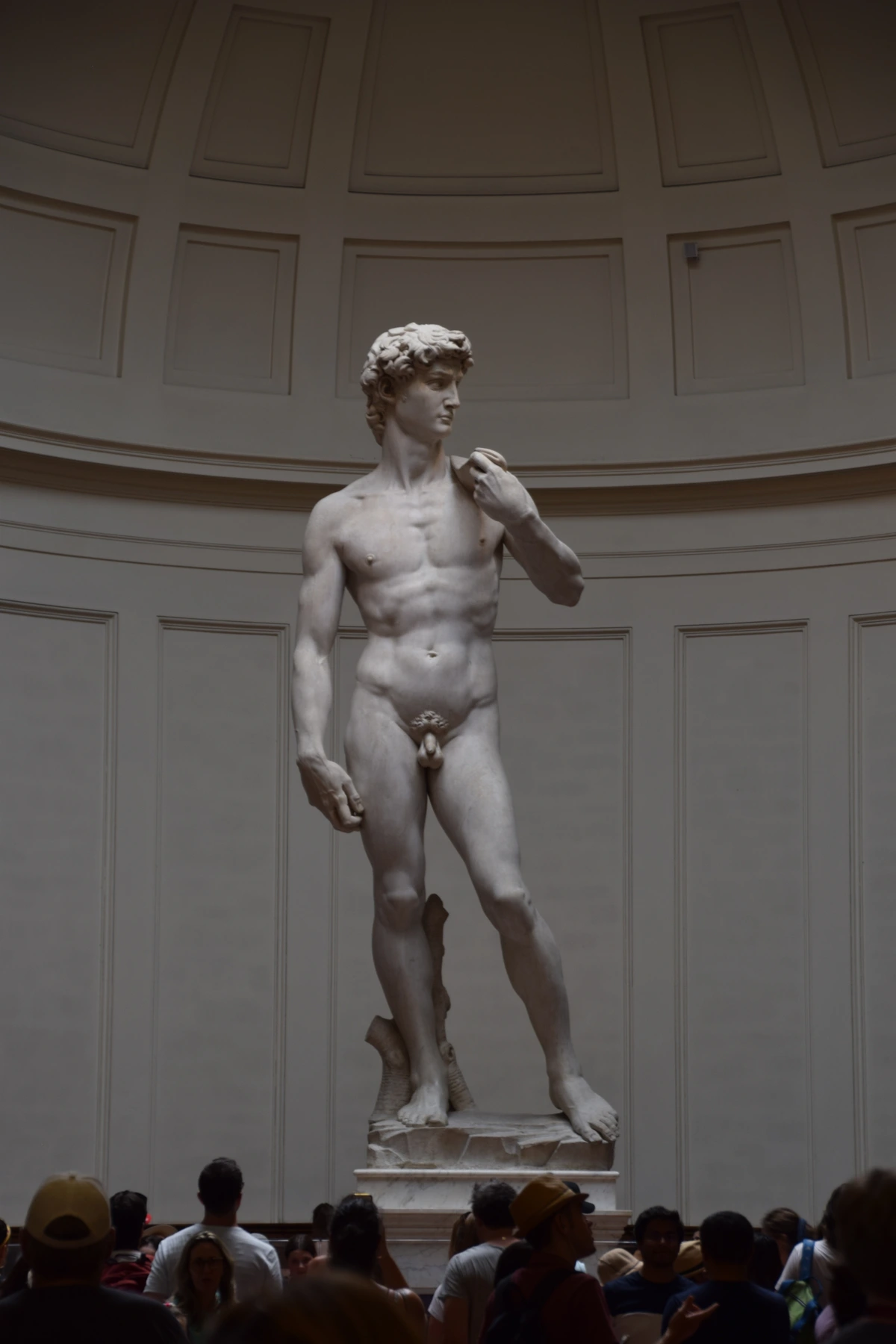
This sculpture exemplifies Anatsui's ability to transform everyday materials into profound works of art. The use of recycled materials not only highlights the artist's commitment to sustainability but also serves as a metaphor for the resilience and adaptability of cultural narratives.
Anatsui's work is a fusion of tradition and innovation. His ability to merge African cultural elements with global themes has redefined contemporary sculpture. His work invites viewers to explore the intersections of history, identity, and the environment.
The Alchemist of Nsukka: Unraveling El Anatsui's Sculptural Universe
El Anatsui's journey as an artist is a testament to the power of reinvention. His work transcends traditional boundaries, blending cultural heritage with contemporary themes to create something entirely new.
Anatsui's art is a fusion of tradition and innovation. His ability to merge African cultural elements with global themes has redefined contemporary sculpture. His work invites viewers to explore the intersections of history, identity, and the environment.
My main takeaway after years of admiring his work is this: El Anatsui is more than a sculptor. He's a storyteller, a cultural cartographer, and a quiet revolutionary whose primary materials are history, memory, and discarded metal. To understand his art is to follow the thread from his upbringing in Ghana, to his academic life in Nigeria, and finally to the global stage. His ability to weave these elements into a cohesive narrative is what sets his work apart, making it both deeply personal and universally resonant.
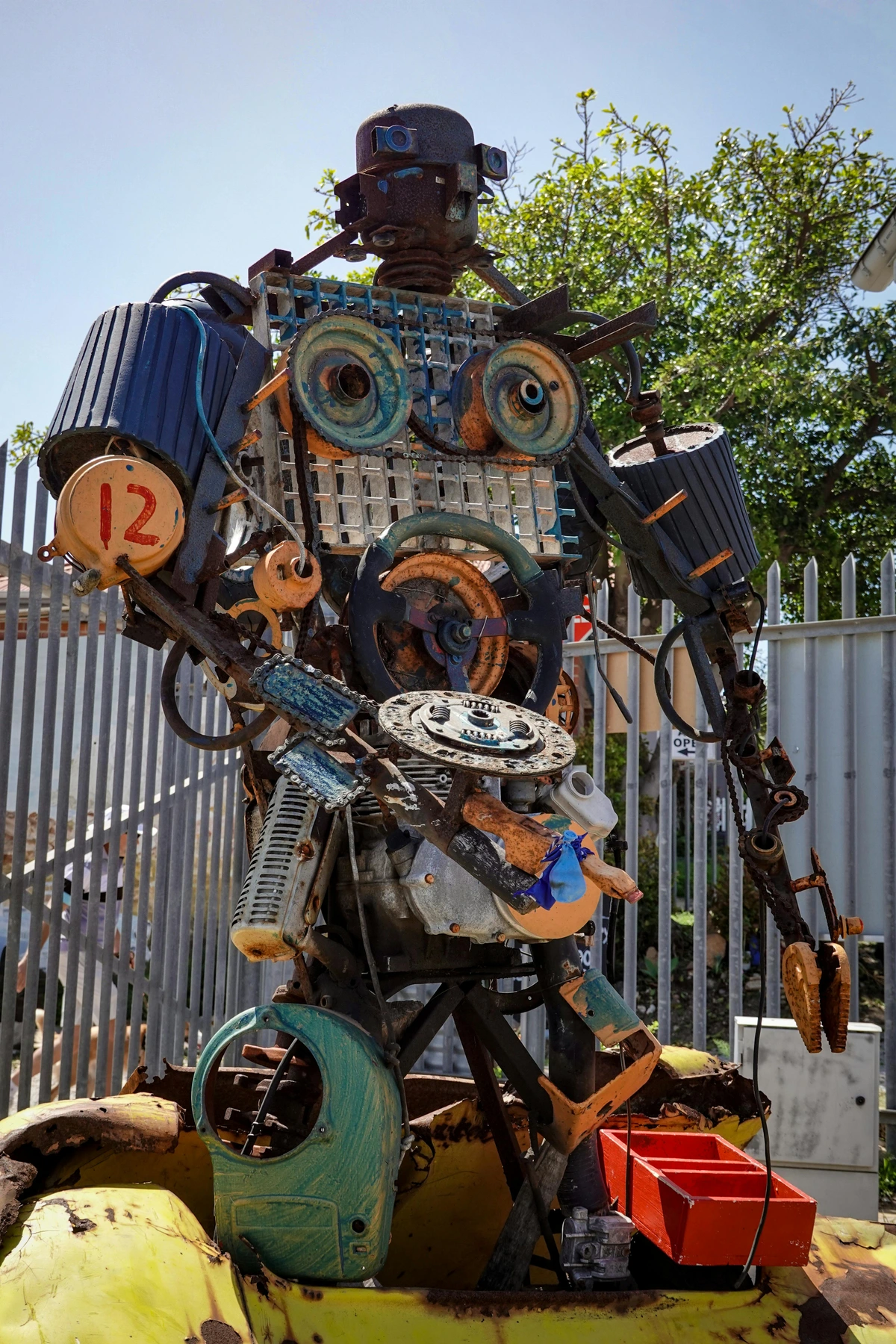
Anatsui's journey is a testament to the power of art to transcend boundaries. His work is not just about the materials he uses but the stories they tell. Each piece is a reflection of his experiences, his cultural heritage, and his vision for a more interconnected world.
A Prelude to Metal: Wood, Clay, and the Echo of History
Before Anatsui became synonymous with metallic tapestries, his artistic journey began with more traditional materials. Understanding this evolution is key to appreciating the depth of his work.
Anatsui's early work with wood and clay laid the foundation for his later innovations. These materials allowed him to explore themes of cultural identity and historical memory, setting the stage for his groundbreaking use of recycled materials.
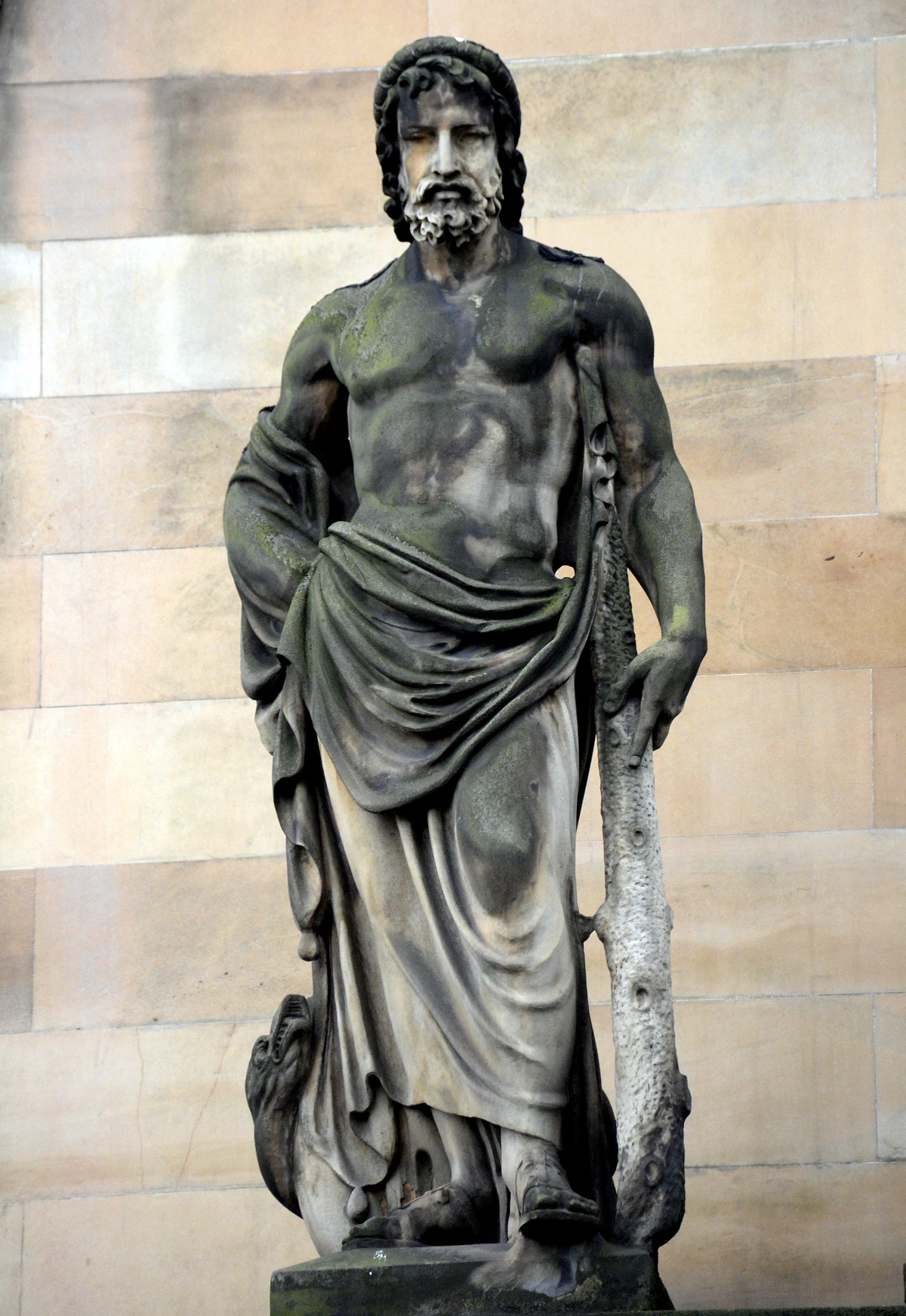
It all begins with wood. It’s important to know that for decades, El Anatsui wasn't the 'bottle cap guy'. He was a master with a chainsaw, carving intricate forms from felled trees. He’d use a mallet to tap ceramic shards into the wood's surface, a technique inspired by seeing masons set tile. This act was about reconciliation, literally embedding fragmented histories back into a whole. These early works were not just sculptures; they were narratives carved into wood, each piece telling a story of cultural identity and historical memory.
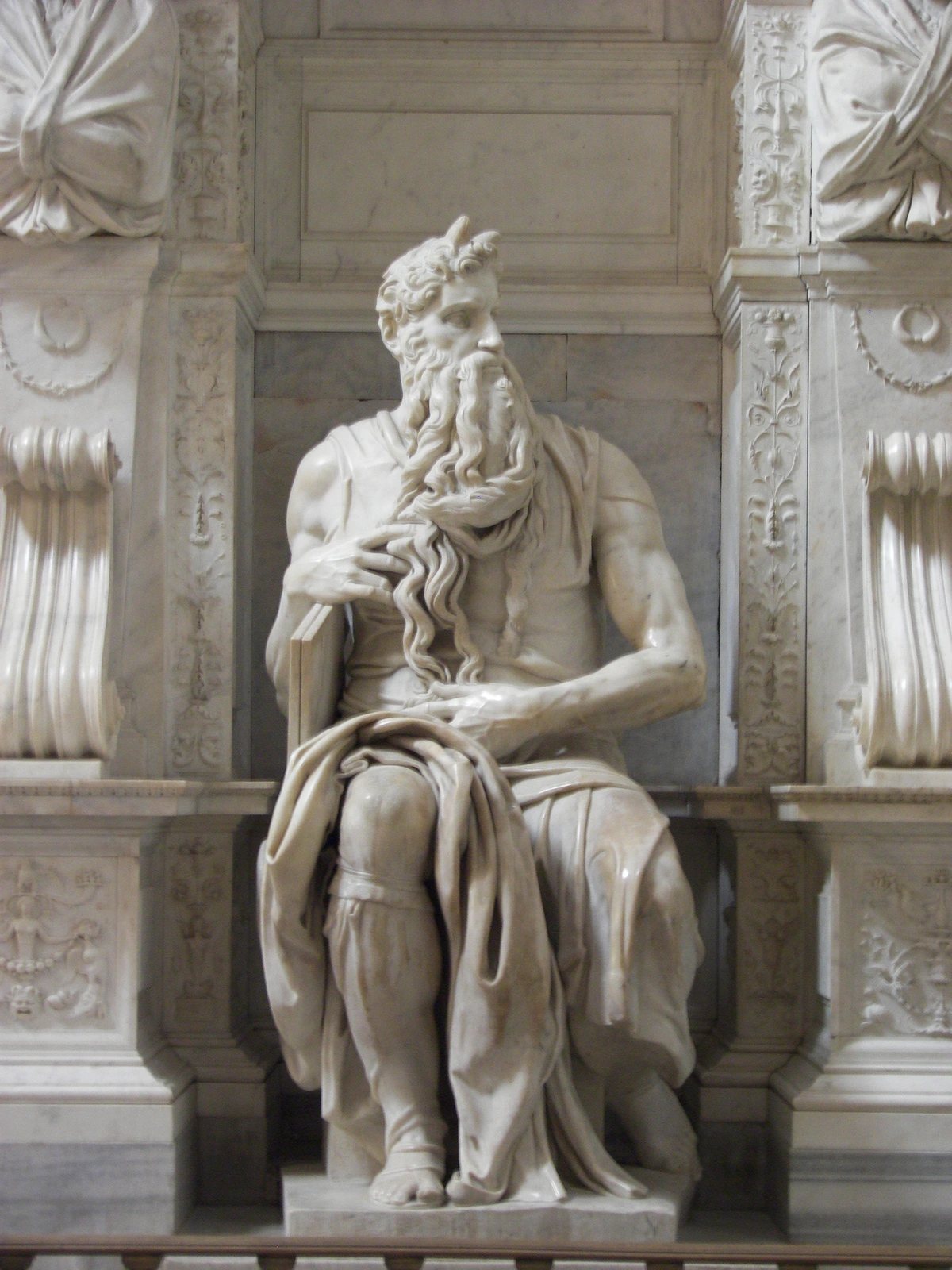
Anatsui's wood sculptures were deeply rooted in his Ghanaian heritage. The use of Adinkra symbols and traditional techniques reflected his commitment to preserving and celebrating African cultural narratives. These works were not just artistic expressions but also acts of cultural preservation.
His early work was deeply connected to Ghanaian symbolism and his own Ewe heritage. He’d inscribe Adinkra symbols—communicating complex proverbs and philosophies—onto his sculptures. They were heavy, rooted objects. Beautiful, but tethered. It makes you wonder what it feels like to spend half a lifetime mastering one material, only to discover another that allows you to speak in a completely new voice. This shift from wood to metal was not just a change in medium but a transformation in perspective, allowing Anatsui to explore themes of fluidity and impermanence.
The transition from wood to metal marked a significant shift in Anatsui's artistic vision. While his wood sculptures were deeply rooted in tradition, his metallic tapestries allowed him to explore new themes of globalism and interconnectedness. This evolution reflects his ability to adapt and innovate, constantly pushing the boundaries of his art.
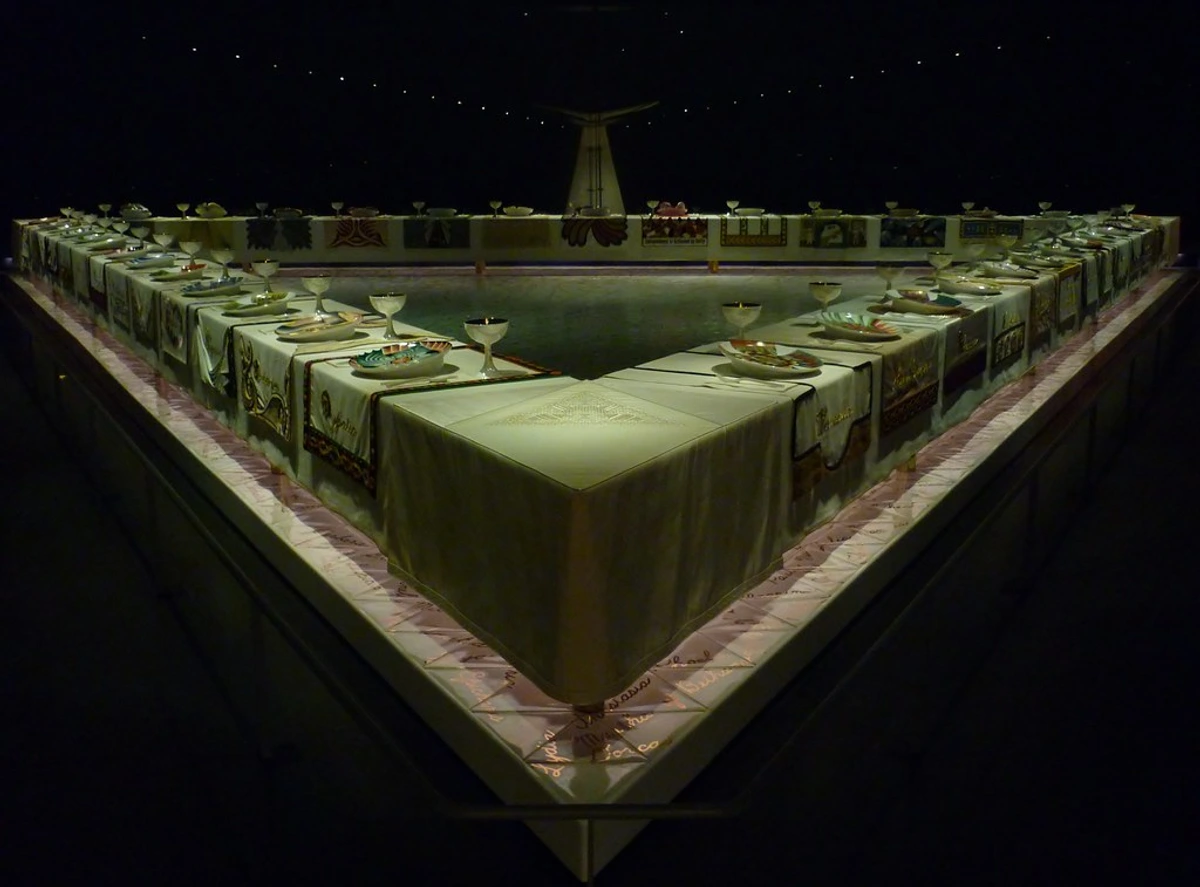
This image, while seemingly unrelated, highlights the universal appeal of metal as a medium. Just as heavy metal music evokes powerful emotions, Anatsui's metallic sculptures resonate with a similar intensity, albeit in a visual and tactile form.
The use of metal in art and music alike taps into a primal, emotional response that transcends cultural boundaries. Anatsui's metallic tapestries are not just visually stunning; they are a testament to the power of creativity and innovation. The intricate patterns and textures invite viewers to explore the layers of meaning embedded in the materials.
The Plastic Revolution: A Shift in Medium
Anatsui's transition from wood to metal marked a pivotal moment in his career. This shift was not just about material but about embracing a new language of expression, one that allowed him to explore themes of globalism and consumption on a grander scale.
The use of metal opened up new possibilities for Anatsui's art. It allowed him to create large-scale works that could be shaped and reshaped, reflecting the fluidity and interconnectedness of the modern world. This shift was not just a change in medium but a transformation in his artistic vision.
This album cover, while seemingly unrelated, highlights the cultural significance of metal as a medium. Just as heavy metal music has a powerful emotional impact, Anatsui's metallic sculptures evoke a similar intensity, albeit in a visual and tactile form. The use of metal in art and music alike taps into a primal, emotional response that transcends cultural boundaries.
The Symbolism of Bottle Caps
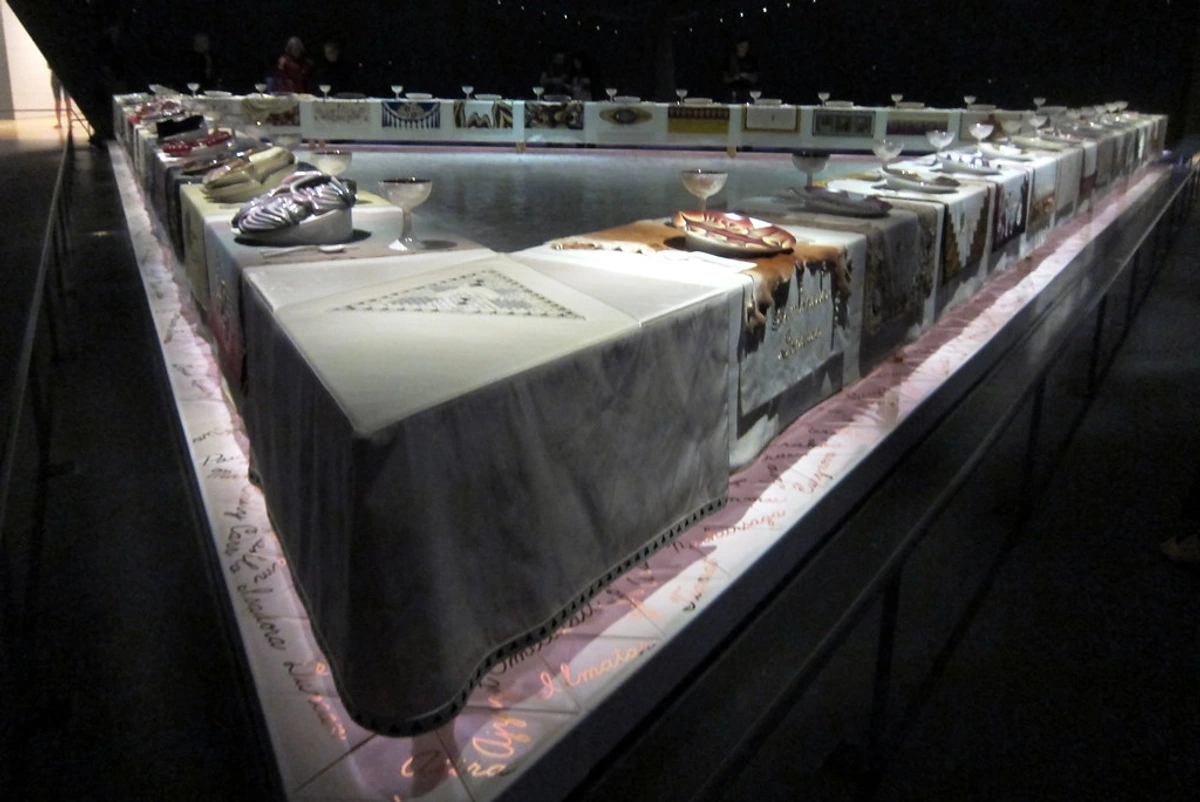
The use of liquor bottle caps in Anatsui's work is rich with symbolism. These caps, often discarded and overlooked, carry the weight of history and global trade. By repurposing them, Anatsui transforms symbols of consumption into works of art that challenge our perceptions of value and waste.
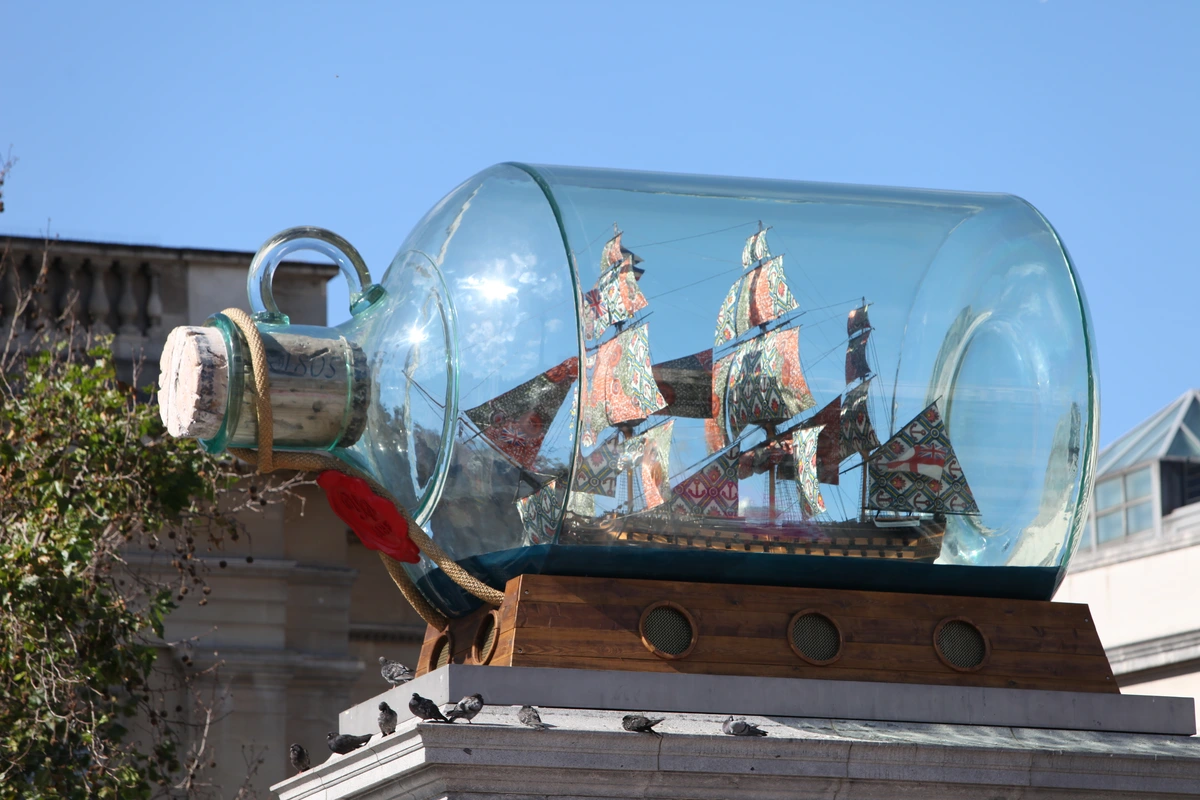
The bottle caps serve as a metaphor for the interconnectedness of the global economy. They represent the cycles of consumption and waste that define modern society. By transforming these discarded materials into works of art, Anatsui invites viewers to reconsider their relationship with the objects they consume and discard.
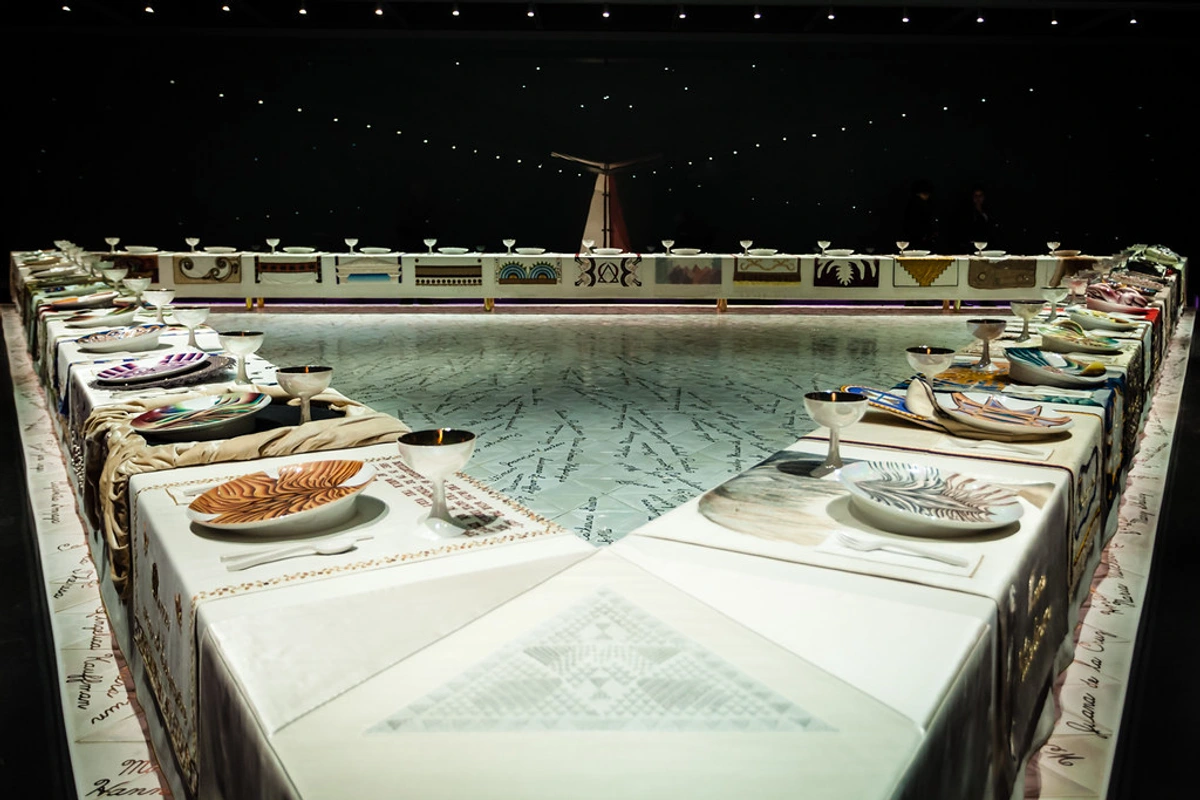
The Process of Creation
Creating these metallic tapestries is a labor-intensive process. Anatsui and his team meticulously flatten, cut, and stitch together thousands of bottle caps using copper wire. This process is not just about craftsmanship but about storytelling, as each piece of metal carries its own history and narrative.
The creation of Anatsui's metallic tapestries is a collaborative effort. His team of assistants plays a crucial role in the process, helping to transform discarded materials into works of art. This collaborative approach reflects Anatsui's belief in the power of community and shared creativity.
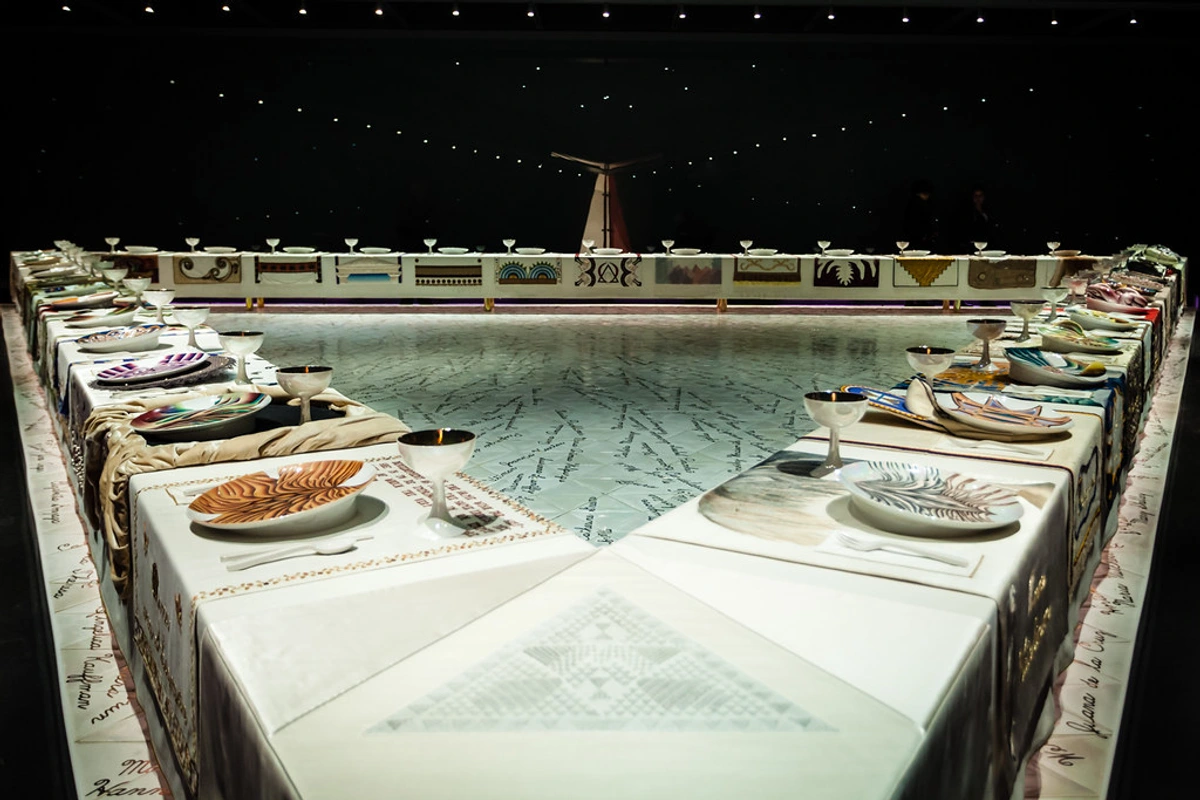
The Global Impact
Anatsui's work has resonated globally, earning him acclaim and exhibitions in prestigious institutions worldwide. His ability to merge African traditions with contemporary themes has made his art a bridge between cultures, inviting viewers to reflect on their own relationship with consumption and waste.
Anatsui's art has been exhibited in major museums and galleries around the world, from the Venice Biennale to the Metropolitan Museum of Art. His work has been celebrated for its ability to transcend cultural boundaries and speak to universal themes of identity, history, and the environment.
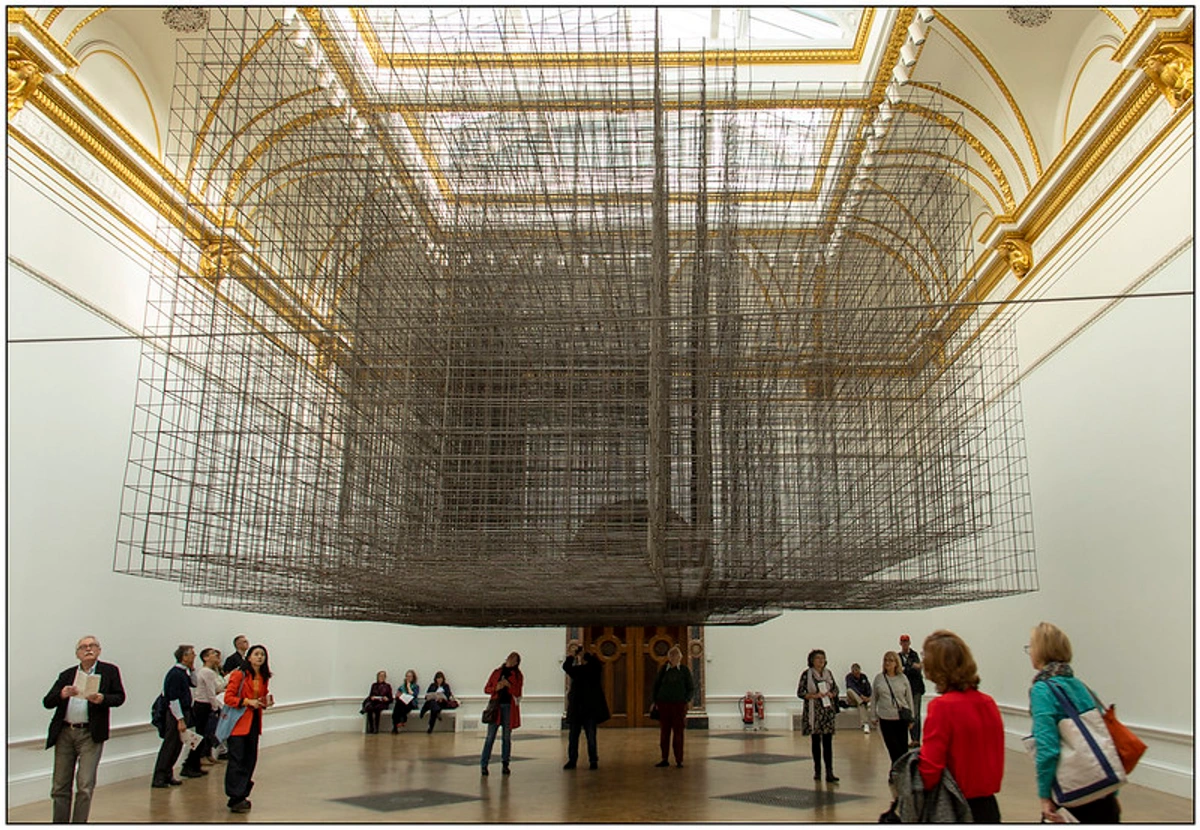






FAQ
Q: What inspired El Anatsui to use bottle caps in his art? A: Anatsui was inspired by the idea of transforming discarded materials into something meaningful. The bottle caps, often symbols of consumption and waste, became a medium through which he could explore themes of globalism and cultural identity.
Q: How does Anatsui's work challenge traditional notions of sculpture? A: Anatsui's work challenges traditional notions of sculpture by embracing fluidity and impermanence. His metallic tapestries are not fixed forms but can be shaped and reshaped, inviting viewers to engage with the art in a dynamic way.
Q: What is the significance of the Adinkra symbols in Anatsui's early work? A: The Adinkra symbols in Anatsui's early work are deeply connected to Ghanaian culture and his Ewe heritage. These symbols communicate complex proverbs and philosophies, embedding cultural narratives into his sculptures.
Q: How has Anatsui's work been received globally? A: Anatsui's work has been widely acclaimed and exhibited in prestigious institutions worldwide. His ability to merge African traditions with contemporary themes has made his art a bridge between cultures, resonating with audiences across the globe.
Q: What is the process behind creating Anatsui's metallic tapestries? A: The process involves flattening, cutting, and stitching together thousands of bottle caps using copper wire. This labor-intensive process is not just about craftsmanship but about storytelling, as each piece of metal carries its own history and narrative.
Q: How does Anatsui's work address environmental concerns? A: Anatsui's use of recycled materials highlights the importance of sustainability and the potential for beauty in discarded objects. His work serves as a commentary on the environmental impact of consumption and waste.
Q: What themes does Anatsui explore in his art? A: Anatsui's art explores themes of globalism, cultural identity, history, and the environment. His work invites viewers to reflect on their relationship with the world and the objects they consume.
Q: How does Anatsui's work reflect his cultural heritage? A: Anatsui's work reflects his Ghanaian heritage and Ewe identity through the use of traditional symbols and techniques. His art is a fusion of African cultural elements and contemporary themes.
Q: What is the significance of the metallic tapestries in Anatsui's work? A: The metallic tapestries represent a shift in Anatsui's artistic vision, allowing him to explore themes of fluidity and interconnectedness. They are a testament to his ability to innovate and adapt.
Q: How does Anatsui's work challenge traditional notions of art? A: Anatsui's work challenges traditional notions of art by embracing unconventional materials and techniques. His use of discarded materials and collaborative process reflects a commitment to innovation and sustainability.
Q: What role does collaboration play in Anatsui's creative process? A: Collaboration is central to Anatsui's creative process. His team of assistants plays a crucial role in transforming discarded materials into works of art, reflecting his belief in the power of community and shared creativity.
Q: How does Anatsui's work engage with themes of globalism? A: Anatsui's work engages with themes of globalism by repurposing materials that are symbols of global trade and consumption. His art invites viewers to reflect on the interconnectedness of the global economy and their own relationship with the objects they consume.
Q: What is the significance of the metallic sheen in Anatsui's tapestries? A: The metallic sheen in Anatsui's tapestries is not just visually stunning; it is a testament to the power of creativity and innovation. The intricate patterns and textures invite viewers to explore the layers of meaning embedded in the materials.
Q: How does Anatsui's work challenge traditional notions of beauty? A: Anatsui's work challenges traditional notions of beauty by transforming discarded materials into works of art. His use of recycled materials highlights the potential for beauty in the overlooked and the forgotten.
Q: What is the role of storytelling in Anatsui's art? A: Storytelling is central to Anatsui's art. Each piece of metal carries its own history and narrative, inviting viewers to explore the layers of meaning embedded in the materials. His work is a testament to the power of art to evoke emotion and provoke thought.