New Avenues for Artists: Creative & Professional Paths
metaDescription-en

Beyond the Canvas: Uncharted Creative Avenues for the Modern Artist
I used to think being an artist meant a straight line: studio, gallery, collector. A simple transaction of soul and canvas. Then I spent a month feeling creatively stranded, staring at a half-finished abstract piece that seemed to mock me from the easel. My discipline was a mess, and the old channels just weren't feeding my curiosity anymore. That's when I realized the map was wrong. What if the key to unlocking your next great idea isn't another tube of paint, but a conversation with a software engineer? Or a collaboration with a local coffee roaster? We're moving beyond the traditional gallery model to explore the exhilarating, sometimes messy, world of interdisciplinary collaboration, community engagement, and alternative markets. The real creative life isn't a line; it's a vast, unexplored terrain.
What if the key to unlocking your next great idea isn't another tube of paint, but a conversation with a software engineer? Or a collaboration with a local coffee roaster? This is about finding the new, often invisible, paths that can reinvigorate your practice, connect you with unexpected audiences, and yes, even create new streams of income. We're moving beyond the traditional gallery model to explore the exhilarating, sometimes messy, world of interdisciplinary collaboration, community engagement, and alternative markets.
The Map is Wrong: Why Artists Need New Avenues
If you feel stuck, it's not your fault. The traditional art world operates on a set of rules that haven't fundamentally changed in centuries. You create a rare object, a gatekeeper approves it, and if you're lucky, someone with money buys it. This model leaves most artists feeling like they're shouting into a void, disconnected from the very people they want to reach.
But something profound has shifted. The gatekeepers are losing their power. The tools of creation and distribution that were once locked away in studios and publishing houses are now in our pockets. A smartphone can shoot a cinematic video, edit a podcast, or design a pattern for fabric. This technological democratization is the seismic event that makes all these new avenues possible. Artists are no longer completely dependent on curators, gallerists, or publishers to validate their work or reach an audience. They can build their own platforms, find their own communities, and create their own economies. It's not just about "selling more"; it's about fundamentally reimagining what it means to be a working artist in the 21st century—one who is deeply connected, resilient, and creatively fulfilled. This shift means you can be your own tastemaker, your own curator, and your own creative director.
The Artistic Impulse in Unlikely Places: Cross-Disciplinary Collaboration
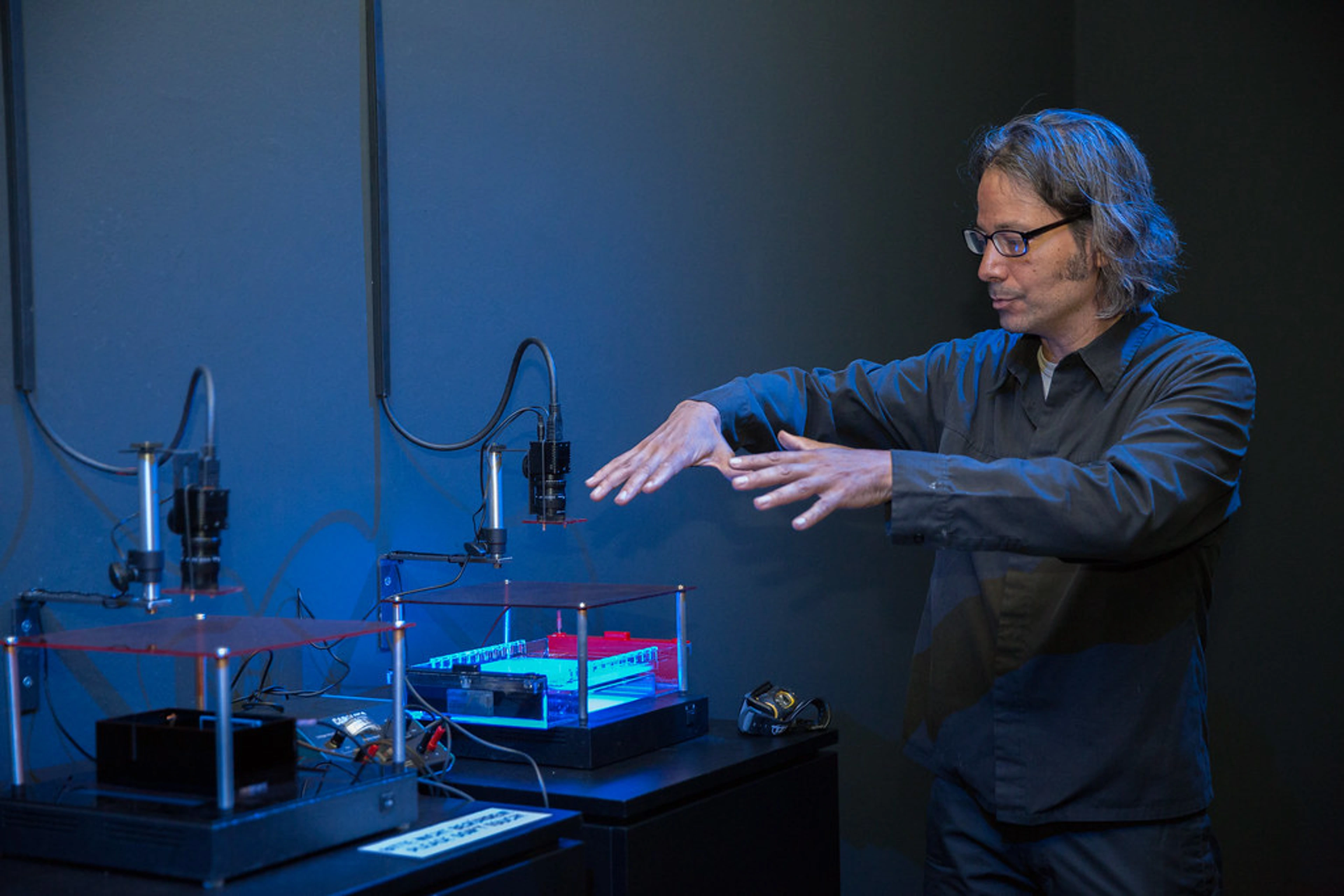
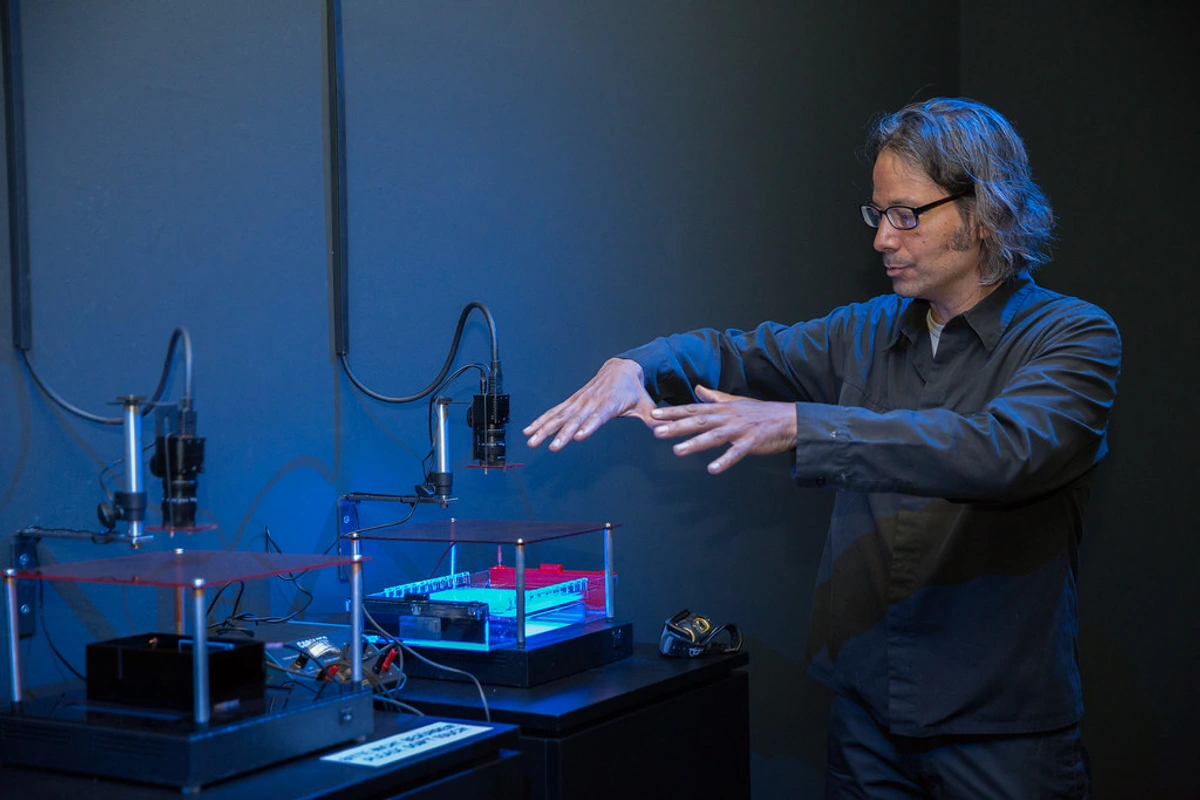
The most profound creative shifts in my own work happened not in the studio, but outside of it. I remember chatting with a friend who designs soundscapes for video games. He was describing how he builds "audio texture" by layering field recordings from train yards and forests. My mind immediately leapt to my own process of layering color and form. We ended up co-creating a small installation where my paintings were paired with his sound, and for the first time, viewers weren't just looking—they were listening. It changed how I thought about the space my art occupies.
This is the power of cross-disciplinary collaboration. It forces you to translate your visual language into words, sounds, or even code, breaking you out of the creative ruts you didn't even know you were in. It's like learning to speak a new dialect of your own native tongue, allowing you to describe your work using metaphors borrowed from a completely different field and see your own process through a new lens. It's like learning to speak a new dialect of your own native tongue. You start to describe your own work differently, using metaphors and concepts borrowed from a completely different field, and suddenly, a new way forward appears.
Finding Your Unlikely Partner
The idea of finding a collaborator can feel daunting. You don't need to post a formal request on a job board. Start with curiosity. What industries or fields are you vaguely interested in but know nothing about? Architecture? Fashion tech? Culinary arts?
- Attend events outside your bubble. Go to a local tech meetup, a science café, or a poetry reading. Don't go to network; go to listen. The goal is to hear the problems and passions of other disciplines.
- Lead with questions, not a portfolio. Instead of "I'm an artist, let's collaborate," try "I'm fascinated by how you use data visualization. Can you tell me more about your process?" Genuine interest is the best invitation.
- Think small and experimental. Your first project together doesn't have to be a museum-scale installation. It could be a single Instagram post, a small zine, or a prototype for a digitally-augmented postcard.
The tangible benefit of working with, say, a dancer or a materials scientist isn't just the final product. It's the creative cross-pollination. You absorb their methods: a choreographer's sense of rhythm might influence the movement in your brushstrokes; a scientist's approach to experimentation might free you from your over-reliance on familiar techniques. This cross-pollination doesn't just stay in the project; it seeps back into your core practice. I've found that after a collaboration, my solo work often has a new energy or a different kind of logic to it, a remnant of that temporary shared language.
From Spectator to Participant: Art as Community Engagement
For a long time, I held a romantic but lonely belief that the artist's job was to create in isolation and present a finished truth to the world. I was wrong. Some of the most energizing projects I've been involved in put the creative process front and center, inviting the community to not just witness, but participate.
This is fundamentally different from trying to get "more eyes" on your art. That's a marketing goal. This is an artistic one. What does it mean to make work that is for a specific community, or even with them? When you shift from thinking of "audience" to thinking of "community," your metrics for success change. It's no longer just about sales or likes; it's about connection, dialogue, and shared meaning. It's about finding the human stories that intersect with your artistic vision and asking, "How can my work serve this moment and these people?"
The Power of Making in Public
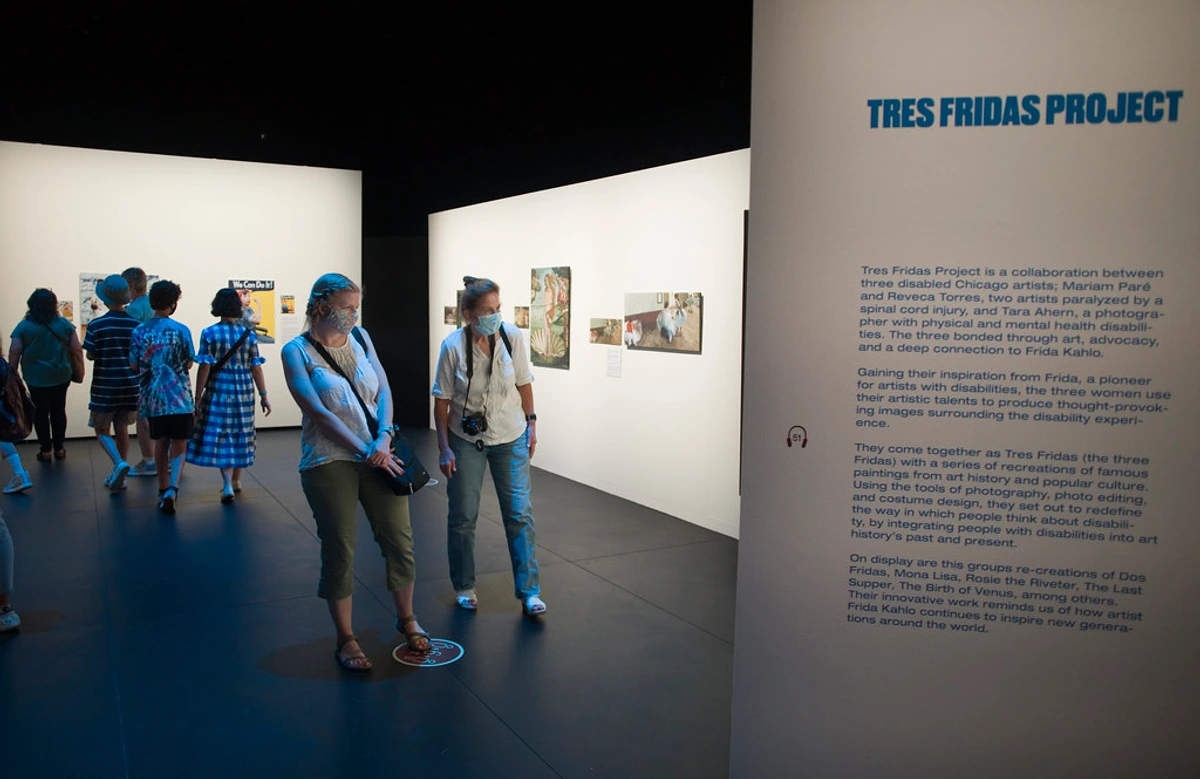
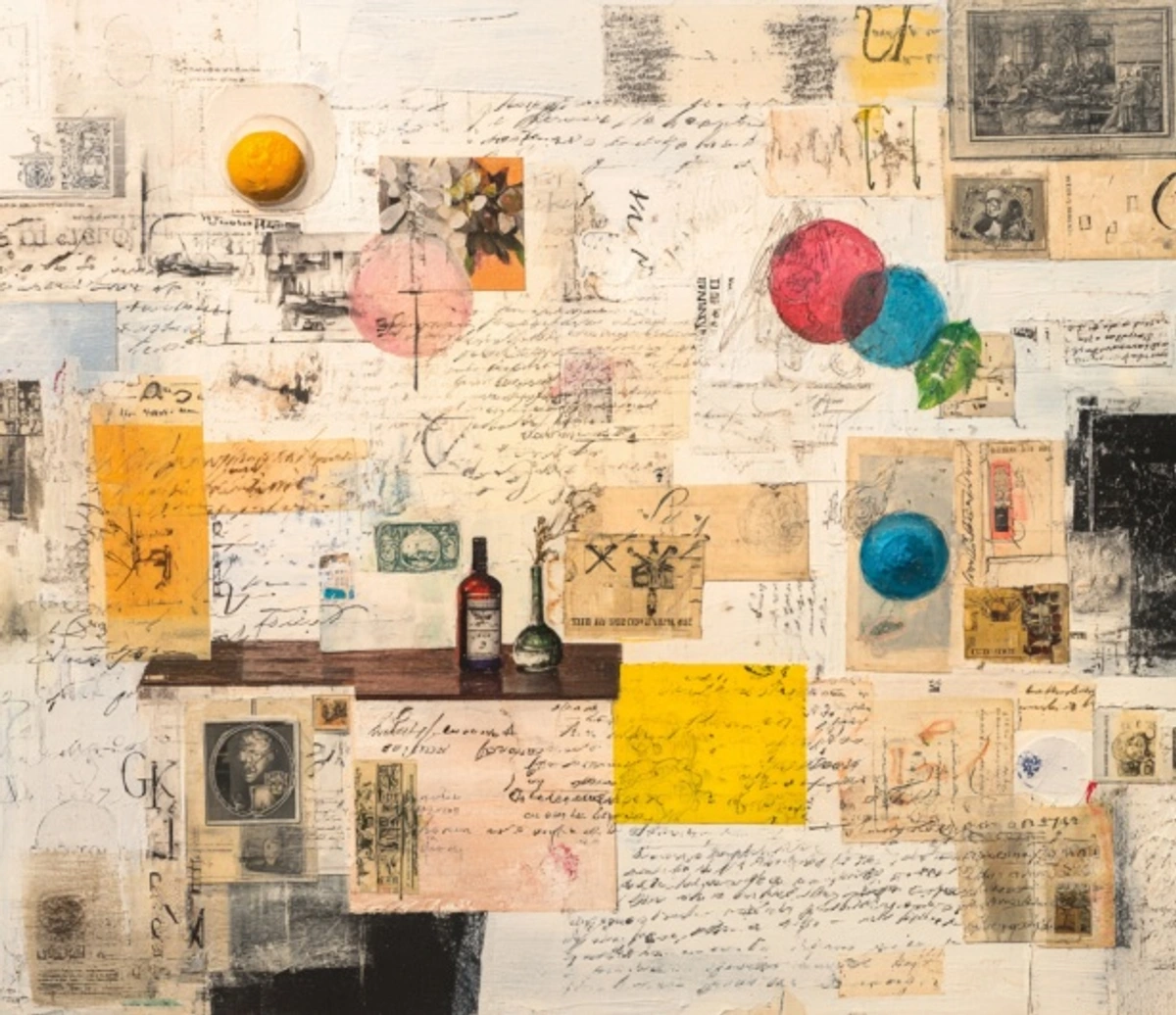
There's a vulnerability to creating in public, whether it's a live-painting session in a park or a community mural project. You surrender control, and in return, you get a level of engagement and buy-in that a finished painting in a gallery can rarely muster. People feel a sense of ownership and connection to the work because they saw it—or helped it—come to life.
I once organized a simple workshop where participants could add a single brushstroke to a large canvas. By the end, it was a chaotic, beautiful mess that none of us could have created alone. It was a powerful lesson: art can be a verb, a shared experience, not just a noun on a wall.
Re-imagining the Exhibition Space
Galleries can feel intimidating. But what if the exhibition was a series of artworks hidden in a public library for people to discover? Or a temporary "pop-up" gallery in a disused storefront, accompanied by artist talks and hands-on activities? These alternative exhibition models lower the barrier to entry and turn art viewing into an adventure.
Consider these formats:
- The Studio Open House: Transform your studio into an event space for one night. Let people see the mess, the sketches, the failed experiments. It demystifies the process and builds a more personal connection.
- Artists-in-Residence in Unexpected Venues: Partner with a local business—a bookstore, a brewery, a hotel lobby—to be an "artist-in-residence" for a weekend.
- Community-Led Curation: Invite a local group you admire (a hiking club, a book club, a team of nurses) to help curate a small show from your collection, writing the wall text from their unique perspective.
New Markets, New Surfaces: Where Your Art Can Thrive
Let's address the elephant in the room: making a living. The traditional art market can be an opaque and challenging gatekeeper. But technology and shifting consumer values have opened up a kaleidoscope of new opportunities to monetize your work, often in ways that give you more control and a more direct relationship with your audience.
This isn't about "selling out." It's about selling in. It's about taking your singular vision and finding all the different vessels that can hold it—from an elegant mug to a complex mural. Think of it as ecosystem building. Instead of relying on one massive sale, which can feel like a lottery win, you're cultivating a dozen small streams of income that, together, create a more resilient and sustainable artistic life. This diversification is your safety net. If one stream dries up, or a particular market slows down, you're not starting from zero. Each new product is a new touchpoint, a way for someone to connect with your work at a price and in a format that makes sense for them. A teenager might buy a sticker, a college student a print, a new homeowner a throw pillow, and one day, that same person who started with a sticker might be ready to commission an original painting.

The World of Art Licensing and Product Design
Your unique visual style has value far beyond the framed print. This is a mental shift: from seeing your work as a precious object to understanding it as a flexible brand or pattern that can be adapted. Think of your art as a language. Right now, you might only be speaking it in sonnets (paintings). But that same language can be used to write a song (textile design), a speech (a mural), or a joke (an animated sticker pack). It's all about translation.
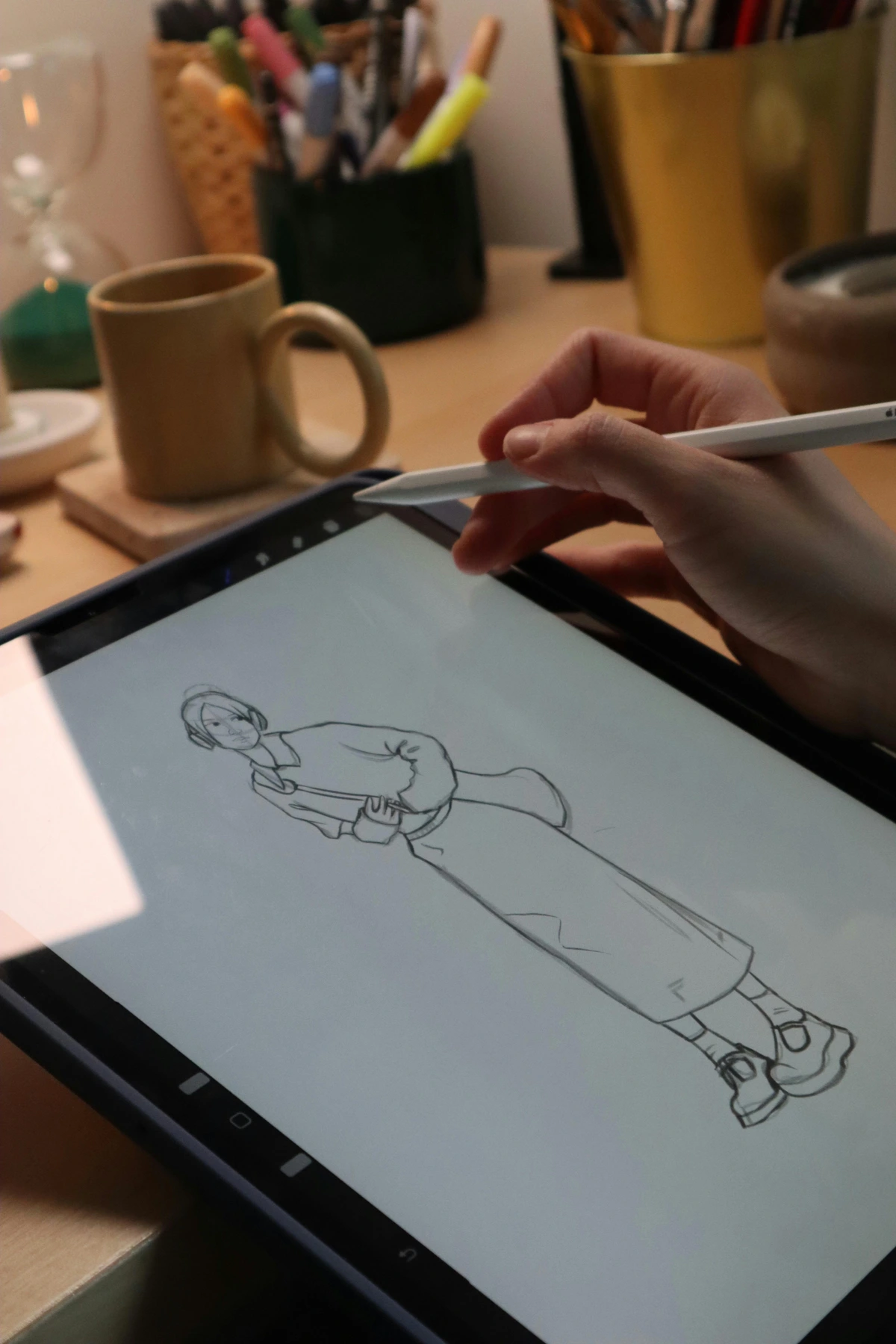
- Surface Pattern Design: Your paintings can become patterns for textiles, wallpaper, stationery, or home decor. Your distinctive color palette or mark-making could be the perfect fit for a line of ceramic mugs or a collection of tote bags. Companies are actively looking for unique artistic voices to differentiate their products. This requires a shift in mindset, from creating a single, perfect composition to designing a repeatable pattern that can be applied to different surfaces.
- Direct-to-Consumer (DTC) Platforms: You don't have to wait for a manufacturer to approach you. Sites that offer print-on-demand services allow you to upload your designs and sell them on everything from t-shirts and phone cases to duvet covers and shower curtains. You set the margin, and you own the customer relationship. The key to success here is curation. Don't just slap your art on everything; choose 10-20 products that make sense for your brand and focus your energy there.
Opportunity  | What it is | Best For | Time Investment | Revenue Model |
|---|---|---|---|---|
| Art Licensing | Leasing your designs to companies for use on their products. | Artists with a distinct, repeatable style that can be adapted. | High upfront (portfolio, outreach), then passive. | Upfront fees, royalties on sales. |
| Print-on-Demand | Selling your art on products via a service that handles printing and shipping. | Artists who want a hands-off approach to merchandising. | Low upfront, medium (marketing). | Per-unit profit margin. |
| Freelance Design | Creating custom artwork for clients (e.g., book covers, app icons). | Artists skilled in translating a brief into a visual. | High, project-based. | Flat project fees or hourly rates. |
| Digital Products | Selling digital files (textures, brushes, guides, e-books). | Artists with a teachable process or unique assets. | High upfront creation, then passive. | Direct sales (high margin). |
| Public Art & Murals | Creating large-scale, site-specific works for public spaces. | Artists comfortable with scale, collaboration, and project management. | Extremely high, project-based. | Project fees, grants. |
| Product Prototyping | Creating initial designs and concepts for new physical goods. | Multi-disciplinary artists with a strong design sense. | High, project-based. | Project fees. |
Digital Products and Educational Content
Your knowledge is an asset. People aren't just interested in your final paintings; they're fascinated by your process, your techniques, and how you see the world. You can package and sell this expertise.
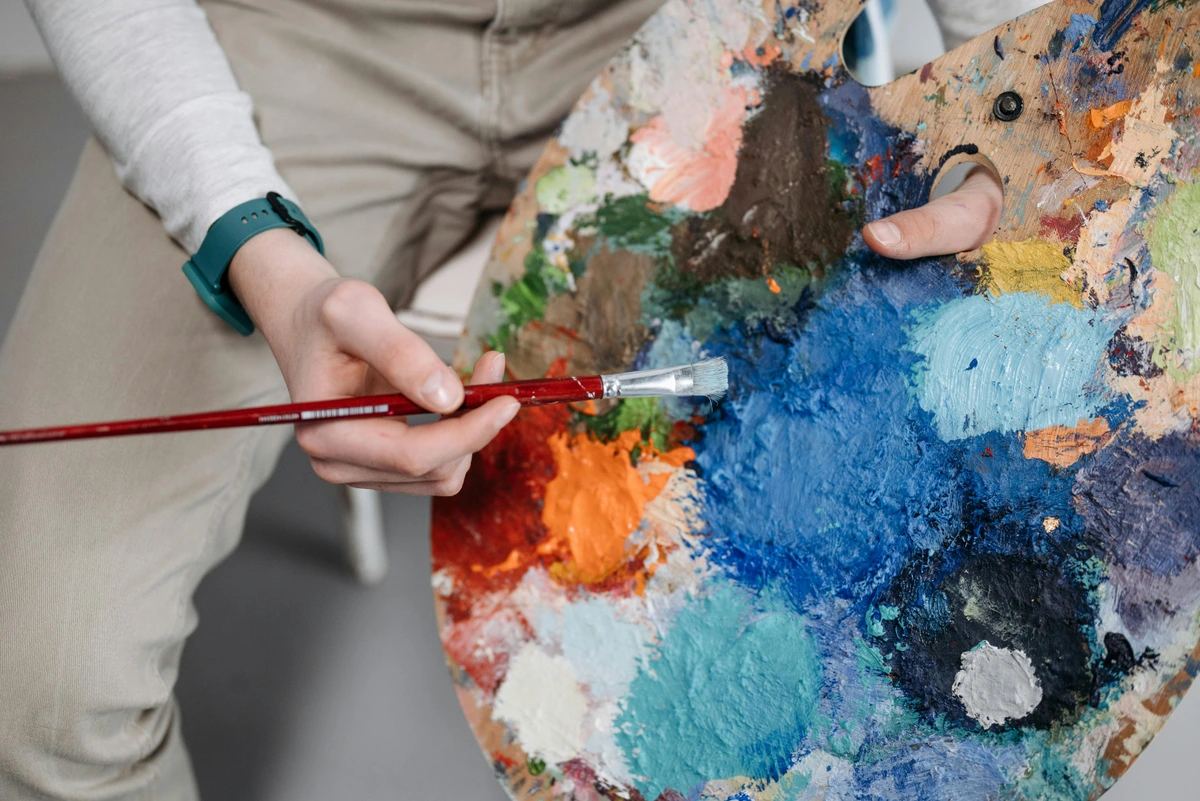
- Digital Downloadables: Create and sell digital files. This could be a collection of high-resolution textures you've photographed, a set of custom Photoshop brushes, a guide to your color-mixing techniques, or a beautifully designed PDF workbook for creative journaling.
- Online Workshops and Courses: Platforms like Teachable, Gumroad, or Patreon make it easier than ever to create and host your own digital classes. Teach your unique approach to abstract composition, color theory, or finding inspiration. The key to a successful course isn't about being the world's best teacher; it's about being an expert in your own process and sharing it with generosity. The great thing about a digital course is that you create it once and it can generate income for years.
Commissions, Re-imagined
The humble commission doesn't have to be a restrictive portrait of someone's pet. You can elevate it into a unique service that leverages your entire artistic vision.
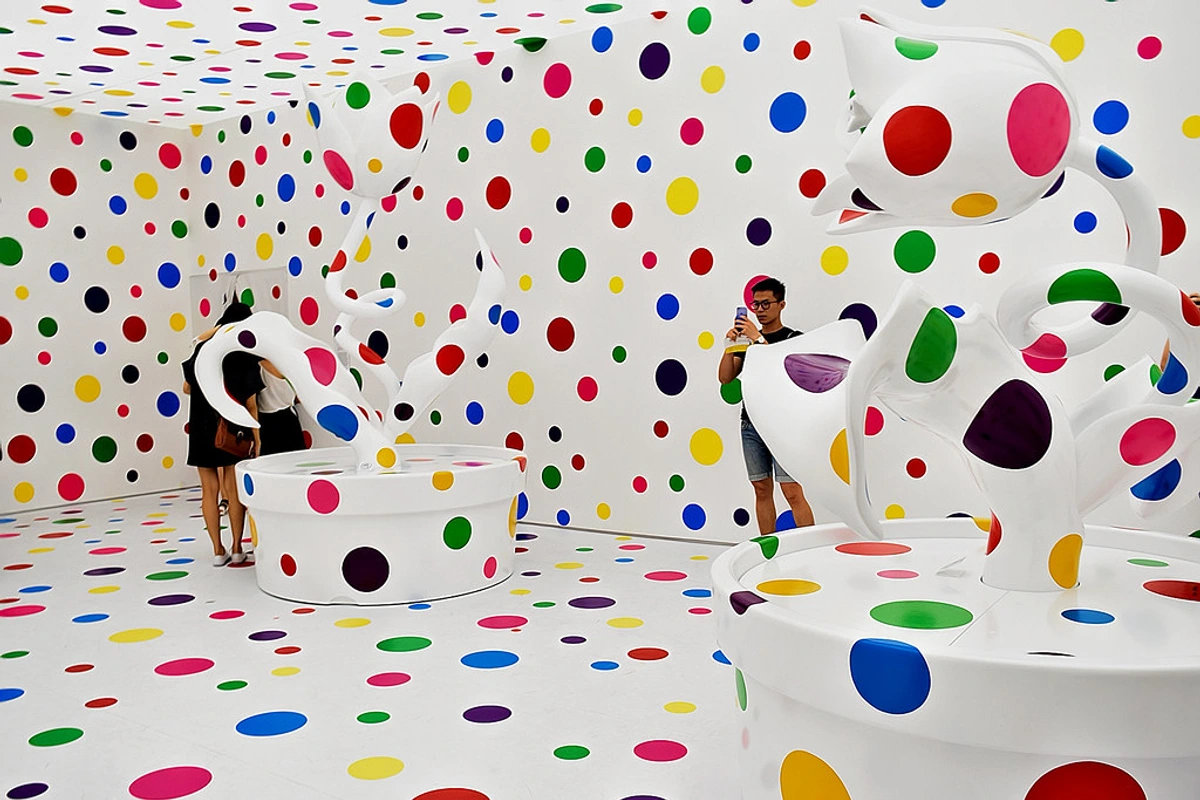
- "Art Direction" Commissions: Clients give you a theme, a color palette, or an emotion, and you create a piece inspired by that brief, retaining your full artistic freedom. They get a custom piece of art, and you avoid the frustration of painting-by-committee.
- Mural and Installation Work: Businesses, restaurants, and even private homeowners are increasingly looking for artists to create large-scale, custom environments. This is physically demanding work but can be incredibly lucrative and rewarding, permanently embedding your art in a public or semi-public space.
AI: The Unpaid Intern in Your Studio
Let's be clear: AI will not replace your vision. But it can be a powerful tool to help you explore it. Use an AI image generator not to create finished work or to plagiarize, but to generate dozens of variations on a theme when you're stuck. It's a relentless idea generator that never gets tired. You can use it to prototype color schemes, explore compositions, or visualize a mural on a building without ever leaving your desk. It's incredible for brainstorming, but it can't replicate the years of practice, the deliberate choices, and the emotional depth that you pour into your work. Use it as a launchpad, not a final destination. It's a means to an end, a way to accelerate the initial, messy phase of exploration so you can get to the good stuff—the human part—faster. Own the tool, don't let it own you.
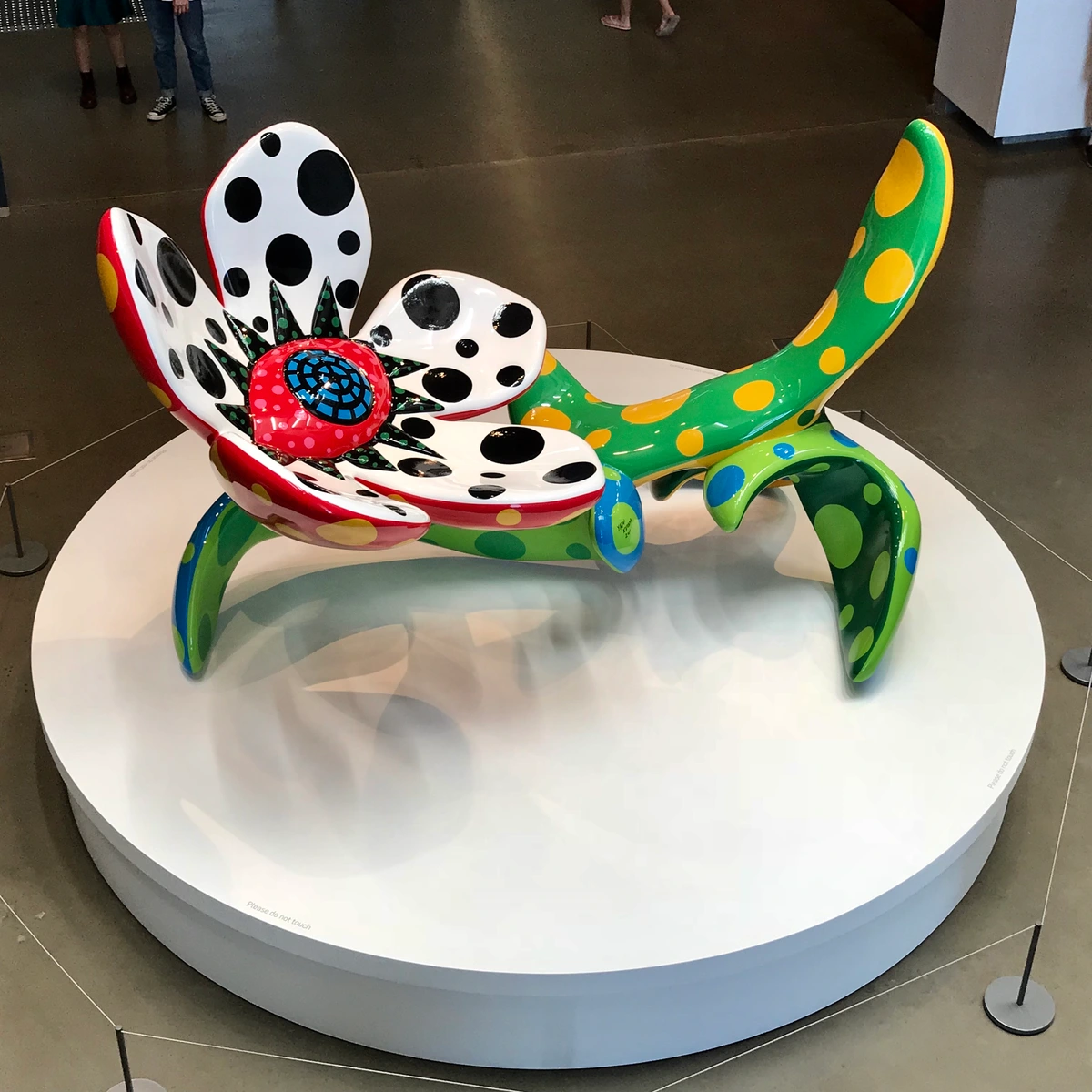
Imagine a small painting of a forest that, when viewed through a phone, reveals subtle animations—leaves rustling, a deer moving through the shadows. Your static art becomes a portal, offering a deeper, more immersive layer of storytelling to those who know to look for it.
It's no longer just about broadcasting your finished work; it's about inviting people into the messy, beautiful, uncertain process of creation. This builds a loyal community that is invested in your journey, not just your output.
FAQ: Your Questions on New Avenues for Artists
A Final Thought: Your Unique Path
Look, I won't pretend there's a magic formula. Some of these avenues will feel like a natural extension of your personality; others will feel deeply uncomfortable. The goal here isn't to check every box. It's to see your art practice not as a single, fragile thing, but as a resilient ecosystem with many different roots.
The most important advice I can give is to protect your studio time above all. These new avenues are meant to feed your core practice, not replace it. Let them be sources of new ideas, energy, and resources so that when you return to the canvas, you have more to say, in more ways than ever before. This is the core principle: everything else is in service to the work. The collaboration, the community project, the licensed product—they should all send you back to the studio with a new question or a new energy. If one of these avenues starts to drain you more than it fulfills you, it's okay to let it go. Your path is unique, and the only map you need is the one you draw yourself.




The path isn't a straight line. It's a garden. Plant widely, tend curiously, and see what grows.