Casa Azul: Frida Kahlo's Vibrant Mexico City Sanctuary
Your ultimate guide to visiting Casa Azul: practical tips, hidden insights, and how to connect with Kahlo's artistic legacy in her iconic blue home.

Casa Azul: Frida Kahlo's Vibrant Mexico City Sanctuary
You know that unsettling feeling when you walk through a threshold and suddenly time shifts? Not just any time shift—like stepping into the charged atmosphere of creativity tinged with heartbreak? That's the moment magic happens at Casa Azul. I remember my first visit like yesterday: the electric blue walls swallowing me whole, the scent of marigolds clinging to the humid air, and the silent whisper of all the artistic souls who've lingered here. This isn't just a museum; it's a portal into Frida Kahlo's beautiful, painful, unapologetically real world.
Why Casa Azul Demands Your Attention
Frida Kahlo isn't just Mexico's most famous painter—she's a cultural phenomenon whose spirit still vibrates through these walls. Casa Azul wasn't merely her home; it was her canvas, her sanctuary, and her stage. Every cobalt-blue tile, every brightly painted folk art object, every terracotta pot spilling over with magenta bougainvillea speaks volumes. This is where she lived, loved, and poured her soul onto canvases that would shock the world.
What makes this place so magnetic? It's the authenticity. Unlike polished museums, Casa Azul retains the raw, lived-in energy of its occupants. You'll see Diego Rivera's paint smears next to Frida's corsets, pre-Hispanic artifacts beside Soviet paraphernalia, and monkeys mingling with deer in the garden. It’s a visual symphony of contradictions that somehow creates perfect harmony. This is where you don't just learn about Frida Kahlo—you feel her presence.
Preparing for Your Pilgrimage: Practical Essentials
Let's talk brass tacks because you'll want to maximize every precious moment here. Getting caught on travel logistics is the last thing anyone needs when stepping into such a sacred space.
Getting There & Timing It Right
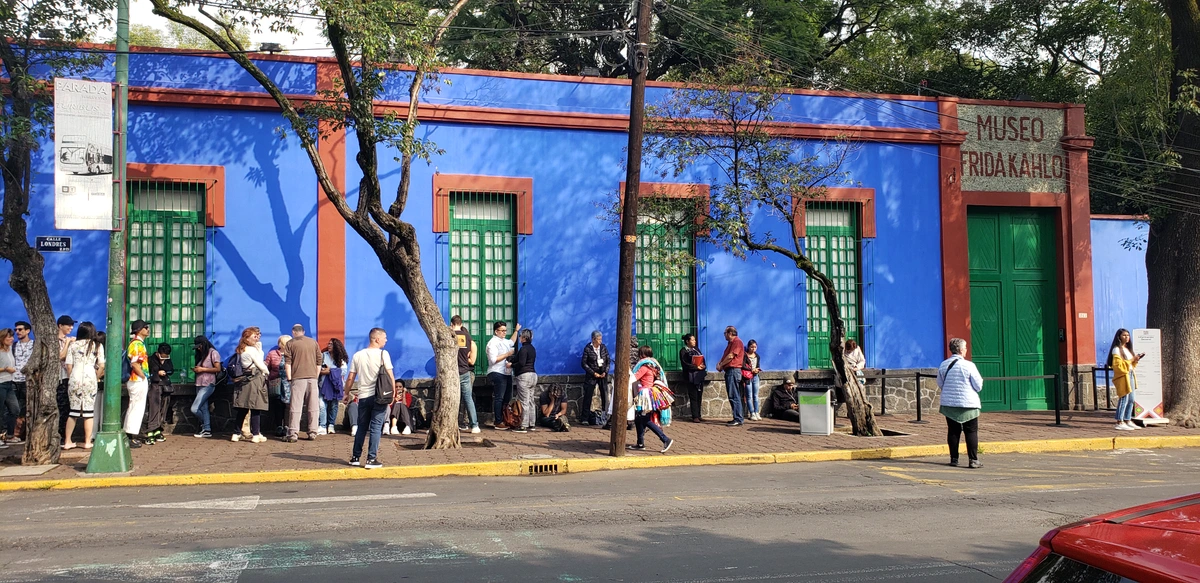
Casa Azul sits in the vibrant Coyoacán neighborhood, south of Mexico City's Zócalo. You've got options:
- Metro + Walk: Take Line 2 (Blue) to Tasqueña station, then transfer to Metrobús Line 1 to Viveros station. From there, it's a 15-minute stroll south through tree-lined streets. (Total time: ~45 minutes)
- Taxi/Rideshare: Faster but pricier. Expect 25-35 minutes depending on traffic. Tell your driver "Casa Azul, Coyoacán" and brace for the inevitable photo request from the driver upon arrival.
- Tourist Bus: Hop-on/hop-off buses often include Casa Azul in their routes—ideal if you're planning a museum crawl.
The Holy Grail of Timing: Visit on a weekday morning.Seriously. Avoid weekends, holidays, and lunch hours (1-3 PM) unless you enjoy shoulder-to-shoulder shoulder-rubbing with selfie sticks. I made the mistake once on a Saturday afternoon; I spent more time waiting in lines than appreciating the art. Lesson learned brutally.
Opening Hours & Booking
Day  | Hours | Advance Booking Needed? |
|---|---|---|
| Tuesday-Sunday | 9:00 AM - 5:30 PM | Absolutely, especially on weekends |
| Monday | Closed | N/A |
| Last Entry | 4:30 PM |
Booking Strategy: Tickets release online two weeks in advance at designated times (9 AM local time). Set an alarm. Seriously. They vanish faster than Frida's tears during that heartbreaking letter to Diego. The official site (museofridakahlo.org.mx) is your friend. If you miss the window? Well, there's always hoping for last-minute cancellations or... weeping quietly in a café nearby.
What to Bring (and Leave Behind)
- Comfortable Shoes: You'll be standing, wandering, and absorbing lots. Those charming cobblestones outside are less charming after 3 hours.
- Water Bottle: Seriously. The Mexico City heat combined with art absorption can dehydrate faster than you'd imagine.
- Light Jacket: Some exhibition rooms blast AC like it's 1930s Detroit.
- Patience: Photography rules change constantly. Sometimes you can snap away; other times, staff glare like you tried to steal Diego's brushes.
- Leave at Home: Large bags, tripods, food. They make you check these at the entrance, and it's a pain.
Experiencing Casa Azul: Room by Room Revelation
Walking through Casa Azul feels like joining Frida's dinner party—except her guests include dead Aztec emperors, wounded toy deer, and ghosts of lovers past. Let me guide you through spaces that still resonate with her electric energy.
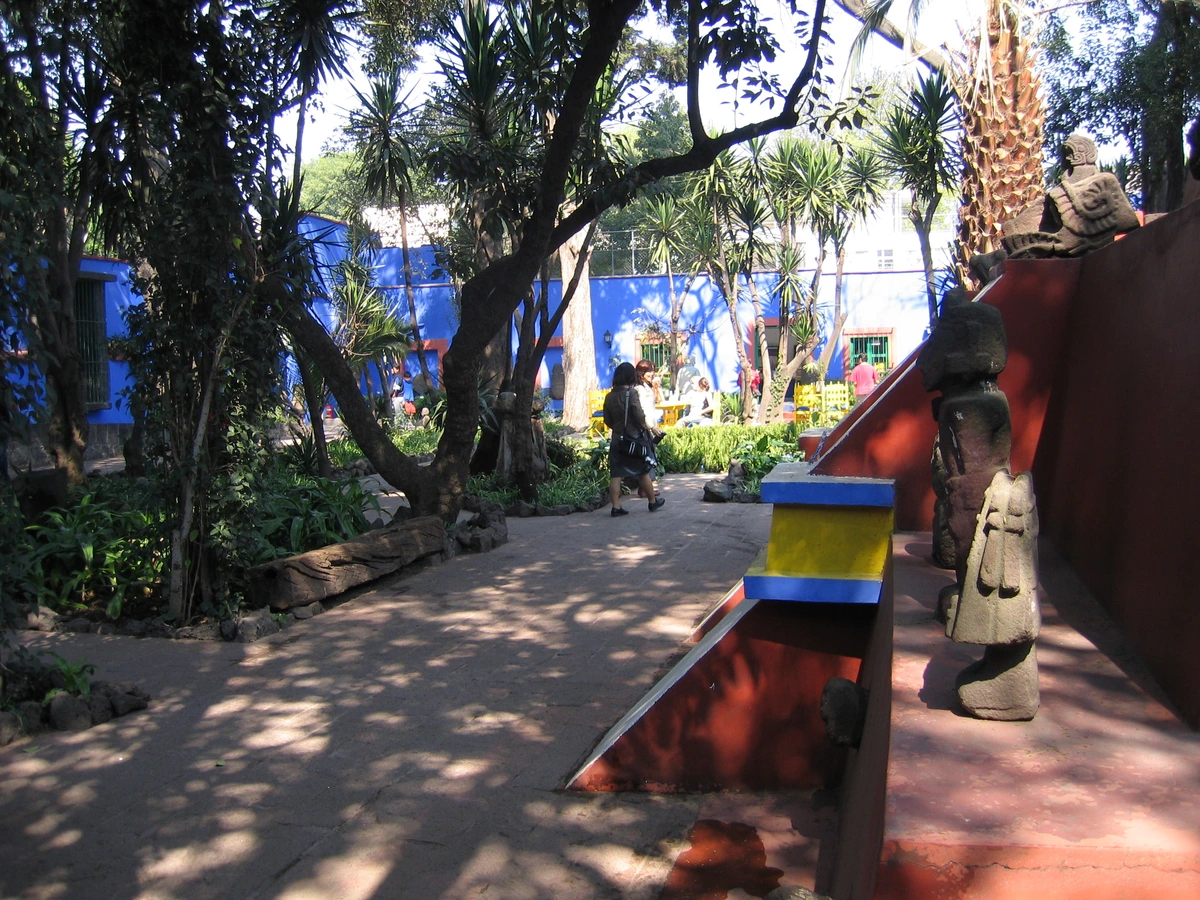
The Courtyard: A Living Mosaic
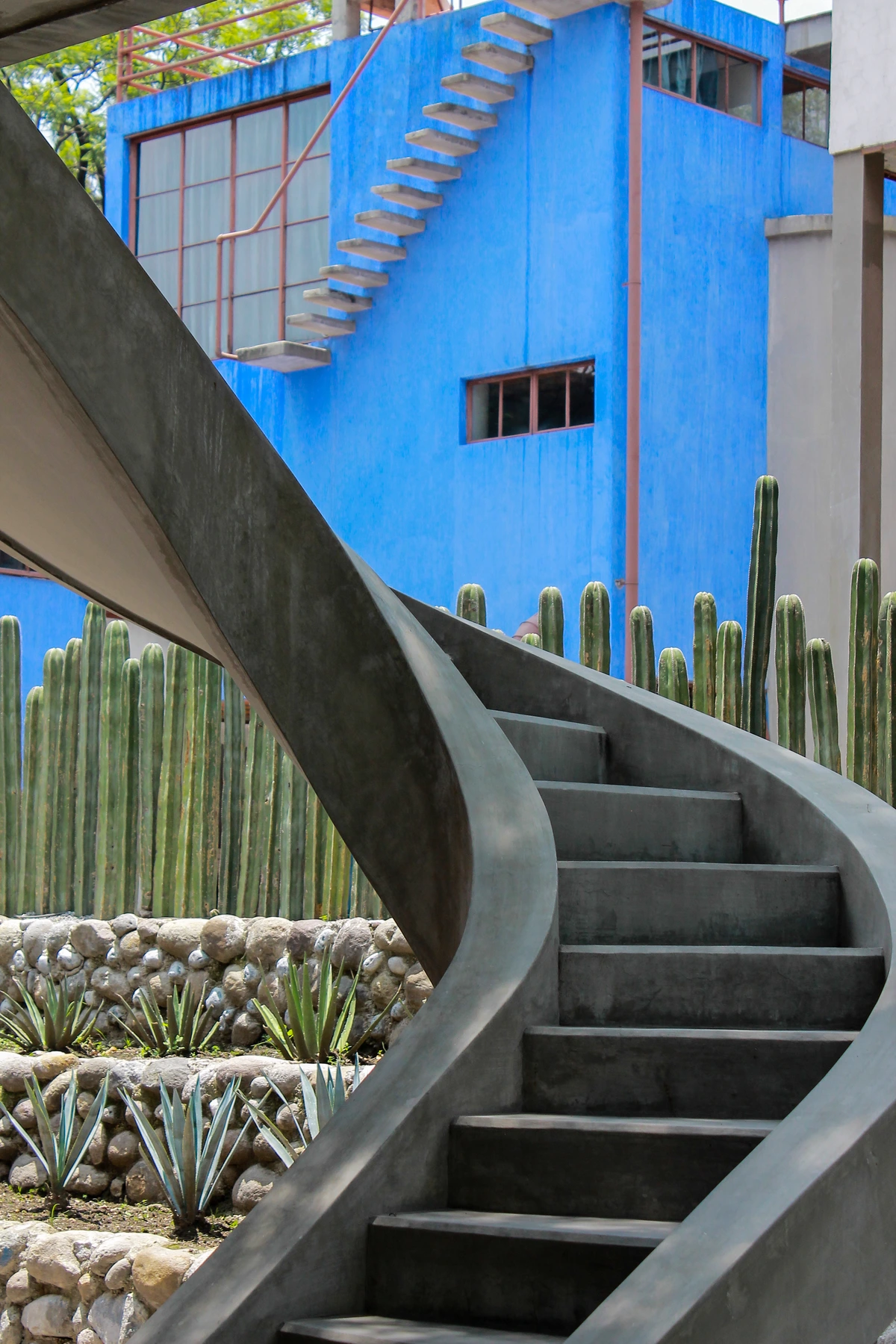
You'll enter through a courtyard that's pure sensory overload—walls painted an impossible shade of blue (that Frida Blue pigment you'll recognize from her art) exploding with orange marigolds under a sky that seems intentionally more vivid here. It's intentional. This courtyard hosted surreal gatherings where Trotsky argued politics beside Stravinsky while guests munched on traditional moles. Notice the stone fountain where Frida’s tiny monkeys would drink. Every detail is curated chaos.
The Kitchen Frida Actually Used
Unlike sanitized museum kitchens, this space is where Frida whipped up her legendary stews and potions. You'll see her iconic stove, colorful ceramic plates (each hand-painted with folkloric scenes), and the mortars she used to grind spices. The best part? The scent—that fusion of epazote, chocolate, and cumin that still lingers. I closed my eyes once and swore I heard her humming while grinding chilies. It’s that tangible.
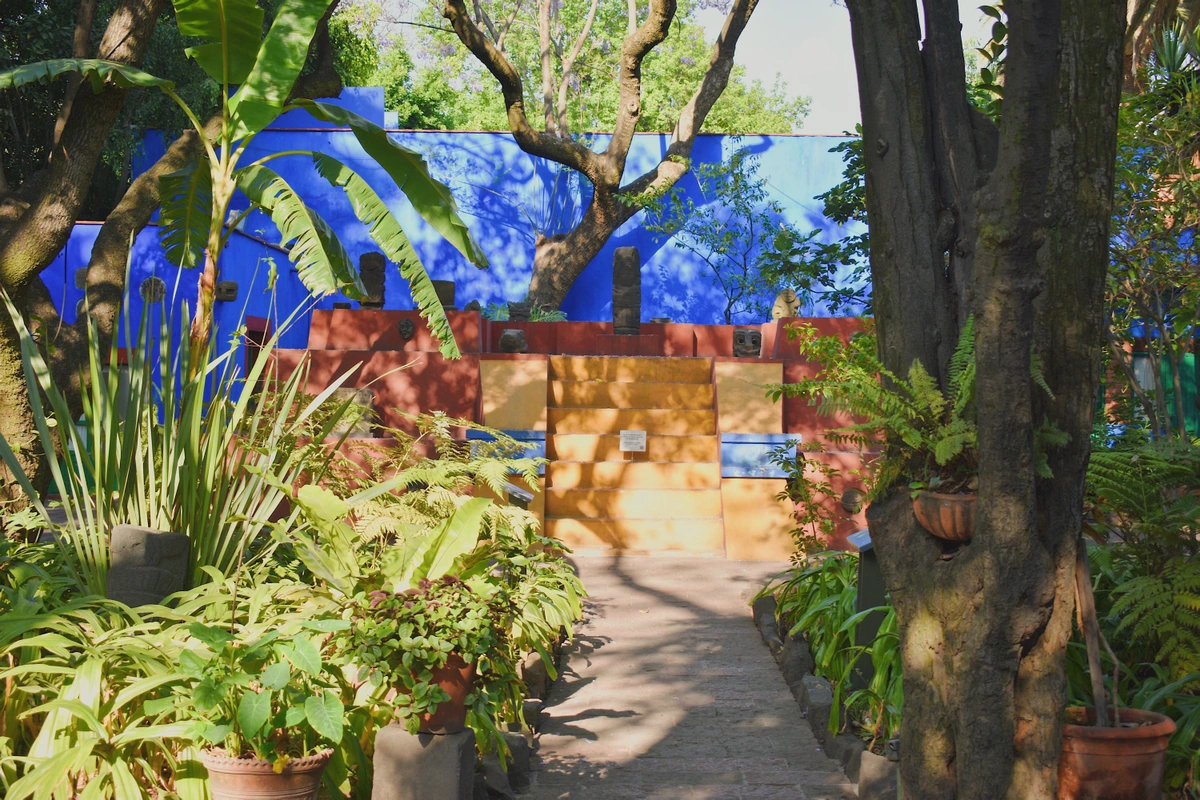
Frida’s Bedroom/Temple
This is Casa Azul's spiritual core. You can’t help but catch your breath here.
The bed faces away from the door—a setup designed for her to greet visitors without turning, a subtle power move when chronic pain limited your movement. Around her post-surgery bed hangs a grid of tiny mirrors (Votive offerings), casting fractured light that feels both celestial and intimate. On the walls, she taped photos and sketches like an altar to her aesthetic: portraits of lovers, family snapshots, religious icons—all layered with chaotic devotion.

And of course: those famous corsets. Multiple corsets, reinforced with steel rods, painted—sometimes by Frida herself, sometimes by Diego—to conceal her damaged spine. Painted with flowers and revolutionary slogans, they transform agony into armor. You see one and you just get her struggle. How she weaponized art.
Diego’s Studio (The Other Genius)
While Frida’s rooms scream emotional intensity, Diego’s studio feels expansively intellectual. Here you’ll find his massive unfinished canvases (seriously—his last murals still sit on easels), pigments in jars the size of paint buckets, and walls covered in his sketches. It’s staggering to think two titans created here, their art feeding off each other’s energy, despite the storms. Look for the tiny door Frida had built—so she could surprise Diego while he painted without him turning. Romantic. Terrifying. Pure Frida.
Beyond the Walls: Coyoacán’s Cultural Tapestry
Don't limit yourself to Casa Azul’s boundaries. Coyoacán unfolds like a magical realist novel around it.
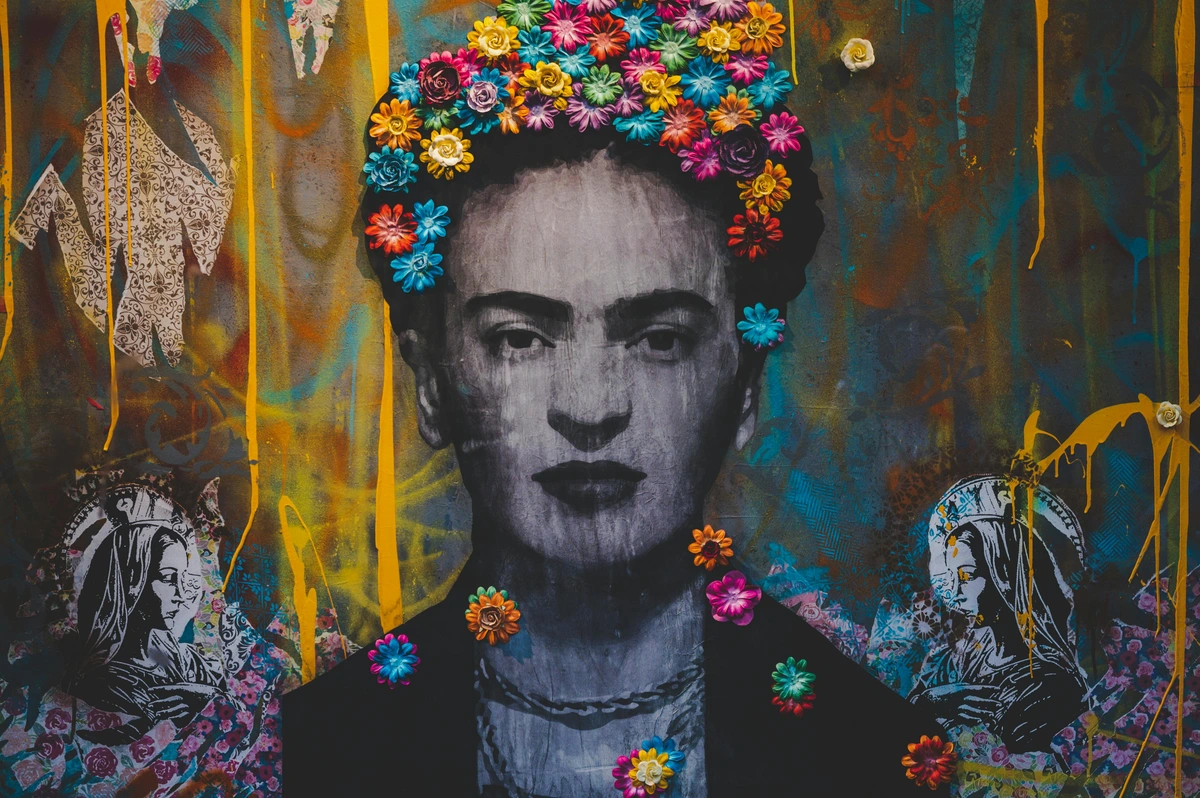
Jardín Centenario & Market Magic
Just two blocks east lies the Jardín Centenario, where vendors sell Frida-inspired trinkets and street musicians serenade you with boleros. Wander past to the Mercado de Coyoacán (the original, not the touristy one). Grab tlacoyos with spicy salsa, sip atole from a polka-dotted cup, and browse stalls selling real alebrijes—those fantastical painted folk-art creatures that resemble Salvador Dalí meets Pokémon. This is where locals breathe daily life.
Casa Trotsky: The Other Haunting
Frida and Diego weren't the only revolutionary intellectuals who called Coyoacán home. A short walk from Casa Azul sits Casa de León Trotsky, where the exiled Soviet leader lived until his assassination with an ice axe (yes, really). It's a chilling contrast to Casa Azul’s warmth—more marble, less marigolds. Worth pairing visits to understand how art collided with politics in these volatile years.
Capturing the Essence: Photography & Respectful Etiquette
Casa Azul’s photography rules are mood-dependent. Sometimes you can shoot freely; other times, signs appear saying "No Fotografía." Why the flip-flop? Preservation. Flash photography fades the delicate fabrics and paints over decades. And frankly, some spaces feel too intimate for cameras. My advice? Ask staff kindly when in doubt. If they say no, respect it. You're not just tourists; you're guests in a living historical space.
When photographing, focus on details: patterns on tilework, textures of Frida’s paintbrushes, shadows across the courtyard. Not just selfies with the blue walls. Remember: your Instagram won’t preserve these treasures like conservationists do.
The Unspoken Atmosphere: Connecting with Frida’s Spirit
Here's what the guidebooks won’t tell you: Casa Azul changes you. Not dramatically. But subtly. You leave carrying more than photos—you carry the weight of her vulnerability, her ferocity, her refusal to be defined by her suffering.
I’ve seen people weep near her bed. Others stand silently in the courtyard, eyes closed. Some leave painted stones from hometowns under her favorite tree. It’s unusual. But Casa Azul’s energy is dense, layered. You don’t just see her art; you feel her presence in the way the light hits those painted walls at 4 PM, or how the parrots screeching overhead sound suspiciously like her laughter.
FAQ: Your Burning Questions Answered
1. How long should I budget for a visit? At least 2.5-3 hours. Rushing here is like trying to sip a complex añejo tequila quickly. Absorb it. Sit in the courtyard for 20 minutes. Let it soak in.
2. Is wheelchair accessibility good? Not ideal. The house has historical architecture with narrow doorways and uneven floors. There’s limited access to the ground floor, but upper rooms require stairs. Call ahead (55-5552-5900) for specific assistance.
3. Are guided tours worth it? Absolutely. Look for official tours with art historians, not just random guides. They’ll point out details you’d miss—the way a specific Pre-Columbian idol influenced her self-portraits, or why that particular color of blue was politically charged. Worth the extra dinero.
4. Can I still buy authentic-looking souvenirs? Inside the museum shop (yes, enter through the garden gift shop for fewer crowds), you’ll find high-quality reproductions, books, and crafts. Beware street vendors selling "hand-painted" Fridas near the entrance—most are mass-produced. Support the museum’s shop where proceeds go toward preservation.
5. What’s the best way to recharge after visiting? Head to Café La ideal (a Frida-kitsch spot) for churros, or find quieter Cafstería Loreto for artisanal coffee. My favorite? Sit under a jacaranda tree in Jardín Centenario with a pastry and let the experience process.
Beyond Casa Azul: Frida’s Mexico City Traces
If this visit ignited your Frida obsession, you’ll want more:
- Museo Dolores Olmedo: Contains the largest collection of Frida & Diego’s art outside Casa Azul (and live Xoloitzcuintles—those hairless Mexican dogs Frida adored).
- Anahuacalli Museum: Rivera’s lava-stone pyramid housing his vast pre-Columbian collection. Trippy and magical.
- La Casa Azul replica in Querétaro: If you can’t get enough, there’s a near-perfect replica you can stay in. Yes, really. Google it.
I still carry a tiny Frida coin purse from that first visit. Not for nostalgia, but as a reminder: true art doesn’t just decorate walls—it reshapes how we see ourselves. When you stand in Casa Azul, you’re not just in a historic home. You’re in the space where pain became pigment, and weakness became power. And that? That transcends time.


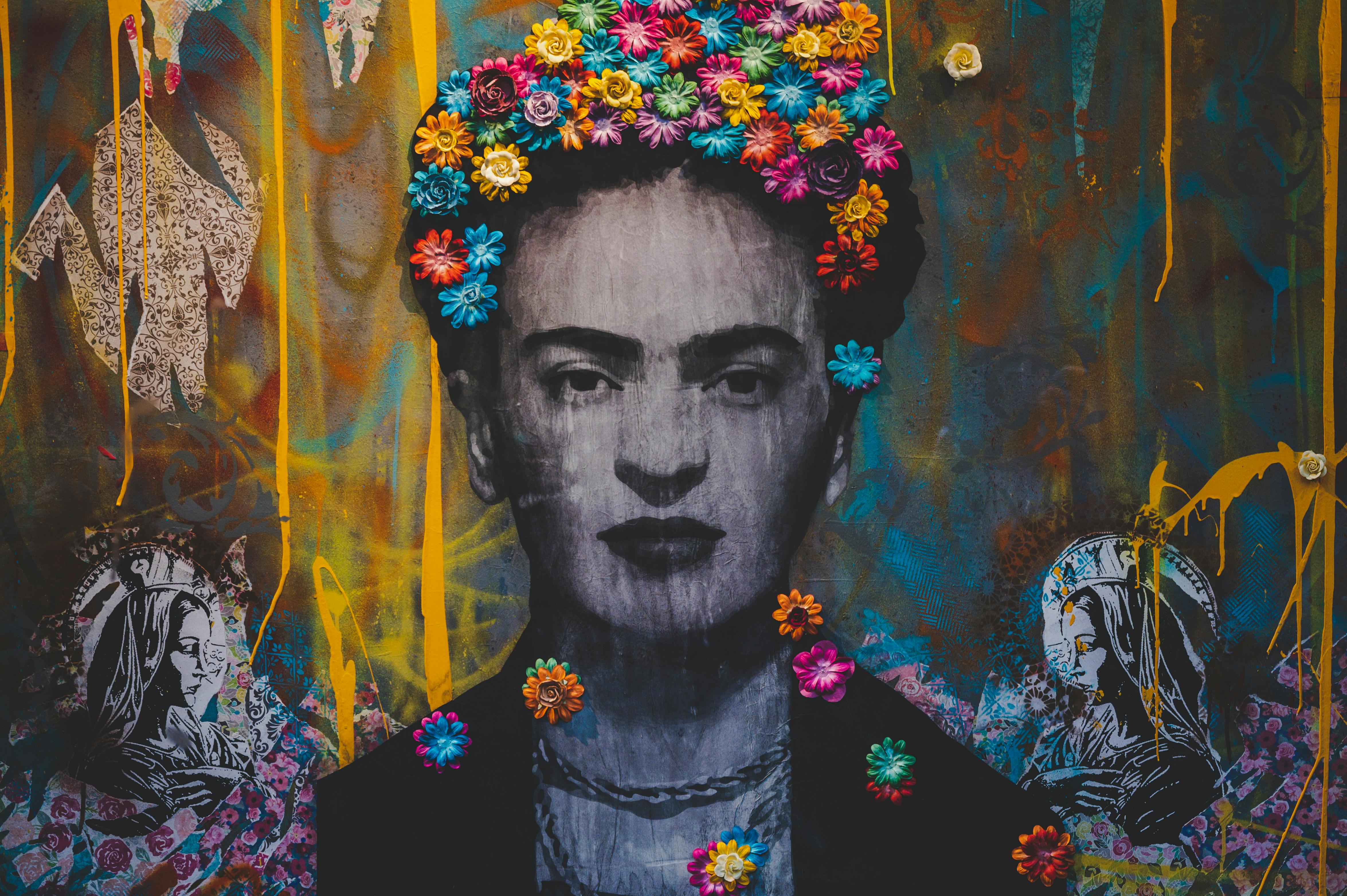


If the colors and textures of Frida's world stir something in you, perhaps our own collection of boldly colored abstract pieces might resonate too. Explore vivid contemporary art prints that channel that same unapologetic spirit.