
Best Galleries for Emerging Artists: Your Personal Guide to Finding New Talent
Feeling lost in the art world? This personal guide helps artists find galleries and collectors discover new talent. Learn what makes a gallery great, where to look (online & off, including online-only galleries, hybrid spaces, open studios), how artists get noticed (including digital art, NFTs, art prizes, residencies, online publications, social media nuance), the vital role of community, critics, and consultants, plus tips on contracts, collecting (including commissioning), ethical considerations, and navigating the primary market.

Finding the Spark: Your Definitive Guide to Discovering Emerging Art and the Galleries That Champion It
You're standing in a white room, the air humming with a quiet intensity. In front of you is a painting that seems to vibrate with an energy you can't quite name. It feels like discovering a new colour. It feels, in a word, new. That feeling—the electric jolt of encountering an emerging artist's work—is what we're chasing. It's a special kind of alchemy, isn't it? It’s like hearing a new song you can't get out of your head, or reading a line in a book that articulates something you've felt your whole life but never had the words for. It's a connection that feels both personal and universal. That moment when a piece of art, born from a quiet studio, finds its way into the public light and demands to be seen. Let's be honest, stepping into the art world, whether you're an artist trying to get noticed or a collector hoping to discover the next big thing (or just something you love), can feel a bit like navigating a maze in the dark. Sometimes with confusing maps written in a language you vaguely recognise but don't quite speak. There's a whole lexicon of unspoken rules, cryptic price lists, and insider terminology. Where do you even begin, especially when you're drawn to the raw energy and fresh perspectives of emerging artists? How do you find those galleries that don't just show this work, but truly champion it, creating a space for it to be seen and understood? This guide is for you, whether you're creating the work or hoping to bring it into your life. Think of it as your slightly-less-confusing map, filled with personal detours and observations. As a contemporary artist myself, working often with vibrant colors and abstract forms, I know firsthand the challenge of finding spaces that truly resonate with and champion this kind of fresh, evolving work. This guide is born from that shared experience. I remember wandering through gallery districts, feeling a mix of excitement and intimidation. Some places felt too slick, too established, their walls whispering tales of artists whose names already carried weight (and price tags to match). Others felt... well, a bit random. Finding those sweet spots—the galleries genuinely committed to nurturing new talent—felt like searching for a specific type of rare bird. It takes patience, a bit of know-how, and a willingness to occasionally feel slightly out of place. The reward, though, is a kind of magic: discovering art that resonates, that feels alive and now, and connecting with the voices actively shaping the future of what we call art. That's a hunt worth undertaking. It's a bit like finding that perfect, unexpected color combination in a painting – pure joy.
This guide is born from that feeling – the desire to demystify the search. We'll delve deep into what makes a gallery truly good for emerging artists (and for those who want to collect them), explore the different types of spaces championing new talent, where to look, how galleries find these artists, and how to approach these vital spaces in the art ecosystem. We'll also unpack the financial realities for both artists and collectors, and how to cultivate the confidence to engage with this dynamic part of the art world, so you can find your own spark.
Ready to find your spark?
Why Finding the Right Gallery Isn't Just Important, It's Everything
There's a quiet, almost sacred understanding among artists that your work doesn't truly begin its life until it's seen. And where it's seen matters—profoundly. It’s the difference between a private diary entry and a public declaration. It’s the difference between your art being a private journal entry and it becoming part of a public conversation. A gallery isn't just four white walls; it's a signal, a frame that tells the world: This work deserves your attention. For an emerging artist, finding a gallery that truly sees your vision can feel like finding an editor for your first novel – it can change everything.
For collectors, the inverse is true. The right gallery cuts through the noise. It acts as a trusted filter, a source of discovery. It's the difference between randomly browsing the internet and walking into a curated environment where someone has already done the hard work of finding the interesting, the challenging, the new. This guide is about finding that signal, whether you're sending it or seeking it.
First Things First: What Exactly IS an Emerging Artist?
It sounds straightforward, but the term "emerging artist" is surprisingly fluid. It's less about age and more about career trajectory. I know an artist who started painting in her garage at 60, after a lifetime in finance. Her work was raw, but it had an undeniable life to it. You could be 22, fresh out of art school with a groundbreaking thesis, or 55, having dedicated decades to a corporate career before finally committing to your canvas. The core of it all is visibility and trajectory. An emerging artist is someone with a distinct, developing voice whose work is gaining genuine momentum but hasn't yet reached the saturation point of a mid-career or blue-chip artist. They might have a few promising solo or group shows under their belt, perhaps an award or a residency, but they haven't yet become a ubiquitous presence in major museums or at the top tier of international art fairs. They are the 'next,' not yet the 'now'.
The financial logic for collectors can be tempting. The idea of buying a piece for a few thousand dollars and seeing its value soar is a romantic one. But let's be honest, that’s a risky game and the joy shouldn't come from that. The real opportunity for a collector, however, isn't just potential financial gain. It's something quieter and infinitely more profound. It's about buying a moment in an artist's story, a single, tangible chapter of their creative journey that you can hang on your wall. It’s the difference between buying a mass-market paperback and finding a signed first edition from a writer whose voice you believe in, whose journey you want to be a small part of. They might have a few promising solo shows at smaller spaces, or their work may have caught the eye of a respected critic or curator. Their prices are accessible—and I want to pause on that word. Accessible doesn't mean 'cheap.' It means the price is reflective of their current market position, often in a range that allows a wider circle of passionate art lovers to participate in collecting, rather than just the super-wealthy. For an artist, it's that exhilarating and terrifying period where your work transitions from being a private studio practice to a public career.
So how do you define this emergent moment? It's a cocktail of signals, a feeling in the air. They have a cohesive, distinctive portfolio, a body of work that speaks in a single, powerful voice. They're beginning to show in public (even if it's just in curated group shows or open studios), but they haven't yet become a market staple whose name is instantly recognizable. They are existing in that potent, fragile space between potential and arrival. They're the 'next,' not yet the 'now'.
Mistakes to avoid here include conflating "young" with "emerging" (it's about career stage, not age), or equating "unrepresented" with "emerging" (an artist can be represented and still very much in this phase). True emergence is defined by a body of serious work beginning its dialogue with a wider audience. This is the raw, exciting edge where tastes are formed and movements begin, even if we don't quite realize it at the time.
The Fine Line Between Emerging and Mid-Career
There's no official certificate or specific moment an artist crosses over from emerging to mid-career. The label itself can sometimes feel arbitrary, a strange mix of market forces, critical reception, and institutional validation. You might have an artist making powerful, significant work for twenty years who is still considered 'emerging' because they've avoided the market, while another artist skyrockets to 'mid-career' status in five years after a few well-timed museum shows and high-profile sales. The pace of the art world can be bewildering.
Generally, though, you see a collection of signals. A significant solo show at a major institution, for instance, is a strong indicator of a shift in status. Consistent representation by established galleries in multiple major cities, and with that, a noticeable and sustained increase in their price points, shows the market has growing confidence. It's one thing to sell a piece for a few thousand; it's another to have a multi-year waiting list, with prices having doubled or tripled over a five-year period. Their work moves beyond the primary market of direct-from-studio sales and starts appearing in secondary market auctions, even if for modest sums. This isn't about one big sale, it's about a sustained pattern of validation that shows longevity and market belief in their long-term importance.
But I think the most telling signal is when an artist's name starts to become a reference point for others. When younger artists or critics start citing their work as an influence, or when they become a fixture in biennials and international exhibitions, you're seeing a foundational shift. They're no longer just 'the next'; they've become part of the vocabulary of their time.
The Line Between Emerging and Mid-Career
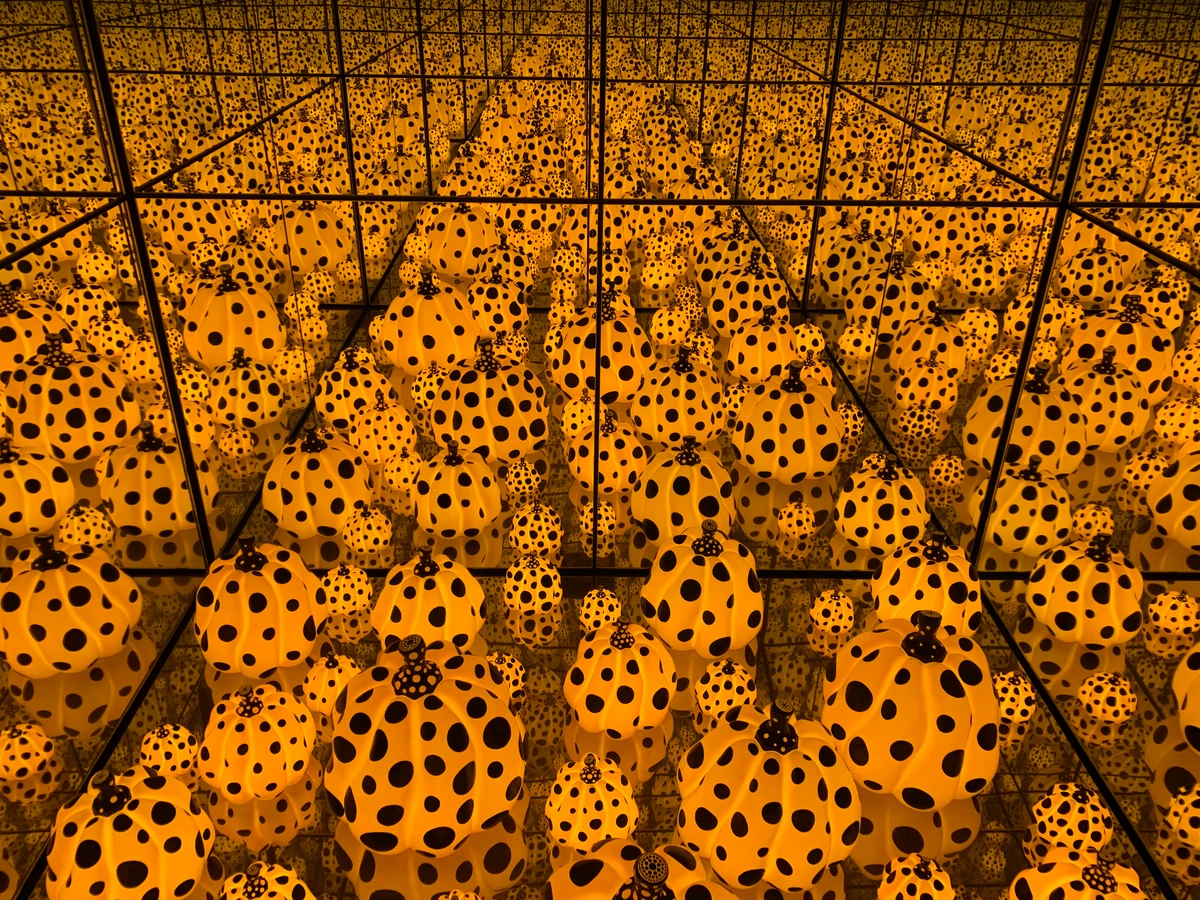
So where does one draw the line? There's no official certificate. It's a blurry graduation. I see the shift when an artist's work starts commanding higher price points consistently across the board, when they're represented by multiple, stable galleries in different key regions (say, one in New York and one in Europe), or when their name starts appearing with regularity in major biennials or museum collections. There's a certain market confidence, a sense that the art world has collectively decided they've moved from 'promising' to 'proven'. Yayoi Kusama, for instance, was once a struggling emerging artist on the fringes, but her work gradually built a critical and market consensus over decades that propelled her into a different tier entirely.

Deconstructing The Label: A Spectrum of 'Emerging'
The label 'emerging' is a broad brush, and it's worth taking a moment to look at the individual bristles. It covers such a wide range of practices and life experiences that it can sometimes feel unhelpful. The journey of an artist who is 24 and fresh out of a celebrated MFA program is vastly different from that of a 58-year-old who is exhibiting a profound body of work after a lifetime spent in a different field. Thinking of it as a spectrum is much more useful.
You have the recent graduates, of course. They are armed with the latest theory, technical skill honed in an academic pressure cooker, and a network of peers. Then there are the dedicated self-taught artists, who often possess a raw, unvarnished vision precisely because they've developed it outside the established system.
But the group that I find endlessly fascinating are the 'late bloomers.' These are artists who come to their practice after decades in another profession—be it law, science, or raising a family. Their work often has an incredible sense of fearlessness. They aren't trying to impress a thesis committee or align with current trends; they're driven by a deep, personal urgency. They aren't just emerging; in many ways, they're finally arriving. This distinction is crucial because the galleries that are best for each of these types of artists may differ significantly.
Beyond the White Cube: A Guide to Gallery Types
When most people think "gallery," they picture the commercial gallery. These are the for-profit spaces, the engine of the primary art market. They're the ones who sign artists, build their careers, and sell their work. They range from powerful, multi-city operations to small, owner-run boutiques where the director knows every artist and collector by name. Some represent established, mid-career names, but a great number dedicate their resources to spotting and developing emerging talent, betting on their growth.
But the world is much bigger and more varied than that single model. Let's demystify the entire ecosystem of players you'll encounter, from the non-profits driven by ideas to the scrappy artist-run collectives. They each play a different role, offering unique opportunities and challenges. Understanding their core motivations—their business model, their mission—is the key to figuring out where you, or the art you love, might fit into this complex and beautiful puzzle.

- Non-Profit Galleries & Kunsthalles: These spaces are the champions of pure artistic vision, largely insulated from the pressures of the sales floor. Their mission is often educational or curatorial, focusing on cutting-edge, experimental work that commercial galleries might find too risky. Funding often comes from grants, donations, or institutional support. For an emerging artist, a show here is huge – it's a stamp of critical approval and a place to realize ambitious projects that might not have a clear, immediate market. It's where you go to be challenged, not just sold.
- Artist-Run Initiatives & Co-ops: These are the punk-rock DIY spaces of the art world. Usually founded and managed by artists themselves, they can be fiercely independent, raw, and incredibly exciting. Because they're run by practitioners, they often have a gut-level instinct for who's doing something genuinely interesting. They are hubs of peer-to-peer support and raw creativity. Expect the unexpected, and a bit of chaos.
- Project Spaces & Pop-Ups: Look for these in temporary, often wonderfully unconventional locations—a rented storefront for two months, a loft apartment, even a well-curated garage. They inject a raw, unpredictable energy into unexpected parts of the city and provide a low-risk platform for curators to test new ideas or for a group of artists to pool their resources and put on a self-funded show. Their energy is fleeting and intense; they're here for a good time, not a long time, which gives them a unique sense of urgency and excitement.
- University & College Galleries: Don't underestimate these. Affiliated with academic institutions, their programming often bridges the gap between the rarefied air of the classroom and the professional art world. A curator here often has more freedom to stage historical surveys, educational exhibitions, or wildly experimental shows that a commercial space might shy away from. For an artist, it's a chance to engage with a deep-thinking audience, have your work written about by sharp-eyed art history students, and perhaps participate in a lecture or workshop, planting seeds for a future collector base that is interested in the ideas behind the work, not just the object itself.

Here's a quick reference table to help you navigate the landscape. Think of it as a cheat sheet to understand the motivations of each space. Each exists for a different reason, and understanding that reason is the first step in knowing who to trust with your work or your budget.
Gallery Type  | Primary Goal | Atmosphere | Best For Artists Who... | Best For Collectors Who... |
|---|---|---|---|---|
| Commercial | Sell art, build artist careers. | Professional, welcoming, market-aware. | Want representation and career-building infrastructure. | Want a curated selection with some market backing. |
| Non-Profit | Support challenging, experimental art. | Academic, experimental, less commercial. | Want critical exposure and freedom to experiment. | Enjoy discovery and supporting art without a primary commercial focus. |
| Artist-Run | Provide artist-driven exhibition space. | Casual, raw, community-focused, sometimes chaotic. | Are self-sufficient and want peer-to-peer collaboration. | Like a "first-dibs" feeling, engaging directly with the artist community. |
| Project Space | Test new ideas in temporary settings. | Edgy, fleeting, energetic. | Want to stage a one-off project or group show. | Love the thrill of discovery and ephemeral experiences. |
| University | Educate and connect art to academia. | Scholarly, varied, inquisitive. | Want to engage in discourse and access academic resources. | Are interested in deep context and emerging academic trends. |

### The Modern Expansion: Online Galleries & Digital-First Spaces
Before we dive deeper, we have to talk about the elephant in the white cube: the internet. A new breed of gallery has emerged that exists primarily, or exclusively, online. These digital spaces offer a different set of rules entirely. They often have significantly lower overheads than a physical gallery on a prime street corner, which can sometimes translate into taking on more experimental work or offering artists a better split on sales. For collectors, they open up a global marketplace, allowing you to discover artists from Seoul to São Paulo without ever leaving your couch, and democratize access in a way that was unthinkable a generation ago.
These platforms range from sleek, curated viewing rooms to more democratic, open-call sites. They often use high-quality 3D rendering to show how a piece might look in your home, and some even offer payment plans, making collecting more accessible. However, the lack of a physical presence is a real limitation. You can't see the actual texture of the paint, the subtlety of the paper grain, or the true physical scale of a piece. A digital image flattens everything. For an emerging artist, it's an incredibly powerful channel for exposure and initial sales, but it still often requires a physical presence—through art fairs, residencies, or studio visits—to build the deep, serious collector relationships that sustain a career. They're a vital part of the ecosystem, an essential supplement rather than a complete replacement for the IRL experience of standing in front of a work of art.
Where to Look: Uncovering the Hidden Gems
So, you know the types of galleries, but how do you actually find them? Googling "best galleries for new artists in [city]" will only get you so far. You'll find the big names, but miss the tiny project space that's showing the most interesting work this season. The real discoveries happen when you start digging a little deeper.
First, get familiar with the major art districts in your city. Think Chelsea in New York, or Shoreditch in London. Wander their streets during gallery hours, absorb the atmosphere, and see whose names keep popping up. But don't stop there, because the most exciting things are often happening on the peripheries and frontiers. Look in formerly industrial neighborhoods that are being converted into creative hubs, in artist studios above a garage, up a flight of stairs in an unmarked building, or in a temporary pop-up in a vacant shop on a quiet street.
Next, use art publications and blogs as your treasure map. Critics and writers are often the first to spot new talent, acting as a vital filter for what's interesting and what's just trendy. When you read a review of an artist whose work you admire, pay close attention to the gallery that represents them or the space that hosted their show. Magazines like Artforum, Frieze, or even your city's local art blogs are invaluable resources for seeing who is creating a critical buzz and why.
Social media is a powerful discovery tool. Follow artists you like on Instagram. Pay attention to their Stories – who are they congratulating on a new show? Which gallery openings are they attending? Galleries post their upcoming exhibitions, and you can often get a feel for their programme by scrolling their feed. It's a casual, low-stakes way to window shop before you commit to a visit.
Finally, don't underestimate the power of word of mouth. The informal network is everything. Ask other artists whose work you respect which spaces they're paying attention to. Visit open studio events, which are like a direct hotline to the artist's brain, and strike up genuine conversations. The art world, especially at the emerging level, thrives on community, shared discovery, and personal, passionate recommendations far more than any algorithm.
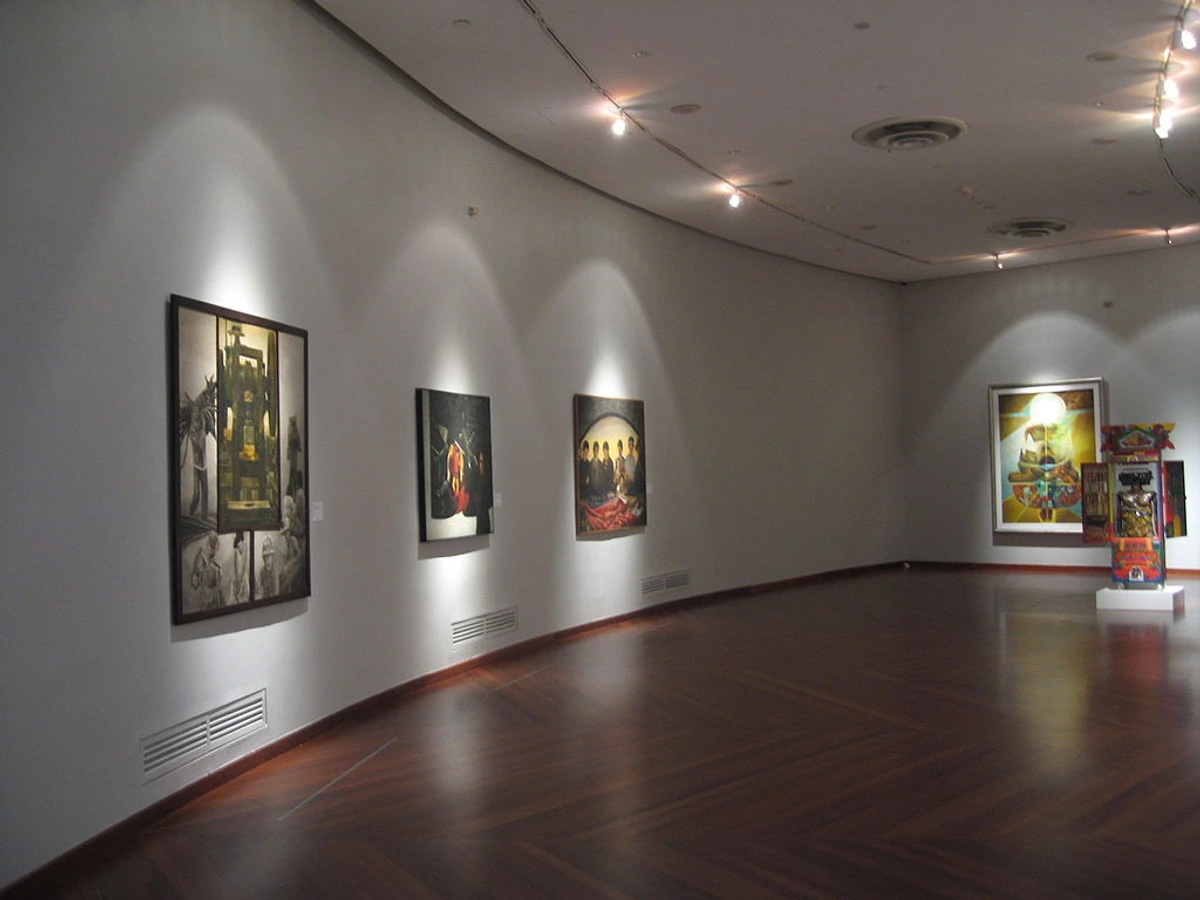
The Hunt in the Digital and Physical Worlds
The strategies above blend the IRL (in real life) with the URL, and the sweet spot is where they intersect. Start digitally. Most cities have an art blog or a local magazine that aggregates exhibition listings. Subscribe to their newsletters. Use the gallery map feature on platforms like ArtRabbit or even Google Maps— create a custom map of galleries in your city and mark the ones that seem interesting. I once spent a rainy Saturday afternoon just clicking through websites of every gallery in a single neighborhood. It’s a fantastic way to get a quick sense of their program. You can see a year’s worth of exhibitions in an hour.
But then you have to get off the couch. There’s no substitute for it. The physical experience of seeing how a gallery installs a show, the subtle shifts in lighting, the way the floorboards creak, the conversations you overhear—these are the things that tell you if a space feels right. Attend an opening, even if you don’t know a soul. Go with a friend and make a pact to talk to three people you don’t know. I know, I know, it can be terrifying. But everyone there shares at least one interest with you: the art on the walls. Use that as your starting point.

The Anatomy of a Great Gallery for Emerging Artists
So, we've covered the 'where' and the 'how'. Now for the real heart of the matter: the 'what'. What actually separates a good gallery for emerging artists—one that acts as a true launchpad—from one that just happens to show them? It's not about the size of the space or the trendiness of the postcode. It's about a deep-seated ethos, a set of actions, a way of being in the world that signals you are in a place that truly cares about nurturing the future of art.
1. They Have a Clear and Consistent Vision
A great gallery doesn't just show a random assortment of 'new stuff'. They have a distinct curatorial voice. Their programme, the sequence of shows they put on, tells a story. When you walk through their exhibitions over a season, you sense a coherent intellectual or aesthetic point of view, a deep commitment to a certain kind of artistic exploration, whether it's painting versus new media, or identity versus abstraction. They're not just chasing the last trend they saw at an art fair; they're building a narrative, an argument about what art can be, and they're looking for artists whose work can contribute a compelling chapter to that ongoing story.
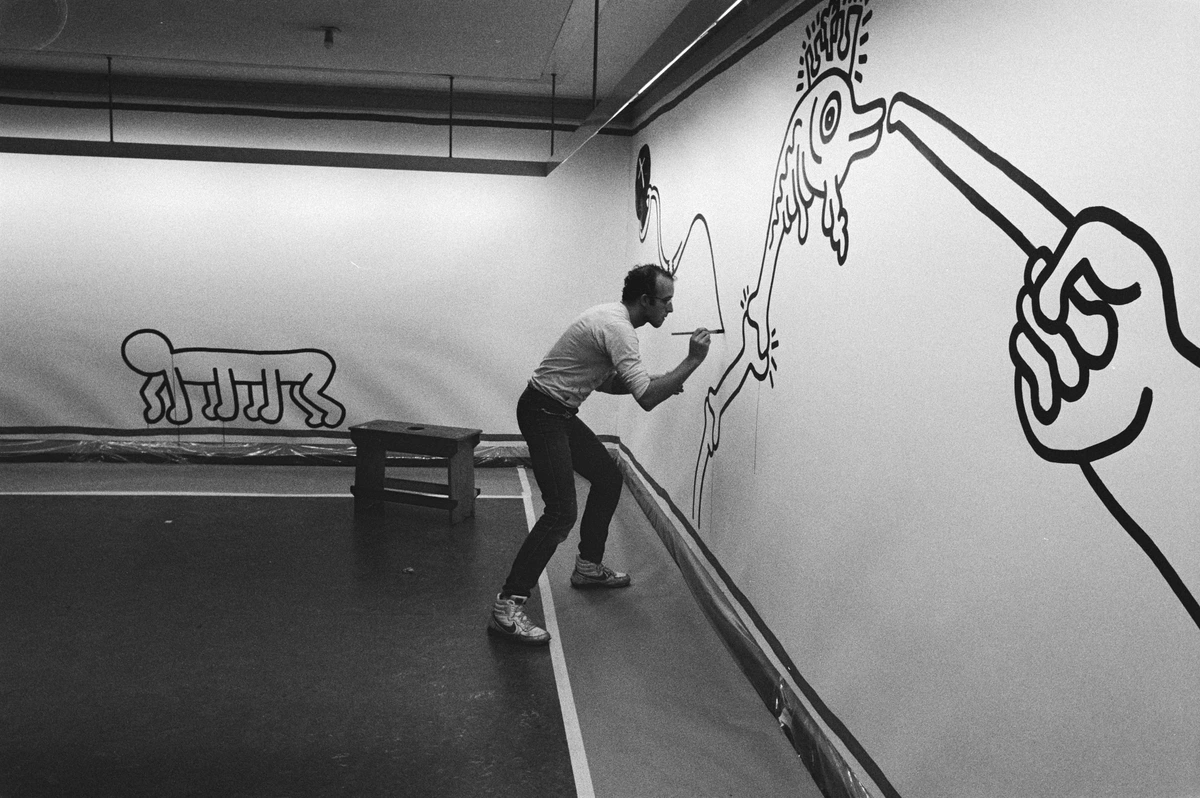
2. They Champion and Nurture Their Artists
This is the big one, the non-negotiable. A great gallery is so much more than a four-walled landlord for your art. They are fierce, unwavering advocates. They talk about their artists constantly—to critics over coffee, to curators at openings, to collectors in one-on-one meetings. They actively put their artists' work forward for slot on art fair rosters, for grants and prizes, for prestigious residencies. They provide practical support that transforms a career—from studio visits where they offer genuinely constructive feedback, to helping an artist write a grant application, to navigating the complex logistics and funding of a technically ambitious installation. They're invested in the artist's long-term career arc, not just the immediate dopamine hit of their next sale.

3. They Build a Community, Not Just a Client List
You can feel it the moment you walk in. The atmosphere is welcoming and curious, not coldly intimidating. The director or staff are passionate, knowledgeable, and actually happy to talk about the work, whether you're a seasoned collector or an art student on a tight budget. They host artist talks, readings, or performances that bring people together around ideas, not just transactions. They actively foster a sense of connection between their artists, creating a peer network of mutual support and potential collaboration that can be an invaluable lifeline in a notoriously isolating profession. It's a hub, a living room for a creative community, not just a transactional shop.

4. They Are Transparent About the Business
Let's not be naive; galleries are businesses. But the good ones are transparent about how that works. They are crystal clear about their commission structure (the standard is 50/50, but it can vary), what expenses they cover (like shipping, framing, insurance, a production budget for the show), and what expenses the artist is expected to handle. Critically, they pay their artists on time, every time, without having to be chased down. There's a clear, formal gallery contract that spells all of this out in ink, protecting both the artist and the gallery, because a professional relationship is built on clear expectations and mutual respect.
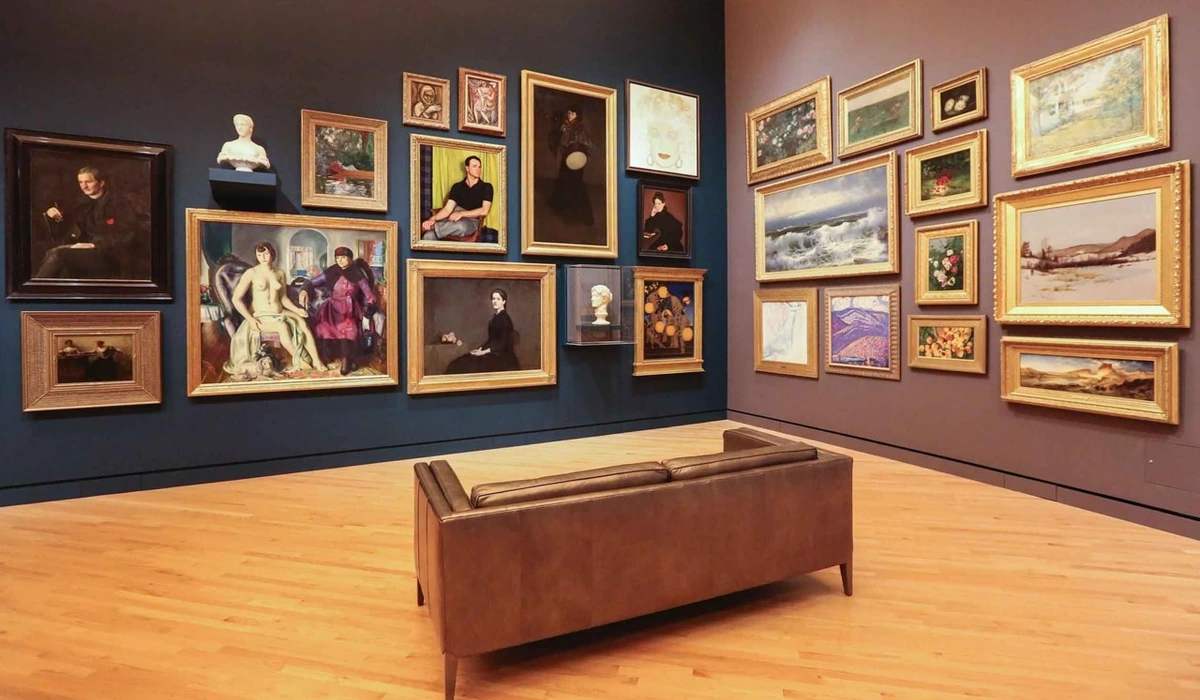
5. They Provide a Platform for Growth
How to Approach a Gallery (The Artist's Playbook)
Alright, artist, this one's for you. This is the moment you've been waiting for. You've done your research, you've found a gallery that feels like a perfect match, whose program gives you that fizzy feeling of 'yes, this is it.' Your work aligns, you've been to their shows, you've stalked their Instagram with the dedication of a seasoned private investigator. Now what? How do you bridge the gap from admirer to represented artist without coming off as desperate or, worse, unprofessional?
First, do your homework, and then do it all over again. This cannot be overstated. It’s the most important step. Know the gallery's history, its founding philosophy, the director's name (and how to pronounce it). Study the roster of artists they already work with—understand why you would fit into that conversation. Your initial approach should be a thoughtful, individualized pitch that shows you've done the work, not a generic form letter blasted to fifty galleries. When a gallery director reads a submission that references a specific show they curated or an artist they champion, they immediately know you are serious, invested, and that you understand their world.
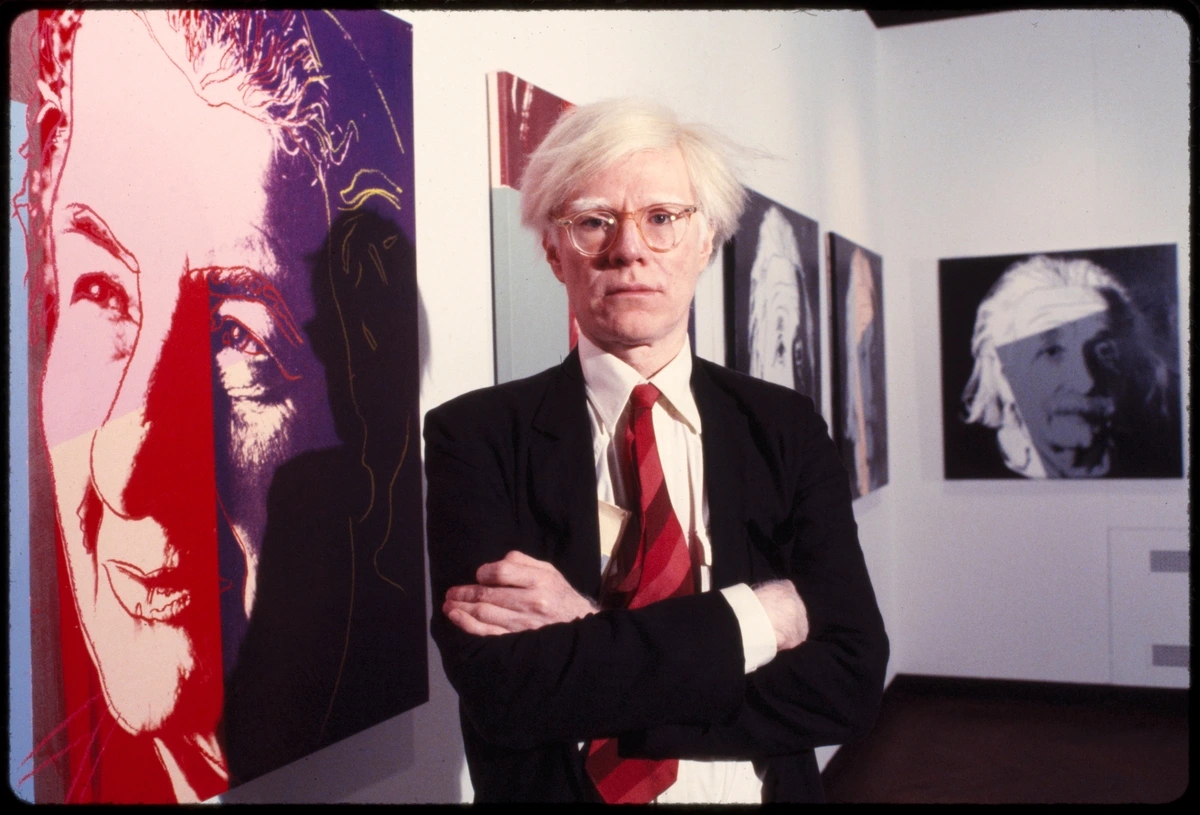
Develop a knockout portfolio. This seems obvious, but it's where most people trip up, hard. Your portfolio should not be a dump of everything you've ever made; it should be a ruthlessly curated selection of your very best, most resolved recent work. High-resolution images (at least 300 DPI), consistent, professional lighting, and clean, distraction-free backgrounds are non-negotiable. You are asking for their professional attention, so present your work professionally. Make it easy for a busy director, who might only have 60 seconds to spare, to see your work and instantly grasp your vision and its trajectory. A well-organized, clean website or a simple, elegant, and easy-to-open PDF is the industry standard.
Build a relationship before you actually need one. This is a long game. Don't wait until you're ready for representation to start showing up. Attend their openings with genuine excitement for the art, not as a networking mission. Engage in conversations with staff and other visitors—and try to make it not about you, at least not at first. Comment thoughtfully on their social media posts, sharing their excitement for their artists. Be a genuine, positive presence in the community they're building. It's infinitely easier for a director to say yes to an artist whose face they recognize, whose enthusiasm they've witnessed over time, and who they already know is a decent human being.
When you're ready to make the approach, follow their guidelines exactly. This is a test. If their website explicitly says 'No unsolicited submissions,' respect that boundary completely. It’s not a challenge; it's a filter. Find another way in—a warm recommendation from a curator or a trusted artist they already represent, or a genuine connection made at an event. If they have an open call for submissions, follow every single instruction to the letter—from the image size to the file naming convention. This is your very first, and often only, opportunity to demonstrate your professionalism and attention to detail.
Be genuinely open to feedback. Gallery owners are experienced; they know the market, and they can offer valuable insights into your work. Even a rejection can be a learning opportunity. I once received a rejection email that was so thoughtful, pointing me towards two other galleries that were a better fit for my style. I was initially crushed, of course, but then I applied his advice. One of those galleries became my first real home. You'd be surprised how often a 'no' from one place leads to a 'yes' somewhere else, all because you handled the process with grace.
The Art of the Studio Visit
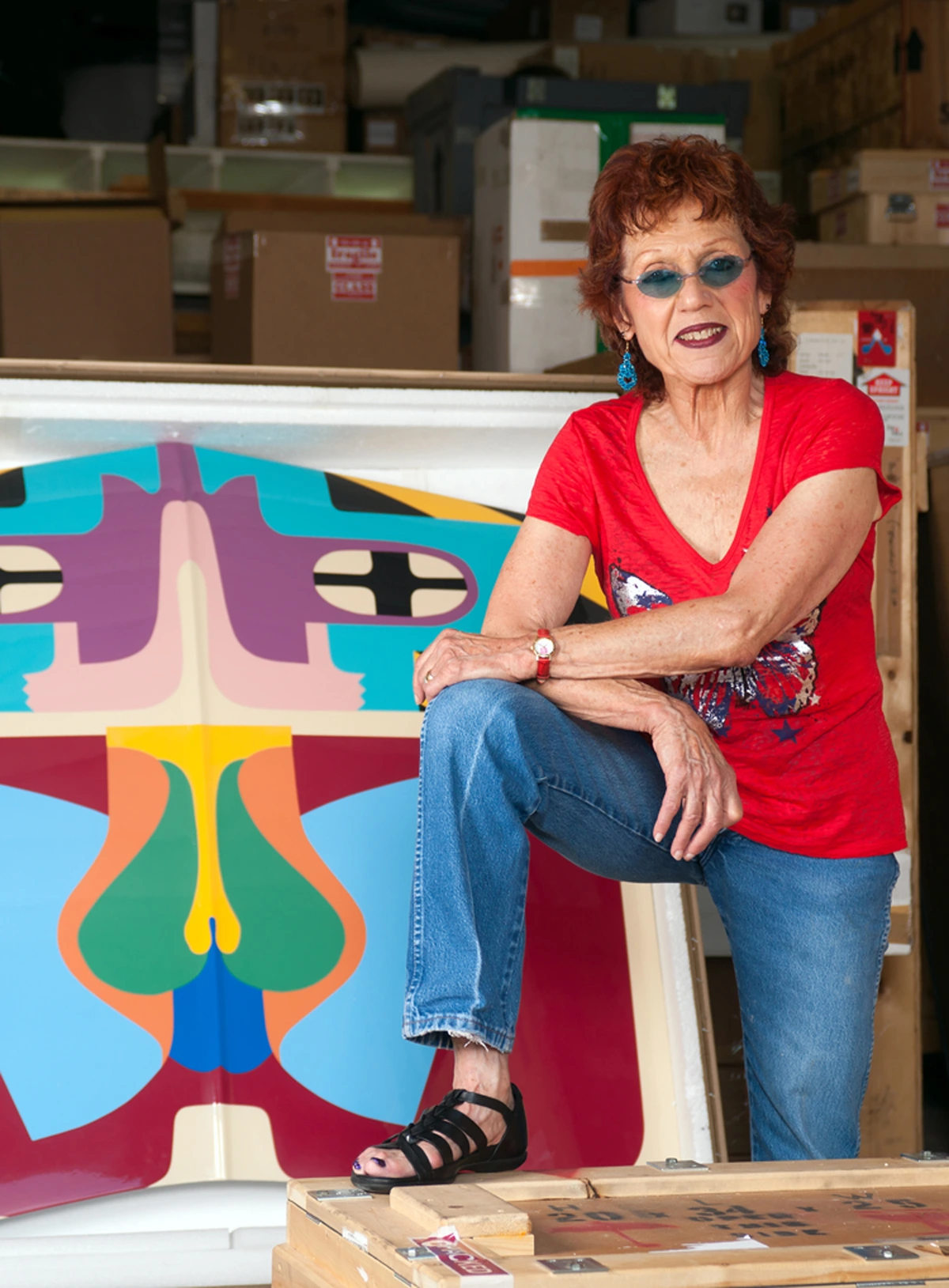
If your work piques a gallerist's interest, the next major milestone is the studio visit. This is your real test. They are not just looking at finished pieces; they are looking at your process, your work ethic, and how you articulate your own vision. It’s a chance for them to see if you are a serious, productive, and self-aware artist, and frankly, if you’re someone they want to work with for the long haul.
Don't try to curate an immaculate, sterile environment. Let your studio be a working studio. Have a few resolved, finished pieces ready to show, but also be prepared to discuss the things you’re currently wrestling with. The half-finished canvas in the corner is often more revealing than the perfect painting on the wall. Be ready to talk about your failures as well as your successes. A gallerist who asks 'What are you working on next?' is testing your momentum. Have an answer.
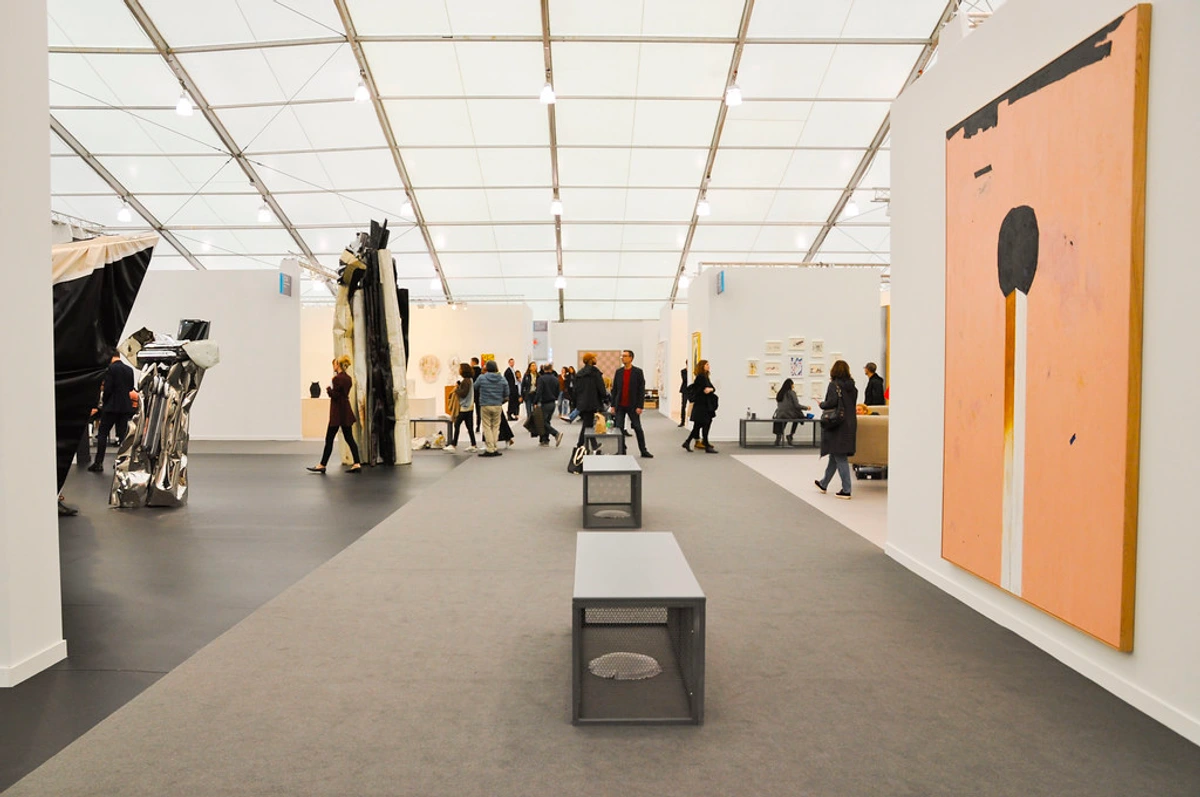
Most importantly, be a good listener. The gallerist is there to see if you’re a good fit for their program. Ask them questions. What are they looking for? What excites them about their current roster? This isn't an interrogation; it's a conversation. You're both trying to figure out if this could be the start of a real partnership.
The Digital Portfolio: How to Make Your Work Irresistible
Your portfolio is your ambassador. It speaks on your behalf when you're not in the room, and for most emerging artists, that's the first point of contact. So how do you make it sing? Here's a checklist I've gathered from various gallerists:
- Curation, Not Exhaustion: Less is more. Choose your ten most vital, most resolved pieces. Don’t show them everything you’ve ever done; show them the best version of your vision. A thin portfolio of great work is infinitely better than a thick one padded with mediocrity.
- Image Quality is Non-Negotiable: It’s a red flag if an artist can’t be bothered to present their work professionally. Invest in high-resolution photos (think 300 DPI minimum) with consistent, clean lighting and no distracting backgrounds. Your phone camera, even a good one, often isn't enough for this. If your work is textural, consider hiring a professional photographer who specializes in art documentation.
- Consistency is Everything: Your selection should tell a story. Even if your work is wildly experimental, there should be a coherent thread, a conceptual or aesthetic through-line that holds it together. A gallerist isn't just looking at one piece; they're imagining your first solo show.
- Create a Dedicated Website: A simple, clean website with its own domain name (e.g.,
yourname.com) signals a professional level of commitment. It’s your digital white cube, a controlled environment where your work can be experienced exactly as you intend. Keep it simple. A domain name, a clear 'About' page, a 'Works' section, and your contact information. Don't let web design get in the way of the art. - The Details Matter: Accompany each image with concise information: title, year, medium, and dimensions. It’s a small detail that shows you're organized and considerate of the viewer's time.
Finally, be patient and persistent, but not annoying. There's a fine line between showing continued interest and being a nuisance. A polite follow-up email after six weeks is acceptable, especially if it includes a small update like, 'Since I last reached out, I've completed this new body of work...'. An email every week is not. Understand that gallery directors are juggling a thousand things at once, and your submission is one of many. The right opportunity will come at the right time.
A Collector's Guide to Engaging with Galleries
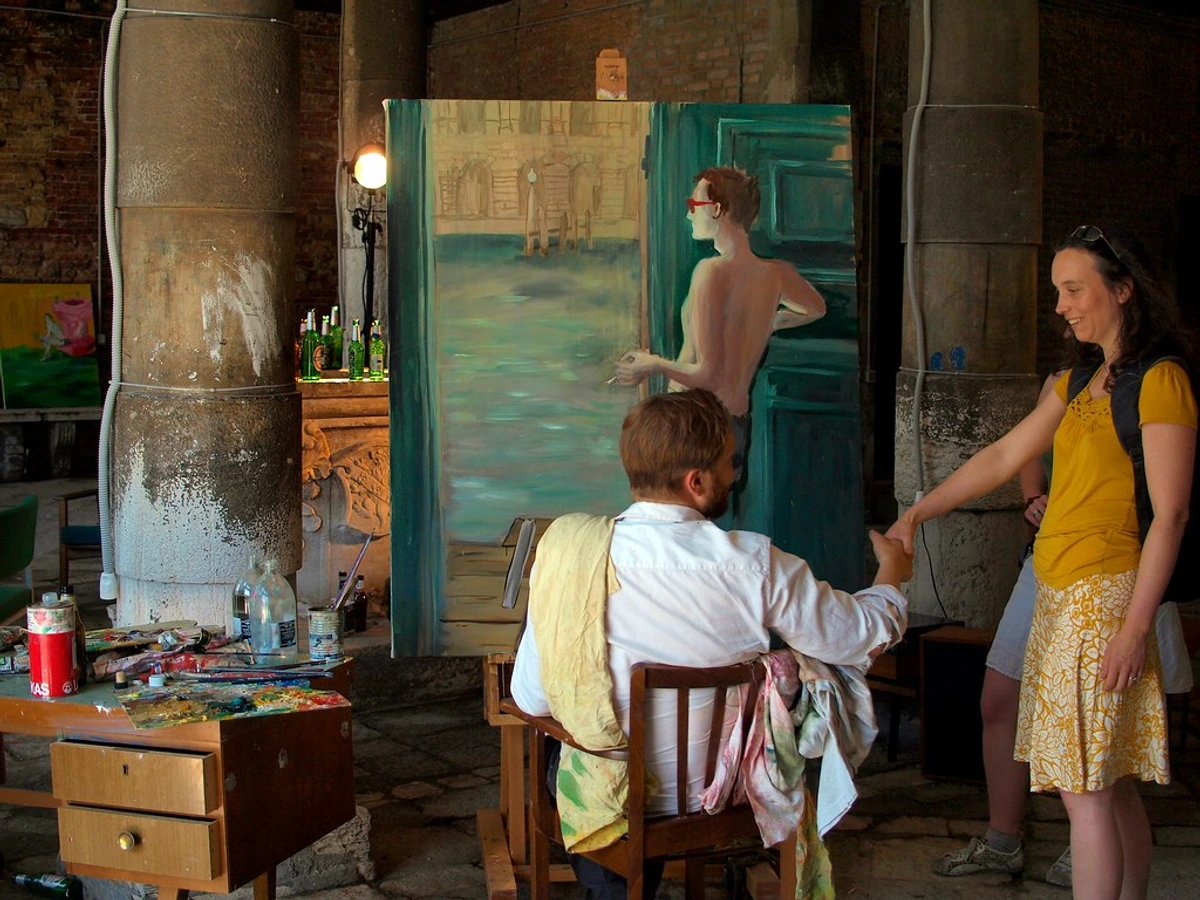
If you're on the other side of the white wall, wondering how to start buying art, the gallery can be your greatest ally. But walking into these spaces can feel intimidating. Here’s the secret I learned by working in a gallery for a summer: most people behind the desk are artists, curators, or passionate art students. They are vastly underpaid and are there for one reason: they love the work. They live for the moment someone walks in, points at a piece, and asks, 'Tell me about this one.'
First, get comfortable with being a beginner. This is the most important step. There is absolutely no such thing as a 'stupid question' about art. In fact, the simplest questions are often the most profound. Ask about the artist's process: 'How did they make this texture?' Ask about their influences: 'It reminds me a little of this artist, is that something they're thinking about?' Ask for the story behind the work. A gallery attendant's job isn't just to make sales; it's to guide you, to help you fall in love with the art. Showing genuine curiosity is the master key that unlocks every conversation.
Be upfront about your budget. There's a pervasive myth that you have to be a millionaire to collect, but that's simply not true, especially in the world of emerging art. If you're just starting out and your budget is $1,000, say so. A good, trustworthy gallerist will appreciate your honesty immensely and will work creatively with you. They might show you incredible works on paper instead of large canvases, or highlight beautiful, editioned prints that are more accessible but still provide crucial support to the artist's practice. You can even tell them you're just looking to learn for now, with no intention to buy—they'll respect your honesty and often be even more enthusiastic about sharing their knowledge.
Ask to be put on the gallery's mailing list. This is the insider's move. You'll receive digital previews of upcoming shows, invitations to exclusive openings, and access to online viewing rooms. It's the easiest way to stay informed and get a first look at new work.
When you find an artist you connect with on a gut level, ask if there's an artist statement or a CV you can read. This provides crucial intellectual and biographical context. Understanding the ideas, inspirations, and history behind the work can transform a piece you simply 'like' for its aesthetic into a piece you 'love' for its depth, and feel an undeniable need to live with. Researching an artist's journey, their influences, their exhibitions—that's a huge part of the fun and the reward of collecting.

Don't be afraid to ask if there are payment plans available. This is one of the art world's best-kept secrets. Many galleries, especially those genuinely focused on emerging artists and building long-term collector relationships, are often happy to help split a purchase into manageable monthly or quarterly instalments. It opens up the market to a much wider, more diverse audience and shows that the gallery is truly committed to finding good, lasting homes for their artists' work, not just making a quick, one-off sale.
Building a Relationship with a Gallery
Think of finding a good gallery as finding a good doctor. You're looking for a trusted advisor, someone who understands your taste and can guide you. Once you find a space you like, become a regular. Visit their shows, even when they aren't in your immediate wheelhouse. Ask questions, show your face, be genuinely curious about their program. This isn't about networking; it's about building a human connection.
A gallerist who knows you is more likely to send you an early preview of a show they think you'll love. They'll remember that you're drawn to works on paper or that you have a penchant for a particular shade of blue. This relationship is incredibly valuable. It can give you access to the secondary market, introduce you to other collectors, and provide a deeper education about the artists you love. The goal isn't to become their best friend, but to become a known quantity within their community – a passionate and serious lover of art.
The Financial Reality: Understanding the Economics for Artists and Collectors
The money conversation. This is where the rubber meets the road, where the romantic ideals of art crash headfirst into the pragmatism of making a living and buying things you love. It's the bridge between passion and profession. For artists, it’s about understanding what you're actually paying for. For collectors, it’s about gaining a real understanding of what you're investing in. Let's pull back the curtain, let some light in, and get comfortable with the uncomfortable conversation.
Money. There, I said it. It’s the part of the conversation that can make everyone squirm a little, like discussing politics at a dinner party. Artists feel awkward naming a price for something that feels like a piece of their soul, and collectors don’t want to seem gauche or uneducated by asking. But understanding the financial underpinnings is essential for both artists and collectors. It demystifies the whole process, creates realistic expectations, and ultimately builds more sustainable careers and collections. So, let’s pull back the curtain on the economics of the emerging art market, one layer at a time.

Let's start with the artist. What does that 50% actually buy?
The Artist's Perspective: The 50/50 Split and What It Covers
The most common arrangement between an emerging artist and a gallery is a 50/50 split on the retail price of a work. This means if a painting sells for $2,000, the artist receives $1,000 and the gallery keeps $1,000. At first glance, it can seem like a steep commission. But it's crucial to understand what the gallery is providing for that slice.
The Artist's Financial Lifeline: Understanding What a Gallery Actually Does
Many artists initially fixate on that 50% commission number. I know I did. It looks like a steep, almost punitive price to pay for someone to hang your work on a wall. But if you break down, item by item, what a good gallery actually provides for that slice of the pie, it starts to make a lot of sense. It’s not just a simple sales commission; it's an entire support infrastructure, a business partner, a PR firm, and a logistics coordinator all rolled into one.
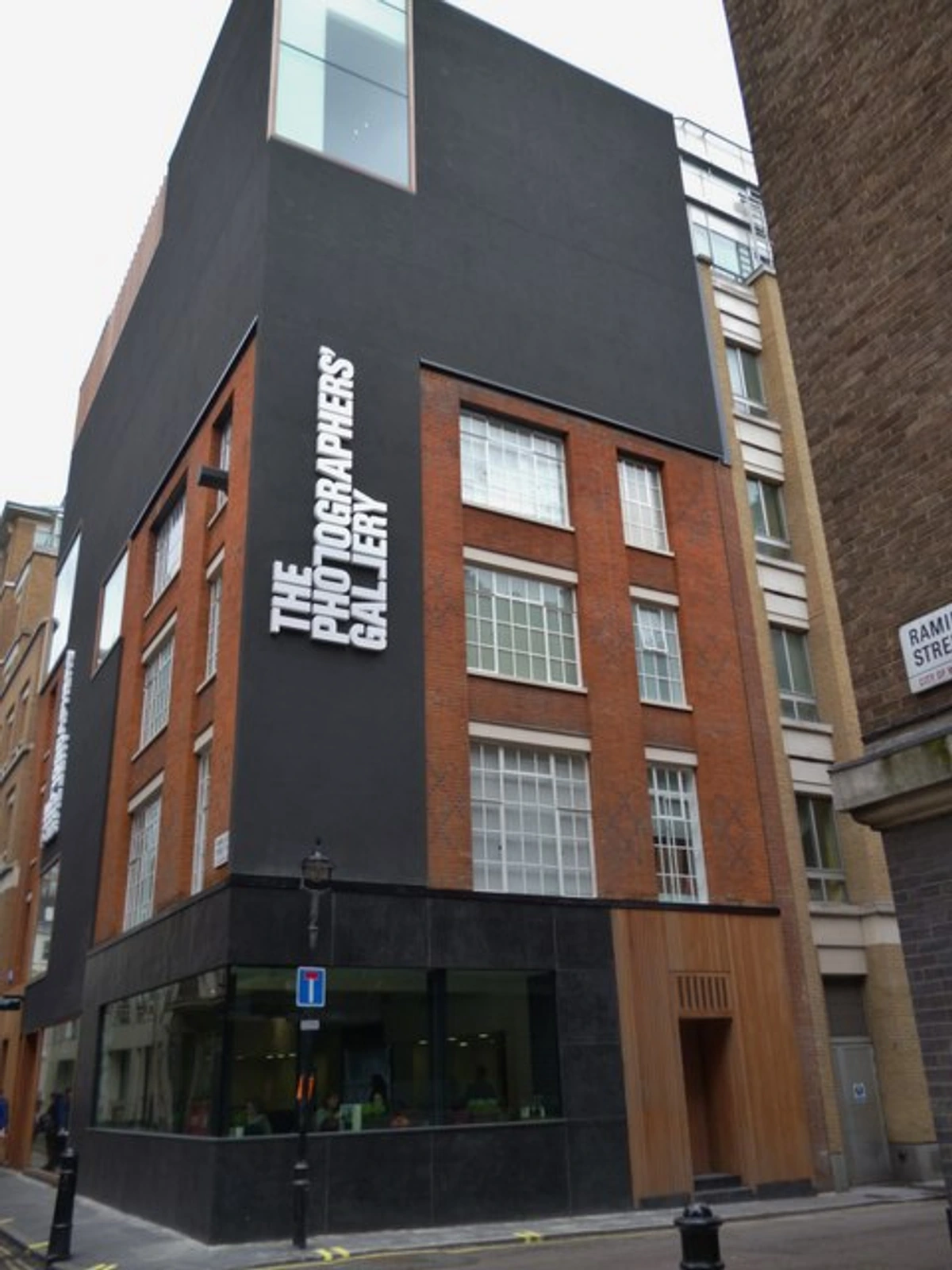
- The Space and The Staff: The gallery covers rent for a prime location, utilities, insurance, and salaries for directors, registrars, and installers. Every hour you spend installing a show has been paid for by them.
- The Marketing Machine: They produce the catalogues, the press releases, the invitations, the advertisements in magazines, and the high-quality content for their website and social media. They have the contacts with critics and journalists that you don't.
- The Network of Relationships: This is their invisible asset. They spend years building relationships with collectors, curators, and museum directors. When they bring your work to an art fair, you are instantly being exposed to this entire network.
- The Art Fairs: This is a huge one. The cost for a gallery to have a booth at a major international art fair can easily run into the tens of thousands of dollars. It’s an enormous financial risk that they take on to give your work a global platform.
- The Space & Staff: This is the most obvious one. Rent for a prime, high-traffic location, utilities, insurance, and gallery maintenance are significant, ongoing overheads. This also includes salaries for the team: directors, sales staff, registrars who manage the art with meticulous care, and skilled art handlers who install your show with precision.
- The Marketing & PR Machine: This is massive. It's everything: the printing of elegant invitations and catalogues, running targeted ads in art magazines, the professional photography of the works and the installation, the constant management of a high-quality website and social media presence that builds a story around your work.
- The Network (The Invisible Asset): The gallery's most valuable asset is its relationships. They've spent years, sometimes decades, building trust with critics, curators, and collectors. Your work isn't just shuffled into a room; it's presented to a pre-vetted audience of people who are already primed to pay attention.
- The Fairs: A gallery's presence at major international art fairs (like Frieze, NADA, or Art Basel) is often how careers are truly launched, giving you global exposure. But it's incredibly expensive. The cost of a booth alone can run into the tens or even hundreds of thousands of dollars, a huge financial risk the gallery takes on your behalf.
Sometimes the split can vary. For secondary market sales (when a work is resold), the split might look different. For extremely high-production-cost work, the gallery might offer a higher percentage, or they might price the work to include a production stipend. It's not one-size-fits-all. The key is that these details are spelled out clearly in a written agreement.
The Collector's Perspective: How Pricing Works and What You're Paying For
For a collector, pricing can seem opaque. How do galleries determine the price of an emerging artist's work? It's a nuanced mix of factors:
- The Artist's CV: The cost of materials, the scale of the work, and, most importantly, the artist's career stage. An artist fresh out of their MFA will have a lower price point than one who has just had a successful solo show at a prominent non-profit.
- Comparable Sales: A gallery will look at the price of work by similar artists at a similar stage in their career.
- The Gallery's Overhead: The 50% they take helps cover the cost of all the things listed above, from the rent to the marketing.
Here's the collector's side of the ledger. When you buy from a gallery, you're not just buying an object. You're buying an object with a verified history and a supporting structure. You have the gallery's assurance of provenance, which is crucial for insurance and potential resale (something you don't always get in a direct studio sale). You're paying for their expertise in vetting the artist and their work. And perhaps most importantly, your purchase is a direct investment in that artist's career, giving the gallery the financial fuel to continue promoting them, putting them in art fairs, and connecting them with the wider art world. Buying from a good gallery is a vote of confidence that ripples outwards.
The most important financial element for a collector, especially one focused on emerging art, is to disconnect from the idea that this is a short-term financial investment. The real value is not in the potential for resale in five years; it's in the joy of supporting an artist's vision and living with a piece that has meaning to you. The rest, if it ever comes, is a bonus.
Navigating Unspoken Rules: Gallery Etiquette for Artists and Collectors
The art world comes with a set of unspoken rules. They seem designed to keep people out, but really, they're just about mutual respect. Learning them is the key to shedding that feeling of being an outsider. Here’s a guide to navigating this world with genuine confidence, whether you're there to look or to launch your career.
The Fundamentals of Gallery Etiquette (For Everyone)
This isn't about gatekeeping. These are simple ground rules that allow everyone to focus on the art:
- Don't Touch the Art. This is the number one rule. Your hands have oils that can damage the work over time. Admire with your eyes. If you absolutely must feel a texture (and I understand the impulse), ask the gallerist first if they have a sample the artist has provided for that purpose.
- Photos are Usually Fine, but Always Ask. Most galleries will allow non-flash photography. It's great for them, as it promotes the show on social media. But the polite thing to do is to ask the front desk attendant first. It's a sign of respect for the space and the work.
- Talk to the Staff. The person at the front desk is often an artist, a curator, or a passionate art student. They are a wealth of information. Don't be afraid to ask them questions. They are bored when the gallery is empty and love it when someone is genuinely interested.
- Silence Your Phone. A ringing phone is the quickest way to destroy the contemplative atmosphere of a gallery. It just feels disrespectful.
For Artists: The Subtle Dance
- Don't Cold Pitch at an Opening. An opening is a social event. It’s the one time a gallery director is most busy and least likely to give your portfolio the attention it deserves. Go to the opening to enjoy the work, support your peers, and be seen. Approach them professionally, via their website guidelines, another day.
- Don't Criticize the Work in the Show. Even if you hate it. Keep it to yourself, or share it with a trusted friend later. The art world is a small world. If you must say something, focus on the formal qualities: 'The artist really has a command of that particular shade of blue,' is a safe, neutral observation.
For Collectors: Insider Tips
- You Don't Have to Buy Anything. Galleries are also free public exhibitions. Feel free to browse, ask questions, and leave without making a purchase. The pressure is mostly in your head.
- It's Okay to Negotiate (Sometimes). For emerging artists with lower price points, there's often less room for negotiation than in the secondary market. The price is set to be fair and stable for the artist's career. However, if you're a serious and consistent collector, a gallery may work with you on payment terms.
Beyond the Gallery: Understanding the Wider Art Ecosystem
A gallery is a crucial hub, but it's only one part of a much larger machine. To truly grasp the journey of an emerging artist, you need to explore the wider ecosystem beyond the gallery's four walls. It's easy to get tunnel vision and think the gallery opening is the whole story, but it's really just the tip of the iceberg. The real momentum often comes from a combination of support structures working in concert.
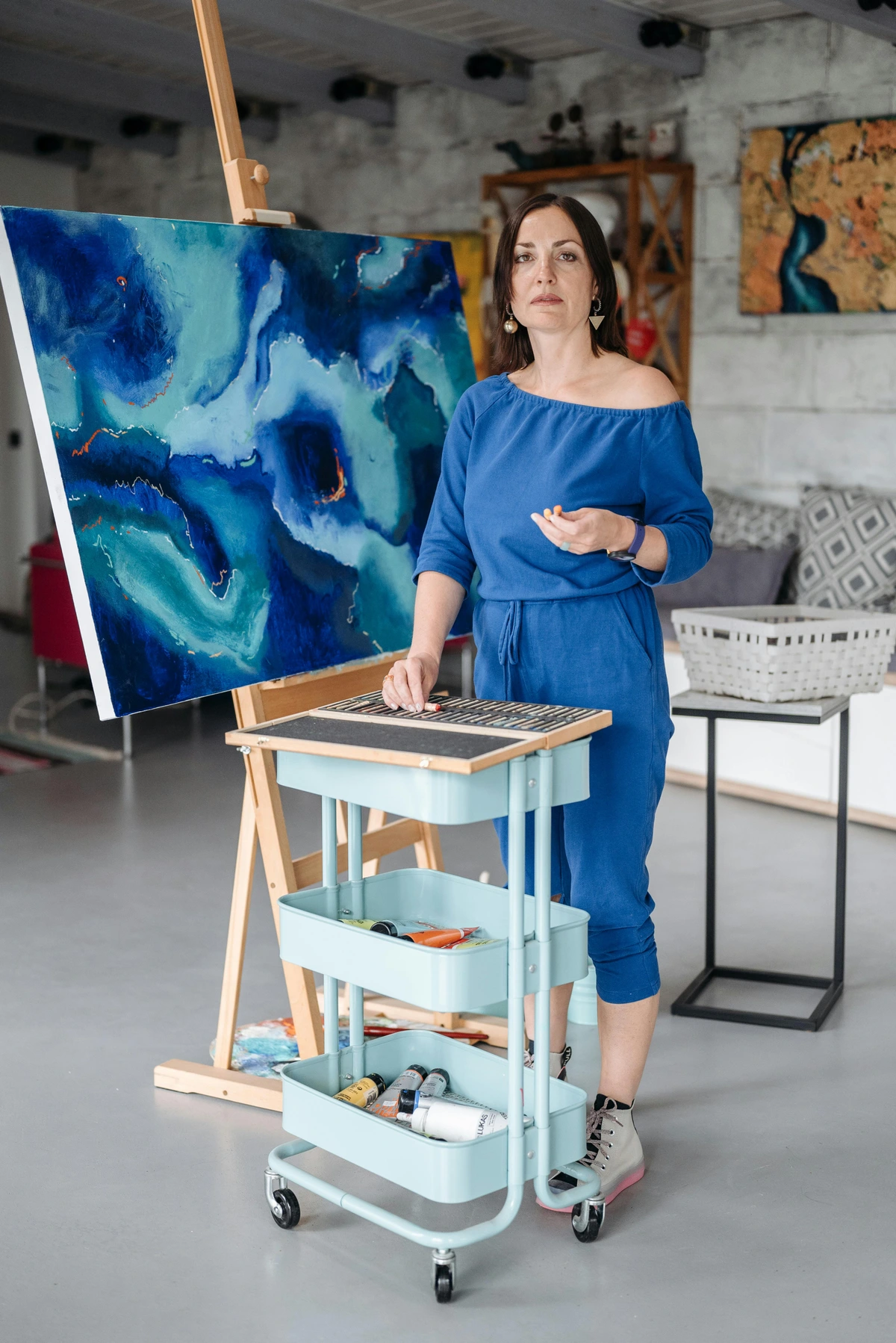
Art Fairs: The Global Market's Grand Tour
For an emerging artist, being selected for a fair can be career-altering. It's a massive platform, bringing their work before a global audience of collectors, curators, and critics in one concentrated location. For collectors, it's an unparalleled opportunity to see a cross-section of the global art market under one roof, to compare trends, and to make discoveries at an astonishing rate. The sheer volume can be overwhelming, so it's best to go with a plan or focus on a specific section.
Prizes and Residencies: Fuel for the Creative Engine
Art prizes offer not just a cash injection but also a massive boost in profile and critical validation. Residencies offer something even more valuable: time, space, and a new community. They give artists the freedom to experiment away from the pressures of their daily lives, often leading to breakthroughs in their practice. This support system is the connective tissue that holds the art world together.
Not all galleries are created equal. While most are run by passionate professionals, there are a few bad actors out there. Knowing the warning signs can save you (or your collection) from a bad situation. It’s the difference between a gallery that builds careers and one that just builds its own bank account.
Some gallery models prey on an artist's ambition. Others simply lack the professionalism required to be a good partner. Here are the key warning signs to watch for, whether you're an artist seeking representation or a collector looking for a trustworthy source.
A Cautionary Tale: Spotting the Red Flags from a Mile Away
A friend of mine, a talented sculptor, was ecstatic when a gallery in a major city offered her a solo show. There was just one catch: she had to pay a 'participation fee' of $1,500 to cover 'promotional costs.' She paid it. The 'promotion' turned out to be a single Instagram post. The gallery took their 50% commission on the few small pieces that sold and then ghosted her. It was a vanity gallery cashing in on her ambition. Another friend was offered a show at a well-known gallery, but the director refused to sign a contract. 'We operate on trust here,' he said. My friend walked away. Six months later, the gallery closed, leaving several artists without ever being paid for their sold work. The lesson is simple: professionalism isn't a courtesy; it's a necessity. A legitimate gallery makes its money from selling your art, not from charging you to hang it. | :--- | :--- | :--- | | The Vanity Gallery | The gallery asks artists to pay to have their work exhibited. They may call it a 'hanging fee,' 'participation fee,' or 'membership.' | These business models prey on artists' desires for exposure. A legitimate gallery makes its money from sales, splitting the revenue with the artist. Asking for money upfront signals that their business is making money from artists, not selling art to collectors. | | The Ghost | The gallery is consistently difficult to contact or fails to provide timely payments after a sale. Communication is vague or non-existent. | Professionalism is key. A gallery that can't manage its finances or client relations is not a stable partner. For artists, late or missing payments are a major red flag. For collectors, it can mean issues with provenance or artwork delivery. | | The Contract-Free Zone | They operate on a handshake deal and are reluctant or refuse to put the terms of your agreement in writing. | Without a clear contract, you have no legal recourse. A contract protects everyone involved by outlining commission splits, payment schedules, responsibilities for shipping/insurance, and the terms of representation. | | The Trend Chaser | Their roster has no clear focus, jumping from one hyped trend to the next. Their exhibitions feel shallow and market-driven rather than curational. | This gallery is less interested in developing careers and more in making a quick profit. They might drop an artist as soon as their market cools. You want a gallery with a vision, not just a finger in the air. | | The High-Pressure Salesman | A staff member is overly pushy, uses 'art-as-investment' language to pressure a sale, or gives you a sense of artificial urgency (e.g., 'another collector is very interested'). | A good gallery tries to find the right piece for you, not just make a sale. They should encourage you to think, do research, and be sure. They build long-term relationships, not one-off transactions.
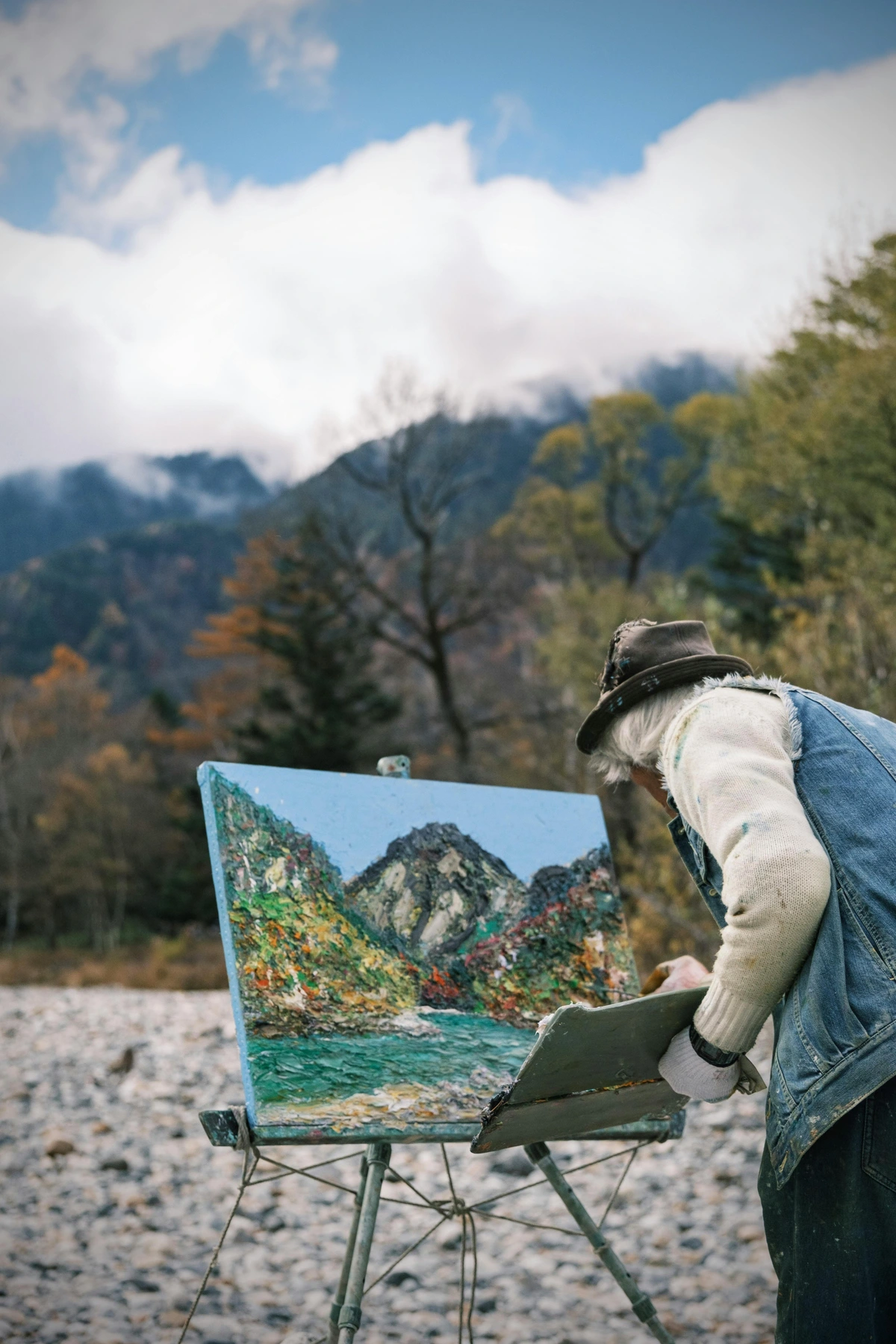
Case Study: The White Cube vs. The Warehouse
I want to tell you about two very different galleries I’ve been involved with. The first, let's call it 'Gallery A,' was a pristine white cube in a very trendy part of the city. The owner was suave, the openings were packed, and their Instagram was everything. I was so excited when they offered me a show. But the reality was different. The owner was a ghost after the initial handshake. I was left to manage shipping, insurance, and framing myself. The communication was terrible. I felt like a product being moved through a system, not an artist being championed.
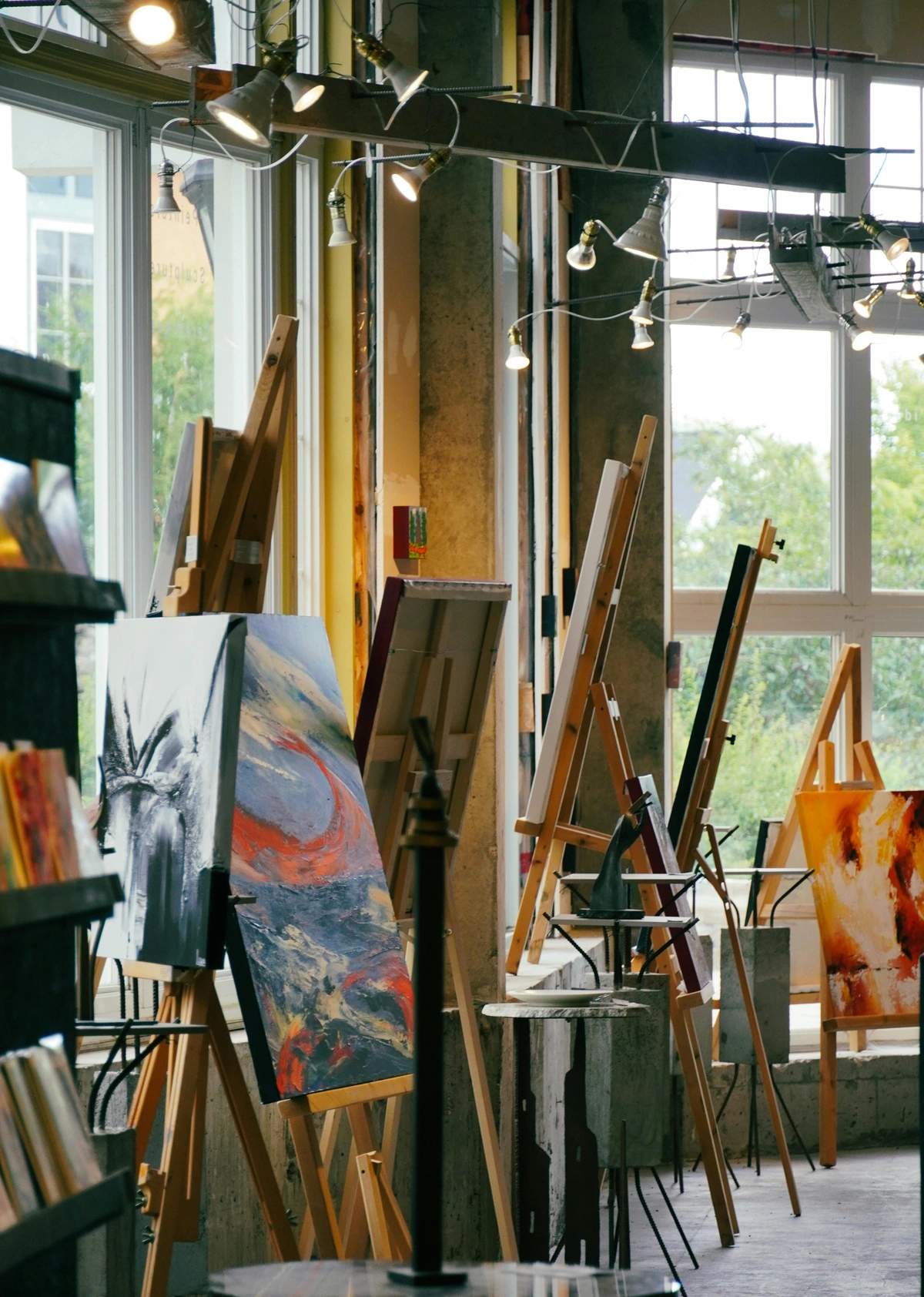










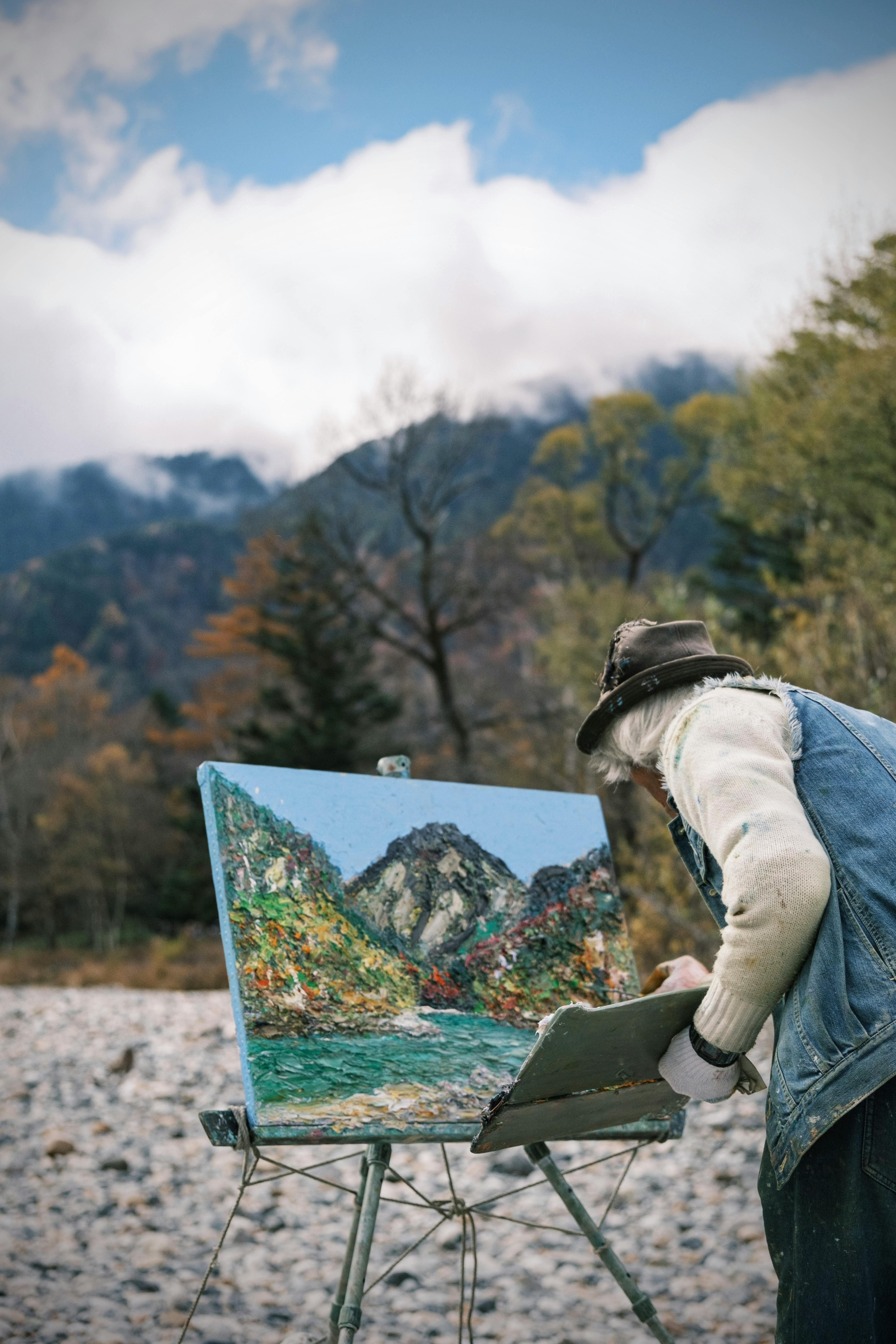

Contrast that with 'Gallery B,' located in a raw, out-of-the-way warehouse. The director, Claire, took me on a studio visit months before my show. We talked about my work, my process, my nightmares. During the installation, she was there every day, painting walls and helping hang paintings. She knew her collectors personally and talked about my work with genuine passion. The opening was smaller, but every person there was deeply engaged. One was a museum curator who later invited me to participate in a group show. Gallery B's 50% commission felt like a steal. They weren't just taking a cut; they were true partners in my career. I'm still with them today. The lesson? Don't judge a gallery by its postcode. Judge it by its partnership.