How to Attract a Wider Audience to Contemporary Art
Discover practical strategies for artists and galleries to make contemporary art accessible, engaging, and welcoming to diverse audiences. From storytelling to community building, demystify the art world and expand your reach.

How to Attract a Wider Audience to Contemporary Art
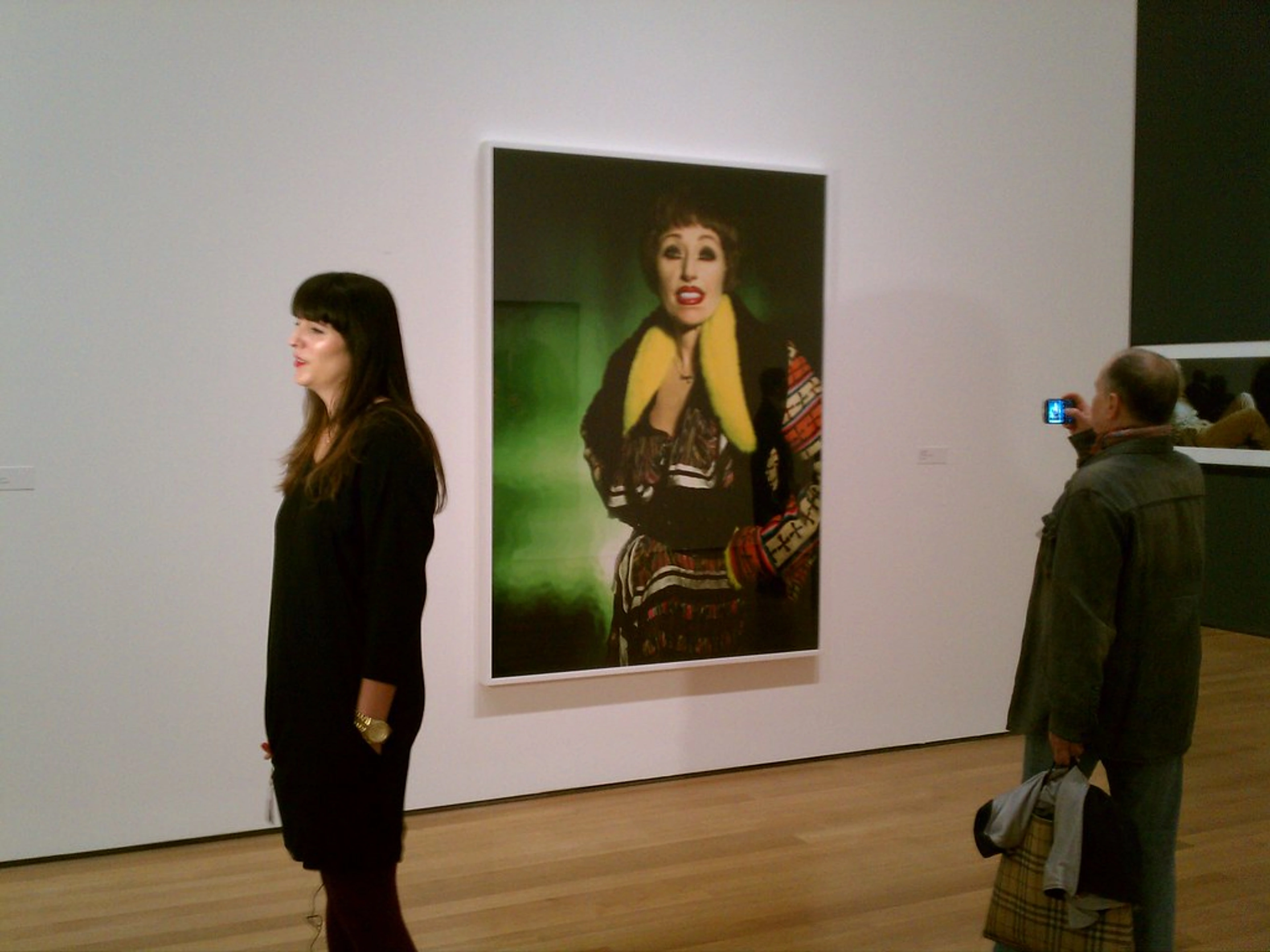
I remember walking into my first contemporary art exhibition years ago. The abstract paintings felt intimidating, the placards felt like they were written in another language, and I kept asking myself, "Am I supposed to understand this?" If that sounds familiar, you're not alone. Far too many brilliant art pieces exist in echo chambers, seen only by people who already "get it." But what if we could change that? What if making art accessible wasn't about dumbing it down, but about building bridges? Let's explore how you—whether you're an artist, curator, or gallery—can invite the world into your creative universe.
The State of Contemporary Art Accessibility Today
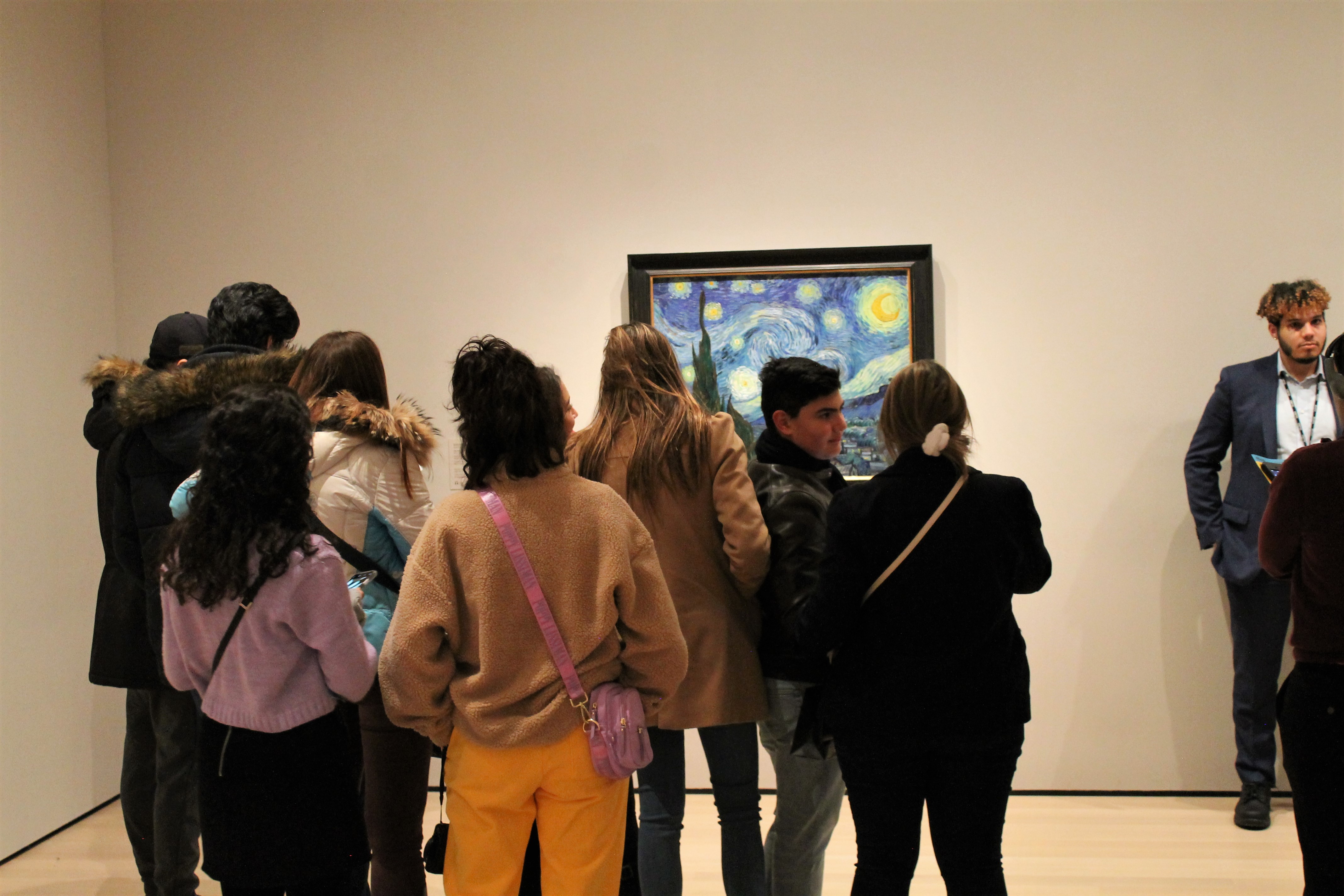
The contemporary art world faces a significant accessibility crisis. According to recent surveys, over 67% of first-time museum visitors report feeling intimidated or unwelcome in traditional art spaces. This isn't just about demographics—it's about creating environments where curiosity can flourish regardless of background, education, or socioeconomic status. The most successful contemporary art spaces today aren't those with the most expensive pieces, but those that create meaningful connections between art and people.
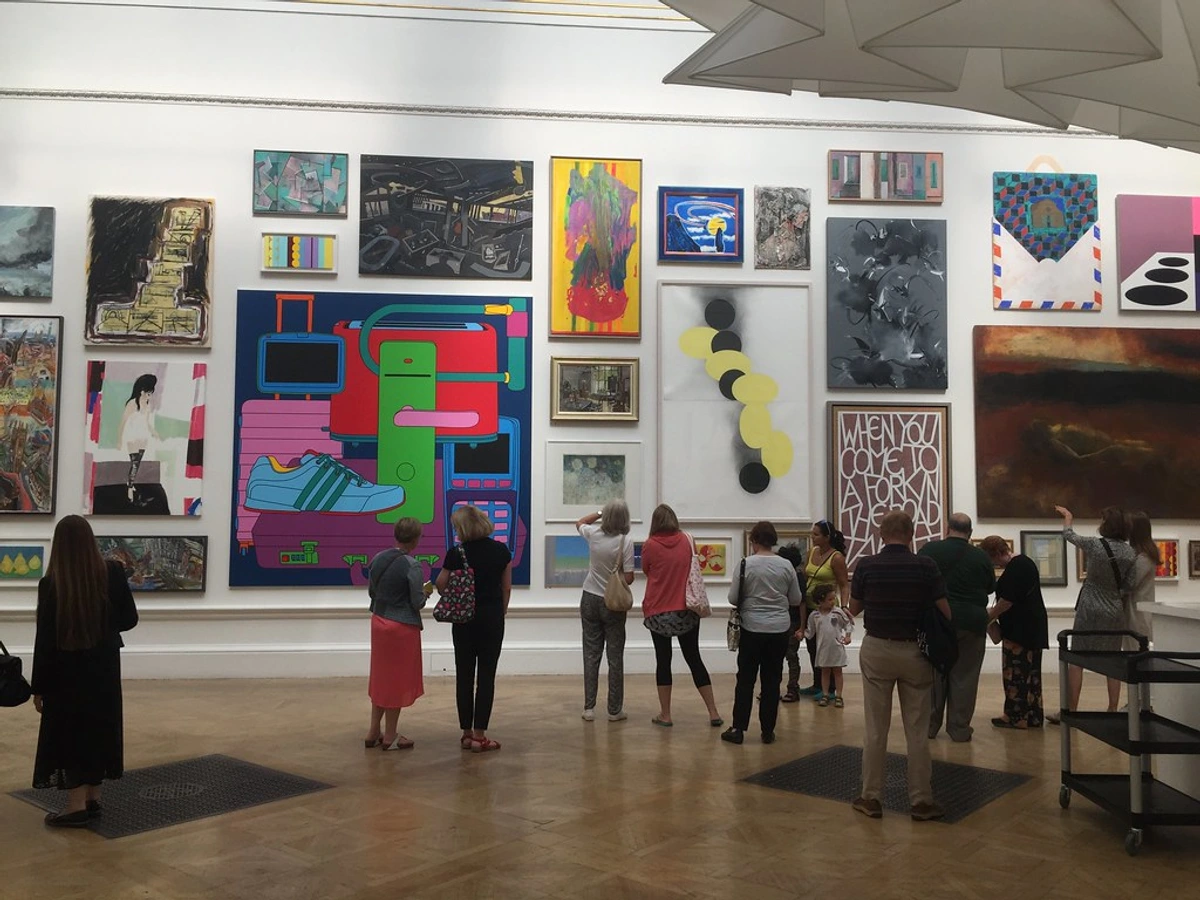
The digital age has both helped and hindered this mission. While social media has democratized access to art images, it's also created a superficial engagement where the physical, transformative experience of art is often lost. The challenge? How do we leverage technology without losing the soul of the art experience? The abstract paintings felt intimidating, the placards felt like they were written in another language, and I kept asking myself, "Am I supposed to understand this?" If that sounds familiar, you're not alone. Far too many brilliant art pieces exist in echo chambers, seen only by people who already "get it." But what if we could change that? What if making art accessible wasn't about dumbing it down, but about building bridges? Let's explore how you—whether you're an artist, curator, or gallery—can invite the world into your creative universe.
Why Does Contemporary Art Feel So Exclusive?
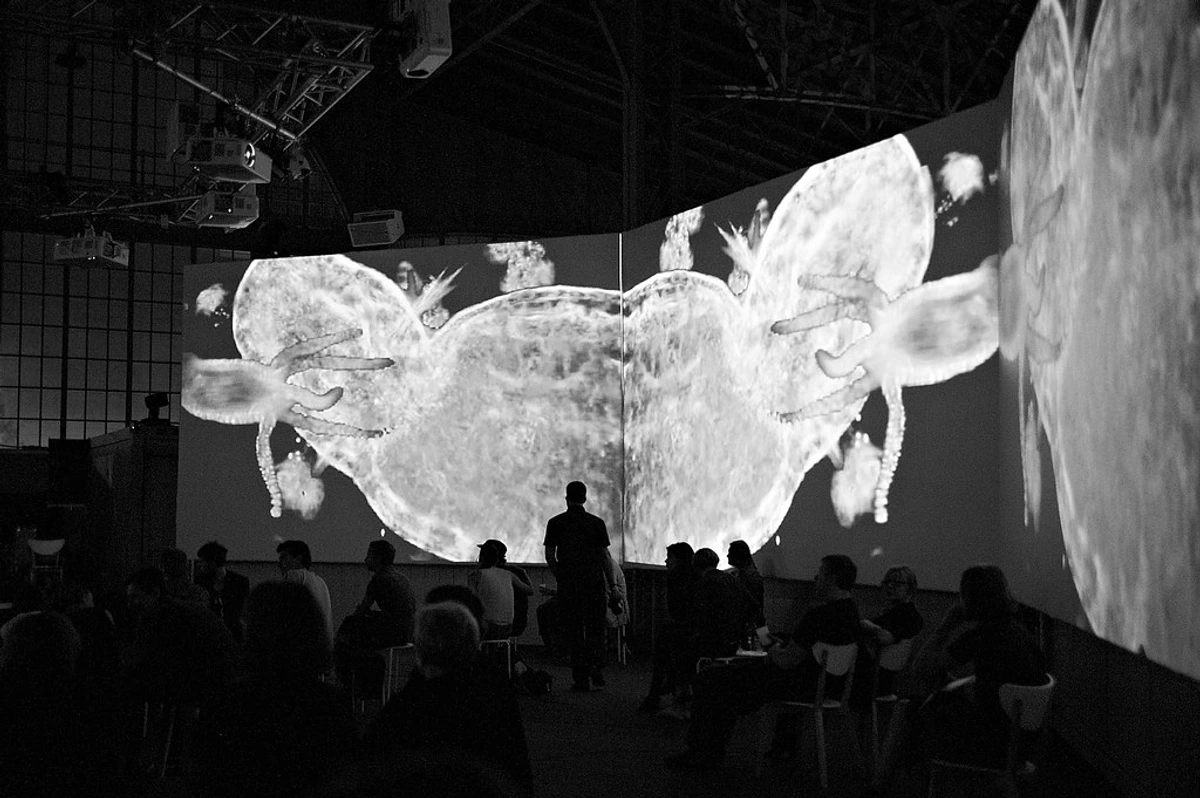
Let's be honest: art spaces can feel like an exclusive club. White walls, hushed tones, and conversations peppered with words like "liminal" and "deconstruct." This unintentional barrier creates a feedback loop: fewer visitors mean fewer diverse experiences, which reinforces the idea that art "isn't for everyone." But I've spent years watching audiences react viscerally to art when given the right entry point. The problem isn't the art—it's the presentation.
Think of it like introducing a foreign cuisine. You wouldn't start by handing someone a bowl of tripe without context. You'd share a story about the dish, explain why it's meaningful, and maybe pair it with something familiar. Art needs the same care. When we demystify instead of mystify, magic happens.
Breaking Down the Walls: Practical Strategies
A Framework for Art Accessibility
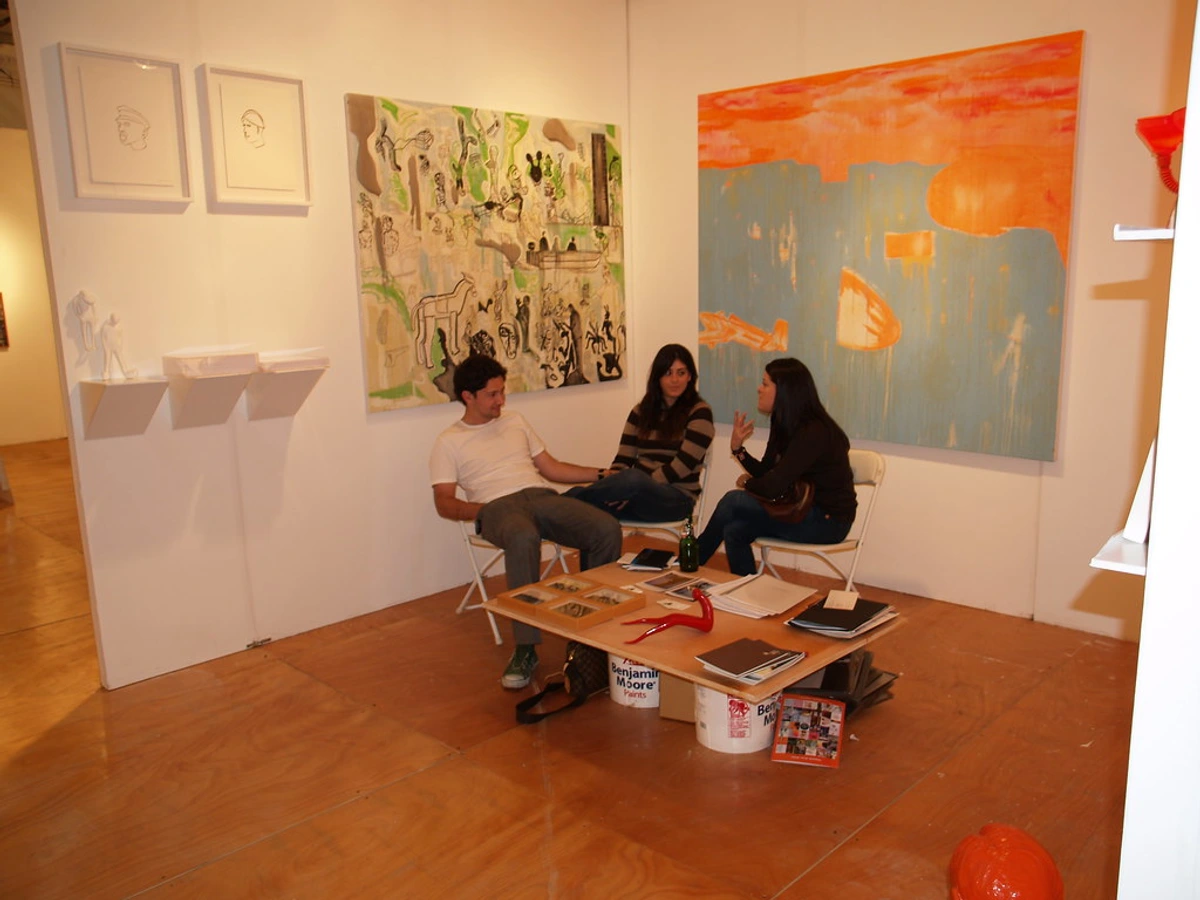
Creating accessible contemporary art isn't about lowering standards—it's about raising the floor of entry. The most successful approaches combine multiple strategies that work together to create welcoming environments. Let's explore a comprehensive framework that addresses different aspects of the visitor experience.
The Three Pillars of Art Accessibility
- Physical Accessibility: Making sure everyone can physically access and engage with art
- Cognitive Accessibility: Ensuring the art and its context are understandable to diverse audiences
- Emotional Accessibility: Creating spaces where people feel safe to react and respond authentically
These pillars work together to create what I call "radical hospitality" in art spaces—welcoming everyone exactly as they are, while challenging them to grow through art.
1. Embrace Narrative Over Jargon
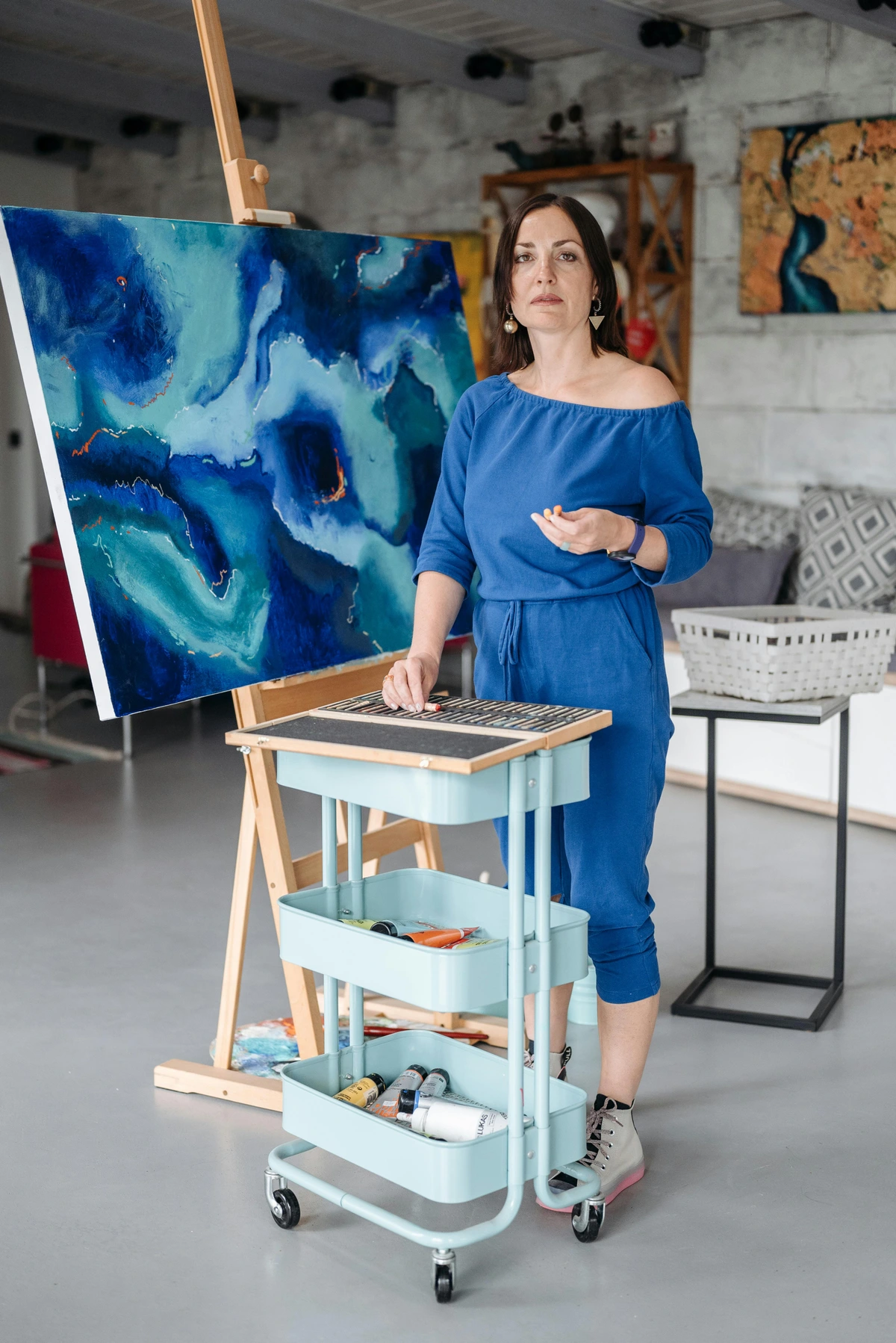
How many times have you seen art described in sterile terms? "Oil on canvas, 48x60, 2023." Yawn. People connect with stories, not inventories. Instead of a dry bio, I remember an artist who told me her blue abstracts were actually inspired by the ocean from her childhood home in Denmark. Suddenly, the brushstrokes made sense—they weren't just blue; they were waves and memories.
- Replace technical terms with sensory language
- Share the "why" behind a piece
- Create audio guides where artists describe their process in plain language
2. Create Relatable Entry Points
Not everyone will "get" abstract expressionism on first glance. Offer clues—both literal and metaphorical. I once saw a gallery that paired each abstract painting with: (1) a small object from the artist's studio, and (2) a quote about failure or joy. The combination made emotional connections possible.
Approach  | Example | Impact |
|---|---|---|
| Themed groupings | "Art Made During Rainy Afternoons" | Creates instant context |
| Interactive elements | "Which color reflects your mood?" | Engages non-art visitors |
| Familiar anchors | Pair abstraction with recognizable forms | Builds confidence to explore |
3. Democratize the Physical Space
Most galleries are visual playgrounds for sighted people. This isn't inclusivity—it's exclusion. True accessibility means considering everyone:

- Audio descriptions for visually impaired visitors
- Tactile elements for touching selected textures
- Quiet hours for neurodiverse visitors
- Multilingual labels in diverse neighborhoods
I was moved watching a child with autism light up first at a sculpture they could touch, then later at a painting. That moment—shared wonder—was priceless.
4. Leverage Digital Without Selling Your Soul
Now, about the digital elephant in the room: NFTs. Look, blockchain feels like a speculative casino masquerading as an art world revolution. But dismissing digital entirely is like refusing to use photography because of Instagram filters. The solution? Prioritize tangible digital engagement:
- Virtual studio tours with live Q&As
- Augmented reality apps that reveal sketches beneath final works
- Online exhibitions optimized for phones (not desktops)
Remember: digital tools should serve art, not replace human connection. Buy physical prints for that deep, soulful experience digital can't replicate.
5. Go Where the People Are
Galleries exist in parallel worlds with supermarkets, schools, and workplaces. Why not break that boundary?

- Install pop-ups in coffee shops or libraries
- Collaborate with local businesses for "art in windows" displays
- Host "slow looking" sessions in parks or public squares
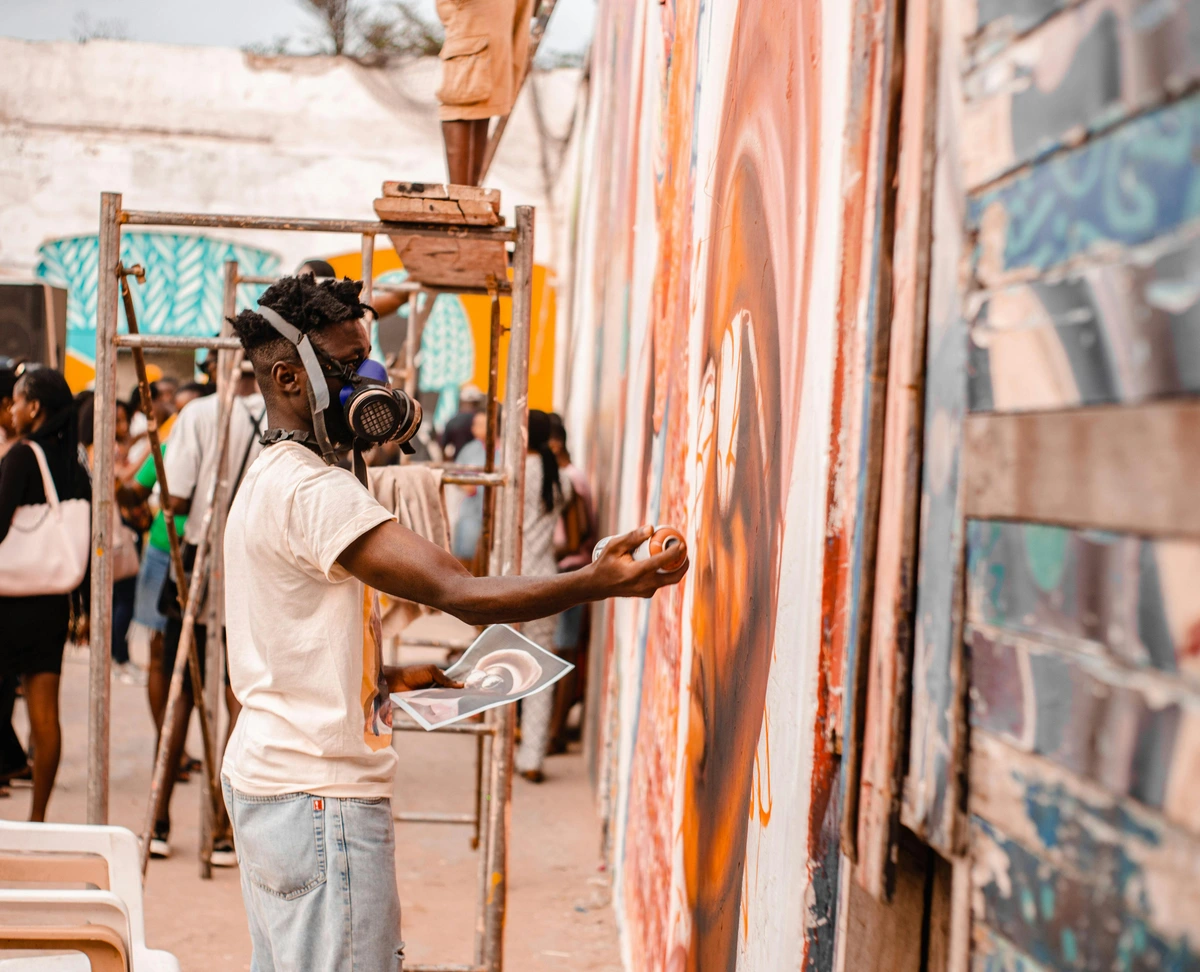
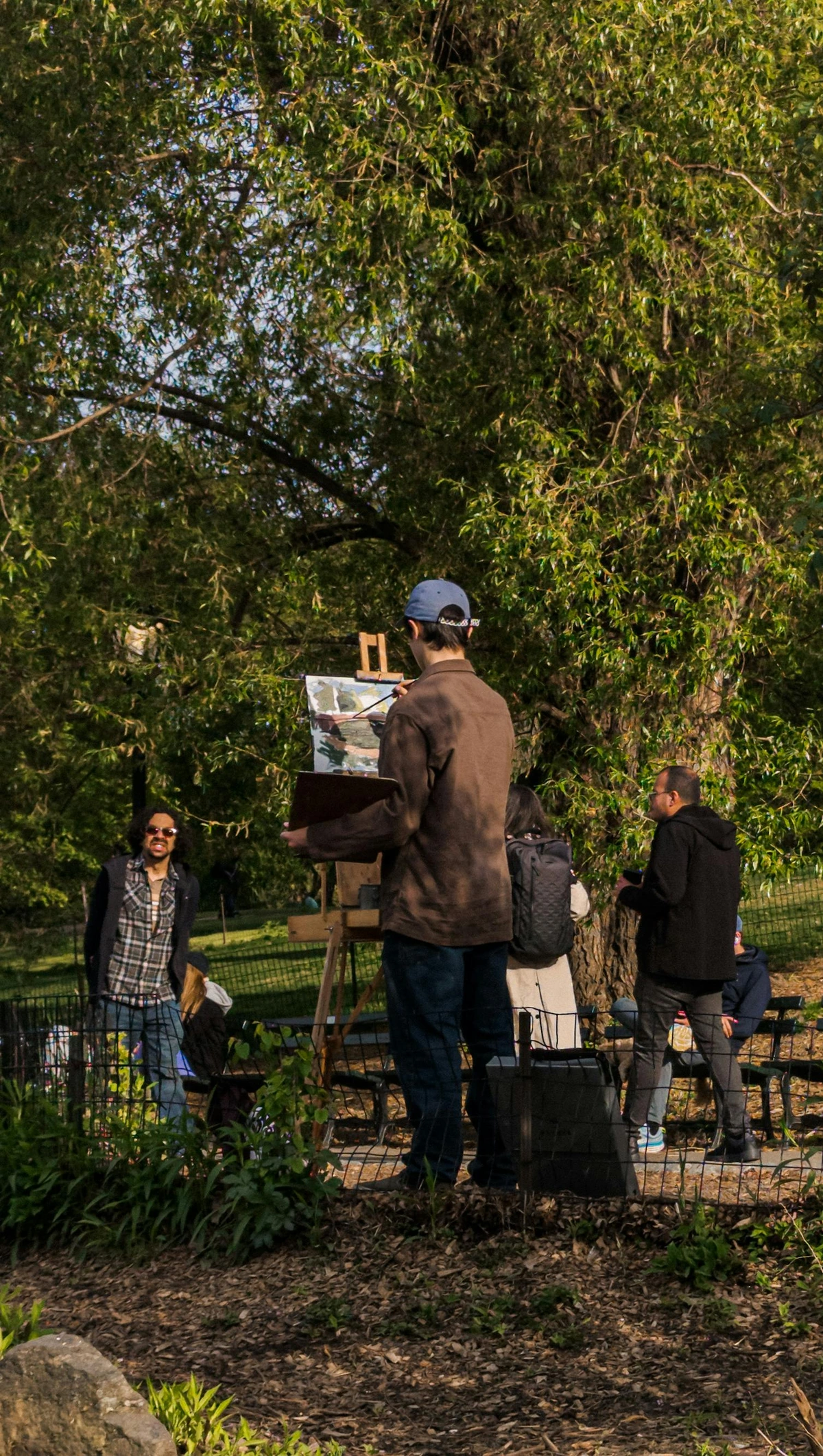
I once saw an artist create temporary sidewalk murals that evolved over weeks. Each morning, crowds would gather to see what changed—that's engagement traditional galleries dream of.
Common Mistakes to Avoid
The Seven Deadly Sins of Art Accessibility
Even well-meaning institutions fall into traps that undermine their accessibility goals. Here are the most common mistakes—and how to avoid them:
1. The "If They Don't Get It, They Don't Deserve It" Trap
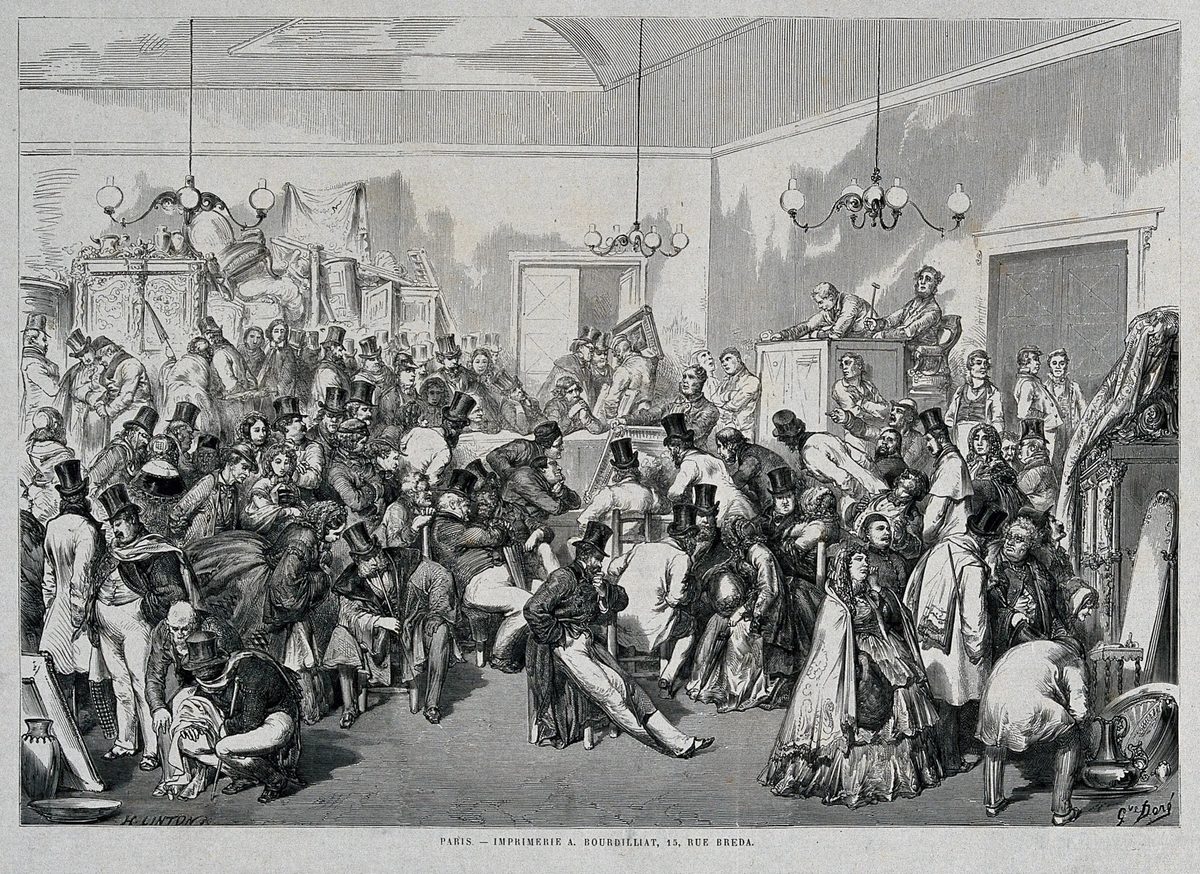
High art snobbery repels more than it intrigues. I once overheard a gallery director say, "If people need explanations, they shouldn't be here." That attitude creates exactly the exclusion the art world claims to fight against.
Instead: Assume curiosity, not ignorance. Welcome questions as opportunities for connection.
2. Information Overload
Five paragraphs of context isn't better than one compelling story. When every piece has an essay-length explanation, visitors experience cognitive overload and disengage.
Instead: Create layered information—basic context for everyone, deeper details for those who want more.
3. Ignoring Feedback
If visitors say "I don't understand," listen! Many institutions collect visitor feedback but don't act on it, missing crucial opportunities to improve.
Instead: Create feedback loops and actually implement changes based on visitor suggestions.
4. Forgetting the Follow-Up
A mailing list offering "art bite" emails keeps interest alive. Many spaces focus on getting visitors through the door but neglect to maintain the relationship afterward.

Instead: Develop ongoing engagement strategies that keep the art conversation alive between visits.
5. The "One Size Fits All" Approach
Accessibility isn't about creating one experience for everyone—it's about creating multiple entry points to the same art. Treating all visitors the same ensures that most will feel excluded.
Instead: Design for diversity rather than universality.
6. Token Inclusivity
Hanging one piece by a woman of color doesn't make your space inclusive. True inclusivity requires systemic change, not symbolic gestures.

Instead: Examine your entire program, collection, and staffing through an accessibility lens.
7. Digital Detachment
Treating online and offline experiences as separate misses the opportunity to create a cohesive art journey. Many galleries have great websites but no connection to their physical spaces.
Instead: Create integrated experiences that work together seamlessly.
- The "If they don't get it, they don't deserve it" trap: High art snobbery repels more than it intrigues
- Overloading with information: Five paragraphs of context isn't better than one compelling story
- Ignoring feedback: If visitors say "I don't understand," listen!
- Forgetting the follow-up: A mailing list offering "art bite" emails keeps interest alive
Frequently Asked Questions: Art Accessibility
Addressing Common Concerns About Contemporary Art Engagement
Question | Answer |
|---|---|
| How do you explain abstract art to skeptics? | Start with emotions: "This piece makes me feel peaceful/energetic/confused. What about you?" Ask about colors, shapes, and feelings rather than technical analysis. Remember, there's no "wrong" response to art. |
| Should artists lower prices to sell more? | Offer range: Originals + prints, digital downloads, or subscription art boxes. Consider sliding scale pricing, payment plans, or community-supported art models. accessibility isn't about devaluing art—it's about creating multiple points of entry. |
| How do we measure audience growth beyond sales? | Track engagement: Social shares, event attendance, newsletter signups, time spent in exhibitions, repeat visitation rates, and qualitative feedback. The most important metric is whether visitors feel welcome and want to return. |
| Is "educating" audiences the best approach? | Flip it: Frame sharing as mutual learning, not lecturing ("Here's what this made ME think..."). Create dialogue rather than monologue. The best education happens when everyone is learning together. |
| What's one quick win for inclusivity? | Add braille labels to key works—it costs little but says "you belong here" profoundly. Also train staff to welcome questions and provide basic context without being condescending. |
| How do we balance accessibility with artistic integrity? | They're not opposing forces. The most accessible art often has the deepest resonance because it connects with universal human experiences. True artistic integrity includes caring about who engages with your work. |
| What about people who just want to "look pretty"? | That's valid! Not everyone wants deep analysis. Create spaces where both experiences are possible—quiet contemplation areas and discussion spaces. Art serves multiple purposes simultaneously. |
| How do we handle controversial or challenging art? | Provide context without censorship. Create "conversation spaces" where difficult topics can be discussed respectfully. The goal isn't to avoid discomfort—it's to create environments where discomfort can be processed safely. |
Question | Answer |
|---|---|
| How do you explain abstract art to skeptics? | Start with emotions: "This piece makes me feel peaceful/energetic/confused. What about you?" |
| Should artists lower prices to sell more? | Offer range: Originals + prints, digital downloads, or subscription art boxes |
| How do we measure audience growth beyond sales? | Track engagement: Social shares, event attendance, newsletter signups, time spent in exhibitions |
| Is "educating" audiences the best approach? | Flip it: Frame sharing as mutual learning, not lecturing ("Here's what this made ME think...") |
| What's one quick win for inclusivity? | Add braille labels to key works—it costs little but says "you belong here" profoundly |
The Heart of It All: Curiosity, Not Condescension
At the end of the day, audiences want to feel invited, not instructed. The most successful spaces I've seen operate on a simple principle: assume curiosity, not expertise. They treat questions as gifts, not annoyances, and they understand that a five-year-old and a PhD candidate might connect with the same piece in wildly different ways—and both are valid.
Beyond the Gallery: Creating Art Communities
The most successful art accessibility initiatives don't stop at the gallery walls. They create ecosystems where art becomes part of daily life, woven into the fabric of communities. This approach recognizes that art isn't just something you visit—it's something that lives within us and connects us to each other.
Community-Based Art Models
Neighborhood Art Networks: Creating local networks where art flows between homes, businesses, and public spaces. This might involve:
- rotating art collections in local businesses
- community curation projects where residents select exhibitions
- neighborhood art walks that connect multiple venues
- public art that reflects local history and identity
Intergenerational Art Programs: Art becomes a bridge between generations when:
- seniors teach traditional crafts to youth
- children create art displayed in senior centers
- families participate in collaborative projects
- different age groups share their interpretations of the same work
Workplace Art Integration: Bringing art into professional settings:
- employee-curated gallery spaces in offices
- art breaks during work hours
- company collections that rotate through departments
- partnerships with local artists for workspace installations
Measuring True Accessibility Success
How do we know if our accessibility efforts are working? Traditional metrics like attendance numbers only tell part of the story. True accessibility success includes:
Participation Metrics:
- Return visitation rates
- Diversity of audience demographics
- Length of time spent engaging with art
- Participation in interactive elements
- Social sharing and discussion outside the space
Impact Metrics:
- Changes in visitor confidence and comfort
- Development of art-related skills and knowledge
- Creation of personal connections to art
- Community building around artistic interests
- Long-term behavior changes (visiting other spaces, collecting art)
Qualitative Indicators:
- Testimonials about feeling welcome
- Stories of personal transformation
- Community partnerships developed
- Media coverage emphasizing accessibility
- Awards and recognition for inclusive practices
The Future of Art Accessibility
As we look ahead, several trends are shaping the future of how we make contemporary art accessible:

Technology Integration:
- Artificial intelligence that personalizes art experiences
- Virtual reality that makes art accessible to homebound audiences
- Augmented reality that adds layers of meaning to physical works
- Haptic technology that allows touch-based art appreciation
Global-Local Balance:
- Art that speaks to universal human experiences
- Local interpretations of global artistic movements
- Cross-cultural dialogue through art exchange programs
- Inclusive representation in all artistic expressions
Sustainability and Accessibility:
- Environmentally conscious art spaces that welcome all visitors
- Accessible practices that don't compromise artistic quality
- Long-term community investment rather than short-term projects
- Inclusive economic models for art production and distribution
Conclusion: Art as Universal Language
So yes, contemporary art can be challenging. But it can also be joyful, confusing, and transformative in equal measure. By leaning into storytelling, accessibility, and genuine human connection, we can make the art world feel less like a museum and more like a living room where everyone has a seat at the table.
The truth is, art has always been about connection. The cave paintings at Lascaux weren't created for experts—they were created as a way for people to share experiences, document their world, and connect with something larger than themselves. Contemporary art continues that human impulse, just in new forms.
When we make art accessible, we're not dumbing it down or compromising its integrity. We're returning it to its original purpose: to be shared, experienced, and used as a bridge between human beings. In a world that often feels divided, art has the unique power to remind us of our shared humanity.
So the next time you stand before a piece of contemporary art that feels intimidating, remember: the art isn't the barrier. The barrier is in how we present it, who we invite to see it, and what we expect from the experience. Remove those barriers, and you'll find not just more art lovers—but more human connection.
That, ultimately, is the greatest art of all.




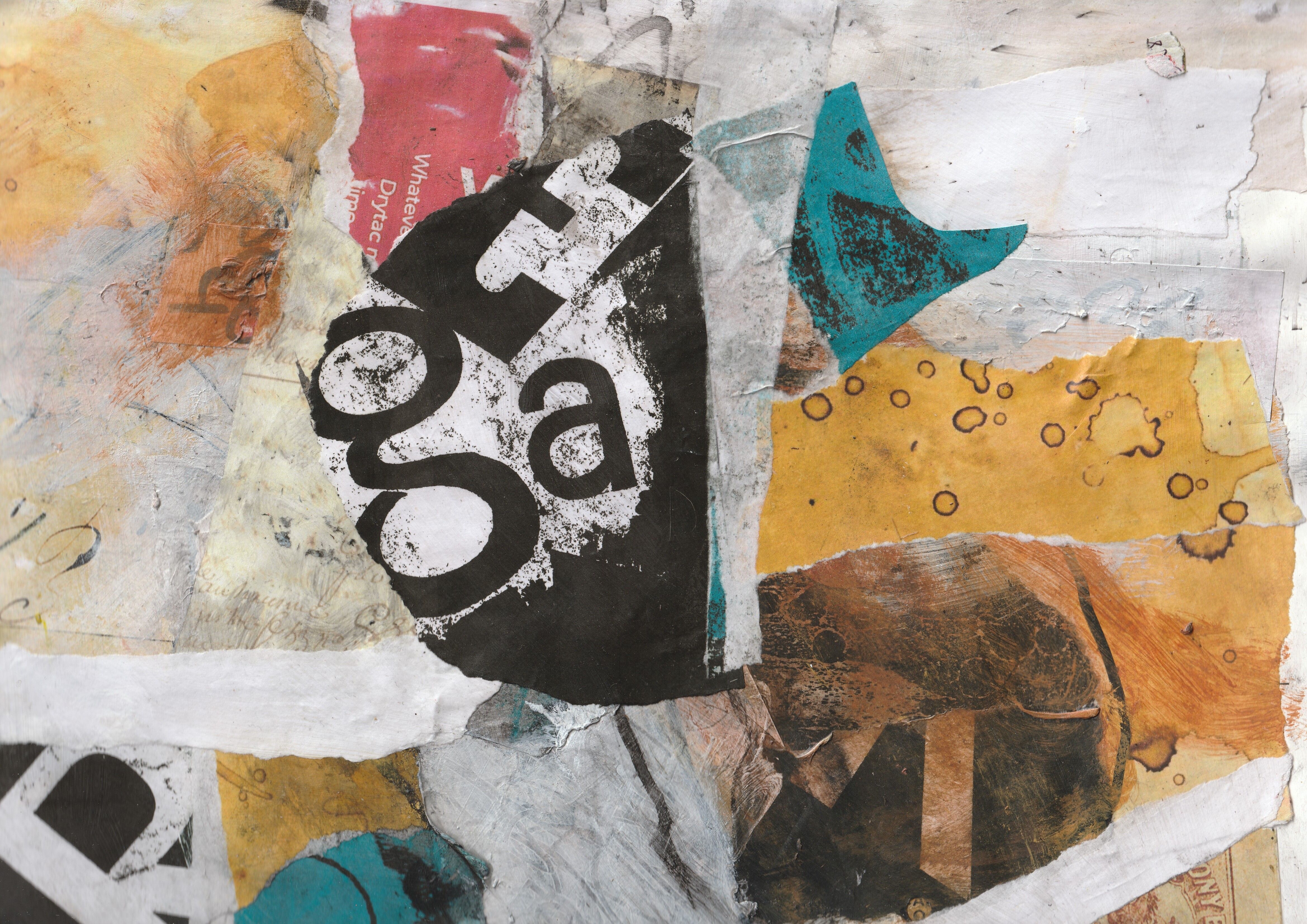



Art Access Collective, CC BY 4.0