
ASTM Art Standards Guide: Safety, Certification & Your Studio
An artist's deep dive into ASTM D4236 and what art material safety certification really means. Decode labels, debunk myths, and choose safer supplies.

The Artist’s Ultimate Guide to ASTM Standards: What That Little Seal on Your Paint Tube Actually Means
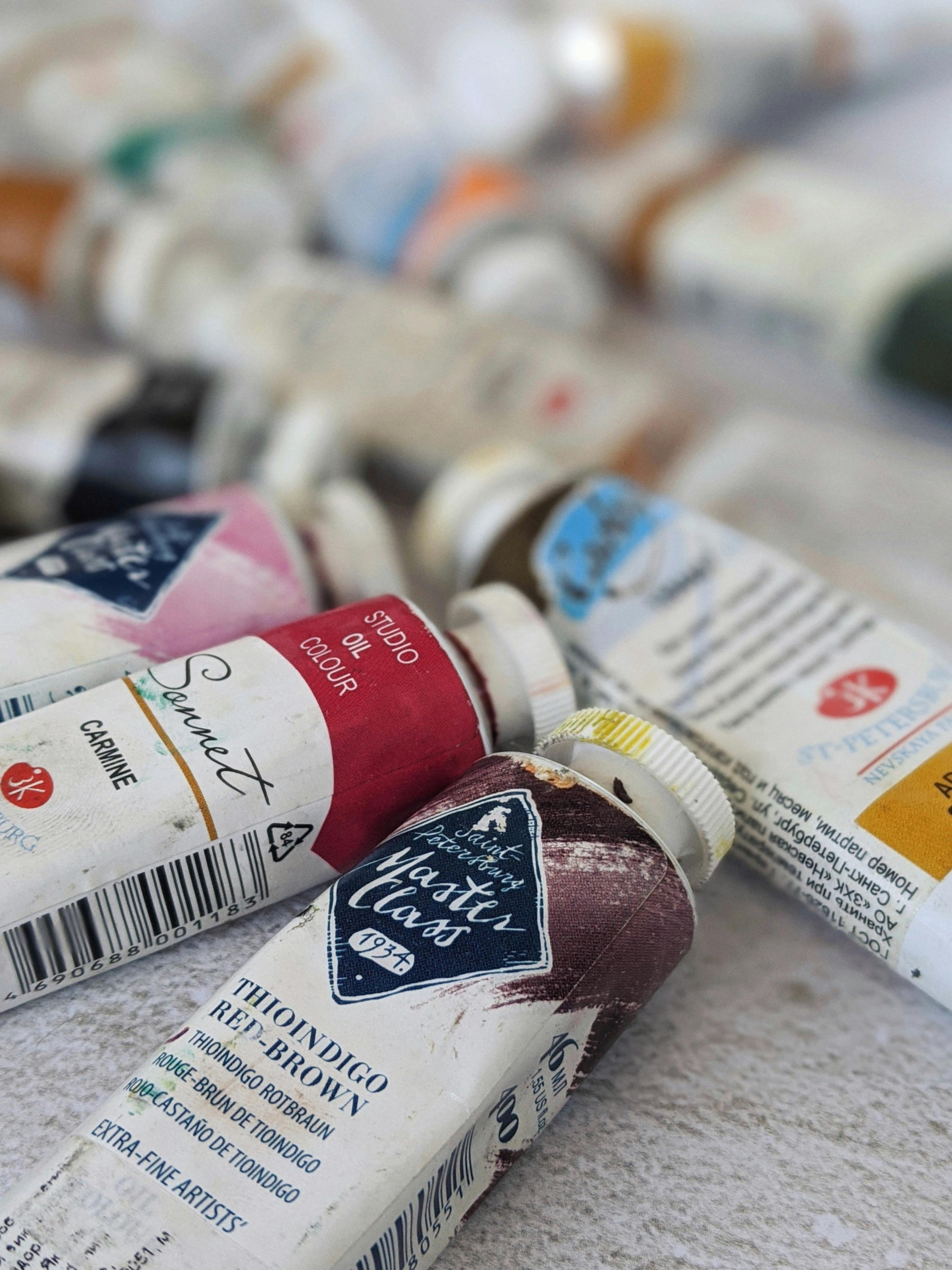
That little seal on the back of your paint tube feels like decorative wallpaper, doesn't it? We peel it off and toss it without a second thought. I know I did for years. Then one afternoon in my studio—surrounded by the sharp, almost medicinal smell of solvents cutting through the earthy aroma of pigments—a question hit me: What am I actually breathing in? What does that little seal guarantee, and more importantly, what doesn't it?
If you've ever squinted at a warning label and wondered, "Is this stuff going to kill me?" you're asking exactly the right question. The short answer is probably not. But the long answer is far more interesting. It involves a delicate dance between voluntary industry standards, federal law, and your own studio practices.
That question sent me down a rabbit hole of legalese, toxicology reports, and label definitions that was about as exciting as watching gesso dry. But what I discovered changed how I see every single item on my studio shelf. It turns out that tiny seal isn't just a sticker—it's the end result of a complex, voluntary system designed to keep us safe. It's a starting point, not a finish line.
The answer to that question isn’t just a line of text on a label. It’s a story about how a voluntary standard became the bedrock of art material safety in North America. It’s about understanding that ASTM D4236 isn’t just a regulation; it’s a rigorous scientific evaluation process conducted by board-certified toxicologists to assess a product’s potential for chronic, long-term health hazards. Manufacturers voluntarily submit their products for this evaluation, and the seal you see is the public-facing confirmation that this scientific due diligence has been completed. Ignoring it is like ignoring the ingredients list on food packaging—you might get away with it for a while, but you’re flying blind when it comes to your long-term health.
I'm not a toxicologist or a lawyer, just an artist who got tired of feeling anxious every time I opened a new can of something. This guide is the result of my journey from clueless to (slightly) more informed. It's for anyone who's ever squinted at a warning label and wondered, 'Is this stuff going to kill me?' The short answer is probably not, but the long answer is far more interesting. It involves a delicate dance between voluntary industry standards, federal law, and your own studio practices. Let's dive in.
This guide is that rabbit hole, condensed. We’ll untangle the acronyms, explain what certification really means for your health, and give you the tools to build a studio that’s not just creative, but safe. We’ll trace the path from a raw pigment to a certified, labeled tube on your shelf, explore the science behind the warnings, and equip you with a clear strategy for making informed choices every time you pick up a new material.
Before the Seal: The Raw Reality of Art Materials
Let's start before the seal exists. Imagine a raw, powdered pigment on a lab bench. Cadmium red, for instance. In its dry, particulate form, it's a known chronic health hazard if inhaled or ingested. The story of the seal begins here, at the most hazardous stage of a material's life. The entire ASTM system is designed to manage this inherent risk from raw substance to finished product in your studio. Before regulations, artists were often unwittingly exposed to materials we now know can be incredibly harmful over time, like lead white or arsenic-based greens.

What Does That Little Seal Actually Mean? The Basics of Certification
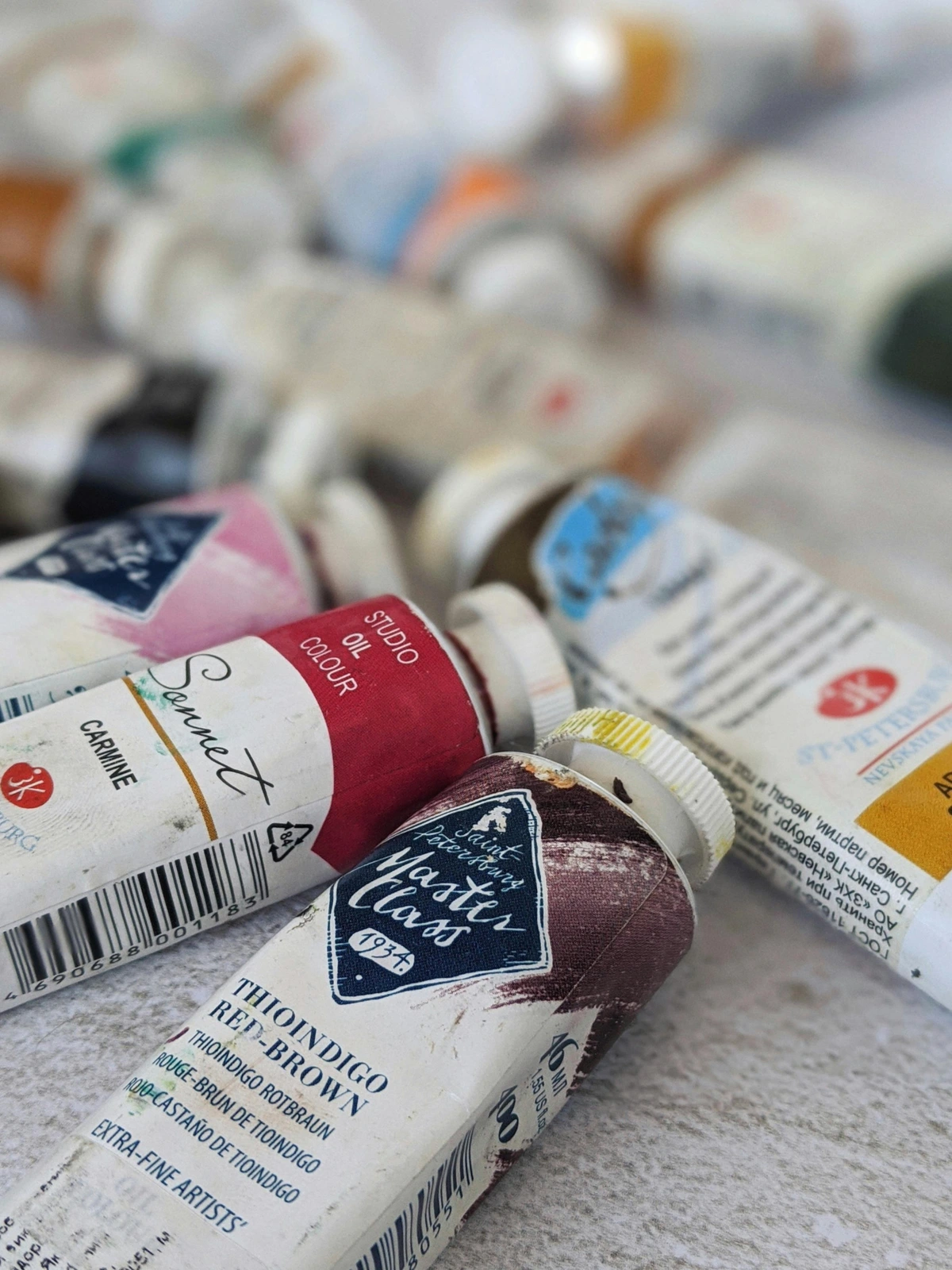
Imagine you’re buying a tube of that same cadmium red, now suspended in a binder. The seal on that tube is a promise from the manufacturer: "We’ve had this product evaluated by a toxicologist, and when used as intended, its chronic health hazards are within a range deemed acceptable by a committee of experts."
That last part—"when used as intended"—is the single most important clause on the entire label. It’s a legal and scientific anchor. "As intended" doesn’t mean how you might use it. It doesn’t mean airbrushing in a sealed room for eight hours a day. It means under normal, foreseeable conditions—perhaps outdoor use, perhaps in a well-ventilated studio, perhaps with the occasional unintended contact. The ASTM system was never designed to protect against every conceivable worst-case scenario an artist could dream up. It’s designed to create a reasonable guarantee against cumulative, long-term harm under reasonably controlled conditions. This is the fundamental limit—and the fundamental strength—of the entire certification scheme.
Think of it like this: the label on a car might say it gets 30 MPG. It doesn’t guarantee you'll get 30 MPG while towing a trailer up a mountain at 80 miles per hour—that's not the "intended use" they tested for. Similarly, the ASTM seal isn’t a blank check for any possible artistic practice; it’s a benchmark for what works for most people, most of the time.

The key players here are the ASTM (American Society for Testing and Materials) and the ACMI (Art & Creative Materials Institute). They’re the ones who create and enforce the safety rules in the art world. Think of it this way: ASTM writes the rulebook (the standards), and ACMI acts as the league commissioner, certifying players (the products) to make sure they play by those rules.
It's a system built on consensus and expertise. The committees that write ASTM standards are made up of a mix of industry experts, toxicologists, medical professionals, and sometimes even consumer representatives. It's not a corporate-dominated process, but rather an attempt to find the most scientifically sound approach to a complex problem.
The Two Main Seals: AP and CL
When you're scanning a label, you’re looking for one of two seals. They look similar, but their meanings are worlds apart.
- The AP (Approved Product) Seal: This is the one you want. It’s the sticker of approval. A product with an AP seal is certified to be non-toxic and contains no materials in sufficient quantities to be toxic or injurious to humans, even if ingested. It’s the safest choice, especially for the home studio, for children, or for anyone with sensitivities. Think of it as the product passing a rigorous health exam with flying colors.It doesn't stop at ingestion, though. The AP seal implies a holistic safety assessment, one that considers chronic exposure risks over time, not just the immediate accidents.
- The CL (Cautionary Labeling) Seal: This one is not a sign of danger, but a sign of responsibility. A product with a CL seal contains ingredients that require a health warning. This could be a solvent, a heavy metal pigment, or a compound that’s a known irritant. The key here is that the potential hazards—like “Harmful or fatal if swallowed” or “May cause respiratory irritation”—must be clearly listed on the label. This seal tells you the product has been tested, its risks are understood, and the manufacturer is being transparent about them. For an artist working with materials like genuine cadmiums or cobalts, choosing a product with a clear CL seal and specific warnings is vastly preferable to using an unlabeled, untested alternative, no matter how tempting its price or pigment density might be.Consider the CL seal a form of radical transparency. It's the manufacturer showing their work, saying, "Here is everything we know about the risks, so you can make an informed choice." How you use that information—whether by choosing a different product or by donning the appropriate PPE and adapting your studio practices—is the next step.

The crucial thing to understand? The presence of the CL seal should make you feel more confident, not less. It means a manufacturer isn't hiding anything. A product without any seal at all is a complete unknown, and that’s far more worrisome. You become your own toxicologist with untested materials, and that’s a role for which most of us are spectacularly unqualified. An unlabeled product could contain anything, from unregulated heavy metals to unlisted solvents, with no oversight ensuring that what's on the label reflects what's in the tube. When you see a CL seal, you see the result of a formal evaluation. An unlabeled product isn't necessarily "safe by default"—it's a gamble on whether the manufacturer has done their due diligence or simply avoided the entire system.
Demystifying the Numbers: What is ASTM D4236?
If you look closely, you’ll almost always see a reference to ASTM D4236 next to these seals. This isn't a separate standard; it's the procedural rulebook. Think of it as the instruction manual for how to certify an art product. It mandates a specific, rigorous process involving:

- Toxicologist Selection: The manufacturer must retain a board-certified toxicologist qualified to evaluate health risks. This expert must be competent in assessing both acute (immediate) and chronic (long-term) hazards specific to art materials.
- Ingredient Analysis: Every component of the product undergoes evaluation—pigments, binders, solvents, extenders, additives. The toxicologist reviews safety data sheets, scientific literature, and toxicological databases for each ingredient. This is where the real chemistry happens, often involving complex assessments of how ingredients might react with each other, not just their isolated properties.
- Hazard Identification: Based on the review, the toxicologist identifies any ingredients requiring chronic hazard warnings under federal LHAMA guidelines. This includes substances causing cancer, reproductive toxicity, organ damage, or other long-term effects. This step involves a deep dive into human toxicology and risk assessment.
- Label Review & Verification: The toxicologist confirms that all required warnings and precautionary statements are prominently displayed on the label in both text and symbols, meeting specific size and placement requirements. The goal is absolute clarity for the end user, like you.
- Documentation: Detailed records of the entire evaluation process, conclusions, and supporting toxicological data must be maintained. In an ACMI certification program, this documentation is submitted for independent review and audit. This accountability loop ensures the process isn't just a rubber stamp. It's a rigorous scientific review, paid for by the manufacturer, to ensure your safety. In a way, the cost of this evaluation is a cost you pay as a consumer, but it buys you peace of mind.
So, the seal signifies that the entire ASTM D4236 process has been followed correctly. It's the stamp of a completed procedure, ensuring that what you see on the label is the result of expert analysis, not just a marketing claim. It's the manufacturer's due diligence, packaged in a graphic. It's a promise that a qualified human being has looked at this product and declared it fit for purpose under specific, known conditions.

The Certification Journey: From Factory Floor to Your Studio
Let’s pull back the curtain. The certification process isn't run by a government agency. It’s a voluntary, industry-led system. The Art & Creative Materials Institute (ACMI) is the non-profit organization that acts as the gatekeeper. Understanding their process reveals why that little seal on the tube carries real weight. It's a journey of accountability that transforms a raw material into a product you can reasonably trust.
Here’s the journey of a paint tube from raw ingredient to certified product:

- Application: A manufacturer submits their product to ACMI for certification. This isn't free; it involves fees that fund the entire independent review and audit process, creating a self-sustaining system.
- Testing: The product undergoes toxicological evaluation according to the standards set by ASTM D4236. This involves identifying all ingredients and their potential chronic health effects.
- Review: A panel of independent toxicologists—experts not employed by the manufacturer—reviews the findings. This layer of external scrutiny is what gives the seal its authority, preventing companies from simply rubber-stamping their own products.
- The Verdict: Based on the review, the product is designated as AP (Approved Product) or CL (Cautionary Labeling).
- Auditing: Manufacturers must submit their products for re-evaluation every five years. ACMI also conducts on-site plant inspections and even does spot-checks by purchasing products off store shelves to ensure ongoing compliance. This means a product with a seal today is held to the same standard as when it was first certified, preventing cost-cutting and formula changes that might compromise your safety.
This system's voluntary nature might sound weak, but it’s surprisingly robust. The major, reputable brands that sell in established art stores have a massive incentive to participate. A certification seal builds trust, reduces liability, and is often a requirement for larger retailers and school systems. Think of it from a manufacturer’s perspective: Would you rather sell a product that thousands of school districts can purchase with confidence, or one they automatically reject as “uncertified”? For larger brands, the cost of certification—which includes application fees, toxicological review, and ongoing audits—is simply a cost of doing responsible business. It’s a powerful market-based incentive that has done more to standardize art material safety in North America than decades of previous, less formal efforts. The system thrives because the reputational and legal risk of selling an uncertified, hazardous product is far greater than the cost of participating in the program.
There's a subtle psychological contract here, too. By choosing to buy certified products, you, the artist, are encouraging this entire ecosystem of responsibility. You're voting with your wallet for transparency and safety, telling the market that this process matters. It's one of the rare systems where individual choices add up to a genuinely safer creative community for everyone.
The Government's Backstop: LHAMA (The Labeling of Hazardous Art Materials Act)
Here's where the "voluntary system" gets some federal muscle. The Labeling of Hazardous Art Materials Act, or LHAMA, was passed in 1988. It wasn't born in a vacuum. This law was the direct result of tragic incidents in the 1970s and 80s where children were harmed by art and craft materials that contained toxic substances but bore no adequate warning labels. This created a public outcry for greater government oversight.

LHAMA made it federal law that any art material that could pose a chronic health hazard must undergo a toxicological review by a qualified expert and be labeled with all known hazards. Failure to do so makes a product "misbranded" under federal law. This is the legal hammer that gives the voluntary system its teeth. A company can choose not to pursue the ACMI seal, but it cannot choose to ignore the requirements of LHAMA if its product contains hazardous ingredients. So, every responsible manufacturer is essentially doing the LHAMA-mandated work anyway; the ACMI seal is just the most efficient way to prove compliance and build consumer trust. The system isn't voluntary in a vacuum—it's voluntary within a framework of serious legal consequence.
While this doesn't force a company to get the official ACMI seal, the ACMI certification program is the most widely accepted and efficient way to prove LHAMA compliance. For manufacturers, it's a clear, established path. For retailers, it's a trusted signal. And for artists, it's a reliable guarantee. So, the dance is this: the industry self-regulates through ACMI, but LHAMA is the federal statute waiting in the wings to penalize anyone who tries to sell a hazardous product without the proper evaluation. It's a brilliant, if complex, public-private partnership that makes the entire system far more robust than a purely voluntary one. It combines the efficiency and expertise of a private-sector organization with the legal authority of the federal government, creating a hybrid model of regulation that has proven remarkably effective for decades.

The Devil's in the Details: What “Non-Toxic” Really Means in Your Studio
This is where we need to get real. Language in law and toxicology is precise, and often, it doesn't match how we use words in the studio. The definition of "non-toxic" in the context of an ASTM D4236 review is a specific, legal designation—not a casual promise of total harmlessness. It's a carefully qualified statement that, in my opinion, every artist needs to understand on a deeper level before they can truly feel safe.
It’s About Chronic, Not Acute, Hazards
The ASTM standards were developed primarily with two groups in mind: children and industrial artisans. The focus of ASTM D4236 is on chronic hazards—the long-term, cumulative health effects of repeated exposure to small amounts of a substance. Think of it as the difference between eating one salty meal (acute) and eating a high-salt diet for 20 years (chronic). The second is what the system is designed to flag for you.
It is not primarily concerned with acute hazards—the immediate dangers of a single exposure, like spilling a powerful solvent on your skin, getting a corrosive liquid in your eye, or drinking a bottle of ink. The assumption is that users will follow common-sense safety practices. The responsibility for avoiding the big, obvious, immediate dangers still lies with you, the artist. This is a critical boundary to understand. ASTM D4236 and the ACMI certification process focus on the slow, creeping dangers that build up over months and years of exposure, not the sudden, catastrophic exposure that warrants immediate first aid.
This means that a product deemed "safe" by these standards can still cause serious harm if not handled with respect for its immediate physical and chemical properties. Think of it as the difference between the long-term cardiovascular effects of a sedentary lifestyle versus the immediate danger of running into traffic—both are bad, but they operate on different timescales and require different precautions. The label is there to warn you about the long-term, hidden dangers, not to protect you from every possible moment of carelessness.
“Non-Toxic” Isn’t “No-VOC” or “Fume-Free”
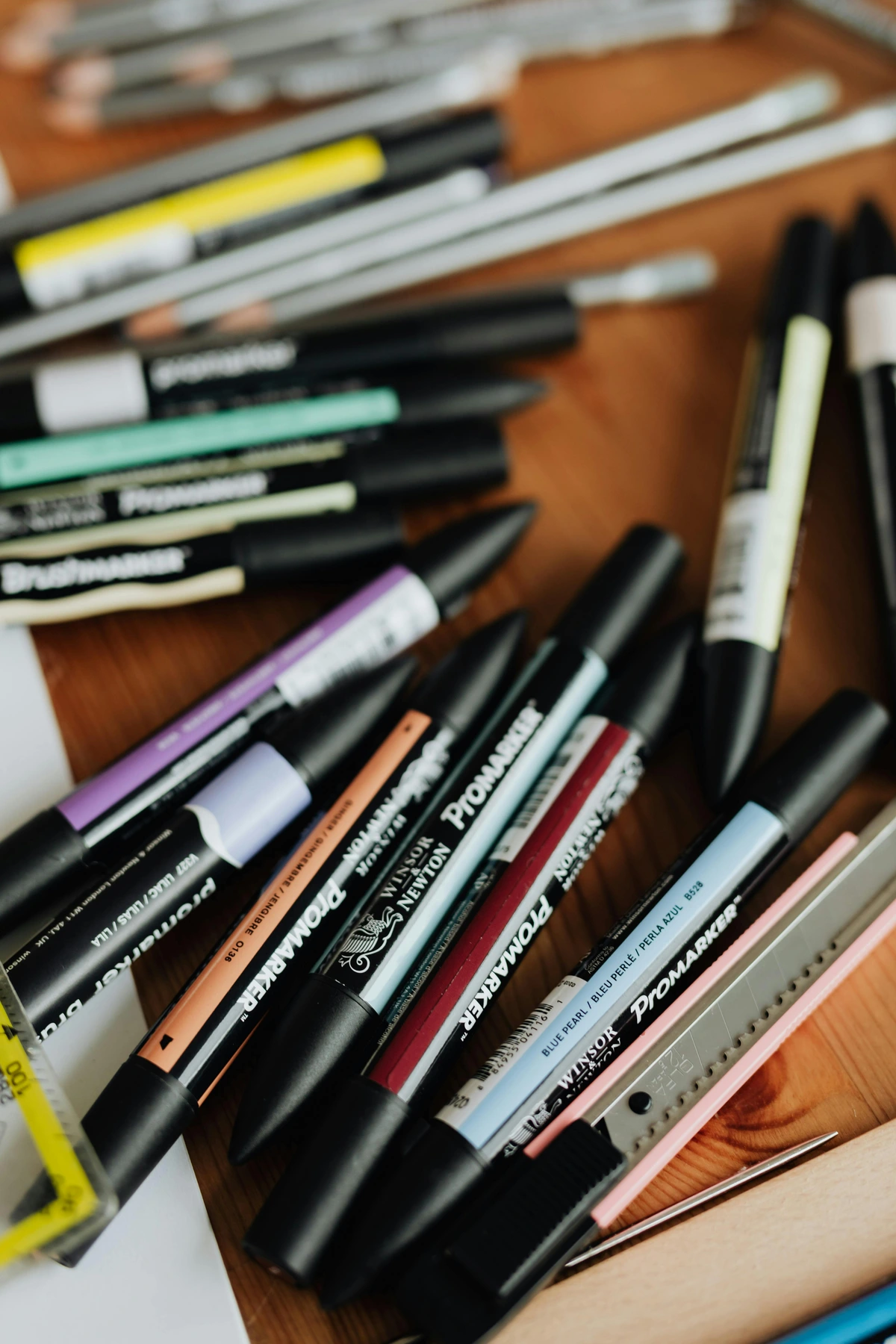
A product can be certified AP (non-toxic) and still have a potent smell. The certification doesn’t guarantee an absence of fumes. It means the fumes that are present are not considered to pose a significant long-term health risk in normal use. This is a critical distinction that I learned the hard way. If you get a headache from the odor of even an AP-certified marker, that’s your body telling you something. The seal doesn't mean you can ignore ventilation. It means the product is considered safe with proper ventilation. The fumes might be from relatively benign solvents or additives that are non-toxic by ingestion but still irritating to the mucous membranes when concentrated, leading to headaches, dizziness, or nausea in the short term.
Think of it this way: a single glass of wine consumed occasionally is understood to be safe for most adults—that's the exposure level ASTM and AP certification work with. Your studio, however, might replicate breathing pure alcohol fumes in a distillery if you trap all those "safe" VOCs in a small unventilated space for hours on end. The quantity of exposure, the concentration, and the duration all matter, and the ASTM standard is based on a "reasonable" level of all three.
That (slightly embarrassing) headache I once developed from AP-certified acrylics taught me an invaluable lesson: certification labels are not a substitute for common sense and actively managing your immediate environment. Every artist who’s ever felt that familiar throb behind the eyes after a long painting session has experienced this principle firsthand, regardless of the AP seals on their materials. I learned this lesson the hard way too. Early in my career, I was working on a large piece using nothing but AP-certified acrylics. I had my small studio sealed up tight against the winter cold. After a few hours, I had a splitting headache and felt nauseous. The products were "safe," but by trapping all the VOCs (volatile organic compounds) and particulate matter in a small, unventilated space, I had created my own little toxic bubble. Lesson learned: the seal is not a substitute for common sense. It’s a component of a broader safety system, and your studio’s ventilation is another. Your body's reaction is real, even if the official certification says the material is "safe." Listen to it. It's your most immediate and reliable safety tool.
Decoding the Language of Risk: A Crash Course in Hazard Warnings
So, how do you decipher what’s actually in your paint? The key is to learn the specific phrases used on CL (Cautionary Labeling) products. These are your red flags and instruction manuals, all in one. Learning to read these labels is like learning a new language—the language of risk. Once you understand it, you can understand exactly what a manufacturer is telling you about the potential dangers of their product.
The LHAMA (Labeling of Hazardous Art Materials Act) is the U.S. federal law that forces manufacturers to put these warnings on products that pose a chronic hazard. If you see these phrases, pay close attention. We'll dive into the specifics of these warnings in the next section, but for now, just know that LHAMA is the legal muscle behind the CL seal, turning voluntary industry transparency into a legal requirement. It's the part of the system that ensures you aren't left guessing about a product's potential hazards.

Common Hazard Phrases and What They Mean for You
Hazard Phrase  | What It Means in Plain English | Common Culprits | What You Should Do |
|---|---|---|---|
| Harmful or fatal if swallowed | Fairly self-explanatory. Avoid ingestion. Ingestion doesn’t just mean drinking from the jar; it includes transferring residue from your hands to your food or mouth. | Cadmium or Cobalt pigments, some solvents, certain dyes. | No eating/drinking in the studio. Wash hands thoroughly after use, using a dedicated nail brush to remove particles from under fingernails. |
| May cause respiratory irritation | Inhaling dusts, mists, or vapors can harm your lungs over time. This is a chronic hazard, meaning the damage accumulates with repeated exposure, even if each individual instance seems mild. | Spray fixatives, aerosol varnishes, dry pigments, mineral spirits, aerosol adhesives. | Use in a well-ventilated area. A respirator with organic vapor cartridges is a smart investment if you use these regularly. Consider switching to brush-on varnishes if you have sensitivities. |
| May cause irritation to skin, eyes, and mucous membranes | Can cause rashes, redness, or burning on contact. Some of these reactions can develop into full-blown contact allergies over time, a process called sensitization. | Turpentine, some acrylic mediums, ammonia (used in some painting products), certain printmaking chemicals. | Wear nitrile gloves when handling. Avoid touching your face. Have a bottle of sterile eye wash or a dedicated eyewash station in your studio for emergencies. |
| May be harmful if absorbed through the skin | Ingredients can enter your bloodstream directly through your skin, bypassing the lungs and gut. This is often the most insidious route of exposure, as it can feel less immediately threatening than inhaling fumes. | Some oil painting solvents like toluene or xylene (less common now), certain epoxy resin hardeners. | Gloves are mandatory. Skin contact should be avoided at all costs. A quality pair of nitrile gloves is one of the most important safety investments you can make. For high-solvent work, consider double-gloving or using specialty chemical-resistant gloves. |
| Cancer hazard or May cause cancer (risk of) | Chronic exposure is linked to an increased risk of cancer. This designation is reserved for ingredients with significant evidence of carcinogenicity and represents the highest level of caution. | Benzene (now very rare in art materials), certain spray paints and aerosol inks, some older printing inks containing known carcinogens. | Find a safer alternative. If you must use, the highest level of protection (gloves, mask, dedicated ventilation) is required. Seriously consider whether the effect is worth the potential long-term risk. I, personally, will not use a product with a known cancer risk warning. Life's too short, and there are always safer alternatives. |
It’s important to understand that this system has limits. The LHAMA standard is designed for what's called the 'reasonably foreseeable misuse' by consumers, not necessarily the best practices for a professional artist who may use a product daily for decades. A ten-minute exposure might be fine for acute effects, but a ten-year career of daily, low-level inhalation or dermal contact is a different calculation entirely. This is why personal protective equipment and studio setup become so important. The professional artist who works with a CL-sealed cadmium pigment every day needs to operate under a higher standard of safety than the label alone might suggest. The label tells you the hazard exists; your practice must manage the dose. As an artist, you are your own final safety engineer.
This table isn’t about scaring you. It’s about empowering you. Seeing “WARNING: May cause respiratory irritation” on a can of spray varnish should trigger a clear action plan: “Okay, I’m taking this outside.” It transforms an unknown risk into a manageable procedure. Knowledge doesn't paralyze you; it frees you to work with powerful materials confidently and safely.
Building Your Fortress: A Personal Safety Strategy Beyond the Seal
The ASTM seal is your foundation. It tells you the product has been evaluated. But your responsibility for your own health starts where the label leaves off. The seal doesn’t account for your studio’s ventilation, your personal sensitivities, or your working habits. A safer studio is an active construction, not a passive state achieved by buying the right products. It’s a mindset where you become the primary guardian of your own long-term health. You are the final ingredient in the safety equation.
Here is a four-part strategy I've developed for building that safer studio:
Step 1: Read the Darn Label
This is the simplest and most powerful habit you can adopt. Before you open a new product, spend 30 seconds scanning for the seal (AP or CL) and any warning phrases. Ask yourself:

- What am I dealing with? A harmless AP product, or a CL product with specific risks?
- What are the required precautions (ventilation, gloves, etc.)?
- Is my studio set up to handle this safely?
- Are there any long-term storage requirements, like keeping the product away from heat or in a well-ventilated area?
- Are there specific disposal instructions I should know about?
Reading the label turns a blind purchase into an informed choice. It's the difference between seeing a product as a can of "paint" and seeing it as a specific chemical mixture with known properties. If anything on the label makes you uncomfortable or unsure, that's the moment to pause and do more research before opening it.

Step 2: Engineer Your Environment
The ideal art studio isn’t a sealed box. It’s a space that actively manages fumes and dust.
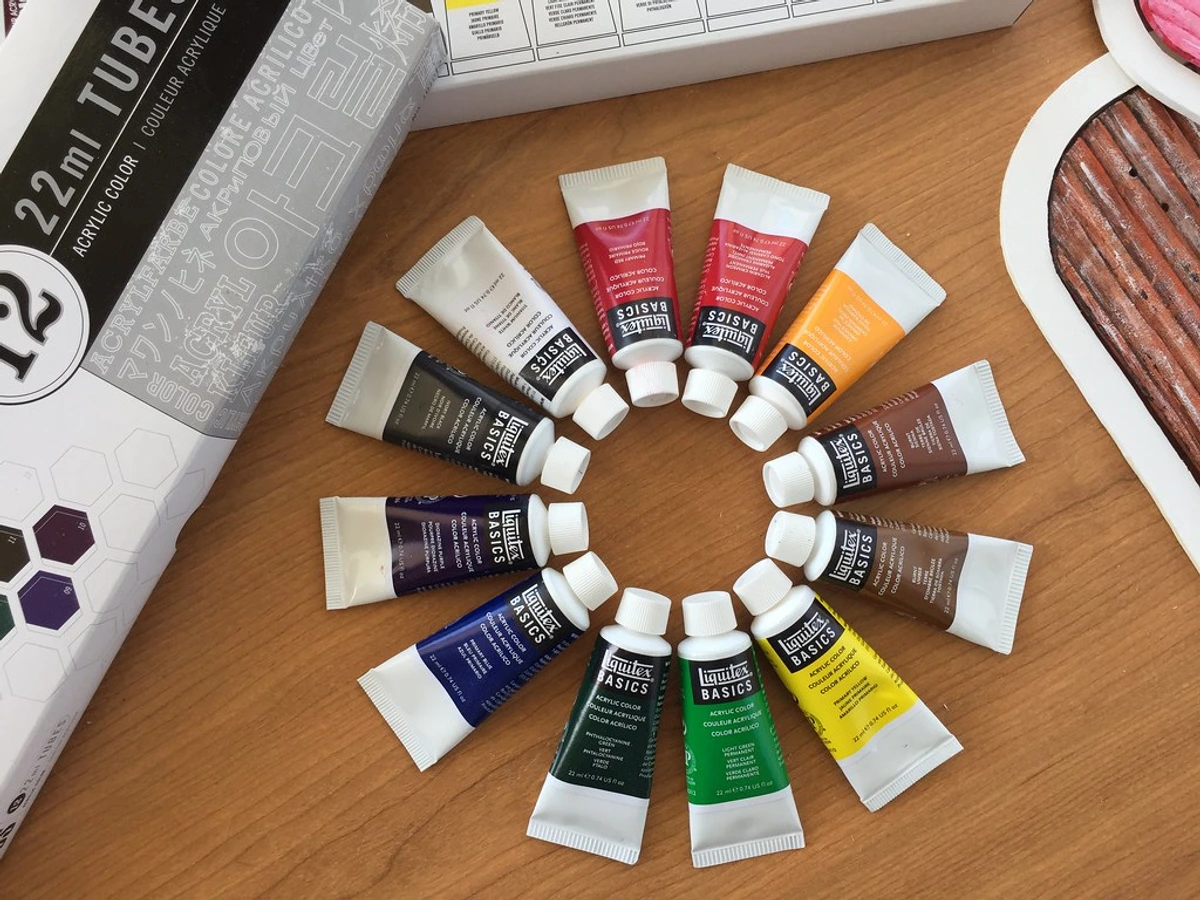
- Ventilation is Non-Negotiable: An open window with a fan creating cross-ventilation is the bare minimum for any solvent or aerosol product. For a dedicated studio, a proper exhaust fan is a game-changer. The goal is to create air exchange—pulling contaminated air out and bringing fresh air in. If you’re dealing with powerful solvents or aerosols on a regular basis, consider a dedicated spray booth with forced-air ventilation, or even installing an industrial-grade exhaust system like those used in commercial facilities. Your lungs will thank you for decades to come.
- Upgrade Your Storage: Store products according to their labels and keep caps and lids tightly sealed. Have a designated, well-ventilated (or ideally, outdoor) storage area for your most potent solvents. This isn't just about organization; it's about preventing hazardous fumes from building up within your workspace and preventing accidental inhalation.
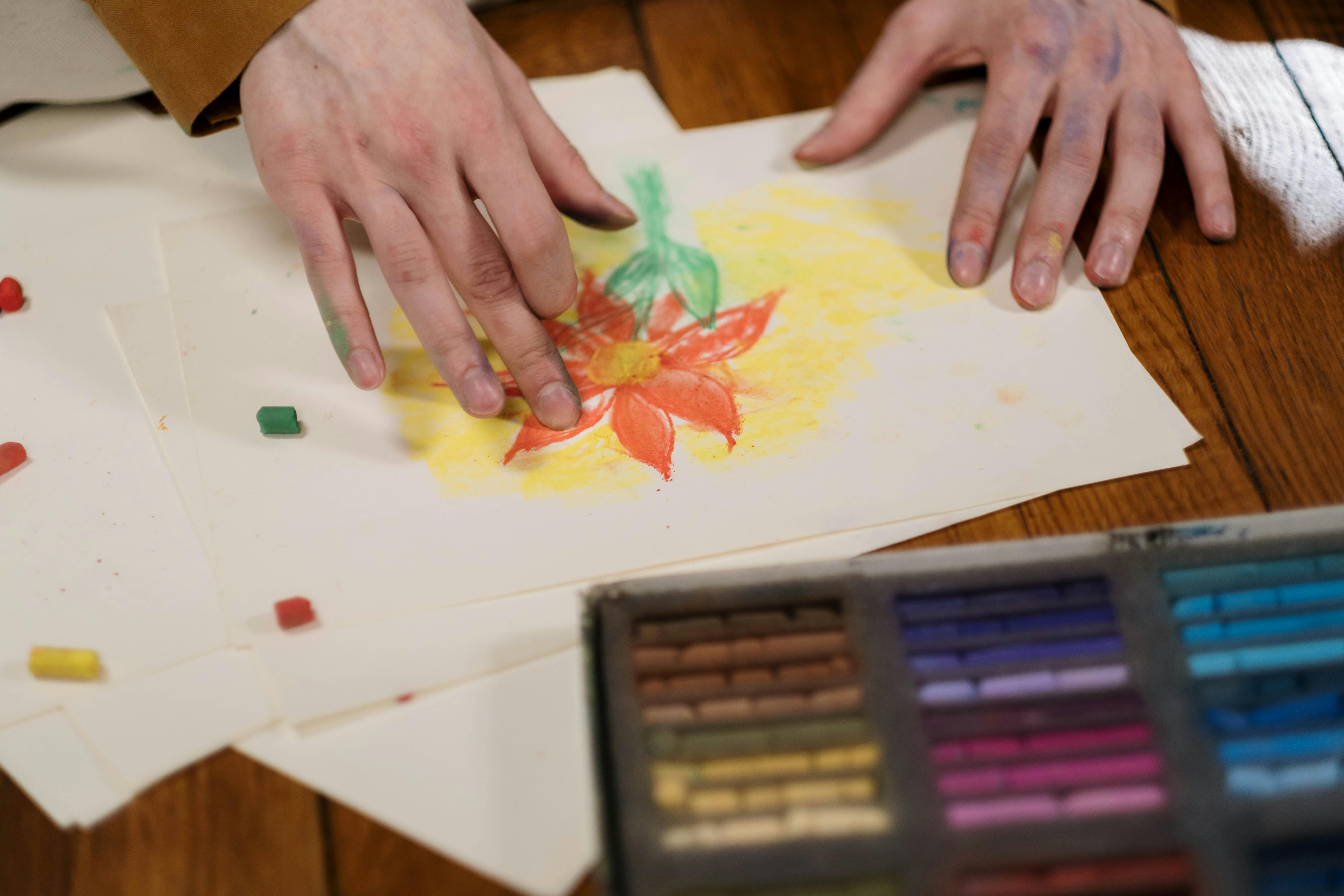
- Control Dusts: If you work with dry pigments, soft pastels, or charcoal, dust is your silent enemy. A HEPA air purifier can do wonders to pull fine particulate matter out of the air. Beyond health, if you work with archival pieces, you also want to keep dust from settling on wet surfaces or unfinished works that can trap it.
Step 3: Suit Up with the Right Personal Protective Equipment (PPE)
Seals don’t replace common sense and a basic barrier between you and your materials. Your PPE is your personal safety net, catching whatever the labels and ventilation can't. Think of it as your own personal armor, tailored to the battle you're fighting.

- Respirators: A simple paper dust mask is useless against chemical vapors. For solvents and aerosols, you need a respirator with cartridges rated for organic vapors (look for NIOSH-approved). Fit-tested is best, but even a well-sealed half-face respirator is infinitely better than nothing. There's a huge difference between a P100 particulate filter (for dusts) and an organic vapor cartridge (for chemical fumes). Know which one your task requires. A combination cartridge (OV/P100) offers broad protection but can be heavier and harder to breathe through. If you’re serious about airbrushing or spray painting, a powered air-purifying respirator (PAPR) makes breathing effortless and offers the highest level of protection. Don't just wear a mask—wear the right mask for the job.
- Gloves: A box of disposable nitrile gloves is cheap and essential. Use them whenever you’re handling anything with a CL seal, mixing solvents, or applying mediums. Latex gloves are a bad idea, as they can degrade rapidly when exposed to certain solvents and offer poor protection. I buy nitrile gloves by the box of 100 and scatter them around my studio so they're always within reach. For high-solvent work, consider double-gloving. Your hands are one of your most direct routes of exposure.
- Clothing: Don’t wear your painting clothes around the house. The fibers can trap dust and residue. Have a dedicated studio outfit or a full-coverage apron. I had an old hoodie I'd wear for painting. It was covered in paint splatters and, I now realize, probably a cocktail of invisible chemical residues. Wearing it while making breakfast was not my smartest habit. For high-risk activities, dedicated coveralls are the way to go. Your art clothes should live and, if possible, be washed separately from the rest of your life.
Step 4: Dial In Your Gear: A Tactical Approach
Your choice of PPE should match your riskiest activity. Think of it like dressing for extreme weather: you don't wear flip-flops in a snowstorm—and you shouldn't grab just any mask when handling toxic pigments. There’s no single “best” piece of gear, only the best gear for the specific hazard in front of you. It's about being smart, not just covered.
This table helps you match your gear to the job, going beyond the basic label. It bridges the gap between the general hazard information on the product and the specific realities of your creative process.

Your Activity (beyond basic painting) | Increased Risk | Essential Gear Beyond Seal |
|---|---|---|
| Frequent airbrushing or spray painting | High inhalation of aerosols, solvents, and pigments. The fine mist particles can penetrate deep into lung tissue. | Ventilated spray booth is non-negotiable. If working outdoors, still wear an organic vapor respirator with P100 particulate filter (NIOSH-approved). Protect eyes with safety glasses or a full-face respirator to prevent eye irritation. |
| Working with dry pigments (making your own paints) | High risk of inhaling toxic dust (e.g., cadmiums, cobalts). These heavy metal particles do not break down in the body and can cause severe long-term damage. | HEPA-filter respirator (like a P100) designed for dusts is mandatory. A dedicated, non-permeable apron, dedicated mixing tools, and ideally, a spray booth or damp-wipe method to capture dust during mixing. |
| Extensive oil painting with traditional solvents | Chronic, low-level exposure to solvents with cumulative effects on the nervous system and other organs. | Organic vapor respirator is essential for any task involving solvent evaporation, especially cleaning brushes. Nitrile gloves are mandatory. Excellent cross-ventilation in the studio is key. Consider switching to non-toxic solvents like Gamsol, which has a lower vapor pressure. |
| Printmaking (with solvents or acids) | Skin contact and inhalation of harsh chemicals like nitric acid, rosin aquatint dust, and powerful cleaning solvents. | Heavy-duty nitrile gloves, a full-coverage apron, and chemical splash-rated safety glasses or a face shield are critical. An organic vapor respirator is needed if using strong solvents for cleanup. Have an emergency eyewash station readily accessible. |
The Next Level: Safety Data Sheets (SDS)
If you really want to become an expert on a specific product, you can ask the manufacturer for its Safety Data Sheet (SDS). The SDS is a detailed, 16-section technical document that provides comprehensive information about a substance, including:
- Section 2: Hazard Identification: A more detailed breakdown of all physical and health hazards.
- Section 8: Exposure Controls/Personal Protection: The manufacturer's official recommendations for PPE and exposure limits.
- Section 11: Toxicological Information: Data on the health effects of the ingredients, including carcinogenicity.
Not every artist needs to read an SDS for every tube of paint, but if you're planning to use a lot of one specific product, or if you have a particular health concern, it can be an invaluable resource. Knowing how to read an SDS transforms you from a passive consumer of labels into an active evaluator of risk. It demystifies the CL seal by showing you the exact toxicological data and expert reasoning that went into its creation. It turns an abstract warning into a concrete, scientifically-backed set of facts. For high-risk products like cadmium pigments or industrial solvents, the SDS becomes non-negotiable reading. It equips you with the data to answer questions like: What happens if this gets on my skin? How long does it take for the vapors to reach dangerous concentrations in a small room? What is the specific medical treatment for ingestion? The CL seal is the public-facing summary; the SDS is the full technical report that gives that summary its authority.
Thinking this way transforms you from someone who passively trusts a seal into someone who actively manages risk. You become the expert on your own long-term safety. It's a profound shift from being a consumer to being a responsible practitioner of your craft.

Professional Grade vs. Non-Toxic: Debunking the Artist's Myth
You might think that the AP seal is for kids and that “for professional use” products are the “real” stuff. That’s a dangerous oversimplification, a myth I once believed myself. The most important thing to remember is:
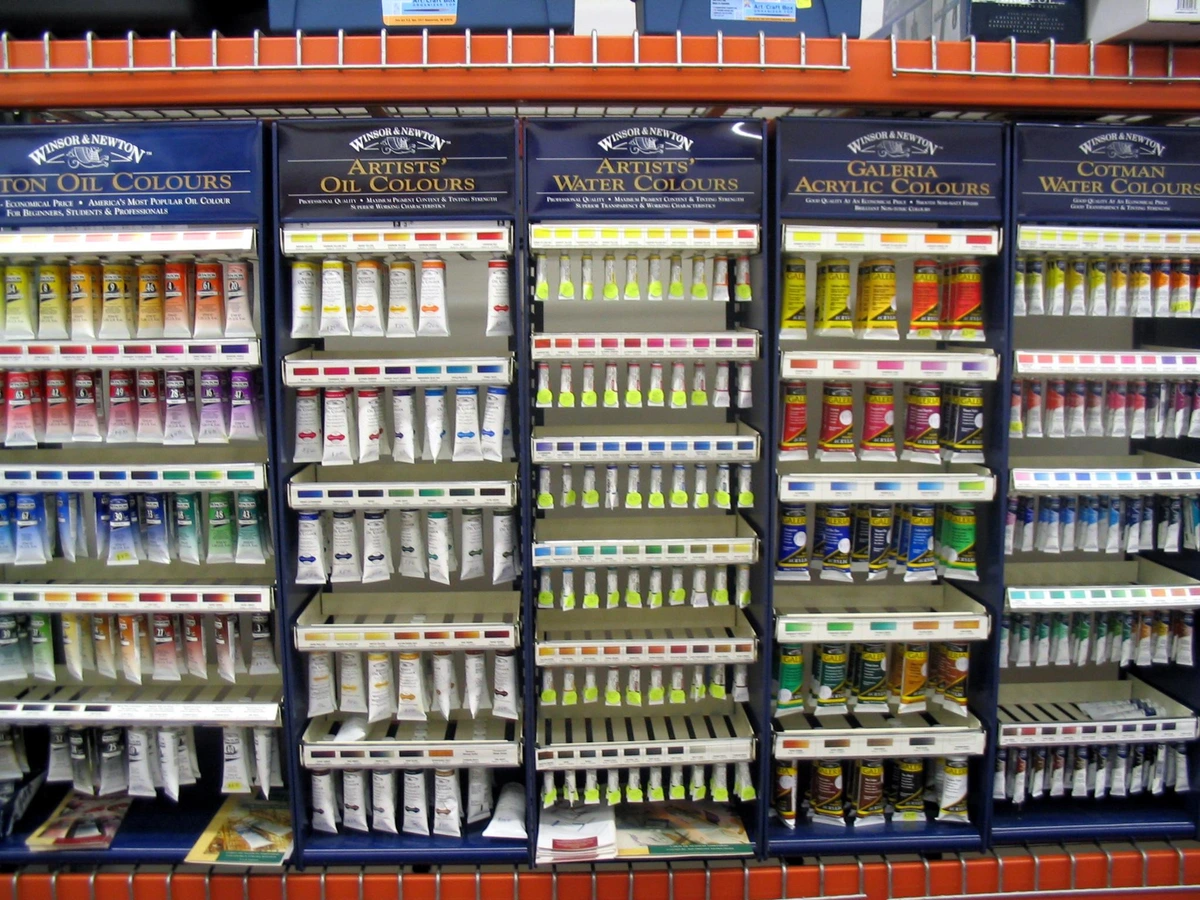
The presence of the AP (Approved Product) seal for non-toxic products does NOT mean a product is of lower quality. The absence of a seal does NOT mean a product is of higher quality. In fact, some of the most technologically advanced and highest-performing paints on the market today are AP-certified, precisely because of the innovation in modern, non-toxic pigments.
The seal is about safety, not quality. This is the core of the issue. Many professional-grade paints with toxic pigments (like genuine cadmiums) are properly labeled with a CL seal. On the other hand, many wonderfully pigmented, archival, and extremely high-quality paints are made with safer, modern pigments that earn them the AP seal. Don’t let a marketing term make you ignore a crucial safety warning. True professional quality comes from a paint's pigment load, lightfastness, and handling properties, not from its potential to cause long-term health damage.
I used to fall into this trap myself, believing that using a "student-grade" or AP-certified paint was somehow cheating—that "real" artists used the dangerous stuff. It's a romantic, but literally toxic, notion. The true skill of an artist isn't in their ability to handle hazardous materials; it's in their ability to create. Using the safest possible high-quality materials isn't a compromise—it's a strategy for a long, healthy, and productive career. The correct way to think about it is that professional-grade materials offer higher pigment load, better lightfastness, and superior handling properties. Whether that pigment is a modern, non-toxic organic compound or a traditional toxic heavy metal is a separate question from the quality of the paint itself. I've since learned that the best materials are the ones that let you work at your peak, safely, for the longest possible time. That's true professionalism.

Beyond the US Border: A Global Perspective on Safety Seals
While this guide focuses on the ASTM standards common in North America, it's helpful to know about other systems. If you ever import materials or work with supplies from other countries, you'll likely encounter their certification marks. Understanding these can give you a fuller picture of global safety standards and provide an extra layer of confidence when sourcing materials from international brands.
A Quick Guide to International Safety Marks
Certification Mark | Region | What It Means for Artists |
|---|---|---|
| CE Marking | European Union | A broad safety standard indicating conformity with EU health, safety, and environmental laws. A mandatory requirement for most products sold in the EU. |
| EN71 | European Union | Specifically for toy safety. Part 3 is crucial as it limits the migration of certain heavy metals. An AP seal generally meets or exceeds these requirements. Great for children's materials. |
| DIN / TÜV | Germany | Represents Germany's famously rigorous testing standards. The TÜV mark signifies independent third-party testing, similar to ACMI's role in the US. A sign of exceptional quality control. |
These international standards provide a useful point of comparison and reassurance. A product bearing multiple certifications (e.g., both AP and CE) has successfully navigated several independent safety reviews, offering an even higher degree of consumer confidence. Global brands will often pursue these marks to be able to sell their products in all major markets, and you benefit from that diligence.
The common thread is transparency and third-party validation. Reputable manufacturers operating globally will often seek multiple certifications (like both AP and CE marks) to assure their customers their products meet the highest standards in every market. It’s a sign of a manufacturer going the extra mile and investing heavily in universal safety compliance. This should give you an enormous amount of confidence in their products and their brand as a whole.
The Daily Grind: 10 Smart Habits for a Safe and Creative Life
Safety isn't just about the big rules; it's about the small, daily habits that add up over a lifetime. These are the rituals and routines that transform a sterile set of rules into a living, breathing culture of safety in your studio. They become second nature, like cleaning your brush before switching colors.
- Never, Ever Use Your Mouth to Shape a Brush Tip. It seems innocent, but it's a direct line for toxins to enter your body. I learned this the hard way after a nasty reaction to a “harmless” watercolor. Use a paper towel or a cloth. No matter how "non-toxic" the paint is, introducing saliva and bacteria into your brush is unhygienic and risks ingesting whatever might be on the bristles.
- No Eating or Drinking in the Studio. Not even coffee. Paint particles and chemicals are airborne, and they will settle on that sandwich. It’s an easy way to accidentally ingest something you shouldn’t. If you must have water, use a bottle with a closable sippy-top and keep it in a sealed bag or drawer when not actively drinking. Set up a clean zone away from your workspace if you need to take a break.
- Store Your Materials Safely. Keep everything in its original, labeled container. This prevents mix-ups and ensures crucial warning labels are always with the product. Never transfer a hazardous chemical to an unmarked jar or bottle. This is how accidents happen, and it could make a dangerous situation much worse in an emergency where first responders or family members need to know what they are dealing with. Never use unmarked containers, ever.
- Wash Your Hands Thoroughly and Often. This sounds obvious, but it’s your number one defense against transferring chemicals from your hands to your mouth, eyes, or food. Use soap and water, and use a nail brush.
- Keep Your Studio Clean and Clutter-Free. Dust and spills containing residues can accumulate over time. Regular cleaning reduces background exposure and prevents accidental skin contact. It also makes your studio a more pleasant and focused place to work. A clean space is a safe space. A clean studio is a safe studio.
- Dedicate Tools to Tasks. Don’t use the same palette knife you use for toxic oil paints to mix up your lunchtime sandwich spread. Have separate tools for your art and your life. Mark your art-only tools if you have to. This simple habit creates a clean boundary and eliminates the risk of cross-contamination. Mark them clearly if needed.
- Respect the Power of Aerosols. If you’re using spray fixative or varnish, do it outdoors or in a very well-ventilated area. The fine mist is designed to linger, and you don’t want to be the one breathing it in. If you must spray indoors, a spray booth with an exhaust fan that vents to the outside is the only safe option. Never assume that holding your breath for a few seconds is enough protection. If you can smell it, you're breathing it.
- Listen to Your Body. If you get a headache, feel nauseous, or develop a rash, stop. Ventilate your space immediately. Your body’s reaction is a more immediate indicator than any label. Pain, dizziness, and shortness of breath are serious warning signs that you are being overexposed. Don't ignore them or push through. Pain and discomfort are information, not weakness.
- Dress the Part. Wear old clothes or a dedicated smock or apron that you can easily wash or discard. Don’t wear your art clothes into your living space. They can carry residues of pigments and solvents that can transfer to furniture or be ingested by children or pets. Keep a separate pair of shoes for the studio if you work with dusty materials like pastels. Your studio attire should be a uniform for a specific, contained activity.
- Have a Plan for Disposal: Be a Steward of Your Environment. Don’t pour solvents, paint water, or liquid waste down the drain; they end up in the water supply. Check with your local municipality for hazardous waste disposal days or drop-off locations. You’re protecting your community, not just yourself. And beware the silent hazard in the corner: rags soaked in drying oils (like linseed oil) can undergo a chemical reaction that generates heat, leading to spontaneous combustion. Store them flat to dry, or better yet, in a closed, water-filled metal container until you can dispose of them properly. A studio fire is the fastest way to end a career. Being environmentally responsible also means considering the packaging of your materials—recycle what you can and minimize waste.
These habits are the practical, daily rituals that turn the information on a label into a culture of safety in your studio. They become second nature, like cleaning your brush before switching colors. The goal isn't perfection, but mindfulness—a constant awareness of the materials around you and a commitment to respecting their potential while protecting your own future. They are the small, consistent actions that protect your future self.

Your Burning Questions, Answered
Let’s tackle the most common—and sometimes nagging—questions that come up when you start thinking about this stuff. These are the questions I had, and the ones I hear most often from other artists.

Q: Is the ASTM seal required by law? A: No, it’s a voluntary certification program run by the ACMI. However, the LHAMA law requires that all art materials that pose a chronic health hazard undergo a toxicological review and be properly labeled. The ACMI certification program is the primary way manufacturers comply with this law. So, while the seal itself is voluntary, the safety assessment behind it is required by federal law for hazardous products.
Q: Are non-toxic art supplies really safe for everyone? A: “Safe” is a complex term. AP-certified products are non-toxic as defined by a specific standard. However, individuals can have allergies or sensitivities to almost any natural or synthetic compound. If you experience a reaction to an AP product, it could be a personal allergy. Stop using it and consult a doctor if needed. The seal covers general population safety, not every individual's unique biochemistry.
Q: Can I just rely on the AP seal and ignore the CL products? A: That’s a perfectly valid approach, especially if you have health concerns or a sensitive studio space (like a home with children). However, many professional-grade materials (traditional cadmiums, cobalts, certain inks) will have a CL seal. You can use them safely, but it requires a higher level of personal responsibility and a strict adherence to the warning labels. It's not about fear, but about informed and equipped usage.
Q: What if a product has no seal at all? Is it unsafe? A: It’s not guaranteed to be unsafe, but it is an unknown. In this case, you are 100% on your own. You have no assurance that it has been evaluated for chronic health hazards. For major brands sold in reputable art stores, this is rare. For small-batch pigment makers, it’s more common—but they should still provide safety data sheets (SDS) or detailed information about their sourcing. Approach unsealed products with extreme caution and do your own research. The lack of a seal shifts the entire burden of safety onto you, the user.
Q: How do I find safer alternatives to my favorite toxic materials? A: This is where modern pigment chemistry shines. You can now find brilliant, lightfast, and non-toxic alternatives to many classic, hazardous pigments. Look for paints labeled as “hue,” like Cadmium Red Hue or Cobalt Blue Hue. These are modern mixtures designed to mimic the color and behavior of the original without the toxic heavy metals. They are often AP certified and allow you to paint with confidence. Chat with knowledgeable staff at your local art store or do some research online—the information is out there.
Q: Where can I learn more? A: The best starting point is always the source. Visit the Art & Creative Materials Institute (ACMI) website; they have detailed guides for consumers. Most responsible art supply manufacturers also publish Safety Data Sheets (SDS) for all their products, which contain in-depth information on ingredients and hazards. For the truly curious, you can purchase and read the full text of the ASTM D4236 standard from ASTM's website. It's not light reading, but it's the definitive document. Reading the summary of the LHAMA law on the Consumer Product Safety Commission website will give you the full legal context. Knowledge is power, and in this case, it's also your health.
The End of the Beginning: From Consumer to Practitioner
That little seal on your paint tube is a powerful tool. It's the result of decades of scientific work and industry regulation, and it signifies a baseline of safety that we should all be grateful for. But it is not a permission slip to turn off your brain. It’s an invitation to begin a conversation about what you’re putting into your environment and your body. It asks you to think about ventilation, to wear gloves, to read the fine print.
The most profound realization for me was this: A truly safe studio isn't about avoiding certain materials in a fearful way. It's about developing a deep respect for the materials you use and a clear-eyed understanding of their potential. It's about transforming your creative space into a place where you can experiment, explore, and make a mess, all while knowing that you are protected. It's the difference between paranoia and prudence. It's the shift from being a passive consumer to an active, responsible practitioner.
I used to think that being a "real" artist meant being reckless. The truth is, the real pros are the ones who plan for a career that lasts decades, not one that burns out in a few years. They think about lightfastness, archival quality, and chronic health effects. The seal isn't a restriction on your creativity; it's a tool for ensuring you have the health and time to fulfill it. It’s a promise, not a magic spell. It tells you that a team of experts has done the foundational work of identifying risk, so you can get back to the real work: making art.
















Learn the language of the labels. Build your habits. Engineer your environment. Take an active role in your own safety. Then, get back to making your art. That’s the real point of it all. The goal isn't to become a safety expert who makes art; it's to be an artist who is an expert on their own safety.
I think my perspective fundamentally shifted when I stopped viewing the CL (Cautionary Labeling) seal as a warning to avoid a product, and started seeing it as a sign of a responsible manufacturer. It’s a company saying, "This material has power. We know its risks. We are being transparent with you. Now, you have the information you need to use it with respect." That's not a restriction on creativity; it's the ultimate tool for it. It allows you to work with the full spectrum of materials—from the benign to the potent—without fear, because you've replaced uncertainty with knowledge. It’s the difference between walking through a dark room and walking through it with a flashlight.
The conversation about safety isn't separate from the conversation about art; for the professional artist who plans to do this for a lifetime, they are one and the same. You are a biological system interacting with chemical and physical systems. Understanding the nature of that interaction isn’t ancillary to your art; it’s fundamental to the sustainability of your practice. The most creative thing you can do is ensure you’re healthy enough to keep creating tomorrow, and for all the tomorrows after that. A long, healthy, creative life is the ultimate masterpiece.