
An Artist’s Guide to Not Being Poisoned by Your Passion: Decoding ASTM-Certified Art Supplies
Discover the hidden world of art supply safety—and why I started checking labels like a hawk. This practical guide cuts through the marketing to help you find truly safe, ASTM-certified art materials.

An Artist’s Guide to Not Being Poisoned by Your Passion: Decoding ASTM-Certified Art Supplies
I have a confession. For years, I thought the word “non-toxic” on an art supply label was like a magical spell. If a tube of paint or a marker had it, I figured I was safe. I’d work in a small studio with the windows closed, completely lost in a swirl of color, never giving a second thought to the chemicals I was breathing in. The idea that my passion could be a source of hidden risk was just… not on my radar. It felt about as relevant as a fire escape plan for a hermit crab.
Then, one afternoon, I emerged from a particularly intense painting session with a throbbing headache that felt like a tiny, angry construction crew had set up shop behind my eyes. The air in my studio was thick, and the smell was overwhelming. It was a wake-up call. I realized that I, like so many artists, was incredibly ignorant about the materials I used every single day. That headache started a journey—a deep dive into the world of ASTM D4236 and what art supply safety really means. This is what I wish I had known back then.
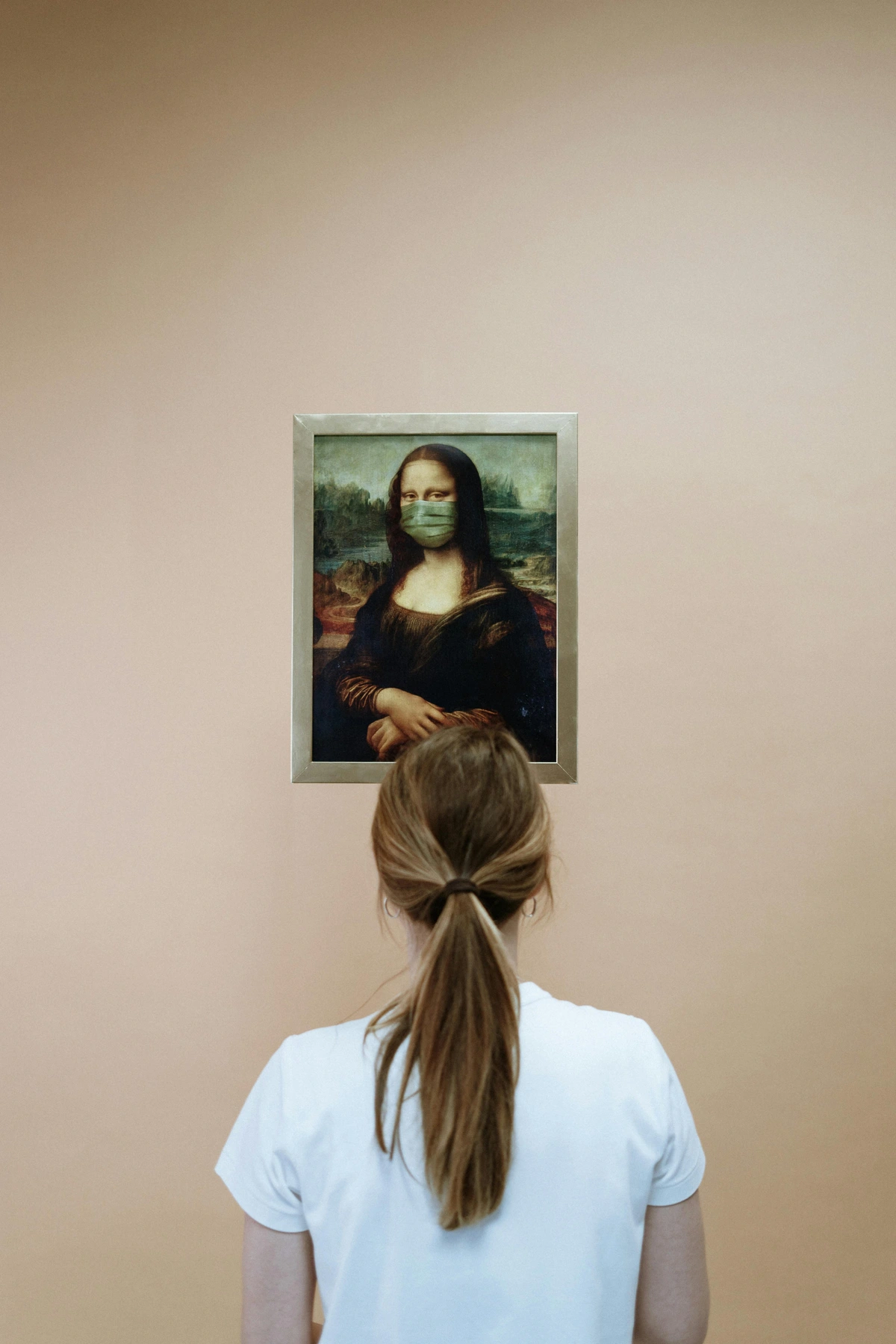
The Fine Print That Could Save Your Health: What Does ASTM D4236 Actually Mean?
So, let’s talk about that alphabet soup. ASTM D4236 is the standard for labeling art materials to warn users of potential chronic health hazards. It’s not a guarantee that a product is 100% harmless. Instead, think of it as a rule that forces manufacturers to tell the truth. It’s the law in the United States and many other places.
The process is pretty insightful. If a product contains any materials that toxicological experts have identified as potentially harmful with long-term exposure, the manufacturer must submit their formulations for review. A board of toxicologists and other experts then evaluates the potential risks. If there’s a concern, the manufacturer is required to put a clear warning label on their product. You know, the ones that say “WARNING! May cause…” followed by a list of delightful possibilities.

But—and this is a huge “but” that changed everything for me—a product can be certified as non-toxic only if it contains no materials in sufficient quantities to be toxic or injurious to humans, or to cause acute or chronic health problems. The key here is “materials.” A product might have a single pigment or binder that crosses the line, and BAM, it needs a warning label, even if the entire tube of paint isn’t going to send you to the emergency room.
The Words That Sell vs. The Words That Matter
This is where marketing gets sneaky. Companies know we’re drawn to words like “natural,” “eco-friendly,” and “green.” They slap these terms on packaging all the time. But here’s the uncomfortable truth: “natural” doesn’t mean safe. You can find plenty of natural substances that are toxic. And an “eco-friendly” company might be great for the planet but not so great at disclosing whether their pigments can cause organ damage with prolonged exposure.
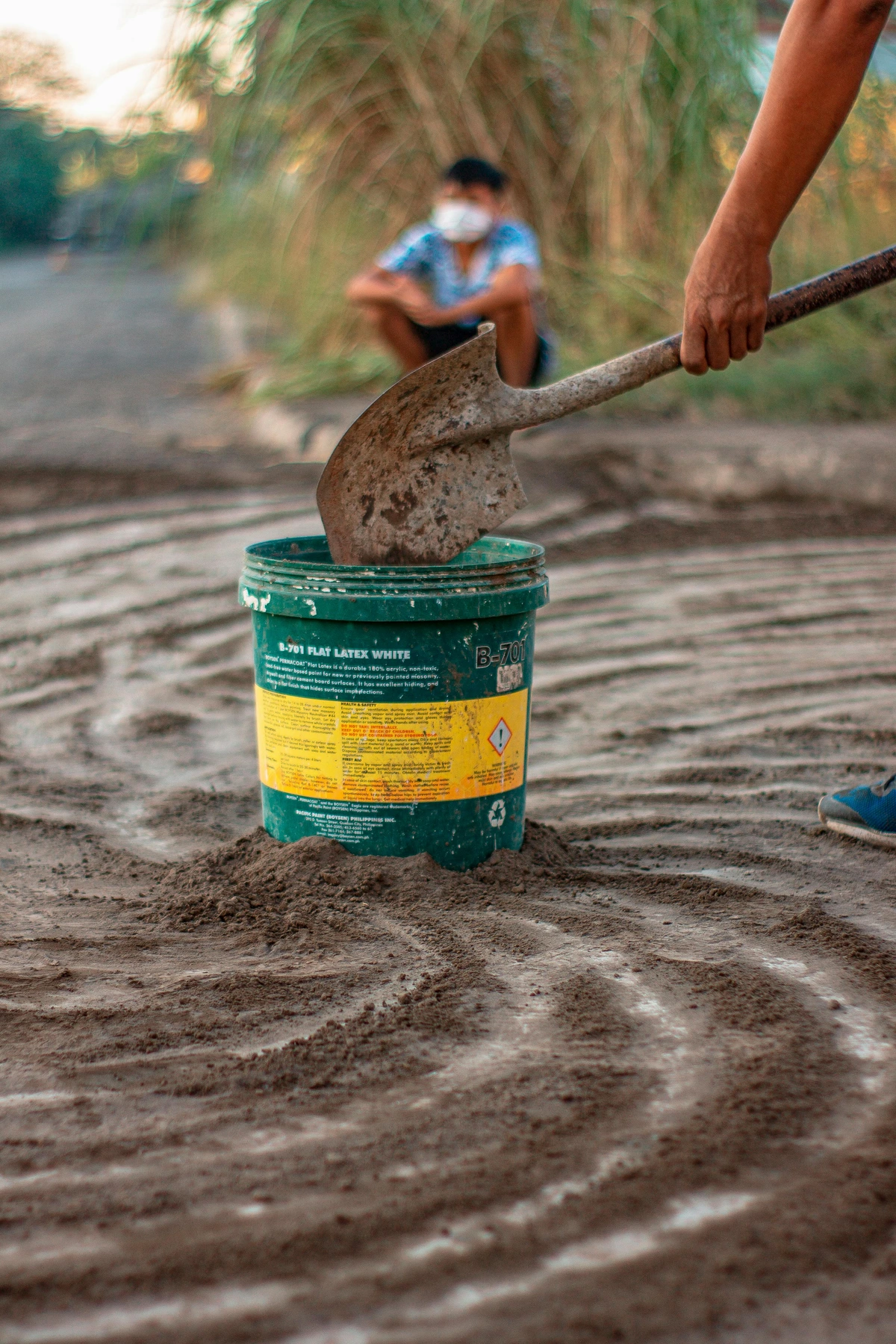
Non-toxic is a specific, legally-defined term under ASTM D4236. Toxic means it requires a health warning label. That’s it. That’s the binary code. While other certifications exist that speak to the environmental impact of a product’s life cycle (which is fantastic!), ASTM D4236 is laser-focused on the direct, chronic health effects for you, the artist handling the material.
Hunting for Safe Art Supplies: A Practical Guide
Knowing the theory is one thing. Applying it in a crowded art store, standing under fluorescent lights and feeling overwhelmed, is another. Here’s what I do now.

The Golden Rule: Read the Back, Not the Front
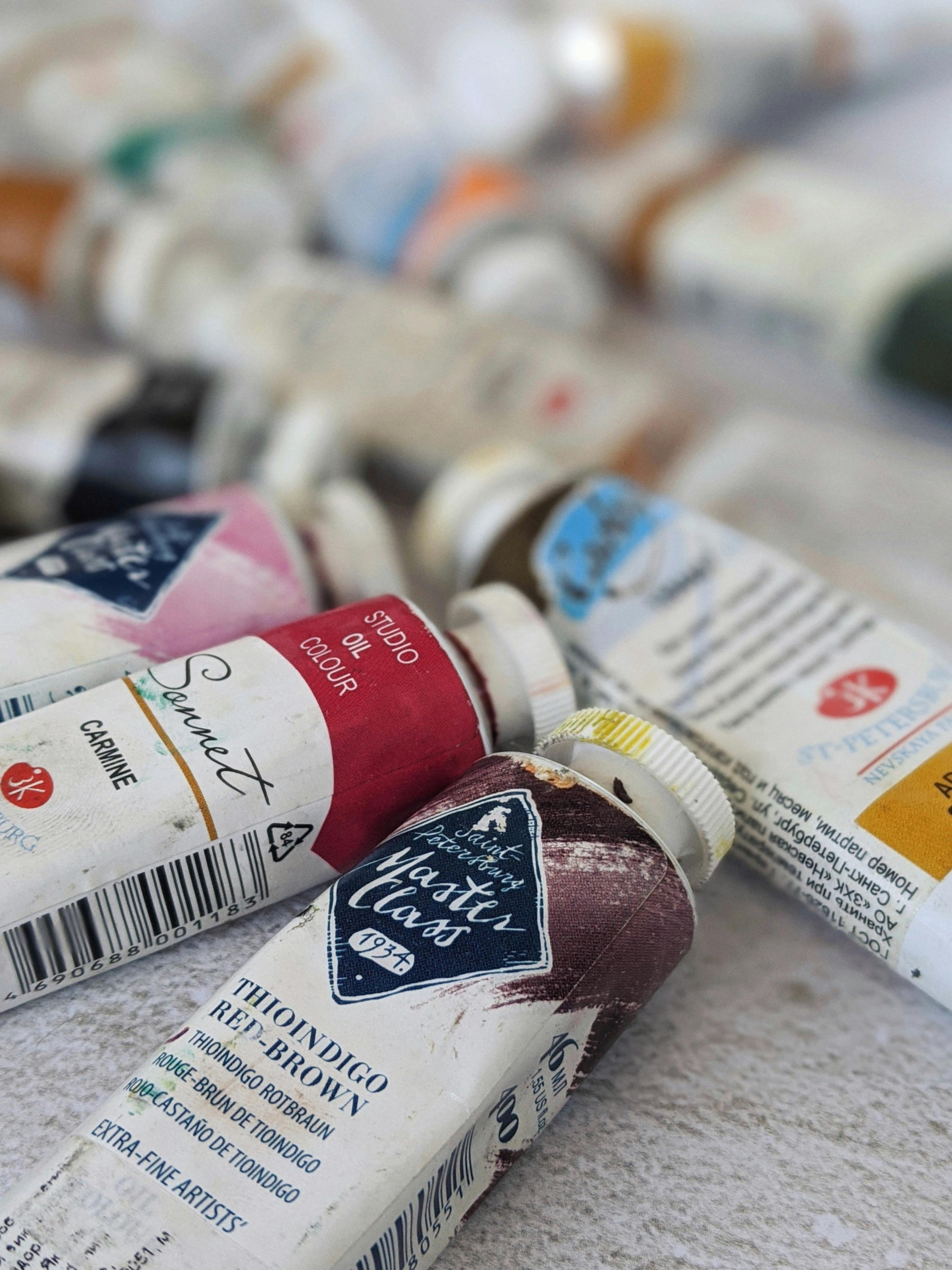
Ignore the beautiful, colorful, seductive front of the label. Flip that sucker over. Look for the small print. Specifically, you’re looking for a statement that says something like: “Conforms to ASTM D4236” or “AP Certified Non-Toxic.” (AP, or Approved Product, is a specific seal from the Art & Creative Materials Institute, a group that tests products for the ASTM standard).
If you see that, great! You’ve found a product that has been through the review process. If you see a health warning (“CLIVE!” in Dutch or “WARNING!” in English), pay attention. It’s there for a reason. The absence of a warning on a product that does conform to ASTM D4236 is what you’re looking for.

The Trust but Verify System
You can’t eyeball safety. Just because a paint is a lovely, soft lavender doesn’t mean it isn’t made with a nasty chemical. Reputable brands will provide Safety Data Sheets (SDS), often available on their website. I make it a habit to look these up for any new brand I’m considering. They break down every component and its potential hazards in excruciating, lawyer-approved detail. It’s not a fun read, but it’s empowering.
Another good sign is a brand that is transparent about its pigments. If they proudly list the specific Pigment Codes on their tubes (e.g., PY35, PB29), that’s a sign of a company that cares about quality. It also lets you independently look up the properties of those specific pigments.
Common Saboteurs in the Studio
While we should celebrate the amazing variety of mediums available to us, it’s wise to know which categories have historically been a bit… fussy. These are the ones I approach with extra caution:
Category  | What to Watch For | Pro Tip |
|---|---|---|
| Oil Paints | Some pigments (especially certain Cadmiums, Cobalts) may require warning labels. Solvents like Turpentine or White Spirit are major respiratory and skin irritants. | Look for water-mixable oil paints. Use odorless solvent alternatives for brush cleaning and work with excellent ventilation. |
| Spray Paints & Fixatives | Volatile Organic Compounds (VOCs) and propellants can be easily inhaled into the lungs. | Always use sprays outdoors or in a professionally ventilated spray booth. Wear a respirator mask rated for vapors, not just dust. |
| Acrylic Inks & Paints | Some brands may use excess preservatives or specific pigments that trigger the warning label. | Stick with reputable, professional brands that clearly state their non-toxic status. For airbrushing acrylics, ventilation is key. |
| Solvent-Based Markers | Xylene or toluene are common solvents in permanent markers (like some Sharpies). They produce strong fumes. | Use them in a well-ventilated area. Consider switching to water-based or alcohol-based markers for less toxic fumes. |
| Powdered Pigments & Pastels | The main risk is airborne dust, which can be inhaled deep into the lung tissue. Pastel fixatives are also often solvent-based. | Wear a disposable dust mask when handling large quantities of dry pigments. Wet-mop or vacuum (don’t sweep) your studio to control dust. |
This image shows the classic AP and ASTM D4236 seals to look for on the back of your art supplies.
credit, licence

Art isn't just about the final product; it's about the process, the feeling, the connection you have with your materials. That connection should be one of joy and creation, not one of fear or suspicion. By taking a few minutes to understand what you’re actually buying, you’re not just protecting your health. You’re ensuring that you can continue to create for many, many more years to come.
Looking at a finished piece of art is a moment of pride. But knowing you created it in a mindful, safe way? That’s a different kind of satisfaction. If you're curious about the kind of work I create with materials I trust, you can explore my collection on my /buy page.
Frequently Asked Questions (FAQ)
Is “non-toxic” the same as “kid-safe”?
This is a fantastic question, and the answer is a bit nuanced. An ASTM D4236-certified non-toxic product is considered safe for use by artists of all ages, including older children who can understand and follow safety instructions. However, it does not mean the product is safe to eat. “Non-toxic” means it won’t harm you through normal use (on the skin, inhalation of minor amounts); it DOES NOT mean “edible.” Always supervise young children, and educate older ones not to put brushes or tools in their mouths.
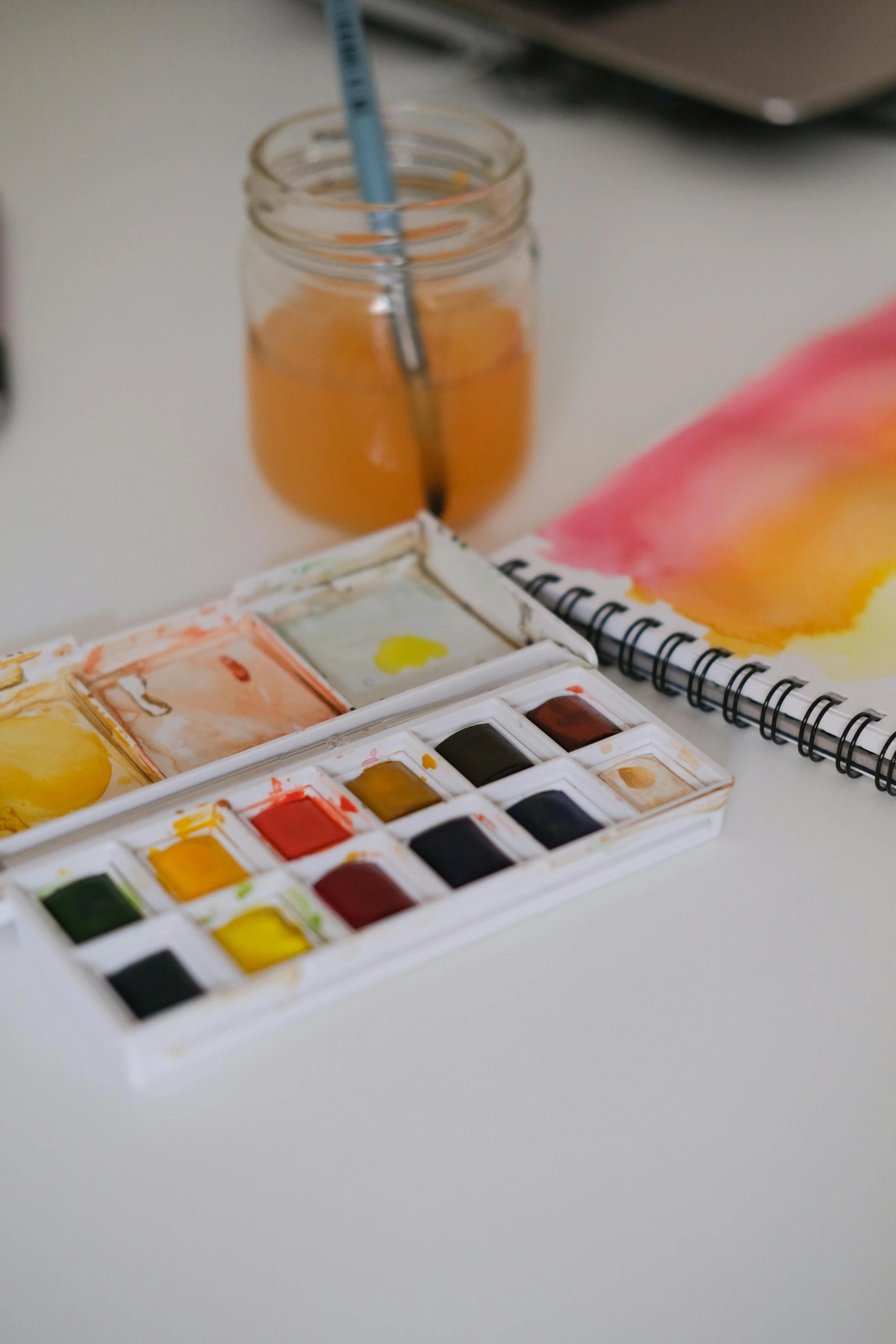
I only paint with watercolors. Do I need to worry about this?
You’re in one of the safer categories, but vigilance is still a good habit. While watercolors are predominantly water-based, the pigments themselves can sometimes be the issue. A professional-grade watercolor might contain a pigment that requires a warning label under ASTM D4236. The risk of inhaling fumes is very low, but the risk of ingestion (from a wet brush touching your lips) or skin contact is still present. Always check the label, even for watercolors.
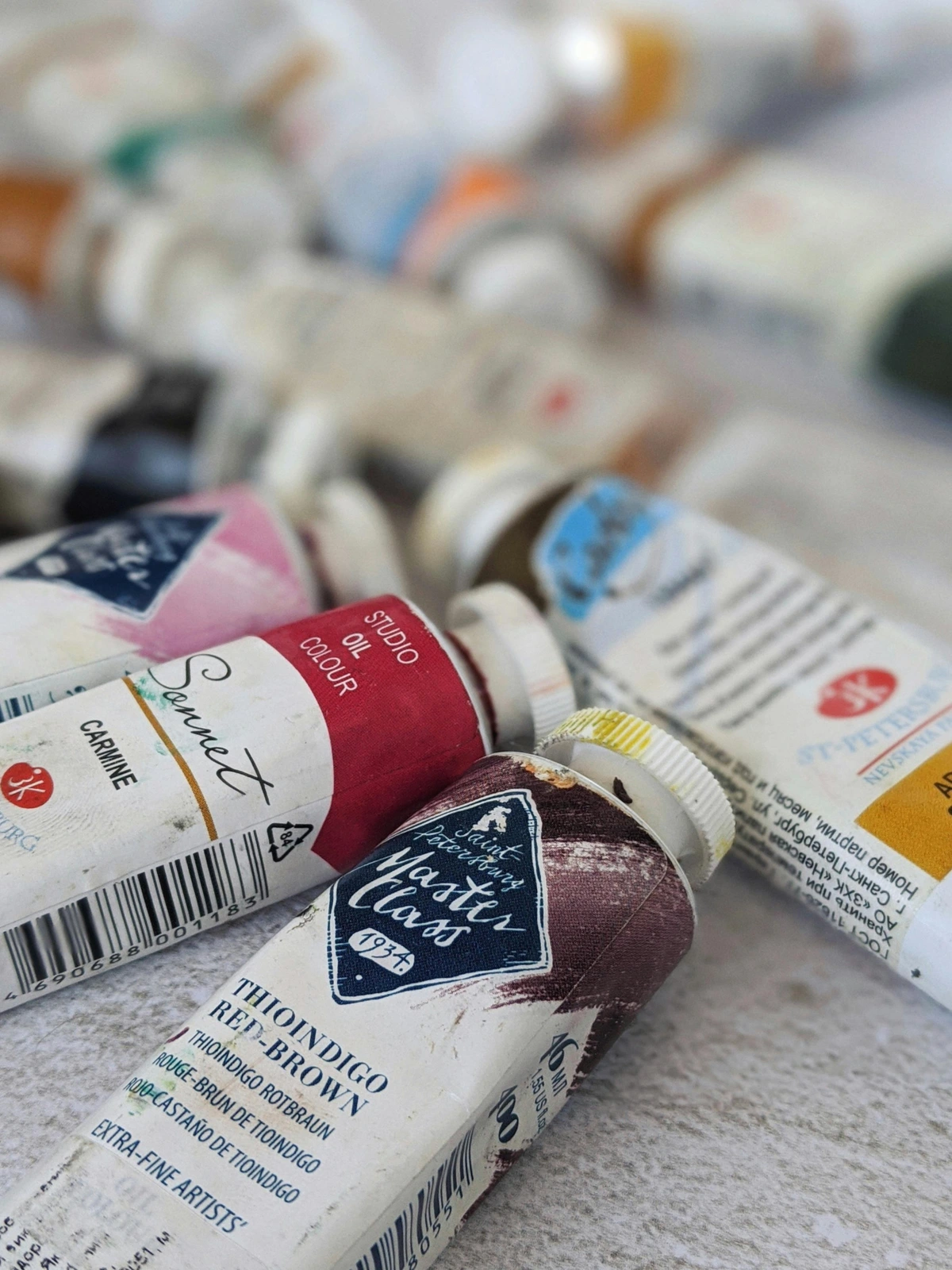
What about lead in paint? I've heard horror stories.
You've heard correctly. Lead was a common component in paints for centuries. However, in modern times, lead-based pigments are banned in consumer paints in the US and EU. You will not find lead in a contemporary art supply from a reputable brand that complies with modern safety standards. The main risk for lead exposure today comes from restoring old paintings or, more commonly, from renovations in old houses with lead-based wall paint.

Are expensive, professional-grade materials always safer?
Not necessarily. This is a trap I fell into for a while. In fact, some professional-grade paints contain pigments that are more potent or complex, which can increase the likelihood of a warning label. A “student-grade” paint might use more benign, simpler pigments to achieve a non-toxic rating. The key is not price, but the information on the label. An expensive product from a high-end brand that ignores safety standards is more dangerous than a cheap, clear-labeled non-toxic product from a responsible manufacturer.

My favorite brand has no safety seals. Should I stop using it?
Don’t panic. Not every fantastic, small-batch art supply maker goes through the formal (and sometimes expensive) certification process. It doesn’t automatically mean their product is toxic. It might contain a single ingredient that triggers a warning, or they may simply have not submitted for review. This is where due diligence comes in.







- Check their website. Look for a page on safety or transparency.
Can I just trust products made in Europe or the USA?
While countries in North America and the EU have stringent regulations (like ASTM D4236 in the US and the EN 71 standard in Europe), “made in” is not a universal guarantee of safety. A company could import materials from anywhere in the world and do a final assembly in a country with strict laws. The country of origin is a data point, but the certification on the label is the primary evidence you should rely on.