Your Ultimate Guide to Visiting an Art Gallery: A Visitor's FAQ
Decode gallery etiquette, unlock hidden artworks, and transform your museum visits into unforgettable art adventures.

Your Ultimate Guide to Visiting an Art Gallery: A Visitor's FAQ
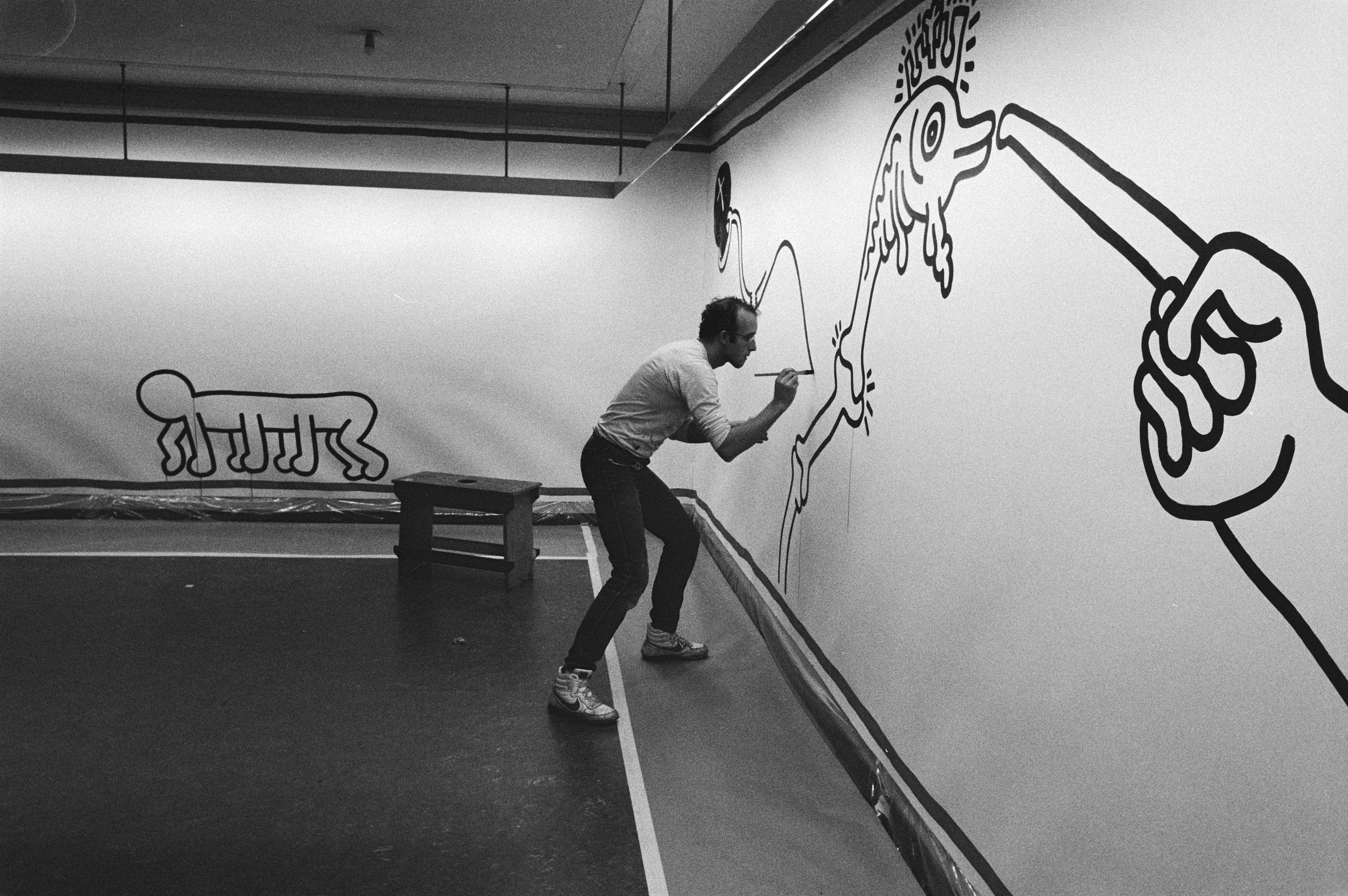
Alright, let's talk about walking into an art gallery for a moment. Remember that first time? That cocktail of excitement and mild panic? Should I touch the walls? Is my backpack too loud? Will I look foolish standing here just... staring? I’m with you. Art spaces can feel like secret clubs with unspoken rules, but here’s the secret: they’re not. This guide will cut through the noise so you can glide through those doors with confidence—whether you’re a seasoned museum rat or someone who just appreciates pretty colors.
What Actually Happens in a Gallery? (Beyond the Free Wine)
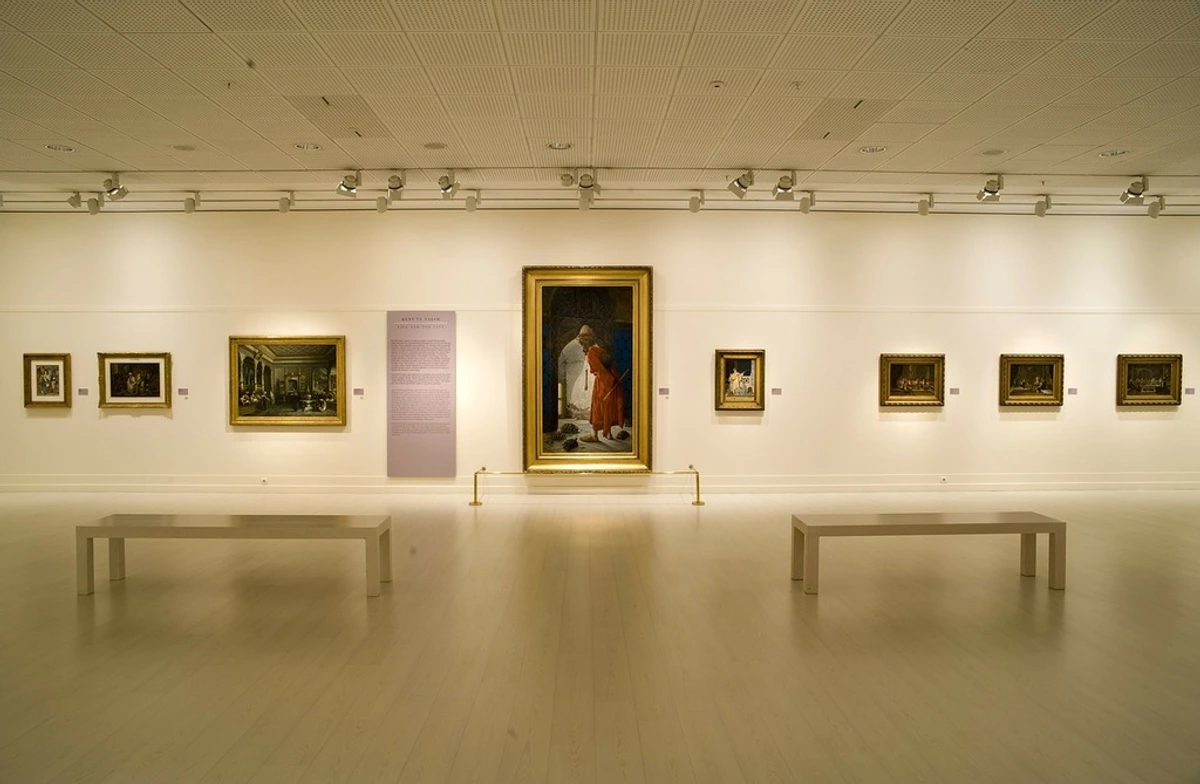
Forget stuffy stereotypes. Modern galleries are vibrant, living spaces where art breathes with viewers. You’ll encounter:
- Wall-to-wall wonder: From giant canvases demanding attention to tiny, jewel-toned gems hiding in corners.
- The hum of energy: Low chatter, shuffling feet, sudden gasps—all part of the soundtrack.
- Conversations with strangers: That person beside you might just whispering their theory about why that orange square makes them hungry.
Gallery Etiquette 101: Do’s and Don’ts That Won’t Get You Asked to Leave
We’ve all been there. That nagging worry about doing something wrong. Here’s the cheat sheet:
Do  | Don’t | Why |
|---|---|---|
| Take your time | Rush | Art unfolds slowly. A three-minute stare teaches you more than a 30-second scan. |
| Whisper (or use your indoor voice) | Give play-by-plays on your phone | Let others absorb the experience without your commentary track. |
| Ask questions at the front desk | Touch the art | Skin oils damage surfaces. No, “just a tiny tap” isn’t okay. |
| Step closer AND step back | Linger in doorways | Context comes from distance. Details emerge from proximity. |
| Bring a sketchbook | Use flash photography | Light degrades pigments over time. Museums will literally remove you. |
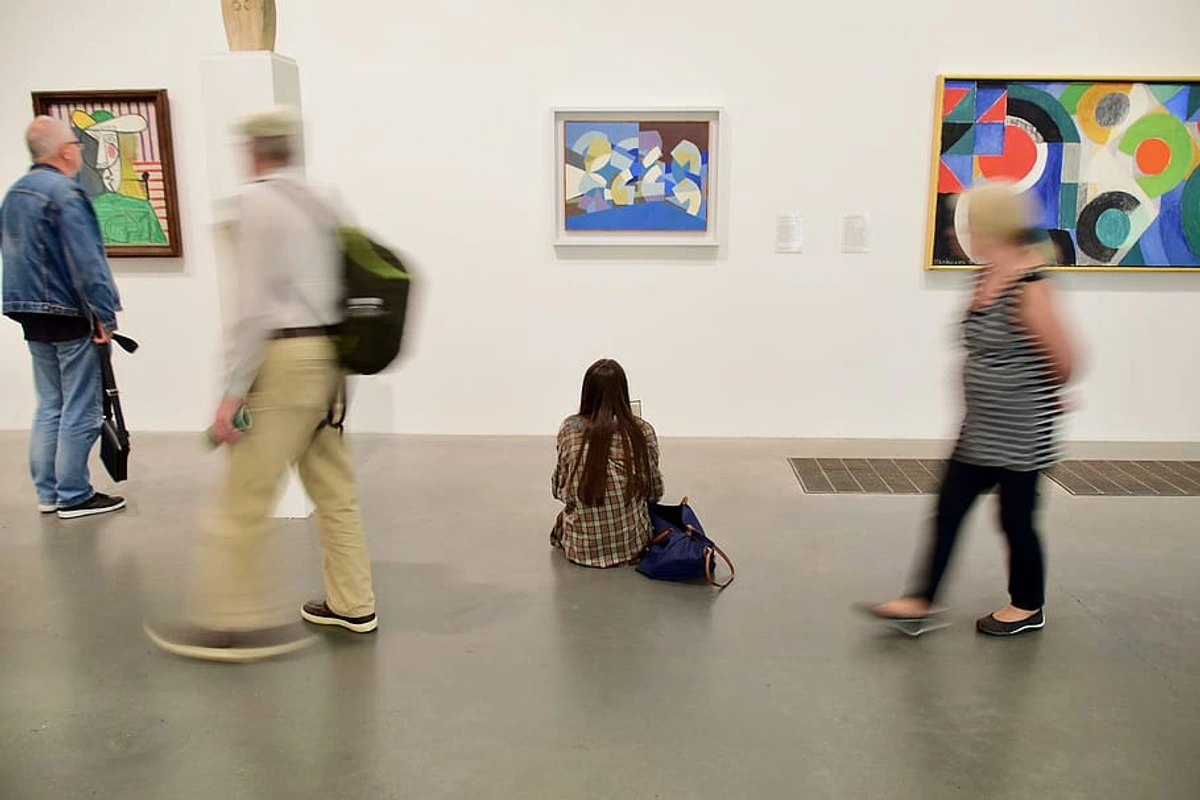
Pro tip: Wear shoes you can stand in for an hour. Galleries love winding paths. Your feet won’t if you’re wobbling on stilettos.
How to Look at Art (and Actually Get It)
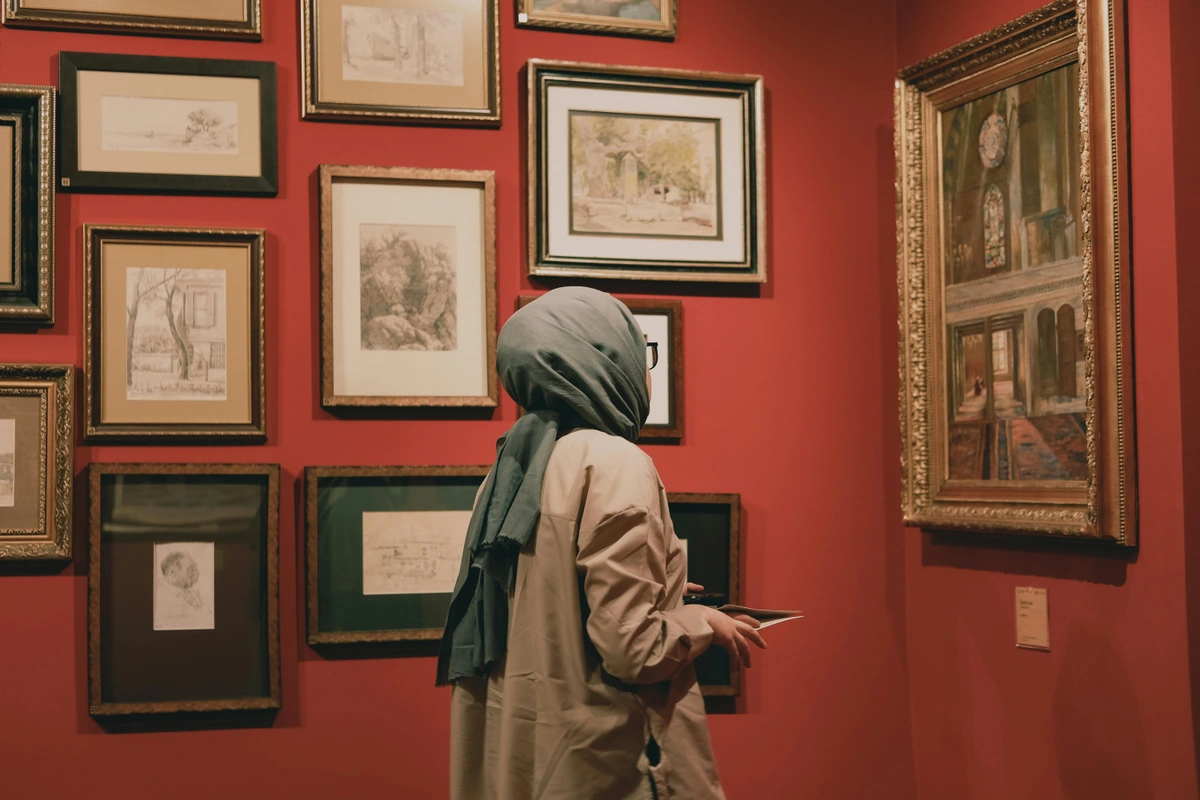
Art isn’t puzzle boxes with one “correct” answer. It’s a dialogue. Here’s how to speak its language:
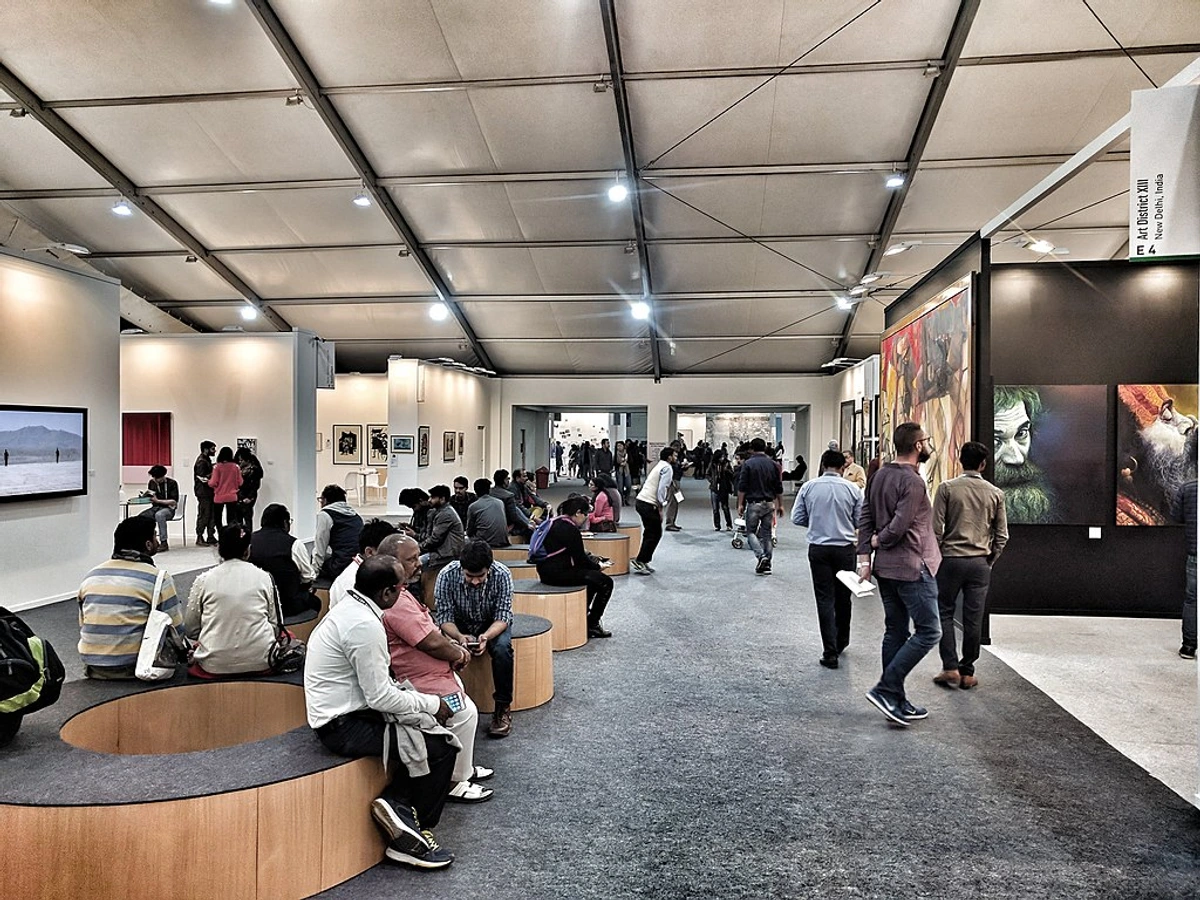
- The 10-Second First Look: Stand back. What’s the first emotion? Color scheme? Dominant shape? Don’t overthink.
- The Three-Minute Deep Dive: Get closer. Notice brushstrokes. Texture. Layering. Ask: “What is the artist showing me here?”
- The Story Connection: Who made this? When? Why? Check our artist timeline to see how history shapes art—even abstract pieces.
- Exit and Re-enter: Walk away. Come back. How has the art changed in your perception? That’s the magic.
I used to stare at abstract art utterly baffled until I realized: It’s about feeling, not facts. That blue swirl isn’t “supposed” to mean sadness—it might make you think of rain, or your childhood, or that Tuesday you spilled coffee on a white sweater. Trust your gut.
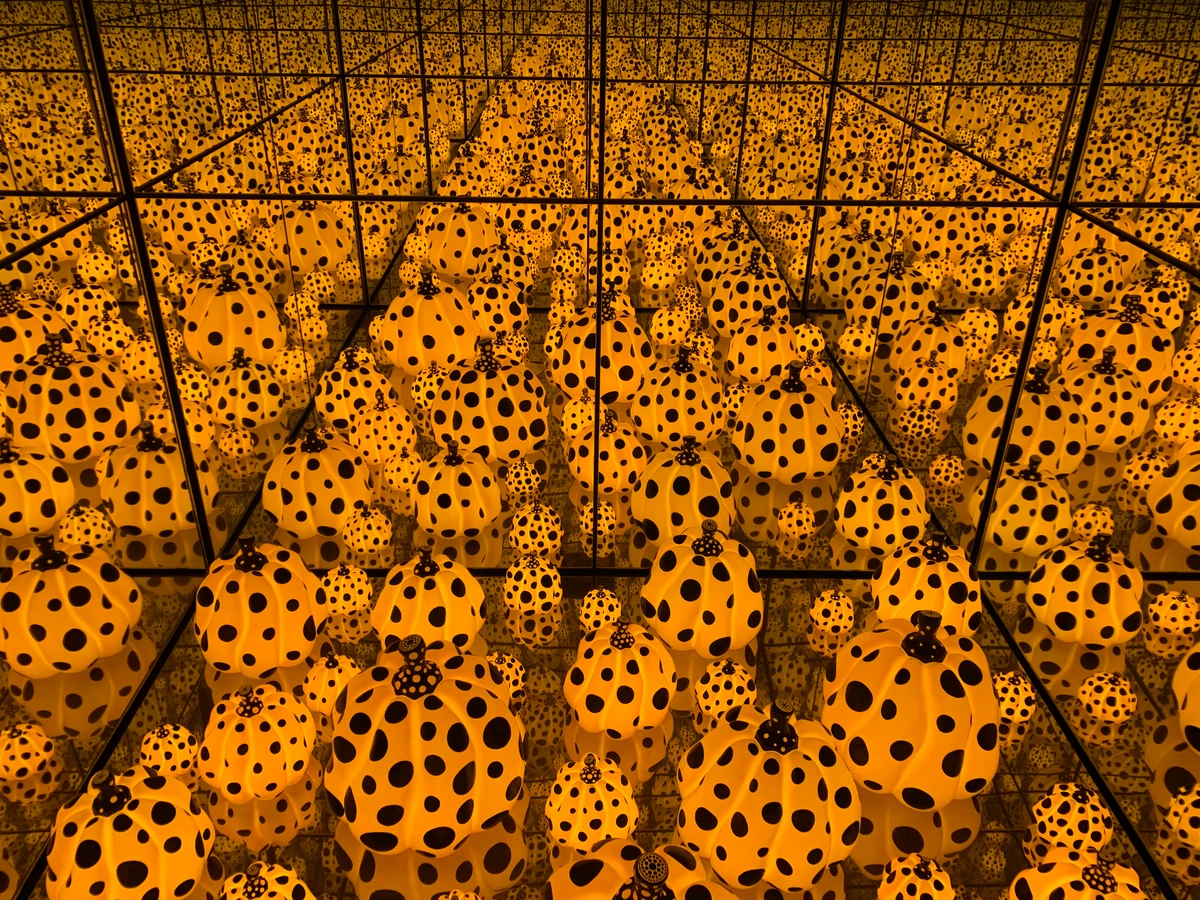
Making Your Visit Unforgettable: Beyond the Checklist
Galleries are sensory playgrounds. Lean in:
- Follow your curiosity: If a painting across the room keeps catching your eye, stop pretending not to notice.
- Use the space differently: Sit where the light hits a painting just so. Or stand in a corner where three artworks converse across the room.
- Read small labels: Those tiny wall texts? Goldmines. They’re often the artist’s own thoughts—not just a date and title.
- Talk to people: Gallery staff love sharing stories. Fellow viewers? They’ll surprise you. I once had a debate with a stranger about whether a specific piece felt more like "joy or chaos"—we’re still friends. Maybe.
Your Burning Questions: The FAQ
Accessibility and Practical Considerations
Q: Can I take photos? What about selfies with art?
A: Usually, yes—but always check first. Some prohibit flash or tripod usage. Selfies? Generally fine unless you’re blocking others. Please avoid recreating the famous scene from Guardians of the Galaxy with the golden statue. We saw that TikTok.
Q: What do I do if I see someone misbehaving?
A: Don’t become art police. A polite, “Excuse me, the floor is a bit fragile—mind if you move back?” works wonders. Staff handle repeat offenders. Your role? Enjoy the show.
Q: Is it okay to not like the art?
A: Absolutely. Disliking a $50,000 painting is perfectly acceptable. Liking it even if it’s “weird” is too. Art thrives on subjectivity.
Q: How long should a visit last?
A: Until you feel full mentally. Could be 30 minutes. Could be three hours. There’s no prize for exhausting yourself. Better to leave wanting more than needing to sit down.
Q: Can I buy art here?
A: In galleries like ours, yes! Originals and prints are available. But never feel obligated to buy. Browse freely—this is your playground first, marketplace second.
If you're considering a purchase, here are some things to think about:
- Does it speak to you emotionally? The best art pieces become part of your daily life.
- Will it fit your space? Consider scale, lighting, and how it will interact with your existing environment.
- Can you afford it without stress? Art should bring joy, not financial anxiety.
- Research the artist: Many galleries provide artist statements or biographies. Understanding their journey can deepen your connection to the work.
Buying art is an intimate act—you're bringing a piece of someone's creative vision into your personal space. Take your time, ask questions, and trust your gut.
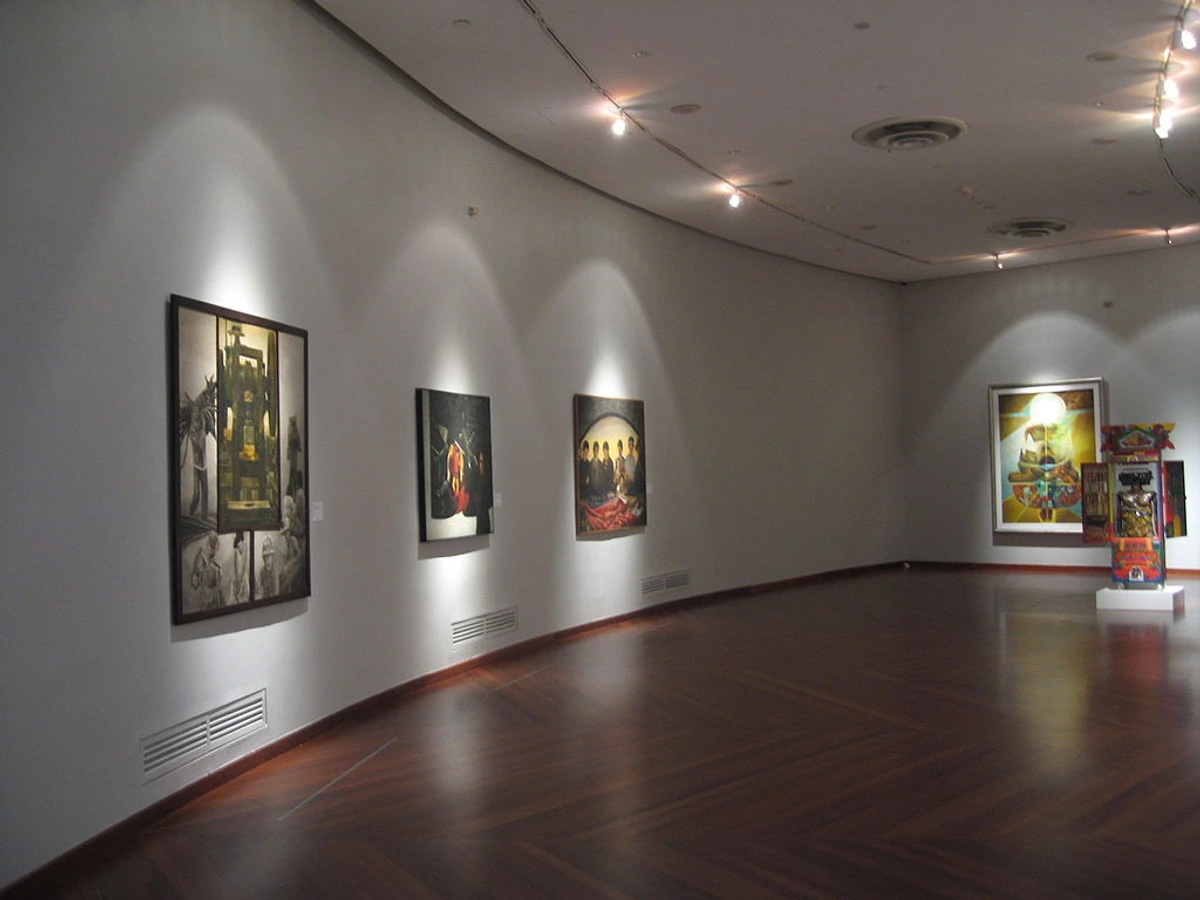
Q: Are there places to sit?
A: Look for benches, ledges, or even the floor if it’s clean and allowed. Our Den Bosch museum has seating woven into the walls—it’s part of the installation!
Q: Why do some galleries feel so cold?
A: Climate control! Art needs stable temperatures. Also, they’re often repurposed industrial spaces with concrete bones. Embrace the vibe—it’s intentional.
Wrapping Up: You’ve Got This
Art isn’t a test. It’s an invitation. A chance to see the world through someone else’s eyes—or your own, in a new light. My advice? The next time you step into a gallery, leave your expectations at the coat check. Wander. Wonder. And remember that tiny sticker on the wall isn’t a price tag—it’s a key to a conversation waiting to happen.
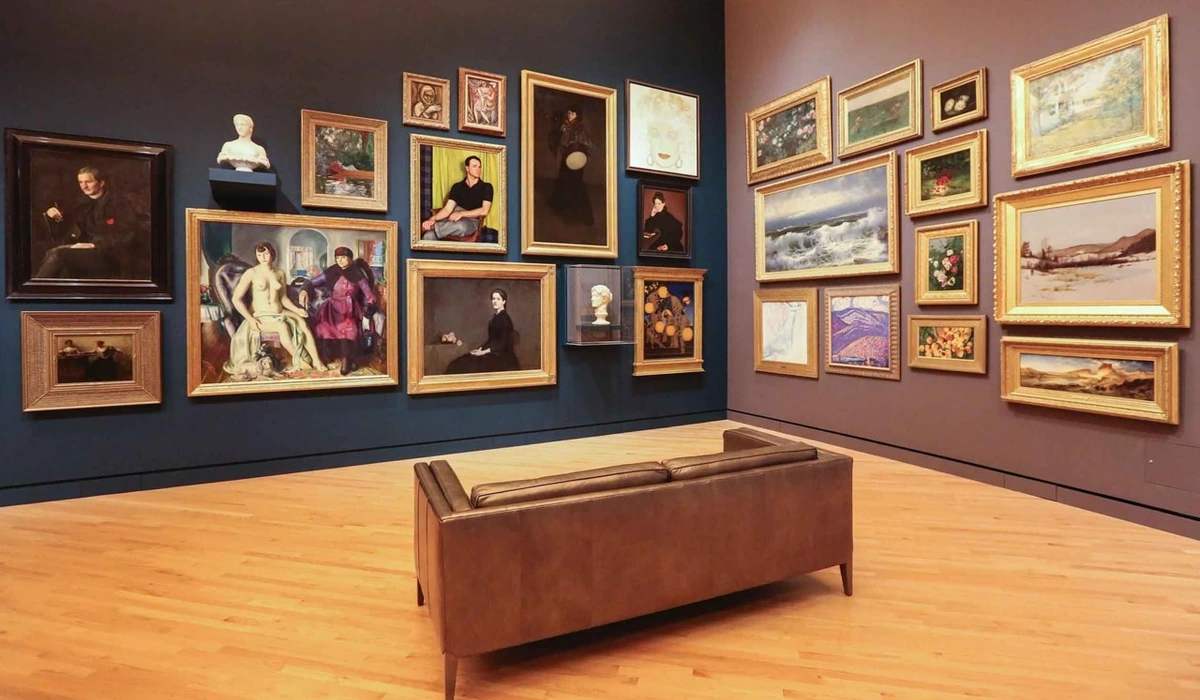
Happy wandering. Your next favorite painting is hiding just around that beige wall.
Gallery Membership Programs
Maximize your gallery experience with membership benefits:
Membership Level | Typical Benefits | Best For |
|---|---|---|
| Basic Membership | Free admission, newsletter, member events | Regular local visitors |
| Supporter Level | Guest passes, exhibition previews, discounts | Serious art enthusiasts |
| Patron Level | Private tours, artist meet-and-greets, exclusive events | Collectors and major supporters |
| Student Membership | Reduced rates, educational programs | Students and young professionals |
| Family Membership | Multiple admissions, family programs | Groups with children |
Membership Advantages:
- Cost Savings: Multiple visits typically pay for themselves within 2-3 visits
- Special Access: Member-only previews, events, and viewing hours
- Educational Benefits: Workshops, lectures, and gallery talks
- Community Building: Connect with fellow art lovers and collectors
- Support Role: Your membership helps galleries continue their mission
Gallery Conservation and Preservation
Understanding how galleries protect the art you love:
Conservation Practices:
- Environmental Control: Precise temperature and humidity regulation
- Light Protection: UV-filtered lighting to prevent pigment fading
- Security Systems: 24/7 monitoring with climate-controlled storage
- Handling Protocols: Professional procedures for moving and installing artworks
- Restoration Expertise: Conservation specialists for different mediums
How You Can Help:
- No Touching: Even clean hands can leave damaging oils and residues
- No Flash Photography: UV light from flashes degrades organic materials
- Respect Barriers: Stay behind designated viewing lines and barriers
- Report Issues: Tell staff if you notice any problems with artwork display
- Support Conservation: Many galleries accept donations for preservation work
Gallery Education and Outreach
Galleries are more than just exhibition spaces—they're educational hubs:
Educational Programs:
- School Tours: Curriculum-aligned visits for students of all ages
- Adult Workshops: Classes on art history, techniques, and appreciation
- Artist Residencies: Programs where artists work with the community
- Lecture Series: Talks by curators, art historians, and contemporary artists
- Family Programs: Interactive activities for multi-generational groups
Community Engagement:
- Public Art Projects: Murals and installations in public spaces
- Artist Mentorship: Programs supporting emerging local talent
- Community Partnerships: Collaborations with schools, nonprofits, and businesses
- Accessibility Initiatives: Programs ensuring art is available to everyone
- Cultural Exchange: International artist exchanges and exhibitions
Everyone experiences art differently, and that's wonderful. Here's how to develop a gallery approach that works for you:
Gallery Visit Planning Checklist
Before heading out, consider these factors to maximize your experience:
Planning Factor | Questions to Ask | Pro Tips |
|---|---|---|
| Gallery Type | Museum? Commercial gallery? Artist studio? | Research the gallery focus beforehand |
| Current Exhibition | What's showing? Who's featured? | Check the gallery website or social media |
| Visit Duration | How much time do I have? | Allow extra time for unexpected discoveries |
| Group Size | Solo, couple, group, family? | Plan different approaches for each scenario |
| Accessibility Needs | Wheelchair access? Restrooms? | Call ahead to confirm accommodations |
| Budget | Entry fees? Potential purchases? | Research free days and discounts |
| Interests | Specific artists, movements, mediums? | Focus your search but stay open to surprises |
Gallery Visit Strategies by Personality Type
Gallery Architecture and Design
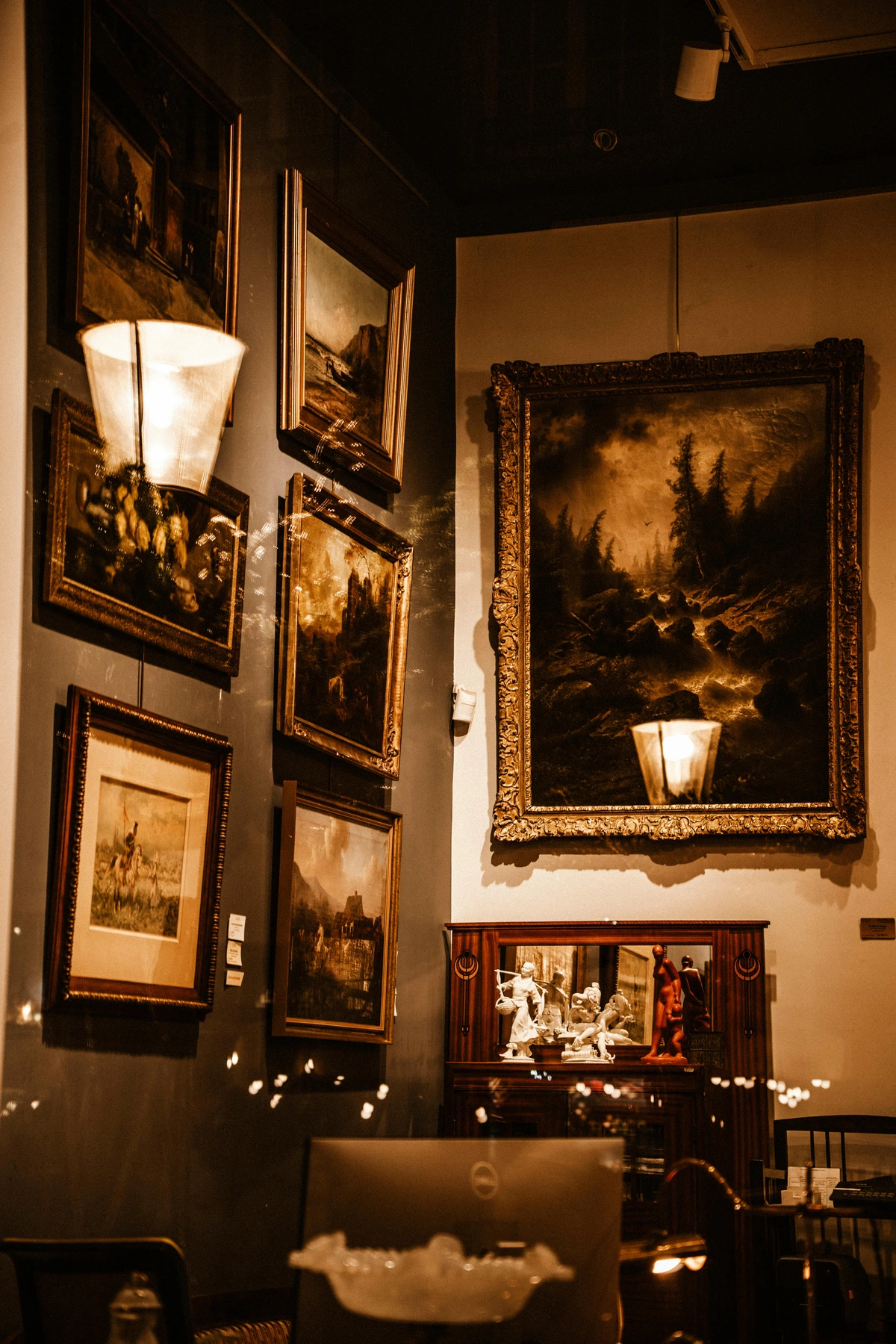
The physical space of a gallery significantly impacts your art viewing experience:
Architectural Styles:
- Modernist: Clean lines, open spaces, focus on the art
- Historic: Repurposed buildings with character and history
- Industrial: Converted warehouses with exposed elements
- Minimalist: Neutral colors and simple forms to not distract from art
- Experimental: Innovative spaces that challenge traditional viewing
Design Elements:
- Wall Treatments: Colors that complement or contrast with artwork
- Flooring: Materials that affect acoustics and movement
- Ceiling Height: Influences how artwork is perceived and displayed
- Lighting Systems: Strategic illumination to highlight and protect art
- Spatial Flow: How visitors move through and experience the space
Notable Gallery Architects:
- Tadao Ando: Known for concrete structures that blend with nature
- Jean Nouvel: Creates dramatic spaces with innovative materials
- Rem Koolhaas: Designs galleries that challenge traditional museum experiences
- Zaha Hadid: Known for fluid, futuristic architectural forms
- David Chipperfield: Focuses on refined, elegant spaces that respect art
Understanding these architectural elements can enhance your appreciation of both the art and the space that houses it. Your style: You want to see everything and learn everything. Strategy: Plan 2-3 hour visits, bring a notebook, and research artists beforehand. Join docent tours when available.
Gallery Archival Research Facilities
For serious art researchers and history enthusiasts:
Research Resources:
- Artist Archives: Personal papers, sketchbooks, and correspondence
- Exhibition Records: Historical show catalogs, installation photos, and reviews
- Conservation Reports: Technical documentation of artwork treatments
- Photographic Archives: Historical images of artworks and installations
- Audiovisual Collections: Interviews, lectures, and historical footage
Access Procedures:
- Advance Appointments: Most research facilities require scheduling
- Identification Requirements: Valid ID and sometimes research credentials
- Handling Protocols: Special procedures for fragile materials
- Photography Restrictions: Rules about reproducing archival materials
- Fees: Some facilities charge research or copying fees
Research Support:
- Librarians and Archivists: Expert assistance finding specific materials
- Digital Databases: Online catalogs and search systems
- Interlibrary Loans: Access to materials from other institutions
- Research Grants: Funding opportunities for serious scholars
- Publication Support: Assistance with academic and professional publications
Gallery Partnerships and Collaborations
How galleries work together and with other organizations:
Inter-Gallery Collaborations:
- Group Exhibitions: Multiple galleries showing related themes or artists
- Art Fairs: Collaborative events bringing galleries together
- Cross-Promotion: Galleries promoting each other's exhibitions
- Shared Resources: Joint conservation, shipping, and marketing efforts
- Artist Exchange: Programs where artists show at different galleries
Institutional Partnerships:
- Museum Collaborations: Special exhibitions with museum partners
- University Programs: Educational partnerships with art schools
- Corporate Sponsorship: Businesses supporting gallery exhibitions and programs
- Nonprofit Organizations: Charitable collaborations and community projects
- Government Agencies: Cultural partnerships and public art initiatives
International Partnerships:
- Exchange Programs: Artists and curators working internationally
- Traveling Exhibitions: Shows that move between different countries
- Biennials and Triennials: Large-scale international exhibitions
- Cultural Diplomacy: Art as a bridge between different nations
- Digital Collaboration: Online exhibitions connecting global audiences
Gallery Artists in Residence Programs
Supporting artistic development and innovation:
Program Types:
- Studio Residencies: Artists given dedicated workspace for creation
- Exhibition Residencies: Focus on producing work for specific shows
- Community Residencies: Artists working with local communities
- International Residencies: Programs for artists from other countries
- Emerging Artist Fellowships: Support for early-career talent
- Established Artist Awards: Recognition and support for proven creators
Program Benefits:
- Creative Space: Dedicated studios and resources for artistic work
- Professional Development: Mentorship, networking, and career guidance
- Exhibition Opportunities: Shows featuring resident artists
- Community Engagement: Working with local audiences and students
- Stipend Support: Financial resources for living and working
- Technical Resources: Access to specialized equipment and expertise
Application Process:
- Portfolio Requirements: Examples of previous work and artistic vision
- Project Proposals: Detailed plans for residency activities
- Deadlines: Specific dates for application submissions
- Selection Process: Curators and panels reviewing applications
- Interview Requirements: Some programs include in-person interviews
- Notification Timeline: When applicants learn about decisions
Program Outcomes:
- New Artworks: Pieces created during the residency period
- Community Impact: Educational programs and public engagement
- Career Development: Increased visibility and professional connections
- Knowledge Exchange: Sharing techniques and artistic approaches
- Long-Term Relationships: Ongoing collaborations between artists and galleries
Gallery Youth and Senior Programs
Engaging different age groups with art:
Youth Programs (Children and Teens):
- School Field Trips: Curriculum-aligned visits for educational groups
- After-School Programs: Art classes and creative workshops
- Summer Camps: Multi-day immersive art experiences
- Youth Curators: Programs where teens plan their own exhibitions
- Teen Advisory Boards: Input from young people on gallery programming
- Scholarship Programs: Financial support for young artists
Senior Programs:
- Memory Care: Art therapy for seniors with cognitive challenges
- Senior Tours: Accessible exhibitions with comfortable pacing
- Intergenerational Programs: Activities connecting seniors with younger visitors
- Skill-Building: Workshops for older adults developing artistic skills
- Social Engagement: Gallery events combating isolation and loneliness
- Lifelong Learning: Educational programs for retired adults
Program Benefits:
- Cognitive Stimulation: Mental engagement through art activities
- Social Connection: Building relationships with peers
- Creative Expression: Outlets for personal artistic development
- Cultural Access: Exposure to diverse artistic traditions
- Skill Development: Learning new techniques and approaches
- Community Building: Creating social networks around shared interests
Accessibility Features:
- Mobility Support: Wheelchair-accessible spaces and programs
- Sensory Accommodations: Adjusted lighting and sound levels
- Transportation: Some programs offer pick-up and drop-off services
- Financial Assistance: Scholarships and sliding scale fees
- Flexible Scheduling: Options for different availability and energy levels
The Collector
Your style: You're considering purchases and building a collection. Strategy: Build relationships with gallery staff. Ask about upcoming shows that might match your taste. Consider joining collector groups or attending art fairs.
Mindful Gallery Visitor
Your style: You seek contemplative, meditative experiences with art. Strategy: Visit during quiet times, practice mindful observation, and spend extended time with fewer pieces. Focus on sensory details and personal connections to the artwork.
Photography-Focused Visitor
Your style: You enjoy documenting and sharing your gallery experiences. Strategy: Research photography policies beforehand, bring appropriate equipment (no flash!), focus on composition and lighting, and share respectfully giving proper credit to artists.
Educational Visitor
Your style: You want to learn and take away knowledge from each visit. Strategy: Take notes, ask detailed questions, research artists and movements before and after visits, and consider joining educational programs or workshops offered by galleries.
Experience-Seeking Visitor
Your style: You enjoy the atmosphere and social aspects of gallery visits. Strategy: Attend opening nights, special events, and gallery talks. Focus on the overall experience rather than individual artworks, and enjoy the social interaction with other art lovers.
Seasonal Gallery Visiting Guide
Different times of year offer different gallery experiences:
Season | Gallery Characteristics | Best For | Considerations |
|---|---|---|---|
| Spring (March-May) | New exhibitions, emerging artists, fresh energy | discovering new talent, quieter visits | Some galleries may be between shows |
| Summer (June-August) | Extended hours, special exhibitions, outdoor installations | leisurely visits, family programs | Can be crowded, book tickets ahead |
| Fall (September-November) | Major exhibitions, established artists, art fair season | serious viewing, collector events | Most competitive time, higher attendance |
| Winter (December-February) | Holiday shows, intimate exhibitions, contemplative spaces | focused viewing, holiday shopping | Some galleries have reduced hours |
Weather Considerations
Weather significantly impacts gallery visits:
- Rainy/Cold Weather: Perfect for indoor gallery hopping. Bring an umbrella and dress in layers.
- Hot Weather: Many galleries have excellent climate control. Use it as a cool escape from summer heat.
- Snow/Ice: Check gallery websites for potential closures or modified hours due to weather.
- Holiday Periods: Some galleries close or have limited hours during major holidays.
Special Events Calendar
Time your visits around these annual events:
- Gallery Walk Nights: Many cities have monthly gallery openings
- Art Fairs: Major events featuring multiple galleries (Art Basel, Frieze, etc.)
- Artist Talks and Lectures: Check schedules for in-depth discussions
- Opening Receptions: Social events with artists and curators
- Holiday Markets: Some galleries host special holiday shopping events
Digital Gallery Experiences
Can't visit in person? Many galleries offer digital alternatives:
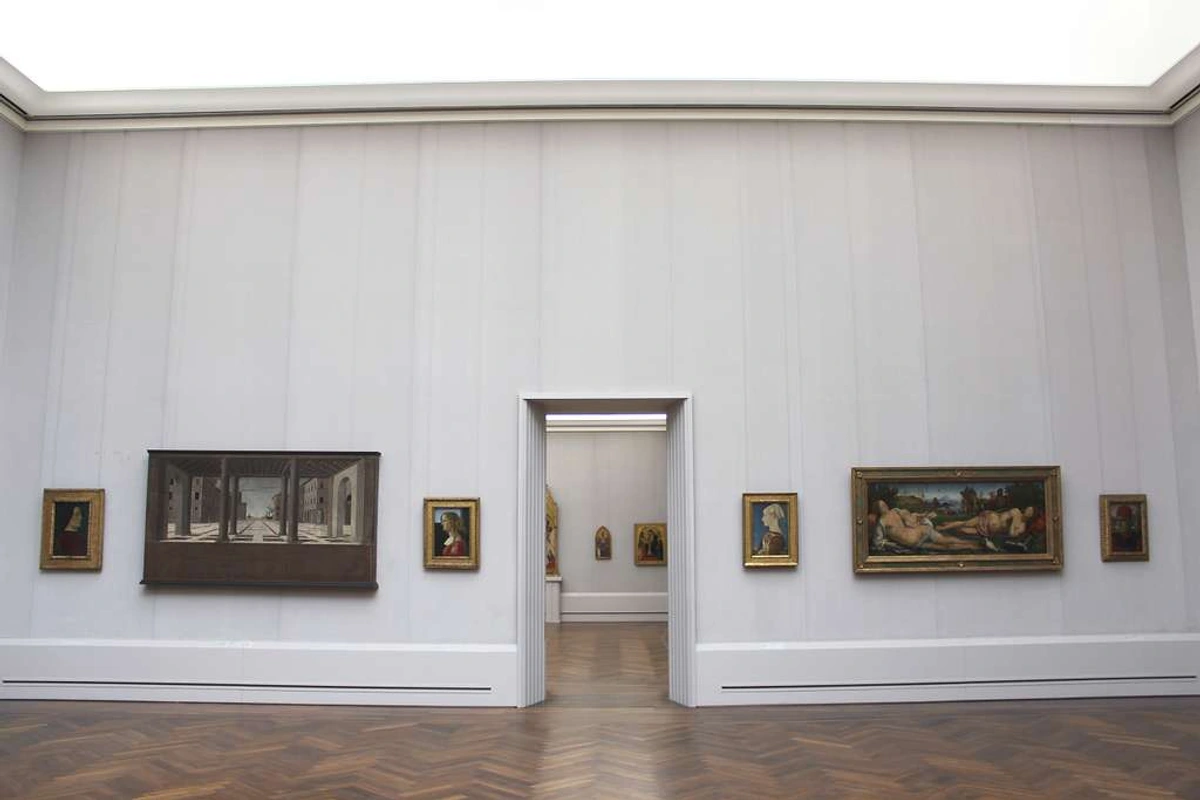
- Virtual Tours: 360-degree views of exhibitions that you can navigate from your computer
- Online Catalogs: High-resolution images of artworks with detailed information
- Artist Talks: Video recordings of lectures and artist conversations
- Social Media: Behind-the-scenes content and exhibition updates
These digital experiences can't replace the magic of standing before actual art, but they're excellent for research, previewing shows, or staying connected when you can't visit in person.
Gallery Etiquette for Different Settings
Different types of galleries have different norms:
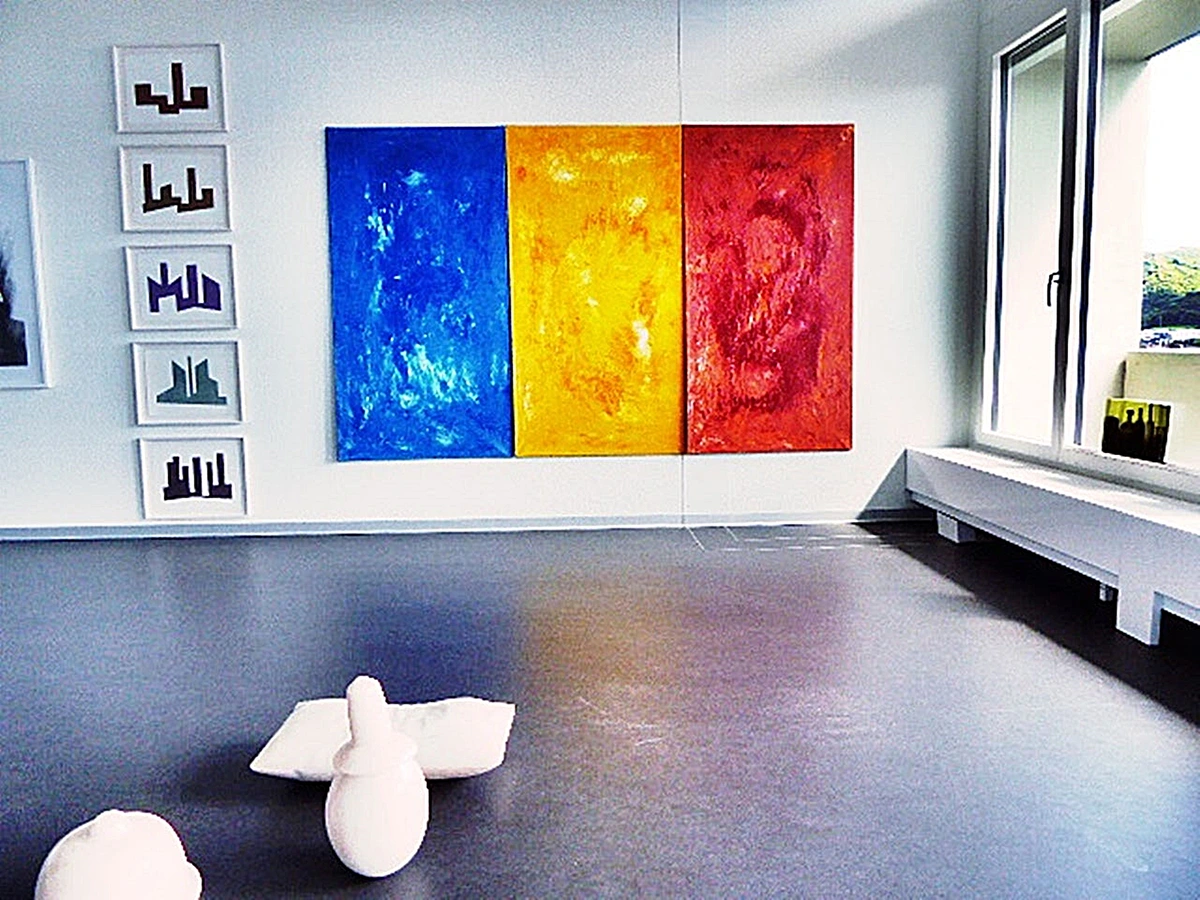
Museums: Generally more formal. Photography restrictions are common, and special exhibitions often have timed entry.
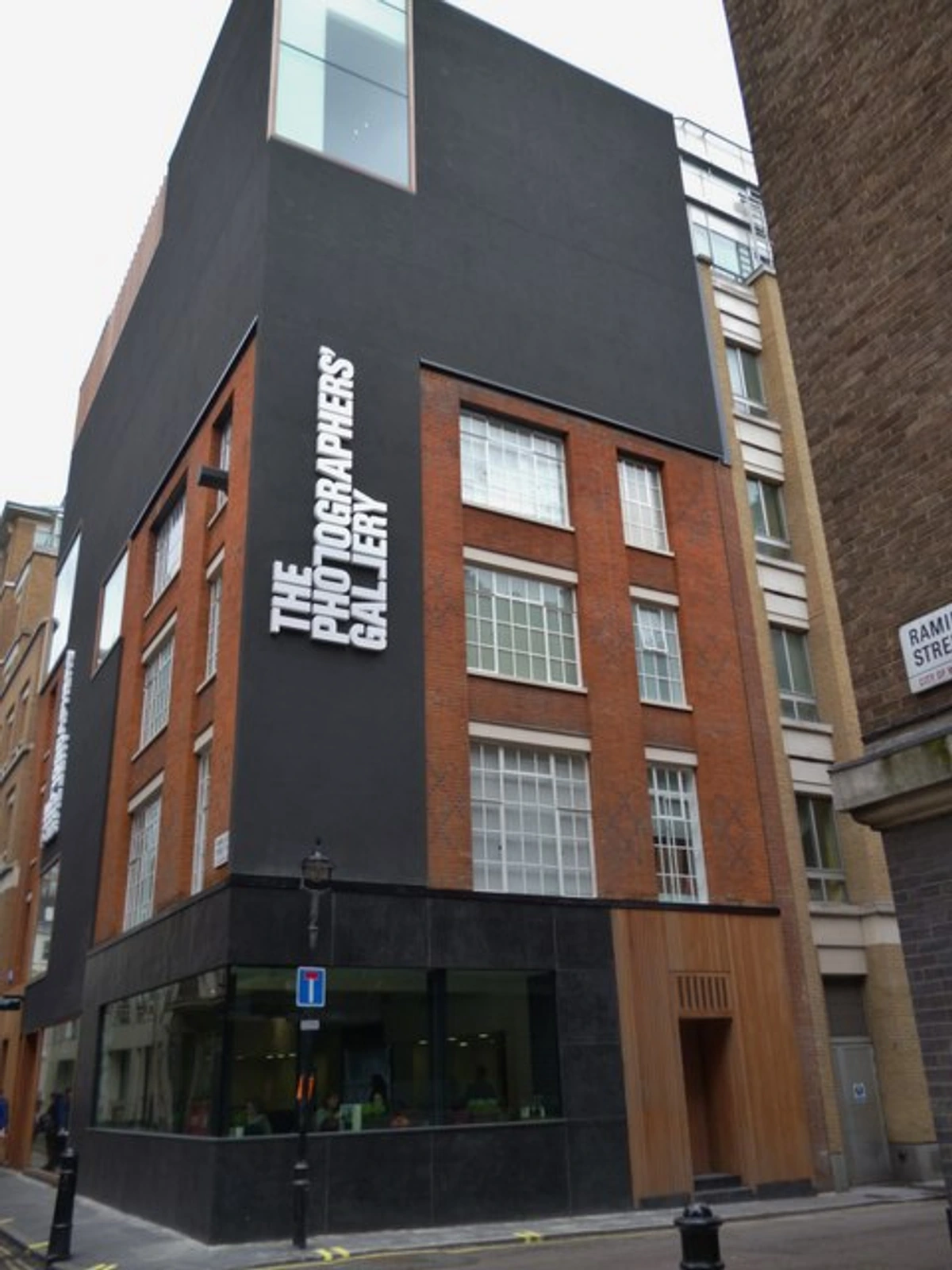
Commercial Galleries: More relaxed, but remember they're businesses. Feel free to browse, but respect that staff may be busy with potential buyers.
Artist Studios: The most casual setting, but still professional. Always ask before touching anything, and be mindful that you're in someone's creative space.
Public Galleries: Often community-focused. Check if they have specific programs or events during your visit.
The Psychology of Art Viewing
Why do some artworks affect us so deeply? It's not just about aesthetics:
The Science of Art Response
Our brains process art in fascinating ways:
- Emotional Resonance: Art can trigger memories, emotions, or physical responses that verbal language can't express
- Cognitive Engagement: Complex artworks challenge our brains to make sense of patterns, symbols, and relationships
- Social Connection: Shared experiences of art create bonds between people who might otherwise never meet
- Personal Meaning: We project our own experiences, fears, and desires onto abstract or symbolic imagery
- Mirror Neuron Activation: Viewing art can activate the same brain regions as performing the actions depicted
- Dopamine Response: Beautiful or meaningful art can trigger pleasure centers in the brain
- Memory Formation: Emotional art experiences create stronger, more lasting memories
Art and Personal Identity
How we relate to art reveals aspects of our selves:
- Cultural Background: Our heritage influences how we interpret symbols, colors, and themes
- Life Experiences: Personal history shapes emotional responses to specific imagery
- Current Mood: Our emotional state affects how we perceive and react to art
- Personal Values: Art that aligns with our core values often resonates more deeply
- Aspirations: We're often drawn to art that reflects qualities we wish to embody
Group Dynamics in Gallery Settings
Shared art viewing creates unique social dynamics:
- Silent Communication: Groups often develop unspoken rules about viewing time and discussion
- Influence Effects: People's opinions can be swayed by hearing others' interpretations
- Social Bonding: Shared positive art experiences can strengthen relationships
- Cultural Capital: Knowledge about art can serve as social status and connection points
- Generation Gaps: Different age groups may relate to the same artwork in surprisingly different ways
Understanding these psychological aspects can deepen your appreciation of why certain pieces move you more than others. It's not about "getting it right"—it's about what the art brings up in you.
Practical Tips for Different Visitor Types
International Gallery Considerations
For visitors exploring galleries abroad:
Cultural Differences:
- Etiquette Norms: Varying expectations about touching, photography, and noise
- Dress Codes: Different standards for appropriate gallery attire
- Payment Customs: Cash vs. card preferences and tipping practices
- Language Barriers: Communication challenges with gallery staff
- Social Expectations: Different norms about personal space and group behavior
Practical Preparation:
- Language Apps: Translation tools for gallery information and communication
- Currency Exchange: Understanding local payment methods and costs
- Cultural Research: Learning about local art traditions and expectations
- Transportation: Planning gallery visits around public transit schedules
- Accommodation: Staying near gallery districts for convenient access
- Documentation: Required passes, reservations, or registration
Major Art Destinations:
- New York: Museums, Chelsea galleries, and street art scenes
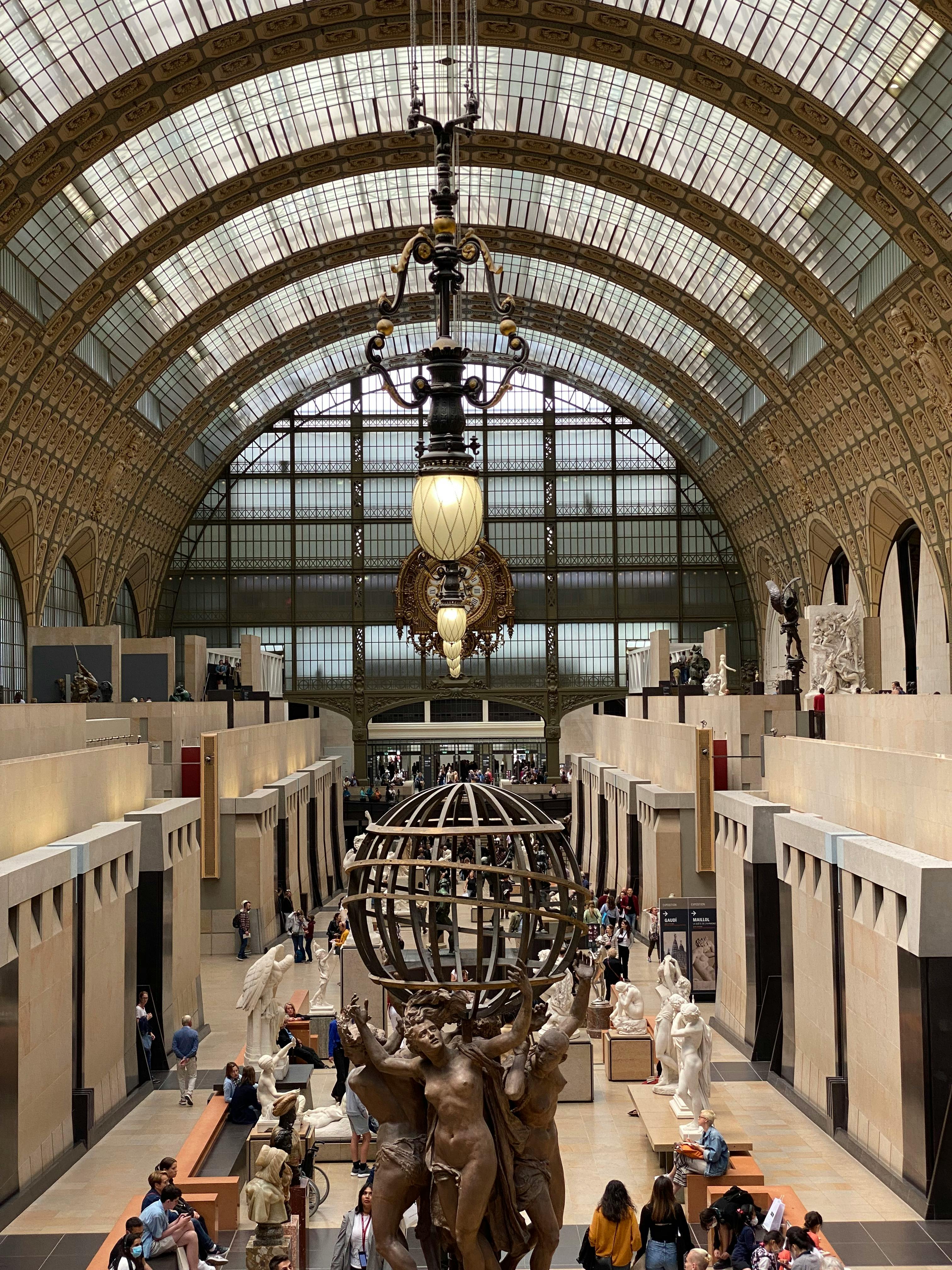
- Paris: Louvre, Musée d'Orsay, and contemporary art districts
- London: Tate Modern, National Gallery, and Saatchi Gallery
- Berlin: Cutting-edge contemporary scene and historical museums
- Tokyo: Traditional and modern galleries with unique aesthetics
- Amsterdam: Rijksmuseum and contemporary art spaces
- Barcelona: Picasso Museum and modernist architecture galleries
- Rome: Classical art and contemporary Italian artists
Language and Communication:
- Basic Phrases: Essential vocabulary for gallery visits
- Translation Apps: Real-time translation for labels and staff conversations
- Visual Communication: Using gestures and pointing when language fails
- Written Materials: Multilingual brochures and exhibition catalogs
- Audio Guides: Available in multiple languages for major exhibitions
- Staff Training: Many international galleries have English-speaking staff
Group Visits
Visiting with friends or a group requires coordination:
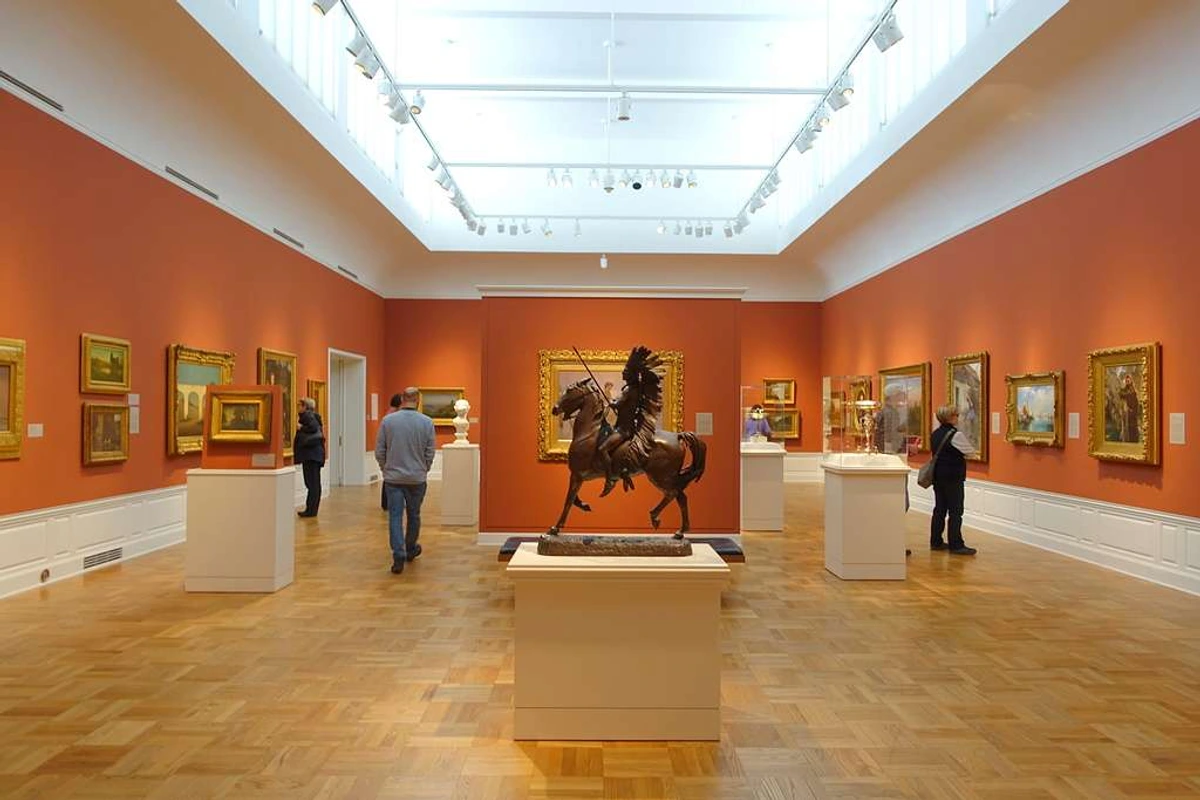
- Agree on a meeting point: Galleries can be confusing, and cell service might be spotty
- Consider a guided tour: Groups often get special rates and expert insights
- Split up if needed: Some people prefer browsing solo, others want to stay together
- Be mindful of noise: Keep group conversations quiet, especially in smaller galleries
- Take group photos strategically: Find interesting architectural elements rather than standing in front of artworks
Solo Visitors
Solo gallery visits offer unique advantages:
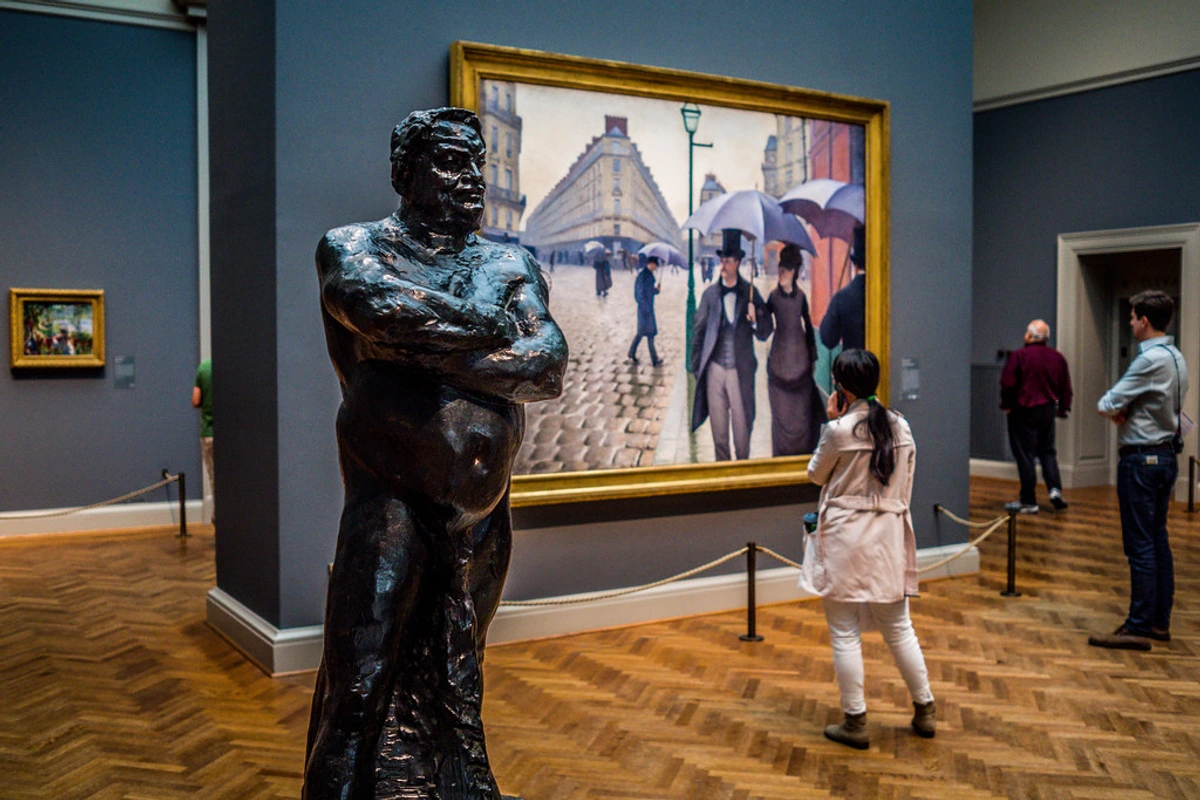
- Complete immersion: You can spend as much time as you want with each piece
- Spontaneity: No need to compromise on what interests you
- Deeper reflection: Quiet contemplation allows for personal connections
- Flexibility: Change your plans on a whim without consulting others
- Social opportunities: Solo visitors are often more approachable to other art lovers
Accessibility Considerations
Many galleries strive to be accessible, but planning helps:
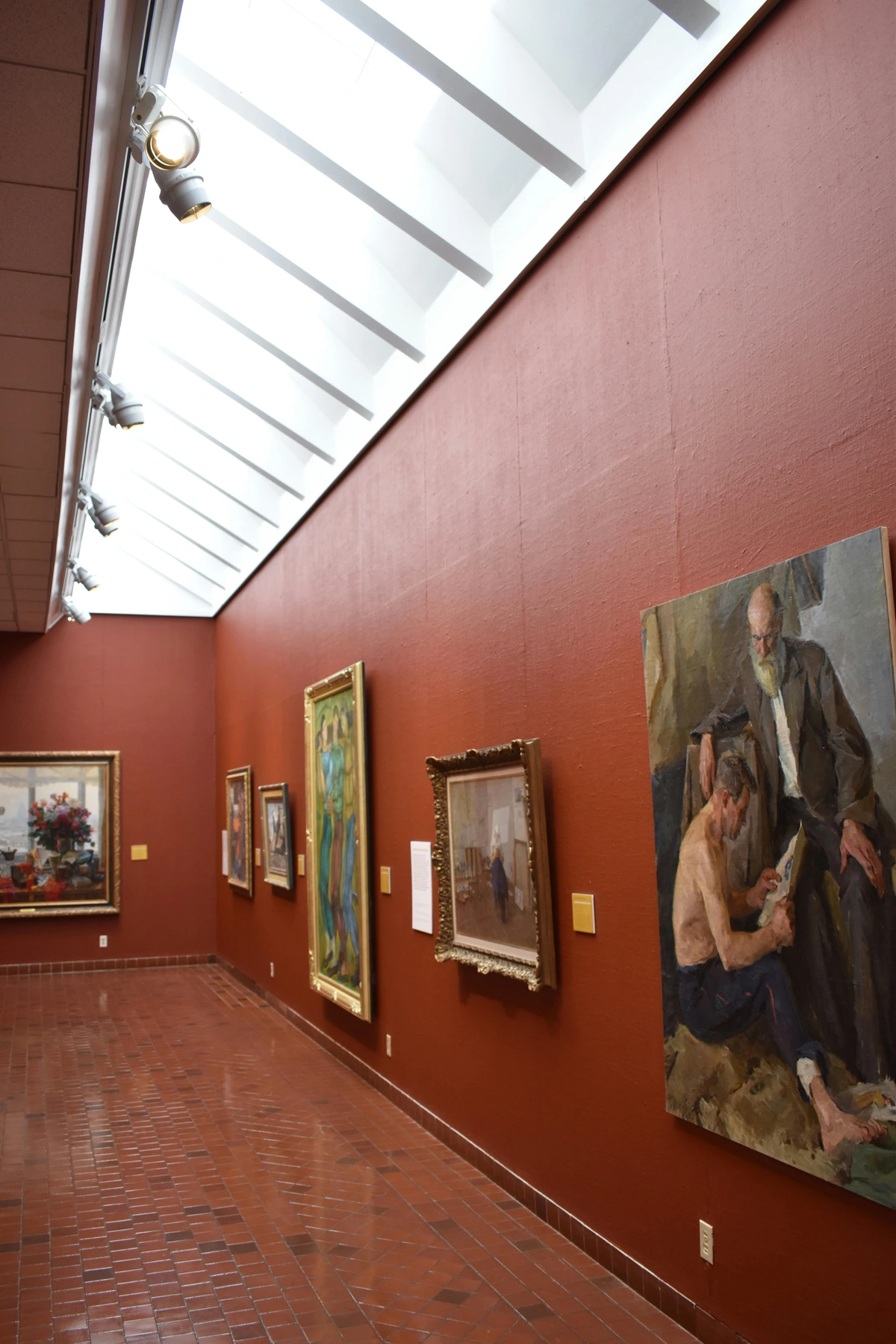
- Call ahead: Ask about wheelchair accessibility, elevator access, and special accommodations
- Check websites: Most list accessibility information online
- Consider timing: Avoid crowded times if mobility is a concern
- Ask for assistance: Staff are usually happy to help with special needs
- Bring any necessary equipment: Some galleries provide wheelchairs, but it's best to bring your own if needed
The Future of Gallery Visits
Art galleries continue to evolve in exciting ways:
Emerging Trends in Gallery Experiences
Trend | Current Implementation | Future Potential |
|---|---|---|
| Technology Integration | AR apps, interactive displays, digital projections | Fully immersive VR experiences, AI-curated personal tours |
| Sustainability Focus | Eco-friendly materials, energy-efficient lighting | Carbon-neutral galleries, biodegradable installations |
| Community Engagement | Local artist programs, neighborhood partnerships | Gallery-as-community-hub models, social impact initiatives |
| Hybrid Experiences | Virtual tours, online catalogs, social media | Seamless digital-physical integration, metaverse galleries |
| Inclusivity Efforts | Diverse representation, accessibility improvements | Truly universal design, global perspectives mainstreamed |
Technology Transformations
Augmented Reality (AR):
- Overlays: Information about artists, techniques, and historical context
- Enhanced Viewing: See artworks in different lighting conditions or contexts
- Interactive Elements: Engage with digital components overlaid on physical pieces
- Educational Tools: Visual explanations of complex artistic concepts
Virtual Reality (VR):
- Immersive Experiences: Walk through recreated historical exhibitions
- Virtual Galleries: Access spaces that don't exist in physical reality
- Artist Studios: Visit artists' working environments remotely
- Time Travel: Experience historical art in its original context
Artificial Intelligence:
- Personalized Curation: AI recommendations based on your preferences
- Conservation: AI-assisted preservation and restoration
- Accessibility: Real-time translation and description services
- Visitor Analytics: Understanding how different audiences engage with art
Sustainability in Gallery Spaces
Environmental Considerations:
- Energy Efficiency: LED lighting, climate control optimization
- Sustainable Materials: Recycled and biodegradable exhibition materials
- Waste Reduction: Digital catalogs instead of printed materials
- Carbon Footprint: Local sourcing, renewable energy usage
Conservation Practices:
- Protective Technologies: Advanced monitoring systems for artwork preservation
- Eco-Friendly Display: Non-toxic materials and sustainable mounting solutions
- Climate Control: Energy-efficient systems that still protect delicate artworks
- Digital Archiving: High-resolution documentation to reduce physical handling
Final Thoughts: Your Art Journey Begins Now
You don't need to be an expert to enjoy art galleries. You just need to be willing to look, feel, and question. Every visit adds to your personal art history—your collection of memories, emotions, and discoveries that shape how you see the world.
Building Your Art Journey
Start Small and Build Confidence:
- Begin with short visits to familiar gallery types
- Focus on what you naturally respond to rather than what you "should" like
- Keep a simple journal of your experiences and reactions
- Return to galleries multiple times to see how your perception changes
- Share your discoveries with others to deepen your understanding
Develop Your Critical Eye:
- Learn basic art terminology through observation and research
- Compare different artists and movements you encounter
- Notice patterns in what consistently moves or interests you
- Ask gallery staff about the "why" behind artistic choices
- Read exhibition catalogs and artist statements when available
Create Your Gallery Rituals:
- Visit your favorite galleries during different times of day or seasons
- Develop personal viewing strategies that work for your learning style
- Combine gallery visits with related activities like concerts or lectures
- Plan gallery "marathons" in cities with rich art scenes
- Consider joining gallery member programs for deeper engagement
The Lifelong Gallery Practice
Gallery visiting isn't just a hobby—it's a practice that grows and evolves with you:
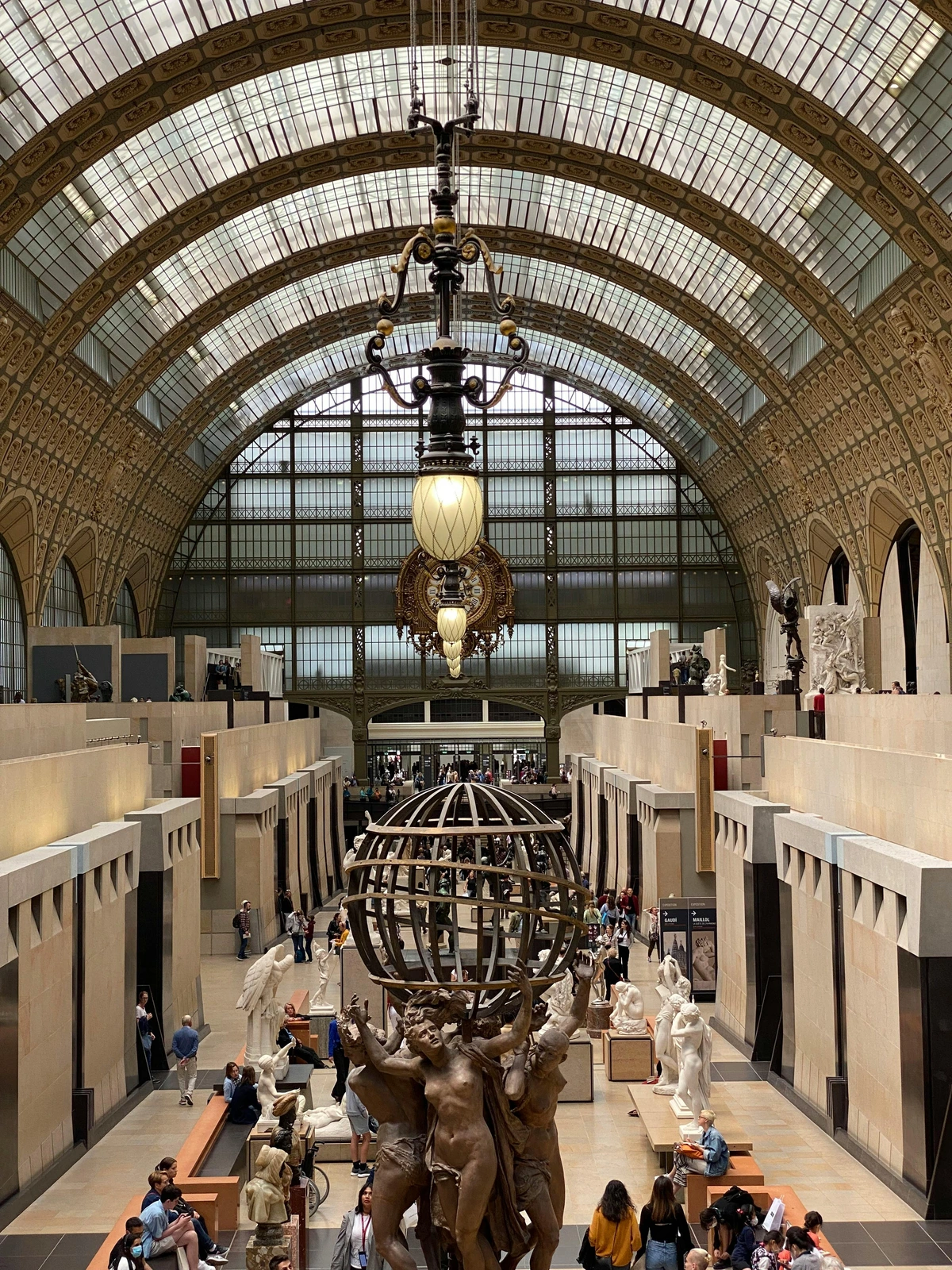


- Consistency: Regular visits build familiarity and deepen appreciation
- Curiosity: Maintain an open mind and willingness to be surprised
- Reflection: Take time to process what you've seen and how it affects you
- Connection: Build relationships with galleries, artists, and fellow art lovers
- Growth: Allow your tastes and understanding to develop over time
The most important rule of gallery visiting? There are no rules except to be present. Let the art speak to you in its own language. Sometimes it will whisper, sometimes it will shout, and sometimes it will say nothing at all. But in the silence between you and the artwork, something meaningful always happens.
So go forth. Wander those halls. Stand before paintings that make you gasp, sculptures that confuse you, and installations that challenge everything you thought you knew about art. Because in those moments of connection—however brief or however profound—you're not just looking at art. You're having a conversation that spans centuries, cultures, and human experiences.
And that, my friend, is the real magic.