The Enduring Legacy: How Ancient Greek Art Shapes Contemporary Artistic Expression
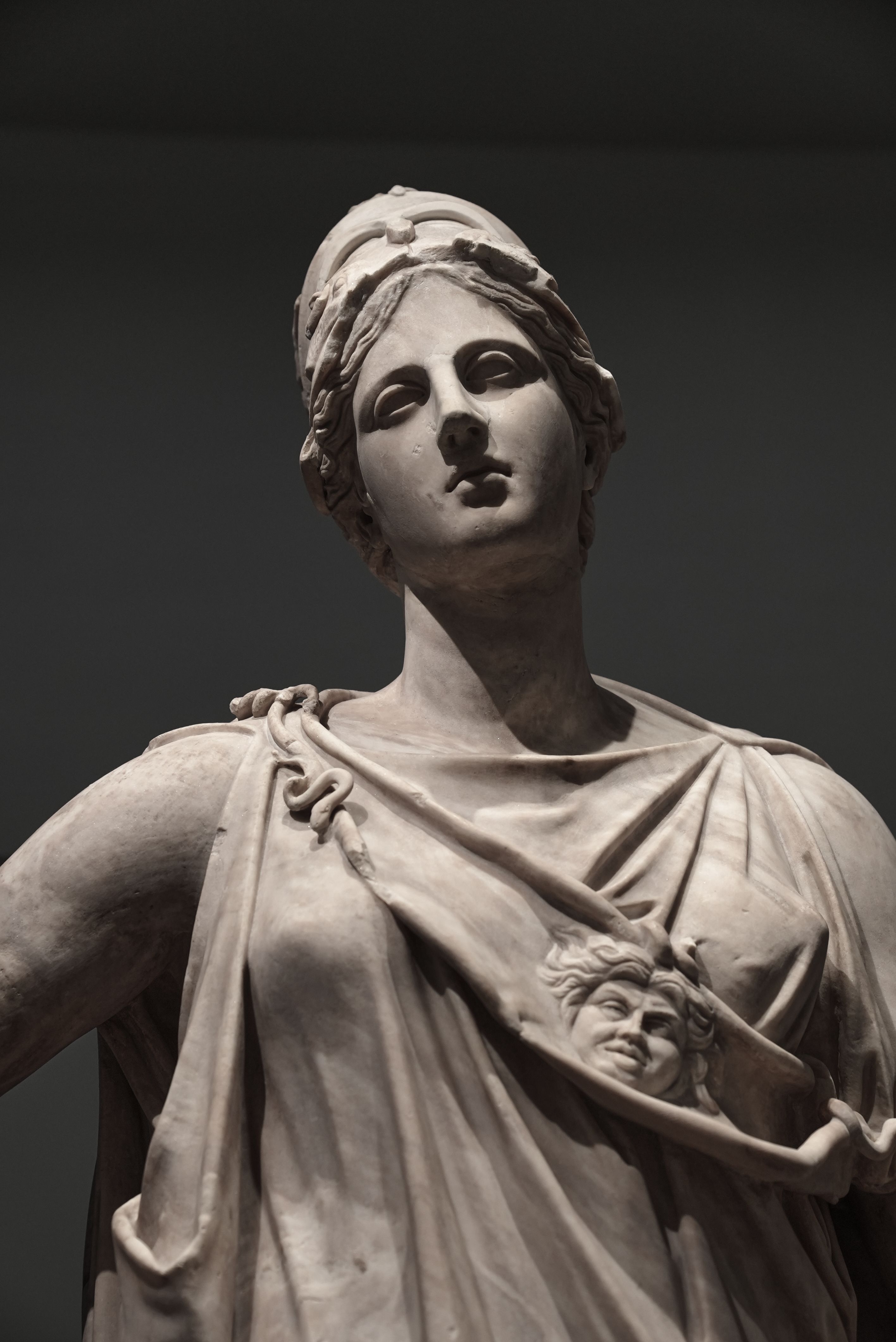
An exploration of classical influences in modern art, design, and visual culture.

The Enduring Legacy: How Ancient Greek Art Shapes Contemporary Artistic Expression
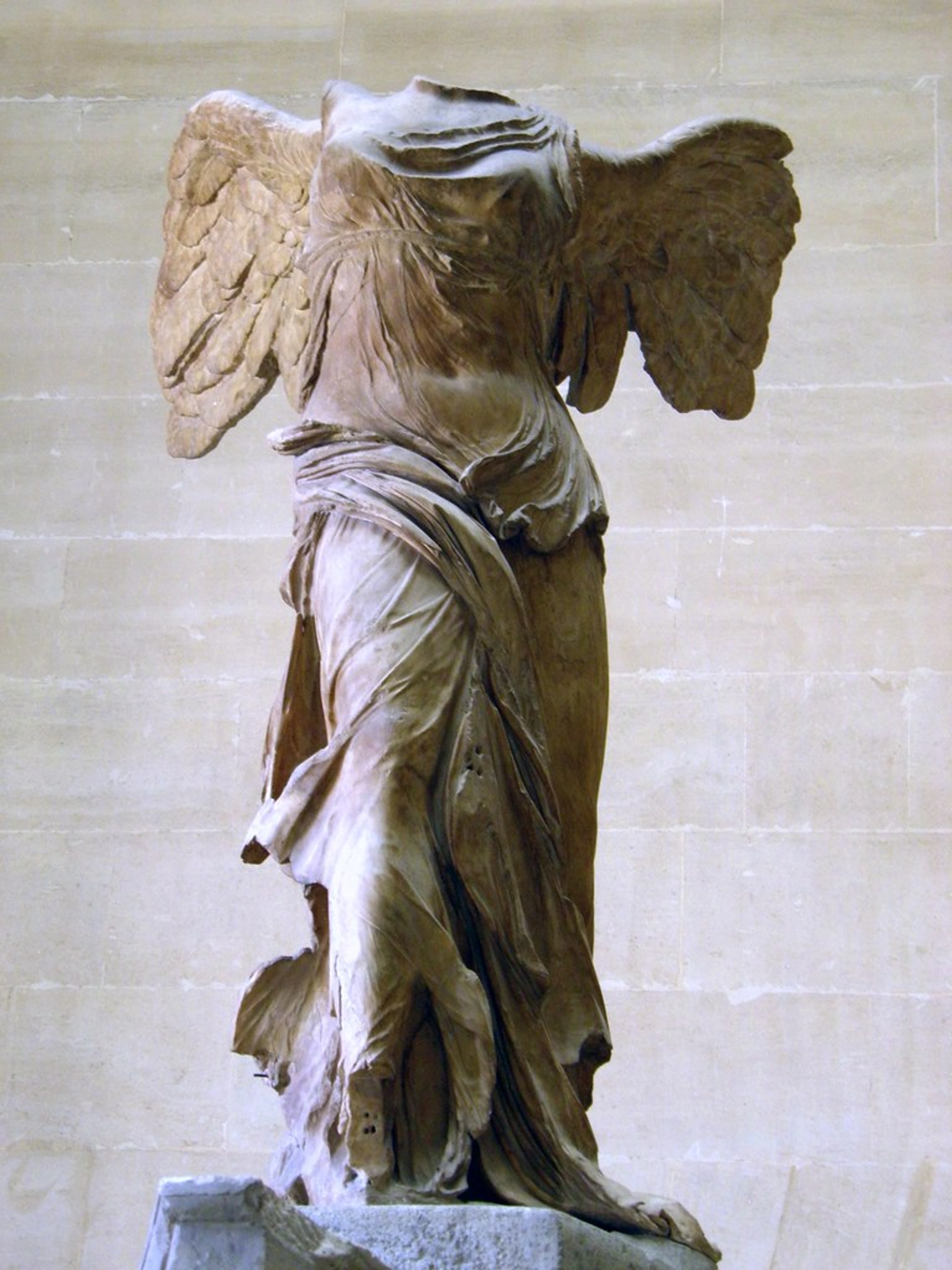
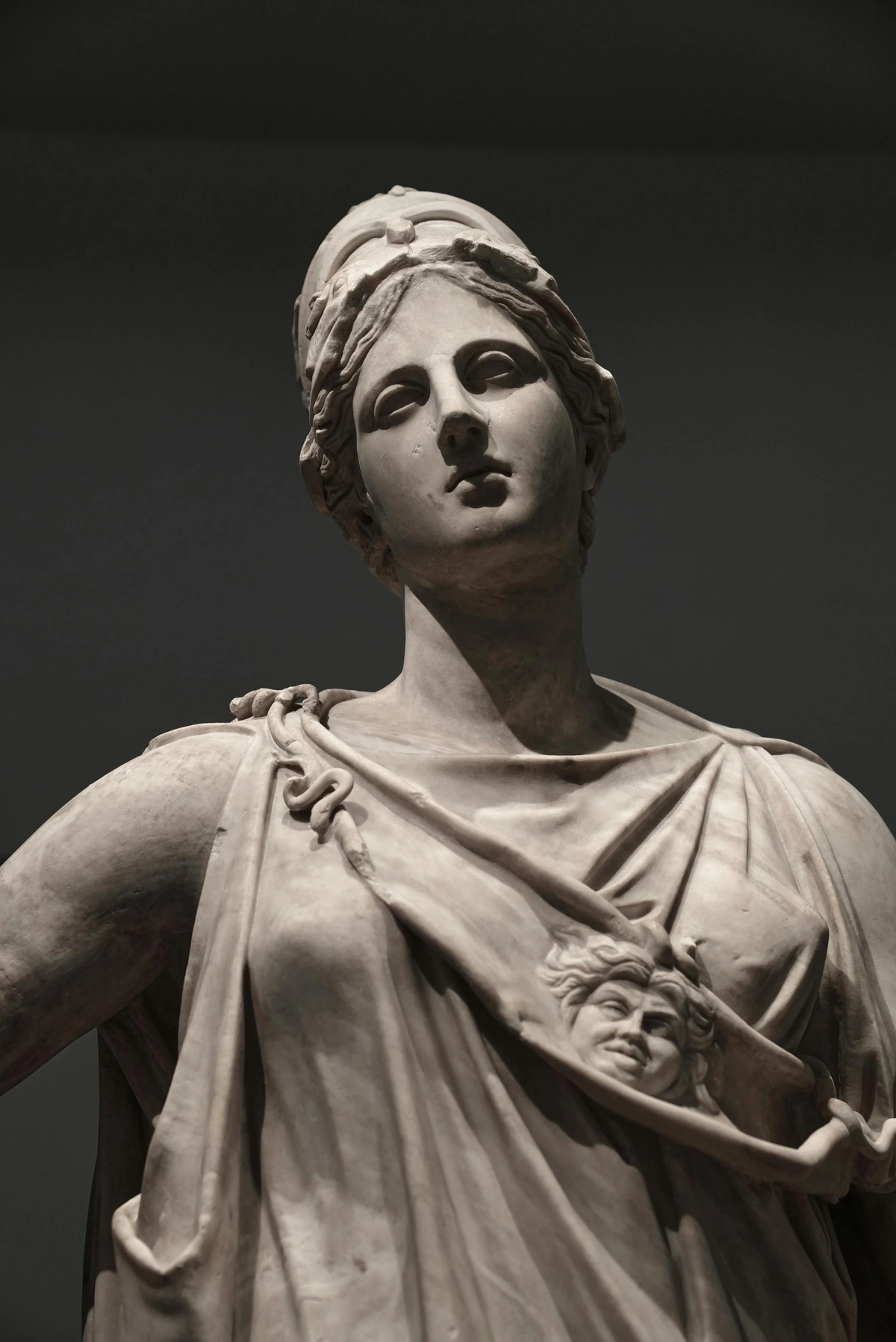
I remember the first time I stood in front of a Greek statue. It was one of those moments where you feel a strange connection to something created thousands of years ago. The way the marble captured the drape of fabric, the serene expression on the face—it was as if the artist had frozen a moment of pure, timeless beauty. And then I looked around and realized: this isn’t just history. It’s everywhere, even in the art we create today.
Ancient Greek art isn’t just a relic of the past; it’s a living, breathing part of our artistic DNA. From the grandeur of classical architecture to the subtleties of modern abstract art, the influence of ancient Greece is inescapable. It’s in the way we design buildings, the way we paint, sculpt, or even take photographs. It’s in the stories we tell and the emotions we evoke. And that’s why, thousands of years later, it still matters.
Ancient Greek art isn’t just a relic of the past; it’s a living, breathing part of our artistic DNA. From the grandeur of classical architecture to the subtleties of modern abstract art, the influence of ancient Greece is inescapable. It’s in the way we design buildings, the way we paint, sculpt, or even take photographs. It’s in the stories we tell and the emotions we evoke. And that’s why, thousands of years later, it still matters.
Why Ancient Greek Art Still Matters
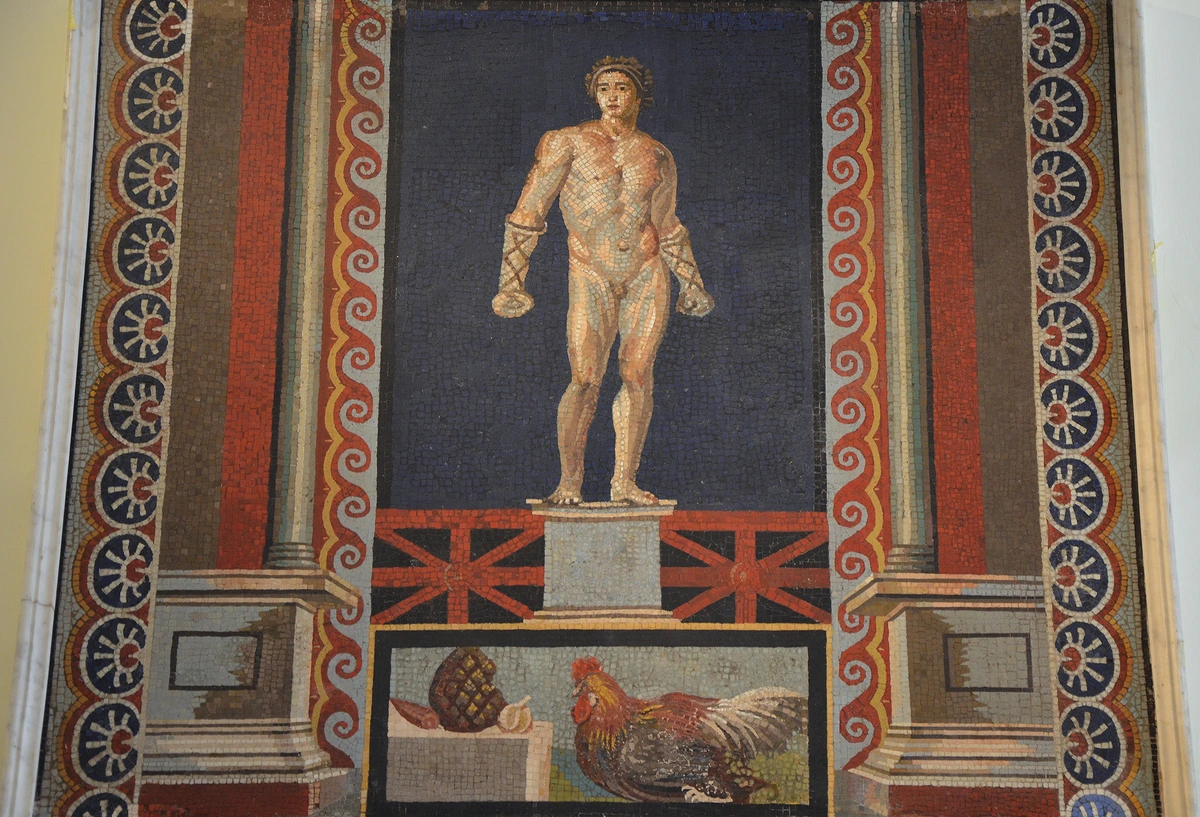
You might be wondering, Why should I care about art from over two thousand years ago? Well, let me tell you, ancient Greek art isn’t just about old statues and broken pots. It’s the foundation of so much of what we consider beautiful, balanced, and meaningful in art today. From the way we design buildings to the way we paint, sculpt, or even take photographs, the influence of ancient Greek art is inescapable.
The Birth of Realism
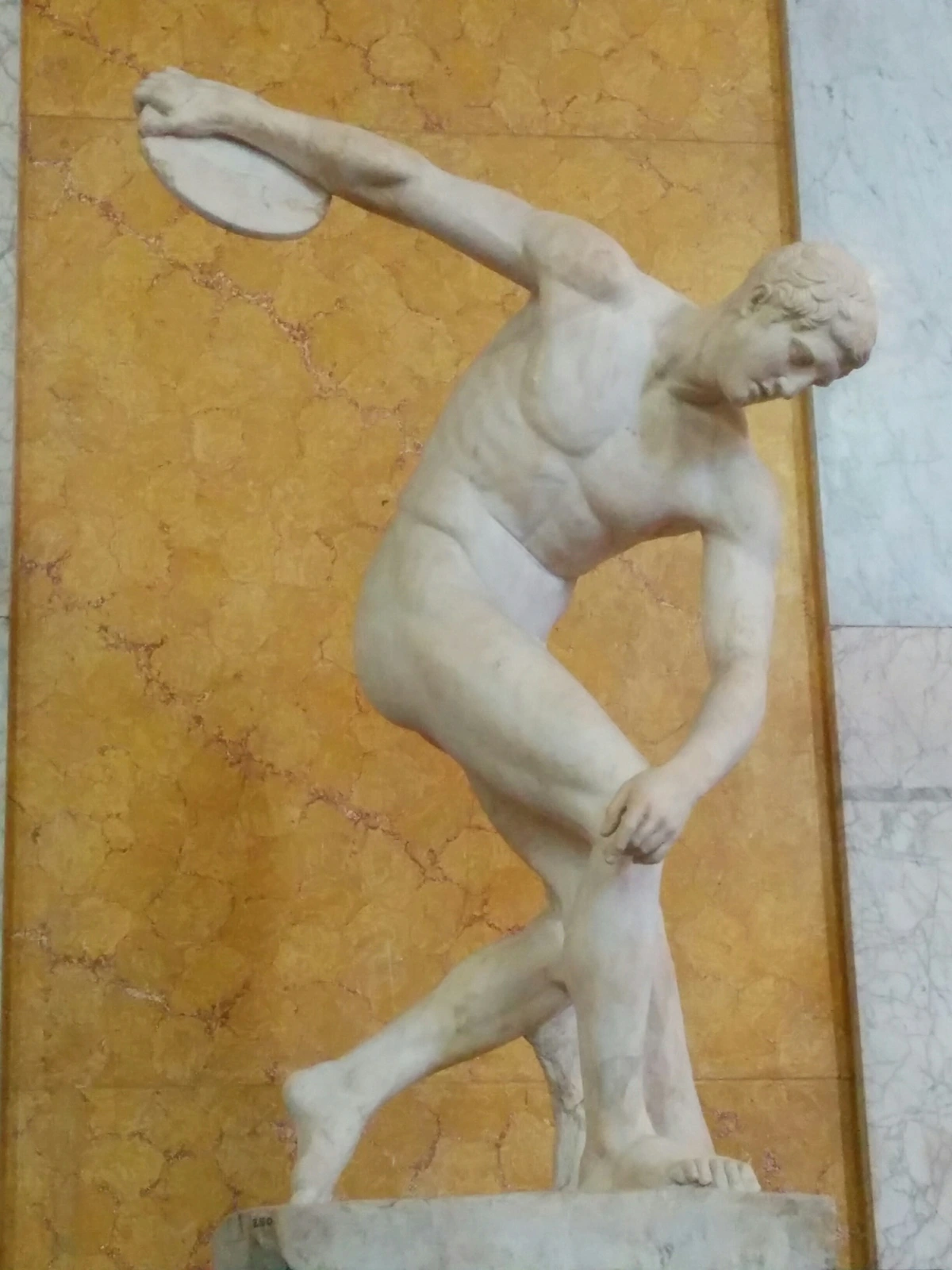
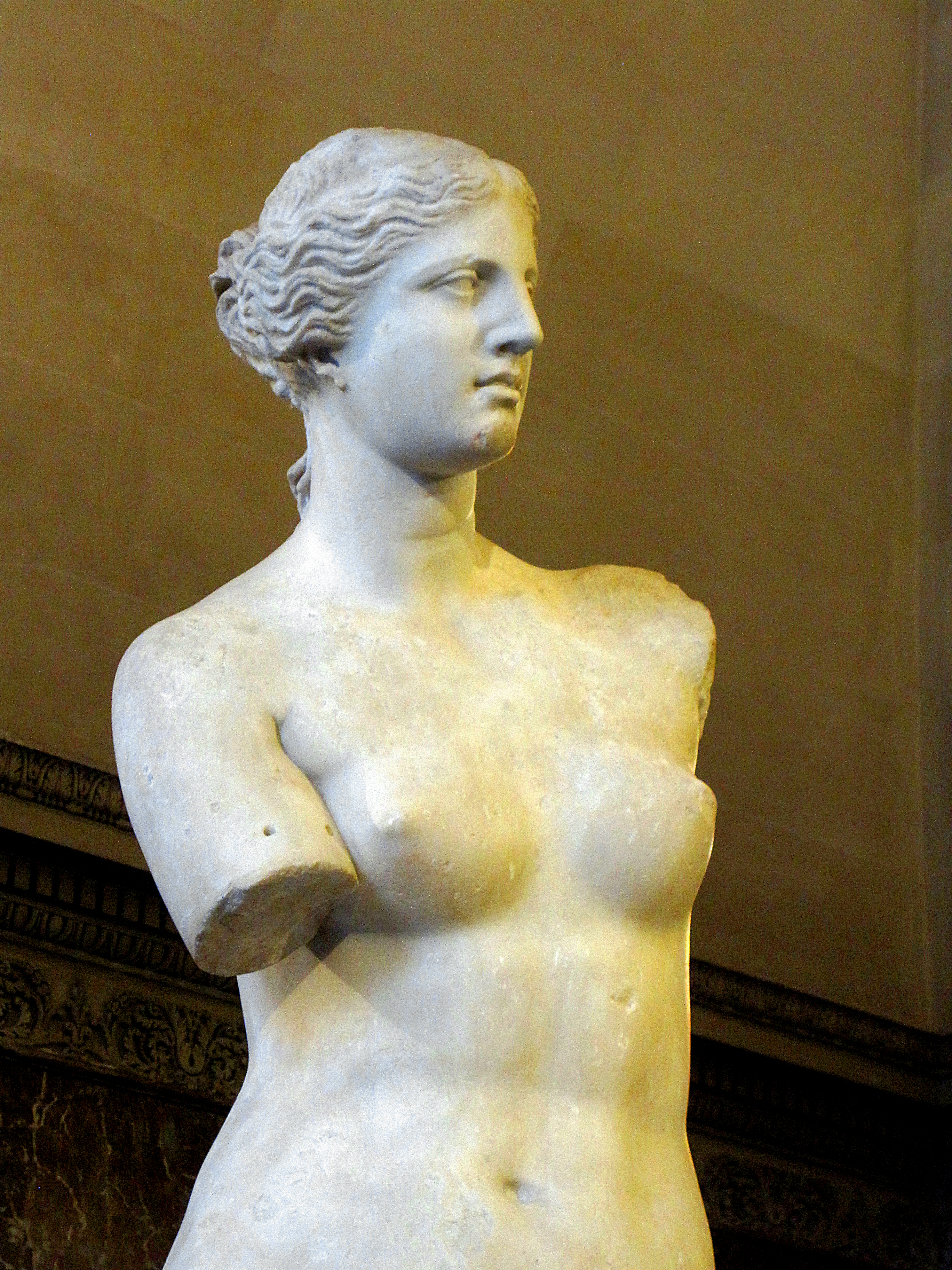
One of the most groundbreaking aspects of ancient Greek art was its move toward realism. Before the Greeks, art was often stiff, formal, and highly stylized. But the Greeks? They wanted to capture life as it really was—the way muscles flexed, the way fabric folded, the way emotions played across a face.
Take the Doryphoros by Polykleitos, for example. This statue isn’t just a man holding a spear. It’s a study in perfect proportion, balance, and human anatomy. The Greeks were obsessed with getting it right, and that obsession with realism has trickled down into modern art. Ever seen a hyper-realistic painting or a lifelike sculpture? You can thank the Greeks for setting that standard.
The Evolution of Realism in Art
The pursuit of realism didn’t stop with the Greeks. It evolved through the Renaissance, where artists like Michelangelo and Leonardo da Vinci built upon Greek techniques to create even more lifelike representations. Today, realism continues to thrive in various forms, from classical portraits to digital art that mimics reality with astonishing precision.
The Power of Mythology
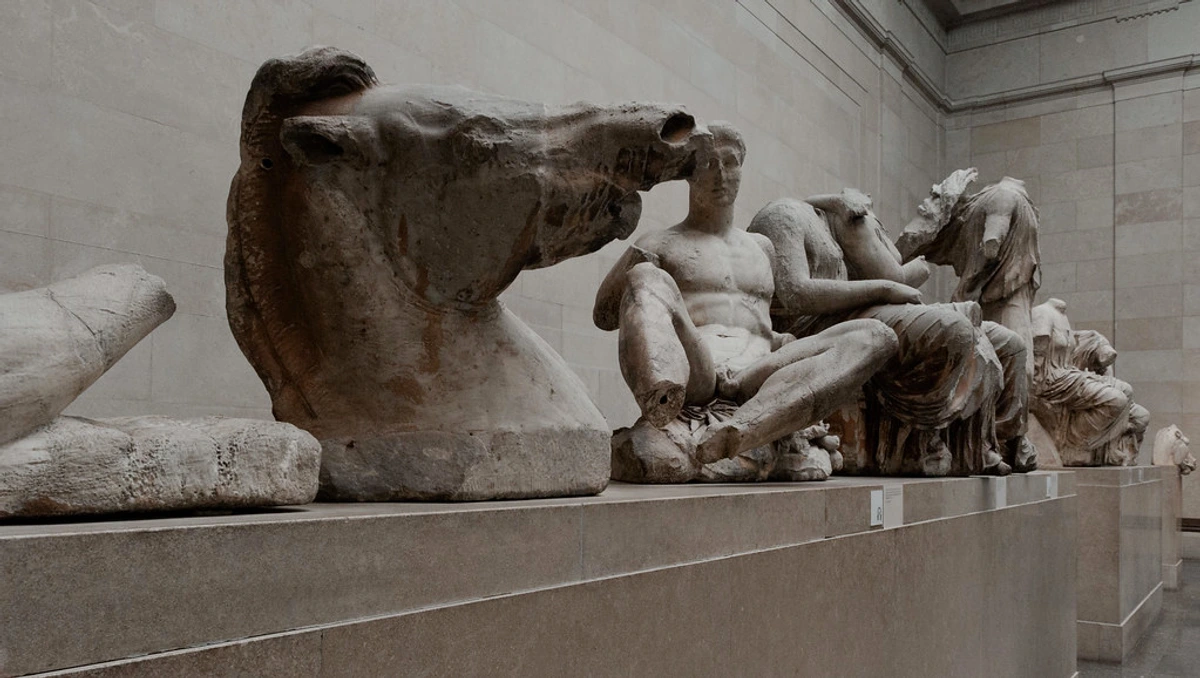
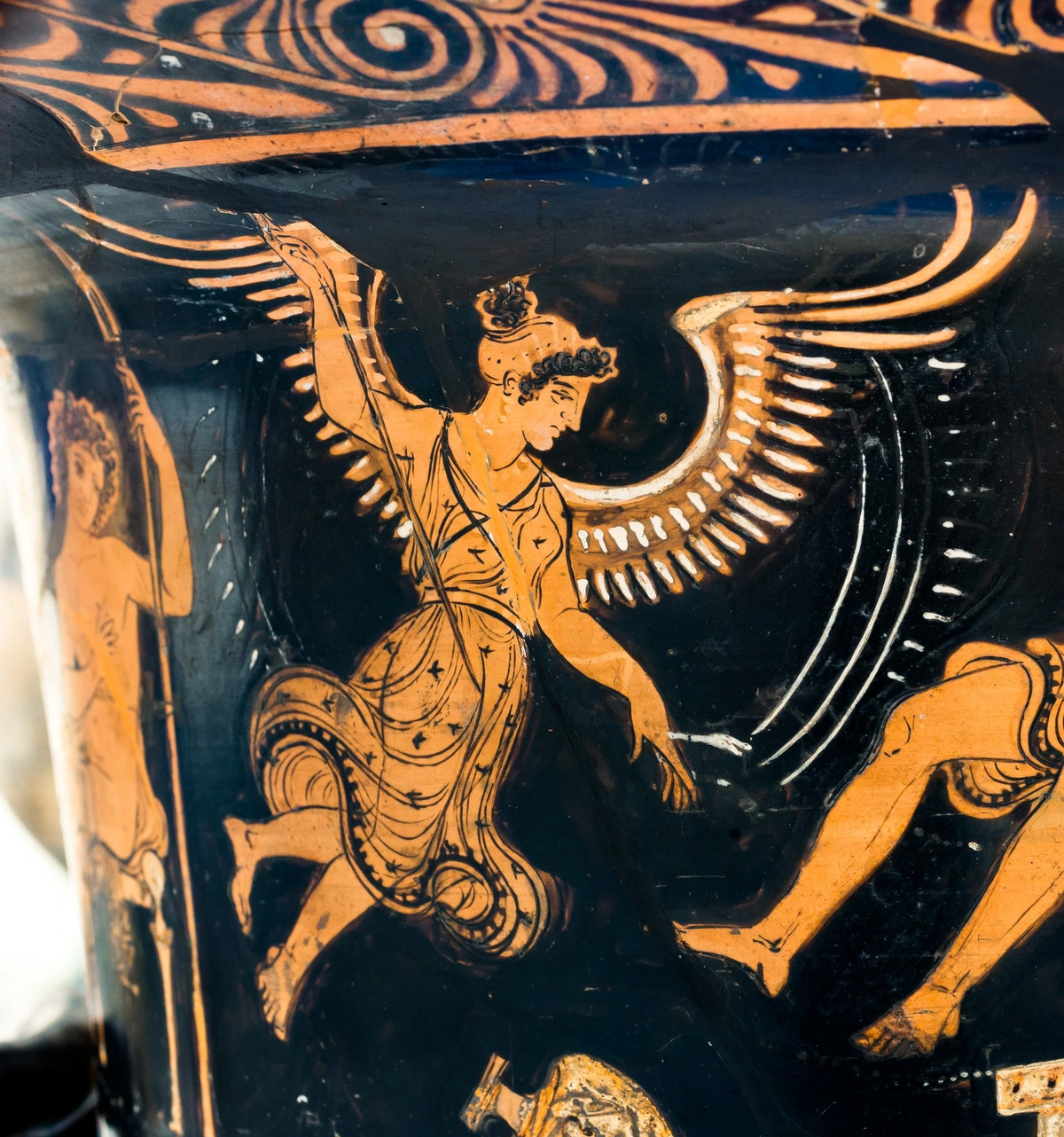
Greek art wasn’t just about realism—it was also about storytelling. The Greeks used their art to tell the stories of their gods, heroes, and myths. And guess what? We’re still doing that today.
Think about it: how many movies, books, or even video games have you seen that borrow from Greek mythology? From Perseus to Hercules, these stories are still alive in our culture. And in art, they’re just as powerful. Artists today still draw inspiration from these myths, reimagining them in contemporary styles. It’s like the Greeks gave us a treasure trove of stories, and we’re still digging through it.
Mythology in Modern Media
The influence of Greek mythology extends beyond traditional art forms. It permeates modern media, from blockbuster films to bestselling novels. The themes of heroism, tragedy, and divine intervention resonate with audiences today just as they did thousands of years ago. This enduring appeal is a testament to the universal nature of these stories and their ability to captivate and inspire across generations.
The Influence on Literature and Theater
The Greeks didn’t just influence visual art; their storytelling techniques shaped literature and theater as well. Plays by Sophocles and Euripides introduced complex characters and dramatic structures that are still studied and emulated today. Modern playwrights and screenwriters continue to draw from these ancient narratives, proving that the Greeks’ understanding of human emotion and conflict is timeless.
Greek Theater and Modern Storytelling
Greek theater introduced concepts like catharsis, the idea that art can purify or purge emotions. This concept is still relevant in modern storytelling, where audiences seek emotional release and connection through films, plays, and television shows. The structure of Greek tragedies, with their focus on character flaws and inevitable downfalls, continues to influence contemporary narratives, from Shakespearean dramas to modern-day thrillers.
Ancient Greek Art in Modern Design
Architecture: The Columns That Hold Up the World
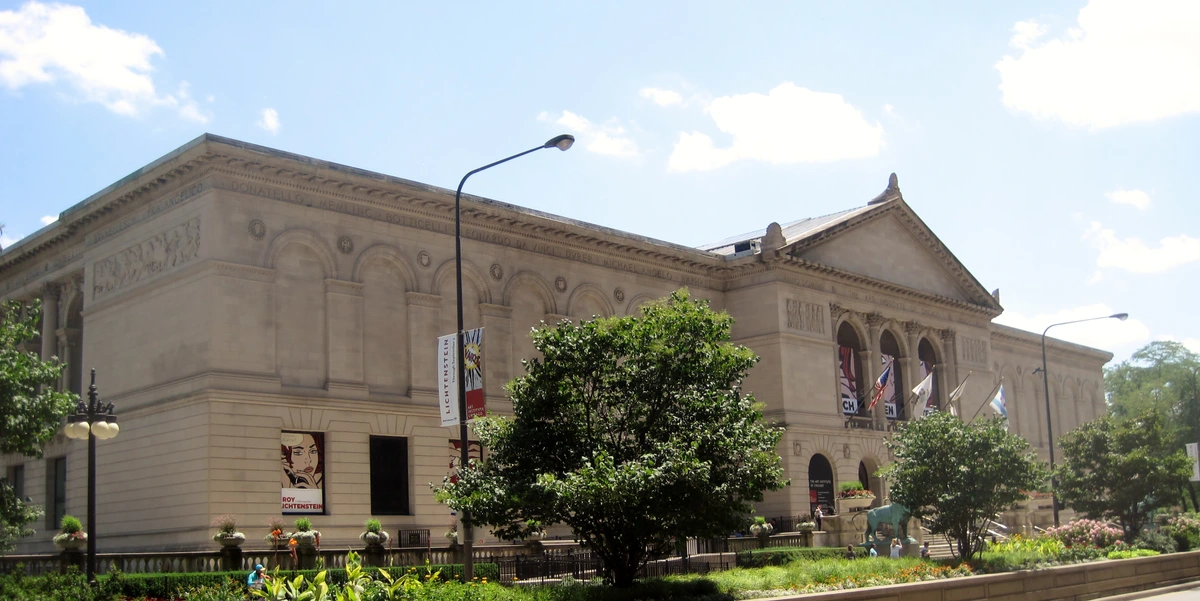
You don’t have to be an architect to recognize a Greek column. The Doric, Ionic, and Corinthian orders are everywhere—from government buildings to museums, even in modern homes. The Greeks figured out how to make structures that weren’t just functional but also beautiful. And we’ve been copying them ever since.
Next time you walk into a grand building, look up. Those columns? That’s ancient Greece staring back at you.
The Influence of Greek Architecture on Modern Cities
Greek architecture isn’t just about columns. It’s about the principles of symmetry, proportion, and harmony. These principles are evident in modern urban planning, where cities are designed to be both functional and aesthetically pleasing. The use of open spaces, grand boulevards, and monumental structures all trace their roots back to ancient Greek design philosophies.

The Golden Ratio: Beauty in Numbers
The Greeks were obsessed with mathematics, and they believed that beauty could be found in numbers. Enter the Golden Ratio, a mathematical proportion that’s supposed to be the most aesthetically pleasing to the human eye. You’ll find it in the Parthenon, in ancient Greek sculptures, and—surprise, surprise—in modern design, photography, and even web layouts.
Ever wondered why some logos or advertisements just feel right? Chances are, they’re using the Golden Ratio, whether consciously or not.
The Golden Ratio in Contemporary Design
The Golden Ratio isn’t just a historical curiosity; it’s a tool used by designers today to create visually appealing compositions. From the layout of a magazine spread to the design of a smartphone app, the principles of the Golden Ratio help create balance and harmony. This mathematical concept continues to be a guiding force in the world of design, proving that the Greeks’ obsession with beauty and numbers was far ahead of its time.

The Influence on Urban Planning
The Greeks didn’t just influence individual buildings; they shaped entire cities. The concept of the agora, or public gathering space, has evolved into modern town squares and plazas. These spaces are designed to foster community and dialogue, much like their ancient counterparts. The Greeks understood the importance of public spaces in creating a sense of unity and identity, a principle that continues to guide urban planners today.
Modern Urban Spaces and Greek Principles
The idea of the agora has evolved into modern urban spaces like parks, plazas, and community centers. These spaces serve as hubs for social interaction, cultural events, and civic engagement. The Greeks’ emphasis on creating spaces that bring people together continues to inspire urban planners and architects, who strive to design cities that are not only functional but also foster a sense of community and belonging.
Ancient Greek Art in Contemporary Art
From Classical to Abstract
Now, you might be thinking, But modern art is all about abstraction and breaking rules. How does ancient Greek art fit into that?
Here’s the thing: even abstract art has roots in the classical. Take Picasso, for example. His early works were highly realistic, trained in the classical tradition. Even when he broke away into cubism, you can still see the influence of Greek art in his understanding of form, structure, and proportion.

And let’s not forget the neoclassical movement, where artists like Jacques-Louis David went back to the Greeks for inspiration, creating works that were both grand and emotional. That movement still echoes in contemporary art today.
The Human Form: Still the Ultimate Subject
The Greeks believed that the human body was the most perfect subject for art. And honestly? They weren’t wrong. Even today, artists are drawn to the human form, whether it’s in realistic portraits, abstract figures, or even digital art.
Look at the works of contemporary artists. While their styles may be abstract or avant-garde, the influence of the human form—its curves, its movements, its emotions—is still there. It’s a testament to how deeply the Greeks understood the power of the human body in art.
The Human Form in Contemporary Art
Contemporary artists continue to explore the human form in innovative ways. From hyper-realistic sculptures to abstract representations, the human body remains a central theme in art. This enduring fascination is a testament to the Greeks’ belief in the human form as the ultimate subject for artistic expression. Whether through traditional mediums or cutting-edge digital techniques, artists today continue to draw inspiration from the Greeks’ mastery of the human form.
The Role of Greek Art in Digital Media
The influence of ancient Greek art extends into the digital realm as well. 3D modelers and animators study Greek sculptures to understand anatomy and movement, ensuring their digital creations are as lifelike as possible. Even in video games, Greek architecture and mythology are often used to create immersive worlds and compelling narratives. The principles of balance, proportion, and storytelling that the Greeks perfected continue to guide digital creators today.
Greek Art in Film and Television
Greek mythology and art have also left a significant mark on film and television. From epic films like Clash of the Titans to modern series like Percy Jackson, Greek themes and aesthetics are a recurring motif. The grandeur of Greek architecture and the drama of its myths provide a rich source of inspiration for filmmakers and showrunners alike.
FAQ: Your Questions About Ancient Greek Art and Modern Influences
How did ancient Greek art influence the Renaissance?
The Renaissance was basically a love letter to ancient Greece and Rome. Artists like Michelangelo and Leonardo da Vinci studied Greek sculptures and paintings, trying to recapture that sense of realism and beauty. The Renaissance wouldn’t have been the same without the Greeks.
Are there modern artists who directly reference Greek art?
Absolutely! Artists like Cy Twombly have directly referenced Greek mythology and art in their works. Even street artists and contemporary sculptors often draw from Greek themes, whether it’s in their subject matter or their techniques.
Why do we still use Greek architectural styles today?
Greek architecture is timeless because it’s both functional and beautiful. The columns, the proportions, the balance—it all works. Plus, there’s something about those grand, imposing structures that just feels important. Governments and institutions still use Greek styles to convey power, stability, and tradition.
How can I see Greek influences in modern art?
Start by looking at the basics: proportion, balance, and the human form. Visit a museum and compare ancient Greek statues to modern sculptures. Look at buildings and see if you can spot those classic columns. Even in abstract art, you’ll find echoes of Greek ideals—whether it’s in the way an artist uses space or the emotions they’re trying to evoke.
Is Greek art still relevant in digital art and design?
Yes! Digital artists often use the Golden Ratio in their compositions. 3D modelers study ancient Greek sculptures to understand anatomy and movement. Even in video games, you’ll see Greek architecture and mythology pop up all the time. The Greeks might not have had computers, but their principles are still guiding digital creators today.
What are some key differences between ancient Greek and modern art?
While ancient Greek art focused on realism, balance, and harmony, modern art often embraces abstraction, experimentation, and individual expression. However, the influence of Greek art can still be seen in modern works, particularly in the emphasis on the human form and the use of mathematical principles like the Golden Ratio.
How has Greek art influenced contemporary fashion?
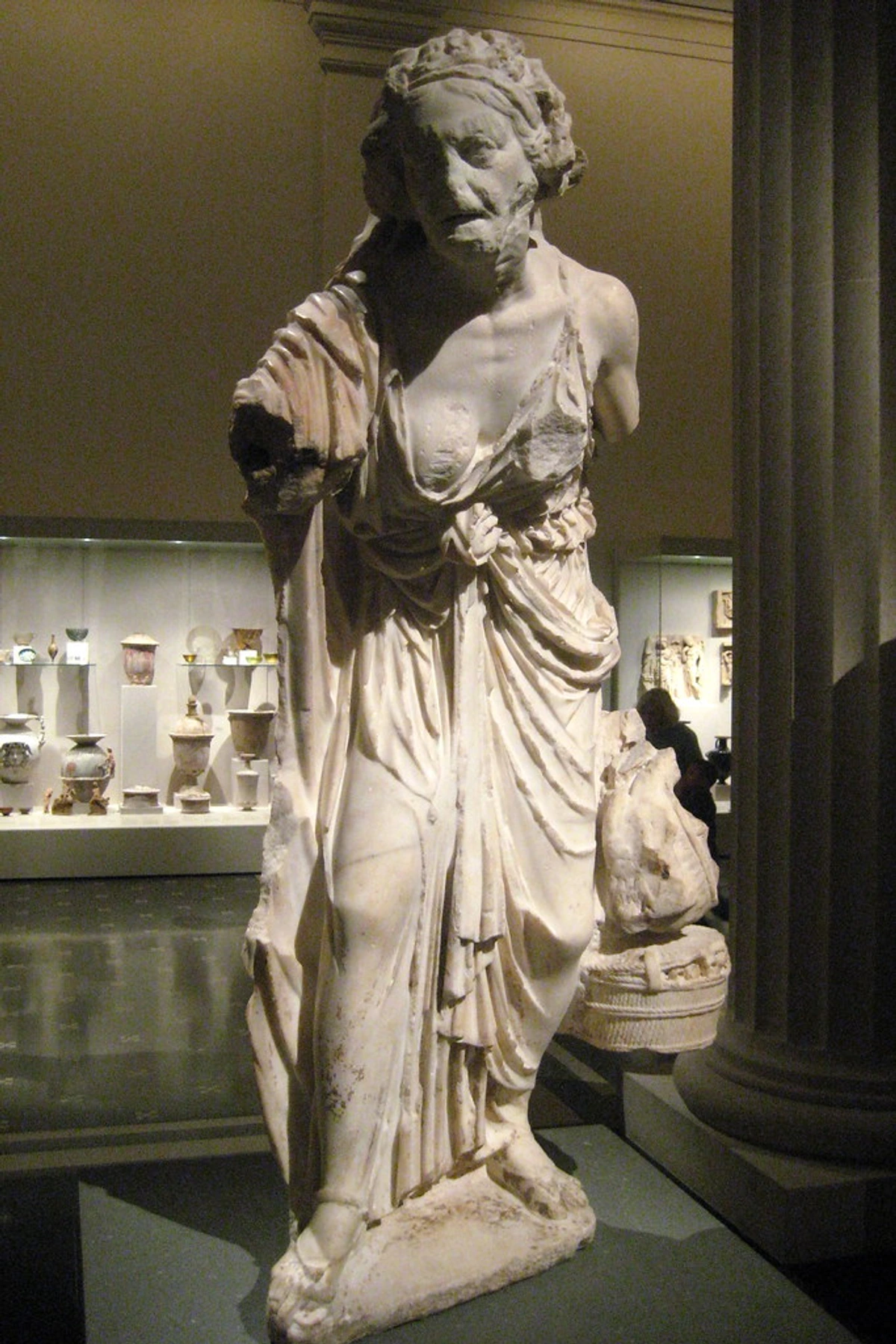
The influence of Greek art can be seen in contemporary fashion through the use of draped fabrics, classical motifs, and the emphasis on the human form. Designers often draw inspiration from Greek statues and architecture, incorporating elements like columns, symmetry, and flowing lines into their designs.
What role does Greek art play in modern education?
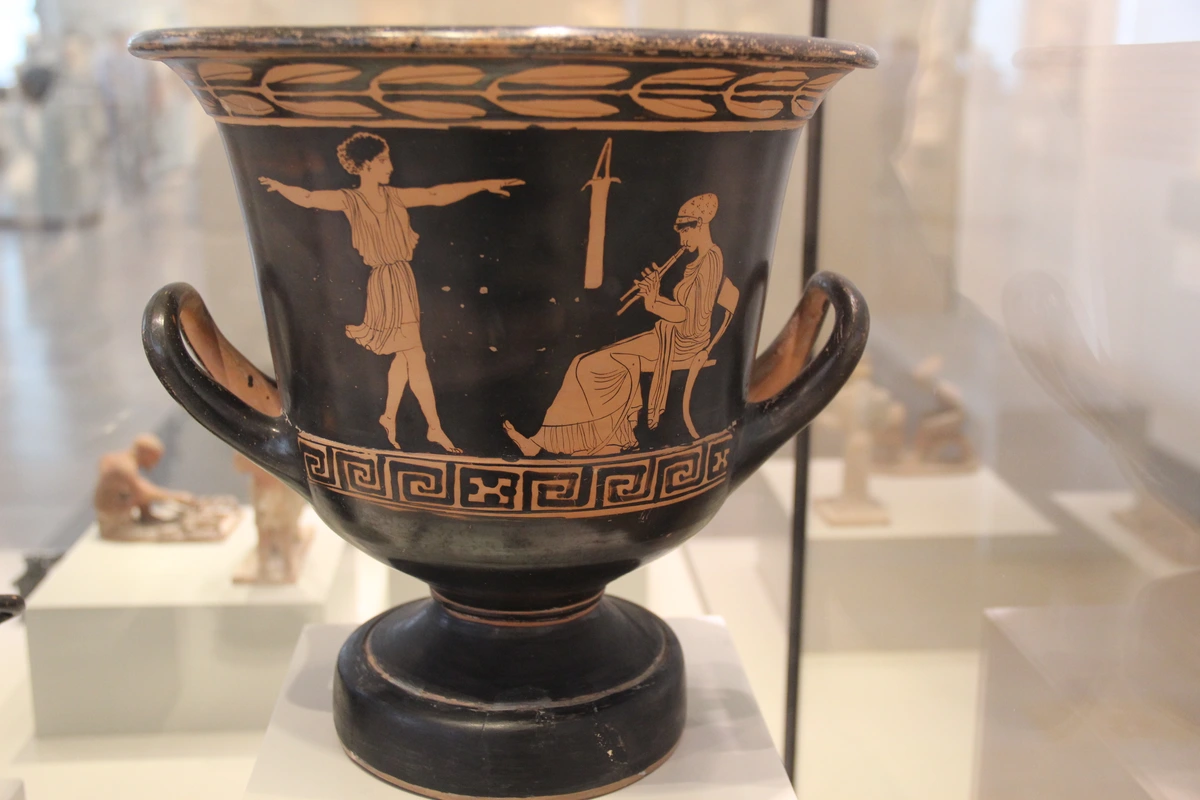
Greek art is a fundamental part of art education, teaching students about the principles of proportion, balance, and realism. It also provides a rich source of inspiration for storytelling and mythology, helping students understand the cultural and historical context of art.
Conclusion: The Greeks Aren’t Gone—they’re Everywhere
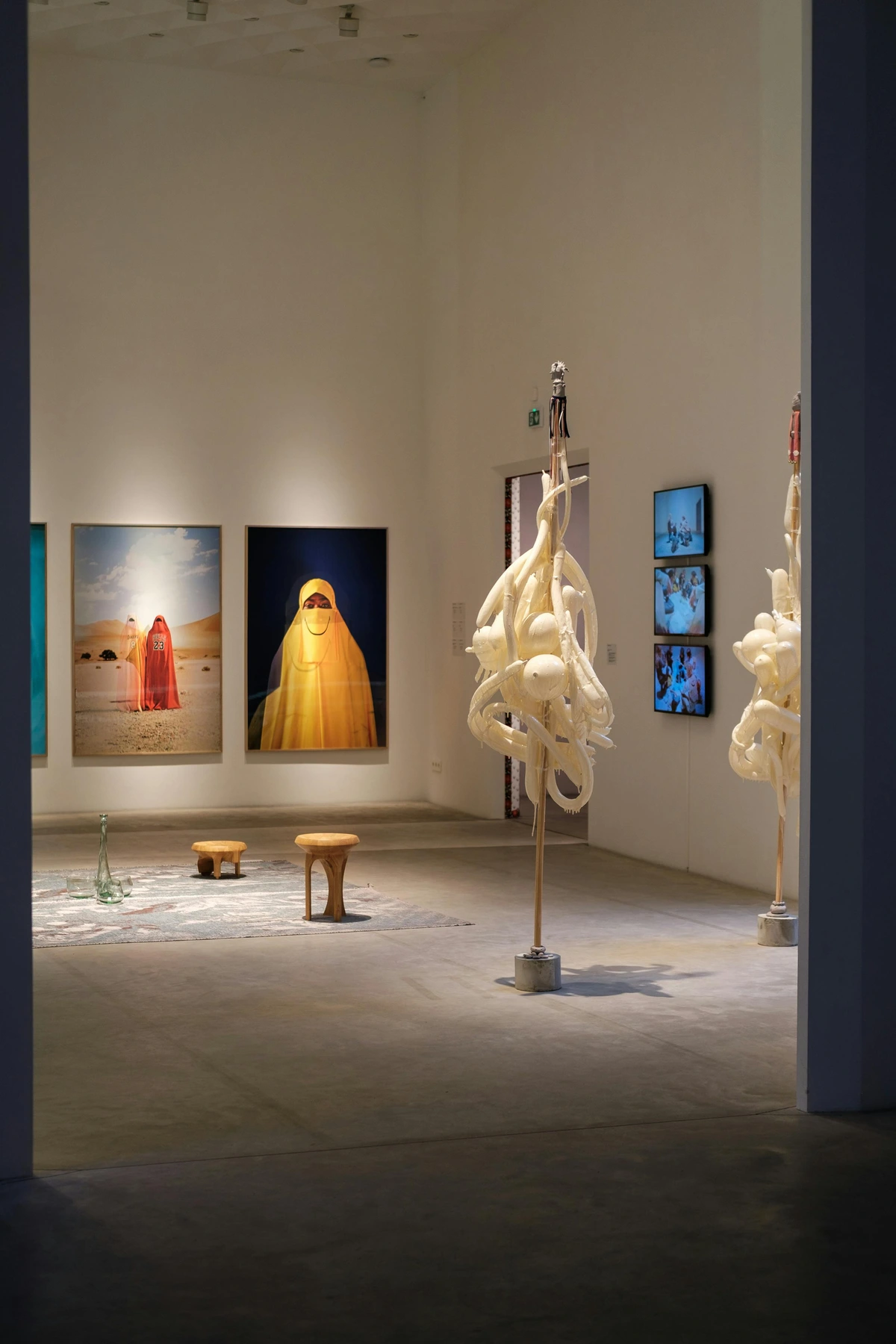
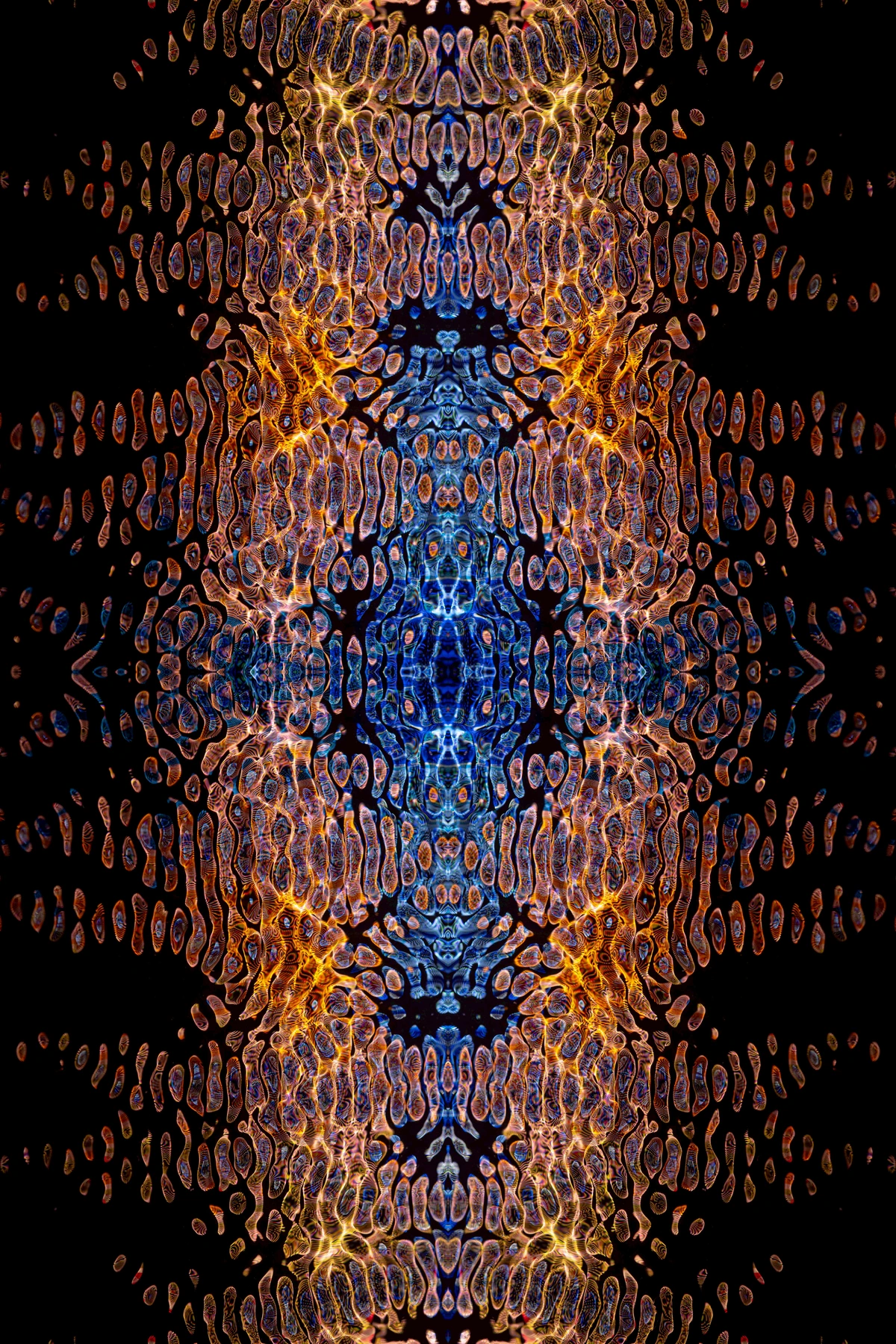
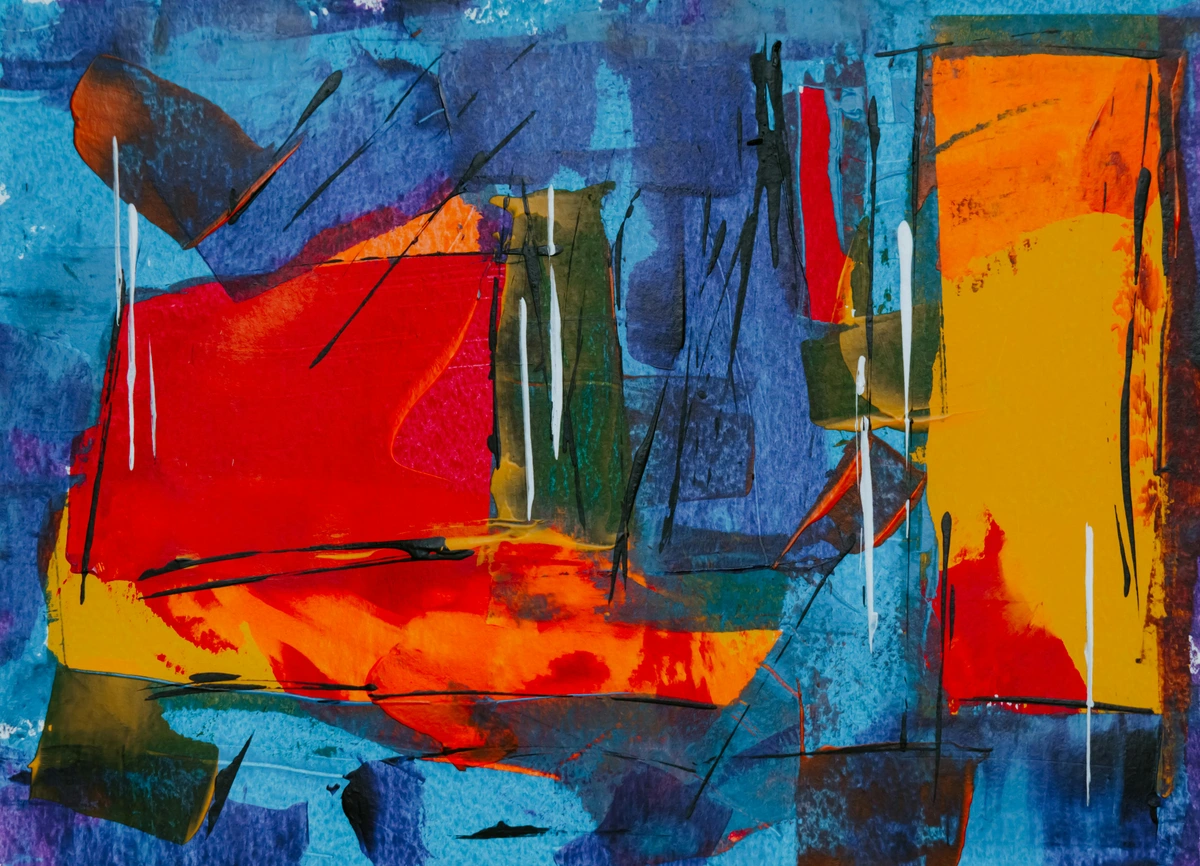
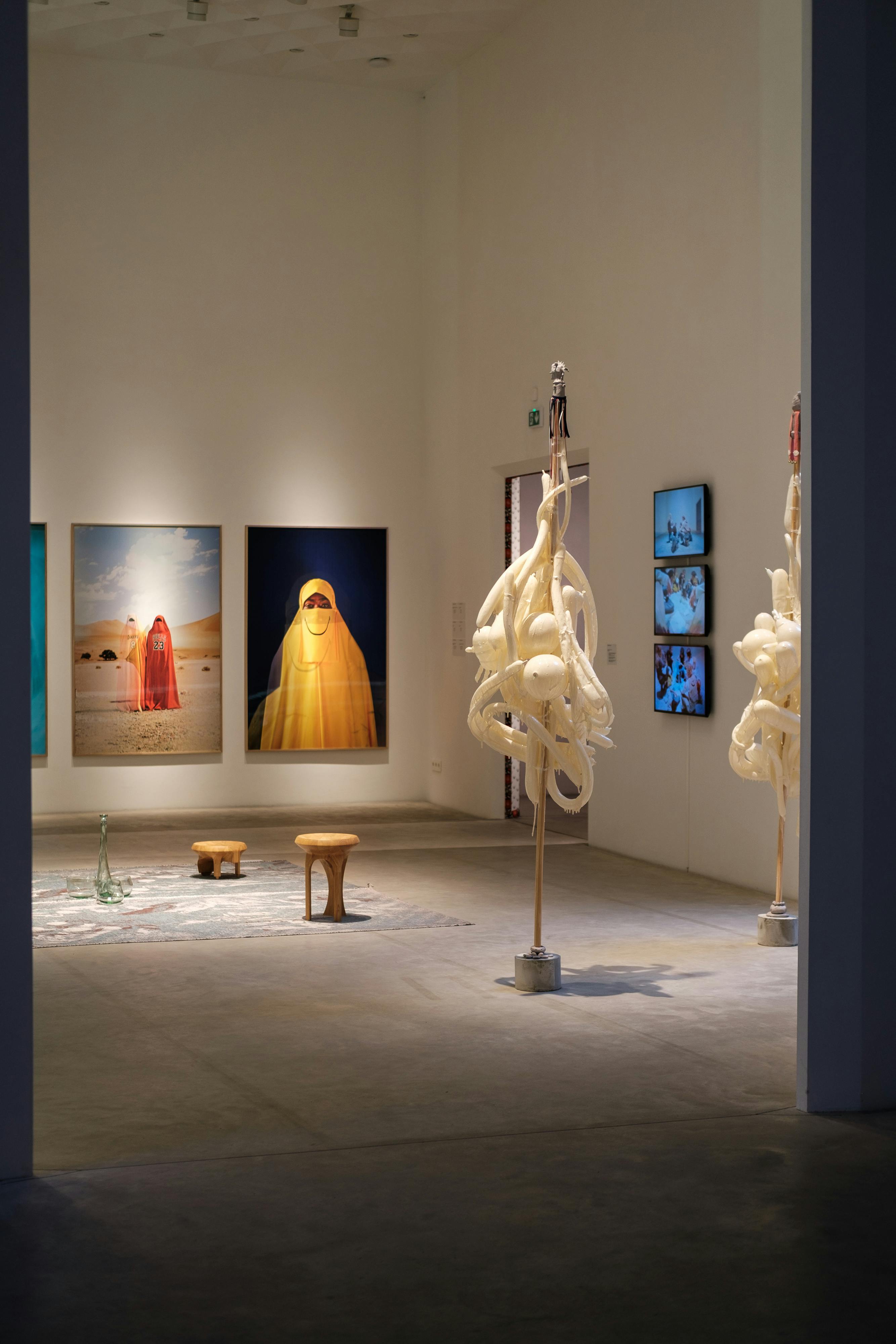
So, the next time you walk into a museum, flip through an art book, or even scroll through Instagram, take a moment to look for the Greeks. They’re in the way a building is designed, in the balance of a painting, in the storytelling of a sculpture. They’re even in the abstract, colorful works of contemporary artists like those you might find here.
Ancient Greek art isn’t just a relic of the past. It’s a living, breathing part of our artistic DNA. And that’s why, thousands of years later, it still matters.
The Future of Greek Influence
As we move further into the digital age, the influence of ancient Greek art is likely to continue evolving. Virtual reality, augmented reality, and other emerging technologies offer new ways to experience and reinterpret Greek art. Whether it’s through digital reconstructions of ancient sites or interactive exhibits that bring Greek myths to life, the legacy of ancient Greece is sure to inspire future generations of artists and creators.
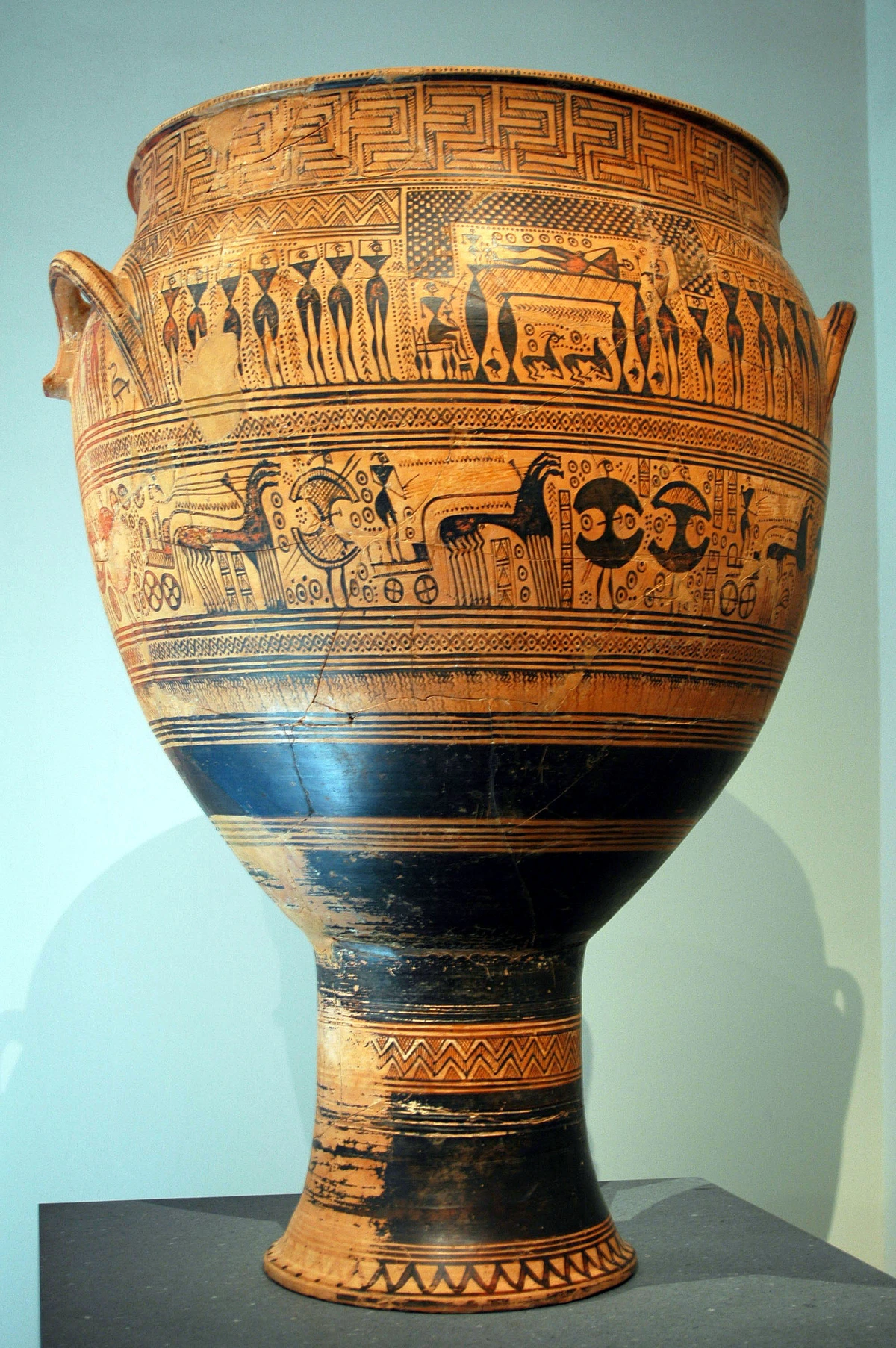









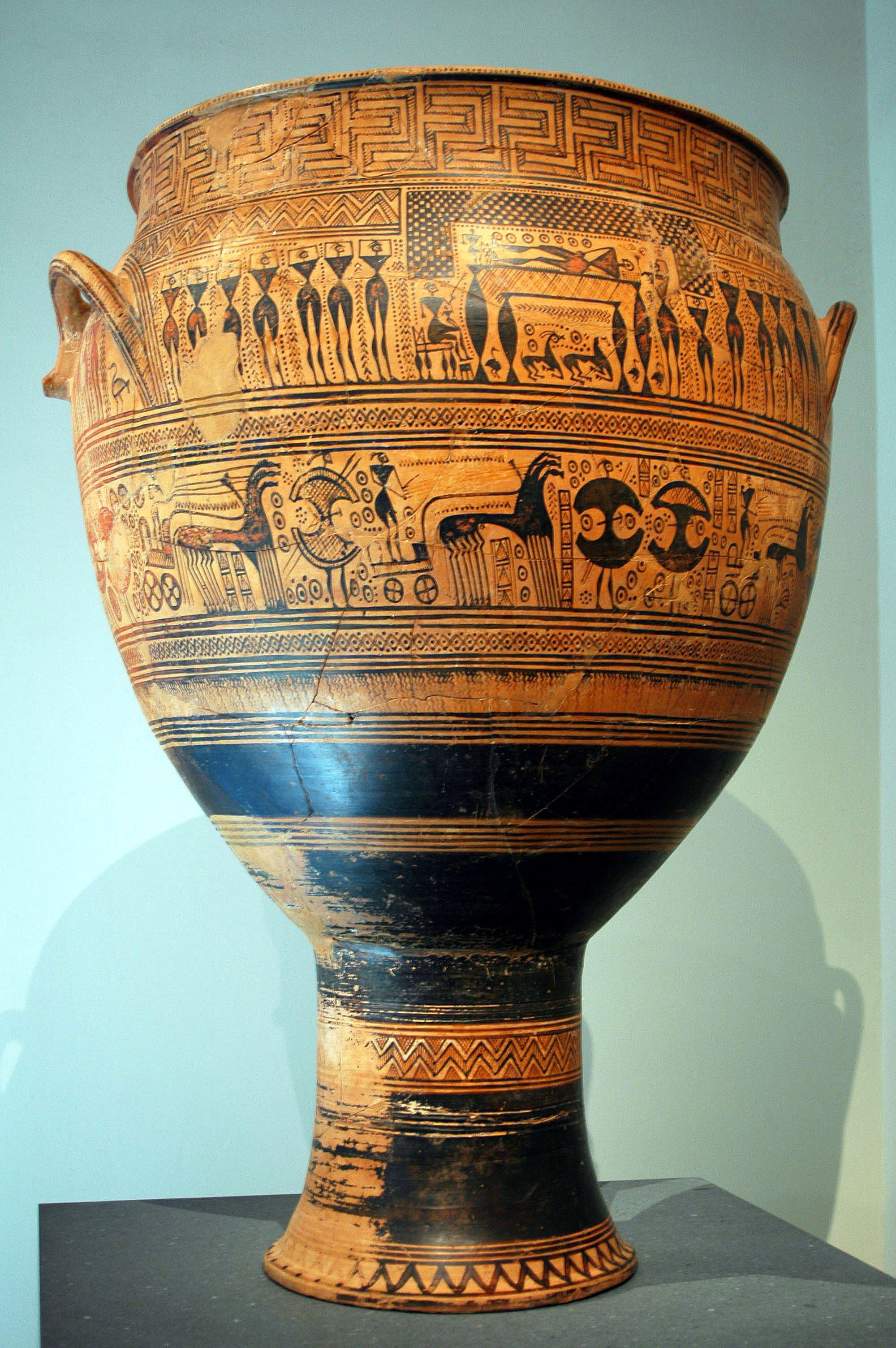
So, the next time you encounter a piece of art, a building, or even a digital creation, take a moment to appreciate the enduring legacy of ancient Greek art. It’s a testament to the power of human creativity and the timeless appeal of beauty, balance, and storytelling.