Frieze London for First-Timers: Your Artist's Insider Guide
Feeling lost at Frieze London? This artist's guide demystifies Frieze, Masters, & Sculpture, offering practical tips, jargon decoded, and insider insights for an exhilarating first visit to the global contemporary art market.

Frieze London for First-Timers: An Artist's Insider Guide to Contemporary Art and the Global Art Market
I remember my first foray into a major art fair – a vast, sprawling universe where everyone seemed to speak a secret language of aesthetics, provenance, and market trends. I felt utterly lost, map upside down, wondering if I'd accidentally stumbled into a very chic alien convention. Does that sound familiar? I vividly recall overhearing snippets of conversation, dense with jargon like 'curatorial intent' and 'market liquidity,' and feeling like I’d missed a crucial introductory course. If you're eyeing Frieze London, that colossal, electrifying hub of contemporary art in Regent's Park, for your inaugural visit, then trust me, I’ve been precisely where you are. My goal with this guide? To cut through the noise, offering both the practical essentials and a deeper understanding of the art world's nuances, ensuring your first Frieze experience is exhilarating, not overwhelming. For me, that’s where the real conversation begins, a journey I'm still very much on, as my artist timeline – a chronicle of my own evolution and discoveries – can attest. So, let’s navigate this vibrant beast together, shall we?

Unpacking Frieze: More Than Just an Art Fair – It's a Curated Universe in Motion
So, what is Frieze, really? It’s far more than a mere exhibition; it’s a temporary city dedicated to art, meticulously constructed in London each October. Historically, art fairs date back centuries, but Frieze emerged in 2003, quickly becoming a beacon for contemporary art by redefining the traditional fair model with its focus on cutting-edge work and a vibrant program of talks and performances. Initially a platform to challenge the established art scene, Frieze grew to be a critical barometer for global art trends, attracting a diverse ecosystem of artists, galleries, collectors, curators, and yes, even curious first-timers like us. Imagine galleries from every corner of the globe transforming unassuming tents into pristine white cubes – a term you’ll hear often. For me, these are like blank canvases, designed to strip away external distractions, elevating the artwork to become the singular focus, almost a sacred object within its own isolated context. They can feel sterile sometimes, yes, but their power lies in forcing you to confront the art, and only the art. It’s where seasoned collectors hunt for their next acquisition, and curators scout for emerging talent (sometimes for significant institutional shows). And us? We come to gawp, marvel, and yes, sometimes feel a little out of our depth. But that’s the exhilarating part, isn't it? It’s a real-time snapshot of the global art conversation, a live pulse-check on what’s visually innovative, intellectually stimulating, and currently making waves. This dynamic environment, where art is both presented and negotiated, is a critical window into the art market's ecosystem, a complex web that influences what art is seen, valued, and remembered.
What I’ve come to understand about the art world's "secret language" isn't a code to be cracked, but a tapestry woven from experience and context. It's in recognizing the subtle importance of an artist's provenance (the history of ownership of a work of art, which to me is like its autobiography, telling stories of its past lives – imagine a painting once owned by a revolutionary artist or a famed patron; its history adds another profound layer of value and intrigue). You'll overhear curators debate the curatorial intent (the guiding concept or philosophy behind an exhibition or collection, shaping which art is shown and how it's presented) or the market liquidity (how easily an artwork can be bought or sold without affecting its price, often indicating its desirability – think of it like how easily you could sell a popular new car versus a very rare vintage one; some art is just easier to move, especially works by artists with established museum presence). Galleries, you see, are more than just vendors; they’re often long-term partners with artists, nurturing careers and shaping public perception. For artists like myself, it's a critical window into this market, a chance to network (even as a visitor), and an incomparable source of inspiration and understanding of current trends, as explored further in understanding art fair logistics.
Here, you'll also notice art advisors, those behind-the-scenes navigators of the art market, discreetly guiding collectors to their next significant acquisition, playing a crucial role in shaping private collections and, by extension, the market itself. It’s a fast-paced environment where significant transactions often happen swiftly, sometimes even before the public gates officially open during the VIP and preview days. What does this mean for us? It means the 'best' pieces, or at least the most coveted, might already be spoken for, but also that there's always something new emerging, waiting to be discovered.
Embarking on Your Frieze Adventure: Practicalities and the Right Mindset for an Exhilarating Day
Right, so Frieze is a whole ecosystem, a vibrant, sprawling beast. How do you prepare to dive in without getting eaten alive? My biggest piece of advice for any first-timer? Frame your visit with the right mindset, then plan just enough to feel prepared, but leave ample space for spontaneous discovery. The most memorable moments at Frieze often arrive unexpectedly, like stumbling upon a hidden gem.
Unless you’re ready to invest six figures in a new masterpiece (and genuinely, no judgment if you are!), I urge you to approach Frieze as a dedicated observer. It's a rare opportunity to witness cutting-edge art, identify emerging trends, discover artists who resonate deeply with you, and immerse yourself in an unparalleled cultural experience. Don't feel any pressure to understand every single piece or, indeed, to buy anything. My own journey as an artist has profoundly taught me the immense value of simply looking, reflecting, and allowing art to spark something within you, without the need for ownership. There's a subtle pressure at these fairs, a whisper of "you should be buying," that I've learned to silence. Instead, I choose to engage purely with the visual conversation, letting inspiration brew. Though, if you do find yourself inspired to bring some art into your home, you know where to look – you can always explore my art for sale. (Confession: I once spent a good hour contemplating a piece I absolutely couldn't afford, not out of envy, but to dissect its form and emotion – a valuable lesson in appreciation over acquisition. We all do it!)
Tickets, Timing & The Art of Pacing
Get your tickets in advance online. Seriously, this isn't a suggestion; it’s a plea from someone who's spent too long in queues while the art waited patiently inside. Frieze is incredibly popular, and you don’t want your energy sapped before you’ve even stepped inside. As for timing, weekdays are usually a touch less frantic, offering a slightly calmer atmosphere to absorb the art. And please, don't try to conquer everything in one go. It’s like trying to devour an entire multi-tiered cake – you’ll appreciate it far more if you savor smaller, deliberate slices. I always recommend picking a few key sections or galleries you're genuinely keen on, then allowing yourself to just wander and get lost (in the best possible way).
Pro-Tip: Combatting Art Fatigue. To combat inevitable "art fatigue" (where your brain simply refuses to process another brushstroke), try planning short, focused "missions" – maybe 2-3 galleries, then a coffee break outside the main fair area if possible, or even a brief stroll through Regent's Park to reset your eyes. It truly works! I’ve learned that sometimes the best way to see more is to actually slow down.
Dress for Success (and Survival)
London in October can be, shall we say, utterly unpredictable. Layers are your sartorial saviour. But the absolute golden rule? Wear your most comfortable shoes. You will be walking. For miles. I once made the rookie mistake of prioritizing fashion over function, opting for sleek, rigid boots. By hour two, my feet were screaming silent obscenities, and I was mentally bargaining with myself to just sit on the floor amidst a million-dollar installation, probably looking like a very unglamorous puddle of existential dread. Don’t be me. This isn't a fashion show; it's an art marathon, and your feet will thank you for the sensible footwear. You might even discover a new appreciation for practical elegance!
Your Art Fair Toolkit: What to Bring
Beyond your ticket and comfortable shoes, a few small items can significantly enhance your experience. Think of it as your explorer's pack for the urban art jungle:
Item  | Why it's Essential (My Take) |
|---|---|
| Small notebook & pen | For jotting down artist names, gallery details, or sudden bursts of inspiration (which will happen! I once sketched a whole new series of abstract color studies inspired by a fleeting glance at a particularly vivid painting). |
| Portable phone charger | Because endless photos and quick research will drain your battery faster than you can say 'masterpiece'. |
| Reusable water bottle | Staying hydrated is key, and it saves you from exorbitant fair prices. Your wallet and the planet will thank you. |
| Lightweight tote bag | For any catalogues, freebies, or small purchases you might make – because who wants to juggle brochures and coffee? |
| Physical map of the fair | Sometimes digital just doesn't cut it when you're trying to orient yourself in a sea of white walls. It's good to have a backup, a tactile guide amidst the digital deluge, and it often provides useful annotations. |
The Labyrinth Unveiled: Frieze London, Frieze Masters & Frieze Sculpture
Frieze is a truly monumental undertaking, a world within a world, demanding both strategic navigation and a willingness to simply surrender to the flow. Understanding its distinct components is crucial for a first-timer, as each offers a unique experience: Frieze London for discovery, Masters for historical context, and Sculpture for contemplative outdoor engagement.
Frieze London: The Pulse of Contemporary Art and Emerging Trends
This is your destination for everything new, experimental, and often provocatively challenging in the contemporary art world. Here, you’ll encounter a vast range of mediums including painting, sculpture, photography, video art, and immersive installations by both emerging talents and internationally acclaimed artists. Contemporary art, for me, is the visual echo of our current moment, often pushing boundaries and reflecting on current global issues of identity, technology, and society – much like I try to explore in my own abstract pieces, particularly in my use of color and form, as highlighted in The Ultimate Guide to Abstract Art Movements. You might find a powerful neo-expressionist painting with a raw energy that reminds you of Jean-Michel Basquiat, or a complex, colorful abstract piece that makes you reconsider the very language of form and color, sparking ideas for your own creative explorations. Keep an eye out for key sections like 'The Main Section', featuring established galleries and blue-chip artists (established, highly valued artists whose work commands consistently high prices, often seen as a safe investment in the art market due to sustained critical acclaim and institutional presence), and 'Focus,' which is dedicated to younger galleries (often under 10 years old) and their emerging artists, consistently offering fresh, innovative perspectives. These are the artists often in the earlier, more experimental stages of their careers, sometimes showing their groundbreaking work for the first time on such a global stage.
Artist's Insight: Spotting Emerging Talent. When I'm scouting, I look for a distinct voice, a consistent quality across an artist’s presented work, and a sense of conceptual rigor, even if the work itself is abstract or conceptual. Does the gallery seem genuinely committed to the artist's long-term career? What are the gallerists saying about their trajectory? Often, I'll also glance at the artist's CV – have they had significant shows, residencies, or been acquired by reputable collections? It’s where the latest aesthetic debates unfold, and where the 'global art conversation' truly takes shape. Keep an eye out for new material explorations, digital art experiments, or even art incorporating AI – these are often signs of where the artistic discourse is heading. You might encounter a sculpture made from repurposed industrial materials or a thought-provoking video installation challenging societal norms. These are the pieces that make you think.
Frieze Masters: A Dialogue Across Eras
A short, pleasant stroll or a quick shuttle ride away, Frieze Masters offers a fascinating counterpoint to London's contemporary buzz. This fair focuses on historical art, but with a distinctly contemporary lens, creating a dialogue across eras. Imagine Old Masters, ancient artifacts from Egypt or Greece, Japanese Edo period scrolls, and 20th-century titans – think Impressionists like Monet, Expressionists like Georg Baselitz, or even ancient Roman busts – displayed not just as relics of the past, but in conversation with modern sensibilities. What does this mean in practice? It might be a Renaissance portrait hung next to a contemporary photo exploring similar themes of power or identity, or an ancient Greek sculpture positioned to draw parallels with minimalist forms by a contemporary artist. This curated dialogue allows for a powerful experience, showing how different eras echo, challenge, and inform one another, revealing the enduring relevance of art throughout time. It's a potent reminder that art is indeed a long, unbroken conversation, evolving through time, with each new voice adding to the chorus. I often find dipping into Masters a wonderful way to ground myself after the heady rush of London; it’s a profound moment to see history speak to the present, perhaps even seeing how a Rothko's color fields find an echo in a new abstract work on display just across the park.
Frieze Sculpture: Art in the Open Air
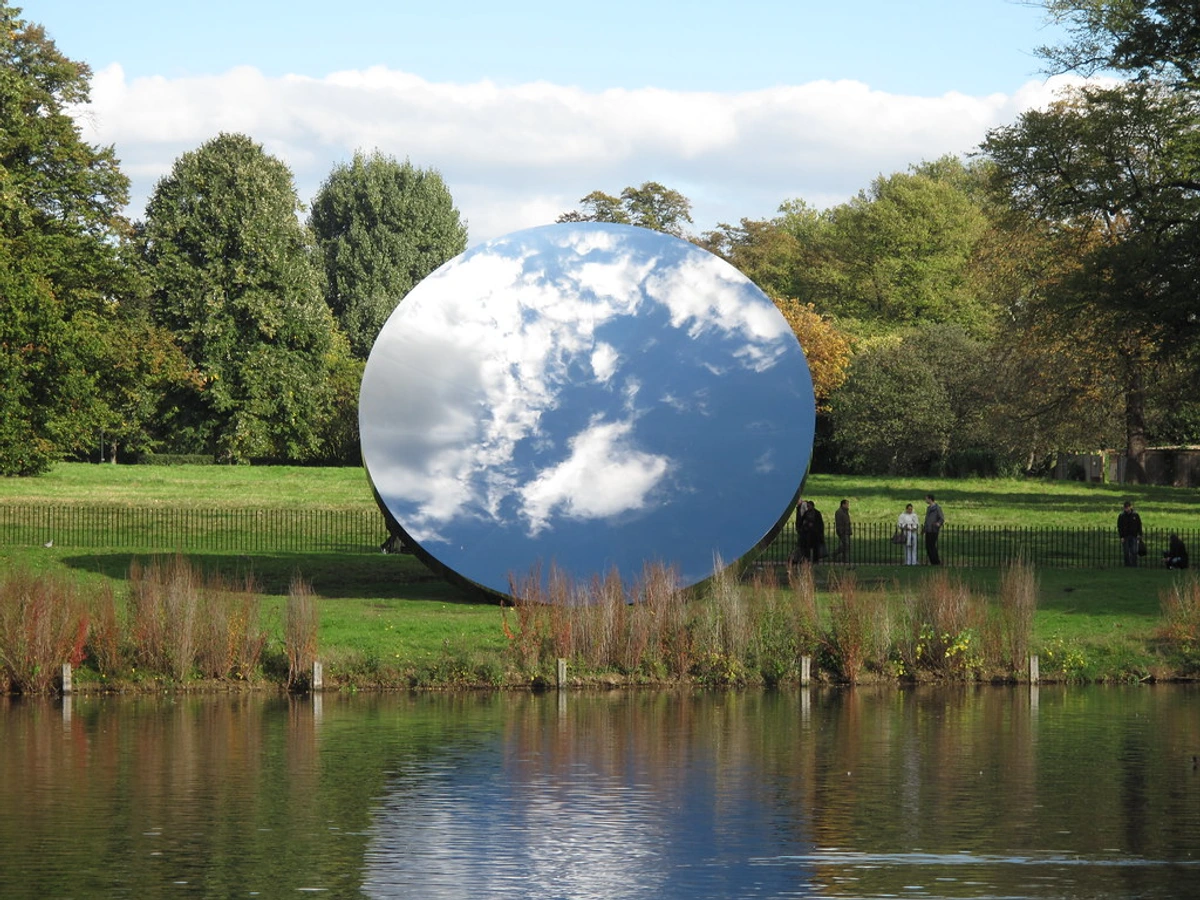
Beyond the bustling tents, usually freely accessible in the picturesque surroundings of Regent's Park, lies Frieze Sculpture. This initiative transforms the park into an open-air gallery, presenting monumental and site-specific works that engage directly with the natural environment. It's a breath of fresh air – literally – offering a different, often more contemplative, perspective after the intense indoor experience. Here, you might encounter large-scale, audacious pieces similar in ambition and form to Katharina Grosse's vibrant painting installations, pushing the boundaries of painting into three-dimensional space and interacting dynamically with their surroundings. But you could also see kinetic sculptures that move with the wind, light installations that glow as dusk falls, or even subtle land art that merges with the landscape. Engaging with these works means walking around them, seeing them from afar against the sky, or up close with the texture of the park beneath your feet, allowing them to transform your perception of space and nature. It's an opportunity to experience public art at its most ambitious and a wonderful palate cleanser.
Engaging with the Art (and the Gallerists): Don't Be Shy!
This is where you become an active participant in the Frieze experience. Don't feel any obligation to spend an equal amount of time in every booth. Some artworks will instantly grab your attention, pull you in, demand your presence. Others simply won't. And that’s perfectly fine! If a piece intrigues you, linger. View it from different angles, step back, then move closer. Really pay attention to the details, the textures, the light. Read the wall text (it often offers valuable context, but never let it dictate your personal experience).
And here’s a tip from someone who's learned: if you’re curious about a specific work, or even the artist’s process, don’t hesitate to engage the gallerists. They are there not just to sell, but to educate and share their passion. Trust me, they’ve seen every type of visitor, from the serious collector to the delightfully bewildered tourist, and they genuinely appreciate genuine curiosity. Ask them about the artist's background, their influences, the concept behind the work, the materials used, or how their work has evolved over time. You might even ask, "What is this artist's relationship with their chosen materials?" or "What kind of critical reception has this piece received?" I once had a gallerist share a fascinating story about an artist’s unconventional process involving repurposed industrial materials, which completely transformed my understanding and appreciation of the piece. You might be surprised by the insights you gain! Remember, they're the bridge between the art and the public, and a good gallerist can make all the difference.
Beyond the Booths: Talks, Special Projects & Unexpected Delights
While the art in the booths is undeniably the main event, Frieze goes further, offering a dynamic program that extends the conversation. I always recommend checking the schedule online before you go – sometimes, the most memorable experiences are the large-scale installations or live performances unfolding in unexpected corners of the fair itself. These often inject an element of playful unpredictability and ephemeral beauty into the structured environment. I vividly recall one year encountering a performance piece where artists subtly interacted with visitors by silently mimicking their movements, blurring the lines between art and reality, leaving a lasting impression long after I’d left. You might also discover a fascinating panel discussion on the future of digital art, an artist interview delving into their creative process, or a debate on art's role in social commentary – insights that can profoundly shift your perspective.
Frieze Talks often feature leading artists, curators, and thinkers, covering topics from the ethics of AI in art to the importance of sustainable art practices, adding another layer of depth to your visit. Keep your eyes peeled and your mind open; Frieze is always ready to surprise, challenging you to see the art world not just as a static collection of objects, but as a living, breathing discourse, constantly evolving and responding to its time. Pay attention to art critics and major publications – their perspectives can often highlight significant new talents or provide deeper context to the trends you observe.


The Frieze Energy: People, Inspiration, and the Global Art Community
For me, one of the most compelling aspects of Frieze isn’t just the art on display, but the sheer, palpable energy that permeates the entire event. It’s a powerful magnet, drawing in creative minds, cutting-edge fashionistas, earnest art students, and seasoned professionals from across the globe. People-watching here is truly an art form in itself. You'll catch glimpses of incredible outfits, overhear snippets of intense, passionate conversations about aesthetics or market shifts (Frieze is, after all, a major commercial engine for the art world, where significant transactions take place, shaping careers and collections), and simply feel the undeniable buzz of a truly global cultural phenomenon. Grab a coffee – perhaps find a slightly quieter spot if you can, or embrace the delightful chaos – and just soak it all in. Let the ideas wash over you, let the visual cacophony spark new thoughts. It’s in these moments of quiet observation amidst the hubbub that I often find the seeds for my own next creative endeavor, whether it’s a new color palette for an abstract painting or a fresh approach to textural composition.
And after the fair? The experience doesn't just end when you step out of the tent. I often find myself revisiting my notebook, looking up artists I discovered, or simply letting the myriad impressions settle. The most profound inspiration often comes not in the moment of viewing, but in the quiet processing afterwards, as your mind weaves new connections and ideas begin to ferment. If you have a day or two before or after, consider exploring some of London's other incredible art institutions like the Tate Modern or the Serpentine Galleries, which are not too far from Regent's Park. Consider following artists you liked on social media, signing up for gallery newsletters, or even seeing if artists you discovered have work in major museum collections. The conversation, you see, continues long after you've left the park.
FAQ: Navigating Your Frieze First-Timer Questions Answered
These are the questions that used to swirl in my head before my first visit, the ones I’d whisper to friends over coffee. To help iron out any lingering curiosities, here are some common questions I often hear, and my honest answers to them.
Q: Is Frieze expensive to visit?
A: The tickets can feel a bit steep, yes, but think of it as an investment in a truly unique and expansive cultural experience. Your ticket helps support the massive logistical undertaking, the curators, the artists, and the programming that makes Frieze possible. Once inside, the act of looking and experiencing is entirely free! Food and drinks inside the fair can definitely be pricey, so if you're budget-conscious, bringing a water bottle and maybe a snack from outside is a smart move. After all, the art is the main course.
Q: Can I take photos?
A: Generally, yes, but always with respect and discretion. Avoid using flash, be mindful of fellow visitors trying to view the art, and pay particular attention to any 'no photos' signs a specific gallery might display. Common courtesy and respect for the art and artists go a long, long way. When in doubt, it's always better to ask a gallerist – they really do appreciate you asking!
Q: How long should I spend there?
A: For a first-timer aiming for a meaningful experience, I'd suggest dedicating at least 3-4 hours to one of the fairs (either Frieze London or Frieze Masters) or a full day if you're ambitious enough to tackle both and the sculpture park. The key is not to overschedule yourself. Art fatigue is a real thing! Your brain will thank you for pacing yourself and allowing for breaks. Remember, it's a marathon, not a sprint.
Q: Is Frieze good for kids?
A: While it's largely an adult-oriented event, older children or teenagers with a genuine interest in art might find it incredibly stimulating. Younger children, however, might find the scale and intensity overwhelming or simply boring, especially if there aren't specific interactive installations to engage them. You know your child best! For little ones, the sculpture park might be a better option for a quick, outdoor art fix, as it offers space to run around and interact more freely.
Q: What if I don't "get" the art?
A: This is perhaps the most important question, and my answer is simple: you absolutely don't have to "get" everything. Art is inherently subjective. Think of it like walking into a huge party – you don't have to become best friends with everyone to appreciate that they exist, or to find a few people you really connect with. Some pieces will resonate instantly, others will leave you puzzled, and some might even frankly annoy you. All of these are valid, honest reactions! If a work challenges you, try focusing on the feeling it evokes, the technique used, or the context provided by the wall text or gallerist, rather than aiming for intellectual comprehension. The true point isn't universal understanding or finding a definitive answer; it's about personal engagement, about allowing yourself to feel whatever the art evokes. Let yourself be curious, provoked, delighted, or even indifferent. That’s the beauty of it. It’s about your personal dialogue with the piece, not about passing a test.
Q: Does Frieze have any sustainability initiatives?
A: Frieze is increasingly aware of its environmental impact. They often implement initiatives focusing on waste reduction, sustainable material sourcing for their structures, and encouraging public transport. It's an evolving conversation, but they're part of the broader art world's move towards more responsible practices. Look for information on their website or at the fair itself for the latest updates.
Q: Are there resources for international visitors?
A: While English is the dominant language, Frieze welcomes a global audience. Websites and official information are primarily in English, but many gallerists are multilingual. For practicalities like currency, transport, and accommodation, it's always best to check general London visitor guides in advance. Frieze itself focuses on the art, so come prepared for the city!
My Final Invitation: Just Dive In!
Stepping into Frieze for the very first time might feel like a plunge into the deep end, but it’s an incredibly exhilarating and profoundly rewarding one. It’s a singular opportunity to witness the cutting edge of global contemporary art, engage with a vibrant international community, and undeniably discover something new about yourself, your tastes, and perhaps even your own creative potential. Don’t worry about needing to be an expert; just bring your boundless curiosity, comfortable shoes, and an open mind. For me, Frieze has always been a powerful reminder of why I create, a wellspring of ideas, and a place to feel connected to the grand, ongoing human experiment that is art. You might just unearth your next favorite artist, witness a piece that changes your perspective forever, or, at the very least, leave with some truly memorable stories to tell. The scent of fresh paint, the hum of hushed conversations, the bold burst of color around a corner – these are the indelible marks Frieze leaves. So, go on, take the plunge. You absolutely won't regret it.