
The Whitney Biennial: A Curator's Guide to America's Contemporary Art Pulse
Unlock the Whitney Biennial with a curator's insights. Explore its history, navigate controversies, and learn to spot emerging talent, understanding its profound impact on the art market and culture.

The Whitney Biennial Unpacked: A Curator's Insider Guide to America's Contemporary Art Pulse
Stepping into the Whitney Biennial for the very first time, I vividly recall a sensation not unlike navigating a beautifully dense, yet utterly perplexing, forest without a compass. Amidst the intricate fiber art and sprawling video installations, I admit to a quiet moment of bewildered awe, a feeling that has, over the years, evolved into a profound appreciation. This isn't just another art exhibition; it's a living dialogue, a pulsating barometer of American contemporary art. Think of this as our in-depth conversation, where I, having navigated many such artistic landscapes, offer my insights not just as an enthusiast, but as someone deeply invested in understanding and contributing to the art world. I'm here to share how to move beyond merely 'seeing' to truly 'experiencing' this essential biennial.
Why the Whitney Biennial Isn't Just Another Art Show
It's a conversation starter, a compass for the market, and a window into the future of art.
For nearly a century, since Gertrude Vanderbilt Whitney herself kicked it off in 1932, the Biennial has been this pulsating, often deliciously messy, snapshot of American art. Whitney, a visionary collector and sculptor, established the museum and its flagship exhibition as a direct challenge to the conservative, European-centric art establishment of her time. She championed living American artists who were often overlooked by traditional institutions, advocating for a truly contemporary and homegrown artistic voice. It's more than just a collection of pieces; it’s the art world's biannual town hall meeting where new voices get their say, and the established order gets politely—or sometimes not so politely—challenged. And let me tell you, I’ve seen some polite challenges that felt more like a genteel art-world brawl, which, honestly, is half the fun.
It’s where artistic movements coalesce and new directions emerge, akin to a cartographer mapping uncharted territory, predicting future landscapes. It's been controversial, sure, but that's precisely why it's so vital – it forces us to confront what art is and could be. And, for me, it's an indispensable guide for understanding where tomorrow’s art is heading, offering invaluable insight into the trajectories of emerging artists and their potential impact on the art market.
Many artists who later commanded significant auction records made their early, impactful appearances within the Biennial's walls, highlighting its crucial role as a career launchpad and market barometer. Think of Jean-Michel Basquiat, for instance, whose raw, visceral canvases left an indelible mark on the art world, long before his work shattered auction records. You can dive deeper into his world here. It’s also a fantastic place to discover artists who are genuinely shaping the future, much like the process I often discuss when collecting emerging abstract art. It certainly reminds me of the drive I felt to push boundaries when I first started my own artistic journey, which you can read about here.
Some folks will tell you it’s the place to spot future masters, and yeah, they’re onto something. But it’s also where art gets beautifully, sometimes gloriously, uncomfortable. And honestly? That’s where the magic often lies for me. Art that always plays it safe is like a book with no plot twists – lovely, but forgettable. The Biennial makes me think, sometimes makes me want to run home and just paint all day (you can see some of my own experiments here, if you're curious).
A Century of Provocation: The Biennial's Evolving Pulse
From challenging norms to embracing new media, the Biennial constantly redefines American art.
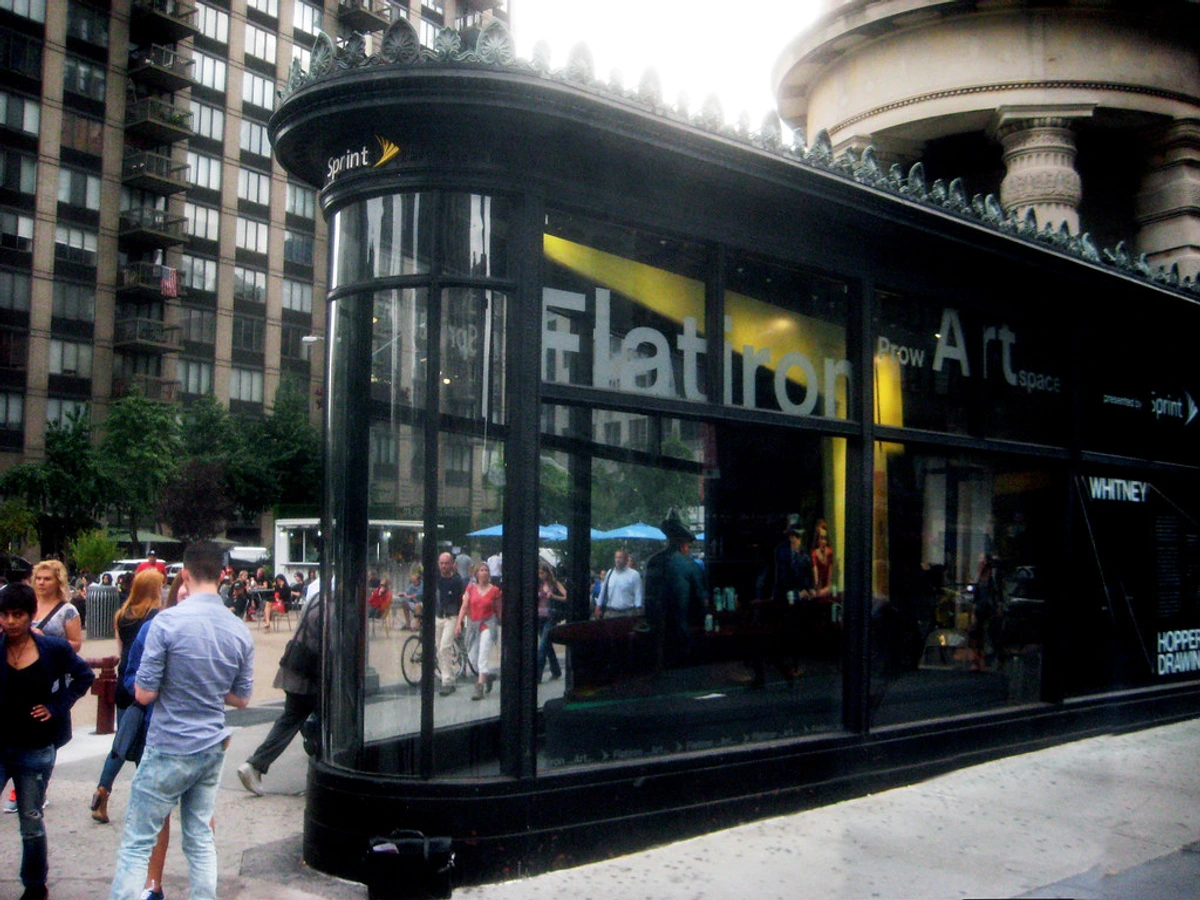
To truly grasp the Whitney Biennial's significance, we need to trace its origins. Its history is as layered and complex as some of the artworks it presents. From its inception, it challenged the academic norms of its time, focusing squarely on living American artists when other institutions looked to Europe or the distant past. Over the decades, it evolved, mirroring and often catalyzing shifts in American culture itself. We've seen its physical home change, too, from its original Greenwich Village location, through the iconic Breuer building, to its current striking home in the Meatpacking District, each space profoundly shaping how the art interacts with its environment and the viewer.
That 1993 Biennial, for example, was a seismic event, bravely confronting issues of identity, race, and sexuality through artists like Pepón Osorio, Daniel J. Martinez, and Felix Gonzalez-Torres, whose poignant installations often addressed themes of loss and memory. It wasn't just art on walls; it was a loud, unignorable declaration, and it fundamentally shifted the conversation around what American art could, and should, address. I still remember the intense conversations it sparked, making me rethink my own assumptions about art's role and power. Or consider the 2014 show, with its focus on performance and multidisciplinary works, pushing the boundaries of what constitutes "art" within a museum setting.
What’s become clear over time is a consistent push towards broader, more conceptual explorations. We've seen performance art, digital art, and sprawling installations become central, constantly challenging those traditional definitions of painting and sculpture. It’s almost as if the Biennial enjoys gently nudging us—or sometimes, outright shoving us—out of our comfort zones. Curatorial choices have consistently redefined its identity, moving from broad surveys to more thematic, tightly focused explorations. The role of the curator, too, has evolved, moving from mere selection to becoming an active interpreter and shaper of artistic dialogues, often commissioning new works and fostering collaborations. This ebb and flow of influence, critique, and redefinition is precisely what makes the Biennial such a potent historical barometer and a fascinating lens through which to view the progression of contemporary art movements.
It’s not just a show; it’s an ongoing, vibrant dialogue, and sometimes, a glorious argument. Even the very architecture of the Whitney Museum in New York, with its striking cantilevered design and expansive industrial-chic galleries, plays a role. It’s a space that feels both grand and accessible, a backdrop that both elevates the art and frames it within the bustling energy of the city, profoundly shaping our interpretation of the works.
Preparing for Your Visit: Intuition Over Information
Maximize your experience by engaging with art instinctively, then intellectually.
Having traced its evolution and understood its deep historical roots, let's now get down to the brass tacks: how do we actually experience this beast? Because, let’s be honest, knowing its history is one thing, but walking through those doors can still feel like entering a new dimension. I'm not one to spoil a good surprise with exhaustive pre-reading. Part of the thrill is that initial, unfiltered encounter. But a little bit of strategic "anti-homework" – and yes, I know that sounds like an oxymoron – can elevate the experience without draining the spontaneity. It’s about ensuring your first interaction with the art is instinctual, allowing for a more authentic, less pre-conditioned response. My personal cheat sheet?
Here’s my step-by-step approach to truly engaging with the Whitney Biennial:
- Skim the Curators' Statement: Just a quick glance, enough to catch a high-level vibe, a sense of the overarching themes they think they're exploring. But I don't pore over every artist's bio or try to decode every piece beforehand. That would be like reading the entire script before seeing a play; it just takes the air out of the room.
- First Pass: Pure Absorption: My initial walk-through is all about letting the art wash over me. No wall texts, no phone scrolling, just me and the art. I note what genuinely grabs me – a sudden jolt, an unexpected calm, a profound sense of bewilderment, or even a quiet annoyance. It’s about letting my gut lead, not my intellect, initially. It's like arriving in a new city and just wandering, getting delightfully lost, letting the unexpected corners and hidden alleys reveal themselves.
- Second Pass: Contextualization: Only then do I pull out the map (the wall texts, the artists' statements) to understand the landscape of what truly resonated. This way, the information acts as an enriching supplement, not a mandatory prerequisite. I find I actually remember more of what truly mattered to me. It's a bit like solving a puzzle backward, which, for my brain, surprisingly works better. And bring a small notebook with you; jotting down those immediate, raw impressions before consulting the labels can be incredibly clarifying.
Engaging with Diverse Media: A Quick Guide
The Biennial is a kaleidoscope of artistic expression, meaning you'll encounter far more than just paintings. Here’s a quick mental framework for different media:
- Video Installations: Often require patience. Find a comfortable spot, commit to watching for at least a few minutes, and pay attention to sound as much as visuals. Let it unfold.
- Performance Art: Be open to the unexpected. Some performances are scheduled, others are spontaneous. Your role might simply be an observer, or perhaps even a participant. Embrace the ephemeral nature of the moment.
- Sculpture & Installation: Walk around the pieces. View them from multiple angles. Consider the materials, the space they occupy, and how they interact with their environment. Physically engage with them, if permitted, not just visually.
- Paintings & Drawings: Step back to see the whole, then lean in to appreciate brushwork, texture, and detail. Consider how the artist uses color, line, and form to convey their message.
- Works on Paper & Photography: These often demand a closer, more intimate viewing. Observe the subtleties of line, tone, and surface. For photography, consider framing, composition, and narrative impact.
Surviving the Biennial: A Few Practicalities
Beyond the mental prep, a little logistical planning goes a long way. The Whitney is a bustling place, especially during the Biennial. Consider booking tickets online in advance to secure a timed entry slot. Weekday mornings are often less crowded, allowing for a more contemplative experience. Give yourself ample time – I'd suggest at least 3-4 hours if you plan to do both passes, plus time for that essential espresso! Wear comfortable shoes; you’ll be doing a lot of walking and standing. And don't be afraid to take breaks; the museum’s numerous terraces offer stunning views of the city and a chance to decompress. When you're ready to dive deeper into the meaning, remember that the initial feeling is your most reliable compass, guiding you to the pieces that genuinely deserve your further intellectual investment.
Beyond the Labels: Trusting Your Gut, Embracing Confusion, and What NOT to Do
Your emotional response to art is valid; intellectual understanding often follows, not precedes, genuine engagement.
The Whitney Biennial is a masterclass in presenting work that challenges, provokes, and, let's be honest, sometimes leaves you scratching your head so hard you worry about scalp damage. And that, my friend, is not just okay, it's often the point. There’s this persistent myth that to appreciate art, you need to "understand" it in some profound, intellectual, curator-approved way. I call absolute nonsense on that. Your emotional, visceral reaction – that sudden chill, that uncomfortable shift, that spark of curiosity, or even that frustrated sigh – is just as valid, if not more so. It’s doing its job; it’s engaging you. My own journey with a particularly baffling video installation years ago is a perfect example: I left feeling utterly bewildered, but days later, a subtle connection clicked, and it transformed into one of my most memorable experiences.
I've learned to lean into that beautiful uncertainty. Some of my most memorable encounters have been with pieces that initially baffled me, like trying to decipher a conversation in a language I only vaguely understand. But then, slowly, stubbornly, they started to unravel in my mind days, or even weeks later. This slow burn, this gradual revelation, where intellectual engagement blossoms from that initial gut feeling, is part of the magic of challenging art. So, go, be present, and trust that weird, wonderful feeling in your gut. Sometimes I feel like I need a translator, or at least a strong latte, to decipher what's happening, and honestly, that's part of the fun!
Things I’ve Learned to Avoid (Mostly):
- Don't try to impress anyone with fake art jargon: No one cares if you know what "trompe l'oeil" means (unless you're actually a curator, and even then, maybe dial it down). Just talk about what you see and feel; authenticity is far more impressive.
- Don't feel obligated to "get" every piece: It's okay to walk past something and think, "Nope, not for me." Your time and energy are precious; allocate them to what genuinely resonates. Not every piece is for every person. I certainly don't "get" everything in my own studio, let alone a museum!
- Don't let the crowds dictate your pace: If a room is packed, come back later. Find a quiet corner. Art appreciation is not a race; it's a personal journey.
- Don't forget your coffee fund: Seriously, you'll need it. See point one in my intro. And perhaps a snack; exploring is hungry work!
Navigating the Noise: Controversies, Curatorial Insights, and the Digital Frontier
The Biennial is a dynamic arena for cultural dialogues, challenging traditions and embracing technology.
Now, it wouldn't be the Whitney Biennial without a little bit of glorious ruckus, would it? For all its prestige, it's often been a lightning rod for debate – accusations of elitism, questions about representation, market influence, or specific artworks sparking widespread controversy. Beyond these, criticisms often touch upon curatorial biases, with some arguing the Biennial can become predictable or overly focused on specific artistic trends at the expense of others – a critique I sometimes quietly echo when I feel like certain voices aren’t getting their due. Consider, for example, the intense debate sparked by Dana Schutz’s painting "Open Casket" in the 2017 Biennial, which raised profound questions about who has the right to depict trauma and the responsibilities of artistic representation. Grappling with these debates is part of the experience. It reminds us that art isn't made in a vacuum; it’s intertwined with culture, politics, economics, and our own often-conflicting perspectives. Understanding this dynamic is crucial, not just for the Whitney, but for biennials and triennials worldwide – these major exhibitions often serve as arenas for these broader cultural dialogues, influencing art criticism and even academic discourse.
Speaking of curatorial choices, have you ever wondered how this monumental exhibition actually comes together? It’s a complex, often lengthy endeavor. The curators embark on extensive studio visits, engaging in critical dialogue with artists, and intensely deliberating to select works. Their goal is to find pieces that not only resonate with an overarching theme—which itself is a product of much thought and discussion—but also truly represent the diverse, challenging pulse of contemporary American art. It’s like orchestrating a symphony where every instrument needs to both stand out and contribute to a cohesive, albeit sometimes dissonant, whole.
The Digital Canvas: Technology at the Forefront
As technology reshapes the artistic landscape, it also fundamentally alters how we evaluate and collect art. In recent years, the Biennial has increasingly embraced digital art, interactive installations, and new media. From virtual reality experiences that transport you to other worlds – perhaps a sprawling, interactive digital landscape created by an AI, or a deeply personal narrative told through a multi-screen video installation – to intricate generative art that evolves in real-time based on environmental data, the Biennial is often a testing ground for how technology reshapes artistic expression. It's where tomorrow's aesthetic language is being formed, and for collectors, it's a vital area to observe and understand. If you’re curious to explore this realm further, you might enjoy my thoughts on the rise of digital abstract art.
The Collector's Lens: Spotting Tomorrow's Movers and Shakers, and Understanding Market Impact
For serious collectors, the Biennial is a strategic mission to identify enduring artistic integrity.
And this brings us to what many of us collectors are truly thinking: how do these dynamic shifts in art, and this vibrant platform, translate into spotting the next big thing? Because for me, beyond the cultural conversation, the Whitney Biennial is undeniably a strategic mission. It’s one of the absolute best places to gauge the pulse of truly emerging artists – not just those making a fleeting splash, but the ones building a consistent, compelling body of work that screams longevity. When I'm wandering through the galleries, I'm actively scouting. It’s a thrilling hunt, almost like being a talent scout for a nascent art league, searching for that unique spark that cuts through all the noise.
So, what am I actually looking for when I scout? It boils down to a few key ingredients, an enduring artistic integrity that manifests as:
- A consistency of vision across their oeuvre; they aren't just dabbling.
- A deep engagement with their chosen themes, often exploring them from multiple angles, demonstrating intellectual curiosity.
- A demonstrable mastery of their medium, pushing its boundaries while respecting its core – a delicate balance.
- And finally, a certain intellectual depth that invites prolonged contemplation, making you want to keep coming back.
It’s less about chasing fleeting trends and much more about recognizing these foundational qualities. The Biennial uniquely allows you to see multiple works by the same artist, giving you a better sense of their range and depth – an invaluable insight for any collector considering adding new talent to their portfolio. This approach beautifully complements how I advocate for collecting emerging abstract art. My own artistic journey, often influenced by the boundary-pushing spirit I see at the Biennial, has led me to explore similar themes and techniques, which you can explore further here.
Biennial Validation and the Art Market
Being selected for the Whitney Biennial is a significant validation for an artist, akin to a major career milestone. It often leads to increased visibility, interest from gallerists and critics, and can certainly impact an artist's market value. For collectors, seeing an artist in the Biennial can confirm a nascent talent you've been following, or introduce you to someone new with immense potential. For example, if an artist like "Elara Vance," whose meticulous mixed-media pieces on environmental decay I’ve admired in smaller galleries, appears in the Biennial with a cohesive, powerful series, it signals a significant validation of her vision and potential. Her technique isn't just skilled; it's a deliberate language that now speaks to a broader audience.
However, it's crucial to remember that while the Biennial provides a powerful platform, it's not the only arbiter of artistic merit or market value. Genuine artistic merit, a sustained practice, and a compelling narrative are what truly build long-term value, with or without a Biennial appearance. It's a launchpad, yes, but not a guaranteed rocket ship. Your keen eye and understanding of artistic integrity remain your most valuable tools. The insights gained here often directly influence my own studio practice, reminding me of the myriad ways artists translate complex ideas into visual language, and challenging me to push my own boundaries.
Beyond the Biennial, identifying true longevity means looking at an artist’s sustained engagement with their themes and medium. This includes their exhibition history in reputable galleries—which act as crucial validators in the primary market—and their critical reception in art publications. It’s a bit like being a detective, piecing together clues to form a compelling narrative of an artist’s trajectory, where the Biennial is one important piece of evidence among many.
So, after your visit, don't let the inspiration fade. Consider visiting local galleries, attending smaller art fairs, or even connecting directly with artists online. The Biennial is a launchpad; the real discovery journey continues long after you leave the museum doors.



A Final Thought: Your Art Journey Continues – Key Takeaways
The Biennial is an invitation to engage personally with art, trusting your instincts and deepening your appreciation.
Ultimately, the Whitney Biennial is a profound invitation: to engage, to be challenged, and most importantly, to rediscover your own unique relationship with contemporary art. It’s never been about ticking off boxes or 'getting' every single piece. It’s about the conversations it sparks within you, the unexpected doors it opens to new ways of seeing the world, and perhaps, the quiet confidence it gives you to trust your own instincts. By understanding the Biennial through this lens, you'll be better equipped to discover truly meaningful art and, for those inclined, to potentially make more informed investment choices.
Your Biennial Mindset:
- Embrace the Unfamiliar: Don't fear confusion; it's often the starting point for deeper engagement, allowing your mind to make novel connections later.
- Trust Your Gut: Your initial emotional response is valid and valuable, serving as your most reliable compass in the overwhelming art landscape.
- Go Beyond the Surface: Understand the specific themes the curators are exploring and how these connect to broader cultural and societal dialogues, appreciating art's place within a wider conversation.
- Scout for Longevity: For collectors, look for authentic vision and enduring artistic integrity over fleeting trends, focusing on sustained practice and critical reception.
- Keep Exploring: The Biennial is a magnificent starting point, but the real discovery journey continues long after you leave the museum doors; it's an ongoing, personal quest.
Think of each visit as another chapter in an ongoing dialogue, a chance to refine your eye and deepen your appreciation for the messy, beautiful, and utterly vital world of art. And if you’re ever in my neck of the woods, my own museum in 's-Hertogenbosch is another place where I wholeheartedly hope to spark similar conversations through the universal language of art.