What Does an Artist in Residence Do? Unpacking the Creative Retreat
Ever wondered what an artist in residence really does? Dive into my personal take on these transformative creative opportunities – from finding focus and community to pushing artistic boundaries. Your ultimate guide starts here.

# What Does an Artist in Residence Do? Unpacking the Creative Retreat From a Practitioner's Perspective
Ever felt that persistent tug, the quiet whisper of a creative project that demands more than snatched moments between errands and emails? I know I have. We all yearn for that uninterrupted flow, don't we? The term "**artist in residence**" might conjure images of an exclusive club for the [art world](/finder/page/guerrilla-girls-art-activism-and-the-art-world)'s elite, or perhaps just a fancy sabbatical for those with ample funding. I know what you're probably thinking: Is it merely a glorified vacation where you get to paint on someone else's dime? While, yes, sometimes it *can* feel a little like a creative holiday, oh, it's so much more. Much, much more. From my own meandering journey, grappling with color and form in my abstract pieces, I've come to see these experiences as profound catalysts for artistic transformation and professional development. This article, I promise you, aims to be the **ultimate, most comprehensive guide** to understanding the ins and outs of artist residencies. It’s about giving yourself explicit permission to go all-in on your authentic creative voice, to truly, fearlessly explore your [unique perspective](/finder/page/developing-a-unique-artistic-style-finding-your-voice). They offer a unique blend of dedicated time, focused space, and often, an invaluable community, creating a veritable sanctuary where the extraordinary can truly emerge, a perfect scenario for artists seeking deep [creative immersion](/finder/page/what-is-an-art-residency). This isn't just a fleeting trend; it's a vital, evolving ecosystem that supports artists in pushing boundaries, connecting with diverse perspectives, and ultimately, deepening their practice. It's an opportunity to intentionally step away from the familiar hum of daily life and dive headfirst into the profound wellspring of creative inquiry. Think of it as a strategic pause, a deliberate immersion designed to supercharge your [artistic journey](/finder/page/my-artistic-journey:-from-early-explorations-to-embracing-abstract-expression), whether you're a painter, sculptor, writer, digital artist, or even a performance artist. It's a chance to truly commit to your vision without the usual daily noise, allowing for the kind of deep, uninterrupted focus that is often elusive in our hyper-connected lives.
## A Brief History of Artistic Havens: The Evolution of Residencies
While the modern [artist residency](/finder/page/visiting-artist-residency-open-studios) movement has flourished in recent decades, the core concept of providing dedicated space and time for creatives isn't new at all. In fact, it's a tradition as old as [art itself](/finder/page/how-to-choose-art-for-a-scandinavian-style-home)! Historically, powerful patrons, religious monasteries, and even royal courts offered artists, writers, and thinkers sanctuary to focus on their craft. Think of the bustling [Renaissance](/finder/page/what-was-the-renaissance) workshops, where masters like [Leonardo da Vinci](/finder/page/ultimate-guide-to-renaissance-art) and [Michelangelo](/finder/page/ultimate-guide-to-michelangelo) nurtured apprentices under their wing, fostering not just artistic production but also an invaluable mentorship model. Before that, even in ancient times, the concept of a protected, fertile space for intellectual and artistic pursuits existed, from the Library of Alexandria supporting scholars to temple complexes commissioning elaborate artworks. The Roman villa system, for instance, often provided settings for philosophers and poets to work and exchange ideas, demonstrating an early form of creative retreat. Consider also the vibrant literary salons of the Enlightenment where ideas sparked like fireworks – these were early, often informal, forms of concentrated creative environments. We even see echoes in the unparalleled patronage of figures like the Medici family, who provided resources for artists to innovate and create the masterpieces we still revere today, fundamentally shaping the trajectory of [Western art](/finder/page/influence-of-non-western-art-on-modernism). This deep-seated need for focused creative periods is truly woven into the fabric of human history.
The contemporary residency, however, evolved to be far more democratized and accessible. It moved beyond exclusive patronage to emphasize professional development, cross-cultural exchange, and focused production outside of purely commercial pressures. Think of the pivotal role of figures like Gertrude Stein's salon in Paris, which became a hub for modernists, or the experimental [Black Mountain College](/finder/page/how-robert-rauschenberg-changed-art) in the US – these were true incubators for avant-garde thought and practice, paving the way for the diverse residency models we see today.
These early models, whether formal or informal, all shared a common thread: recognizing the invaluable need for artists to step away from daily life and devote themselves wholly to their craft. It’s a beautiful lineage, really, stretching from grand patrons to global networks, all driven by the simple, profound need for artists to *create* and explore their [artistic vision](/finder/page/why-i-paint-abstract:-my-personal-philosophy-and-artistic-vision). This evolution reflects a broader understanding of how art flourishes, moving from exclusive, often restrictive, patronage to accessible opportunities for artists at every stage, including those interested in movements like [the-enduring-influence-of-dadaism-on-contemporary-art-and-its-legacy](/finder/page/the-enduring-influence-of-dadaism-on-contemporary-art-and-its-legacy) or even the vibrant experiments of [Fauvism](/finder/page/ultimate-guide-to-fauvism). It’s a testament to humanity's enduring belief in the power of creative incubation, a consistent thread through millennia of artistic production.
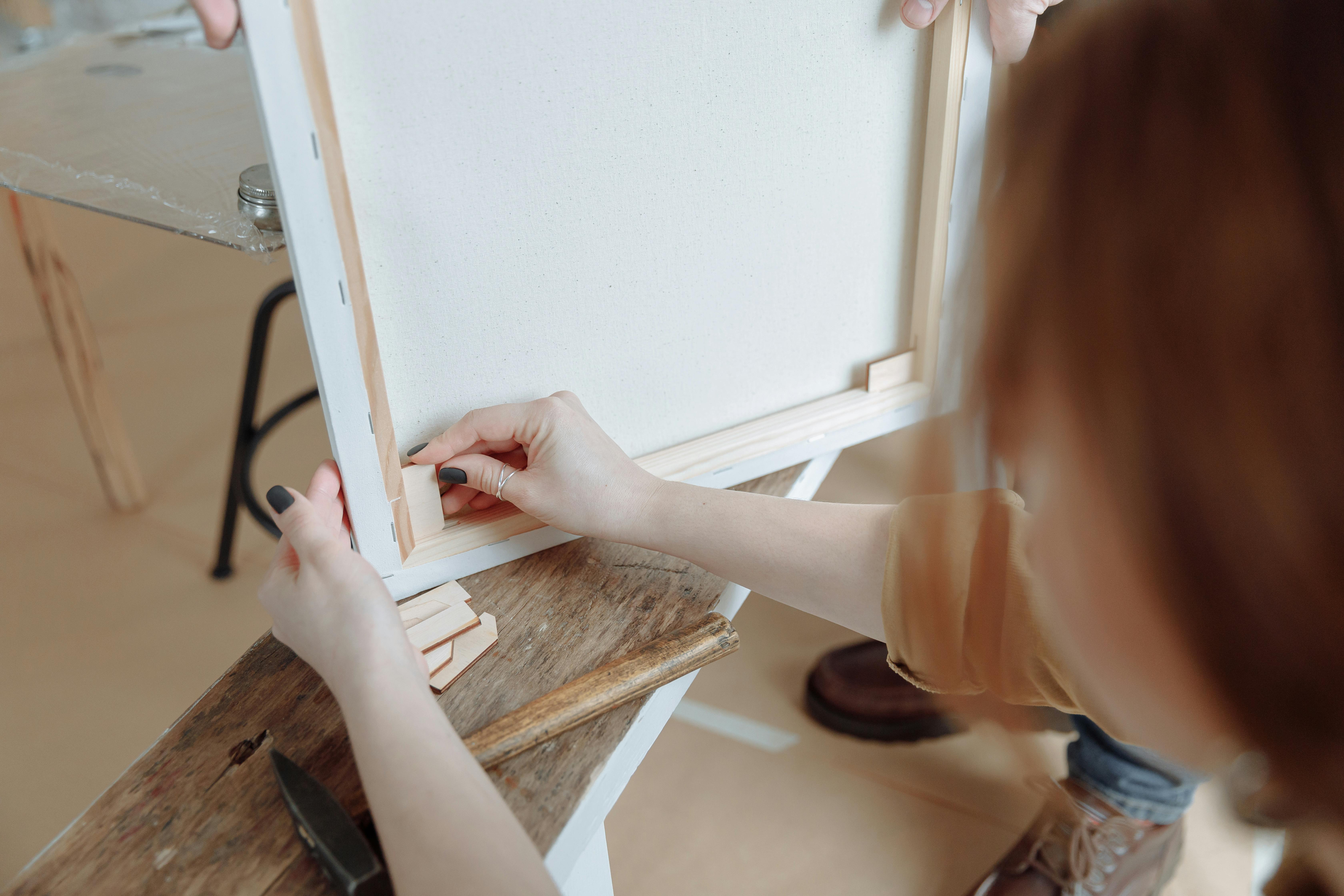
[credit](https://images.pexels.com/photos/6731909/pexels-photo-6731909.jpeg),
[licence](https://creativecommons.org/public-domain/)
Here’s a quick glance at how these artistic havens have evolved:
| Era | Key Characteristics | Primary Beneficiaries | Focus |
| :------------------ | :--------------------------------------------------------------------------------------- | :------------------------------------------------------------------- | :--------------------------------------------------------------------------------------------------- |
| **Ancient/Classical** | Patronage by royalty, religious institutions, or wealthy individuals. | Sculptors, architects, painters for public/religious works. | Monumental art, propaganda, religious narratives, skill transmission. |
| **Renaissance** | Guilds, workshops, family patronage (e.g., Medici). Apprenticeship model. | Painters, sculptors, architects, goldsmiths. | Mastery of craft, innovation within established forms, humanism. |
| **Enlightenment/19th C.** | Salons, artist colonies (e.g., Barbizon, Pont-Aven), bohemias. | Writers, painters, musicians, philosophers. | Intellectual exchange, development of artistic movements, [social critique](/finder/page/ultimate-guide-to-kathe-kollwitz-expressionism-and-social-commentary). |
| **Early 20th C.** | Experimental colleges (e.g., Black Mountain College), avant-garde salons (e.g., Gertrude Stein). | Modernist artists, writers, dancers, thinkers. | Interdisciplinary experimentation, challenging conventions, avant-garde theory. |
| **Contemporary** | Diverse formal programs, global networks, non-profit organizations. | Artists of all disciplines and career stages. | Professional development, cross-cultural dialogue, social practice, conceptual exploration, new media.`}, {
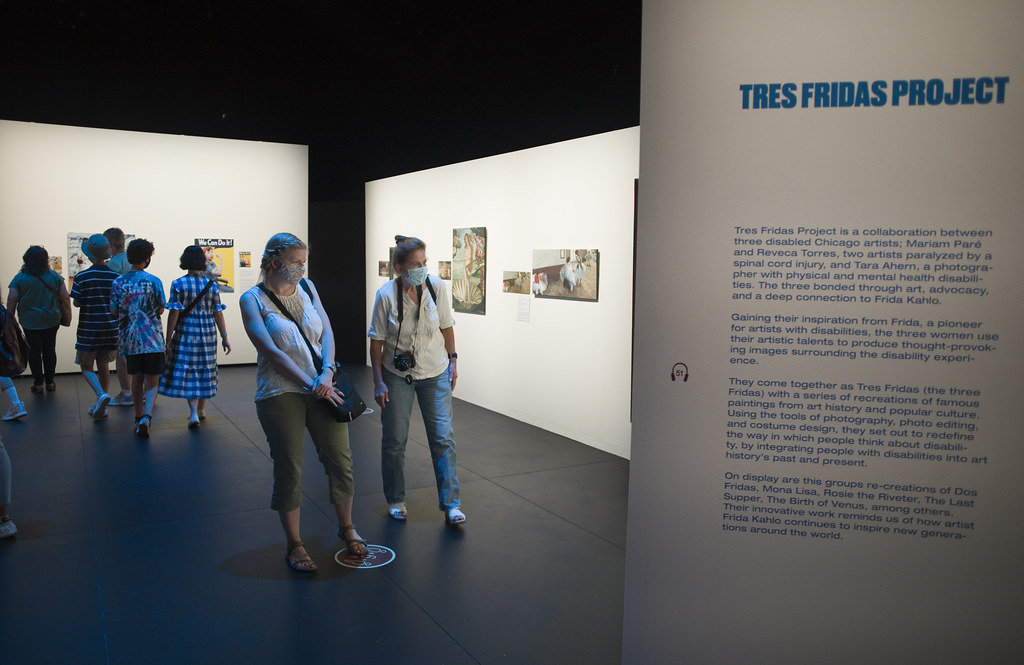
[credit](https://live.staticflickr.com/65535/51476799673_ceca649da5_b.jpg),
[licence](https://creativecommons.org/licenses/by/2.0/)
## The Core Idea: More Than Just a Studio, It's an Immersion
At its heart, an **artist residency** is an unparalleled opportunity for artists to live and/or work in a new environment, often outside of their usual surroundings, with a dedicated, uninterrupted period to focus intensely on their artistic practice. Think of it as a creative incubator, a temporary home, a designated space for profound exploration without the constant hum of daily life – a truly liberating, even spiritual, experience for the creative mind. It's not just about having a studio; it's about the entire ecosystem built around supporting artistic endeavor. This includes everything from structured mentorship opportunities and hands-on technical assistance to invigorating intellectual exchange, and crucially, access to specialized equipment and facilities you might not have in your home studio. I've heard countless stories, and experienced some myself, of artists gaining access to large-scale printmaking presses, high-fire ceramic kilns, advanced digital fabrication labs, or even darkroom facilities that would be impossible to maintain personally. Beyond these tangible resources, the 'ecosystem' often extends to critical administrative support (like grant writing assistance for [how-to-write-an-artist-grant-proposal](/finder/page/how-to-write-an-artist-grant-proposal)), curated excursions to local cultural sites, and a genuine fostering of interdisciplinary dialogue among diverse practitioners. It's a truly holistic approach, designed to nurture every facet of an artist's practice, from the initial conceptual spark to the practical realization of ambitious projects, helping artists push boundaries and explore new mediums, perhaps even considering [exploring-oil-sticks-for-expressive-mark-making](/finder/page/exploring-oil-sticks-for-expressive-mark-making). Don't underestimate the profound impact of having financial considerations reduced, too; many residencies, even if not fully funded, offer significant relief from daily monetary pressures, allowing you to breathe and create more freely.
I've seen some friends thrive in intense, community-driven residencies, where the energy of shared purpose is palpable, while others crave and find profound solace in the solitude of a quiet rural retreat. The beauty lies in the sheer diversity of experiences available, from bustling urban centers offering cultural immersion to remote, nature-immersed locations fostering deep introspection. It's about finding that perfect, temporary haven where your particular artistic needs can be met, and where your mental space can truly open up to new possibilities. And let's be honest, sometimes what your artistic needs *really* need is just a break from doing laundry, paying bills, and answering endless emails for a bit, right? (Okay, maybe not *entirely* – but you get my drift. The profound reduction of cognitive load is immense, fostering the kind of mental clarity essential for deep creative work, allowing you to focus on vital questions like [what-is-design-in-art](/finder/page/what-is-design-in-art)). It's a chance to truly commit to your [artistic vision](/finder/page/why-i-paint-abstract:-my-personal-philosophy-and-artistic-vision) without the usual daily noise, allowing for the kind of deep, uninterrupted focus that is often elusive in our hyper-connected lives. This immersion can lead to breakthroughs you never anticipated, transforming not just your art, but your entire approach to your creative life.
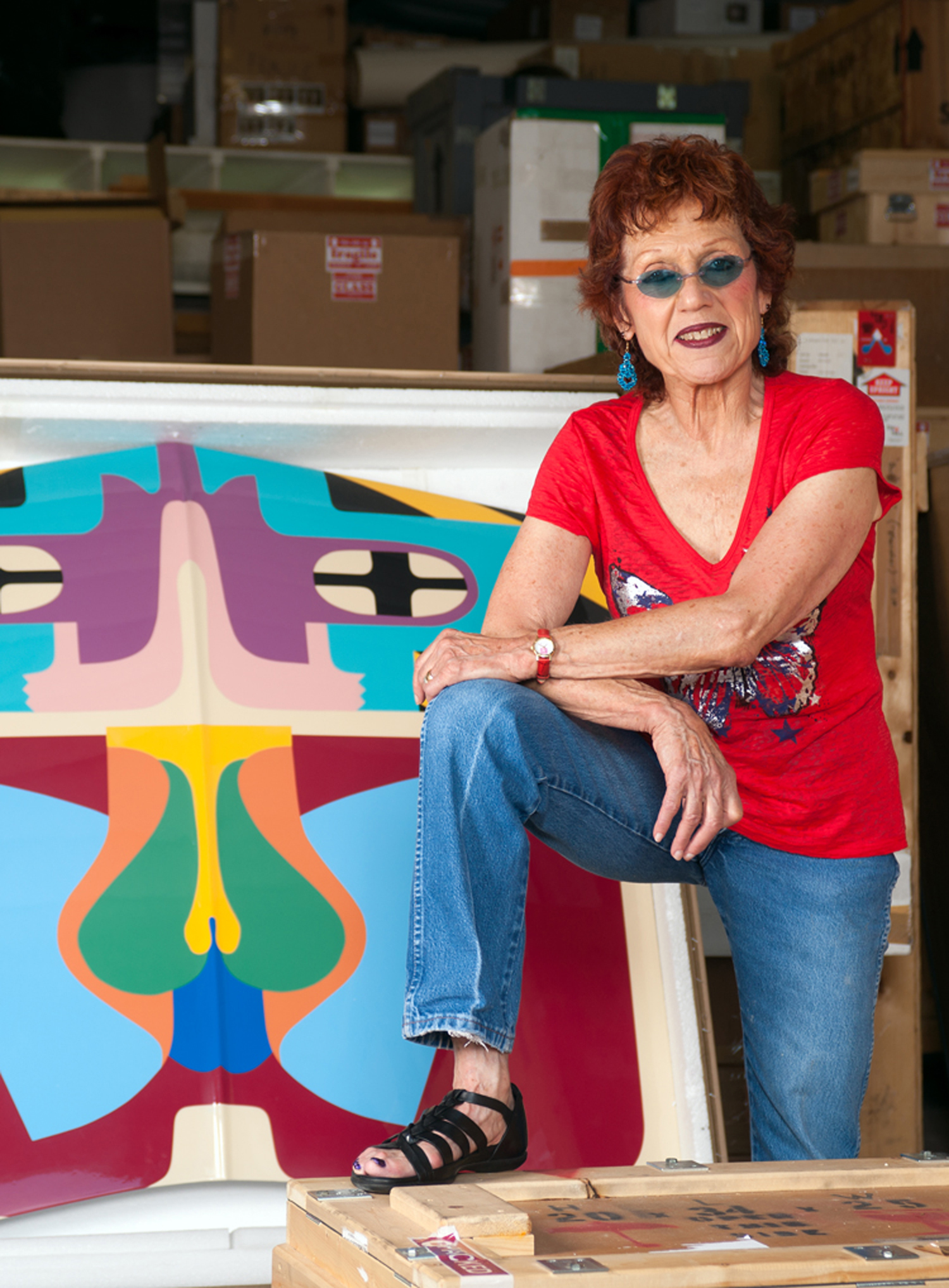
[credit](https://upload.wikimedia.org/wikipedia/commons/e/e9/Judy_Chicago_with_flight_hood.jpg),
[licence](https://creativecommons.org/licenses/by-sa/4.0)
Here’s a snapshot of what generally constitutes a residency experience:
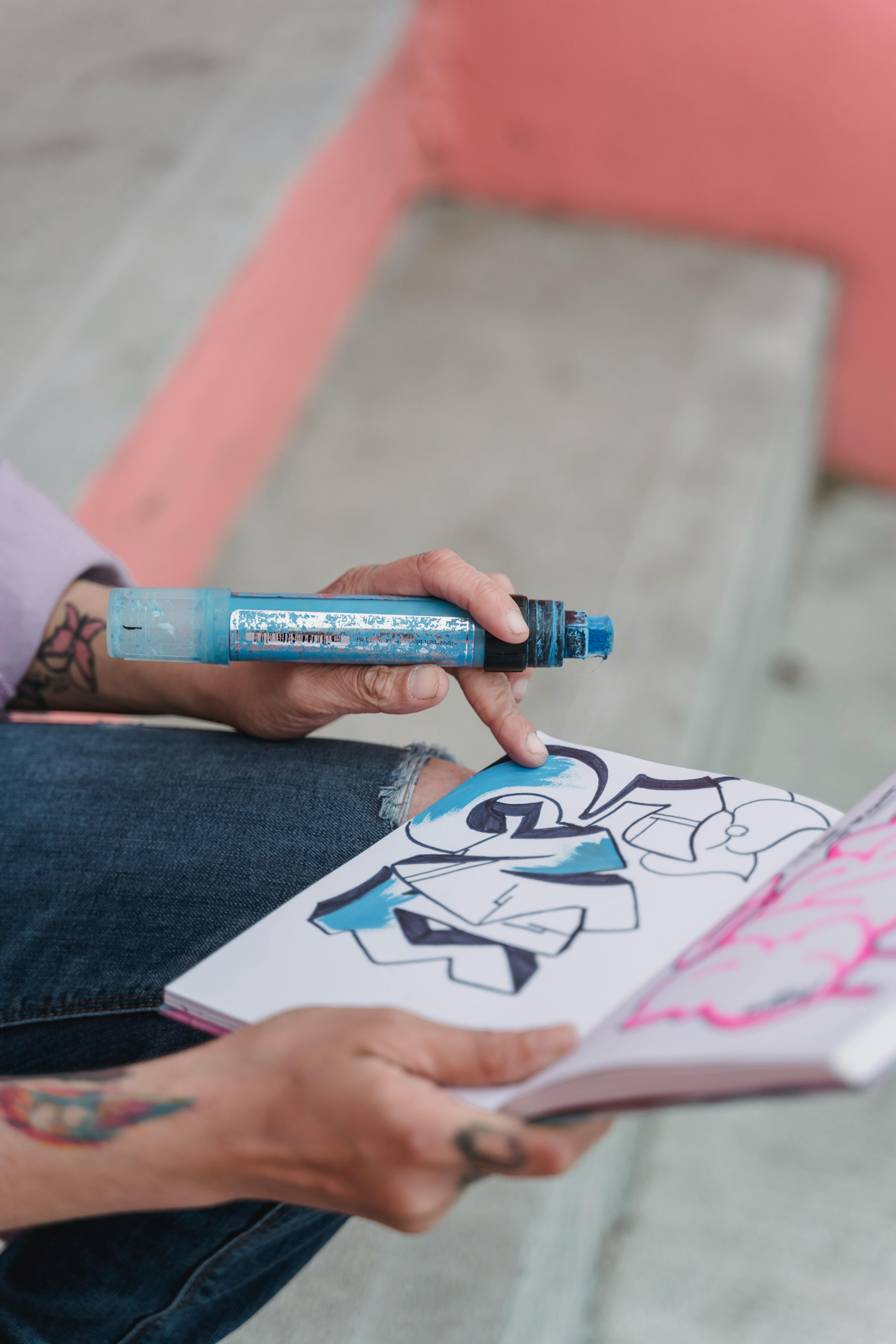
[credit](https://images.pexels.com/photos/7951228/pexels-photo-7951228.jpeg),
[licence](https://creativecommons.org/public-domain/)
| Component | Description | Typical Benefit for Artist |
| :----------------- | :--------------------------------------------------------------------------------------------------------------- | :------------------------------------------------------------------------------------------ |
| **Time** | Uninterrupted blocks of days, weeks, or months dedicated solely to art-making. | Deep focus, ability to tackle ambitious projects, freedom from distractions, enhanced productivity. |
| **Space** | A dedicated studio, workshop, or often living quarters, sometimes with specialized facilities. | Professional environment, access to specialized equipment, comfortable stay, expanded scale of work. |
| **Community** | Interaction with other resident artists, local artists, curators, critics, or mentors. | Networking, critiques, collaborations, inspiration, diverse perspectives, long-term support systems. |
| **Resources** | Access to facilities, specialized materials, technical support, equipment, libraries, or funding. | Ability to experiment with new media, financial relief, professional development, expanded knowledge. |
| **New Environment** | A different city, country, natural setting, or cultural context. | Fresh perspectives, new sources of inspiration, cultural immersion, broadening of worldview. |
| **Mental Space** | Reduced daily stressors and responsibilities, creating psychological freedom. | Fosters a state of flow, deep reflection, imaginative freedom, renewed creative energy. |
| **Exhibition/Showcase** | Opportunity to present work, often in an open studio or gallery setting, to a local or broader audience. | Public exposure, valuable feedback, potential sales, career advancement, portfolio building. |
| **Professional Development** | Workshops, seminars, one-on-one sessions with experts, grant writing assistance, or marketing guidance. | Skill enhancement, career strategy, increased art market understanding, refined professional practice.
## Why Artists Seek Residencies: The Deep Dive into Creative Liberation
So, why would an artist pack up their brushes (or cameras, or coding languages, or whatever their medium demands) and venture to a new place for a residency? It boils down to a yearning for liberation – liberation from routine, from distraction, from the familiar. It’s a chance to intentionally step out of your comfort zone and see what happens. I've often felt this pull myself, a deep desire to shed the mundane and simply *create*. It's a profound investment in yourself, your practice, and ultimately, the art you bring into the world. It’s about giving yourself permission to fully engage with your creative self, a luxury rarely afforded in the hustle of everyday life.
### Time and Space: The Ultimate Luxury in a Hectic World
Honestly, I think this is the number one, undisputed draw. In our hyper-connected, always-on world, finding truly **uninterrupted time** to think, create, and experiment feels not just like a luxury, but often a monumental, almost impossible, task. A residency carves out that sacred space, a veritable sanctuary from the relentless demands of daily life. Imagine waking up knowing your *only* job, your singular focus, is to make art. No pressing client emails, no mundane chores, no endless grocery lists (well, maybe a small one, but certainly not the *only* thing on your mind). Just you, your ideas, your medium, and the expansive silence or the inspiring hum of a dedicated studio. It's a dream for anyone who struggles to find that precious, elusive focus amidst life's cacophony. This dedicated period allows for the kind of deep dive needed for ambitious projects like `the-unseen-layers-my-process-of-building-depth-and-narrative-in-abstract-mixed-media` or exploring a completely new style like in `finding-my-voice:-the-evolution-of-my-abstract-artistic-style`. Beyond the sheer physical time, it offers a crucial mental freedom – a significant reduction in the everyday cognitive load that saps creative energy. This fosters a state of flow that is often elusive, where hours melt away and breakthroughs emerge. This uninterrupted period allows for profound introspection, critical experimentation, and the sheer courage to push artistic boundaries, truly a vital act of self-care for the creative mind and a direct investment in one's [artistic style](/finder/page/finding-my-voice:-the-evolution-of-my-abstract-artistic-style). I’ve personally found that stepping away from the insistent demands of the day-to-day allows me to tap into a deeper wellspring of creativity, unlocking ideas and approaches I might never have discovered otherwise. It’s like giving your brain a luxurious, focused workout, allowing it to wander into uncharted territory and engage in the kind of deep thinking essential for exploring complex concepts like [the-psychology-of-color-in-abstract-art-beyond-basic-hues](/finder/page/the-psychology-of-color-in-abstract-art-beyond-basic-hues). It’s an unparalleled opportunity to truly listen to your inner creative voice, free from external noise and expectations, and perhaps even to understand the fundamental elements of [what-is-a-color-study-in-art](/finder/page/what-is-a-color-study-in-art) in a new light.
### Community and Connection: Unexpected Collaborations and Fresh Eyes
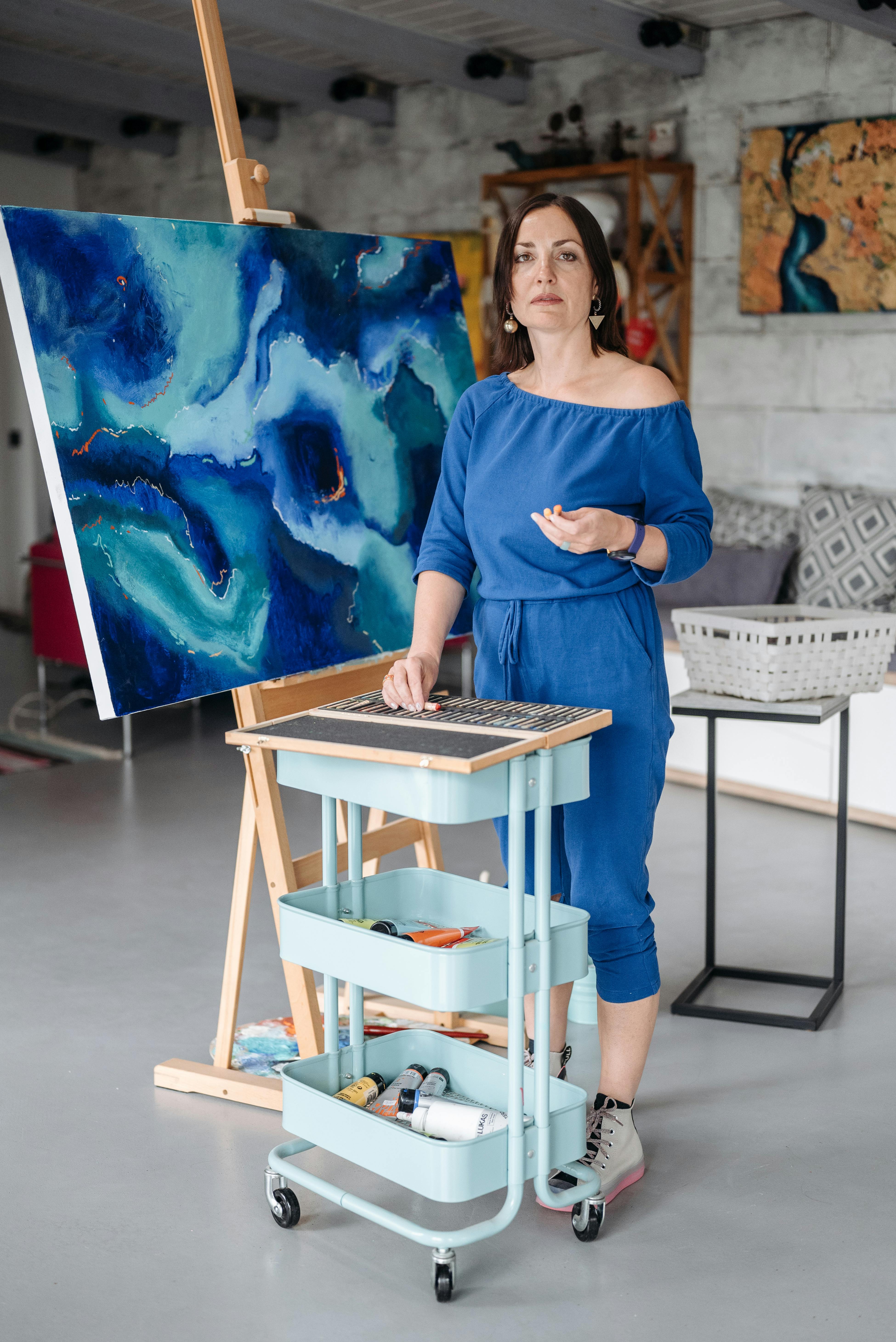
[credit](https://images.pexels.com/photos/8381965/pexels-photo-8381965.jpeg),
[licence](https://creativecommons.org/public-domain/)
This is often where the most unexpected magic happens. While dedicated solitude is undeniably crucial for deep, introspective work, the opportunity to genuinely connect with other artists, curators, critics, and thinkers from diverse backgrounds can be incredibly enriching. I've heard countless stories, and experienced some myself, of unexpected collaborations blossoming in the most delightful ways – a painter finding common ground with a digital artist, for instance, leading to a truly novel mixed-media piece that neither could have conceived alone, perhaps even [AI-as-co-creator:-exploring-collaborative-art-projects-with-artificial-intelligence](/finder/page/ai-as-co-creator:-exploring-collaborative-art-projects-with-artificial-intelligence). Or perhaps a sculptor discovering new conceptual depths through an invigorating dialogue with a writer, or a musician creating soundscapes for a performance artist. These interactions are potent. Intense critique sessions, while sometimes intimidating and requiring a thick skin, can lead to profound breakthroughs, forcing you to see your work through entirely new lenses. And critically, lifelong friendships often form, creating a mini, temporary creative family – a vibrant microcosm of the broader art world. Getting feedback from fresh eyes, especially those from vastly different disciplines or cultural backgrounds, can be truly transformative. I've personally seen how a simple, seemingly offhand observation from an artist working in a completely different medium can unlock a new perspective on my own abstract pieces, making me rethink my use of [color](/finder/page/how-artists-use-color) or composition in ways I hadn't imagined. These dialogues often introduce you to entirely new art forms, theoretical frameworks, or even historical contexts that you hadn't considered, broadening your intellectual horizons and feeding your creative wellspring. It reminds me of the vibrant, almost electric, energy you feel at a bustling [art fair](/finder/page/understanding-art-fair-logistics-a-guide-for-emerging-artists), a sense of shared passion, discovery, and the unexpected joy of collective creativity that fuels true artistic growth. And the best part? These connections extend far beyond the residency itself, forming an invaluable professional and personal network that can support your career, offer exhibition opportunities, and provide critical feedback for years to come. It’s about building a tribe, and building bridges to new intellectual and artistic territories.
### Mentorship and Guidance: Learning from the Best
Many residencies, especially those geared towards professional development and career acceleration, offer direct, often intimate, access to established artists, curators, gallerists, art historians, and critics who can provide truly invaluable mentorship. This isn't just about getting technical advice on your brushstrokes or digital techniques; it's about gaining profound insights into navigating the often-opaque art world, receiving personalized feedback on your conceptual framework, and having someone wise and experienced to bounce ideas off – someone who truly understands the often-solitary and challenging artistic journey. Imagine having a seasoned curator review your portfolio, offering razor-sharp insights into presentation and exhibition strategies for a contemporary art audience. Or an established artist offering constructive criticism on a developing series, helping you refine your artistic narrative and understand the deeper implications of your work. That kind of dedicated, tailored guidance can be an absolute game-changer for artists at any stage, helping to refine their practice, clarify their artistic direction, and even understand the often-complex nuances of the art market, including things like pricing, representation, and how to approach collectors. It's an unparalleled opportunity to learn the unspoken rules, gain invaluable wisdom that comes from years of experience, and accelerate your growth, moving beyond just how to make art to truly understanding [how artists use color](/finder/page/how-artists-use-color) in their personal statements, or even positioning your work within the broader context of art history through figures like [Rembrandt van Rijn](/finder/page/ultimate-guide-to-rembrandt-van-rijn) or [Frida Kahlo](/finder/page/ultimate-guide-to-frida-kahlo). This direct connection can demystify the art world and provide a crucial compass for your future trajectory, setting a course for long-term artistic and professional success.
### Practical Tips for Engaging with Mentors
To make the most of mentorship opportunities, I've found it's crucial to be proactive and respectful of their time. Come prepared with specific questions, be open to constructive criticism (even when it stings a little!), and always follow up with a thank you. Asking for clarity on specific career paths, understanding funding opportunities, or discussing challenges with a particular medium can transform a general conversation into a highly impactful learning experience. Remember, these are often busy professionals, so your preparedness and genuine engagement will make a lasting positive impression.
[credit](https://images.pexels.com/photos/102127/pexels-photo-102127.jpeg),
[licence](https://creativecommons.org/public-domain/)
## The Diverse Work of a Resident Artist: It’s Not Always What You Think
When you're an artist in residence, the "work" isn't always just about creating physical artworks. While that's often a primary goal, the residency experience encompasses so much more. It's a holistic engagement with your practice and the environment around you, offering opportunities that extend far beyond the canvas.
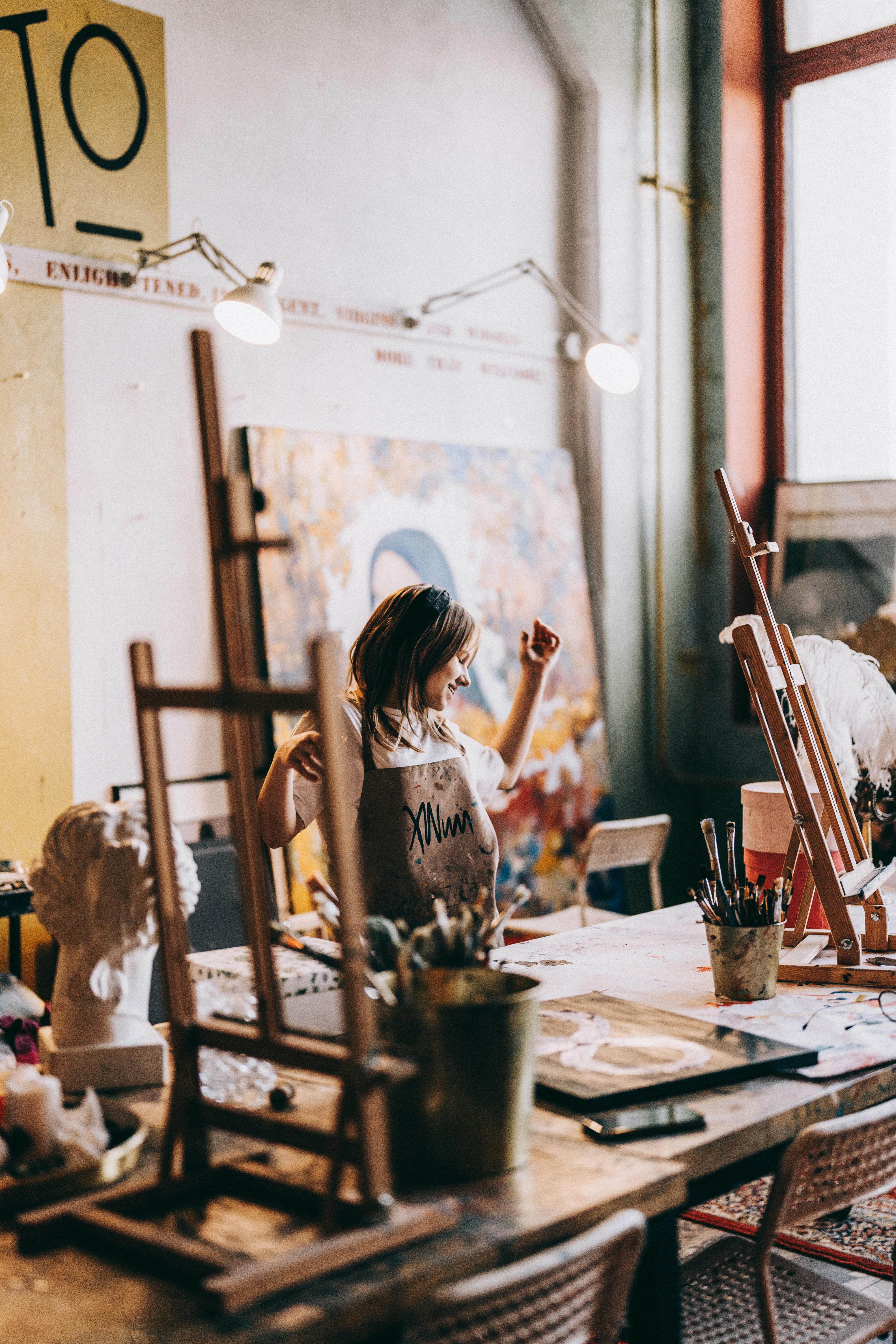
[credit](https://images.pexels.com/photos/15870647/pexels-photo-15870647/free-photo-of-young-woman-in-an-art-studio.jpeg),
[licence](https://creativecommons.org/public-domain/)
### Skill Development and Learning New Techniques
Beyond focused creation, residencies often provide unparalleled access to specialized workshops, hands-on technical assistance, and state-of-the-art equipment, making them absolutely ideal environments for developing entirely new skills or profoundly refining existing ones. This could mean immersing yourself in a new printmaking process like screen printing (I've seen some fantastic collaborations blossom in workshops like these, or even exploring more niche, historical techniques like etching or lithography!). Perhaps it's delving into complex digital art software for animation, virtual reality, or interactive installations, or even learning how to manage specialized equipment for performance art setups. Or maybe it's mastering advanced [glazing techniques in oil painting](/finder/page/mastering-glazing-techniques-in-oil-painting), exploring intricate charcoal drawing methods, experimenting with diverse colored pencils, or even exploring traditional crafts like [essential-calligraphy-supplies-for-beginners](/finder/page/essential-calligraphy-supplies-for-beginners). Some residencies even offer highly specialized training in areas like mold-making for sculpture, advanced darkroom photography, or intricate weaving techniques. It's a structured, supportive opportunity for significant professional development that can fundamentally broaden an artist's repertoire, allowing for continuous artistic evolution and opening doors to entirely new forms of expression. I always say, never stop learning; a residency is the perfect place to embody that philosophy, transforming curiosity into tangible new capabilities. You might even find yourself exploring watercolor paint in a new light, leveraging specialized workshops.
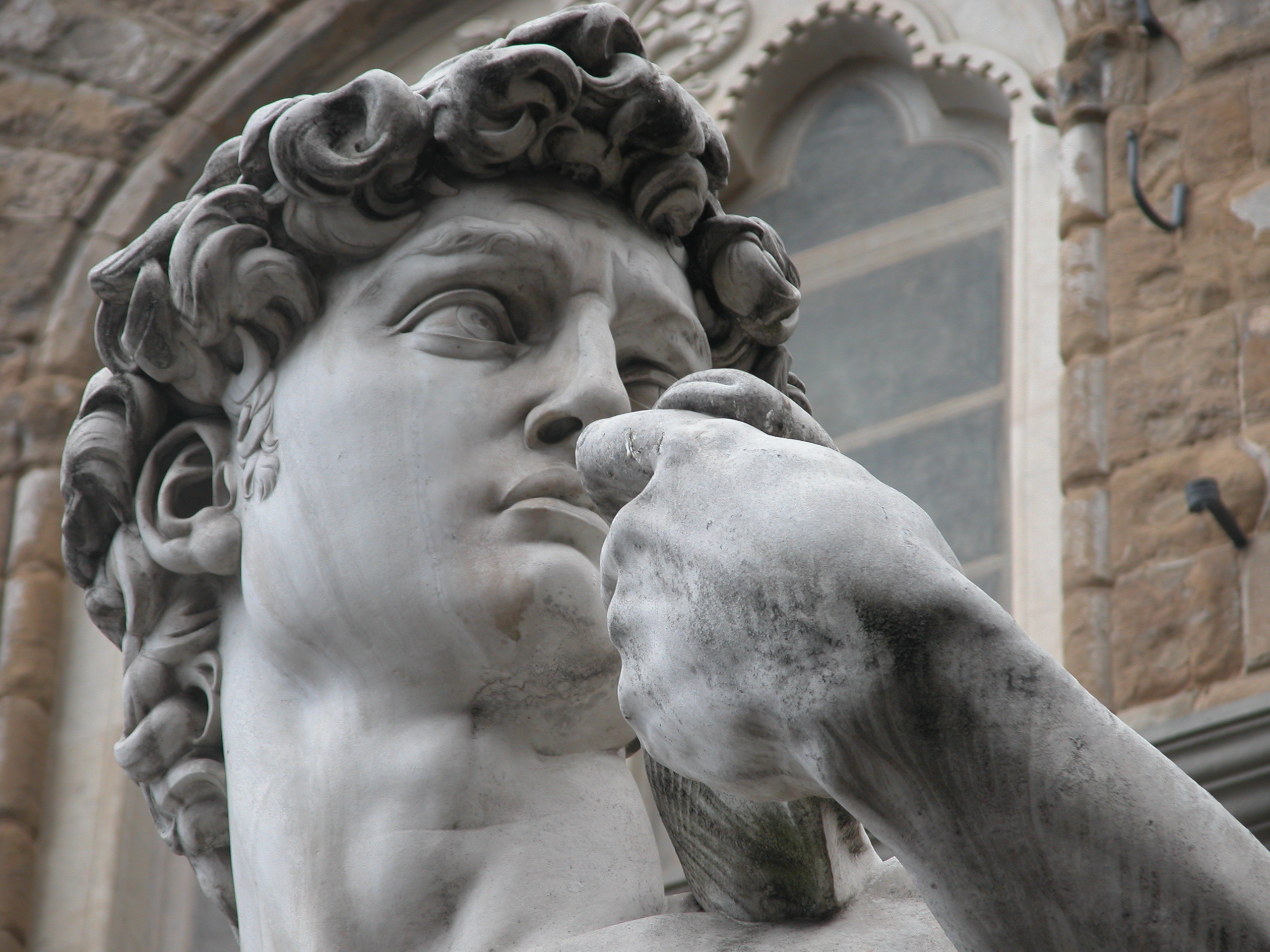
[credit](https://upload.wikimedia.org/wikipedia/commons/f/f8/David_Close_Up_DSCN2703.jpg),
[licence](https://creativecommons.org/licenses/by-sa/2.0)
### Experimentation and Growth: Pushing Boundaries
With significantly fewer external pressures and often a supportive, non-judgmental community, residencies are truly ideal playgrounds for **experimentation**. Artists can bravely try out new techniques, explore unfamiliar materials (like delving into new forms of sculpture, digital fabrication, bio-materials, or even seamlessly incorporating cutting-edge technology into traditional media). They can delve into nascent conceptual ideas, allowing them to fully germinate without the immediate, suffocating pressure of an upcoming show, gallery deadline, or impending sale. It's a uniquely low-stakes environment to embrace "failure" as a learning opportunity, to learn, and most importantly, to grow. This is often precisely where the most significant, paradigm-shifting breakthroughs happen, as artists are given the mental permission to break free from self-imposed limitations and venture into truly uncharted conceptual territory. This is particularly vital for those working in [abstract art](/finder/page/the-definitive-guide-to-the-history-of-abstract-art-key-movements-artists-and-evolution), where [how-to-abstract-art](/finder/page/how-to-abstract-art) is less about strict rules and rigid methodologies, and far more about intuitive exploration, deep emotional resonance, and developing a profoundly personal visual language, as I often reflect on in [why-i-paint-abstract:-my-personal-philosophy-and-artistic-vision](/finder/page/why-i-paint-abstract:-my-personal-philosophy-and-artistic-vision). I’ve found some of my most exciting, transformative discoveries happen when I fully abandon the expectation of a perfect, predefined outcome and just *play*, allowing intuition to lead the way into uncharted creative territory. This freedom from commercial constraints, this permission to explore without immediate judgment, allows for truly radical creative leaps that can redefine your entire practice and break through mental boundaries you didn't even know you had.
### New Environments, New Perspectives: Fueling Inspiration
Travel changes you, doesn't it? It shakes up your routines, challenges your assumptions, and broadens your horizons. Even a temporary change of scenery can spark a cascade of new ideas and profoundly disrupt established patterns of thought, often leading to unexpected creative breakthroughs. Whether it's the unique, ethereal quality of light in a different country, the intricate cultural nuances of a new city, the vibrant, almost palpable energy of a different art scene, or the raw, untamed beauty of a remote natural landscape, a fresh environment can provide an endless, invigorating wellspring of inspiration. For a landscape artist, a residency nestled deep in the mountains could entirely redefine their palette and approach to natural forms, introducing new textures and atmospheric conditions, or even inspire them to create ephemeral land art. Conversely, an urban artist might find novel rhythms in a bustling metropolis, observing human interaction and architectural forms, or find inspiration in new trends like [what-is-kinetic-art-movement-in-modern-sculpture](/finder/page/what-is-kinetic-art-movement-in-modern-sculpture) emerging in unexpected public spaces. It's more than just a physical reset; it's a profound mental and spiritual recalibration that allows new thoughts, imagery, and conceptual frameworks to deeply seep into your work, much like the direct observation cultivated in [what-is-plein-air-painting](/finder/page/what-is-plein-air-painting), but on a grander, more immersive, and deeply personal scale. The rich, varied sensory input from a new place, from the smell of unfamiliar spices in a market to the soundscape of a bustling port, the textures of unfamiliar architecture, or the rhythm of local conversations, can fundamentally shift your perspective and infuse your work with unforeseen layers of meaning, subtle references, and a newfound global relevance, making your art richer and more resonant. This deep cultural immersion fosters empathy and allows you to see your work as part of a larger global dialogue.
### Navigating Creative Blocks and Challenges
It's incredibly easy, almost tempting, to romanticize residencies as constant, unbroken periods of inspired creation, a blissful state of uninterrupted flow. But the honest reality is that creative blocks can still hit, and sometimes, paradoxically, even harder in a new, unfamiliar environment, away from your usual comforts and established routines. A residency, however, offers a truly unique and supportive space to confront these challenges head-on, precisely *because* you're freed from the usual daily distractions and pressures. It's a precious chance to experiment with entirely new approaches to overcoming stagnation – perhaps by engaging in interdisciplinary research, initiating a spontaneous collaboration with a fellow artist, exploring a completely different medium you've always been curious about (say, trying ceramics if you're a painter), or simply taking long, meditative walks to observe, reflect, and allow new ideas to percolate. You might also find yourself exploring local archives, engaging with community members outside the art world for fresh perspectives, or even using structured writing exercises to unlock visual ideas. You learn invaluable resilience, develop powerful new coping mechanisms for creative friction, and crucially, discover what truly re-ignites your artistic spark when it seems to have dimmed. Sometimes, the most profound "work" of a residency is simply to *work through* the block itself, giving you invaluable new tools and strategies for future encounters with creative friction. It’s a profound lesson in artistic self-reliance, innovative problem-solving, and the deep understanding that creative plateaus are often precursors to significant artistic leaps, helping you to understand the power of [how-to-overcome-fear-of-the-blank-canvas](/finder/page/how-to-overcome-fear-of-the-blank-canvas).
### Validation and Visibility: A Boost for Your Career
Let’s not forget the practical side. Being accepted into a reputable residency program lends a certain **credibility and prestige** to an artist's CV. It signals to curators, galleries, and collectors that an artist is committed, serious, and has been recognized by their peers. This stamp of approval can be incredibly valuable, especially for emerging artists, providing a tangible boost to their professional standing. Beyond the immediate prestige, it often opens doors to future opportunities – be it invitations to group shows, introductions to gallerists, opportunities for solo exhibitions, or even media features and publication in art journals. Many residencies culminate in an exhibition, open studio, or public presentation, offering valuable exposure and networking opportunities that are otherwise hard to come by. It's another crucial step on the path to making your art a sustainable practice, akin to understanding [art fair logistics](/finder/page/understanding-art-fair-logistics-a-guide-for-emerging-artists) or mastering [how-to-write-an-artist-grant-proposal](/finder/page/how-to-write-an-artist-grant-proposal). In essence, a residency can act as a significant career accelerator, legitimizing your journey and amplifying your voice in the eyes of the broader art world. It’s an undeniable mark of dedication and potential, often leading to increased sales, commissions (perhaps even through [what-is-an-art-commission](/finder/page/what-is-an-art-commission)), and a more robust presence in the art market, potentially even paving the way for features in art publications or opportunities for public speaking.
## The Financials: Funding Your Creative Retreat
Let's be real: funding is often the elephant in the studio when it comes to residencies. While the dream of a fully-funded retreat is alluring – imagine, all expenses covered! – the reality is that many artists navigate a mosaic of funding sources to make these experiences possible. It's a strategic dance, requiring careful planning, meticulous research, and often, a significant touch of entrepreneurial spirit. Think of it as another creative project in itself, one that requires the same dedication to research, strategy, and persistence as developing a new body of work. It’s an investment, not just in your art, but in your entire professional trajectory.
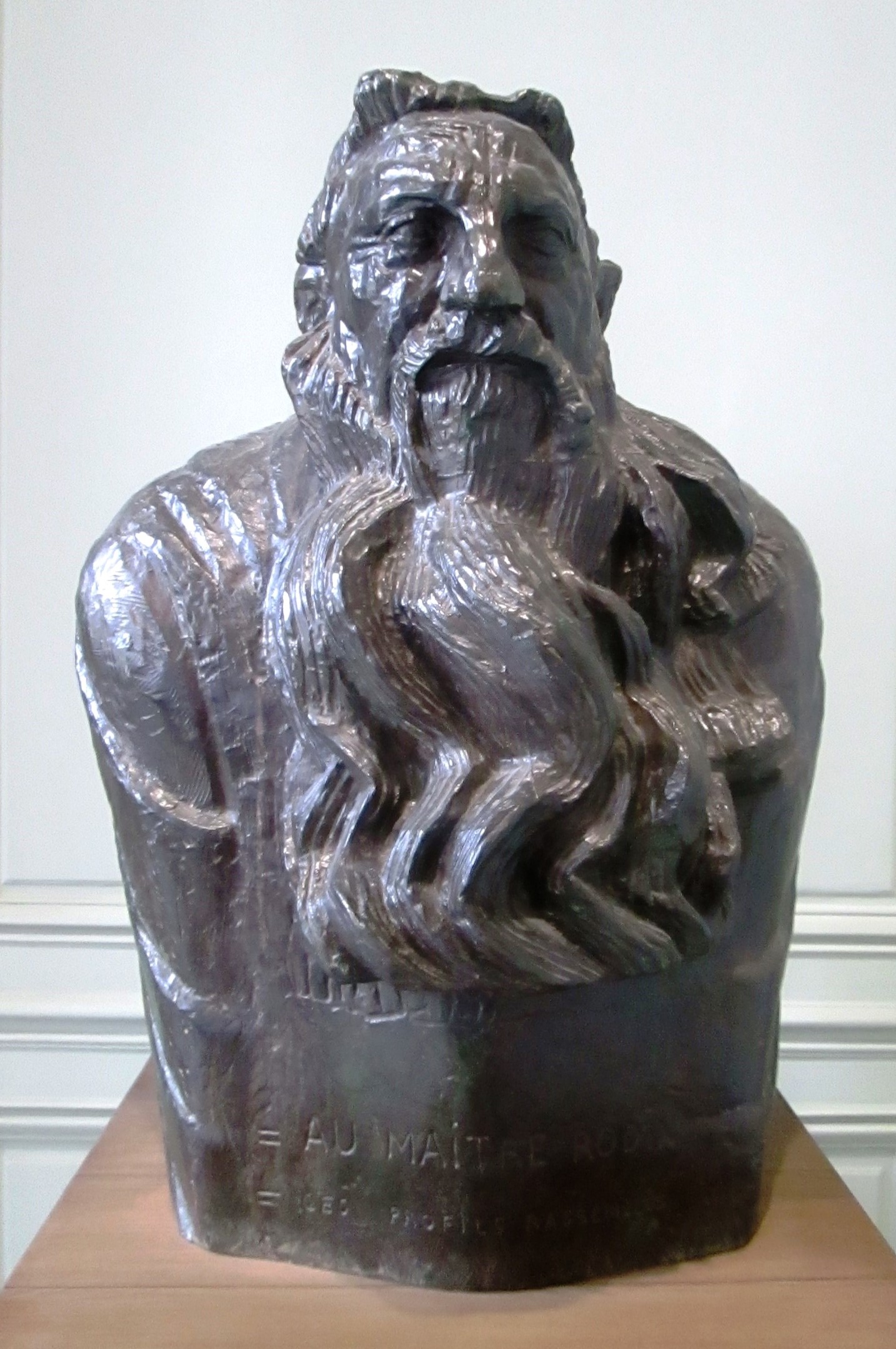
[credit](https://upload.wikimedia.org/wikipedia/commons/f/f6/Auguste_Rodin_%281910%29_by_Antoine_Burdelle%2C_front.jpg),
[licence](https://creativecommons.org/licenses/by-sa/4.0)
### Navigating the Costs
Residency costs can range from zero (for fully-funded programs that cover travel, living, and studio expenses) to several thousands of dollars for self-funded programs. Beyond the obvious, it's wise to consider often-overlooked costs like art insurance, visa application fees for international programs, and unexpected material needs or equipment rentals that might arise during your experimental phases. Key expenses typically include:
### Navigating the Costs: What to Expect
[credit](https://images.pexels.com/photos/8189135/pexels-photo-8189135.jpeg),
[licence](https://creativecommons.org/public-domain/)
* **Application Fees:** A common, though sometimes prohibitive, initial cost.
* **Travel:** Flights, local transport, shipping art supplies.
* **Living Expenses:** Rent, food, personal needs (even if housing is provided, food often isn't).
* **Studio Fees:** Sometimes separate from living costs.
* **Materials & Equipment:** Depending on your medium, this can be substantial, especially if you're experimenting with new types of paint like those discussed in [definitive-guide-to-paint-types-for-artists](/finder/page/definitive-guide-to-paint-types-for-artists) or needing specific craft supplies.
### Strategies for Funding Your Residency: A Multi-faceted Approach
Don't let the financial aspect deter you, even though it feels like a giant hurdle. There are several avenues artists commonly explore, often combining multiple strategies to cover all bases and create a robust funding mosaic. Think of it as another creative project in itself, one that requires the same dedication to research, strategy, and persistence as developing a new body of work.
* **Grants & Fellowships:** These are highly competitive awards from numerous arts organizations, private foundations, and government bodies that often offer grants specifically for residency participation or project development. These can be regional, national, or international, and often cater to specific disciplines (ee.g., visual arts, performing arts, literature), career stages (e.g., emerging artists, mid-career, or those focusing on particular social themes), or even demographic groups. This is precisely where a strong, compelling [how-to-write-an-artist-grant-proposal](/finder/page/how-to-write-an-artist-grant-proposal) becomes invaluable – a well-crafted proposal that articulates your unique vision and detailed project plan can truly make the difference, demonstrating the profound impact your work will have, not just on your personal practice, but on the broader cultural landscape.
* **Personal Savings:** Many artists, myself included, consciously save specifically for these transformative opportunities, treating them as a direct, essential investment in their career and artistic growth. It requires discipline and foresight, yes, but having a dedicated fund gives you immense freedom in choosing programs that truly align with your artistic goals, rather than being limited solely by financial constraints. Think of it as investing directly in your creative future, a profound act of self-support.
* **Crowdfunding:** Platforms like Kickstarter, GoFundMe, or Patreon can be incredibly effective for raising support from your existing community, dedicated patrons, and even strangers who resonate deeply with your artistic vision and the mission of your residency. Crafting a compelling narrative is key: tell a vivid story about your project, the residency's potential impact on your art and the community, and what you hope to achieve, often through engaging videos and compelling written narratives. Be clear about your funding goals and what rewards you can offer supporters. This approach can really resonate with a wider audience, effectively turning your audience into direct, engaged supporters of your creative journey. It's a powerful way to build community engagement and secure grassroots funding, often creating a network of advocates for your work who feel personally invested in your success.
* **Sponsorships & Donations:** This involves strategically reaching out to local businesses, philanthropic art patrons, or individual collectors for financial support. Often, this is offered in exchange for public acknowledgment (on your website, social media, or in exhibition materials), a specific piece of work created during the residency, or even workshops and talks upon your return. This requires strong networking skills, a clear value proposition, and a professional approach to articulating the mutual benefits of such a partnership. For instance, a local business might appreciate an artwork inspired by their community, or a patron might be delighted by a private studio visit or a piece specifically created for their collection. Don't be afraid to clearly articulate the value you bring!
* **Part-Time/Gig Work:** Some residencies, especially longer ones or those with less structured schedules, are open to artists engaging in flexible remote work or local odd jobs to supplement their income. While this can provide necessary income, it's absolutely crucial to balance it carefully and intentionally with dedicated studio time to maximize the residency experience and avoid simply replicating your usual work routine in a new, exciting location. The core goal, remember, is focused immersion, not just a change of scenery.
* **Residency Stipends/Awards:** Some programs, particularly the more prestigious ones, provide a stipend directly to artists. This can be either as part of a fully-funded model or as an additional award specifically to cover living or material costs. These are highly sought after as they significantly reduce the financial burden, allowing for complete, undistracted focus on your art without the constant stress of managing daily expenses. These are often the "golden tickets" of the residency world, providing true creative liberation. When you don't have to worry about the rent or groceries, your mind is truly free to wander into the most exciting, challenging artistic territories, exploring concepts like [the-emotional-resonance-of-my-abstract-art-how-feelings-guide-my-brushstrokes](/finder/page/the-emotional-resonance-of-my-abstract-art-how-feelings-guide-my-brushstrokes) or even the ethical considerations of [the-symbolism-of-animals-in-contemporary-art](/finder/page/the-symbolism-of-animals-in-contemporary-art). It’s a profound luxury for any artist, enabling deeper engagement with their practice.
Crafting a detailed, realistic budget is your absolutely crucial first step. I cannot stress this enough. Understanding the full scope of potential costs allows you to target appropriate funding sources with precision and make informed decisions about which programs are genuinely feasible for you. Don't forget to factor in contingency funds for unexpected expenses – because, let's be honest, life happens, even during a creative retreat! It's a testament to your commitment to your practice and a crucial part of professionalizing your artistic career, showing you're not just a dreamer, but a strategic and pragmatic planner.
### Funding Sources for Artist Residencies
| Funding Source | Description | Pros | Cons |
| :--------------------- | :--------------------------------------------------------------------------------------------------------- | :-------------------------------------------------------------------------- | :---------------------------------------------------------------------------------------------- |
| **Grants/Fellowships** | Competitive awards from arts organizations, foundations, or government bodies, often project-specific. | Can cover significant costs; adds prestige to CV; no repayment. | Highly competitive; time-consuming application process; specific eligibility criteria. |
| **Personal Savings** | Using your own accumulated funds, typically earmarked for artistic development. It's a direct investment. | Full control over choices; immediate access to funds; no repayment. | Requires prior financial discipline; can deplete savings; may limit options. |
| **Crowdfunding** | Raising small amounts from a large number of people via online platforms (e.g., Kickstarter, GoFundMe). | Engages community; can test project appeal; builds audience loyalty. | Requires significant marketing effort; not guaranteed to meet goal; platform fees. |
| **Sponsorships/Donations** | Support from businesses, art patrons, or individual collectors in exchange for recognition or deliverables. | Can provide substantial funds; builds professional relationships; external validation. | Requires extensive networking and proposal writing; specific deliverables may be expected; long lead times. |
| **Residency Stipends** | Direct payments or allowances from the residency program itself, sometimes covering living or material costs. | Reduces personal financial burden; allows full focus on art; immediate support. | Only available for specific, often highly competitive, programs; amount may vary. |
| **Arts Loans/Credit** | Specialized loans or lines of credit for artists to fund projects or residencies. | Provides access to funds when needed; structured repayment. | Incurs interest; requires careful financial management; can add stress. |
| **Part-Time/Gig Work** | Engaging in flexible employment (remote or local) during the residency period if permitted. | Provides steady income; maintains financial independence. | Can detract from dedicated studio time; potential for burnout; requires strict time management. |
| **Contingency Funds** | A separate fund for unexpected expenses (e.g., medical, urgent materials, travel changes). | Provides peace of mind; prevents financial disruption during residency. | Requires additional savings or budgeting; may go unused (which is good!).
[credit](https://images.pexels.com/photos/17717447/pexels-photo-17717447/free-photo-of-artists-studio-in-the-city.jpeg),
[licence](https://creativecommons.org/public-domain/)
## Types of Residencies: Not All Are Created Equal
Just as there are countless kinds of artists, there are countless kinds of residencies. It's crucial to understand the different models to find one that truly aligns with your goals and working style. From fully funded urban hubs to rustic self-funded retreats, the spectrum is vast, reflecting the diverse needs and aspirations of the global artistic community. Choosing the right fit is paramount to a successful and transformative experience.

[credit](https://www.pexels.com/photo/artist-brush-mix-color-oil-painting-8382705/),
[licence](https://creativecommons.org/public-domain/cc0/)
| Residency Type | Key Characteristics | Ideal For |
| :--------------------- | :----------------------------------------------------------------------------------------------------------------------------------------------- | :-------------------------------------------------------------------------------- |
| **Fully Funded** | Covers living costs, studio fees, and sometimes travel/materials. Highly competitive. | Artists seeking financial freedom to focus entirely on their work. |
| **Partially Funded** | May cover studio or living, but not all expenses. Often requires a small fee or contribution. | Artists with some personal funds or grants, seeking specific facilities or community. |
| **Self-Funded/Fee-Based** | Artist pays for all costs. Offers flexibility in terms of application and duration. | Artists prioritizing specific locations, facilities, or independence. |
| **Short-Term** | Days to a few weeks. Intense focus, quick immersion. | Projects requiring intense, short bursts of activity; testing new ideas. |
| **Long-Term** | Months to a year or more. Allows for deep research, significant project development. | Ambitious, large-scale projects; profound immersion in a new context. |
| **Discipline-Specific** | Focused on a particular medium (e.g., ceramics, printmaking, digital art, writing). | Artists needing specialized equipment, technical support, or peer feedback in their field. |
| **Community-Engaged** | Requires interaction with local community, workshops, public art. | Artists interested in social practice, public art, and educational outreach. |
| **Digital Art/Media Focused** | Provides access to specialized software, hardware, and technical support for digital artists, animators, or new media practitioners. | Artists working with technology, seeking to develop digital skills, or explore new media. |
| **Craft-Focused** | Dedicated facilities and expertise for specific crafts like ceramics, textiles, or printmaking. | Artists specializing in craft, needing specialized equipment, or seeking to learn new craft techniques. |
| **Family-Friendly** | Offers support and accommodation for artists with families, often including childcare or family housing. | Artists who are parents and need to balance their practice with family responsibilities. |
| **Research-Based** | Emphasizes intellectual inquiry, archival work, theoretical exploration. | Artists whose practice involves deep investigation and conceptual development. |
| **Environmental/Ecology Focused** | Often located in natural settings, encouraging work inspired by or responding to ecological themes, often with a focus on sustainable practices or local ecosystems. | Artists focused on environmental art, land art, those exploring the intersection of art and science, or those seeking inspiration from specific natural landscapes and their preservation. |
| **International** | Opportunities to work abroad, immerse in different cultures, and expand global networks. | Artists seeking cross-cultural exchange, new perspectives, or to exhibit internationally. |
| **Interdisciplinary** | Encourages collaboration between artists from different disciplines (e.g., art and science, art and technology). | Artists interested in pushing disciplinary boundaries, collaborative projects, or exploring new methodologies.|
| **Performance-Based** | Dedicated space and resources for artists working in performance art, dance, or theatre. | Performance artists needing rehearsal space, technical support, or audience for development. |
| **Writing-Focused** | Offers quiet space, libraries, and sometimes literary mentorship for writers, poets, and journalists. | Writers seeking dedicated time and environment to complete a manuscript or project. |
| **Urban Residencies** | Located in city centers, providing access to museums, galleries, cultural events, and diverse communities. | Artists inspired by urban environments, seeking networking opportunities, or cultural immersion. |
| **Rural Residencies** | Situated in natural, often remote, settings, offering solitude and connection with nature. | Artists seeking quiet reflection, inspired by landscapes, or exploring ecological themes. |
| **Hybrid/Custom** | Blends elements of different types; often project-specific or combines online and in-person components. | Artists with unique project needs, seeking tailored support, or balancing other commitments.|
[credit](https://live.staticflickr.com/684/20743256229_3dee1ce547_b.jpg),
[licence](https://creativecommons.org/licenses/by/2.0/)
## Finding and Applying for Residencies: A Practical Angle
Applying for residencies can feel like a full-time job in itself, I won't lie. It requires deep research, meticulous application writing, and a compelling, well-curated portfolio. But it's an investment in yourself and your practice that can pay significant dividends, opening doors to opportunities you might not have imagined, and propelling your career forward. It’s a commitment, but one that is often profoundly rewarding.
1. **Deep Research is Non-Negotiable:** This is where you lay the absolutely crucial groundwork for success. Consider it your first creative act in the application process. Use comprehensive online directories (like ResArtis, TransArtists, Alliance of Artists Communities, or specific discipline-focused sites for writers, digital artists, composers, or sculptors) to meticulously find programs that truly, authentically align with your medium, current career stage, and deeply personal artistic goals. Go far beyond the surface-level descriptions: scrutinize the location, typical duration, available facilities (do they have that specific kiln you need? A darkroom? A large-scale workshop for installations? AI rendering capabilities? Can they support collaborative projects, perhaps even involving [AI-as-co-creator:-exploring-collaborative-art-projects-with-artificial-intelligence](/finder/page/ai-as-co-creator:-exploring-collaborative-art-projects-with-artificial-intelligence)?), and crucially, any financial support offered. Understanding the true, full cost – and how you’ll fund it – is paramount from the outset. Looking at [top-online-resources-for-emerging-artists](/finder/page/top-online-resources-for-emerging-artists) can give you a significant head start, but nothing, and I mean *nothing*, beats reading testimonials from former residents, scouring their websites for past projects, or even reaching out to alumni directly for their honest insights. Many artists also find immense value in exploring social media for glimpses into the daily life and atmosphere of a residency – sometimes an informal photo or video can tell you more than a formal description. A good fit, a genuine resonance between you and the program, is truly everything; a bad fit is a wasted opportunity, both creatively and financially.
2. **Hyper-Tailor Your Application:** Let me be clear: this isn't a numbers game for generic submissions; it's a precise, highly strategic play, much like preparing for a significant exhibition. Each program has a specific mission, clearly defined values, and sometimes even a particular aesthetic or conceptual bent, and your application needs to reflect, undeniably, that you *know* it intimately. You need to explain, with conviction and specificity, *why* that particular residency is the absolute perfect fit for *you* at *this specific stage* of your artistic journey. Articulate precisely how you envision using your time there, how you'll contribute to *their* unique environment and community, and how you'll profoundly benefit from *their* specific resources and goals. Show them, don't just tell them, that you've done your homework, far beyond just a quick skim of their website. If their focus is on abstract art, for instance, talk about how their unique environment, specialized facilities, or specific mentorship opportunities would specifically help your process of [translating-emotion-into-abstract-art-my-process-of-visual-expression](/finder/page/translating-emotion-into-abstract-art-my-process-of-visual-expression) or how it would connect with the powerful legacy of a figure like [Jackson Pollock](/finder/page/ultimate-guide-to-jackson-pollock) in a fresh way. Generic applications are painfully easy to spot and almost never successful; personalize, personalize, personalize! This is your chance to stand out, to make them feel like you were born to be there, and to connect your unique [artistic vision](/finder/page/why-i-paint-abstract:-my-personal-philosophy-and-artistic-vision) with their overarching mission.
### Preparing for the Interview (If Applicable)
For competitive programs, an interview is often the final hurdle. Prepare to articulate your vision clearly, speak passionately about your project, and demonstrate how you'd be a positive addition to their community. Have thoughtful questions ready for them – it shows genuine interest and engagement. Practice discussing your work concisely and confidently; remember, this is your chance to bring your written application to life.
3. **Craft an Impeccable Portfolio and Statement:** Your portfolio is your visual voice, and it should be current, cohesive, and represent your absolute best, most relevant work. Think quality over quantity, always. Ensure your images are high-resolution, professionally photographed, and accurately represent your art. Increasingly, your online presence (a well-maintained website, professional social media channels) also functions as an extension of your portfolio, offering curators and committees a broader sense of your artistic trajectory and engagement. Your artist statement needs to be a laser-focused articulation of your vision, your core themes, what you hope to achieve during the residency, and precisely how the program's resources and community specifically support this. This is your chance to really shine and make a compelling case for yourself, possibly linking to [the-art-of-the-artist-statement-crafting-your-narrative](/finder/page/the-art-of-the-artist-statement-crafting-your-narrative) for further guidance. A strong, passionate, and well-articulated statement can absolutely elevate a good portfolio to a great one, revealing the depth of thought behind the visuals and providing a narrative thread that ties your work together, making it irresistible to the selection committee. Consider how your work relates to contemporary art discussions, perhaps even exploring concepts from [art-movements-of-the-21st-century](/finder/page/art-movements-of-the-21st-century).
4. **Secure Strong Letters of Recommendation:** Many competitive programs, especially those offering funding or extensive resources, require these, and let me tell you, they can be absolutely critical to your success. Choose recommenders who know your work intimately, deeply understand your artistic trajectory, and can speak with genuine authority and authentic enthusiasm to your artistic maturity, intellectual curiosity, potential for growth, and unwavering professionalism. Don't just pick a big name if they don't know you well or can't speak specifically to your practice; pick someone who can genuinely, passionately champion your practice with specific examples, compelling anecdotes, and a clear understanding of your unique artistic voice. A heartfelt, detailed, and insightful letter from a lesser-known advocate who truly understands and believes in your work is *always* better than a generic, lukewarm one from a celebrity or prominent figure who barely remembers your name. Always give your recommenders ample time (weeks, not days!) and provide them with all necessary information about the residency (its mission, goals, and focus), your specific project proposal, your CV, and a clear deadline. Make it easy for them to write a stellar letter, and follow up respectfully to ensure it's submitted on time. This can truly be the differentiating factor in a competitive application pool.
5. **Embrace Realism and Persistence:** This is perhaps the hardest, yet most profoundly important, piece of advice I can offer. Acceptance rates can be notoriously low for popular programs, sometimes shockingly in the single digits, and that's okay. Truly, it is. Do *not* let rejections derail you or make you question your inherent worth as an artist. Instead, use them as invaluable learning opportunities. Seek feedback if possible (though I'll be honest, it's not always offered), refine your application materials based on what you learn, and most importantly, keep trying. It's a marathon, not a sprint, and every "no" brings you closer to that triumphant "yes." Resilience, a thick skin, and an unwavering belief in your own artistic journey are absolutely essential qualities for any artist navigating the competitive art world. Your path is unique, your voice is distinct, and the right opportunity *will* come if you keep pursuing it with dedication, strategic refinement, and a tenacious spirit. Remember, the journey itself is part of the art, and learning to navigate rejection is a vital skill that builds character and strengthens resolve. Cultivating a **growth mindset** – seeing challenges as opportunities to learn and develop, rather than as insurmountable obstacles – will serve you incredibly well throughout your entire artistic career.
### Residency Application Checklist
| Component | Description | Key Considerations |
| :------------------------ | :------------------------------------------------------------------------------------- | :-------------------------------------------------------------------------------------------------------------- |
| **Artist Statement** | A concise text articulating your practice, core themes, and artistic vision. | Tailor precisely to the residency's mission and values; highlight how your work aligns with their program. |
| **Project Proposal** | A detailed outline of what you plan to work on, research, or achieve during the residency. | Be specific, realistic, and demonstrate foresight; explain how you'll utilize their resources. |
| **Portfolio/Work Samples** | High-quality images or videos of your recent, most relevant work. | Curate for relevance to the residency's focus and your proposal; ensure excellent presentation. |
| **Artist CV/Resume** | Professional summary of your artistic experience, exhibitions, awards, and education. | Keep it updated, well-formatted, and relevant to your stage of career; highlight achievements. |
| **Letters of Recommendation** | Endorsements from mentors, colleagues, or curators who know your work well. | Choose individuals who know your work intimately and can advocate strongly and specifically for your potential. |
| **Application Form** | The official form provided by the residency program, often online. | Fill out meticulously; pay close attention to all instructions, character limits, and deadlines. |
| **Budget (Optional but Recommended)** | Detailed outline of anticipated expenses and a comprehensive funding strategy. | Essential for self-funded residencies; demonstrates responsibility and foresight for all types of programs. |
| **Artist Interview (If applicable)** | A conversation, usually virtual, to discuss your work, proposal, and fit with the program. | Prepare to articulate your vision clearly; engage thoughtfully with questions; have your own questions ready; practice your responses. |
| **References/Contacts** | Contact information for individuals who can vouch for your character, work ethic, and collaborative spirit. | Inform your references in advance and ensure their contact details are accurate and current; provide them with program details. |
| **Bio/Artist Narrative** | A brief, engaging story about your artistic journey and what drives your practice. | Often requested in addition to a statement; reveals your personality and passion; keep it concise and compelling.
[credit](https://live.staticflickr.com/4321/35815189011_b72db7c36e_b.jpg),
[licence](https://creativecommons.org/licenses/by-nc-sa/2.0/)
## Maximizing Your Residency Experience: Getting the Most Out of Your Time
You've landed a residency – congratulations! This is a significant achievement and the real work, or rather, the *deepest* work, begins now. How do you make sure you wring every drop of creative potential out of it? It’s not just about showing up; it’s about strategic engagement, mindful presence, and intentional action, ensuring you fully leverage this unique opportunity for profound growth and discovery. Think of it as cultivating your own creative harvest.
### **1. Set Clear (but Flexible) Goals:** Before you even arrive, it’s immensely helpful to have a clear, yet adaptable, idea of what you truly want to achieve. Is it a specific body of work? Mastering a new technique or medium? Engaging in deep conceptual research for a future project? While it's absolutely crucial to remain open to unexpected tangents, serendipitous discoveries, and shifts in direction (which often define the most profound residencies), a well-thought-out framework provides essential direction and a sense of purpose. I've found that having a primary objective keeps me from feeling adrift or overwhelmed by the sheer freedom, while still allowing ample room for those magical, unplanned moments that often become the most memorable and impactful, leading your initial goals to beautifully evolve. Perhaps even set a broad thematic inquiry, like exploring [the-psychology-of-color-in-abstract-art-beyond-basic-hues](/finder/page/the-psychology-of-color-in-abstract-art-beyond-basic-hues) or investigating the impact of local history on your artistic voice. Remember, these aren't rigid targets; they're compass points that allow for meaningful deviation and organic growth.
### **2. Engage Actively with the Community:** Don't be a hermit, unless it's explicitly designed as a solitary retreat, of course! (Even then, sometimes a little strategic human interaction can break an artistic block, trust me.) Actively attend artist talks, enthusiastically participate in critique sessions (even if they feel a bit daunting at first), share meals, and simply *talk* to your fellow residents, the local artists, and the program staff. These conversations are far from superficial; they can spark entirely new ideas, provide critical, fresh feedback on your developing work, and lead to invaluable connections – both professional and deeply personal. Some of my most interesting collaborations and profound insights have come from casual chats over coffee or late-night discussions in the studio, proving the undeniable power of communal creativity and shared passion. These connections don't just fade away; they often become a long-term support system, a network for future collaborations, exhibitions, and vital feedback for years to come. Crucially, cultivate these relationships by following up after the residency – a simple email, a social media connection, or a shared update on your work can keep these invaluable networks thriving.
[credit](https://live.staticflickr.com/5706/20742053258_11a6028562_b.jpg),
[licence](https://creativecommons.org/licenses/by/2.0/)
### **3. Embrace the New Environment:** Whether you find yourself in an urban bustle or a serene natural landscape, consciously allow your surroundings to seep into your work. Make time to explore the local culture, visit museums (like the [Rijksmuseum](/den-bosch-museum) if you're lucky enough to be in the Netherlands!), observe the unique quality of light, listen intently to the unfamiliar sounds, and even indulge in the local cuisine. A profound change of scenery is a powerful, often underestimated, catalyst for fresh perspectives. Truly immersing yourself, opening all your senses to the new, can transform your art in wonderfully unexpected ways, inspiring entirely new themes, visual vocabularies, or even a fundamental shift in your [artistic style](/finder/page/finding-my-voice:-the-evolution-of-my-abstract-artistic-style). It’s about letting the world around you become a co-creator, absorbing its rhythms, colors, and narratives, allowing them to subtly (or dramatically) inform your creative output. Take walks, sketch, photograph, talk to locals – let every experience be fodder for your artistic soul.
### **4. Prioritize Self-Care:** I cannot emphasize this enough: residencies can be incredibly intense. The subtle pressure to produce, the constant stimulation of a new environment, and the ongoing intellectual exchange can be surprisingly exhausting. Do *not* neglect your physical and mental well-being. Schedule intentional breaks, ensure you get enough restorative sleep, eat nourishing meals, engage in mindfulness practices (whether it's meditation, reading, or simply enjoying a quiet cup of coffee), and actively find ways to decompress and recharge. A burnt-out artist isn't a productive one, nor are they a happy one. Remember, this is an investment in your *entire* self – your mind, body, and spirit – not just your artistic output; nurture both fiercely for sustainable, joyful creativity. Think of it as fueling your creative engine, making sure it has the energy to run a long and successful race. This holistic approach prevents burnout and ensures you return from the residency not just creatively enriched, but also personally rejuvenated.
### **5. Document Everything:** I can't stress this enough. Keep a journal, take photos and videos of your process, save sketches, and archive your experiments – even the "failures" hold valuable lessons. This documentation is invaluable for future grant applications, portfolio updates, and personal reflection. It allows you to track your growth, articulate your journey, and build a rich personal [timeline](/timeline) of your artistic development, serving as a powerful narrative for your career. This archive also provides concrete evidence of your dedication, your evolving process, and the outcomes of your residency, which can be crucial for future professional opportunities and even personal artistic validation. Consider digital archiving tools and cloud storage to keep everything organized and accessible, creating a comprehensive record of your transformative experience.
## My Own Thoughts on Residencies: A Creative Oasis
For me, the very idea of an artist residency resonates profoundly, almost viscerally, with the deep need for dedicated, expansive thought that fuels my own abstract work. When I'm in the studio, grappling with the vibrant dance of color and the subtle interplay of form, the ultimate luxury isn't the fanciest brush or the most expensive pigment. No, it's the sheer mental space to just *be* with the canvas. It's that magical period where the world melts away, and it's just me and the raw, untamed potential of the paint – a silent, yet furious, dialogue with the unseen layers, perhaps, or an unrestrained exploration of pure emotion. A residency offers that on an infinitely grander scale – an entire, dedicated period where that singular, unwavering focus is not just allowed but actively encouraged, celebrated even. It’s about strategically removing the mundane so that the extraordinary can truly emerge, giving yourself explicit permission to go all-in on your authentic creative voice, to truly, fearlessly explore your unique perspective, whether you're creating large-scale abstract works or intimate mixed media pieces. This deep, immersive dive is absolutely crucial for an artist, much like a discerning collector seeking to understand the nuances of `collecting-emerging-abstract-art-a-guide-to-discovering-tomorrows-masters` or the intricacies of [the-art-of-display:-how-to-light-and-position-abstract-art-for-maximum-impact](/finder/page/the-art-of-display:-how-to-light-and-position-abstract-art-for-maximum-impact). It's a journey into the self through the profound act of making, an unparalleled opportunity to nurture and evolve one's [abstract artistic style](/finder/page/finding-my-voice:-the-evolution-of-my-abstract-artistic-style). I often find myself pushing past previous limitations, embracing entirely new directions and conceptual frameworks, precisely because the environment of a residency permits such profound creative freedom. It's truly a gift, a transformative period, for any artist yearning for deeper exploration and a chance to solidify their unique mark on the art world.
[credit](https://upload.wikimedia.org/wikipedia/commons/5/5a/Mural_L%E1%B8%97th%C4%93_by_Pastel%2C_Lisbon.jpg),
[licence](https://creativecommons.org/licenses/by-sa/4.0)
## The Impact Beyond the Stay: Lasting Impressions
The impact of an artist residency doesn't end when you pack your bags and leave the studio. Much like a ripple effect, the experience often continues to reverberate through an artist's career and personal life long after the program concludes, profoundly shaping future artistic directions, professional opportunities, and even personal growth. It's a transformative chapter that continues to unfold long after the official residency period ends.
[credit](https://images.pexels.com/photos/17792185/pexels-photo-17792185/free-photo-of-a-palette-with-watercolor-paints-and-a-brush.jpeg),
[licence](https://creativecommons.org/public-domain/)
* **New Networks:** The authentic connections forged with fellow artists, invaluable mentors, and influential art professionals often blossom into future collaborations, exciting group and solo exhibitions, and robust, lifelong support systems that extend far beyond the official residency period. These are not just fleeting contacts; they often become a foundational, deeply cherished part of your expanding artistic community and a source of constant inspiration and even continued mentorship, providing critical feedback and encouragement for years to come.
* **Refined Practice:** The intense focus, uninterrupted dedicated studio time, and often robust, constructive feedback can lead to significant, transformative shifts or subtle, profound refinements in an artist's technique, conceptual approach, or overall artistic direction. You might discover an entirely new medium, unearth a more effective way of working, or gain a much [deeper understanding](/finder/page/understanding-art-appraisals-what-every-collector-needs-to-know) of your core themes and artistic intentions, perhaps even tying into concepts like [what-is-design-in-art](/finder/page/what-is-design-in-art). This dedicated period allows for a level of introspection and critical evaluation that is rarely possible amidst the daily grind, leading to sustained improvement long after the residency ends.
* **Increased Confidence:** Successfully completing a residency, especially one that truly challenged you and pushed your creative boundaries, can provide a profound, enduring boost in self-assurance and powerfully validate your chosen path as an artist. This newfound confidence often translates into tackling more ambitious projects, developing an even stronger, more authentic voice in your work, exhibiting greater assertiveness in navigating the often-complex art world, and even taking more risks in your creative expression. It's a genuine belief in your capabilities that shines through.
* **Fresh Body of Work:** Many artists leave a residency with a substantial, cohesive body of entirely new work, or at least a clear, actionable plan and foundational research for significant future projects, directly born from the dedicated and immersive residency period. This fresh work can be an absolute game-changer for your portfolio, securing new opportunities.
* **Long-Term Creative Habits:** The discipline and focused routine cultivated during a residency often instills lasting creative habits and a renewed dedication to one's practice, extending the benefits far beyond the residency walls. You might find yourself maintaining a more structured studio practice or a renewed commitment to daily creative exploration.
* **Broader Perspective:** The rich exposure to a new culture, a different physical environment, or a diverse community can permanently broaden an artist's worldview, infusing their work with new depth, layers of meaning, and a heightened global relevance. It allows you to see your own practice within a much wider, richer, and more interconnected context, fostering a deeper understanding of [cultural exchange](/finder/page/the-role-of-art-in-diplomacy-and-cultural-exchange) and the universal aspects of human creativity, perhaps even inspiring art that speaks to global issues.
* **Concrete Opportunities:** Often, residencies directly lead to tangible opportunities, such as solo or group exhibitions (sometimes within the residency's own gallery space or affiliated institutions), sales of work produced during the stay, or even securing new grants and commissions. It’s a tangible, exciting acceleration of your career trajectory, helping you understand how to navigate [what-is-an-art-commission](/finder/page/what-is-an-art-commission) and build a sustainable artistic career. These can be game-changing moments for an artist's visibility and market presence.
* **Enhanced Professional Network:** The invaluable connections forged during a residency—with artists, curators, critics, and even collectors—often evolve into enduring, long-term professional relationships that can powerfully fuel an artist's career for many years to come. These relationships provide not just mentorship and exhibition opportunities, but also critical support and camaraderie that is absolutely invaluable in the competitive, often solitary, art world. These are not merely contacts, but often become cherished colleagues and friends who understand and champion your artistic journey.
## Frequently Asked Questions (FAQ)
I often get asked a lot of common questions about artist residencies, and I want to cover some of the most pressing ones here. It's a complex world, but one well worth understanding!
### Q: What's a typical day like during a residency?
**A:** This is one of those "it depends" answers, but I can give you a general idea! A typical day in a residency is usually less structured than your regular life, which is precisely the point. You'll likely have dedicated studio time (often the bulk of your day!), but it's *your* time to manage completely. Some artists work from dawn till dusk, others prefer to work late into the night, thriving in the quiet hours. You might attend group critiques, artist talks, or workshops offered by the program. There might be communal meals, opportunities for informal conversations with other residents, or excursions to local cultural sites that spark new ideas. It's a beautiful blend of intense, focused work and rich, stimulating interaction, all designed to fuel your creativity. The key is to find a rhythm that works for you, ensuring you balance creative output with self-care and engagement, and adapting to the unique pace of the residency environment.
### Q: Are residencies only for established artists?
**A:** Absolutely not! This is a common misconception, but the truth is, the residency landscape is incredibly diverse and inclusive. While some highly prestigious programs might favor artists with extensive CVs, many residencies specifically target **emerging artists**, recent graduates, or those at a particular stage of their career. Some are even designed for artists exploring new mediums, shifting their practice, or returning to art after a hiatus. Don't let perceived lack of experience or age hold you back. The key is to find programs that genuinely match your current level and artistic goals, recognizing that every artist, from the novice to the veteran, can benefit immensely from dedicated time, focused space, and a supportive community. There's a residency out there for almost everyone, you just have to find your tribe, and the art world values diverse perspectives at every stage of life and career.
### Q: How long should a residency be?
**A:** The ideal duration for a residency is deeply personal and depends entirely on your project, your goals, and your artistic temperament. They can range from intense, short-term sprints of a few days or weeks, perfect for testing new ideas, completing a specific small project, or simply getting a concentrated burst of creative energy. On the other end of the spectrum, immersive, long-term stays of several months or even a year or more are ideal for deep research, ambitious large-scale works, or profound conceptual development that requires sustained focus and cultural immersion. A shorter residency might be fantastic for a quick refresh, while a longer one allows for deep transformation and truly sustained growth. Consider what your current artistic needs demand, and then seek out programs that align with that timeframe, keeping in mind the scope and complexity of your artistic endeavors.
### Q: Do I have to produce a finished body of work, or a "masterpiece"?
**A:** Not necessarily, and this is another crucial point to understand. While many artists *do* produce new work during a residency – sometimes a significant body of it – the primary focus is often on process, experimentation, research, and profound personal and artistic growth. Some programs explicitly state that the outcome is less important than the journey itself, actively encouraging risk-taking, failure, and radical shifts without the immediate pressure of a commercial outcome or a gallery exhibition. So, don't feel burdened by the expectation of a "masterpiece" or a perfectly polished collection; focus on the exploration, the learning, the unexpected tangents, and the breakthroughs that might only reveal their full meaning later. The true "masterpiece" might be the evolution of your process or a newfound clarity in your [artistic vision](/finder/page/why-i-paint-abstract:-my-personal-philosophy-and-artistic-vision). Always, always check the specific expectations of the residency you're applying to, as some may indeed have exhibition requirements or public presentations, while others prioritize process over product entirely.
### Q: Are there opportunities for public engagement?
**A:** Yes, absolutely, and this is a growing and vital aspect of many residency programs! While some residencies prioritize private studio time, many others actively encourage or even require some form of public engagement. This could manifest as open studio events where you interact with the local community, artist talks where you present your work or process, workshops you lead for students or the public, or even public art installations or community-based projects that foster dialogue and engagement. If public engagement is important to you, or if you're exploring [art-as-catalyst-for-social-change](/finder/page/art-as-catalyst-for-social-change), look for residencies that specifically highlight community outreach, educational components, or public programming in their mission. It's a wonderful way to connect your practice with a broader audience and contribute to the cultural fabric of your temporary home.
### Q: Are there age limits for residencies?
**A:** While some residencies might be geared towards emerging artists (often younger or less established), many programs welcome artists of all ages and career stages. Don't assume you're "too old" or "too young." The key is to find programs whose mission and focus align with your experience and artistic goals, regardless of your chronological age. The art world values diverse perspectives, and your life experience can be a profound asset to your practice, bringing a unique depth and maturity to your creative approach. Never let age be a barrier to pursuing an enriching residency experience.
### Q: How do I choose the right residency for my career stage?
**A:** This is a fantastic question that artists often overlook, and frankly, it's crucial for a successful experience. An **[emerging artist](/finder/page/best-galleries-for-emerging-artists)** might seek a program focused on skill development, foundational mentorship, networking with peers and professionals, and portfolio building. They might look for shorter, more structured programs with defined outcomes that offer a clear stepping stone in their career, perhaps focusing on refining a specific technique or developing a cohesive body of work. A **mid-career artist** might prioritize large-scale studio space, advanced fabrication facilities, dedicated research opportunities, or specific interdisciplinary collaborations that allow them to push existing boundaries and perhaps explore new conceptual frameworks. They may seek programs that offer substantial grants or stipends to allow for ambitious projects without financial strain, or those that provide connections to new markets or exhibition opportunities. An **[established artist](/finder/page/how-to-write-an-artist-grant-proposal)** might look for quiet, expansive spaces for deep conceptual work, opportunities to teach or mentor, or highly specialized facilities for large-scale production or experimental projects, often with a focus on legacy building or contributing to art discourse. Look for residencies that specifically mention supporting artists at your career stage, or whose program goals directly align with where you are in your artistic journey. Don't be afraid to reach out to alumni for insights into their experiences – their stories can offer invaluable guidance and a realistic preview of what to expect. Choosing wisely can truly amplify your career at any stage.
### Q: How do I fund a residency?
**A:** Funding varies widely, and this is often the most pressing concern for artists. Some residencies are fully funded, covering all costs including travel, living expenses, and studio fees – these are highly competitive. Others are partially funded, offering grants or stipends for specific expenses like materials or a portion of living costs. Many are self-funded (fee-based), requiring the artist to pay for everything, from application fees to daily meals. Artists commonly employ a multi-faceted approach: applying for competitive grants from arts organizations, leveraging personal savings (treating it as an investment in your career), seeking corporate or individual sponsorships, or even engaging in crowdfunding campaigns. It's a big consideration, so always look carefully at the financial model of each program *before* you apply, and plan your budget meticulously, including contingency funds for unexpected expenses. Don't be afraid to think creatively about your funding strategy, perhaps even consulting resources on [understanding-art-appraisals-what-every-collector-needs-to-know](/finder/page/understanding-art-appraisals-what-every-collector-needs-to-know) for a broader financial perspective on your artwork's value or exploring options like [how-to-license-your-art](/finder/page/how-to-license-your-art) to generate income before your stay. Strategic financial planning is as much an art as your creative practice.
### Q: Can I bring my family or pets to a residency?
**A:** This varies significantly by program, and it's a vital question to ask upfront if this is a consideration for you. Some residencies are explicitly family-friendly, offering accommodations for spouses, partners, or children, and some even welcome pets, often with specific guidelines and additional fees. These programs recognize the realities of an artist's life and strive to create inclusive environments, understanding that family support is crucial for many creatives. They often provide resources like dedicated family housing, access to local schools or childcare, or flexible schedules. However, many others are strictly for individual artists, valuing deep solitude and focused, uninterrupted work, and may not have the facilities or policies to accommodate families or pets. It's crucial to check the residency's policies *before* applying, as this can be a major factor in determining suitability and avoiding any misunderstandings or disappointments. Always read the fine print and clarify any doubts directly with the program organizers.
### Q: What's the biggest challenge of a residency?
**A:** I've found that the biggest challenge can be multifaceted, often depending on the nature of the program. It can be either isolation (if it's a very solitary program, leading to loneliness or a lack of external feedback) or, conversely, over-stimulation (if it's a very social one, leading to less dedicated studio time than anticipated). Managing expectations, adapting to a new routine, navigating cultural differences in an international setting, and sometimes dealing with unexpected creative blocks in an unfamiliar setting can also be tricky. It's all part of the growth, though! I've had moments where the sheer freedom was overwhelming, and I almost missed the familiar structure of my 'normal' life! A key strategy for navigating these is proactive self-awareness: recognizing when you need more solitude or more interaction, and adjusting your schedule accordingly. It's a unique kind of challenge, but one that ultimately strengthens your resilience, adaptability, and self-knowledge as an artist. Embracing these challenges, rather than resisting them, is part of the transformative experience and will equip you with invaluable tools for your ongoing artistic journey.
### Q: How do I prepare mentally for a residency?
**A:** Mental preparation is just as important as packing your [art supplies](/finder/page/best-art-supplies-for-beginners)! I'd recommend a few things: First, manage your expectations – it won't be a constant stream of masterpieces. Expect challenges, embrace unknowns, and be ready to adapt. Second, practice letting go of daily distractions *before* you arrive. Try dedicating specific blocks of time to creative work at home, free from emails and chores, to build that mental muscle and prepare for deep focus. Third, think about what self-care routines you can maintain in a new environment – a morning walk, meditation, a particular type of music ([my-studio-playlist:-music-that-fuels-my-abstract-creations](/finder/page/my-studio-playlist:-music-that-fuels-my-abstract-creations) might help!), or journaling. Finally, cultivate a mindset of curiosity and openness; be ready to collaborate, seek feedback, and allow the environment to influence your work. A resilient, curious, and open-minded mindset is your best tool for navigating the unexpected joys and challenges of a residency.
### Q: What if I get a creative block during my residency?
**A:** Creative blocks are a natural, albeit frustrating, part of any artistic practice, and a residency is no exception. In fact, sometimes the pressure of the dedicated time can even *induce* one! The unique environment, however, can provide different tools to navigate them. You might try collaborating with another artist in a different medium, exploring the local environment for new inspiration (a change of scenery within your change of scenery!), visiting archives for research, immersing yourself in local customs and traditions, or simply taking a day off to reflect and recharge without guilt. Many residencies offer staff support, a program director who can offer guidance, or a peer community that can provide a sounding board during these times. It's an opportunity to learn new strategies for overcoming creative stagnation, transforming a potential setback into a moment of growth and innovation. Don't see it as a failure, but as part of the process of deeper exploration and a chance to truly understand your own creative rhythms.
### Q: What if I don't produce a lot of physical work?
**A:** This is a very common concern, and it ties back to the idea of a "masterpiece." It's important to remember that the *process* of a residency is often as, if not more, valuable than the final product. Sometimes, the most significant outcome isn't a finished painting, but rather a profound shift in your conceptual framework, extensive research that will fuel years of future work, a new skill learned, or simply a clearer understanding of your artistic direction. Don't measure your residency's success solely by the number of completed artworks, but by the holistic growth you experience as an artist. Value the exploration, the learning, the connections, and the mental space it provides. It's an investment in your *long-term* artistic journey, not just a short-term production cycle.
### Q: Is an artist residency like a vacation?
**A:** While some aspects can *feel* like a glorious break from normal life – no alarm clocks, fewer chores, endless creative time – it's generally *not* a vacation in the traditional sense. It's an intense period of focused work and often profound personal and artistic reflection, a deep dive into your artistic self, demanding dedication and commitment. You're usually expected to engage deeply with your practice, often pushing boundaries, and potentially with the program's community or specific objectives. It can be incredibly rewarding and rejuvenating, but make no mistake, it's hard work! Trust me, after a month of intense creation, research, and interaction, I'm usually more exhausted than after a typical holiday, but in the most satisfying, creatively fulfilled way imaginable. It's a working holiday, where the 'work' is the pursuit of your deepest creative passions.
### Q: What about digital or virtual residencies?
**A:** The world of residencies is constantly evolving, adapting to technological advancements and global shifts! Digital or virtual residencies gained significant popularity recently, particularly during periods of restricted travel. They offer artists dedicated time for online collaboration, virtual exhibitions, digital skill development, and networking, all without requiring physical travel. These can be excellent options for artists with limited mobility, those facing financial constraints for travel, environmental concerns, or those whose practice is primarily digital, working with new media, or exploring [abstract digital art](/finder/page/ultimate-guide-to-victor-vasarely-the-father-of-op-art). Always check if a virtual program offers the specific kind of engagement, technical support, and resources you need, as the format can significantly impact the experience. They prove that the spirit of residency isn't bound by geography, making these transformative opportunities more accessible to a wider global community of artists.
## Conclusion: The Unforgettable, Transformative Chapter
Ultimately, an artist in residence program is a profound, indeed often life-altering, investment – an investment of your precious time, focused energy, and sometimes hard-earned money – into your creative evolution. It's far more than a temporary escape; it's a meticulously carved-out chance to intentionally step outside your usual world, to breathe deeply, to experiment boldly, and to connect with a vibrant, supportive community of fellow travelers on this incredible artistic journey. For me, it's about finding that precious, sacred space where the internal dialogue of creation can truly flourish, leading to exhilarating new perspectives and, perhaps, even entirely new directions in my [abstract art](/finder/page/what-is-abstract-art), which you can always explore and find at [/buy](/buy). For further resources and an even deeper dive, explore our articles on [top-online-resources-for-emerging-artists](/finder/page/top-online-resources-for-emerging-artists) and [the-art-of-the-artist-statement-crafting-your-narrative](/finder/page/the-art-of-the-artist-statement-crafting-your-narrative).
So, if you're an artist feeling a bit stuck, yearning for a profound new challenge, or simply craving dedicated, uninterrupted creative immersion, I wholeheartedly urge you to consider the path of an artist residency. It might just be the unforgettable, transformative chapter your artistic story truly needs. It's a profound experience that shapes not just the art you make, but fundamentally, the artist you become – more resilient, more connected, and more deeply aligned with your authentic creative voice. Take that leap; you might just surprise yourself with what you discover and what new paths your art will forge.