Prehistoric Art Techniques: A Journey Through Ancient Creativity
Explore the fascinating methods and materials used by Stone Age artists, from cave wall preparation to pigment creation, and discover how these ancient techniques inspire modern art.

# Prehistoric Art Techniques: A Journey Through Ancient Creativity I remember the first time I stood in front of a cave [painting](/finder/page/what-is-action-painting). It was a replica, sure, but the sheer presence of those ancient marks on the wall sent shivers down my spine. How did they do it? What tools did they use? And why does it still captivate us today? Let’s dive into the world of [prehistoric art](/finder/page/what-is-prehistoric-art) techniques and uncover the secrets of our ancient ancestors. [Prehistoric art](/finder/page/what-is-prehistoric-art) is more than just a glimpse into the past; it’s a testament to human creativity and ingenuity. From the tools they crafted to the pigments they sourced, every aspect of their work reflects a deep connection to their environment and a desire to express themselves. Join me as we explore the methods, materials, and meanings behind these ancient masterpieces. ## The Evolution of Prehistoric Art Prehistoric art spans a vast timeline, from the earliest known markings to the sophisticated works of the Upper Paleolithic era. Understanding this evolution helps us appreciate the gradual development of techniques and the cultural shifts that influenced [artistic expression](/finder/page/capturing-magic-artistic-expression). Let’s take a closer look at the key periods and their defining characteristics. ## The Significance of Prehistoric Art Prehistoric art serves as a window into the lives, beliefs, and daily struggles of early humans. It provides invaluable insights into their cultural practices, spiritual beliefs, and social structures. By studying these ancient artworks, we can better understand the evolution of human creativity and expression. ### Cultural and Spiritual Insights The artworks found in caves and on artifacts often depict scenes of hunting, rituals, and daily life. These images are not merely decorative; they carry deep cultural and spiritual significance. For example, the frequent depiction of animals suggests a connection to the natural world and possibly a belief in the spiritual power of these creatures. 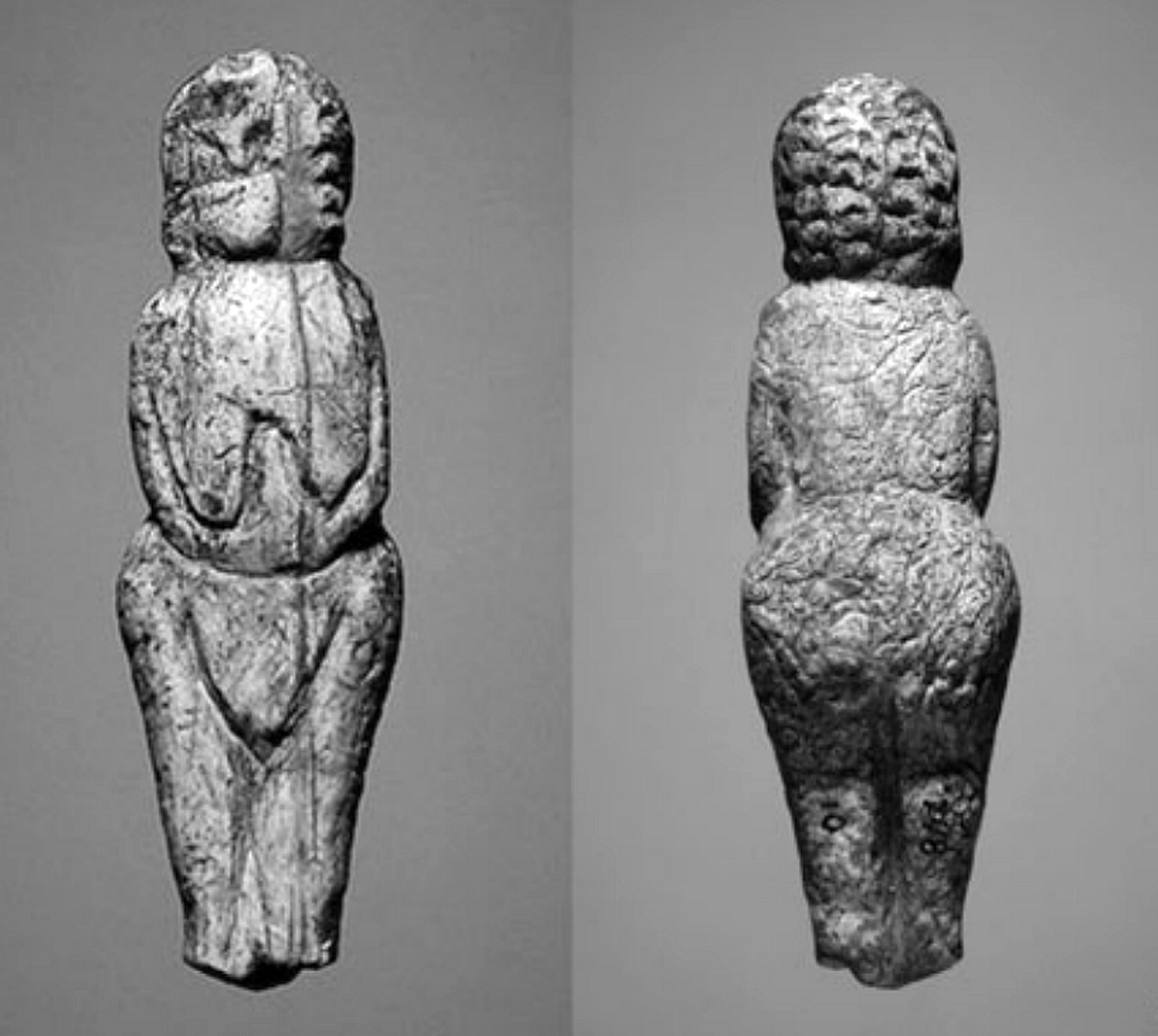 [credit](https://upload.wikimedia.org/wikipedia/commons/8/8e/Mal%E2%80%99ta_Collection_%28Hermitage%2C_No._370-748%29.jpg), [licence](https://creativecommons.org/licenses/by-sa/4.0) ### Social Structures and Community Prehistoric art also offers clues about the social structures of early human communities. The collaborative nature of creating large-scale cave paintings indicates a level of social organization and cooperation. These artworks may have served as communal spaces for storytelling, education, and bonding. 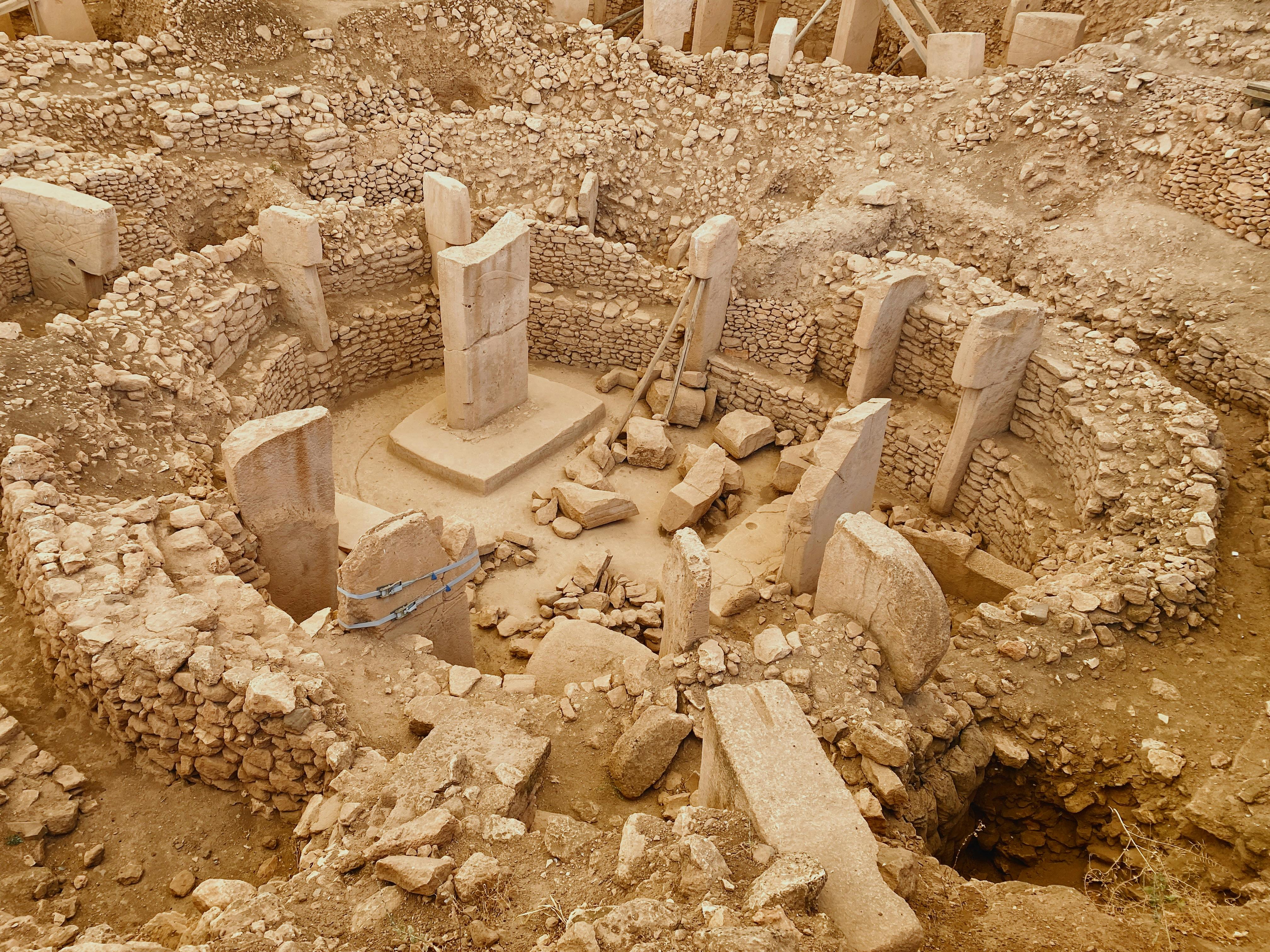 [credit](https://images.pexels.com/photos/18917741/pexels-photo-18917741/free-photo-of-view-of-ancient-ruins.jpeg), [licence](https://creativecommons.org/public-domain/) ## The Canvas: Cave Walls and Beyond ### Preparing the Surface You might think that cave walls were just ready-made canvases, but our ancestors were meticulous. They didn’t just start painting willy-nilly. First, they had to prepare the surface. This involved scraping off any loose rock or debris to create a smooth, even surface. Imagine trying to paint on a wall covered in dust and grime—it wouldn’t turn out well, would it? ### Choosing the Right Spot Not all cave walls were created equal. Artists of the [Stone Age](/finder/page/stone-age-art-history) carefully selected their spots. They looked for areas with good lighting, preferably near the entrance where [natural light](/finder/page/how-to-decorate-with-art-in-a-room-with-no-natural-light) could illuminate their work. But they also ventured deep into the caves, using torches to light their way. It’s a testament to their dedication and the importance they placed on their art. 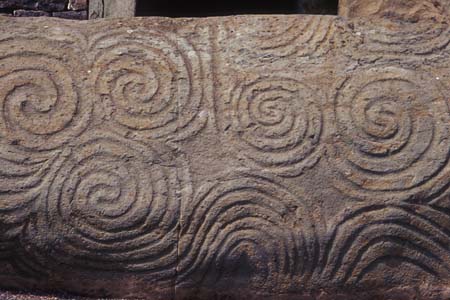 [credit](https://upload.wikimedia.org/wikipedia/commons/6/62/Newgrange_Entrance_Stone.jpg), [licence](http://creativecommons.org/licenses/by-sa/3.0/) ### The Role of Cave Acoustics Recent studies suggest that the acoustics of caves may have played a role in the selection of painting sites. Some caves have areas where sound resonates unusually well, creating an almost musical effect. It’s possible that these spots were chosen not just for their visual appeal but also for their auditory qualities, adding another layer of meaning to the art. 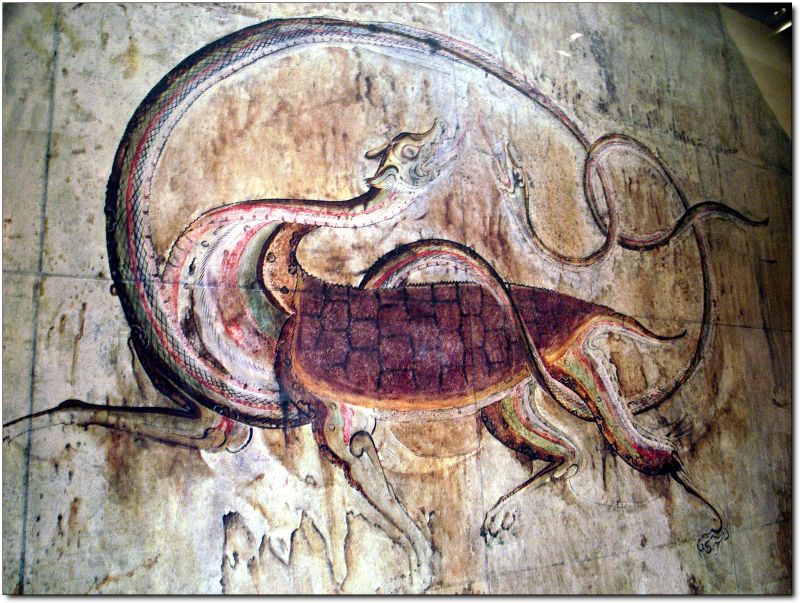 [credit](https://upload.wikimedia.org/wikipedia/commons/1/16/Ddol-mangM.jpg), [licence](https://creativecommons.org/licenses/by-sa/2.0) ### Symbolism and Ritualistic Spaces Caves were not just chosen for their physical attributes but also for their symbolic significance. Many caves were believed to be sacred spaces, used for rituals and ceremonies. The art within these caves may have served as a form of communication with the spiritual world, making the choice of location deeply meaningful. ### Environmental Adaptations Prehistoric artists also adapted their techniques based on the environment. For example, in regions with limited cave systems, they used rock shelters or open-air sites. These adaptations highlight their resourcefulness and ability to work with the natural landscape to create [meaningful art](/finder/page/a-collectors-guide-to-art-auctions). ## The Tools: Brushing Up on Ancient Methods ### Brushes and Applicators So, what did they use to apply the paint? Well, they didn’t have the luxury of running to the [art supply store](/finder/page/a-beginners-guide-to-creating-collage-art). Instead, they used what was available. Brushes were made from animal hair, plant fibers, or even their own fingers. Can you imagine using your fingers to create such intricate designs? It’s a humbling thought. 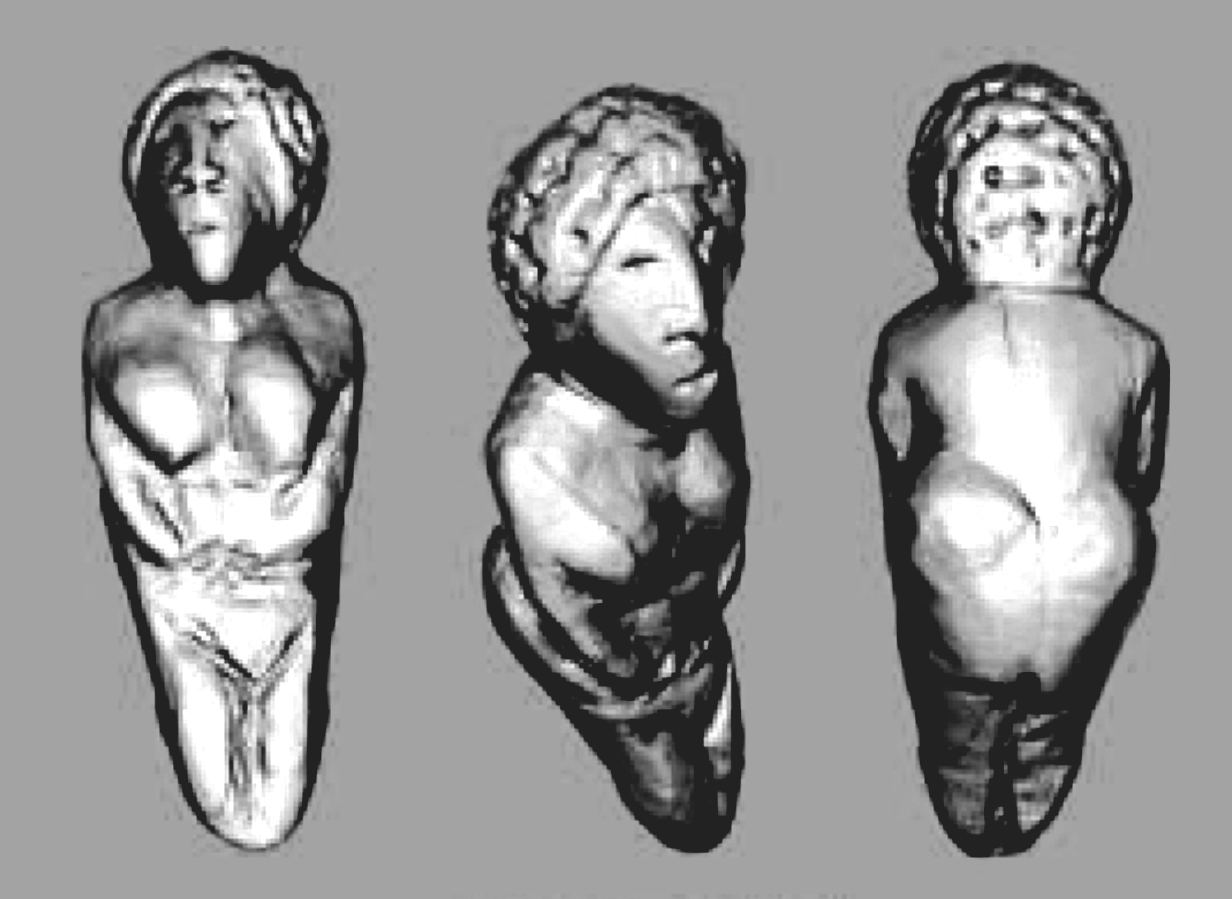 [credit](https://upload.wikimedia.org/wikipedia/commons/6/68/Mal%27ta_statuette_3D_modelling.jpg), [licence](https://creativecommons.org/licenses/by-sa/4.0) ### Blow Pipes One of the most fascinating techniques they used was the blow pipe. They would blow pigment through a hollow bone or reed onto the cave wall. This allowed them to create fine lines and detailed patterns. It’s a technique that requires a steady hand and a lot of practice. I’ve tried it myself, and let me tell you, it’s not as easy as it looks! ### Other Tools and Techniques In addition to brushes and blow pipes, prehistoric artists also used tools like pads made from moss or lichen to apply pigments. These natural sponges allowed for broader strokes and softer textures. Some artists even used their hands to smear pigments directly onto the walls, creating a more tactile and personal connection to their work. ### Stone and Bone Tools Prehistoric artists also crafted tools from stone and bone to carve and engrave surfaces. These tools were essential for creating detailed and intricate designs, showcasing the artists' skill and precision. 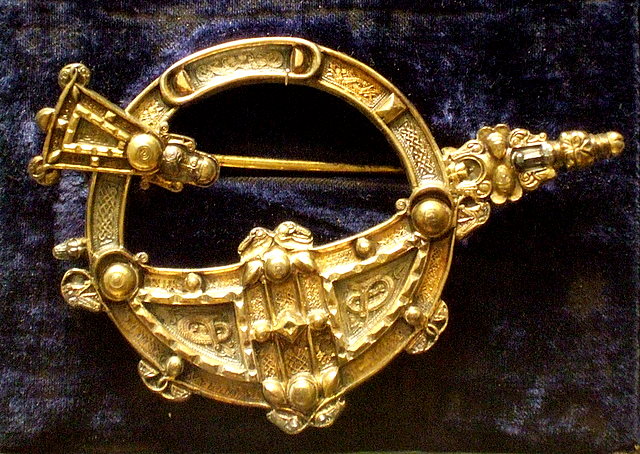 [credit](https://live.staticflickr.com/2253/2392559840_be0924c71b_z.jpg), [licence](https://creativecommons.org/licenses/by-nc/2.0/) ### Innovations in Toolmaking The development of tools was not static. As prehistoric societies evolved, so did their toolmaking techniques. For instance, the use of flint tools became more refined over time, allowing for finer engravings and more detailed artwork. This evolution reflects the growing sophistication of early human cultures.  [credit](https://upload.wikimedia.org/wikipedia/commons/1/1e/Beijing_Museum_of_Natural_History_1.jpg), [licence](https://creativecommons.org/licenses/by-sa/4.0) ## The Pigments: Nature’s Palette ### Sources of Color The colors used in prehistoric art were derived from natural sources. Reds and yellows came from ochre, a type of iron-rich clay. Blacks were made from charcoal or manganese dioxide. Whites were created from kaolin or chalk. These pigments were not just randomly chosen; they were carefully selected for their vibrancy and durability.  [credit](https://images.pexels.com/photos/4839764/pexels-photo-4839764.jpeg), [licence](https://creativecommons.org/public-domain/) ### Preparing the Pigments Preparing these pigments was a labor-intensive process. The materials had to be ground into a fine powder, often using stones. Then, they were mixed with a binder, such as animal fat, blood, or plant sap, to create a paint that would adhere to the cave walls. It’s a far cry from the convenience of modern paint tubes, isn’t it?  [credit](https://live.staticflickr.com/4809/44596612920_dbd13d7273_b.jpg), [licence](https://creativecommons.org/publicdomain/mark/1.0/) ### Symbolism of Colors Colors in prehistoric art were not just aesthetic choices; they often carried symbolic meanings. For example, red ochre was frequently used in burial rituals, suggesting a connection to life and death. The choice of [color](/finder/page/who-is-josef-alber-interaction-of-color) could convey deeper cultural or spiritual significance, adding layers of meaning to the artwork. ### Pigment Preservation The durability of these pigments is remarkable. Many prehistoric artworks have survived for thousands of years, thanks to the natural properties of the materials used. This longevity speaks to the artists' understanding of their environment and their ability to create lasting works of art. ### Regional Variations in Pigment Use Different regions had access to different natural resources, leading to variations in the pigments used. For example, in some areas, artists used minerals like hematite for red pigments, while others relied on locally available clays. These regional differences highlight the adaptability and resourcefulness of prehistoric artists. ## Techniques: Bringing Art to Life ### Stenciling One of the most iconic techniques used in prehistoric art is stenciling. Artists would place their hands on the cave wall and blow pigment around them, creating a negative image. It’s a technique that’s still used today, and it’s fascinating to see how it has stood the test of time.  [credit](https://images.pexels.com/photos/8488978/pexels-photo-8488978.jpeg), [licence](https://creativecommons.org/public-domain/) ### Engraving Engraving was another common technique. Artists would use sharp tools to carve images into the cave walls. This method allowed for a high level of detail and precision. It’s a testament to their skill and patience. ### Finger Painting and Smudging Finger painting wasn’t just for kids in prehistoric times. Artists used their fingers to smudge and blend pigments, creating gradients and textures that added depth to their work. This technique allowed for a more organic and expressive style, showcasing the artist’s direct interaction with the surface.  [credit](https://images.pexels.com/photos/17277316/pexels-photo-17277316/free-photo-of-interior-design-with-art-on-wall.jpeg), [licence](https://creativecommons.org/public-domain/) A detailed mural of a woman's face integrated into a wall art design, showcasing creative interior decoration techniques and artistic wall panels. Ideal for modern wall decor inspiration. **Keywords**: wall art mural, interior decor, artistic wall panels, wall art ideas, home decoration.](https://images.zenmuseum.com/article/decorating-large-walls-with-art/7790d1e0-eac2-11f0-b4b8-49b29ea43f10.jpg) [credit](https://live.staticflickr.com/4809/44596612920_dbd13d7273_b.jpg), [licence](https://creativecommons.org/publicdomain/mark/1.0/) ### Layering and Overpainting Prehistoric artists often used layering techniques to create depth and complexity in their artworks. By applying multiple layers of pigment, they could achieve a sense of dimension and realism that is still admired today. 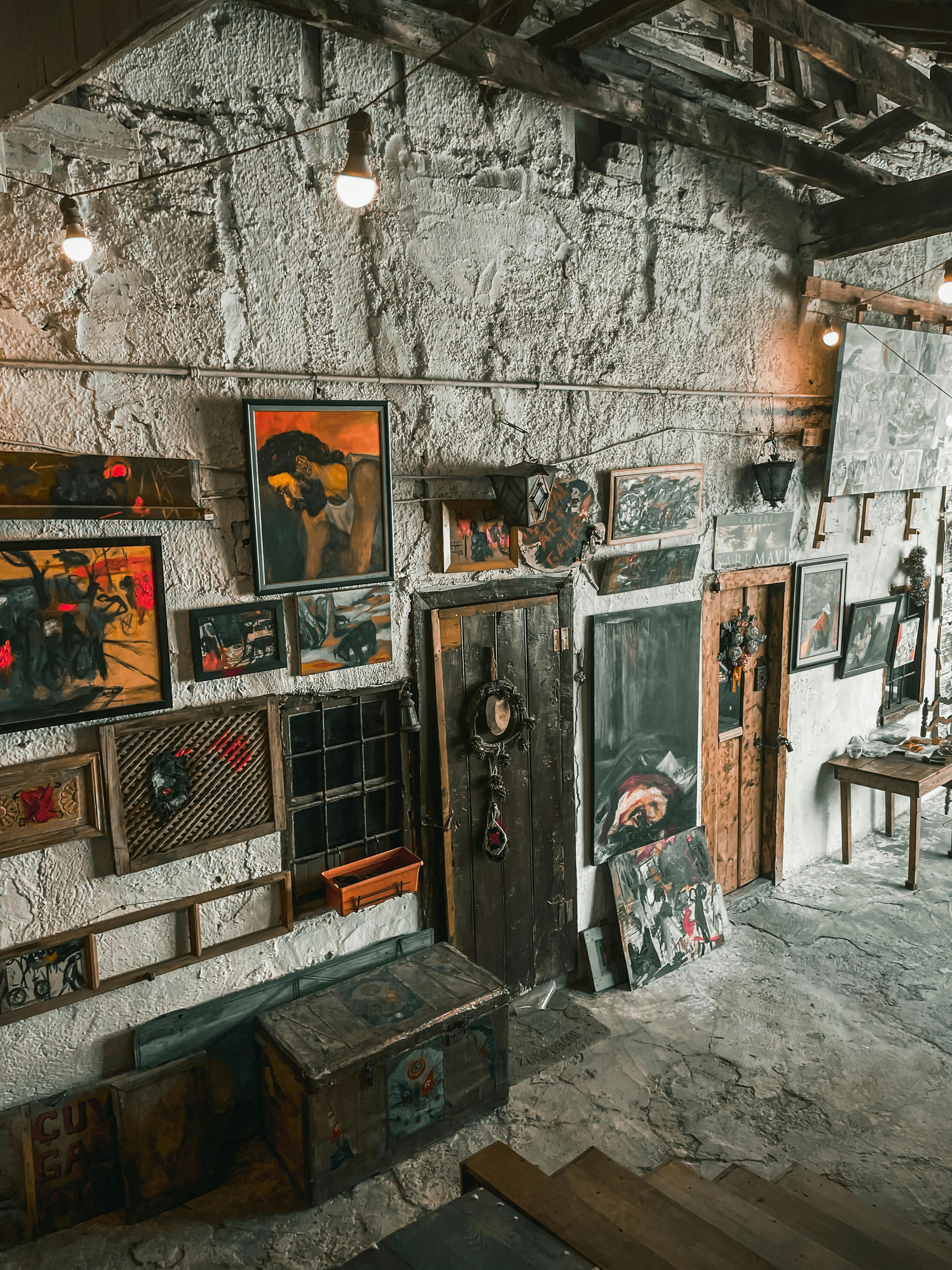 [credit](https://images.pexels.com/photos/11274638/pexels-photo-11274638.jpeg), [licence](https://creativecommons.org/public-domain/) ## The Legacy: Inspiring Modern Art ### Connecting Past and Present So, what can modern artists learn from these ancient techniques? For one, the importance of preparation and patience. Our ancestors didn’t have the luxury of modern tools, but they made do with what they had. They were resourceful and innovative, and their art has stood the test of time. 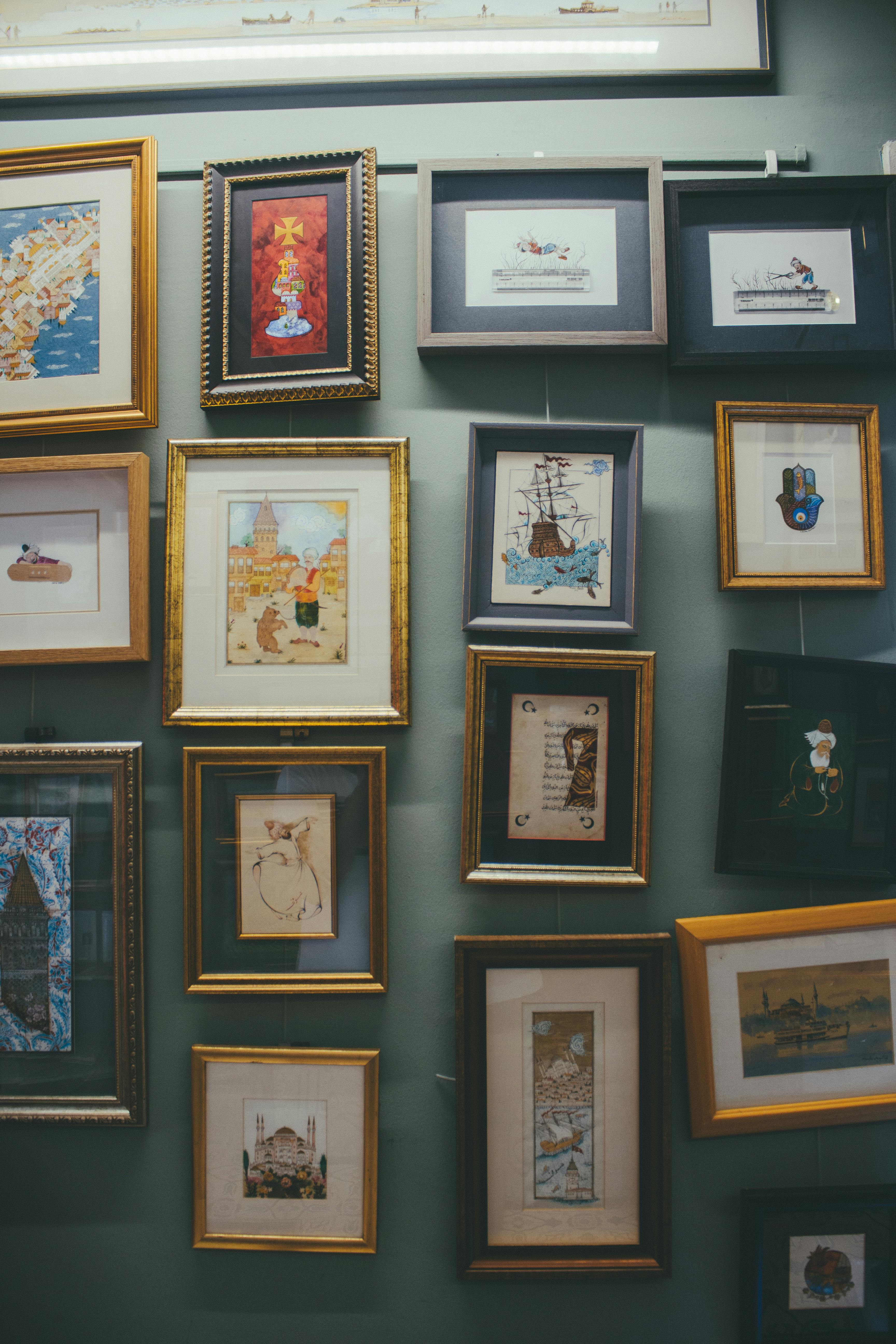 [credit](https://images.pexels.com/photos/2079670/pexels-photo-2079670.jpeg), [licence](https://creativecommons.org/public-domain/) ### Exploring Ancient Techniques If you’re an artist looking to explore these techniques, why not give them a try? You can experiment with natural pigments, create your own brushes, or even try your hand at stenciling. It’s a great way to connect with the past and gain a deeper appreciation for the artistry of our ancestors. ### Modern Interpretations Many contemporary artists draw inspiration from prehistoric techniques, incorporating natural pigments and handmade tools into their work. This fusion of ancient and modern methods creates a unique dialogue between the past and present, highlighting the timeless nature of [artistic expression](/finder/page/capturing-magic-artistic-expression).  [credit](https://www.publicdomainpictures.net/pictures/490000/nahled/spektrum-farben-kreis-clipart.png), [licence](https://creativecommons.org/publicdomain/zero/1.0/) ### The Influence on Contemporary Art Movements The influence of prehistoric art can be seen in various contemporary art movements. From [abstract expressionism](/finder/page/ultimate-guide-to-abstract-expressionism) to minimalism, artists continue to draw inspiration from the simplicity and raw beauty of ancient artworks. This connection underscores the universal appeal of prehistoric art.  [credit](https://live.staticflickr.com/5208/5349040301_d80dd3a5cd_b.jpg), [licence](https://creativecommons.org/licenses/by-nc-sa/2.0/) ### Preservation and Conservation The preservation of prehistoric art is a critical concern for modern archaeologists and conservators. Efforts to protect these ancient sites from environmental damage and human interference are ongoing. By studying and preserving these artworks, we ensure that future generations can continue to learn from and be inspired by them. ## FAQ ### What materials did prehistoric artists use? Prehistoric artists used a variety of materials, including animal hair for brushes, ochre for pigments, and sharp tools for engraving. They were resourceful and made do with what was available in their environment. ### How did they create different colors? Different colors were created using natural sources. Reds and yellows came from ochre, blacks from charcoal or manganese dioxide, and whites from kaolin or chalk. These pigments were ground into a fine powder and mixed with a binder to create paint. !"wall-art-mural-woman-interior-decor"  [credit](https://live.staticflickr.com/3746/19021280893_ec105328dd_b.jpg), [licence](https://creativecommons.org/licenses/by-nc-sa/2.0/) A detailed mural of a woman's face integrated into a wall art design, showcasing creative interior decoration techniques and artistic wall panels. Ideal for modern wall decor inspiration. **Keywords**: wall art mural, interior decor, artistic wall panels, wall art ideas, home decoration. 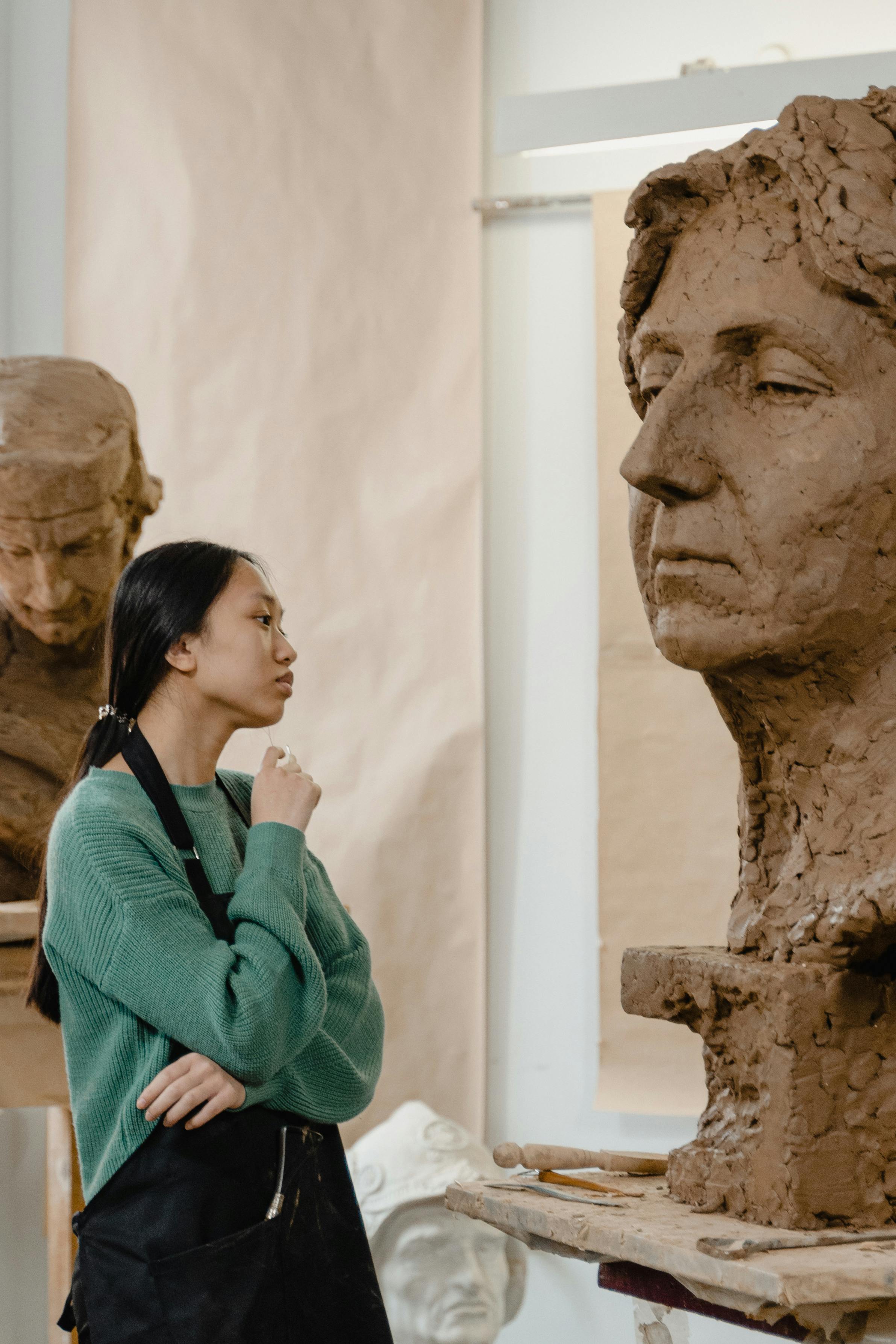 [credit](https://images.pexels.com/photos/6713752/pexels-photo-6713752.jpeg), [licence](https://creativecommons.org/public-domain/) ### What techniques did they use? They used techniques like stenciling, where they would blow pigment around their hands to create a negative image, and engraving, where they would carve images into the cave walls. They also used blow pipes to create fine lines and detailed patterns. ### Why is prehistoric art important? Prehistoric art is important because it gives us a glimpse into the lives and minds of our ancient ancestors. It shows us their creativity, their resourcefulness, and their connection to the world around them. It’s a testament to the enduring power of art.  [credit](https://images.pexels.com/photos/9414404/pexels-photo-9414404.jpeg), [licence](https://creativecommons.org/public-domain/) ### How did prehistoric artists prepare their canvases? Prehistoric artists prepared their canvases by scraping off loose rock and debris to create a smooth surface. They also selected spots with good lighting or unique acoustics to enhance the impact of their artwork. 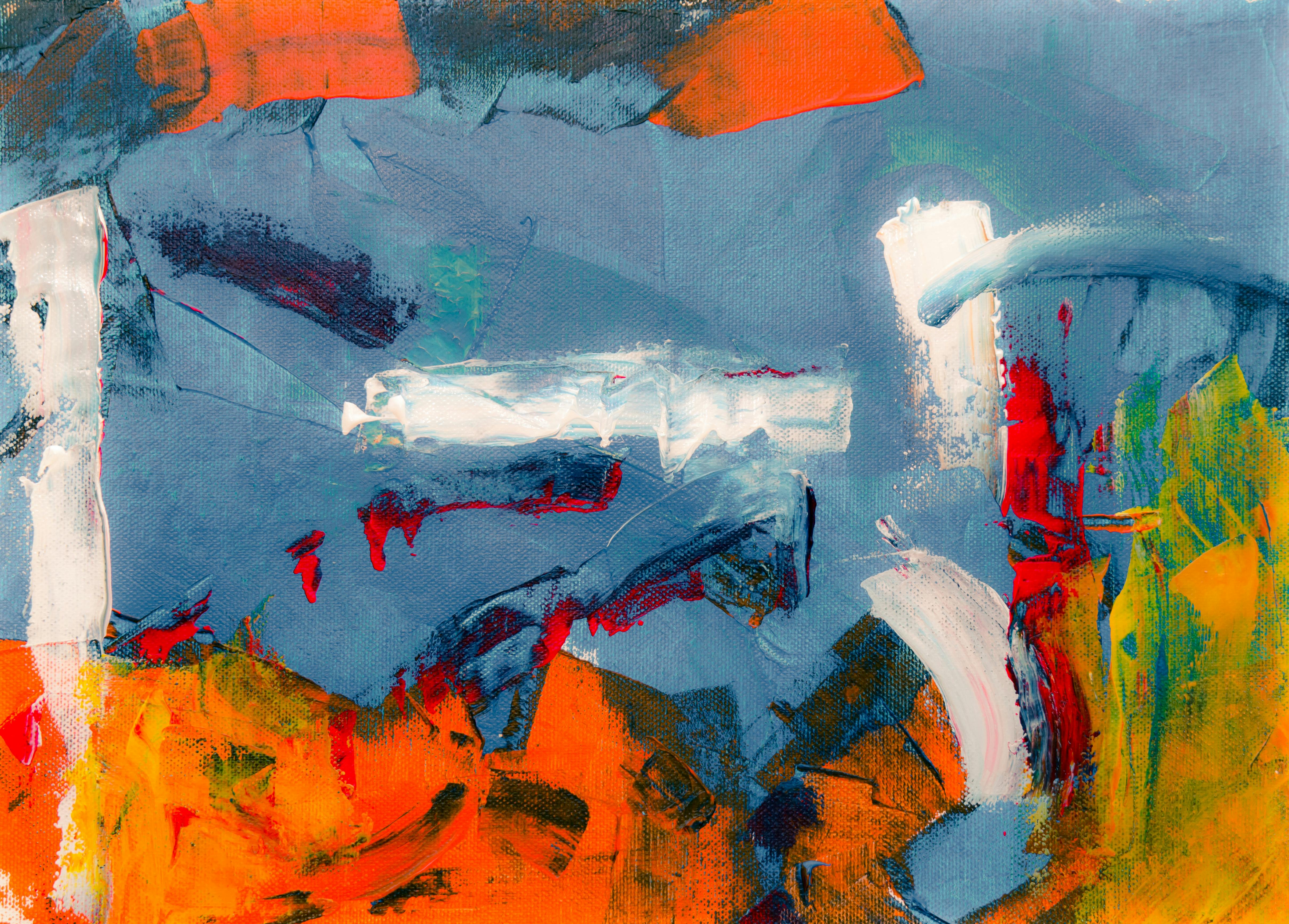 [credit](https://images.pexels.com/photos/1293536/pexels-photo-1293536.jpeg), [licence](https://creativecommons.org/public-domain/) ### What role did acoustics play in cave art? Recent studies suggest that the acoustics of caves may have influenced the selection of painting sites. Areas with unique sound resonance might have been chosen for their auditory qualities, adding another layer of meaning to the art.  [credit](https://images.pexels.com/photos/6989/city-love-rainbow-nyc.jpg), [licence](https://creativecommons.org/public-domain/) ### How can modern artists incorporate prehistoric techniques? Modern artists can experiment with natural pigments, handmade tools, and techniques like stenciling and engraving. This fusion of ancient and modern methods creates a unique dialogue between the past and present. ## Conclusion Exploring prehistoric art techniques is like taking a journey through time. It’s a reminder of our shared humanity and the enduring power of creativity. So next time you pick up a paintbrush, take a moment to appreciate the ancient artists who paved the way. And who knows, maybe you’ll find some inspiration in their methods.  [credit](https://www.publicdomainpictures.net/pictures/710000/nahled/image-1751485210F2i.jpg), [licence](https://creativecommons.org/publicdomain/zero/1.0/) If you're interested in exploring more about art techniques and their evolution, check out our [timeline](/timeline) or visit our [museum in Den Bosch](/den-bosch-museum) for a hands-on experience. And if you're feeling inspired, why not [buy some art](/buy) to support modern artists carrying on these ancient traditions?  [credit](https://images.pexels.com/photos/11540177/pexels-photo-11540177.jpeg), [licence](https://creativecommons.org/public-domain/) ### Final Thoughts Prehistoric art is more than just a historical curiosity; it’s a living testament to the creativity and ingenuity of our ancestors. By understanding their techniques and materials, we can gain a deeper appreciation for the artistry that has shaped human culture for millennia. Whether you’re an artist, a historian, or simply a curious mind, there’s always something new to discover in the world of prehistoric art. ### Further Exploration For those eager to delve deeper into the world of prehistoric art, consider visiting archaeological sites, exploring museums, or even experimenting with ancient techniques in your own artistic practice. The journey of discovery is endless, and the lessons learned from our ancestors are timeless. ### The Future of Prehistoric Art Studies As technology advances, so does our ability to study and preserve prehistoric art. New imaging techniques and analytical tools allow researchers to uncover hidden details and gain deeper insights into the methods and meanings behind these ancient artworks. The future of prehistoric art studies is bright, promising even more discoveries and revelations.