The Best Drawing Tablets for Beginners: My 2024 No-Nonsense Guide
Feeling overwhelmed by drawing tablets? I cut through the jargon to help you find the best drawing tablet for beginners. Your complete guide to starting digital art.

# The Best Drawing Tablets for Beginners: My 2024 No-Nonsense Guide — The Definitive Guide to Your First Digital Canvas I’ll never forget the slightly terrifying thrill of buying my first [drawing](/finder/page/definitive-guide-to-drawing-techniques) tablet. One minute I was a starry-eyed beginner, dreaming of digital masterpieces, the next I was drowning in a sea of baffling acronyms and specifications. LPI? Pressure levels? Parallax? It felt like I needed a degree in astrophysics just to choose a pen! If that sounds like your current predicament – that mix of excitement and utter overwhelm – then lean in, maybe grab your favorite beverage, because you've stumbled into the right corner of the internet. This isn't just another tech review; this is your personal guide through the [digital art](/finder/page/history-of-digital-art) wilderness, designed to be the *most comprehensive* resource you'll find anywhere, a true deep dive into everything you need to know. Because let's be honest, your [creative journey](/finder/page/my-creative-journey-from-concept-to-canvas-in-abstract-art) is too important to be derailed by confusing tech or buyer's remorse. Forget the dry, technical breakdowns you've seen elsewhere. This is a heart-to-heart, a candid chat from someone who’s tripped over every wire, overspent on shiny features I never touched, and ultimately, figured out the real magic sauce for beginners. My mission? To cut through the noise, demystify the tech, and guide you to your ideal digital canvas. We're talking about making an informed decision, saving you money and frustration, and getting you into the blissful state of creating beautiful [digital art](/finder/page/history-of-digital-art) as quickly and smoothly as humanly possible. My personal journey through countless devices and software has taught me that the right tools, chosen thoughtfully, can unlock creative superpowers. Let this article be your trusted mentor in this exciting new world. 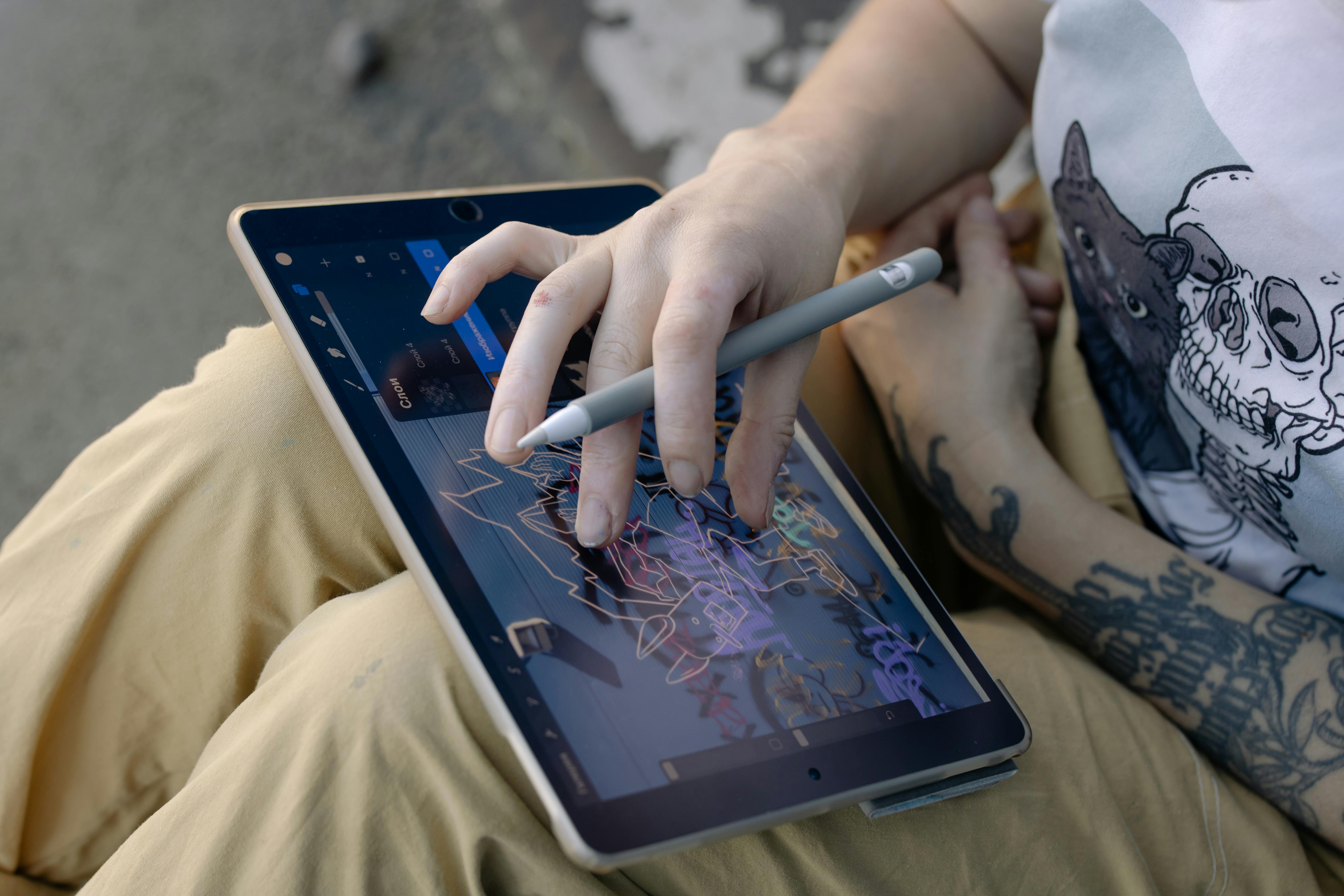 [credit](https://images.pexels.com/photos/7117274/pexels-photo-7117274.jpeg), [licence](https://creativecommons.org/public-domain/) ## Why Even Go Digital? The Undeniable Perks of a Drawing Tablet Ah, the age-old question, often posed by traditional artists with a knowing smirk: "Why even bother with a screen when physical mediums are so... *tangible*?" Believe me, I get it. The scent of turpentine, the satisfying drag of charcoal on paper, the glorious mess of paint – there's an undeniable alchemy there that digital can't entirely replicate. But here’s the thing: digital art isn't here to replace traditional art; it’s here to become its incredibly versatile, endlessly forgiving sibling. For beginners, the sheer, undeniable advantages are simply too compelling to overlook. It’s about radically expanding your creative toolkit, not abandoning your roots. Think about it: moving into digital can unlock doors to **2D and 3D animation**, **3D sculpting**, intricate **[graphic design](/finder/page/how-famous-artist-influenced-graphic-design)**, compelling **webtoon creation**, immersive **concept art**, stunning **matte painting**, detailed **game development**, cutting-edge **fashion illustration**, precise **product design**, and even interactive art forms and **augmented reality experiences** that traditional mediums simply can't touch. It’s not just a different canvas; it’s a whole new studio, capable of things like **digital effects for film**, **architectural visualization**, and **virtual reality experiences**. And let's not forget the ease of sharing your work with a global community online, receiving instant feedback and inspiration from fellow artists, forging connections with fellow creatives around the world. 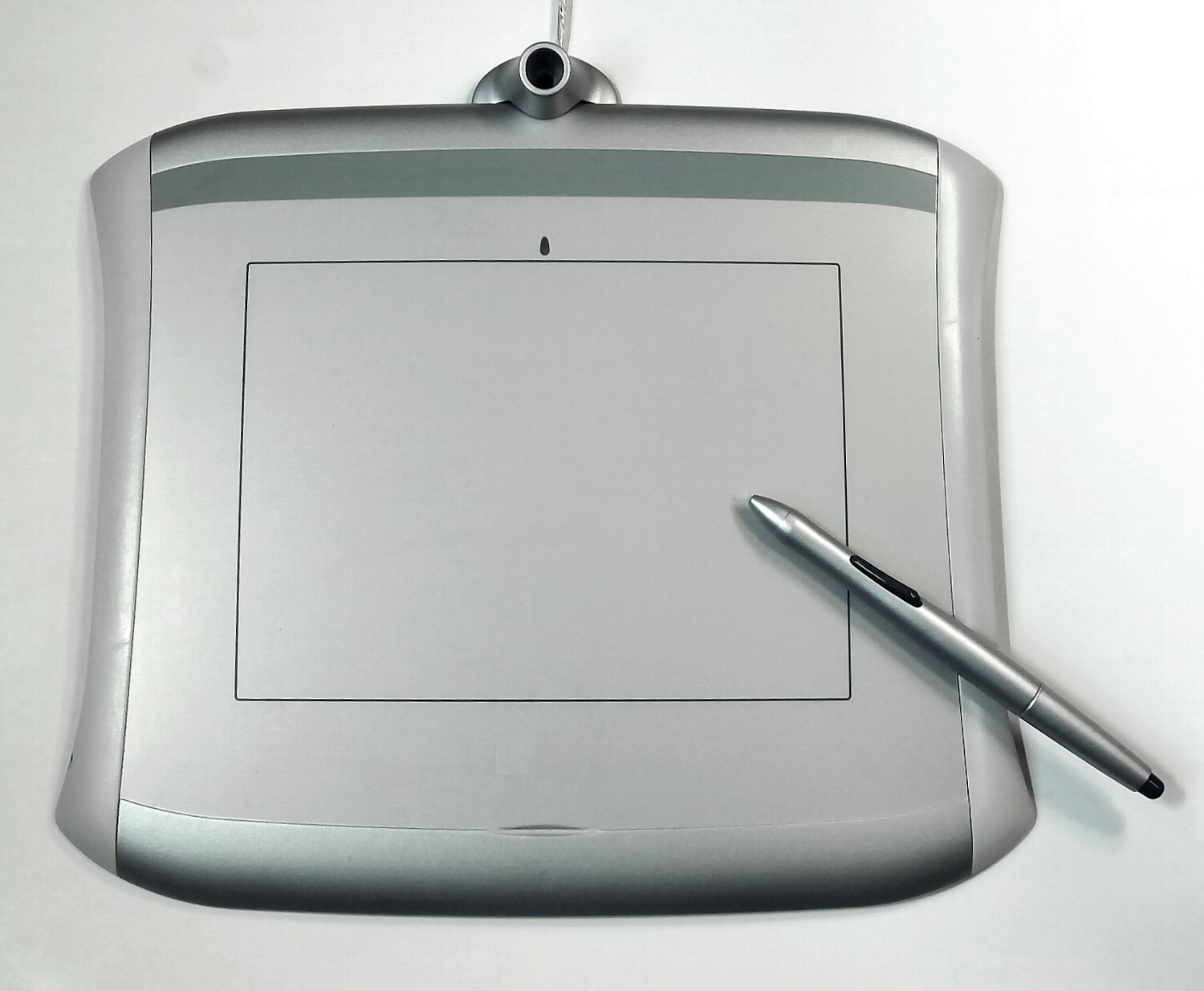 [credit](https://upload.wikimedia.org/wikipedia/commons/3/3b/Pen_Tablet.jpg), [licence](http://creativecommons.org/licenses/by-sa/3.0/) Before we plunge into the wonderful world of tablets, let's nail down *why* this digital canvas is such a game-changer, especially for those just starting out. For me, it boiled down to absolute freedom and forgiveness. Imagine this: infinite **Undo buttons** (a digital deity for every beginner!), zero wasted paper (your wallet and the planet will send you thank-you notes, and you'll be saving countless trees!), and an entire universe of colors, brushes, and textures at your command – all without having to buy a hundred different tubes of paint or a new set of expensive markers. It’s a liberation for experimentation, allowing you to fearlessly explore styles and techniques without the dreaded thought of 'ruining' a piece. Plus, many tablets come bundled with software trials or free versions, giving you a taste of the digital world without immediate further investment. This immediate access to a vast array of tools and the ability to correct mistakes endlessly makes digital art a playground for learning and growth. Imagine experimenting with complex compositions, intricate character designs, or vibrant color palettes without the fear of 'ruining' an expensive canvas or running out of a rare pigment. Digital art fosters a fearless approach to creativity, encouraging rapid iteration and exploration, which is absolutely invaluable for skill development. And let's not forget the environmental benefits: significantly reducing waste from canvases, paints, and solvents. 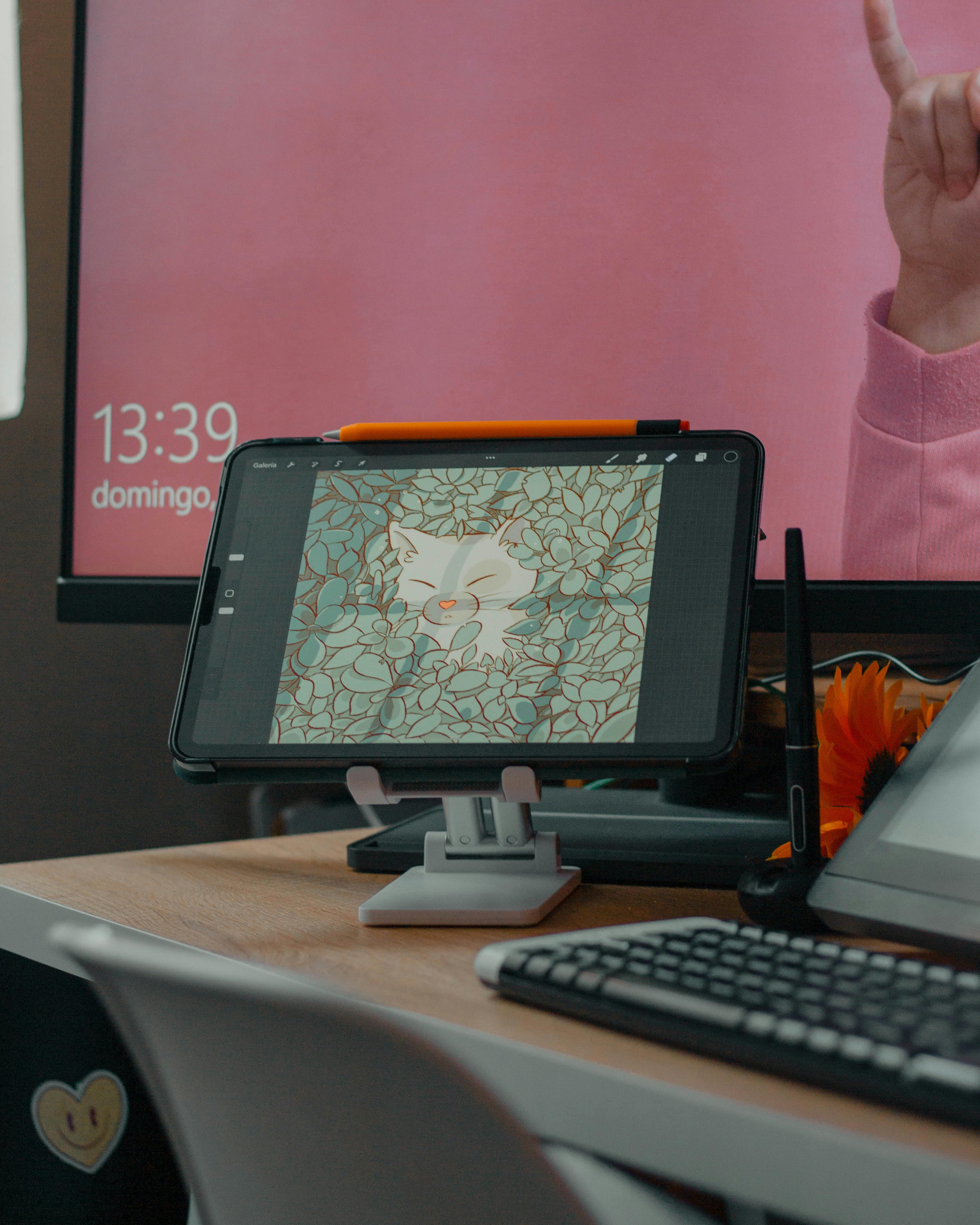 [credit](https://images.pexels.com/photos/12863738/pexels-photo-12863738.jpeg), [licence](https://creativecommons.org/public-domain/) Beyond that, the practical perks are immense: your entire studio can be tucked into a backpack, ready to create at a coffee shop, a sun-drenched park, or simply curled up on your sofa. Think about the effortless ease of collaboration with other artists, the ability to resize and manipulate elements with a few taps (no more redrawing entire sections!), and the seamless integration into various design and animation workflows. For a beginner, this freedom from consequence and the sheer breadth of creative possibility is, frankly, invaluable. Want to learn more about the tools? Check out our guide on the [best apps for digital artists](/finder/page/best-apps-for-digital-artists). Also, for a deeper dive into foundational drawing techniques, you might find our articles on the [definitive guide to perspective in art](/finder/page/definitive-guide-to-perspective-in-art) and [how to draw a realistic face: a step-by-step guide](/finder/page/how-to-draw-a-realistic-face-a-step-by-step-guide) particularly useful. For insights into artistic principles, our articles on [what is design in art](/finder/page/what-is-design-in-art) or the [psychology of color in abstract art](/finder/page/the-psychology-of-color-in-abstract-art-beyond-basic-hues) can be invaluable. And to truly broaden your understanding of fundamental artistic principles that apply universally, take a peek at our insights on the [art of composition: guiding viewer's eye](/finder/page/art-of-composition-guiding-viewers-eye) and [understanding balance in art composition](/finder/page/understanding-balance-in-art-composition). Or perhaps you're curious about the interplay of light and shadow, then our [definitive guide to understanding light in art](/finder/page/definitive-guide-to-understanding-light-in-art) could illuminate your path. 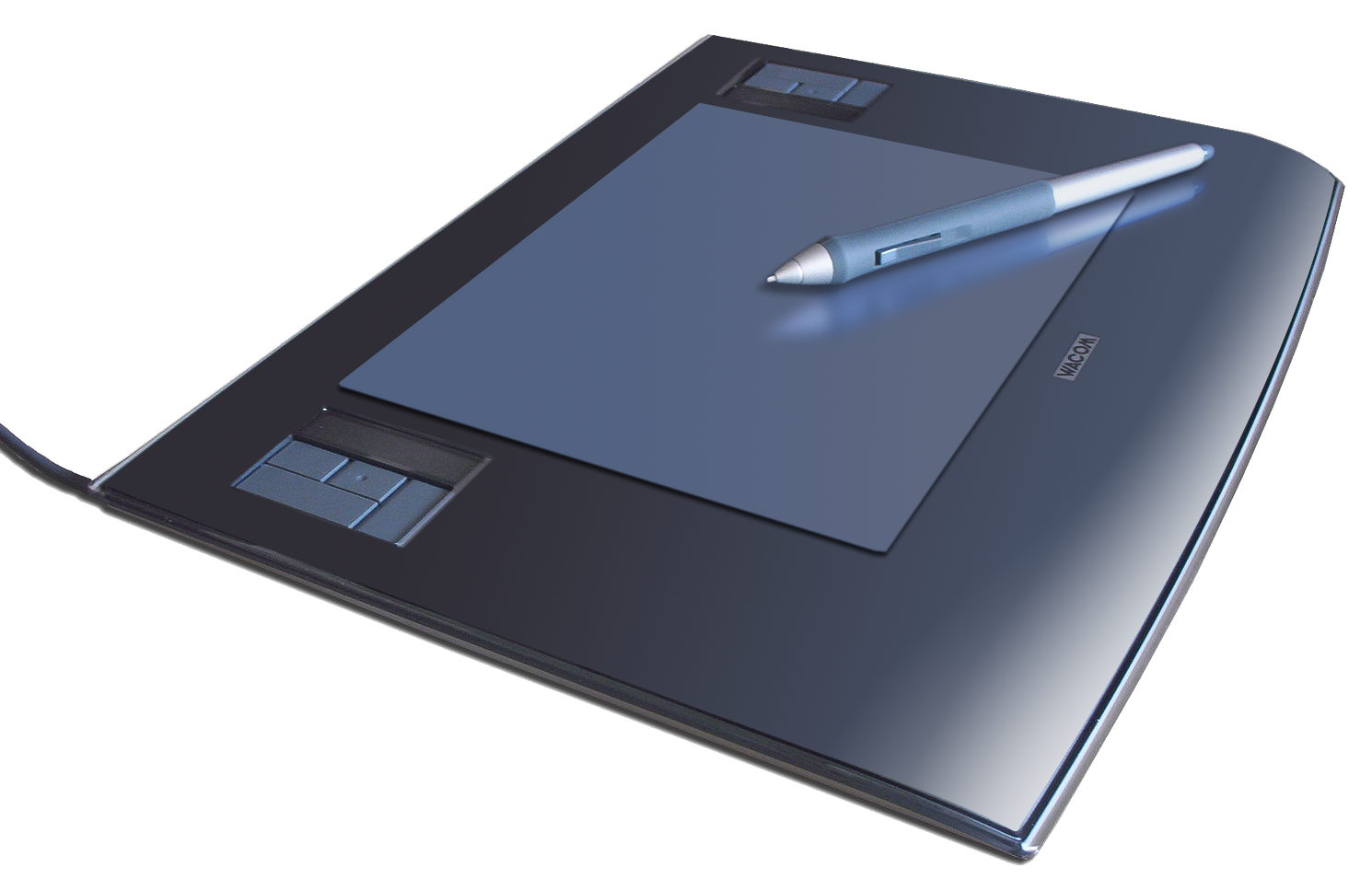 [credit](https://upload.wikimedia.org/wikipedia/commons/d/d4/Wacom_graphics_tablet_and_pen.png), [licence](https://creativecommons.org/licenses/by-sa/3.0) ## First, Let's Demystify the Jargon: Understanding Your Digital Canvas — Decoding the Tech That Matters Alright, before we get to the exciting part – picturing your shiny new digital canvas – we absolutely need to tackle the elephant in the room: all that confusing tech jargon. Trust me, I’ve been there, staring at product descriptions feeling like I needed a decoder ring. But fear not! Understanding these terms is truly 90% of the battle, and it’s going to save you immense headaches (and potential buyer's remorse) later on. You don't need an engineering degree; you just need a straightforward explanation from someone who's already navigated this particular labyrinth. We’re not just talking about the three main types of tablets; we're diving into the terms that actually matter. Because trust me, once you understand these foundational concepts, the entire landscape of digital art tools suddenly makes so much more sense. It's like learning the secret language of the digital world, and it empowers you to make truly informed choices about your creative gear! Alright, before we get to the exciting part – picturing your shiny new digital canvas – we absolutely need to tackle the elephant in the room: all that confusing tech jargon. Trust me, I’ve been there, staring at product descriptions feeling like I needed a decoder ring. But fear not! Understanding these terms is truly 90% of the battle, and it’s going to save you immense headaches (and potential buyer's remorse) later on. You don't need an engineering degree; you just need a straightforward explanation from someone who's already navigated this particular labyrinth. We’re not just talking about the three main types of tablets; we're diving into the terms that actually matter. Because trust me, once you understand these foundational concepts, the entire landscape of digital art tools suddenly makes so much more sense. It's like learning the secret language of the digital world! 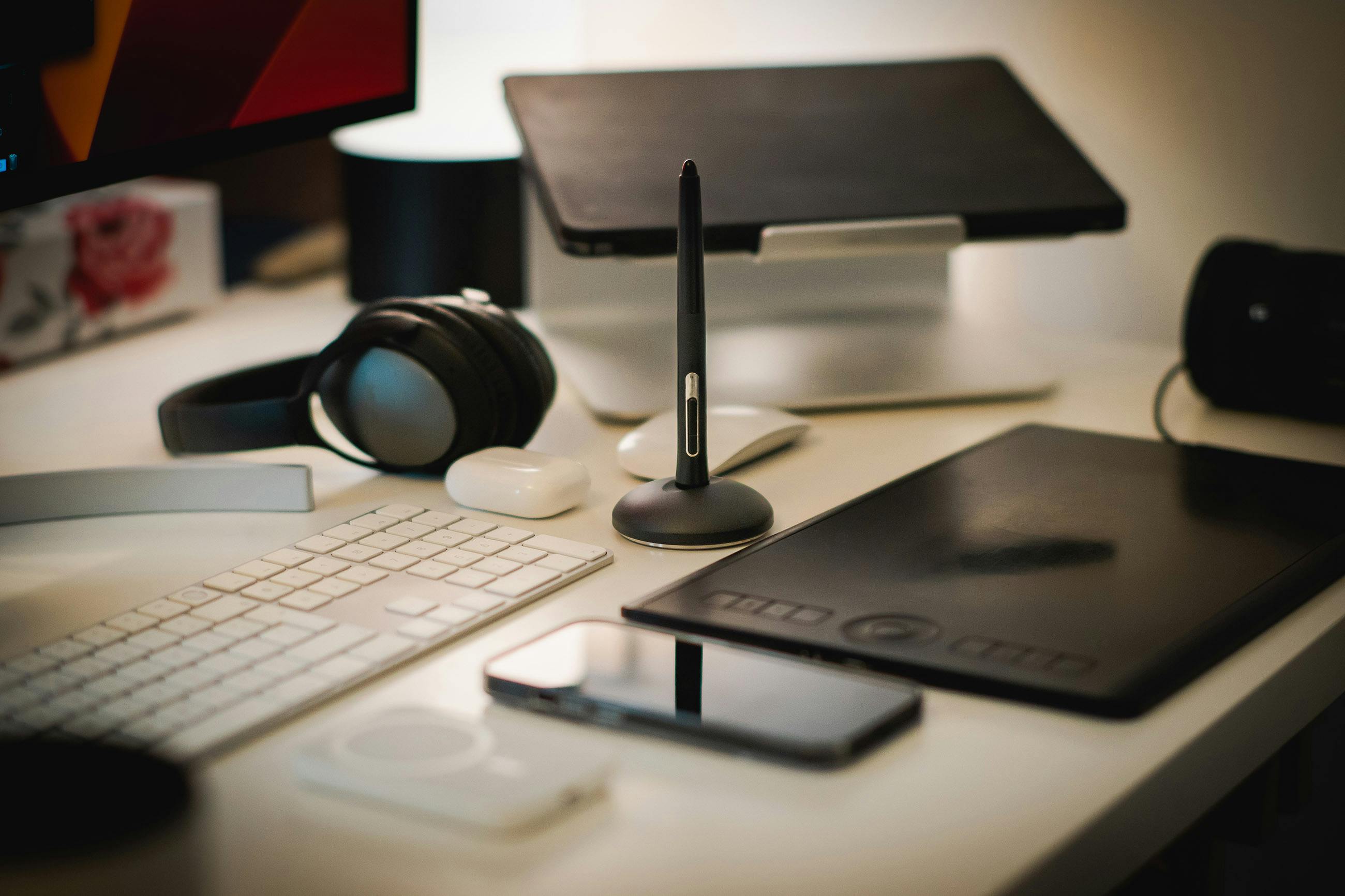 [credit](https://images.pexels.com/photos/16284696/pexels-photo-16284696/free-photo-of-graphic-designer-home-office-studio.jpeg), [licence](https://creativecommons.org/public-domain/) ### 1. Pen Tablets (The Classic) These unsung heroes are often simply called **graphics tablets** or **digitizers**. In my humble (and well-tested) opinion, they are the absolute best starting point for almost every beginner. Imagine them as a magic external trackpad, but instead of your finger, you’re using a special, pressure-sensitive pen that replaces your mouse with unparalleled precision. It's an elegant simplicity that belies their power and makes them incredibly accessible. This is likely what pops into your mind when someone says "[drawing tablet](/finder/page/top-drawing-tablets-for-digital-artists)." It’s a solid, screen-less plastic slate that connects to your existing computer. You draw on the tablet's surface, but your artwork appears on your main computer monitor. Yes, I know, that "disconnect" – drawing here, looking there – sounds like a tiny leap of faith, a bit like patting your head and rubbing your belly at the same time. But trust me, that initial weirdness fades faster than you’d believe, usually within a few consistent drawing sessions. Many artists even find this setup more ergonomic in the long run, as it allows for a natural, upright posture while drawing, preventing the dreaded 'tech neck' you might get from hunching over a screen. 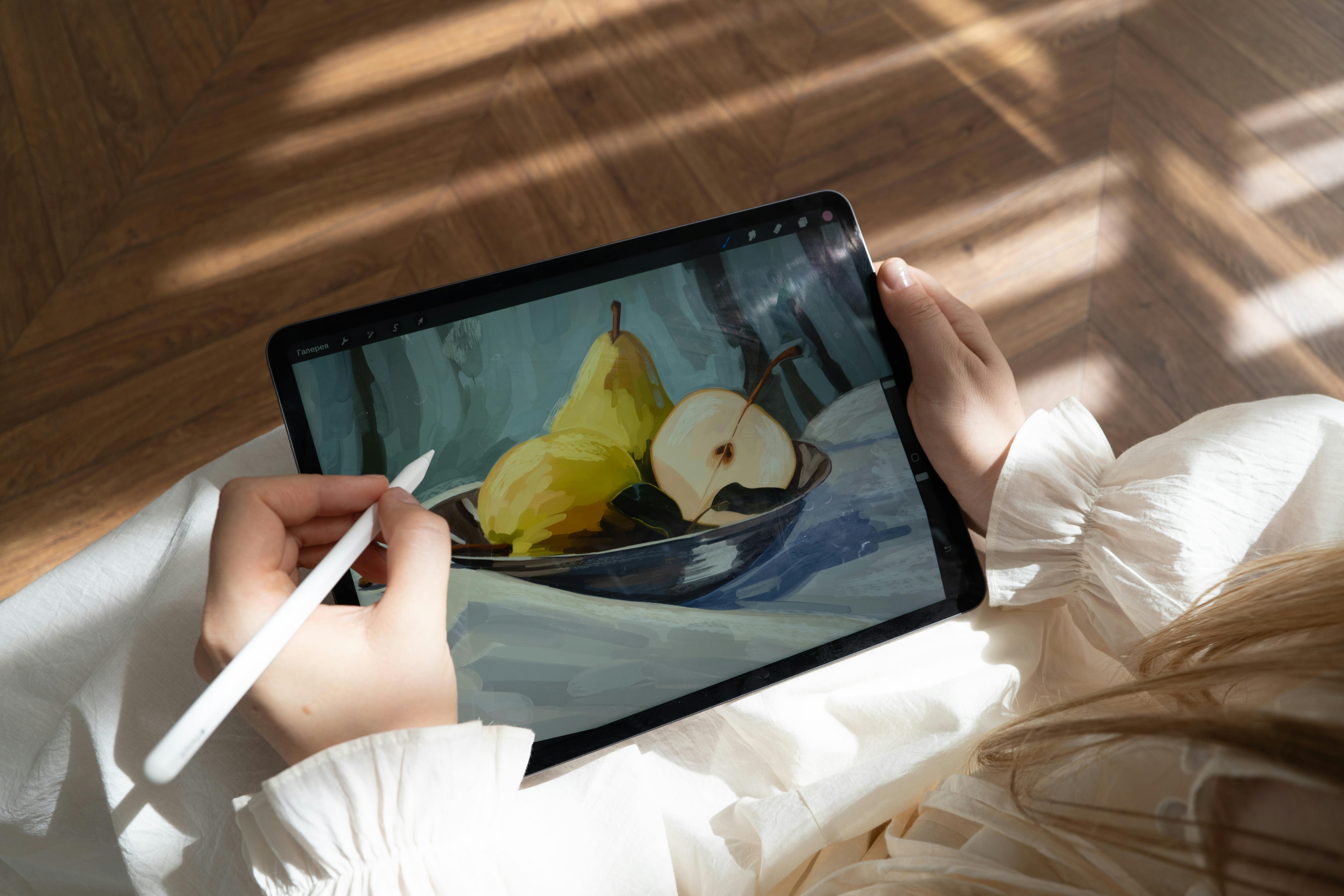 [credit](https://images.pexels.com/photos/19245294/pexels-photo-19245294/free-photo-of-a-girl-drawing-on-a-tablet.jpeg), [licence](https://creativecommons.org/public-domain/) And in return? It's the most affordable, ergonomic (your wrist and arm will thank you, as you're not hunched over a screen!), and durable entry point into digital art. My first tablet was one of these (a trusty [Wacom](/finder/page/apple-pencil-vs-wacom-tablet-for-digital-art) Intuos, actually), and honestly, the muscle memory I built looking at the screen while drawing on the tablet has served me well ever since. It's truly what I recommend to most beginners, offering incredible value and a robust pathway into the digital world. The tactile feedback, while indirect, allows for a focus on pure form and gesture, unhindered by the intricacies of a display. This indirect feedback can also foster a [deeper understanding](/finder/page/understanding-art-appraisals-what-every-collector-needs-to-know) of fundamental drawing techniques, as your focus is solely on the movement of your hand and arm, rather than the visual distraction of a screen. 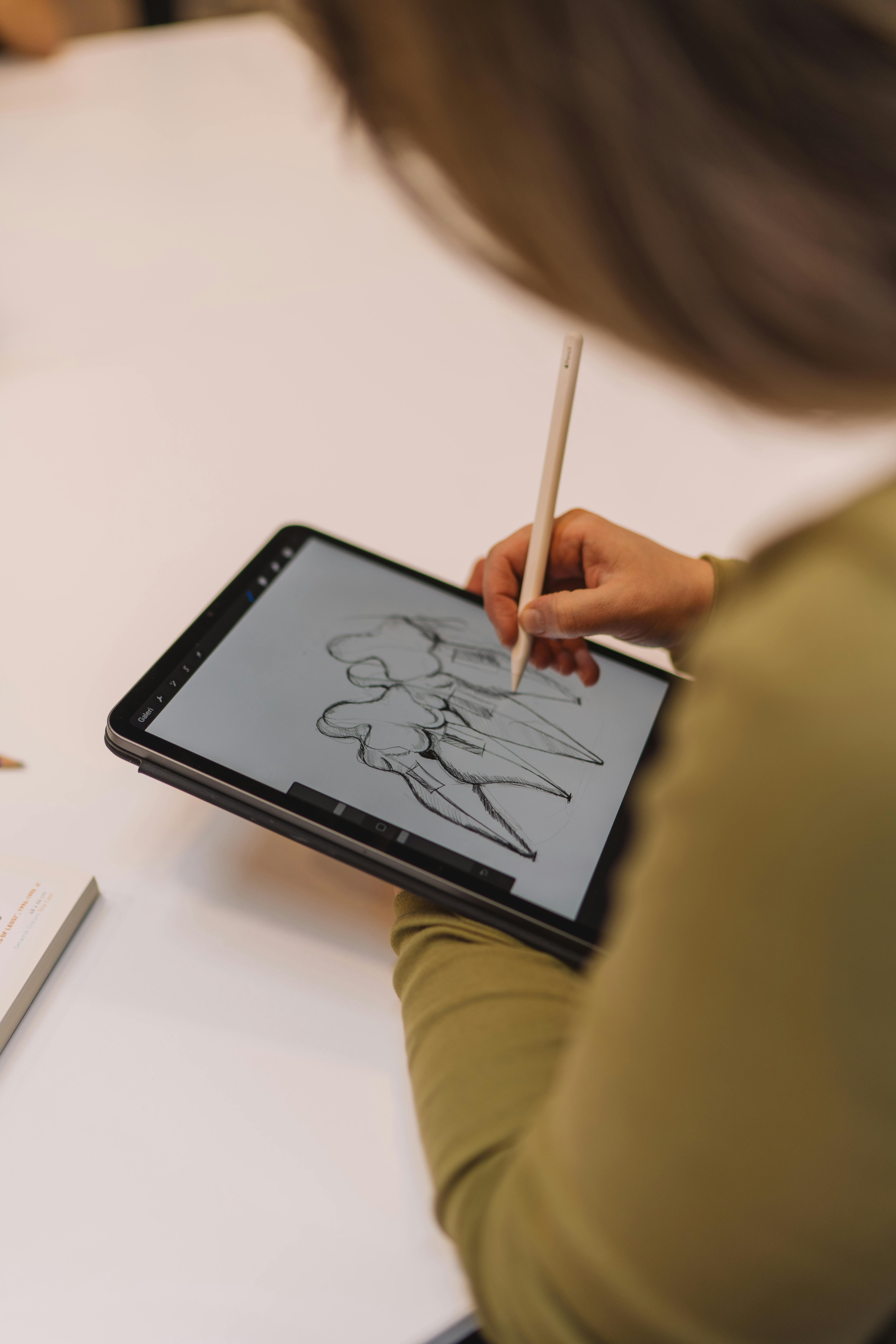 [credit](https://images.pexels.com/photos/20515573/pexels-photo-20515573/free-photo-of-woman-sketching-in-drawing-tablet.jpeg), [licence](https://creativecommons.org/public-domain/) ### 2. Pen Displays (The Immersive Upgrade) Stepping up the visual game, we have **Pen Displays**. Also known as **monitor tablets** or **interactive pen displays**, these are where your digital canvas truly comes to life directly under your hand. They are, quite literally, a monitor you can draw on, offering an immediate and immersive creative experience. The "ooh-ah" factor is undeniable, but so is the jump in price. A pen display integrates the drawing surface and the screen into one seamless unit. You draw directly on this screen, mimicking the tactile familiarity of drawing on paper. This direct interaction feels incredibly intuitive from the first stroke – that instant feedback is a major draw, making the transition from traditional media feel much more natural. The trade-offs, however, are significant: they are considerably more expensive, bulkier, almost always require external power (unless you're splurging on a very specific, high-end, self-powered model), and can transform your desk into a tangled mess of cables (trust me, I’ve battled the spaghetti monster many a time!). This isn't just about the initial cost; it's about the entire setup and the space it demands. However, the visual immediacy for detailed work like painting or intricate [line art](/finder/page/elements-of-art-line) is often worth the extra investment for many. 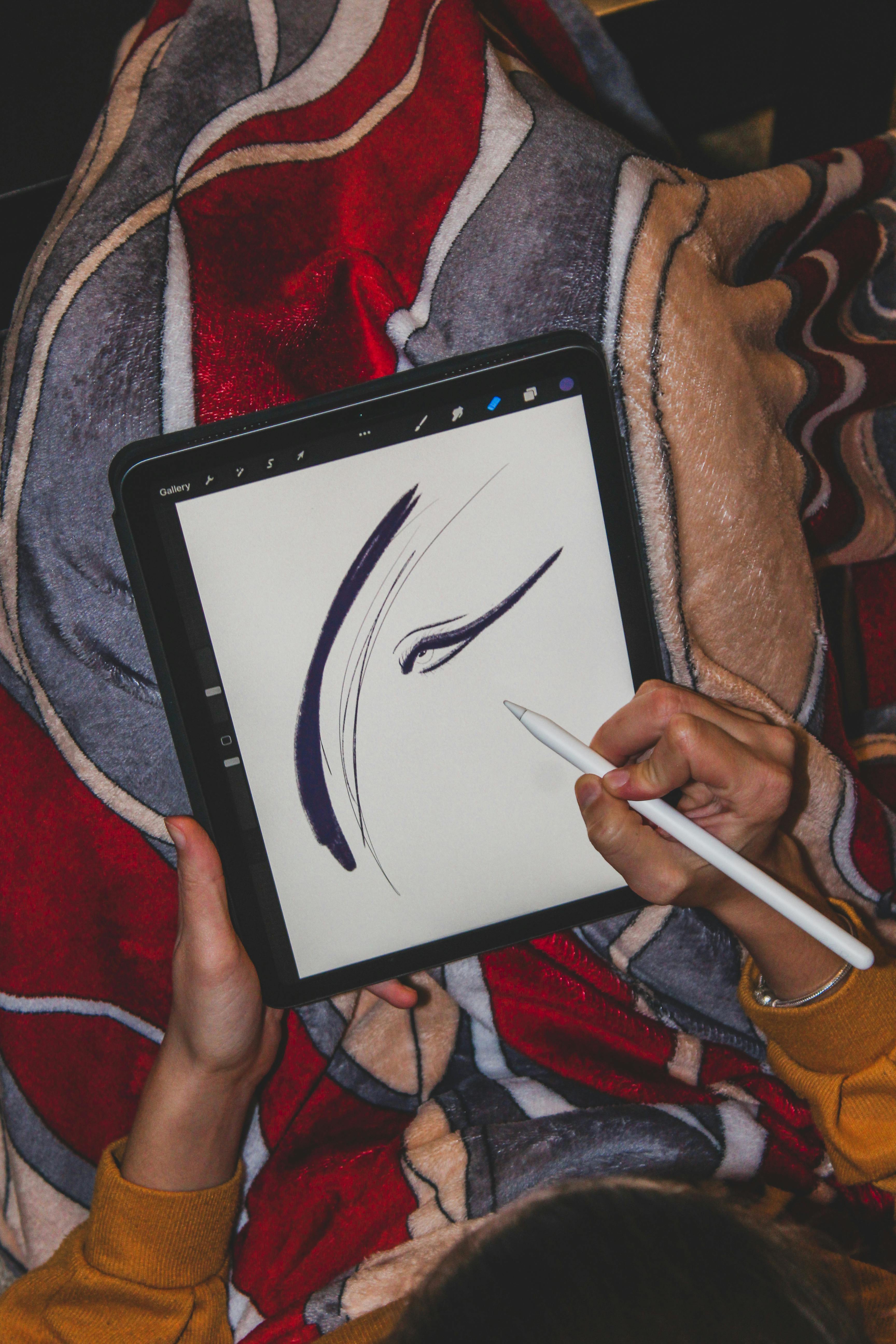 [credit](https://images.pexels.com/photos/11977112/pexels-photo-11977112.jpeg), [licence](https://creativecommons.org/public-domain/) 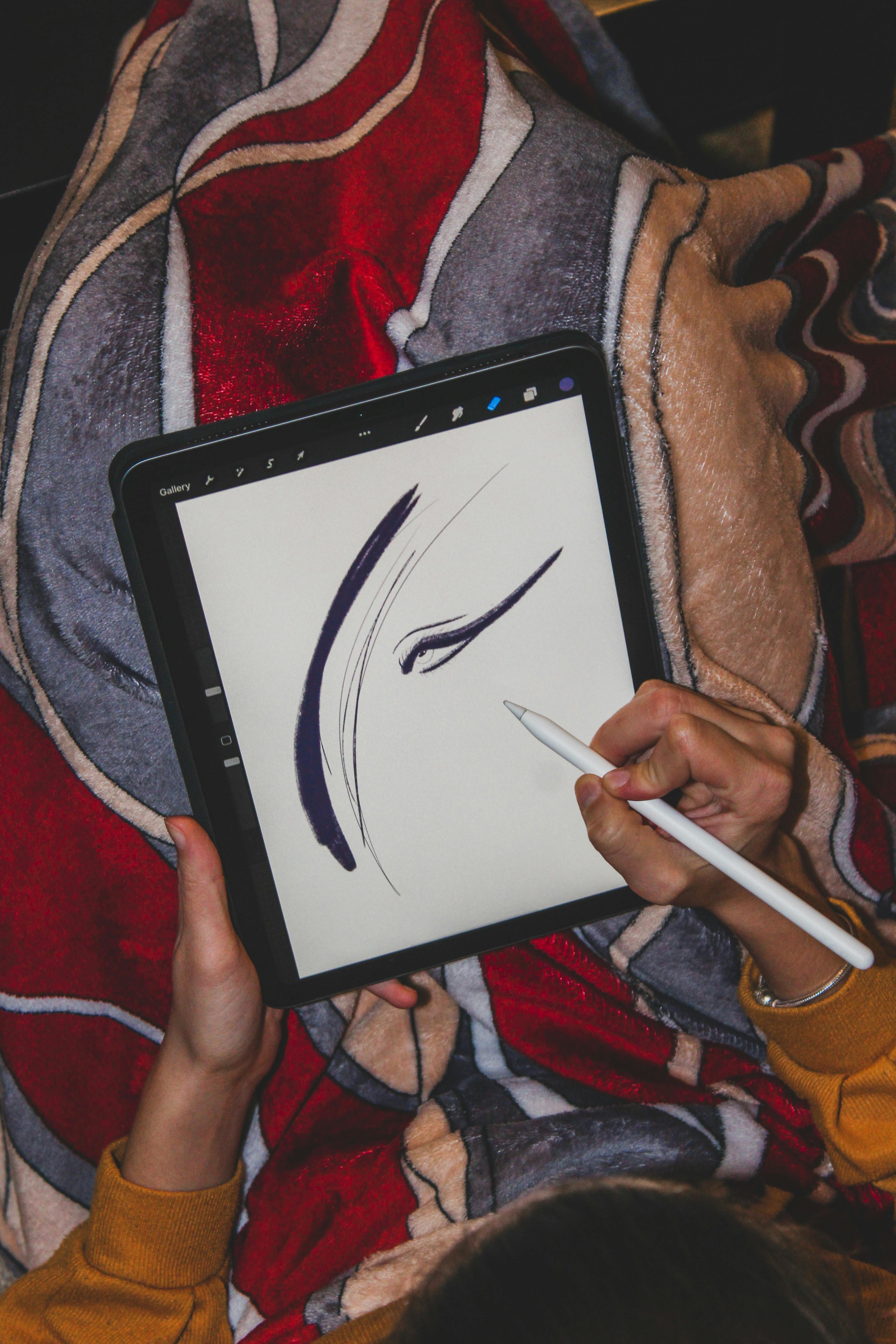 [credit](https://images.pexels.com/photos/11977112/pexels-photo-11977112.jpeg), [licence](https://creativecommons.org/public-domain/) You'll also need to consider factors like **parallax** (that tiny, sometimes infuriating, gap between your pen tip and the actual cursor on the screen – which good laminated screens minimize but budget models can exacerbate), the **screen surface** (glossy for vivid colors but glare, vs. matte for a paper-like feel but sometimes muted colors), the **aspect ratio** (often 16:9, but some offer 16:10 for more vertical workspace), **viewing angles** (how colors and brightness shift when viewed from the side), and the considerable **desk real estate** they demand. However, for many artists, especially those working on highly detailed pieces or simply preferring that immersive, direct drawing experience, the investment and potential clutter are absolutely worth it. Modern pen displays truly shine with impressive **color accuracy** (often covering 100%+ sRGB color gamut, and sometimes even Adobe RGB or DCI-P3 for professional color work) and higher **resolutions** (Full HD, 2K, or even 4K), making your digital canvas explode with vibrancy. This precision is especially beneficial for intricate work like **line art for comics** or detailed **character design**, where every pixel counts. Many also offer **anti-glare coatings** to further enhance the drawing experience under various lighting conditions. 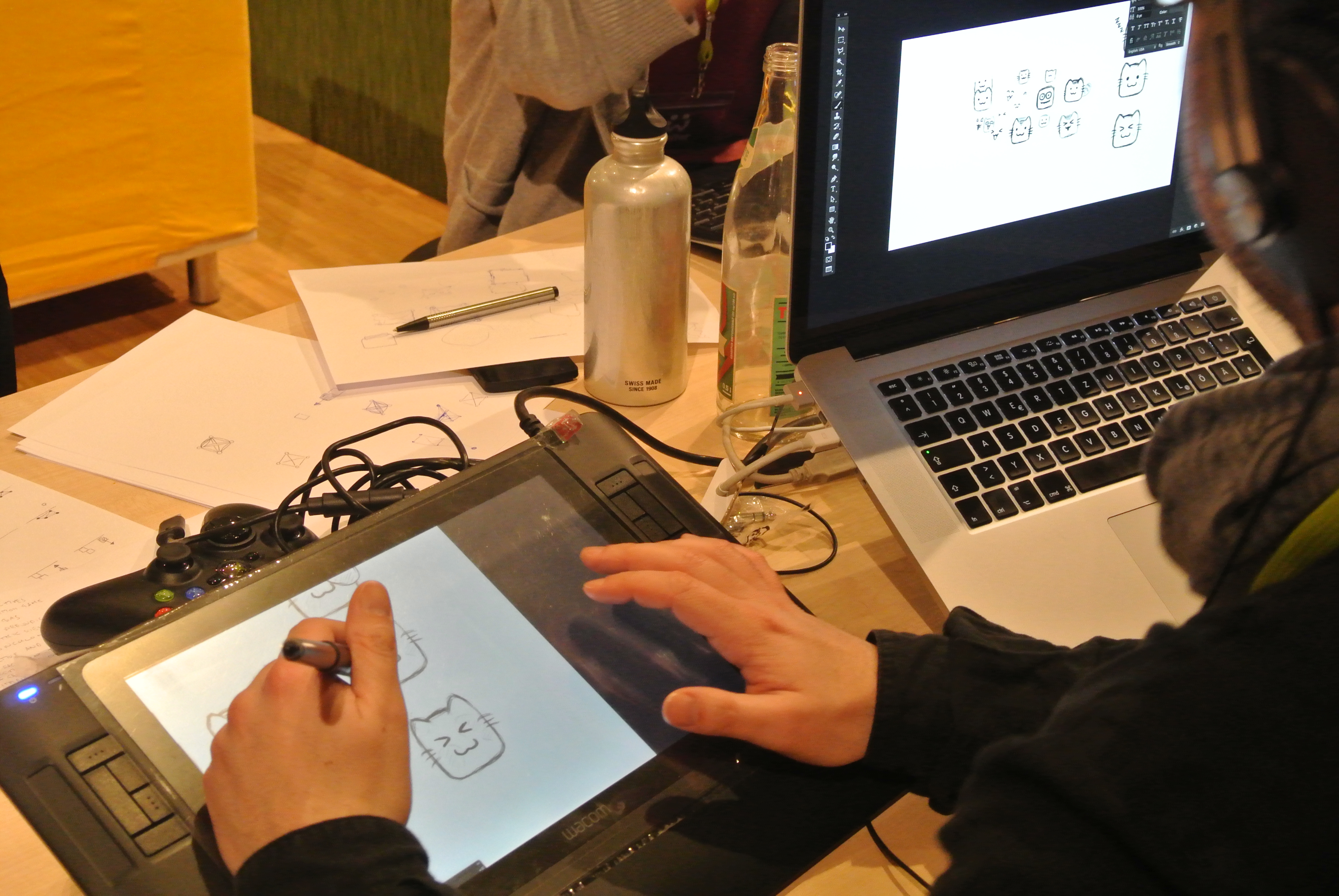 [credit](https://upload.wikimedia.org/wikipedia/commons/d/da/Drawing_Cats_on_Wacom_Intuos3_A5_graphics_tablet_-_Global_Game_Jam_Berlin_2014.jpg), [licence](https://creativecommons.org/licenses/by/2.0) ### 3. Tablet Computers (The Truly All-in-One Mobile Studio) This is the ultimate convergence of computing and creativity. Think of devices like the Apple iPad (with its phenomenal [Procreate](/finder/page/procreate-for-beginners-guide) app, a true game-changer), Microsoft Surface series, and [Samsung Galaxy Tab](/finder/page/essential-tools-for-digital-painting-beginners) line. These are full-fledged mobile computers that just happen to double as fantastic drawing surfaces, offering an unparalleled blend of portability and raw power. The versatility is breathtaking – you can seamlessly transition from sketching a masterpiece to browsing the web, tackling work emails, watching movies, and back to refining your art, all on one device. This literally means your entire studio can fit into your backpack, ready to go wherever inspiration strikes, whether it's a bustling cafe or a quiet park. They truly offer a complete creative ecosystem in your hands. 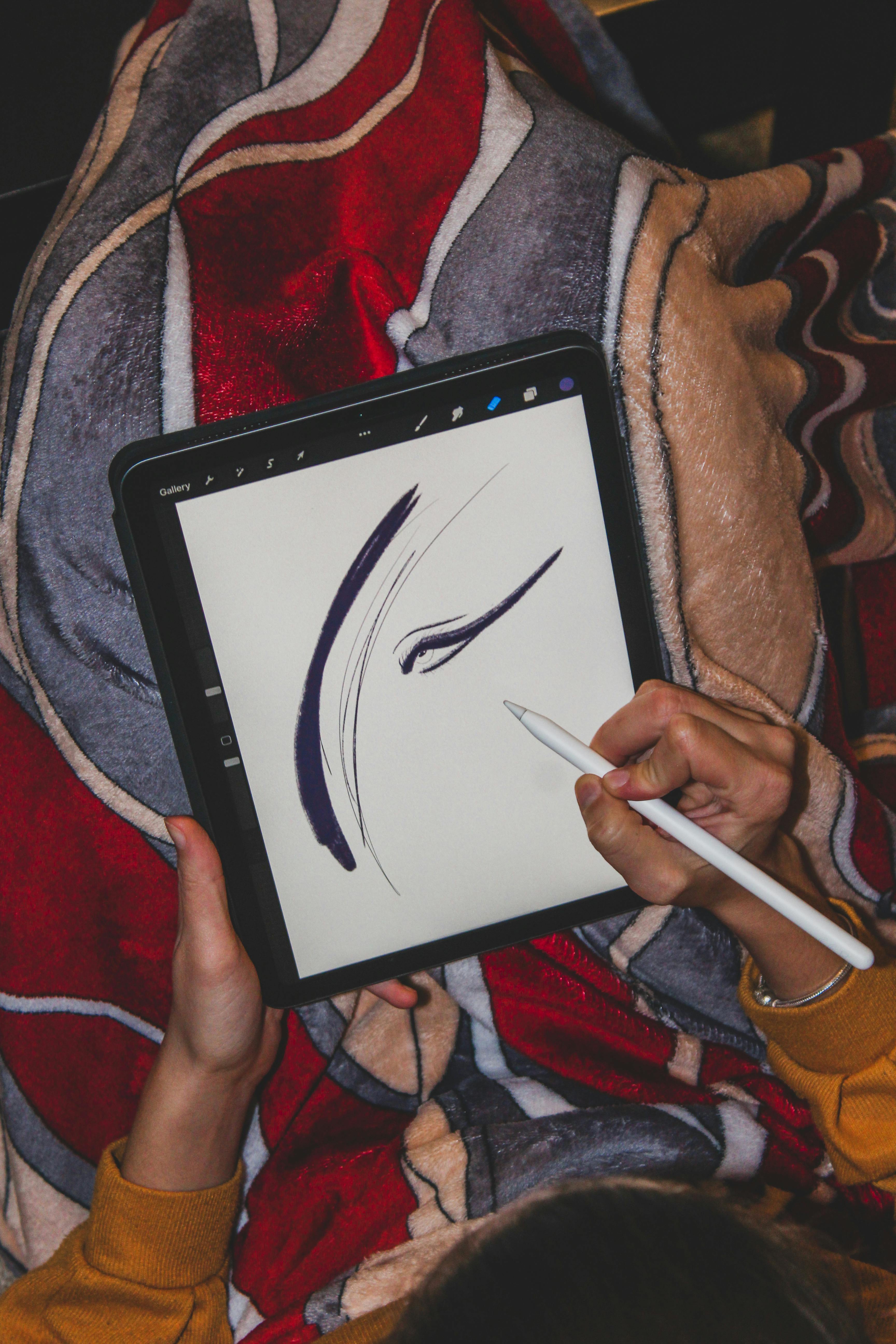 [credit](https://images.pexels.com/photos/11977112/pexels-photo-11977112.jpeg), [licence](https://creativecommons.org/public-domain/) However, they generally represent the most expensive entry point. While their drawing capabilities are often excellent, it's crucial to remember that their drawing functionality is often a premium feature built upon their primary role as a general-purpose computing device. You might find yourself grappling with more **glossy screens** (hello, annoying reflections, especially outdoors!), and while their proprietary styluses (like the [Apple Pencil](/finder/page/apple-pencil-review-for-artists) or Surface Pen) are generally very good, they might not offer the same nuanced **pressure sensitivity** or **tilt control** as dedicated drawing tablet pens right out of the box (though accessories and app settings can help bridge that gap). The vibrant **app ecosystem** is arguably their biggest draw, with industry powerhouses like [Procreate](/finder/page/procreate-for-beginners-guide) (exclusive to iPad, and oh-so-worth-it), Clip Studio Paint, and a plethora of others making these devices formidable contenders. But let's be honest: you’re paying for a full-blown computer, not *just* a drawing tool. And that wealth of computing power and app variety can also be a double-edged sword for a beginner trying to focus on art – hello, endless distractions! However, for professionals or serious hobbyists who need a truly integrated mobile workstation, the power and versatility of these devices are unparalleled, enabling workflows that span sketching, rendering, video editing (yes, some can handle 4K!), client communication, and even intricate 3D modeling all from one device. This integration can significantly streamline a demanding professional pipeline, making seamless transitions between different creative tasks a reality. Procreate, for example, is renowned for its incredible time-lapse recording feature, allowing you to easily share your entire [creative process](/finder/page/my-creative-process-sketchbook-to-canvas) from start to finish. ### Quick Comparison Table Let's put that all in a table to make it crystal clear. | Feature | Pen Tablet (e.g., Wacom Intuos) | Pen Display (e.g., Huion Kamvas) | Tablet Computer (e.g., iPad) | | :--- | :--- | :--- | :--- | | **Price** | $, Most Affordable | $, Mid-Range to High | $, Most Expensive | | **How it Works** | Draw on slate, look at monitor | Draw directly on the screen | A full computer you can draw on | | **Learning Curve** | Moderate (hand-eye coordination) | Low, very intuitive | Low, very intuitive | | **Portability** | Excellent, very light and thin | Poor (requires computer & power, often multi-cable) | Excellent (fully self-contained) | | **Connectivity** | Wired (USB-A, USB-C) | Wired (HDMI, USB-A, sometimes USB-C) | Wireless (Wi-Fi, Cellular) | | **Driver Stability** | Generally excellent | Very good | N/A (OS dependent, app-specific) | | **Ergonomics** | Excellent (natural posture) | Good (with stand, can cause neck strain) | Variable (flexible, but screen weight, reflections) | | **Screen Surface** | N/A | Glossy or Matte (often with anti-glare options) | Often Glossy (sometimes with matte protectors) | | **Software Ecosystem** | Dependent on computer OS | Dependent on computer OS | Self-contained (iOS/Android apps, often powerful mobile-first options) | | **Best For** | Beginners on a budget, ergonomics, traditional feel, learning fundamentals without distraction | Artists craving direct screen interaction, detailed work, those transitioning from traditional media | Artists needing maximum portability, versatility, an all-in-one solution, or integration into a mobile ecosystem | | **Common Brands** | Wacom, Huion, XP-Pen | Wacom, Huion, XP-Pen | Apple, Microsoft, Samsung | ## Before You Buy: Crucial Considerations for Beginners – Navigating Your Choices Okay, now that we've cleared up the basic types, let's talk about the thought process that goes into picking one. It's not just about features (we'll get to those next!), but about what *you* need, *your* budget, and *your* unique [artistic journey](/finder/page/my-artistic-journey:-from-early-explorations-to-embracing-abstract-expression). Think of it like buying your first car: you wouldn't get a sports car for hauling lumber, right? 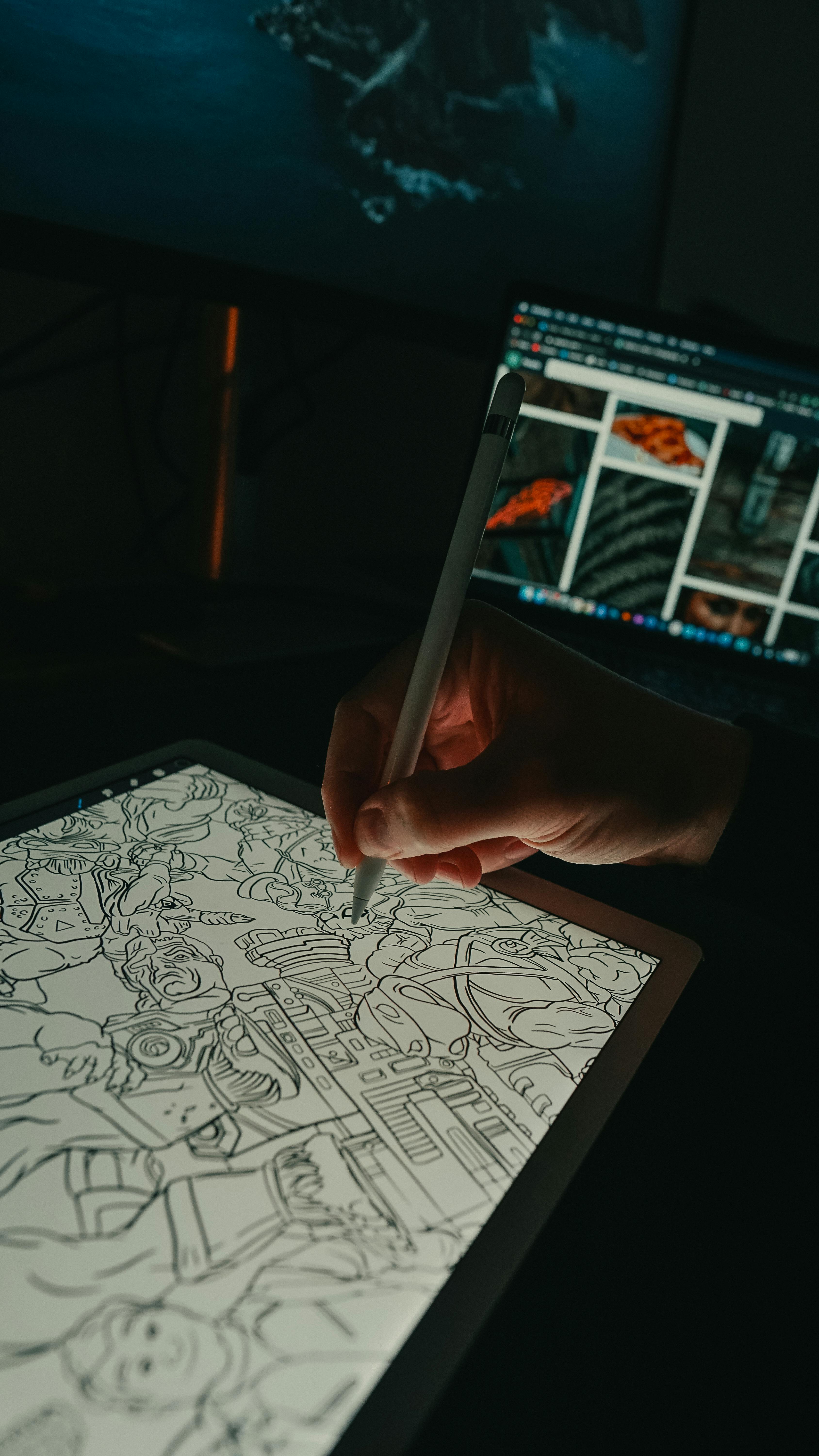 [credit](https://images.pexels.com/photos/7429230/pexels-photo-7429230.jpeg), [licence](https://creativecommons.org/public-domain/) ### Your Budget: More Than Just the Price Tag – Understanding Total Cost of Ownership Let's be real: budget is often the elephant in the room, and it's a colossal one. Dedicated pen tablets can be incredibly affordable, starting as low as $30-$50, making them an accessible entry point. Pen displays typically begin in the $200-$300 range, quickly climbing into the mid-hundreds, while tablet computers can easily catapult into the four-figure territory (often well over a thousand dollars). It's a natural human tendency to equate 'more expensive' with 'better,' but for a beginner, this is almost never the case. My seasoned advice? Prioritize core functionality, reliability, and ease of use over flashy, high-end features you won't even touch for months (or years!). And when I talk about 'budget,' I'm not just referring to the initial sticker price of the tablet itself. You absolutely *must* factor in potential hidden costs: * **Accessories:** Think extra pen nibs (they wear down!), an **anti-fouling glove** (to prevent hand oils from interfering with the screen and reduce friction and smudges), cases for portability, screen protectors (especially for displays!), and crucial **adjustable stands** for ergonomic comfort with pen displays. You might also need specific adapters for connectivity, especially with newer USB-C only laptops. Don't forget a sturdy case if you plan on taking your tablet on the go, protecting your investment from bumps and scratches! * **Software:** While there’s an astonishing array of powerful free art software (like Krita or Autodesk [Sketchbook](/finder/page/best-sketchbook-for-beginners)), professional options like [Clip Studio Paint](/finder/page/best-drawing-apps-for-apple-pencil) or Adobe Photoshop come with their own price tags – either a one-time purchase or a recurring subscription. Many tablets *do* bundle basic versions of software, so always check for those valuable inclusions! This can be a fantastic way to get started with professional-grade tools without the upfront cost. Remember to consider if you'll need any specialized brushes, texture packs, or 3D models, which can sometimes be an additional purchase or subscription. * **Cloud Storage & Online Courses:** As your digital file sizes grow, you might need cloud storage for backups or seamless access across devices. And don't underestimate the value of investing in high-quality online courses or tutorials to accelerate your learning – often a far more impactful investment than a slightly pricier tablet. So, when calculating your budget, think of the *total cost of ownership* for your entire digital art setup, not just the device itself. This isn't just a short-term purchase; it’s an investment in your creative journey! Think of it as investing in your happiness and personal growth, which is frankly priceless. A wise investment here can save you a lot of headaches and boost your creative confidence. For a more comprehensive look at all the physical [art supplies](/finder/page/best-art-supplies-for-beginners) you might need, check out our guide on [essential drawing supplies for beginners](/finder/page/essential-drawing-supplies-for-beginners). ### Operating System Compatibility: Don't Get Caught in a Tech Trap This sounds painfully obvious, yet it's a step many beginners (including my younger, more impulsive self!) overlook, leading to immense frustration. You *must* triple-check operating system compatibility. Most dedicated [drawing tablets](/finder/page/the-best-drawing-tablets-for-beginners-a-2024-review) are designed to work seamlessly with Windows and macOS. Increasingly, newer models also boast support for Android (allowing you to connect to compatible smartphones or tablets) and ChromeOS (great for Chromebook users). This opens up fascinating possibilities for mobile drawing! For example, connecting a small pen tablet to your Android phone can turn it into a compact, on-the-go sketching machine, perfect for capturing sudden bursts of inspiration wherever you are. If you're eyeing a tablet computer (like an iPad or a Samsung Galaxy Tab), their specific operating systems – iOS/iPadOS or Android – will entirely dictate your available software choices. This often means you'll be using mobile-specific versions of powerful desktop apps (which can be fantastic, like Procreate!), though the feature set might differ slightly from their desktop counterparts. My cautionary tale: I once bought a tablet that *claimed* compatibility, only to discover its drivers were a notorious nightmare on my admittedly niche OS version. The result? A maddening headache and a swift trip back to the store for a return. **Always, always, always** visit the manufacturer's official website to verify the latest driver support and detailed system requirements before parting with your cash. You'd be surprised how many seemingly compatible devices have hidden driver conflicts that can derail your [creative flow](/finder/page/overcoming-creative-blocks-strategies-for-artists) before it even starts. It's also worth noting that driver stability and responsiveness can significantly impact your workflow; a tablet with rock-solid drivers will always lead to a smoother, more enjoyable drawing experience. Don't let a simple oversight turn into a frustrating saga! 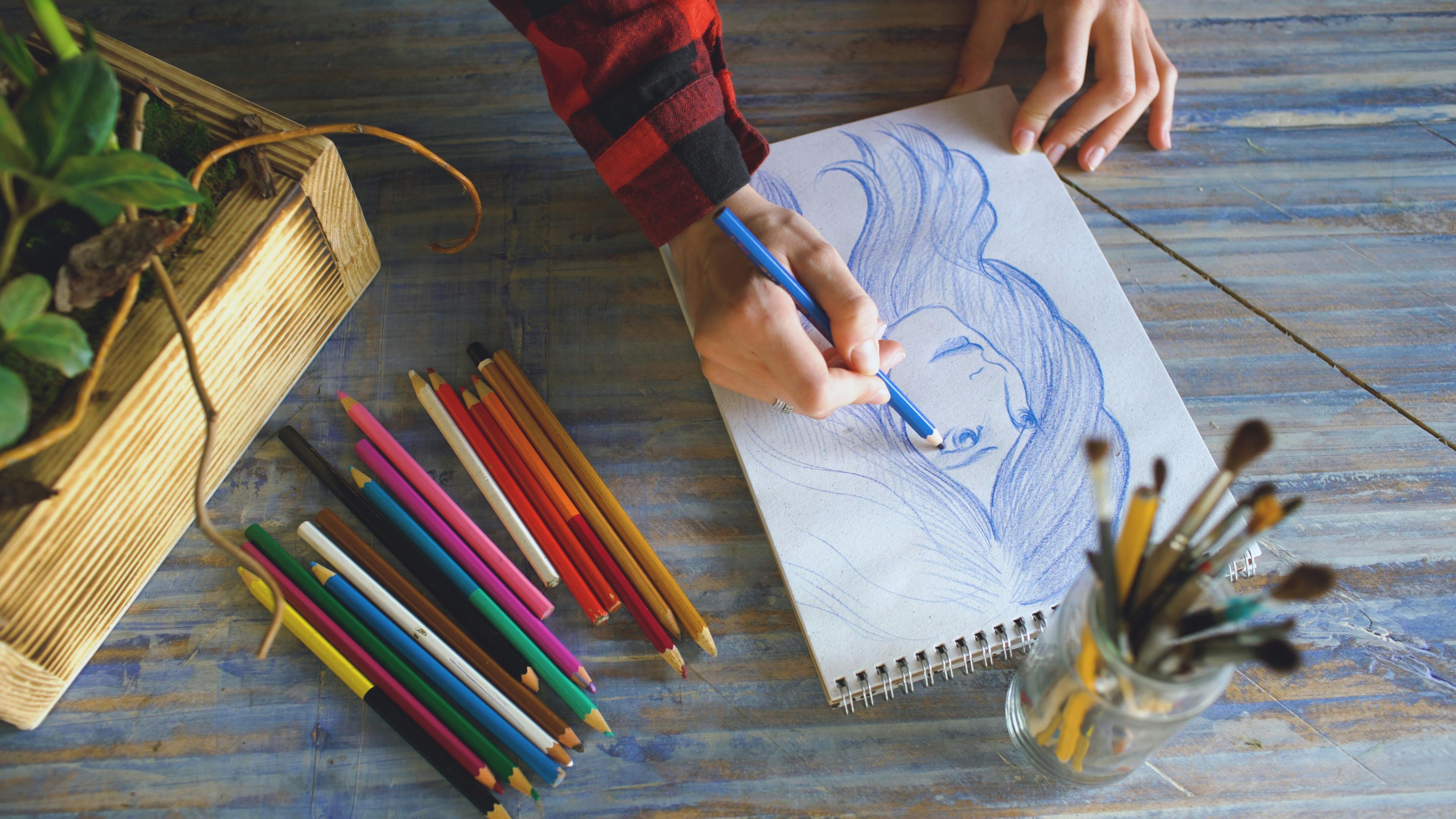 [credit](https://images.pexels.com/photos/22690804/pexels-photo-22690804/free-photo-of-person-drawing-with-color-pencils.jpeg), [licence](https://creativecommons.org/public-domain/) ### ### Your Artistic Goals and Style: Let Your Passion Guide Your Purchase What kind of art sets your soul on fire? What do you *really* want to create? This is, in my opinion, one of the most crucial (and often overlooked) questions in the tablet-buying process! It’s easy to get lost in the spec sheet, but your artistic aspirations should be your compass. Are you dreaming of intricate **character designs**, fluid **animation frames**, vibrant **digital paintings**, or perhaps compelling **webtoon pages**? Each of these paths might subtly nudge you towards a different type of device or feature set. Consider not just what you want to draw *today*, but what you hope to evolve into creating over the next year or two. 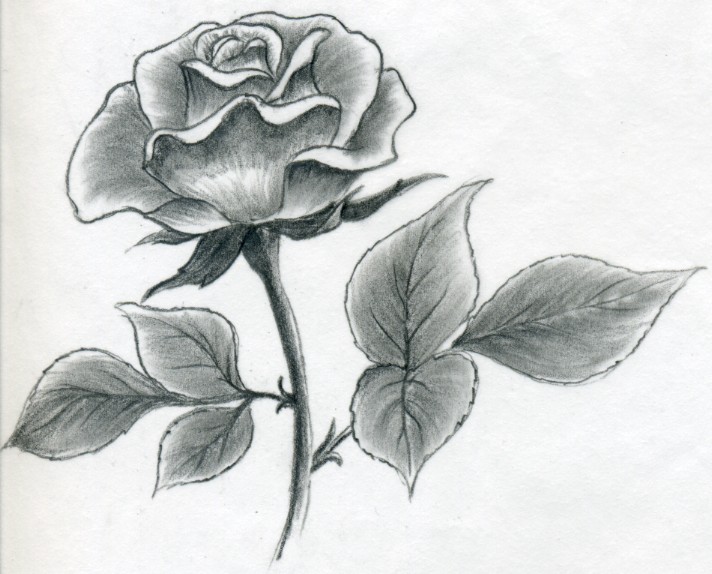 [credit](https://upload.wikimedia.org/wikipedia/commons/5/58/Draw_rose.jpg), [licence](https://creativecommons.org/licenses/by-sa/4.0)  [credit](https://live.staticflickr.com/5569/14746818551_3c2b0fbc40_b.jpg), [licence](https://creativecommons.org/publicdomain/zero/1.0/) * **Quick sketches, line art, or digital painting for relaxation?** A straightforward pen tablet is likely your perfect match. Think about those expressive figure drawings or fluid calligraphy studies. * **Intricate comics, detailed illustrations, character design, or concept art?** If you crave that direct visual feedback, a pen display, assuming your budget permits, might be the more satisfying experience. Imagine rendering every hair on a fantastical creature or every detail in a cyberpunk cityscape. * **A versatile mobile studio for everything from video editing and graphic design to concept art, 3D sculpting, or full-blown animation production, all on the go?** Then a powerful tablet computer, despite the higher price tag, could be your ultimate companion. These devices excel at integrated workflows, allowing seamless transitions between heavy-duty art apps, video editing, and project management tools, all within a single, highly portable form factor. Think about the art that truly inspires you and how you envision yourself creating it – your passion should absolutely guide your choice, not just the fleeting allure of the latest gadget trends. Here’s a quick way to align your artistic aspirations with tablet types, but always remember these are starting points, not rigid rules: | Artistic Goal / Style | Ideal Tablet Type | Why It Works | | :--- | :--- | :--- | | **Quick Sketches, Line Art, Doodling, Conceptualizing** | Pen Tablet | Affordable, portable, excellent for building fundamental muscle memory without visual distraction. Focus is on flow and gesture, allowing for uninhibited creative exploration. | | **Digital Painting, Detailed Illustrations, Character Design** | Pen Display | Direct screen interaction mimics traditional canvas, crucial for intricate details and color blending. Allows for precise control and immersive workflow, making complex rendering feel natural. | | **Comics, Manga, Webtoons (Ink & Color)** | Pen Display or Tablet Computer | Direct drawing essential for inking; perspective tools and multi-page management benefit from display. Portability of tablet computers is great for on-the-go creation and collaborative projects. | | **Graphic Design, UI/UX, Photo Retouching** | Pen Tablet (with larger active area) or Pen Display | Precision is key for selections and masking. Pen tablets offer ergonomic benefits for long hours of focused work; displays offer direct manipulation for intuitive design. | | **3D Sculpting, Animation, Video Editing (with drawing elements)** | Powerful Tablet Computer or Pen Display with high-end PC | Requires significant processing power and often large screens for complex software. Tablet computers offer integrated power for mobile studios; pen displays act as high-fidelity input for robust desktop software. | | **Mobile Art, Art on the Go, Travel Sketching** | Tablet Computer | Unmatched portability and self-contained functionality. Excellent for capturing inspiration anywhere, anytime, turning waiting times into creative opportunities. | | **Traditional Media Simulation (Watercolor, Oil, Pastel)** | Pen Display (with matte screen protector) or Tablet Computer (Procreate) | The direct drawing experience and quality brush engines (especially on apps like Procreate or Fresco) come closest to mimicking physical textures, offering a rich, familiar feel. | | **Technical Drawing, Architecture, CAD** | Pen Tablet (high precision, large area) or Pen Display | Extreme precision and straight lines are critical. Pen tablets provide unwavering accuracy; displays allow for direct measurement and manipulation of complex blueprints. | | **Storyboarding, Concept Art (Rapid Iteration)** | Tablet Computer or Pen Display | Speed and flexibility are paramount. Tablet computers enable quick sketches and sharing; pen displays offer direct interaction for rapid visual development. | This isn't a rigid rulebook, of course, but a helpful guide to steer your decision-making. And remember, art is all about breaking rules, so if something here doesn't resonate, trust your gut! After all, the most important rule in art is to follow your creative instincts, even if they lead you down an unexpected path. 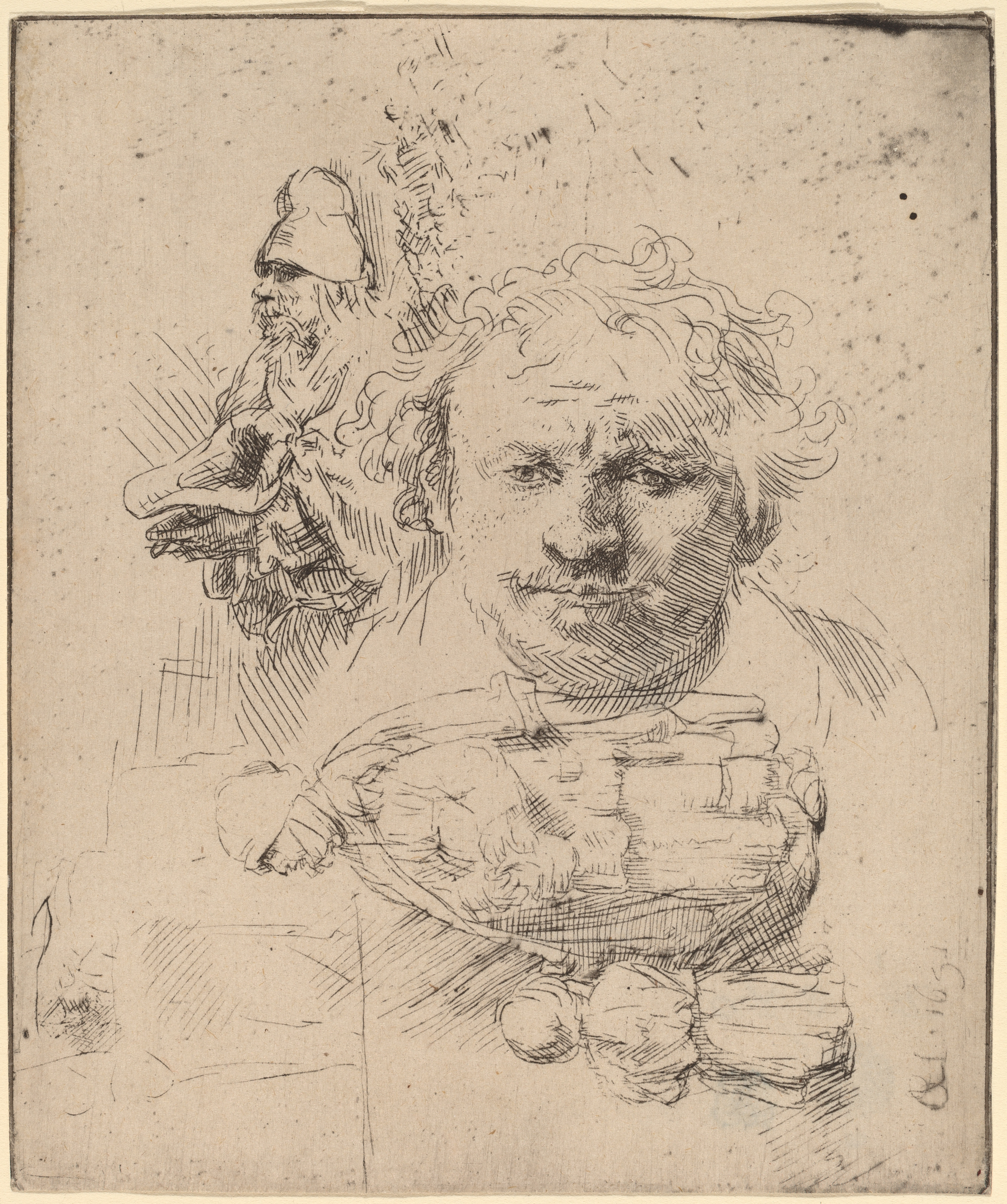 [credit](https://upload.wikimedia.org/wikipedia/commons/d/d4/Rembrandt_van_Rijn%2C_Sheet_of_Studies_with_the_Head_of_the_Artist%2C_a_Beggar_Man%2C_and_Woman_and_Child%2C_1651%2C_NGA_10026.jpg), [licence](http://creativecommons.org/publicdomain/zero/1.0/deed.en) 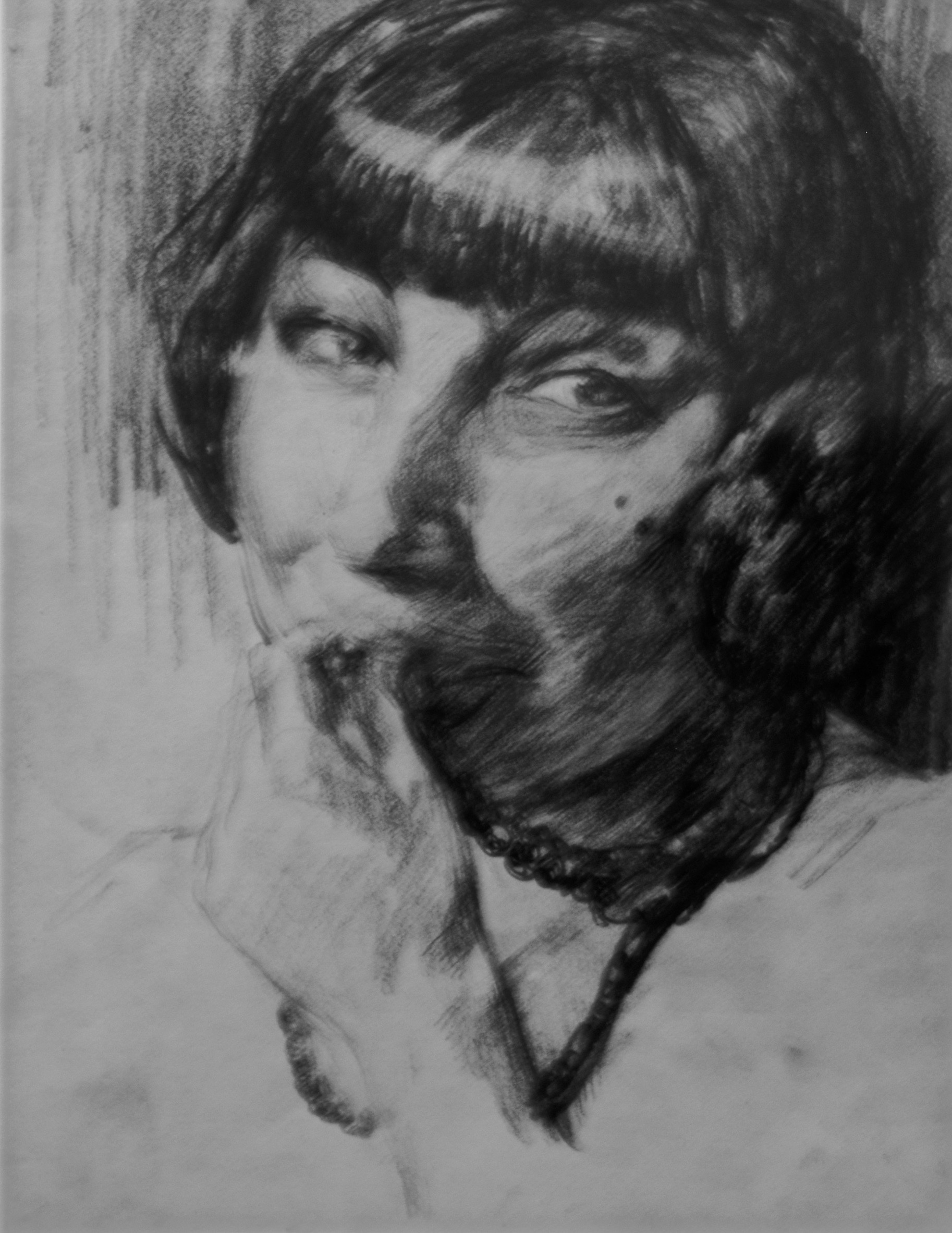 [credit](https://upload.wikimedia.org/wikipedia/commons/1/13/Malicious_Expression_%281920%29_-_Adriano_de_Sousa_Lopes_%281879-1944%29_%2839994934792%29.jpg), [licence](https://creativecommons.org/licenses/by/2.0) ### Ergonomics: Your Body Will Thank You – Prioritizing Comfort for Longevity Oh, my past self and my perpetually sore neck could write an entire book on this! I used to hunch over tiny sketchpads for hours, convinced that "suffering for art" was part of the deal. It's not. Your body is your most invaluable tool, and neglecting ergonomics is a sure-fire way to prematurely end your artistic journey. Digital art absolutely should *not* be a pain. I've learned the hard way that a comfortable setup not only prevents physical discomfort but also enhances your creative flow and longevity as an artist. Think of it as protecting your most important asset – yourself! * **Pen Tablets:** These are surprisingly ergonomic champions. By looking at your upright computer monitor, you naturally maintain a more neutral neck and back posture. Your drawing arm rests comfortably on the tablet surface, encouraging larger, more fluid movements from your elbow and shoulder rather than just your wrist. * **Pen Displays:** Here’s where things get tricky. You'll naturally look down at the screen, which can lead to notorious **"tech neck"** if not set up correctly. This makes an **adjustable stand** not just an accessory, but an absolute necessity. It allows you to tilt the display to a comfortable angle, reducing strain. Also, be mindful of **screen glare** from overhead lights or windows, which can cause eye fatigue and impact color perception. Consider also taking regular **eye breaks** (like the 20-20-20 rule: every 20 minutes, look at something 20 feet away for 20 seconds). * **Tablet Computers:** These offer fantastic flexibility for drawing on a lap or propped up. However, their weight and size can become a factor in longer sessions, and those often-glossy screens can be reflection magnets, leading to eye strain. Many users opt for matte screen protectors to mitigate glare and provide a more paper-like drawing feel. Regardless of your choice, make a conscious effort to **invest in good posture**, take frequent **breaks** (set a timer!), and seriously consider an **anti-fouling glove**. This simple, often inexpensive glove reduces friction between your hand and the screen, preventing smudges and making long drawing sessions much smoother. Your future hands, wrists, neck, and shoulders will send you fervent thank-you notes for this proactive care! Trust me, I've learned this the hard way – ignoring ergonomics is a fast track to discomfort and creative blocks. 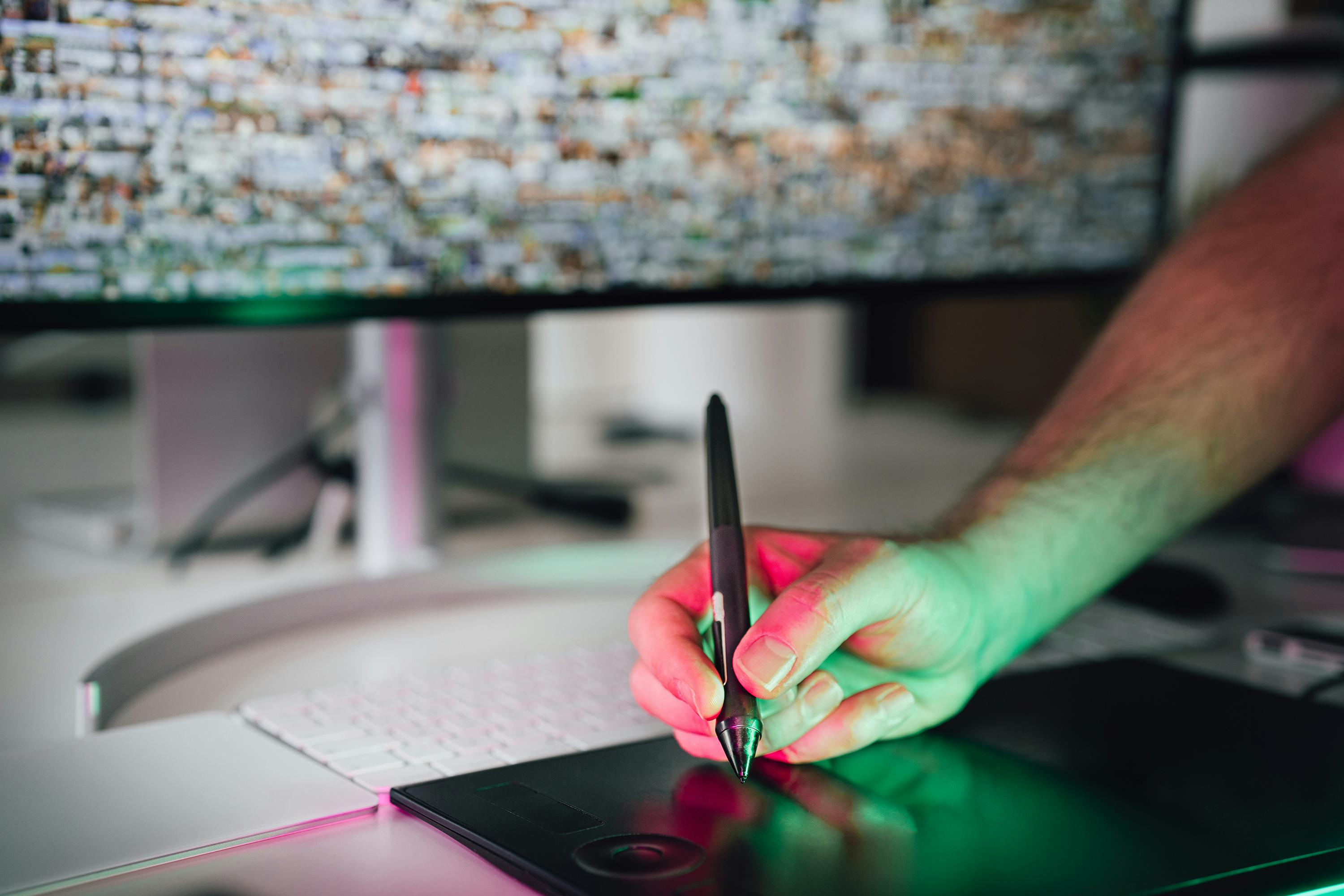 [credit](https://images.pexels.com/photos/20456575/pexels-photo-20456575.jpeg?cs=srgb&dl=pexels-jakubzerdzicki-20456575.jpg&fm=jpg), [licence](https://creativecommons.org/public-domain/) ## Key Features That Actually Matter (and Those That Don't) – Cutting Through the Noise Okay, deep breath. This is where manufacturers love to play their numbers game, drowning you in an alphabet soup of acronyms and specifications that often mean very little for a budding artist. My mission here is to be your BS detector, helping you zoom in on the features that genuinely impact your creative experience and ignore the ones that offer rapidly diminishing returns, especially for a beginner. Because honestly, the marketing jargon can be more intimidating than learning to draw itself! We're focusing on what truly matters, not just what makes the spec sheet look impressive. Manufacturers love to bombard you with numbers. Let's focus on what you'll actually notice. And frankly, let's ignore the noise that offers rapidly diminishing returns for a beginner. For instance, you might see terms like 'response time' or 'contrast ratio' for display tablets – while relevant for professional monitors, for your first drawing tablet, these are often less critical than the core drawing experience. What we're after is the tangible feeling of creation, not just impressive-sounding figures. 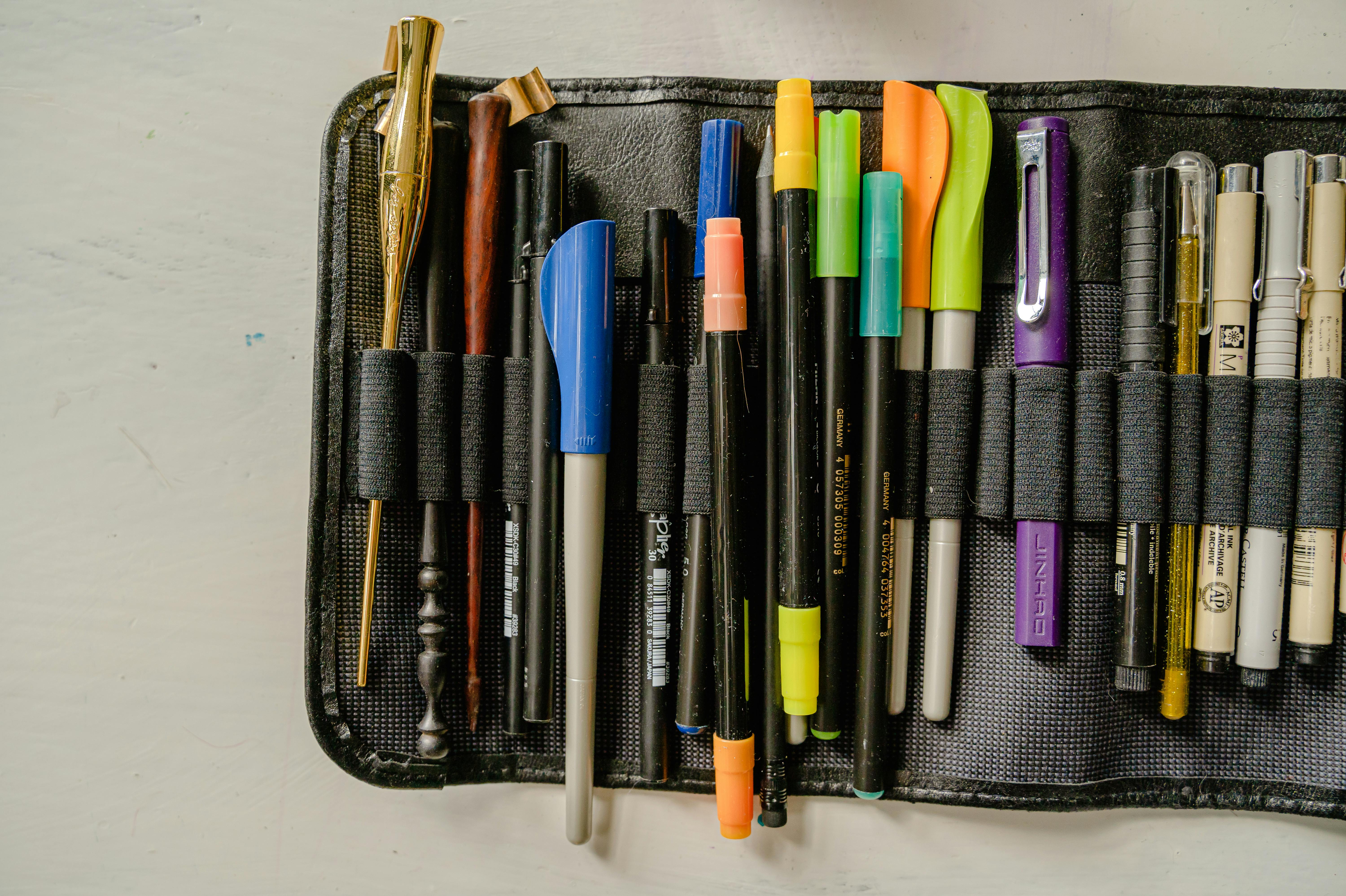 [credit](https://images.pexels.com/photos/4348377/pexels-photo-4348377.jpeg), [licence](https://creativecommons.org/public-domain/) ### Pressure Sensitivity: Your Expressive Digital Voice - **Pressure Sensitivity:** This is a big one, perhaps *the* most important feature for expressive digital art. It means the harder you press with the pen, the thicker, darker, or more opaque your line becomes, just like a real pencil or paintbrush. Honestly, any modern tablet with 2,048 levels or more is perfectly fine for a beginner. Don't get hung up on chasing 8,192 levels; the human hand can barely discern the difference beyond a certain point, and you won't feel it for a long, long time. What *does* matter is how smoothly those pressure changes are registered, ensuring a natural, fluid feel as you vary your stroke weight and opacity. A good pressure curve calibration (something you can usually adjust in your tablet's driver settings!) is far more impactful than raw numbers. It's about the quality of the gradient, not just the quantity of steps. - **Size (Active Area):** This is the part of the tablet you can actually draw on. Think of it as your digital canvas space. A **small** size (roughly 6x4 inches or smaller) is great for portability, cramped desks, and quick doodling. However, it can lead to more wrist movement, which isn't always ideal ergonomically, and can feel restrictive if you prefer grander gestures. A **medium** size (around 8x5 or 10x6 inches) is often the sweet spot for comfort and control, as it allows you to use more of your arm and shoulder to draw, which is much better for ergonomics and creating fluid lines. Large tablets (12x8 inches and up) are usually for professionals with huge monitors or those who do very expansive, detailed work, and aren't typically necessary for beginners, potentially taking up too much desk space. For most beginners, a medium tablet offers the best balance of workspace and ergonomic comfort. - **Resolution (LPI):** Lines Per Inch. This refers to how many lines per inch the tablet can detect from your pen. Higher LPI means more detail can be captured. Just like with pressure sensitivity, any reputable modern tablet will have a high enough LPI (think 2540 LPI or higher) that you won't have to worry about it for practical drawing purposes. It's a spec to be aware of, but not to obsess over; the difference between, say, 2540 LPI and 5080 LPI is often imperceptible to the human eye, especially for beginners. Your artistic skill will improve far more from consistent practice than from an extra 2500 LPI! Focus on expressing your vision, not counting pixels. - **Wireless vs. Wired:** Wireless connectivity (often Bluetooth) is undeniably convenient, offering freedom of movement and a tidier desk. However, it adds cost, introduces potential input lag, and you have to worry about charging the tablet's battery (and sometimes the pen's, if it's not battery-free). For your first tablet, I'd say stick with a wired one. It's cheaper, simpler, always works (no battery anxiety!), and the connection is typically more stable and responsive. One less thing to worry about when you're already learning a new skill. Wireless can be great later, but for starting out, simplicity reigns supreme. ### Other Key Features to Consider: ### Tilt Recognition: Adding Natural Dimension * **Report Rate (RPS/PPS - Reports Per Second):** This measures how many times per second the tablet reports the pen's position to your computer. A higher report rate (e.g., 200 RPS or higher) means smoother, more responsive lines and less lag. This is a noticeable difference that contributes to how "natural" drawing feels, especially with quick strokes or fast-paced work. * **Tilt Recognition:** More advanced pens can detect the angle at which you're holding them, allowing for natural shading effects, much like tilting a real pencil or brush. This is incredibly useful for simulating wide strokes, calligraphy, and expressive sketching. While not strictly essential for absolute beginners, it's a fantastic feature to have as you progress, especially for painting and expressive linework, adding another layer of realism and versatility to your digital strokes. * **Express Keys and Physical Buttons:** Many tablets come with customizable buttons on the tablet itself and on the pen. These can be programmed for shortcuts like Undo, Zoom, brush size, or switching tools. They are huge time-savers once you get used to them, allowing you to keep your eyes on the canvas and minimize trips to the keyboard, significantly streamlining your workflow. Even a few well-placed buttons can dramatically improve your productivity and comfort. * **Pen Nibs & Replacement:** The tip of your pen (the nib) will wear down over time, just like a pencil lead. Tablets come with a few replacements, but you'll eventually need to buy more. Different nibs (standard, felt, spring-loaded, or even elastomer) can offer varying drawing feels, allowing you to personalize the tactile experience. Felt nibs, for instance, often provide more friction and a 'paper-like' drag, while standard plastic nibs are smoother. Some artists even experiment with custom nibs to achieve a particular texture or resistance. It's a small detail, but worth noting for long-term use and personalizing your drawing feel, ensuring your pen always feels fresh and responsive. * **Reading Height (Hover Distance):** This refers to how far above the tablet surface your pen can be detected. A good reading height (typically 5-10mm) means you can move your cursor around the screen without actually touching the tablet, making navigation smoother and less fatiguing. * **Pen Weight & Balance:** While often overlooked, the weight and balance of your pen can significantly impact comfort during long drawing sessions. Some artists prefer a lighter pen, while others like a pen with a bit more heft. Many pens come with customizable weights or ergonomic grips. * **Connectivity Ports:** Consider the type of port your tablet uses (USB-A, USB-C) and whether it matches your computer. USB-C is becoming increasingly common and can offer simpler single-cable solutions for some display tablets. * **Battery-Free vs. Battery-Powered Pens:** Most modern dedicated drawing tablets use **battery-free, EMR (Electro-Magnetic Resonance)** pens. These are fantastic because they never need charging and are lighter, offering an uninterrupted creative flow. Some older or cheaper pens, and many pens for tablet computers, are battery-powered, meaning you'll need to keep them charged, which can be an annoyance and interrupt your creative process. I, for one, appreciate anything that removes a potential distraction when I'm in the zone! ### Other Less Critical Specs (But Good to Know for Displays) For display tablets, you might encounter other specifications like **contrast ratio**, **brightness (nits)**, and **viewing angles**. While these are important for general monitor quality, for a beginner's drawing tablet, they are often secondary to the core drawing experience, pressure sensitivity, and color accuracy. Most reputable brands offer perfectly adequate values in these areas for starting out. Don't let these numbers distract you from focusing on the tactile feel and overall responsiveness. --- ## Essential Software: Your Digital Canvas – Tools That Bring Your Art to Life 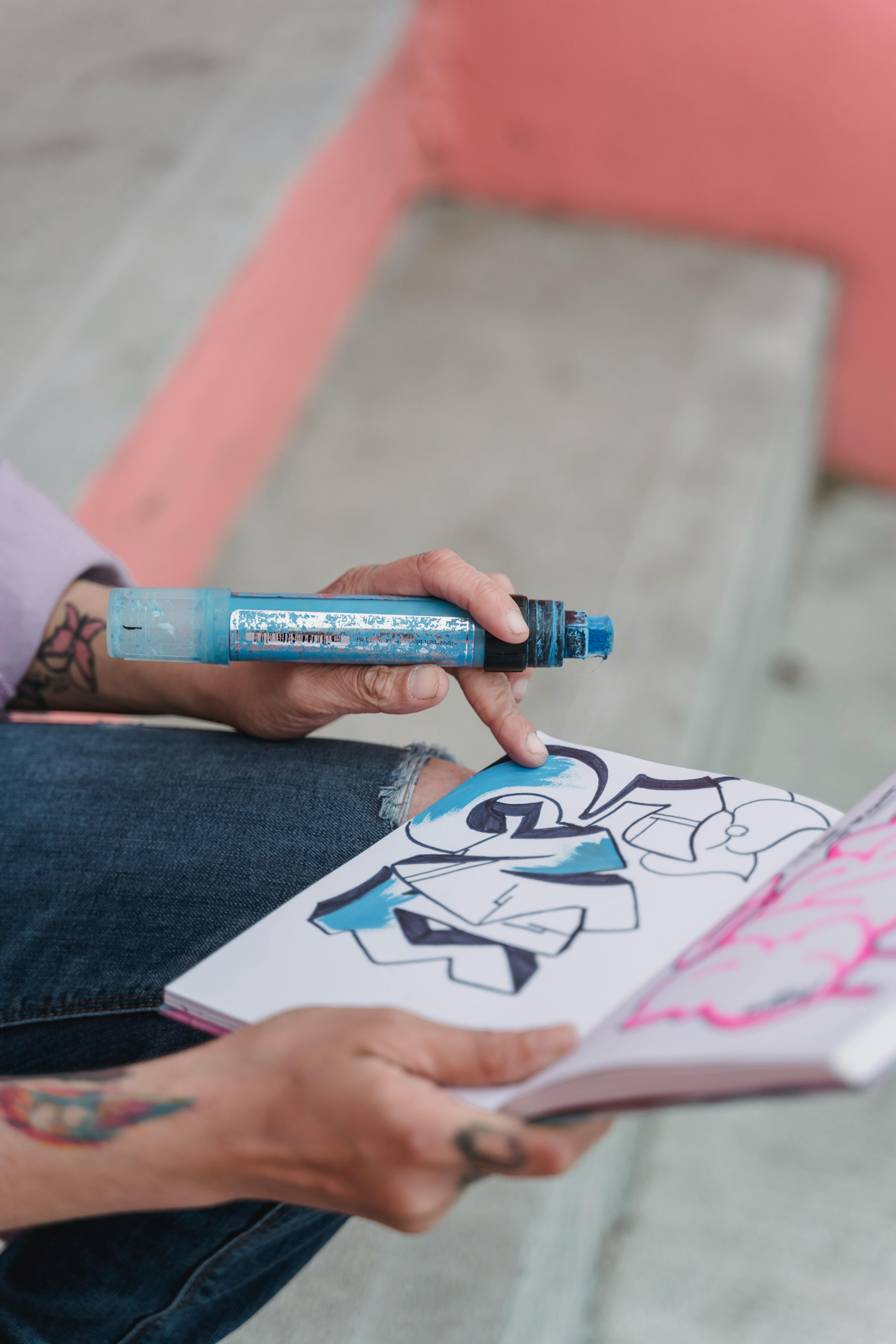 [credit](https://images.pexels.com/photos/7951228/pexels-photo-7951228.jpeg), [licence](https://creativecommons.org/public-domain/) ## Essential Software: Your Digital Canvas: Bringing Your Visions to Life Alright, you’ve bravely navigated the labyrinth of hardware and, I hope, have a solid idea of your ideal tablet (or at least narrowed it down to a fierce contender!). Excellent! But let’s be brutally honest: a drawing tablet without software is about as useful as a paintbrush without paint. It’s a beautiful, inert piece of tech, a blank canvas without a palette. The real magic, the vibrant life of your digital canvas, truly happens within the software itself. Don’t let that overwhelm you, though! There are truly fantastic options available for every budget and skill level, ranging from incredibly powerful free programs to industry-standard professional suites. The best news? You can absolutely start creating breathtaking digital art without spending a single dime on software. This is a huge win for beginners, removing a significant financial barrier to entry and letting you focus purely on the creative process, allowing your ideas to flow freely from mind to screen. 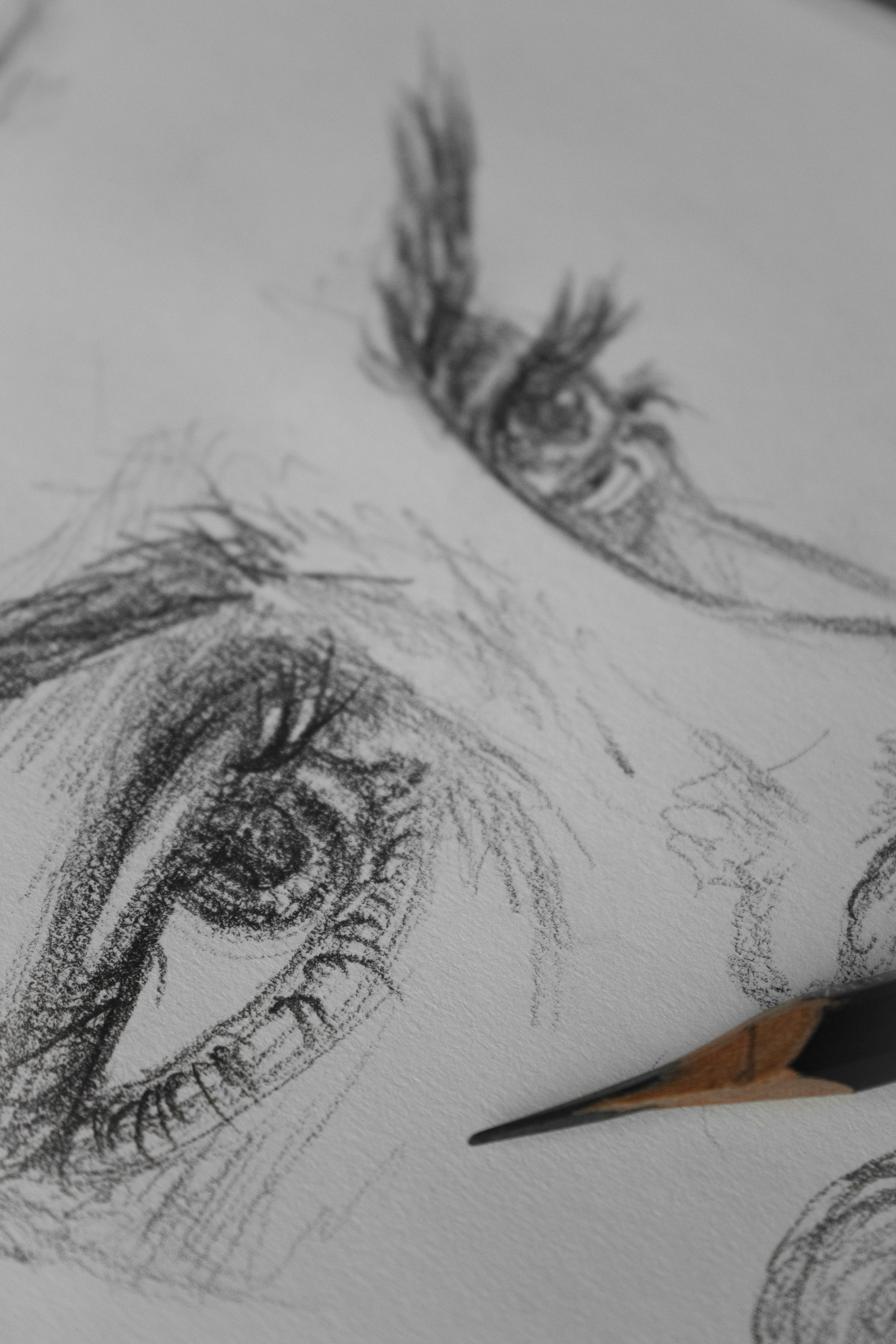 [credit](https://images.pexels.com/photos/7608653/pexels-photo-7608653.jpeg), [licence](https://creativecommons.org/public-domain/) ### Free to Start: No Excuses Not to Draw! – Powerful Options for Every Beginner If you're operating on a tight budget (and let's be honest, who isn't, especially when starting a new hobby?), then consider these your new best friends. The sheer quality and power of free art software available today is, frankly, astonishing. It utterly demolishes the excuse that you need to break the bank to start creating. These options are not just "good for free"; they are genuinely powerful, feature-rich tools capable of professional-grade work. Many also benefit from active online communities, offering abundant tutorials, brush packs, and troubleshooting support. This community aspect is incredibly valuable for a beginner, providing both learning resources and a sense of belonging, and fostering a sense of shared artistic journey. * **Krita:** This is my personal favorite recommendation for free software. It's open-source, powerful, and packed with features for digital painting, sketching, and even comics. It feels very much like a professional program, with robust **layer management**, customizable brushes, a color wheel, and a friendly, active community, making it incredibly well-supported. It runs on Windows, macOS, and Linux, offering cross-platform versatility, and there are countless tutorials available online to help you master its deep feature set and unlock its full potential. * **Autodesk [Sketchbook](/finder/page/best-sketchbook-for-beginners):** Formerly a paid app, Sketchbook is now completely free! It has a clean, incredibly intuitive interface, excellent brush engines, and a strong focus on natural drawing and sketching. It's a great starting point for anyone who wants a straightforward, easy-to-learn program that feels very much like drawing on paper. Available on Windows, macOS, iOS, and Android, making it highly accessible across most of your devices. * **GIMP:** (GNU Image Manipulation Program) While primarily known as a powerful, open-source photo editor (think a free Photoshop alternative), GIMP can absolutely be used for digital painting. It has a steeper learning curve than Krita or Sketchbook due to its broader feature set, but it's incredibly powerful and free. If you're technically inclined and want robust photo editing alongside your drawing tools, it's definitely worth exploring; you might find its versatility incredibly appealing. Available on Windows, macOS, and Linux. * **Medibang Paint Pro / FireAlpaca:** These are two very similar, lightweight, and free programs that are excellent for manga, comic, and illustration work. They offer features like panel creation tools, perspective rulers, and cloud saving. They're a fantastic step up from basic sketching apps if you're interested in sequential art, and they run on various operating systems and even mobile devices, making them ideal for budding comic artists or illustrators on the go. ### Paid & Professional: When You're Ready to Invest – Industry Standards for Serious Artists Once you've fully succumbed to the siren song of digital art, once you're absolutely hooked and have found your stride, you might begin to eye these industry-standard powerhouses. These professional-grade programs offer a deeper level of control, more advanced features, and are the bread and butter for professionals across the globe. Think of them not as a starting point, but as investing in a specialized, high-performance toolkit once you’ve clearly defined your artistic needs and workflow. * **Clip Studio Paint (CSP):** Often considered the gold standard for comic art, manga, and illustration, CSP is also fantastic for general digital painting. Its advanced **pen stabilization** (which makes your lines incredibly smooth), robust perspective rulers, extensive brush customization, and 3D model import features are a dream for artists of all levels. It's available as a one-time purchase (Clip Studio Paint EX offers more features like multi-page management for comic creation) or a subscription for some versions, and runs on Windows, macOS, iPad, Android, and iPhone. I adore CSP; it feels incredibly natural to draw in, almost like an extension of your hand, and its dedicated comic features are truly unparalleled. * **Adobe Photoshop:** The ubiquitous image editor, Photoshop is also an incredibly powerful digital painting and illustration tool. If you're already familiar with it for photography or graphic design, it's a natural fit due to its deep integration with the Adobe Creative Cloud ecosystem. However, it's a subscription-based model and can be quite resource-intensive, requiring a powerful computer, which might be a barrier for beginners. For pure painting, CSP is often preferred by many artists due to its more art-focused tools (like superior brush stabilization), but Photoshop's versatility in photo manipulation, graphic design, and painting combined is unmatched, making it a powerful choice for those with broader creative needs or who are already invested in the Adobe suite. It's truly a jack-of-all-trades, master of many, but that versatility comes with a steep learning curve and a premium price. * **Procreate (iPad Only):** If you've got an iPad, Procreate is almost a mandatory purchase. It's incredibly powerful, intuitive, and designed specifically for touch and stylus input on iOS. It's a one-time, low-cost purchase and truly makes the iPad shine as a drawing device. Its brush engine is fantastic, offering a vast array of default brushes and the ability to create your own, and the time-lapse recording feature is a fun bonus for sharing your process. It's known for its fluid workflow and minimalist interface, making it incredibly approachable for new digital artists. * **Adobe Fresco:** Another strong contender from Adobe, Fresco is specifically designed for drawing and painting, combining vector and raster brushes in one app. It features stunning live brushes that realistically mimic watercolors and oils, and it's available on iPad, Windows, and iPhone. It's part of the Adobe Creative Cloud subscription but offers a robust free tier, making it a great option to try, especially if you're looking for that traditional media feel in a digital format. Remember, the best software isn't necessarily the most expensive or the most feature-packed; it's the one you feel most comfortable with, the one that inspires you, and that ultimately helps you create the art you envision. Don't feel pressured to shell out for expensive programs until you've thoroughly explored the free options and truly pinned down your ideal workflow and artistic needs. A little insider tip: many tablets often come bundled with trial versions or basic editions of popular software (like Clip Studio Paint Debut or Photoshop Elements), so always check what's included – it's often a fantastic value to kickstart your creative journey! 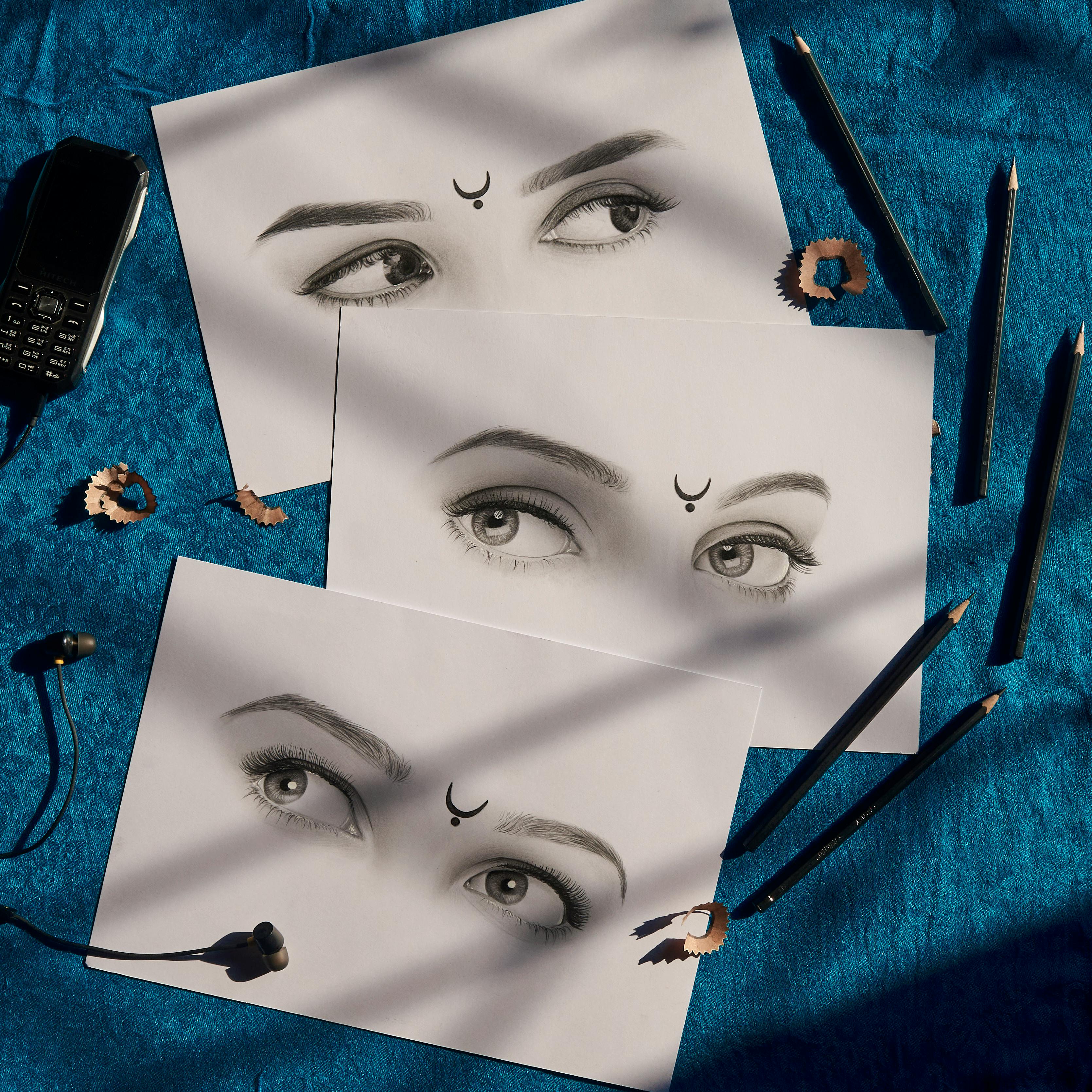 [credit](https://images.pexels.com/photos/6002182/pexels-photo-6002182.jpeg), [licence](https://creativecommons.org/public-domain/) ### Software Comparison Table To make your decision a little easier, here's a quick rundown of these popular software options: | Software | Price | Platforms | Key Features | Best For | | :--- | :--- | :--- | :--- | :--- | | **Krita** | Free | Win, macOS, Linux | Digital painting, comic tools, layers, customizable brushes, active community support | Beginners, digital painters, comic artists on a budget | | **Autodesk Sketchbook** | Free | Win, macOS, iOS, Android | Intuitive interface, natural drawing feel, excellent brushes, cross-device sync | Beginners, quick sketching, natural media simulation | | **GIMP** | Free | Win, macOS, Linux | Photo editing, digital painting (steeper learning curve), extensive plugin ecosystem | Technically inclined artists, photo manipulation alongside art | | **Medibang Paint Pro / FireAlpaca** | Free | Win, macOS, iOS, Android | Manga/comic tools, perspective rulers, cloud saving, large brush library | Manga/comic artists, sequential art, illustration | | **Clip Studio Paint** | One-time/Sub | Win, macOS, iPad, Android, iPhone | Pen stabilization, perspective rulers, 3D models, vector layers, multi-page project management | Manga/comic artists, illustrators, digital painters, animators | | **Adobe Photoshop** | Subscription | Win, macOS, iPad | Industry standard for image editing, powerful painting tools, deep Creative Cloud integration | Graphic designers, photographers, illustrators needing versatility, industry professionals | | **Procreate** | One-time (low) | iPad Only | Intuitive UI, amazing brush engine, time-lapse, portable, extensive community tutorials | iPad users, digital painters, illustrators on the go, those prioritizing intuitive touch control | | **Adobe Fresco** | Free tier/Sub | iPad, Win, iPhone | Live brushes (watercolor/oil), vector & raster brushes, cloud document sync | Traditional media feel, expressive painters, mobile artists, those in the Adobe ecosystem |  [credit](https://upload.wikimedia.org/wikipedia/commons/8/84/Keith_Haring_1986_original.jpg), [licence](http://creativecommons.org/publicdomain/zero/1.0/deed.en) ## ## My Top Tablet Picks for Beginners: My Personal Recommendations Alright, enough theory – let's get to the fun part: the actual, tangible tablets you can get your hands on! I’ve personally recommended these specific models to countless friends, eager students, and aspiring artists, and they consistently prove to be fantastic, reliable starting points. Remember, the "best" tablet is always a deeply personal, subjective choice, but these options consistently punch above their weight, delivering excellent value, solid performance, and crucial reliability for beginners across varying budgets and preferences. These are the workhorses I trust.  [credit](https://images.pexels.com/photos/102127/pexels-photo-102127.jpeg), [licence](https://creativecommons.org/public-domain/) ### The "I'm on a Serious Budget" Champion: Huion Inspiroy H640P If you’re genuinely just dipping a cautious toe into the vast ocean of digital art, if you want to test the waters without emptying your entire wallet, then the Huion Inspiroy H640P is your undisputed champion. This little device is an absolute workhorse! It’s wonderfully compact (perfect for cramped desks or effortlessly tossing into a backpack), astonishingly reliable, and boasts a truly fantastic **battery-free pen** offering excellent pressure sensitivity – meaning zero charging worries, ever! It often costs less than a decent dinner out, proving beyond a shadow of a doubt that you don't need a king's ransom to begin making digital art. I've recommended this one countless times, and it never disappoints for pure functionality, offering a surprisingly premium feel for its price point. This is often my go-to for students and anyone on a strict budget. Just be aware that its compact size, while great for portability, can feel a bit restrictive if you prefer drawing with broad, sweeping arm movements rather than just your wrist. Its simplicity means less distraction, allowing you to focus purely on skill development. Think of it as a powerful, minimalist tool – everything you need, nothing you don't. 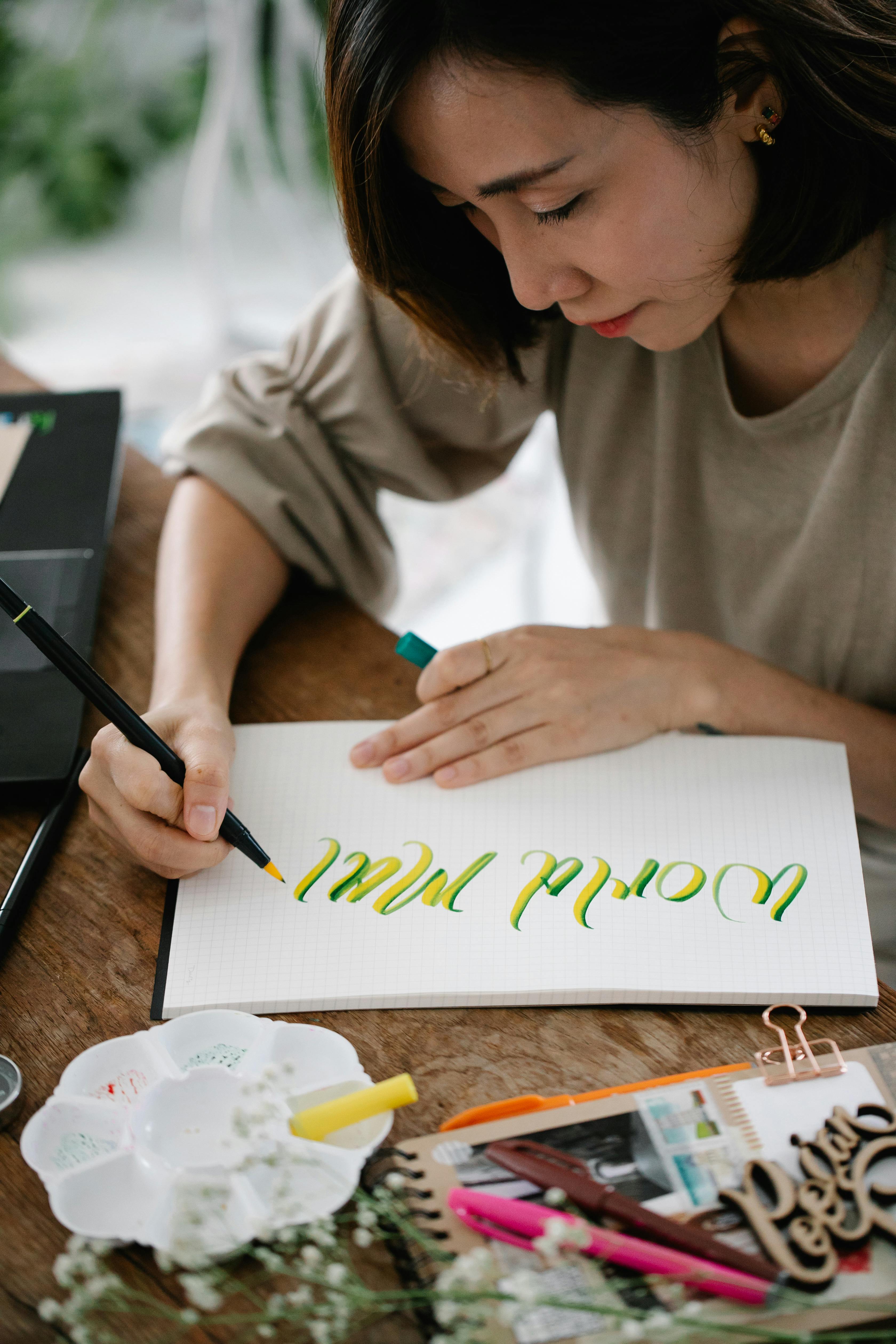 [credit](https://images.pexels.com/photos/8715940/pexels-photo-8715940.jpeg), [licence](https://creativecommons.org/public-domain/) - **Pros:** Incredibly affordable, very portable, solid performance, excellent battery-free pen, good Android/ChromeOS compatibility. - **Cons:** Small drawing area can feel cramped for those who like to use their whole arm to draw, limited express keys, not ideal for very large monitors without careful mapping. ### The "Best All-Rounder" for Most Beginners: Wacom Intuos S (or M) Wacom isn’t just a brand name; for a long time, it *was* the brand name, practically synonymous with "drawing tablet." And for good reason – they were the undisputed pioneers, setting the gold standard. The Intuos line remains the tried-and-true workhorse of the beginner and hobbyist world: flawlessly built, boasting incredibly stable and reliable drivers (which, trust me, can be a *massive* deal for a smooth, frustration-free workflow!), and delivering a consistently superb, natural pen-on-tablet feel. A huge bonus is that it often comes with bundled art software (like Clip Studio Paint Debut, Corel Painter Essentials, or even a few months of Adobe Fresco) to get you creating right out of the box. This added value makes the initial investment even more palatable. While competitors have caught up in many areas, Wacom's reputation for longevity and driver consistency is still a significant advantage, often translating to less troubleshooting and more drawing time – a priceless commodity for a beginner! While the Small (S) version is excellent for portability, if you can stretch your budget even slightly, the Medium (M) is a phenomenal long-term investment. Its larger active area offers superior comfort and allows for a wider, more natural range of motion from your arm and shoulder, drastically reducing fatigue over long drawing sessions. This is a piece of gear built to last, easily carrying you from absolute beginner well into your intermediate artistic phases, proving its worth over years of dedicated use.  [credit](https://images.pexels.com/photos/750913/pexels-photo-750913.jpeg), [licence](https://creativecommons.org/public-domain/) - **Pros:** Industry-standard reliability, exceptional pen feel and build quality, comes with free software, superb driver support. - **Cons:** More expensive than comparable competitors, design can feel a little 'safe' compared to flashier display tablets. ### The "I *Really* Want a Screen" Entry Point: XP-Pen Artist 12 (2nd Gen) If the very idea of drawing on a screen-less slate simply doesn't resonate, if your soul *craves* that direct, immediate visual feedback, then the XP-Pen Artist 12 (2nd Gen) stands out as one of the finest entry-level pen displays on the market. Its 11.6-inch screen is wonderfully bright, and the color accuracy is surprisingly decent for its price point (often covering a respectable 88% NTSC / 120% sRGB color gamut), making your artwork pop. The drawing experience is fantastic, largely thanks to a **fully laminated screen** (which dramatically reduces that pesky parallax effect and makes the pen feel closer to the cursor) and a highly responsive, battery-free pen with excellent pressure and tilt sensitivity. The express keys on the side are also a welcome addition for customizing shortcuts and speeding up your workflow. Its IPS display panel provides impressive **color accuracy** (often 88% NTSC / 120% sRGB or better) and wide **viewing angles**, ensuring your colors look consistent from almost any perspective. This tablet truly delivers that intuitive, direct drawing feel without the astronomical price tag of high-end models – a monumental win for aspiring artists eager to bypass the initial hand-eye coordination challenge. Yes, you will contend with cables (it typically requires a 3-in-1 cable connecting to HDMI and USB-A, and often an external power source – this is a reality for most display tablets!). And no, it’s not something you’ll casually toss in a backpack like a pen tablet. But for the immersive, intuitive, and joyous experience it provides, it's an exceptional value. For those ready to dive deeper into professional-grade options, our guide on the [top drawing tablets for digital artists](/finder/page/top-drawing-tablets-for-digital-artists) offers a more comprehensive look, exploring even more advanced features.  [credit](https://images.pexels.com/photos/17094501/pexels-photo-17094501.jpeg?cs=srgb&dl=pexels-amar-17094501.jpg&fm=jpg), [licence](https://creativecommons.org/public-domain/) - **Pros:** Amazingly affordable for a display tablet, good screen quality with respectable color accuracy, feels intuitive and natural to draw on thanks to the laminated screen, excellent value for a direct drawing experience. - **Cons:** Lots of cables (it typically requires a 3-in-1 cable connecting to HDMI and USB-A, and often an external power source – this is a reality for most display tablets, so be prepared for a bit of cable management!), not very portable, still requires a connection to a computer for full functionality, potential for reflections on the glossy screen (though a matte screen protector can help!). (Investing in an **adjustable stand** is highly recommended for ergonomics and comfort, trust me on this one!) ### The "I Want a Screen, But on a Budget" Alternative: Huion Kamvas 13 Alright, I just raved about the XP-Pen Artist 12, but fair is fair: if you’re exploring the affordable pen display category, the Huion Kamvas 13 is an equally formidable contender. These two often go head-to-head, offering remarkably similar performance and features, meaning your ultimate choice might simply come down to brand preference or which one offers a better deal at the moment! It's another superb pathway to that coveted 'drawing on screen' experience without the painful price tag.  [credit](https://images.pexels.com/photos/4348090/pexels-photo-4348090.jpeg), [licence](https://creativecommons.org/public-domain/) The Kamvas 13 features a slightly larger 13.3-inch screen that truly boasts vibrant colors (often exceeding 120% sRGB coverage), and its battery-free pen is wonderfully responsive, complete with excellent tilt support. The build quality, frankly, feels surprisingly premium for its price. Huion, like XP-Pen, has also significantly improved its driver support, which is a massive plus for reliability and a smoother creative process. What’s more, some versions of the Kamvas 13 offer **USB-C to USB-C connectivity**, meaning a single cable can handle both power and data with compatible devices (like newer laptops or Android phones/tablets) – a huge win for cable management and portability compared to the often-tangled mess of 3-in-1 cables! This streamlined connectivity is a feature I personally value greatly and makes setting up and tearing down your workspace much quicker, which is a big deal when you're itching to create. While largely a matter of personal preference, you genuinely cannot go wrong with either the XP-Pen Artist 12 or the Huion Kamvas 13 for an entry-level display tablet, as both offer excellent drawing experiences at an accessible price point, making them formidable contenders in the beginner market.  [credit](https://upload.wikimedia.org/wikipedia/commons/5/5c/Frida_Kahlo_by_Damien_Linnane.png), [licence](https://creativecommons.org/licenses/by-sa/4.0) - **Pros:** Great screen quality, excellent pen accuracy, often includes useful accessories, strong competitor to XP-Pen. - **Cons:** Still requires cables and a computer, not ideal for portability, slight learning curve for drivers. ### What About an iPad? – The Allure of Apple for Digital Art Let's be unequivocally clear: an iPad paired with an Apple Pencil is, objectively, a truly phenomenal drawing tool. The Procreate app, exclusive to iPad, is a world-class, professional-grade beast, yet it costs very little, offering an astonishingly powerful experience for a fraction of the price of traditional desktop software. The Apple Pencil itself is a masterpiece of design, boasting incredibly low latency (meaning virtually no lag between your stroke and what appears on screen), pixel-perfect precision, and superb pressure and tilt sensitivity, making drawing feel eerily natural. Here's the critical distinction: if you *already* own a compatible iPad (even an older model like an iPad Air or an older Pro can be fantastic with the correct Apple Pencil generation), then purchasing the Apple Pencil is an absolute, unequivocal no-brainer. It instantly transforms your existing tablet into a remarkably powerful, portable art studio, allowing you to create high-quality art on the go. However – and this is a colossal "however" – if you *don't* already own an iPad, buying one *solely* for drawing represents a significantly more expensive entry point compared to a dedicated pen tablet or display. The same logic applies to high-end Android tablets like the Samsung Galaxy Tab S series, which also offer excellent stylus support and drawing apps. You’re essentially investing in an entire ecosystem, a powerful mobile computer capable of infinitely more than just drawing, and a suite of other functionalities you might not need for purely artistic pursuits. While its versatility and portability are unmatched, if budget is your paramount concern, there are far more focused and affordable paths into digital drawing. Its true strength lies in its sublime all-in-one nature, but that comes at a premium, making it a serious investment. Also, remember that while Apple Pencil latency is industry-leading, you'll still be drawing on a glossy glass screen, which can be a reflection magnet outdoors and lacks the satisfying texture of paper – a common reason many artists add matte screen protectors to their iPads.  [credit](https://upload.wikimedia.org/wikipedia/commons/e/e9/Judy_Chicago_with_flight_hood.jpg), [licence](https://creativecommons.org/licenses/by-sa/4.0) 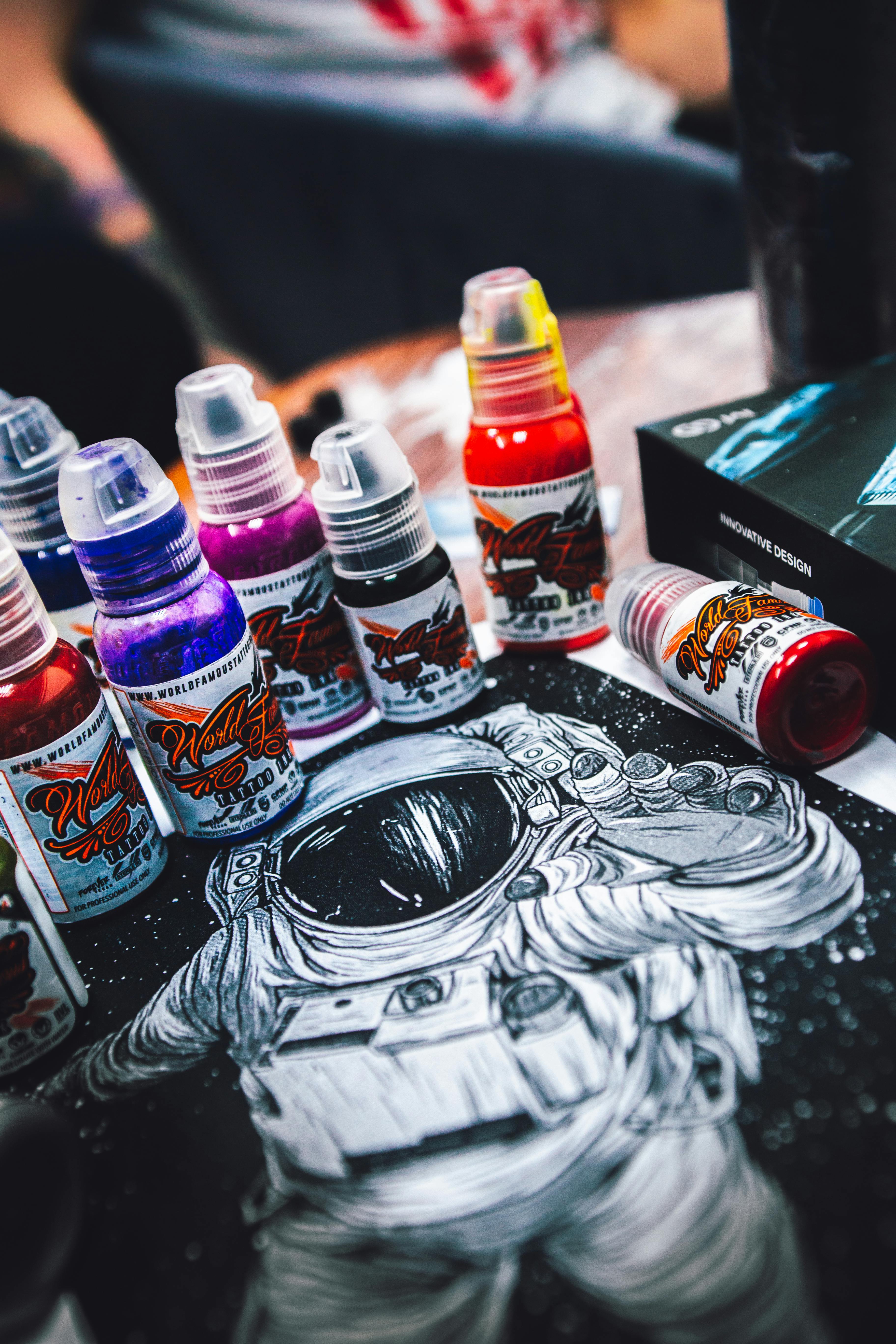 [credit](https://images.pexels.com/photos/8699309/pexels-photo-8699309.jpeg), [licence](https://creativecommons.org/public-domain/) ## Setting Up Your Workspace & First Digital Steps: From Box to Brushstroke Alright, you've got your tablet, you've got your software (hopefully one of the amazing free options to start!). Now what? This is the exciting part! Getting set up properly can make a huge difference in your early experience, preventing frustration and encouraging consistent practice. Don't skip these steps – a little preparation goes a long way to a smoother creative journey, and can even prevent those dreaded early creative blocks! 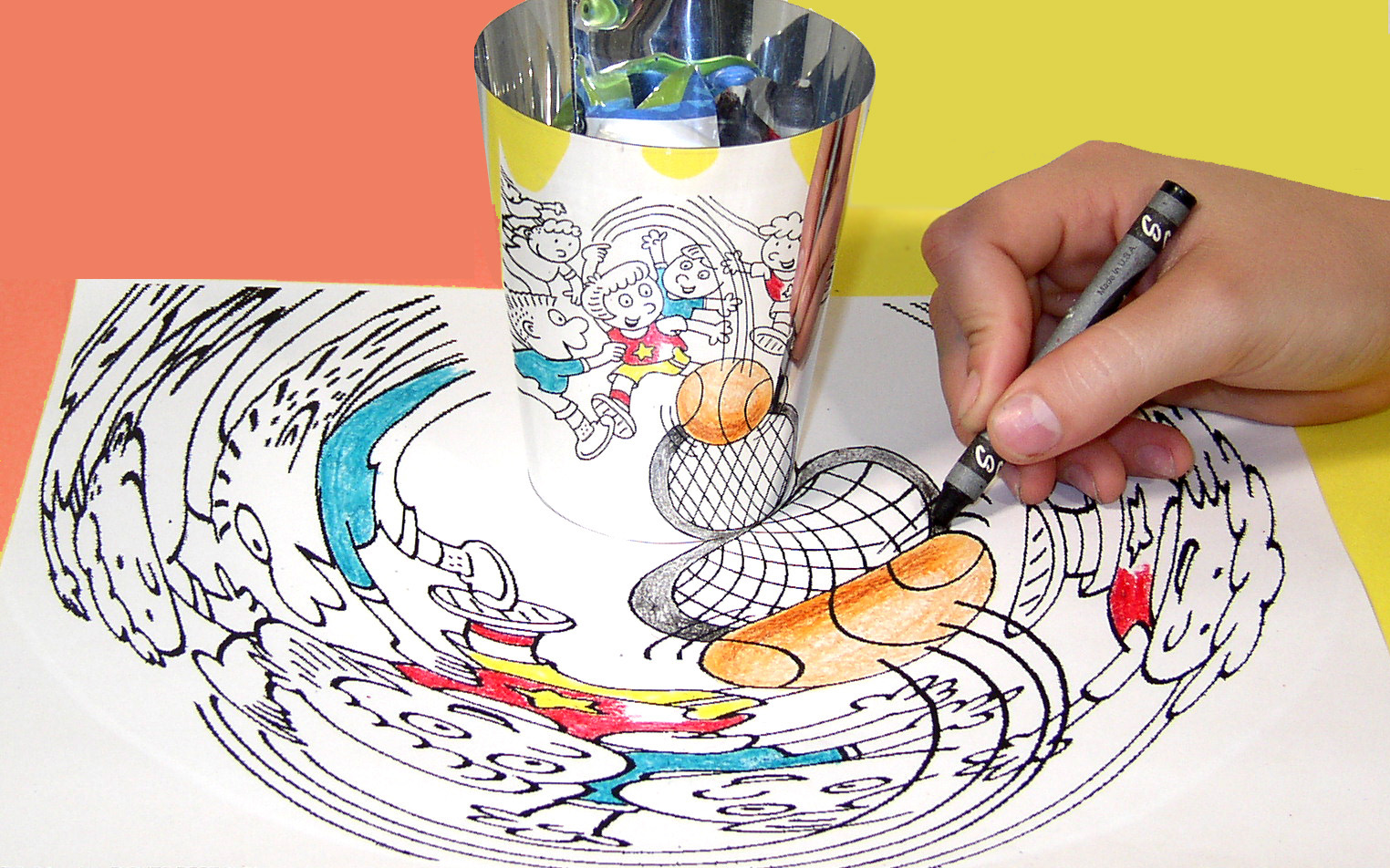 [credit](https://upload.wikimedia.org/wikipedia/commons/5/56/Anamorphic_art_toy_by_OOZ_%26_OZ.jpg), [licence](https://creativecommons.org/licenses/by-sa/3.0) ### 1. **Physical Setup: Comfort is King** * **Pen Tablet:** Position it comfortably on your dominant side, within easy reach. Make sure your arm has plenty of space to move freely, using your shoulder and elbow more than just your wrist. Your main computer monitor should be directly in front of you, at eye level, to avoid neck strain. Good, even lighting (preferably natural light or balanced LED lighting) is always a plus to reduce eye fatigue and ensure accurate color perception! * **Pen Display:** If possible, invest in an adjustable stand that allows you to tilt the display to a comfortable drawing angle. This is a game-changer for ergonomics and long drawing sessions. Ensure your chair is ergonomic and your desk height is suitable. Think about minimizing glare from windows or overhead lights – a matte screen protector can help immensely here. Proper lighting also prevents color shifts on your screen, which is crucial for accurate artwork. Good cable management is also key to a tidy and inspiring workspace. Trust me, a tangled mess of wires can severely impact your peace of mind and, by extension, your creative flow! A dedicated, well-lit space can make all the difference in fostering creativity. * **Tablet Computer:** The beauty here is flexibility. Draw on a table, on your lap, or even propped up on a pillow. Just be mindful of your posture during longer sessions. A simple case that doubles as a stand can be really helpful. Consider a matte screen protector here too, for both protection and a more paper-like drawing feel. Always be aware of potential reflections from glossy screens, especially if working outdoors or near strong light sources. Position yourself to minimize these distractions for optimal viewing and comfort. Consider your chair, your desk height, and the ambient light. These small adjustments can have a massive impact on your comfort and ability to focus for extended creative sessions. ### 2. **Install Drivers (Crucial!)** This is, without an ounce of exaggeration, the single most common beginner mistake and the wellspring of untold frustration! You absolutely, unequivocally *must* install the latest, correct drivers for your specific tablet model. Do NOT just plug it in and expect it to work perfectly with generic system drivers. Generic drivers are the enemy of functionality, often lacking crucial features like pressure sensitivity, tilt recognition, and express key activation. They also lead to laggy, unpredictable performance. Always download drivers directly from the manufacturer's official website (e.g., Wacom's support page, Huion's driver section, XP-Pen's download center). Here’s the ritual: 1. **Uninstall** any old or conflicting tablet drivers first. Go into your 'Programs and Features' (Windows) or 'Applications' (macOS) and remove anything related to other drawing tablets. 2. **Install** the new drivers you just downloaded. Make sure to run the installer as an administrator for Windows, and follow any on-screen prompts for macOS. 3. **RESTART YOUR COMPUTER!** (Seriously, this step is non-negotiable and solves 90% of issues). Your system needs a fresh start to properly integrate the new drivers. If you still encounter issues (e.g., no pressure, pen not recognized, erratic cursor movement), a quick search for your tablet model + "driver troubleshooting" online often yields community-tested solutions. Sometimes, it even involves rebooting *again* after a fresh driver install! Check your operating system's device manager to ensure the tablet is recognized correctly. This step is the foundation of a smooth digital art experience, and patiently working through it will save you countless headaches. 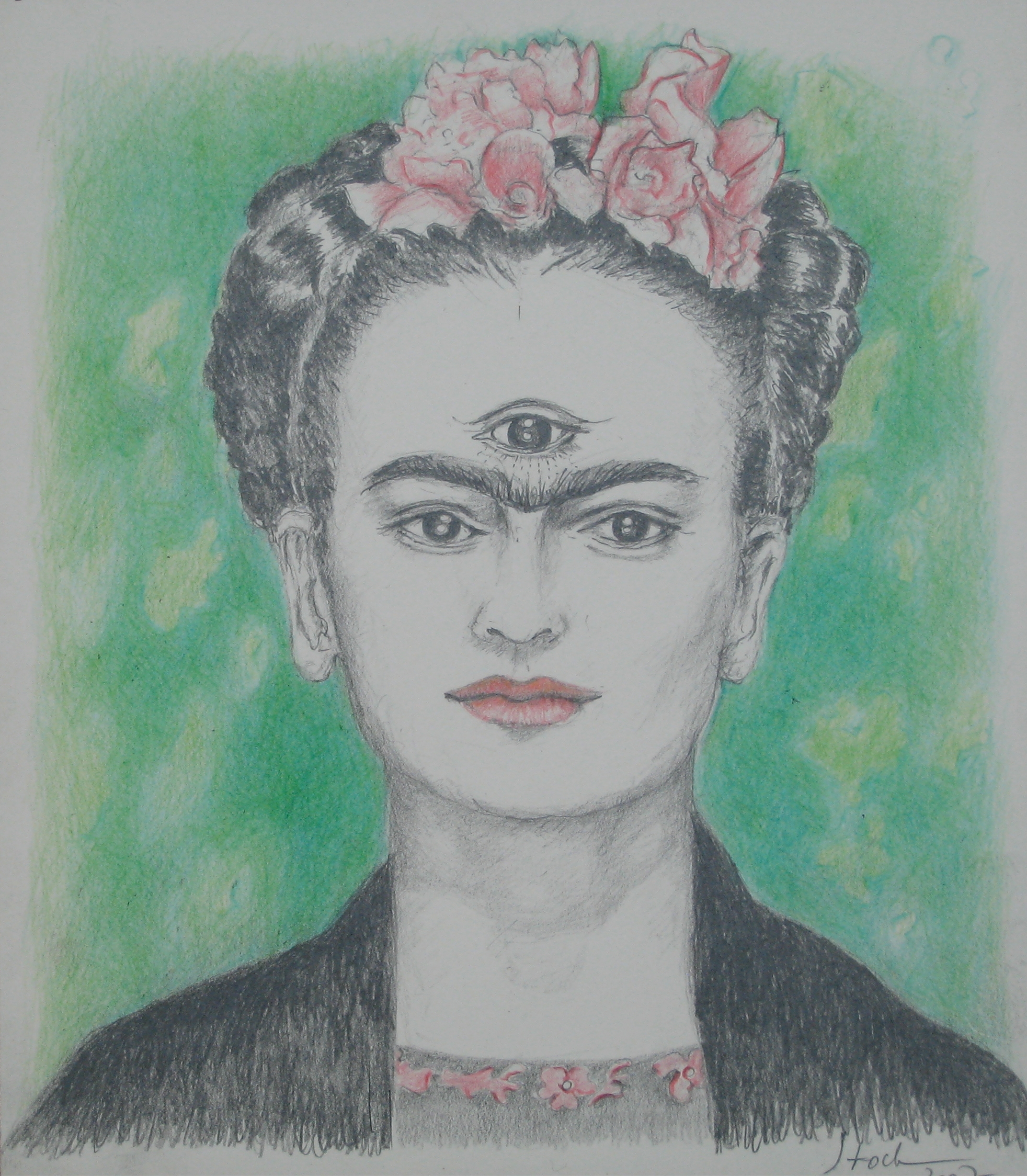 [credit](https://upload.wikimedia.org/wikipedia/commons/0/00/Ursula_Stock_-_Frida_Kahlo_%282007%29.jpg), [licence](https://creativecommons.org/licenses/by-sa/3.0/de/deed.en) ### 3. **Customize Settings** Once those drivers are successfully installed and your system happily recognizes your new tablet, it's time to dive into the tablet's dedicated settings panel (typically found in your system tray on Windows or Applications/System Preferences on macOS). This is where the magic of personalization happens, allowing you to truly optimize your workflow. Seriously, do NOT skip this step – it’s a game-changer! * **Map your active area:** This is paramount. Precisely adjust the tablet's drawing surface to correspond with your screen(s). If you have a multi-monitor setup, you’ll want to configure it to either one specific screen, across all of them (if you do expansive work), or even to a designated portion of a single screen, ensuring accurate and comfortable cursor movement. Experiment to find what feels most natural to you and avoids any awkward stretching or cramped movements. This customized mapping is crucial for seamless hand-eye coordination. Some advanced settings even allow for different mappings per application! * **Adjust pressure curves:** This is incredibly powerful for customizing the pen's feel to your unique hand strength and artistic style. Do you have a naturally light touch? Adjust for more sensitivity, so you don't have to press hard for soft lines. Do you press heavily? Make it less sensitive to avoid maxing out pressure too quickly. I, for one, often prefer a slightly softer curve, which allows for more delicate lines and subtle shading without needing to exert excessive force. Experiment here until the pen feels like a natural extension of your hand! This personalized calibration can make a huge difference in your drawing comfort and expressive capabilities, directly impacting how naturally your strokes translate to the digital canvas. * **Program express keys:** This is where you reclaim valuable creative time. Assign your absolute most-used shortcuts (think Undo, Redo, Zoom In/Out, switching brushes, activating the Eraser, Eyedropper tool, quickly navigating layers, or even opening specific menus) to the physical buttons on the tablet itself and/or the buttons on your pen. This dramatically accelerates your workflow, allowing you to keep your focus locked on your canvas, minimizing those disruptive trips to the keyboard. Start with 2-3 essential shortcuts and build from there. You'll be amazed at how quickly these personalized settings become second nature and streamline your entire artistic process, turning tedious clicks into fluid motions. It's truly about making the technology disappear so your creativity can shine through unimpeded. ### 4. **Basic Exercises: Get Comfortable** Don't jump straight into a masterpiece. Spend some time just getting to know your new tool:  [credit](https://live.staticflickr.com/5212/5454669006_bb04afd303_b.jpg), [licence](https://creativecommons.org/licenses/by-sa/2.0/) * **Scribble, doodle, draw circles and straight lines.** Focus on consistency. * **Practice varying pressure:** See how light and heavy strokes affect your lines. * **Try quick gesture drawings:** Loosen up your arm and get used to the flow. * **Experiment with different brushes:** See how they feel and what effects you can achieve. Remember, it's a new skill, and like learning to play an instrument, it takes practice. Be patient with yourself, have fun, and don't be afraid to make mistakes – that's what the Undo button is for!  [credit](https://live.staticflickr.com/128/405945367_724b282004_z.jpg), [licence](https://creativecommons.org/licenses/by-nc-nd/2.0/) ## Common Misconceptions About Drawing Tablets – Debunking the Myths Before we wrap up with some burning questions, I want to tackle a few common myths or anxieties that often swirl around the idea of getting a drawing tablet. Clearing these up can save you unnecessary stress and help you focus on what truly matters: your art. It’s a bit like clearing away the fog from a beautiful landscape – once the myths are gone, the true path to creativity becomes clear. ### 1. "I Need to Spend a Fortune to Get a Good Tablet." – The Truth About Affordability This is probably the biggest misconception out there, and it's a huge barrier for many aspiring artists. The truth? Absolutely not! As we've discussed, you can acquire an incredibly capable, high-quality screen-less pen tablet for under $100. These budget-friendly options offer excellent pressure sensitivity and a reliable drawing experience that is more than sufficient for learning and creating fantastic digital art. The industry has matured, and competition from brands like Huion and XP-Pen means incredible value for beginners, often bundling software or accessories. Don't let price tag anxiety stop you; your creativity is the most valuable asset, not the cost of your tools. A simple, affordable tablet can spark a creative revolution in your life, far more effectively than an expensive one gathering dust in a drawer. The advancements in technology mean that even entry-level tablets today outperform professional-grade tablets from a decade ago, offering astonishing precision and responsiveness at a fraction of the cost.  [credit](https://www.pexels.com/photo/creative-art-studio-with-brushes-and-paints-29589096/), [licence](https://creativecommons.org/public-domain/)  [credit](https://images.pexels.com/photos/7263852/pexels-photo-7263852.jpeg), [licence](https://creativecommons.org/public-domain/) ### 2. "Digital Art is 'Cheating' or Less Authentic Than Traditional Art." – A Creative Myth Debunked Oh, this one gets my goat! This outdated notion couldn't be further from the truth. Digital art is simply another medium, just like oil paint, charcoal, or watercolor. It requires immense skill, practice, understanding of color, composition, anatomy, and technique. The tools are different, but the artistic principles are the same. A [digital artist](/finder/page/the-rise-of-digital-abstract-art-a-new-frontier-for-collectors) faces unique challenges (like mimicking natural media, managing layers, understanding color profiles, and managing digital file formats) just as a [traditional artist](/finder/page/qa-with-an-ai-artist-exploring-the-intersection-of-algorithms-and-creativity) faces theirs. It's an expansion, not a replacement, and certainly not "cheating." Embrace all mediums! If anything, being proficient in both traditional and digital media makes you a much more versatile and adaptable artist, capable of tackling any creative challenge that comes your way. If you're passionate about traditional art, explore our guide on [essential drawing supplies for beginners](/finder/page/essential-drawing-supplies-for-beginners) or dive deep into the [best sketching pencils for artists](/finder/page/best-sketching-pencils-for-artists) – the foundational skills are surprisingly transferable! After all, a solid understanding of light, shadow, form, and composition is universal, whether you're working with charcoal or pixels. ### 3. "I'll Never Get Used to the Hand-Eye Coordination of a Screen-Less Tablet." – Adaptability is Your Superpower While this is often the initial hurdle, it's also one of the quickest to overcome with consistent practice. Your brain is a marvel of adaptability! Think of it like learning to drive a car – initially, every action feels deliberate and awkward, but very quickly, it becomes second nature. Most people report feeling comfortable with the disconnect within a few days to a week of dedicated drawing. Your brain is incredibly adept at adapting, and with consistent practice, that initial awkwardness quickly fades into subconscious muscle memory. Don't let this perceived difficulty deter you from the fantastic ergonomic and cost-saving benefits of a pen tablet. It's a small hump to get over for a lifetime of creative freedom. Many seasoned artists even prefer the ergonomic advantages of a screen-less tablet, so don't dismiss it before you've given it a fair shot! ### 4. "Digital Art Lacks 'Soul' or Personal Touch." – The Artist, Not the Medium, Creates Soul This one really misses the point! The "soul" or personal touch in art comes from the artist's vision, emotion, and intentionality, not the tools they use. Whether you're working with oil paint or pixels, your unique style, your brushstrokes (digital or physical), your color choices, and your narrative are what infuse a piece with meaning. Digital art allows for an astonishing range of personal expression, from hyper-realistic paintings to expressive abstract works, all imbued with the artist's unique fingerprint. The medium is merely a conduit; the soul resides within you. ### 5. "I Need All the Latest Features and Highest Specs." – Focus on What Truly Matters for Growth Manufacturers love to dazzle you with numbers: 8192 pressure levels, 5080 LPI, 4K resolution screens. While impressive on paper, many of these high-end specs offer diminishing returns, especially for beginners. You won't notice the difference between 4096 and 8192 pressure levels for a long, long time, if ever. Focus on core functionality: good pressure sensitivity, a comfortable drawing area, and reliable drivers. These foundational elements will have a far greater impact on your progress and enjoyment than chasing the highest numbers on a spec sheet. Spend your mental energy on learning artistic fundamentals, not on chasing marginal technical improvements. Your growth as an artist comes from doing, experimenting, and understanding principles, not from having the flashiest gear. Remember, a master chef doesn't need the most expensive knife to create incredible food; they need skill and understanding. Manufacturers love to dazzle you with numbers: 8192 pressure levels, 5080 LPI, 4K resolution screens. While impressive on paper, many of these high-end specs offer diminishing returns, especially for beginners. You won't notice the difference between 4096 and 8192 pressure levels for a long, long time, if ever. Focus on core functionality: good pressure sensitivity, a comfortable drawing area, and reliable drivers. These foundational elements will have a far greater impact on your progress and enjoyment than chasing the highest numbers on a spec sheet. Spend your mental energy on learning artistic fundamentals, not on chasing marginal technical improvements. Your growth as an artist comes from doing, experimenting, and understanding principles, not from having the flashiest gear.  [credit](https://live.staticflickr.com/7341/27223038065_a12510ddac_b.jpg), [licence](https://creativecommons.org/licenses/by-nc/2.0/) ### 6. "I Can't Create 'Real' Art Without Adobe Photoshop." – Exploring the Rich Software Landscape While Photoshop is an industry standard and a powerful tool, it is by no means the only path to professional-level digital art. There's a vibrant ecosystem of powerful (and often free or much more affordable) alternatives like Krita, Clip Studio Paint, Procreate, and Autodesk Sketchbook. Many professional artists use these alternatives exclusively, proving that the tool doesn't define the artist. The software is just a tool; your skill and vision are what truly create the art. Don't feel locked into an expensive subscription if other options suit your needs (and wallet!) better. The software choice should empower you, not imprison you in a monthly fee you don't need. While Photoshop is an industry standard and a powerful tool, it is by no means the only path to professional-level digital art. There's a vibrant ecosystem of powerful (and often free or much more affordable) alternatives like Krita, Clip Studio Paint, Procreate, and Autodesk Sketchbook. Many professional artists use these alternatives exclusively. The software is just a tool; your skill and vision are what truly create the art. Don't feel locked into an expensive subscription if other options suit your needs (and wallet!) better. The software choice should empower you, not imprison you in a monthly fee you don't need.  [credit](https://images.pexels.com/photos/18516626/pexels-photo-18516626/free-photo-of-man-painting-a-landscape.jpeg), [licence](https://creativecommons.org/public-domain/) ## FAQ: The Stuff Everyone Wonders About The journey into digital art, especially with a new piece of tech, can feel a bit like navigating a dense, enchanted forest. It's completely natural to be brimming with questions! So, I've compiled some of the most common inquiries I hear from aspiring digital artists, along with my honest, no-nonsense answers, drawn from years of experience and countless hours spent sketching pixels. This is the stuff everyone secretly wonders about, but might be too shy to ask!  [credit](https://images.pexels.com/photos/10474128/pexels-photo-10474128.jpeg), [licence](https://creativecommons.org/public-domain/) ### How much should I spend on my first drawing tablet? Honestly? As little as possible, without compromising on core quality. I'm a fierce advocate for starting small and strategically. You can find truly fantastic, high-quality beginner pen tablets in the $50-$100 range – sometimes even less on sale. My seasoned advice is to allocate your initial budget towards a solid, reliable tablet that simply *works* without fuss, and then lean heavily into the incredible world of free and low-cost software options. The overarching goal is to minimize your initial financial commitment while maximizing your learning and comfort with the digital workflow. You can (and probably will!) always upgrade your hardware later, once you've genuinely discovered which features are non-negotiable for your evolving artistic style. The priority isn't owning the most expensive gadget; it's cultivating consistent creative habits and a deep understanding of the digital medium. Remember, the true investment is in your skills, not just the gear.  [credit](https://images.pexels.com/photos/31769062/pexels-photo-31769062.jpeg?cs=srgb&dl=pexels-allanglezg-31769062.jpg&fm=jpg), [licence](https://creativecommons.org/public-domain/) ### Is Wacom still the best brand? For many, many years, Wacom was, without any doubt, the undisputed emperor of the digital art world. They pioneered the technology, innovated relentlessly, and set *the* standard for professional artists. They absolutely remain a top-tier, premium brand, revered for their exceptional build quality, industry-leading driver stability (a huge factor in preventing headaches!), and an incredibly refined, almost magical pen experience. However, the digital art landscape has undergone a dramatic, wonderful transformation over the last decade. Companies like Huion and XP-Pen have emerged as incredibly competitive forces, offering astonishing quality, fantastic features (like vibrant laminated screens and responsive battery-free pens), and increasingly robust driver support – all for a fraction of Wacom's premium price. For beginners, hobbyists, and even a significant number of intermediate and professional artists, I wholeheartedly recommend exploring Huion and XP-Pen. You get an immense amount of "bang for your buck," and their products are more than capable of supporting your learning, evolving skills, and even professional projects. It truly is a fantastic era to be an aspiring digital artist, with such a wealth of high-quality, accessible options. Ultimately, the 'best' brand now depends more on individual needs and budget than a single, undisputed champion. For many, the value proposition of a Huion or XP-Pen far outweighs the premium cost of a Wacom, especially when starting out. So, don't feel like you *have* to get a Wacom if your budget or preferences lean elsewhere; the competition is fierce, and that benefits us, the artists! The democratization of digital art tools means more choice and better value for everyone, and that's something to celebrate. ### Do I need a screen on my drawing tablet? Need a screen? Absolutely not. Want one? Perhaps. This is genuinely a matter of profound personal preference, and there’s no universally "right" or "wrong" answer. However, I consistently, almost religiously, suggest that beginners start with a screen-less pen tablet. Here’s why: if you can conquer that initial, slightly baffling hand-eye coordination (which, I promise, typically takes only a few days of consistent practice to become second nature), you will save a significant amount of money. That "mental leap" of drawing on one surface while looking at your monitor really does quickly fade into subconscious muscle memory.  [credit](https://commons.wikimedia.org/wiki/File:Screen_printing_at_NTAS.jpg), [licence](https://creativecommons.org/licenses/by-sa/4.0) If, after immersing yourself in digital art, you fall head over heels in love and find yourself desperately craving that direct, "pen-on-glass" drawing experience, you can absolutely always upgrade to a pen display later. It's a natural progression. What’s more, many seasoned professional artists, including myself for certain tasks, continue to use pen tablets regularly for their superior ergonomic benefits, incredible portability, and pinpoint precision. This unequivocally proves that a screen isn't a prerequisite for creating professional-grade work; it's simply *a* way to do it. So don't let anyone tell you otherwise! The best setup is the one that makes *you* most comfortable and productive. 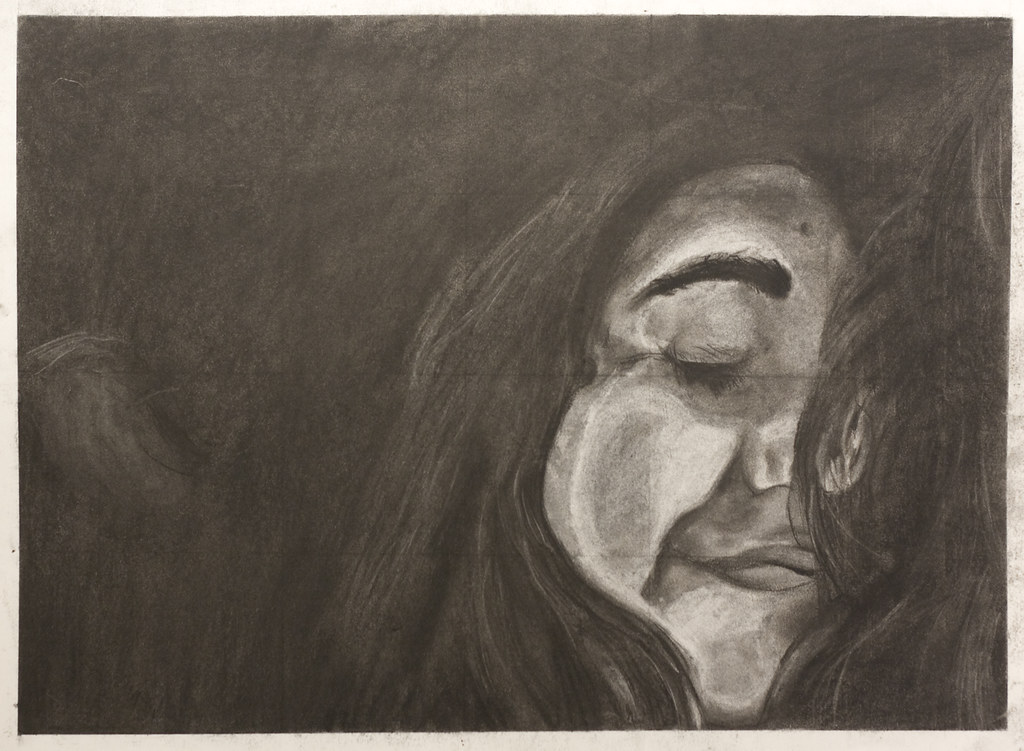 [credit](https://live.staticflickr.com/4146/5079854007_47a6d2f481_b.jpg), [licence](https://creativecommons.org/licenses/by/2.0/) ### What's the hardest part about switching from paper to a tablet? For screen-less pen tablets, the undisputed hardest part is that initial, slightly baffling **hand-eye coordination**. Your brain has to build a new neurological pathway – drawing here, looking there – and it feels profoundly unnatural for a short while. For *all* tablets, however, a common hurdle is the palpable **lack of physical texture**. Drawing on a smooth, often glossy, plastic or glass surface feels radically different from the satisfying "tooth" and resistance of traditional paper. It can feel slippery, less tactile, and even a bit disconnected at first. Thankfully, many companies now offer textured screen protectors that do an excellent job of mimicking the feel of paper, which helps immensely. It's like putting a fine-tooth paper surface onto your tablet, providing that satisfying drag you might miss. It’s like putting a fine-tooth paper surface onto your tablet! Beyond the physical, another often- overlooked challenge is adapting to the entire **digital workflow**. This involves learning fundamental concepts like **layers** (a superpower you don't have in traditional art!), various **file formats** (and when to use which for web, print, or saving), robust **saving practices** (Ctrl+S/Cmd+S is your new best friend, and using version control is a lifesaver!), and effectively utilizing digital-only tools that have no physical equivalent (like transform tools, masks, or blend modes). But here’s the wonderful news: your brain and hand are astonishingly adaptable. Give it time, be patient, and embrace the learning curve! The initial awkwardness is a rite of passage for every digital artist. Just keep at it, and before you know it, that seemingly insurmountable wall will become a familiar, comfortable path. ### How long does it take to get used to a pen tablet? For that initial hand-eye coordination with a screen-less pen tablet, most aspiring artists report feeling a significant shift towards comfort within just a few days to a week of *consistent* practice. It’s remarkably similar to learning to type without constantly staring at your keyboard – awkward initially, then suddenly, it's second nature. The more you engage with it, the faster that precious muscle memory solidifies.  [credit](https://upload.wikimedia.org/wikipedia/commons/2/2b/Plein_Air_Painter_at_an_Easel_MET_DP834385.jpg), [licence](http://creativecommons.org/publicdomain/zero/1.0/deed.en) The adjustment to the lack of paper texture on *any* tablet (screen-less or display) often takes a little longer, as it requires adapting your drawing style and pressure, learning how different digital brushes respond, and getting comfortable with blending techniques. But you will absolutely find your rhythm. The key, above all else, is consistent, focused practice; even short, dedicated 15-30 minute sessions daily can yield astonishing improvements remarkably quickly. 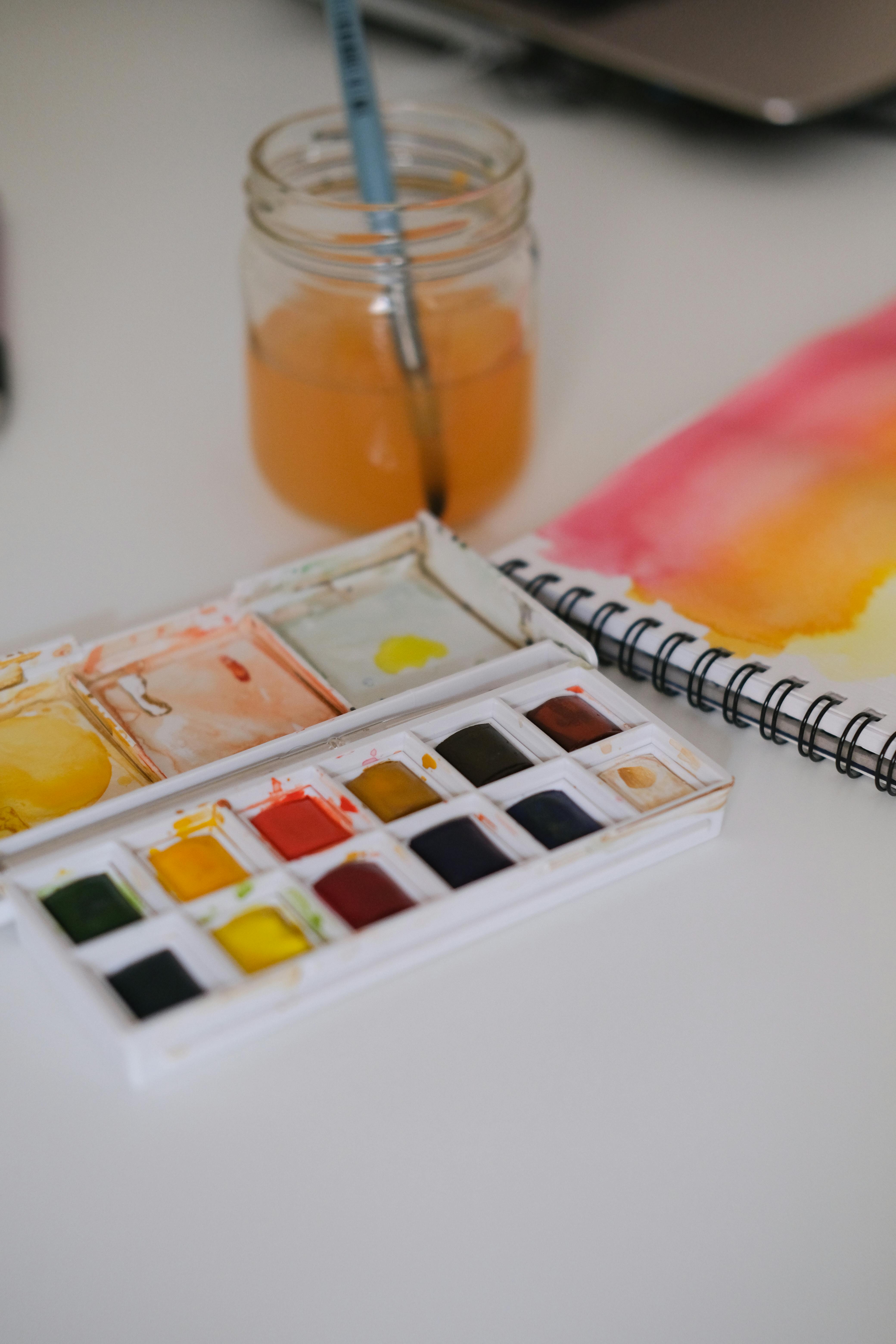 [credit](https://images.pexels.com/photos/13600524/pexels-photo-13600524.jpeg), [licence](https://creativecommons.org/public-domain/) ### Can I connect a drawing tablet to my phone or another tablet? Yes, absolutely! This is an increasingly common and incredibly useful feature. Many newer pen tablets, particularly from brands like Huion and XP-Pen, now proudly boast compatibility with Android phones and tablets. Some even extend support to ChromeOS, allowing you to pair your drawing tablet with a Chromebook. This opens up amazing possibilities for truly mobile drawing, enabling you to create on the go using just your tablet and a capable smartphone or existing Android tablet. It's wonderfully convenient for sketching ideas or working on smaller projects when a full computer isn't available. It's important to note that most pen displays, by their very nature, still typically require a full computer to function as a display and input device. However, high-end tablet computers (like iPads or Samsung Galaxy Tabs) are entirely self-contained units and don't require an external device to draw. Always, always, always check the product specifications and driver compatibility carefully for your specific device and operating system before making a purchase, as not all phones or tablets support this functionality. ### What kind of maintenance do drawing tablets need? Generally, drawing tablets are surprisingly low-maintenance companions. The primary upkeep involves simply keeping the drawing surface clean. A soft, lint-free cloth is usually sufficient. If you have a display tablet, use a screen cleaner specifically formulated for electronics (like the kind you'd use for a monitor or TV) to avoid damaging any delicate screen coatings. Alcohol-based cleaners can strip protective layers, so always check the manufacturer's recommendations! A microfiber cloth is usually your safest bet for gentle cleaning. Beyond that, the most common "wear and tear" item you'll encounter is your pen nibs. These tiny tips will gradually wear down over time, much like a pencil lead. This wear actually creates a slightly softer, often more natural drawing feel! Most tablets include a generous supply of replacement nibs (often cleverly hidden in the pen stand or a secret compartment, so don't throw it out!). You can easily purchase more from the manufacturer when needed. The rule of thumb: replace them when they become noticeably short, sharp, or start to feel scratchy, both to ensure optimal drawing performance and to protect your tablet surface from potential micro-scratches. And, of course, if your pen is battery-powered, keeping it charged is your top priority! The most common "wear and tear" item you'll encounter is your pen nibs. These tiny tips will gradually wear down over time, much like a pencil lead. This wear actually creates a slightly softer, often more natural drawing feel! Most tablets include a generous supply of replacement nibs (often cleverly hidden in the pen stand or a secret compartment, so don't throw it out!). You can easily purchase more from the manufacturer when needed. The rule of thumb: replace them when they become noticeably short, sharp, or start to feel scratchy, both to ensure optimal drawing performance and to protect your tablet surface from potential micro-scratches. And, of course, if your pen is battery-powered, keeping it charged is your top priority! ### Do I need a powerful computer to use a drawing tablet? This is a common and very valid concern! For basic pen tablets (the screen-less kind), no, you absolutely do not need a beast of a computer. Most modern computers – laptops or desktops – from the last 5-7 years with a decent amount of RAM (8GB or more is ideal) and a relatively current processor will run a pen tablet and basic art software (like Krita or Sketchbook) without breaking a sweat.  [credit](https://images.pexels.com/photos/272980/pexels-photo-272980.jpeg), [licence](https://creativecommons.org/public-domain/) Where computer power *does* become a factor is when you're using: * **Pen Displays:** Since they are essentially external monitors, your computer is still doing all the heavy lifting of rendering the image and running the software. A smoother experience on a pen display often correlates with a more powerful graphics card in your computer. * **Resource-Intensive Software:** Programs like Adobe Photoshop, Clip Studio Paint with complex multi-layer files, or 3D sculpting applications (e.g., ZBrush, Blender) will benefit immensely from more RAM (16GB or higher is ideal for these), a faster multi-core processor, and a dedicated graphics card (especially for 3D or video editing). * **Very Large Canvases/Resolutions:** Drawing on a massive, high-resolution canvas (think 8K or larger) with many layers demands more from your system's RAM and processor, as well as storage for the large file sizes. So, while your tablet is just an input device, your computer is the engine. For beginners, start with what you have! If you hit performance bottlenecks later, you can always upgrade your computer components. Don't let the fear of needing a super-computer deter you from starting; you can create incredible art with modest specs. What's more important is having a dedicated space and time to create, even if it's just a corner of your living room and 30 minutes a day. ### What is pen latency? Ah, **pen latency** – it's one of those subtle yet profoundly impactful technical terms that can make or break your drawing experience. Simply put, latency refers to the **delay** between when you make a stroke with your pen on the tablet (or screen) and when that stroke *actually appears* on your screen. Think of it like this: if you’re writing with a real pencil, there's no delay; the graphite appears instantly. In the digital world, even tiny delays can feel unnatural and disconnected, making it harder to draw fluidly and accurately. High latency feels like you're drawing on wet paint, or that your pen is trying to catch up with your hand. Low latency, on the other hand, makes the experience feel incredibly responsive, intuitive, and almost like drawing with traditional media. 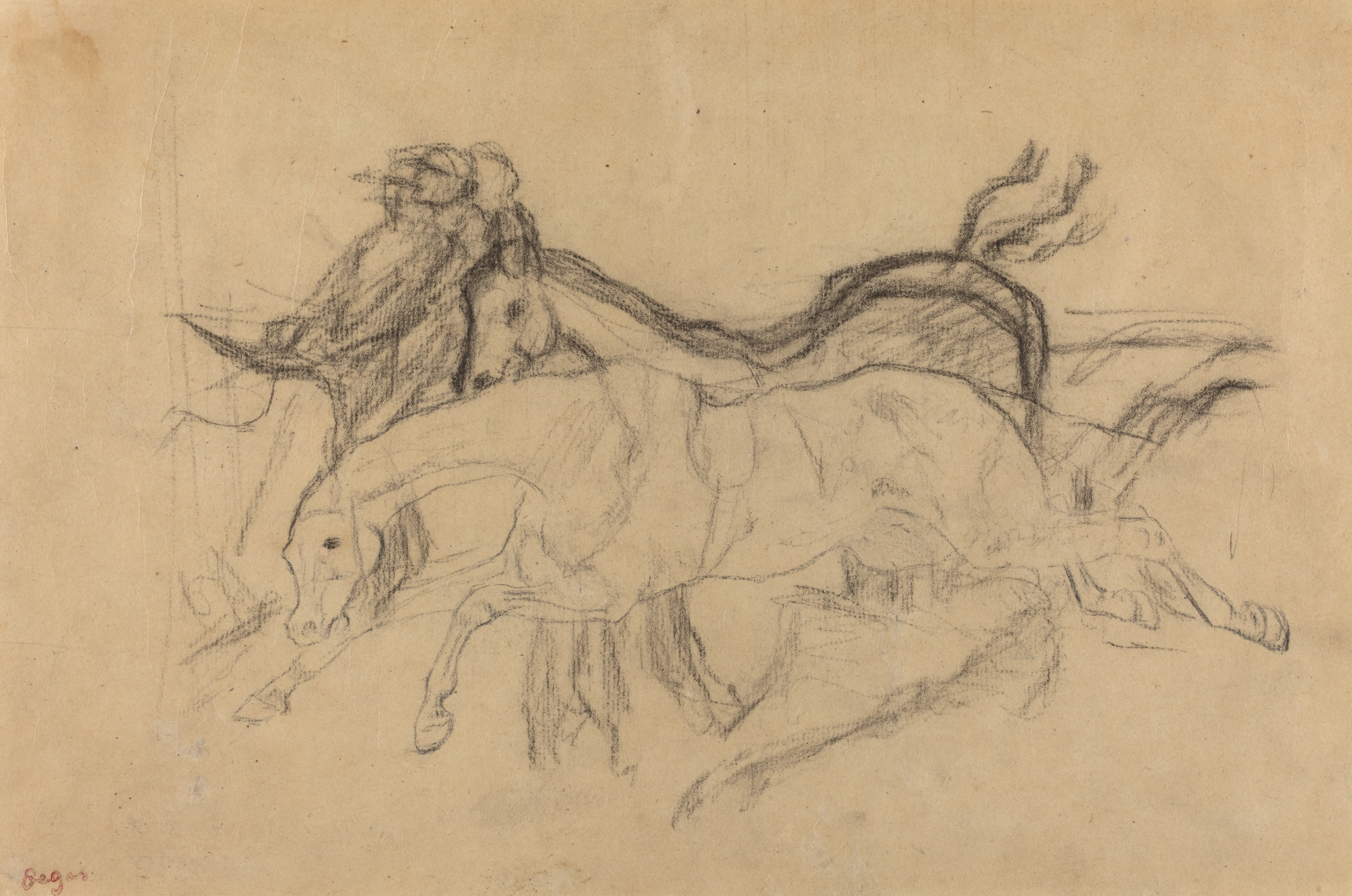 [credit](https://upload.wikimedia.org/wikipedia/commons/d/dc/Edgar_Degas%2C_Racehorses_%28study_for_%22Scene_from_the_Steeplechase_-_The_Fallen_Jockey%22%29%2C_c._1881%2C_NGA_94906.jpg), [licence](http://creativecommons.org/publicdomain/zero/1.0/deed.en) Modern, high-quality pens (especially those from Wacom, Apple Pencil, and newer Huion/XP-Pen models) boast incredibly low latency, often measured in mere milliseconds (e.g., <20ms). For beginners, while you might not immediately articulate "high latency," you'll *feel* it as a general "sluggishness" or "disconnect," where the line lags noticeably behind your pen tip. Low latency, conversely, creates a much more responsive, intuitive, and enjoyable drawing experience, making the digital canvas feel much more like traditional paper, fostering a seamless connection between your hand and your art. This responsiveness is what truly makes digital drawing feel like a natural extension of your artistic intention. ### Are refurbished tablets a good option for beginners? Yes, absolutely, unequivocally yes! Refurbished tablets, especially when purchased directly from reputable manufacturers (like Wacom or Huion's official refurbished stores) or trusted, certified electronics retailers, can be a phenomenal way to save a significant chunk of money while still acquiring a high-quality device. Think of it like buying a certified pre-owned car: these aren't just "used" devices; they've been inspected, repaired (if necessary), cleaned, and certified by the manufacturer or a reputable third party. They almost always come with a warranty, offering a crucial layer of protection that you won't get from buying used off a generic marketplace. It's a brilliantly smart way to gain access to more features or a slightly higher-end model than your budget might otherwise allow, especially for brands like Wacom that hold their value. Just make sure you understand the specifics of the warranty and always check reviews for the refurbisher to ensure their quality and customer service – peace of mind is invaluable. A refurbished tablet can be a savvy way to get more bang for your buck, a secret weapon in your budget-conscious quest for the perfect digital canvas.  [credit](https://images.zenmuseum.com/art/516/scan.jpeg), [licence](https://images.zenmuseum.com/art/516/scan.jpeg)  ### Do I need a screen protector for my pen display? While not strictly essential for the *functionality* of your pen display, I wholeheartedly recommend investing in a good screen protector for a multitude of compelling reasons. A quality screen protector offers several key benefits: 1. **Physical Protection:** It acts as a sacrificial layer, shielding your actual screen from scratches, minor impacts, and the general wear and tear of enthusiastic drawing (especially if you tend to press hard or have an accidental slip!). This can save you from costly screen repairs down the line. 2. **Glare Reduction:** Many protectors are specifically engineered to reduce glare from ambient light sources (windows, overhead lights), which can be an absolute godsend for eye comfort during long drawing sessions, allowing you to focus on your art rather than battling reflections. 3. **Enhanced Drawing Feel:** Perhaps most importantly for artists, a good screen protector can drastically improve the tactile drawing experience. The smooth, slick surface of glass feels very different from paper. Many artists swear by **matte, paper-feel screen protectors** because they introduce a subtle texture and friction, mimicking the satisfying drag of pen on paper. This makes a huge difference in how natural, controlled, and enjoyable drawing feels, making the transition from traditional media much smoother. So, while not strictly "needed," it's a fantastic upgrade that significantly enhances durability, comfort, and tactile feedback. Consider it an investment in your creative comfort and the longevity of your device. It's a small price to pay for peace of mind and a more enjoyable drawing experience. ## ## My Final Thought: Embrace the Digital Canvas The universe of digital art is, in a word, electrifying! Finding your very first drawing tablet truly marks a monumental, exhilarating leap into a new creative dimension. I know, I know – it probably feels like trying to drink from a firehose, an absolute torrent of information. But if you remember just one core message from our entire conversation, let it be this: don't overthink it, and for the love of creativity, definitely don't overspend. The "best" tablet for *you*, right here, right now, isn't the most expensive one, nor the one boasting the most features you'll never use. It's the one that perfectly aligns with your budget, feels genuinely comfortable in your workspace, and, most crucially, inspires you to consistently and joyfully pick up that digital pen. My parting wisdom? Start simple, truly lean into the fantastic free software options, and practice radical patience with yourself. The profound joy of creating digital art blossoms from the process itself, from the perpetual learning, and from the boundless, infinite possibilities that unfold. Remember this: the tablet is merely a tool, an extension; your innate creativity and imagination are the true superpowers. The most expensive brush won't make you a better painter, and the most advanced tablet won't make you a better artist – *you* are the magic ingredient. And who knows, maybe one day your art will inspire someone else to take their first digital steps, completing the cycle of creative generosity. So, take that deep, calming breath, choose your first digital canvas, and just *start* making something beautiful. The world (and I!) can't wait to see what you bring to life. And if you're ever curious about bridging the gap back to physical mediums or simply expanding your foundational art knowledge, you might find our guide on [essential drawing supplies for beginners](/finder/page/essential-drawing-supplies-for-beginners) incredibly helpful (because, let's be honest, traditional tools still utterly rock!), or even dive into the nuances of [best sketching pencils for artists](/finder/page/best-sketching-pencils-for-artists) for a deeper understanding of the tactile joys of graphite.  [credit](https://images.pexels.com/photos/141620/pexels-photo-141620.jpeg), [licence](https://creativecommons.org/public-domain/) And hey, if you ever find yourself staring at a blank digital canvas, feeling that familiar tug of overwhelm or hitting a [creative block](/finder/page/my-personal-strategies-for-overcoming-creative-blocks), remember this crucial truth: *everyone* starts somewhere. Every single artist, no matter how seasoned or celebrated, grapples with moments of doubt, frustration, and uncertainty. The single most important thing is to simply *start*, to keep experimenting with boundless curiosity, and to wholeheartedly embrace the exhilarating, messy, joyful process of learning. Happy drawing, my friend, and may your digital canvas forever hum with vibrant, limitless possibilities! ### Connect with My Art If you're inspired by the possibilities of digital art and want to see how these tools translate into expressive, vibrant pieces, I invite you to explore my own work. My art often blends abstract forms with rich, contemporary colors, aiming to evoke a sense of wonder and introspection – much like the journey of discovering a new creative medium. You can [discover my art](/buy) or learn more about my journey at the [Den Bosch Museum](/den-bosch-museum). Every piece tells a story, and perhaps, one day, your digital creations will too. I also sometimes share my process on my [timeline](/timeline).