# The Unlikely Canvas: Unlocking Artistic Potential with Paper Towels
Discover the surprising versatility of paper towels in art—from texture creation to cleanup hacks. Expert techniques, archival considerations, and real-world examples for artists of all levels.

The Unlikely Canvas: Unlocking Artistic Potential with Paper Towels
You know that satisfying rip when tearing off a fresh sheet of kitchen roll? The way it immediately soaks up spills without complaint? Yeah, me too. But what if I told you this humble household staple is hiding serious artistic potential? Seriously—I’ve spent countless hours experimenting with paper towels as mediums, tools, and even finished works. They’re the unsung heroes of our art kits, quietly waiting for their moment in the spotlight. Let’s dive into why these absorbent beauties deserve a place in your creative practice.
Paper towels are more than just a tool for cleaning up messes; they are a gateway to creativity. Whether you're a seasoned artist or just starting, paper towels offer a unique and accessible way to explore your artistic side. From texture creation to pigment absorption, their versatility is unmatched. So, grab a roll and let’s explore the endless possibilities together.
Why Paper Towels?
Paper towels are not just for cleaning; they are a versatile medium for artistic expression. Their absorbent nature makes them ideal for a variety of techniques, from blotting to sculpting. Whether you're experimenting with watercolors, acrylics, or mixed media, paper towels can add a unique texture and depth to your work. Let's explore why they are a must-have in your creative toolkit.
Accessibility and Affordability
One of the most significant advantages of using paper towels in art is their accessibility and affordability. Unlike traditional art supplies, which can be expensive and require specialized knowledge, paper towels are readily available in most households. This makes them an excellent choice for artists of all skill levels, from beginners to professionals. Additionally, their low cost allows for experimentation without the fear of wasting expensive materials.
Environmental Considerations
While paper towels are not the most eco-friendly option, they can be repurposed in art projects, reducing waste. Consider using recycled or biodegradable paper towels to minimize environmental impact. This approach aligns with the growing trend of sustainable art practices, where artists seek to create beautiful works while being mindful of their ecological footprint.
The History of Paper Towels in Art
While paper towels are a modern convenience, their use in art is not entirely new. Artists have long experimented with unconventional materials, and paper towels are no exception. Their absorbent and textured nature makes them ideal for a variety of artistic techniques, from blotting to sculpting. Understanding their history can provide inspiration for your own creative journey.
Early Uses of Paper Towels in Art
The use of paper towels in art can be traced back to early 20th-century artists who sought to break away from traditional materials. These artists were drawn to the unique textures and absorbency of paper towels, which allowed them to create effects that were difficult to achieve with conventional materials. Over time, paper towels have become a staple in mixed media and experimental art.
Modern Applications
Today, paper towels are used in a variety of artistic applications, from creating textured backgrounds to sculpting lightweight forms. Their versatility and affordability make them a popular choice among artists of all skill levels. Whether you're a beginner or an experienced artist, paper towels offer endless possibilities for creative expression.
Why Paper Towels? The Science of the Sip
Paper towels aren’t just about absorbing coffee spills. They’re engineered masterpieces of cellulose fibers, and understanding their quirks unlocks serious creative possibilities. Imagine a material that:
- Acts like a sponge for pigment: More absorbent than canvas, perfect for watercolor effects
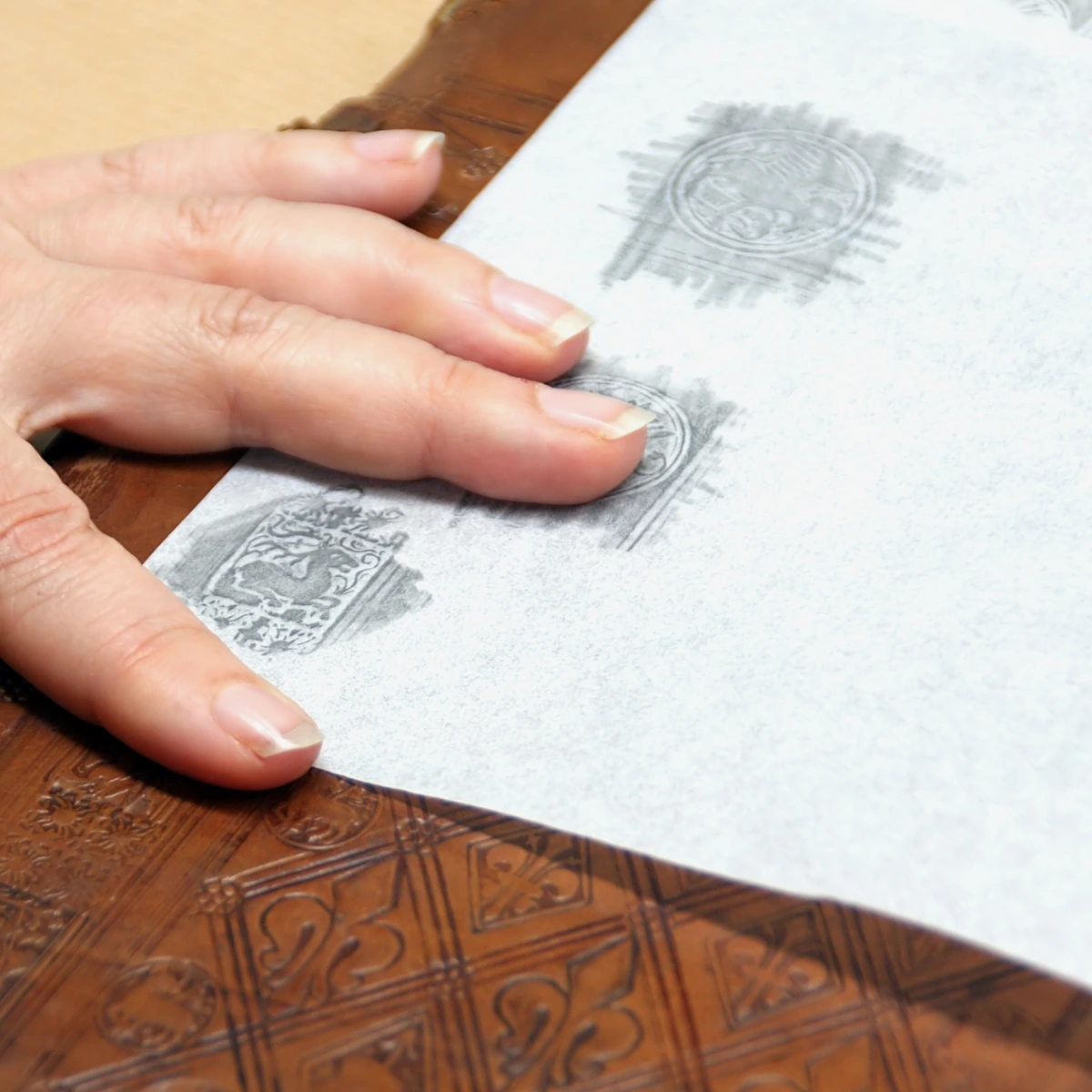
- Creates instant texture: The porous weave forms unique patterns when manipulated
- Decays dramatically: Offers beautiful unpredictability in mixed-media pieces
- Costs next to nothing: No pressure to "save" it for "serious art"
That last point is huge, honestly. There’s freedom in knowing you can ruin ten sheets without guilt. I once spent a Tuesday afternoon turning kitchen rejects into abstract landscapes—pure joy, zero investment stress.
The Science Behind Absorbency
The absorbency of paper towels is due to the cellulose fibers they are made from. These fibers have tiny spaces between them, allowing liquids to be drawn in through capillary action. This property makes paper towels ideal for techniques like blotting and stain transfers, where controlling the flow of pigment is essential.
Exploring Techniques: From Basics to Advanced
Starting Your Adventure
You've read through all these techniques and ideas—now what? Here's how to begin:
- Gather Your Materials: Start with a variety of paper towels, from single-ply to thick, absorbent brands. Experiment with different types to see which works best for your projects.
- Set Up Your Workspace: Ensure you have a clean, flat surface to work on. Cover it with a protective layer to avoid any mess.
- Choose Your Medium: Decide whether you want to work with watercolors, acrylics, inks, or mixed media. Each medium interacts differently with paper towels.
- Start Small: Begin with simple projects like texture creation or pigment absorption tests. This will help you understand how the material behaves.
- Document Your Process: Keep a journal or take photos of your experiments. This will help you track your progress and refine your techniques.
First Steps:
- Grab a towel and some paint: Don't overthink it, just start
- Experiment without expectations: The first pieces don't need to be masterpieces
- Document everything: Take photos, keep notes, create a reference library
- Share your discoveries: Post online, join communities, connect with others
- Build your collection: Save successful pieces, learn from failures
- Reflect and Iterate: Review your work regularly. Identify what worked and what didn’t, and use this insight to guide your next project.
Choosing the Right Paper Towel
Not all paper towels are created equal. The type you choose can significantly impact your artwork. Here’s a quick guide:
Type of Paper Towel  | Best For | Absorbency | Durability |
|---|---|---|---|
| Single-Ply | Stain transfers, light textures | High | Low |
| Double-Ply | Blotting, mixed media | Medium | Medium |
| Thick, Absorbent | Sculpting, heavy textures | Low | High |
Experiment with different types to find what works best for your projects.
The Paper Towel Artist's Manifesto
I believe that:
- Creativity is for everyone, regardless of budget or background
- Materials should serve the idea, not the other way around
- Experimentation is more valuable than perfection
- Community makes art better—share your knowledge freely
- The mundane contains infinite beauty—you just need to look
- Art is a journey, not a destination: Embrace the process and enjoy every step of your creative exploration.
Your Next Step
The greatest paper towel artists didn't start as experts—they started as curious experimenters. Your journey might begin with a simple textured background or a bold abstract composition, but it could evolve into something much more.
Remember: every masterpiece started as a single sheet of paper towel and a brush with pigment. The only difference between you and the artists you admire is that they started experimenting before you did.
So go ahead. Tear that sheet. Apply the pigment. Embrace the mess. Discover what magic happens when you see the kitchen staple as what it truly is: an invitation to create.
Finding Inspiration
If you're feeling stuck or uninspired, look around you. Nature, architecture, and everyday objects can all serve as muses. Take a walk, visit a museum, or browse through art books. The world is full of inspiration waiting to be discovered.
Your paper towel awaits.

Continue exploring unconventional materials in my abstract collection
The Role of Paper Towels in Mixed Media
Paper towels are not just for standalone projects; they can also play a crucial role in mixed media art. Their absorbent nature makes them ideal for blending and layering different mediums. Whether you're working with acrylics, watercolors, or inks, paper towels can help you achieve unique effects and textures that would be difficult to replicate with traditional materials.
Texture Transformation
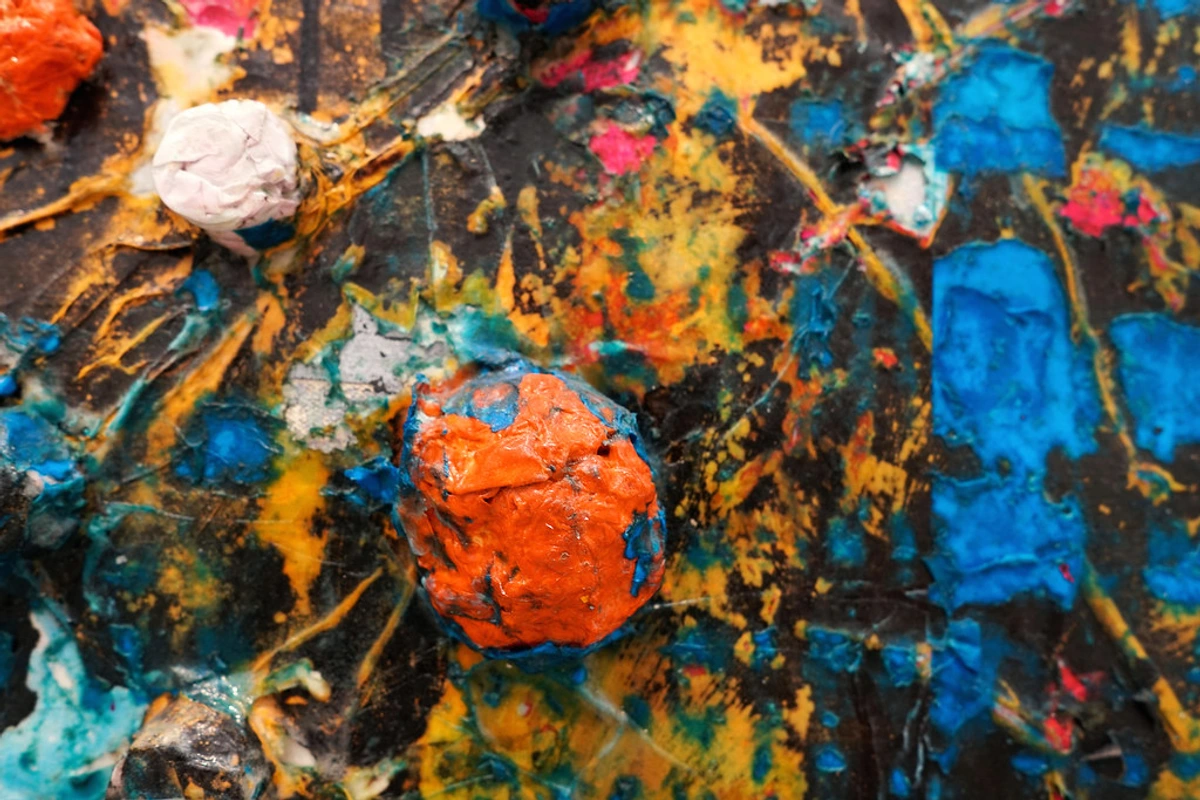
When wet and molded, towels harden into fascinating sculptures. Remember that DIY paper mâché I tried? Yeah, towels beat newspaper every time—finer fibers, no newsprint text bleeding through. Just mix torn pieces with glue, shape over a form, and let dry. Voilá! Lightweight, textured relief work.
Creating Textured Backgrounds
One of the simplest ways to use paper towels in your art is to create textured backgrounds. Crumple a sheet of paper towel, dip it in paint, and press it onto your canvas or paper. The resulting texture can add depth and interest to your artwork. Experiment with different types of paint and techniques to achieve a variety of effects.
The Three-Dimensional Possibilities
Paper towels excel in 3D applications because they can be:
- Molded when wet to create organic shapes
- Layered to build thickness and structure
- Reinforced with wire or other supports
- Sealed with varnishes for durability
One of my favorite experiments was creating a series of "floating" sculptures. I'd saturate multiple towel layers with glue, form them into hollow spheres, and let them dry in the sun. When finished, they became incredibly lightweight yet sturdy pieces that could be hung or displayed freestanding.
Building Sculptural Forms
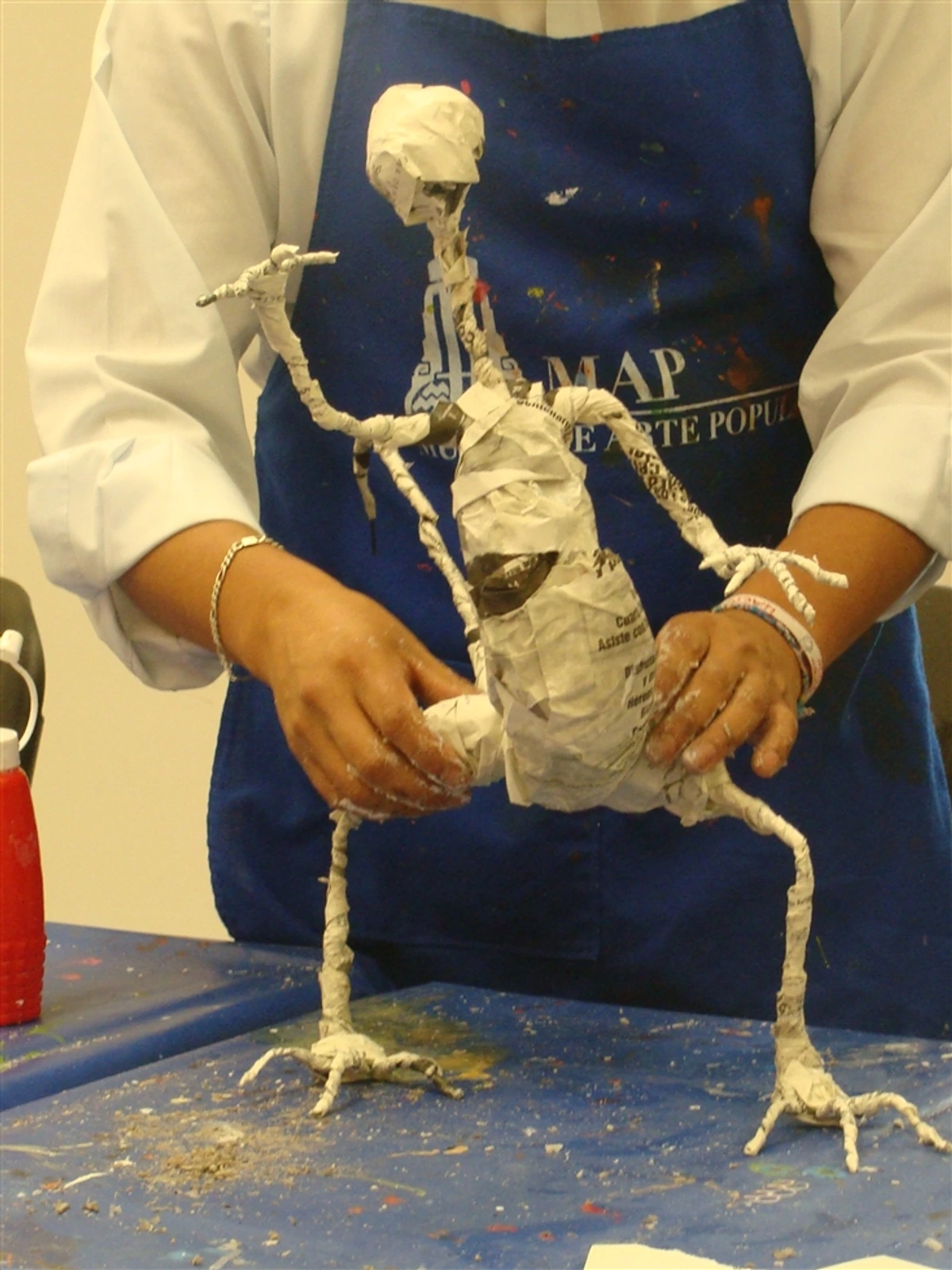
To create more complex sculptural forms, consider using a wire armature as a base. Wrap layers of glue-soaked paper towels around the wire to build up the structure. This technique allows you to create intricate and detailed sculptures that are both lightweight and durable. Experiment with different shapes and forms to see what you can achieve.
The Stain as Subject
My favorite technique? Using towels as reverse stencils. Drip ink directly onto them, then press the saturated spot onto paper. The transferred stain creates hauntingly beautiful, irregular shapes. I’ve built entire abstract series around this method—each piece feels like finding a fossil in your kitchen.
Creative Techniques: From Sketching to Sculpture
Let’s get practical. Here’s a quick reference for common applications:
Technique | Best Towel Type | Pigment Suggestions | Drying Time | Durability Rating |
|---|---|---|---|---|
| Blotting | Strong (ply 2+) | Inks, watercolors | 15-30 min | ★★☆☆☆ |
| Texture Relief | Thick Bounty | Acrylics, fabric dyes | 24-48 hrs | ★★★☆☆ |
| Stain Transfers | Basic single-ply | India ink, alcohol markers | Immediate | ★☆☆☆☆ |
| Collage Base | Any with visible fibers | Mixed media pastes | 2-4 hrs | ★★★★☆ |
Watercolor Wonders
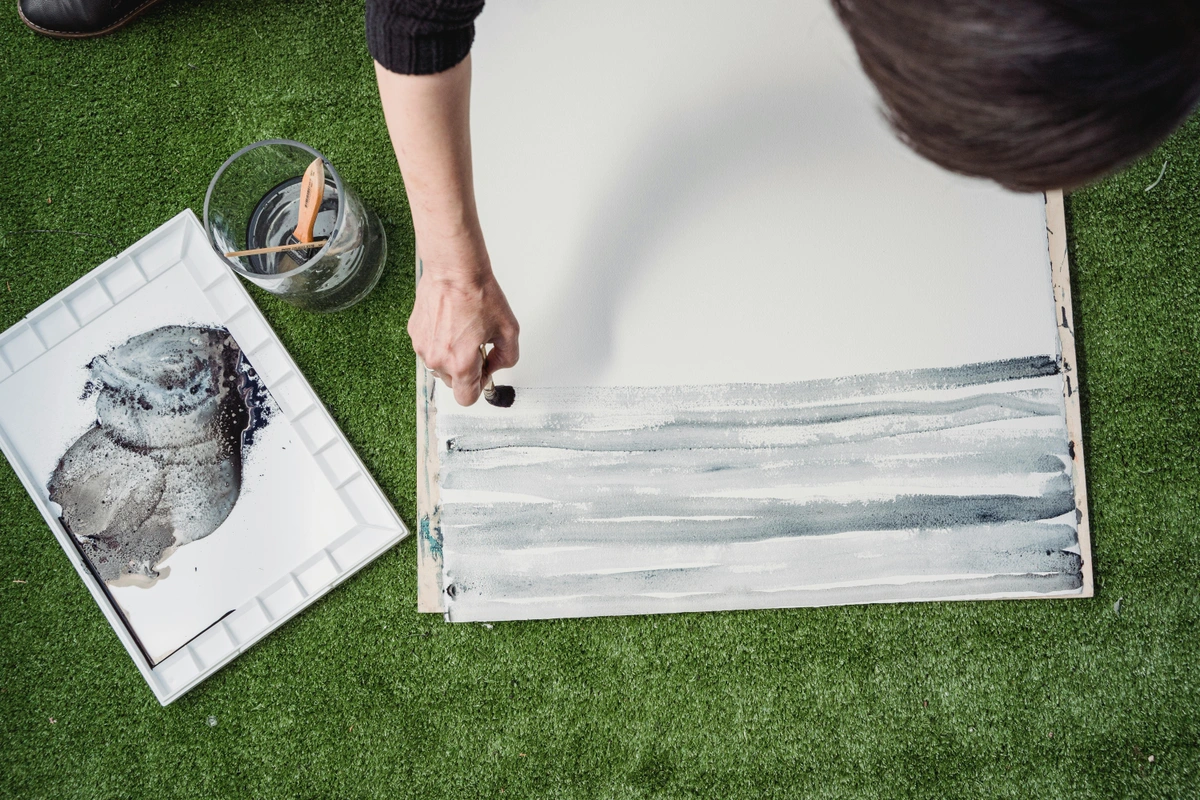
Remember that moment of panic when you over-wet your paper? Embrace it! Place a dry towel over the excess water and watch it magically "drink" the pigment up toward the edges. This trick saved my sanity during last month’s stormy seascapes—those perfect, soft edges? Nearly all paper towel magic.
Advanced Watercolor Techniques
For more advanced watercolor techniques, try using paper towels to create gradients and blends. Wet a sheet of paper towel and lay it over your watercolor paper. The moisture will help the pigments blend seamlessly, creating smooth transitions between colors. Experiment with different levels of moisture and pressure to achieve a variety of effects.
Sculptural Surprises
For mixed-media sculpture lovers, towels soaked in glue-water mixtures create incredible lightweight armatures. I once built a 3-foot abstract tree using nothing but towels, a wire frame, and PVA glue. Surprisingly sturdy gallery piece! The key? Multiple thin layers instead of one thick goop.
Creating Large-Scale Sculptures
If you're feeling ambitious, try creating large-scale sculptures using paper towels. Start with a sturdy base, such as a wire frame or wooden structure, and build up layers of glue-soaked paper towels. This technique allows you to create intricate and detailed sculptures that are both lightweight and durable. Experiment with different shapes and forms to see what you can achieve.
Sculptural Formulas for Success
Creating durable sculptures with paper towels requires the right adhesive ratios:

Basic Formula:
- 2 parts PVA glue
- 1 part water
- Pinch of white glue (for extra strength)
Advanced Formula:
- 3 parts PVA glue
- 1 part water
- 1 part acrylic medium (for added flexibility)
Application Process:
- Tear towels into 2-3 inch squares
- Saturate thoroughly with glue mixture
- Apply to armature, overlapping edges
- Let dry completely between coats
- Apply 3-5 coats for maximum strength
The result is a surprisingly rigid, lightweight structure that can be painted, sanded, or left natural. I've used this method to create everything from small figurines to large installation pieces.
Finishing Your Sculptures
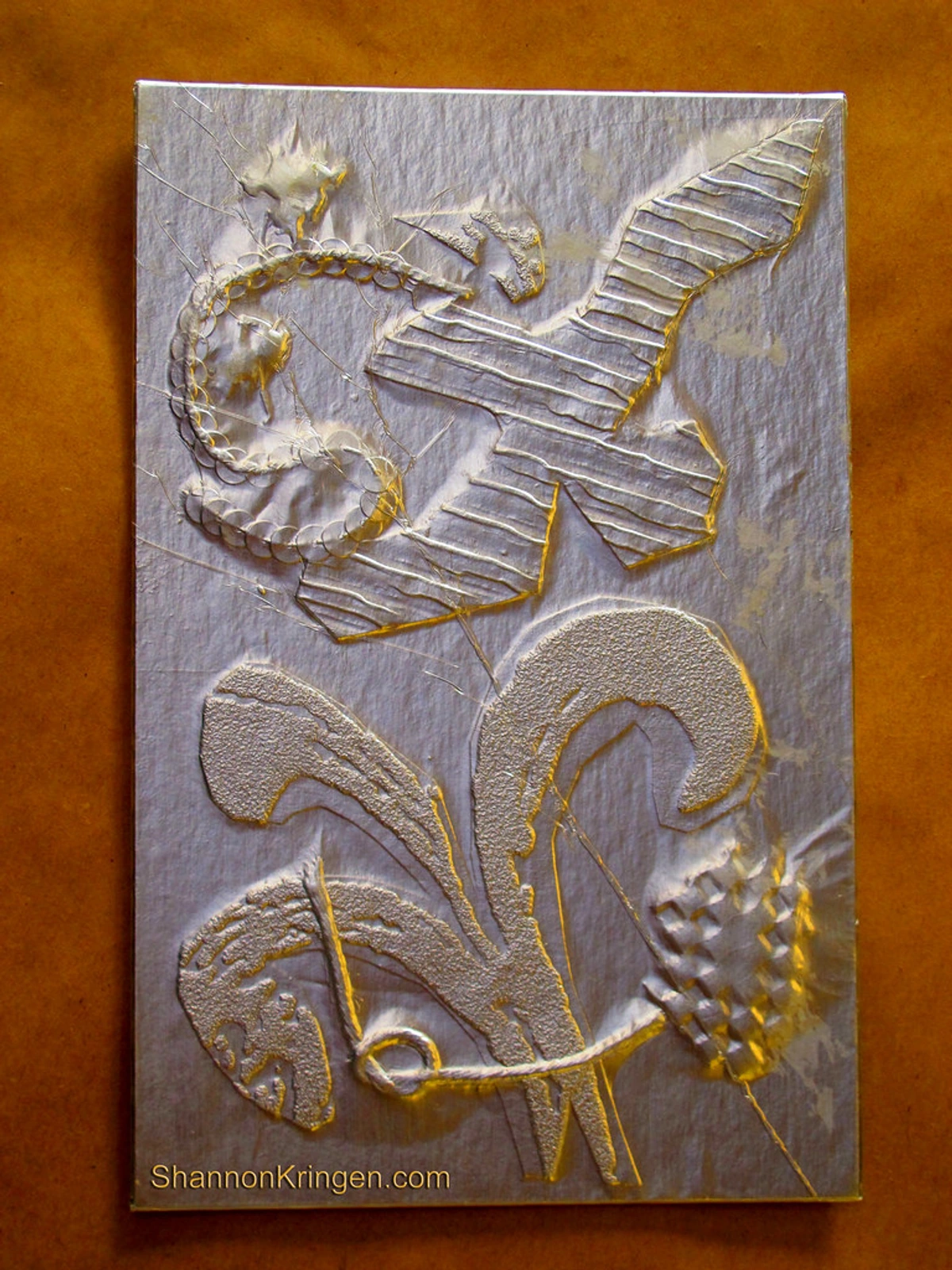
Once your sculpture is complete, consider adding a final coat of varnish or sealant to protect it from moisture and wear. This will help ensure that your artwork lasts for years to come. Experiment with different finishes to achieve the desired look and feel.
The Cleanup Hack vs. Artistic Practice
Alright, confession time: I used to hate cleanup. But then I realized towels could be part of the process, not just the aftermath. Here’s how I turn chores into creative acts:
- Brush restorer: Wipe loaded brushes between colors to prevent mud
- Palette extender: Lay towels under your ceramic palette for instant drying zones
- Textured stamp: Use crumpled wet towels to create bark-like impressions
Seriously, that last one made my winter forest series. I’d crumple a damp towel, press it into acrylic paint, then stamp it onto canvas. Those chaotic wrinkles? Ancient tree bark. Who knew, right?
Incorporating Cleanup into Your Art
Cleanup doesn’t have to be a chore; it can be an integral part of your artistic process. Use paper towels to experiment with new techniques and ideas. For example, try using leftover paint on your paper towels to create unique textures and patterns. This not only helps you clean up but also adds a new dimension to your artwork.
FAQ: Handling the Stickiest Questions
Are paper towel artworks archival?
Complicated answer! Basic paper towels acidify over time, causing yellowing. For lasting work: use acid-free archival towels (like from art supply stores) or seal finished pieces with UV-protective fixatives. I’ve seen untreated towel pieces last 5-8 years in dry conditions—long enough for experimental work.
Can I use colored paper towels?
Absolutely! The dye adds unpredictability that’s sometimes magical, sometimes muddy. Test swatches first—some bleeds heavily when wet (great for tie-dye effects), others stay vibrant. Pro tip: Natural unbleached towels offer better pigment control.
What if I ruin something?
Embrace it! That "ruined" piece? It’s now texture research. I keep a "Paper Towel Experiments” folder—failures that later inspire new techniques. Remember: Picasso had Blue Period, we have Crumpled Period.
Do professionals actually use this?
You bet! Mixed-media giants like Anselm Kiefer incorporate paper pulp, and countless textile artists use cellulose for fiber art. The material’s accessibility makes it democratic—no fancy MFA needed to begin.
What are the best adhesives for paper towel sculptures?
For sculptures, PVA glue is a great starting point. For added strength, consider mixing it with a small amount of acrylic medium. This combination provides flexibility and durability, making it ideal for larger or more complex sculptures.
Can paper towels be used for printmaking?
Yes! Paper towels can be used to create unique textures in printmaking. Try using them as a base for monoprinting or as a tool for creating textured plates. Their absorbent nature allows for interesting ink absorption and transfer effects.
When NOT to Use Towels
Even I’ll admit limits: Avoid them for:
- Oil paintings: Solvents degrade fibers instantly
- High-humidity environments: Mold risk increases
- Structural supports: Too weak for canvas stretching
For those cases, I default to my trusty cotton rags—but always keep a roll handy for sketches! And if you’re inspired by this, you might enjoy seeing how other unconventional materials translate to gallery walls. Visit my museum space to spot textile pieces that started similarly humble.
Exploring Alternative Materials
If you're looking for alternative materials to experiment with, consider exploring other unconventional options such as fabric, cardboard, or even recycled materials. Each material offers its own unique properties and challenges, providing endless opportunities for creative expression.
The Final Tear
Look, art doesn’t have to be precious. Paper towels remind us that creativity thrives in imperfection—their texture, absorbency, and disposability are features, not bugs. Next time you reach for one to clean a spill, pause. Ask yourself: Could this be art instead? You might just discover your next masterpiece hiding in plain sight.
Now go smudge something beautifully.







Explore my abstract collection where material experimentation shines
Conclusion
Paper towels are more than just a household staple; they are a versatile and accessible medium for artistic expression. Whether you're a seasoned artist or just starting, paper towels offer endless possibilities for creativity and experimentation. So, grab a roll, embrace the mess, and discover the magic of paper towel art.
Additional Resources
For further inspiration and techniques, consider exploring the following resources:
- Books: Look for titles on mixed media art and unconventional materials.
- Online Communities: Join forums and social media groups dedicated to experimental art.
- Workshops: Attend local or online workshops to learn new techniques and connect with other artists.
The journey of artistic exploration is endless, and paper towels are just the beginning. Keep experimenting, keep creating, and most importantly, have fun!